Blog

  • Roadschooling 101: What to Know About Homeschooling on the Road

    Roadschooling 101: What to Know About Homeschooling on the Road


    Taking your family on the road in an RV is one of the best ways to have a safe and fun vacation, or it can be one of the most rewarding ways of living your life. However, being out on the road for extended periods of time can come with certain challenges. One of the most important is how to get your kids the schooling they need.

    Homeschooling, also known as roadschooling, is a great way to teach your kids all that they need to know. Before you take that homeschooling on the road, you might wonder how to make it work. In this post, we’re going to take a closer look at homeschooling your kids on the road and discuss some lessons learned from folks out there doing it. Let’s dive in.

    Choose Curriculum Model That Works For Your Family
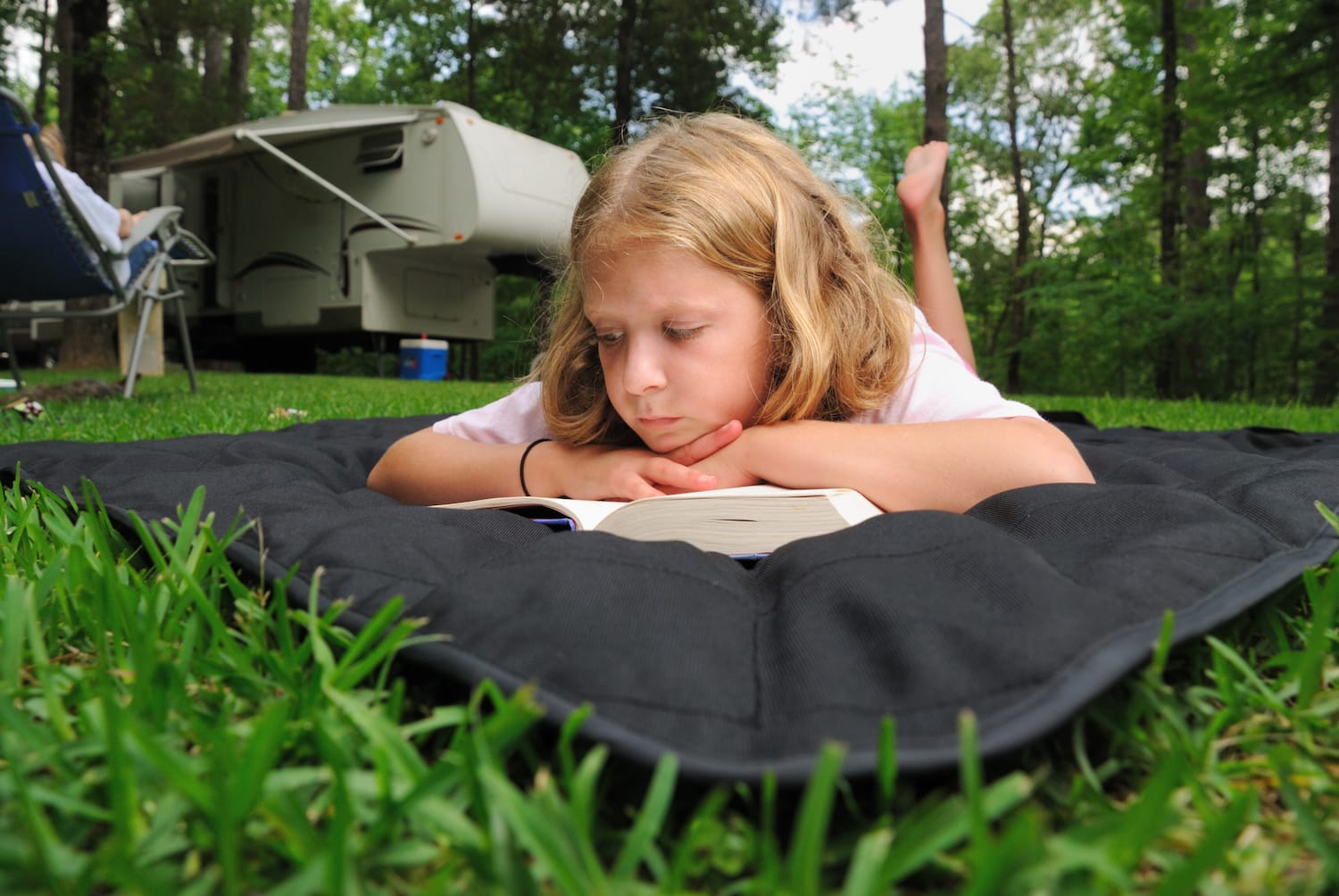
    Young girl studying at a campsite
    Image from Getty

    Another thing every parent who is interested in homeschooling should think about is the curriculum. A lot of people wonder what they would teach their kids and how they will teach it to them. There are many curriculums out there for you to choose from.

    It’s tough to say one curriculum is better than others, but the types of learning your kids can do will likely fall into one of three types: online programs, all-in-one workbooks, or unschooling.

    As you might imagine, online curriculums are varied. They allow your children to learn at their own pace and are often guided. There’s a proven plan behind the good ones, and you can often be sure your kids are learning what they need to. Two that seem popular are Time4Learning and Khan Academy, though there are many others. You’ll need an internet connection for your kids to complete these assignments, which can be a challenge on the road sometimes.

    Workbooks are another great option. There are dozens of all-in-one workbook programs out there. If you don’t have internet access all the time but you want your children to follow a proven plan, then this is another great option. Some all-in-one workbook options include Brain Quest, Sylvan, and Flash Kids. Another good thing to do is look to see if your state recommends any learning workbooks or tools.

    Last but certainly not least, is unschooling. This is where you use life experiences to help your children learn. It’s more child-led learning and doesn’t use a set curriculum. There are tons of resources and books out there for this type of education, and you’ll find it’s popular among roadschooling RVers. Some good books on the subject include The Unschooling Handbook: How to Use the Whole World as Your Child’s Classroom by Mary Griffith and The Unschooling Unmanual edited by Jan and Jason Hunt. These can serve as a good introduction to the topic.

    No matter what program or curriculum you choose, you still need to be involved in your child’s schooling. Ana Willis of They Call Me Blessed, said in Episode 74 of our podcast that you don’t actually even need to know the types of things your kids are learning. “You’re learning alongside them,” she said. “And when you make that change in your mind that you don’t need to know it all to do it, it changes everything.”

    A group of small school children with teacher on field trip in nature, learning science.
    Image from Getty

    As you can imagine, a good curriculum removes some of the burden of you, the parent, to be the teacher. While having a good curriculum or plan can be important, it’s not everything. When homeschooling on the road, you have the flexibility to let your child’s education branch out and blossom with their interests.

    As Jessica of Exploring the Local Life, said in Episode 45 of our podcast, “We aren’t necessarily the teachers. We do introduce concepts but a lot of what we do is child-led learning, so we follow their interest because we’ve found that when we’ve done that, it means a lot more to them.”

    That seems to be something that most RVers homeschooling their kids on the road like about the process. It allows for flexibility that a regular school curriculum will not.

    Embrace That We’re Born Natual-Learners

    Group of children looking at bug in jar
    Image from Getty

    First and foremost, it’s important to note that homeschooling can be dramatically different than a typical school program. This is a good thing! It allows for so many opportunities that a typical schooling experience simply can’t match. However, it’s something that you need to embrace.

    Ana said parents need to de-school themselves. “We were programmed into this mentality that school needs to happen eight hours a day, and it only happens through textbooks. That’s not true. We were born natural-learners, and we learn a lot more from experiences than from just reading about it.”

    Homeschooling on the road, or rather learning on the road, allows your kids to embrace this natural tendency to want to learn from experience, and that means you need to seek out opportunities that let them do that. How cool would it be to learn about America’s early beginnings while actually visiting the places where Europeans first landed on the continent? What about instead of reading about specific animals, you actually went on a hike to spot them in the wild? With homeschooling on the road, this is possible.

    The beauty of homeschooling on the road is that you can visit the amazing places and do the wonderful things that other students will only read about. In essence, every trip becomes a learning experience. Life becomes your children’s education.

    Connect With Other Families

    Group of kids walk one after another over big log in the forest during nature orientation summer school trip game (Group of kids walk one after another over big log in the forest during nature orientation summer school trip game
    Image from Getty

    Despite what some people think, there are plenty of families out there homeschooling their kids on the road. While these families might not all use the same curriculum or be in the same place at the same time, they do often connect.

    Ana said that her own blog has a Facebook community of over 3,000 very supportive moms. Ana also has a membership you can join, but you certainly don’t have to. She’s just one of the people out there offering an online community for homeschoolers.

    Jessica of Exploring the Local Life, says you can also find more people to connect with at RV rallies, local homeschooling meetups, RV homeschooling meetups, local community centers, and other gatherings. If you start looking for a homeschooling or roadschooling community near you or near where you’ll be traveling, you’re bound to find something. Having other people in the RV community who are also homeschooling their kids can help make the experience even more enjoyable.

    Make Sure You Abide By the Homeschooling Laws of Your State

    Homeschooling is regulated on a state level. The laws and regulations vary greatly between states, so it’s tough to make recommendations here other than saying to check what the laws are in your state. For full-time RVers, you’ll need to establish a home state or domicile if you don’t have one. This will allow you to ensure you’re meeting the homeschooling rules and regulations.

    The good news is that if you’re a full-time RVer and don’t like the laws in your home state, then you can change that. It takes some doing, but it’s not too difficult to change your domicile. According to Chelsea Gonzales of Wonder Wherever We Wander, Texas is a common state people to choose. She does say that everyone is different, and you need to think about your specific situation and what’s right for you.

    No matter what state you have as your domicile, just make sure you’re sticking to its laws surrounding homeschooling, and you’ll be fine. In most cases, this won’t be an issue.


    Do you homeschool your kids on the road? What have your experiences been like? We want to know. Leave a comment below! 


    Source link

  • 5 Tips for Making Friends at the Campground

    5 Tips for Making Friends at the Campground


    It can be a bit intimidating to make friends at a campground when you don’t know anyone, but there are some things in life that are often more fun with other people, camping included. You already have things in common—an interest in RVing and travel, for instance.

    Where else can you discuss the best way to cook over the fire and commiserate about black tank woes in the same conversation?

    Campers are a pretty friendly group of people to begin with, and it’s usually worth the effort to make friends with the other people around you. Here are a few of our tips for making friends at the campground.

    1. Be Outside of Your RV at the Campground

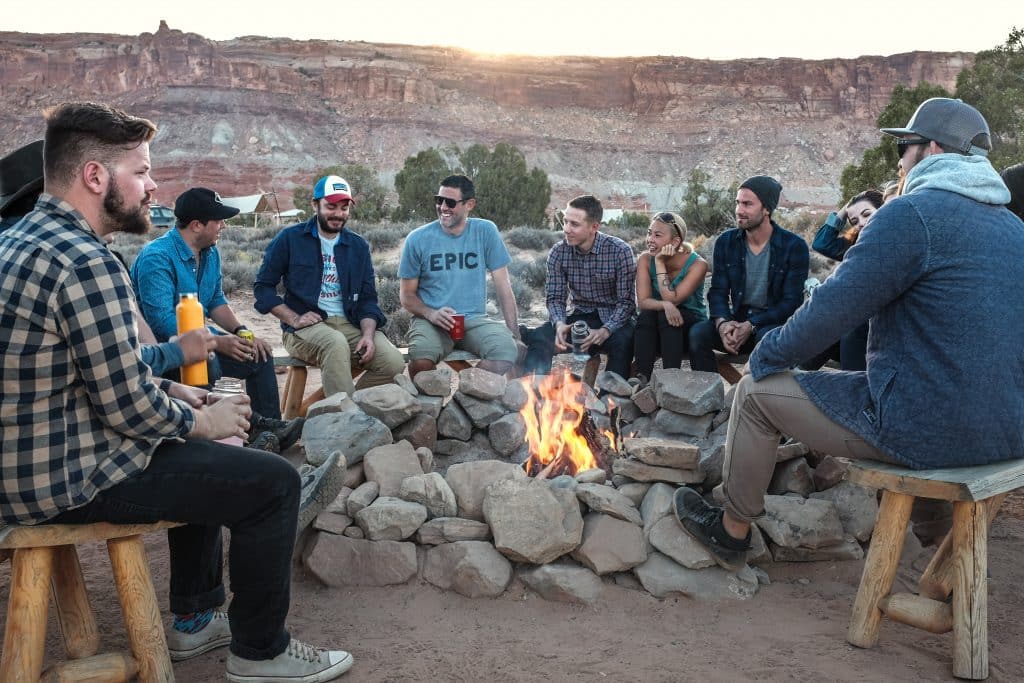
    Making friends at the campsite
    Photo by Phil Coffman on Unsplash

    It may seem obvious, but you won’t make any friends sitting inside your RV! If you want to meet new people, you have to put yourself where they are—usually enjoying the outdoors.

    So open those chairs by the campfire, grab a beverage of your choice, smile as people walk by, and invite them to join you for a cup of coffee around the fire in the morning or for a beer for happy hour in the evening. Having some extra s’more ingredients never hurts to attract people either. Chocolate and marshmallows can go a long way towards making people feel comfortable.

    If the campground has a pool or activities center, head over there to meet up with others. Hosted activities are a great way to make friends, and people tend to be more willing to chat when everyone is congregated around a pool or hot tub. It’s a great place for hearing or telling those crazy camping stories!

    2. Ask Your Neighbors About Their Rigs, Tools, or Gear

    RVers love talking about their rigs! We’ve had some great conversations with people about their RVs, and several have turned into long term friendships.

    Do you have the same make or model as the person parked next to you? Talk about what you love about it or the little things that drive you crazy. If they have a dramatically different RV or motorhome, then discuss that with them.

    If you see someone who has the type of rig you want or have been thinking about, ask them how they like it. Do they have any favorite aspects about it? Would they recommend it? People love to tell these kinds of details, and you’ll likely never get a more honest answer about an RV either. An opinion from someone who owns that model is pretty valuable if you’re thinking about a new rig.

    The same goes for camping and RV gear. Maybe the family next to you has an interesting grill set up, or the guy across the way has camp chairs that look next-level comfortable. Ask them about it! We’ve gotten some great recommendations on gear by asking people at campgrounds, and it usually ends up in a fun conversation with nice people.

    3. Ask Where People Have Been

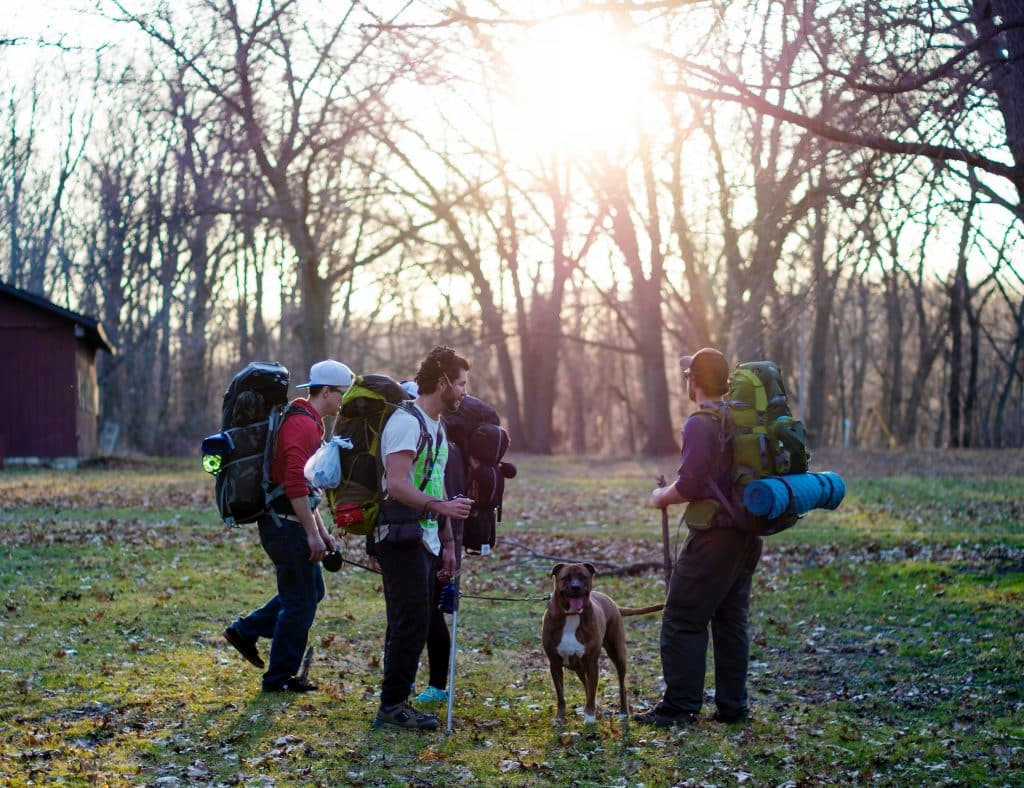
    Making friends while camping
    Photo by Jorge Flores on Unsplash

    Aside from some great ideas for places to go, you may pick up some good tips on must-hit towns or activities, and any roads to avoid with your RV.

    You’ll very likely hear some fun stories as well. Again, we RVers love to tell people where we’ve been, so if you find someone who’s been to a place you’re planning on visiting, pick their brains and listen to any tales they have.

    They may save you from driving down that road with the low overpass, and you might make a new friend in the process.

    4. Children and Pets are Great Ways to Meet People

    Kids have a fantastic ability to talk to pretty much anyone, be it other kids or adults.

    If you have children and they’ve found some friends their age at the campground, it’s a perfect opportunity to meet their parents and bond over the good time your kids are all having.

    Any organized kids’ activities at the campground are another great place to meet other parents.

    If your kids are more of the four-legged, furry kind as opposed to humans, it’s very easy to strike up a conversation with other pet parents. If the campground has a dog park or run, ask another camper if they want to join you in taking your dogs to stretch their legs.

    Even just walking your pet around the campground for exercise or a potty break is a great way to meet fellow campers and pet lovers.

    5. Use Social Media to Find Other Campers and RVers

    This happens before you even get to the campground, but many times online friendships can lead to real-life meetups. Join groups like Escapees, RVillage, or Facebook groups for RVers.

    Follow other RVers on Instagram. Go to meetups. Join RV social memberships sites and you’ll know if other people will be in the area you’re planning on visiting. Then by the time you get there you’ll have a built-in community.

    Overall, just be friendly! Campers are fun people, and you already have a few similar interests. Be open, friendly, and interested in other people, and you’ll be making friends at the campground wherever you are.


    Do you have any tips you think would work well for campers? Leave a comment below.

    Tips for making friends at the campground


    Source link

  • How To Operate a Schwintek Slide and Troubleshooting You Can Do

    How To Operate a Schwintek Slide and Troubleshooting You Can Do


    While there are a couple of different types of RV slides out there, one of the most common is the Schwintek slide. This type of slide uses whats called worm gear to move the slide in and out as you need it to. These slides are operated from a control panel inside your RV and are very easy to use.

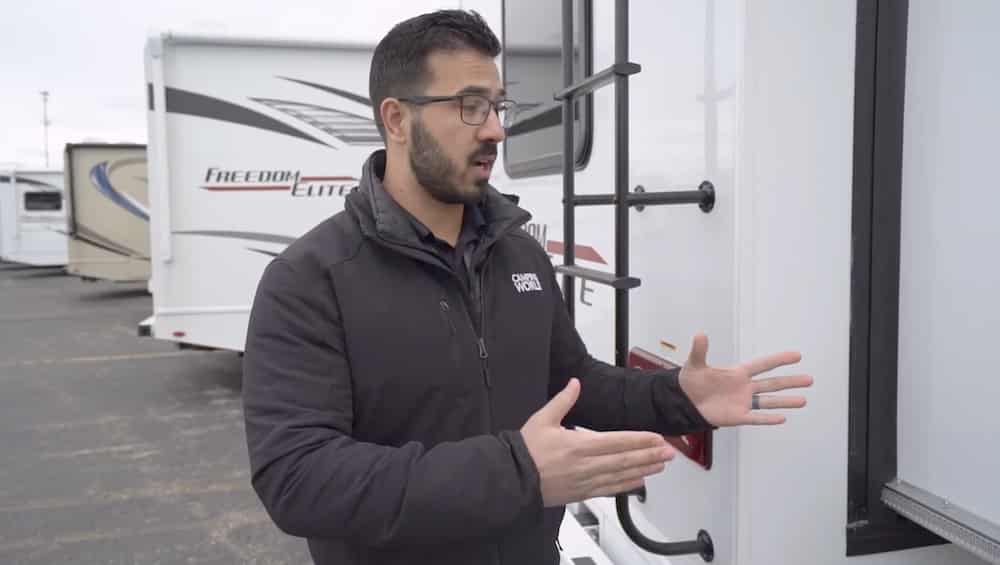
    However, some times slide experience issues. In the video above, our product specialist and all-around knowledgeable RV enthusiast, Ian Baker is here to share some tips and tricks on what to do if your slide doesn’t move when you want it to or if you have one side moving and other staying put.

    What is a Schwintek Slide?

    A Schwintek slide as we said above is a type of slide-out that’s commonly used on motorhomes and towable RVs. The slide is unique in that it uses some worm gears to make the slide out move in and out of the RV.

    There are motors to either side of the slide that help the slide move when you want it to move, and there’s a panel inside the RV that allows you to control the motor. Schwintek slides are generally easy to use and that’s why you’ll find them on a wide variety of RVs out there.

    What Could Make a Slide Fail to Move?

    Well, there are any number of issues that could be plaguing your slide-out. However, Ian says the most common one is out of sync slide-out electrical motors. If the motors are out of sync, the slide may not move at all. Othertimes just one side may move, which will cause a bind in the gears and not allow it to retract or extend all of the way.

    Other issues with the slide could be a faulty part, such as a burned-out motor or faulty wiring. However, those are far less common, so you should take some time to check to make sure the motors are synced up before troubleshooting anything else.

    How to Fix a Stuck Schwintek Slide

    If you have a Schwintek slide that’s stuck, don’t worry. There are things you can do to get the slide back on track and operating properly. Here are some things to try.

    Make Sure the Electric Motors are Synced Up

    As we noted above, Ian says that the number one issue with Schwintek slides is that the motors are often out of sync. This can cause issues when you go to move the slide from the control panel inside the RV.

    As a preventative measure, you should hold down the button to retract the slide for a couple of seconds after the slide is retracted all of the way. This will allow the motors to sync up. Ian says to do this a couple of times to make sure the motors are synced and then you should be able to operate the slide-out properly.

    An important thing to note here is that you need to have the right amount of power. Hook up to shore power or make double sure your battery is topped up before trying to operate your slides.

    Use the Manual Override on the Control Box

    If that doesn’t work, or you’re still experiencing issues of some kind, then you need to go down into the basement of your RV and find the control box. The control box should be right underneath the slide-out.

    On that box, there will be a manual override button. You can press that six times and then you push and hold on the seventh time and it will trigger a manual override so you can try to get the side in. From there, you really should take your RV in to have it check out by a service center.

    Additional Things to Try

    What if neither of those things works? Beyond those two things, there are some physical things you can do to the slide-out and control box. First, you can move the slides manually. Ian doesn’t touch on this in the video, and if you’re doing this, you really need to get your RV to a service center ASAP.

    In order to do this, you’ll need to disconnect the cables for the slide from the control box. This will disengage the brake or lock and allow you to move the slide by simply pushing on it. Make sure to push the slide in evenly. From there, you’ll need to reconnect the wires for the motors to the control box so the brake or lock reengages.

    If that still doesn’t work, and you have a slide stuck out, then you need to take the screws off on the exterior of the RV at the top of the slide. From there, you have access to the motors for the slide. You should be able to move them up about half of an inch, which will disconnect them. Then you should be able to push the slide in. Replace those screws, and then either use a slide lock or a wooden 2×4 cut to the right length on the inside of the RV to make sure the slide doesn’t slide back out.

    To learn more about these other two methods, you can check out this video put together by Thor Motor Coach. It walks you through the steps well.


    Do you have any questions about Schwintek slides or have any ideas for other topics that should be covered in our How To series? Leave a comment below, or hit up Ian on Instagram!


    Source link

  • Ian’s RV Talk: Must Have RV Accessories

    Ian’s RV Talk: Must Have RV Accessories


    If you’re familiar with our video content, then you likely know Ian Baker. He’s our product specialist and does all of our RV review and RV model overviews. Ian thought it best to take some time to highlight RV accessories he thinks every new RVer should get before they head out to the campsite for the first time.

    Surge Protectors

    Surge Protector

    A surge protector for your RV is an absolute must-have. It protects your RV from unwanted power surges when it is plugged into the power source at the RV park.

    While most RV parks offer power outlets for you to plug into, what you’ll often find when out RVing is that those places to connect up your RV haven’t been updated in quite a while. This can lead to issues at the outlet. These issues can include low voltage, high voltage, power spikes, brownouts, blackouts and more.

    The surge protector goes between the campgrounds power outlet and your RV’s power hookup. It’s the guard for your RV’s power system and prevents you from frying any electrical features inside your RV.

    Potable Water Hose and Water Pressure Regulator

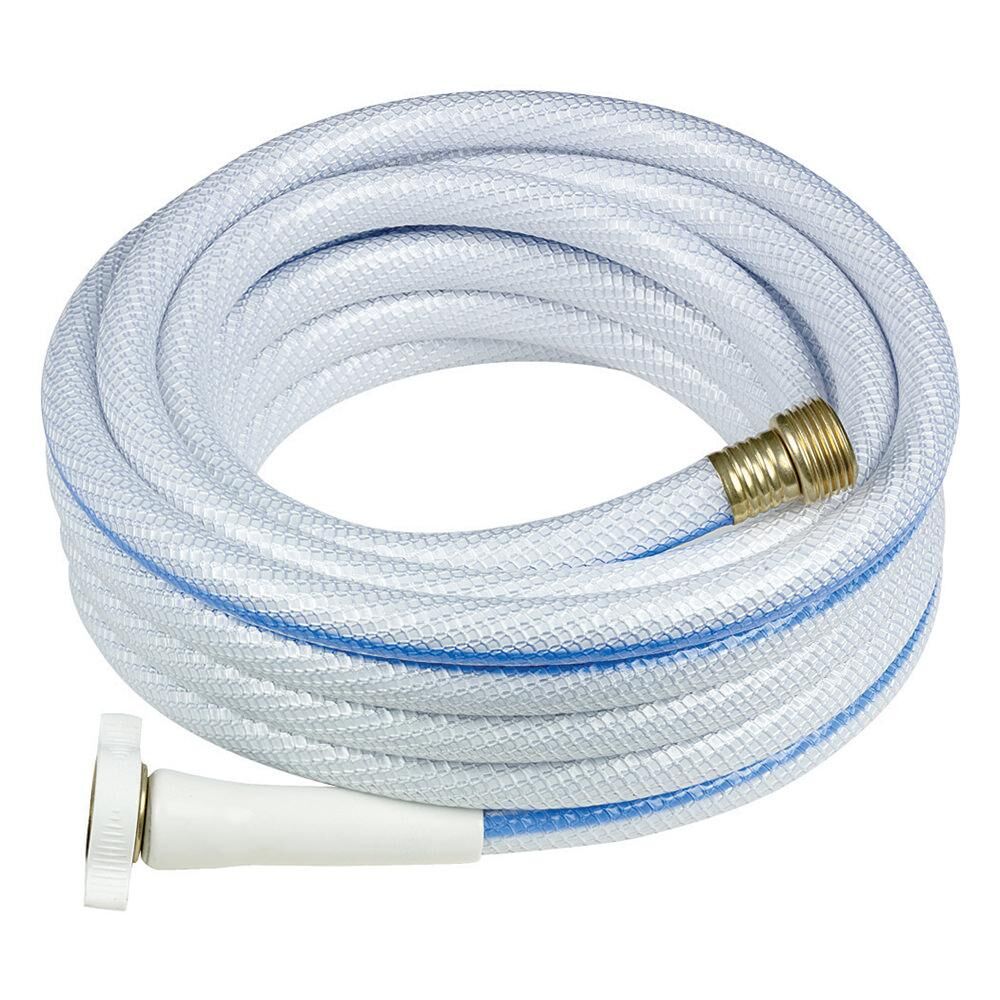
    fresh water hose

    Just as important as having a properly operating electrical system is having a properly operating water and sewer system.

    Ian advocates for the use of a high-quality hose that’s been rated for potable water. Can you hook up any old hose? It will likely fit on your RV, but don’t do it. It simply isn’t healthy because the hose has not been rated for potable water. There are various lengths of hose to choose from and you should be able to easily find something that is the ideal length for your RV.

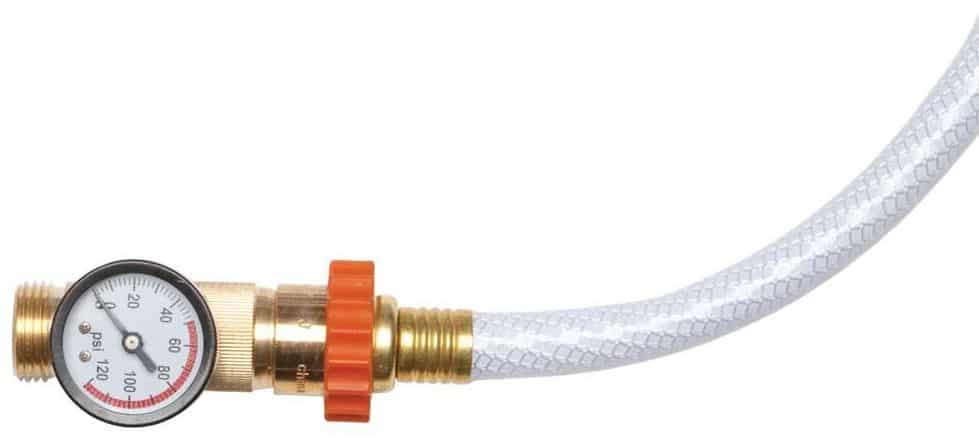
    water pressure regulator

    Another thing to get to protect your water and sewer system is a water pressure regulator. These little devices are a simple valve that you put between your water source and your water hose. Again, just like with power, you never know how much water is going to be coming out of a water source. Sometimes water pressure is low, sometimes it’s far too high. High water pressure can damage your RV, and a water pressure regulator will prevent that from happening.

    Water pressure regulators come in a few different types. There are adjustable ones with gauges on them, stainless steel ones, and brass ones. You don’t need to spend an arm and a leg here, but a water pressure regulator is an important safeguard for your rig.

    RV Toilet Paper

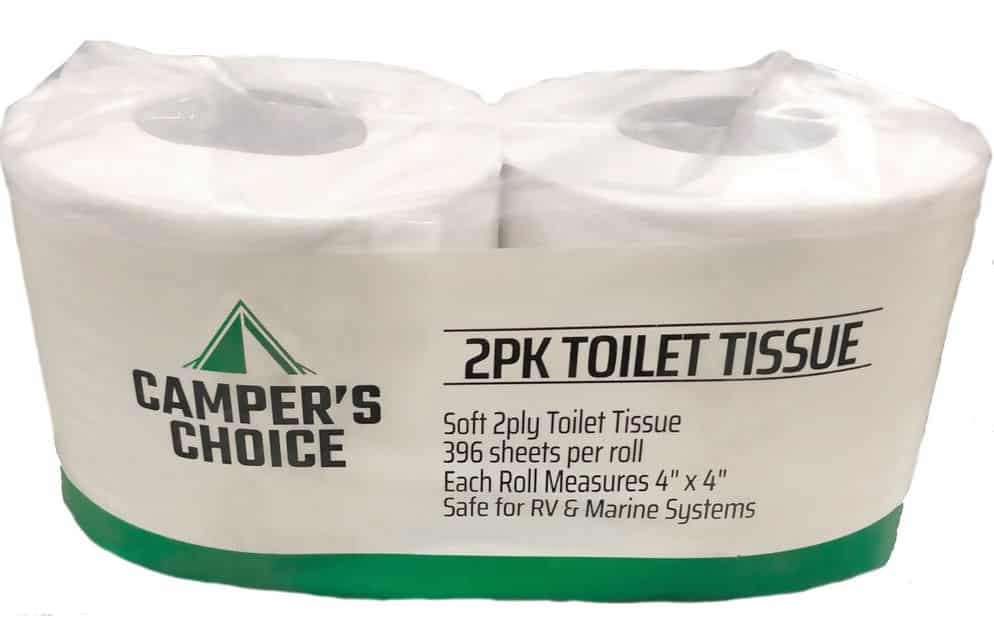
    RV toilet paper

    We’ve talked about it before on this blog, but RV toilet paper is an important item for any RVer. You’ve got to use the bathroom sometime and you need to have the right toilet paper to get the job done.

    As Ian says, RV toilet Paper is a necessary item. Your RV’s septic system is somewhat of a delicate thing. It’s not as robust as the sewer systems you’ll find at homes and in businesses. You need toilet paper that will break down easily. RV and Marine toilet paper is designed to do just this. The paper is specifically formulated for RV septic systems and using something else can actually cause a clog, which is the last thing you want to deal with when out camping. Get RV toilet paper. You won’t regret it.

    Leveling Blocks

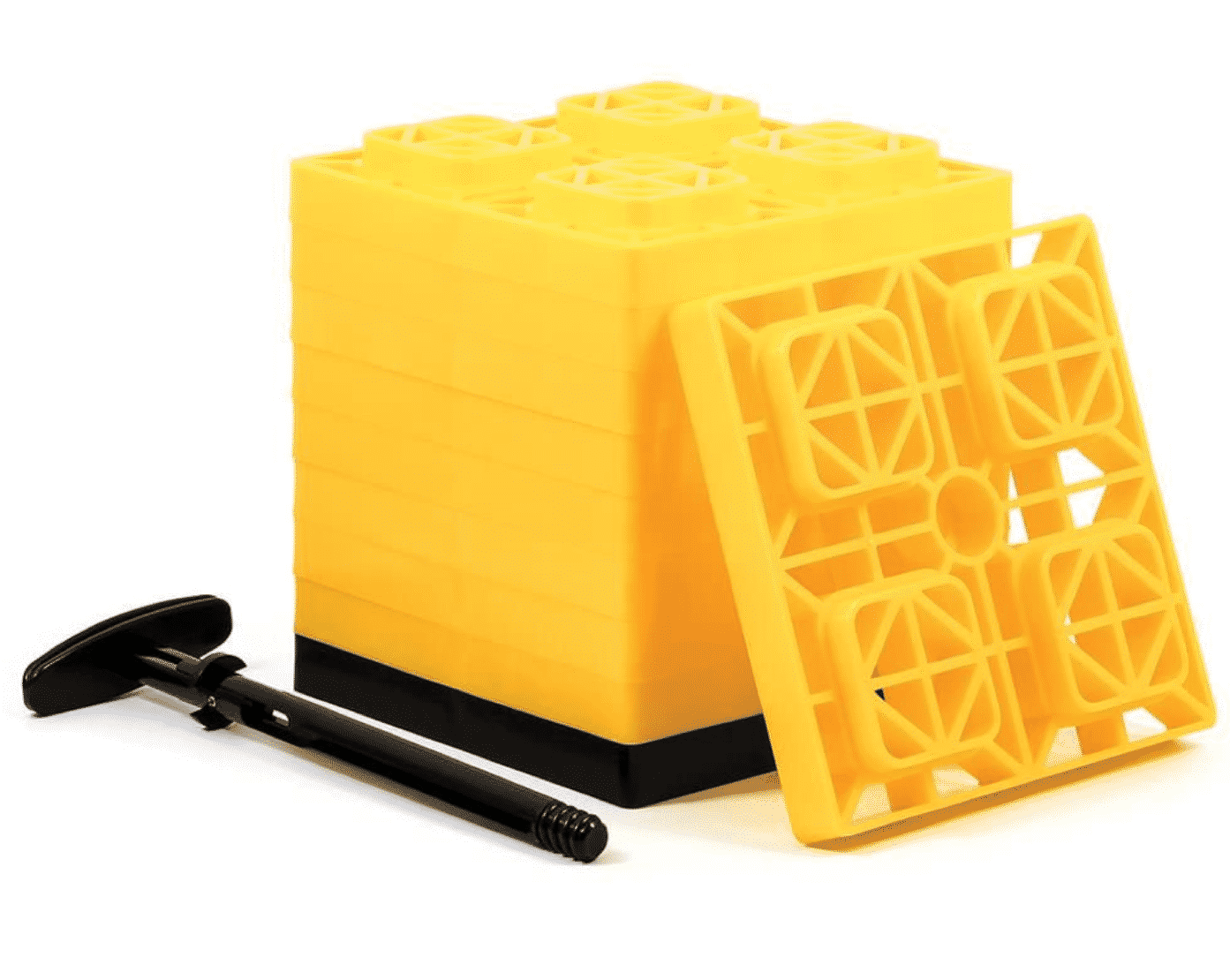
    leveling blocks

    Having your RV level at the campsite is important for several reasons. You want your RV to be level for the obvious comfort reasons, but it’s also important for certain appliances like your RV’s refrigerator. Refrigerators are designed to operate best when level. If you’re camped on a slat, you could experience problems.

    This is where leveling blocks come into play. These simple blocks go under the wheels and will help get your RV positioned just right. If you need to know how to use them, we have a blog post on that.

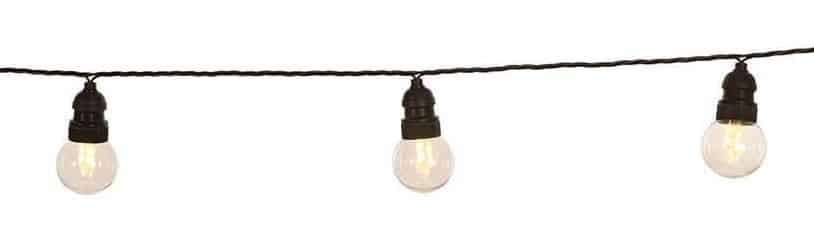
    Outdoor Party Lights

    outdoor party lights

    Getting away from the absolute must-haves and into the definitely want category, Ian shifts focus and recommend some party lights for your campsite because we know you’re going to party.

    Jokes aside, having some good outdoor lighting around your camper is a smart move. It illuminates things at night so you can see more easily and it can help you find your RV in the dark if you go off stargazing or to the campgrounds clubhouse or a neighboring campsite.

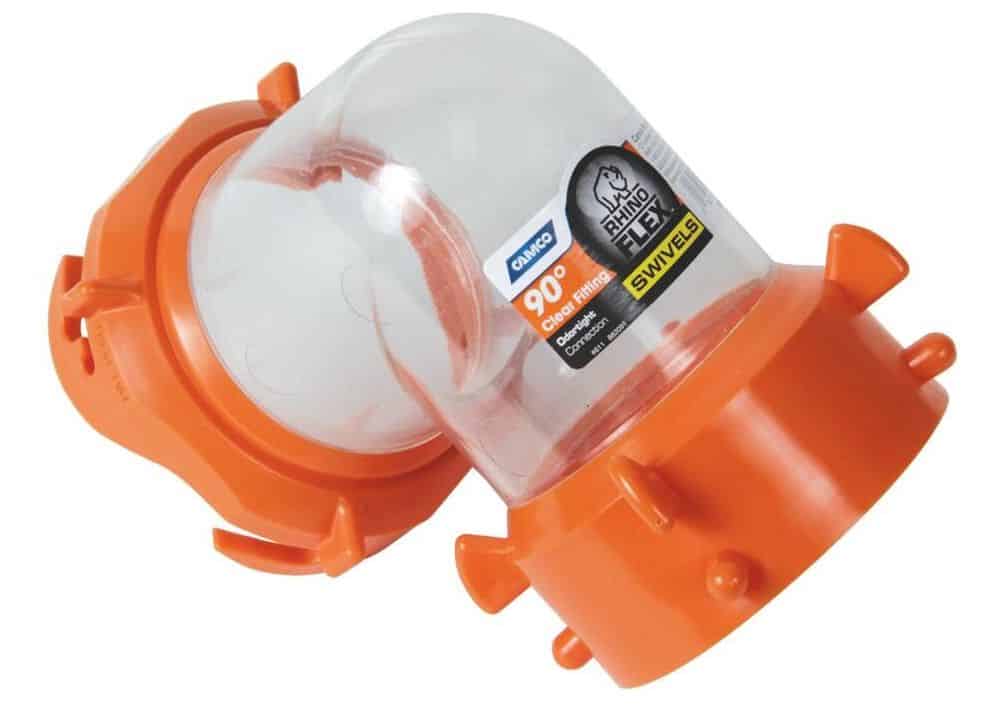
    Clear Elbow for Dumping Your Holding Tanks

    sewer hose 90-degree elbow

    Last but not least, we have to talk about emptying your holding tanks. We’ve discussed how to empty your holding tanks in other blog posts and videos. It’s an important step for any RVer, and you need to have the right equipment. A clear 90-degree elbow, like the one that Ian recommends, is very important. It might sound gross, but it allows you to see if there are any obstructions or issues when emptying your holding tanks.

    Even if you don’t experience any issues, a clear 90-degree elbow at the end of your sewer hose just lets you see when the tanks are empty or when you can close up the valves on the tanks and put away the rest of your sewer equipment. Ian says it’s also extremely helpful when you’re flushing your black tank. You can see exactly when the tank starts to run clean.


    Those are Ian’s tips on what RV accessories you need to have for your first time RVing. Let us know what you thought in the comments below! 

    Also, if you have anything you think needs to be added, please leave us a comment and let us know!


    Source link

  • Camping and RVing on Bureau of Land Management (BLM) Land

    Camping and RVing on Bureau of Land Management (BLM) Land


    When many people think of camping and RVing, they imagine a campground that’s pretty developed. However, there’s many square miles of land that falls under the care of the Bureau of Land Management (BLM). This land is for public use and is open to camping. The best part is that it’s free to use this land, and there’s a lot of it out there.

    What is BLM?

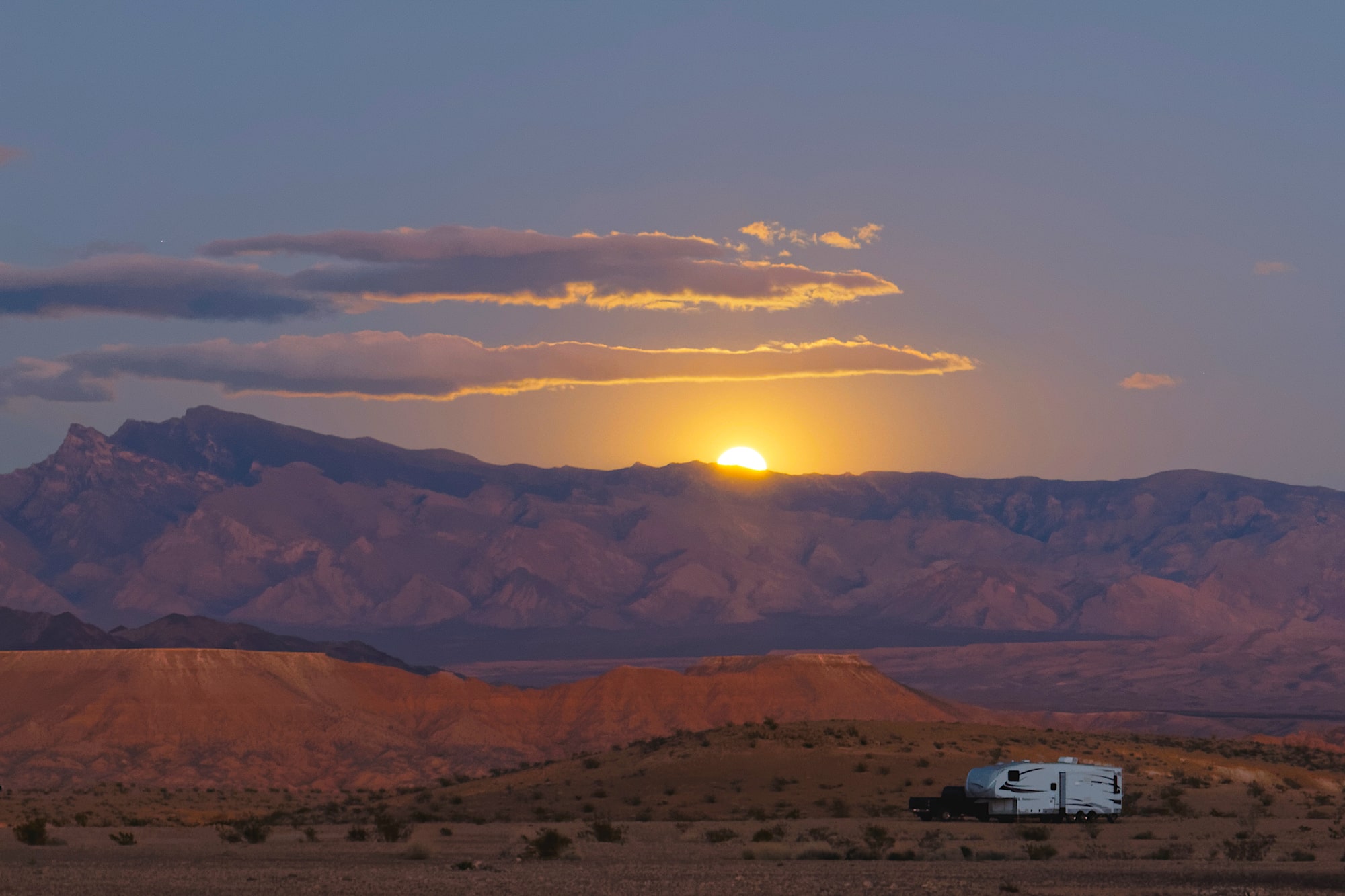
    lone rv in desert sunset
    Image from Getty

    As I said above BLM land is land designated for public use. While it might not see like there is a ton of BLM land out there if you live on the east coast or in the midwest, you’ll find if you go west it makes up a huge portion of the land out there. If you combine BLM land with all of the National Forest Land, which is also public-use land, then you’ll get about 25 percent of the land in the entire country.

    That’s a lot of ground, and much of it is ready an open for you to camp on it. The land was designated for public use thanks to The Federal Land Policy and Management Act of 1976. Accessing the land is a great way to see some of the most impressive parts of our great country, and I highly suggest you do some BLM camping at some point.

    You Can Stay at a BLM Campground

    There are a wide variety of campgrounds within BLM land, from developed facilites with restrooms, potable water, electrical hookups, picnic areas, dump stations, and more to campgrounds that offer little more than a pit or ring for your campfire. If you want to camp at one of these designated campgrounds, then you’ll often need to pay a fee. Most of the time, these campgrounds are first-come, first-serve.

    You can also make reservations for a campsite at a specific campground. To make reservations at a campground, head to recreation.gov and find the campground you want to stay at and make your reservation. It’s important to note that some campgrounds may have restrictions on the size of RV you can have. This is something you need to check ahead of time. Each campground is different.

    You Can Also Boondock for Free

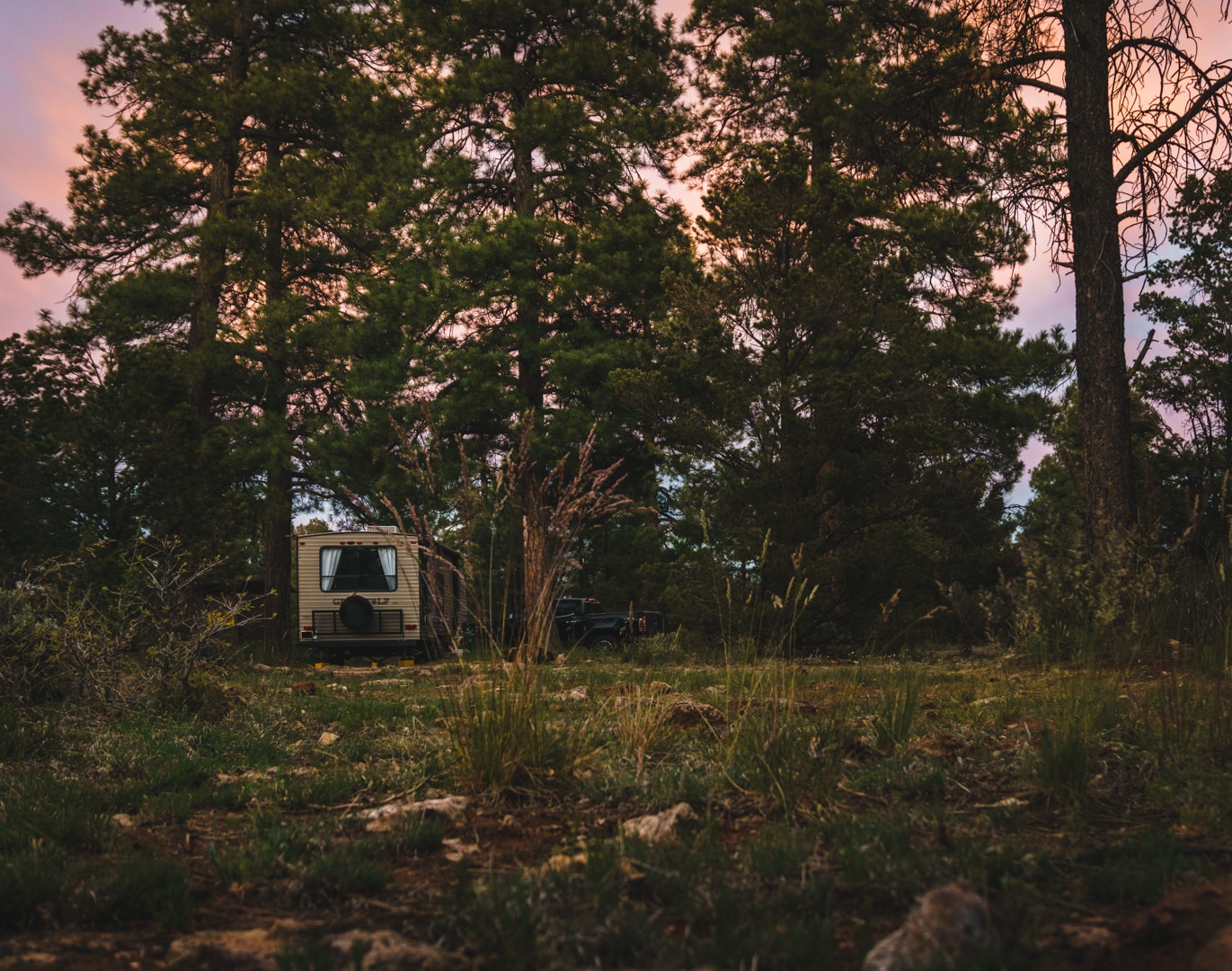
    A boondocking spot along the US Forest Road popular with RVers visiting the Grand Canyon.

    Boondocking on public land is also and option and it’s free. This is often called dispersed camping, and is the same thing as boondocking in an RV. Dispersed camping is allowed in many areas of BLM land. You can find a map of the land that allows dispersed camping on the BLM website. Another option is to download the Public Lands app. This app will show you all of the different types of public land right on your phone.

    One thing to note about boondocking on public land is that your stay can’t exceed 14 days in a 28 day period of time. This means you’ll have to move every 14 days. If you plan on spending a long period of time out camping on BLM land, then you’ll have to find a few areas to move around to as is needed. This usually isn’t a problem, because you’ll need to empty your RV’s holding tanks from time to time, and it makes sense that you’ll need to leave to find a dump station.

    When boondocking on BLM land, keep in mind, this land is here for public use, but it needs to be respected and treated well. Practice “leave no trace” camping guidelines. You want to leave the land exactly as you found it so the wildlife there can prosper, and so that other people who come after you can enjoy the land.


    What are your thoughts on BLM camping and RVing? Leave a comment below. Do you have anything you think should be added? Leave that in the comment section below, too!


    Source link

  • 5 Fantastic Class A Motorhomes With a Wall Slide

    5 Fantastic Class A Motorhomes With a Wall Slide


    There are quite a few 2020 Class A gas motorhomes perfectly suited to satisfy your desire for an adventure touring the country. What I’m going to do here is focus on five of these, all of which have a single wall slide to open up their respective cabins.

    Exactly what is a wall slide? It’s a slide-out where the entire driver’s side (or passenger side on a few motorhomes but not any of these five) pulls out to create more living area space. This slide will pull out everything from right behind the driver’s seat all the way to the end of the motorhome.

    Before we take a look at the chosen few to highlight in order by length, let’s quickly run down what they all share upfront—a Ford F53 chassis with a 6.8L Triton V10 engine – and in the back: a tow hitch rating easily capable of towing your car, SUV, or truck. On to the chosen five!

    Thor Vegas 25.6

    how motor coach Vegas 25.6

    Thor likes to call the Vegas one of their ‘RUV’ models, as in Recreational Utility Vehicle. Then again, Thor loves acronyms (see the A.C.E. below). At 26 feet 6 inches in length, the Vegas 25.6 is certainly the shortest in this five, but this length allows it to have the drivability of a Class C. The wall slide of the 25.6 contains a large 76-inch dream dinette able to sleep two, a 40-inch TV on a swivel, a wardrobe closet, and the queen bed that flips up when you bring in the slide.

    The bedroom also has additional closet space and its own 32-inch TV. Designed for efficiency, the 25.6 has a streamlined kitchen entirely on the passenger sidewall. Upfront is the final sleeping space, a drop-down overhead twin bunk sitting above the cab’s swiveling captain’s seats. The Vegas 25.6 also has a nifty exterior 32-inch TV for your outdoor viewing pleasure.

    See a 3D tour of the interior by clicking here.

    Entegra Coach Vision 29F

    entegra coach vision 29f

    Entegra Coach builds some of the finest motorhomes out there and the Vision 29F certainly fits the bill. You’ll find the wall slide is packed with all sorts of camp conveniences: a comfy booth dinette; kitchen counter with its wide space and double-bowl sink; a three-burner stove, microwave, and oven; the master bedroom dresser and wardrobe closet; plus a pair of stacked twin bunks.

    These and the optional drop-down overhead bunk allow the Vision 29F to sleep up to eight tired campers. The bathroom is a walkthrough with private access from the bedroom plus has a glass door-enclosed angled shower with a skylight and light. You’ll also find a sweet entertainment center on the exterior with an LED TV on a swivel bracket plus a DVD/AM-FM radio and speakers.

    See a 3D tour of the interior by clicking here.

    Winnebago Intent 31P

    winnebago intent 31p

    The Intent is new to the Winnebago lineup. Sitting at 31 feet in length, the 31P has, you guessed it, stacked twin bunks embedded in its wall slide (in fact, the rest of the highlighted motorhomes have bunks, FYI). Also within the wall slide is the dinette; deep kitchen counter with a double bowl sink, three-burner cooktop, oven, and microwave; bedroom wardrobe closet, TV and additional storage.

    With the bunks plus the walkaround queen bed, convertible dinette, jackknife sofa, and StudioLoft bed, you’ll be able to sleep up to eight. A nifty addition to the bunk beds is a closet rod just in case you’d rather use it as an additional wardrobe space… or if you want to make one of the kids sleep with hanging clothes. The living area has a 39-inch HDTV and the bedroom is all set with a 32-inch HDTV.

    See a 3D tour of the interior by clicking here.

    Thor A.C.E. 32.3

    thor motor coach ace 32.3

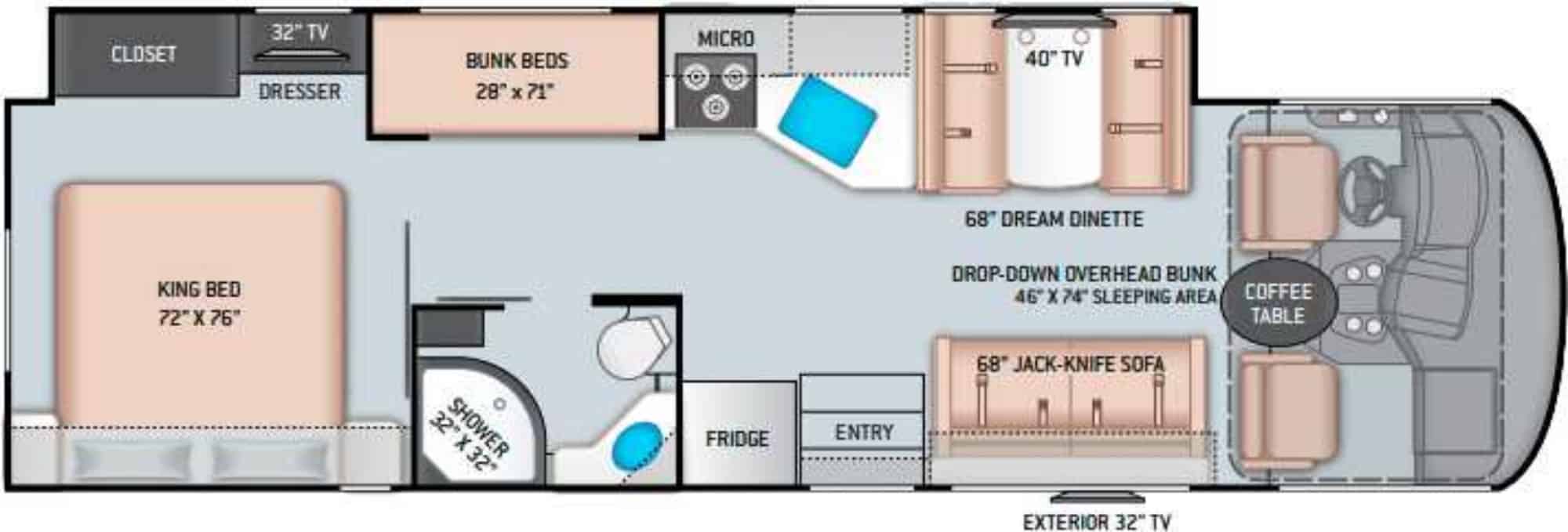
    That’s a lot of periods, I know. Most RVers just say ‘Ace’ even if the acronym actually stands for “A and C Evolution.” Effectively, this means an A.C.E. is a motorhome with Class A features but has the maneuverability of a Class C motorhome. The A.C.E. 32.3 can sleep up to eight happy campers because it has a) a queen size drop-down overhead bunk, and b) yes, there’s a pair of stacked twin bunks embedded in the wall slide.

    Also sitting in the wall slide is a 68-inch convertible dream dinette containing a 40-inch TV; the cooktop/oven, deep kitchen counter and sink; and the master bedroom’s wardrobe closet as well as the bedroom’s dresser, and a 32-inch TV. The master bedroom, by the way, has a walkaround king-size bed. The fridge sits on the passenger side of the 32.3 sharing a wall with the bathroom and its full-size angled shower. The 32.3 also has a pair of 15.5-inch LED TVs in the bunks with a DVD player, plus an additional TV, a 32-inch one on the exterior so you can enjoy a little viewing under the awning or the stars.

    See a 3D tour of the interior by clicking here.

    Holiday Rambler Admiral 34J

    holiday rambler admiral

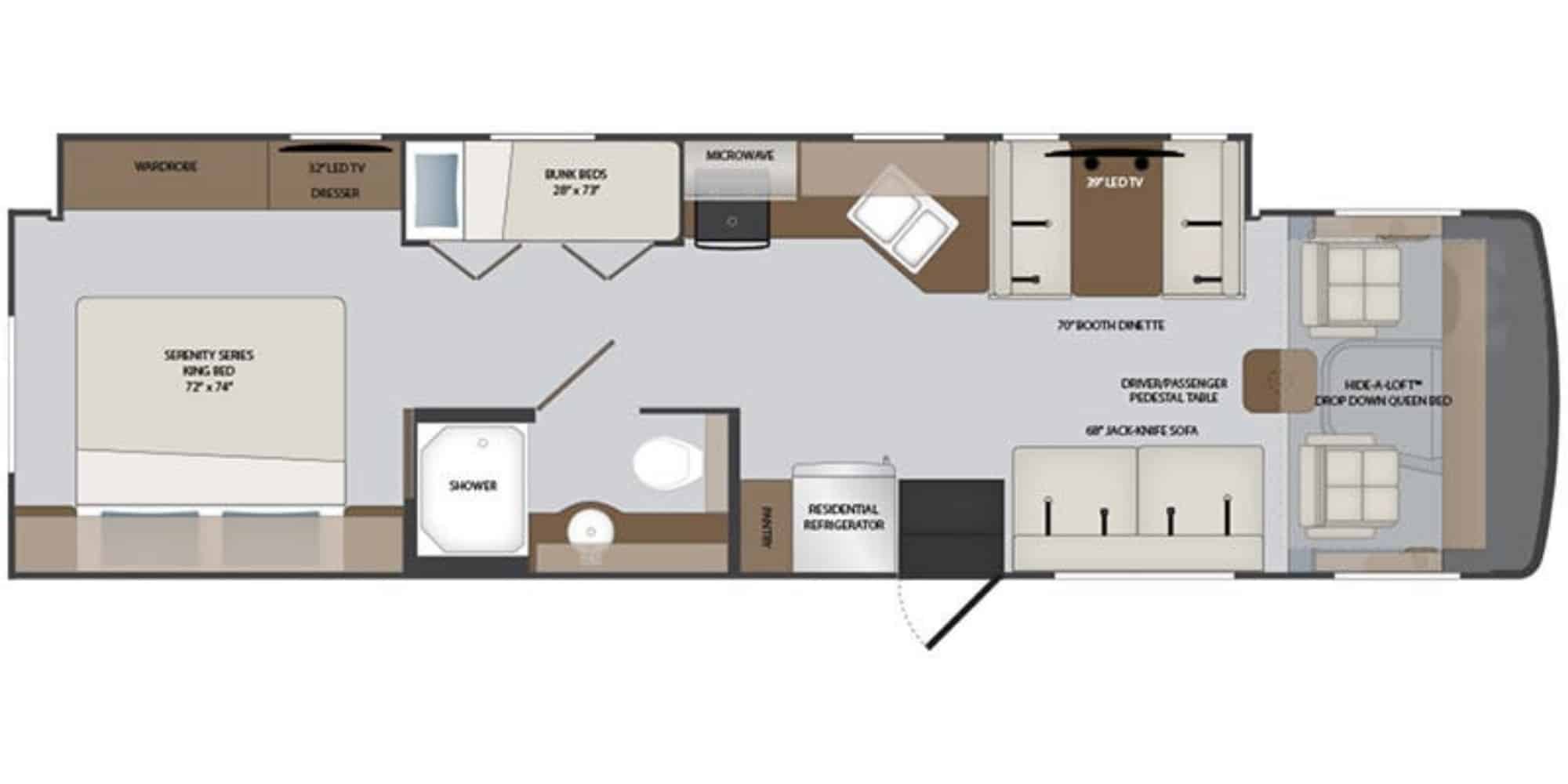
    At 36 feet, the 34J runs a full Laker Center Anthony Davis and a foot more in length beyond the Thor Vegas 25.6. And guess what? It can sleep up to eight. Because? Well you know. The 34J, like the other larger motorhomes in this article, has a hide-a-loft dropdown queen bed… as well as stacked twin bunks embedded into the wall slide. These bunks are slightly different as they have a nifty enclosure – a sliding barn door.

    The Admiral 34J’s wall slide has everything the A.C.E. 32.3 does only with just a tad more room – bigger wardrobe closet, more kitchen counter space, and a slightly larger booth dinette. The passenger side adds a pantry and has a residential fridge. TVs are all over the place – a 32-inch flat-screen in the bedroom, another in the bunk area, a 39-inch flat-screen in the living area, plus on the exterior, you’ll find a 50-inch LED TV.

    See a 3D tour of the interior by clicking here.


    So there you have it – five fantastic Class A gas motorhome options with a single wall slide. Have any others you’d like to tout? Drop us a note, we love hearing from our fellow RVers.


    Source link