Let’s be honest. Most of the RV decor isn’t very attractive. It always seems about 10 years or so behind the curve. Even the newest RVs can not have the most attractive interior decor. That’s why many people choose to update their RV interiors.
You should. You want to make your home on wheels as comfortable as possible and the way the interior looks will change how you feel about it. One of the best ways to transform an RV’s interior is to change the window treatment. Many RVs come with something from the factory, but there’s no reason you have to keep that.
Here are some ideas that will help you transform your RV’s interior look through a new treatment for the windows.
Window Valences
Image from Getty
I have yet to see a window valence in an RV from the factory that truly impressed me. Some are pretty good, but you can always update these and really alter the look of your interior. If you want to bring some color to your RV, then this is a great place to do it without doing extensive amounts of work.
Valences go over the top of the window and are a simple addition you can make. There are plenty of options to choose from, and you can always make your own if you feel that none of the pre-made options out there for sales are for you.
Window Curtains
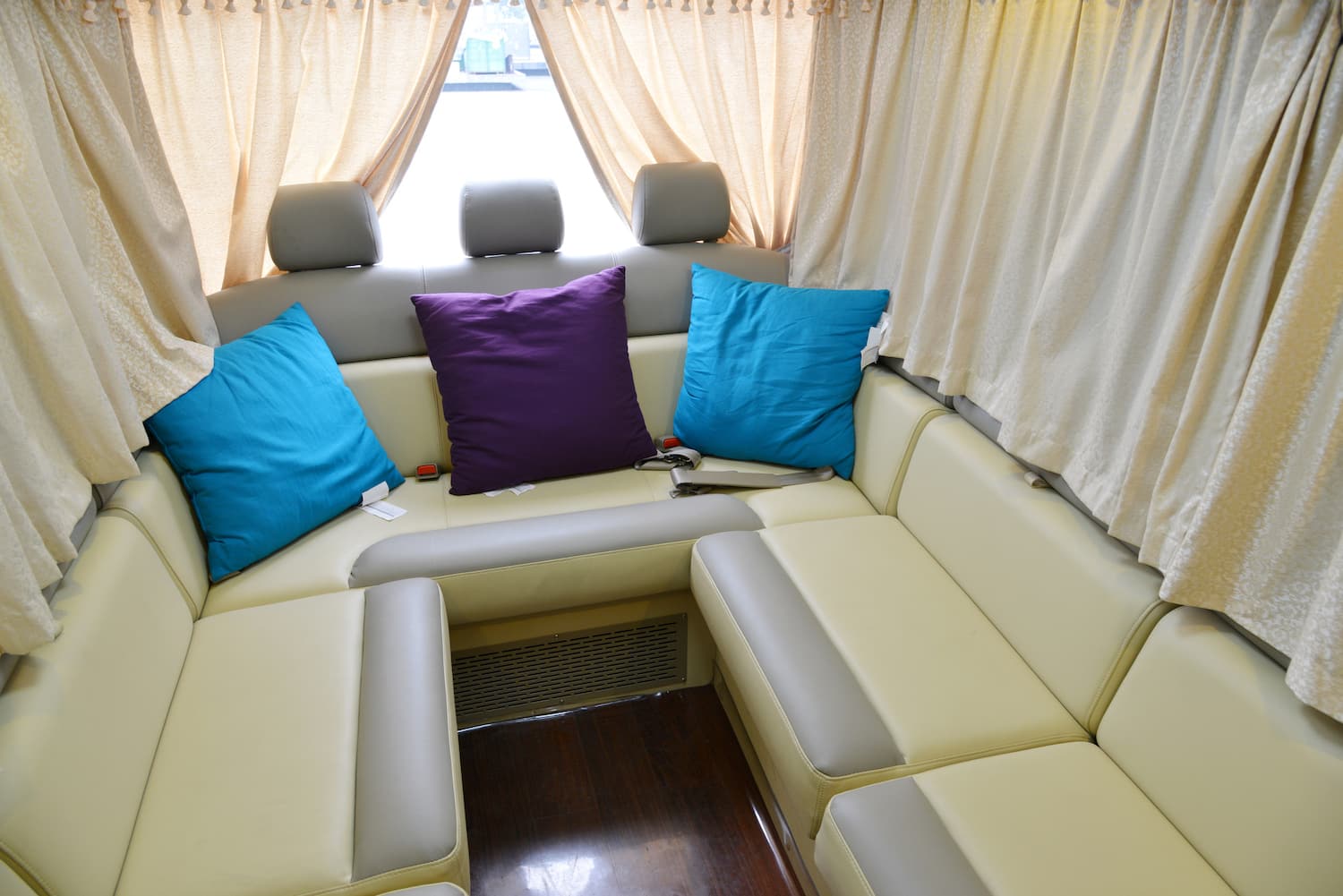
Curtains are another way to change things up. Generally, I think if you’re going to change the valences, then you should change the curtains, too. If you go with a bright color on the valences, consider doing the same for the curtains. If it’s too much, then maybe you go for a simple white or off-white curtain on your windows.
If your RV has a couple different rooms, then consider having different curtains in different rooms. This will help make the different rooms feel like truly separate places. When you have to same colors and curtains throughout the RV, it can feel boring and like the same space. Breaking things up with color is a good way to give yourself separation between rooms.
Window Blinds
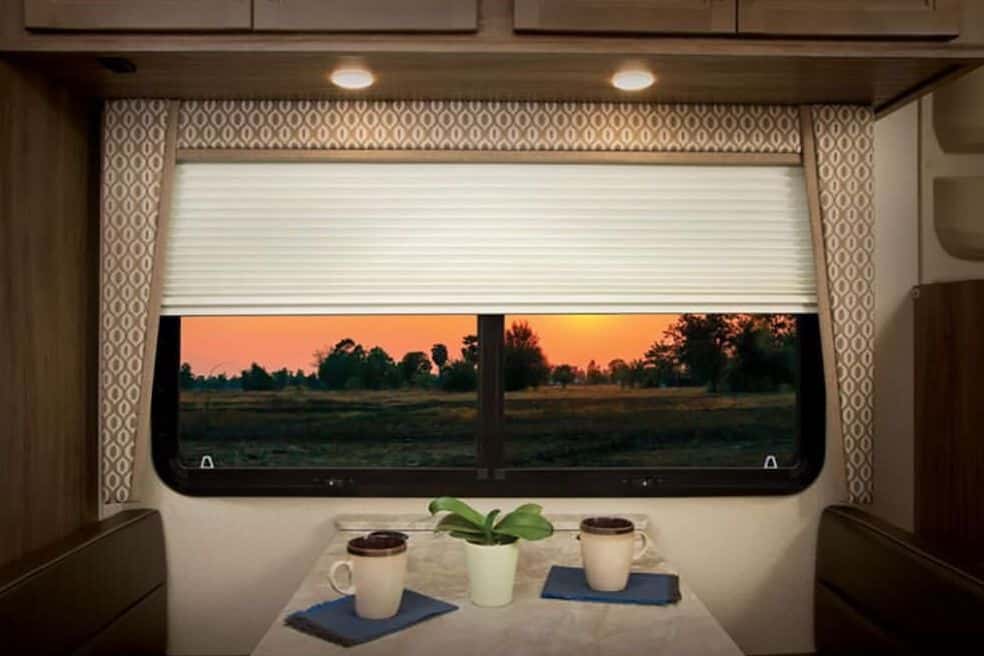
Not a fan of curtains? You’re not alone. Plenty of people prefer blinds over curtains. If you’re one of them, then it’s important to note that there are tons of options for blinds, too. Don’t think you need to stick with whatever came on your RV when you purchased it.
You can go with a wide variety of colors or a natural wood if you want something that feels a little more natural. The choice is yours. If you combine new window valences and blinds you can totally transform the look and feel of the interior of your RV.
Comprised of three islands in the South Pacific, the National Park of American Samoa is the only property in the National Park System to exist below the equator. Its stunning beauty is attributed to its volcanic makeup and tropical location, where rain forests thrive in rich soils and mountains shoot up from the seafloor.
But this park also protects over 250 species of marine coral and 950 species of fish, all visible to curious snorkelers and divers. A visit to the islands of Tutuila, Ofu, and Ta‘ū will elicit coos of pleasure and disbelief at such colorful and abundant landscapes, sea life and splendor.
History of the National Park of American Samoa
Photo Credit: NPS
The islands that constitute American Samoa have been inhabited by Polynesians for over 3,000 years. The United States came into the picture while battling with Germany over the entire Samoan region in the late 1800s. The two countries came to a standoff when a tsunami demolished the boats of both nations, and eventually, the region was split up, with the United States annexing the eastern islands in 1899.
Pago Pago Harbor became the location of an important naval station in the new American territory, and the islands were in a strategic position to keep Japan at bay during World War II. In the 1970s the Apollo program utilized the region, as its returning astronaut crews from Apollo missions were retrieved from the waters a couple hundred miles from Pago Pago.
But by 1988, the National Park Service saw the need to place the islands’ land and water assets under protection, creating the National Park of American Samoa. There was only one problem: the government entity could not purchase the land, as American Samoa law requires all landowners to be at least half Samoan.
So, in 1993, a 50-year lease was signed between the Park Service and the Samoan village councils, allowing preservation of tropical rain forests, coral reefs, and beaches on three of the islands.
Why Visit?
Photo Credit: NPS
As a collection of three islands, the National Park of American Samoa is definitely not RV friendly. But if you have a desire to see the South Pacific or happen to be in Australia or New Zealand, this park should be on your bucket list.
Leave your trailer or motorhome on the mainland and hop a flight from Honolulu or Sidney to Tutuila, as there are several places to stay on the big island or on Ofu.
Then you can indulge in the island life, taking in the tropical environment and embracing the Samoan people, while exploring the park’s terrain and the vast treasure of marine species. This breathtaking Pacific paradise is woth visiting at least once.
Places to Go
Photo Credit: NPS
Visitor Center
Enjoy exhibits and information on the park’s coral reefs, rain forests, and local fruit bats at the new visitor center in Pago Pago on the big island of Tutuila.
Park rangers are on hand for information, and a movie about the park is available. Special events like a local welcome ceremony by Samoan natives are a great introduction to the local culture here, as well.
Things to Do
Photo Credit: NPS
Snorkeling
Some of the most spectacular snorkeling locations exist in American Samoa, with a starting point on the big island of Tutuila. Swimmers can dive from shore there, but Ofu Island offers the very best waters for snorkeling. However, getting to the island is rather involved.
Travelers must fly into Ta‘ū, then hire a local fisherman to take them to Ofu. Because tourism is nominal, there are no charter boat services, but the effort made to get to Ofu will be repaid in spades with the technicolor fish and plentiful sea life divers and snorkelers will glimpse here.
Hiking
The park has 13 designated hikes that encompass all three islands and vary in degree of difficulty. Visitors will find trails that ascend mountains, meander along beaches and take the adventurous to archaeological sites. There are even hikes that end at gun battery points, where the islands were protected from Japan during World War II.
Some trails venture out of the park, and a few go across private land, where permission should be asked before hiking. But all trails offer a taste of the varied topography and environments and showcase some of the Samoan cultures along the way. Here is a map with trail descriptions.
Beachcombing
Ofu Island is also home to some unspoiled white sand beaches, where visitors can enjoy waves lapping the coast while being surrounded by jagged volcanic peaks and palm trees swaying in the breeze. It’s a perfect personal oasis!
When to Visit the National Park of American Samoa
Photo Credit: NPS
With a location in the South Pacific, the park is temperate year-round, so pick a season that you would like to escape from at home and head to American Samoa to enjoy sun, sand, and snorkeling! The park is always open but has experienced emergency closings with national disasters like a tsunami in 2009. Check online for alerts on closures.
Where You Can Stay
Photo Credit: NPS
Since there are no RVs on the islands, those accustomed to camping will have to adapt to lodging in hotels or through a unique “homestay program.” Samoan residents offer accommodations in their villages, where visitors can learn about local customs and cultures.
Getting To and Around This National Park
Access to the National Park of American Samoa is via the friendly skies. Flights from Honolulu depart twice a week or catch a plane from many Southeast Asian countries or Australia.
You will land on the big island of Tutuila, and if traveling to Ofu or Ta‘ū a 30-minute flight to Ta‘ū is required. Then a local fisherman can transport you to Ofu. It requires a bit of planning, but the result is a unique vacation of exploration in a rare tropical paradise!
Pacific Ocean Oasis
It is a mystery that the National Park of American Samoa has not become overrun with travelers, as its natural beauty and diversity of marine life make it a most valued destination.
But the park’s location in the South Pacific seems to have kept this gem a secret to many national park enthusiasts. Don’t pass up an opportunity to “discover” the lush rain forests, pristine beaches and an ocean full of vibrant aquatic creatures on your next trip abroad. Chances are, you’ll find your own private oasis!
Have you ever been to the National Park of American Samoa? What were your experiences there?
When it comes to camping, one of the most important tasks is picking a campsite. But it’s also one of the most overwhelming.
The perfect campsite can take a good trip and turn it into a truly memorable one, while a bad campsite can definitely make your time there a little more difficult, uncomfortable, or downright unpleasant. To help you navigate this important decision, we’ve pulled together five tips to help you pick the right campsite for your rig at a campground or RV park.
1. Figure Out What You Want
Image by Ethan Dow from Unsplash
The very first thing to do when picking a campsite is to think about what you want. Do you dream of a quiet corner where you can relax, or do you want to be in the middle of the action? A quiet spot can be a nice getaway, but what if you want to meet new people? Does the campground have any activities within the park for kids that you want to be close to?
Are you looking for full hookups, or are you thinking about dry camping? Do you need 50 amp power or can you get away with just 30 amp?
Once you figure out what you’re looking for, it’s much easier to narrow down your choices and find the perfect place to park your rig. Being disappointed with your spot is easy to avoid if you take the time to think about exactly what you’re looking for during your stay.
2. Know Your Restrictions
Pay attention to the dimensions of your rig and the size of the campsites. You might find the perfect campsite on paper, but if your rig is too long for the site you could face disappointment when you get to the campground and they won’t let you park there.
If you have slide-outs, make sure the site you’re looking at is wide enough to accommodate them. For longer rigs and newer RVers, know if you need a pull-through space or if you’re able to fit into a back-in spot.
Also, keep an eye on low hanging tree branches or anything else that could damage the top of your rig if you’re too tall for that particular site. Many campgrounds and RV parks will have any restrictions for specific campsites posted online, so be sure to check those before arriving.
3. Do Your Research
Image by Adam Griffith from Unsplash
Which brings us to the next tip—research! Most campgrounds and RV parks have maps of their lots and site amenities on their websites. Spend some time looking at the map and picking a few sites that look like they meet your requirements. Make sure to look for hook up information and length restrictions.
If a campground doesn’t have a map online, see if you can pull up the grounds on Google Earth or find photos of the campsites in other places. Popular RV and camping forums may also have useful information and photos from other campers who have stayed there – keep an eye out for recommendations or warnings on any particular spots.
There are even several mobile apps that have reviews of campsites and RV parks that may give helpful information on specific sites to help you make your decisions.
4. Call the Campground
One of the best things to do is to pick up the phone and call the campground or RV park. The people working there are usually very helpful and can answer any questions you have on individual sites. They can also give recommendations based on your length and rig type. We usually go online to pick out a few spots we think look promising.
Once we have a shortlist of spots we like, we give the campground a call to confirm availability and ask questions. Sometimes sites that don’t look like much on a map are fantastic in real life and the representative on the phone can help you pick the right one. Similarly, they can help guide you away from picking a site you thought looked good but wouldn’t be a good fit for what you want.
Remember – the most valuable part of the phone call is the information you get from the person who works and probably lives at the campsite, but they can’t help you if you don’t tell them what you’re looking for in your campsite.
5. Make Reservations as Early as You Can
Image from Getty
Since you’ve already got the representative on the phone telling you about their best sites, make sure to book a reservation at the same time. There’s nothing worse than spending time carefully picking out the perfect campsite for your rig only to find out it’s already booked.
This can get a little tricky if your travel dates are fluid, and last-minute changes can always pop up, but if you know when you’ll be at a campground or RV park, call or make a reservation online as soon as you can. Reserving a site early will make sure you get the spot you want, and not an undesirable spot at the last minute or worse, having to find a different campground entirely.
Following these tips will help you have a great stay that meets your needs. With a little time and research, you’ll be able to easily pick out the right campsite at a campground or RV park for your rig.
Camping in a Class A motorhome can be one of the most rewarding experiences ever. However, Class A motorhomes can have a pretty large barrier to entry. They’re more expensive than other types of RVs. New Class As can range anywhere from about $70,000 to a million or more. It really depends on what you want.
Because of this, it can make a lot of sense to purchase a used Class A RV. Many of the RV’s are built to last, and that means you can pick up a used model for less and still get a great motorhome. However, you need to ensure you’re buying a truly good used RV. The last thing you want is to buy an RV that needs a lot of work or is generally unsatisfying. Here are some things to look for when shopping for a used Class A motorhome.
Make Sure Everything Works
Image from Getty
Just as you would do with any large purchase, you need to make sure that everything the RV is equipped with works properly. Go around and make sure all the lights and electronics function as they should. Check all of the appliances and features of the RV. Take your time. You don’t want to rush into the purchase, and you should take all the time you need to ensure everything works.
Also, drive the RV. Obviously, you won’t leave with the motorhome if it doesn’t work, but make sure you take it for a test drive before purchasing. During that test drive, make sure you test all of the features and technology that the RV has, like cruise control, built-in navigation, etc. If there’s anything that doesn’t work, discuss it with the salesperson and see if you can get the price reduced.
Ensure the Seller Has the Proper Documents
Don’t purchase an RV that’s missing important documents. You need the title and the owner’s manual at a bare minimum. This shouldn’t be an issue at all if you’re buying from a dealership. It would also be great to have documents of the vehicle’s history. Documents about where it was and who owned it. The more paperwork the seller has, the better.
Don’t just check to make sure it’s all there either. You should actually go through it all to make sure there’s nothing out of the ordinary. As you go through the documents, discuss anything that comes up. Even little things can be good to talk about.
Is the Maintenance History Well-Documented?
This section could honestly be included above, but it’s important enough that I wanted to include it down here. When shopping for a used RV, especially a Class A, you want to see the maintenance history. The seller should have documents and receipts of any work that was done to the unit.
This includes oil changes, tires, air filter replacements, and any of the actual vehicle maintenance. It also includes any maintenance of the living area of the RV. When was the last time the roof received maintenance? What about the HVAC unit and other appliances? All of the appliances and electronic maintenance info should be documented.
Again, take some time to go through it. This will help you get the best price possible for the unit. Sit down with the seller and look at the documents and try to find any gaps in the records.
Obvious Exterior or Interior Damage
One thing you absolutely need to do is a full inspection of the outside of the RV and the inside. Look for any obvious damage, wear, or possible future repairs. On the outside of the RV, ask to look at the roof of the unit. The roof is one of the most important parts of any RV. If you have a leaky roof you have huge problems. You need to ensure the roof and the rest of the RV’s exterior are in good condition.
Also, pay attention to lighting on the exterior. Ensure that every light functions as it should and have the seller fix any lights that don’t. You also need to look at the tires. Find out how old they are, how much tread is left on them, and look to see if there are any signs of dry rot. Tires are expensive and you want to be sure you buy an RV with good ones already equipped. They don’t have to be brand new, but they should be in good condition.
Inside the RV, pay attention to areas like the kitchen, bathroom, and bedroom. Look to make sure the appliances and utilities all work properly and are still in good condition. Also, use all of your senses when shopping. Offensive smells can be a clear indicator of a problem. If a used RV has an odor issue, I’d suggest moving to the next unit. If the seller can’t get the smell out, you’re going to have a hard time, too.
If there’s any exterior or interior damage or wear that you notice during your inspection, discuss it with the seller so that you can get the appropriate price for the RV.
The Number of Miles and Amount of Use The RV’s Had
Some people really get around in their Class A motorhomes. Others park their unit in one spot for most of the year. It depends on the person and that’s fine. However, you need to at least get an idea of how it was used. Look at the number of miles on the odometer and cross-check that with the maintenance records. Was the proper maintenance done for the number of miles the unit has on it? If not, discuss that with the seller.
If the miles are low but the interior looks well-used, then you can bet the previous owner spent most of his or her time in one spot. This isn’t a bad thing, it just means that you’ll want to spend extra time inside the unit inspecting it for damage or worn-out equipment. Also, you’ll want to make sure the owners still kept up on maintenance to the vehicle’s engine even though it spent a lot of time stationery.
Are you looking for a good used Class A RV? Check out all of our used inventory at Camping World!
In episode seven of our series Happy Camper Bucket List, Dan and Lindsay visit the beautiful and iconic Florida Keys. They spend time camping on the pristine beach in a Keystone Cougar 32RLI travel trailer.
The couple spends time in Key Largo at the John Pennekamp State Park—kayaking the waters and snorkeling. They stay at the Sunshine Key RV Resort Marina in Big Pine Key before continuing to skydive over the Keys, visit Fort Zachary Taylor State Park, and check out the Key West Key Lime Pie Co. in Key West.
In episode eight of our series Happy Camper Bucket List, Dan and Lindsay visit San Diego, California. The couple stops in Balboa Park first to take in the San Diego Zoo, Museum of Man, and all of the other attractions the park has to offer. Then the couple moves on to Campland on the Bay, a campground located right on the water.
They stay in a Keystone Montana fifth-wheel. The next day, they visit the beach to attend the San Diego Surf School where they learn how to ride the waves. Then it’s on to whale watching and spending time in the city to end the trip.