Blog

  • Camping World’s Guide to RVing Wrangell-St. Elias National Park

    Camping World’s Guide to RVing Wrangell-St. Elias National Park


    Many people who live in “the lower 48” have never heard of our nation’s largest national park. Wrangell-St. Elias is massive, covering more acreage than six Yellowstones combined! It’s an enormous wilderness that encompasses 18,000-foot mountain peaks, tidewater glaciers that calf into the sea, and resident wildlife like moose, bear, Dall sheep, and elk.

    One active volcano melts snow from its summit, while extensive glaciers scour the landscape around it. From fishing in Icy Bay to catching a live one in a mountain river, visitors can experience the park’s charms from the air, by sea or by foot, absorbing the entire “Alaskan Experience” in one national park.

    History of Wrangell-St. Elias National Park

    Photo Tripping America - Wrangell-St. Elias - Camping World

    The vast wilderness of Southeastern Alaska was only known to local Ahtna tribes, as the first recorded people here since 1000 AD. The first explorers from outside the area were Russian fur traders in 1741, but the Ahtna people fought hard to keep their land, running out all intruders until the gold rush in Klondike Territory brought miners through the region.

    Seeing the natives’ tools made of copper, the miners began exploring for mineral’s source, and eventually engineer Stephen Birch opened the Alaska Copper and Coal Company at Kennecott in 1903 to take copper sulfide from the ground.

    Just five years later protection for the region was suggested by the US Forest Service, but it wasn’t until 1969 that a proposal to make the wilderness “Wrangell Mountain Scenic Area” was put forth. This was considered one way to allow resource development while offering recreation and some preservation. The state of Alaska did not agree and the measure was thrown aside.

    In 1978 the Wrangell–St. Elias National Monument was named, but many Alaskans felt the action was nothing more than a federal land grab, with no funding set aside for park operations. However, within two years Wrangell-St. Elias National Park and Preserve was founded, with 8,147,000 acres set aside as national park land and 4,171,000 acres as a preserve.

    Why Visit Wrangell-St. Elias National Park in Your RV?

    Photo Tripping America - Wrangell-St. Elias - Camping World

    As with many of the larger national parks, there are few roads within Wrangell-St. Elias. However, RVs can travel many miles on each of the two pathways through the park. The visitor center at Copper Center offers several trails to hike right from their spacious parking lot.

    Bringing your motorhome or travel trailer this far into the Alaskan wilderness would truly be a trip of a lifetime! Park at one of the entrance centers and enjoy hiking and fishing from your door!

    Places to Go

    Here’s a look at just some of the places you can visit while in the park.

    Copper Center Visitor Center

    A campus-like setting with several buildings housing the ranger station, a theater, book store and the Ahtna Cultural Center lies just off the Richardson Highway. This is a great place to give travelers an overview of this enormous national park.

    Check on road conditions, get permits and utilize the expertise of the park rangers regarding exploration and wildlife activity in the area.

    Ahtna Cultural Center

    A fascinating display of the history, art and community of the local Ahtna people is located within the Copper Center Visitor Center.

    Kennecott Mines

    Photo Tripping America - Wrangell-St. Elias - Camping World

    A 14 story old copper mine and mill sits abandoned in the Alaskan backcountry. This relic is worth the effort it takes to get there, and visitors can enjoy a guided tour or stay at a mountain lodge close by.

    Yakutat Region

    The southern entrance to the park is a small town serviced by the Alaskan State Ferry System in the summer. It provides a launching pad for visitors to enjoy tidewater glaciers, sea kayaking, fishing and wildlife viewing.

    McCarthy

    Photo Tripping America - Wrangell-St. Elias - Camping World

    The town of McCarthy sits close to the Kennecott Mines, with a vibrant history and a colorful presentation today. There are three or four restaurants (including a coffee house) and several lodging options in this small surprising village.

    Things to Do

    There’s plenty to do at the park, and you’re bound to never have a dull moment. Here’s a look at some activities.

    Guided Tours

    Ranger-led tours occur during the summer months from three different locations:

    • Wrangell-St. Elias Visitor Center at Copper Center
    • Slana Ranger Station
    • Kennecott Visitor Center

    In addition, St. Elias Alpine Guides takes visitors through the Kennecott Mines on a paid tour.

    Backpacking

    Photo Tripping America - Wrangell-St. Elias - Camping World

    The sheer enormity of Wrangell-St. Elias makes it a backpacker’s dream to explore. However, it is very rugged and undeveloped land, so be prepared for the difficulties that can come with that. Some backpackers hire a guide who is familiar with the region or take a small plane into a specific area within the park.

    Mountaineering

    Photo Tripping America - Wrangell-St. Elias - Camping World

    Only suggested for the most experienced mountaineer, this park offers amazing landscapes of ice fields, foothills, and peaks. Climbers must be well-prepared with the appropriate equipment and experience because rescue help is very limited.

    Boating

    Float trips with or without guides are available on several rivers with Class III rapids, and sea kayaking on Icy Bay can be accessed via bush planes. Please remember the planes are small, so most travel with inflatable kayaks.

    Sport Hunting

    Hunting is allowed in Wrangell-St. Elias by permit. Hunters must be well versed in the state regulations, as out-of-state hunters must be accompanied by a guide in order to hunt some species.

    Fishing

    Photo Tripping America - Wrangell-St. Elias - Camping World

    Wrangell-St. Elias has an enormous array of fish species, including salmon, trout, grayling, Dolly Varden and whitefish. Fishing here requires an Alaskan state fishing license, and limits vary by species and area. You might even end up with an extra fishing buddy!

    Camping

    All of the campsites within Wrangell-St. Elias are primitive, although most have access to water. Some are off the beaten path, whereas others are along well-traveled routes. Here is a map and list of all public land campsites.

    When to Visit Wrangell-St. Elias National Park
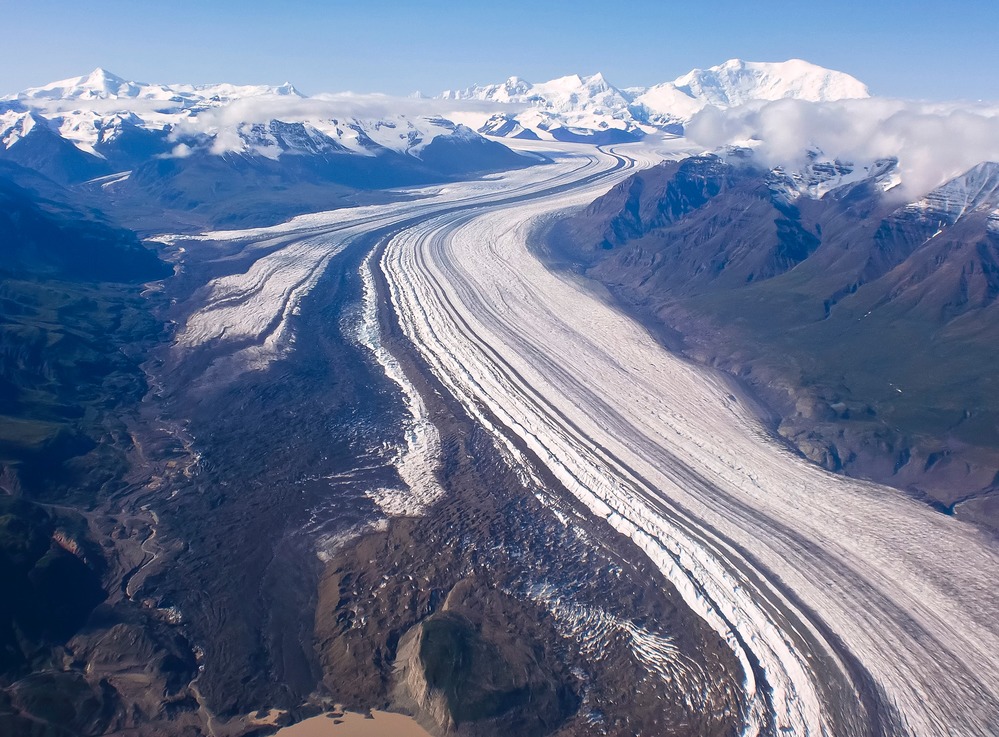
    Photo Tripping America - Wrangell-St. Elias - Camping World
    Photo Credit: NPS Bev Goad

    Summer is the prime season to enjoy hiking and touring the park and Kennecott Mines. However, winter brings its own set of skills for those who enjoy snowshoeing or cross-country skiing. Since many wish to view Wrangell-St. Elias by air, any season is a great time to book a flightseeing tour!

    Where RVers Can Stay

    As there are only two roads within the park, there are no campgrounds that allow RVs. However, several private campgrounds outside of park boundaries have hookups and dump stations. You will find the greatest number of these near the Copper Center region.

    Getting to and Around Wrangell-St. Elias National Park
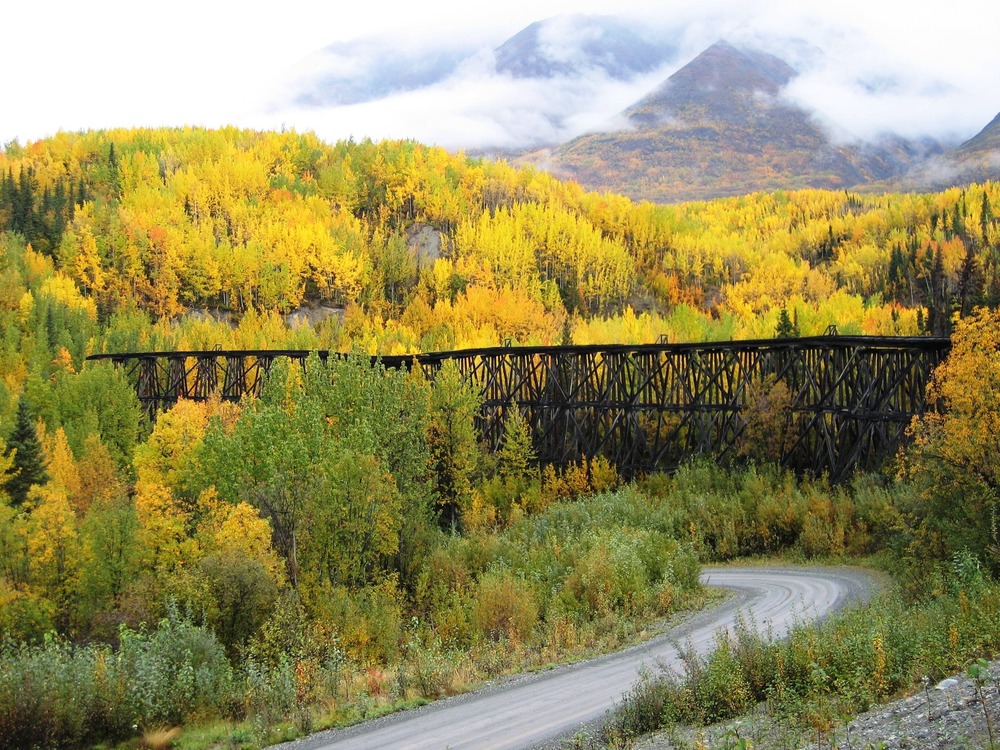
    Photo Tripping America - Wrangell-St. Elias - Camping World

    Arrival at the park is limited to a few modes of travel. Drive the Richardson Highway to Copper Center (the visitor center is right off the highway), then continue down the Richardson to Highway 10 (toward Kenny Lake) and one of the park’s entrances. Or drive north of Glennallen, taking the Glenn Highway to the town of Slana and the Nabesna Road entrance. Bush planes or boats will lead visitors to the southern entrance of the park at Yakutat in Icy Bay.

    There are only two roads within Wrangell-St. Elias: the Nabesna Road on the north side of the park is usually passable by two-wheel drive vehicles up to mile marker 29. After that four-wheel drive is strongly suggested. The second and much more popular path into the park is by McCarthy Road.

    Most normal passenger vehicles can access this road. However, a 60-mile portion was built over existing railroad beds and it is a slow trip (about 35 mph). Otherwise, there are shuttles from the town of Glennallen or from Chitina.

    Alaskan Grandeur

    Photo Tripping America - Wrangell-St. Elias - Camping World

    The vast wilderness of Wrangell-St. Elias National Park is home not only to stunning landscapes, topography and wildlife, but it encapsulates the American sense of adventure. Where else can one climb from sea level to 18,000 feet, venture down rushing mountain streams or hike across immense ice fields within the same boundaries? This park is Webster’s definition of expansive grandeur.


    Have you ever wanted to go to the Wrangell-St. Elias National Park? Leave a comment below.


    Source link

  • SftR 070: Learn How to Make Money and RV with Live Camp Work

    SftR 070: Learn How to Make Money and RV with Live Camp Work


    SftR 70 - Learn How to Make Money and RV with Live Camp Work

    In this episode, Sam interviews Sharee Collier, the founder of www.LiveCampWork.com, an online website delivering information and resources on jobs for RVers and making money while you travel. She’s the author of the best-selling book, Live Camp Work: Make Money & RV Full-time, the host of the Live Camp Work Podcast, and a full-time RV traveler with her husband and 4 kids.

    Sharee is also the host of the upcoming Make Money and RV Virtual Summit! Learn how to RV full-time, part-time, or seasonally and make cash along the way with this FREE online event, featuring 35+ experts in the RV industry. Join the event from August 5th-9th to learn everything you need to know about making money on the road!

    Sign up for the Make Money and RV Virtual Summit here.

    Some highlights from this episode:

    • 0:30 – Hitting the road
    • 4:30 – Starting Live Camp Work
    • 10:30 – The Make Money and RV Virtual Summit
    • 17:30 – What’s next for Sharee?
    • 20:00 – The Live Camp Work Podcast and workamping jobs

    Make Money and RV Virtual Summit

    Learn about workamping, remote careers, small businesses & location independence! Enjoy stories from the road with practical advice, tips and insider information. It’s a whole week of content about making money and RVing. You can watch all of the videos during the live event for FREE, as well as upgrade to a paid ticket to watch the videos later at your convenience. The event is just around the corner on August 5th-9th, so be sure to get your free ticket!

    Sign up for the Make Money and RV Virtual Summit here!

    Links mentioned in this episode:


    Source link

  • Excellent Gas Class A Motorhomes Under 28 Feet Long

    Excellent Gas Class A Motorhomes Under 28 Feet Long


    While towable RVs are great, sometimes a motorhome is the better option. Sure, you could go with a Class B or Class C motorhome, but a Class A will be the right choice in many situations. Class A’s provide quite a lot in terms of features and amenities.

    I know that when most people think Class A motorhomes, they think massive RVs, but it doesn’t have to be that way. there are many good Class A models that are a bit on the shorter side. Here are some Class A RVs that measure at or under 28 feet in length.

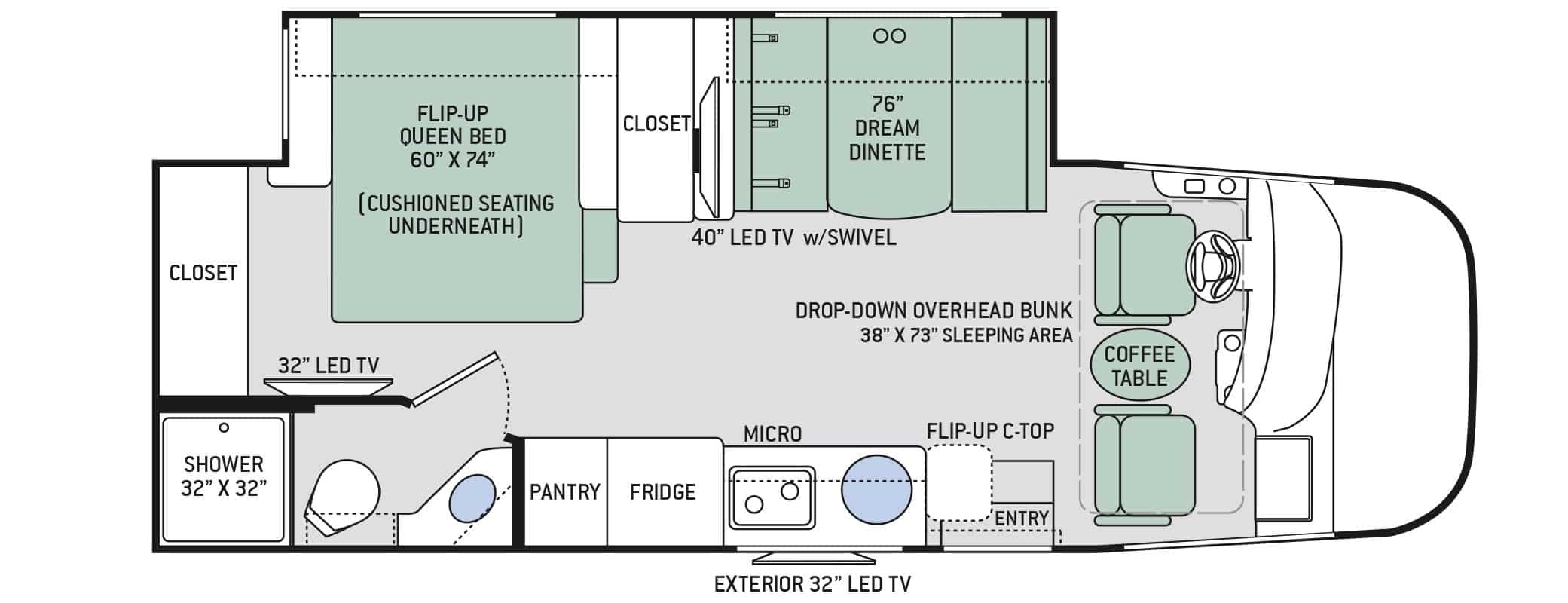
    2019 Thor Axis 25.6

    Thor Motor Coach Axis 25.6

    The Thor Axis 25.6 offers a single large slide-out that opens up the floorplan. In the slide-out sits a  Dream dinette, a flip-up queen bed, and a sofa. There’s also a closet and a TV. On the camp side of the RV, is the kitchen and bathroom. There’s also another TV on the wall. The floorplan also includes a drop-down bunk at the front of the unit and a closet at the rear.

    The model comes built on a ford E-450 chassis with a 6.8L Triton V10 that makes 305 hp and 420 lb-ft of torque. It can sleep up to five people and measures only 26 and a half feet in length. This makes it easily maneuverable on the road and it should mean that the model gets better gas mileage than some of the other, larger Class A models out there.

    Check Our Inventory

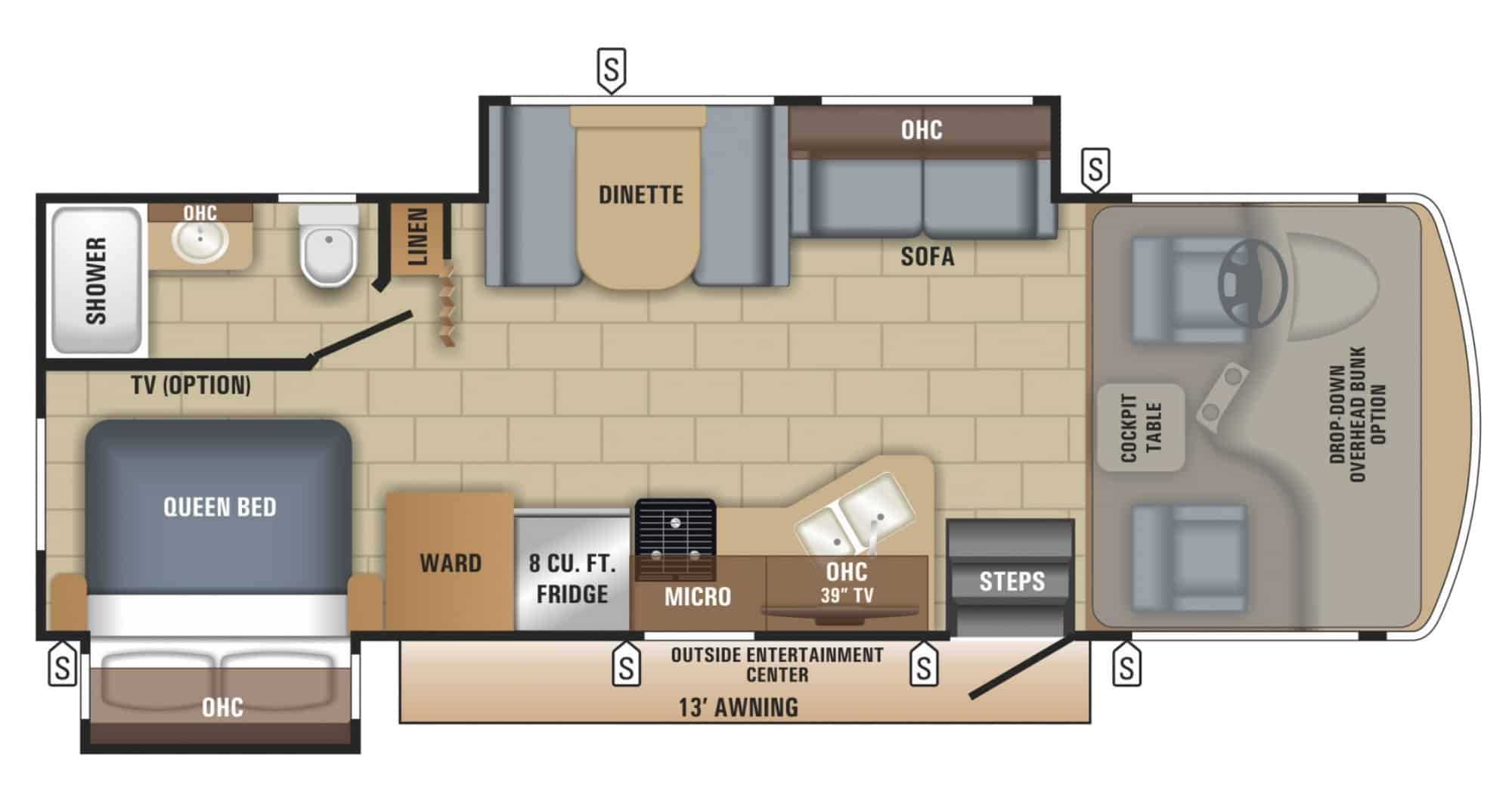
    2019 Jayco Alante 26X

    Jayco Alante 26X

    If the Thor model above doesn’t do it for you, then check out the Jayco Alante 26X. This unit features two slide outs, one on either side of the RV. One slide out is for the queen bed. The other is for the dinette and a sofa. On the camp side of the RV is the kitchen. There’s also a wardrobe next to the kitchen. The bathroom in this unit is on the driver’s side of the RV. Like with most Class A RVs, there’s a drop-down bunk at the front over the driver’s cabin.

    The Jayco Alante 26X is a little longer than the Thor model. It measures nearly 27 and a half feet. This offers a bit more space without making the coach much bigger overall. The model is built on the Ford F53 chassis, which features the 6.8L Triton V-10 that makes 320 hp and 460 lb-ft of torque. This unit sleeps up to six people.

    Check Our Inventory

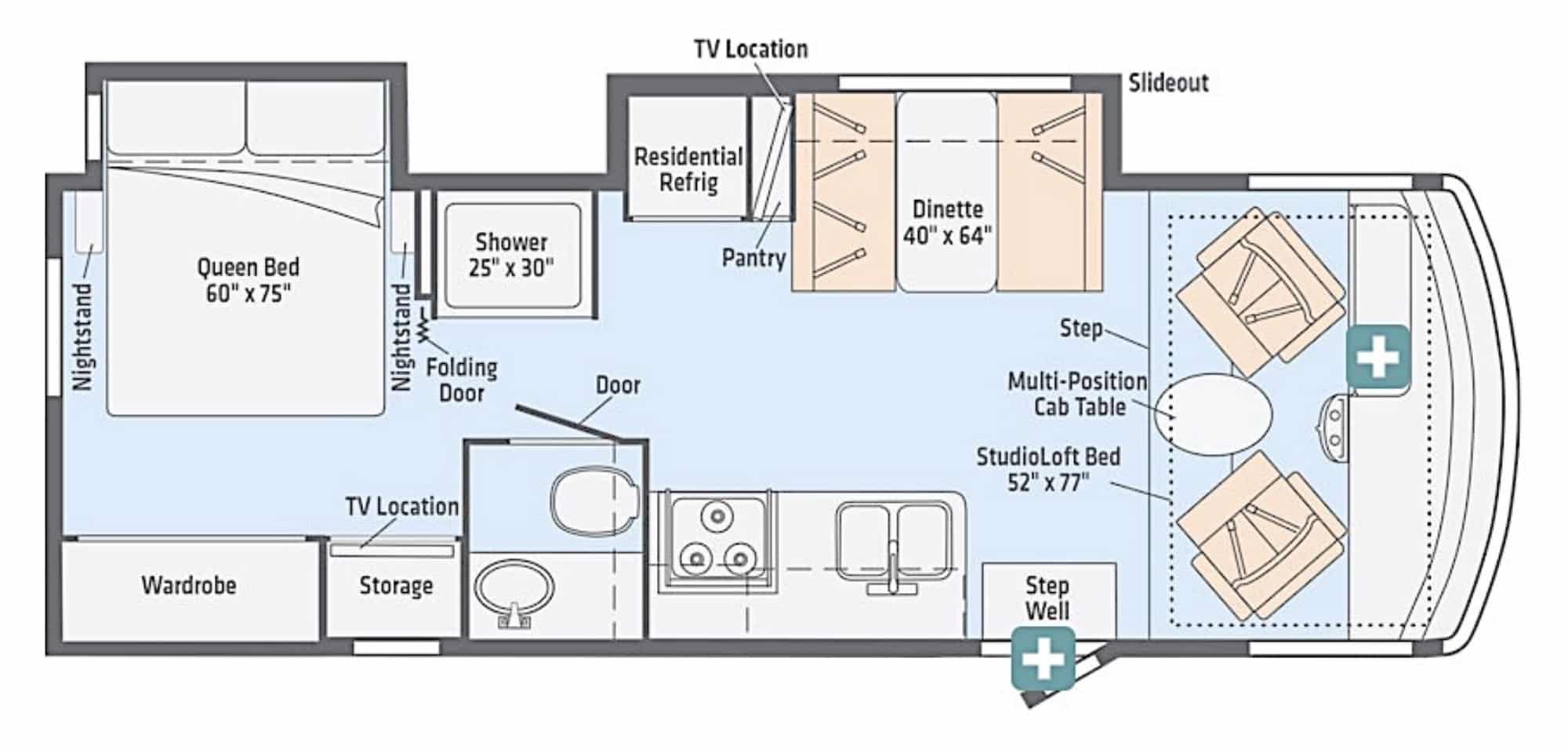
    2019 Winnebago Intent 26M

    Winnebago Intent 26M

    Last but certainly not least, we have the Winnebago Intent 26M. This unit has two slide outs, but unlike the Jayco above, both of the slide outs are on the same side as the driver. The one towards the front of the unit features the dinette, refrigerator, and pantry. The slide at the rear of the unit features a queen bed. There’s a shower on that side of the RV, too. On the opposite side is most of the kitchen and the toilet and bathroom sink. There’s also storage areas and a TV. At the front of the unit is a drop-down bed, as you’d expect.

    The Intent 26M is built on the Ford F53 chassis like the Jayco model shown above. It features the same Triton V10 engine tuned to 320 hp and 460 lb-ft of torque. The model sleeps up to five people and measures under 27 feet in length, keeping the model short for maneuverability.

    Check Our Inventory


    Have any models you think that should be included on this list? Leave a comment below!


    Source link

  • WWOOFing Across America in a RV, For (Almost) Free

    WWOOFing Across America in a RV, For (Almost) Free


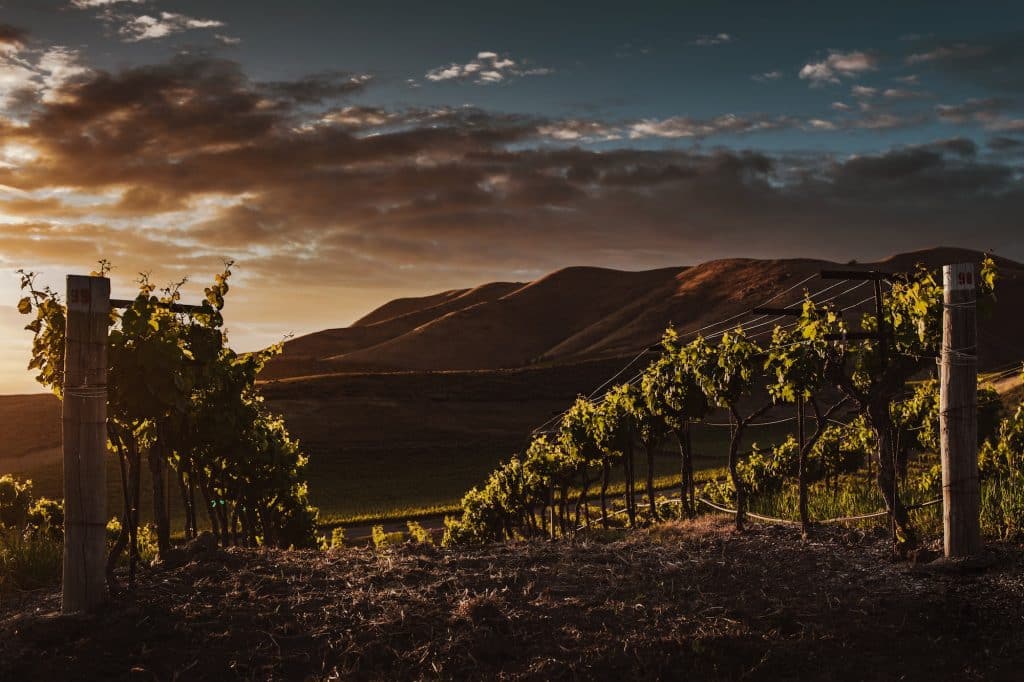
    If you’ve ever imagined setting up camp in wine country, California, or on a gorgeous sprawling ranch just outside of Yellowstone National Park, but couldn’t front the costs at the time, you may be interested in the Worldwide Organization of Organic Farming (WWOOF).

    Where Does WWOOF Happen?

    Photo by Jacob Stone from Unsplash

    Many WWOOF opportunities exist just outside of highly-desirable, and often cost-prohibitive locations, placing them within an average (or frugal) camper’s reach. WWOOF sites exist around popular skiing locations, amusement parks, world-acclaimed museums, major cities, and beyond.

    WWOOFing offers a unique opportunity for campers to have access to such sites at dramatically-reduced costs. If you have an interest in sustainability, travel, and learning more about the culture and community of whatever locale you’re visiting, joining WWOOF is an excellent option for you.

    What Is WWOOF Exactly?

    Photo by Thomas Gamstaetter from Unsplash

    The WWOOF movement links volunteers with organic farmers all around the world, offering unique opportunities for full-timers, part-timers, and workampers alike. Full-time RVers might be especially interested in this organization, as it allows for travel without additional expenses. Many WWOOF farms will even feed you three square meals a day in exchange for a few hours’ work. 

    Every WWOOF site is different. As a WWOOFer and RVer, you’d have an endless amount of places to go, set up camp, and gain firsthand experience of the land and culture of the place you chose to visit. WWOOF USA offers over 2,100 sites to choose from. Simply choose your destination, choose a timeline (open now; immediate availability; or open next season) and length of stay, and select a farm type. Vineyards, homesteads, ranches, orchards, communities, and more are offered as farm type options. 

    WWOOF farms often have full hook-up for rigs, making long-term stays a breeze. Workampers and short-term campers will find plenty of opportunities through the WWOOF organization. A free site to boondock temporarily outside of national parks or other vacation destinations would be worth a few hours of volunteering, particularly if you’re trying to preserve your cash flow.

    How Does It Work?

    Photo by Balkan Campers from Unsplash

    A single WWOOF membership costs $40 annually, and $65 annually for couples, which gives you access to all of the hosts’ contact information, details about their farms, reviews, ratings, and an automatic insurance policy that covers most accidents that might occur while volunteering. Volunteering can be easily tailored to individual needs: from a single-day visit to long-term stay, for an individual or the whole family.

    Typically, a day would consist of four to six hours of volunteering: the details of which you can work out beforehand, with the host farm. Hosts are expected to provide basic accommodations and meals. Some WWOOF sites offer a small wage, in addition to accommodations and meals.

    Be sure to ask about what projects are available before going, as hosts may require more hours during certain harvests and seasons. Before discussing the details of your stay, you’re encouraged to inquire about how your host will accommodate your RV or camper.

    You’ll also want to ask about the sites available for your stay. Is this a full-hookup site, complete with water, electric, and sewage? Is the site a pull-through, with easy drive-thru access? Does it have hose bibs for water access, a sani-dump or dump station for your wastewater, and hook-ups for electricity? If not, ask your host to provide and confirm details about where you can access these utilities for longer-term stays. Boondocking is definitely worth your consideration for short-term stays in desirable locations.

    Additional Things to Know about WWOOF

    Image by Tim Mossholder from Unsplash

    After your stay at the WWOOF site, you can leave a review and rating about your experiences. The host will, in turn, leave a review and rating for you. As a member, you’ll have access to all of the reviews left by previous volunteers, which you can access before even contacting the host.

    These two-way reviews include clear, factual accounts intended to help future volunteers find the right community for them, and to help hosts improve the experiences they provide for volunteers. Personal opinions and impolite accounts are discouraged, and third party information is never shared. Disputed accounts of WWOOF experiences are reviewed by their board. 

    In addition to the review and rating system for members and hosts, WWOOF offers a Verification Program for hosts, which ensures that the host is following these five requirements: 

    1. Practicing organic or sustainable growing methods.
    2. Providing an educational experience and sharing knowledge with WWOOFers.
    3. Providing adequate food for three meals per day.
    4. Providing suitable and sanitary living accommodations.
    5. Asking WWOOFers to help for a maximum of half a day (between four to six hours), five and a half days per week.

    These requirements are verified by a representative who has visited the site and confirms that the host is providing a safe, educational, and comfortable environment for volunteers. You’ll see the searchable, “WWOOF-verified” badge on the farm’s website. 

    Whatever site you choose, an adventure surely awaits! Explore the North American continent and beyond from the comfort of your home-on-wheels. Conserve your savings while visiting popular vacation destinations. Learn about, and foster a real connection to nature and the ways of the land while volunteering at the WWOOF site of your choosing.


    Have you ever volunteered with WWOOF or a similar organization? What was your experience? Leave a comment below!


    Source link

  • 5 Funky Summer Roadtrip Stops You Need to Add to Your Route

    5 Funky Summer Roadtrip Stops You Need to Add to Your Route


    Half the fun of a summer road trip is taking time to discover quirky roadside attractions along the way. This summer we’re helping you add some fun to your RV road trip with this list of must-see stops. Plot your route, and get your camera ready to grab some snaps in front of these five funky summer road trip stops across the U.S.

    Prada Marfa

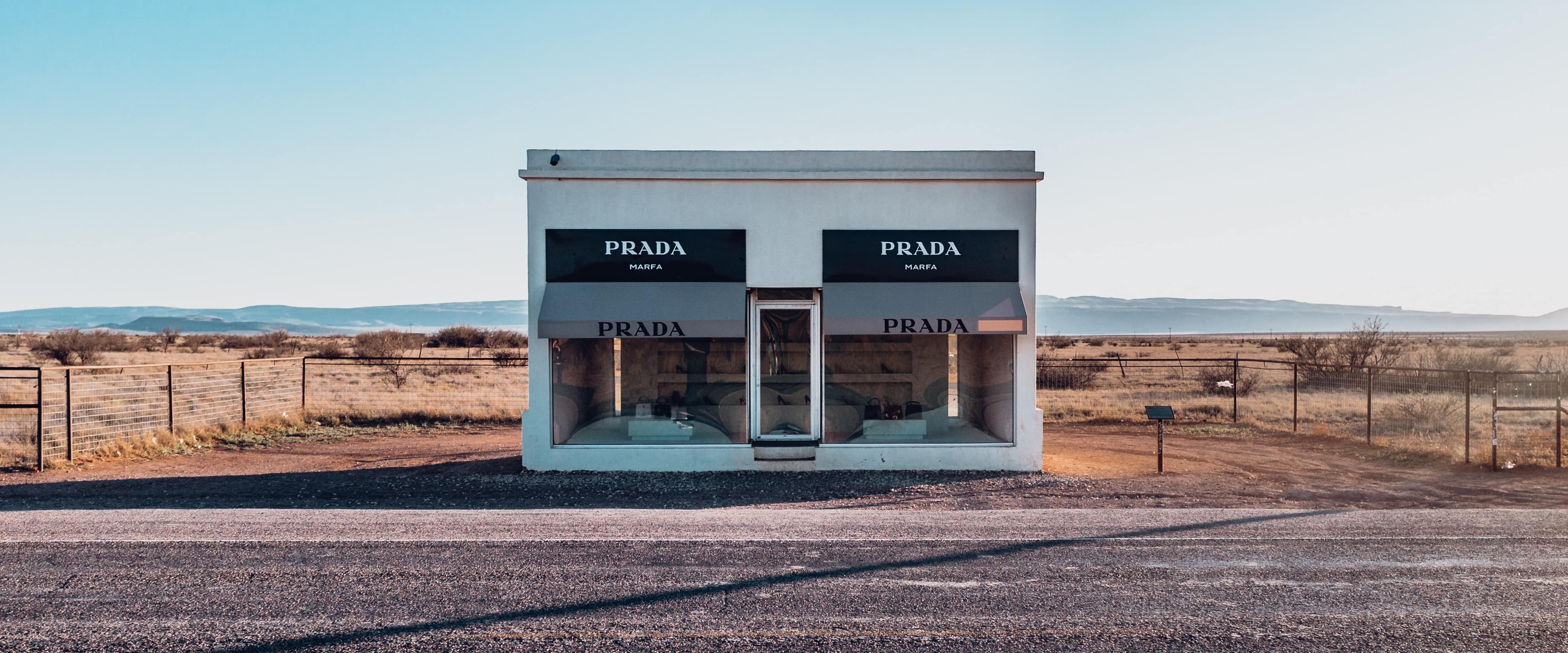
    The iconic PRADA Marfa art installation sits along US-90 in west Texas.
    Image by Robin Benzrihem from Unsplash

    This art installation has entrenched itself as an iconic roadside attraction since its opening in October 2005. The building was built to look like a Prada storefront, complete with authentic shoes and handbags donated by Prada. The items are not for sale, however, and the storefront’s door does not open. The handbags’ bottoms have been removed while the shoes are all right-foot shoes. PRADA MARFA is located along US-90, 35 miles northwest of Marfa in western Texas.

    Along your travels, you’ll likely want to stop in if you’re heading east or west along I-10. When you reach Van Horn, TX head south for 35 miles on US-90. PRADA MARFA will be one mile north of Valentine, TX. If you like PRADA MARFA, be sure to check Ballroom Marfa’s biggest public commission since PRADA MARFA: a sculpture located in the grasslands of Texas called Stone Circle.

    Salvation Mountain

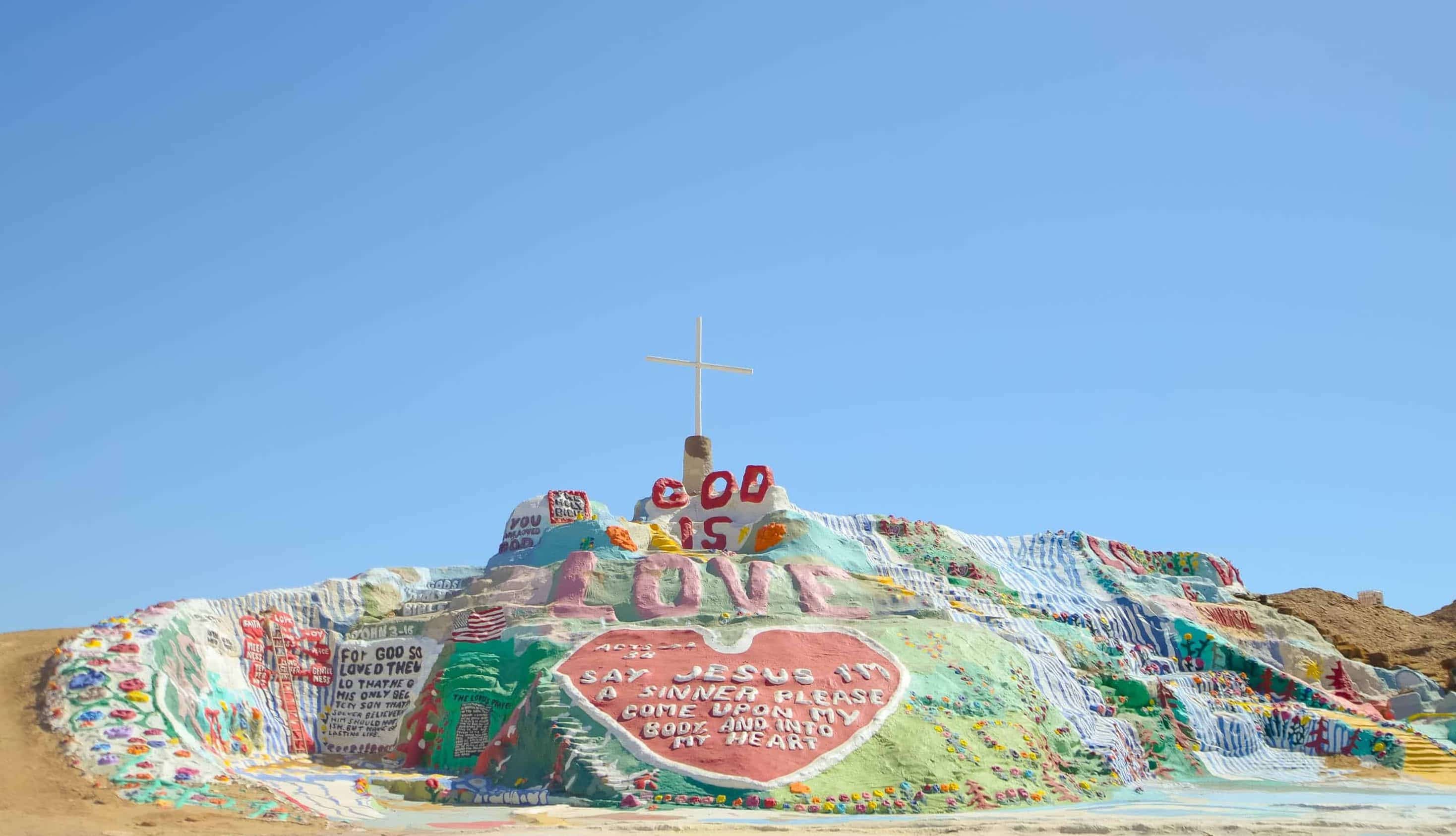
    Salvation Mountain on a bright, sunny day in the Sonoran Desert
    Image by Chelsea Bock from Unsplash

    Colorful Salvation Mountain is the beautiful vision of its creator Leonard Knight. Leonard was steadfast in his mission to share a message of love, working on his creation for nearly 30 years while living out of his camper in the desert.

    Originally, from Vermont, Leonard became very devoted to God at age 35. Unfortunately, his faith and belief in the simplicity of the message that “God is Love” was misunderstood by churches and the religious community around him. Believing that God loves every single human on Earth, he decided he would spread his message via hot air balloon.

    After many years and failed attempts, he found himself out west in Slab City and a new idea to build a mountain struck him. His first attempt failed, collapsing on itself. Always maintaining a grateful and positive outlook, he set out to try again.

    Half a million gallons of donated paint later, his mountain stood five stories high and 150 feet wide, decorated with birds, trees, and flowers. His work and message resonated with those around him, and eventually with visitors from all over the world. He passed away in 2014, but his monument still stands welcoming all.

    You can see Salvation Mountain for yourself if your travels are taking you along I-10 or I-8 in California. It’s 90 minutes from Palm Springs, south of Joshua Tree National Park, and east of the Salton Sea. It’s a great stop if you’re headed to or from Anza-Borrego, Joshua Tree, or San Diego. Take Beal road out of Niland and into Slab City. Don’t forget to bring some paint cans to donate if you can!

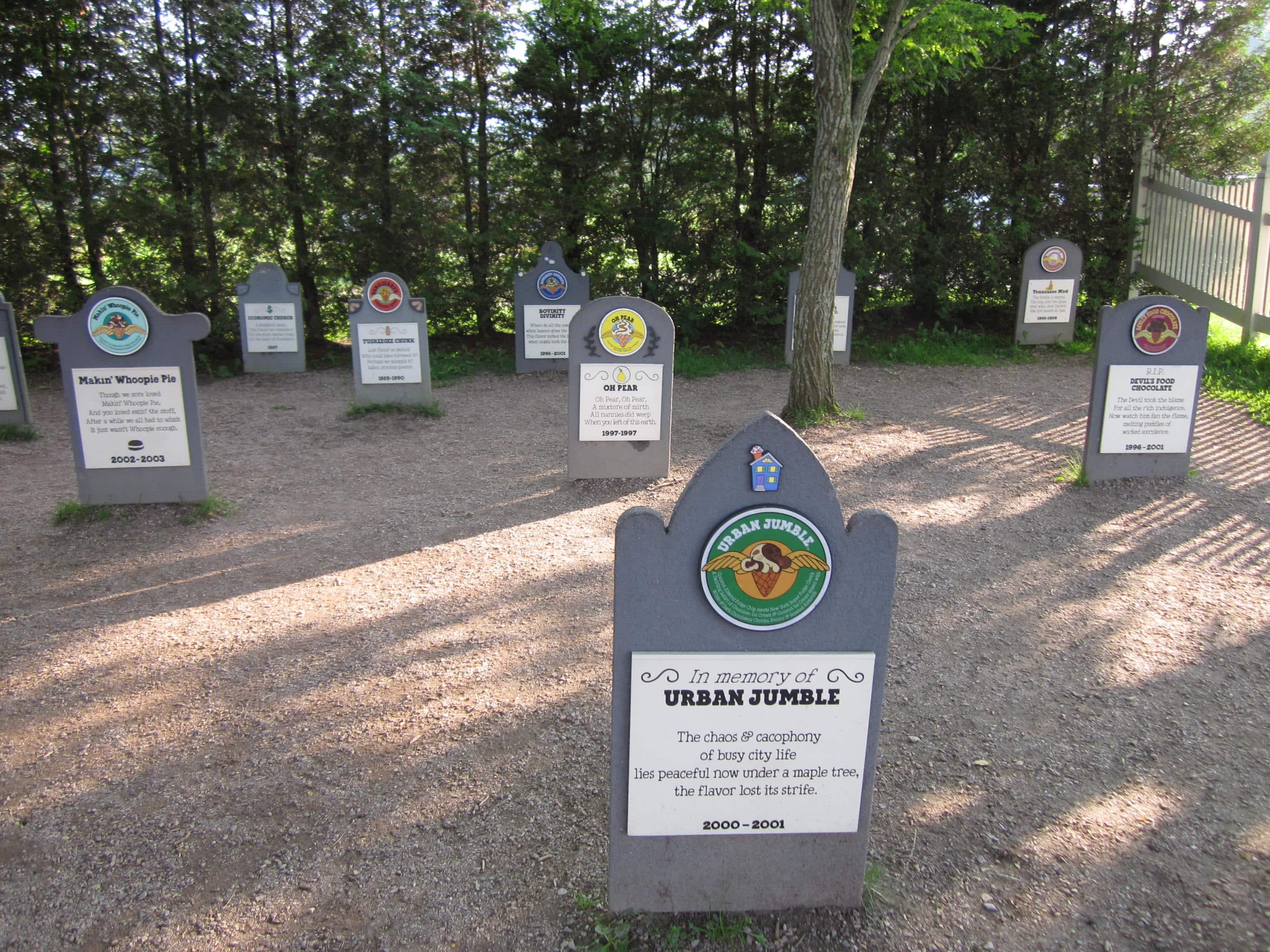
    Ben and Jerry’s Flavor Graveyard

    Ben and Jerry's Flavor Graveyard honors retired ice-cream flavors
    Image by Doug Kerr on Flickr

    Should your travels take you to Leonard’s home state of Vermont, stop in at the Ben and Jerry’s graveyard. The Ben and Jerry’s Flavor Graveyard is where all of their retired or as they say, “dearly de-pinted” flavors go.

    The graveyard is located at the Ben and Jerry’s factory in Waterbury, Vermont. You can combine your walk through the flavor graveyard with a 30-minute guided tour through the factory. The guided tours do fill up, but the flavor graveyard is self-guided and open to all at any time during the day. To get to the flavor graveyard take a walk up the hill, behind the ice-cream plant, and to the left of the playground.

    Market Theater Gum Wall

    A rainbow of gum clings to the wall of Seattle's Market Theater
    Image by Taylor Vick from Unsplash

    When in the Northwest, make time for a stop at Seattle’s Market Theater Gum Wall. It’s an easy stop to make, when in Seattle since it’s right outside the entrance to Pike Place Market. The wall became a gum wall back in the early 90s. At the time, theatergoers began sticking their gum to the brick wall while waiting outside. At first, there were attempts to clean it up, but that never stuck (no pun intended!). Theatergoers and eventually visitors continued to stick their gum covering a 50-foot stretch of wall, transforming the wall into a colorful, well-known attraction.

    More than 2,000 pounds of gum was removed in 2015 for restoration purposes, but the gum wall is now back to its sticky glory. Now you can even find gum illustrations and gum sculptures. While in Seattle you can make some other quirky stops: the Fremont Troll, the largest Hat ‘N’ Boots, and the Giant Shoe Museum. If you really, really wanted to see a gum wall, but aren’t going through Seattle, you’re in luck. There is a gum wall in San Luis Obispo, CA and a small one in Greenville, OH.

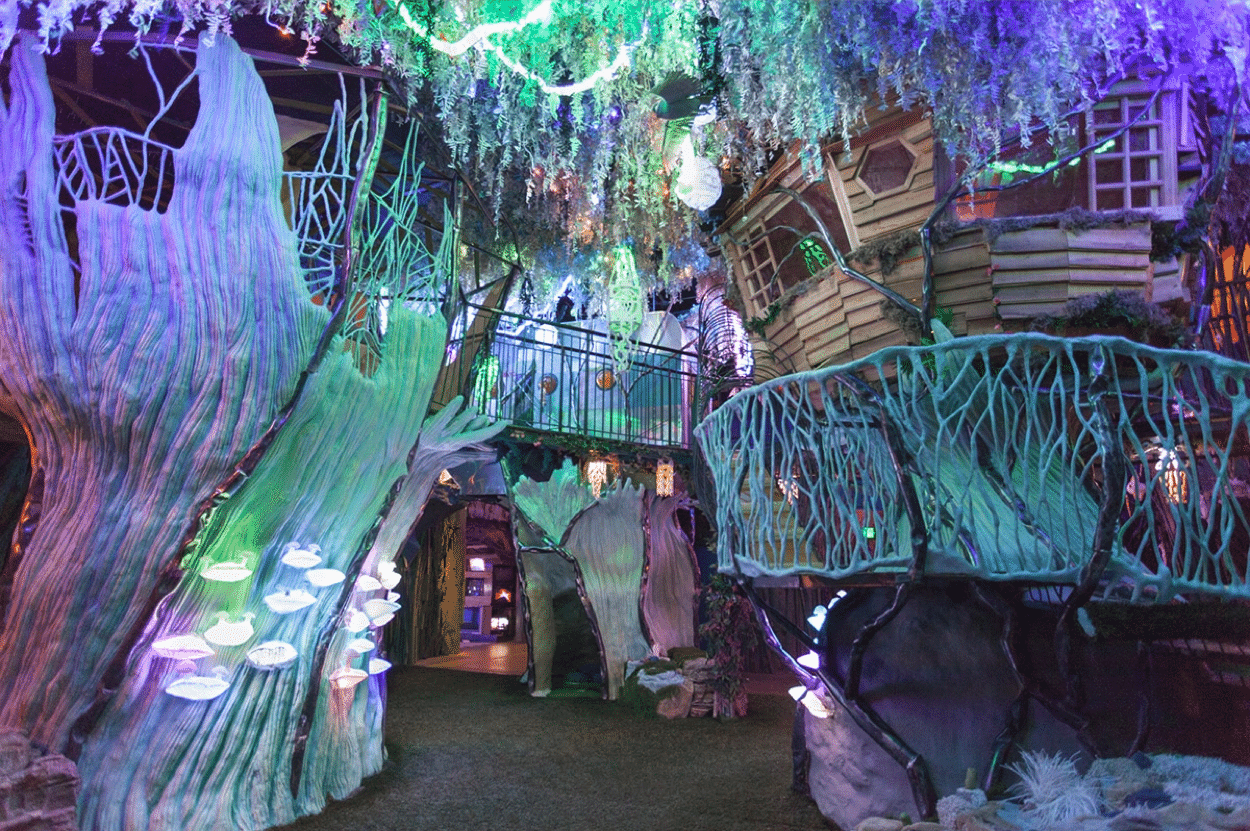
    Meow Wolf House of Eternal Return

    The House of Eternal Return at Santa Fe's Meow Wolf
    Photo Courtesy of Meow Wolf

    Meow Wolf’s House of Eternal Return in Santa Fe is a must-see that’ll have your imagination running wild. How would you like to walk through a mysterious house where the properties of time and space have dissolved? Go ahead, step through a washing machine and into another dimension.

    This award-winning permanent art installation is completely immersive and interactive. This is an experience unlike any other you’ve had and it’s great fun for both adults and kids. Playfully walk, crawl, and climb through the mysterious environment all while solving a mystery.

    Those of you who are Game of Thrones fans might be interested to know the House of Eternal Return installation was launched with the support of George R.R. Martin. There is so much to play with and discover, you’ll probably want to go back. Word has spread so soon Meow Wolf will be opening locations in Las Vegas (2020) and Denver (2021), too!


    As you continue your RV road trips this summer be sure to let us know what some of your favorite road trip stops have been! Leave a comment below!


    Source link

  • RVing the Rails – Excursion Trains in Missouri

    RVing the Rails – Excursion Trains in Missouri


    Many times camping trips involve exploring new territory and discovering enticing attractions along the way. Passenger tour trains have that magnetic appeal for many RVers, providing a novel way to see hidden countryside not normally viewed from the road. Railroad passengers learn about local history, culture and the many colorful characters from the communities visited. Camping World wants to make sure you don’t miss the departing whistle, so we have created a series entitled RVing the Rails. You will find the most popular excursion trains to ride in each state, complete with any specialty trains they might offer.

    Excursion Trains in Missouri - Camping World

    Today we will explore the most popular trains in Missouri:

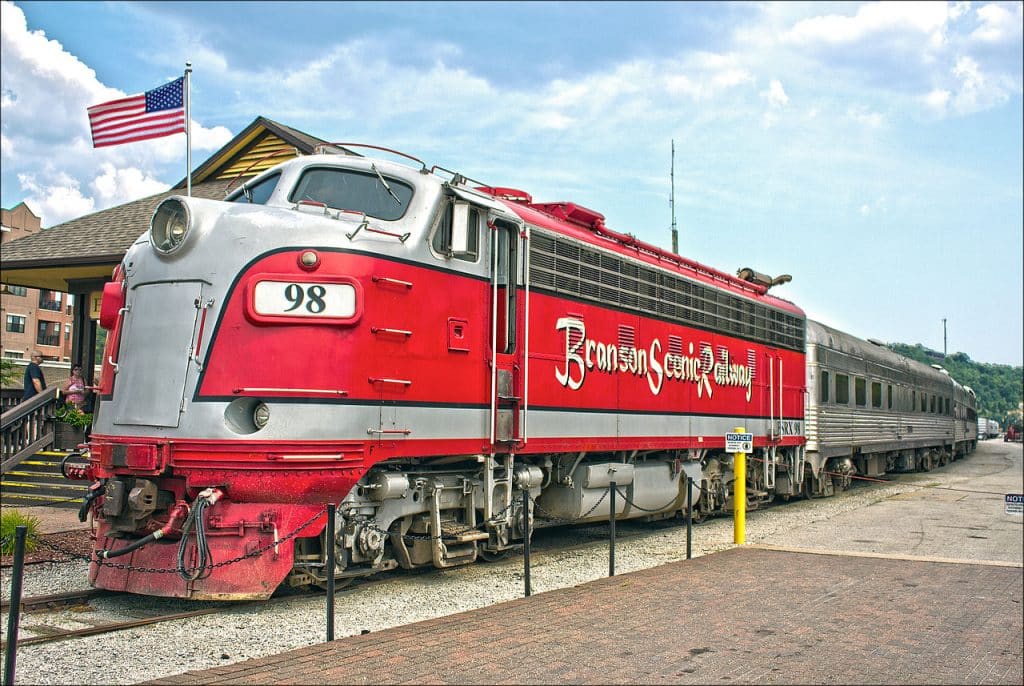
    Branson Scenic Railway

    Excursion Trains in Missouri - Camping World
    Photo Credit: Doug Wertman (CC BY-SA 2.0)

    Started as part of the Missouri Pacific Railroad, running from Kansas City to Little Rock, Arkansas, this railway was responsible for introducing tourism to the Ozarks in the early 1900s. Back then, the local spur was called the White River Railway, and with the advent of visitors to the area, Branson became known as a local getaway for Missourians.

    Today, the city is nationally recognized for its family-friendly entertainment venues, and the Branson Scenic Railway provides tourists with a beautiful trip through Ozark mountain landscapes on historic rails.

    Railway and Locomotive Types

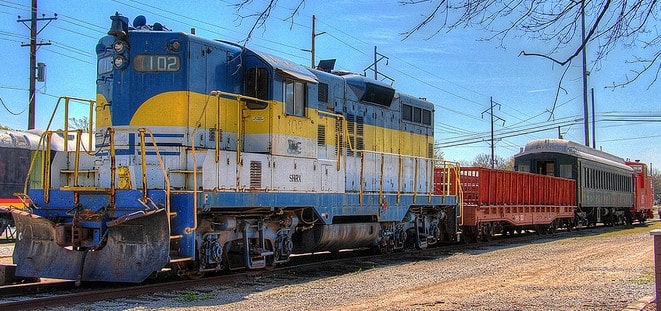
    The railroad is run on standard gauge tracks by a diesel engine pulling restored first class passenger coaches, lounge cars and a caboose.

    Seating Options

    All seating on the Branson Scenic Railway is open, but with several enclosed passenger cars and two dome cars, boarding is done in the order reservations were received. So reserve your tickets early for choice seating selections.

    Passengers are encouraged to move throughout the train and inspect each of the restored vintage cars during the trip. You won’t miss a thing, though, as music and narration are piped through each car.

    Riding Options

    Leaving the Branson Depot, passengers have the option to take the train north or south:

    • Northern travelers will venture to Galena, Missouri, and the James River Valley.
    • Southern passengers travel into northern Arkansas to the Barren Trestle.

    Both trips are narrated and point out the historic tunnels, trestles and extinct railroad towns, with information on how train travel helped to shape the Ozark Mountains in this area. Each tour is approximately 20 miles and is completed in two hours. Much of the journey is through forested mountainous topography, over trestles and through railroad tunnels.

    Specialty Trains

    • Dinner Train – Enjoy a first class meal in a restored coach car, as you wind your way through the Ozark Mountains. Dinner trains run on Saturday evenings from April through October.
    • Polar Express – Take a trip to the North Pole to pick up Santa for the return ride. During that time all guests will enjoy cocoa and cookies, the story of the Polar Express, and talking with Santa about that special Christmas wish!

    Length of Season

    The Branson Scenic Railway runs from March through December, with daily departures twice a day during the week, and four times daily on weekends. Check their schedule for specialty trains and season departures.

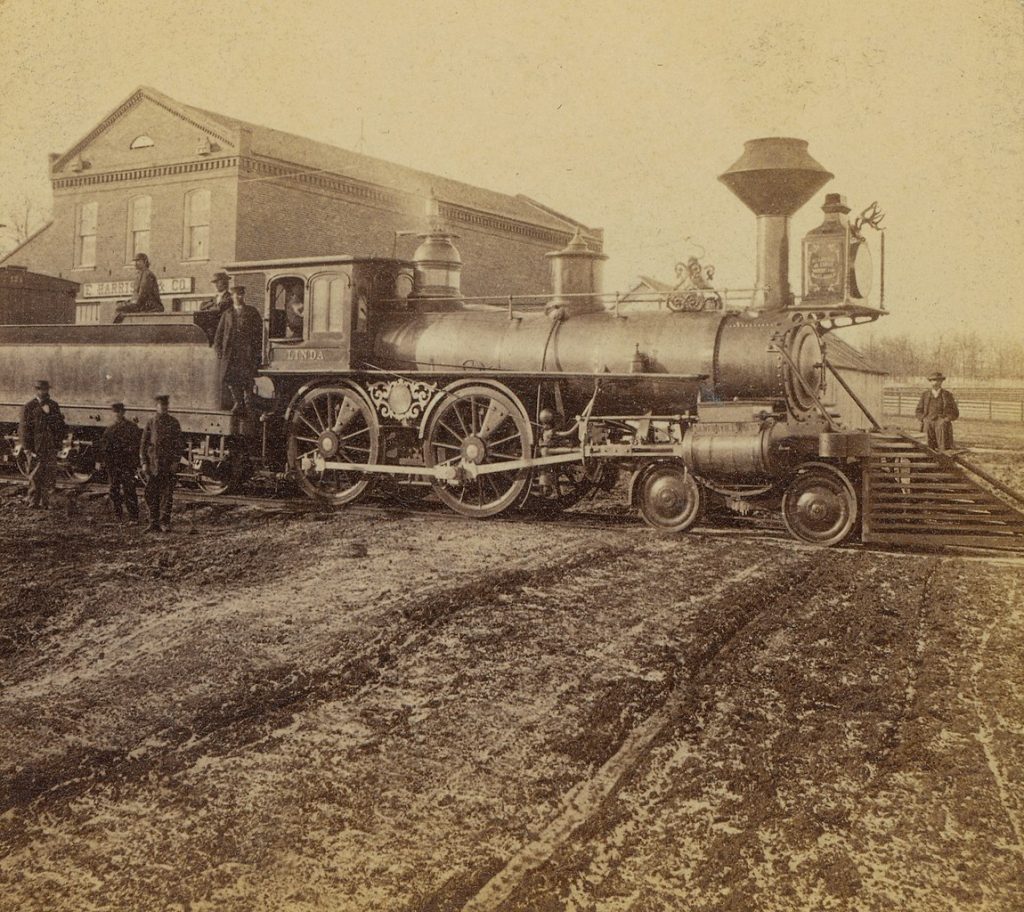
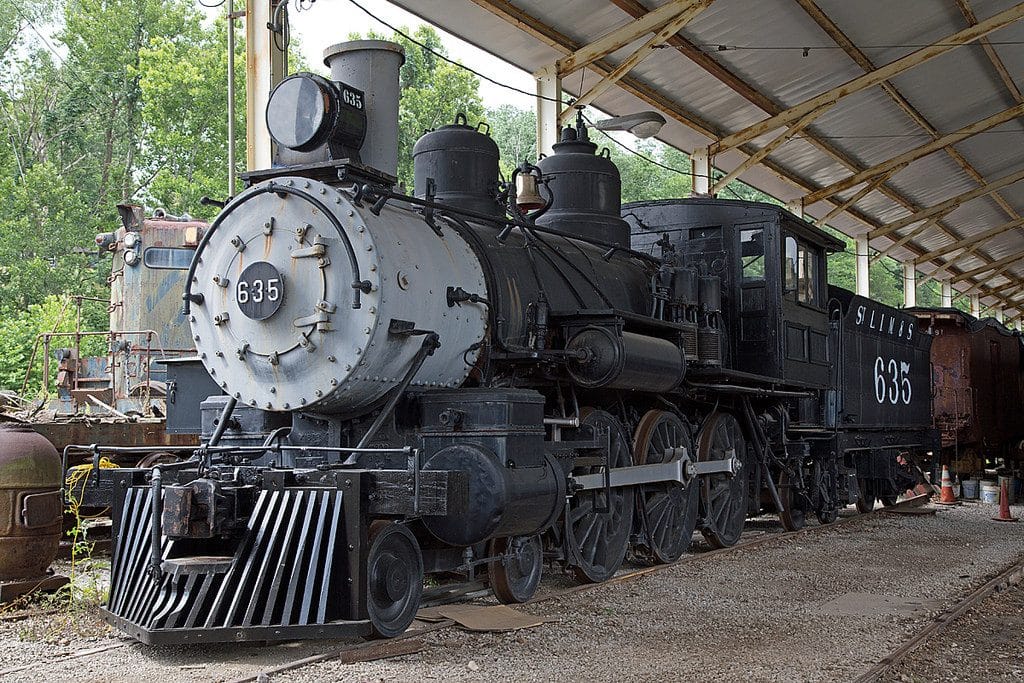
    St. Louis, Iron Mountain & Southern Railroad

    Excursion Trains in Missouri - Camping World
    Photo Credit: Missouri History Museum

    With a name that is not remotely descriptive of its location, the St. Louis, Iron Mountain & Southern Railway explores the area around Jackson, located near Cape Girardeau in the southeastern corner of Missouri. The initial tracks ran from Texarkana, Arkansas to St. Louis, bringing iron ore from Iron Mountain to the Gateway of the West.

    Today, this small portion of track is a shortline railway, preserving the heritage of historic railroads in the Ozark Mountains.

    Railway and Locomotive Types

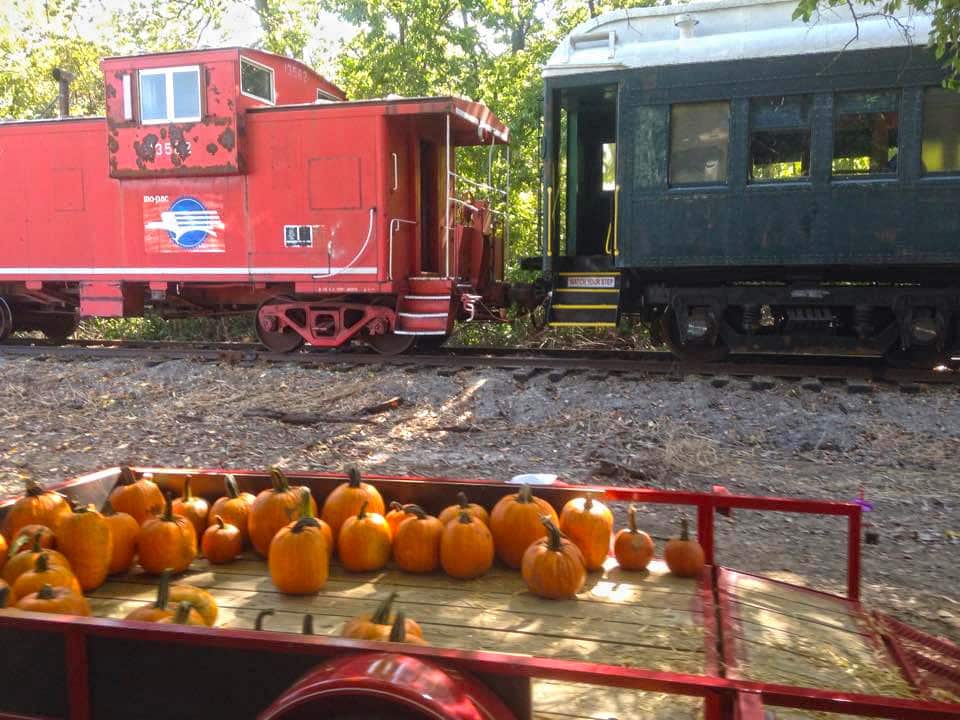
    The Iron Mountain train is pulled by a diesel engine on standard gauge tracks. Its rolling stock includes several passenger coaches and a red caboose, all restored and run by volunteers who want to keep railroading alive by highlighting historical equipment and travel.

    Seating Options

    Seating is not assigned on the St. Louis, Iron Mountain & Southern Railroad, with open seats available in enclosed passenger cars. An optional ticket for a cab ride in the engine is also available for an additional cost.

    Riding Options

    Excursion Trains in Missouri - Camping World

    The railway is five miles long, with most train rides about two hours in length. This allows for a stop at Cactus Gulch, where passengers can disembark and sit by the campfire to make s’mores, listen to music and play games. There are no side spurs or one-way tickets sold, but all trains are specialty trains, so check the schedule to see which train will be running on your day of departure.

    Specialty Trains

    Excursion Trains in Missouri - Camping World
    Photo Credit: Feral Boy (CC BY-SA 4.0)
    • Murder Mystery Dinner Theater – Each month a murder mystery gets solved on an evening dinner train. Don’t miss the intrigue or the departure!
    • James Gang Train Robbery – Jesse and the boys hale from Missouri, so it’s only fitting that they rob the local train before hitting banks out of state. And believe it or not, this very railroad was robbed by the James-Younger Gang back in 1874!
    • Dinosaur Train – Learn about these leftovers from the Jurassic Era, and dig for fossils at a train stop that every child will love!
    • Cowboy Chuck Wagon Dinner Train – Mosey right up to the chuck wagon dinner train, with a stop for great vittles and some bluegrass music.
    • Chocolate Express – Chocoholics will think they have taken the train to heaven when they realize the chocolate is unlimited on this sweet journey!
    • Santa Express – Watch as Santa attempts to land on the moving train. If he is successful, everyone can celebrate with songs, games and Christmas magic on this popular ride.

    Length of Season

    The Iron Mountain runs every Saturday from mid April through December. Because the Santa Express is their most popular train, departures are increased and run Friday through Sunday from Thanksgiving weekend through December 22. Check out their full schedule here.

    Belton, Grandview & Kansas City Railroad

    Excursion Trains in Missouri - Camping World
    Photo Credit: KCRRM.org

    Begun as the Burlington Northern that ran from Kansas City to Springfield, the current railway began to take shape when service was cut off at Clinton in the 1970s. The Belton, Grandview & Kansas City Railroad began excursion tours in 1991 as a project of the Smoky Hill Railway and Historical Society.

    The heritage railroad was a way to preserve rail travel and railroading history in the South Kansas City area.

    Railway and Locomotive Types

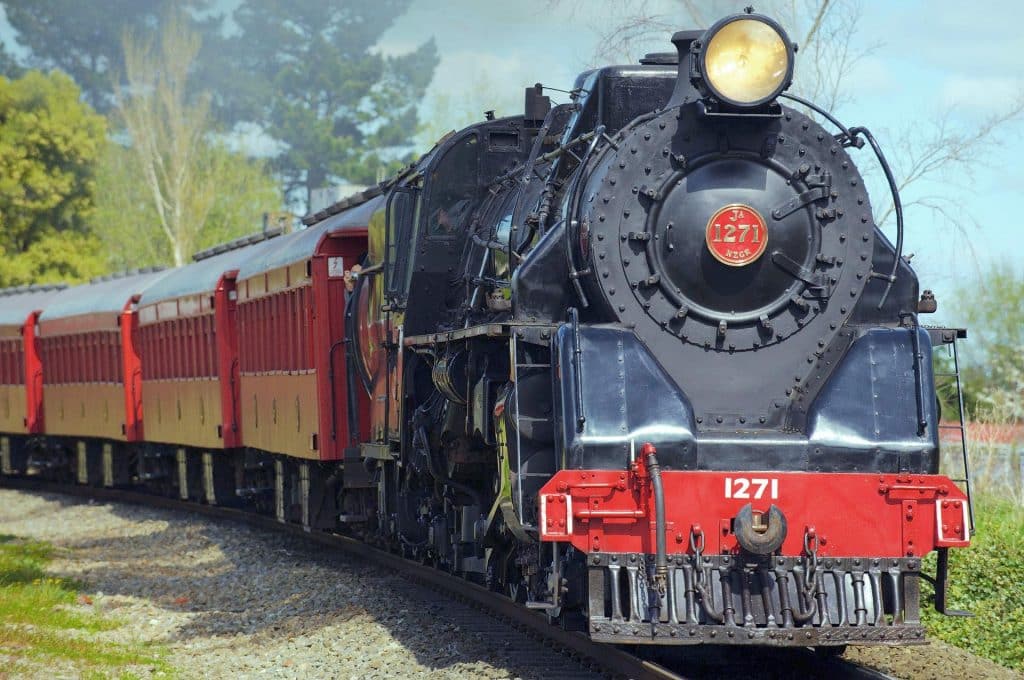
    A 1950s diesel locomotive pulls a passenger coach and an open excursion car from the 1920s along a standard gauge track. The rail yard also has several pieces of rolling stock to explore, including two steam locomotives and freight and club cars.

    Seating Options

    All seating is open, with no assigned seats in an enclosed passenger car that holds 60. The five mile excursion can also be enjoyed from an open air gondola car.

    Excursion Trains in Missouri - Camping World
    Photo Credit: KCRRM.org

    The Belton, Grandview & Kansas City Railroad does offer engine rides at an additional cost. These seats are limited to two customers per train. Tickets sell out frequently, so purchasing online in advance is usually a good idea.

    Riding Options

    The train runs a five-mile track through old town Belton and beyond. There are no side spurs or one-way tickets sold, but if there is need to add another train to the roster on a busy day, the railroad will gladly put new departures on the schedule to meet customer needs.

    Specialty Trains

    • Ice Cream Train – Beat the summer heat with an ice cream social during your tour of the Missouri countryside. The open car is outfitted with picnic tables for a tasty train ride.
    • Halloween Train – Kids of all ages will enjoy a journey to the pumpkin patch, where games and goodies await, along with jack o’lanterns available for your own carving fun!
    • Santa Train – Join Santa on a trip along the tracks, as children discuss their Christmas wishes with him. Once back at the depot, passengers enjoy cocoa and cookies.

    Length of Season

    The railroad is open on weekends from May through October, with the Santa trains scheduled on two weekends in December. The ride takes approximately 45 minutes and passengers need to be ready to board 20 minutes before departure.


    Join the thousands of RVers that have a love affair with trains and ride the rails on your next camping trip. Check out the other excursion trains available on a state-by-state basis in our series, RVing the Rails.


    Source link