Blog

  • If You Need A New Trailer Jack, Here’s How To Pick The Best One

    If You Need A New Trailer Jack, Here’s How To Pick The Best One


    Every travel trailer out there has one mechanism responsible for doing two things—getting level and getting onto a hitch ball. 

    Getting level requires two types: side-to-side leveling and front-to-back leveling. Side to side leveling is accomplished using levelers under tires on one side. The front-to-back leveling and connecting your trailer and disconnecting your trailer requires the very thing you are reading this article about: a jack.
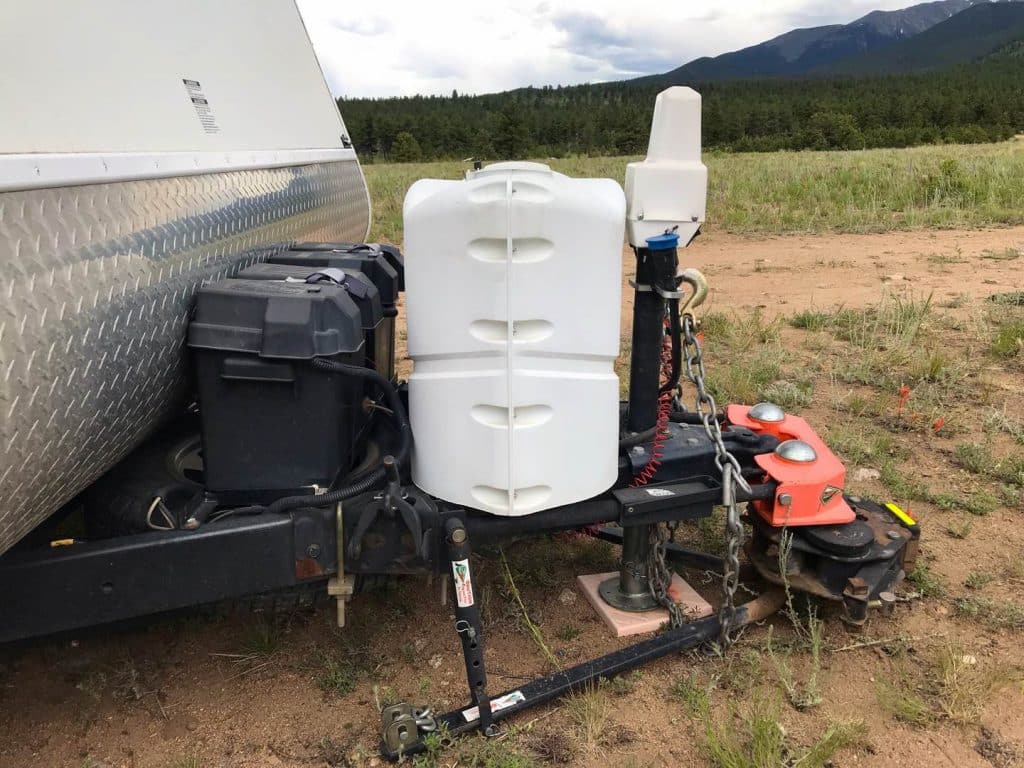
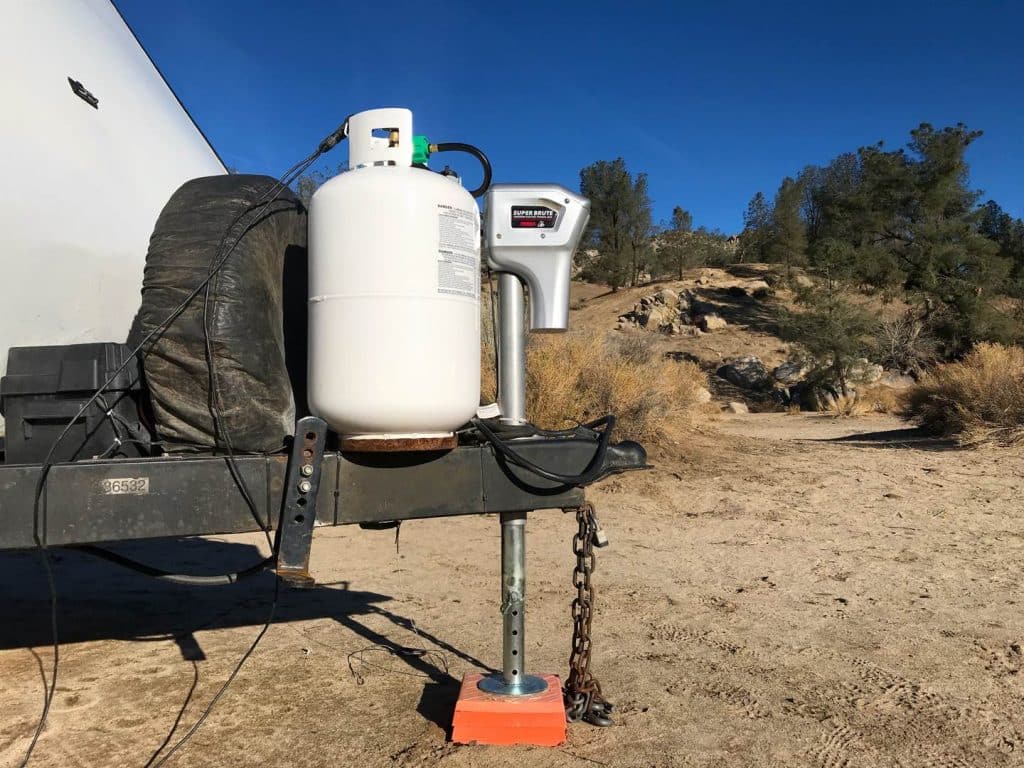
    trailer electric jack
    Image by author

    A jack is a vertical mechanism (leg) installed on the front of the trailer, on the tongue. It has the capability to raise and lower the tongue/front of the trailer. Without a jack, one would have to lift it by hand, which is basically impossible (Unless you’re Arnold Schwarzenegger. And you aren’t). Therefore, you need a jack for your trailer.

    Types of Jacks

    Your travel trailer probably already has one. If it didn’t, that would be really weird—and what else is that trailer missing? LOL!

    You either have one of two types of jacks on your trailer. A manual jack or an electric jack. 

    Personally, I have an electric jack. My business partner, Kelly, had a manual jack for her first three years of full-time RVing. Three. Miserable. Years (If you ask her). I have happily had an electric jack for the duration of my 5 years of full-time RV life. Kelly finally got one. Her back thanks her for it.

    What’s the difference between the two? It’s mostly pretty obvious, but we will dive into the specifics:

    Manual Trailer Jack
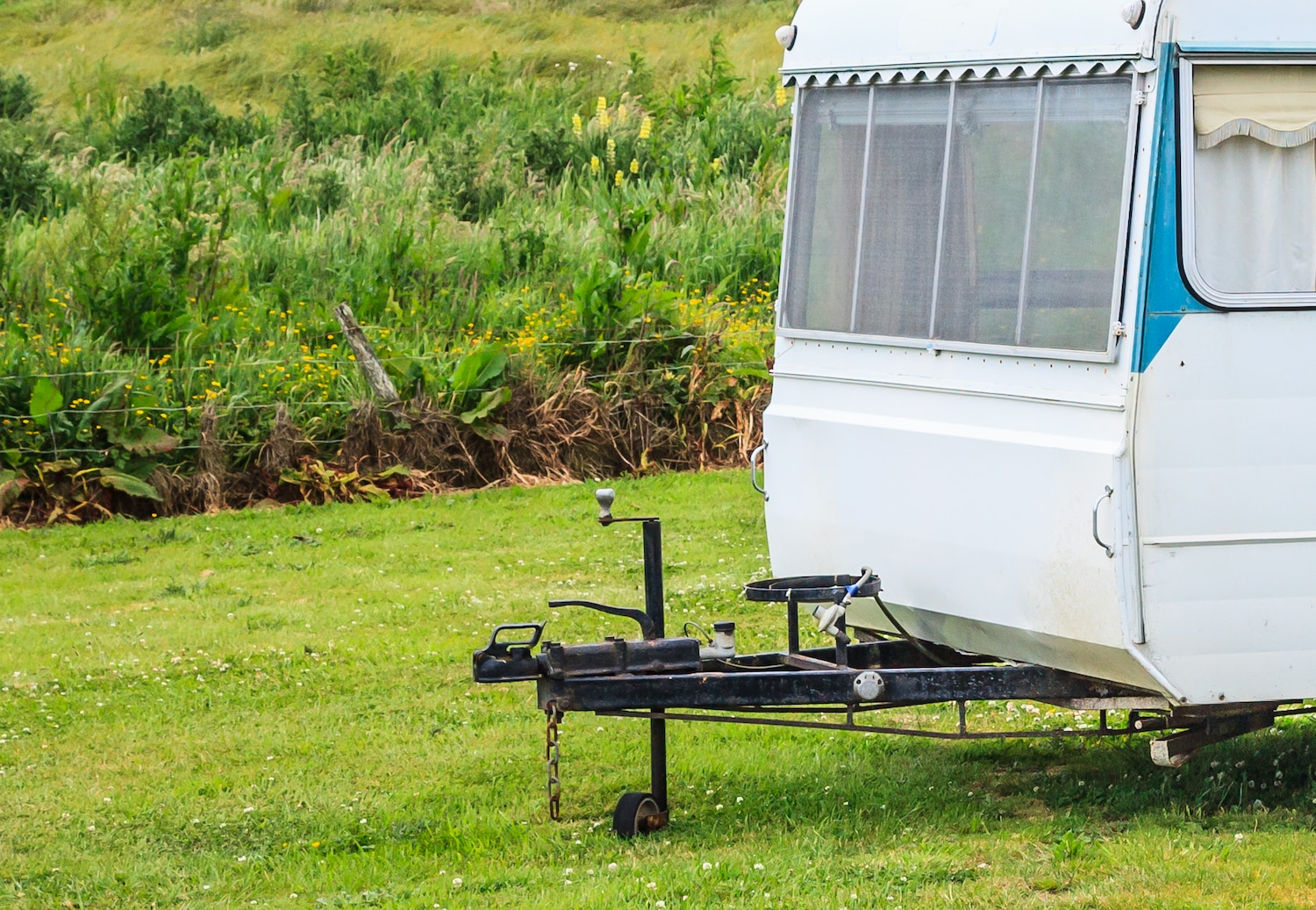
    manual travel trailer jack
    Image by Vichai Phububphapan from Getty

    A manual jack is a jack with a hand crank to lift and lower the tongue. The only motors are your own amazing, or not so amazing, muscles. The number of revolutions you have to turn it all depends on how much of a grade you are on, or how high/low your hitch is. 

    Some un-level places will make you feel the burn more than others! My friend Kelly may or may not have thrown a few r-rated comments out while leveling her trailer from front to back in the past!

    That’s it. It’s simple. You crank it up, you crank it down. The good news is that there are fewer parts to break, though you may feel it the next day in your back.

    Manual Jack Pros:

    • Cheaper
    • Potentially more durable
    • You get a little workout
    • Less expensive

    Manual Jack Cons:

    • Physically harder to use
    • Electric jack

    Electric Trailer Jack

    electric trailer jack
    Image by author

    Now we’re talking! An electric jack does the work for you. It’s a gear-driven mechanism that only requires the strength of a single finger to work it. You either select “up” or “down” (So nice).

    That’s all it takes. The jack obviously has to be connected to your battery in order to work. It runs off of a 12-volt power source only. It has more moving parts than a manual jack. This kind of jack should be quite durable, but still has more chances of breaking. 

    Say you are dry camping and you kill your battery. Of course, you wouldn’t because you already know how to avoid this, right? But say you do.

    What do you do? Well, the manufacturer’s thought of this as well. Your electric jack should have a manual hand crank that you can use to override the electric jack. So even if you are a clunkhead and kill your battery, you can still get hitched up.

    Still, a working electric jack will be way easier to use than a manual jack. Especially if you have a bad back, arthritis, etc.

    Electric Jack Pros:

    • Easiest to use
    • Manual crank if you lose power
    • Remote options available
    • Won’t throw out your back

    Electric Jack Cons:

    • Must know a little about electric to self-install
    • More expensive
    • More parts that can break

    What Size Jack Do I Need?

    Not all jacks are created equal. They come rated in pounds of lifting capacity. Your rig is of a certain weight and you have to get a jack capable of lifting the weight of the front of your trailer.

    This is likely going to be the most difficult part of getting a new jack, manual or electric. You’re going to HAVE to know how much your trailer tongue weight is. The best way to know is to weigh your trailer and weigh your tongue weight.

    If you know yourself and you know you simply will not properly weigh your tongue, then here’s a hack: Tongue weight should not be more than 15% of total trailer weight.

    But it easily could be more if you have a lot of heavy stuff placed near the front of the trailer, and don’t forget full propane tank and battery weight. So, if you know how much your trailer weighs fully loaded (but you will again, have to weigh your trailer to know this), you can guesstimate how much your tongue weight is.

    If you use a weight distribution system then tongue weight is NOT all that you need to know. If you use a WDH, you likely are going to use the jack to lift the back end of your truck and trailer to a certain degree to connect and disconnect the weight distribution hitch. 

    This means you also need to know how much the back end of your truck weighs. You won’t be lifting it off the ground, mind you, but your jack will need to be able to handle the tongue weight as well as the truck end weight.

    Check with your vehicle manufacturer to estimate how much load is on your back axle.

    Once you have an idea of what your tongue weight is plus a portion of what your truck end weighs, you can decide on how heavy-duty of a hitch you need. 

    It’s always better to have too much jack than not enough jack. Otherwise breakage could occur.

    Jack Leg Extensions

    Some jacks have a ‘drop’ leg that brings the bottom of the jack closer to the ground before you even start lowering it. Why is this a good thing? Because first, it will save you power- either manual or electric.

    Some people opt to simply stack boards or levelers under the jack. 

    This seems like an OK thing to do, but we strongly recommend against it. This makes the front of your travel trailer much more unstable. If your rig rolls, it can fall off of the levelers/blocks, causing damage or even injury. (Don’t believe? Just ask Marshall, ha ha.) (Link “Just ask Marshall” to https://campaddict.com/rv-wheel-chocks/#x-chocks-caution)

    Therefore, a leg extension is a good idea as a general rule. 

    Some jacks come with extensions (Such as Kelly’s Husky Super Brute). Others do not. However, if you tend to only stay in level spots, you can get an after-market drop leg (such as the Fastway Flip)

    Jack Feet

    It’s kind of ridiculous, but some jack manufacturers, I suppose, try to save money by not adding a ‘foot’ to the jack. In this case, the jack leg is simply a hollow tube. Now imagine putting that jack down in dirt. 

    Exactly, it’s going to sink. Again, there are aftermarket ‘feet’ that you can purchase and add to your jack. They are especially useful if you dry camp a lot off of pavement.

    Hitching and Unhitching Your Travel Trailer
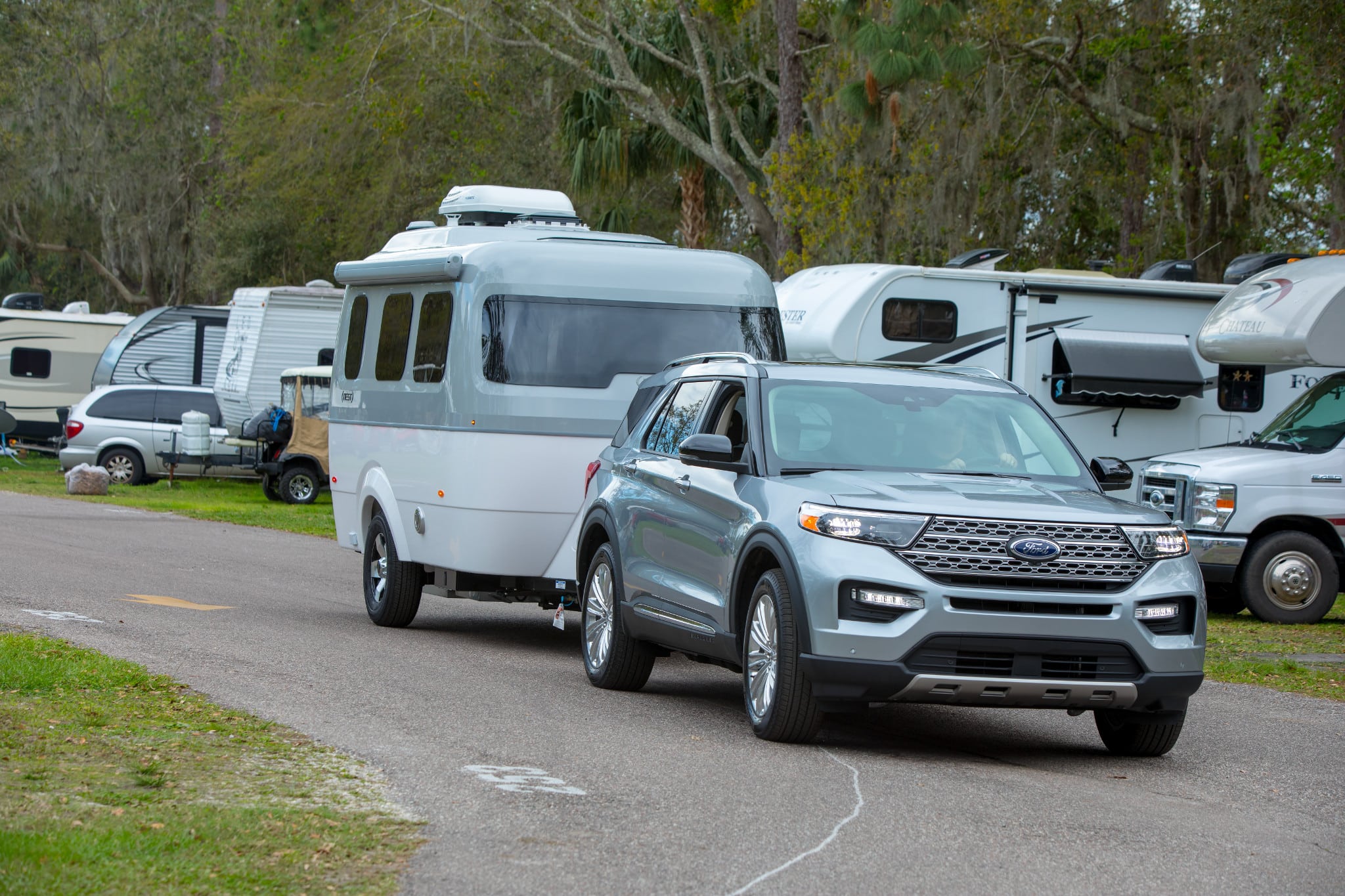
    Travel trailer getting towed
    Image by Shawn Spence

    Hitching up and unhitching is not a difficult process, really. We even explain how to do so.

    Otherwise, here are some important things to remember:

    • Always make sure your trailer is chocked before disconnecting.
    • Keep your chains connected to your vehicle while disconnecting. This way if your trailer rolls, it can only go so far.
    • Use a chain holder to keep chains from dragging.
    • Always cross your chains. This will hold the tongue off the ground in the event of a disconnect.
    • If you have an absorption fridge (the majority of trailers do), you need to be level all around to keep from killing your fridge or worse, from it catching fire.
    • Be sure your trailer doesn’t make the back of your tow vehicle sag. If it does, you need a weight distribution system.
    • Frequently check the tightness of the bolts that hold your jack onto your hitch.
    • Don’t pile up a bunch of levelers or boards to prop up your jack. It could easily fall off and cause damage.

    A Key Takeaway

    Every travel trailer has a jack. Whether you get a manual one or an electric one is really just personal preference. Just remember that a manual jack will be harder to manage, and an electric jack has the capability of breaking more often. Yes, manual jacks can also break, of course, but it’s less common. 

    Make sure you get a jack that is heavy-duty enough to handle your tongue weight and possibly to also lift part of the back end of your tow vehicle. 

    You can’t overdo it but you sure can under-do it! Don’t under-do the jack weight rating, or you may break your jack.

    Well, that’s about it in a nutshell! If you are looking to replace your trailer’s tongue jack, go for it. We recommend electric for ease of use, but not everyone wants or needs one. Go with your gut and make sure you get one that can do the job!


    Have you recently purchased a new jack for your rig? What did you get? Leave a comment below!


    Source link

  • Is Adding Solar to Your RV Worth It?

    Is Adding Solar to Your RV Worth It?


    One of your biggest concerns when RVing is power. It doesn’t matter if you’re a full-timer or a weekend warrior, you need electrical power to make the systems and electrical components and applications work. Without that power, you’ll be much less comfortable and less happy while camping.

    While there are electrical hookups at many campgrounds, solar power is another way of getting power to your RV. While it takes a little doing and a little planning, it can certainly do the trick. Is solar worth it though? Let’s take a closer look.

    Why Solar Power for Your RV Is Smart

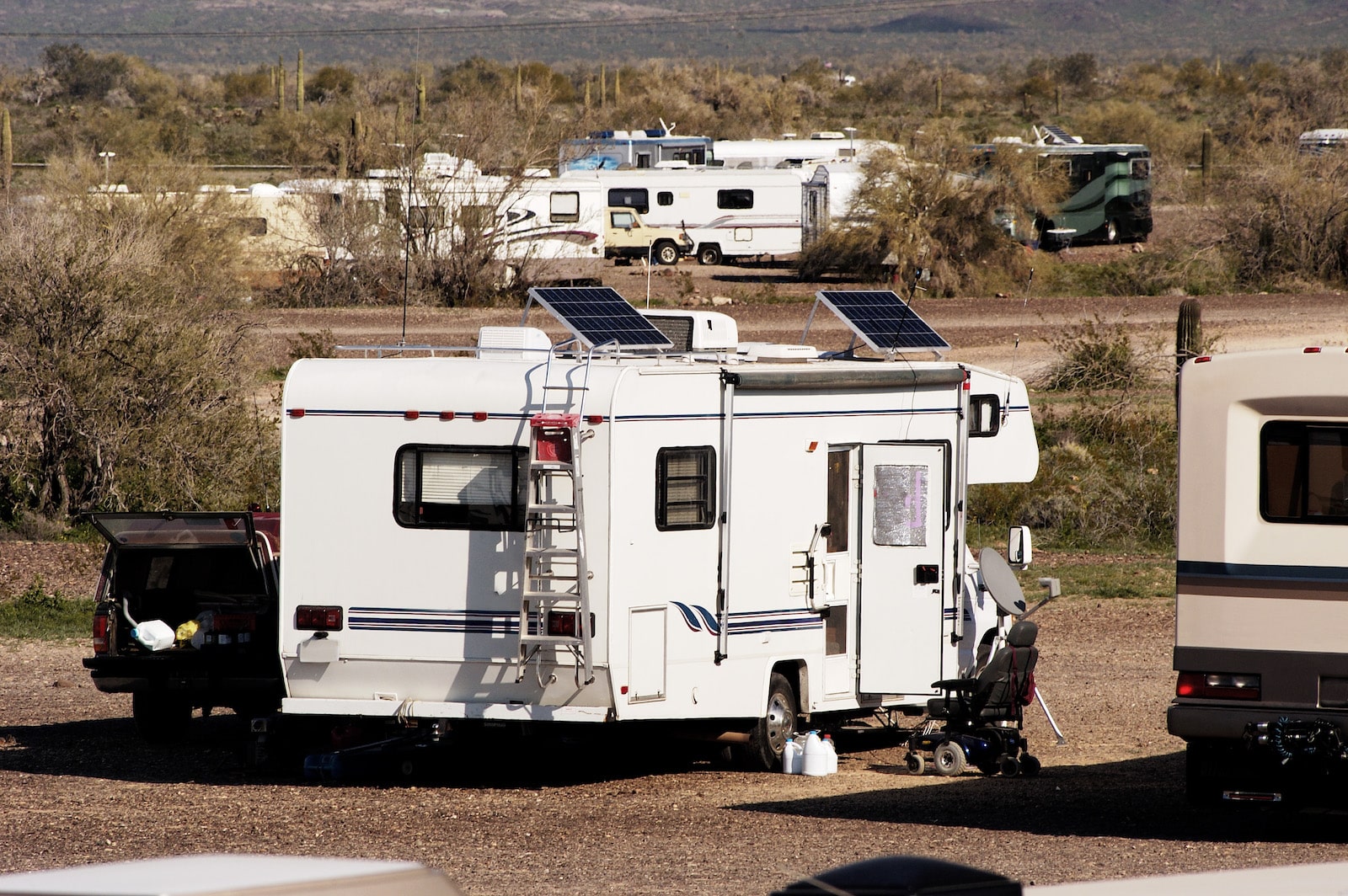
    Camping without campground utilities in the Arizona desert.
    Image by photosbyjim from Getty

    Solar panels installed on an RV is one of the most common ways that people who RV often get power to their rig. It’s a popular option for many reasons. Here are some of the biggest ones.

    Costs are Coming Down

    Solar panels used ot be a massive investment. While you’ll still have to make significant investment, the cost of the equipment in terms of the panels themselves, the inverter, controller, and batteries are coming down.

    According to Energy Sage, the cost of solar power equipment has come down significantly in the last few years. It’s also expected to continue to do so. This means you can make the investment for less money overall.

    You Have Power Anywhere

    If you’re an avid boondocker, then solar power is basically a must-have. When boondocking you’re not plugged into any power grid and this means you’ll need to create your own power.

    Some people do this by using portable gas generators, which work great, but a solar power setup can be a great alternative or supplement to your generators.

    Solar Equipment Works in a Variety of Environments

    Many people think if it’s cloudy your solar panels won’t work. That’s not the case. Modern solar panels can harness the sun’s energy even when conditions are less than ideal. Don’t think adding solar panels to your rig means you’re stuck to only camping in high sunlight areas.

    You can easily use your solar panels even when its cloudy. When doing this, plan ahead and have a backup. Obviously bright direct sunlight will give you the most power, but it’s not absolutely necessary. Keeping a portable generator on hand is still a smart move.

    It’s Not Too Difficult to Install

    Many RVs come prepped for the addition of solar panels. Whiel most of these models are newer, even older RVs can be outfitted with solar panels pretty easily.

    If you don’t have an RV that comes solar prepped, then you can get help from a variety of retailers, who will help you outfit your rig with the necessary equipment. Reach out to your local Camping World location to see if you can have the installation done by our service professionals.

    Why Solar Power Can Not Make Sense

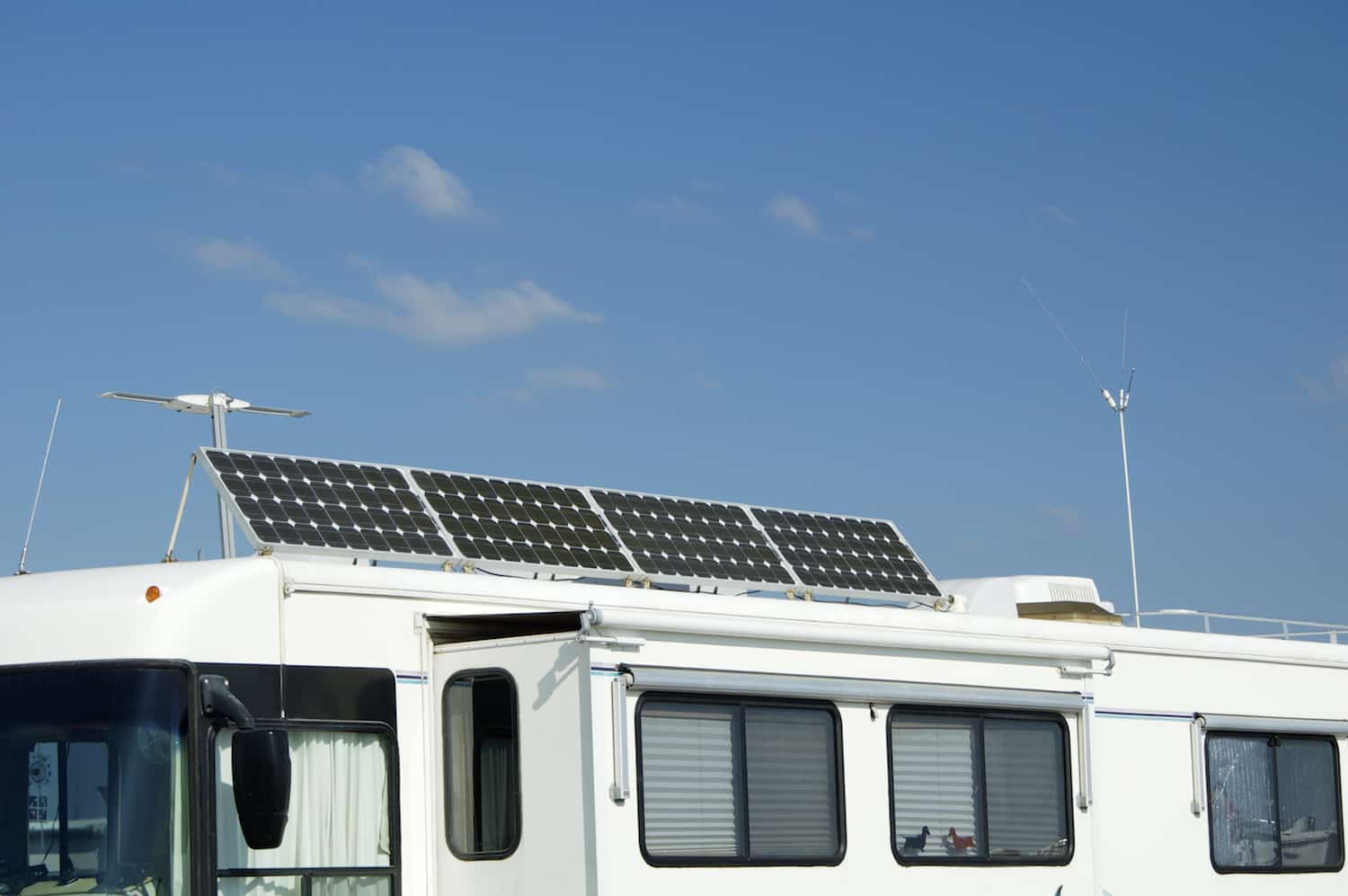
    Camping with solar panels for converting energy from the sun to electricity.
    Image by photosbyjim from Getty

    At this point you might be thinking that solar planes sound great and you want to go out and buy some. Well, that’s fine, but you should know why and when they can not make sense.

    It Can Be a Major Investment and Take Time to Pay Off

    It’s true that the price of solar panels are coming down, but they’re still a pretty big investment for most people. Depending on the size of your rig, you may need a lot of panels to cover your electricity needs. This can make the costs add up.

    Also, if you don’t use your RV extremely often, then it can take a very long time before you really get enough use out of your RVs for the initial investment to make sense. Full-timers should have no problem getting the most out of their solar investment, but many weekend warriors will find the expense tough to justify. Think long and hard about whether or not it’s worth it to make the investment.

    Most RV Parks Have Electric Hookups

    Related to the idea that solar panels can be a big investment is the fact that many RV parks and campgrounds offer electric hookups. So, if you’re camping at locations that already have the hookup, you won’t need your solar panels. If you’re a weekend warrior, this can mean it’ll take even longer to justify the investment.

    However, if you camp solely in locations where there are no electric hookups adding solar can make sense. Think about how and where you camp before you add solar to your rig. It’s really your habits that will determine if adding solar to your RV is worth it.


    Do you have solar panels for your RV? How do you like them? Leave a comment below. 


    Source link

  • RVing the Rails – Excursion Trains in Michigan

    RVing the Rails – Excursion Trains in Michigan


    Many times camping trips involve exploring new territory and discovering enticing attractions along the way. Passenger tour trains have that magnetic appeal for many RVers, providing a novel way to see hidden countryside not normally viewed from the road. Railroad passengers learn about local history, culture and the many colorful characters from the communities visited.  And Camping World wants to make sure you don’t miss the departing whistle, so we have created a series entitled RVing the Rails. You will find the most popular excursion trains to ride in each state, complete with any specialty trains they might offer.

    Excursion Trains in Michigan - Camping World

    Today we will explore the most popular trains in Michigan:

    Adrian & Blissfield Railroad

    Excursion Trains in Michigan - Camping World
    Photo Credit: ABRailroad.com

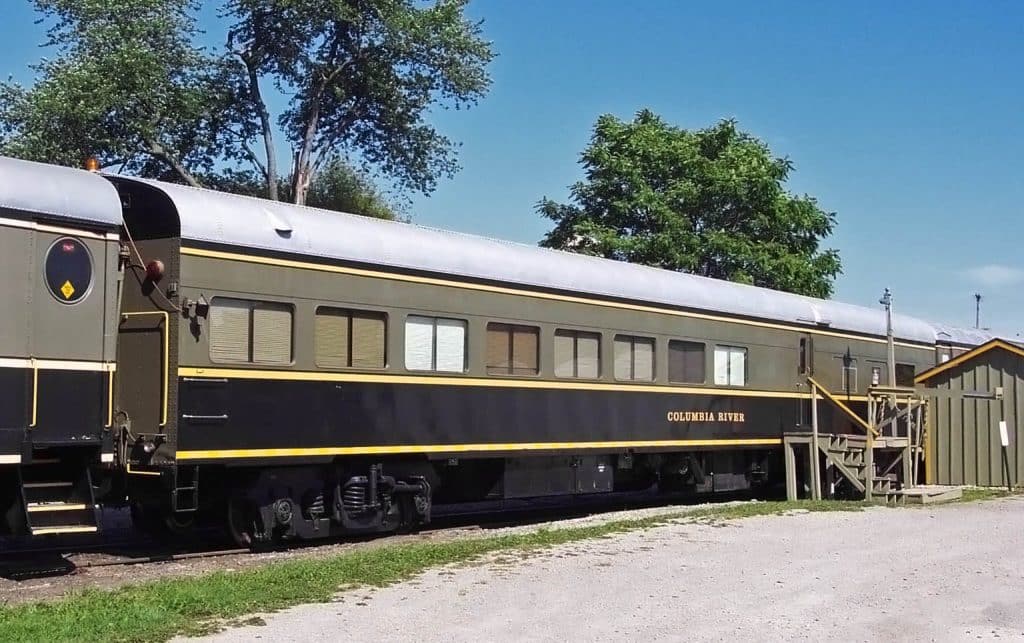
    This railroad runs on some of the oldest tracks in the nation. Built in 1834 for the Erie & Kalamazoo Railroad, today’s dinner train saunters along 14 miles between the towns of Adrian and Blissfield, so passengers can enjoy a leisurely meal with entertainment before returning to the station. The railway still hauls freight during the week, but giving passengers a unique weekend dining experience is their ultimate goal.

    Railway and Locomotive Types

    The Adrian & Blissfield Railroad operates with diesel engines on a standard gauge rail.  All passenger cars are enclosed, climate-controlled coaches restored to their original grandeur.

    Seating Options

    Excursion Trains in Michigan - Camping World
    Photo Credit: ABRailroad.com

    The railroad offers traditional rail car seating, with four to a table. There are no separate classes and all seats are assigned.  Passengers travel in restored enclosed coaches, and most trains include meals and entertainment. See the Specialty Trains section for specific descriptions.

    Riding Options

    The A&BRR has a variety of train schedules, but all journeys are round trip. Train travel time can range from one-and-a-half-hours to three-and-a-half-hours, dependent upon the excursion selected. Dinner trains have evening hours, but other adventures start around midday.

    Specialty Trains

    • Murder Mystery Dinner Train – Help solve the mystery of murder on the train, as you travel the Michigan countryside. A five-course meal is included with your three-hour journey.
    • Grandparents’ Day Pizza Train – Grandchildren will enjoy a two-hour train ride with Grammy and Gramps, complete with entertainment including a magician and coloring activities. Both age groups are welcome to devour pizza along the way!
    • Family Excursion Train – If you are looking for a shorter family outing without a large meal, get a ticket on the Excursion Train. The trip lasts for an hour-and-a-half, just long enough to entertain everyone in your party.
    • Quiet Ride in the Country Train – Relax on a two-and-a-half-hour tour with a scrumptious five-course meal. It’s a great way to get away from the hustle and bustle of everyday life!

    Length of Season

    The Adrian & Blissfield Railroad runs year-round, with trains scheduled every weekend. Specialty excursions are sometimes scheduled during a weekday, so check the schedule to plan your visit.

    Huckleberry Railroad

    Excursion Trains in Michigan - Camping World
    Photo Credit: Drew Jacksich (CC BY-SA 2.0)

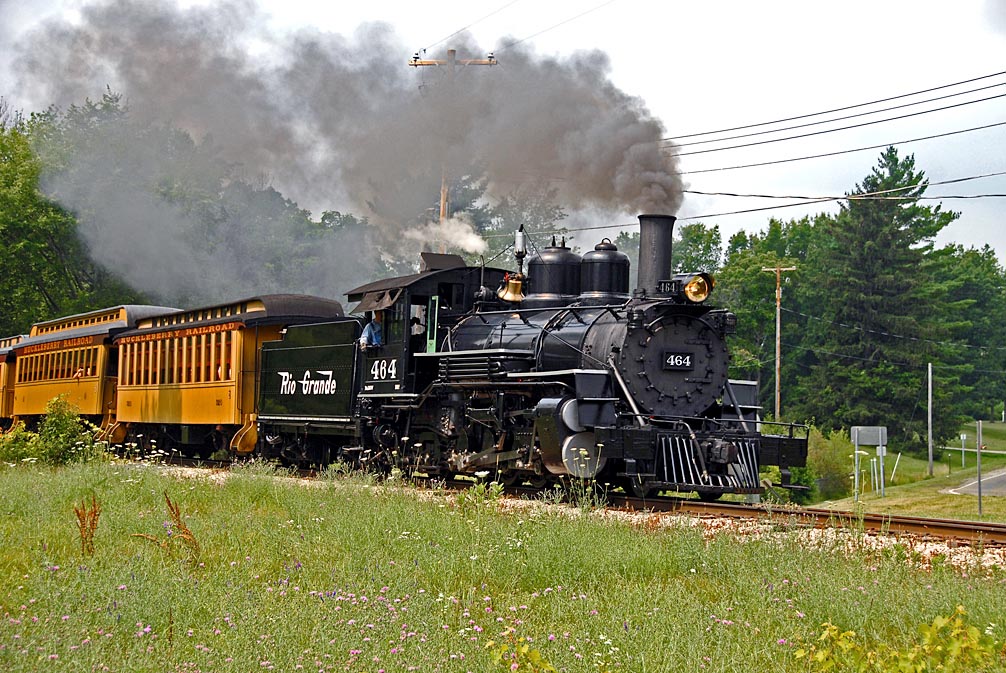
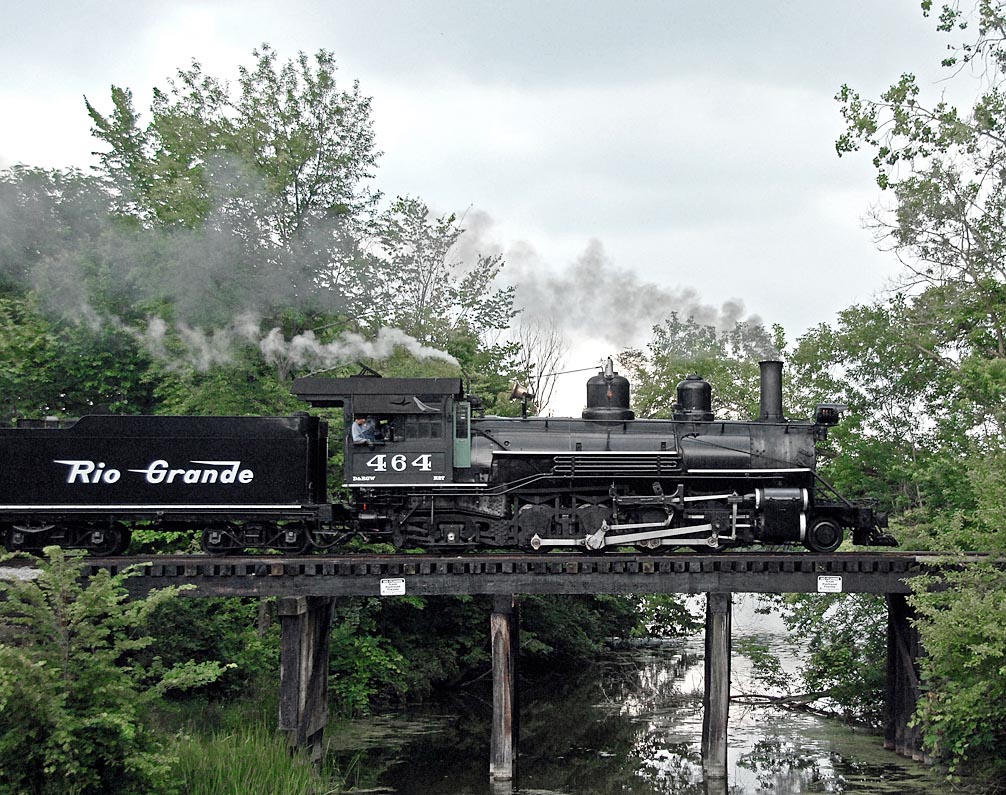
    Beginning its life on the rails, the Huckleberry Railroad was first run as a part of the Flint Pere Marquette Railroad Company in 1857. Today the line runs a 15-mile stretch in about 40 minutes, living up to its moniker by being slow enough to jump off the train and pick huckleberries before jumping back on! You won’t have to pick berries to enjoy a trip along Mott Lake these days. Just grab a ticket and hop aboard!

    Huckleberry Railroad is part of Crossroads Village, a historic rural community filled with restored homes, farm buildings and businesses resurrected from times gone by. Passengers on the train will want to inspect vintage amusement rides like the 1912 carousel or Venetian swings, and take a cruise on the Genessee Belle, a replica of a paddlewheel riverboat.

    Railway and Locomotive Types

    Excursion Trains in Michigan - Camping World
    Photo Credit:
    GeneseeCountyParks.org

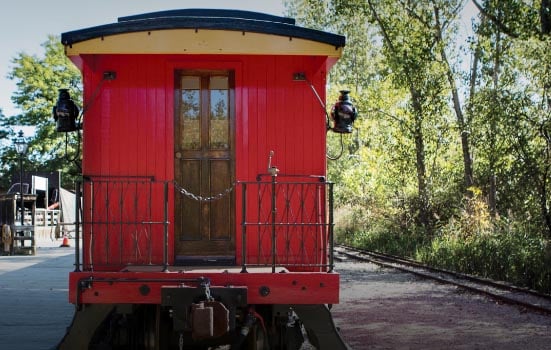
    This narrow-gauge train is pulled by a coal-fired steam engine that tows restored wooden coaches and an authentic redwood caboose.

    Seating Options

    Open seating is available to all, with no assigned seating. Passengers travel in restored covered cars and enclosed coaches.

    Because there is only one ride on the Huckleberry Railroad, there are no spurs or one-way passes.  Passengers will venture through forestland and along the shore of Mott Lake in east-central Michigan.

    Specialty Trains

    Excursion Trains in Michigan - Camping World
    Photo Credit: Drew Jacksich (CC BY-SA 2.0)
    • Railfan Weekend – The first weekend in August brings railroad enthusiasts to town, as the Huckleberry Railroad sponsors railroad shop tours, model train displays, a hobo camp, caboose tours and demonstrations along with a summer train ride.
    • Christmas Holiday Magic – Enjoy holiday lights and cheer as Santa visits Crossroads Village and the Huckleberry Railroad.

    Length of Season

    The Huckleberry Railroad is open for the summer season Wednesdays through Sundays from Memorial Day weekend through Labor Day weekend, with specialty trains running on specific dates in October, November, and December. Check out their schedule to find your perfect train ride.

    Coopersville & Marne Railway

    Excursion Trains in Michigan - Camping World
    Photo Credit: Rossograph (CC BY-SA 3.0)

    The tracks where the Coopersville & Marne Railway operate were actually laid in 1848. A colorful history of freight and passenger trains ran between Oakland and Lake Michigan for a number of years. When train traffic slowed, a group pooled their funds to purchase the section of track you see today, opening the C&MRR in 1990.

    The months of January and February are reserved for strictly freight trains, but the other ten months give the railroad an opportunity to treat passengers to the beautiful farmlands of western Michigan.

    Railway and Locomotive Types

    Diesel engines push and pull the train along standard gauge rails. Upon reaching Marne, the engine uncouples and moves to the front of the train before returning back to the depot. The passenger cars are restored enclosed coaches dating from 1919 to 1927.

    Seating Options

    All seating is open, with no assigned seats. Passengers can board any of the four enclosed coach cars for a comfortable ride through the Michigan countryside.

    Riding Options

    Excursion Trains in Michigan - Camping World
    Photo Credit: Russell Sekeet (CC BY-SA 2.0)

    A round trip on the Coopersville & Marne is approximately 90 minutes. There are no side spurs or one-way tickets sold.  However, there are several specialty trains with a variety of entertainment for each.

    Specialty Trains

    • Bunny Train – The Easter Bunny and his pals join kids of all ages on a 90-minute excursion, with performances in the cars. The trip draws to an end when each child picks a toy from Easter Bunny’s baskets.
    • Great Train Robbery – Train deputies take on Jesse James in a western shoot out. Hold on to your valuables, as the Earp Brothers and Doc Holliday try to protect passengers from the bandits!
    • Famous Pumpkin Train – Join the Great Pumpkin, Scarecrow, and Little Crow as they ride the rails, entertaining passengers until you reach the pumpkin patch, where children can pick a jack-o-lantern of their own.
    • Santa Train – Santa and his elves enjoy a decorated train ride with you on a train named in his honor. Princesses read Christmas stories in the passenger cars, while everyone awaits their turn to tell Mr. Claus about their Christmas wishes.  Each child will leave with a special gift.

    Length of Season

    Excursion Trains in Michigan - Camping World

    The Coopersville & Marne Railway runs on Wednesdays and Saturdays from June through September with regular EnterTRAINment trips. Specialty trains run on specific dates from April 6 through December 22. Check their schedule to find a train trip that is perfect for you!


    Join the thousands of RVers that have a love affair with trains and ride the rails on your next camping trip. Check out the other excursion trains available on a state-by-state basis in our series, RVing the Rails. New articles will go up every Friday.


    Source link

  • SftR 068: Everything You Need to Know About Boondocking with Camp Addict

    SftR 068: Everything You Need to Know About Boondocking with Camp Addict


    Everything You Need to Know About Boondocking with Camp Addict

    On this Stories from the Road episode, Sam talks to Marshall Wendler and Kelly Beasley, the co-founders of Camp Addict. As exclusive boondockers, they’ve both learned a thing or two about dry camping in an RV without hookups. In this interview, they share all of their tips and resources so you can learn everything you need to know about boondocking. Hear about how to find places to boondock, how to update your rig for solar, common boondocking questions and misconceptions, boondocking with friends, and must-have RVing products!

    Some highlights from this episode

    • 1:30 – Finding the best boondocking spots
    • 3:30 – Solar updates for boondocking
    • 12:00 – Common boondocking and RVing questions
    • 18:00 – Misconceptions around boondocking
    • 22:00 – Xscapers Convergences
    • 27:00 – Must-have boondocking products

    Marshall and Kelly’s advice for boondocking

    • Have a plan for where you are going to park for the night, and a backup plan in case that area is full.
    • If you’re considering installing rooftop solar panels, do it now. Don’t wait until later. It’s so worth it and will make your boondocking set up even easier.
    • Boondocking is not as hard as most people think it is. It’s not unsafe and doesn’t make you more likely to get attacked by bears. It’s a great way to get closer to nature and save a lot of money.
    • Read the reviews online for boondocking campsites to find places to park.
    • Start practicing at campgrounds and pretend you don’t have hookups. Then, you’ll be more prepared to go off the grid.
    • Befriend someone who is an avid boondocker and camp with them on your first boondocking trip.
    • Go to an event, like an Xscapers convergence, where you’ll get experience boondocking with other people who can help you.

    Links mentioned in this episode

    ** Subscribe to Stories from the Road on iTunesSpotify, or Google Play **


    Source link

  • Camping World’s Guide to RVing Kenai Fjords National Park

    Camping World’s Guide to RVing Kenai Fjords National Park


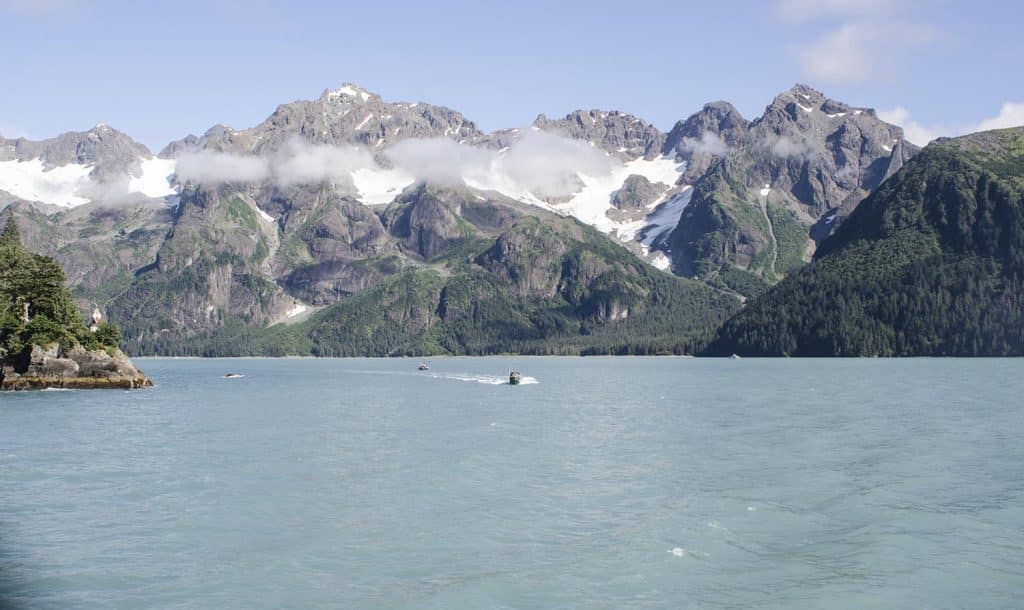
    At 670,000 acres, Kenai Fjords National Park is no small playground. Its vast icefields, with ancient glaciers scouring the land and deeply carved bays teeming with wildlife offer just a glimpse into its allure. Very few places host killer whales and mountain goats within the same boundaries, yet this icy wonderland is full of stunning anomalies.

    From Resurrection Bay to Exit Glacier visitors discover life at sea and life on land are vastly different and dramatically astounding. From the world’s largest mammals to the planet’s smallest, Kenai Fjords is a park of exclamation points, and one well worth exploring to the fullest.

    History of Kenai Fjords National Park

    Photo Tripping America - Kenai Fjords - Camping World
    Photo Credit: Shelley Dennis

    The first inhabitants of this region where the Alutiiq people, a somewhat nomadic tribe who hunted and traveled the Kenai Peninsula coast for more than 1,000 years. Archaeological evidence suggests that they ventured along the shoreline here, capturing fish and game, and eating off the land during summer months. An earthquake in 1170 AD lowered the coast by almost six feet, possibly inundating many campsites.

    There were no settlements within the park until Alexander Baranov set up a fur trade post on Resurrection Bay in 1793. A small community grew around the bay, and by 1903 the southern terminus of the Alaska Railroad was built in what would become the town of Seward.

    A few gold mining camps were established in the Nuka Bay area of the park in the 1920s, but it wasn’t until 1970 that locals put forth a suggestion to include the Kenai Fjords region in the national park system. In 1978, it was named as a national monument to protect its unique natural resources and wildlife. Finally, in 1980 the monument became Kenai Fjords National Park.

    Why Visit Kenai Fjords National Park in Your RV?

    Photo Tripping America - Kenai Fjords - Camping World
    Photo Credit: Shelley Dennis

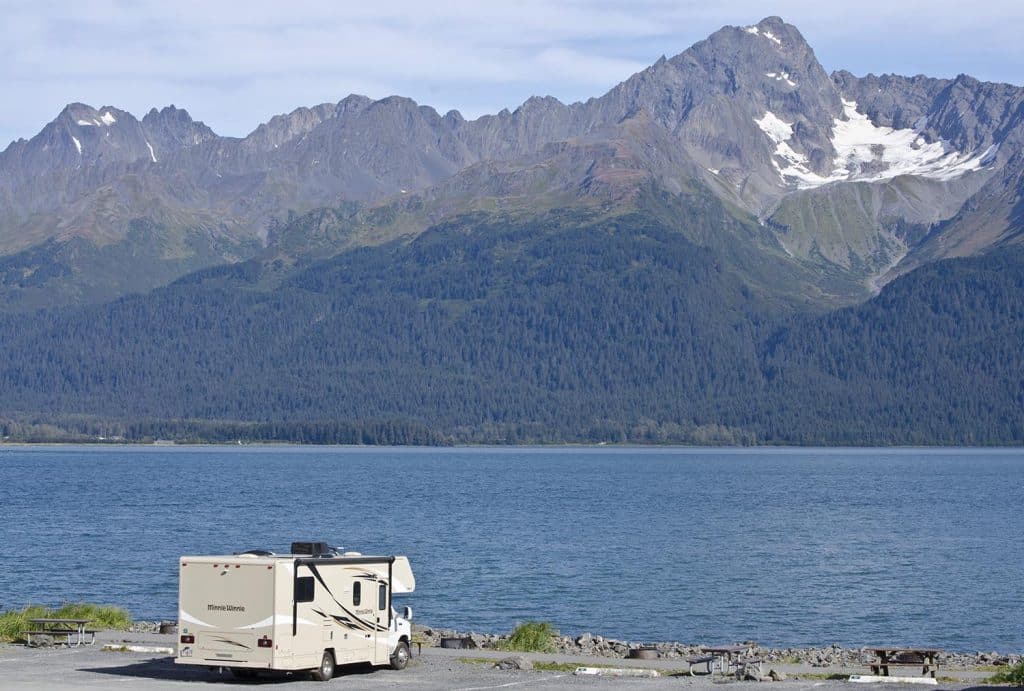
    Only a very small portion of Kenai Fjords is accessible by vehicle, but the jumping-off spot for the park (Seward) is very friendly to RVs. The town has set aside hundreds of RV dry camping spots along the shoreline just for motorhomes and travel trailers.

    Is there a more amazing view to wake up to than Resurrection Bay out your front window, with sea otters playing in the water just offshore? Glaciers line the mountaintops across the bay, and you can cast a line into the water from your front yard. This place is what RVing is all about!

    Places to Go

    Here’s a look at all the places you can go while visiting this amazing national park.

    Kenai Fjords Visitor Center

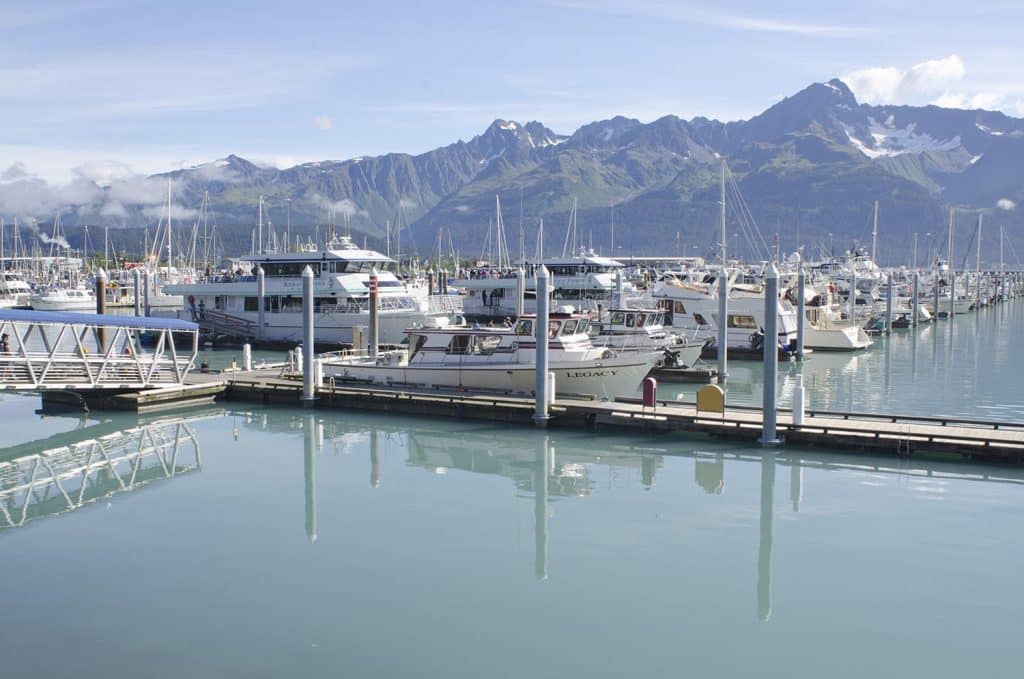
    Located in Seward on the small boat harbor, the visitor center houses a bookstore, film about the park, and rangers are available to answer questions.

    Exit Glacier

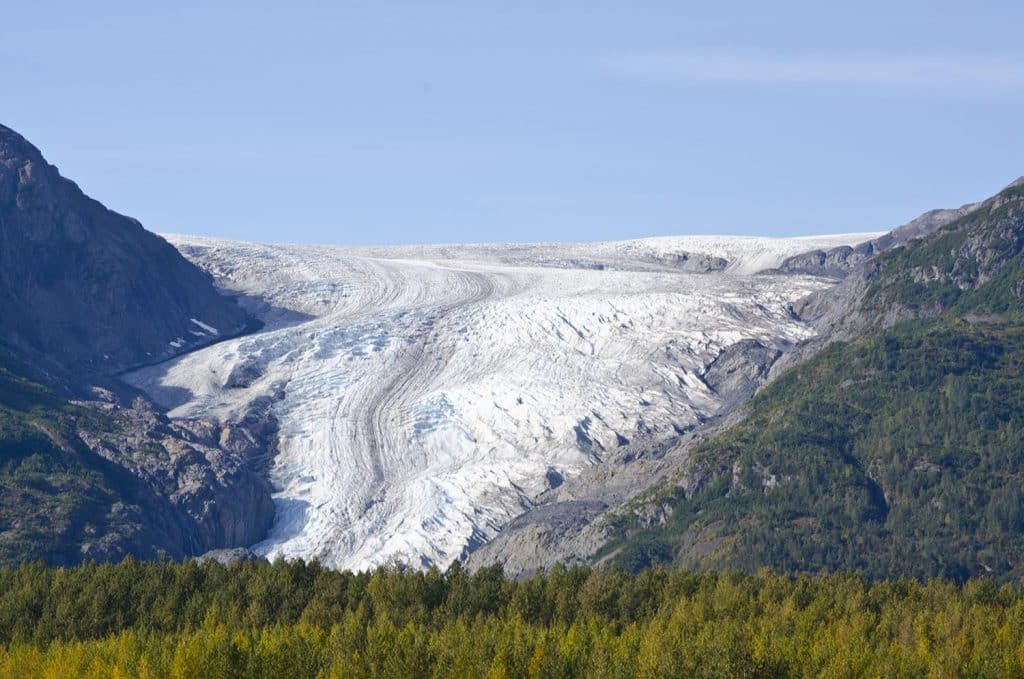
    Open year-round, the Exit Glacier is at the end of the only road in Kenai Fjords National Park. With winter snows, the road closes to cars, but visitors can snowmobile, dog sled, cross-country ski or snowshoe up to the glacier. In summer, take a short hike from the parking lot to the glacier’s edge.

    Photo Tripping America - Kenai Fjords - Camping World
    Photo Credit: Shelley Dennis

    Exit Glacier Nature Center

    Located at the base of Exit Glacier, the Nature Center has rangers on staff to answer questions, there are exhibits of the glacier and an Alaska Geographic Bookstore is onsite. The trailhead for the Harding Icefield Trail is located here, as well.

    Things to Do

    There’s plenty to do inside the park. There’s no chance you’ll feel like you’re without much to do. Here are some of the best activities to do.

    Boat Tours

    Since a good deal of Kenai Fjords is only accessible by water, a boat tour is a great way to get your feet wet when it comes to understanding this immense park. Many tours leave from the small boat harbor in Seward and are run by private vendors. Park rangers provide geology presentations at the Kenai Fjords Tour’s lunch stop on Fox Island.

    Half-day tours normally stay within the protected region of Resurrection Bay and full-day tours may take visitors out into the Bay of Alaska, where marine life and a wide variety of birds can be seen.

    Photo Tripping America - Kenai Fjords - Camping World
    Photo Credit: Shelley Dennis

    Hiking

    The Harding Icefield Trail leaves from the Exit Glacier Nature Center and is a strenuous eight-mile hike from the valley floor to overlook this extensive icefield and the terminus of the Exit Glacier. In many years the last several miles of the hike are still covered in snow during the summer season, so hikers should be prepared for ice, avalanches and intense sunlight.

    Kayaking

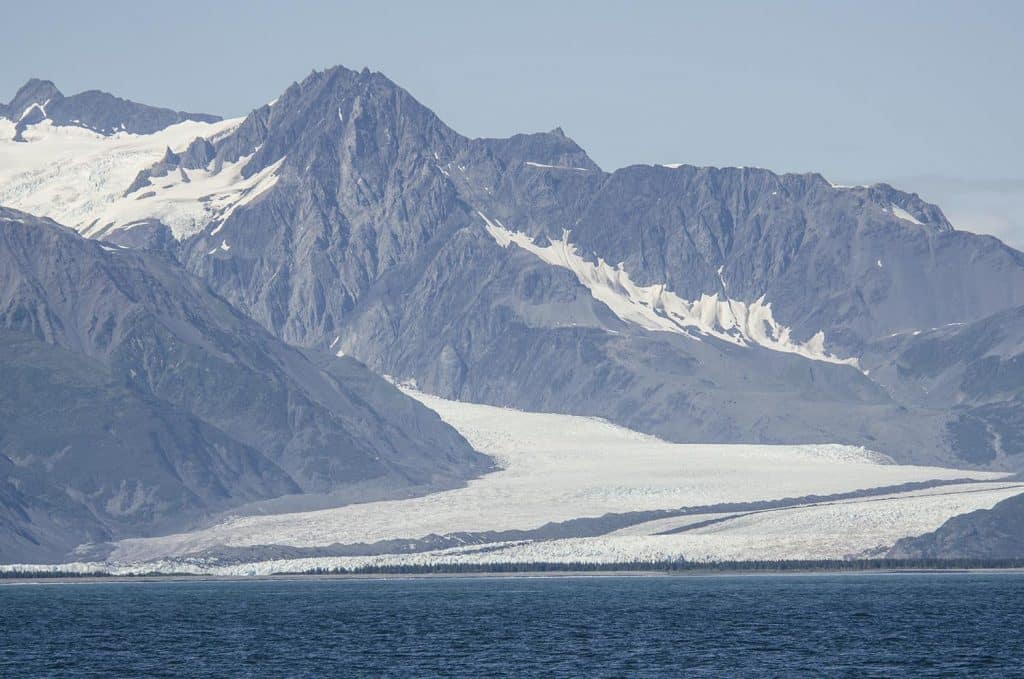
    Bear Glacier Lagoon is a stunning location for experienced sea kayakers to view this tidewater glacier as it calves icebergs into the Bay of Alaska. However, because the lagoon is 12 difficult miles from Seward, a water taxi to the area is suggested.

    Once there, kayakers need to stay at least a half mile away from the edge of the glacier and be mindful of glacier lake outburst floods that can quickly raise the water level near these icefields. Fog is also a concern, along with high surf on a coast with few landings. Taking a guided tour is a good option for many.

    Fishing

    There are many opportunities for freshwater and saltwater fishing in Seward, along Resurrection Bay and in backcountry lakes and streams. Salmon, halibut, Dolly Varden, and rockfish are plentiful in this area, and fishing licenses are required.

    Mountaineering

    The Harding Icefield is an exceptional place for experienced mountaineers. Icefield explorers should have extensive crevasse rescue training and glacier travel skills. Groups should be connected by rope when moving together, and all participants must be proficient skiers.

    Snowshoeing on the glaciers is also a great way to experience the icefields. The best time of year to explore is in April when daylight is getting longer and the temperatures are warming up.

    Photo Tripping America - Kenai Fjords - Camping World
    Photo Credit: Shelley Dennis

    Wildlife Viewing

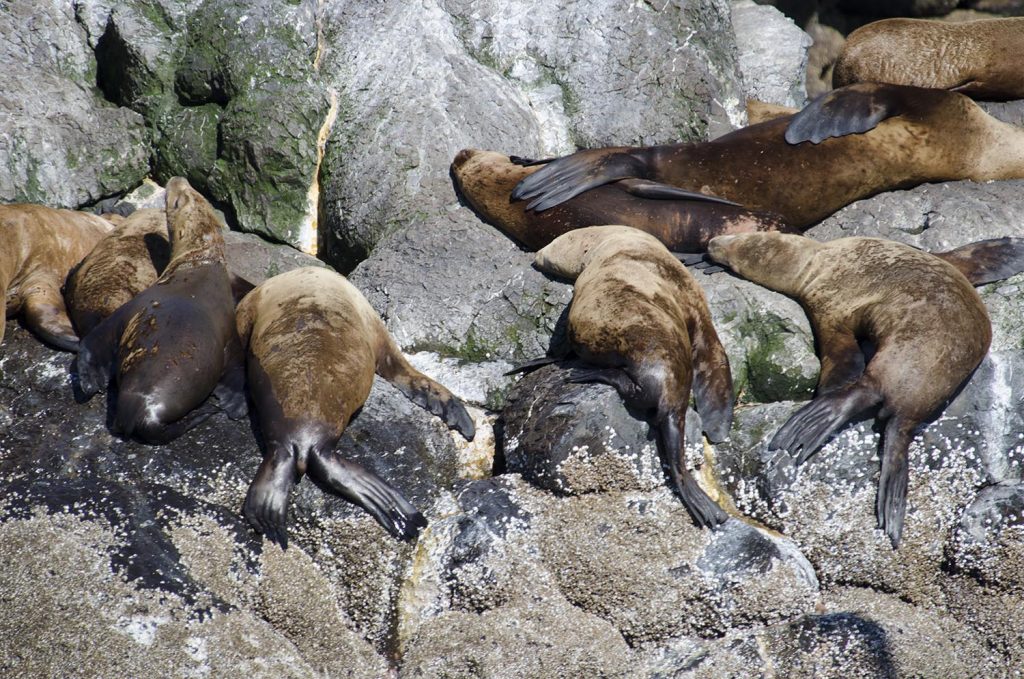
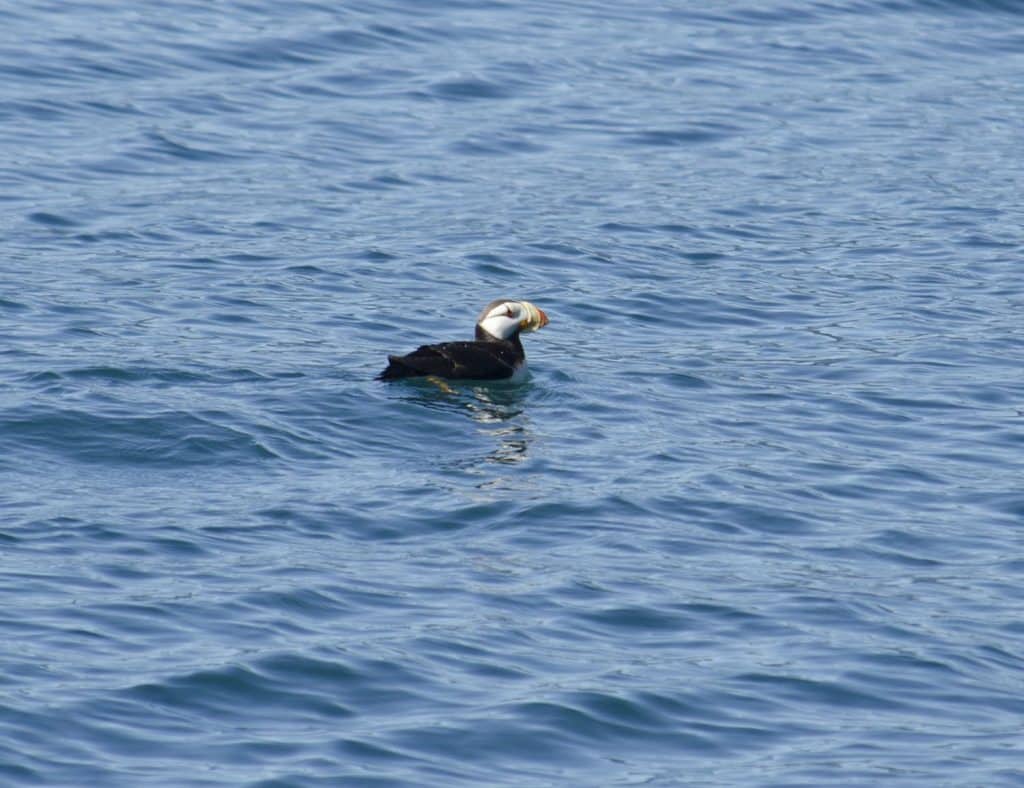
    Land adventurers will find black and brown bear, moose, and mountain goats in great numbers throughout the region. Sealife in the area consists of birds like cormorants, puffins, and bald eagles, along with mammals ranging from stellar sea lions, sea otters, humpback and killer whales, harbor seals, and porpoises.

    When to Visit Kenai Fjords National Park

    Photo Tripping America - Kenai Fjords - Camping World
    Photo Credit: Shelley Dennis

    Kenai Fjords is accessible year-round but by different means of travel. If you enjoy winter sports like snowshoeing, cross-country skiing, and mountaineering, make this park your destination during March and April.

    Sea kayaking can be enjoyed any time of year, as can fishing and flightseeing. Summer will offer warmer temps for those activities, as well as boat tours to view certain sea life that migrates south in the winter.

    Where RVers Can Stay

    Photo Tripping America - Kenai Fjords - Camping World
    Photo Credit: Shelley Dennis

    The town of Seward has dedicated several miles of shoreline for RV camping. RVers can wake up with Resurrection Bay out their front windows, walk to the small boat harbor and hop on a boat tour in 15 minutes, or walk into town for lunch or dinner in 10. The sites are dry campsites located on paved parking lots but sit right on the bay. Many even have their own picnic tables.

    If you can’t find a campsite available, there are many RV campgrounds around Seward. Here are just a few options:

    • Stoney Creek RV Park – Located six miles north of town, this campground has full hookups, and a free shuttle to town.
    • Silver Derby Campground and RV Park – This campground has 54 dry camping sites for RVs and tents and is located on a beach just south of Seward.
    • Bear Creek RV Park – Located seven miles north of Seward, this campground has full-hookups, and RV maintenance and repair available onsite.

    Getting to and Around Kenai Fjords National Park

    Photo Tripping America - Kenai Fjords - Camping World
    Photo Credit: Shelley Dennis

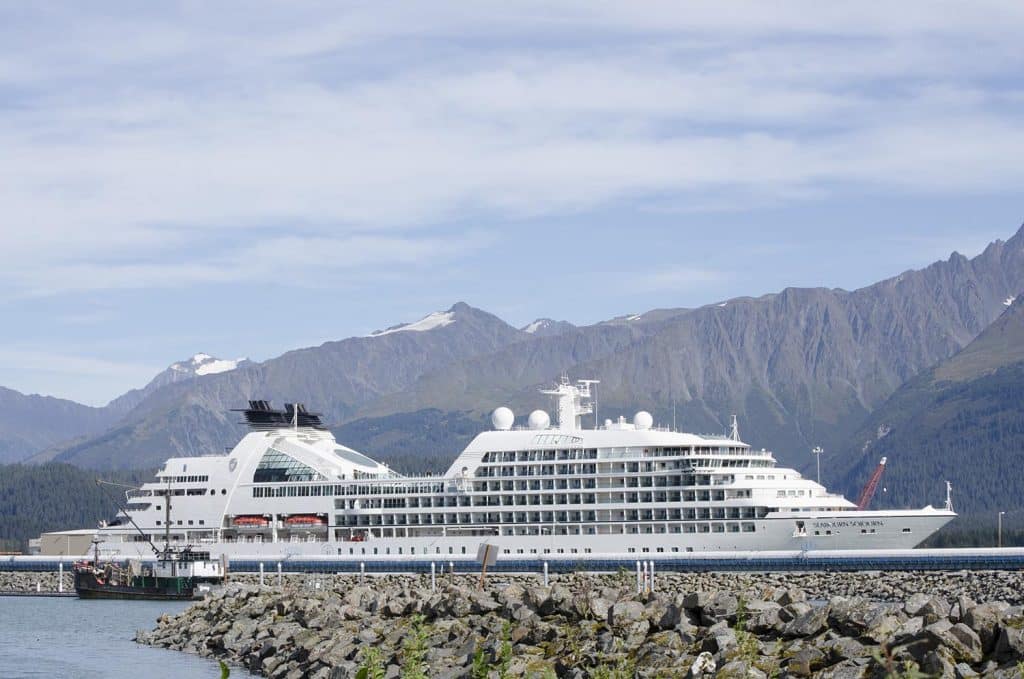
    Getting to Kenai Fjords by car is relatively easy. Travel to Seward, located on the Kenai Peninsula, via the Seward Highway.  Small planes can fly into Seward’s airport, located just outside of town. Also, many visitors arrive by cruise ship.

    Once you arrive, there is only one road in Kenai Fjords National Park. It extends about 12 miles from Seward to the Exit Glacier Nature Center. So, exploring the rest of the park is done by boat, plane, hiking, and mountaineering.

    Extreme Adventure

    Photo Tripping America - Kenai Fjords - Camping World

    A visit to Kenai Fjords National Park will open eyes to the wonder of extremes. From peaceful fishing along the shoreline of Resurrection Bay to the heart-pumping exhilaration of a mountaineering trip across crevasse-filled glaciers, travelers here will have a difficult time returning to the mundane when they leave. Whale breeching, glacier calving, and sea kayaking are hard to compete with back at home!


    Have you ever been to Kenai Fjords National Park?  What were your experiences there?


    Source link

  • Class C Motorhomes That Sleep Up to 8 People

    Class C Motorhomes That Sleep Up to 8 People


    Class C motorhomes tend to be the RV that first comes to mind when many people think camping and road trip. The design has been around for decades, and it’s a proven one that continues to get better as time goes on.

    Class A and Class B motorhomes offer serious benefits, but Class C motorhomes are a good middle of the road option between the other two types of motorhomes. It works for families large and small. Speaking of that, if you have the need for a camper that can sleep up to 8 people, look no further than the venerable Class C motorhome. Here are five units that will sleep eight people with ease.

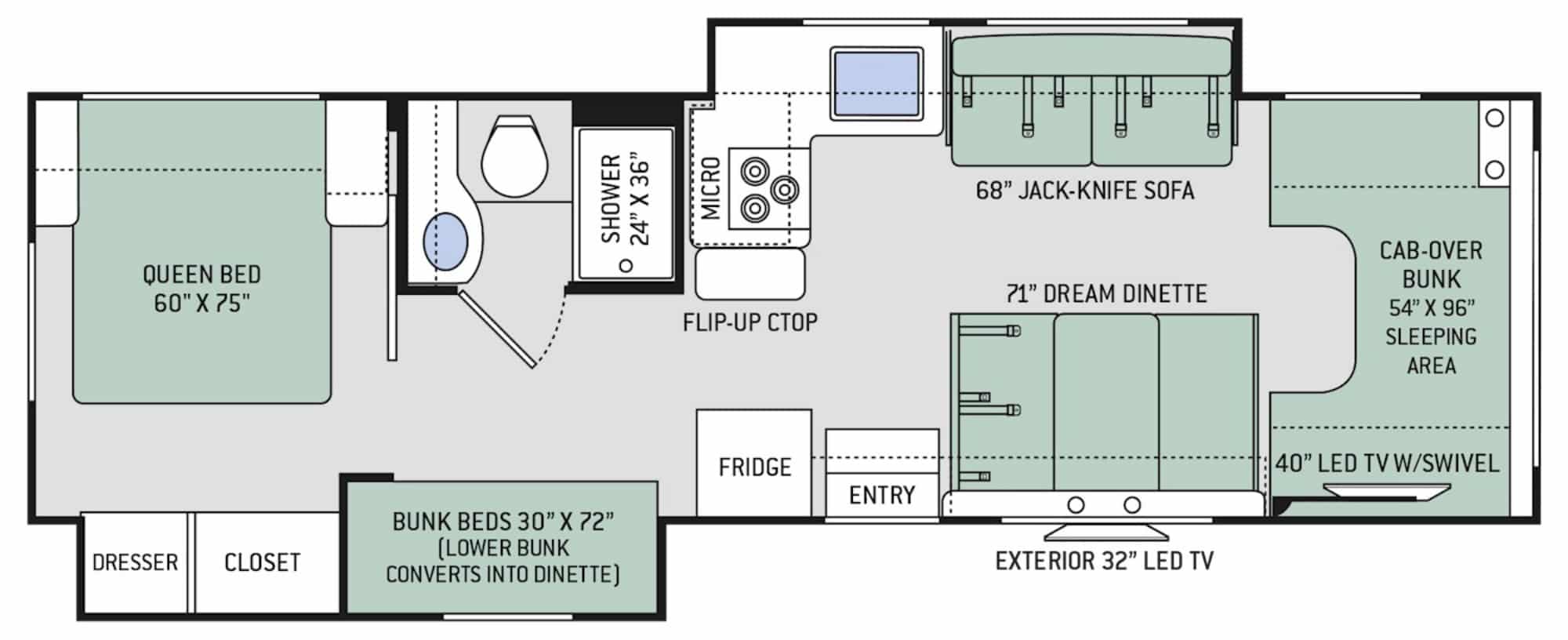
    2019 Thor Freedom Elite 30FE

    2019 Thor Freedom Elite 30FE

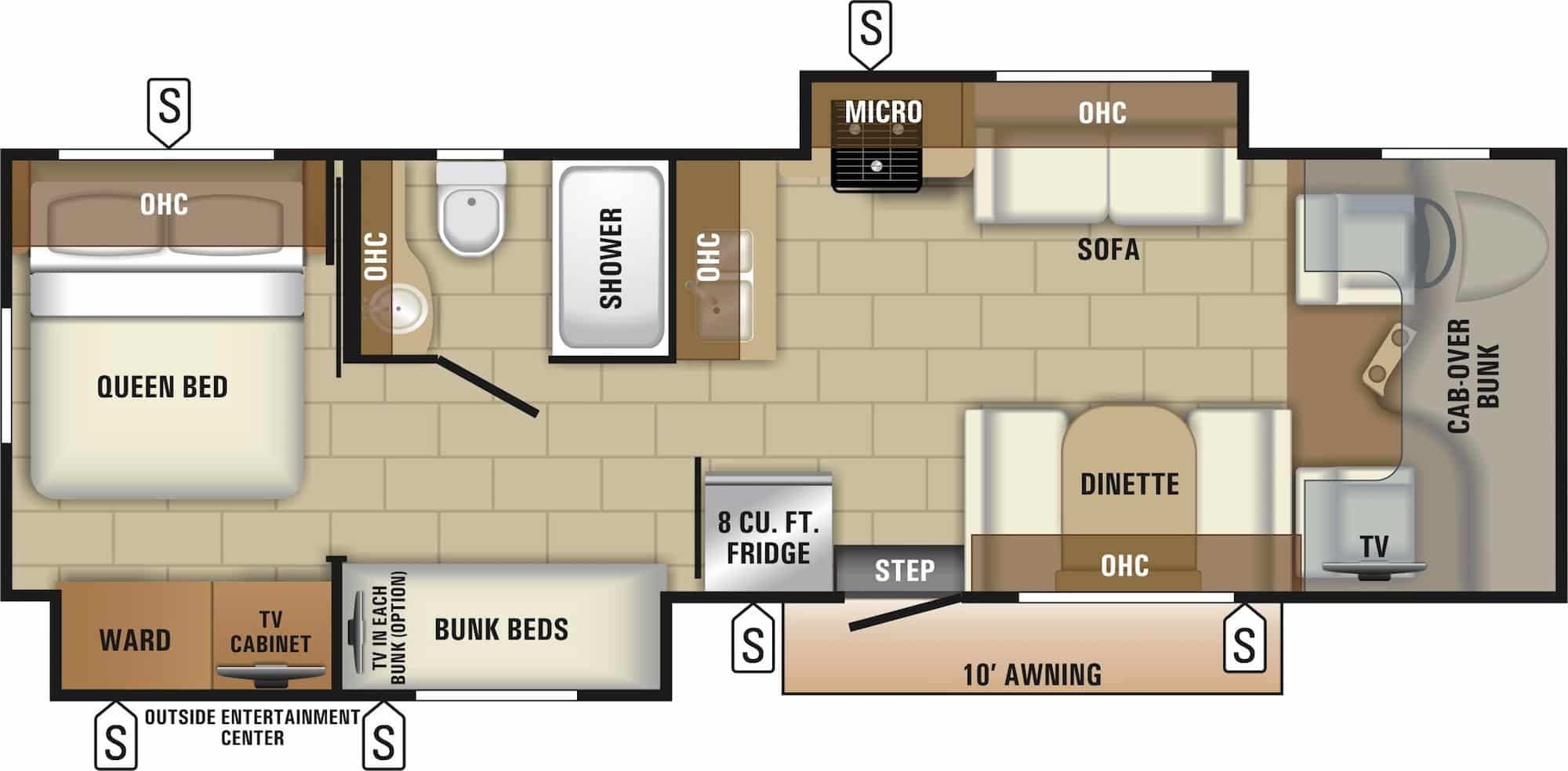
    The Freedom Elite 30FE offers a smart layout. It’s a floorplan with two slides to either side of the RV. There’s a cab-over bed up front, a jackknife sofa in the main living area and a dinette that can all be used for sleeping. There’s also a set of bunks on the rearmost slide and a large queen bed. The rest of the floorplan features a full kitchen and bathroom on the driver’s side of the RV, making this a fantastic weekend getaway vehicle or longer haul machine.

    Check our inventory

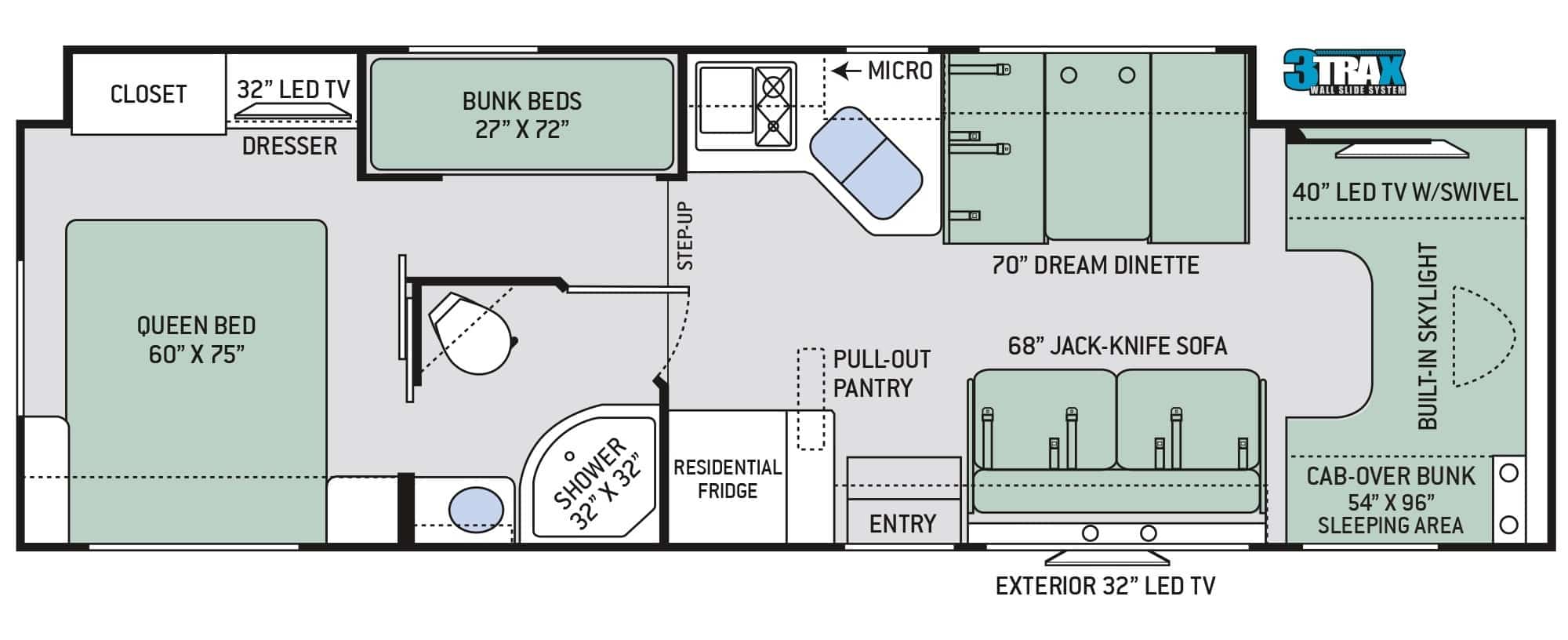
    2019 Thor Quantum LF31

    Thor Quantum LF31

    The Quantum LF31 is a Class C RV that has a very different layout than the unit featured above. This model has a single large slide down the driver’s side of the RV. At the front of the unit are a cab-over bunk, a jackknife sofa, and large dinette that all provide ample sleeping space. Also, on the driver’s side slide are bunk beds. At the rear of the unit is a queen bed. The single large slide really opens up space and makes enjoying the floorplan possible.

    Check our inventory

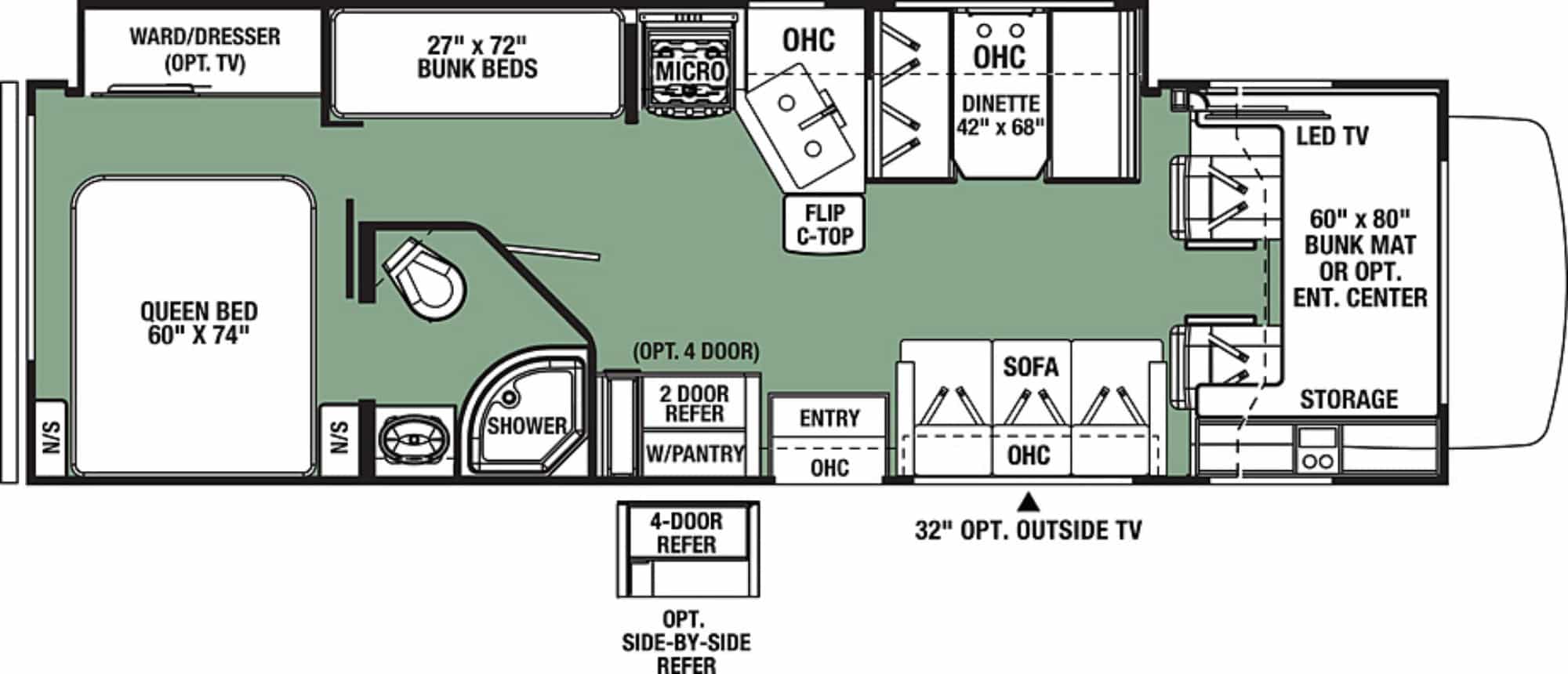
    2019 Forest River Forester 3271SF

    Forest River Forester 3271SF

    Another option very similar to the Quantum LF31 is the Forest River Forester 3271SF. This unit also has a single large slide down the side of the RV. At the front of the unit is a cab-over bunk. On the passenger side at the front of the living area is a sofa and across from that is a dinette that doubles as sleeping space. Housed in the side are some bunks, and at the rear of the unit is a queen bed, giving you all the sleeping space you need for up to eight people.

    Check out inventory

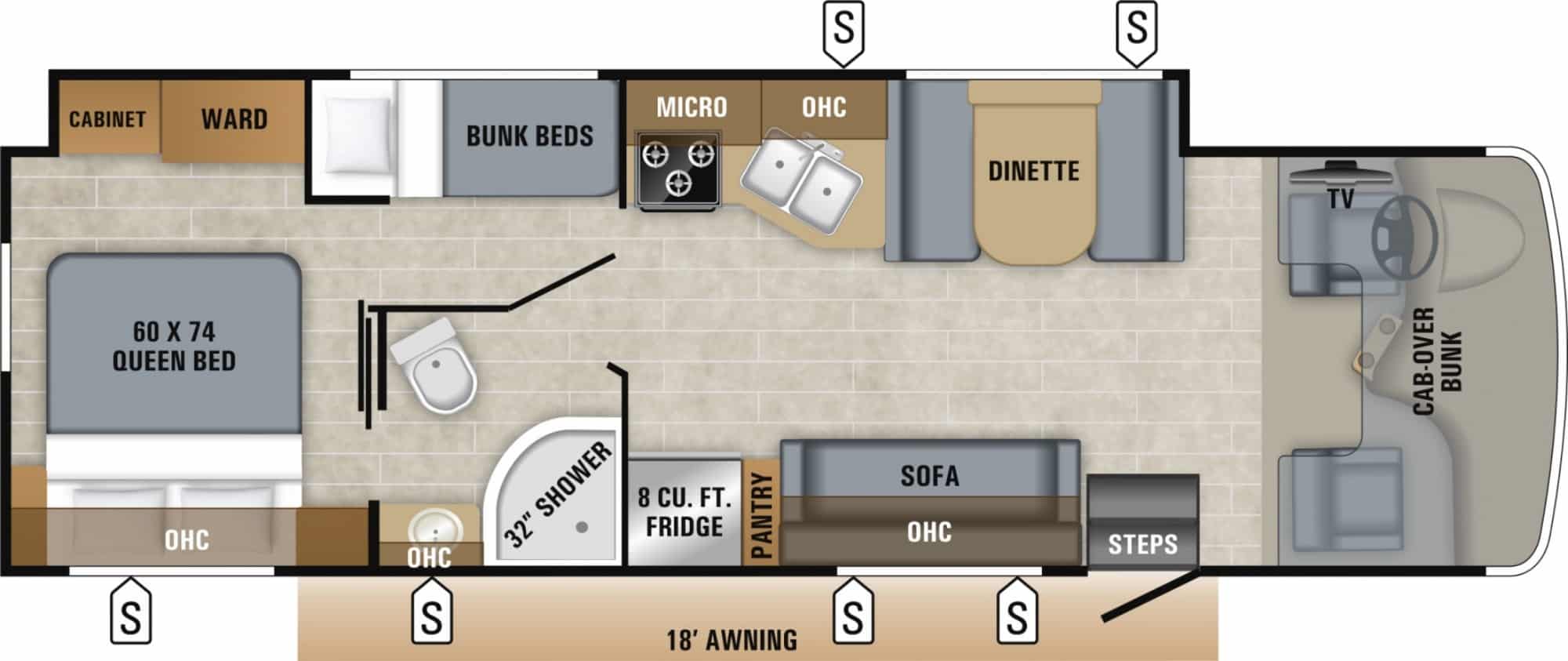
    2019 Jayco Redhawk 31F

    Jayco Redhawk 31F

    Another option similar to the two above but with a slightly different configuration is the Jayco Redhawk 31F. This unit features a cab-over bunk at the front of the RV. In the kitchen and living area, there’s a sofa and a dinette. The dinette can double as a sleeping area. The slide on the driver’s side of the RV features bunk beds and there’s a queen bed in the master bedroom at the rear of the RV. While the RV’s layout is similar to the others, this unit does have its entry door closer to the front of the unit.

    Check our inventory

    2019 Entegra Coach Esteem 31L

    Enter Coach Esteem 31L

    If you’re looking for something a little different, consider the Esteem 31L. This unit features two different slides to either side of the RV. At the front is a cab-over bunk. On the passenger side of the RV is a dinette that can double as a bed and there’s a sofa across from that. In the rearmost slide out are some bunk beds. At the very rear of the RV is a queen bed that completes the list of sleeping areas. As you can tell, the slides really help open up the floorplan and make sleeping this many people possible.

    Check our inventory


    Source link