Blog

  • David Lee, the RV Jedeye Now // 🎧 Podcast

    David Lee, the RV Jedeye Now // 🎧 Podcast


    We’re bringing back the RV Jedeye!

    David Lee got his nickname for his love of all things Star Wars (with the exception of Episodes 1-3) and his new-found love of RVing.

    As a solo traveler, he’s made a commitment to get out on the road twice a month—a true “Weekend Warrior.”

    The reason why he’s sharing his journey—to pay it forward. “I watched a lot of videos when I was thinking about getting my RV and renovating it, so I wanted to share and in a way say thanks to all those who came before me.”

    You can follow his travels on YouTube and Instagram.

    ** Subscribe to Stories from the Road on iTunesSpotify, or Google Play **

    Some topics we covered this time around:

    • 3:11 – RV Safety during hurricane season
    • 11:49 – Changing RV style
    • 16:02 – Getting by with a little help from your friends.
    • 22:30 – Work/RV Life Balance
    • 26:20 – RV Jedeye-approved meals and recipes
    • 30:30 – Coffee talk


    Source link

  • Baby Steps to Boondocking: Tips for Beginner Boondockers

    Baby Steps to Boondocking: Tips for Beginner Boondockers


    Camping beneath the stars surrounded by rustling pines or oceanside is the stuff RV dreams are made of. It’s also the stuff of RV ads which rarely show a power pedestal and sewer hose. Though maybe not the norm, the idyllic RV experience can be yours if you boondock.

    But, boondocking, also known as dry camping, can be intimidating for beginner RVers. It can also feel a bit daunting for more experienced RVers who are used to having full-hookups. The good news is, like many things in life, all you need is a little bit of practice to boondock comfortably. Taking boondocking one small step at a time can also increase the likelihood that you’ll enjoy it.
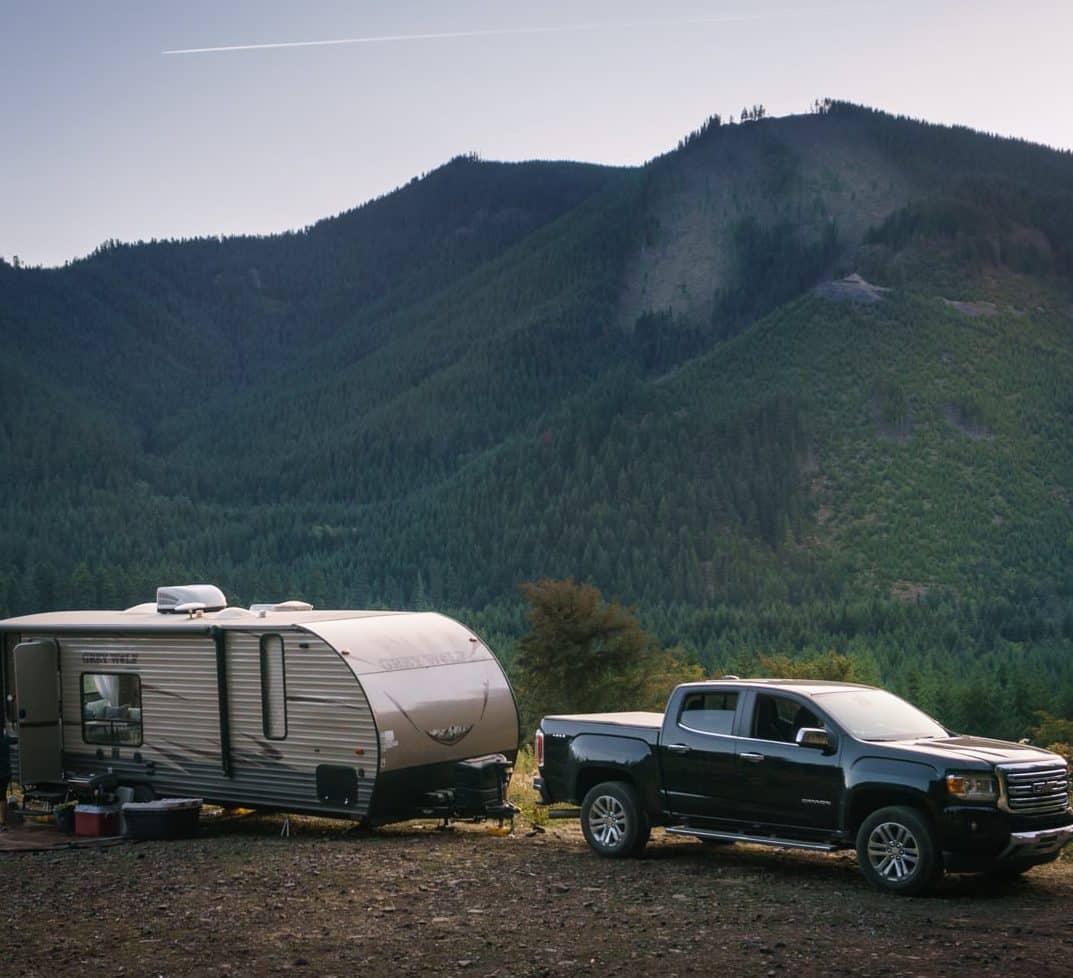
    An RVer finds a boondocking spot just outside Mt. Ranier National Park.

    Here we’ll go through some tips to help you get comfortable with boondocking little by little. In no time, you’ll be all set to camp off-grid whether nestled among mountains or following your favorite college football team.


    1. Check the Weather

    Wait for comfortable weather before you boondock for the first time.

    Avoid boondocking for the first time in frigid or sweltering conditions. If it’s sticky and hot you’re going to need to rely on your AC to stay comfortable. Being extra mindful of your power consumption is key to boondocking. Needing to run your AC adds an extra challenge you don’t need when you’re learning. Likewise, if it’s cold, you need to run your furnace. Although your furnace likely runs on LP, the fan draws power. When you’re first learning this could put you in a position where you wake up to find your battery is drained.

    Try boondocking for the first time in temperatures where the highs are in the 70s and the lows don’t dip below the 50s. Of course, you can boondock in other weather conditions, it’s just not as easy. Stack the odds in your favor when you’re starting out by learning to boondock in mild weather.

    2. Cover Your RV Basics

    Before setting out on your first boondocking adventure be sure to check off some RV basics. Fill your fresh water tank. Empty your gray and black water tanks. Refill your propane and make sure your batteries are fully charged. If you’re in a towable pack your portable generator. Many of you in a motorized RV will have an onboard generator. Make sure you know how to operate it (it may need to be primed if you’re in high altitude).

    Last, be sure to stock your fridge and pack some extra drinking water. Yes, you can drink water being pumped from your freshwater tank, but packing drinking water will leave room for error. If you find you underestimated how much water you use for dishes or showers, you can always switch to drinking and cooking with the extra water you packed.

    3. Plan a Partial Hook-Up Stay

    Camping with partial hook-ups before fully drycamping is a good way to work your way toward boondocking.

    Why cut all your hook-ups at once? Try starting out by camping with just partial hook-ups at a campground. If you’re used to full hook-ups with sewer, try going without the sewer hook-up at first. After that try camping at a campground that offers just one hook-up. A state park might offer electric only, but make water available at spigots located throughout the campground. You can practice your water management without having to worry about your power too.

    4. Boondock With a Built-In Back-Up Plan

    What better way to learn than with a safety net? Try a short, two to three-day boondocking stay at any of these.

    Campsites with Hook-Ups

    Wait. A campsite with hookups? Yes. A great way to practice is to camp at a campsite with hook-ups without actually hooking up your RV. This is a great way to practice because you have the hook-ups there if you need them. Since the hook-ups are there you can even extend the stay to five or seven days, and really zone in on what your power and water consumption is per day and week.

    Friends’ and Family’s Driveways

    A friend or relative’s driveway, or even your own, is a great place to practice boondocking. You are able to practice without hook-ups, but should anything not turn out right, there is an entire house you can always stay in. At the least, you could hook up to their power or water to charge up or refill if you needed to.

    RV Shows

    RV shows are a great place to begin dry camping if they allow onsite camping. Many RV shows do allow onsite camping, but there won’t be any hook-ups. You’ll be camping with other RV enthusiasts who are also boondocking for the weekend. That being the case, there’s plenty of help should you need it. You may also be able to pick up some tips from your fellow RVers.

    Sporting Events

    Boondocking at a sporting event, like a college footbal game, is a good way to start boondocking.

    You may only want to become proficient at boondocking to attend your favorite sporting events. If that’s the case they’re great for practice (barring poor weather) as they make for a nice short stay. Like an RV show, you’ll be among fellow RVers who are also boondocking, so help isn’t too far should you need it.

    Casinos

    Some casinos will allow RVers to park overnight as long as they spend money inside the casino. This can be a fun way to practice. The stay is a great length at just one night. And, should you change your mind, or find yourself unprepared, you can always book a room instead.

    5. Wallydock

    Some RVers refer to boondocking at Walmart as Wallydocking. If you travel long distances in your RV, chances are high you’ll be spending the night at a Walmart at some point along your travels. They make a good place to practice your overnight boondocking. If you forget anything, there are supplies inside. If you’re at one along a popular travel route, like the Walmart in Page, AZ, you’ll also be surrounded by fellow RVers doing the same thing.

    6. Boondock at a USFS or NPS campground

    U.S. Forest Service (USFS) campgrounds will often offer the opportunity to camp with more privacy and more nature. The catch is that there aren’t always hook-ups. Plan a short two to three day stay to practice. Some of the USFS campgrounds are developed and have a camp host. Those are ideal to start off with. The same is true of National Park Service (NPS) campgrounds. Some don’t have hook-ups so you can practice your boondocking, and there will often be other RVers there boondocking, too.

    7. Boondock on BLM Land
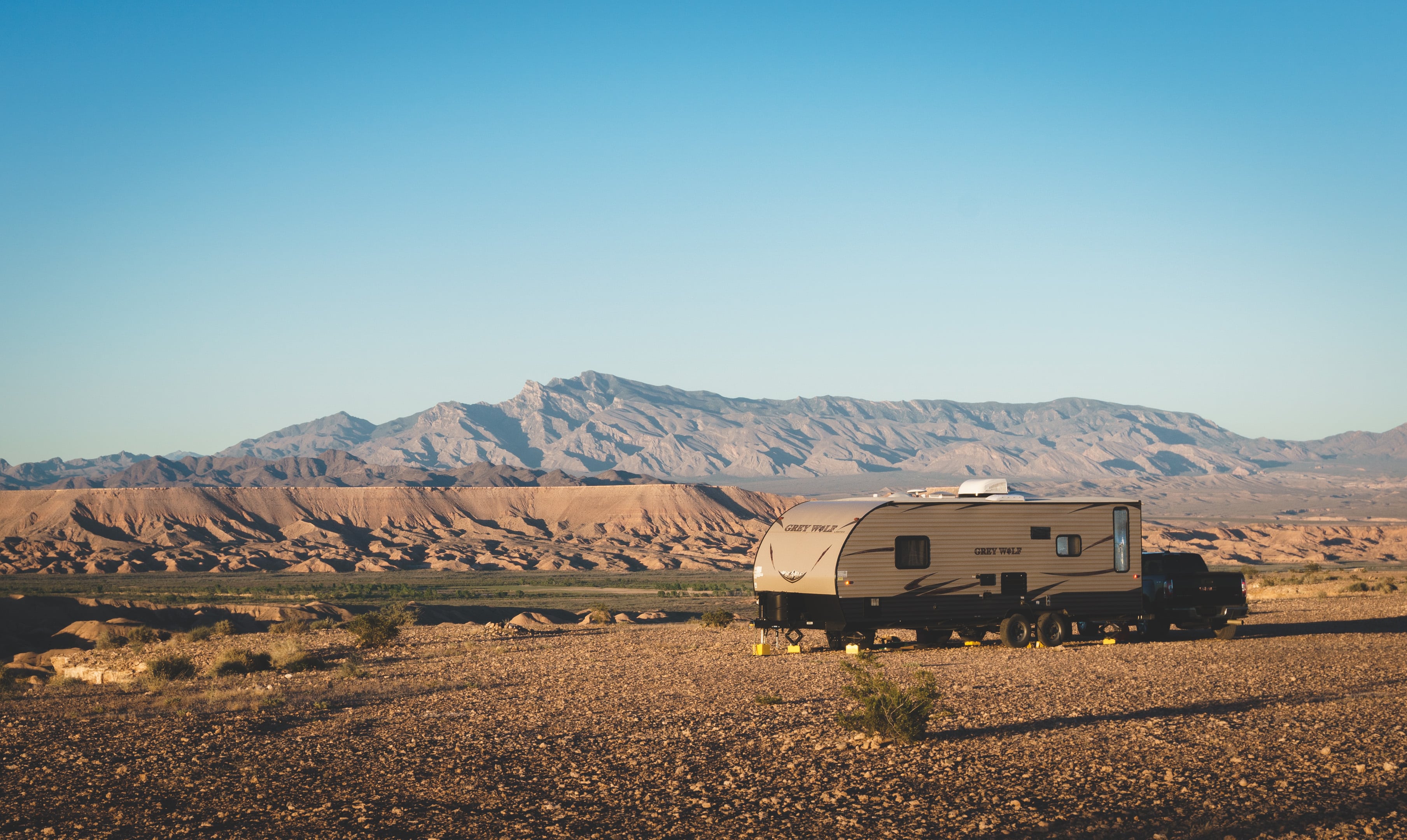
    The privacy of camping on BLM land cant be beat!

    Once you feel you have the hang of it, boondock on Bureau of Land Management (BLM) property. Or maybe just try boondocking for longer. BLM land offers the opportunity to have complete privacy depending on where you are. You can plan a lovely escape surrounded by nature and nothing else. Once you’re comfortable with longer stays you can also set up base camp for other activities you might enjoy like backpacking, fishing, or mountain biking. The possibilities at this point are nearly endless.

    As far as longer stays go, great places to dip your toes and gain more confidence are Moab, Sedona, and Flagstaff. Boondocking in these areas is popular, the weather can be really mild at different times of the year and you’ll certainly run into other RVers which may give you some comfort as a beginner.

    Boondocking can be a very rewarding RV experience. Overnight boondocking is also a regular part of RVing, especially if you RV across long distances.


    Have any good boondocking stories? Leave a comment below!


    Source link

  • How Staying Organized in Your RV Can Lead to Camping Bliss

    How Staying Organized in Your RV Can Lead to Camping Bliss


    When camping in an RV, you have a lot of gear and supplies to round up and keep track of. There are your clothes, food, cooking supplies, and hiking or fishing gear among many other things. All of it is important for camping success, but if you really want to make the most of your experience, get organized ahead of time.

    Even a little organization can go a long way. Here are some ways organization skills can help improve your camping trip.

    You’ll Make the Most of Limited Space

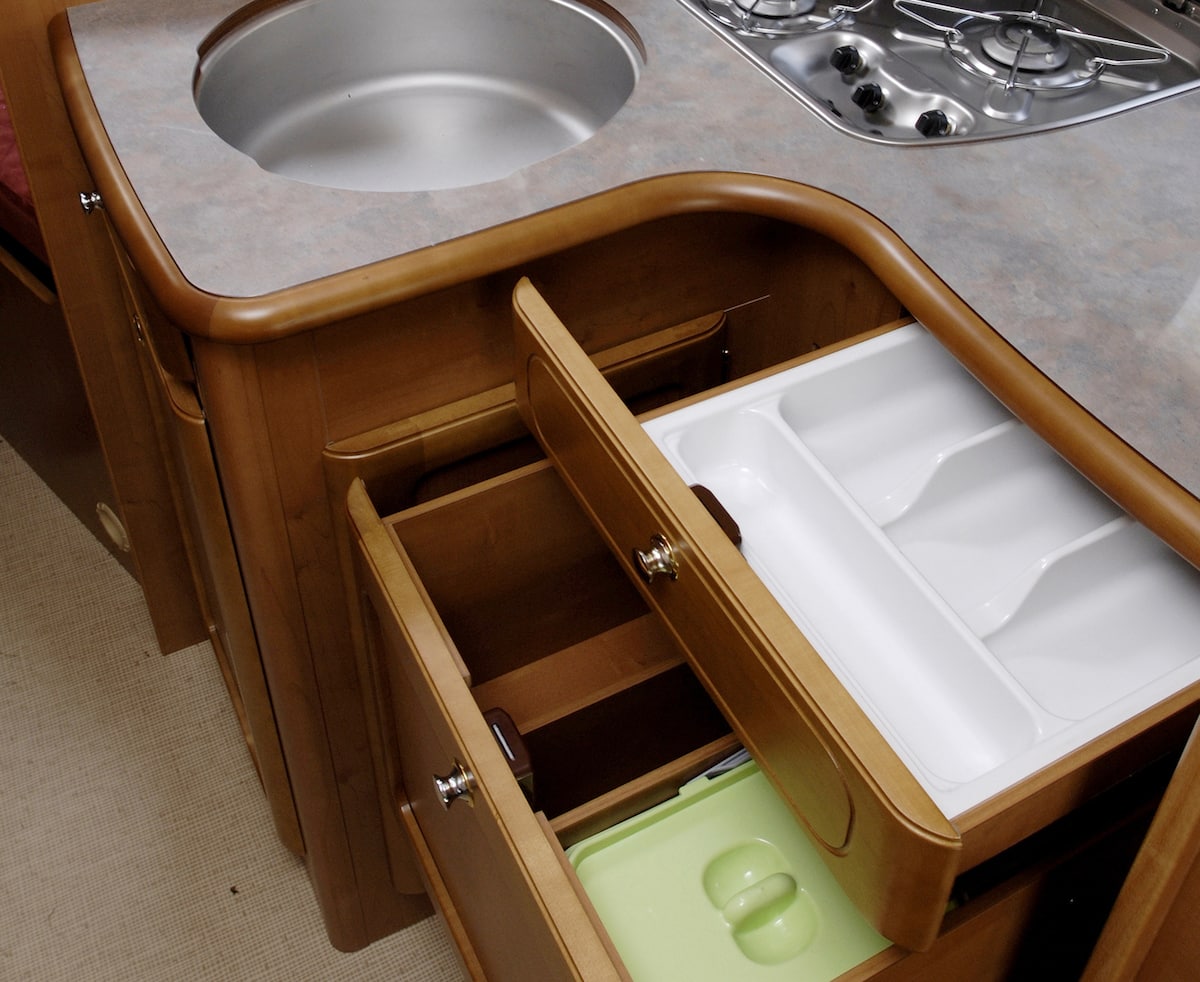
    storage and drawers in an RV

    Your RV obviously isn’t as spacious as a typical home. Instead of a big pantry or a huge closet, you get small storage spaces to use. You’ll be able to fit the most into these spaces if they’re organized.

    Consider adding some totes or dividers into your storage spaces so you can truly make the most of it. Have a place that everything goes. That way even if you don’t stay organized while camping, when you go to pack up and head home or to the next campground, you’ll know that everything fits and where.

    You Won’t Forget Things

    I don’t know about you, but it seems like I forget something every single time I go camping. It’s usually a small item or piece of gear that I can do without, but it’s still not fun to not have the gear and items you want to take along. One thing I’ve found that helps is getting organized before I go.

    Make a checklist and stick to it. As you put things in their place in your RV, check them off. Do the same thing when you leave your campground, too. That way, you won’t leave anything behind. There’s nothing worse than trying to track down gear that you know you had at one point.

    You Won’t Waste Time Looking For Something

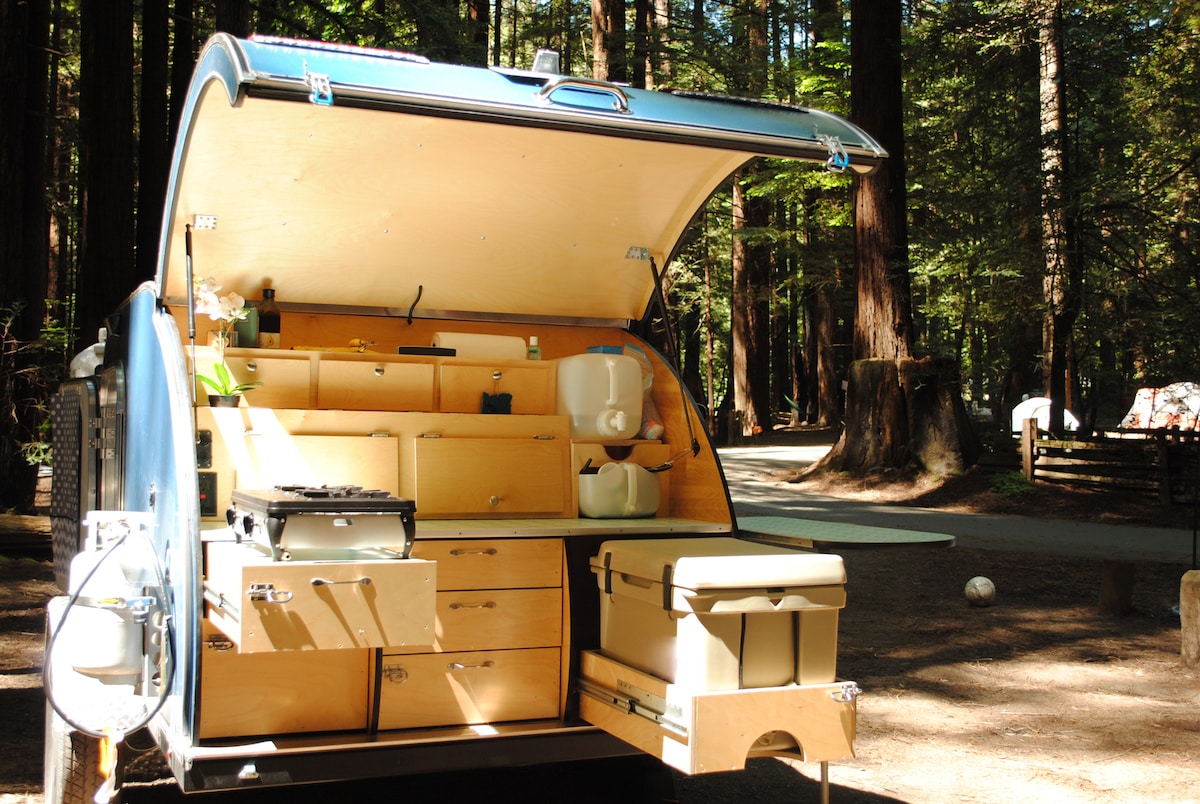
    Kitchen of a teardrop trailer at a campsite in Redwood Forest

    On a related note to the point above, if you’re organized, you won’t spend a ton of time looking for gear and items you know you have. I have spent far too much time in the past trying to hunt down stuff either before I set off or on the last day of the trip.

    Instead of spending time hunting items down, it’s smart to have a place for everything and make sure to return it to that spot whenever possible. For example, if you use your favorite cast iron skillet, wash it and put it away when you’re done. That way, you always know where it is.

    Not everyone is good at organizing their clothing, gear, food and other camping items, but it is something that’s pretty easy to learn. It takes a little effort, but not so much that it negates the amount of time and energy you save. In general, taking a little time to get organized is well worth it. That means you’ll have more time to enjoy the great outdoors, which is what camping is all about.


    Have some tips for staying organized in your RV? Leave a comment below!


    Source link
  • Life on the Road // Crazy Family Adventure Episode 3

    Life on the Road // Crazy Family Adventure Episode 3


    Watch as Crazy Family Adventure stops in King’s Canyon National Park and Sequoia National Park. There they see the second largest tree by volume, hike some of the most beautiful trails in the entire country, and drive through an ancient tree in their van among other experiences.

    You can learn more about the whole family on their blog.


    Source link

  • Robert Ide // 🎧 Podcast

    Robert Ide // 🎧 Podcast


    Born in the UK, Robert has been traveling in his camper with his white lab for the last three years, visiting approximately 33 states, Canada, and Mexico.

    Prior to going full-time, he had his own consulting business involved in mergers and acquisitions along with integrating global companies.

    ** Subscribe to Stories from the Road on iTunesSpotify, or Google Play **

    Some topics we covered:

    • 3:56 – Robert’s travel beginnings
    • 8:10 – Traveling in Mexico
    • 10:50- International RVing
    • 12:29 – Biking and tent camping in Europe
    • 15:00 – Safety on the Road
    • 17:30 – Robert’s RV
    • 22:06 – Shifting tides in the RV community


    Source link

  • 6 Tips for First-Time Snowbirds

    6 Tips for First-Time Snowbirds


    Are you planning to head south this winter and enjoy a few months on the beach or in a warmer climate? Taking the time to ensure you’re well prepared will help make your seasonal winter travel that much more enjoyable.

    Follow the tips provided below to help you prepare for a stress-free snowbird season.


    Sign Up For Mail Forwarding

    Head south for the winter! Make the most of your snowbird season with these simple tips!Most campgrounds allow seasonal travelers to receive mail. If you’re going to be at one location all winter, your mail solution may be as simple as signing up for mail forwarding at your local post office.

    If you will be traveling to more than one location, you may want to use a service that will hold your mail and only forward upon request.

    Plan For Health Care & Medicine

    Check with your physician in advance for any prescriptions that you will need to be refilled while you are away. In most cases, you will be able to get enough refills ordered that you can just have them filled as needed at chain pharmacies like Walgreens or CVS. However, some controlled medications will require you to see a doctor at your seasonal location.

    Make a list of your doctor’s and dentist’s contact information in case you need to contact them while you are away. Keep this handy in your RV while you’re on the road.

    Check your health insurance plan to verify portability. You will want to know in advance what the rules are for any required medical care at your seasonal location.

    Manage Your Money

    Make sure your finances are in order before embarking on seasonal travel.

    Consider using automatic bill payment for recurring expenses. That way you don’t have to remember to pay it on time every pay period. Also, let your bank and credit card companies know you’ll be traveling.

    Another good thing to do is to sign up for paper-free statements so you can access them online and have one less piece of monthly mail to worry about. You want to be able to easily see where you’re money is going while on the road.

    Prepare Your Primary Residence

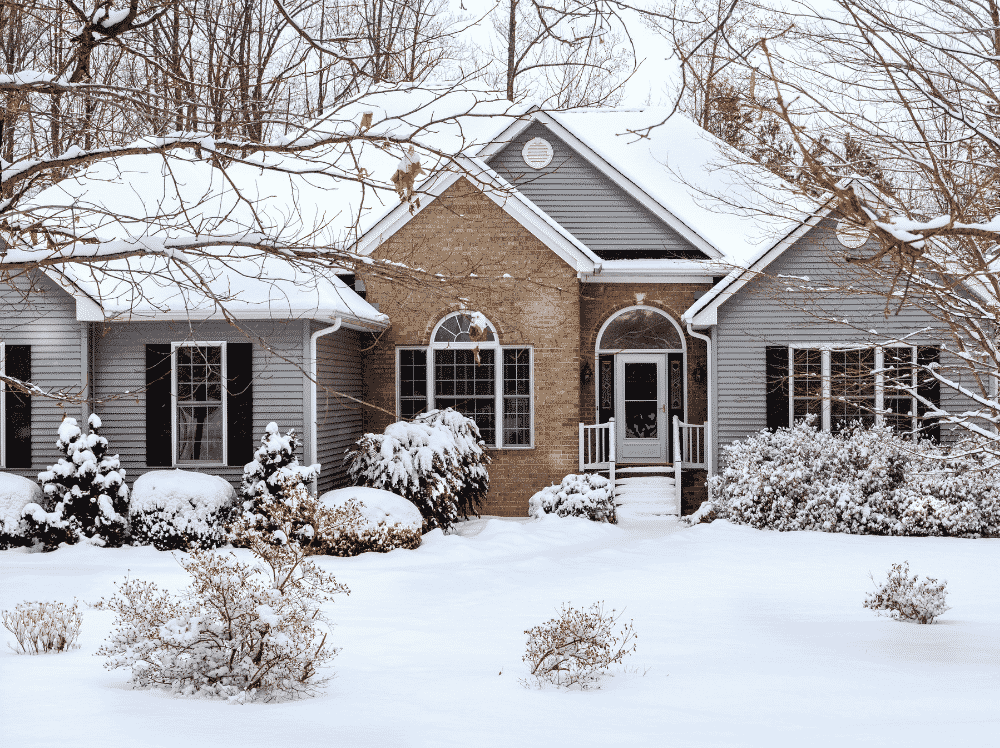
    Prepare your house for vacancy during the snow bird season.

    You want your home to be just the way you left it, don’t you? Well, then follow the tips below to ensure you’ll come home to a beautiful home once the weather warms up.

    • Install motion-sensitive exterior lights and interior lights on timers and set them to come on at varying times to discourage prowlers. This is one of the best ways to deter would-be thieves.
    • Stop newspaper delivery. You’re not going to be around to read the paper anyway. Consider subscribing to an online version you can read anywhere.
    • Arrange for snow removal.
    • Perform routine maintenance like having your heating system inspected and serviced.
    • Clean your home thoroughly to help discourage pests from moving in while you’re away. Also, be sure to inspect your home for openings that animals could use to enter.
    • Store valuables that you are not taking with you in a safe deposit box or other secure offsite location.
    • Ask a trusted neighbor or family member to keep an eye out for your home. If they’re heading south too, consider hiring a property management service.

    Give The RV A Thorough Inspection

    If you haven’t taken your RV out in a while, you’ll want to take a little time to get it ready for the long trip. Here are some things that you should definitely take a look at before heading out.

    • Make sure your batteries are fully charged your batteries and have the correct water level. If they were removed for storage make sure they are reconnected correctly.
    • Check the tires. Inspect them for any signs of damage and ensure they are inflated to the recommended PSI.
    • Sanitize your water system and check for leaks.
    • Connect your RV to power and test all your appliances.
    • If your RV is motorized, follow the vehicle preparation steps below.

    Don’t Forget Tow Vehicle & Driving Considerations

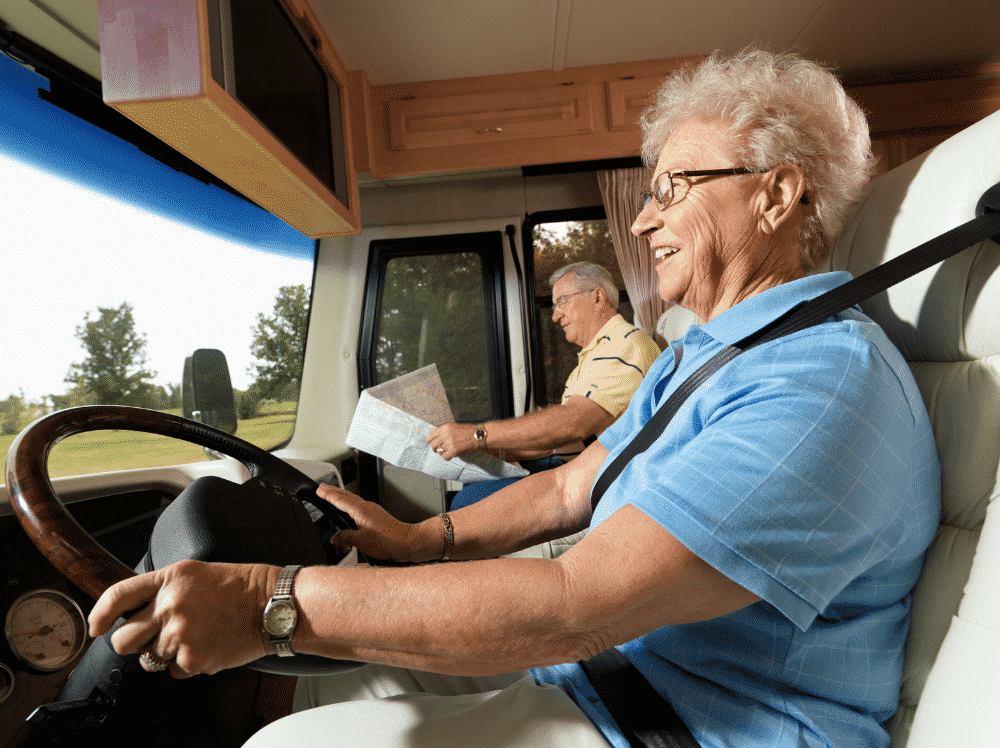
    Follow these tips for a safe RV trip south for the winter.

    If your RV is motorized or you have a tow vehicle that you don’t regularly drive and maintain, then you need to take some time to ensure that the vehicle is in tip-top condition. The last thing you want is to set off for a relaxing time in your RV only to end up stranded on the side of the road.

    • Get a tune-up to be prepared for the lengthy drive.
    • Check fluid levels (transmission, engine coolant, oil, windshield washer, and brake fluid).
    • Have tires, brakes, and axle bearings inspected on your RV.
    • Make sure your registration and insurance are up to date and won’t expire while you’re away.
    • Consider joining a roadside assistance program, like Good Sam, for those unexpected problems.
    • Make sure you know where you’re going. Even if you have a GPS to help you with directions, having maps as a backup doesn’t hurt. Speaking of a GPS, be sure it is the RV type so you can avoid low clearance bridges.
    • Don’t overdo it when driving. Take frequent breaks, and take your time. A well-rested and alert driver is a safe driver.

    Is there anything left out that you think should be placed on the snowbird preparation checklist? Share your best tips and tricks to help others.


    Source link