Blog

  • 10 Tips for RVing the National Parks

    10 Tips for RVing the National Parks


    The national parks are a true treasure of our great country. Inside these parks, you’ll find some of the most impressive natural landscapes and wildlife anywhere in the world. More Americans should spend time at the national parks, and there’s no better way to do that than in an RV.

    However, planning and executing a trip to a national park—whether it be Yellowstone, Big Bend, or one of the many others out there—can be a bit challenging. While every park has its own special features and requirements, some general tips and tricks could never hurt. Here are 10 tips to help you RV in national parks.

    1. Make Reservations Well in Advance

    Happy man using smartphone at modern coffee shop, he chatting Online Messaging on mobile phone. copy space
    Image from Getty

    Reserving a campsite is something you must do well in advance, especially in the popular national parks. More and more people want to see what the parks have to offer and this often means the campsites within the parks will get booked up. The more in advance you can plan the better.

    If the national park you want to visit is all booked up, consider checking out campgrounds nearby that will get you close enough to the park so that you can make your way to the park for a day trip. Another option is going at a time that’s not during the busy season. Going in early spring or later in the fall can be a great time to go and be able to get the reservation you really want.

    2. Keep an Eye on the Weather, Road Closures, and Local News

    In the time leading up to your trip, keep an eye on the local news, weather, and any road closures in the area of the national park you plan to visit. The last thing you want to do is drive your RV a long way to camp and not be able to see what you drove all that way to see. The national park’s particular website will be a good resource, but consider following the park on social media and just keeping an eye on the news about the park in general.

    3. Identify Must-See Destinations and Camp Near Them
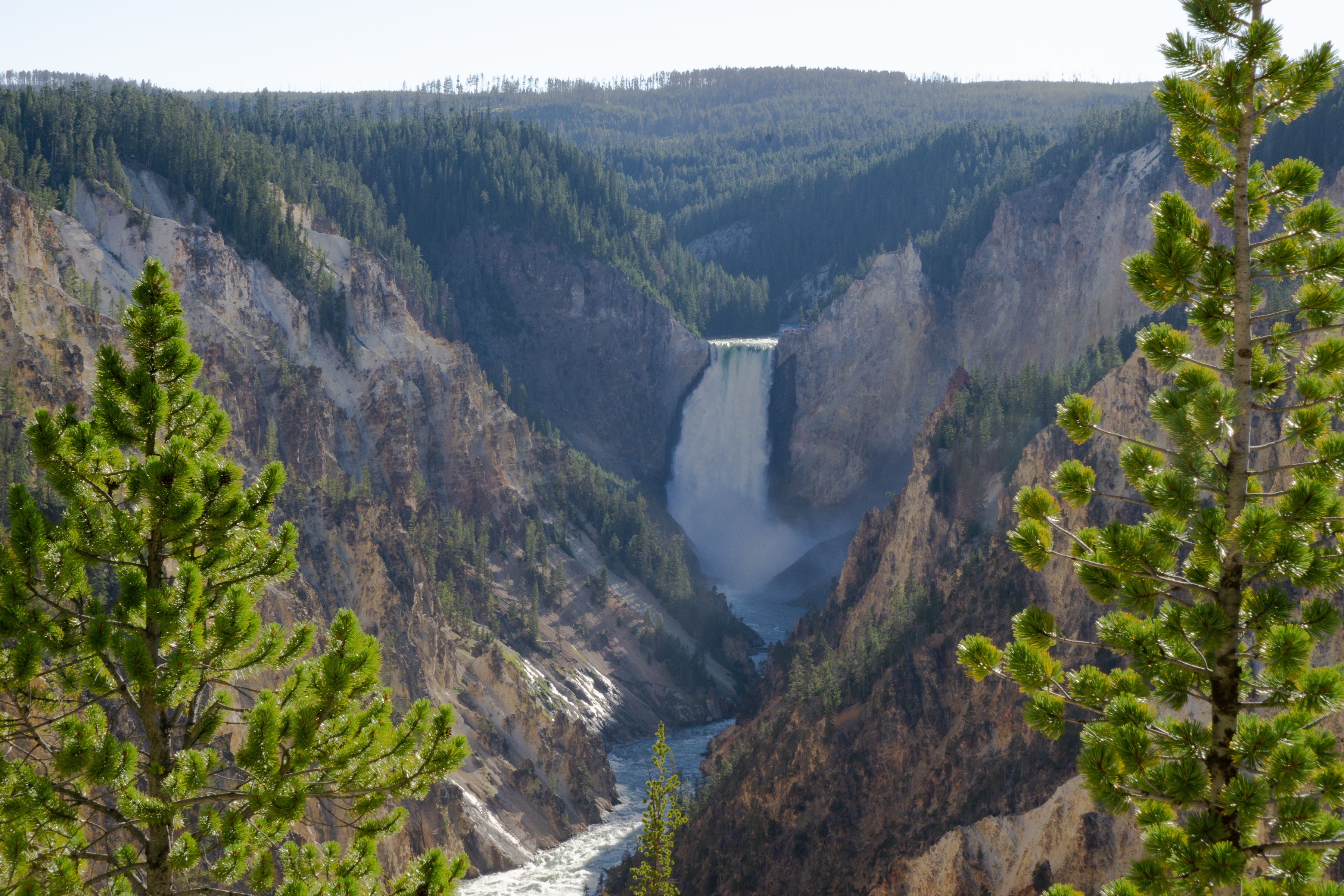
    Do you have a few places within the park you want to visit, or a couple of landmarks you absolutely have to see? Then camp near them. Just because you are camping inside a park, doesn’t mean you’re going to be close to what you want to see. National parks are huge. This means you need to have a plan and camp as close as possible to the things you want to see. From there you can hike to specific locations within the park.

    4. Be Ready to Dry Camp

    Camping in your RV inside the park is the goal, but you’ll often be without a full hook-up. Be ready for this. Don’t expect to have electric or water hookups. Come ready with a plan to boondock. This means having enough water and power for the duration of your stay. This will likely also mean using less power and taking advantage of any public or campground restrooms that are available. If you come to the park with the right mindset and plan, it shouldn’t be a problem to dry camp during your stay.

    5. Know Your Route to and Through the Park
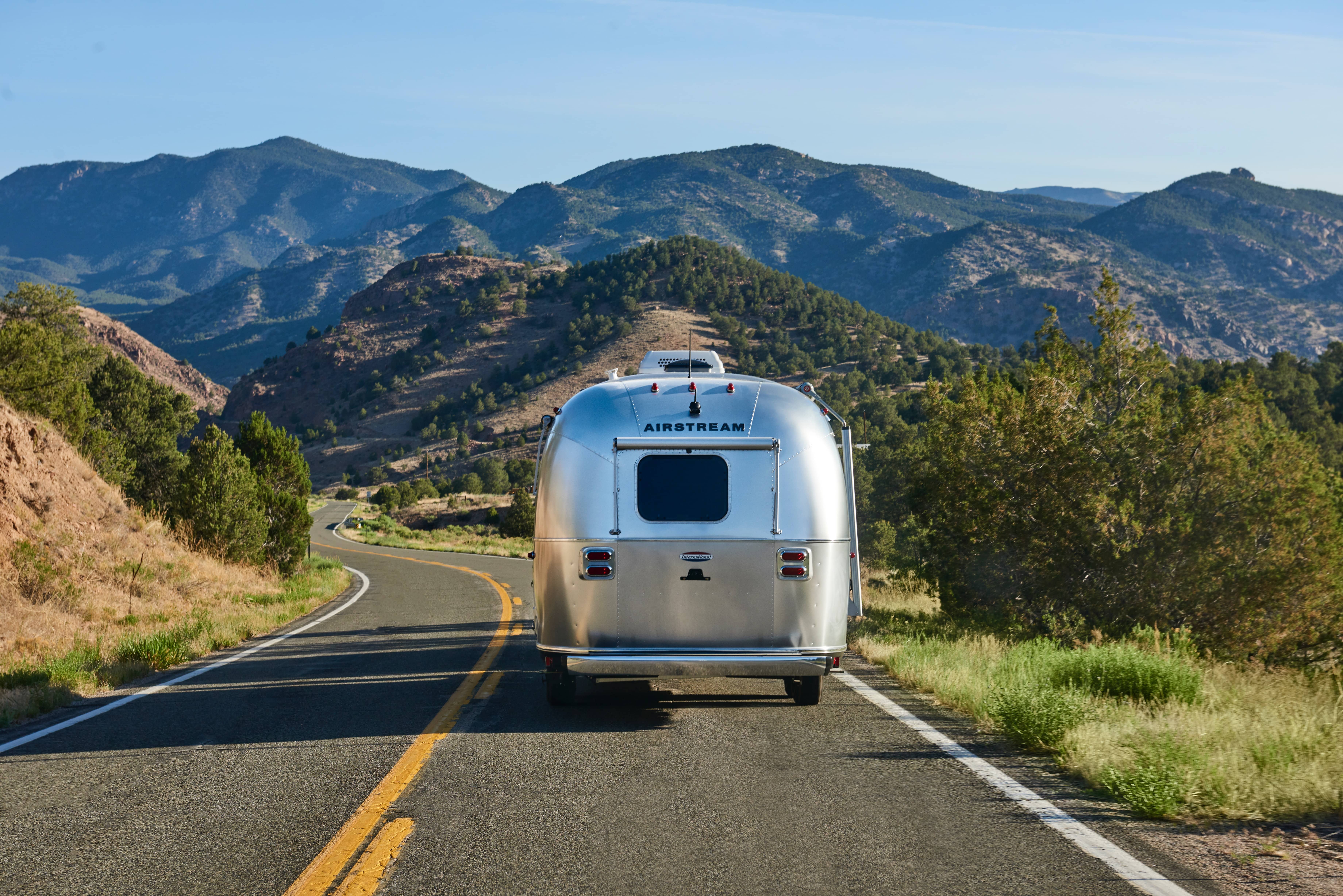
    A towable Airstream RV winds through the mountains.

    Some national parks have more than one way to get to them or through them. Some of those roads will not be suitable for your RV. You need to know ahead of time, which route you plan to take in your RV. This will help keep you on the right track and keep you comfortable on the road. Look at routes that other RVers have taken and consider getting an RV-specific GPS to guide you along the way.

    6. Get Good at Maneuvering Your RV

    Practice makes perfect. This is true for pretty much everything, including driving or towing your RV. The more you do it the better you’ll be at maneuvering your RV when it counts. In national parks, not all of the roads are very wide and you’ll need to be good at controlling your RV on the road. You’ll also, need to get good at parking your RV. Some national park’s campsites are small, make sure your rig will fit before you go and that you have the skills to get the RV into the spot easily.

    7. Stock Your RV Appropriately
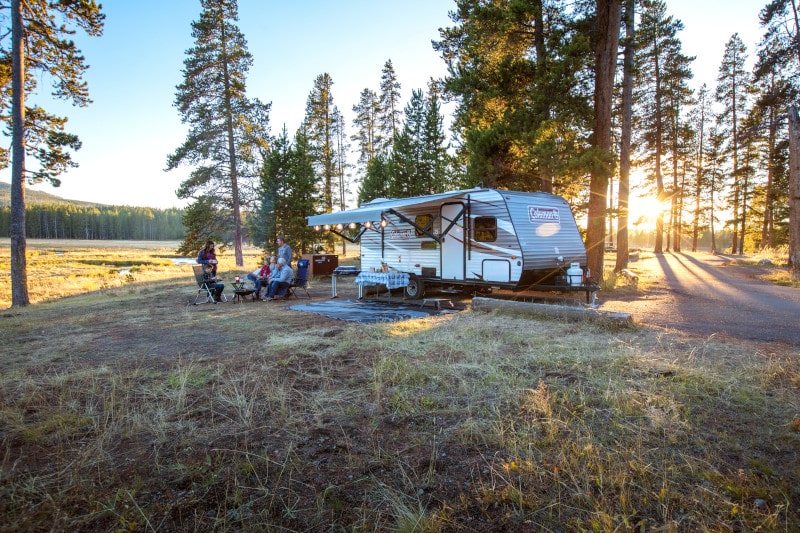
    Travel Trailer in Yellowstone National Park
    Photo by Camping World

    Most national parks don’t have much in terms of places to buy supplies. This means you’ll need to stock up on food, personal supplies, and camping gear ahead of time. Even if there is a small shop inside the park for you to buy supplies you will find that the items there are usually quite expensive.

    An exception to this is firewood. Do not bring firewood with you or across state lines. You want to get firewood in the park. The reason for this is because of invasive insect species. If you bring firewood from another place, you’ll likely bring along insects that don’t belong there. This can be devastating to the local environment.

    8. Be Considerate of Others While in the National Park

    You’re not the only one at the national park. The parks are popular destinations for travelers, especially families. This means you need to be courteous of other people coming to the park to enjoy all it has to offer. This means keeping your campsite orderly and well-kept, but it also means avoiding things like making tons of noise at night, not obeying signs and other postings from park officials, and letting others take advantage of beautiful vistas, trails, and other opportunities within the park.

    9. Be Prepared to See Wildlife and Treat it With Respect
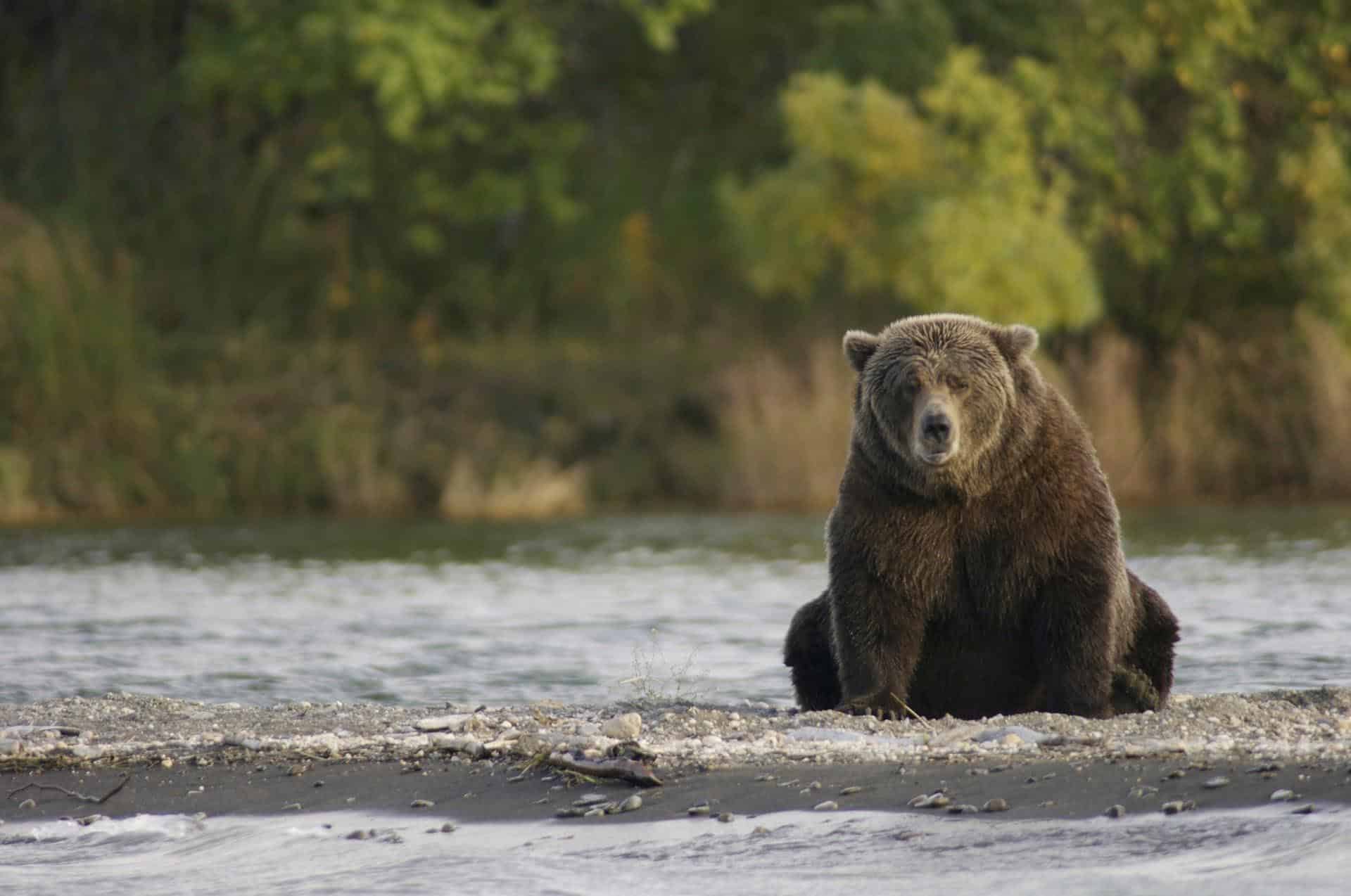
    Photo Tripping America - Katmai National Park - Camping World

    Hopefully, one of the main reasons you want to go to national parks is to observe and learn about all of the amazing wildlife that lives within the park’s boundaries. While at the park, be ready to come across wildlife and be ready to react appropriately. This means following all posted signs and directions and following the suggestions and orders of any National Park Service employees.

    You should also check out the various programs the National Park Service puts on to educate people about wildlife, especially if you have children. These programs are education, interesting, and a whole lot of fun!

    10. Camp Responsibly and Leave as Little Trace as Possible

    You’re not in the national park to make your mark. When you leave your campsite, you don’t even want people to know you were there. This means you’ll have made as little impact on the natural environment as possible. Take care of your trash, put out your campfires all the way, and don’t disturb the environment around any more than is absolutely necessary. You want others to be able to come and enjoy the park, too, and for years to come. The best way to do that is by leaving as little trace as possible.


    The national parks are amazing and there’s no better way to see them than in an RV. If you want to experience all that they have to offer, then an RV is your ticket to adventure. Check out all of the RV’s Camping World offers!

    Source link

  • 3 Affordable Class A Motorhomes for Small Families

    3 Affordable Class A Motorhomes for Small Families


    Class A motorhomes are fantastic large RVs to have. They offer plenty of space, a lot of features, and most of the creature comforts of home. For many camping families out there, they’re the best option. However, they can be quite expensive.

    However, there are options out there that are reasonably affordable. While some luxury Class A motorhomes can cost over $1 million, some can be well below $100,000. These RVs are still fantastic options with good features and amenities.

    I wanted to pull together a few reasonably affordable Class A motorhomes below. I do not list the manufacturer’s suggested retail price (MSRP) below because if you go around to RV lots across the country, you’ll rarely find units listed for that. You can usually find units priced well below the MSRP. A quick search of the models listed below on Camping World’s website shows they’re all listed for far less than the MSRP. So keep that in mind when reading.

    Fleetwood Flair 28A

    Fleetwood Flair 28A
    Image from Camping World

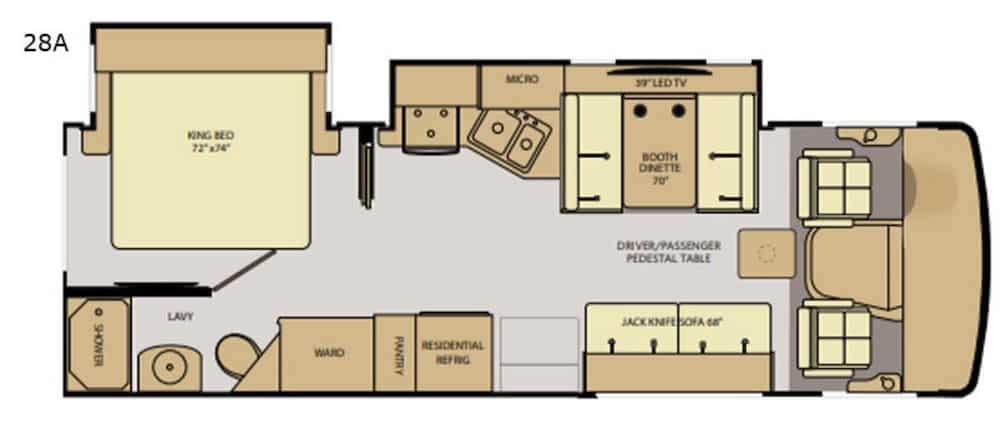
    The Fleetwood Flair 28A is an RV you can find at lots across the country for a very reasonable price. Between the dinette and the sofa there’s plenty of seating for thos long hauls, but the RV also comes with a large king bed a nice size kitchen and a small bathroom.

    The unit features a gas engine that makes 460 torque and 320 hp and it sleeps up to six people thanks to its king bed, dinette, sofa, and drop-down bunk over the cab. The two slides on this unit help open up the floorplan a bit and the rugged Ford F53 chassis is known for its durability. Overall, this unit measures 29.25 feet long, and it’s a good option for small to medium size families.

    Check it out at Camping World

    Thor Axis 25.6

    Thor Motor Coach Axis 25.6
    Image from Camping World

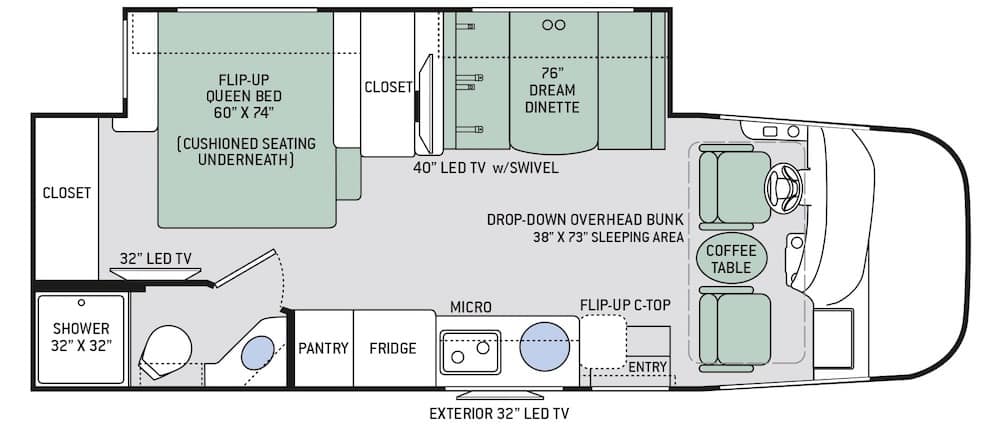
    The Thor Axis 25.6 is another good option. This unit has only one slide out, but otherwise has all that you could want or need. The model features a full bathroom, a kitchen along the passenger side of the RV. On the driver’s side wall, there’s a large dinette and at the rear of the motorhome a queen flip-up bed.

    The unit measures 25.5 feet in length and the Ford E-450 chassis features a gas engine with 305 hp and 420 lb-ft of torque. This unit sleeps up to four people between the drop-down bunk and the queen bed. It is a fantastic option for small families.

    Check it out at Camping World

    Thor Vegas 24.1

    Thor Motor Coach Vegas 24.1
    Image from Camping World

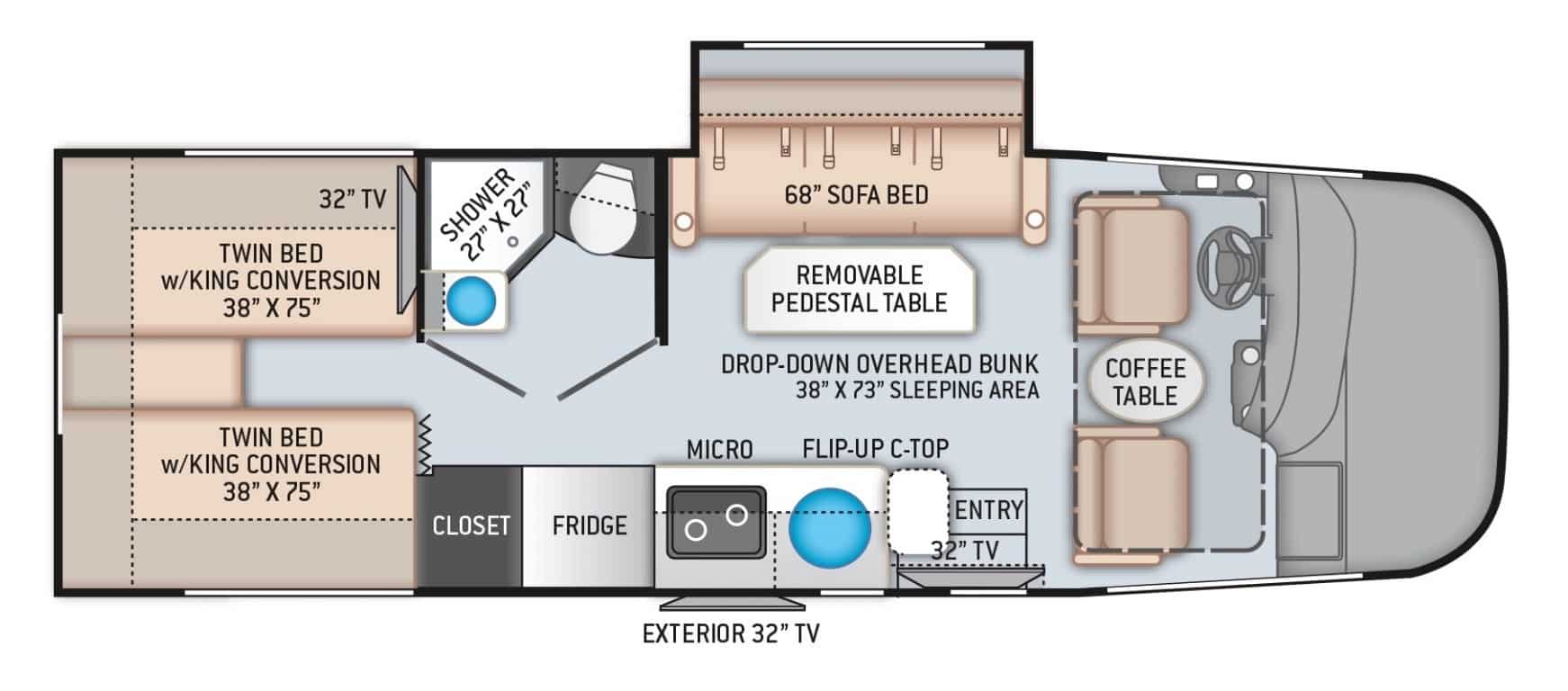
    Want an RV with an even smaller slide out? The thor Vegas 24.1 is the way to go. This model features a single small slide for the sofa bed, a bathroom next to the sofa, a kitchen across from that, and a sleeping area at the rear of the unit that can be two twin beds or a single king.

    This model is built on the Ford E-450 chassis and that means it gets a gas 305 hp and 420 lb-ft of torque engine. The overall length of this one is 25.5 feet, and the motorhome sleeps up to four people. It’s another great option for small families.

    Check it out at Camping World


    Looking for a good Class A motorhome? Check out all of the models avaliable at Camping World’s website


    Source link

  • SftR 083: Blowing up RVs and the Daytona 500 with Chris Young

    SftR 083: Blowing up RVs and the Daytona 500 with Chris Young


    In the second episode of Stories from the Road season 2 Sam talks with Chris Young who is the spokesperson for Gander RV and Outdoors. Chris recently took a Class A RV down to Florida for the Daytona 500. He camped at the racetrack with all of the other race fans. 

    Chris discusses how he ended up where he is today, blowing up RVs for a Gander promo video, what the Daytona 500 camping experience was like, and much more.

    What we cover in this episode:

    • 0:10 – Write-ins from friends of the show
    • 2:30 – Chris introduction
    • 4:00 – Chris’s Start/Blowing Up RVs
    • 11:00 – Camping at the Daytona 500
    • 14:00 – Community at the Daytona 500
    • 15:00 – Chris’s interview with race fans
    • 20:00 – Chris talks about other race fans he met
    • 24:00 – Chris’s camping experiences

    Links mentioned in this episode:

    ** Subscribe to Stories from the Road on iTunesSpotify, or Google Play **


    Source link

  • 5 Blue Ridge Mountains RV Campgrounds You Must Visit

    5 Blue Ridge Mountains RV Campgrounds You Must Visit


    The Blue Ridge Mountains are one of the countries greatest mountain ranges. They’re are a part of the Appalachian Mountains and stretch from Georgia to Pennsylvania. The range is home to some of the most beautiful sights you’ll see east of the Mississippi River, and because of this they’re a common place for RVers, campers, and other adventurers to visit

    The Blue Ridge Parkway is one of the best ways to see this area. It’s the scenic ribbon of road winds its way along the nearly 470 miles the mountain range covers. It’s a fun and beautiful drive, and one that every American should do at least once in their life. The road is often called America’s favorite drive. It’s one of those must-do road trips for any RVer and rivals anything you’ll see on the coasts or in the Western United States.

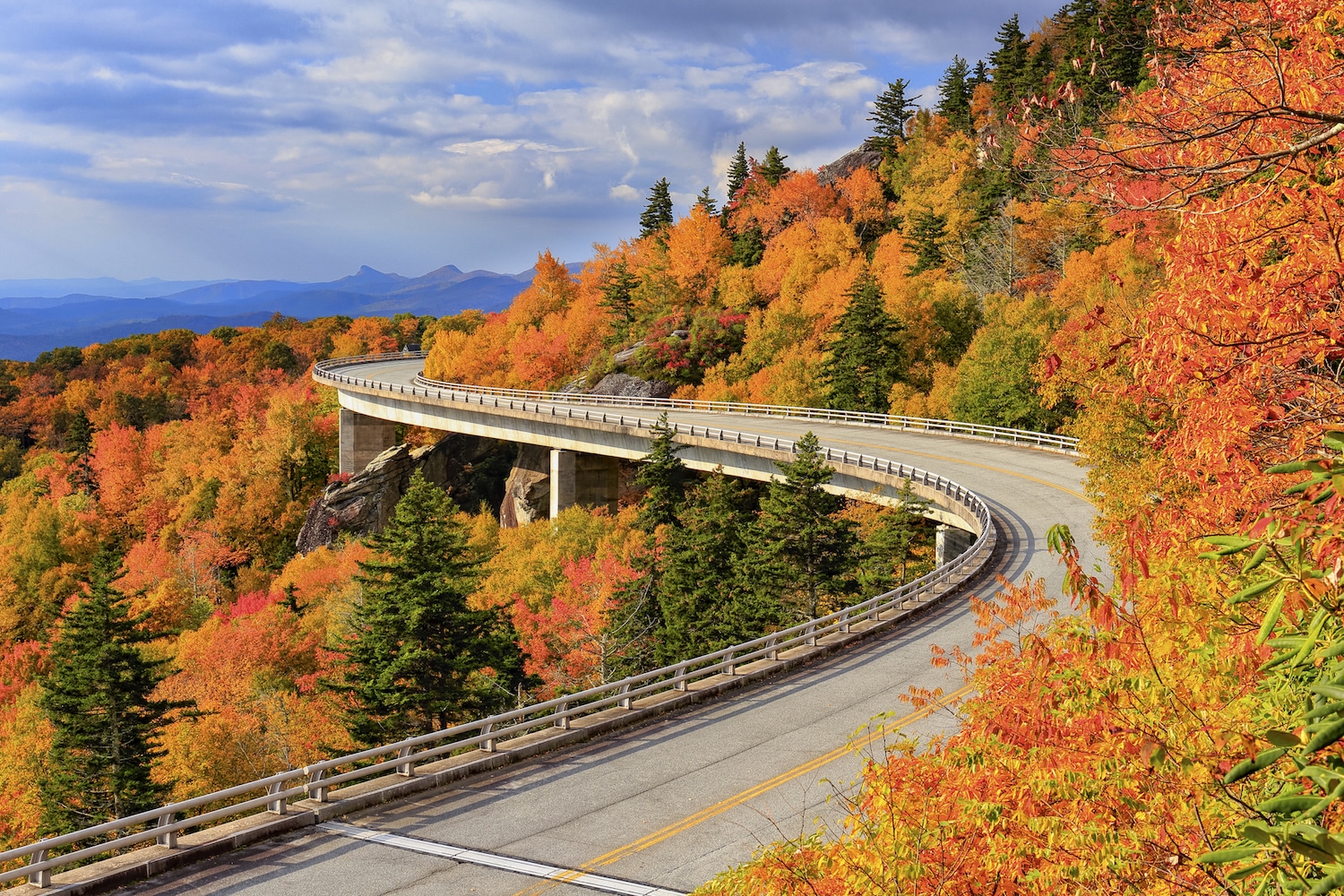
    Autumn foliage along the Linn Cove Viaduct, Blue Ridge Parkway, North Carolina
    Image from Getty

    Taking an RV along this iconic route is easy. While you can certainly do the route in your car if you’re tent camping or staying in hotels, ask anyone who has done the route before, and they’ll tell you it’s perfect for RV travel. I took this route a few years back and saw several RVs. And I have to note there are tons of parks and campgrounds that will accommodate RVs.

    Here are five great choices for when you need a place to stop.

    1. Mount Pisgah Campground

    Mount Pisgah Campground, located in Canton, North Carolina, is one of the most common stops along the Blue Ridge Parkway. It offers 70 RV sites with showers, bathrooms, and laundry facilities. That’s plenty of campsites, but with the campgrounds ideal placement in Flat Laurel Gap it is quite popular, and you should think about making a reservation before you go.

    Right at the campground, there’s plenty to see and do, including checking out the nearby trails with amazing views, dining at the Pisgah Inn restaurant, stopping in the gift shop and camp store, and just truly enjoying the beautiful natural landscape around you.

    2. Julian Price Park Campground

    Julian Price Park Campground is in Laurel Springs, North Carolina. It’s the perfect haven for relaxing in one of the most beautiful locations along the Blue Ridge Parkway. The campground features 68 RV campsites, though amenities aren’t plentiful. There are no hookups at the campground, but there are bathroom facilities and a dump station.

    As long as you don’t mind dry camping for a couple of days, the Julian Price Park Campground has plenty to offer. You can rent a boat to go out on the lake, check out the trails and nature walks, and visit one of the performances at the 300-seat amphitheater.

    3. Bear Creek RV Park

    If you want a campground right in the bustling mountain city of Asheville, North Carolina, then you should hit up Bear Creek RV Park. The campground features plenty of paved, full hookup sites for RVers, though it’s always smart to call ahead and reserve your spot. The campground features three bathhouses, two laundry rooms, complimentary Wi-Fi and cable, and a heated swimming pool.

    If you’re going to spend any time in Asheville, this is the perfect place to call your home base. You can get a discount on Biltmore Mansion tickets and all of the city’s fun attractions are just a short trip down the road. Also, the mountains and all the hiking trails you could want aren’t far either.

    4. Bear Glenn Mountain Resort and Campground

    Bear Glenn Mountain Resort and Campground, located in Spruce Pine, North Carolina, offers a wide variety of sites for RVers. You can get full hookup sites or not, and the amenities at the campground are extensive, too. There’s also high-quality bathroom and showering facilities, a game room, and playground.

    Right at the campground, there’s over 13 miles of trails to be hiked, fishing and swimming opportunities, as well as courts and fields designed for all kinds of sports. If you need something less juvenile, the Linville Falls Winery is just a short drive away and so are kayaking and rafting experiences should you choose to do them.

    5. Rocky Knob Campground

    Rocky Knob Campground isn’t quite as large as some of the others on this list, but that’s a good thing if you can secure one of the 28 campsite RV spots. It’s secluded and offers a nice quiet place to be. There are bathroom facilities on site as well as a dump station and a large campfire circle designed to accommodate 150 campers.

    The 3,500-acre Rock Castle Gorge is within the area of Rocky Knob where the campground is located. The Mabry Mill is also located nearby and offers hiking and sight-seeing opportunities you won’t find elsewhere. If you’re an avid hiker, you must try the Rock Castle Gorge Trail, which is a 10.8-mile loop trail that goes over 3,500 feet above sea level. If you’re not into hiking that much and would like a guide, there are several tours you can schedule in the area.

    No matter where you camp in the Blue Ridge Mountains you’re bound to have a good time. This is one of the must-see areas of the country, and if you can’t get into any of these campgrounds, there are plenty more campgrounds to visit that are still quite nice.


    Have you visited the Blue Ridge Mountains? What did you think? Where did you stay? Leave a comment below!


    Source link

  • The Best Short Class C Motorhomes

    The Best Short Class C Motorhomes


    Class C motorhomes can come in a wide variety of lengths from 20 to over 30 feet. While a longer Class C motorhome might be right for you and your family, many RVers find that a shorter model works extremely well for them and is easier to maneuver on the road and around campsites and parking lots.

    These smaller Class C motorhomes are also more versatile as far as where they can travel. A really long Class C will be limited, and that can mean you’ll miss out on certain opportunities. So, if you think a shorter Class C motorhome might be for you, then you should check out the options I have presented below. These are excellent Class C motorhomes that might have just what you’re looking for.

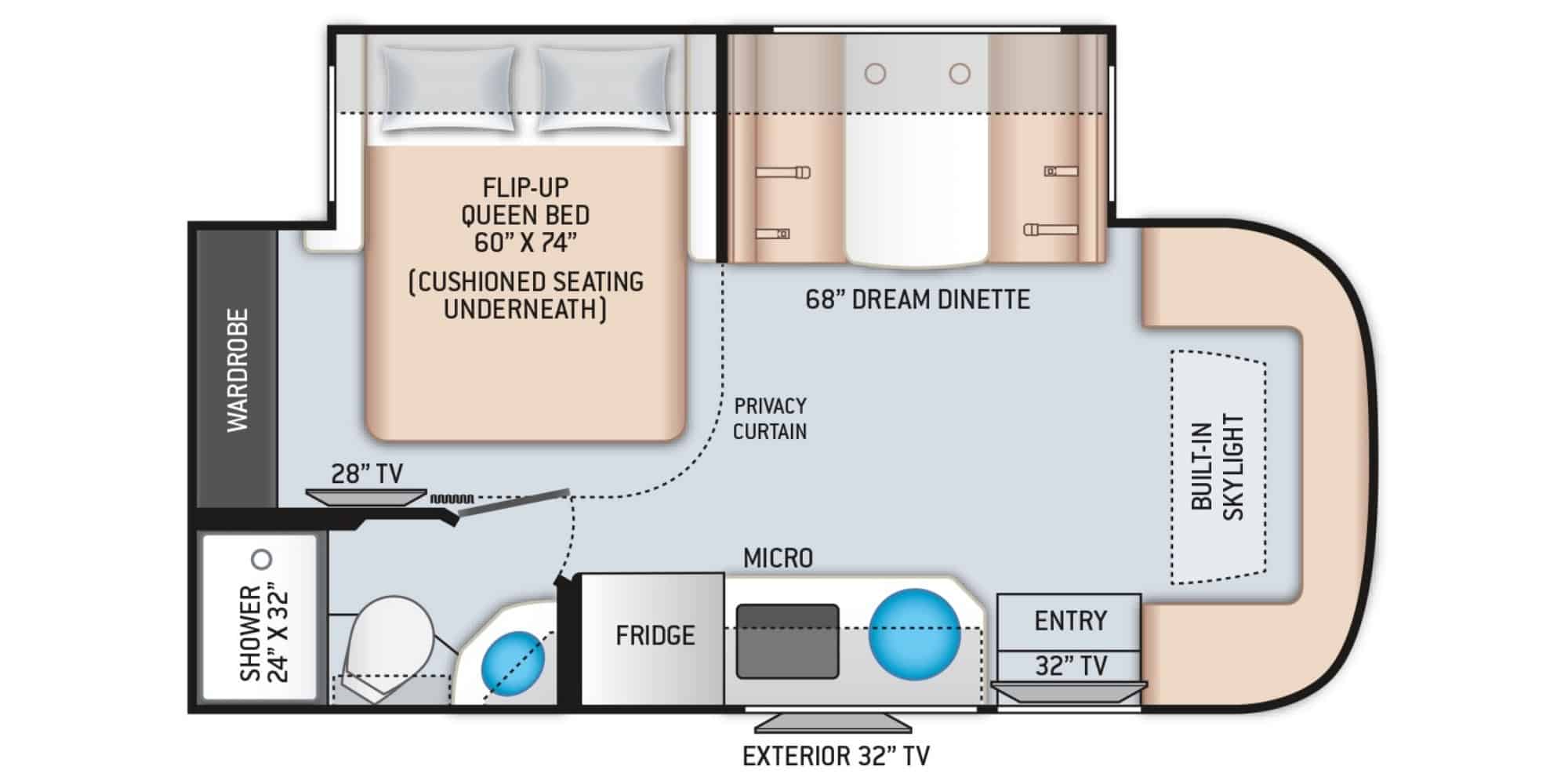
    Thor Gemini 23TW

    Thor Motor Coach Gemini 23TW
    Image from Camping World

    If you’re looking for an RV with plenty of interior room and like the idea of a skylight above the cab of the RV, then the Thor Gemini 23TW could be for you. This model features a camp-side kitchen, a full bath in the rear passenger side of the RV, and a queen bed and Dream dinette on a slide on the driver’s side of the RV.

    The unit features a Ford Transit chassis with a diesel engine that puts out 185 hp and 350 lb-ft of torque. This engine is great on fuel and provides plenty of power to get the RV around. The length overall is 23.5 feet. The model sleeps up to five people between the bed and the dinette and cab-over bunk.

    Check it out at Camping World

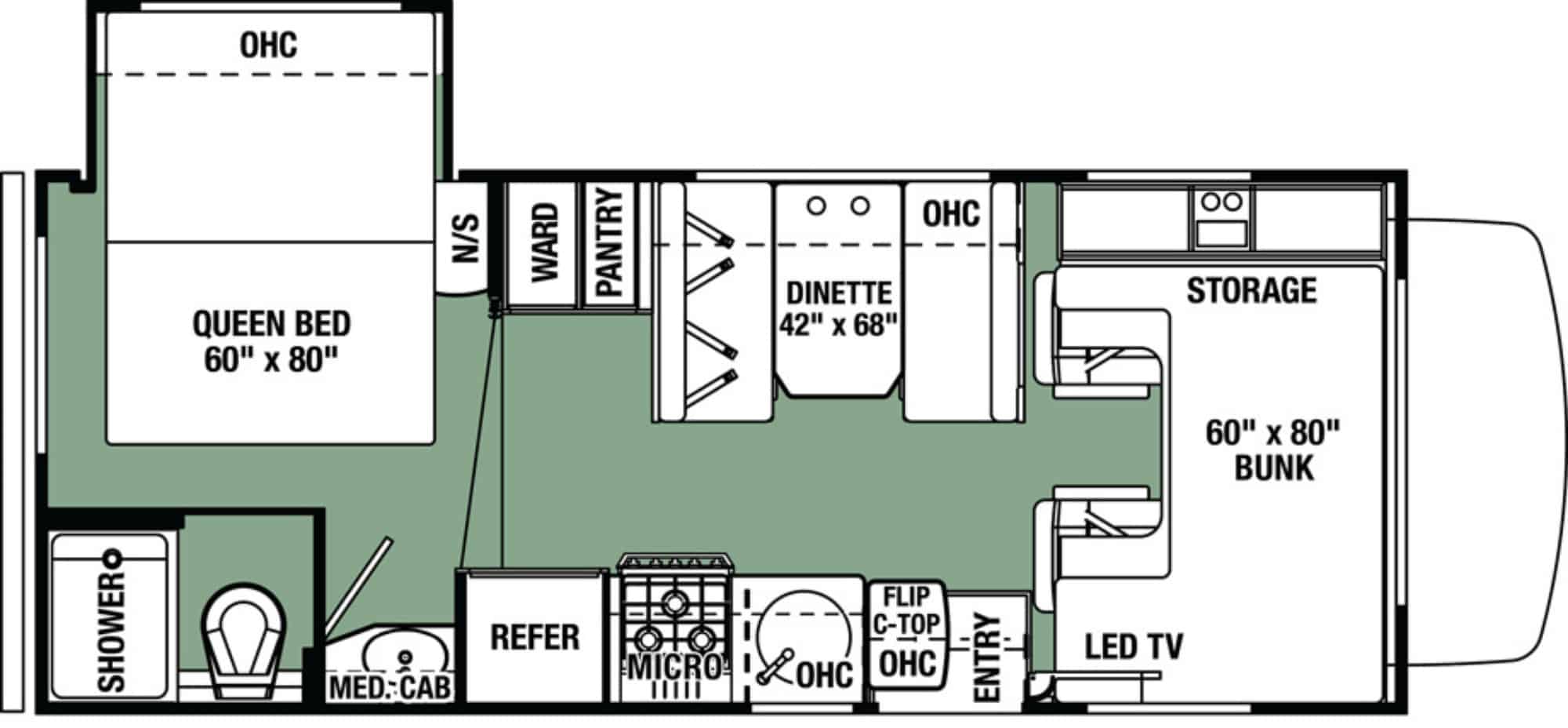
    Forest River Forester LE 2251SC

    forest river forester le 2251SC
    Image from Camping World

    Maybe the floorplan above isn’t for you. If that’s the case, that’s fine! Not everyone is going to want a Class C with a large slide-out on it. Maybe you just want a small slide. If that’s the case, then the Forester LE 2251SC shown here is what you’re looking for. The bed is on a slide-out but that’s it. The kitchen is on the passenger side of the RV, and so is the bathroom. On the opposite side is the dinette, wardrobe, pantry, and queen bed.

    This Class C motorhome is built on the Chevrolet Express 4500 chassis that has a gasoline engine that produces 341 hp and 373 lb-ft of torque. The Forester LE 2251SC is 23.83 feet in length. The unit sleeps up to five people and across the bed, dinette, and cab-over bunk.

    Check it out at Camping World

    Thor Freedom Elite 22HEC

    Thor Motor Coach Freedom Elite 22HEC
    Image from Camping World

    If you’re looking for something with a different layout that has no slide, then the Thor Freedom Elite 22HEC is a good choice for you. The model features a large Dream dinette, a kitchen on the passenger side of the RV, a queen bed in the rear of the RV next to the bathroom. The closet is next to the bathroom.

    The RV is built on the Chevrolet Express 4500 chassis. It features a gasoline engine that makes 341 hp 373 lb-ft of torque. The Freedom Elite 22HEC measures 24 feet in length and it will sleep up to five people between the bed, dinette, and cab-over bunk.

    Check it out at Camping World

    It’s important to note that there are other floorplans of each of these Class C models. This means if you’re interested in the chassis or model in general but would like to see other layouts that there are other options out there for you to choose from.


    Are you interested in seeing the other Class C models? Didn’t see something you’re interested in here? Check out all of the Class C motorhomes available at Camping World.


    Source link

  • Why You Need a Water Pressure Regulator for Your RV

    Why You Need a Water Pressure Regulator for Your RV


    Water is an important part of doing pretty much anything, RVing included. You need water for your RV and that often means connecting up to a city water connection. Recently, we posted a podcast episode that was about the importance of filtering water from these connections, but you should also be worried about the water pressure.

    Having too much water pressure is not a good thing. Luckily there’s something you can do: add a water pressure regulator. Let’s take a closer look at why and what a water pressure regulator can do for you.

    Reasons to Use a Water Pressure Regulator

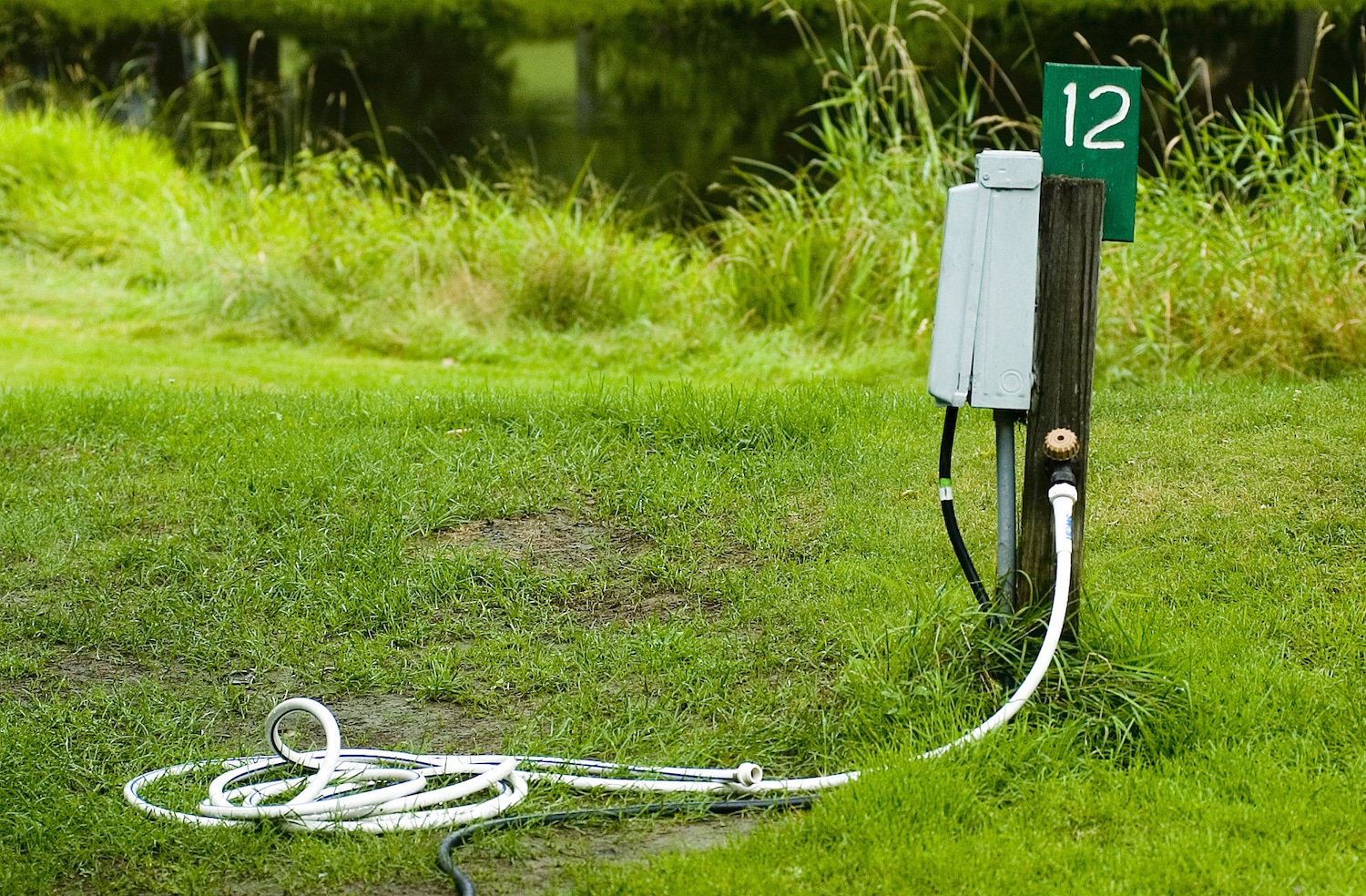
    Campsite Number 12 electric and water hookup
    Image from Getty

    The water coming out of a city water connection at a campground isn’t likely to be monitored. This means the water pressure at different campgrounds can vary. It can be very high pressure water coming out or very low pressure. Either one can lead to issues.

    If the water pressure is too low, you’ll not have good flow of water into your RV, which isn’t the end of the world but rather a minor annoyance. However, if the water pressure is too high, it can actually cause damage to your RV. This could lead to leaks and water damage, something you really need to avoid at all costs.

    How a Water Pressure Regulator Works

    A water pressure regulator is quite simply a valve that reduces the water pressure coming from your water source. If the water coming from your water source comes to your RV with too much pressure it will damage your RV, as we’ve mentioned above. The water pressure regulator stops that from happening by lowering the water pressure before it reaches your hose.

    You attach the water pressure regulator to the water spigot where you’ll recieve your water. This ensures that the high water pressure stops right at the spigot and doesn’t enter your water hose or your RV’s plumbing.

    What Is the Right Water Pressure for an RV?

    filling the water tank of a campervan in campground area

    The correct water pressure for an RV can vary depending on the model and the condition of your RV’s plumbing system. Modern RVs can handle up to 100 psi of water pressure. However, most RV experts recommend you never let the water pressure exceed 60 psi. Somewhere around 40 to 50 psi is ideal for many RVs.

    Of course, you should consult your RV’s owner’s manual before just blindly following some general guidelines. Some RVs will perform best with specific water pressure. Your RV’s owner’s manual may also recommend a specific type of water pressure regulator. Always go with what your owner’s manual recommends.

    Types of Water Pressure Regulators

    There are a couple of different kinds of RV water pressure regulators out there for you to choose from. As I said above, you should go with the one that works best for your RV, that should be discussed in your owner’s manual. If not, I suggest you get an adjustable water pressure regulator with a gauge.

    Generally, there are adjustable water pressure regulators and non-adjustable ones. The non adjustable ones come in either low flow or high flow. Choose the option that is right for your RV and you should be good to go. I prefer the adjustable water pressure regulator with a gauge. These regulators allow you to really dial in the appropriate water pressure and the gauge lets you see what the psi is. It’s just generally a better option. However, these do tend to be a little more expensive.


    If you need a water pressure regulator, check out all of the water pressure regulators available at Camping World.

    Do you use a water pressure regulator? If so, what do you use? Leave a comment below!


    Source link