Blog

  • 5 Reasons to Love Bunkhouse Travel Trailers

    5 Reasons to Love Bunkhouse Travel Trailers


    If you have a family and you want to RV, you’re probably going to be looking at bunkhouse RVs at some point. These RVs are some of the best options out there.

    While there are bunkhouse motorhomes and fifth-wheels out there for you to choose from. Many folks find that the travel trailer bunkhouses satisfy their needs and do so in a way that motorhomes and fifth-wheels simply can’t. With that in mind, let’s take a look at why bunkhouse travel trailers are such a great option for so many families.

    1. There are Lightweight Bunkhouse Options
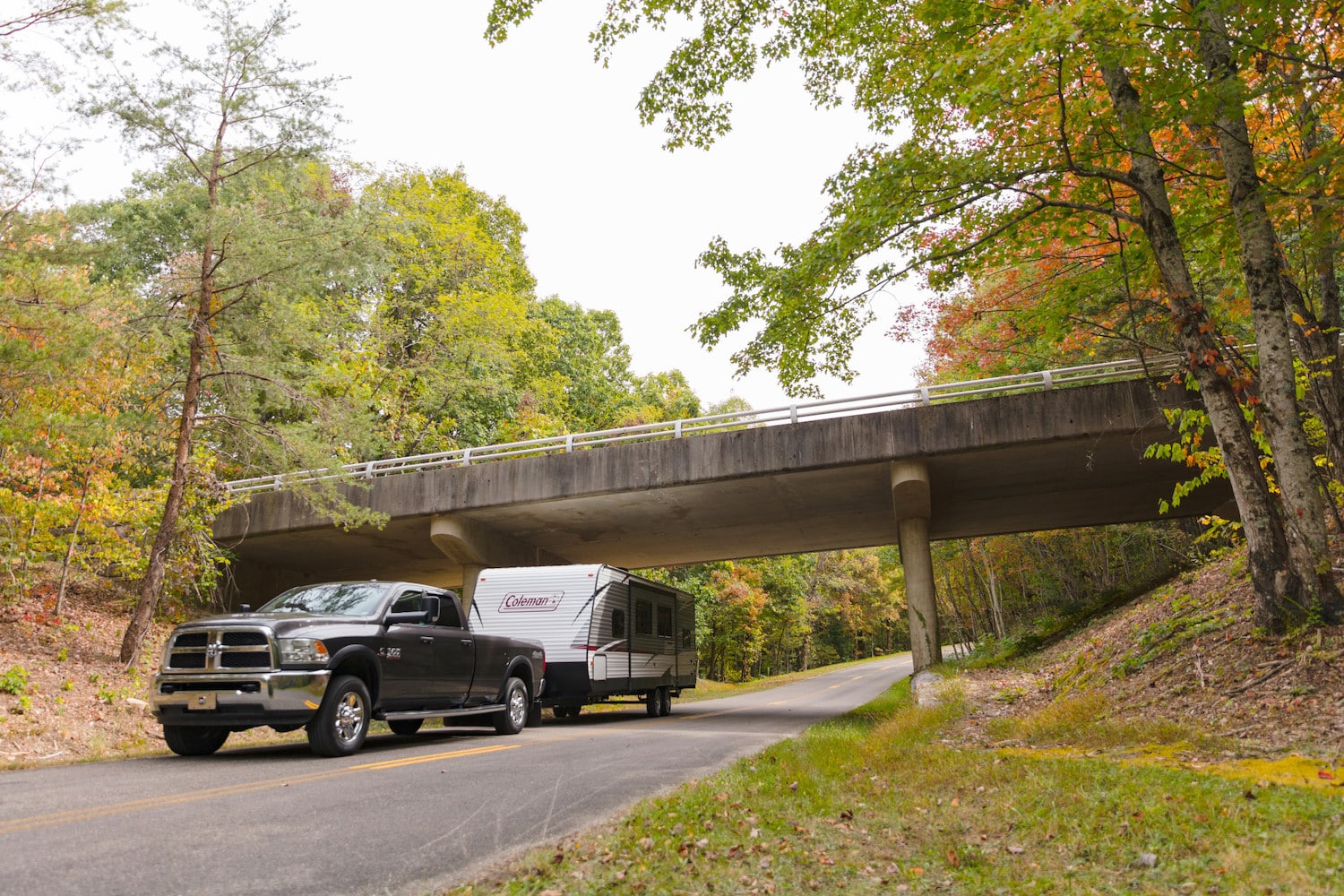
    Coleman Lantern 263BH

    There are lots of families out there who don’t own a heavy-duty pickup truck who still want to go camping. Just because you have a standard pickup, van, or SUV, doesn’t mean you have to settle for a non-bunkhouse RV. There are plenty of bunkhouse RVs out there that can be easily towed by a regular full-size truck, midsize truck, SUV or van thanks to their low weight.

    Some good lightweight bunkhouse travel trailer options include the following:

    • Jayco Jay Flight SLX 174BH
    • K-Z RV Sportsmen Classic 180BH
    • Jayco Jay Flight SLX 154BH
    • Coleman Lantern LT 17FQ
    • Forest River Wolf Pup 16BHS

    All of these models are under 5,000 pounds and many of them are under 3,500 pounds. This means the vast majority of trucks, minivans, full-size vans, SUVs and crossovers can tow these bunkhouse travel trailers.

    You can take a closer look at these RVs at Camping World’s website.

    2. There’s Plenty of Variations in Size

    Don’t go thinking all bunkhouse travel trailers are on the small and lightweight size, though. There are plenty of models well over the 5,000-pound mark and plenty that are very long in overall length. It’s this variation that sets these RVs apart more from the other bunkhouse options out there.

    Travel trailers by their very design are versatile. The RV type comes in all sorts of lengths, designs, and weights. This is good news for families who aren’t quite sure which travel trailer is right for them. It gives them plenty of options without muddying the list of possibilities with a fifth-wheel or a motorhome.

    3. There are Still Good Living Areas

    When you think bunkhouse, you think of the bunks themselves. Many people assume that these RVs are simply little more than a room with a bunch of beds. While some of the very small bunkhouses can feel that way, most bunkhouse travel trailers do a good job of dividing things up.

    This means you have sleeping areas and living spaces. There’s usually a master bedroom and then a bunk room or bunk area. This all goes a long way towards making your life as comfortable as possible while staying in your RV at a campground.

    Having separate areas for the beds and the living area also gives people a place to escape to when they need some time to themselves. For example, is everyone watching a movie you already saw? You can go read a book in the master bedroom or bunk room.

    4. The Ability to Sleep Large Numbers of People
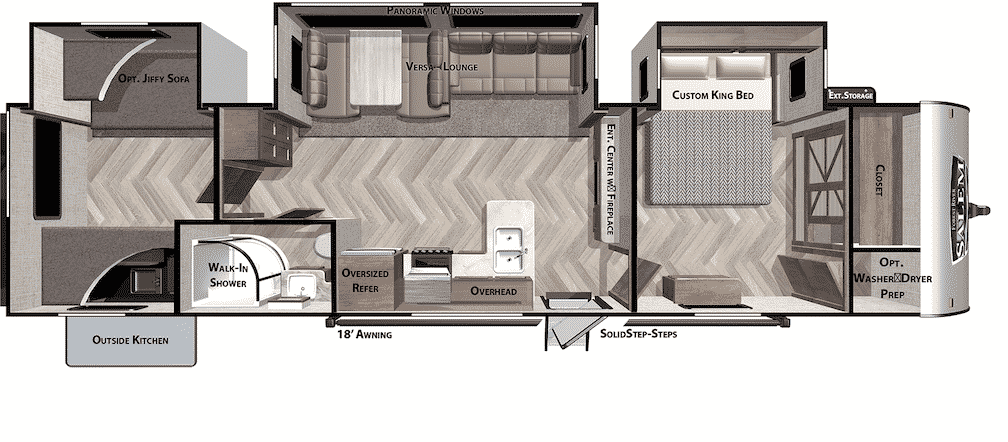
    forest river Salem 33tsfp

    This one should probably be number one, but I didn’t place it there because it applies to all bunkhouse RVs, not just travel trailers. The fact of the matter is that if you need to sleep a large number of people on your next camping trip, then you’re bound to actually need a bunkhouse.

    Sure, there are plenty of other travel trailer floorplan options that offer fold-out sofas, dinettes that transform into beds and drop-down beds, but the thing is, having bunks is the most efficient way of making sure everyone stays comfortable and gets the sleep they need.

    Travel trailers arguably make the best bunkhouses because of the fact that the space is so versatile. You don’t have to worry about the cab of a motorhome, or the unique hitch of the fifth-wheel. You get a nice rectangular space to work with that you can make larger through the use of slides. This opens up a lot of possibilities for the manufacturers and gives customers tons of options and a lot of space.

    5. Easy to Hitch-Up and Disconnect

    If you’ve ever hitched up a fifth-wheel you know that it can be a bit of an arduous task. It gets easier the more you do it, but it’s not like backing up to a regular hitch like the ones on a travel trailer.

    That’s where the travel trailer design shines. While a fifth-wheel may be more stable on the road, a travel trailer is easier to hitch-up and get going. This is a major boon of the RV type.


    What are your thoughts on bunkhouse travel trailers? Leave a comment below! Interested in looking at more examples of bunkhouse travel trailers? Check out Camping World’s inventory.


    Source link

  • Some Tips on Removing and Disposing of Old RV Furniture

    Some Tips on Removing and Disposing of Old RV Furniture


    Maybe you want to update your RV’s furniture. Maybe you want to strip your RV of all furniture and start from scratch. Whatever the case, you have to know not only how to get your RV’s furniture out of your RV but also what to do with it once it is out of your unit.

    This might seem pretty self-explanatory, but there are a few tricks and tips that can help you along the way. Let’s take a look at what you’ll need to know.

    RV Furniture Removal

    When touring RVs, be sure to spend plenty of time in your favorites. Don't be afraid to sit down, lay on the bed, or stand in the shower.

    When it comes to removing your RV’s furniture, it’s not as easy as simply pulling it out. RV furniture is anchored down to the floor and usually the wall. It’s also often built into the unit and not brought in after it’s constructed. This means you’ll have to disassemble the furniture in your RV in order to remove it.

    Before you just start tearing things apart, take your time to understand how a piece of furniture goes together. Remove the cushions or any pillows and find all of the anchor points that hold the piece of furniture together and to the RV.

    Once you understand how a piece of RV furniture is attached to the RV and how it goes together, you’ll need to take it apart, and this means using the right tools. In most cases, you should be able to remove RV furniture with some regular household wrenches and screwdrivers.

    If you find that your RV furniture is stapled or nailed into place, it may be smart to take your RV to a professional to have the work done. Camping World’s service department can help with this.

    RV Furniture Disposal

    Yellow industrial skip full of disused office equipment
    Image from Getty

    You can just take your RV’s old furniture to the landfill or city dump, but that’s extremely wasteful, especially if that furniture is still nice but just not something you would want to have in your RV. There are other options.

    One of the best options is to sell that furniture on Craigslist, eBay, or Facebook Marketplace. You might be surprised by what you can get for your old furniture on these sales platforms. Another option is to donate the furniture to someplace like Goodwill. If you do that, make sure the furniture still has some life left in it.

    The final option is to talk to your local Camping World dealership. Camping World will remove and dispose of your old furniture. During the first part of 2020, the company is offering free removal and disposal of old furniture. Head to your local Camping World for more information.


    Looking for new furniture for your RV? Check out all of the furniture at Camping World’s website.


    Source link

  • Why You Should Think of Upgrading Your RV’s Interior

    Why You Should Think of Upgrading Your RV’s Interior


    The adventure of owning an RV is an ongoing one, with new and exciting turns along the entire journey. Once you have taken a few trips down the road, you may start to look at what ways you can add enjoyment to your experience, and what upgrades may be available.

    Don’t stress! An upgrade to your RV experience doesn’t need to include an entirely new unit or even a full overhaul. In fact, you can upgrade your entire space with just a few easy changes. 

    Focus on Your Enjoyment and Comfort

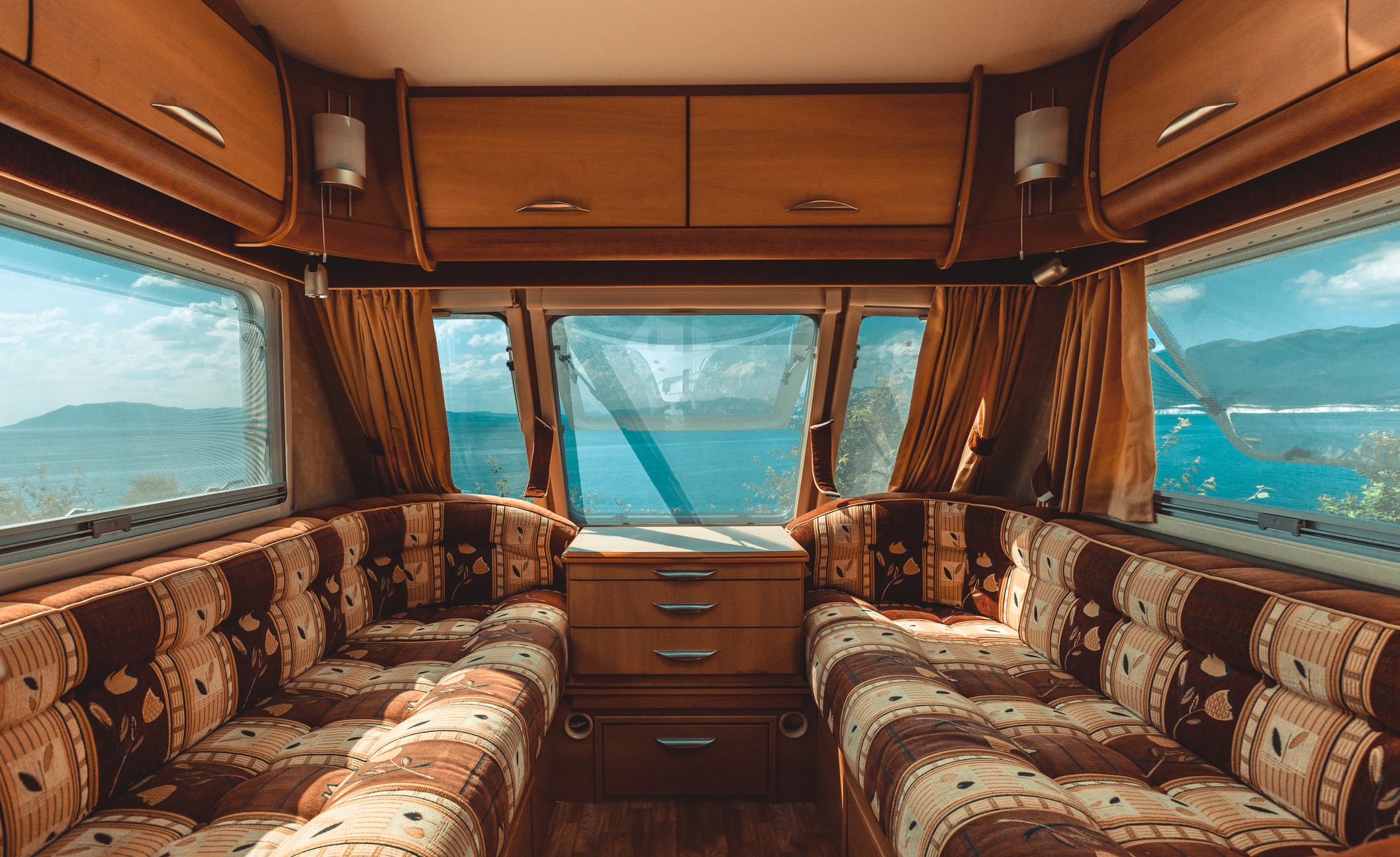
    Caravan trailer with sea view, view from the inside, point of view shot. Road adventure
    Image from Getty

    Your RV is your home on wheels, and should be comfortable, useful, and inviting. After all, the lifestyle is what’s enjoyable! So why not take your travel space, and make it your own! RV floor plans and interiors are designed to support a variety of lifestyles, functions, and activities.

    With tweaks being made between product lines and models, manufacturers do their best to accommodate as many different aspects as they can within the space. Even at their best, these designs can leave you wanting for more space, different colors, or even another sleeping arrangement. Sometimes, the best option for sprucing up your RV is a simple, personal touch!

    That’s when you turn to new furniture. Adding a few simple new pieces of furniture to your rig will help make it feel more like home.

    Upgrading Can be Easy

    The good news? Optimizing your RV living space is easier than ever! Whether you are looking to simplify, add lifestyle accents, or change the interior color scheme, or you want to fully redesign the furniture and layout of your unit, the options are truly endless.

    Adding a coat of paint, for instance, can brighten up a room, and attaching drapes can make it feel like home! Manufacturers often will know unit-specific measurements, making ordering online a breeze. For items that are not RV-specific, be sure to keep an eye on your unit’s measurements when selecting new items!

    Update When Your RV Needs It

    While on the road, your RV will take on some wear and tear. You may begin to notice this with the carpeting, and even some of the cabinetry and furniture may begin to take on some dings. This is to be expected.

    While creating each new space, designers sometimes opt for less weight in lieu of durability; all with the goal of creating the best product for the market.

    How to Update Your RV’s Furniture

    When taking on a furniture change in your RV, it’s good to keep a few things in mind. First, be sure to measure the entryway. When adding or removing furniture, ensure the doorway is wide enough to allow access. This is the most-often overlooked aspect of a redesign and has stopped many in their tracks. Be sure to measure and double-check your sizes

    Second, consider the weight of the furniture. When towing or driving an RV, weight matters. Be sure you aren’t overloading your rig. This can be done by purchasing RV-specific furniture items, or by sourcing furniture made of lightweight materials from a vendor of your choice. A few pounds here and there can really impact how your RV goes down the road. Reach out to a dealer with any questions on capabilities or limits to be sure.

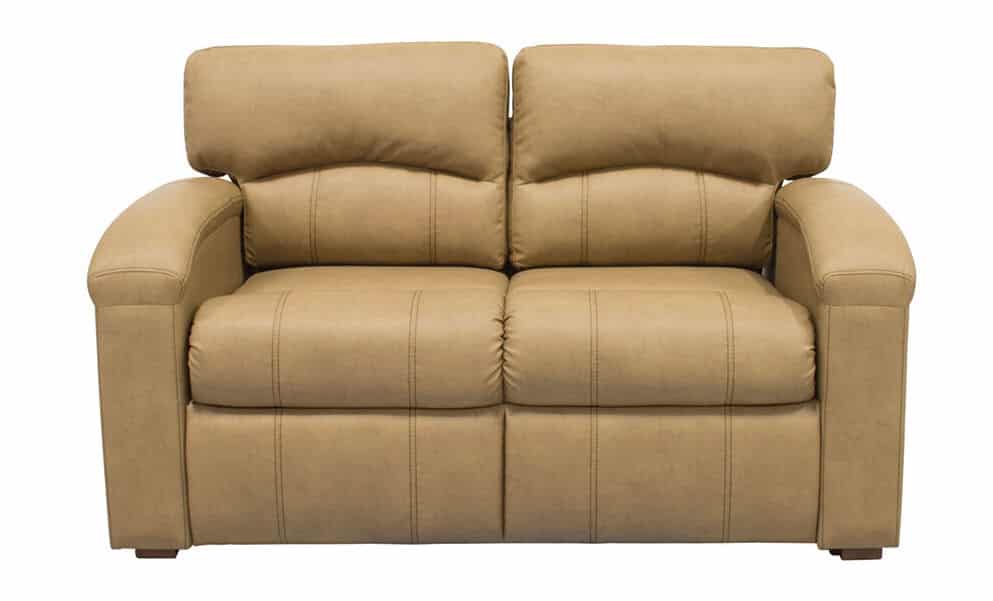
    sofa for an RV
    Image from Camping World

    Lastly, extra inches can mean a full transformation. Even small gains in free space can greatly impact the atmosphere of your RV. Don’t overlook what an updated couch or end table can do for a tight living arrangement! 

    Decreasing clutter and maximizing efficiency in your RV can be the key to happy RVing. Along your path, you’ll encounter what aspects of your RV model work for you, and which ones you could do without. As these come up, don’t be afraid of taking them on. You’ll be surprised at how easy and affordable these changes can be. For style, for comfort, for innovation. Whatever your reason, upgrade with confidence and adventure on.


    Looking for new furniture in your RV? Check out the offerings at Camping World.


    Source link

  • 5 Things to Ask the RV Salesman

    5 Things to Ask the RV Salesman


    Finding and buying your is an exciting—and sometimes overwhelming—experience.

    You’ll find yourself on an RV lot with a couple hundred RVs. If you start your shopping journey online, you’re looking at tens of thousands of travel trailers, fifth wheels, and motorhomes—enough to make anyone’s head spin.

    Your best bet is to find a knowledgable RV Specialist to guide you through the process. We’ve got hundreds of them.

    Here are 5 questions you need to ask your RV Salesperson while you’re finding your RV.

    1. What RVs are Best for My Family’s Size?

    This question will narrow the options considerably.

    Are you a solo RVer? A smaller RV, easier to maneuver and set up by yourself, might be a good choice.

    Are you a retired couple who sometimes wants to bring the grandchildren along? Maybe a Front-Living Travel Trailer with plenty of convertible sleeping areas in the main living area.

    Large family with 3-4 kids? Try a fifth wheel with a separate bunk room to make sure you’ve got a little separation.

    No matter your family’s composition, your RV Salesperson will be able to find some solid options for you.

    2. What RVs are Best for Where and How I Want to RV?

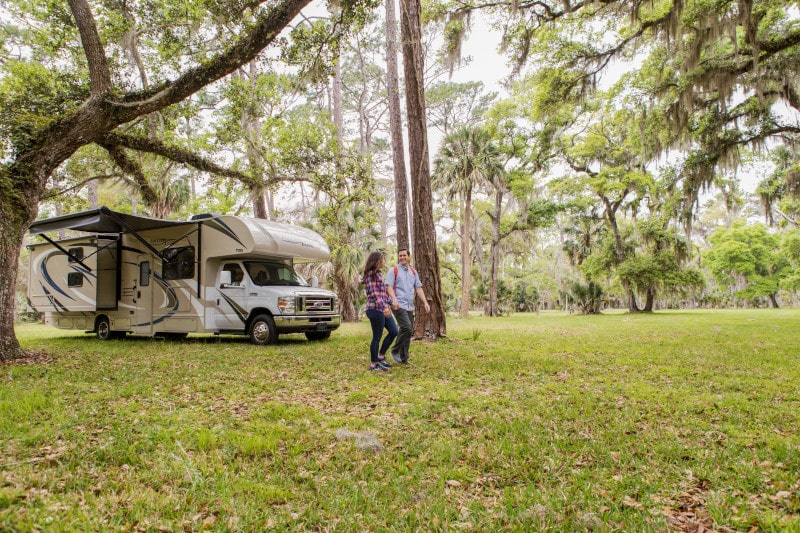
    Motorhome Parked in Florida
    Photo by Camping World

    RVing at campgrounds in the south is vastly different from boondocking in the Rocky Mountains.

    It’s important to have a good idea of how you want to use your RV, then lean on your RV Salesperson to find RVs that will fit your usage.

    If you’re primarily going to be at full-hookup campgrounds, there’s much less of a concern for water tank size. If you’re spending a lot of time in warmer climates, you’ll want upgraded Air Conditioning, but probably won’t need a four-season package.

    RVing is all about tradeoffs, and your RV Salesperson can help you manage those choices and end up with the best RV for your plans.

    3. What’s Included With My RV Purchase (and Warranty)?

    Included options vary widely from manufacturer to manufacturer. You’ll want a comprehensive list of everything that’s included.

    For example, some RVs include multiple Air Conditioning units, while some don’t include any. The same goes for awnings, slide toppers, power jacks, and more.

    You’ll also want a deep understanding about what’s covered under your manufacturer’s warranty. Do they choose where the RV is serviced? Do they expect you to pay for service up from and reimburse you?

    How long does the coverage last? If you feel like it’s insufficient, you can always add on an extended warranty plan.

    4. What Financing Options do You Offer?

    RV dealers typically offer a wide range of financing options. The volume at which they work with various banks give them access to finance programs and rates that individuals may not have.

    While your bank may be able to finance an RV over a 5 or 7 year term, RV dealers can offer extended terms, sometimes up to 15 or 20 years. This brings the monthly cost of ownership down significantly.

    Not only that, you’ll be able to fill out a single application and get a range of financing offers all at once.

    5. What Service Support Can You Provide After the Sale?

    Make no mistake—at some point after you buy your RV, you’ll need service.

    No matter how thorough of a Pre-delivery Inspection an RV dealer completes, there’s no way to fully prep an RV for the shocks and vibrations of driving down the interstate for hundreds of miles.

    You’ll want to ask your RV Salesperson what support they provide after the sale, and, more specifically, where they can provide service.

    The last thing you want to happen is to be out on a trip and need service urgently, with your only options being an expensive tow back to the dealership at which you purchased or a non-covered repair at the local service shop.

    Ideally, your dealer would be part of a large service network, where work can be done no matter where you’re traveling.


    Your RV salesperson is an invaluable resource during your purchase process. Come prepped with the right questions and you’ll find the perfect RV, and RV dealership, for you!


    Source link

  • What to Look for in Winter Camping and Hiking Boots

    What to Look for in Winter Camping and Hiking Boots


    Getting a good pair of winter boots for hiking or camping is a must if you plan to be outside when the weather turns cold. But what pair of boots should you get?

    There are plenty of great pairs of winter boots. Rather than list a bunch of boots, we thought it best to point out what to look for. Once you know what to look for, it’s a lot easier to find the pair of boots that’s right for you. Here’s what you need to look for.

    Waterproof Materials

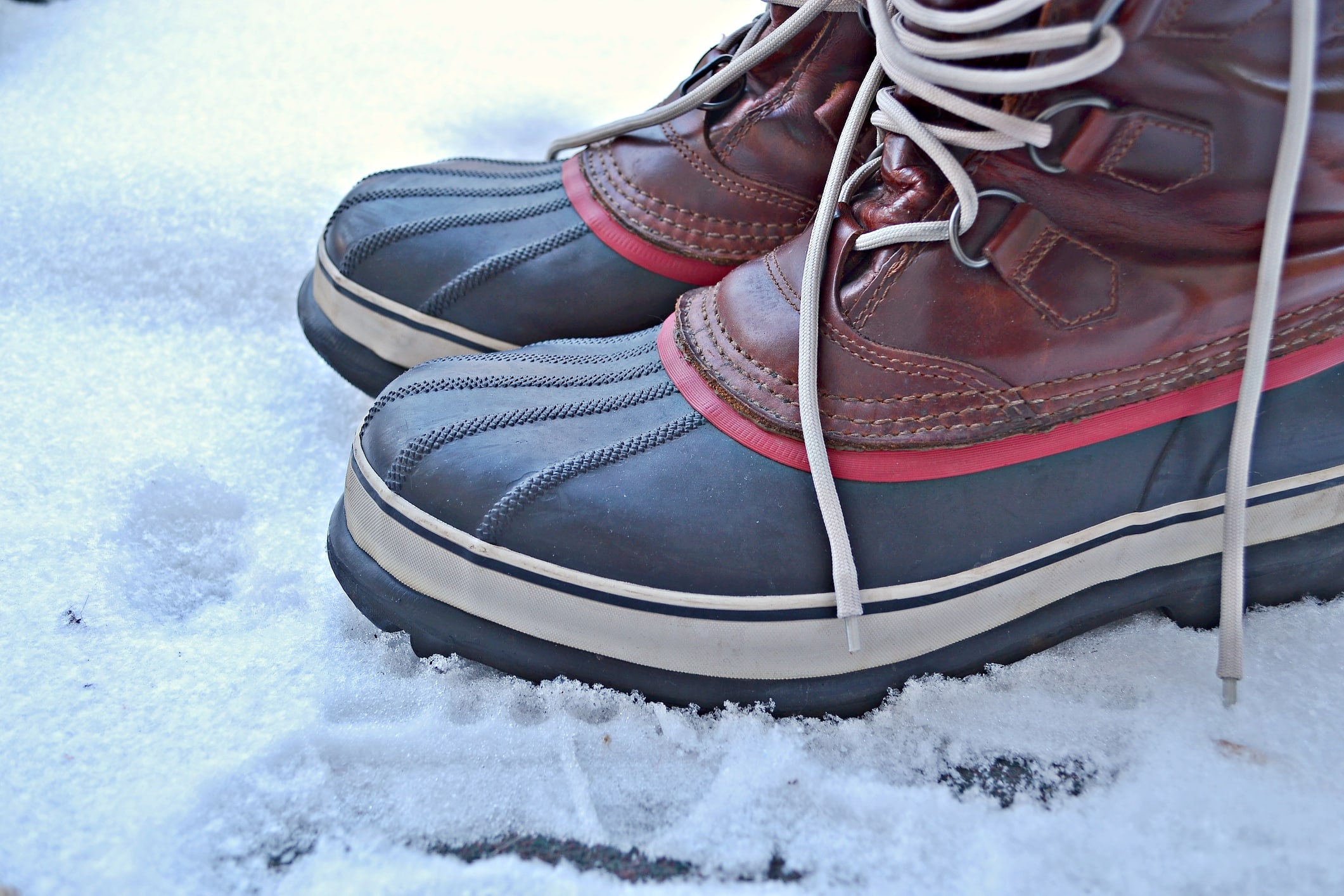
    Men's snow boots standing on snow outdoors
    Image from Getty

    Waterproofing is probably the most important part of a good winter boot. Winter brings snow and snow can make your feet wet. If your feet get wet, you’re looking at frostbite very quickly. That means at all costs, you need to keep your feet dry.

    Look for waterproof boots when shopping. Stay away from water-resistant boots. These do okay, but they will get wet at some point and then your feet are going to get really, really cold very quickly.

    Removable Interior

    Another thing to think about is the inside of the boot. While it’s not imperative they the interior be removable, it makes washing the boots and keeping them nice a whole heck of a lot easier. Even if just the bottom part of the boot comes out and not the whole interior, you’re better off. It lets you dry your boots properly and wash them easily when they need it.

    Plenty of Insulation

    tall Heavy Snow Boots
    Image from Getty

    This one is kind of obvious. During the cold months, you need boots that are well-insulated. The amount of insulation depends on the location you’ll be hiking and camping in. does it get below freezing? If so, you’ll need boots that are ready to take on those temperatures.

    Generally, I like to go a little on the less insulation side of things. Why? Because my feet tend to sweat and then get cold. If I have less insulation, then don’t sweat as bad. Also, you can always supplement with thicker socks or feet warmers if it’s really cold.

    The Right Height

    If you’re trudging through high snow, then you’ll need a higher boot than if you’re simply walking through a couple of inches. In general, I like boots that go up at least six inches on your ankle. If you know the snow will be deep, go for some taller boots. As a general rule, taller boots are usually the way to go.


    Looking for the perfect pair of cold-weather hiking and camping boots? Check out the full selection at Camping World.


    Source link

  • What You Should Know about Hanging a Picture in Your RV

    What You Should Know about Hanging a Picture in Your RV


    Your RV should feel like home. One of the best ways to make it feel that way is by hanging up pictures of your friends and family or hanging up the artwork you like.

    Hanging up a picture that you like is a little different in your RV than it is in a typical home. In many homes, it’s just a matter of hammering a nail at the correct spot in the wall. Well, in an RV, it’s not that easy. You need to make sure you’re not going to do any damage to your unit. Here’s what you need to know.

    Don’t Start Nailing or Screwing Into Your RV’s Walls

    Nails and screws can be used in RVs in some instances, but nine times out of 10 I would say to leave these kinds of fasteners and hangers to typical house walls. Avoid using them in your RV.

    Why? Well, your RV walls are not built like a typical house wall. They’re made of different material that’s usually slimmer. Also, there are all kinds of wiring and plumbing behind your RV’s walls. If you screw or nail into them, you run the risk of puncturing something you don’t want to. Also, holes in RV walls can be tougher to patch than in a home. Instead of hammering or screwing into a wall, consider using something that doesn’t damage your RV’s wall.

    Use Adhesive Hooks and Hangers

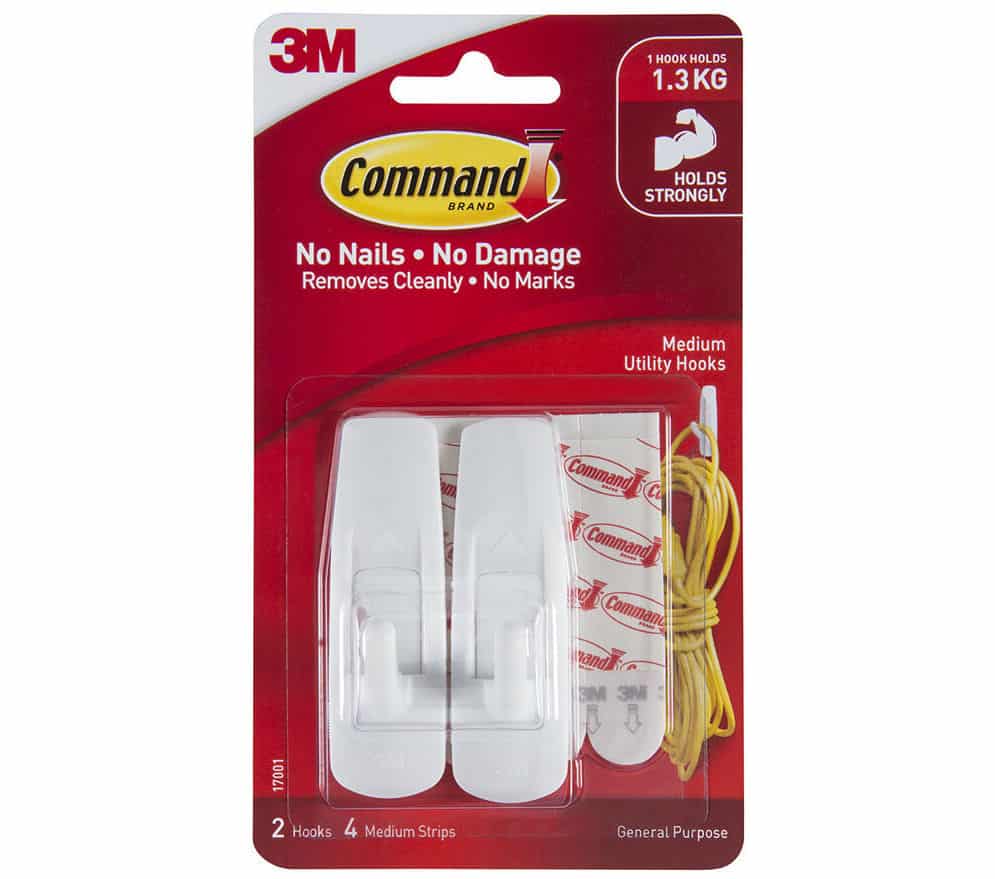
    adhesive hooks

    In an RV, adhesive hangers and hooks are your friends. They can make organizing things easier, but they also work wonders for hanging pictures or wall art. There are all sorts of different hangers and hooks available out there. 3M is one of the best companies for these. The hooks are sturdy and the adhesive strong.

    The best part about using adhesive hooks and hangers is that if you change your mind as to where on the wall you want something, you can remove the hanger or hook and not have damaged the wall at all.

    Consider Velcro or Similar Products

    velcro strips

    Yep, Velcro. It might seem like an odd choice, but you can use Velcro to secure your pictures to your wall. The best part about this is that you can anchor your pictures in multiple spots on the frame so that they don’t shift around during travel.

    This is something that Velcro or similar products have over typical adhesive hooks. I’d look for Velcro strips that have a sticky adhesive on the back. You can then cut these strips to the perfect size and put your pictures wherever you want them. Just make sure you have enough to support the picture or piece of wall art.


    How do you secure pictures and art to your RV’s walls? Leave a comment below!


    Source link