Blog

  • How Much Can Class-C RVs Tow?

    How Much Can Class-C RVs Tow?


    One of the benefits to owning a motorhome is that it can tow heavy loads behind it. This adds to the list of things you can do with your rig. While some folks will actually tow a trailer behind their motorhome, more often than not, they’ll actually be towing a car, or a toad as it’s commonly called. 

    If you’re looking to upgrade your motorhome experience, adding a toad to your setup might do the trick.

    This can help you in many ways:

    • Avoiding the hassle of packing up your campsite if you need to run into town for supplies
    • Driving your toad to any nearby attractions or parks—no need to find parking for a motorhome
    • Saving gas on local trips
    • Embracing the “spoke and wheel” setup—use your motorhome and campground as a homebase and take your toad to explore all the area has to offer

    If you’re ready to try a toad with your motorhome, here are the questions you need to ask yourself.

    What is Your Class C’s Gross Vehicle Weight Rating (GWVR)?
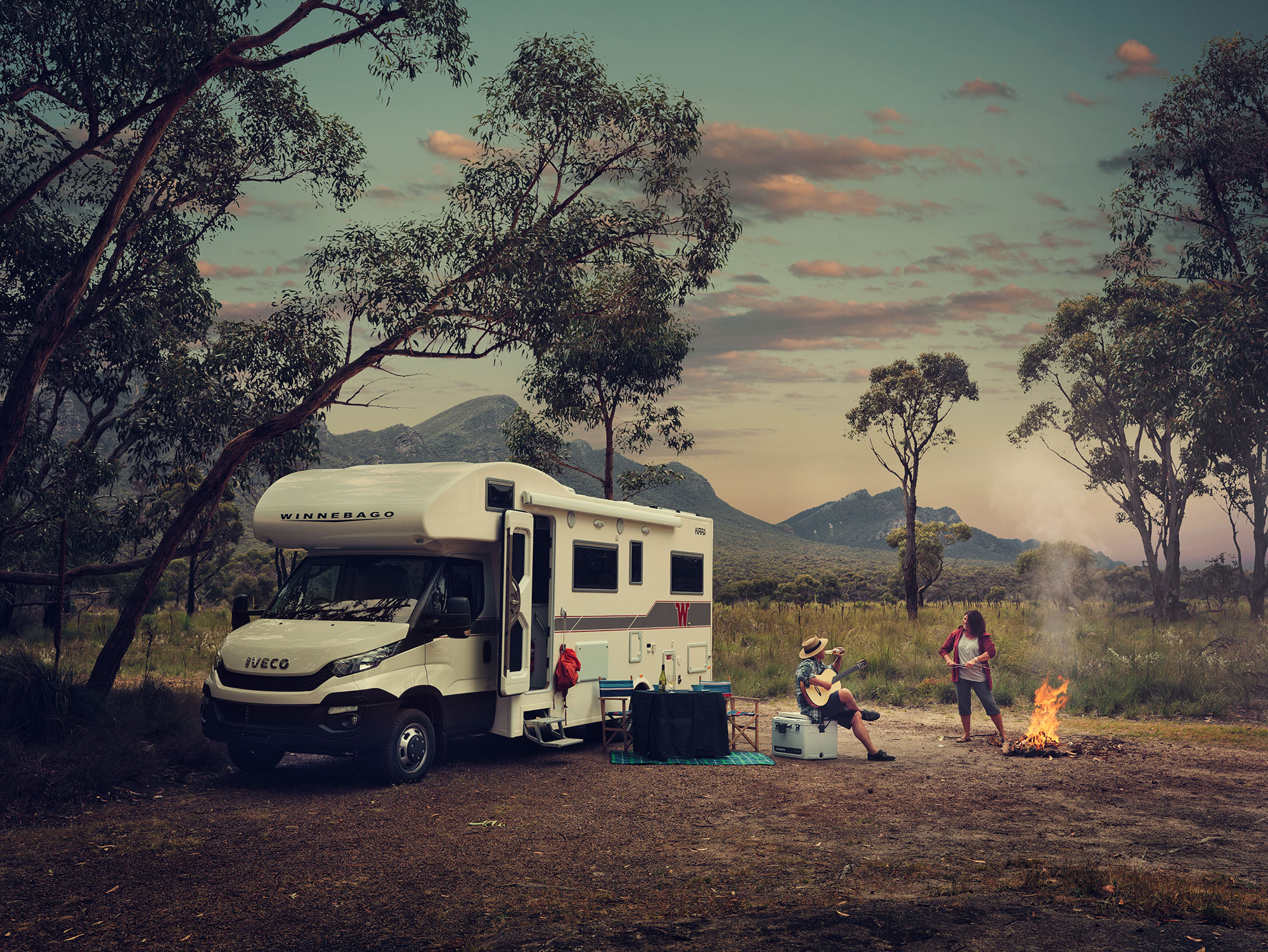
    Class C by the Lakeside with a Campfire
    Image by Dometic

    Your Gross Vehicle Weight Rating is the total weight your motorhome can hold.

    This, along with other towing and rating specs, can usually be found on a sticker on the inside of one of your door casings.

    When looking at GVWR, you’ll need to include your vehicle weight, the weight of everything in your motorhome (don’t forget water weight, occupants, and everything you’re bringing for your trip), and the hitch weight of your tow vehicle.

    Even if your Class C is rated to tow more than your toad (more on this shortly) you can’t exceed your GVWR with everything listed above.

    What Is Your Gross Combined Weight Rating (GCWR)?

    Another number on the same sticker, the Gross Combined Weight Rating is the maximum total weight of everything in your setup.

    This doesn’t just take the road’s hitch weight, like the GVWR. It includes the full weight of both vehicles, everything being carried in both vehicles, and even the hitch connecting both vehicles.

    In other words, everything traveling down the road with you. This total needs to stay below your GCWR to make sure your motorhome’s chassis can handle all the weight.

    What is Your Class C’s Tow Rating?

    This rating is pretty straightforward. How much weight can your motorhome pull?

    This is a good time to acknowledge that toads aren’t the only thing commonly towed by RVers. We’ve seen motorhomes tow boats, ATVs, canoes, kayaks, cargo trailers, and even small travel trailers!

    The important point here is that all the ratings we’re covering need to be considered. If you’re under your Tow Rating, but over your GVWR, you’re still unsafe.

    What is the Weight Rating of Everything in Your Hitch System?

    Every component of your hitch system should have a rating, and you just need to make sure you’re in compliance in every link of the chain.

    This can include things like the hitch itself, tow bars, and even the pins that hold everything together.

    Can Your Toad be… Towed Wheels Down?
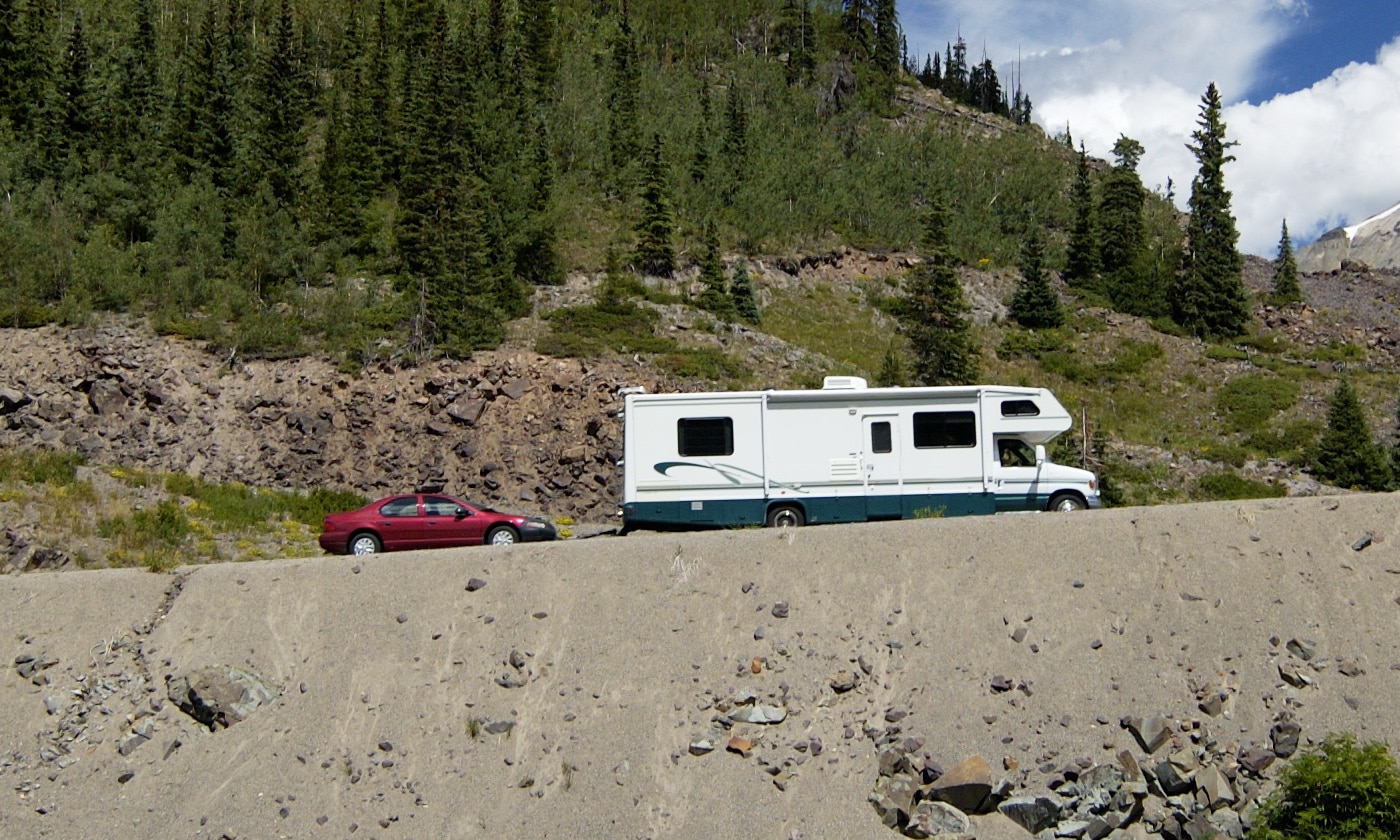
    A Class C motorhome towing a car, a toad
    Image from Getty

    Finally, a question that doesn’t involve math!

    Some cars can’t be towed with all four wheels rolling. This can damage the transmission and other components.

    Before towing with any wheels down, you should consult your car’s manual.

    If you can’t tow with wheels down, using a platform trailer is definitely an option—you’ll just need to add that weight to all your calculations.

    If you’re looking for a resource for flat-towing, our friends at Motorhome Magazine put out a Dinghy Towing Guide each year.


    Safety is the most important thing when it comes to towing any vehicle. Make sure you’re within the ratings of all your vehicles, and you’ll be good to go!

    Source link

  • Camping World’s Holiday Gift Guide for Men and Women’s Jackets

    Camping World’s Holiday Gift Guide for Men and Women’s Jackets


    Winter is here and so are the holidays. Keep your loved ones safe from the elements and cozy this season with Camping World’s huge selection of the finest winter jackets. From rain to snow to errand-running, we’ve got you covered.

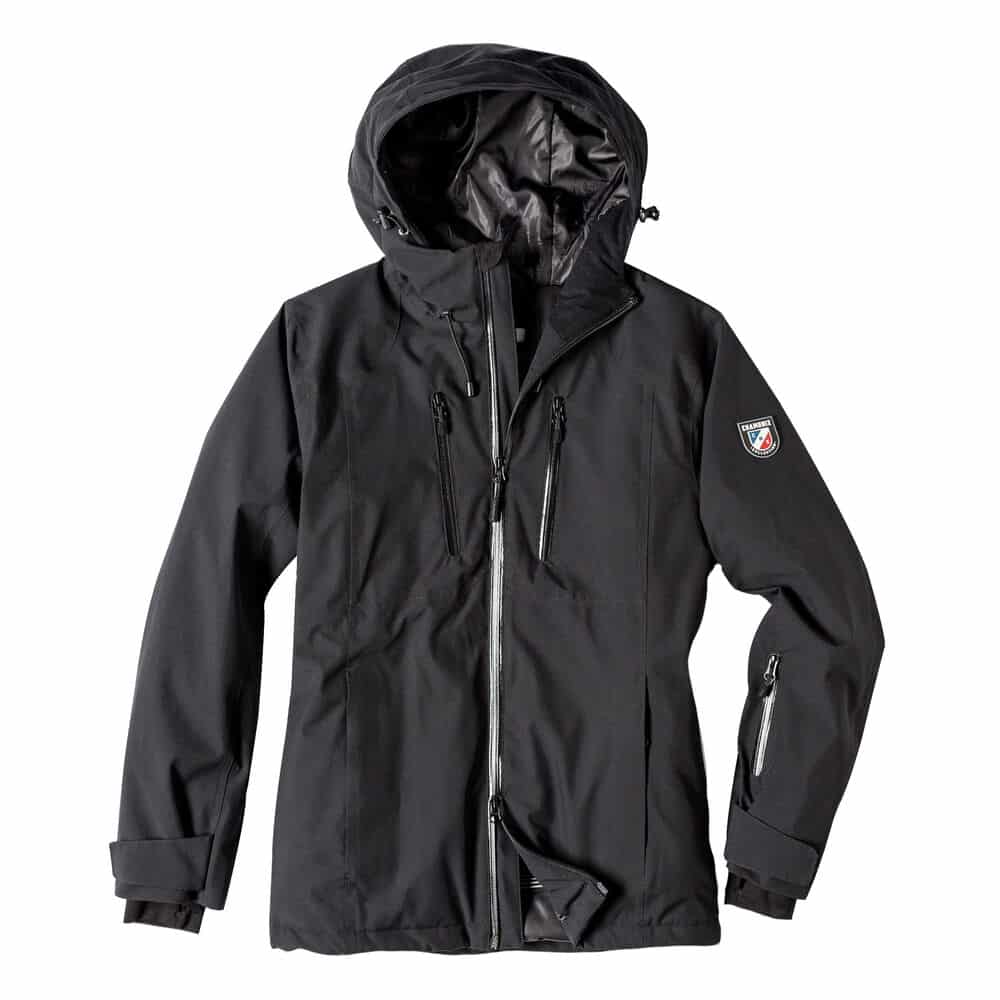
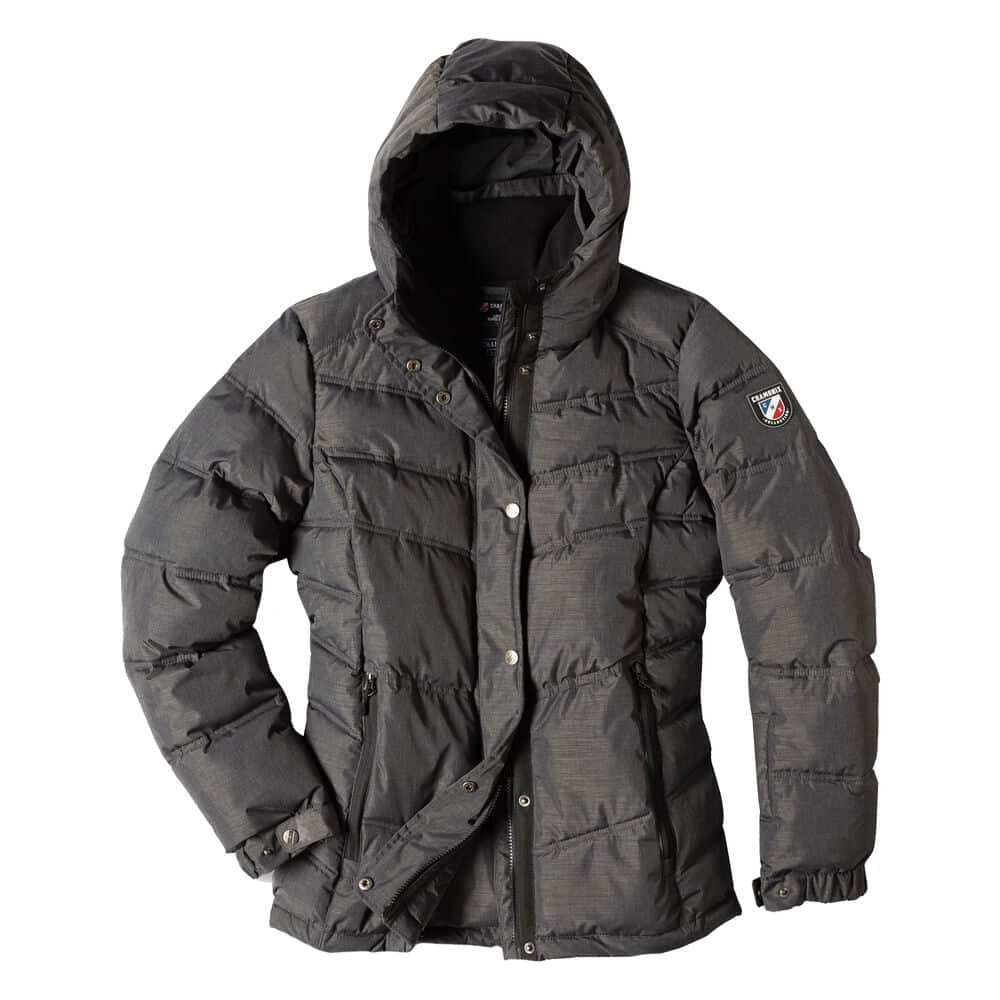
    Chamonix Dallet Hooded Women’s Parka

    jacket parka for women

    This jacket is everything you’re looking for in winter apparel. The Chamonix Dallet Hooded Women’s Parka provides the ultimate warmth with 400g of eco-friendly, quick-drying, and durable Dupont™ Sorona insulation. With its Shieldtex waterproof protection, along with a DWR finish, wind and rain will be a worry of the past.

    This coat has trendy, wide diagonal baffles and metal snaps for a casual look, perfect for winter excursions to town or strolls in the city park. It also features an interior media pocket with audio port and fleece-lined hand warmer pockets. Its front zipper with storm flap and snap closures further ensure your comfort from blustery weather. Comes in two color choices of dark grey and light grey.

    Check it out at Camping World

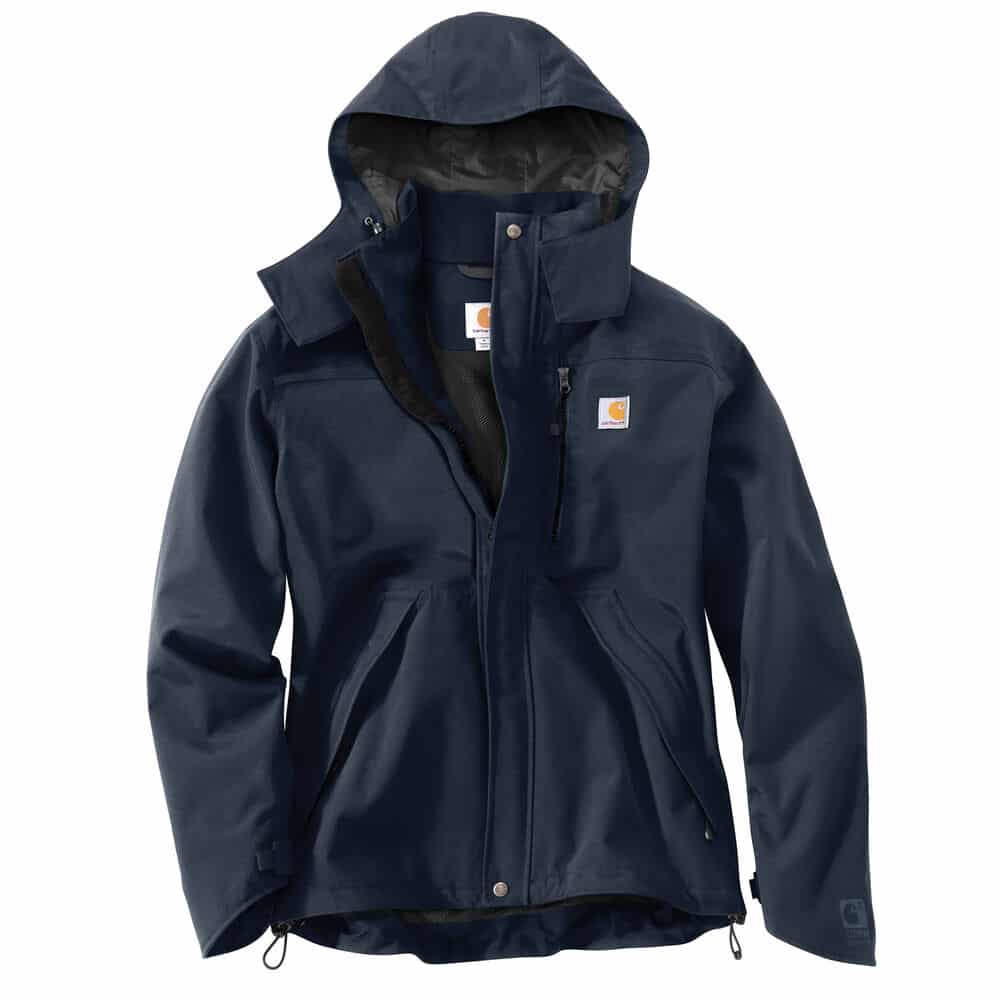
    Carhartt Men’s Shoreline Jacket

    Carhartt jacket

    Even the toughest weather won’t have you worried in this jacket. Its seam-taped design is waterproof, breathable, and super sturdy. The 7.3-oz 100% nylon shell

    is fortified with a Storm Defender membrane that stops water from getting in while allowing sweat to escape. The body is lined with polyester mesh for breathable comfort, and the sleeves and hood are taffeta-lined for easy on and off. Triple-needle stitching at the main seams ensures Carhartt-strong durability. Two lower-front zip pockets with storm flaps and two inner pockets with hook-and-loop closures provide ample storage for all your essential gear. It comes in black, navy, olive green, and orange.

    Check it out at Camping World

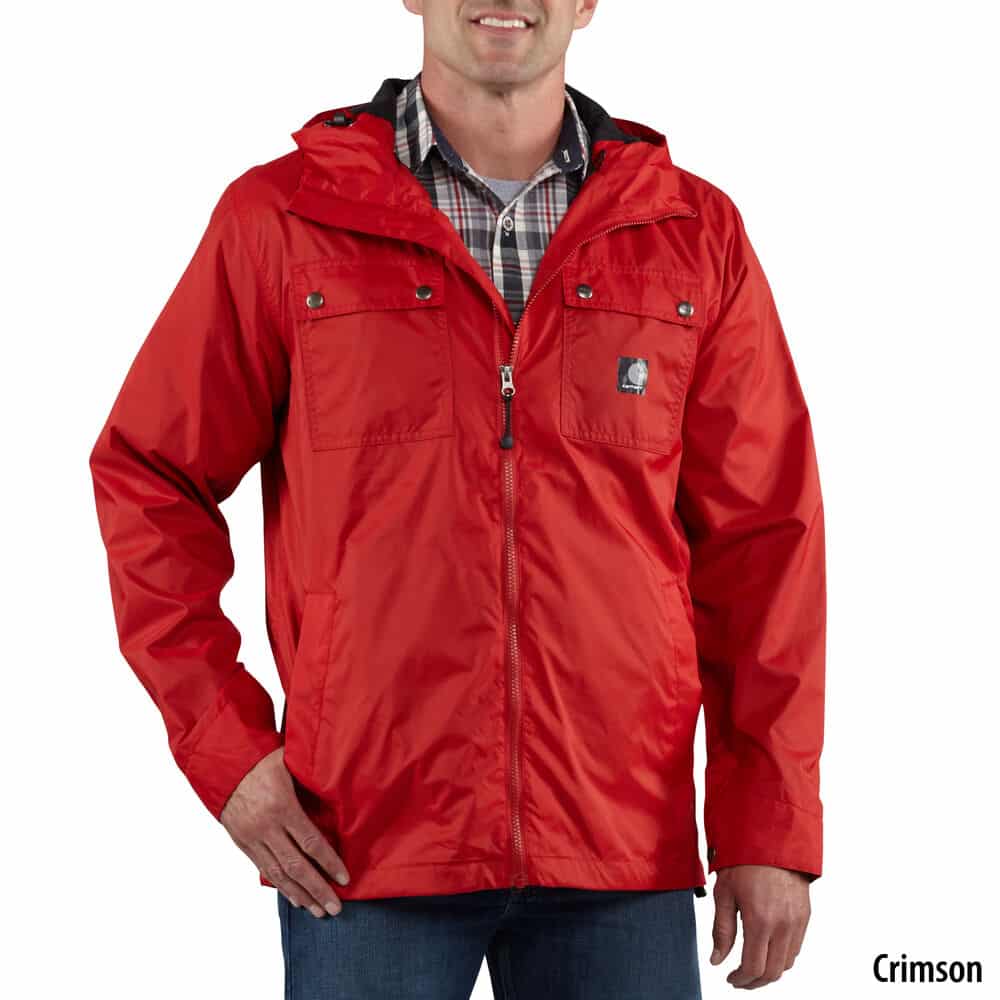
    Carhartt Men’s Rockford Windbreaker Jacket

    Carhartt jacket

    If you’re looking for the perfect every-day and on-the-job jacket, this is the one for you. Its lightweight, breathable nylon shell is topped with a Rain Defender finish to repel moisture, keeping you comfortably dry and cool.

    It’s rugged enough to use on the job, with triple-needle stitching on all major seams, two open hand pockets, two snap-closed chest pockets (one with a media port), and an interior pocket for essentials. It comes in black, green, and military olive.

    Check it out at Camping World

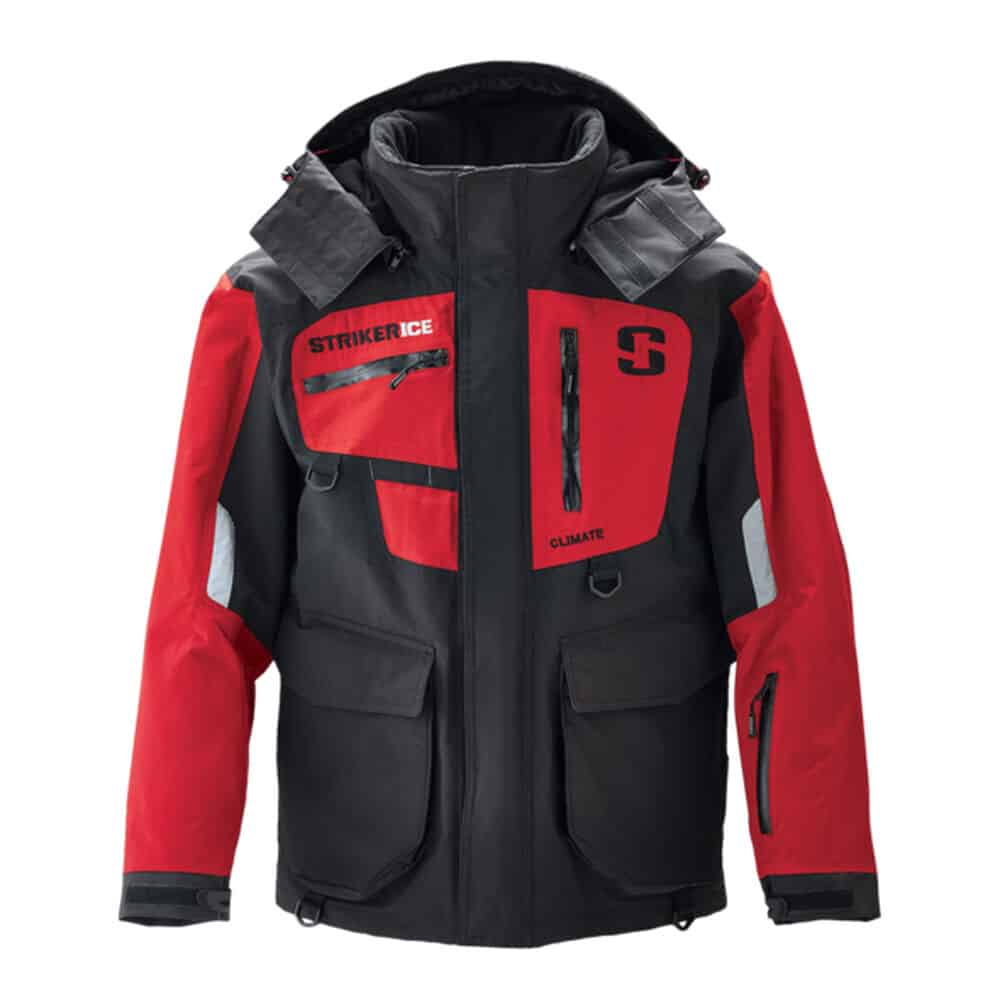
    Striker ICE Men’s Climate Jacket

    men's ice climate jacket

    This jacket continues to be the flagship float jacket for ice anglers. Its ergonomic storage pockets were designed by anglers for anglers, meaning you’ll never waste time fishing around for your fishing tools when you need them most.

    The Striker ICE Climate Jacket features an awesome 3-in-1 design, where you can wear the softshell liner on its own, or top it with the waterproof nylon shell or the floater jacket. This floater jacket offers 150-gram flotation assistance technology, handwarmer pockets, and reflective elements for added safety, amongst many others. It comes in black/grey or black/red.

    Check it out at Camping World

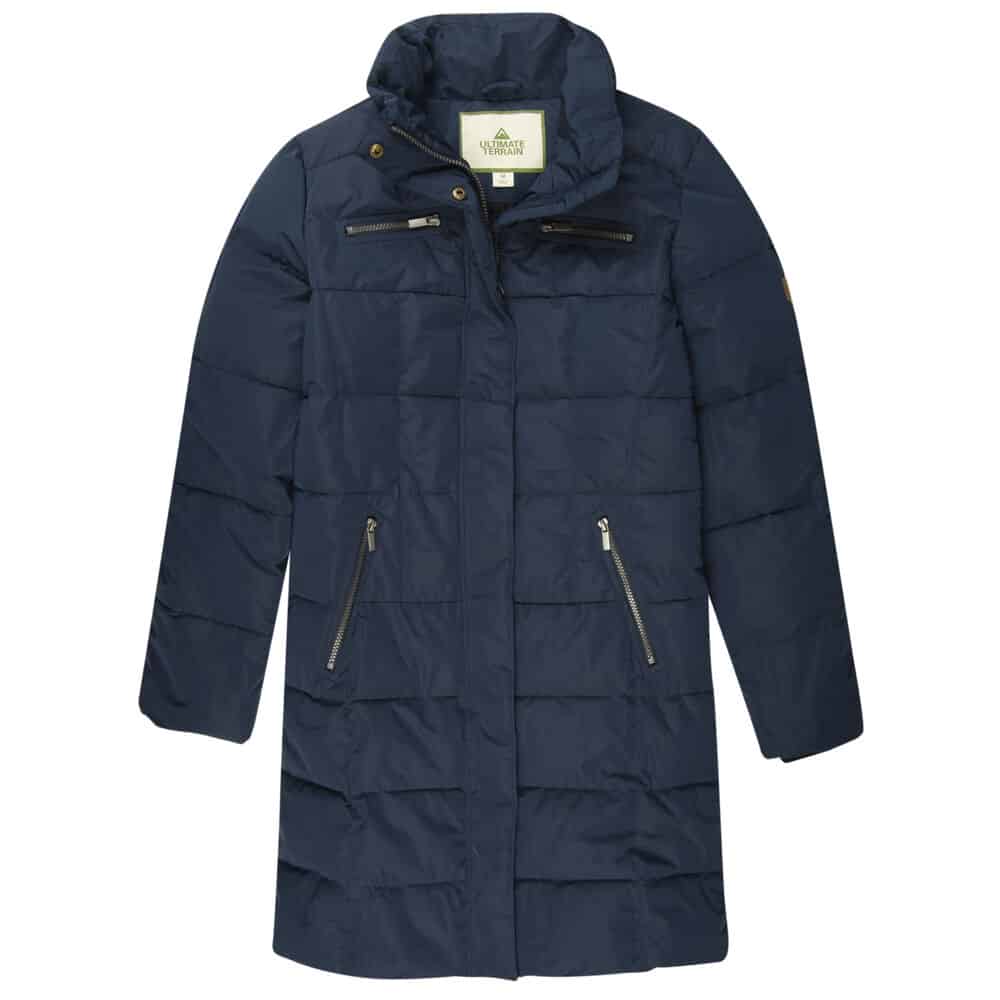
    Ultimate Terrain Women’s Harriet Insulated Parka

    ladies parka

    One hundred percent waterproof, breathable, fashionable protection from the elements: what more could you want? The elongated body and high neck of this jacket offer the perfect amount of protection from gusty, misty days and snowstorms. Zippered pockets provide secure storage for essentials.

    Check it out at Camping World

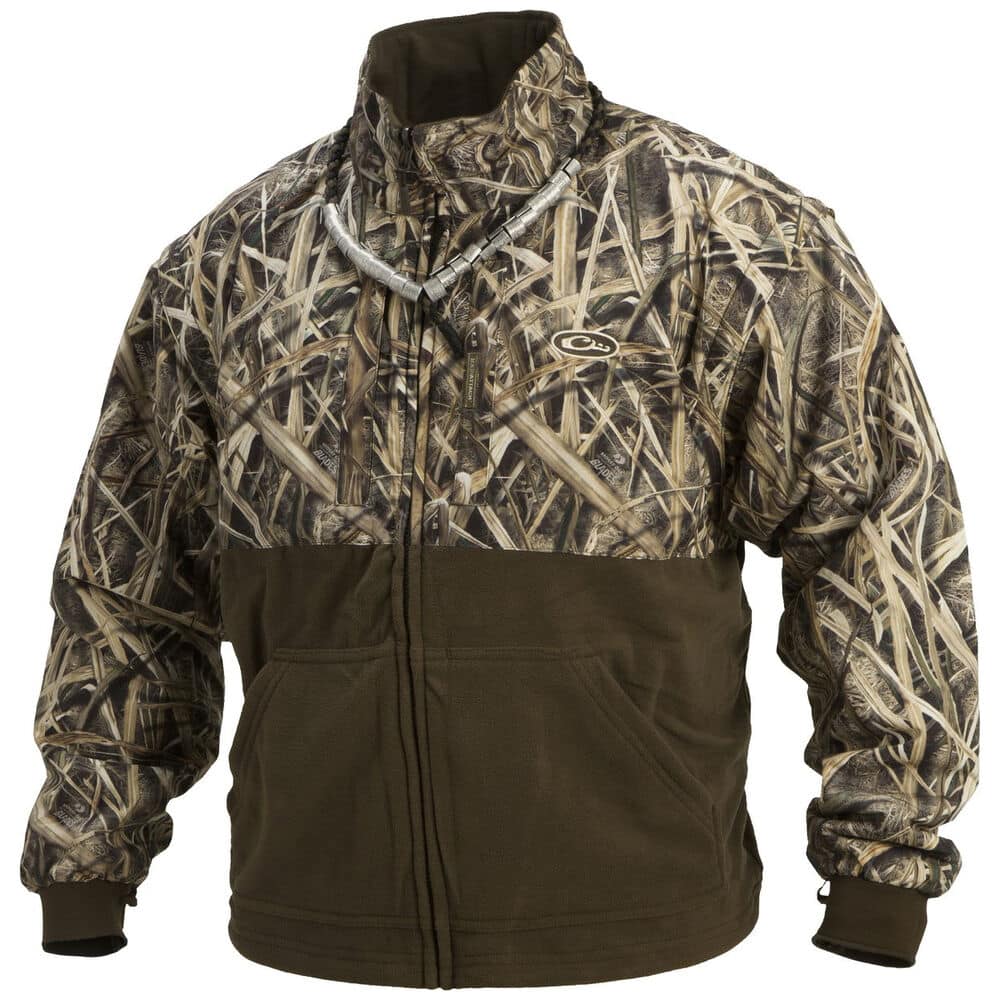
    LST Eqwader 3-in-1 Plus 2 Men’s Wader Coat 2.0

    camo jacket

    Arguably the most effective and versatile hunting jacket available, the LST Eqwader is sure to please any outdoorsmen, not just waterfowl hunters. Its 3-in-1 design allows for the user to be comfortable in a variety of weather by shedding or adding the liner, sleeves, or shell.

    When worn together, the jacket is 100% waterproof and wind proof, making the LST Eqwader a great mid-to-late season jacket.

    Check it out at Camping World

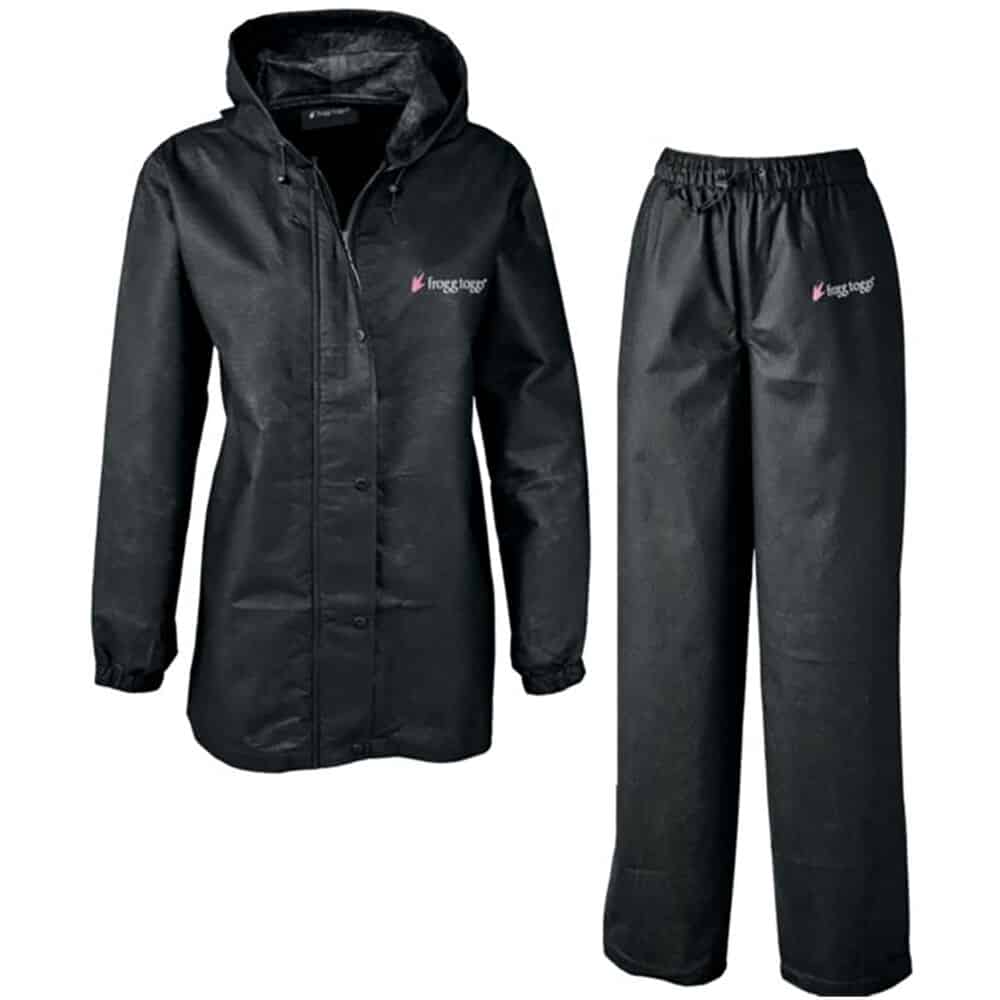
    Frogg Toggs Women’s All Sport Rain Suit

    rain suit

    This versatile rain suit is great for tailgating, games, runs, and so much more. Its lightweight, durable polypropylene construction offers comfortable protection from rain and wind on hot and cold days. Its drawcord hood and elastic cuffs keep rain from creeping in. Packs compactly for easy transport.

    Check it out at Camping World

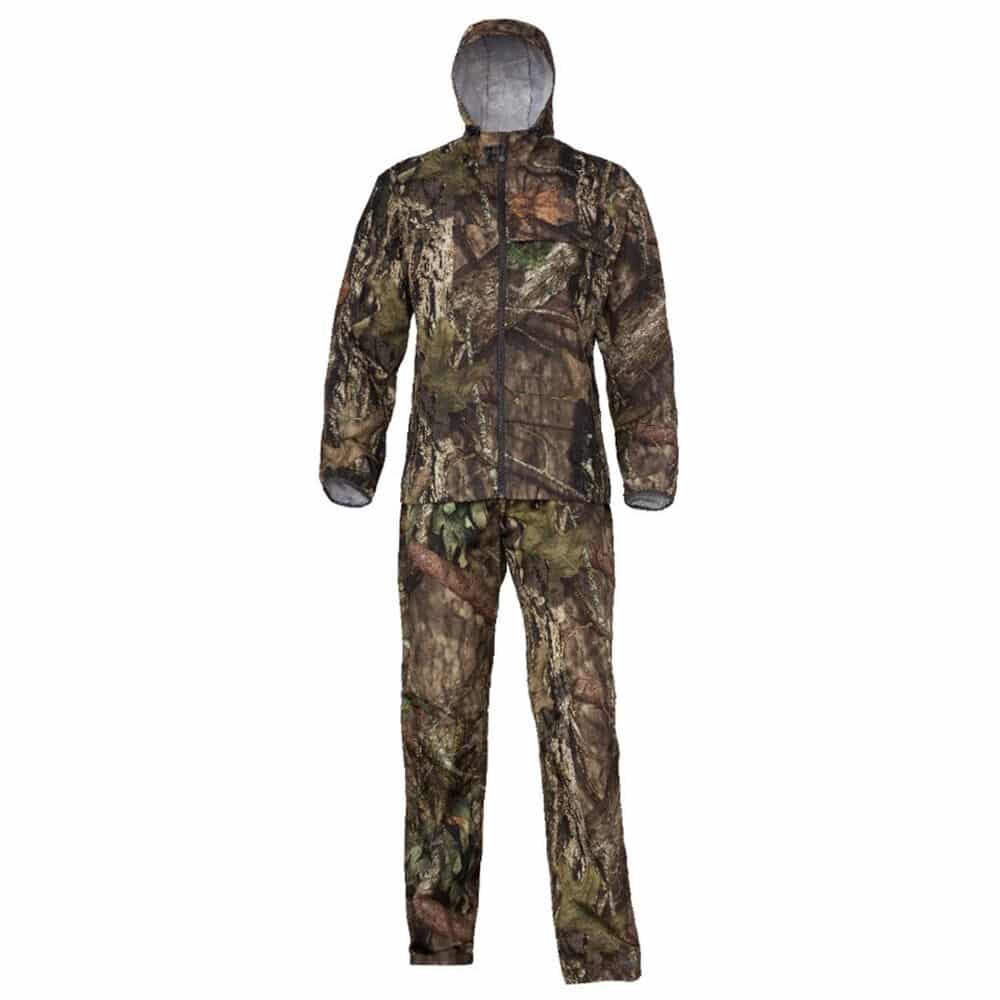
    Browning Men’s Hell’s Canyon CFS-WD Rain Suit

    rain suit

    This lightweight waterproof/wind proof rain suit is designed to keep you in the field when rainy weather strikes. Its drawcord hood and waist will keep you dry and focused while the handwarmer pockets keep your fingers nimble and ready for action. The jacket and pants pack compactly into their own pocket for easy transport.

    Check it out at Camping World

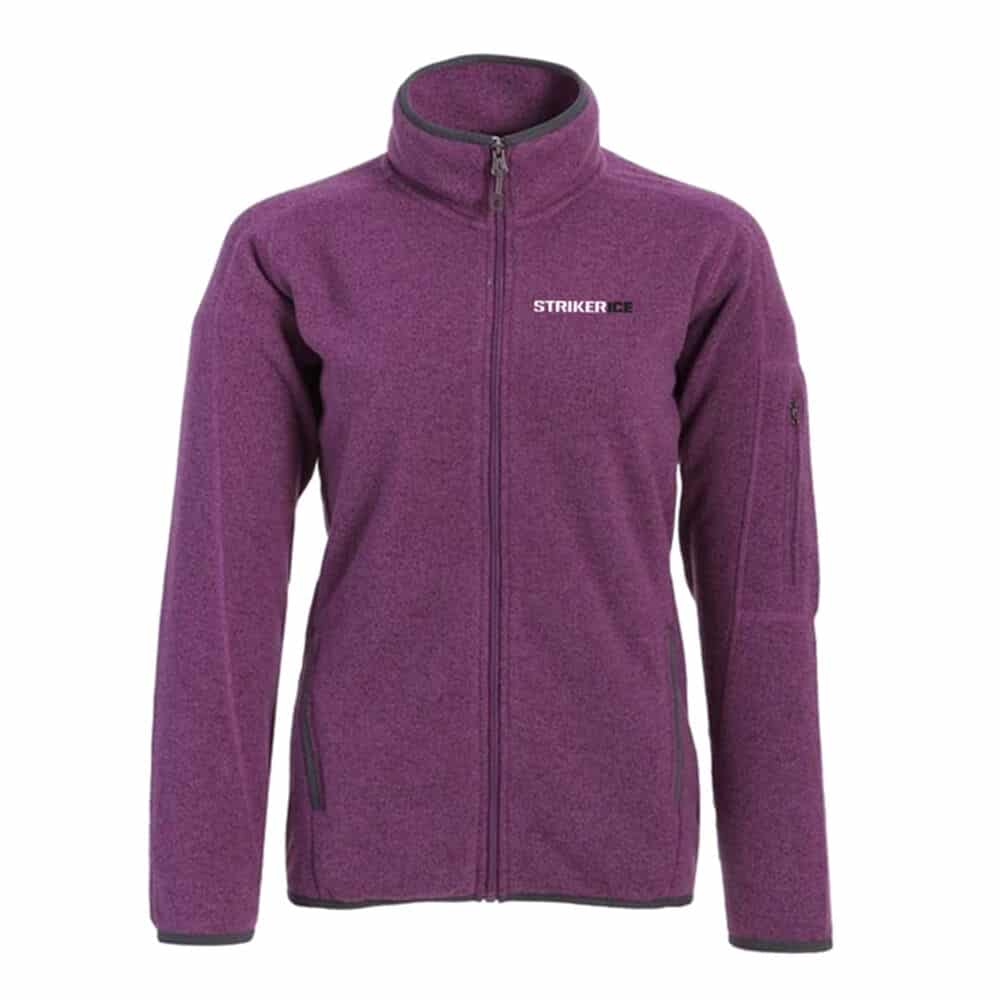
    Striker Ice Women’s Lodge Fleece Jacket

    women's fleece jacket

    Looking for an ultra-soft casual layering jacket? The Striker Ice Women’s Lodge Fleece Jacket works great in cooler weather on its own, or under another weatherproof coat. Its adjustable waist and side pocket are the perfect compliments for casual wear. This jacket is versatile enough to wear to yoga, running errands, or raking leaves on cool days.

    Check it out at Camping World

    Chamonix La Baleine Stretch Women’s Snowboard Jacket

    women's jacket

    The lightweight warmth and breathability of this jacket works in all seasons, making the Chamonix La Baleine an excellent investment. Its waterproof, wind proof construction is durable, cozy, and cool.

    The La Baleine features 80g of insulation, interior media pocket with audio port, underarm vents, wrist gaiters for snow, and a removable skirt for cooler weather. When you need to transition quickly from mountain laps to resort shopping, stay warm with the simple style of the La Baleine.

    Check it out at Camping World


    Camping World has far more jackets than are shown here. Check out all of the great jackets at the website


    Source link

  • How Old Is Too Old for a Used RV?

    How Old Is Too Old for a Used RV?


    Buying a used RV can be one of the smartest moves. You’ll get the RV you want at a fraction of the price that it costs to get that model new. That’s why used RVs are so appealing to a wide variety of customers.

    However, that doesn’t mean you should go out and buy a 1980s Class A and drive off into the sunset. There are a wide variety of factors to consider when shopping for a used RV. It’s a process that’s littered with pitfalls, and that can mean you’ll end up with a headache instead of a vehicle for your adventures.

    One area of used RV shopping you need to think about is the age of the RV. How long has it been since the RV was manufactured? This is something you’ll need to think about. While you don’t have to get a one or two-year-old RV, you probably don’t want to get a several decades-old RV either. Let’s take a closer look at how old is too old.

    It’s More About How Well It was Maintained

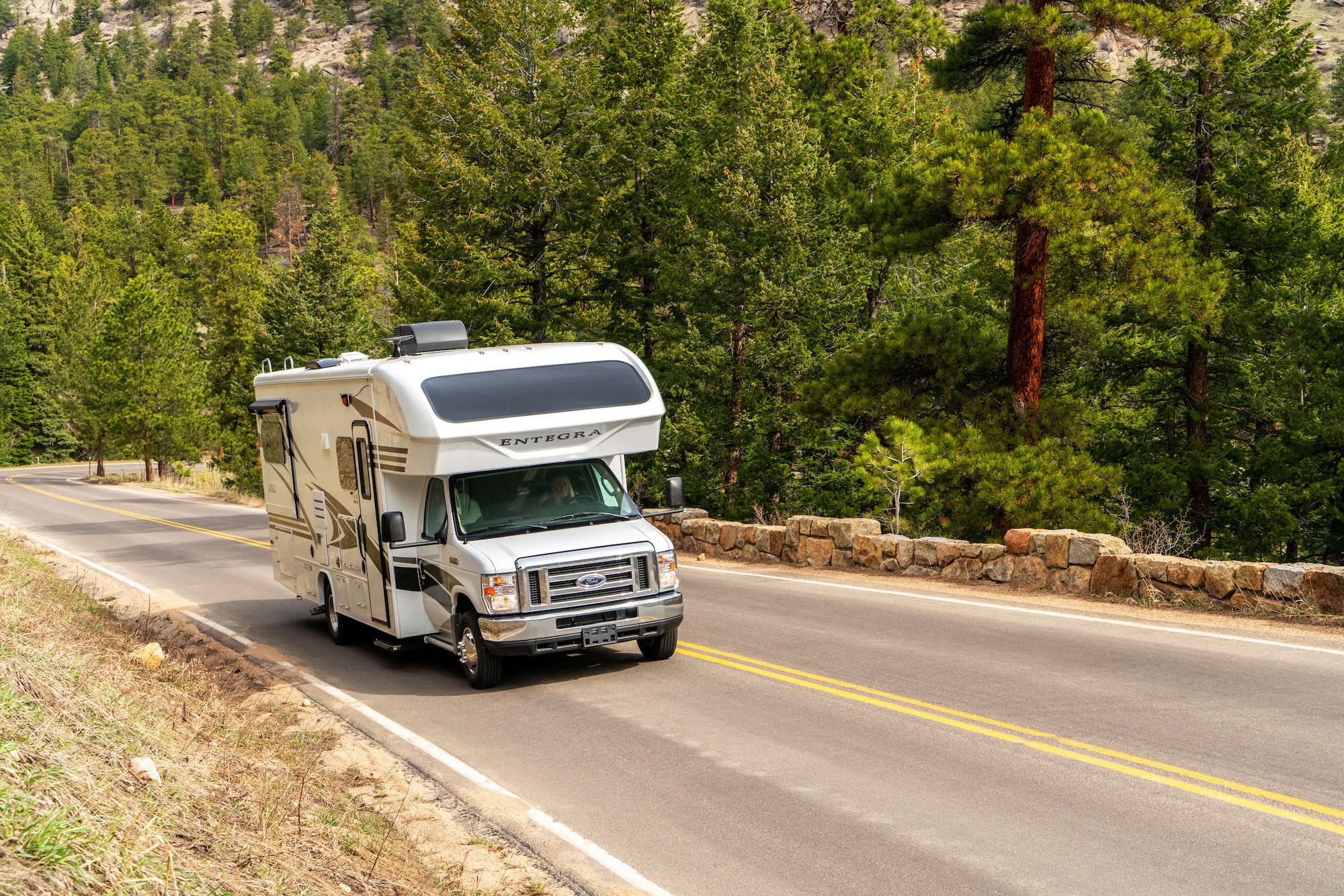
    A class C motorhome driving
    Image by Sean Pierce from Camping World

    They say age is just a number. That’s true in many cases, but it is doubly important when it comes to RVs. Honestly, though, this applies to newer RVs than it does to really old ones. You can find a couple-year-old RV that has few miles on it and what appears to be little use and find out it has all kinds of issues.

    Generally speaking, it’s not the age of the rig that matters but how it has been maintained and treated by the previous owner. Some of this you’ll be able to see yourself through a simple walkaround or walkthrough. If you see damage or issues, always assume it’s worse than it looks because it probably is.

    Remember, once you buy a used RV, especially if you buy from a private seller, you’re going to be fully responsible if something breaks. It doesn’t matter if it is a two-year-old model or a fifty-year-old model.

    One thing you can do is have the RV inspected. Take it to an RV service center to have a person you choose look over it. They’re not interested in selling the RV, so they should look at the rig objectively. Another thing you can do is look for RVs that have been inspected by the dealer and given a stamp of approval.

    While the dealer does want to sell the product, their inspection should count for something. Ask them about the inspection process and ask them about the particular RV you’re interested in. They should know it intimately if it has been inspected properly.

    Stay Away From “Vintage” Campers Unless You’re Handy

    RV parked by the ocean
    Photo by Stijn te Strake on Unsplash

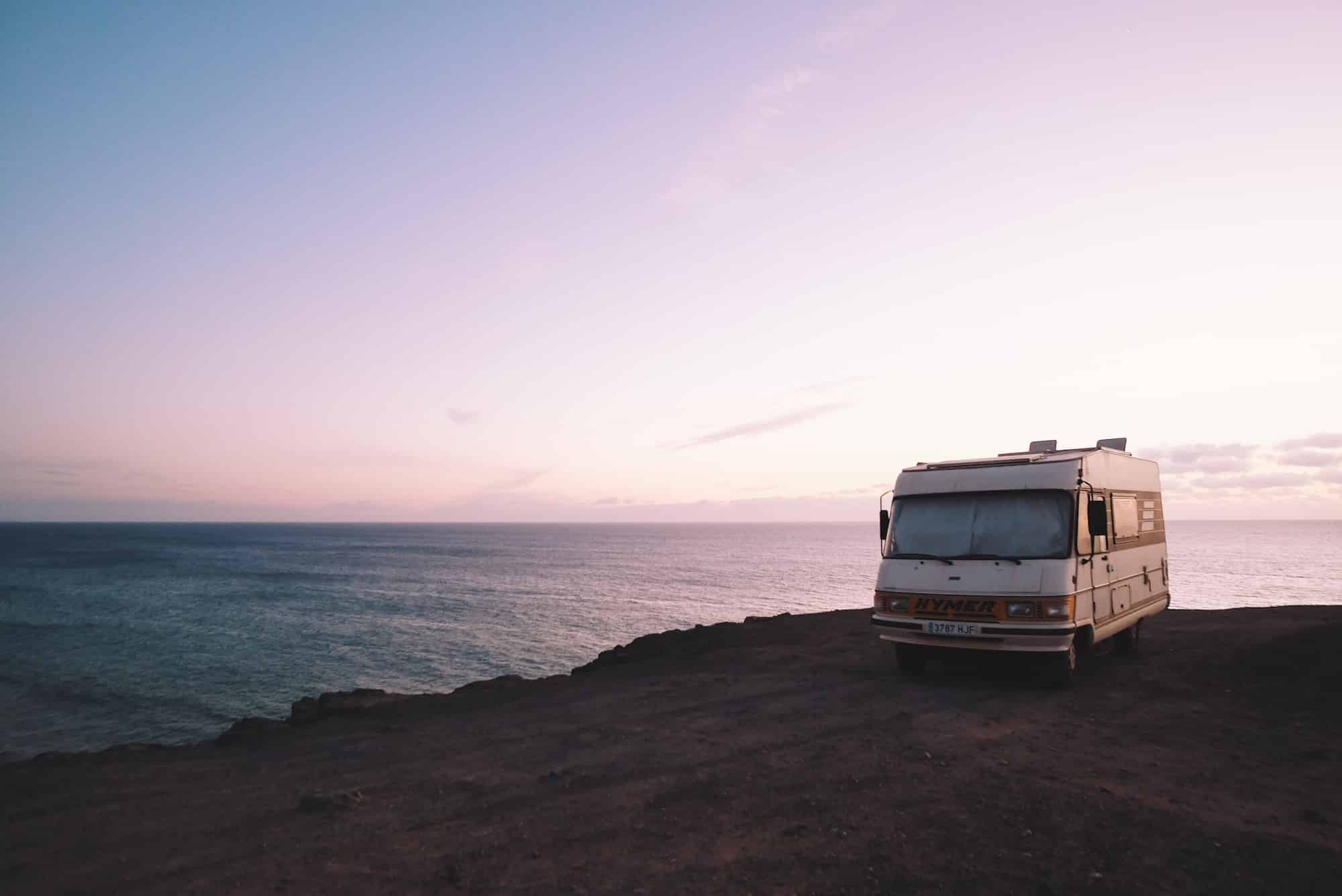
    I usually tell people to stay away from vintage campers. The reason is that they’re simply too old. There are exceptions, though. If you’re the kind of DIY person who loves to get dirty and do renovations, then a vintage camper can be an awesome choice.

    Another time a vintage camper can be a good idea is if you have found one that was recently renovated. If that’s the case, talk to the owner about everything that was done and at what point in the camper’s history it was completed. Ask for records, receipts, and any other paperwork. If the seller knows what they’re doing, they’ll have at least some documentation to back up their claims about their unit. Even then, it’s still smart to have an inspection performed.

    So, there you have it. It’s less about age and more about the condition. Remember, you should never judge a book by its cover and the same goes for a used RV. A unit that looks fine might be a basket case, so do your due diligence before buying. If you do, you should be fine and enjoy many years of happy camping.


    Looking for a good used RV? Check out Camping World’s wide selection


    Source link

  • Where Should You Put Your Pet’s Bed in Your RV?

    Where Should You Put Your Pet’s Bed in Your RV?


    Having a pet with you while you camp can be a really enjoyable thing. Your pets are part of your family and you’ll want to take them with you on adventures, but do they really fit in your RV? 

    RVs are designed for people not dogs, cats, and other pets. With that said, you can still, of course, bring them along with you. One thing you’ll have to figure out, though, is where you want to put your pet’s bed inside your RV.

    Finding the Right Spot for Your Pet

    dog sleeping

    The right spot for your pet will depend on two things. Your pet and your RV. Some RVs are more spacious than others. Some pets are fine to be put off in the corner while others like to be right where everyone is sitting. Think about your rig and your pet. Where you’d like your pet to go won’t always end up working out quite right.

    My dog, for example, wants to be right where I or other people are all of the time. She won’t go off and lay by herself in the corner of the RV. I found that putting her bed under the dinette when we’re not eating is a good solution. This allows her to be right in the middle of the RV and able to see and be close to everyone.

    If that doesn’t sound like it will work for you, consider putting your pet’s bed in a bedroom. This can work especially well if you have a pet that likes to go off and lay by themselves.

    If neither of these situations will work, take a closer look at your rig. Is there an area that you think will work? If so, give it a try. If not, you may need to think about making some changes to your rig.

    Consider Altering or Adding Furniture

    end table pet kennel

    I’m not talking a full remodel here, but you may want to think about either adding a piece of furniture or altering the furniture in your RV so that your pet can have a bed or a place to go.

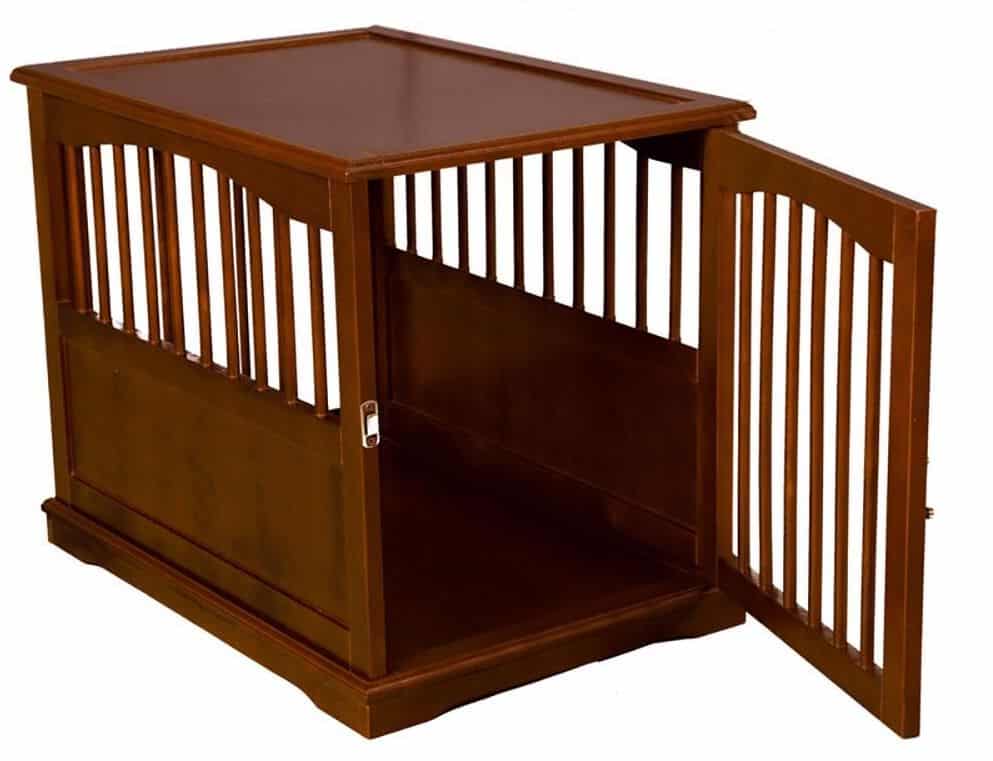
    If you have the room and you just want to add a piece of furniture to your rig, then consider this end table that doubles as a pet kennel. You can put your dog’s pillow or bed inside the kennel and that can be their spot. 

    Another option is to make adjustments to the furniture in your rig. Many beds in RVs have storage space underneath them. With a little work, a portion of that space can be converted into a sleeping area for your dog. Another good option, depending on the size of your dog is the space under the dinette seat. This area is often used just as a storage space, but with a little work, you can turn it into an area for your pet.

    You can always let your dog simply sleep on the couch or floor, but I’ve found it’s best to give them a designated space that is theirs. It makes them feel more at home and keeps them from being underfoot all the time.


    How do you RV with your pets? Where do they sleep or lounge around? Leave a comment below.


    Source link

  • The Best Camping Flashlights: What to Look For

    The Best Camping Flashlights: What to Look For


    There are many items and pieces of gear you’ll need to go camping. One of the most important is a good flashlight. There are thousands of flashlights out there, and they’re not all treated the same. Many of the flashlights quite simply aren’t very good.

    When looking for the best camping flashlight, you need to get one that is designed to perform well in various environments. You need something that can withstand the rigors of tent or RV camping. With all this in mind, here’s what you should look for in a camping flashlight.

    Flashlight Brightness

    person holding a bright flashlight
    Image by Wendelin Jacober from Pexels

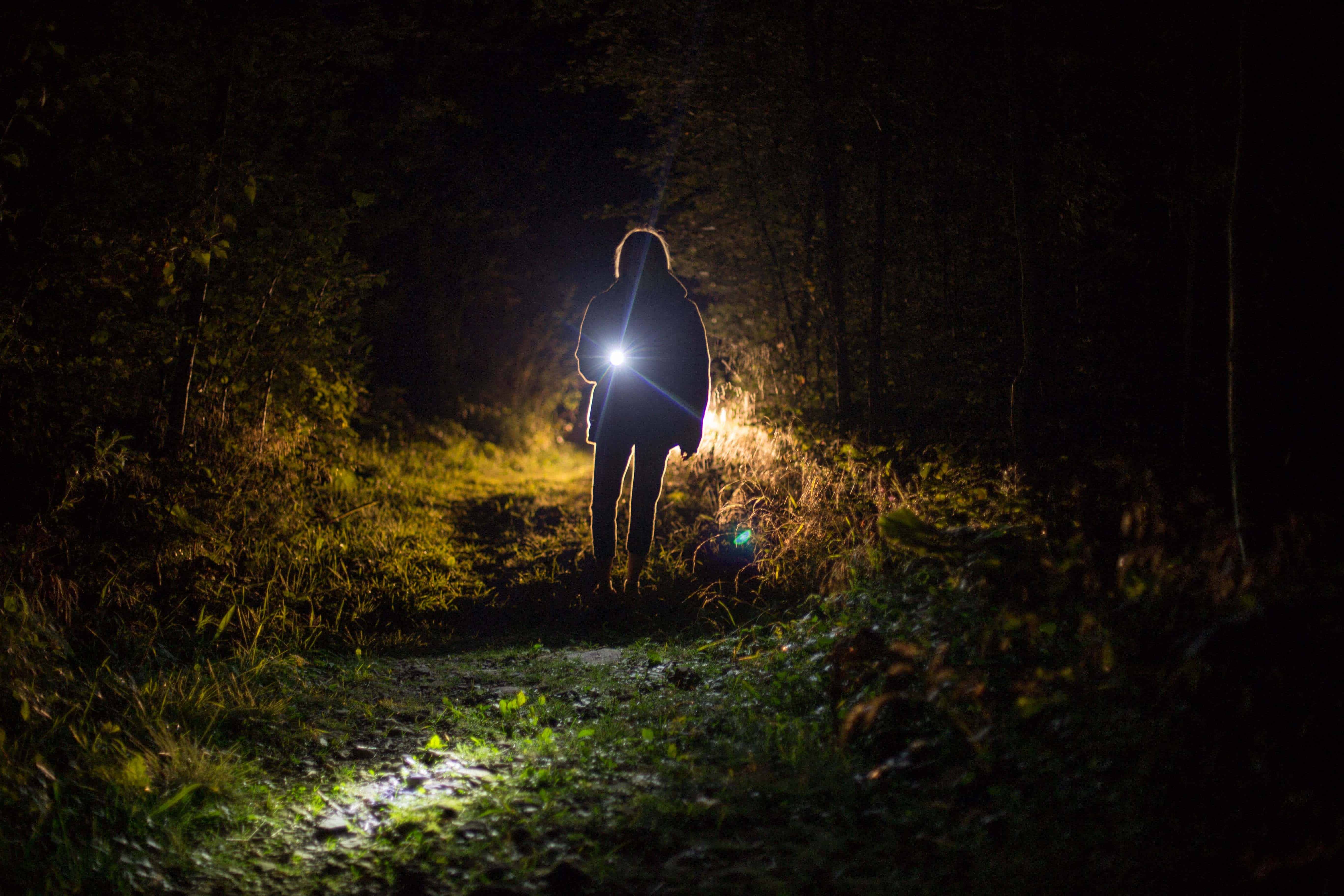
    Probably the most important thing to think about in a camping flashlight is brightness. A dim flashlight sucks when there are no other lights. The brighter your light the better you’ll be able to see in the dark.

    I’d suggest going with something that has LEDs. Not only is an LED flashlight bright, but you won’t have to worry about a bulb burning out. These things last a long time and they don’t use much power, a point I’ll discuss more later on in this article.

    Flashlight Durability and Waterproofing

    Durability is another important quality. You can get by with a simple plastic flashlight, but if you really want to get something that’s going to last a long time, look for something made out of metal. Stainless steel or aluminum is best. This type of material will hold up to the rigors of camping well. It can be dropped, stepped on, or even run over by a car in many cases and still work.

    Metal flashlights are typically a little more expensive, but not always. You can usually find a metal flashlight with LED lights for very little money.

    Battery Life or Run Time

    Person holding a small flashlight in the palm of their hand

    How long a flashlight can stay on before it needs to be recharged or new batteries put in is important. If you get an LED flashlight, which I highly recommend, you’ll have tons of battery life. Hours and hours of it in most cases.

    No matter what the run time for your flashlight is, you should also have some spare batteries just in case. Also, think about buying rechargeable batteries so that you don’t have to keep buying them. This will make life a heck of a lot easier.

    Flashlight Size

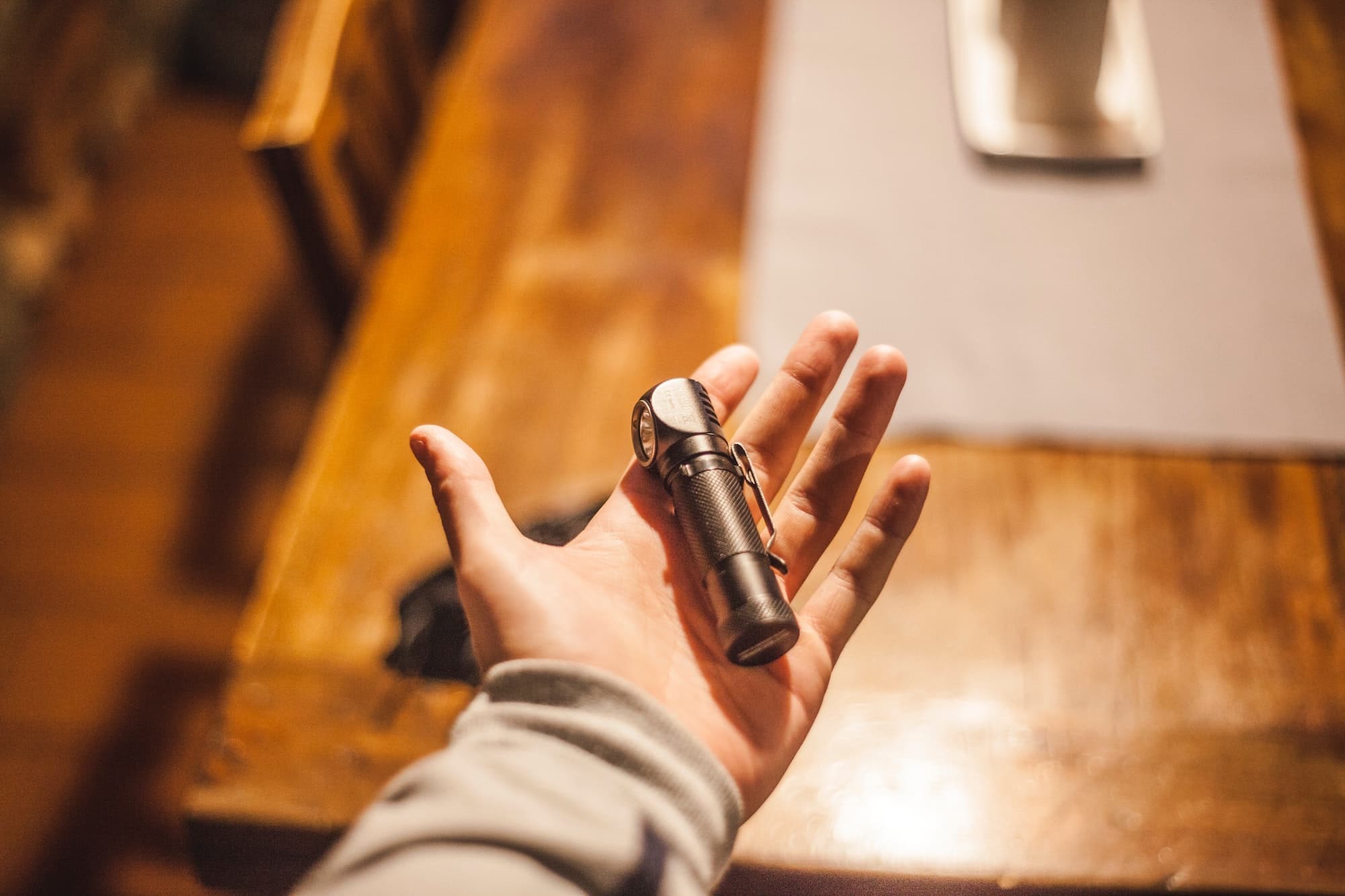
    The proper size of a flashlight is up to the camper. Many people like small flashlights because they’re easy to carry and use. Others prefer a larger flashlight that’s easy to find in the dark. Either is fine. Think about how you camp and get the right size flashlight for you.

    For example: if you backpack a lot or will be packing light and moving a lot, a smaller flashlight is generally the way to go.

    Different Flashlight Modes or Settings

    I like a flashlight that can be dimmed if needed. While brightness is important, so is being able to turn down the brightness to suit your needs. Many flashlights have a dimmer capability. Look for that.

    Also, consider a flashlight that can display light in different ways. While you might want a traditional flashlight beam when you’re out walking inside a tent or camper, it’s often better to have the flashlight throw light in multiple directions kind of like a lantern. Some flashlights have this capability. Look for that, too.


    Are you looking for the best camping flashlight? Check out all the options available at Camping World.


    Source link

  • Why an RV Windshield Shade Is a Smart Accessory to Keep in Your RV

    Why an RV Windshield Shade Is a Smart Accessory to Keep in Your RV


    The sun is a beautiful and wonderful thing. It can also be damaging and horribly hot. The sun can take its toll on even the best-maintained RV out there. That’s why you might want to think about getting your RV a windshield cover. An RV windshield cover is a simple accessory that can help keep your RV in good condition and comfortable while it’s parked.

    Why Get an RV Windshield Shade?

    RV without a windshield sun shade

    Excessive amounts of sunlight pouring in your RV’s windshield can cause your dashboard and other areas of your RV to fade quickly or even dry out and crack over time. Obviously, fifth-wheels and travel trailers don’t have to worry about this much, but any motorhome can use a windshield shade to help protect your RV’s interior.

    An RV windshield shade can also add a level of privacy that you may not otherwise have. Yes, many RVs come with privacy curtains, but not all. This can mean that a windshield shade can help keep you feeling more comfortable from a privacy standpoint.

    Speaking of comfort, a windshield shade will also help keep your rig cooler. The sun can beat down on your RV and its heat will dramatically warm up your RV if you don’t have a cover. This can make keeping your RV more comfortable in those hot summer months easier.

    What Should You Look for in an RV Windshield Shade?

    Rv windshield shade for the sun

    When it comes to finding the right RV windshield cover for your rig, start with the type of RV you have. A shade or cover that’s designed for a Class A motorhome will not work on a Class C. So, look for one that’s the right design.

    Next, you should look for a cover that’s designed to last. Read through the product description and the reviews. These two things will give you a good idea of what to expect.

    Generally, you’re looking for a heavy-duty vinyl shade or cover. If you’d like you can look for one with removable panels that will provide some protection but still let in light.

    You also need to think about how it attaches to your RV. Many shades go on the outside of the unit, though there are sunshades that fit inside of your rig like is common with car sun shades. These are made of reflective material with usually a foam in the middle. All you really need to worry about here is that they’re large enough to cover your full RV windshield.

    If you’re thinking of an outside cover that provides shade, then you need to find one that either straps down or has magnet fasteners.

    Avoid anything that requires you to drill into your RV or alter it in any way. The shade should be an addition to your RV not an alteration.


    Ready to take the next step and shop for an RV windshield shade? Check out all of the options available at Camping World.


    Source link