Having a pet with you while you camp can be a really enjoyable thing. Your pets are part of your family and you’ll want to take them with you on adventures, but do they really fit in your RV?
RVs are designed for people not dogs, cats, and other pets. With that said, you can still, of course, bring them along with you. One thing you’ll have to figure out, though, is where you want to put your pet’s bed inside your RV.
Finding the Right Spot for Your Pet
The right spot for your pet will depend on two things. Your pet and your RV. Some RVs are more spacious than others. Some pets are fine to be put off in the corner while others like to be right where everyone is sitting. Think about your rig and your pet. Where you’d like your pet to go won’t always end up working out quite right.
My dog, for example, wants to be right where I or other people are all of the time. She won’t go off and lay by herself in the corner of the RV. I found that putting her bed under the dinette when we’re not eating is a good solution. This allows her to be right in the middle of the RV and able to see and be close to everyone.
If that doesn’t sound like it will work for you, consider putting your pet’s bed in a bedroom. This can work especially well if you have a pet that likes to go off and lay by themselves.
If neither of these situations will work, take a closer look at your rig. Is there an area that you think will work? If so, give it a try. If not, you may need to think about making some changes to your rig.
Consider Altering or Adding Furniture
I’m not talking a full remodel here, but you may want to think about either adding a piece of furniture or altering the furniture in your RV so that your pet can have a bed or a place to go.
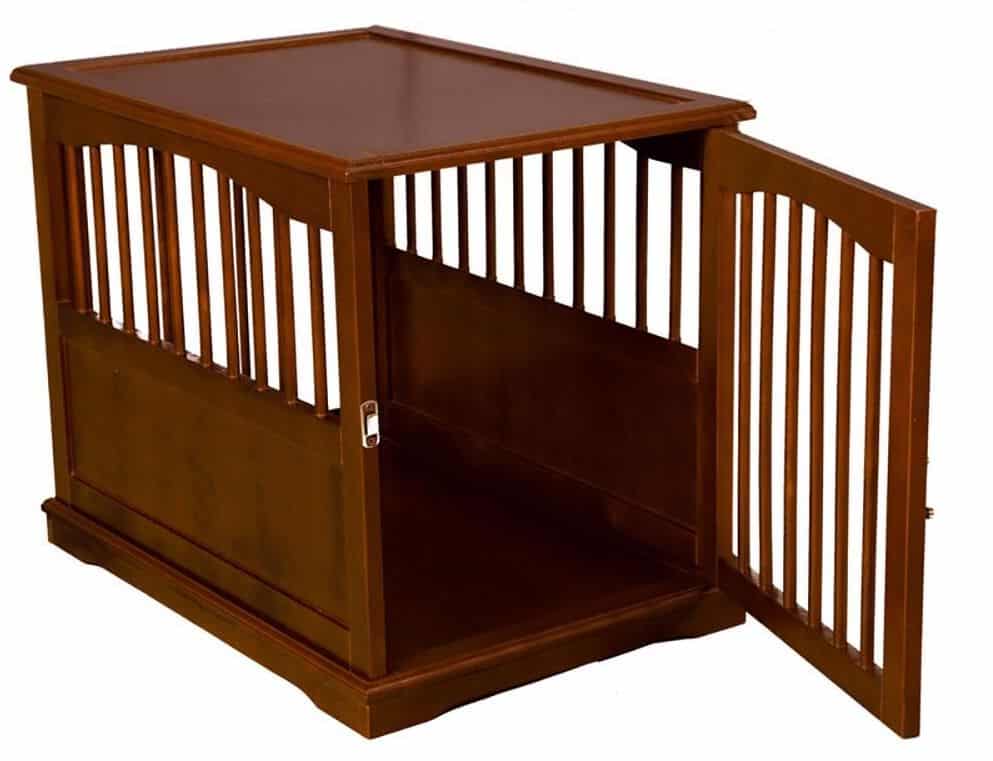
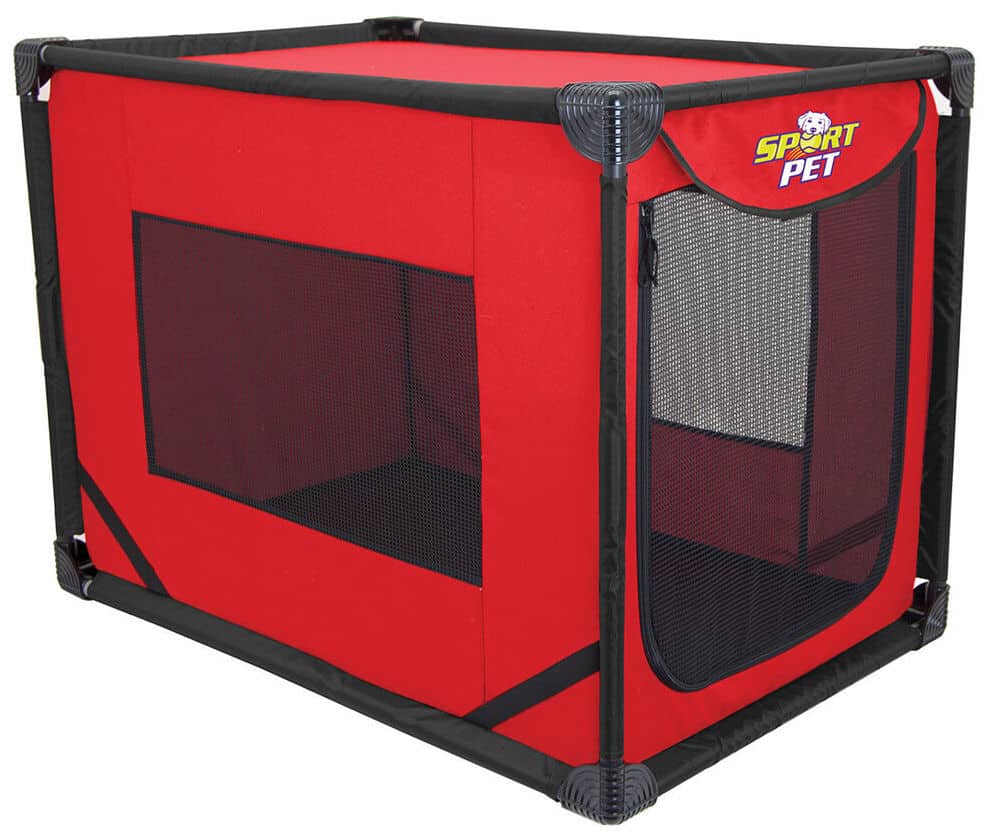
If you have the room and you just want to add a piece of furniture to your rig, then consider this end table that doubles as a pet kennel. You can put your dog’s pillow or bed inside the kennel and that can be their spot.
Another option is to make adjustments to the furniture in your rig. Many beds in RVs have storage space underneath them. With a little work, a portion of that space can be converted into a sleeping area for your dog. Another good option, depending on the size of your dog is the space under the dinette seat. This area is often used just as a storage space, but with a little work, you can turn it into an area for your pet.
You can always let your dog simply sleep on the couch or floor, but I’ve found it’s best to give them a designated space that is theirs. It makes them feel more at home and keeps them from being underfoot all the time.
How do you RV with your pets? Where do they sleep or lounge around? Leave a comment below.
There are many items and pieces of gear you’ll need to go camping. One of the most important is a good flashlight. There are thousands of flashlights out there, and they’re not all treated the same. Many of the flashlights quite simply aren’t very good.
When looking for the best camping flashlight, you need to get one that is designed to perform well in various environments. You need something that can withstand the rigors of tent or RV camping. With all this in mind, here’s what you should look for in a camping flashlight.
Flashlight Brightness
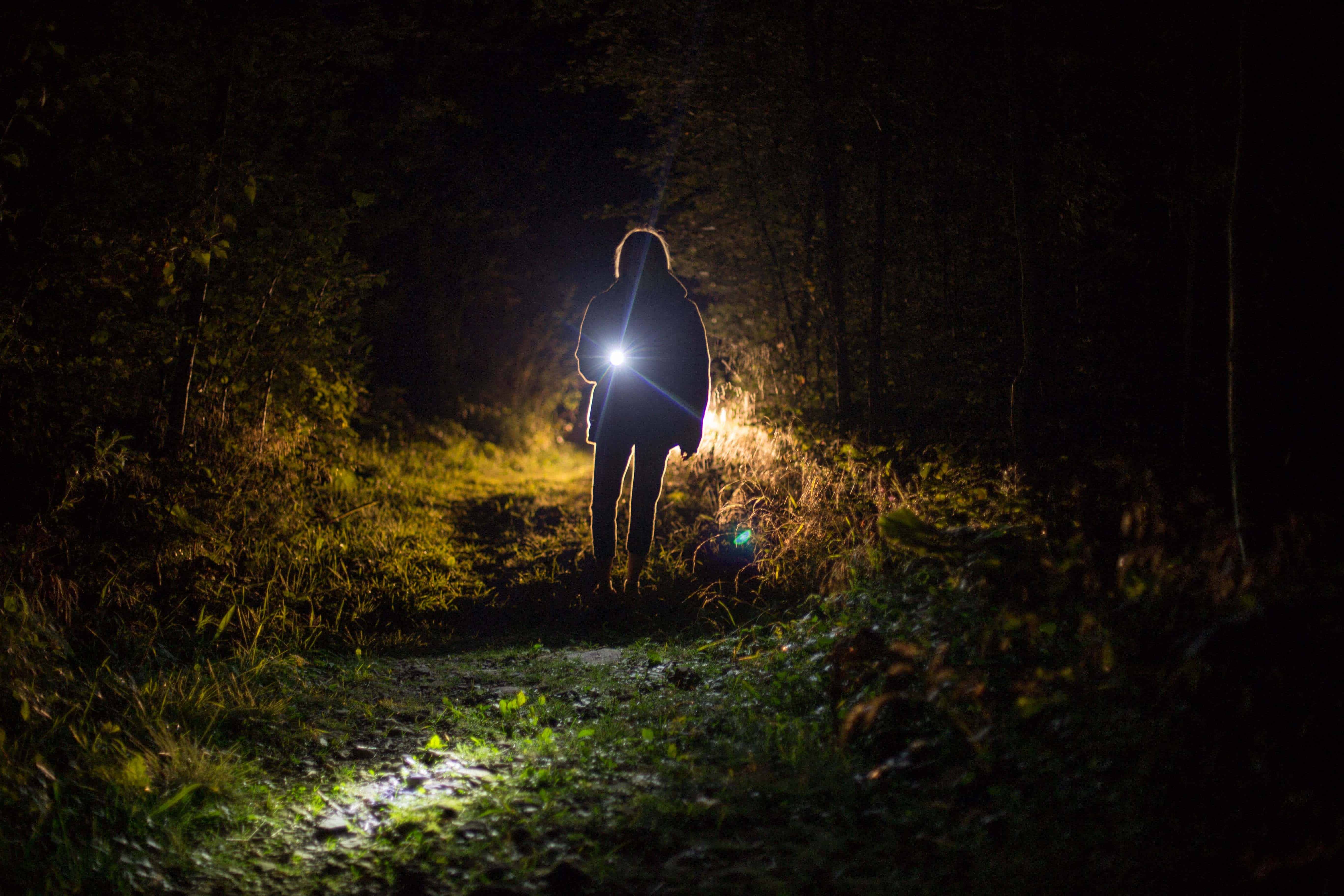
Image by Wendelin Jacober from Pexels
Probably the most important thing to think about in a camping flashlight is brightness. A dim flashlight sucks when there are no other lights. The brighter your light the better you’ll be able to see in the dark.
I’d suggest going with something that has LEDs. Not only is an LED flashlight bright, but you won’t have to worry about a bulb burning out. These things last a long time and they don’t use much power, a point I’ll discuss more later on in this article.
Flashlight Durability and Waterproofing
Durability is another important quality. You can get by with a simple plastic flashlight, but if you really want to get something that’s going to last a long time, look for something made out of metal. Stainless steel or aluminum is best. This type of material will hold up to the rigors of camping well. It can be dropped, stepped on, or even run over by a car in many cases and still work.
Metal flashlights are typically a little more expensive, but not always. You can usually find a metal flashlight with LED lights for very little money.
Battery Life or Run Time
How long a flashlight can stay on before it needs to be recharged or new batteries put in is important. If you get an LED flashlight, which I highly recommend, you’ll have tons of battery life. Hours and hours of it in most cases.
No matter what the run time for your flashlight is, you should also have some spare batteries just in case. Also, think about buying rechargeable batteries so that you don’t have to keep buying them. This will make life a heck of a lot easier.
Flashlight Size
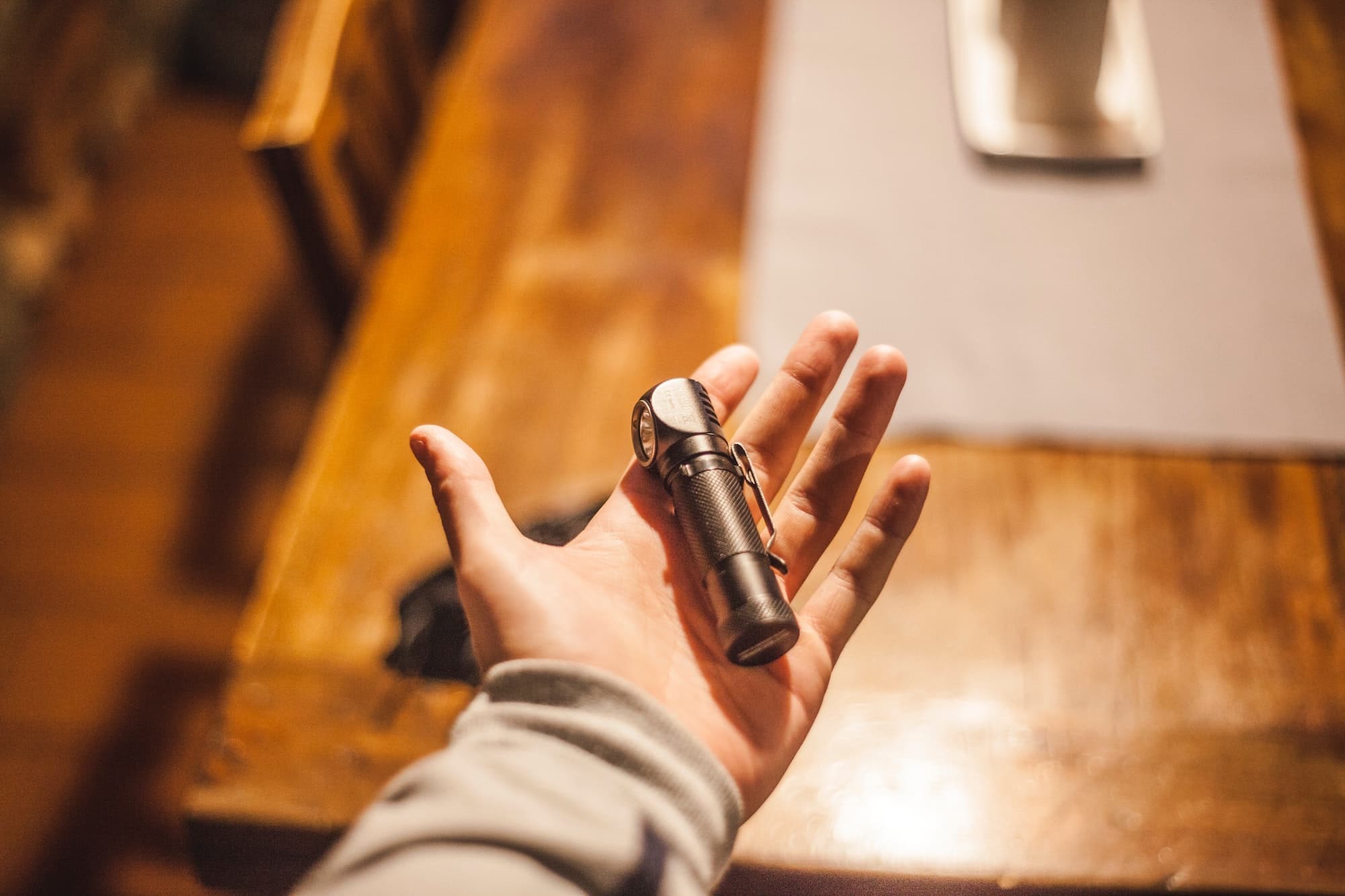
The proper size of a flashlight is up to the camper. Many people like small flashlights because they’re easy to carry and use. Others prefer a larger flashlight that’s easy to find in the dark. Either is fine. Think about how you camp and get the right size flashlight for you.
For example: if you backpack a lot or will be packing light and moving a lot, a smaller flashlight is generally the way to go.
Different Flashlight Modes or Settings
I like a flashlight that can be dimmed if needed. While brightness is important, so is being able to turn down the brightness to suit your needs. Many flashlights have a dimmer capability. Look for that.
Also, consider a flashlight that can display light in different ways. While you might want a traditional flashlight beam when you’re out walking inside a tent or camper, it’s often better to have the flashlight throw light in multiple directions kind of like a lantern. Some flashlights have this capability. Look for that, too.
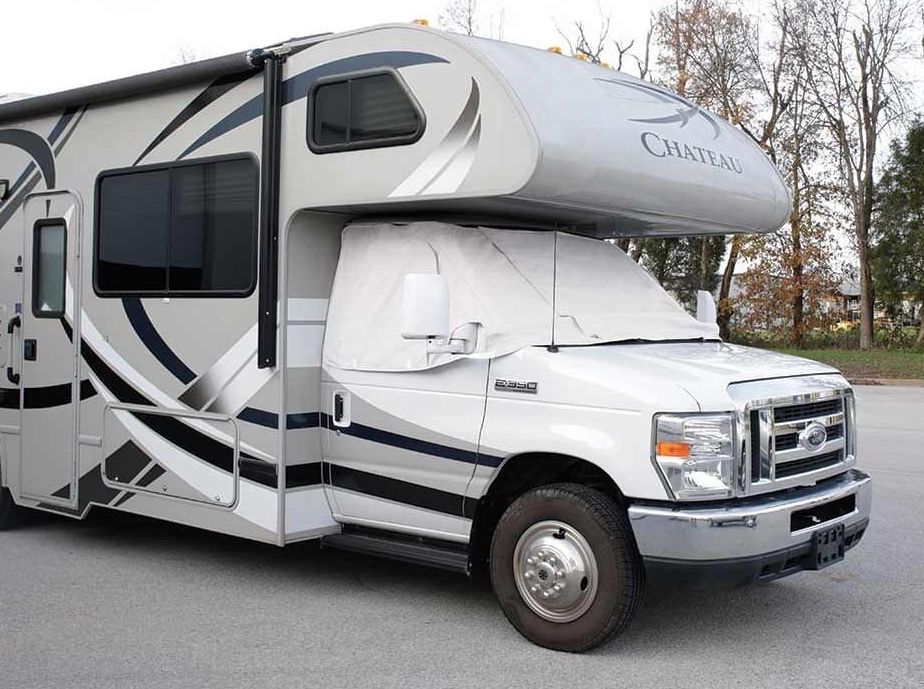
The sun is a beautiful and wonderful thing. It can also be damaging and horribly hot. The sun can take its toll on even the best-maintained RV out there. That’s why you might want to think about getting your RV a windshield cover. An RV windshield cover is a simple accessory that can help keep your RV in good condition and comfortable while it’s parked.
Why Get an RV Windshield Shade?
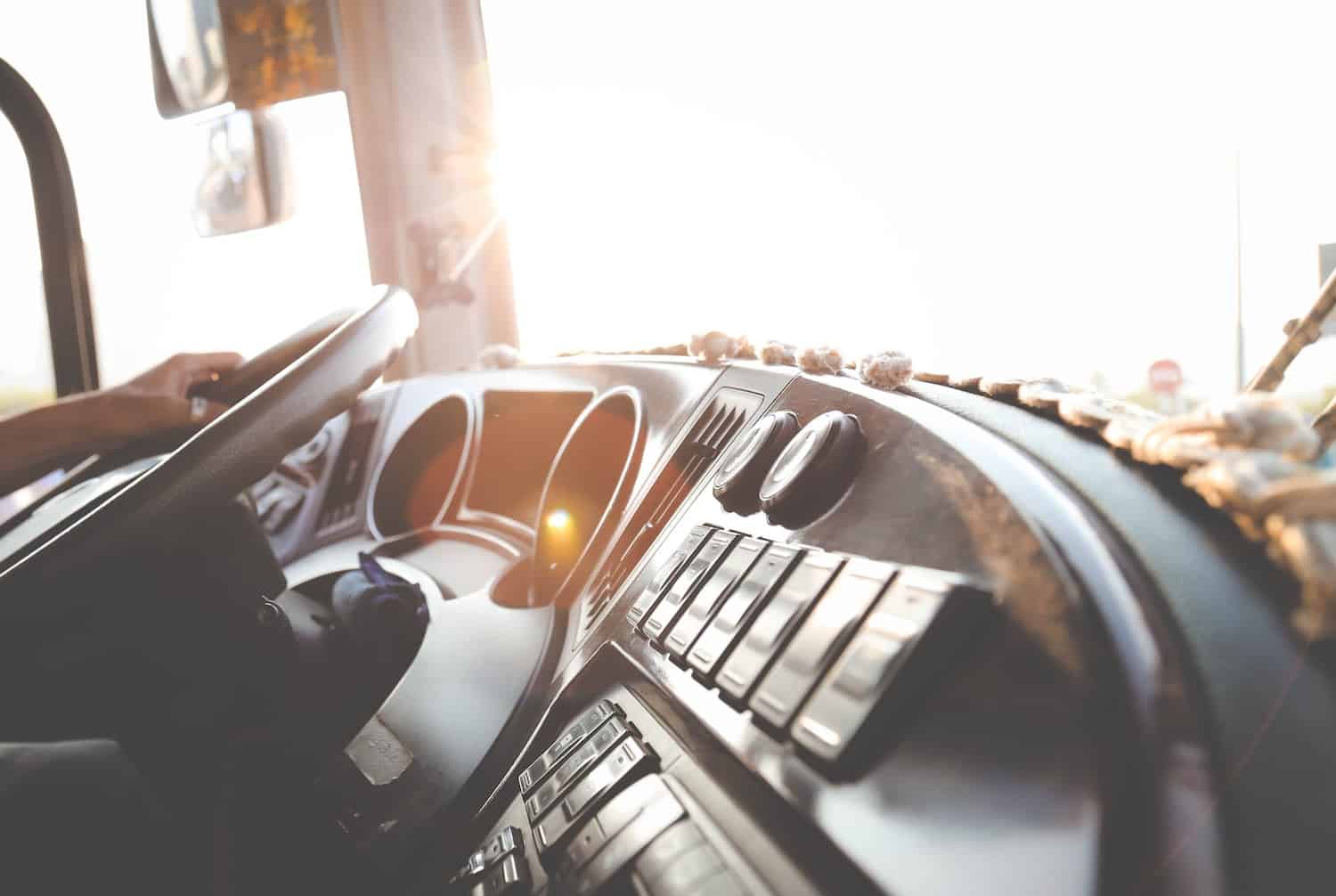
Excessive amounts of sunlight pouring in your RV’s windshield can cause your dashboard and other areas of your RV to fade quickly or even dry out and crack over time. Obviously, fifth-wheels and travel trailers don’t have to worry about this much, but any motorhome can use a windshield shade to help protect your RV’s interior.
An RV windshield shade can also add a level of privacy that you may not otherwise have. Yes, many RVs come with privacy curtains, but not all. This can mean that a windshield shade can help keep you feeling more comfortable from a privacy standpoint.
Speaking of comfort, a windshield shade will also help keep your rig cooler. The sun can beat down on your RV and its heat will dramatically warm up your RV if you don’t have a cover. This can make keeping your RV more comfortable in those hot summer months easier.
What Should You Look for in an RV Windshield Shade?
When it comes to finding the right RV windshield cover for your rig, start with the type of RV you have. A shade or cover that’s designed for a Class A motorhome will not work on a Class C. So, look for one that’s the right design.
Next, you should look for a cover that’s designed to last. Read through the product description and the reviews. These two things will give you a good idea of what to expect.
Generally, you’re looking for a heavy-duty vinyl shade or cover. If you’d like you can look for one with removable panels that will provide some protection but still let in light.
You also need to think about how it attaches to your RV. Many shades go on the outside of the unit, though there are sunshades that fit inside of your rig like is common with car sun shades. These are made of reflective material with usually a foam in the middle. All you really need to worry about here is that they’re large enough to cover your full RV windshield.
If you’re thinking of an outside cover that provides shade, then you need to find one that either straps down or has magnet fasteners.
Avoid anything that requires you to drill into your RV or alter it in any way. The shade should be an addition to your RV not an alteration.
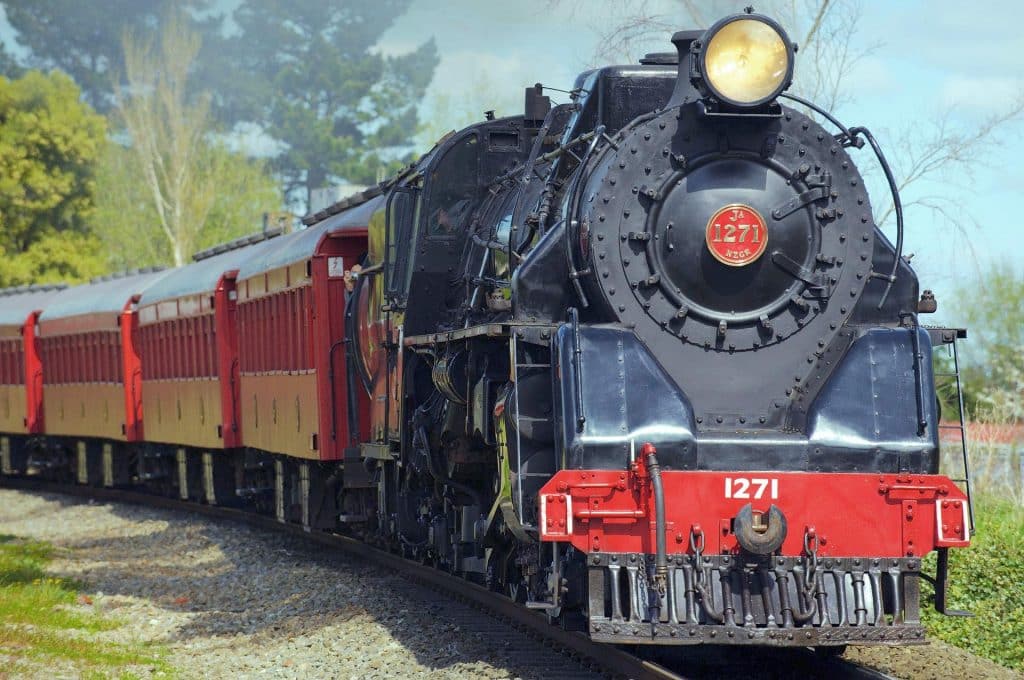
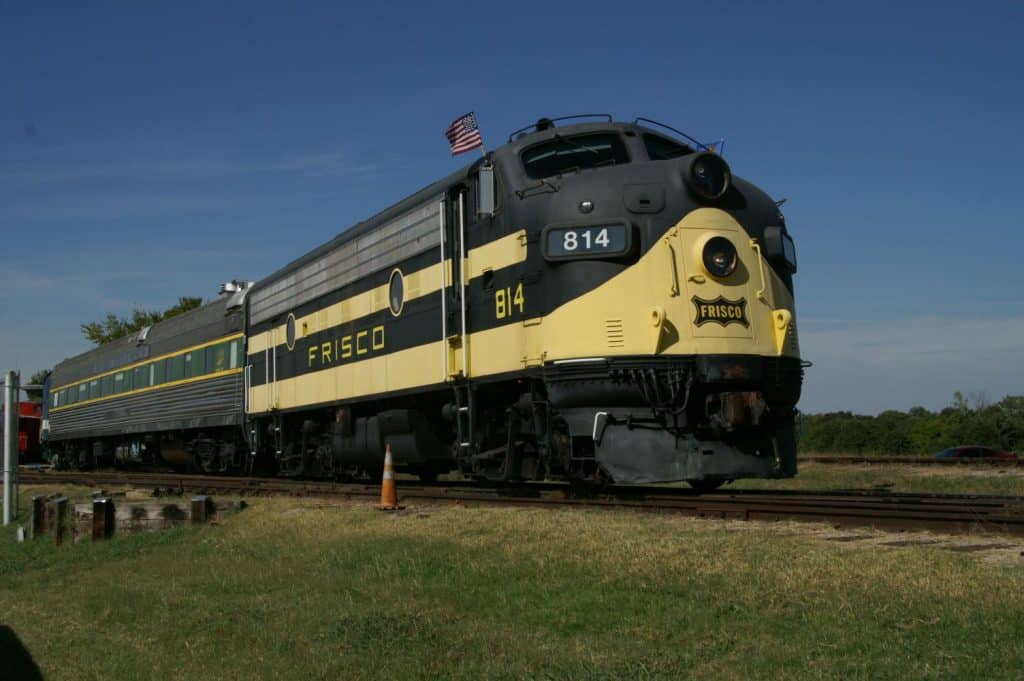
Many times camping trips involve exploring new territory and discovering enticing attractions along the way. Passenger tour trains have that magnetic appeal for many RVers, providing a novel way to see hidden countryside not normally viewed from the road. Railroad passengers learn about local history, culture and the many colorful characters from the communities visited. Camping World wants to make sure you don’t miss the departing whistle, so we have created a series entitled RVing the Rails. You will find the most popular excursion trains to ride in each state, complete with any specialty trains they might offer.
Photo Credit: Pixabay
Today we will explore the most popular trains in Oklahoma:
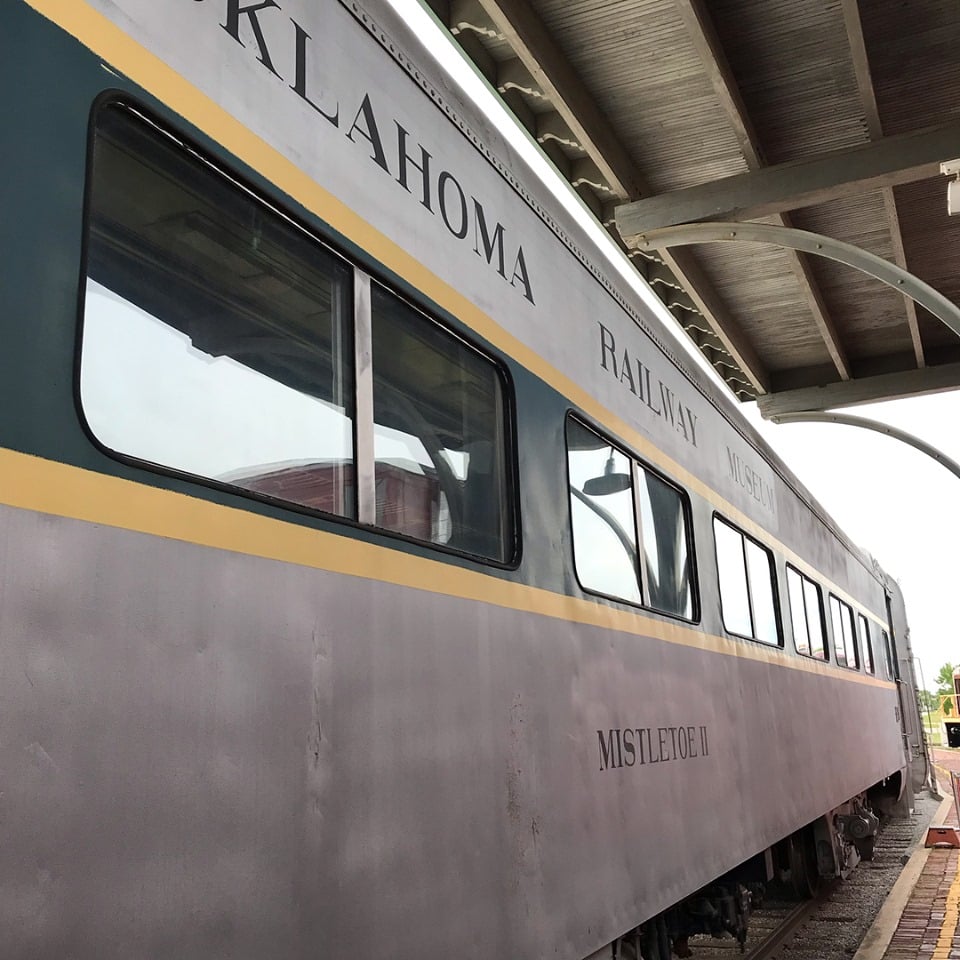
Oklahoma Railway Museum
Photo Credit: Oklahoma Railway Museum Facebook
Begun by several train enthusiasts with a common hobby, the Oklahoma Railway Museum and its attached railroad came about their location through a series of train “trials.” When a certain train ride on existing tracks in the Oklahoma City region proved financially feasible, the group of volunteers had their seed money to purchase property for their museum.
From 2003, the museum garnered access to more than 3 miles of track and numerous locomotives and cars, running an excursion train ride of about 25 minutes in length.
Railway and Locomotive Types
The railroad has four diesel locomotives in operation, along with 10 passenger cars and several cabooses. They run from the depot in Oklahoma City on standard gauge rails.
Seating Options
Photo Credit: Oklahoma Railway Museum Facebook
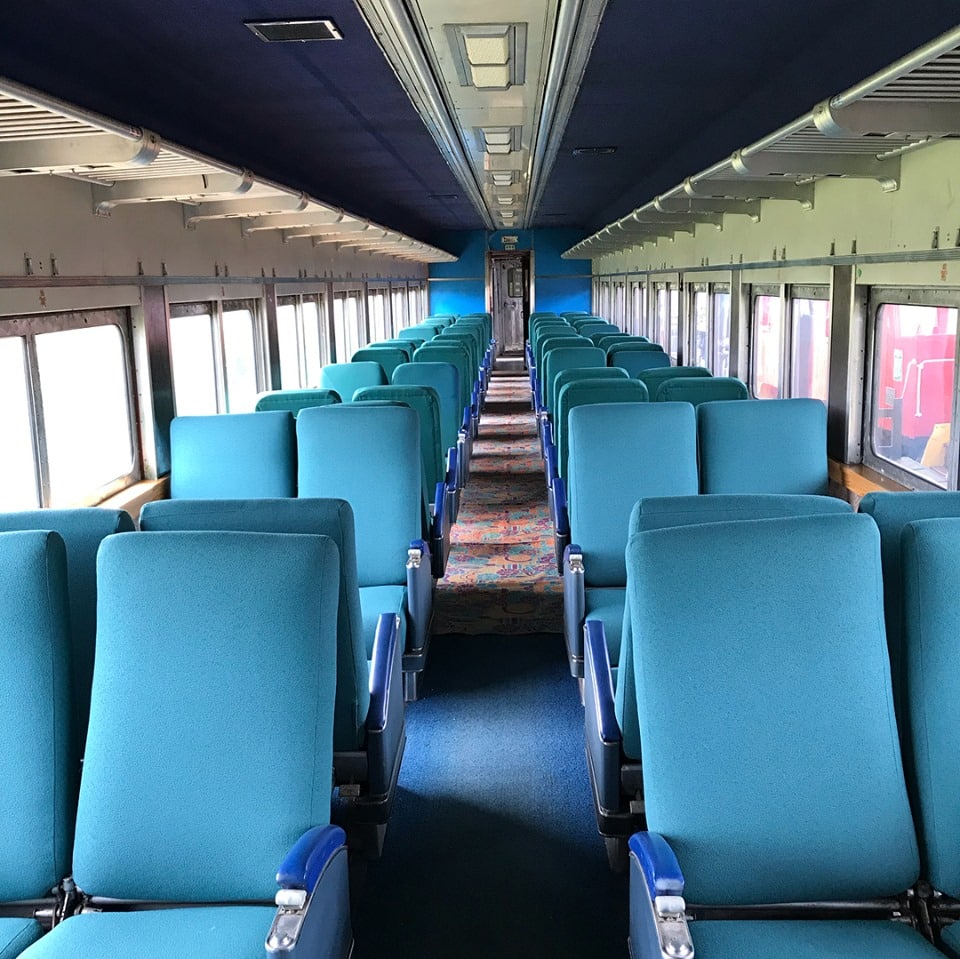
The railroad offers general admission tickets with open seating in enclosed passenger coach cars.
Riding Options
Although the train has one route, the Oklahoma Railway Museum offers two other modes of travel on its rails:
Motor Car Excursions – Two weekends in October are set aside for a ride in a motor car. The travel covers 92 miles round-trip and is a unique way to experience “train” travel.
At The Throttle – Those who dream of driving a steam engine get their opportunity at this special event, with a 30-minute driving experience!
Specialty Trains
Oklahoma Railway Museum Facebook
A Day Out With Thomas – Children familiar with Thomas the Tank Engine story will love this special excursion filled with storytelling, crafts, and bouncy houses. Ride the No. 1 Blue Engine and meet Thomas’ friends.
Halloween Train – Join this costumed ride, ready for treats and games, plus miniature golf.
Christmas Train – Enjoy the Polar Express, with storybook reading, characters from the book, treats and of course, Santa!
Length of Season
The Oklahoma Railway Museum runs its trains on the first and third Saturdays of the month, from April through August. Specialty trains have specific dates outside of the usual schedule, so please check the train departure schedule to select the excursion that is right for you.
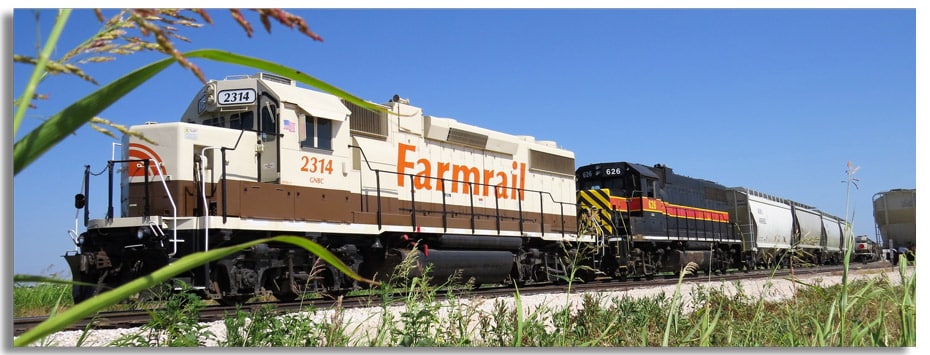
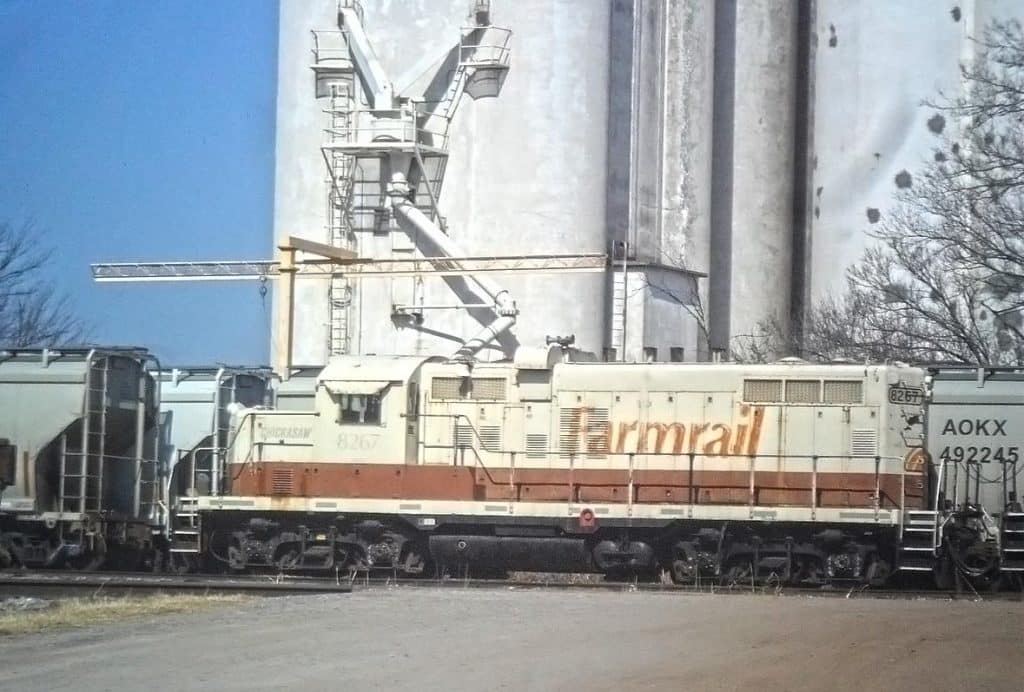
Farmrail
Photo Credit: FarmRail.com
When freight transportation became imperative, railroads were constructed throughout western Oklahoma, and today’s Farmrail is still one of the busiest freight trains around.
But a passenger excursion train has been added to the lineup when a lull in the freight business occurs, and the Quartz Mountain Flyer has become a popular way to experience railroad travel for many lucky riders.
Railway and Locomotive Types
Farmrail is run on standard gauge tracks with numerous diesel engines and rolling stock. When the Quartz Mountain Flyer is added to the usual freight train schedule, enclosed passenger coaches that hold up to 125 people are attached.
Seating Options
All seating is unassigned, with space available in elegantly appointed, air-conditioned coaches. Each passenger train that runs can accommodate up to 125 riders.
Riding Options
Photo Credit: Matthew Zisi (CC BY-SA 4.0)
The Quartz Mountain Flyer excursion train can only run when freight traffic slacks. When it is scheduled, passengers will be taken for a two-hour trip back in time, departing from and returning to the depot in Quartz Mountain.
There are no other alternative routes.
Specialty Trains
This passenger railway is a specialty train by definition. Only scheduled during seasons when freight traffic is slow, the train is great way to discover western Oklahoma’s rural communities and landscapes.
Length of Season
The Quartz Mountain Flyer runs on five Saturdays in July and August, although if the need for freight delivery continues to increase, the train may not run, so please check with Farmrail to see about its availability.
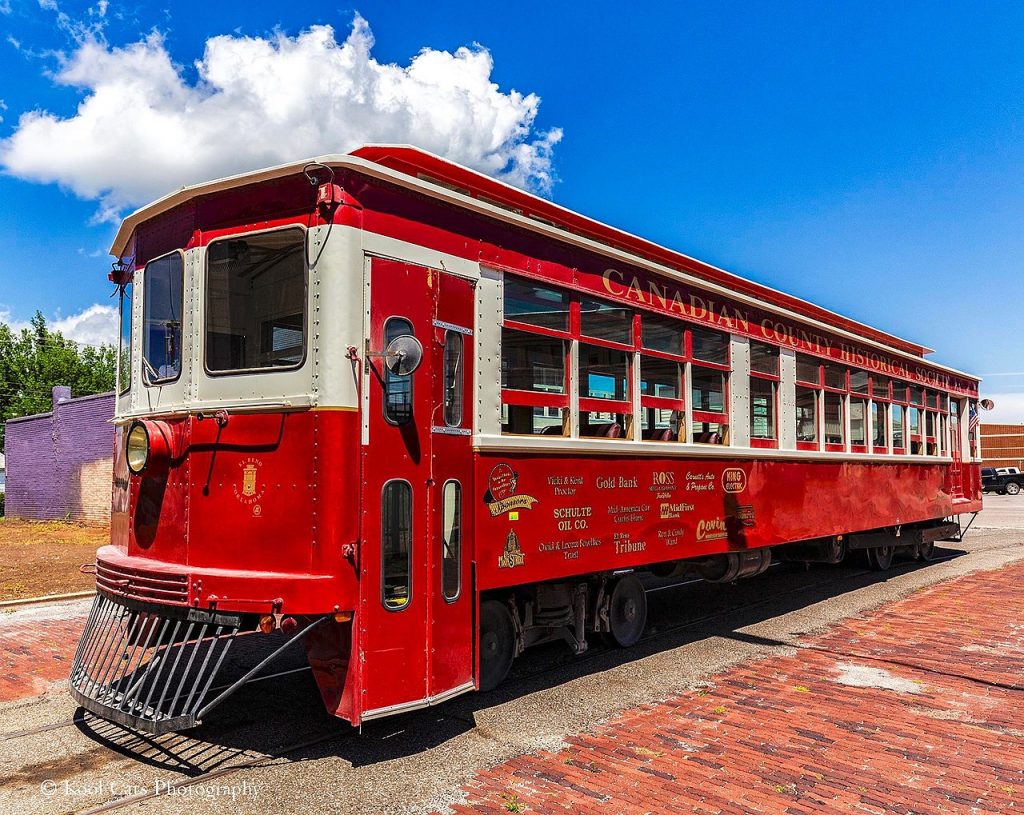
Heritage Express Trolley
Photo Credit: Kool Cats Photography (CC BY-SA 2.0)
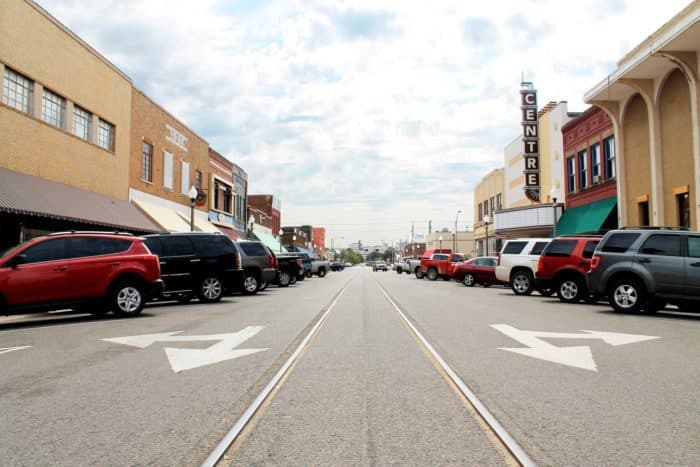
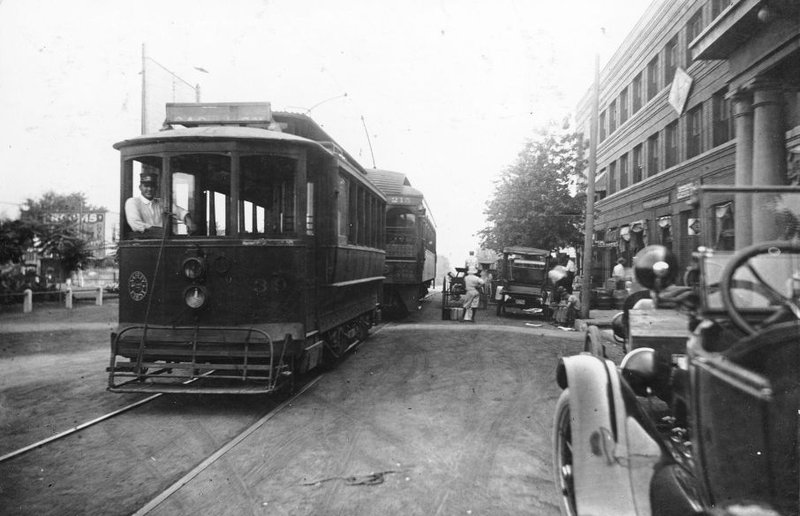
Dating back to at least 1915, interurban streetcars have been integral to El Reno, Oklahoma’s transportation needs. And today, a 1924 Brill car has been converted from electric power to propane internal combustion engine, so no overhead wires are needed.
This historic trolley has been renovated for “shuttle” use in downtown El Reno and constitutes the only existing trolley in the state. Service began in 2001 to give shoppers a convenient way to explore the stores and restaurants at the city’s center.
Railway and Locomotive Types
The trolley is a Brill car, originally built in 1924 requiring electrical service. But it has been converted to a propane-powered engine and runs on rails set into the streets’ pavement.
Seating Options
Photo Credit: Heritage Express Trolley Facebook
Passengers have open seating and can hop on and off the trolley at their leisure.
Riding Options
Because the trolley runs throughout the day, passengers can board or disembark anywhere along the route, returning by trolley as long as it is still operating for the day (it has a 5pm shutdown).
Specialty Trains
Photo Credit: Heritage Express Trolley Facebook
Being the only operating trolley in the state of Oklahoma is pretty special, and having the distinction of being converted from electric power to propane is also quite unusual, so the Heritage Express Trolley does not operate specialty trains.
Instead, it provides service to everyday riders five days a week.
Length of Season
The Heritage Express Trolley runs year-round on Wednesdays through Saturdays from 10am to 5pm in downtown El Reno.
Join the thousands of RVers that have a love affair with trains and ride the rails on your next camping trip. Check out the other excursion trains available on a state-by-state basis in our series, RVing the Rails.
If you’re like me, you want to bring your pup with you on your adventures. Camping, like many things in life, is just better with your dog.
With that said, it’s smart to have a crate for your dog when camping. This is true if you’re tent camping or if you’re camping in an RV.
There are many reasons why you need a dog camping crate, but here are some of the most important ones.
It Gives Your Dog a Place to Go
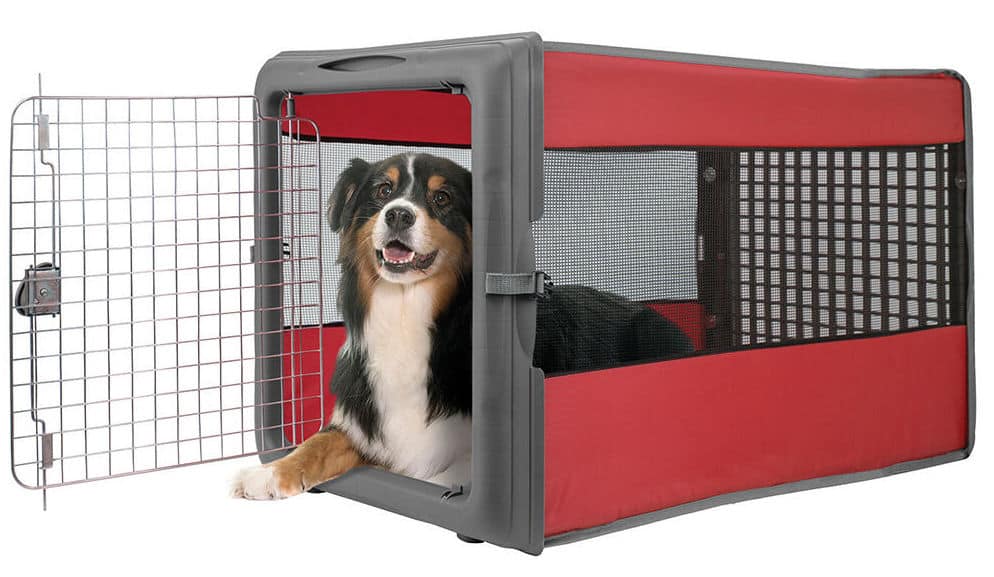
Having a dog camping crate is smart because it gives you pup a place to go and be. You want your dog to see the crate as a safe place. It should be a place for them to go when they want to lay down, sleep, hide from danger (my dog is scared of storms) or simply be when you’re camping.
Spend some time familiarizing your dog with the crate. You should crate train you dog with your camping crate just like you did with the one in your home. When you crate train allows you to take advantage of your dog’s natural instincts to make and have a den. This gives them a little home of their own.
It Lets You Put Your Dog Away When You Need to Leave
When you crate train your dog and have a camping crate for them, it allows you to leave your dog at the campground so that you can go off and do something without them if you need to.
Make sure you dog has plenty of water and the temperature isn’t too hot or cold wherever the dog’s crate is. Never leave the crate in a car while you go off and do something in the summer. That’s a recipe for a disaster. Make sure they’re comfotable when you leave and will be the entire time you’re gone. A crate helps make this easier.
It’s Great for Traveling
Image from Camping World
It’s okay to just have your dog in the RV or in your vehicle while camping, but honestly having them in a camping crate is going to be safer. If there’s an accident and your dog is free in your RV or vehicle, they could sustain serious injuries. The same can happen in a camping crate, but it’s less likely.
It also keeps your dog in a specific place while traveling. This makes things comfortable for both you and your dog. When traveling make sure to take breaks so that your dog can relieve itself regularly. They can’t stay in the crate forever, so make frequent stops and let them stretch their legs.
Fifth-wheel RVs are becoming more and more popular these days, with their spacious floorplans and high ceilings. They’re also easier to tow and maneuver than travel trailers of a similar size.
While the majority of the fifth-wheels on the road are traditional rear-living or rear-kitchen models, one often-overlooked floorplan might be a perfect fit for you. Here are some benefits of a Front Living Fifth Wheel.
Taller Bedroom and Bathroom
One of the main benefits of a front living floorplan is one that’s not even about the living room.
When you move the main living area upfront, you get to move the bedroom and bathroom to the rear of the fifth wheel.
This means the bedroom and bathroom, two of the more important rooms, can take advantage of the higher ceilings in the fifth wheel design.
There’s no ducking for taller people as they climb into bed and there’s more headroom in the shower area. The increased height also means more storage in the bedrooms, with bigger closets or more cabinetry.
Like most RV decisions, it’s all a matter of tradeoffs.
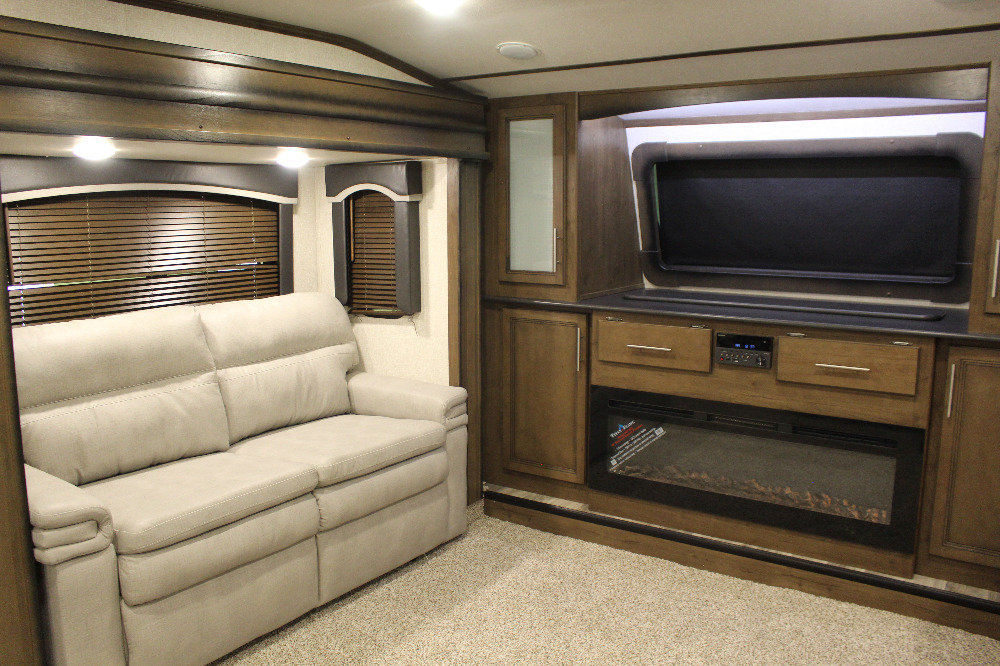
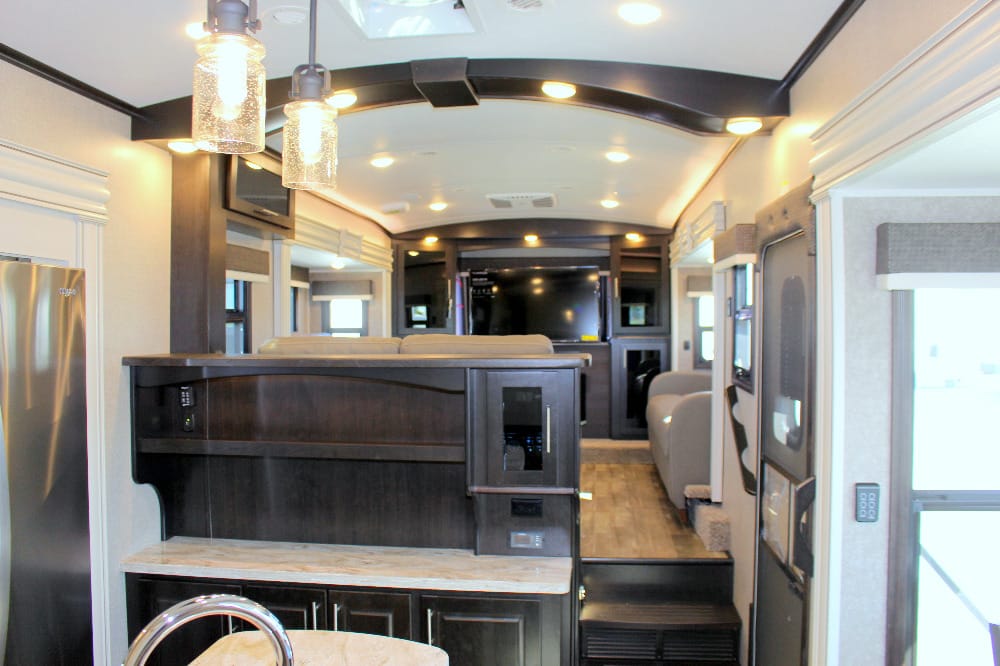
A Traditional Living Room/Den Feel
Photo by Camping World
With rear-living or rear-kitchen floorplans, the living room and kitchen areas tend to blend together, mirroring the “open floorplan” trends in housing.
A front-living floorplan actually gives a little more separation between the kitchen and living areas. The couple steps up to the living room may be small, but you’ll find the area feels like it stands alone.
It makes for a great place to have discussions with friends, watch a movie with fewer distractions from the kitchen, or the perfect place to dive into a good book.
Many front living fifth-wheel owners, especially full-timers, will use the raised living area as an office. Somewhere they know they can get to work, separate from the rest of the RV.
Separation for Guests Staying in the Living Room
While guests can easily stay in the living area in a rear-living or rear-kitchen floorplan, the setup isn’t always ideal.
As soon as someone comes into the kitchen, say for their morning coffee at 6am, they’re disturbing whoever is in the living area.
This is one place where the front-living fifth-wheel shines. Many models come with a curtain to partition the living area away.
Guests can sleep in even as the owners slip out of the main bedroom and even head outside.
This is a fantastic floorplan for those who occasionally bring their grandchildren along on their trips. front-living models will often have opposing slides with couches in the living area—a makeshift bunk room for the grandkids.
Set them up in the front living area and let them rest and recover from their outdoor adventures while you’re up early, enjoying the sunrise and some breakfast.
Shopping for a new fifth wheel is an exciting time. If you’re looking for a more traditional living room or a larger feel for your bedroom and bathroom, a Front Living Fifth Wheel could be just what you need!