Blog

  • Michigan’s Most Unique State Parks

    Michigan’s Most Unique State Parks


    Michigan is one of the most unique areas on our planet. Touching four of the largest freshwater sources in the world, it has the longest freshwater coastline of any political area and contains over 64,000 lakes.

    It is home to glacial moraines and dunes, mountains, beaches upon beaches, and many square miles of preserved old-growth forest and wilderness within its two peninsulas.

    Michigan has the largest state park and state forest system of any state, with 78 state parks, and six state forests. Here are some (note: just some) of its most unique state parks and features!

    Tahquamenon Falls State Park
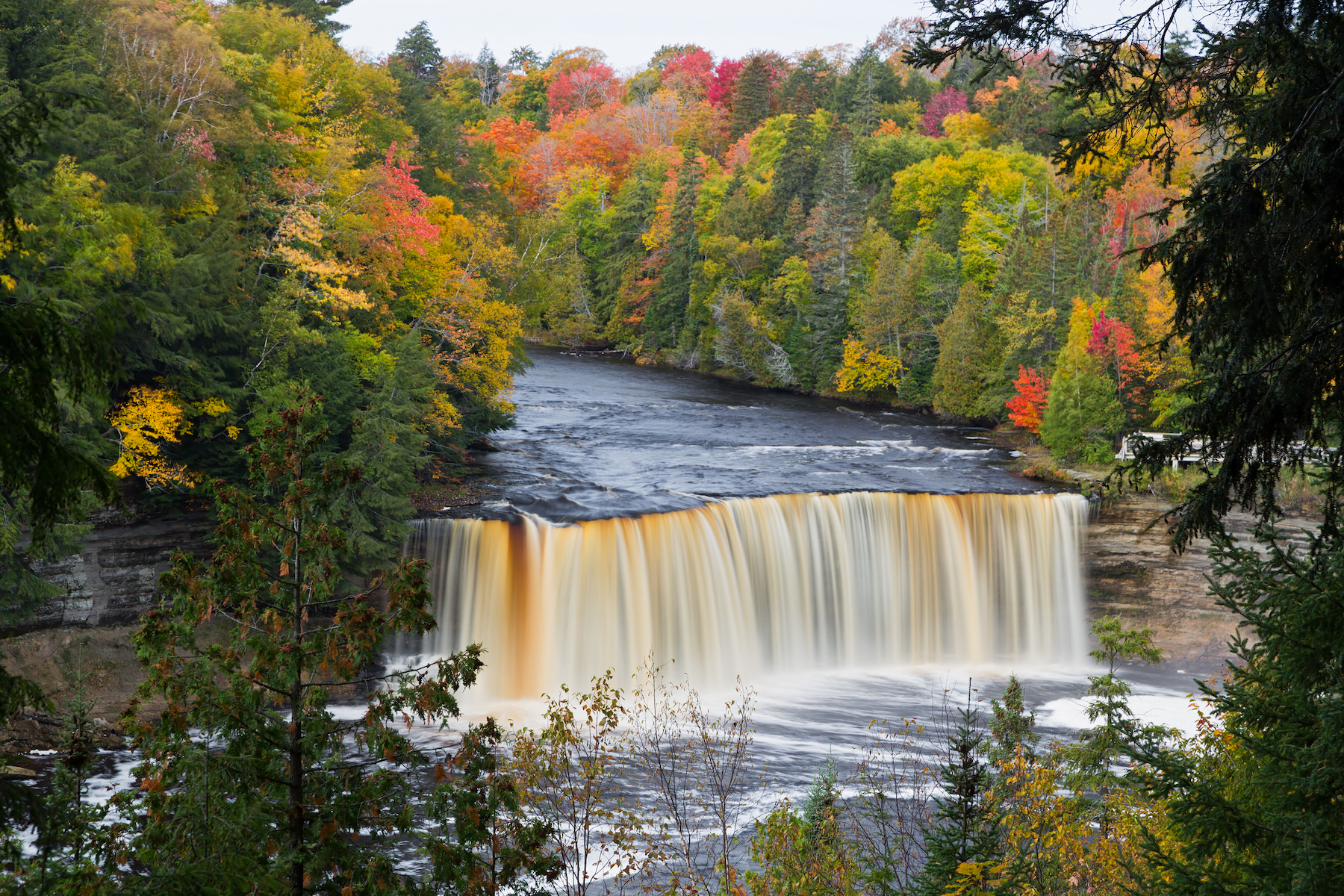
    Seen here with colorful fall foliage, Michigan's Tahquamenon Falls is the second largest water fall east of the America's Mississippi River. (Seen here with colorful fall foliage, Michigan's Tahquamenon Falls is the second largest water fall east of t
    Image from Getty

    Perched on the eastern rim of Michigan’s Upper Peninsula, Tahquamenon Falls State Park features 50,000 acres of incredible vistas.

    The park’s hallmark feature includes a large waterfall with a 50-foot drop and a span of over 200 feet, but there are many other features to appreciate about Tahquamenon. The efforts made towards park accessibility are especially admirable!

    Fishermen and water-lovers will love this site. In the Upper Falls, visitors can see the Tahquamenon River mouth fed via Lake Superior, and will find plenty of fishing opportunities for brown trout in this area. The Lower Falls includes five smaller waterfalls spilling around a small island and is a hot area for walleye, northern pike and musky. Canoeing, rowboats, and kayaks are available for rental and can be used on some of the park’s 13 lakes, which include more great fishing.

    The park hosts many family-friendly outdoor activities, including a fantastic free wheelchair “track chair” rental program that makes most of the park accessible to the elderly and disabled. These durable track chairs fair well in the snow, sand, and up to eight inches of water! Over forty miles of trails are available for snowmobiling, snowshoeing, cross-country skiing, hiking, and biking.

    Tons of wildlife can be found at Tahquamenon, including over 125 species of birds, in addition to moose, black bears, and wolves. Camping is available via lodge, cabin, modern, rustic, and backcountry sites. 

    Headlands International Dark Sky Park

    While this park is on the smaller side, boasting 550 acres and two miles of undeveloped Lake Michigan shoreline, its uniqueness makes up for it. Visitors to Headlands International Dark Sky Park are offered the rare opportunity of seeing the night sky with virtually no local light pollution.

    There are now 40 international dark sky parks in the world: land possessing an exceptional or distinguished quality of starry nights and a nocturnal environment that is specifically protected for its scientific, natural, educational, cultural heritage, and/or public enjoyment.

    The park is open 24 hours a day, 365 days a year, however, no overnight camping is allowed to take place within the park. The park is intended to be used as a place to “Stay awake and view the stars!” When the Observatory is open, visuals are projected onto the big screen monitors on the main level.

    During scheduled observing nights, Professional star-gazers and astronomers are available on-site to enhance the viewing experience. Scheduled events are often sequestered around meteoroid showers, solstices, visible Northern Lights, and so on.

    There is an abundance of rare and endangered plant life within the Headlands’ woodlands and shore, in addition to many wild animals. Bald eagles, wild turkeys, coyotes, osprey, white-tailed deer, and the occasional black bear are sighted at the park. Trails for hiking, cycling, and cross-country skiing span the park. Every nature-lover is sure to enjoy the features of this park, particularly the nightly views.

    Porcupine Mountains Wilderness State Park
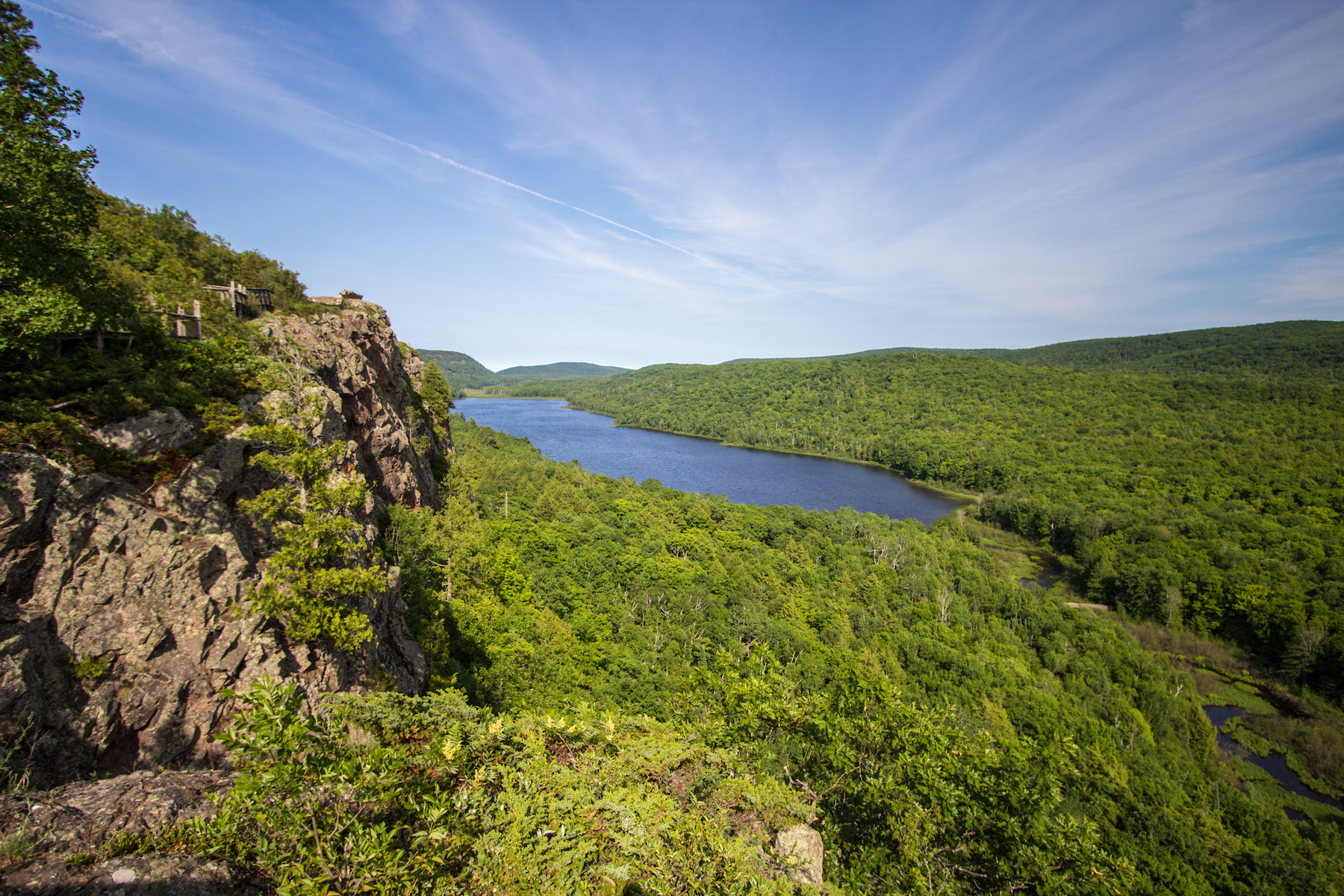
    Lake of the Clouds is one of the most famous natural landmarks in Michigan. It is located in the Upper Peninsula's Porcupine Mountains State Park which is the largest state park in the American Midwest.
    Image from Getty

    Michigan’s largest state park arguably contains the best-unbridled wilderness in the Midwest. With over 90 miles of hiking trails, a 35,000-acre old-growth forest, powerful waterfalls and rivers, and 25 miles of Lake Superior shoreline, Porcupine Mountains Wilderness State Park is unrivaled in terms of its natural offerings and size.

    Spanning 94 square miles and 60,000 acres, no other state park in Michigan offers as many opportunities to get lost in (and admire) nature at its best.

    Located on the Upper Peninsula of Michigan, just north of the Ottawa National Forest, Porcupine Mountains Wilderness State Park features many scenic areas and activities. Lake of the Clouds scenic area is a must-see. The Fall Color Ski Lift Rides are a must-do in the fall.

    In the winter, snowshoeing, cross-country and downhill skiing bring many “Porkies” to the park, in addition to snowmobiling trails. Many of the park’s access roads are unplowed in winter, and as such, are re-designated as snowmobiling trails. 

    Camping is limited to 63 designated backcountry sites, but reservations can be made up to six months in advance, with specific check-ins instructions to be followed by all campers. As Black Bear are common at the park, precautions must be taken by campers.

    The Friends of the Porkies organization offers several unique opportunities for artists, including a residency program, a music festival, and folk school: all celebrating the richness of this Michigan state park, and extending this richness to visitors old and new.

    Lakenenland Sculpture Park

    Located in Marquette, Michigan, Lakenenland Sculpture Park’s 37 acres have become quite the local -and national- phenomenon. The drive-thru park features many metal sculptures by owner/artist Tom Lakenen and attracts everyone from tourists to snowmobilers, to art-lovers and beyond.

    After being open for sixteen years, the small park has relatively quickly become one of the top tourist attractions in the Upper Peninsula.

    In the winter, you can find Mr. Lakenen outside, blowing snow off of his sculptures, stoking a campfire or woodstove, and handing out free hot chocolate to snowmobilers and tourists who’ve stopped to view his work.

    His sculptures range everywhere from pink elephants to giant lizards and lumberjacks, and were made mostly from scrap metal Lakenen took home from odd jobs. The park remains free and open to the public and is an absolute must-see in the Upper Peninsula. 


    What do you think about these state parks? Leave a comment below!


    Source link

  • SftR 080: Caravanning and International Travel with TravellingK

    SftR 080: Caravanning and International Travel with TravellingK


    In this episode, Sam interviews Karen from the YouTube channel TravellingK. Karen has lived permanently in a travel trailer in New Zealand for three years. She works as a graphic designer on the road and creates videos of her lifestyle, how-to advice, and interviews others living this lifestyle.

    She’s just got back from a three month trip to the UK towing a caravan and has now started renovating a vintage caravan back in New Zealand.

    Tune in to hear Karen share her experience with international travel, how she’s earning an income on the road through freelance work and Patreon, and some fun stories from the road!

    What we cover in this episode

    • 2:00 – Traveling in New Zealand
    • 7:00 – Caravanning trip in the UK
    • 12:00 – Working on the road and funding travels
    • 15:00 – Personal growth through travel
    • 17:30 – Stories from the road
    • 24:00 – Advice for travelers

    Links from this episode

    ** Subscribe to Stories from the Road on iTunesSpotify, or Google Play **


    Source link

  • Reasons to Stay in or Near National Park Campgrounds More

    Reasons to Stay in or Near National Park Campgrounds More


    Part of the fun of hitting the road to enjoy the wide-open spaces of our country is the freedom to go where you want pretty much when you want. However, while you’re out taking in everything nature has to offer, do yourself and your family a huge favor and don’t neglect stays or visits to any of our more than 50 national parks.

    But everyone goes to national parks, making them crowded? I hear that and during select times of the year, that’s correct. However, good planning can reap big rewards.

    The larger parks, like the colossal Yellowstone, have fantastic campgrounds closer to everything you want to see… but reserve well in advance of your planned adventures, especially for the high season from June to September when school’s out and families are on the road.

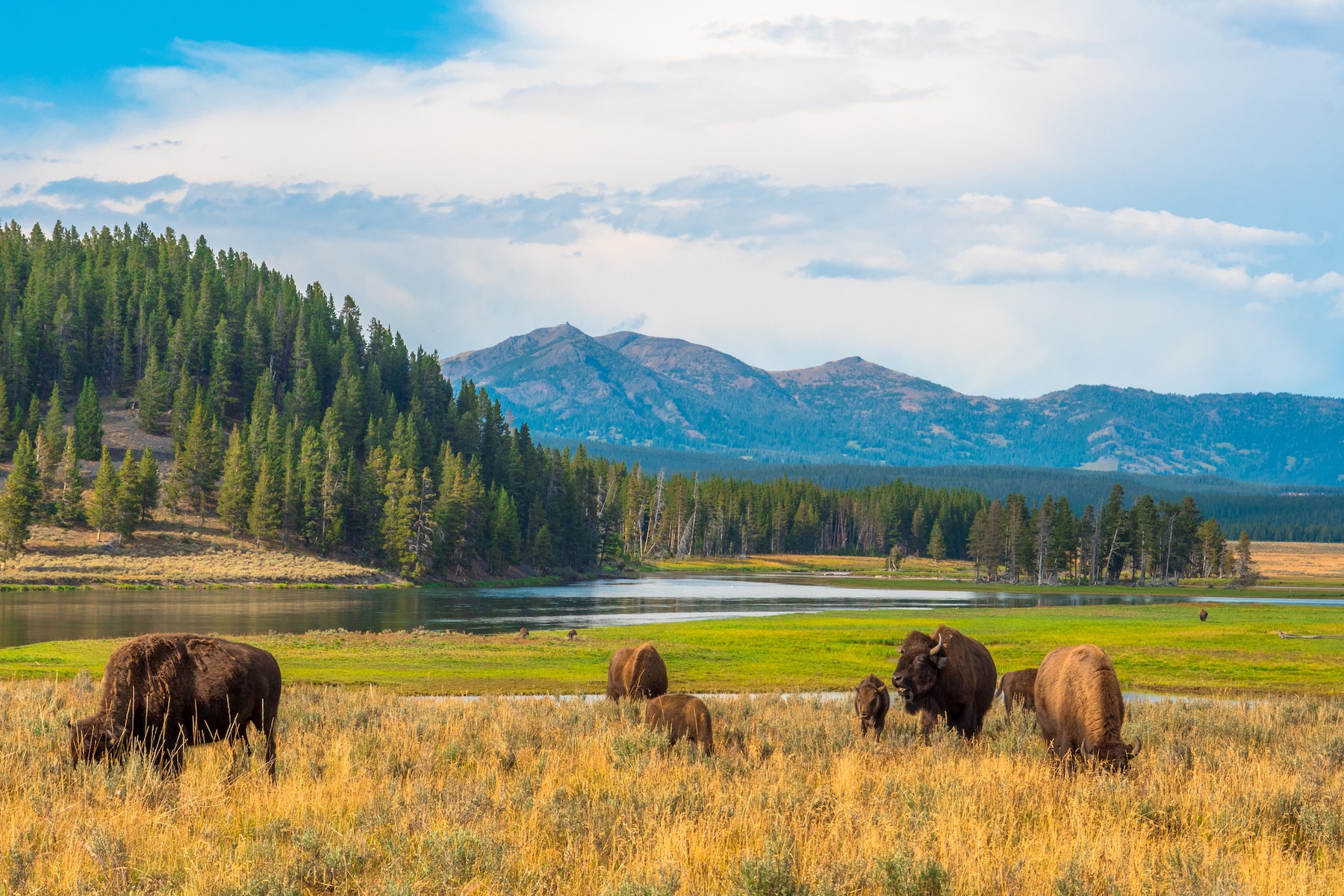
    Buffalos grazing at Hayden Valley, Yellowstone, National Park, Wyoming, USA
    Image from Getty

    In fact, it is recommended that if you can, travel in the spring and in the fall. One more item about national park campgrounds: bear in mind they can be limited in scope from the size of the RV you can bring in as well and most will have limited full hook-up accommodations.

    Most in fact, will not have an RV campground in the park, but there will be one nearby. But when you stay at or near a national park, you have access to a ton of outdoor goodies like the following.

    National Parks have Guided Tours

    A huge bonus to our national park system is the opportunity to become educated on everything about a particular park’s ecosystem, science, conservation practices, and overall history.

    Using Yellowstone as an example, you can gather information from well-versed guides on everything from geography to grizzlies, plus you can get guided tours using transportation from bicycles to boats.

    Even in the winter, there are guides in snow coaches… and November and December can be the best time to get an opportunity to see a wolf in the world’s oldest national park.

    National Parks have Tons of Hiking Trails

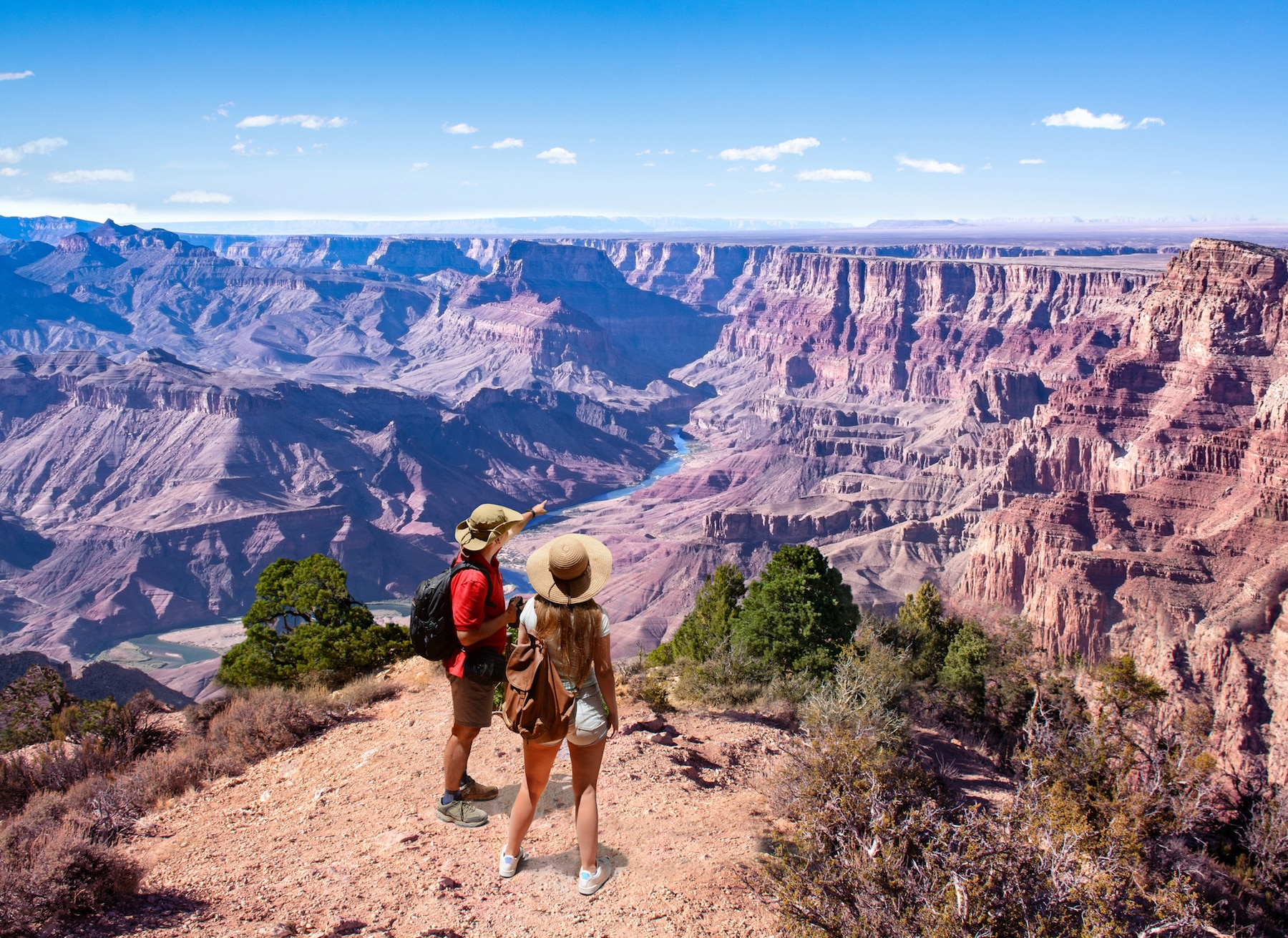
    Couple on top of the mountain, looking at beautiful summer mountain landscape. Friends on hiking trip enjoying view of Colorado river. South Rim. Grand Canyon National Park, Arizona, USA.
    Image from Getty

    Call them self-guided tours if you like but take a handy-dandy map with you. You don’t want to miss the sights on the trail or miss the trail entirely. A lot of effort goes into the proper routing of a trail and it is a continual effort to keep it as thrilling, yet safe, as possible.

    Fact is, in a volatile place such as Yellowstone, going ‘off-trail’ has led to more than one person never coming back. Speaking of putting yourself at risk, heed this advice – never ever ever ever ever hike alone.

    National Parks have Rangers

    No, not the New York Rangers or the Texas Rangers, Park Rangers. Rangers are chock full of the information you may need to know about the goings-on for the day or days you are there.

    Where was the last grizzly sighting? Best place to see a bald eagle? The closest place to do some angling? Best place to see wildflowers from the road or the best trail to take to see them? Where’s the nearest waterfall? Where’s the nearest bathroom? How close can you get to a bison?

    There is a ton of information you can find out from a park ranger… and BTW, the answer to the last question is 25 yards. I’d double that. They weigh over half a ton and are three times faster than you.

    National Parks have Beautiful Wildlife

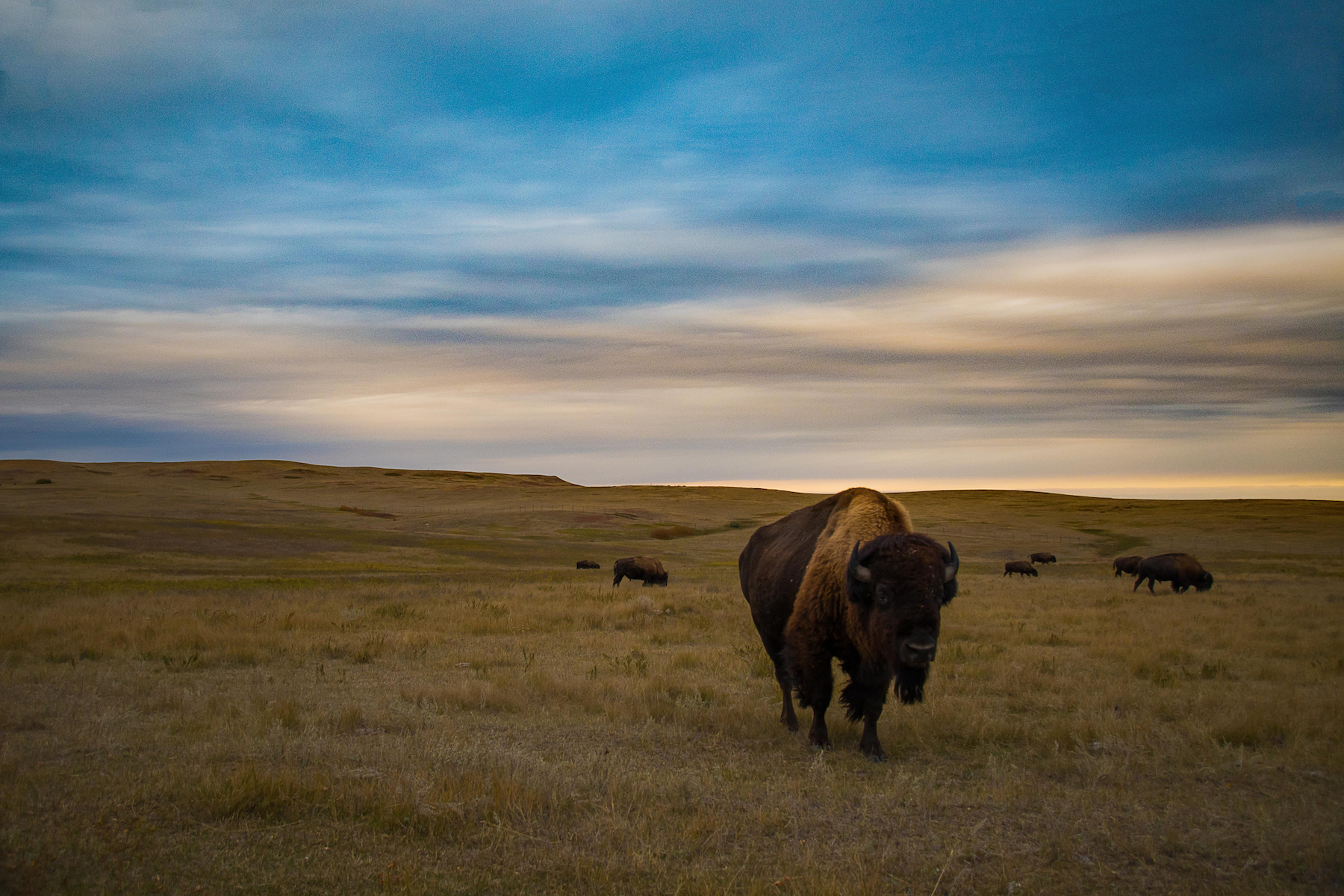
    Throughout both the North and South block of Theodore Roosevelt National park are wild bison that graze the plains and badlands.
    Image from Getty

    Yes, you can see a coyote in Chicago if you want to, but you can’t see a badger, or a wolf, or a grizzly or a wild horse. Those are generally easier to find in a national park than anywhere else.

    Some national parks have very specific wildlife. For instance, the Everglades is one of the few places where you can see a manatee. As for a herd of wild horses? Get your best chance inside Theodore Roosevelt National Park.

    National Parks have Amazing Scenery

    Well duh, right? They don’t create national parks where there isn’t anything worthwhile to see. But what may be awe-inspiring to me, Joshua Tree, for instance, might be nothing but a dry wasteland with short trees to you.

    The beauty (no pun intended, but it works) of the national park system is there really is something for everyone to have their own jaw-dropping moment. Want to see the ocean sliding over the beach? Try Biscayne. Love to see the Aurora Borealis? Head to Voyageurs. How about a waterfall that looks as tall as a skyscraper? Check out Yosemite.


    Are there any other reasons to go camping in or near a national park for you? Let us know and happy camping!


    Source link

  • Is a Class C Motorhome Right for Your Family?

    Is a Class C Motorhome Right for Your Family?


    A Class C Motorhome is what most people envision when they think of an RV, but is it right for your family? Here are a few things that make it a great choice.

    You Don’t Need a Tow Vehicle

    The most obvious thing may be the biggest point of decision when you’re considering an RV.

    When you decide to buy a motorhome, that’s all you need to buy. There’s no tow vehicle or tow ratings or hitches or extra hardware to deal with.

    Just hop in the cab of your motorhome and head out on the road.

    Driving a Class C Motorhome Feels Like Driving a Car

    Class C Motorhome Driving
    Image by Camping World

    You don’t need to worry about learning to tow or driving something that feels like a bus. Class C Motorhomes are built on a van chassis—you’re literally behind the wheel and engine of a typical work van.

    After a few miles on the road, you’ll feel like you’re driving any other car down the highway. You’ll quickly adjust to the length of the motorhome and feel confident on your journey.

    Most newer motorhomes include a backup camera, so maneuvering a Class C is even easier.

    Easy Access to Food and Bathrooms on the Road

    One of the biggest benefits of a motorhome is that it’s a self-contained vehicle. While you or your kids shouldn’t spend much time unbuckled, you can easily make a quick bathroom run or grab a snack out of the fridge.

    Think about how much faster you’ll get to your destination without needing to pull off the highway for a bathroom break or to grab a snack every other exit.

    A Wide Selection of Campsites

    Just about every campsite at a campground can handle a Class C RV, depending on length, of course.

    Often there are restrictions on large Class A motorhomes or bigger travel trailers or fifth wheels, and the larger Class A motorhomes sometimes necessitate a pull-through site.

    Most Class C Motorhomes work easily with both back-in or pull-through sites.

    If there’s an open site at a campground, you’ll usually have no problem booking it for a Class C.

    More Engine Service Options for Class C Motorhomes

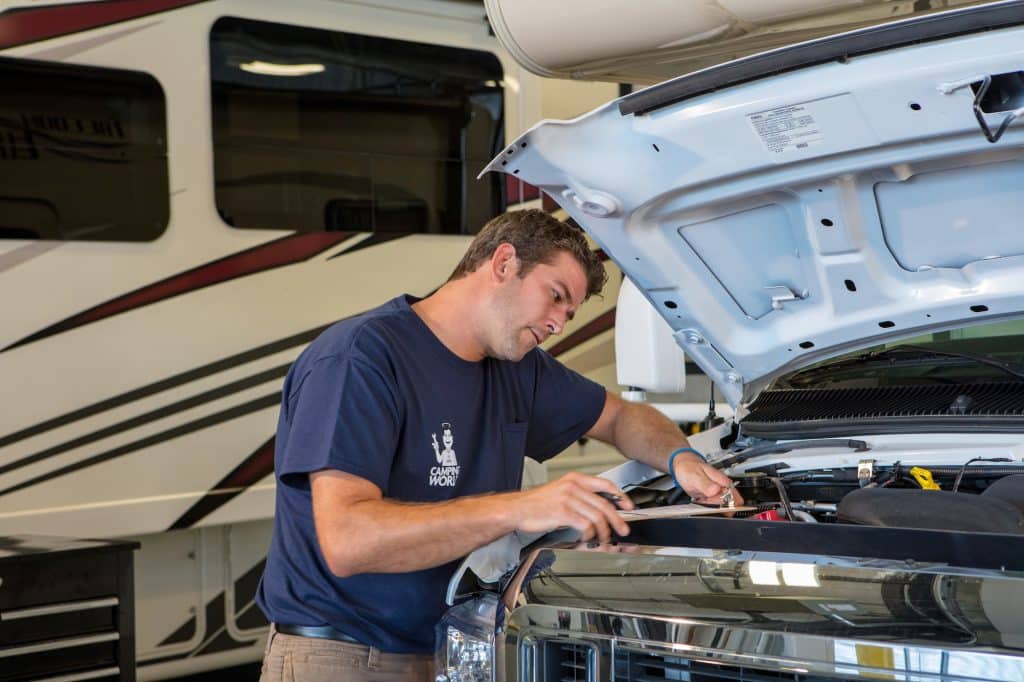
    Service tech working on a class C
    Image by Camping World

    Since Class C Motorhomes are built on a van chassis, when it comes to engine issues you can typically get service at any auto mechanic.

    You don’t always need to find a diesel specialist or an RV-specific service shop.

    This is especially useful if there’s an engine issue when you’re on a trip and you need service on the side of the road. (You do have Good Sam Roadside, don’t you?

    Even routine maintenance like oil changes or air filter changes can be done by an auto mechanic—as long as they have room to handle your RV.


    If you’re looking for a motorhome for your family, a Class C could be a perfect choice. Take a look at our inventory of Class C Motorhomes here!


    Source link

  • RVing the Rails – Excursion Trains in Alabama

    RVing the Rails – Excursion Trains in Alabama


    Many times camping trips involve exploring new territory and discovering enticing attractions along the way. Passenger tour trains have that magnetic appeal for many RVers, providing a novel way to see hidden countryside not normally viewed from the road. Railroad passengers learn about local history, culture and the many colorful characters from the communities visited. And Camping World wants to make sure you don’t miss the departing whistle, so we have created a series entitled RVing the Rails. You will find the most popular excursion trains to ride in each state, complete with any specialty trains they might offer.

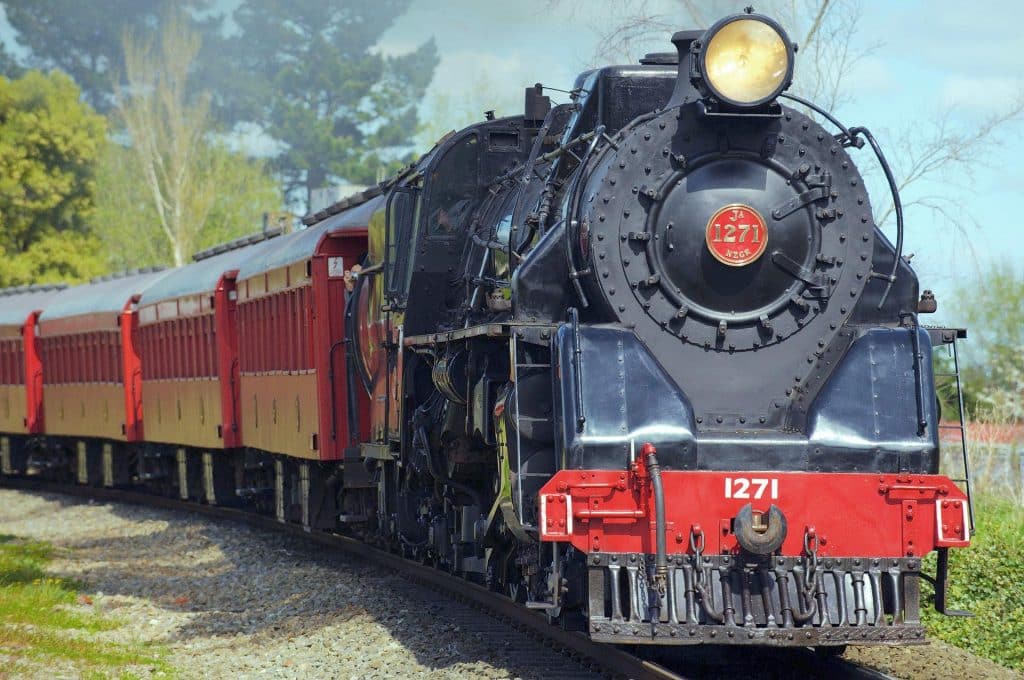
    Steam Train on Tracks
    Photo Credit: Pixabay

    Today we will explore the most popular trains in Alabama:

    North Alabama Railroad Museum

    Excursion Trains in Alabama - North Alabama Railroad Entrance
    Photo Credit: North Alabama Railroad Museum Facebook

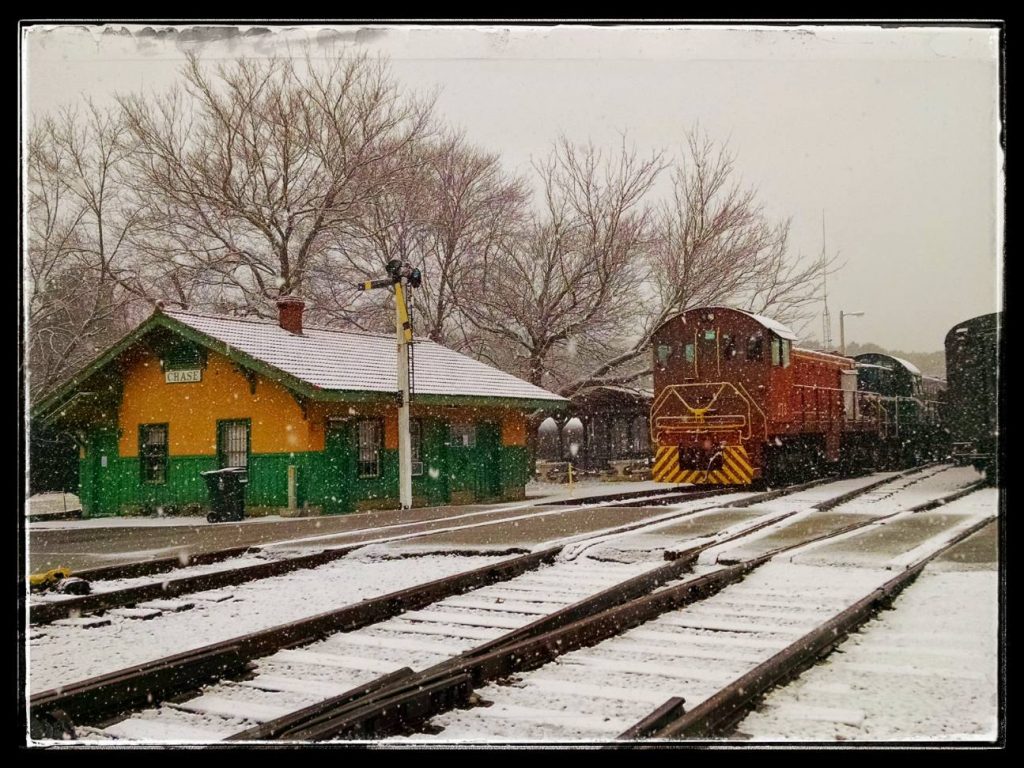
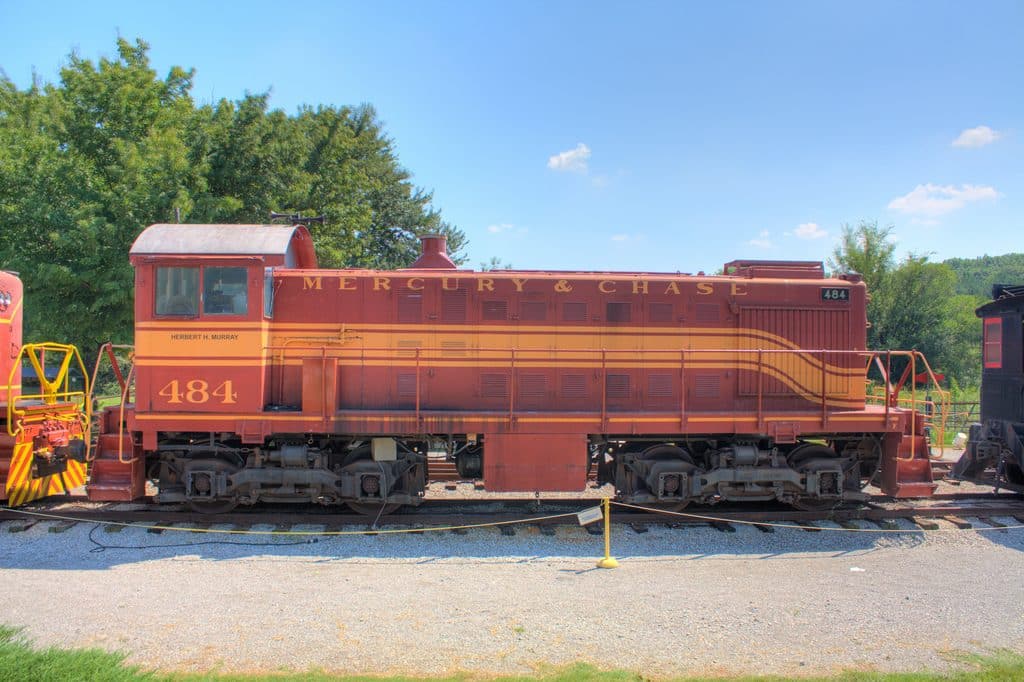
    The historic Huntsville Branch of the Nashville, Chattanooga & St. Louis Railway is today’s right-of-way for the Mercury & Chase Railroad, run by the North Alabama Railroad Museum. This 10-mile journey starts at what was once the smallest union station in the United States, the Chase Depot.

    After many runs, the engineers decided a locomotive at each end of the train would make the most sense for climbing hills to and from the depot, and today’s passengers can enjoy a trip through forests and along historical rails.

    Railway and Locomotive Types

    The railroad has several diesel locomotives, two stainless steel coaches, a dining car, a Pullman car, and a baggage car. They all travel on standard gauge rails.

    Seating Options

    All seats are assigned for each of the trains. Tickets can be purchased in advance online if desired.

    Riding Options

    Excursion Trains in Alabama - North Alabama Railroad Museum Depot
    Photo Credit: North Alabama Railroad Museum Facebook

    The Mercury & Chase Railroad has three routes that it runs, differing in length of trip.

    • Short trains run for approximately 35 minutes
    • Medium trains run for approximately 45 minutes
    • Regular trains run for approximately 1 hour

    Specialty Trains

    Excursion Trains in Alabama - North Alabama Railroad Diesel Engine
    Photo Credit: Jeff Hunter (CC BY-SA 2.0)
    • Peter Cottontail Train – Visit with Peter Cottontail on the train and collect a special Easter treat!
    • Pumpkin Pickin’ Train – Enjoy a leisurely ride to Normal, Alabama, where passengers will disembark to head for the pumpkin patch. Children can select their own pumpkin to take home with them.
    • North Star Limited – A special evening train ride with Santa includes personal time with Old Saint Nick, treats and a pajama party!

    Length of Season

    The Mercury & Chase Railroad operates from April through December. Please check the train schedule for specific excursions and times.

    Heart of Dixie Railroad Museum

    Excursion Trains in Alabama - Heart of Dixie Railroad Diesel Engine
    Photo Credit: Heart of Dixie Railroad Museum Facebook

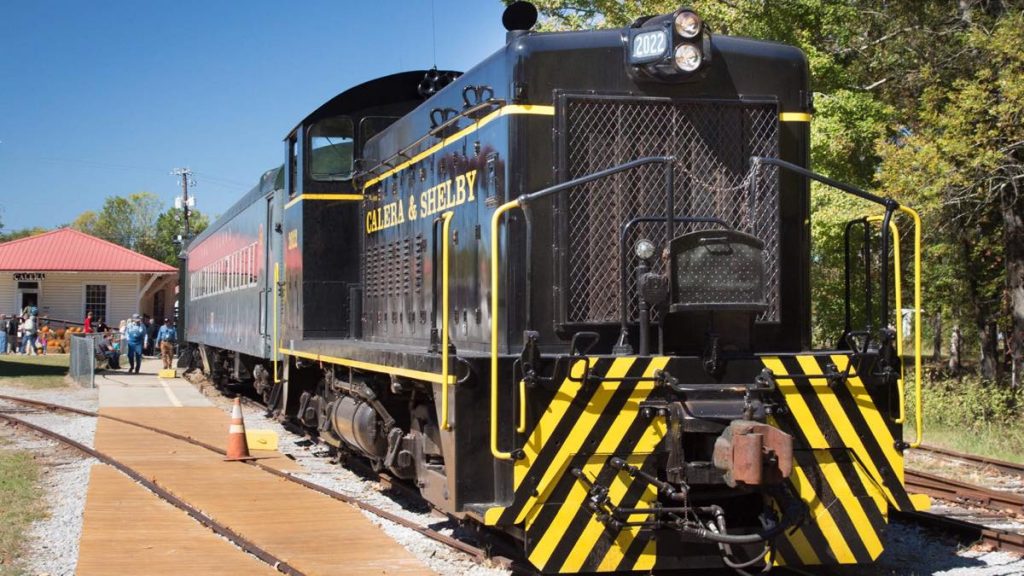
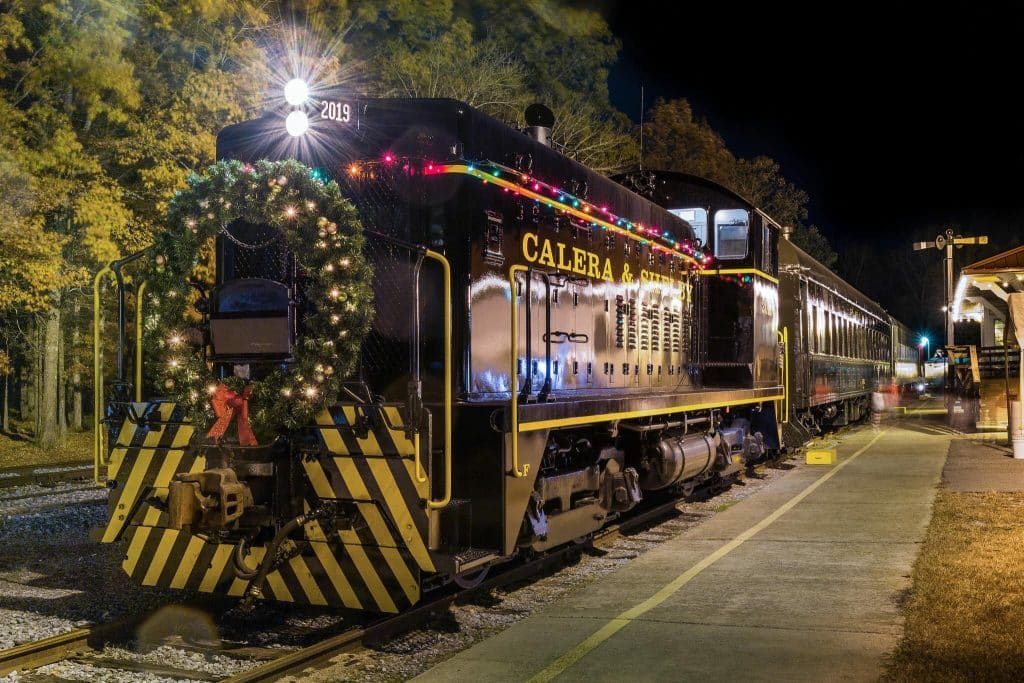
    Leaving from Calera, Alabama, the Heart of Dixie Railroad runs on the historic tracks of the Louisville & Nashville Alabama Mineral Railroad, which was established in 1891.

    Today’s excursion train takes passengers on an hour-long trip through the forested countryside near Birmingham before returning to Calera. The railroad also operates a steam engine on a short narrow gauge track.

    Railway and Locomotive Types

    The Heart of Dixie Railroad operates with both steam and diesel locomotives. The steam engine runs on a 2-foot narrow gauge loop, and the diesel pulls excursion trains on standard gauge rails. Rolling stock consists of open, covered cars, several historic passenger coaches, a baggage car, a dining car, a club car, and a planetarium dome coach car.

    Seating Options

    Excursion Trains in Alabama - Heart of Dixie Railroad Christmas Train
    Photo Credit: Heart of Dixie Railroad Museum Facebook

    All seating is unassigned, with space available in several open window coaches and open covered cars.

    Riding Options

    The Calera & Shelby train rides run on Saturdays, but passengers have the option to upgrade their trip with:

    • Caboose Ride
    • Locomotive Ride

    Both have very limited availability, so reservations are strongly suggested.

    Specialty Trains

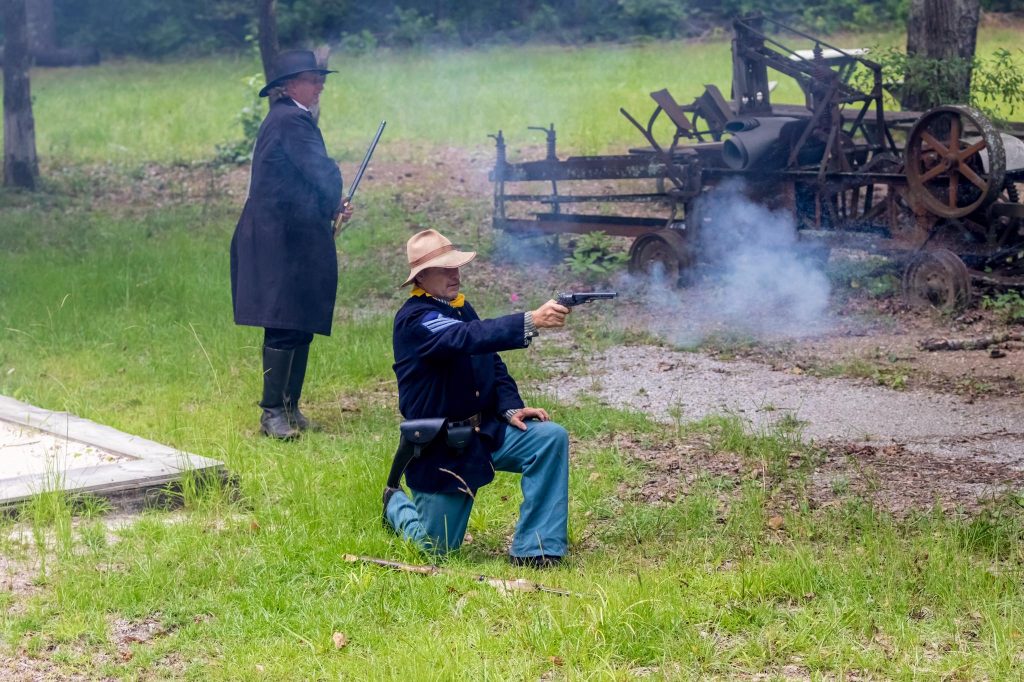
    Excursion Trains in Alabama - Heart of Dixie Railroad Wild West Shootout
    Photo Credit: Heart of Dixie Railroad Museum Facebook
    • Wild West Train –Keep an eye out for bandits and train thieves as the train makes its way through their territory!
    • Ozan Vineyard Train – Ride the rails to a local vineyard, where wine tasting is the number one activity of the day. Tour the winery, and enjoy a picnic lunch before returning to the depot.
    • Cottontail Express – Take the kids on the train to Peter Cottontail’s Meadow, where an Easter egg hunt gets underway, followed by games and activities.
    • Superhero Express – Dress as your favorite superhero, then ride the train with community heroes like local police officers, firefighters, military personnel and emergency medical technicians.

    Length of Season

    The Heart of Dixie Railroad runs two trains every Saturday between March and September, with specialty trains operating on specific dates, as well. Please check the train schedule to select your perfect excursion train!

    Wales West Light Railway & RV Resort

    Excursion Trains in Alabama - Wales West Light Rail
    Photo Credit: Wales West Light Railway Facebook

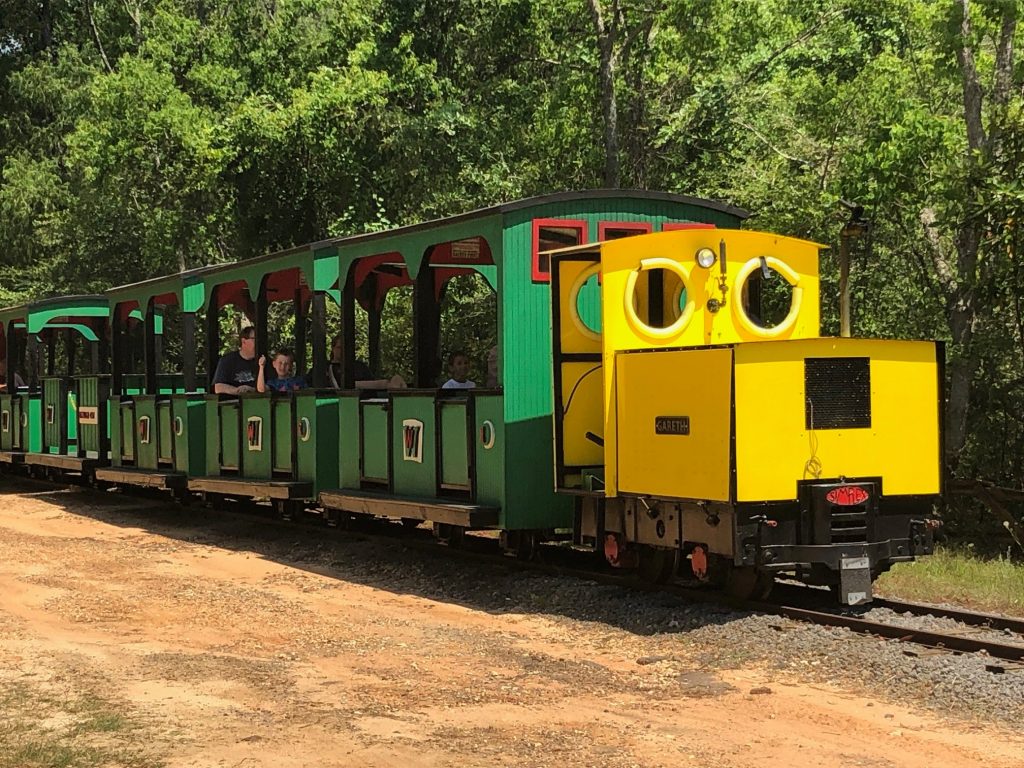
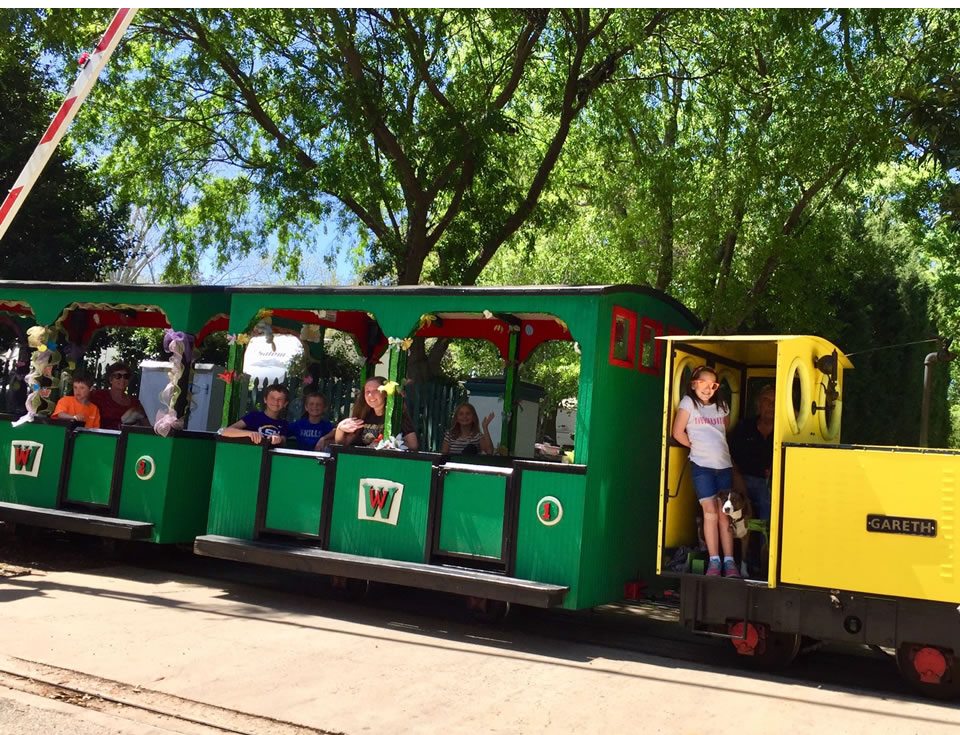
    Wales West is actually an RV Resort near the Gulf Coast of Alabama, with a swimming lake, indoor pool, and various activities. But the campground is centered around its Welsh narrow gauge railroad, a train that was designed with a smaller steam-powered engine and cars that could maneuver around remote parts of Wales (Hence, the name “Wales West”).

    This Alabama campground makes great use of the “light” railway, creating several seasonal celebrations that utilize the train. The resort also has a mini-train, used as entertainment for children.

    Railway and Locomotive Types

    The Wales West railway consists of an authentic steam-powered Welsh narrow gauge engine and several open covered cars. It is, in fact, the only one of its kind operating in the United States.

    Seating Options

    Passengers have open seating and can sit wherever they like on the light railway.

    Riding Options

    Excursion Trains in Alabama - Wales West Light Rail Halloween Train
    Photo Credit: WalesWest.com

    The Wales West Light Railway runs in one direction only, so rides are limited to the same destination, with hour-long excursions the norm. However, specialty trains usually stop at a destination for fun and entertainment, with rides lasting approximately one-and-one-half hours.

    Specialty Trains

    • Cottontail Express – Take a steam train ride to see the Easter Bunny, hunt for eggs and enjoy refreshments!
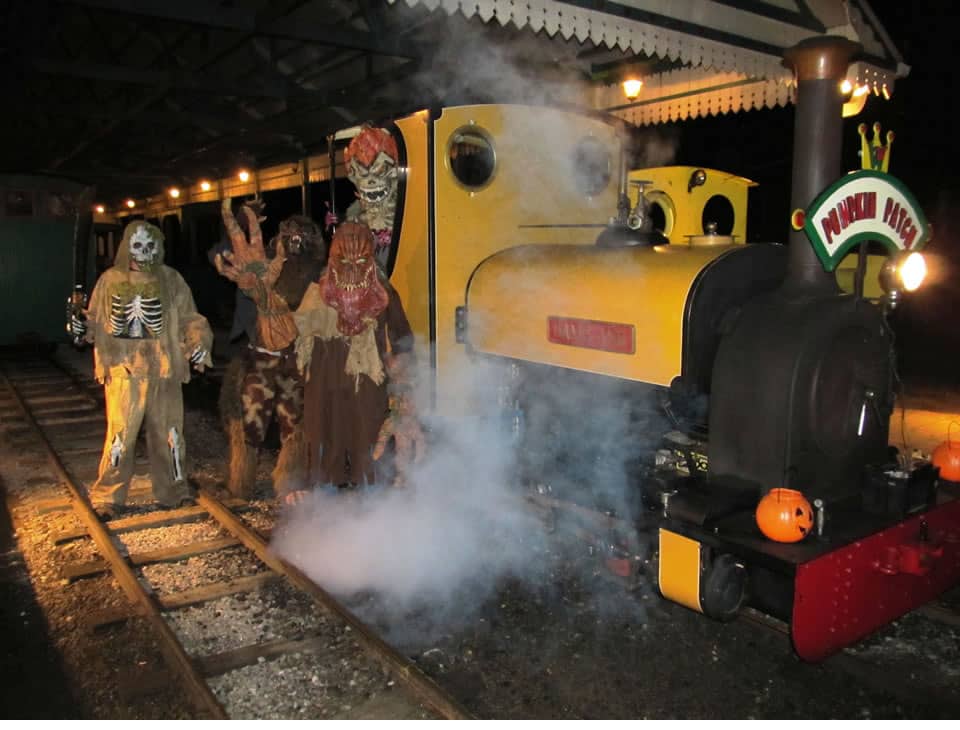
    • Pumpkin Patch Express – A scary night train ride to the haunted barn and maze is just part of the fun on this excursion, where passengers also enjoy a hay-less hayride and picking their own pumpkin from the patch.
    • Arctic Express – Travel through a winter wonderland (with snow-making machines, if necessary!) to see Santa, receive a gift and take in the beauty of more than one million Christmas lights illuminating the forest and several displays.

    Length of Season

    Excursion Trains in Alabama - Wales West Light Railway
    Photo Credit: Wales West Light Railway Facebook

    Wales West is open year-round as an RV resort, and the trains run daily. Specialty trains operate on specific dates, so please check the schedule.


    Join the thousands of RVers that have a love affair with trains and ride the rails on your next camping trip. Check out the other excursion trains available on a state-by-state basis in our series, RVing the Rails.


    Source link

  • 7 Reasons Small Towable Campers Are Awesome

    7 Reasons Small Towable Campers Are Awesome


    There are a lot of different reasons to love RVing.

    For a lot of people, the main draw is connecting with nature. Not everyone is looking for a huge Class A Motorhome with marble floors and granite countertops.

    If living a little more simply sounds appealing, a small towable camper could be for you. Here are some reasons they are a great option.

    Lower Costs of Ownership

    A smaller towable equals lower costs in just about every aspect of RVing.

    The purchase price is going to be the lowest for this style of RV compared to just about every other class. This means a lower down payment and less paid in interest over the life of your loan.

    Ongoing ancillary costs are lower as well: insurance, fuel (since you’re pulling less weight), propane (since you’re heating a smaller area).

    Even campground fees can be cheaper—you can reserve the smallest spaces with lesser electric service.

    You Don’t Need a Huge Pickup to Tow

    An often-overlooked cost of buying a towable is the cost of the vehicle doing the towing.

    For larger trailers and fifth wheels, you’ll need a half-ton pickup or larger. Maybe even a dually for the largest options.

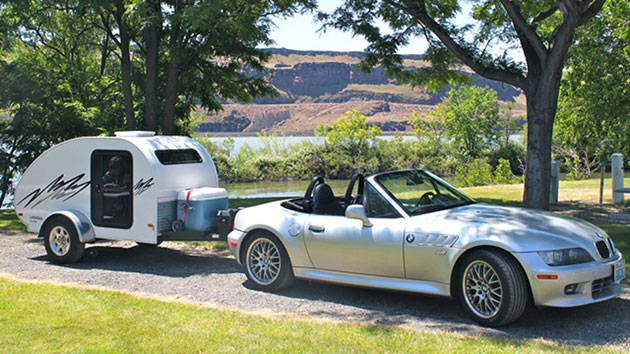
    Smaller campers can be towed by SUVs and even some minivans. Super small campers like a teardrop can be pulled by just about any car. Take a look at our towing guide to figure out how much towing power you need.

    Smaller Means Easier to Handle

    Speaking of towing, smaller campers are easier to handle.

    The tighter turning radius is helpful in cities or navigating around gas stations.

    Smaller towable campers are also much easier to park, which means a quick and easy setup process when you get to the campsite.

    They’re More Convenient to Store

    While your driveway may not fit a 30 foot-plus motorhome, these small towable travel trailers will often fit in a standard driveway—assuming your homeowner’s association is okay with it.

    Even if you need to find off-site storage or build a pad and structure on your own property, the smaller size will make it cheaper than other RV classes.

    Plus, when your RV is stored nearby, you’re much more likely to use it on a regular basis.

    It’s Easier to Load Up and Get Out on the Road

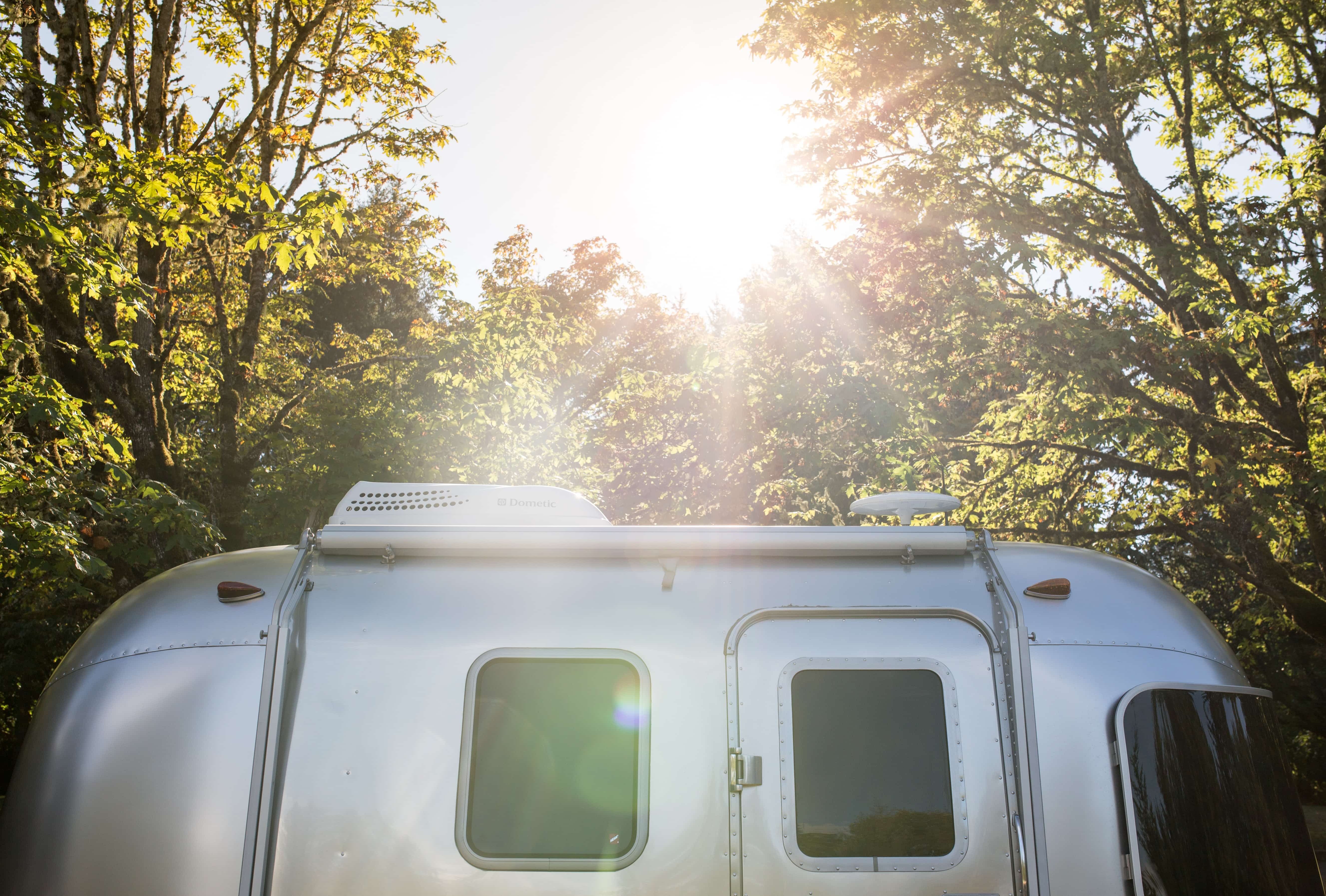
    small airstream in the sunlight
    Image by Airstream, Inc. from Unsplash

    The lack of storage space really works to your advantage here.

    When there’s only room for the absolute necessities on your camping trip, you’ll find that packing-out a smaller RV is much easier than accounting for every potential need in a larger space.

    After a couple trips, you’ll be an expert at identifying the few things you need to bring along, stocking up the kitchen, and hitting the road.

    You Can Go Further Off the Beaten Path

    Just try taking a 50-foot diesel pusher off-road—you won’t get far.

    Some small towable campers come fitted out to get off the trail and into the wilderness. This usually means they’re lifted a little higher off the ground and have more rugged tires to account for the terrain.

    Pair one of these campers with a worthy SUV and you’ll be able to explore (and camp on) landscapes that few RVs ever get to see.

    Encourages You to Spend More Time Outside

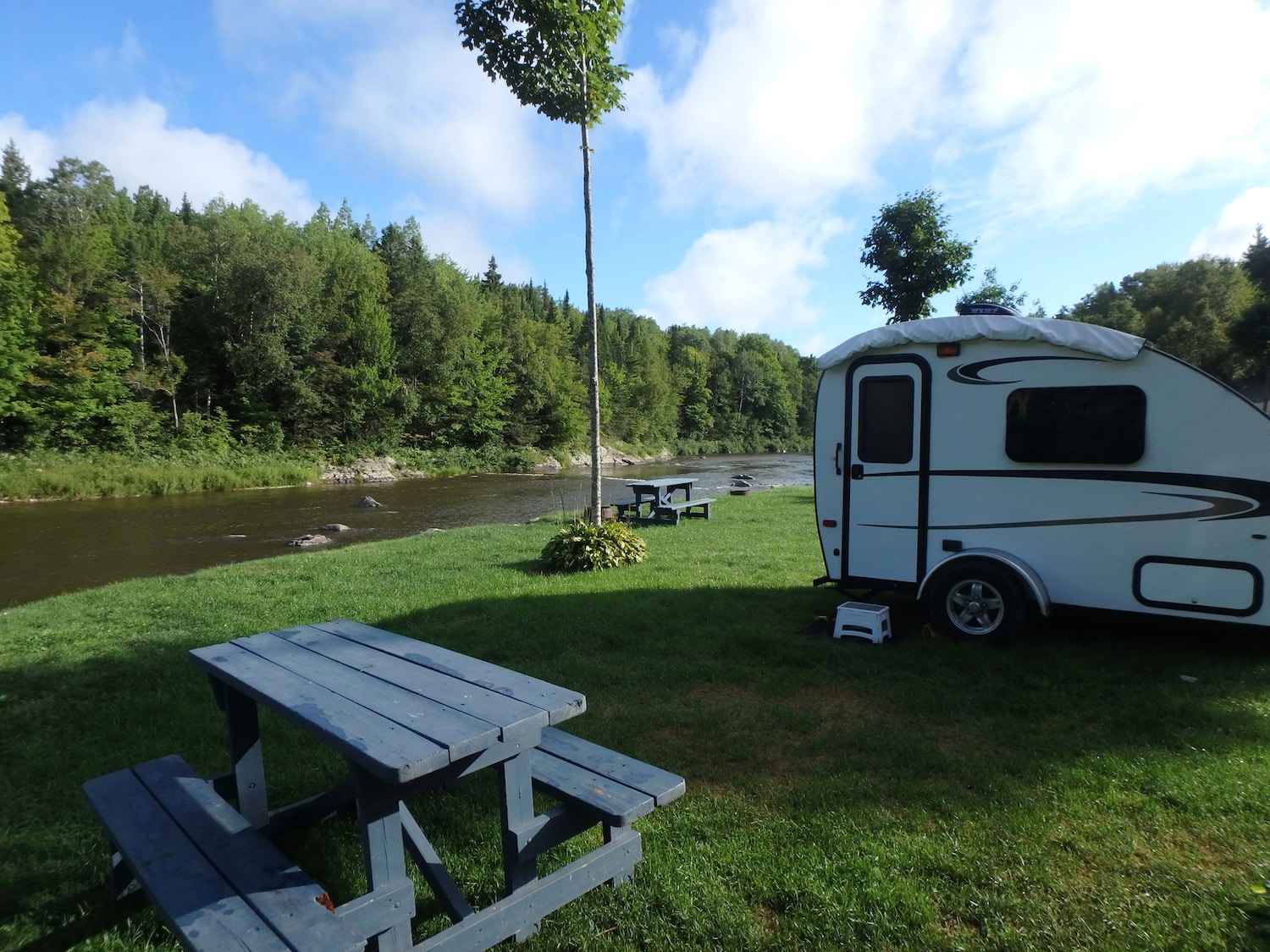
    Camping in a small travel trailer

    Finally, the goal of camping—a smaller RV just forces you to spend more time outside.

    You’ll lean on a campfire and outdoor dining and opt to explore the woods instead of binging TV.

    This is especially true when you bring more people along and the camper is a little more crowded.

    Take advantage of the RV’s amenities—a dry, warm, comfortable place to sleep; a bathroom; a plan B in case of inclement weather; and spend every other minute outside connecting with nature and the people you’ve chosen to bring along.


    There are a lot of advantages to every style and class of RV. Small towable campers are perfect for actually getting out into nature and for those quick weekend trips. Find your perfect camper today!

    7 reasons small towable campers are awesome


    Source link