Blog

  • Georgia’s Top 5 State Parks

    Georgia’s Top 5 State Parks


    Georgia is home to some of the most beautiful areas in the whole country. Many of the state’s best attractions and natural landscapes can be found within the state parks.

    The wild, rocky landscape of the Peach State is home to many gorgeous attractions. Some of these attractions are shrouded in mystery, like the ancient rock wall found in Fort Mountain State Park. Some state parks boast incredible canyons with powerful waterfalls, like those of Tallulah Falls or Cloudland Canyon. Another notable state park, Stone Mountain, is a veritable time capsule to the state’s complicated history, while others offer the unique feature of yurt-style glamping, a treat for campers of all ages (and levels of experience).

    If you’re looking for fun activities to do while camping in Georgia, look no further. Here’s the information you need to know about these gorgeous state parks. 

    1. Stone Mountain State Park
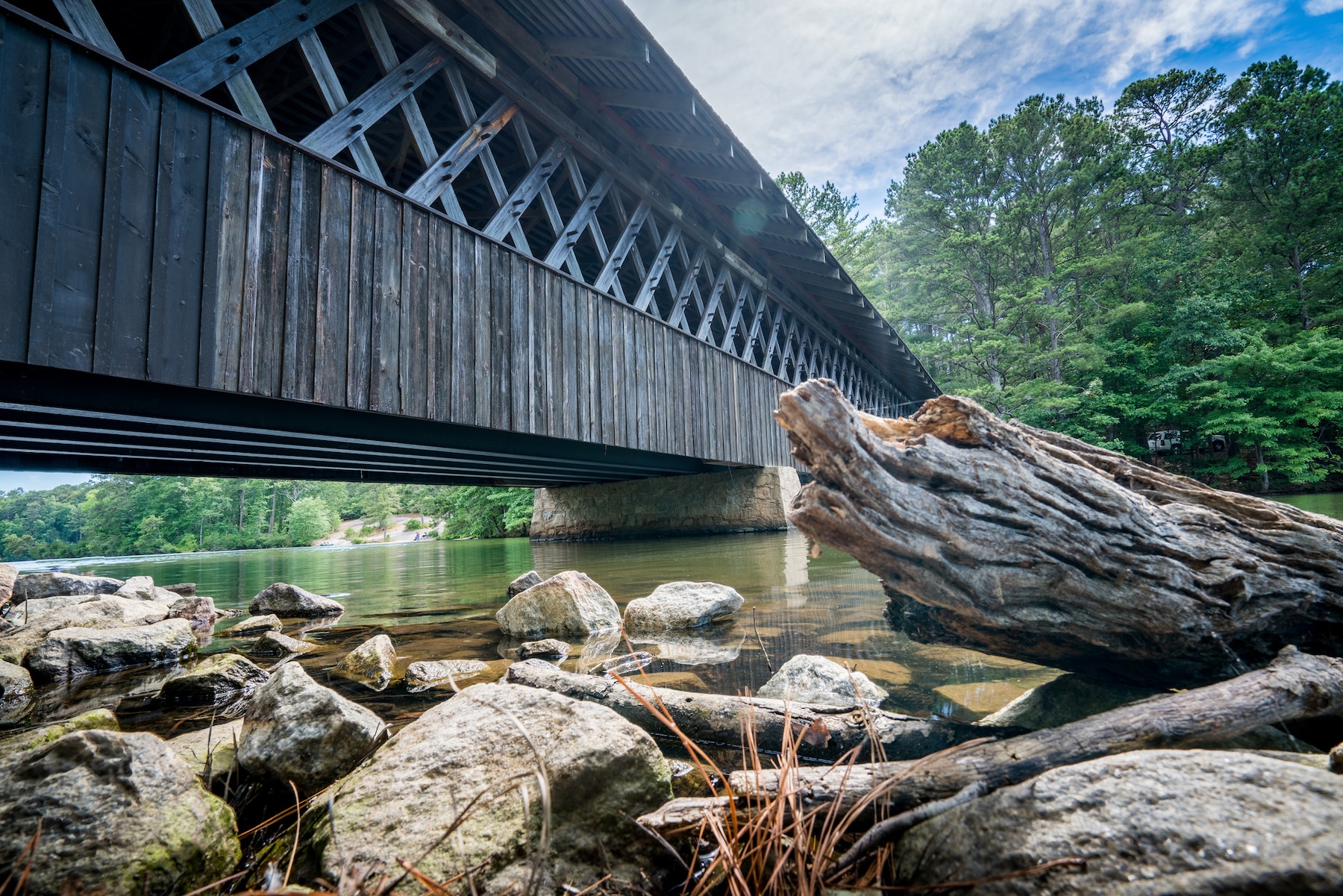
    Covered bridge, Stone Mountain Georgia
    Image by DavidTLC from Getty

    Located just 15 miles from Atlanta, Stone Mountain is the state’s most-visited attraction. The park highlights many unusual and exciting attractions, including The Lasershow Spectacular in MountainVision, an iconic show featuring lasers, choreographed drone flights, flame cannons, fireworks, lights, and music. The Summit Skyride uses a high-speed Swiss cable car to provide fantastic views of the world’s largest relief carving, the Atlanta skyline, the Appalachian Mountains, and up to 60 miles of the surrounding area!

    The Stone Mountain Museum at Memorial Hall displays artifacts and stories that span 12,000 years, from ancient civilizations that lived on the mountain, to Civil War history, to present-day events.

    Many options for camping are available at this park, including traditional RV, camper, and primitive sites. Stone Mountain is unique in offering furnished yurts, RV/campers, and safari tents for rent. WIFI is available throughout the park, which is great for downtime. Your family is sure to make tons of memories at Stone Mountain State Park.

    2. Tallulah Gorge State Park
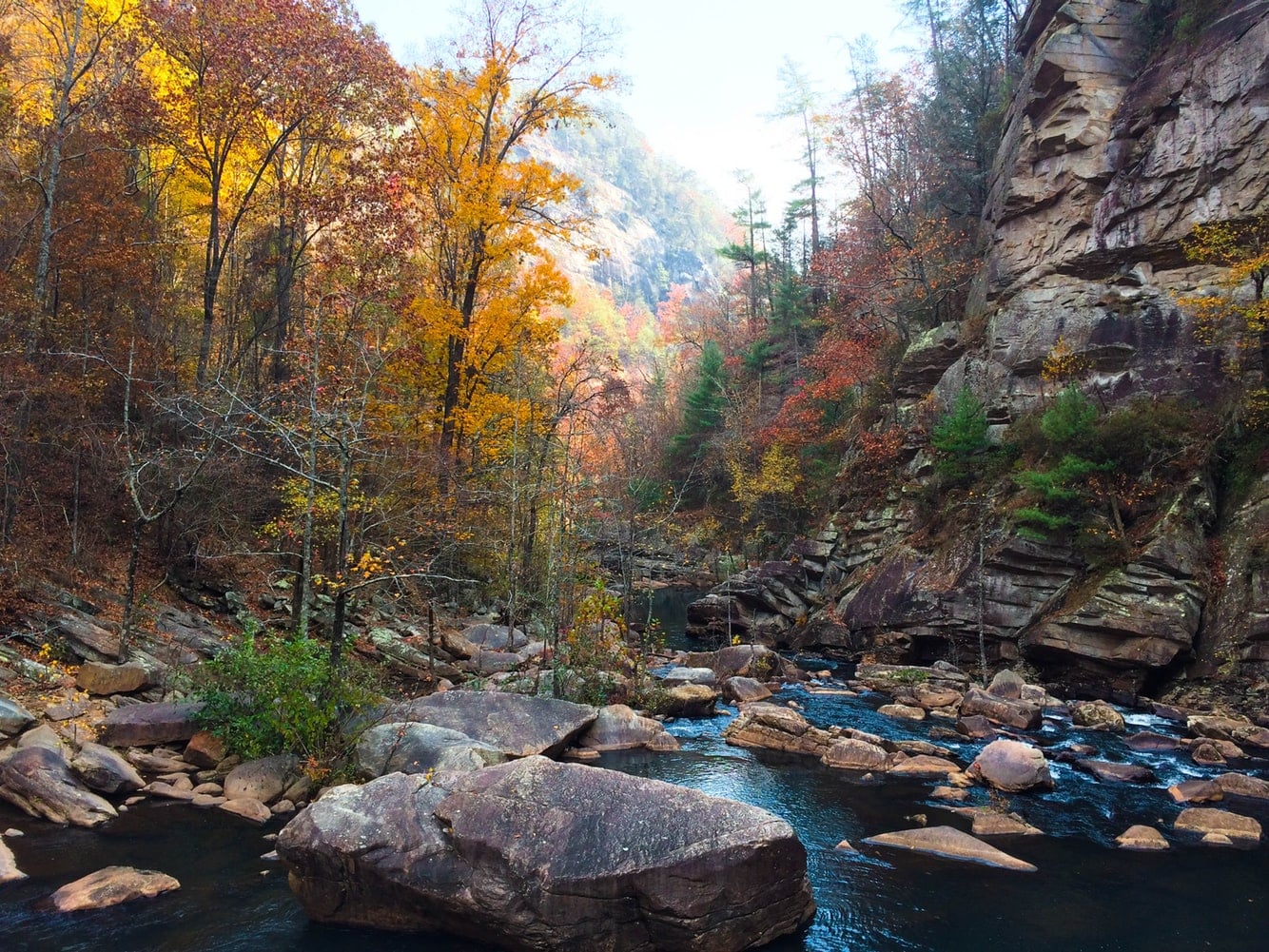
    Photo by Matt Lightfoot

    Tallulah Gorge’s key feature is a series of six waterfalls cascading down through the surprisingly-deep and treacherous rocky canyon. This is an excellent park for hiking and other outdoor athletic activities, but as camping is limited to 50 tent, RV, and trailer sites, reservations are recommended

    Breathtaking views can be found by simply walking to the edge of the 1000 foot canyon, or to the official Tallulah Point Overlook. For hikers, a reasonably-difficult (and beautiful) trek includes 750 stairs down to the 80-foot suspension bridge that spans the gorge and waterfalls and will take most about 30-45 minutes to complete. Expect to feel the burn and return feeling very-winded! Experienced hikers and athletes can complete the entire trek across the gorge and back to the park in about two hours. Experienced hikers will also enjoy exploring the gorge floor, but only 100 permits are issued each morning at the Interpretive Center, so get there early! 

    Children will enjoy the kitschy taxidermy displays in the park’s Interpretive Center, and adults will find plenty of information concerning the park’s history on the Center’s walls. A large, serene lake is located near the park and is great for picnics and swimming. Ten miles of mountain bike trails are available to the public. All in all, this is a fantastic park for families and athletes.

    3. Fort Mountain State Park
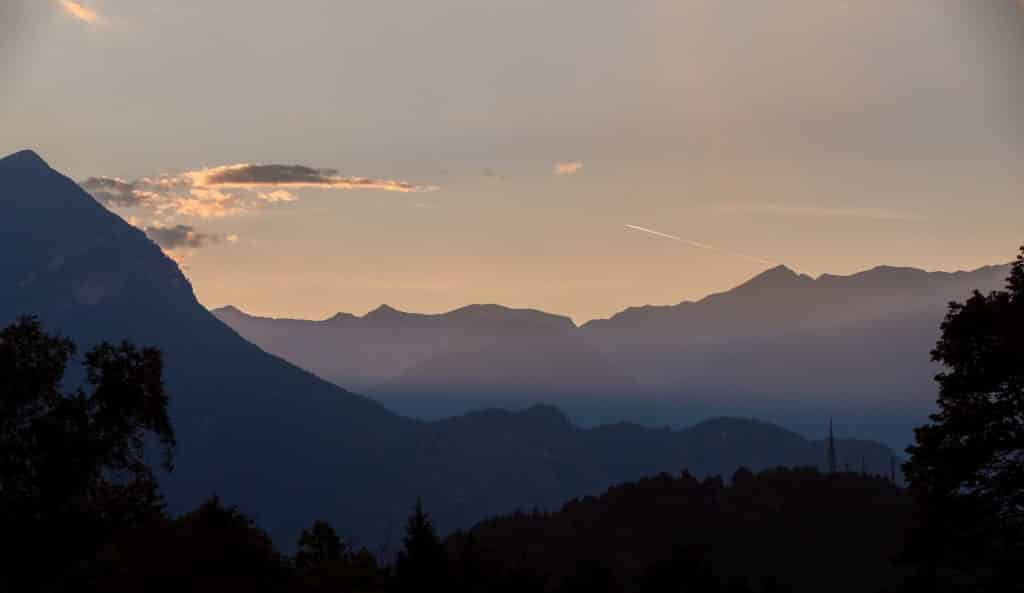
    Photo by Maxim Izbash9

    Fort Mountain State Park is a fascinating historical site, deriving its name from an ancient stone rock wall erected between 500-1500 CE. The 855-foot long wall was built near the crest of the mountain, and according to Cherokee lore, was constructed by the “Moon-eyed people,” who saw better during the night than the day. The Fort Mountain website also claims that “The wall’s purpose has also been debated by archaeologists and historians, with theories ranging from a military defense fortification to a spiritual structure. The true purpose of the Fort Mountain rock wall remains an enigma to this day.”

    Horseback riders, runners, and bikers will fall in love with the 60 miles of trails offered within the park. Fort Mountain’s Geocaching will engage the tech-savvy with nature. The restored fire tower, erected during the New Deal of the FDR era, is a testament to early conservation efforts (and incredible masonry work), and be accessed on weekends from 1-4 pm. Miniature golf is available at the park, along with great fishing on the 17-acre lake. Boat, kayak, canoe, paddleboard, aqua cycle, and pedal boat rentals are available seasonally. The Funk Heritage Center, located nearby, features art exhibits and Native American history tours.

    Fort Mountain State Park offers 70 tent, trailer, and RV campsites. Four walk-in campsites are available year-round, in addition to six platforms, three pioneers, and four backcountry campsites. 15 cottages are available for rentals year-round. Make your reservations early, as sites fill up fast!

    4. Cloudland Canyon State Park
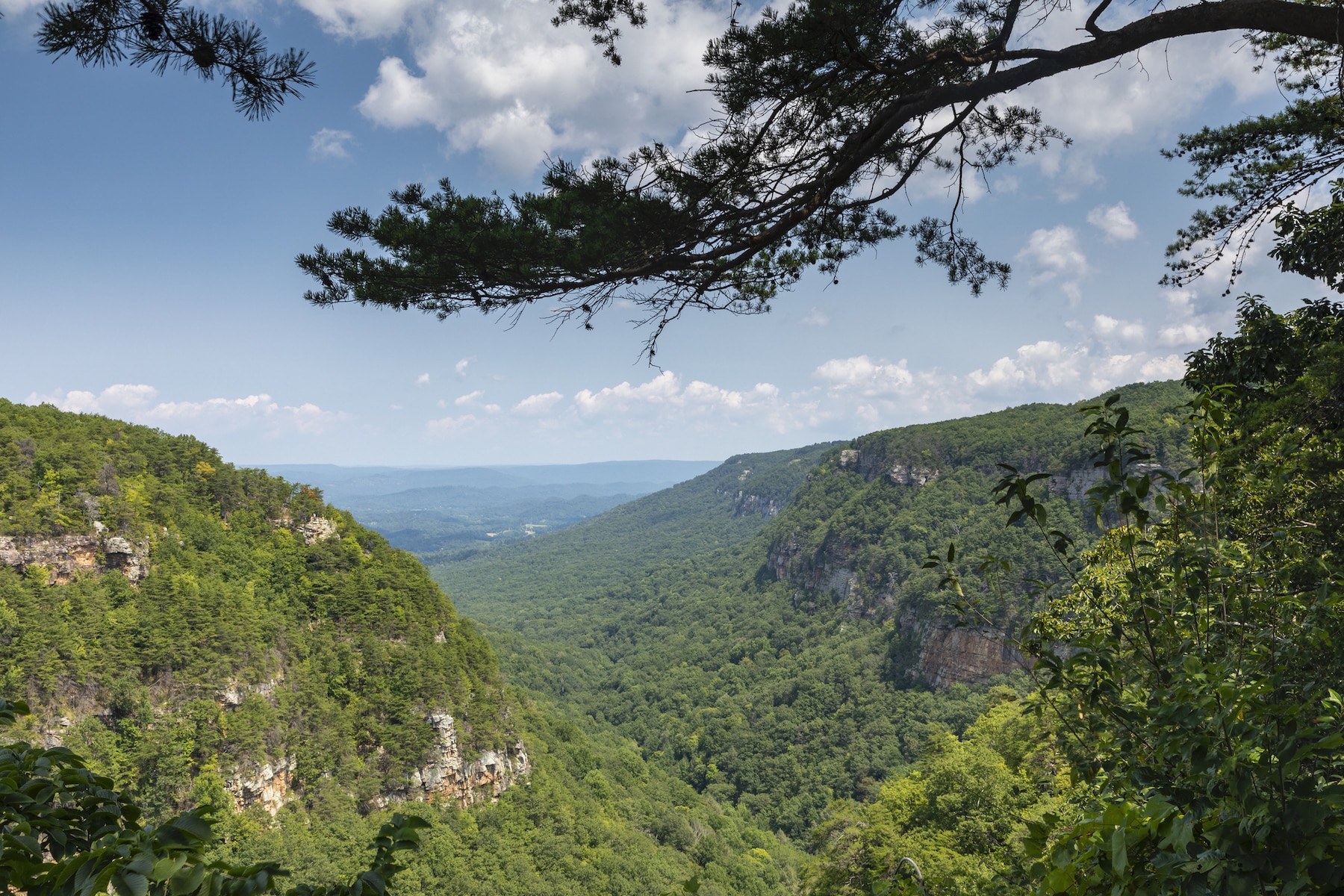
    Cloudland CanyonA scenic view of a mountain canyon.
    Image by John_Brueske from Getty

    Cloudland Canyon is a nature lover’s dream. The park’s 3,538 acres offers tons of outdoor activities, including multiple caves to be explored, alongside two gorgeous waterfalls. There are 64 miles of hiking trails, 16 miles of horseback riding trails, and 30 miles of biking trails. An 18-hole disc golf course is one of many other attractions available at this family-friendly park.

    The park’s two waterfalls are situated in the canyon and can be accessed by hiking down 600 steps and back: no small feat for little ones, but a worthwhile trek regardless. Caving is offered (with permits and reservations) for experienced spelunkers in the months of April, June-July, and September-October. Geocaching is sure to attract the attention of the tech-addicts in your family, who will enjoy the treasure hunt-style excursions connecting them to nature.

    The Canyon Climbers Club membership ($20) offers more access to trails and provides checklists and a t-shirt for its members while fundraising for Georgia’s state parks. 

    Many genres of camping and rentals are available at Cloudland! Sixteen cottages, ten yurts, one group lodge (sleeps 40), and one group shelter (sleeps 175) are offered year-round here. 30 walk-in campsites are also available, alongside 72 full-access tent, camper, and RV sites. Thirteen backcountry and four pioneer campsites are available for campers who want to rough it. However you choose to camp here, you’re going to love the sites and attractions of Cloudland. 

    5. Fort Yargo State Park
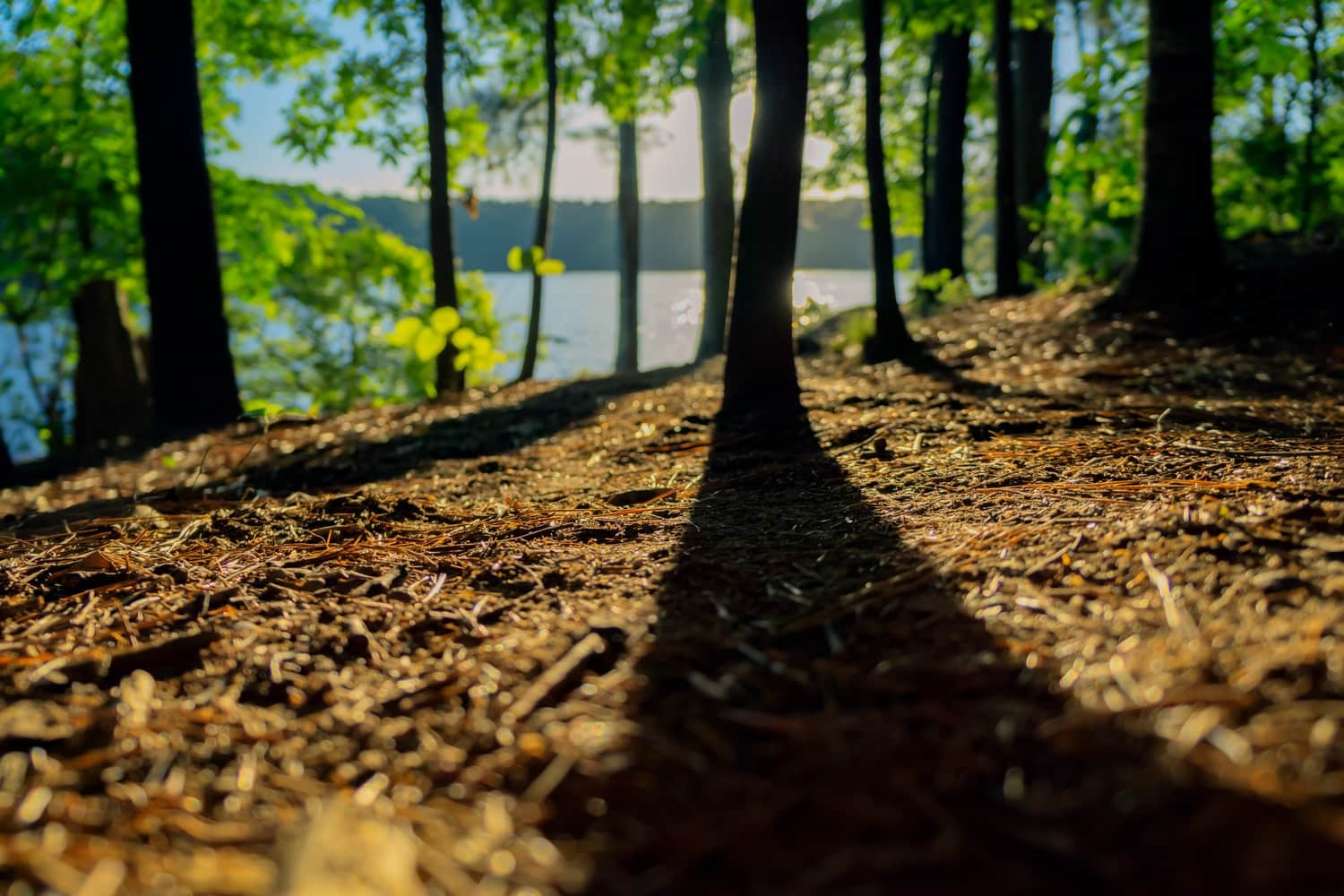
    Photo by Brad Huchteman

    Fort Yargo is an awesome lake excursion-style site. It’s 260-acre lake hosts boating, fishing, and swimming activities, and it has a nicely-maintained sand beach for picnics, sunning, and more. Adventure cabins, cottages, yurts, and over 50 full-access campsites are available for rental here. Located between Athens and Atlanta, this park could even be a fun stop between adventures or could act as a home-base while you explore the greater area.

    Twenty and a half miles of hiking and biking trails wind around Fort Yargo. Private boating is allowed here with permits, making fishing and swimming a little more exciting. If you’re into Glamping, Fort Yargo’s six yurts, thirteen adventure cabins, and three cottages are highly desired! Book in advance to ensure your glamping experience awaits. 

    Nearby attractions include the State Botanical Gardens (a must-see), the Watson Mill Bridge, Chateau Elan Winery and Resort, the Fort Yargo Historical Society, and some of the state parks included in this article. Overall, this is an excellent park for a day trip, glamping, and more lengthy explorations of the area.


    Which of these parks is your favorite, and why? Add your comments below and fill us in. We’d love to gather more firsthand accounts of your experiences within Georgia’s State Parks.


    Source link

  • RVing the Rails – Excursion Trains in Massachusetts

    RVing the Rails – Excursion Trains in Massachusetts


    Many times camping trips involve exploring new territory and discovering enticing attractions along the way. Passenger tour trains have that magnetic appeal for many RVers, providing a novel way to see hidden countryside not normally viewed from the road. Railroad passengers learn about local history, culture and the many colorful characters from the communities visited. Camping World wants to make sure you don’t miss the departing whistle, so we have created a series entitled RVing the Rails. You will find the most popular excursion trains to ride in each state, complete with any specialty trains they might offer.

    Steam Locomotive on tracks
    Photo Credit: Skeeze on Unsplash

    Today we will explore the most popular trains in Massachusetts:

    Berkshire Scenic Railway Museum

    Berkshire Train with Diesel Engine
    Photo Credit: BerkshireTrains.org

    Being a descendant of the Berkshire Railroad has had its ups and downs for this excursion train. In 1842, the rails were run as part of the Housatonic and Berkshire Railroads and became quite popular with passengers vacationing in the area.

    Today’s train line, the Berkshire Scenic Railway Museum, has been cobbled together from abandoned tracks, with several entities refusing to lease the right-of-way to the railroad. Hence the reason this popular railway has moved on a couple of occasions. Now they have found a home between the communities of Adams and North Adams, providing a scenic 10 mile trip on historic rails that once connected the Berkshires with New York City.

    Railway and Locomotive Types

    The Berkshire Scenic Railway has placed several diesel locomotives in service on the line, with standard gauge rails carrying enclosed motor cars and passenger coaches.

    Seating Options

    Berkshire Passenger Car
    Photo Credit: BerkshireTrains.org

    All seating on the train is unassigned general admission tickets, available on a first-come, first-serve basis. The railroad does suggest purchasing tickets in advance online, however, to assure a seat on the specific train you’ve chosen.

    Riding Options

    Train excursions are all round-trip affairs, so there are no one-way tickets or side trips available. The one-hour tour takes passengers through the beautiful rolling hills of the Berkshires.

    Specialty Trains

    Berkshire Train on Tracks
    Photo Credit: BerkshireTrains.org
    • Cabaret Trains – Enjoy live music as you travel the countryside of Western Massachusetts. Passengers are encouraged to bring their own beverages and snacks onboard.
    • Tinseliner Trains – Take a trip back to the 1950s with a vintage Christmas train ride. Passengers stop at a tree lot to select the perfect Yuletide tree for pick up later, and Santa will join in the festivities.
    • Mistletoe & Martini Train – Live holiday music will accompany your Christmas train ride. Bring snacks and beverages along to make the season bright!

    Length of Season

    The Berkshire Scenic Railroad season runs from Memorial Day through October with weekend departures. Specialty trains have specific dates, so please check the train schedule for more information.

    Cape Cod Central Railroad

    Cape Cod Central Railroad
    Photo Credit: CapeTrain.com

    Continuing railroad history that dates back more than 170 years, the Cape Cod Central has big shoes to fill. Initially, trains ran to the Cape to provide freight service, but passengers were quick to discover the train as a relaxing way to travel to the beaches and communities of this vacationer’s paradise.

    Today’s railway takes travelers through places not normally accessible by car, like saltwater marshes and cranberry bogs.  It’s no wonder that so many enjoy its excursion and dinner trains alike.

    Railway and Locomotive Types

    The railroad operates diesel locomotives, the very same engines that ran on these rails in the 1950s. The standard gauge track is perfectly suited to carry plush table cars, a glass dome car, lounge car, kitchen car and enclosed Pullman coaches.

    Seating Options

    Dining Car on Cape Cod Central Train
    Photo Credit: CapeTrain.com

    The Cape Cod Central Railroad has assigned seating tickets with classes as follows:

    On Excursion Trains:

    • Standard Class – Passengers travel in double decker rail cars with seats arranged in rows.
    • First Class – Passengers ride at seated tables of four.
    • Diamond Class – Passengers travel in a glass-enclosed dome car, seated at tables of four.

    On Dinner Trains:

    • Standard Class – Ticketed passengers enjoy a five-course meal, seated at a table of four in a passenger car.
    • First Class – Ticketed passengers partake of a five-course meal, seated at a table of four in the glass-enclosed dome car.
    • Diamond Class – Passengers are seated at a private table in a vintage club car while enjoying a five-course meal. One alcoholic beverage is included with the meal.

    Riding Options

    The railroad offers two types of rail adventures:

    • Excursion Trains –These narrated trains venture to the Cape Cod Canal, along the coast or stop for a tour of a glass factory.
    • Dinner Trains – Try a Sunday brunch, a weekday lunch or an exclusive dinner train to top off your visit to the Cape.

    Specialty Trains

    Cape Train Cross a Bridge
    Photo Credit: CapeTrain.com
    • Rails & Ales Beer Tasting Train – Pair local brews with locally sourced appetizers for an evening adventure. Brewers are on hand to talk about their craft and answer any questions as you taste test several popular beers.
    • Gourmet Wine & Dinner Train – Revel in a five-course meal as you sip four sample wines from a local vineyard.
    • Christmas Train – Take the whole family on a holiday train to the North Pole, where Santa climbs on board to talk with children, hand out gifts and enjoy some Christmas fun.

    Length of Season

    The Cape Cod Central Railroad operates from May through October. Specialty trains are scheduled on specific dates, so please check the train calendar to see which excursion is right for you.

    Lowell National Historical Park

    Trolley Car at Lowell National Historical Park
    Photo Credit: NPS

    Historically trolley cars have been a part of Lowell since the surrounding mills began to attract workers. As the town grew outside of its boundaries, the new suburbs began to require transportation. So, in 1889 Lowell got its first electric streetcar and the lines continued to expand.

    Once automobiles became popular, however, the need for trolleys dried up. When the Lowell National Historical Park was designated here, visitors required transportation around the park and into downtown Lowell, so trolley cars were put back into operation, rejuvenating the historic vehicles.

    Railway and Locomotive Types

    The Lowell National Historical Park runs two open air electric trolley cars and one enclosed electric trolley car on the tracks of the old Boston Main Railroad. The cars are powered by overhead lines carrying 600 volts of electricity.

    Seating Options

    Park Ranger on Lowell National Historical Park Trolley Car
    Photo Credit: NPS

    There is no charge to ride the trolley, so all seating is open with no assigned seats. Passengers can get on or off the trolley at any of the designated stops.

    Riding Options

    Catch a trolley ride from the park into downtown Lowell, then ride it back to Lowell National Historical Park for more tours with a ranger, on a boat or through a mill. Passengers can catch a trolley throughout the park during their operating hours at no charge.

    Specialty Trains

    Trolley Car in Lowell National Historical Park
    Photo Credit: NPS by Jim Higgins

    The trolley itself is considered a specialty train and a part of transportation history. Most trolleys were utilized in medium-sized cities, where electric lines were readily available, and residents needed to travel greater distances than what had been done by walking in earlier years.

    Length of Season

    The trolleys at Lowell National Historical Park run from March through November, taking passengers to downtown Lowell and bringing them back to the national park.


    Join the thousands of RVers that have a love affair with trains and ride the rails on your next camping trip.  Check out the other excursion trains available on a state-by-state basis in our series, RVing the Rails.

    Excursion trains in Massachusetts


    Source link

  • Indiana’s Top 5 State Parks

    Indiana’s Top 5 State Parks


    There are 10,366 state parks in the U.S., compared to 59 national parks. While national parks are better known, and often contain more unbridled natural wilderness, state parks seriously deserve more of your attention.
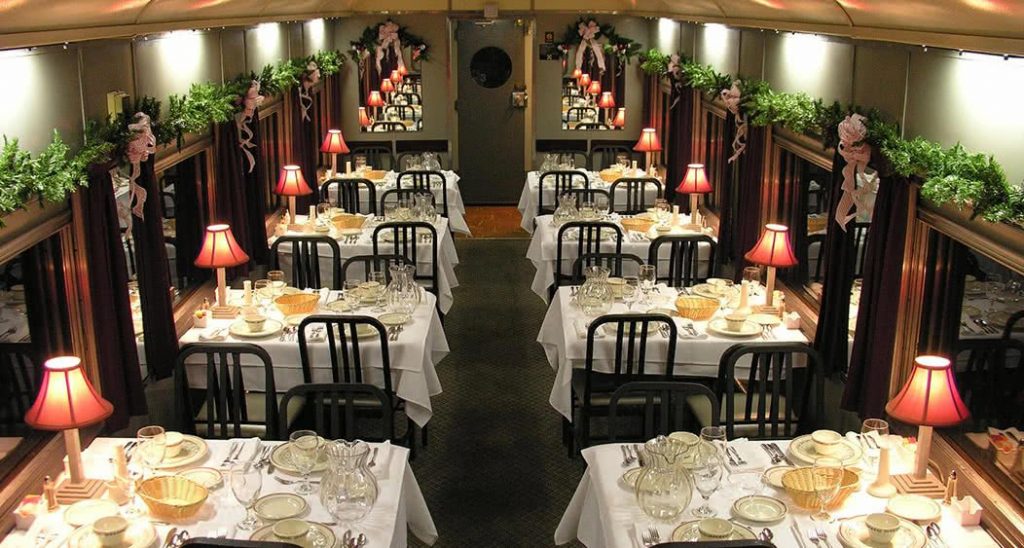
    They’re often less populated, closer to home, and offer just as many amenities (if not more!) as their national counterparts. 

    Touting 32 state parks, it was hard to narrow down Indiana’s best state parks to just five, but I selected a diverse collection that has something for everyone in the family.

    Have something to add to my list? I’d love to hear from you in the comments below!

    5. Chain O’ Lakes State Park

    Photo by Owen Rupp

    Growing up in Fort Wayne, Indiana, this park was practically in my backyard. The popular local favorite, Chain O’ Lakes State Park, is just a short drive north to Albion, IN. With nine connecting lakes and over 200 surface acres of water, Chain O’ Lakes has a lot to offer water-lovers of all sorts.

    Fishing is offered year-round, and the park offers rentals for canoe, paddleboat, kayak, and rowboats. A large beach area makes this park a great choice for families in the summer. In addition to water-activities, Chain O’ Lakes has 12 hiking trails (of over 23 miles) and a wonderful nature center.

    Events geared towards nature-lovers and children are offered daily. Re-enactments tours are regularly held in the historic 1915 schoolhouse, where you can explore and enjoy activities like writing with homemade paper and quills, making a candle, or watching fiber spinning.

    Other hands-on and informative events include identifying (and clearing) invasive species with park rangers, classes on traditional Myaami plant knowledge, and interactive theatrical performances designed to engage the audience and give them a better understanding of a true-to-life frontiersman of the Indiana Territory. Campers have access to the park’s 331 electric sites, 49 non-electric sites, 33 primitive sites, and 4 rally campsites.

    4. Shakamak State Park

    Photo by Alex Holt

    Southwest of Indianapolis in Jasonville, you’ll find the next hidden gem of Indiana: Shakamak State Park. This park consists of three massive man-made lakes with over 400 acres of water. There is no shortage of outdoor activities at Shakamak.

    In addition to fishing and boating, Shakamak features a very popular family aquatic center with a pool and water slide. With reservable cabins, tennis courts, basketball courts, and over 13 miles of hiking trails, it’s clear that this park was designed with one thing in mind: campers. One unique feature of Shakamak is its Rent-A-Camps that sleep six people, complete with electricity, picnic tables, fire ring, parking spur, drinking water supply, and modern restrooms/showers.

    For traditional camping, Shakamak has eight full hook-up sites, 114 electric sites, 42 non-electric sites, a youth tent area, dumping stations, and a camp store with basic supplies. One of the most appealing features of camping here is the environment: you feel fully immersed in nature here. Its quiet, wooded camping areas provide atmospheric shade in the summer, and a lovely immersion of colors in the fall. A wonderful festival is offered in the fall, featuring shuttle rides, pumpkin carving, and much more.

    3. Indiana Dunes State Park

    Photo by Ludomił

    Off the southern coast of Lake Michigan in Chesterton, IN, you’ll find a childhood favorite of mine. Having family in Hammond, IN, we regularly enjoyed trips in the summer to the Indiana Dunes State Park, which contains the most unique eco-landscape in all of Indiana.

    The park ranges over three miles of beach and 2,182 acres of beautiful Indiana landscape, but the real attraction at this park is its namesake: the massive sand dunes that formed over thousands of years. Rising as high as 200 feet, the Indiana Dunes are home to a remarkable array of animal and plant life, in addition to a robust fishery and an active bird-watching community.

    The park features over sixteen miles of hiking trails, including some of the most difficult hikes you will find in the state. The massive peaks and valleys of the sand dunes add up to quite the workout. The park offers 140 electric sites (all 40-amp service) and a youth tent camp area.

    Events are offered year-round, including campfires on the beach, meet-and-greets with local artists, boat tours, apple festivals, stargazing by telescopes, and much more. The Indiana Dunes is like nowhere else on earth and an absolute must-see.

    2. Brown County State Park

    Photo by Rula Sibai

    While attending Indiana University—Bloomington, one of my favorite things about the experience was my proximity to Brown County State Park in Nashville, IN. Nicknamed “The Little Smokies,” the rolling forested hills of this park might make you forget that you’re in Indiana.

    Featuring 16,000 acres of gorgeous, hilly vistas, Brown County is Indiana’s largest state park. With over eighteen miles of trails, this is the park to go to if you’re interested in getting lost in nature. Brown County is home to tons of outdoor activities, including horse and mountain bike trails, fishing/ice fishing, tennis courts, playgrounds, open fields, and a large swimming pool.

    Daily family-friendly events include crafts, campfire cooking, creek exploration tours, bird-watching tours, and more. For camping, the park offers 401 electric sites, 28 non-electric sites, 60 rally sites, youth tent area, dumping station, and camp store. 

    The park’s rustic Abe Martin Lodge offers motel rooms, cabins, dining, conference facilities, and a super fun indoor water park. This is a great park to visit year-round, but many visitors flock to the park in the fall to enjoy 20 miles of exquisite autumnal colors playing out on the trees.

    1. Turkey Run State Park

    Photo by Javin Foncannon

    Turkey Run State Park has long been a favorite of mine and Hoosiers-alike, voted to be the best state park in Indiana many times over. It hosts kid-friendly events almost daily, including animal-feeding, planetarium star shows, fungi identification hikes, holiday-themed camping, and candle-lit historic home tours, amongst others.

    Located in the west-central town of Marshal, IN, Turkey Run is home to arguably the most famous hiking trail in the state, in which you can explore three canyons in the Falls Canyon-Rocky Hollow Nature Preserve. In addition to its famous trails, the park features an extensive nature center, cultural arts programs, fishing, playgrounds, horseback riding, tennis, and a swimming pool.

    In terms of camping, Turkey Run State Park offers 213 electric sites, youth tent area, camp store, and dumping station. You should have no problem finding a place to camp, but it’s still highly recommended you call ahead of time. 


    What are your favorite parks in Indiana? Have you visited any of the parks listed? Please share your experiences in the comments below!


    Source link

  • Camping World’s Guide to Katmai National Park

    Camping World’s Guide to Katmai National Park


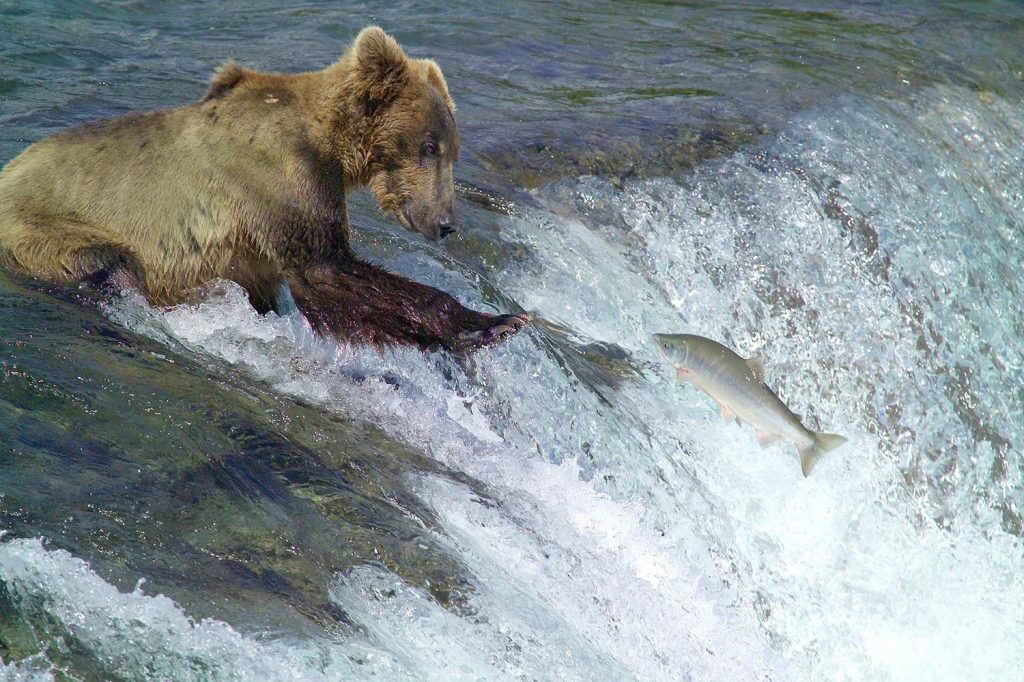
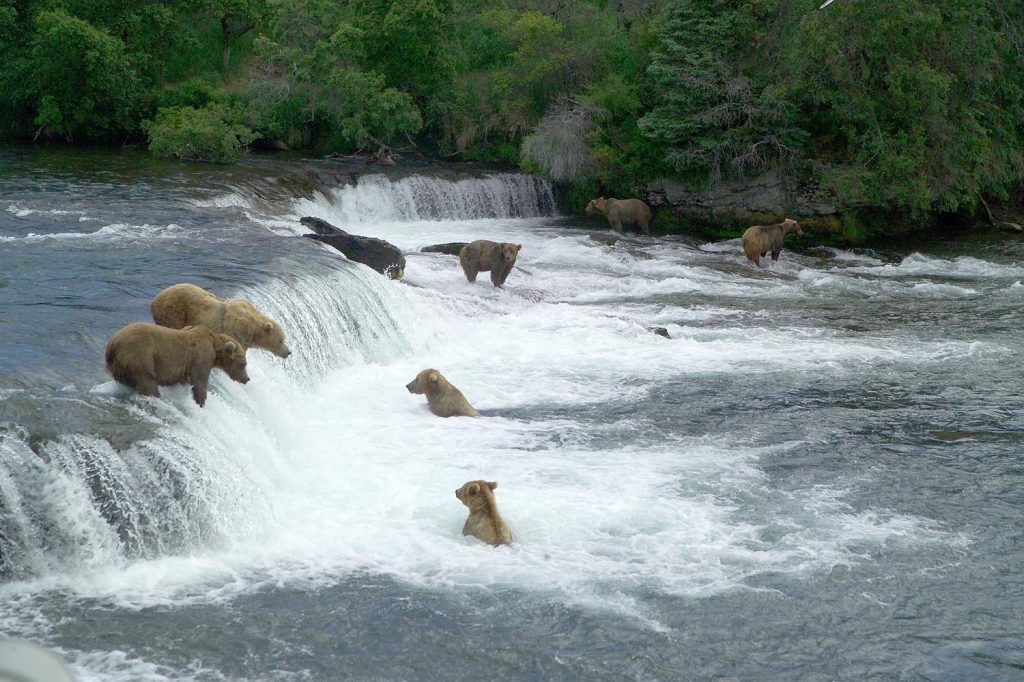
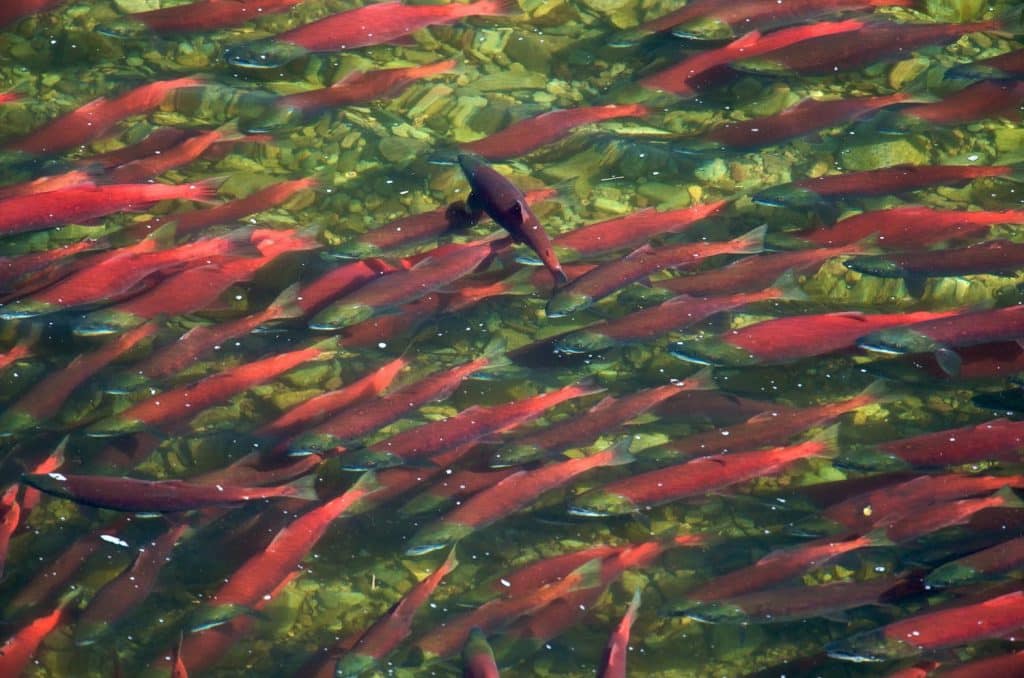
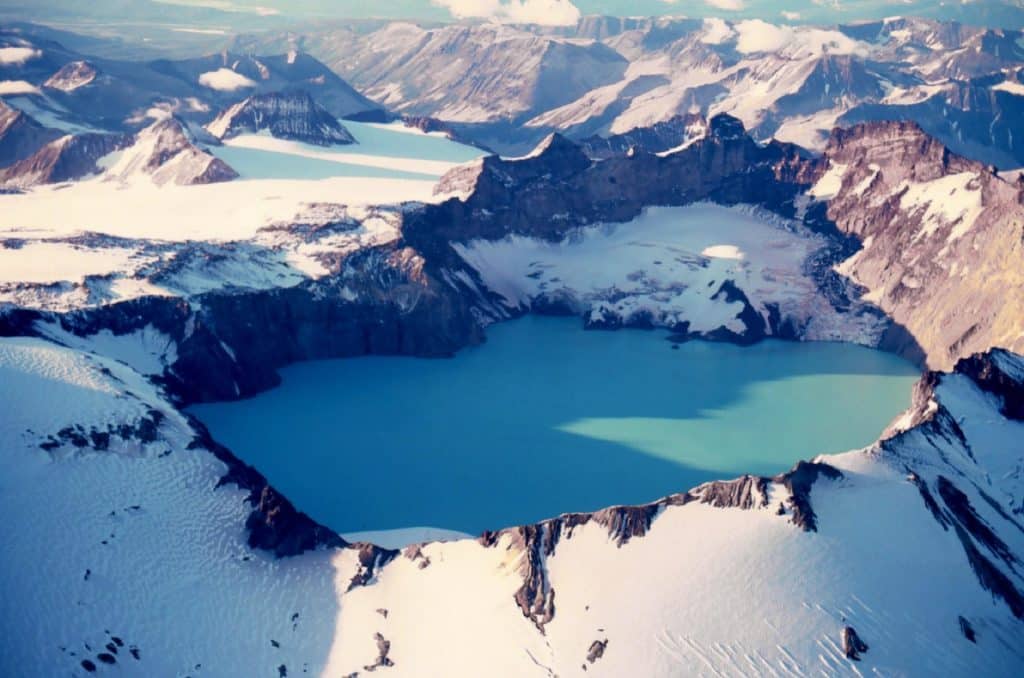
    Created in 1918 to protect the volcanic landscapes around the most recent eruptions in American history, Katmai National Park today is most notable for its preservation of salmon habitat and the brown bears that feast on the fish. This Alaskan national park is a truly amazing place. Images of Brooks Falls, on the western side of the park, are shown around the world, as the large mammals catch their meals when the fish swim upstream to spawn.

    There are so many wild features of the park that visitors are often overwhelmed with sights of other-worldly landscapes and great concentrations of wildlife. There’s no need to miss any of Katmai’s wonders, however, because the park is accessible by air and boat.

    History of Katmai National Park

    Photo Tripping America - Katmai National Park - Camping World

    The Katmai Peninsula has been inhabited for thousands of years by ancestors of the Alutiiq peoples. By 1912, when Mount Katmai and Novarupta volcanoes erupted, the four villages in the region were abandoned. Today’s community of King Salmon, however, has a population that reflects those same settlers.

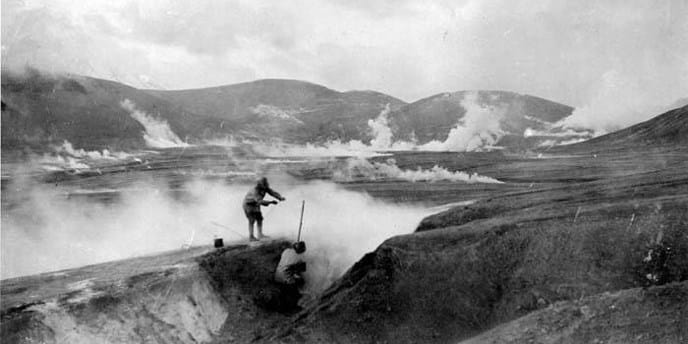
    With the eruption, the Valley of Ten Thousand Smokes got its name, as volcanic vents, or fumaroles, let off steam in a 40-mile chain of volcanoes. The landscape looked like the surface of the moon, with thousands of vents strewn across the valley floor.

    An expedition headed by Robert Griggs and funded by the National Geographic Society found the region so awe-inspiring that they lobbied Congress to protect it, and the area became known as Katmai National Monument in 1918.

    Photo Tripping America - Katmai National Park - Camping World
    Photo Credit: NPS

    But it wasn’t until the 1950s that the prime breeding grounds for brown bears and spawning runs for sockeye salmon came to the attention of government officials. Soon Katmai got a park headquarters and a seasonal ranger tasked with cutting down the amount of poaching that went on there. However, the monument did not reach full status of a national park and preserve until 1980.

    Why Visit Katmai National Park?

    There is no way to drive your RV to the park from the mainland, so campers must leave their motor coaches and trailers and fly into Katmai.

    Many travelers enjoy camping in Homer or Soldotna on the Kenai Peninsula. They can catch a flightseeing tour over Katmai, or come to the park for an extended period to camp, fish and live “among the brown bears” at Hallo Bay or Brooks Falls.

    There are several lodges within the park, and backcountry camping is allowed, although electric fences around your tents are strongly suggested!

    The reason you should go see this amazing place is that it’s so remote, and so special. There’s no other National Park or area like it in the world. It’s an unforgettable place and one that is worth leaving your RV behind so that you can experience it.

    Places to Go

    There are plenty of places to go and things to see while you’re visiting the park. Just about anywhere in the park is worth seeing, but you should stop at the following places.

    Brooks Camp

    Photo Tripping America - Katmai National Park - Camping World

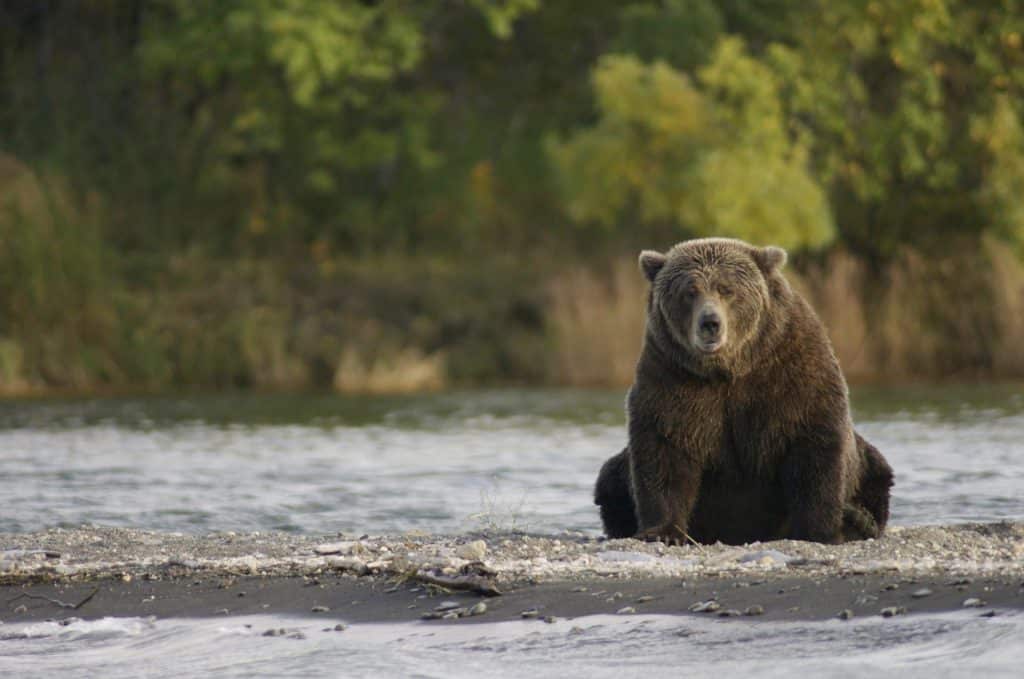
    The most popular area of Katmai National Park is Brooks Camp, where visitors can camp among brown bears and watch them feed on migrating salmon in the Brooks River. There is a visitor center here, where guests must attend “bear training,” before heading out to view the bears. Several boardwalks and viewing platforms are provided to keep humans a safe distance away and allow the animals to hunt uninterrupted.

    Fure’s Cabin

    A one-room log cabin along Naknek Lake’s Bay of Islands, this home was built by a Lithuanian immigrant, Roy Fure, in 1926. Today it is a public use cabin, available for nightly rent.

    Valley of Ten Thousand Smokes

    Photo Tripping America - Katmai National Park - Camping World
    Photo Credit: Paxson Woebler (CC- BY 2.0)

    An ash-filled valley of 40 square miles is lined with 18 volcanoes, seven of which are still active. The Valley of Ten Thousand Smokes was named after the 20th century’s largest volcanic eruption here. Novarupta spewed a vast amount of pyroclastic material in 1912, creating a valley of ash up to 700 feet deep in places. A geologic survey in 1916 recorded thousands of smoking vents throughout the valley, giving it its name.

    Things to Do

    There’s plenty to do in the park, too. It’s as much about the activities as it is an amazing landscape. Here are some fun things to do while there.

    Bear Viewing

    Photo Tripping America - Katmai National Park - Camping World

    By far the most intriguing aspect of Katmai National Park is its large concentration of brown bears (known as grizzlies in the interior). Today there are over 2,200 of these enormous mammals that are protected within the park. Visitors can view the bears at Brooks Camp, where the salmon runs entice bears every June and September.

    Back Country Hiking

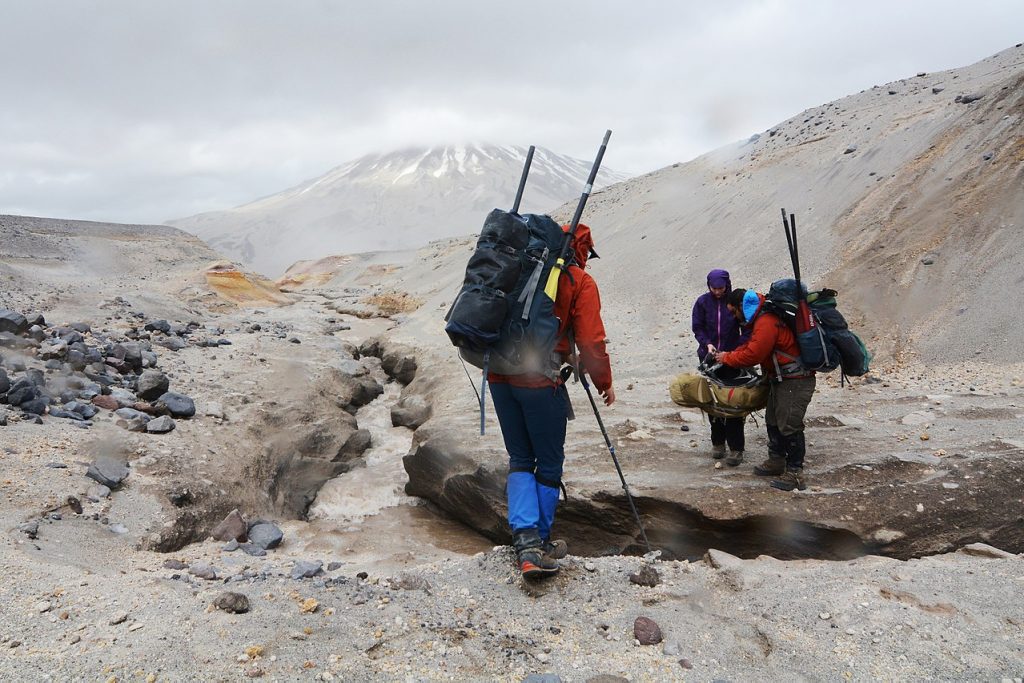
    There are only five miles of trails within the 4,000,000 acres of the park, but Katmai offers unlimited opportunities for exploring the backcountry. In fact, there are a number of great locations in Katmai that require extensive hiking. Listed below are just a few of the destinations that attract visitors, with links to maps.

    Because of the large bear population in Katmai National Park, hikers are urged to know bear safety rules and follow regulations regarding food storage.

    Canoeing and Kayaking

    Photo Tripping America - Katmai National Park - Camping World
    Photo Credit: Paxson Woebler (CC- BY 3.0)

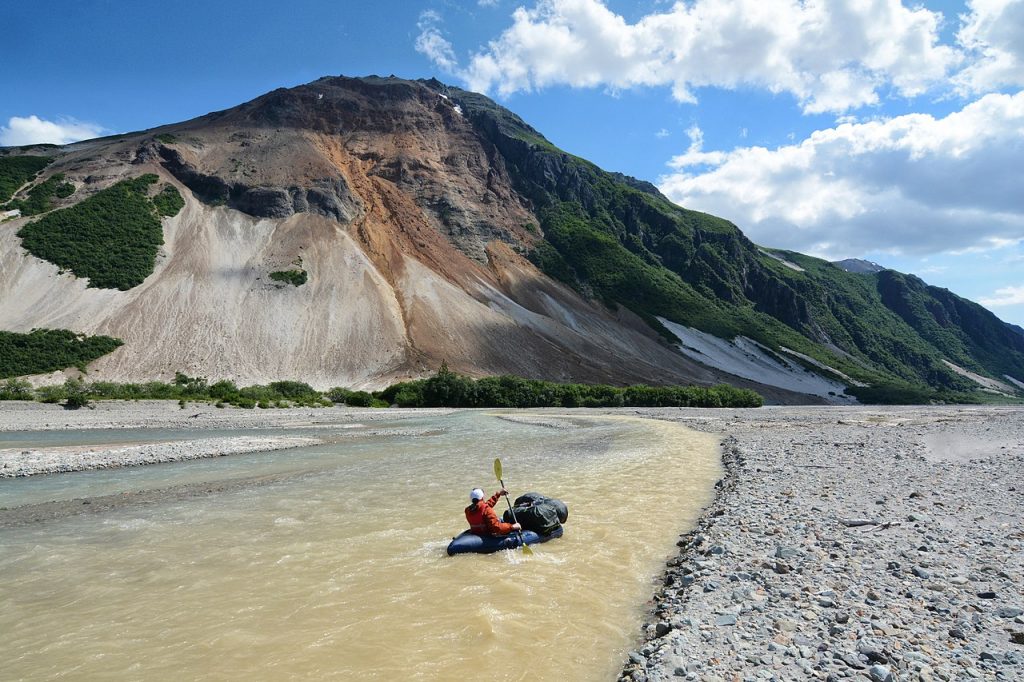
    Boating is a popular way to discover Katmai, as the park includes many rivers, streams and large lakes.  Canoeing on Naknek Lake is an exceptional experience, with waypoints like Brooks Camp, Fure’s Cabin, Grandma Rock and Gull Island to explore. Whitewater rafting can also be found along American Creek.

    Fishing

    Exceptional fishing opportunities await within the park boundaries, where rainbow and lake trout, dolly varden, char, and five species of salmon await. Rangers carefully manage fish populations, and fishermen need to be familiar with state rules for sport fishing.

    Because Katmai National Park has the largest density of brown bears in the world, anglers may find themselves competing for fish with these large animals. So extra care is required when casting a line here, especially during salmon runs.

    Flightseeing

    Photo Tripping America - Katmai National Park - Camping World

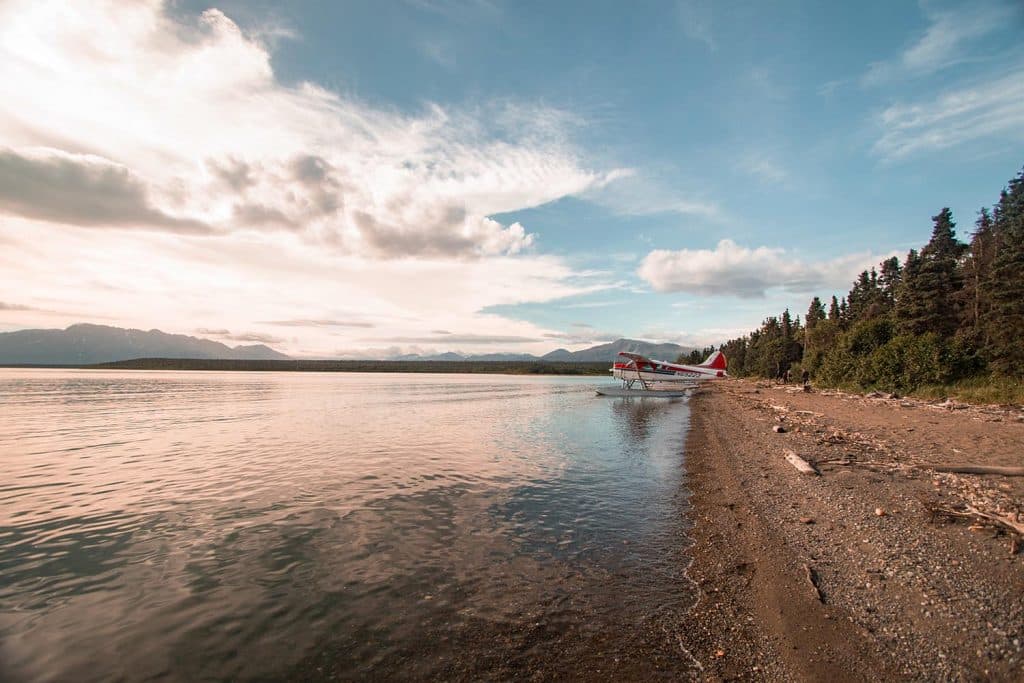
    A unique and exciting way to experience Katmai is by plane, where the immense topography of volcanoes, lakes, and islands can be seen. Flight passengers catch sight of brown bears and moose wandering the landscape and schools of salmon swimming upstream.

    Flight services originate in the surrounding communities of Homer, King Salmon, Soldotna, and even Anchorage.

    When to Visit Katmai National Park

    The park is accessible year-round by plane, and since there are no roads to speak of, your arrival is dependent upon which season you choose to visit.

    The warm months are by far the most popular for travelers, as summer brings hikers, bear watchers, and anglers to the region. Most concessionaire services are available from May through September. If Brooks Falls and the Brooks Camp area are on your bucket list, the bears are usually active there in July and September, because of the spawning salmon’s migration schedule. So plan accordingly.

    Where You Can Stay

    RVers should plan to leave their rigs on the mainland in places like Homer, Soldotna or even Anchorage and take a plane or boat to the Pacific coast of the park or inland to King Salmon.

    There are several lodges in town and a few in the Brooks Camp area. Otherwise, tent camping might be an option, as long as campers take extra precaution in protecting their campsites from bears.

    If looking for an RV park to leave your motorhome or trailer for a day or two, try:

    Once in the park, visitors to Brooks Camp have lodging options, but the rest of Katmai National Park is wild and infrequently explored. Tent camping is allowed in many regions, but bear encounters require more diligent safety, like electric fencing around campsites. Check with rangers for more specific instruction, as well as a required bear safety course.

    Getting to and Around Katmai National Park

    Photo Tripping America - Katmai National Park - Camping World

    Like most of the national parks in Alaska, Katmai is only accessible by air or by sea. There are many services available for flightseeing, or for day service to Brooks Camp, Naknek Lake and the Valley of Ten Thousand Smokes. The park headquarters in King Salmon is a great jumping-off spot, with direct air service from Anchorage.

    Adventure with a Capital A

    Photo Tripping America - Katmai National Park - Camping World

    Katmai National Park is about as wild as it gets, between smoking volcanic vents, a concentration of more than 2,000 brown bears, and rugged, unapproachable terrain that challenges even its most prolific visitors.

    It is a microcosm of Alaska’s vast backcountry, and a magnet to those who are looking for Adventure with a capital A, where Mother Nature is on full display.


    Have you ever been to Katmai National Park? What were your experiences there?


    Source link

  • RVing the Rails – Excursion Trains in Tennessee

    RVing the Rails – Excursion Trains in Tennessee


    Many times camping trips involve exploring new territory and discovering enticing attractions along the way. Passenger tour trains have that magnetic appeal for many RVers, providing a novel way to see hidden countryside not normally viewed from the road. Railroad passengers learn about local history, culture and the many colorful characters from the communities visited. Camping World wants to make sure you don’t miss the departing whistle, so we have created a series entitled RVing the Rails. You will find the most popular excursion trains to ride in each state, complete with any specialty trains they might offer.

    Steam Locomotive on the tracks
    Photo Credit: Skeeze on Unsplash

    Today we will explore the most popular trains in Tennessee:

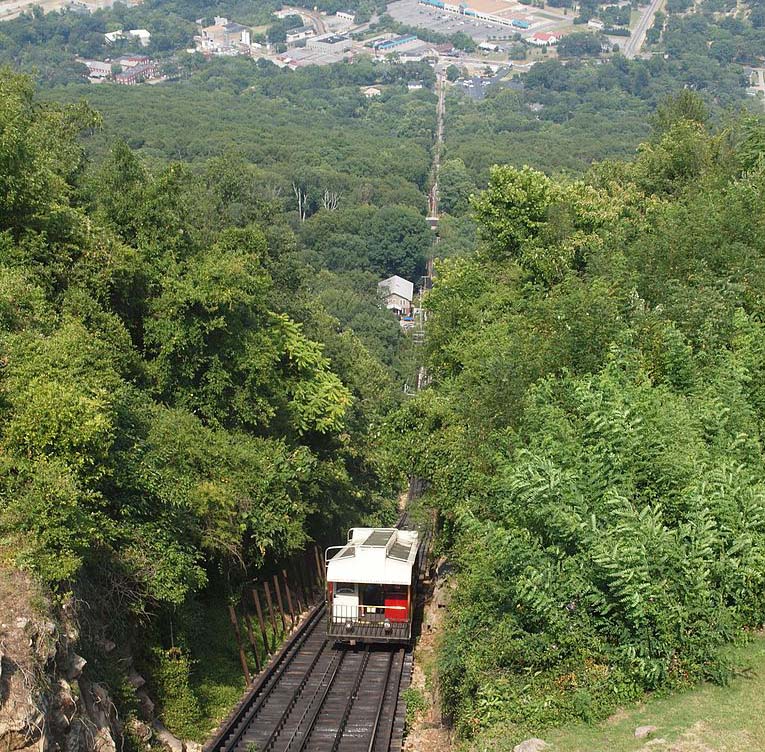
    Lookout Mountain Incline Railway

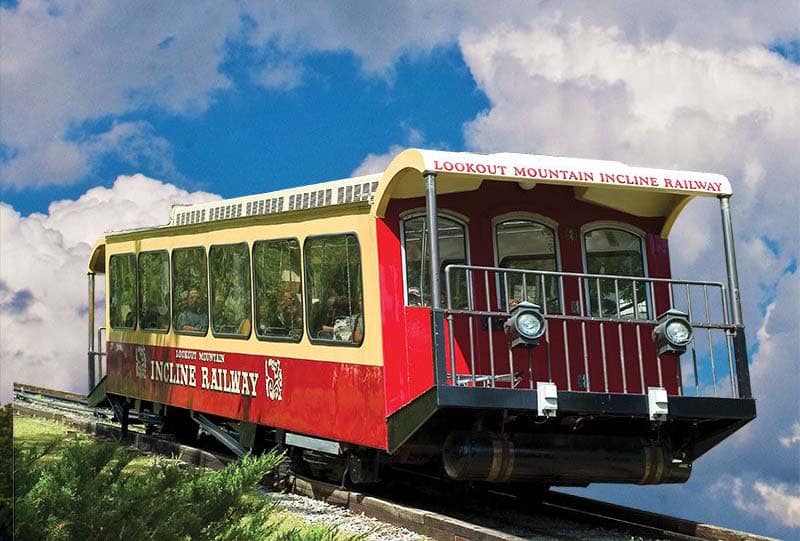
    Lookout Mountain Incline Rail Car
    Photo Credit: RideTheIncline.com

    Today’s railway on Lookout Mountain was built in 1895 in response to the increase in travelers who came to the area to view Civil War battlefields. A local woman-owned land that travelers had to cross and charged ever-increasing tolls to the tourists. The construction of rails up the side of the mountain effectively detoured her property.

    The first cars were pulled by steam engines but were soon upgraded to 100 horsepower motors that climb the 72% grade in spectacular fashion. No trip to Chattanooga is complete without a ride on the Lookout Mountain Incline Railway.

    Railway and Locomotive Types

    The incline uses two winches to pull rail cars up a steep incline by guide cable, making it a funicular railway. The tracks are standard gauge and two cars can run on the steep hillside because of a passing loop at the midpoint of the mile-long track.

    Seating Options

    View From Lookout Mountain
    Photo Credit: McRonny at Unsplash

    All seating on the incline is open. The cars are enclosed but have windows that do open for a pleasant breeze during the summer months.

    Riding Options

    Passengers can purchase one-way or round trip tickets on the incline. There is also an all-in-one ticket for the attractions at the top of Lookout Mountain:

    • All-In-One Tickets include access to the incline, Rock City and Ruby Falls.

    Specialty Trains

    Lookout Mountain Incline Railway
    Photo Credit: The Old Perfesser (CC BY-SA 3.0)

    There are no specialty trains, but a ride up the world’s steepest incline is quite a treat. The entire trip to the top takes 15 minutes, and the views of the Tennessee Valley are stunning. Visit several Civil War points of interest, and a tour of the machine room is essential for anyone who enjoys mechanical operations. There is a depot at the bottom and one at the top of the ride, both offering concessions.

    Length of Season

    The Lookout Mountain Incline is open year-round from 8:30am to 9:30pm, with the exception of Thanksgiving and Christmas. Cars leave every 20 minutes, so it won’t be difficult to catch a ride!

    Tennessee Central Railway Museum

    Tennessee Central Railway on the track
    Photo Credit: TCRY.org

    Following the rails of the original Tennessee Central Railway, today’s train hosts excursions from Nashville to Monterey, straight through the middle of the state. The first railroad was a prosperous freight and passenger line that ran from 1902 to 1969. Now travelers can experience the rural countryside, forests and small-town stops of the Tennessee Valley on what is commonly called “The Nashville & Eastern” line.

    Railway and Locomotive Types

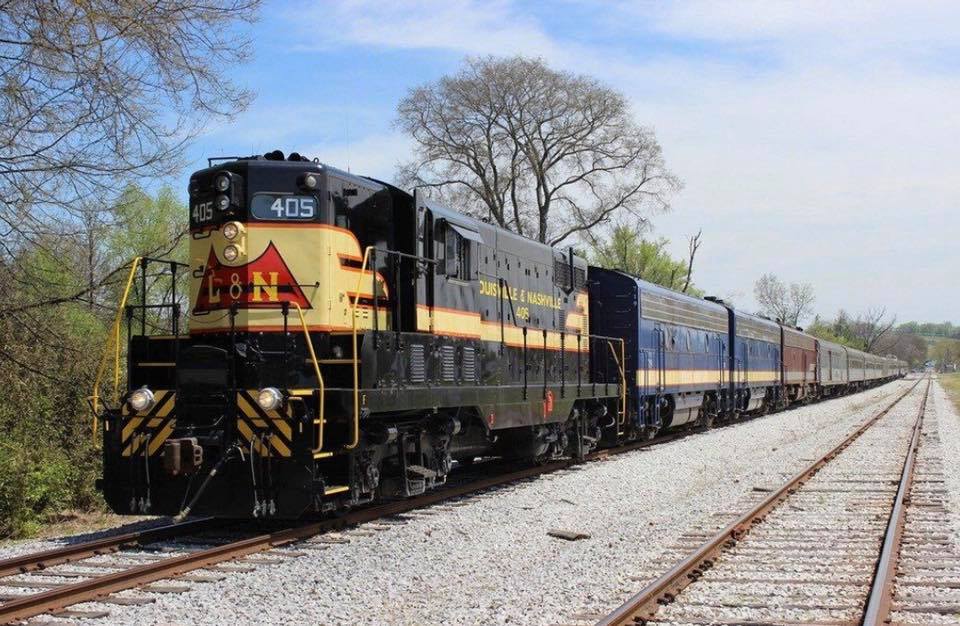
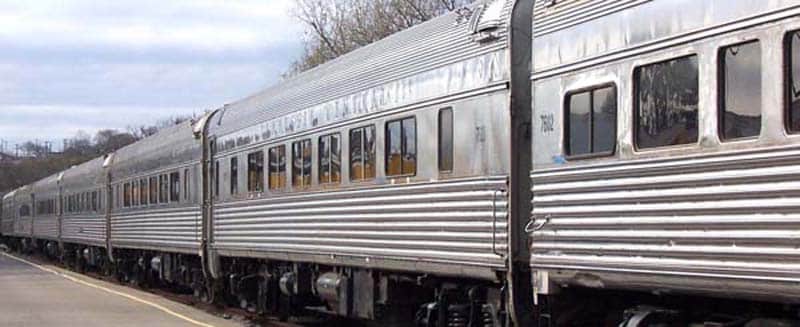
    The railroad operates diesel locomotives on standard gauge tracks. Rail cars include a buffet lounge, dining cars, a slumber car, glass-enclosed dome car, and cabooses.

    Seating Options

    Tennessee Central Railway Passenger Car
    Photo Credit: TCRY.org

    The railroad has assigned seating tickets with classes as follows:

    • Regular Class – Ride in a dining car with table seating for up to four, or in a regular coach car with row seating.
    • Coach Class – Enjoy coach seating with reclining seats in an enclosed car.
    • Dome Class – Passengers have 360-degree views from the glass-enclosed dome car, which sits above the roofline of the other railcars. Only 20 seats are available in this special car.

    Riding Options

    The railroad offers three different destinations, with round trip rides:

    • Nashville to Monterey
    • Nashville to DelMonaco Winery
    • Nashville to Watertown

    Trains can also be chartered to locations along the rail line.

    Specialty Trains

    North Pole Express Train with Santa
    Photo Credit: TCRY.org
    • Murder Mystery Train – Help solve a murder mystery on this 90-minute train ride. Once the train reaches Waterton, grab a bite to each and listen to live music before returning to the depot.
    • DelMonaco Winery Train – Ride a wine tasting train to Delmonico Winery, where tours, lunch, and live music await.
    • Train Robbery Trip – Beware of train robbers on this trip to Watertown. A layover there will give you time to replace your valuables with some shopping and dining!
    • Fall Foliage Train – Take a train ride to Baxter for the Fall Festival, and enjoy the changing season as you cruise through central Tennessee.
    • North Pole Express – A train ride to Watertown with the jolly man himself is quite a treat during the Christmas season.

    Length of Season

    The Tennessee Central Railway operates from March through October. Specialty trains are scheduled on specific dates throughout the year, so please check the train calendar to see which excursion is right for you.

    Tennessee Valley Railroad

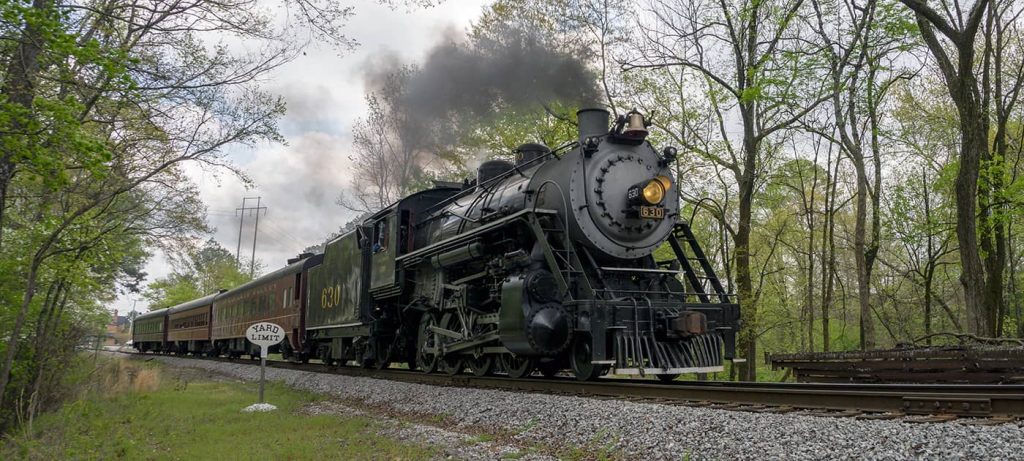
    Tennessee Valley Railroad Steam Locomotive
    Photo Credit: TVRail.com

    The Tennessee Valley Railroad runs trips over a wide expanse of land in southern Tennessee and northern Georgia. Much of it was initially served by the Louisville & Nashville Railroad. The terrain was mountainous and the tracks were laid with several switchbacks climbing Bald Mountain. As one of only three places in the United States where railroad tracks loop over themselves, this line became commonly known as the “Hook & Eye Line.” Today’s trains bypass those switchbacks, taking passengers through beautiful southern landscapes on adventurous excursions, and keeping the history of railroading alive.

    Railway and Locomotive Types

    The railroad has several historic steam engines and diesel locomotives that pull rolling stock on standard gauge tracks. A number of Pullman passenger coaches, dining cars and even a railway post office car make up this museum on wheels.

    Seating Options

    Dining Car on Tennessee Valley Railroad
    Photo Credit: TVRail.com

    Tickets on all trains are assigned seating. Dining trains also require meal selection at the time of ticket purchase. Classes of service are as follows:

    • Coach Car – Seating is in rows in an enclosed passenger car.
    • Observation Car – Seating is in a lounge car with tables, chairs and a private viewing platform.

    Riding Options

    The Tennessee Valley trains run from one of two departure locations:

    • Chattanooga Depot – This departure point is where the Missionary Ridge, Summerville Steam Train, and the Chickamauga Turn Train originate.
    • Etowah – This departure point is for trains that travel to the Hiawassee Loop and to Copperhill.

    Specialty Trains

    Tennessee Valley Railroad Diesel Train on Bridge
    Photo Credit: TVRail.com
    • Dinner on the Diner – Take a leisurely evening train ride around Chattanooga while enjoying a scrumptious three-course meal.
    • Autumn Leaf Specials – Ride the train from Chattanooga to Summerville, Georgia and back, enjoying the changing colors of the season
    • Halloween Eerie Express – Climb onboard a haunting train ride to the Eerie Funhouse, where children of all ages will enjoy games, treats and blacklight golf.
    • Summerville Santa Special – Holiday fun on the train includes carols, goodies and a visit with Old Saint Nick.

    Length of Season

    The Tennessee Valley Railroad season runs from March through November, with specialty trains departing on specific dates throughout the year. Please check the train schedule to make your plans.


    Join the thousands of RVers that have a love affair with trains and ride the rails on your next camping trip. Check out the other excursion trains available on a state-by-state basis in our series, RVing the Rails.


    Source link

  • Make This Easy Cucumber Caprese Chopped Salad

    Make This Easy Cucumber Caprese Chopped Salad


    If you’re a fan of Italian food, this cucumber Caprese chopped salad is a fun twist on a classic recipe, …


    Source link