RVing fulltime is a dream come true for many travel and camping enthusiasts. The chance to travel and explore our beautiful country, camp every day and living life on your terms is something to strive for. But, is this dream even possible if you are not a retiree or young digital nomad?
What if you have kids in tow? It 100% is possible! Just like raising kids in a traditional house, it is challenging at times. Luckily there are others that have come before us in the RV life with kids way of life and have figured out ways to make this lifestyle work. Here are our must-have items for RV life with kids.
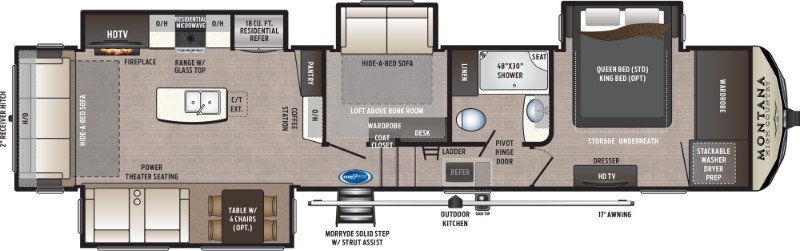
Bunkroom with a Door
Image by CampingWorld.com
A bunkroom with a closing door vs. a room with a dividing curtain or bunks in the living area gives kids and parents the privacy they need. Kids have a separate place they can call their own, and parents are able to stay up after kids to go bed without keeping everyone awake.
Parents can even get up before their little sleepy heads and enjoy a hot cup of coffee. There are dozens of RV options with bunkrooms that have a door so when you’re ready to shop for an RV, you should have no trouble finding the perfect one for your family!
Blackout Curtains
Image by Unsplash.com
Continuing on the theme of giving your kids a good night’s sleep, blackout curtains will keep them snoozing well into the morning. Blackout curtains are also great for younger kids that go to bed before the sun is down or need to nap during the day. Adequate sleep keeps everyone happy campers!
Sound Machine
Again, helping kids get the sleep they need is so important. Also, giving parents personal time once the kids are in bed is just as important! A sound machine helps keeps kids sleeping when in a small space. Sound machines keep out the noise of other people inside the rig as well as sounds, such as noisy neighbors, outside of the rig.
Outdoor Toys
One of the greatest parts about living the fulltime RV lifestyle is the amount of time you and your family will spend outdoors. Having outdoor toys will keep the kids entertained and out of the camper.
Being outside allows the kids to take in the fresh air and get some energy out so everyone is ready to relax once it’s time to come inside. Balls, bats, bikes, and trucks for getting dirty are all great examples of outdoor toys!
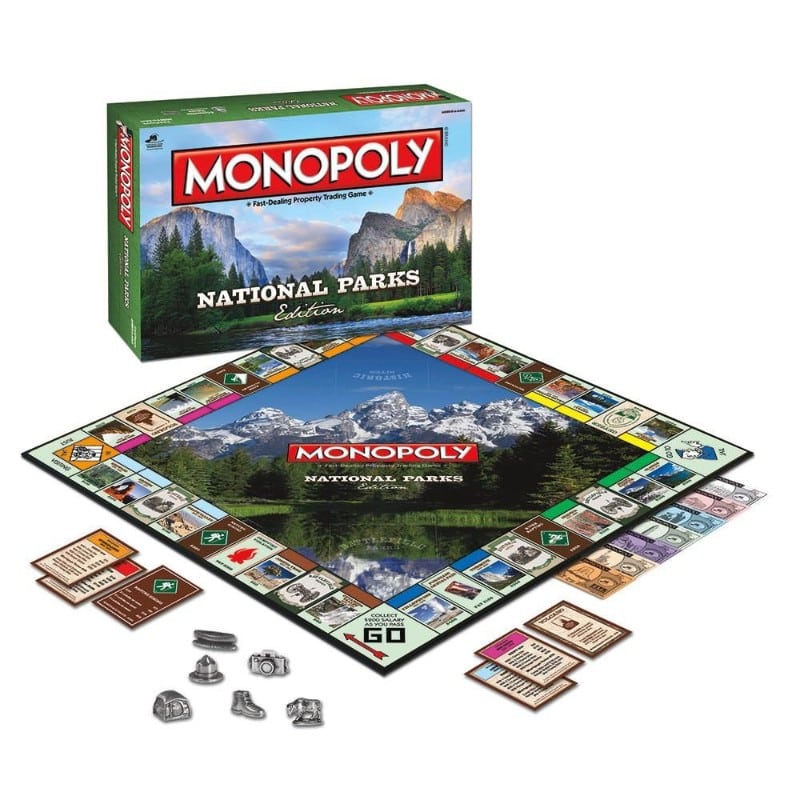
Inside Toys
Image by CampingWorld.com
There are rainy and chilly days while RVing fulltime that may keep kids inside. Having toys and games to keep everyone entertained and from going stir crazy is a must. Books and legos are great for individual play while board games such as National Parks Monopoly are fun for the entire family.
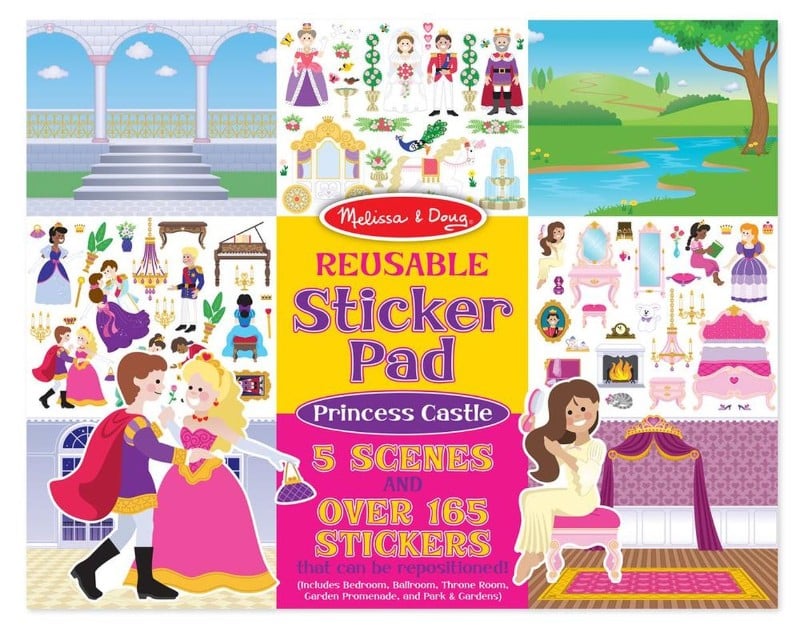
Travel Toys
Image by CampingWorld.com
Life on the road means a lot of travel time. Entertaining kids in the truck or motorhome is necessary for keeping the “are we there yet” comments to a minimum. While putting a tablet in front of them or turning on a DVD is one way to go, providing toys and games will keep screentime to a minimum. Coloring books, Mad Libs, or small toys for toddlers are all great options.
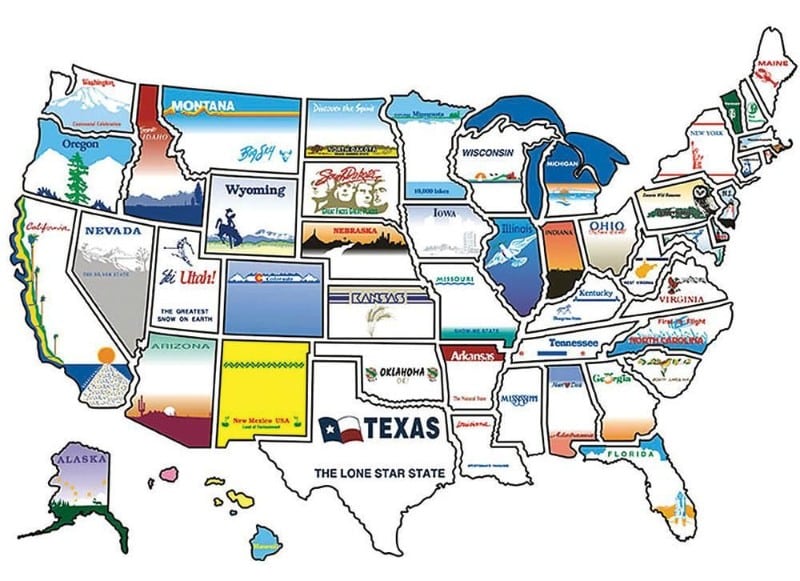
State Sticker Map
Image by CampingWorld.com
While this last item won’t keep anyone sleeping longer or playing, it will make RV life a little more meaningful and fun. A state sticker map helps the kiddos keep track of the cool places you visit as well as teaches them about states and the layout of America. Your kids will be proud of the places they’ve been when displayed for all to see!
RV life can be such a wonderful experience for families. It provides quality time together, an educational experience, and an all-around wonderful way of life. Don’t be scared to get out there and travel the open road with your little ones. Just don’t forget the must-have items to keep everyone happy and healthy!
Do you have any questions or suggestions? Leave a comment below!
Fall is almost upon us and that means many people are probably starting to think about what they’re going to do with their RV during the colder months. But wait! Before you go all-in on winterizing your RV, you should realize that there are many more weeks of fantastic weather ahead of us, and honestly, some of the best camping can be had in the fall months.
Don’t let the fact that it’s now cooling off get you all worried, you’ll be able to see and do many more things in your RV before you either need to head down south with the snowbirds or head to the storage facility. Here’s why you should consider camping all fall.
The Temperature Isn’t So High
During the spring and summer months temperatures, especially in certain areas of the country, can climb sky-high. This can make hiking, biking, cooking, playing games, sleeping and camping in general not much fun. In the fall months, the temperature begins to drop but it usually doesn’t get too cold. This makes for some fantastic camping weather.
You might not even need to turn on the AC or heater in your RV. Simply open the windows and enjoy the breeze. Hiking, playing games, and many other activities are better for the same reason. When you’re not battling the heat you can hike longer and enjoy the outdoors even more.
The Leaves Change Colors
Image from Getty
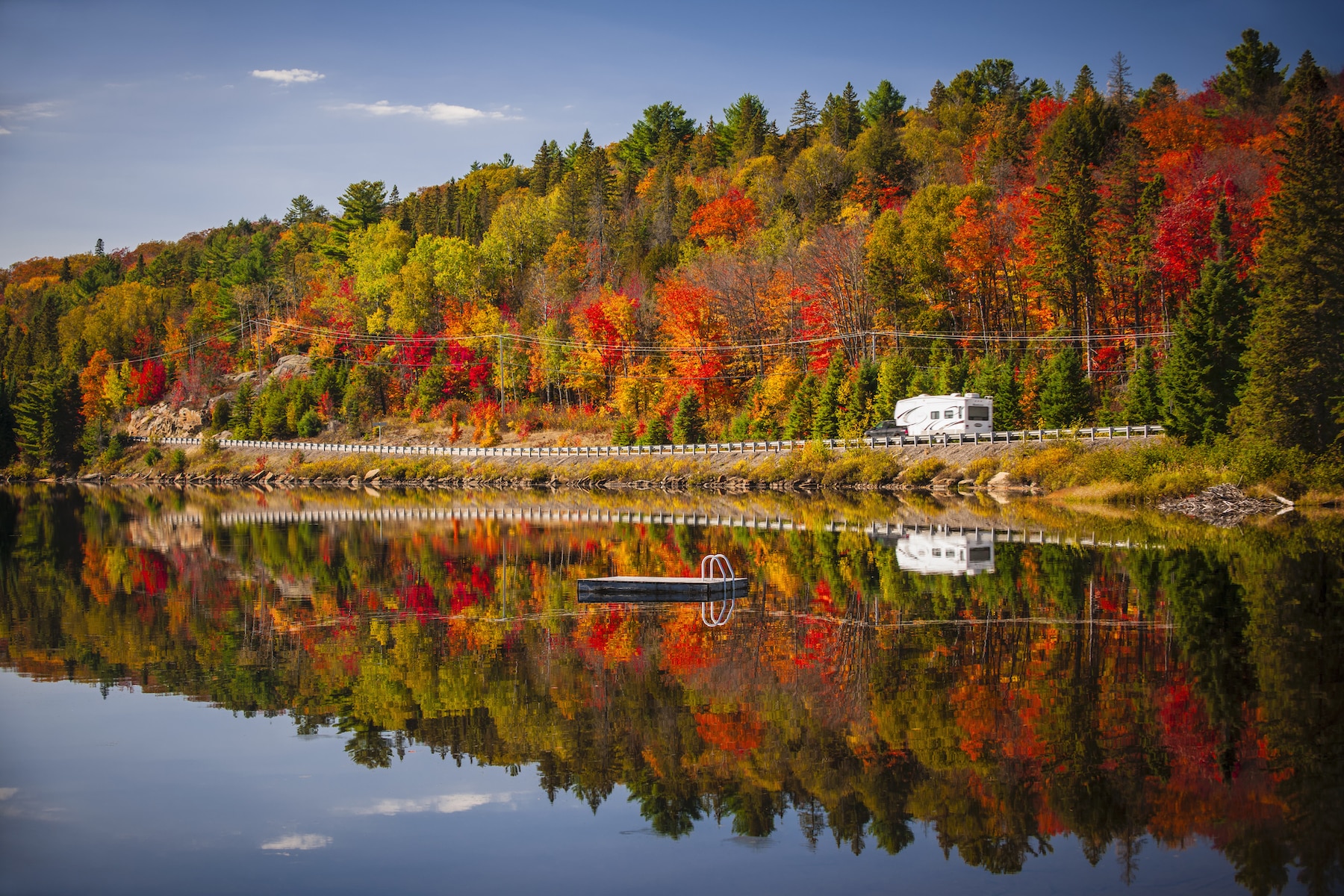
One of the things I love about camping in the fall is just how beautiful the scenery is. When the leave begin to turn from green to various reds, yellows, and oranges you’re in for a real treat.
This is especially true if you’re in the right area of the country. I’ve found that Maine and New Hampshire are absolutely breathtaking during this time of year. I would expect the same for any of the northeastern states. The same can be said through most of the country’s mountain ranges. There’s simply nothing like driving the Blue Ridge Parkway during the fall.
Affordable Campgrounds
The summer months are peak season for many campgrounds. This is when families have the most time to spend together and campgrounds can become quite crowded. They’re also the most expensive during the summer.
Fall months are the off-season for many campgrounds, and this means you’ll be able to get a good campsite for a little less money in many areas of the country. Of course, it depends on the campground and where its located. With that in mind, it’s safe to say fall camping can actually save you money. This makes it even more enticing.
Fewer Bugs to Worry About
Image from Getty
Mosquitoes, gnats, ticks, and other bugs can be a real nuisance in the spring and summer months, but they’re not so bad in the fall. This has to do with the way the temperature drops and how those insects and other critters prepare for the winter months.
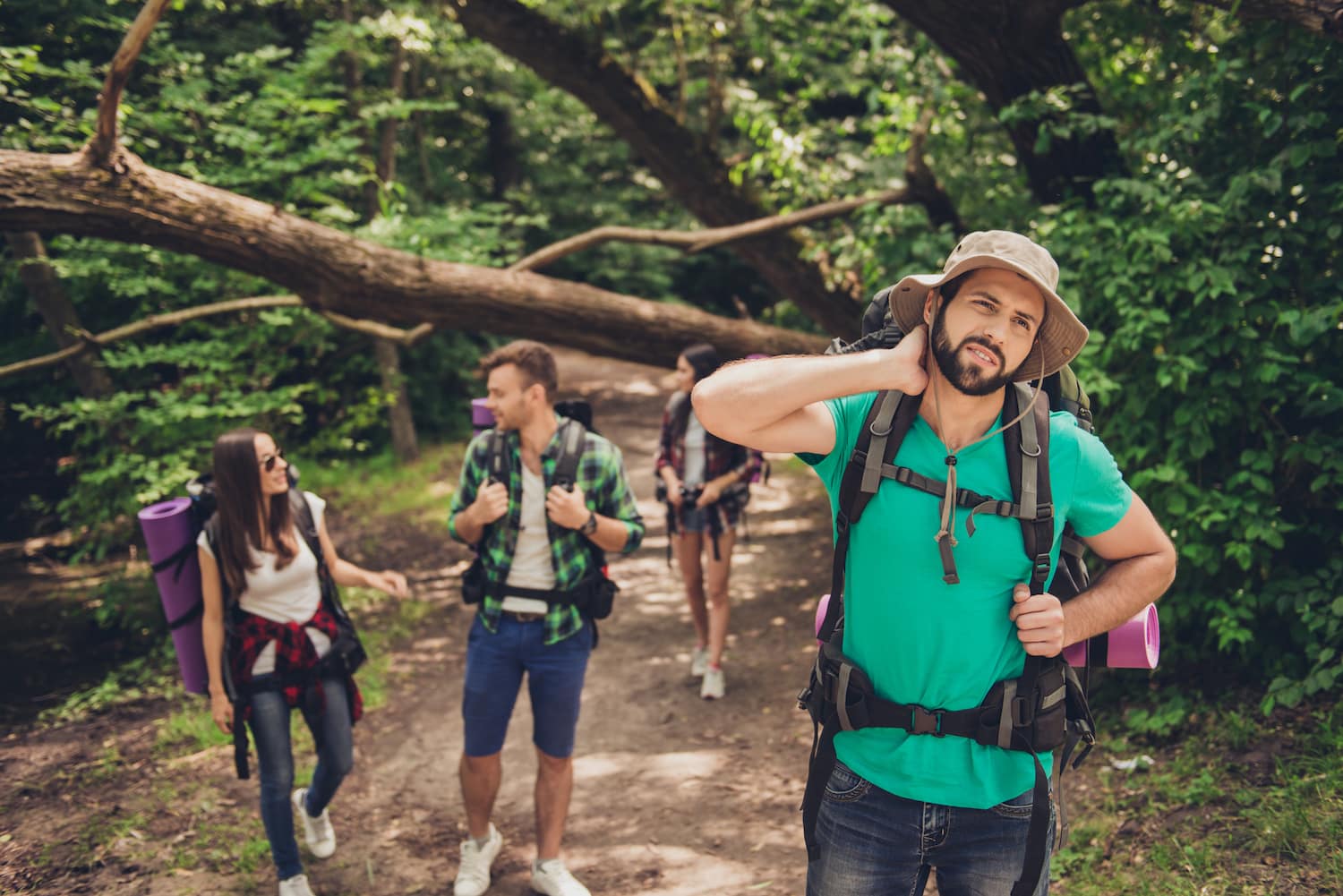
If the mosquitos are really bad in the summer I have a hard time getting out. I end up waiting until fall to do most of my camping. During these few special weeks and months before it gets too cold are the best times to avoid being swarmed. This is great at the campground, but it’s also wonderful for hiking, biking, and pretty much any other outdoor activity.
The Food Gets Better
This one is more personal preference, but I love a good bowl of hot chili during an almost chilly fall night. I’m not apt to make chili during the hot summer months. The same can be said of hot cider, creamy mac and cheese, pumpkin spice, and pies—meat and otherwise. There’s just something about all of these dishes that scream fall to me. Fall recipes are good.
I’ll miss the iced drinks and light salads I make during the summer months, but the hearty soups and heavier meals of fall are some of my favorites in the world. Of course, you might have different traditions, but don’t overlook some hot cider and a good bowl of chili around a campfire this autumn.
What do you love about fall camping? Leave a comment below!
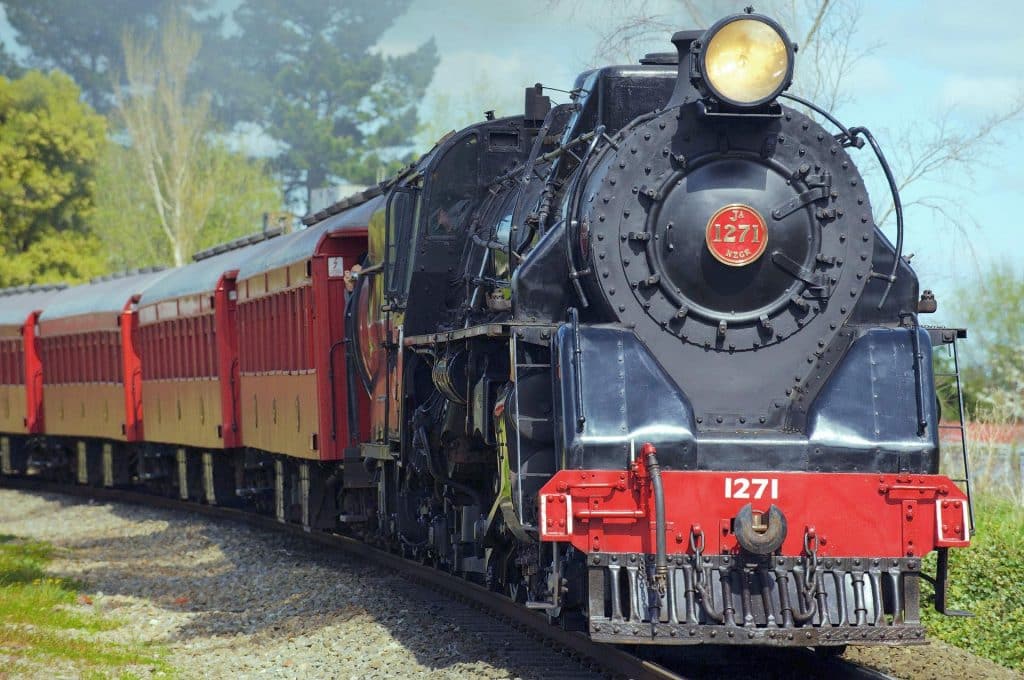
Many times camping trips involve exploring new territory and discovering enticing attractions along the way. Passenger tour trains have that magnetic appeal for many RVers, providing a novel way to see hidden countryside not normally viewed from the road. Railroad passengers learn about local history, culture and the many colorful characters from the communities visited. Camping World wants to make sure you don’t miss the departing whistle, so we have created a series entitled RVing the Rails. You will find the most popular excursion trains to ride in each state, complete with any specialty trains they might offer.
Photo Credit: Pixabay
Today we will explore the most popular trains in Pennsylvania:
Tioga Central Railroad
Photo Credit: TiogaCentral.com
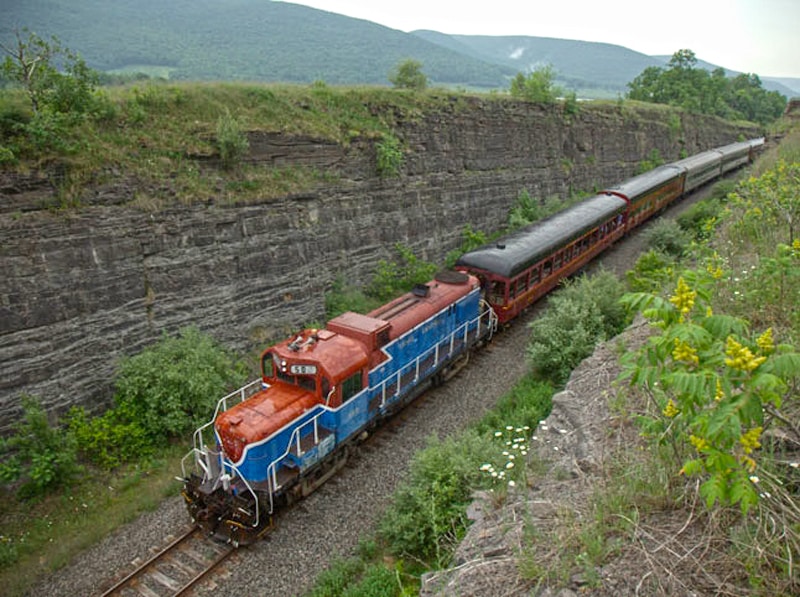
Running on tracks that date back to 1840, the Tioga Central Railroad has an intriguing history. The original railway connected Corning, New York to the coal mines in Atrium. It ran through today’s departure point at Wellsboro, Pennsylvania, carrying both passengers and freight. As parts of the line were abandoned, it was feared that railroading history would die, as well.
But by 1994 the rails between Wellsboro and Corning were targeted to run an excursion train, preserving a piece of Tioga County’s past. Today the railroad showcases the forest and wetlands of the region, traveling from the depot to Hammond Lake.
Railway and Locomotive Types
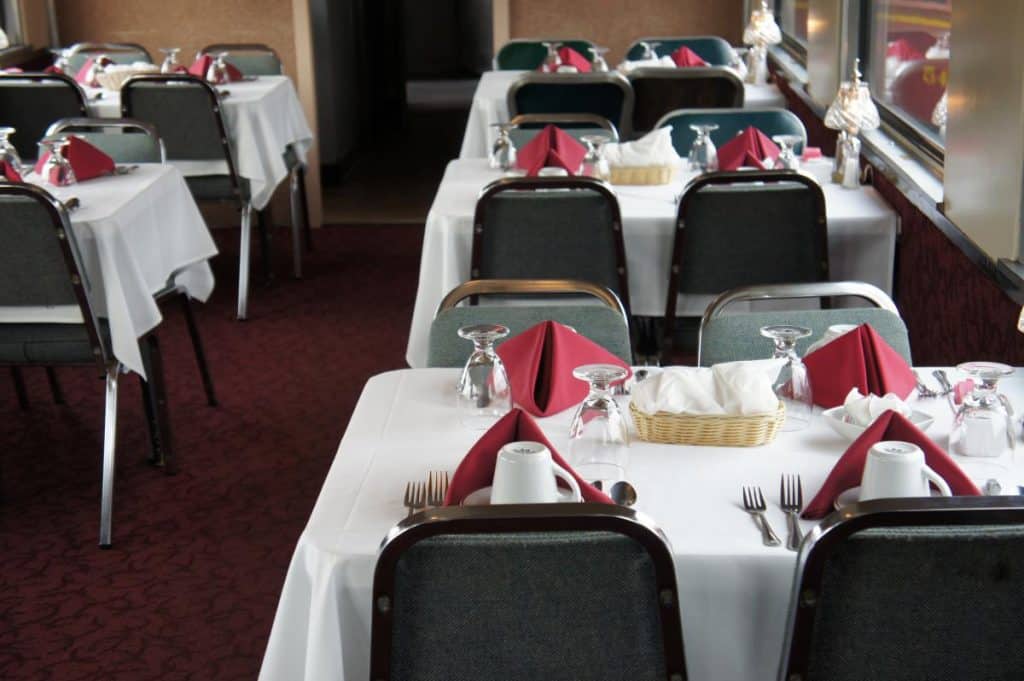
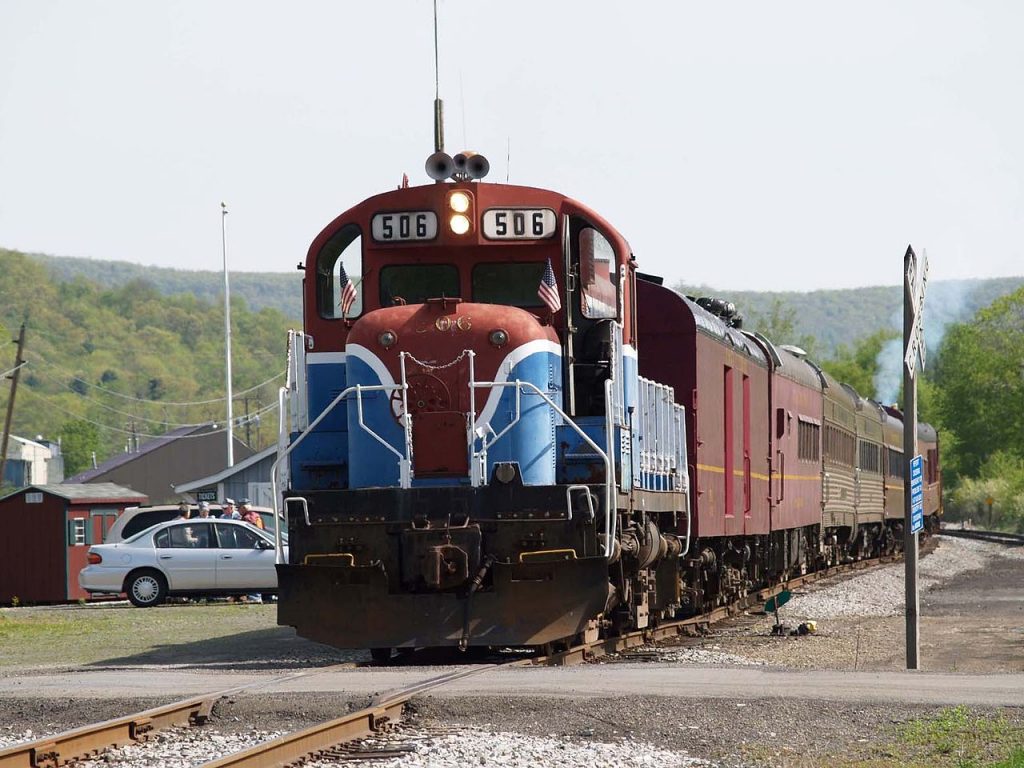
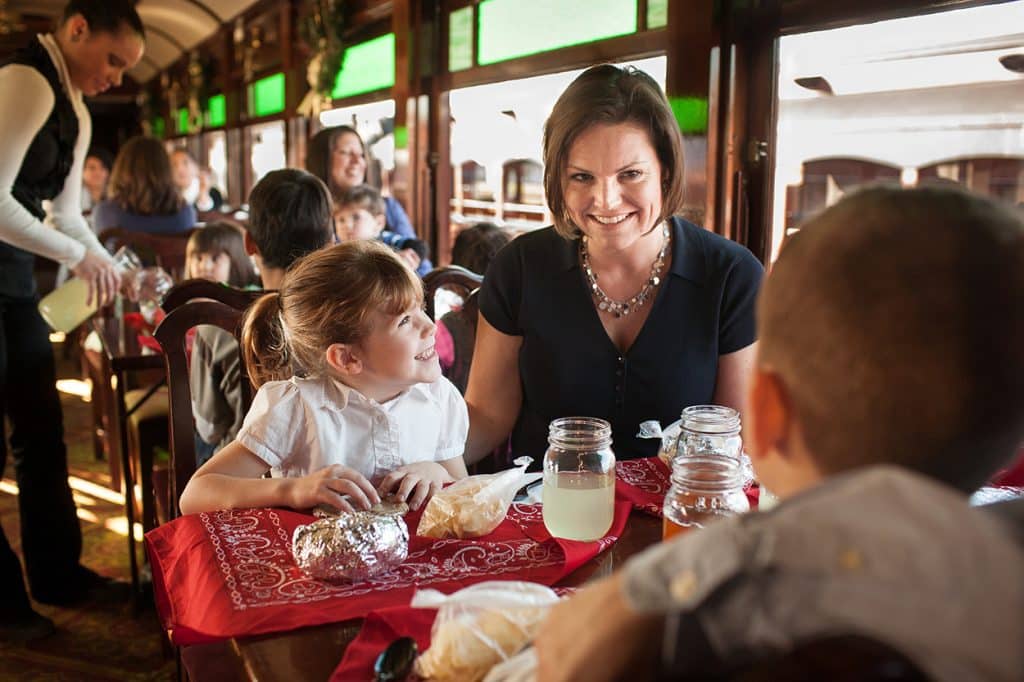
The Tioga Central uses a diesel engine pulling cars on standard gauge tracks. The rolling stock includes a dining car with full kitchen, club car, coach and open cars, as well as table car. The dining car is climate controlled.
Seating Options
Photo Credit: TiogaCentral.com
All seating during the Lakeshore Express and Sunset Express train rides is open and unassigned. However, dinner tickets have assigned table seating. Passengers are welcome to walk through the cars, and restrooms are available onboard.
Riding Options
Passengers can purchase round trip only tickets online or in person. Travel is from Wellsboro to Lake Hammond and back, a two-hour ride. The evening trains on Friday and Saturday offer an option to sit in the dining car and enjoy a catered meal as part of the ticket price. Other travelers that choose to bypass the dining option have open seating in the other railcars.
Specialty Trains
Photo Credit: Jss5104 (CC BY-SA 3.0)
The Tioga Central Railroad considers each of its “regular” trains a special event. Running weekends, the railway offers a Friday evening excursion with or without a catered meal. The Sunset Dinner Train and the Sunset Express are the same trips, on the same train but in different cars with different amenities.
Saturdays a Lake Express Train is added to the lineup, leaving the depot in Wellsboro at noon. The Sunset Train is offered on Saturday evenings, as well.
Length of Season
Capturing the attention of summer vacationers and autumn leaf peepers has determined the train’s schedule. It provides Friday and Saturday evening trains and Saturday noon trips every weekend from June through October.
Strasburg Railroad
Photo Credit: StrasburgRailroad.com
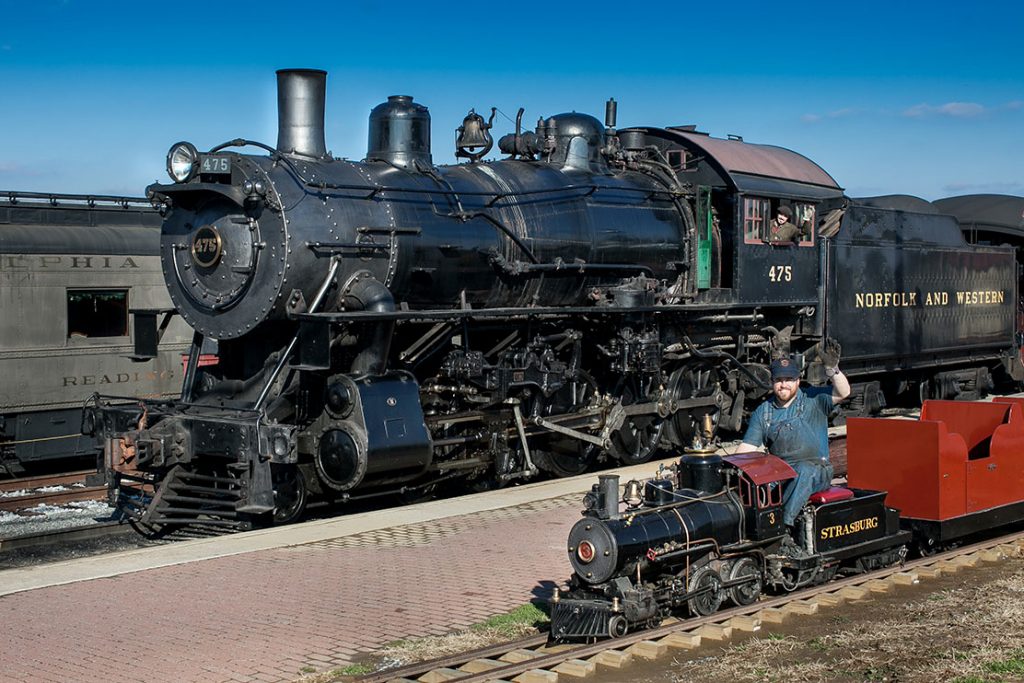
It could be difficult to live up to the expectations that come with being the oldest chartered train in the country, but the Strasburg Railroad has no problems doing so. Begun in 1832, the rail line was originally used to transport freight from the Pennsylvania Railroad hub, but after World War II, the railroads waned with the improvement of the highway system.
Abandonment of the lines in Lancaster County was not to be, however, as the idea of a tourist train was suggested. So in 1958, 24 people purchased the rail line and the Strasburg Railroad became one of the biggest tourist draws for the region.
Railway and Locomotive Types
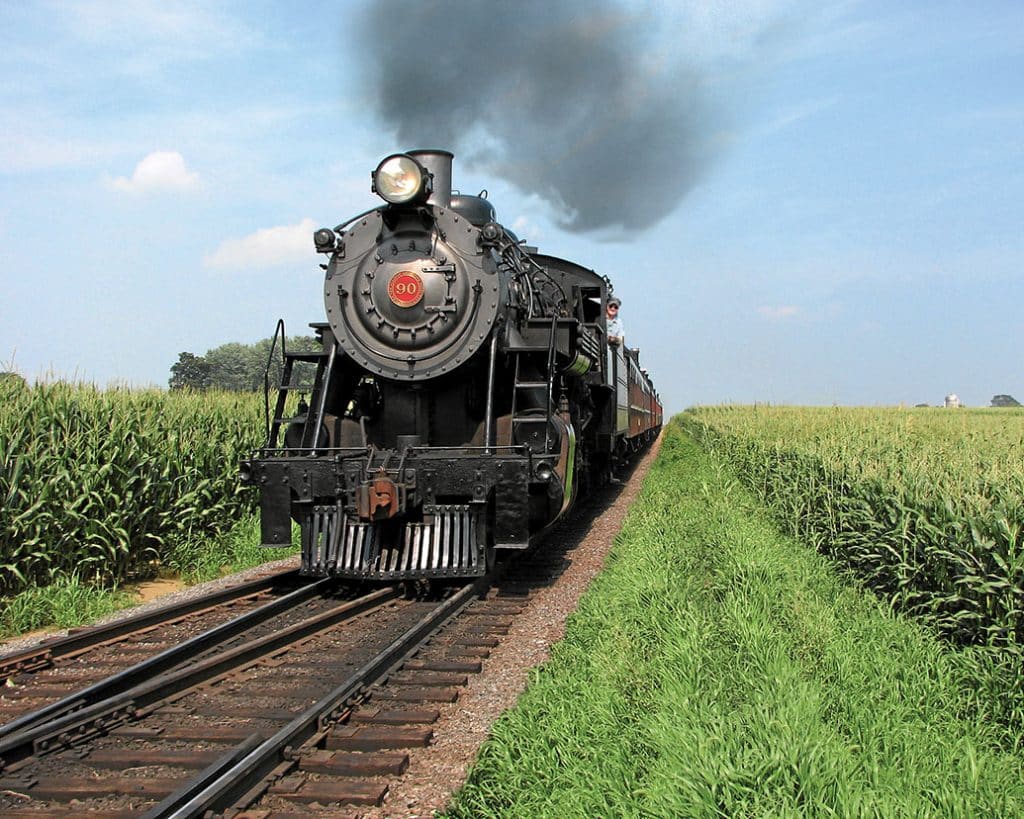
The Strasburg Railroad has five authentic steam locomotives working on standard gauge rails to pull restored lounge cars, coach and passenger cars, as well as dining and open rail cars through the Amish country of Pennsylvania on a 45-minute tour.
Seating Options
Photo Credit: StrasburgRailroad.com
The railroad has assigned seating tickets for dinner cars only. All other cars have open, unassigned seats. There are, however, two separate classes of service, so there is no movement of passengers between cars during the excursion:
President’s Class – Passengers ride in the luxurious air-conditioned President’s Lounge car.
First Class – Passengers enjoy the journey in the air-conditioned lounge or parlor cars.
Coach Class – Passengers have their choice of a windowed coach car or an open gondola.
Riding Options
Photo Credit: StrasburgRailroad.com
Tickets on the Strasburg Railroad are all round-trip. However, riders can choose to disembark at two different groves along the journey for picnics and children’s playtime. Since trains run on the hour from 11:00am to 4:00pm during high season, the riders can hop onboard a later train for the return to the depot.
Passengers have the opportunity to purchase some extra experiences before or after their rides:
Shop Tour – See how these historic railcars are restored and repaired in a behind-the-scenes tour.
Hostling Tour – A morning exploration of the feed and caring of Strasburg’s five steam locomotives.
Specialty Trains
Easter Bunny Train – Hop on this seasonal train for a trip that’s sure to be egg-cellent.
Day Out with Thomas – Tiny train lovers will enjoy a ride with Thomas The Tank Engine, with play available on cranky cars, in the Imagination Station and during storytime!
Length of Season
The Strasburg Railroad is only closed for the month of January. May through August the regular train runs seven days a week. During the slower seasons of winter and fall, weekend departures occur five times a day, with three daily departures on weekdays. Take a look at the schedule to plan your visit.
Colebrookdale Railroad
Photo Credit: ColebrookdaleRailroad.com
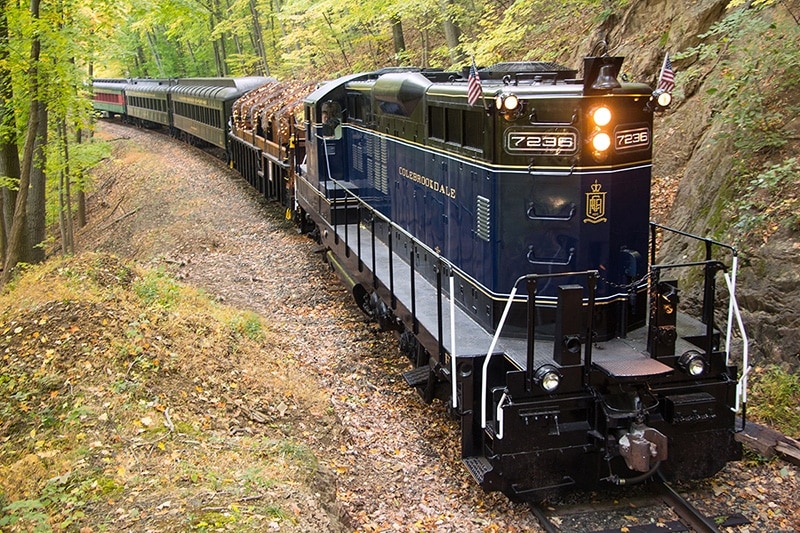
Running through the Schuylkill Valley in eastern Pennsylvania, one might never realize the Colebrookdale Railroad has a storied past. The tracks were laid by returning Civil War soldiers over 150 years ago, and the railway ran past a gristmill and the first iron works and blast furnace ever built in Pennsylvania.
Today the train runs from Boyertown to Pottstown, connecting passengers with the countryside known as the Secret Valley, a region admired for its natural beauty and history.
Railway and Locomotive Types
Running a diesel locomotive on standard gauge rails, the Colebrookdale Railroad runs dining cars, deluxe coaches, parlor cars and a garden café car as its rolling stock. Passengers will enjoy a two-hour excursion through the Secret Valley in these meticulously restored cars.
Seating Options
Photo Credit: ColebrookdaleRailroad.com
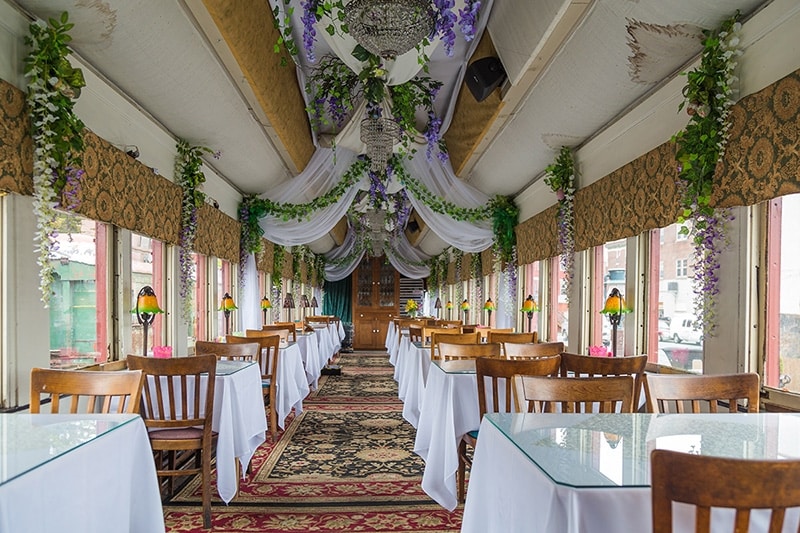
Passengers have their choice of cars and service when it comes to the train cars, as all seats are assigned by car:
First Class Service – Riders enjoy the journey in a nicely-appointed parlor car, complete with a baby grand piano!
Dining Service – Many of the trains offer meals in the dining car and the garden café car. There are a wide variety of menus offered, and some are also available on specialty trains. Check the train schedule to see if your date of travel has this option.
Deluxe Coach Service – Passengers will travel in coach cars or an open gondola car.
Riding Options
The Colebrookdale Railroad departs from Boyertown and travels almost nine miles through the Secret Valley, returning by the same track. They do offer special runs by the Brill Motorcar (also known as “Doodlebug” during the zoo trains) on one-hour departure schedules.
Passengers can also purchase a seat in the locomotive to watch the inner workings of the Iron Horse on most rides.
Specialty Trains
Photo Credit: ColebrookdaleRailroad.com
Pumpkin Patch Excursion – Take the Brill Motorcar to Frog Hollow Farm for a day of pumpkin patch fun. The motorcar will shuttle passengers all day long, so stay and enjoy decorating your pumpkin, drinking cider and indulging in snacks.
Autumn Splendor Fall Foliage Train – Enjoy the colors of Autumn on a tour of the Secret Valley. A scrumptious brunch is offered to dining car patrons.
Zoo Train – Take the Doodlebug to Frog Hollow Farm for a children’s petting zoo. It’s sure to be a fun and furry experience!
Zombie Hunter Train – Blast zombies with provided “blaster packs” to rid the railroad of the pesky monsters at a stop along the way. Those not wishing to participate can become spectators to the zombie annihilation from the train!
Length of Season
The Colebrookdale Railroad season runs from March through mid-November, with specialty trains departing on specific dates throughout the year. Please check the train schedule to make your plans.
Join the thousands of RVers that have a love affair with trains and ride the rails on your next camping trip. Check out the other excursion trains available on a state-by-state basis in our series, RVing the Rails.
Yellowstone National Park is the nation’s first national park and still remains one of the most popular and visited parks in the country. Some people argue that it was the first established national park in the world. Yellowstone became a national park in 1872 and has been captivating visitors ever since. During our time at Yellowstone National Park, we continually felt like we were on a different planet. The landscape is vast, beautiful and wild.
Why Visit Yellowstone National Park?
Image by Manel Vinuesa from Getty
It might be easier to think of reasons not to visit Yellowstone. Seriously, the park is unbelievable. There is so much to see and do and the grandeur of it all makes it an unforgettable experience.
One of the primary reasons to visit Yellowstone, though, is the abundance of hydrothermal wonders. With over 10,000 thermal features, Yellowstone is the best place in the world see hydrothermal phenomena such as geysers, hot springs, mud pots, and steam vents. Over half of the world’s geysers and hydrothermal features are located in Yellowstone National Park. Even if you’ve never been to the park, you’ve likely heard and seen pictures of Old Faithful, the most famous geyser in the world. But, Yellowstone offers so many more thermal features than just Old Faithful.
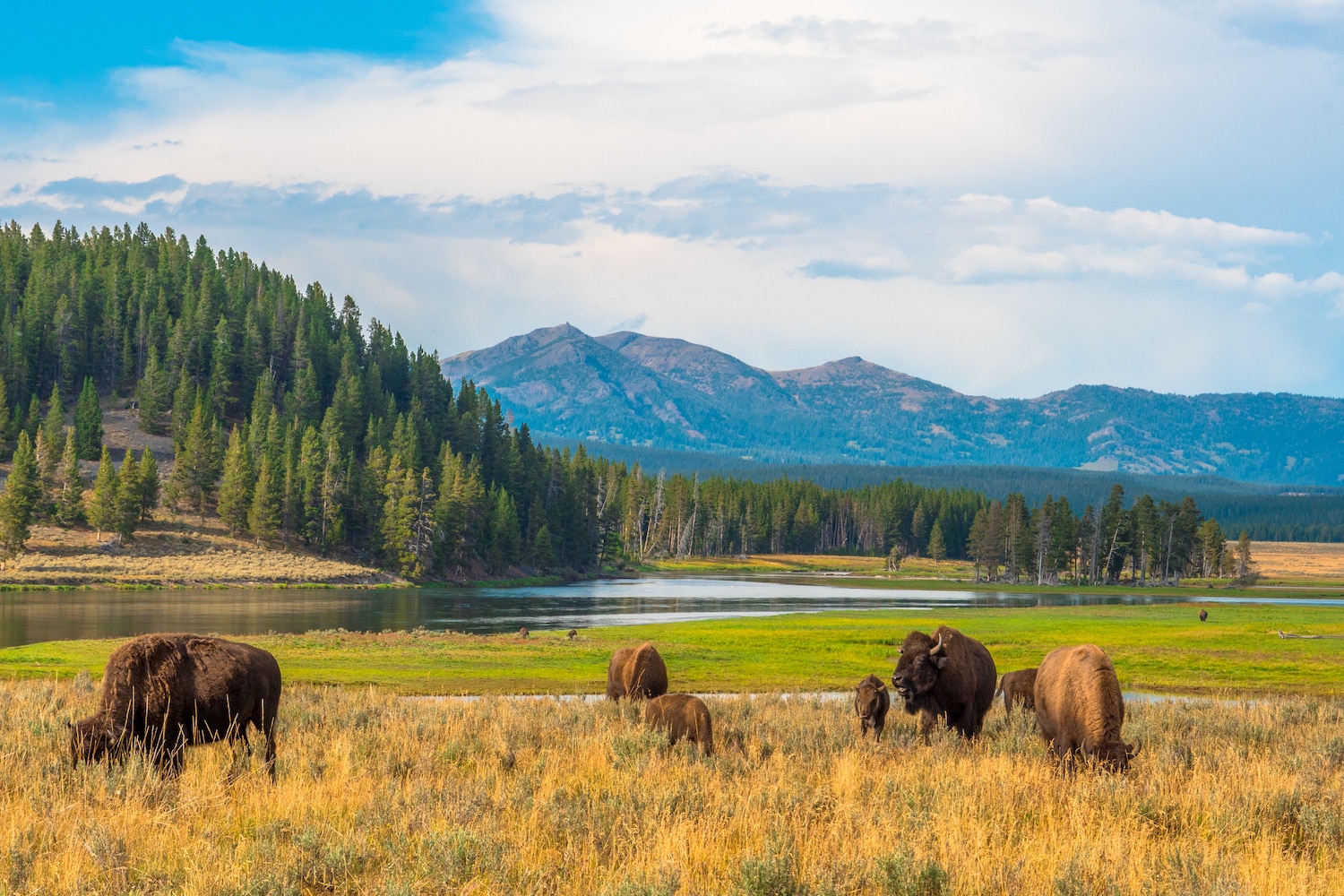
Probably the second most popular reason to visit Yellowstone is to experience the diverse wildlife. It’s not uncommon to see deer, moose, wolves, bighorn sheep, elk, bison, bears, and more just driving through the park. As with thermal features, Yellowstone National Park has the largest concentration of wildlife in the contiguous United States.
Whatever the reason for your visit, Yellowstone offers something for everyone and is a can’t miss national park.
Things to Do
There is no way we can cover all of the things to do in Yellowstone in one blog post. Our goal is to highlight some of the most popular activities to give you some ideas for your trip.
Experience the Incredible Thermal Features
Old Faithful
Located in the Upper Geyser Basin, Old Faithful is probably the most recognized feature in the park and no trip would be complete without seeing it erupt. An eruption is quite fascinating.
The geyser erupts about every 1.5 hours and can shoot water nearly 200 feet in the air! Old Faithful is one of only six major geysers that are predicted regularly by the staff which is remarkable considering there are over 500 geysers in the park. Its regularity is the basis for its name and one of the reasons that developers were able to build viewing areas and lay the foundation of the village and visitor center that exists today at Old Faithful.
Don’t forget to check out the rest of the Upper Geyser Basin. There are 150 geysers in one square mile so there are lots to see other than just Old Faithful.
Grand Prismatic
Grand Prismatic is the largest hot spring in the park and is one of the most interesting sites you will ever see. The colors are so intense and beautiful that it’s hard to even believe your eyes. The hot spring is huge—between 200 and 330 feet in diameter and over 120 feet deep.
Be aware that parking at the hot spring is limited and doesn’t have enough capacity for Yellowstone’s large crowds. Try to get there early to get a parking spot or plan some extra time to wait for a spot to open up.
Mammoth Hot Spring Terraces
The Mammoth Hot Springs are located near the northern entrance of the park, and the springs offer visitors unique viewing experiences. You can walk along boardwalks above the hydrothermal features and get an up-close and personal view of the hot spring terraces. I can’t explain how these terraces are made, but I can say that they are really interesting and particularly inspiring.
Norris Geyser Basin
Take a stroll along the boardwalks at Norris Geyser Basin and enjoy the oldest, hottest and most dynamic of Yellowstone’s thermal areas. Hike the three-quarter-mile trail Porcelain Basin or the 1.5-mile trail that goes around Black Basin. Steamboat Geyser, the tallest geyser in the world, is located here. Although eruptions are uncommon, if you get the chance to see one, it will be something you remember for the rest of your life.
Hiking
With 2.2 million acres and 900 miles of hiking trails, there’s no shortage of wilderness to explore. Whether you prefer hiking through the forest, around lakes and rivers, or through canyons, Yellowstone has it all! Keep in mind though that many of these hikes are high in elevation and will still have snow until June and late July in some areas, so you’ll want to be prepared for cooler temperatures and harsh trail conditions.
Here are some of the most popular day hikes in Yellowstone National Park:
Mystic Falls Trail and Fairy Creek (3.5 miles and rated moderate)
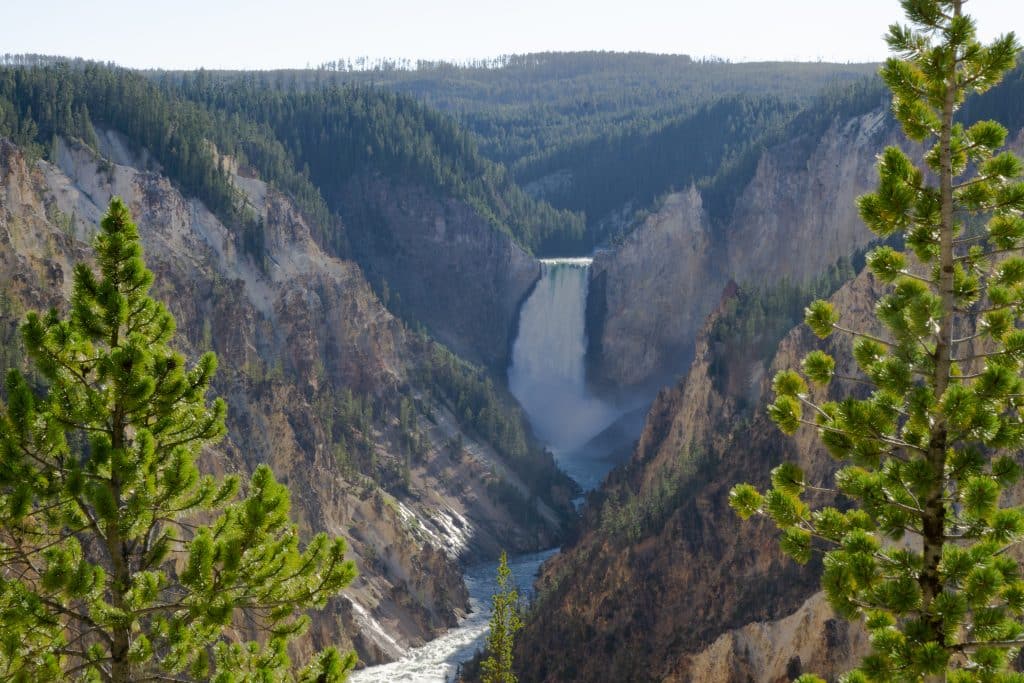
Canyon Rim North Trail to Inspiration Point (7.9 miles and rated moderate)
Uncle Tom’s Trail (.6 mile and rated easy)
Artists Paintpots Trail (1 mile and rated easy)
Dunraven Pass to Mount Washburn (6.8 miles and rated difficult)
Bunsen Peak Trail (4.4 miles rated moderate)
Lava Creek Trail (8 miles rated difficult)
Fly Fishing
Yellowstone is home to several of the most famous trout streams, including the Yellowstone, Gallatin, Snake, and Madison. In fact, anglers from across the world visit Yellowstone specifically to fish and they are an important part of the park’s native fish conservation goals.
Cutthroat trout, mountain whitefish, arctic grayling, are some of Yellowstone’s native fishes that are crucial to its ecology. Be sure to read up on Yellowstone’s specific and strict fishing regulations before you head out on the lakes and rivers.
Horseback Riding
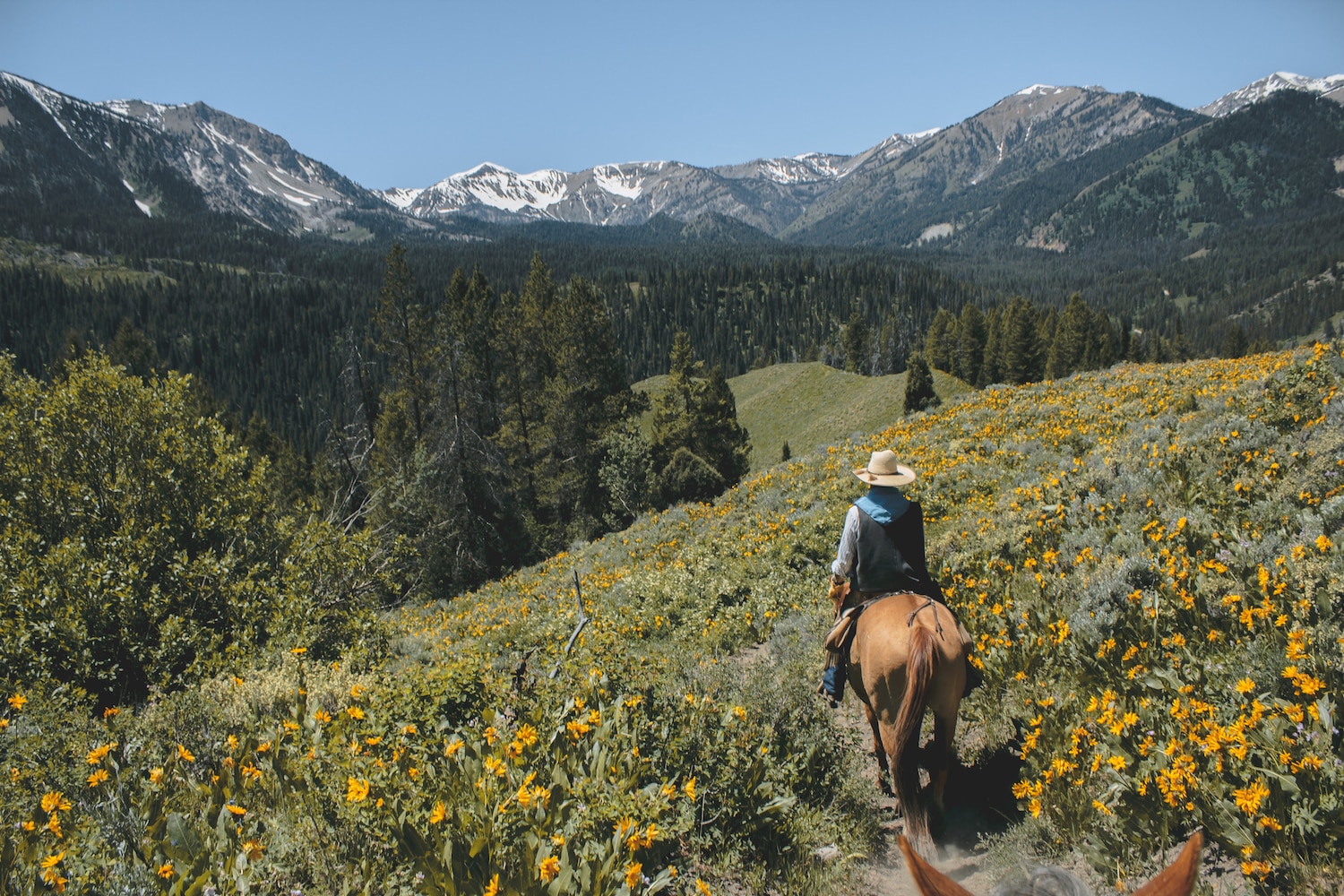
Both guided and private horseback riding trips are available to Yellowstone visitors and an incredible, unique and memorable way to explore the park. There are outfitters who offer day trips and even overnight backcountry trips. Yellowstone National Park Lodges also offers one-to-two-hour rides at Tower-Roosevelt and Canyon.
Consider exploring beautiful Yellowstone from a different perspective by canoeing, kayaking, and motorized boating the park’s rivers and lakes. With a permit and inspection, you can bring your own watercraft. Otherwise, the lodges provide rentals at Bridge Bay Marina on Yellowstone Lake. You can also book guided services from these companies.
When to Visit
Image by William Shafer from Getty
Yellowstone is a seasonal national park. At an average elevation over 8,000 feet and surrounded by large mountains, it’s understandable that some of the park is closed during winter. That doesn’t mean that winter is not a great time to visit the park, just understand that the conditions are fairly extreme.
Therefore, summer is the most popular time to visit the park and the time when all of the facilities are open. To determine which season is right for you as well as what amenities are generally available, please check out this information page.
Where to Stay
There are 12 campgrounds with 2,000 sites offered at Yellowstone National Park. While this sounds like a lot, the spots fill up quickly in high season and the park only takes reservations for five of the campgrounds with the rest being first-come, first-served.
Fishing Bridge RV Park is the only campground that offers full hookups for RVs. Some of the campgrounds can only accommodate smaller RVs, so you’ll want to check the descriptions of each one on the NPS camping page.
The good news is, there are a great number of campgrounds outside the park to choose from if you aren’t able to reserve a site in advance. There are several to choose from near each of the five entrances to the park.
There is also dispersed RV camping (boondocking) spots throughout the forest. You can find these spots by using the official US Forest MVUM’s (motor vehicle use maps). Here’s a great list of all your options for camping around the outside of the park.
Getting to and Around Yellowstone National Park
Yellowstone National Park is located in the northwest corner of Wyoming but, technically, it resides in three states with three percent of the park in Montana and one percent in Idaho. There are five different entrance stations to the park but since the park covers around 3,500 square miles, it can take several hours to drive between the stations. Therefore, bringing your own vehicle is highly recommended for exploring the park.
It can take hours to travel the 50 miles from Old Faithful to the Grand Canyon of the Yellowstone because of traffic from the number of tourists in the park. But also, the buffalo tend to slow your travel down and it’s not uncommon for an entire herd to block the road for a long period of time. So, plan to travel slowly throughout the park. Some companies provide shuttle services and tours if you’d prefer to sit back and enjoy the ride.
Tips and Tricks Specific to Yellowstone National Park
Besides the obvious tips of getting your accommodations booked well in advance and remember to bring your camera and binoculars, here are a few more tips for visiting Yellowstone:
You’ll definitely want to stop at a Visitor Center upon arriving in Yellowstone. With it being such a big and complex park, there’s always a lot going on and updates you’ll want to be aware of. Rangers can also give you the best tips for what to do during the specific times you’re visiting and your preferred activities.
Consider seeing the top attractions, such as Old Faithful, in the early morning or evening to avoid crowds. This is also the best times to spot wildlife.
Don’t forget to spend time stargazing! Go outside after dark, with of course a flashlight and awareness of wildlife, and either walk or drive a short distance away from your campsite or lodge. You’ll enjoy a dazzling night sky.
Pack for all seasons! Bring layers as the days can be hot and the nights can get chilly, even in the middle of summer.
Visit nearby Grand Teton National Park while you’re in the area. It’s only a short drive and you absolutely won’t regret it!
In this episode, Sam interviews Lindsay McKenzie (Follow Your Detour) and Julie Chickery (Chickery’s Travels), half of the team for Full-time Freedom Week, a free online event that will teach you everything you need to know to become (and remain!) a successful full-time RVer! Along with Liz Wilcox (The Virtual Campground) and Camille Attell (More Than A Wheelin’), Lindsay and Julie are deep into preparing for this annual online event. Tune into the episode to hear all about the speakers, topics, and the newest addition to this event… an in-person meet-up!
Full-Time Freedom Week is a free online event, featuring 30+ RV experts, from November 5-8th. You can also upgrade to a paid ticket for extended access to the video content or attend the event in person! Click here to learn more and grab your ticket!
Taking your new (or new to you) RV out for the first time can be a little intimidating. It may seem like there is simply too much to remember, but don’t worry. The list of things that scare you will shrink with time, knowledge, and experience. But for your first time, these tips will help you make the most of your first campground stay.
Advance Planning
The best thing you can do to ensure a smooth first camping trip is plan in advance. More and more people are enjoying RV travel, making campground reservations important. The more popular the location, the farther out you need to make your reservations. If you are planning to visit a first-come, first-served campground, you’ll want to do a little research to determine the best time to show up in order to snag a site.
It’s always a good idea to touch base with the campground office the day before you head out on your trip. Verify your reservation and verify what time you can check in. Even if you plan to arrive early, something unexpected could happen. Therefore, inquire about late check in procedures. You don’t want to roll up to a locked gate after a long day’s drive.
Learn Your Rig
Image by Julie Chickery
Practice using the RV systems before you leave home. This includes the landing gear, leveling process, slide outs, as well as hitching and unhitching if applicable. Don’t forget driving and parking practice, especially backing up. We’ve arrived at a campground with a pull-thru site reservation only to find there was a mix up and needed to move to a back-in site.
Make A Checklist
As you are practicing with your rig, make a checklist for packing, arrival, and departure. You don’t need a lot of gear to enjoy a great camping trip, but you will need some essentials. Take a look at our essential packing guide for first time campers.
Create a checklist of items for setting up the RV at the campground. You’ll want to include things like:
Deploy the jacks/levelers
Chock the wheels
Plug in the power
Connect to water and sewer (if provided)
Turn on the air conditioner (if needed)
Open slides
Turn on the water heater
Turn on the LP gas
This itemized checklist will help things go smoothly at the campground and ensure you don’t forget anything. You’ll also be able to use the list in reverse upon departure.
Campground Arrival
Photo by Julie Chickery
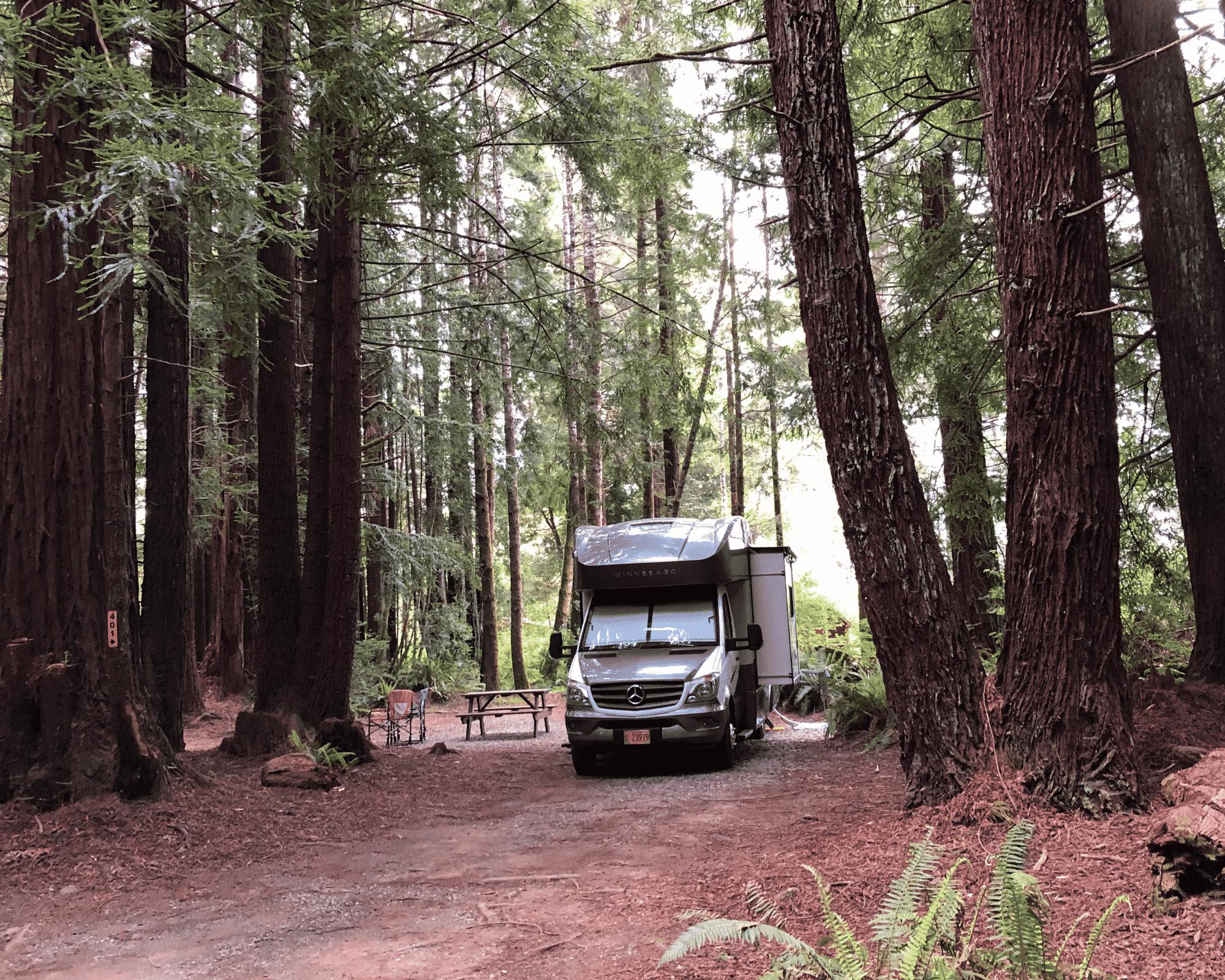
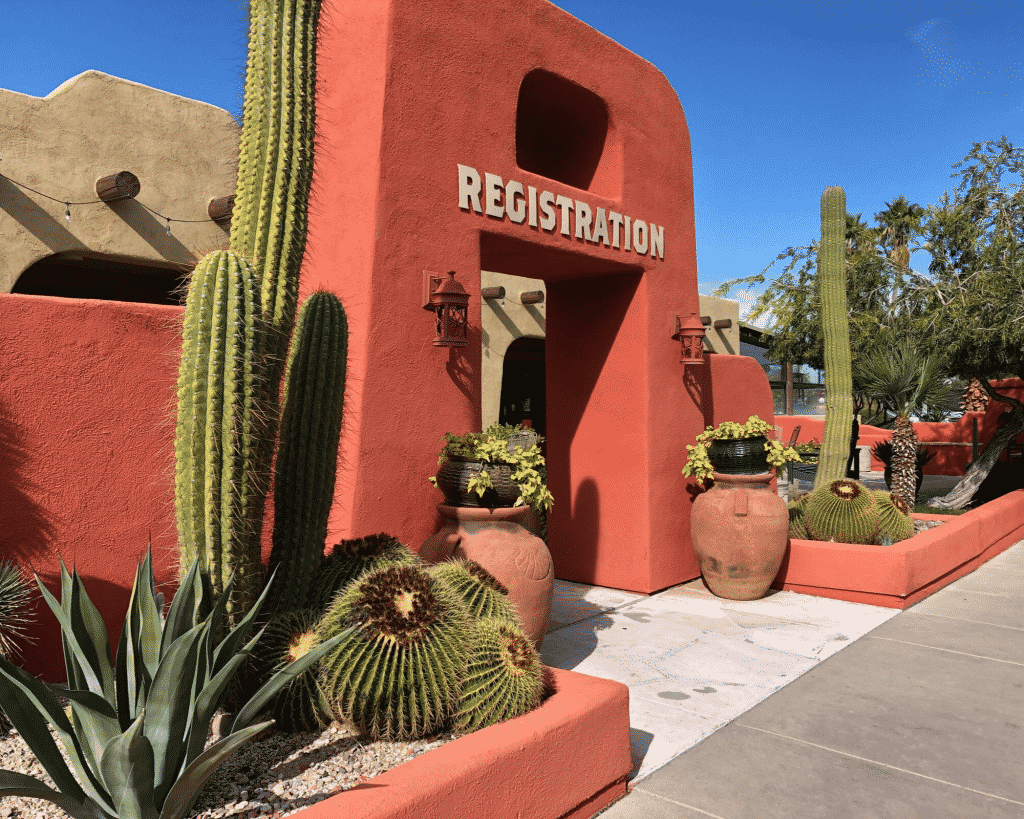
Many campgrounds have an office that you will stop at first to register. Some public campgrounds (state, city, national forest), especially smaller ones, don’t have an office, but do have a kiosk for self-registration. If you don’t have a reservations, look for guidelines on finding an open site. In some cases, there will be a list posted on a board with the campground map, and it others there may be a marker on the actual campsite.
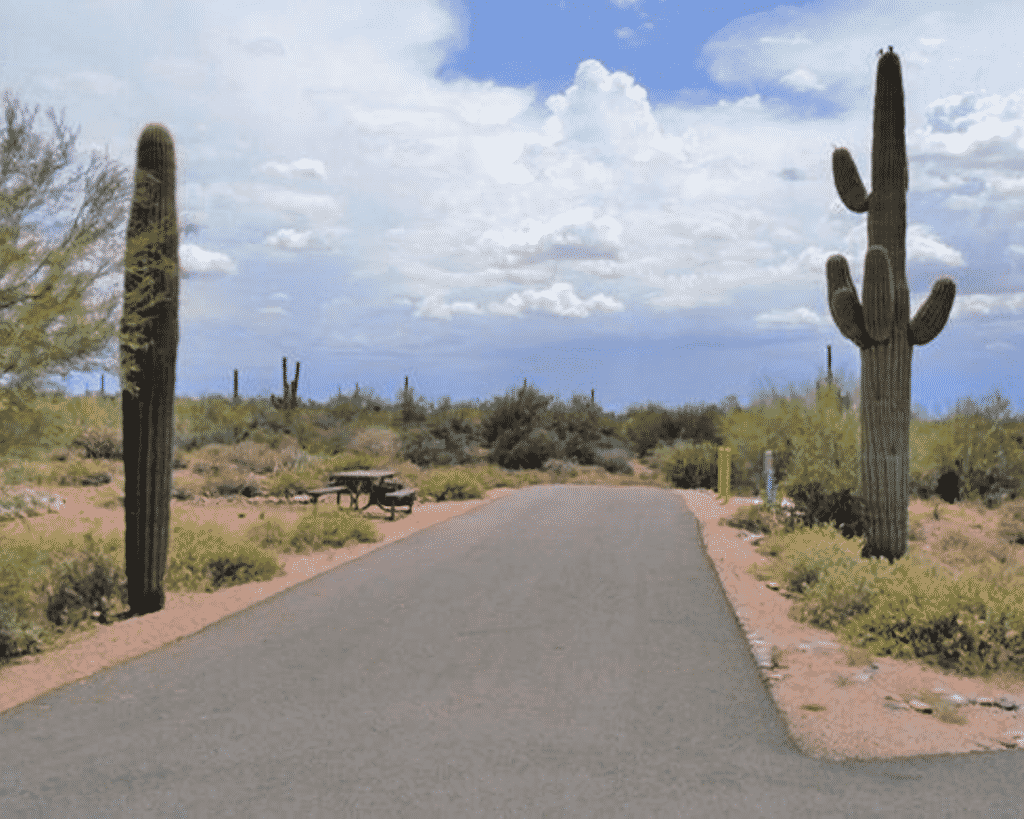
Pay attention to your site’s location on the campground map looking closely for the approach. The campgrounds are always marked well once you move beyond the entry and you want to be sure you’ve noted a few landmarks or site numbers to help you navigate to yours.
It is also a good idea to arrive early in the afternoon so you can set up your campground in the daylight. Not only does this make things easier on you, but it also keeps the neighbors happy. No one likes headlights shining in their RV windows or the loud sounds of someone setting up at night.
Photo by Julie Chickery
Scout out your site before actually pulling into it. Take notice of the power, water, and sewer hook ups. Be sure there is enough space to fully deploy your slides. More than once we’ve had to move the RV forward or backward to be safely clear the power pedestal with our bedroom slide. If there is a paved pad, keep an eye on your RV leveling jacks to ensure they stay on the pad.
Campground Etiquette
Photo by Julie Chickery
Once you’ve gotten settled in and are ready to enjoy your stay, consider these few unwritten rules of campground etiquette. By following these few guidelines, you can help ensure that your good time doesn’t ruin someone else’s.
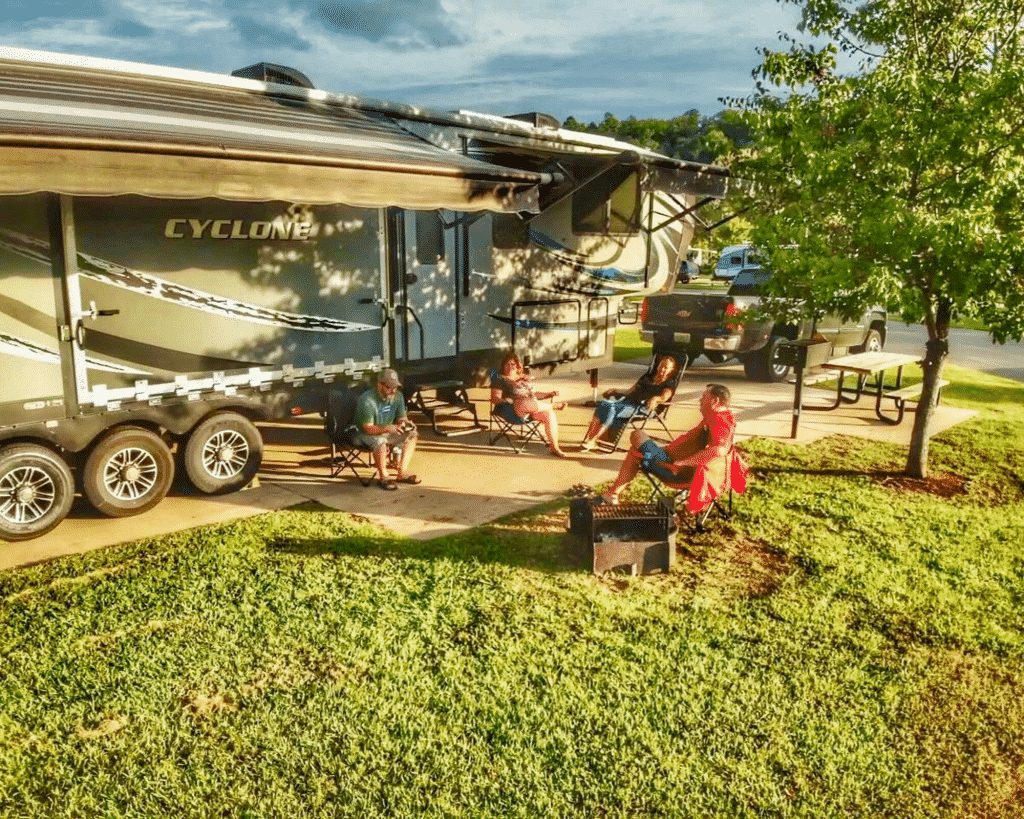
First of all, remember that even if you can’t see your neighbors, they usually aren’t that far away. Be mindful of that when you are playing music or telling stories around the campfire. Most importantly, observe quiet hours. They are usually posted and typically start around 9 or 10pm.
Also, be aware that the little privacy you have is limited to your campsite. Respect the space that other campers have chosen, and don’t walk through another campsite to get to another location in the campground.
RVing is a great way for pet owners to travel with their fur babies, but there are a few courtesies you can extend to your fellow campers. Clean up after your pets, keep your dogs on a leash, and don’t leave them cooped up (and barking) all day while you’re away.
Camping as a family is a joy, but be mindful that not every camper has children. Please make sure your children are properly supervised and respectful of others.
Have Fun
This is the most important tip of all! Don’t let any small mistakes or items left behind ruin your trip. Enjoy yourself and your first camping trip. We all learn as we go and any mishaps will make entertaining stories down the road.