Today on the podcast, Sam interviews Ana Willis of They Call Me Blessed, a homeschooling blog. Ana is a homeschool mom of 3, wife, health coach, social media and online marketing strategist, and mom blogger. Her passion is to encourage, inspire and empower moms to go from stressed to blessed by providing them with the inspiration, encouragement, and tools they need to live a beyond blessed life. She also runs a membership called The Homeschool Sisterhood, which gives moms year-round support and guidance to succeed in their homeschool journey.
In addition to being an expert on all things homeschooling, Ana is also a world traveler and, recently, a full-time RVer! Her family has lived in Africa, South America, North America, and the Middle East. Now, they are living in an RV in British Columbia. In this episode, Ana shares their journey to RV life and paying off debt, her top tips and advice on homeschooling, and inspiring wisdom for living your dreams.
What we cover in this episode
1:00 – RV life beginnings
6:30 – The biggest transitions to RV life
13:30 – Advice for families wanting to hit the road
18:00 – Advice for homeschooling and finding a homeschooling community
24:30 – How homeschooling helps her children to be independent, lifelong learners
Ana’s advice on homeschooling
De-school yourself! Programed to think that school happens 8 hours a day, through textbooks
It’s not true! We are born natural learners. We learn more through experience.
Look for curriculum that fits your family’s learning style.
You don’t need to know it all to teach your children. You can stay one step ahead and learn together.
Ana will be hosting the first online roadschooling conference this fall. Stay connected with Ana at They Call Me Blessed to learn more!
Ana’s advice on RVing
Become unattached to material objects. Get rid of stuff.
If you have debt, come up with a plan to pay it off as soon as possible.
Think about how can you work smarter to make more income, while also having more family time.
Dream big! Decide your mission or goal as a full-time RV family.
Create the most amazing memorable moments as a family.
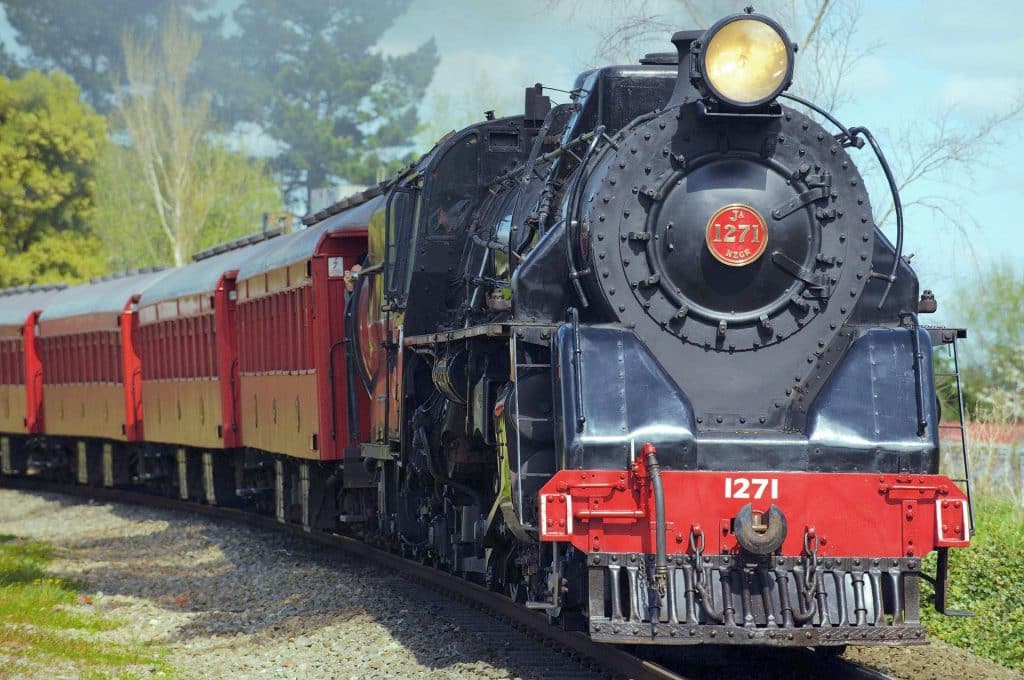
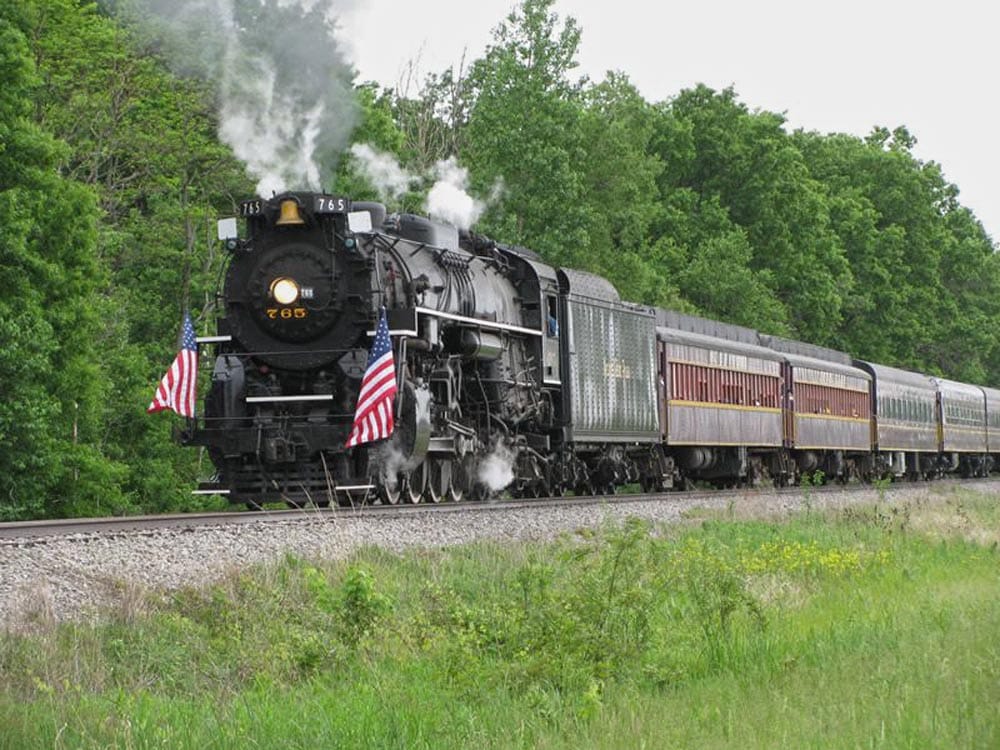
Many times camping trips involve exploring new territory and discovering enticing attractions along the way. Passenger tour trains have that magnetic appeal for many RVers, providing a novel way to see hidden countryside not normally viewed from the road. Railroad passengers learn about local history, culture and the many colorful characters from the communities visited. Camping World wants to make sure you don’t miss the departing whistle, so we have created a series entitled RVing the Rails. You will find the most popular excursion trains to ride in each state, complete with any specialty trains they might offer.
Photo Credit: Skeeze on Unsplash
Today we will explore the most popular trains in Indiana:
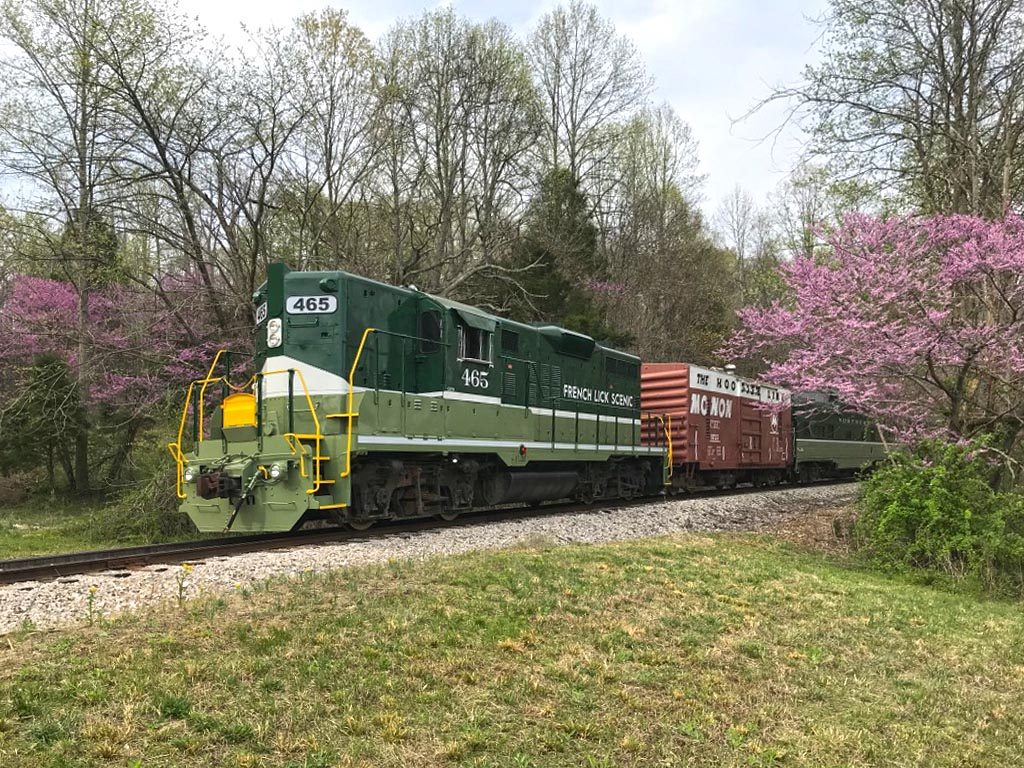
French Lick Scenic Railway
Photo Credit: FrenchLickScenicRailway.org
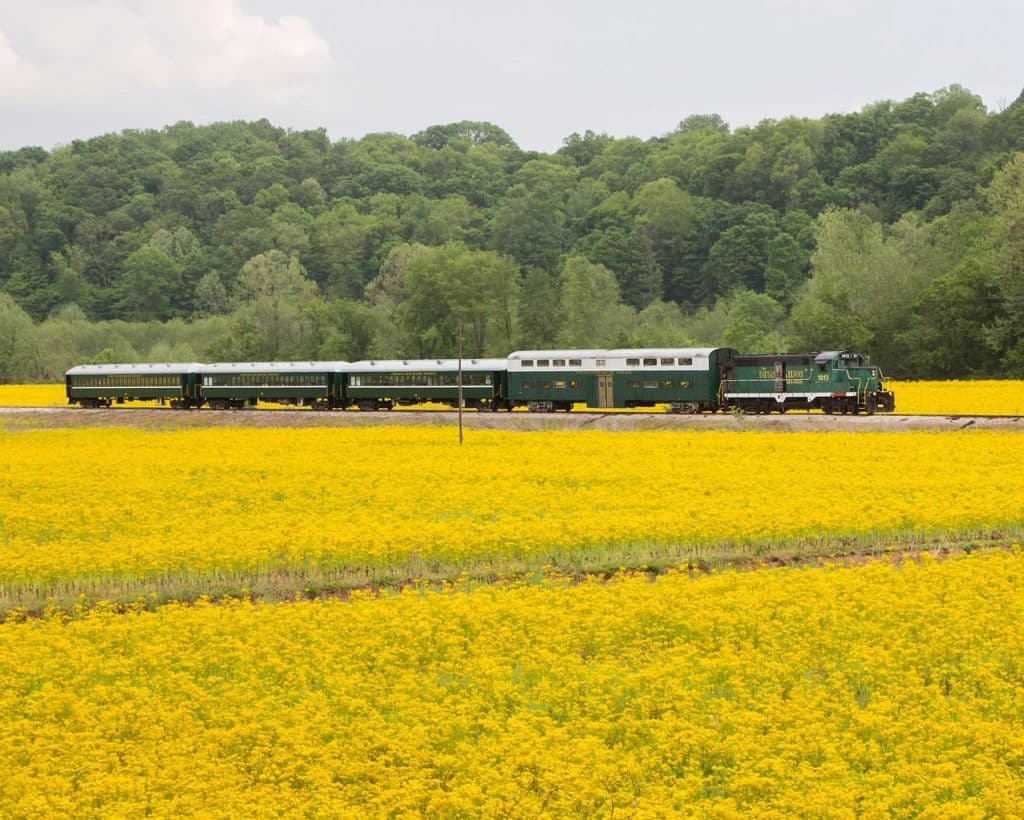
Begun as the Indiana Railway Museum, today’s train runs on tracks once owned by the Southern Railway Company. The twenty-five miles of the French Lick Scenic Railway running from French Lick to Jasper is now a living history museum dedicated to railroad transportation. Passengers pass through the hills of southern Indiana and the Hoosier National Forest, enjoying rail travel as it was meant to be—relaxing transportation that celebrates the journey, not just the destination.
Railway and Locomotive Types
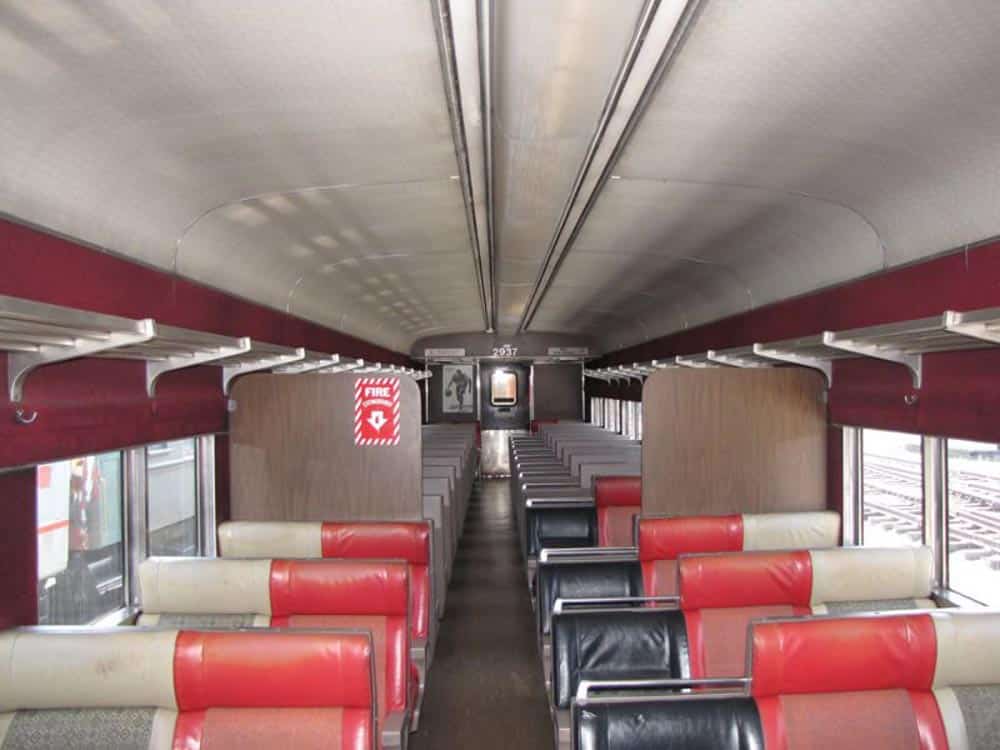
The railroad runs with a diesel electric engine on standard gauge tracks. The rolling stock consists of glass-enclosed dome cars and enclosed coach passenger cars.
Seating Options
Dome Class – Passengers ride in the upper glass-enclosed dome car with tables of four and assigned seating. An assistant is on hand to help.
First Class – Passengers with first class tickets ride in the lower dome and 1710 cars, where padded seats and tables are provided. All first class seats are assigned.
Coach Class – Passengers with coach class tickets ride in enclosed cars with open general admission seating, available on a first-come, first serve basis.
Photo Credit: FrenchLickScenicRailway.org
Riding Options
Train excursions are all round-trip affairs, so there are no one-way tickets or side trips available.
Specialty Trains
Reservations are suggested for all specialty trains, as they tend to sell out.
Easter Bunny Express – Catch a ride from the French Lick Depot to the Easter Egg field, where children can hunt for eggs and take their picture with the Easter Bunny.
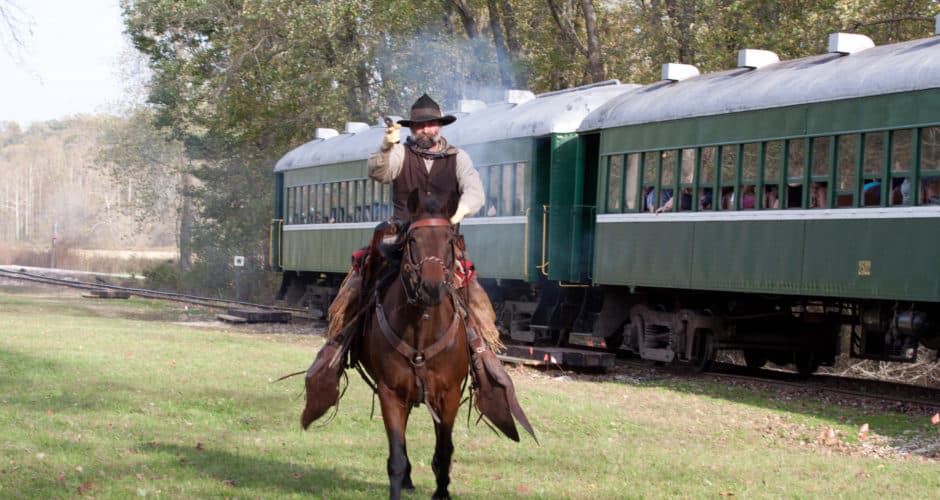
Wild West Hold Ups – Take a journey back to the Wild West as the French Lick Scenic Railway gets hit by robbers attempting to steal the payroll. Hide your valuables!
Dinosaur Adventure Train – Venture back to the Jurassic Era and learn about paleontology and natural science on the Dinosaur Train. Children can participate in a fossil dig and hold a live reptile.
Polar Express – Wear your pajamas and hop on board the Polar Express for a ride to the North Pole. Santa can’t wait to hear what you want for Christmas, and the elves and chefs will make sure all passengers are well-fed with cocoa and cookies!
Photo Credit: FrenchLickScenicRailroad
Length of Season
The French Lick Scenic Railway season runs from March through October, with Polar Express trains running on weekends in November and December. Check out their schedule here.
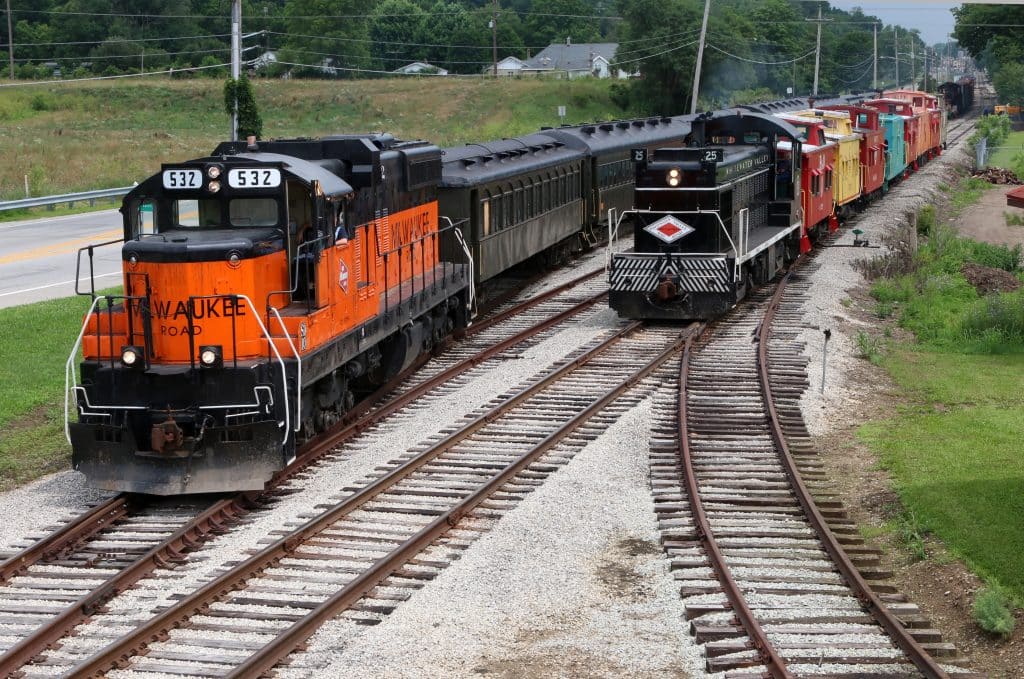
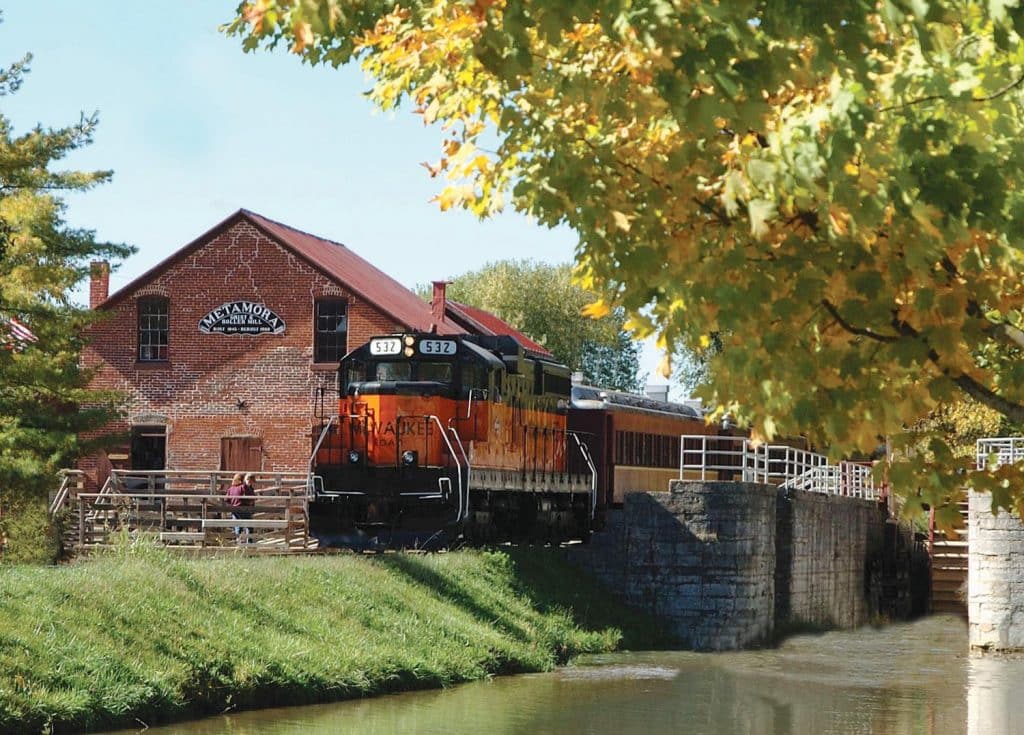
Back in 1845 the state of Indiana built the Whitewater Canal for towing freight, but the waterway suffered from flooding and washouts. So eventually the towpath along the canal was used to lay railroad tracks. Today, the Whitewater Valley Railroad runs from Connersville to the restored canal town of Metamora, where passengers can explore a working grist mill, canal boats and the locks in a two-hour layover, before returning to Connersville.
Railway and Locomotive Types
The railroad operates with a diesel locomotive running on standard gauge track. Enclosed passenger cars with windows provide a comfortable way to see the Whitewater Valley.
Seating Options
There are no assigned seats on the Whitewater Valley Railroad. All cars are enclosed coaches with general admission tickets.
Photo Credit: WhitewaterValleyRR.org
Riding Options
The railroad offers two options for some interesting train travel:
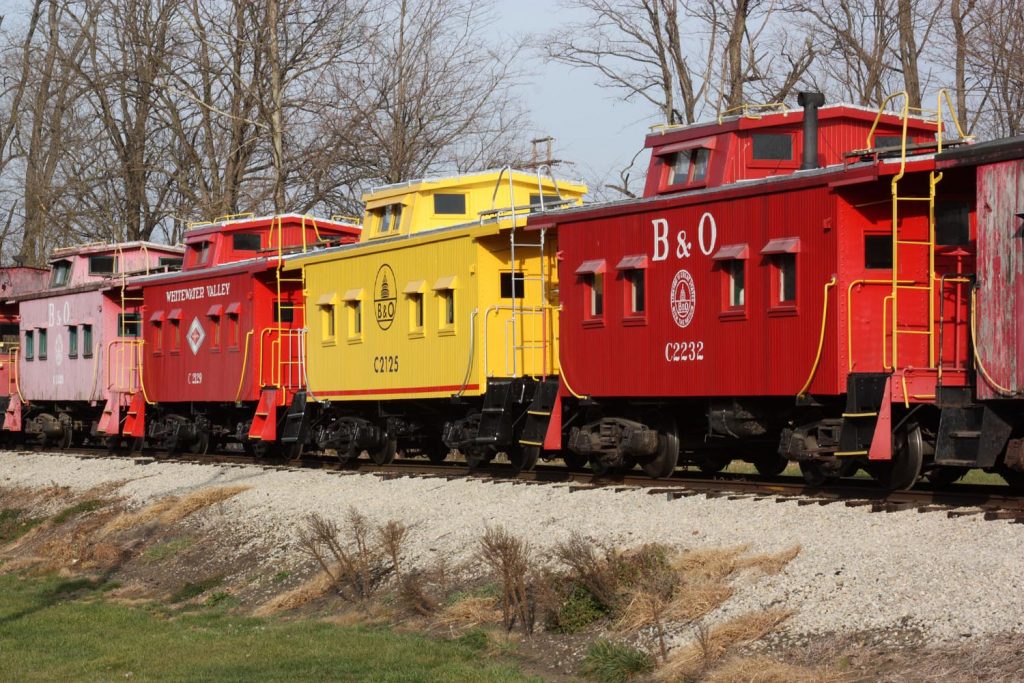
Caboose Rental – Rent an entire caboose for up to 20 people and have it hooked to the train!
Metamora Shuttle – for those passengers who would like to travel two miles past the depot in Metamora, this shuttle train offers a short trip along the canal to see restored canal locks, canal boat docks and a working aquaduct.
For those wishing to travel one-way, tickets can be purchased from Connersville to Metamora.
Specialty Trains
Throttle Time – Become a train engineer on this special day, where guests will go through safety inspections, training and get 30 minutes of “throttle time” operating a diesel electric engine.
Ghost Train – Depart from Metamora Depot to hear stories of the train’s tragic past. A few ghastly apparitions may join you on the excursion.
Pumpkinliner – Take a train ride to the pumpkin patch, where hayrides and jack o’lanterns await!
Polar Express – Join in the holiday fun as the train visits the North Pole to pick up Santa. Kids will have an opportunity to tell him all about their Christmas wishes, and riders will enjoy hot chocolate and cookies, along with a reading of the beloved “Polar Express” story.
Photo Credit: WhitewaterValleyRR.org
Length of Season
The Whitewater Valley Railroad operates from March through October with weekend train rides. Specialty trains are scheduled on specific dates, so please check the train calendar to select your excursion.
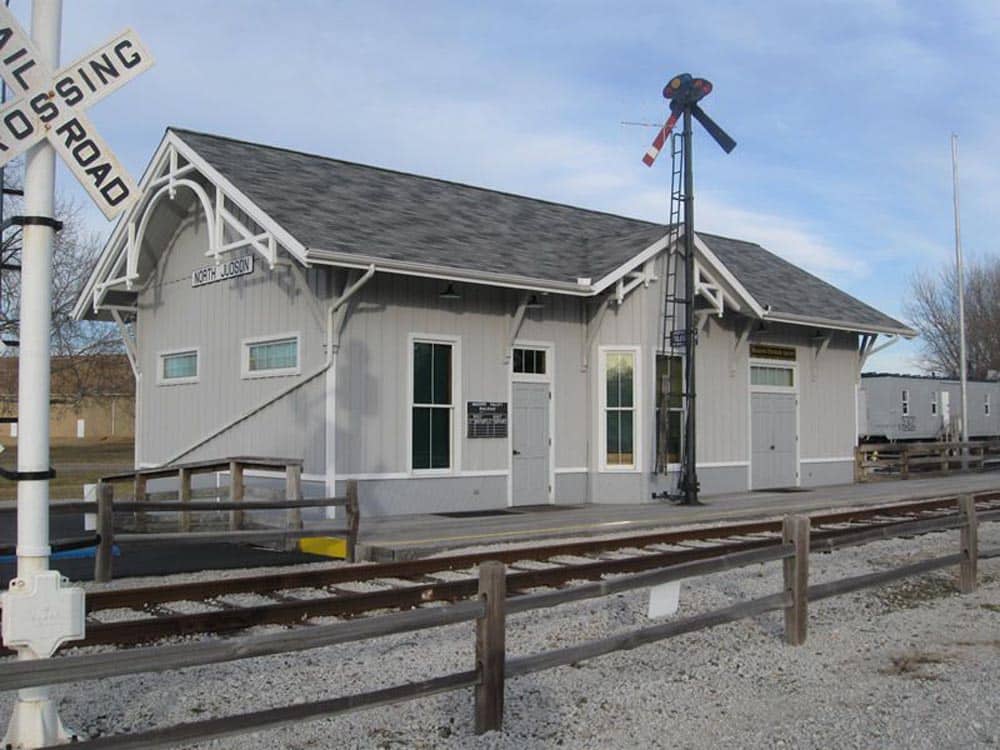
Located at the confluence of four different historical railroads, the town of North Judson was a pretty busy place during railroad’s hey days. With the Pennsylvania Railroad, the New York Central Railroad, the Erie Railroad, and Chesapeake & Ohio Railroad all fighting for attention, it was not unusual to see 125 trains pass through this rural community in one day! Now the Hoosier Valley Railroad is carrying the torch, providing excursion trains and a museum to preserve railway history.
Railway and Locomotive Types
The Hoosier Valley Railroad operates with a vintage diesel locomotive on standard gauge tracks. Rolling stock includes various cabooses, an open air gondola car and climate controlled enclosed passenger coaches.
Seating Options
All seating is open with no assigned seats. Seating on all cars is considered General Admission on a first come, first serve basis.
Photo Credit: HoosierValley.org
Riding Options
A 45 minute train ride from the depot in North Judson travels across the Kankakee River Bridge at English Lake, then back to the depot. There are no one-way tickets, but passengers are assured they will see some lovely Indiana countryside.
Specialty Trains
Easter Train – Hop on the train for an excursion to an Easter egg hunt, where the Easter Bunny joins in on the fun.
Fall Harvest Train – Take a leisurely trip through the autumnal colors in the northern Indiana countryside.
Halloween Train – This twilight train that will entertain your trick-or-treaters. Bring your costumed ghosts and goblins for a haunting good ride!
Santa Train – Don’t miss a ride on the rails with the Big Man himself!
Photo Credit: HoosierValley.org
Length of Season
The Hoosier Valley Railroad runs trains every Saturday from May through September. Special event trains are scheduled on specific dates, so check the train schedule to find the excursion that suits you.
Join the thousands of RVers that have a love affair with trains and ride the rails on your next camping trip. Check out the other excursion trains available on a state-by-state basis in our series, RVing the Rails.
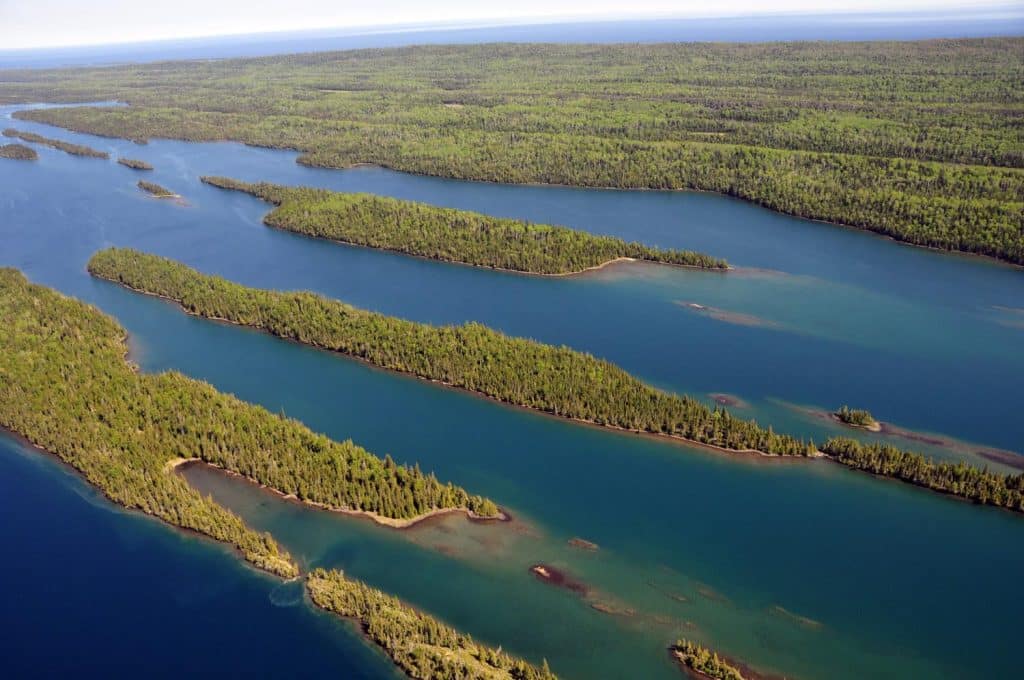
Water is the main star at Isle Royale National Park. With over 400 islands inside the park boundaries, visitors traverse the waters of Lake Superior to then navigate channels and waterways by kayak or canoe, sailboat or fishing vessel, all to do a little island hopping. SCUBA divers find treasure in the waters here as 10 shipwrecks offer up their secrets.
Wildlife on Isle Royale harbor a mystery as to how they crossed the depths to arrive here more than 100 years ago. This park, it seems, will quench your thirst for adventure and exploration.
History of Isle Royale National Park
Sitting in Lake Superior, Isle Royale is part of the state of Michigan, although the park is actually closer to Canada and Minnesota. None of those designations existed when copper was first found here thousands of years ago.
Several copper implements were discovered in Indian settlements, dating back to 3000 BC. The copper for these items was mined on Isle Royale, which was called Menong by these indigenous peoples. But it was the Chippewa who lived here until the mid-1800s when they relinquished the island to white settlers.
By the turn of the century, the island became a vacation destination for the wealthy. Walter Singer built a hotel and cabins along the shore at Washington Harbor, purchasing a boat to bring guests to “Island House Resort.” Soon competition appeared on the island and tourism grew a bit. By 1912 the Washington Harbor Club, a group of wealthy businessmen who owned railroads through northwestern Minnesota, evidently transported moose from there to the island, creating their own private hunting club.
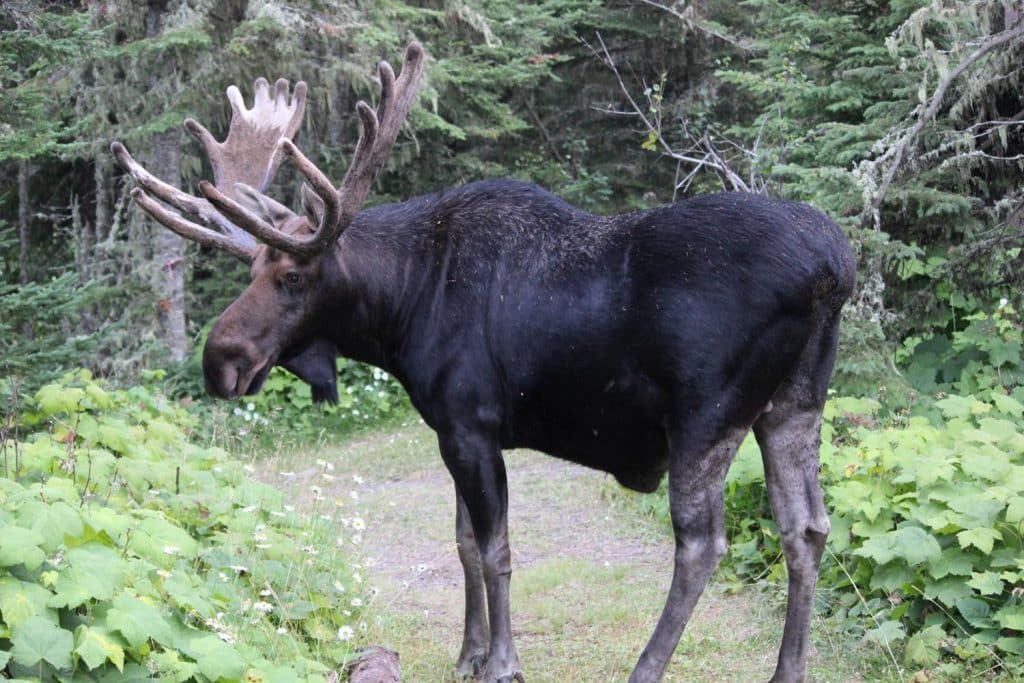
The moose remain, but the hunting club was gone by the time the region came under the protection of the national park service, becoming Isle Royale National park in 1940.
Why Visit Isle Royale National Park?
Photo Credit: NPS by Kelly Morrissey
This is one of those parks where an RV doesn’t quite fit in. Visitors will be relegated to parking it on the mainland in Michigan or Minnesota and taking a boat or seaplane to the island. Don’t worry, it will be there when you get back. The Isle Royale National Park is worth leaving your rig behind becuase it’s so wild and so special. It’s unlike any other national park in the country.
Places to Go
The islands of Isle Royale National Park provide a variety of sections to visit. Here are the three regions with a list of services available in each:
Houghton Visitor Center
Ranger III – Photo Credit: NPS by Joe Hudzinski
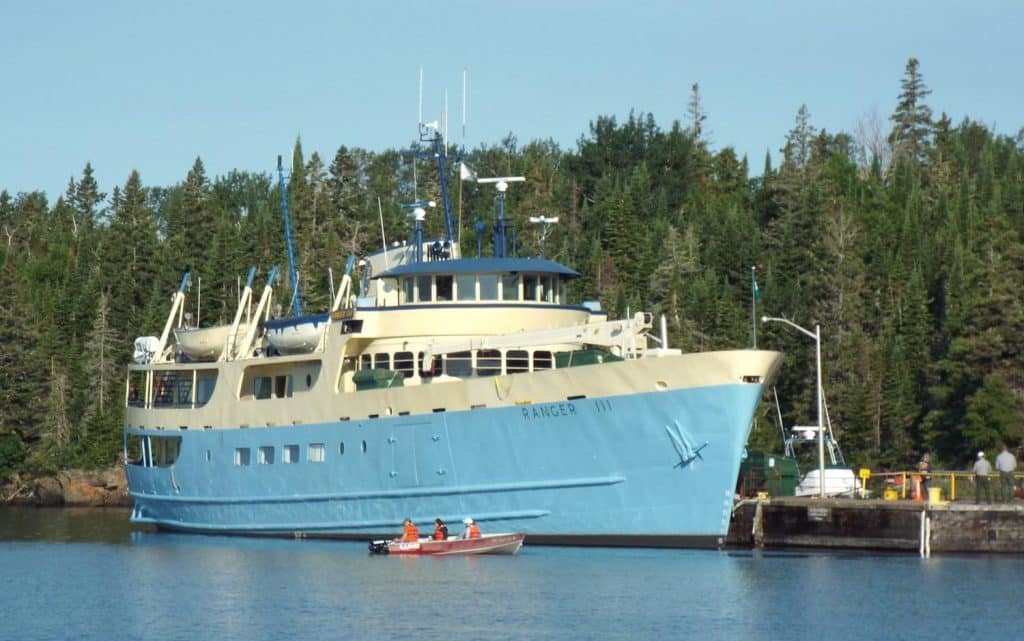
Located on the mainland of Michigan, Houghton is the home to the park’s ferry, Ranger III. The visitor center has a bookstore, park movie, restrooms and information about Isle Royale. Boating permits can be obtained here, as well.
Rock Harbor Visitor Center
Photo Credit: Ray Dumas (CC BY-SA 2.0)
Located on the northeast end of the park, this visitor center has area displays, park information and backcountry permits available. Services available in Rock Harbor area:
Dockage with Power and Water
Pump Out Service
Fuel
Rock Harbor Trading Post
Showers
Laundry
Potable Water
Restaurant
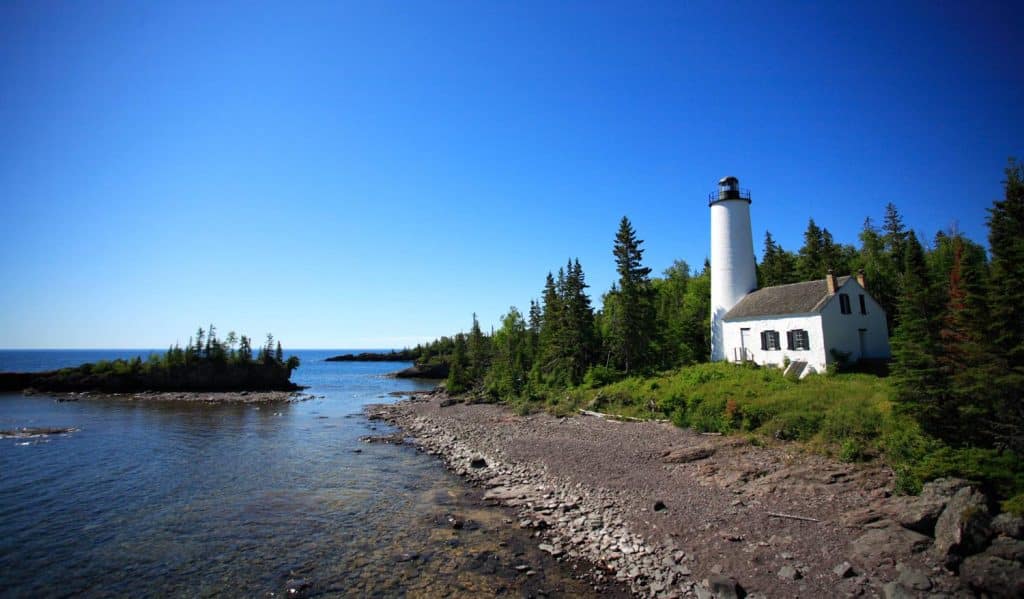
Lighthouse
Boat Rentals
Windigo Visitor Center
Located on the southwest end of the park, Windigo has ranger programs, park information, and displays. Backcountry permits are issued here. Services available in Windigo area:
Pump Out Service
Fuel
Windigo Store
Showers
Laundry
Potable Water
Windigo Camper Cabins
Things to Do
With over 8 million acres, there are a lot of activities that can be enjoyed. Here are just a few of the most popular ones:
Hiking
A great way to spend a day at Isle Royale is hiking the many trails here. There are trails of varying distances and difficulties, and hikers should be prepared for uneven terrain. Check out trail maps from Rock Harbor here and trail maps from Windigo here.
Backpacking
Spend several days exploring the islands of Isle Royale National Park by backpacking and canoeing through the region. A permit is required, but there are numerous small campgrounds for just this purpose. Be sure to look at which campsites are accessible by water and which are accessible by land.
Camping
The islands have several small campgrounds scattered throughout for campers, providing overnight stays along waterways and off hiking trails. Permits are required and there are limits to the number of nights allowed.
Fishing
Catch your fill of lake or brook trout in Lake Superior, or any of over 40 species of fish when you cast a line at Isle Royale. Michigan fishing licenses are required to fish in Lake Superior. However, no licenses are needed for inland fishing.
Boating
The most efficient and enjoyable way to experience the park is by water. If traveling by canoe or kayak, your boat must be at least 15 feet long to handle rough water and not swamp. Only sea kayaks are useful here, as recreational ones are not appropriate for the marine environment. Canoe routes and portages are located on the eastern half of the island.
Sailboats and motorized boats have a number of docks where they can tie up. Boats with motors are not allowed on lakes, and no personal motorized vehicles are allowed within the park.
SCUBA Diving
Because of the harsh weather and difficult navigation on Lake Superior, many ships were lost here. There are ten shipwrecks within the park boundaries, preserved for SCUBA diving enthusiasts and photographers. Divers must register at one of the visitor centers before diving, and mark dive spots with a flag. Isle Royale Charters is the only company licensed to guide SCUBA trips within the park.
When to Visit Isle Royale National Park
From November 1 to April 15 Isle Royale and its surrounding islands are closed to visitors because of harsh weather conditions. However, the waters of Lake Superior are open to boaters year-round. Spring, summer, and fall offer stunning vistas in a more temperate climate, and a plethora of water activities and hiking on the islands are available for travelers to Isle Royale National Park.
Where You Can Stay
Since you won’t be taking your RV into Isle Royale National Park, it is best to dock it in an RV park in one of the three towns that offer boat access to the islands and use that as your home base.
As far as staying in the park, there are over 30 different small campgrounds in the park. They offer little to no amenities and you’ll need a permit as discussed above. Here’s the National Park System’s guidelines on camping in Isle Royale National Park.
Getting to and Around Isle Royale National Park
Photo Credit: NPS by Jim Peaco
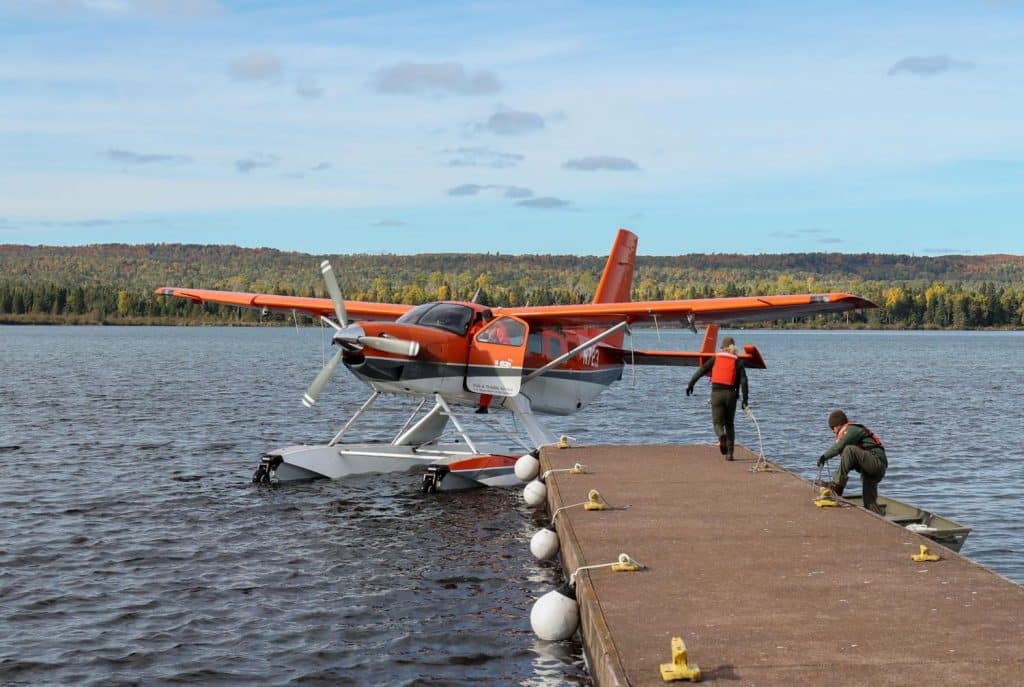
There are two ways to get to Isle Royale: by boat or by seaplane. Both leave from three different ports on the mainland. So, if you are coming from Minnesota, depart at Grand Marais. If Michigan is your departure state, you can leave from Houghton or Copper Harbor.
Once in the national park, there are no motorized or wheeled vehicles allowed except wheelchairs. Travel is by foot or by boat. There are several services that ferry visitors between islands, and many bring their own kayaks or canoes to enjoy the waters. Rentals are also available at Rock Harbor.
Currents
Photo Credit: NPS by Jacob W. Frank
Water has a way of soothing the soul, giving way to tranquility. At Isle Royale National Park, there is room for visitors to explore the depths or skim across the surface of its current. Dip a paddle or let the wind take the sails to lead you into port, escaping the intensity of the outside world, if only for a few days. This unique wilderness is an interesting place to be, and it comes highly recommended.
What do you think of Isle Royale National Park? Leave a comment below!
Regarding outdoor kitchens, my feeling is if it doesn’t have a sink, it’s not a kitchen. Pull-out grills off the exterior of a towable or motorhome are great, but I like to be able to clean my food and my hands without walking inside.
Furthermore, my ideal outdoor kitchen includes a refrigerator, some counter space for food prep, an exterior outlet and, obviously, a grill and/or range. A spot for a small flat-screen TV is awfully nice, but that’s not a deal-breaker for me. The TV merely takes it to a higher level where, if I have satellite or cable hooked up, I can cook a meal outside and be yelled at by a host of TV chefs if I choose.
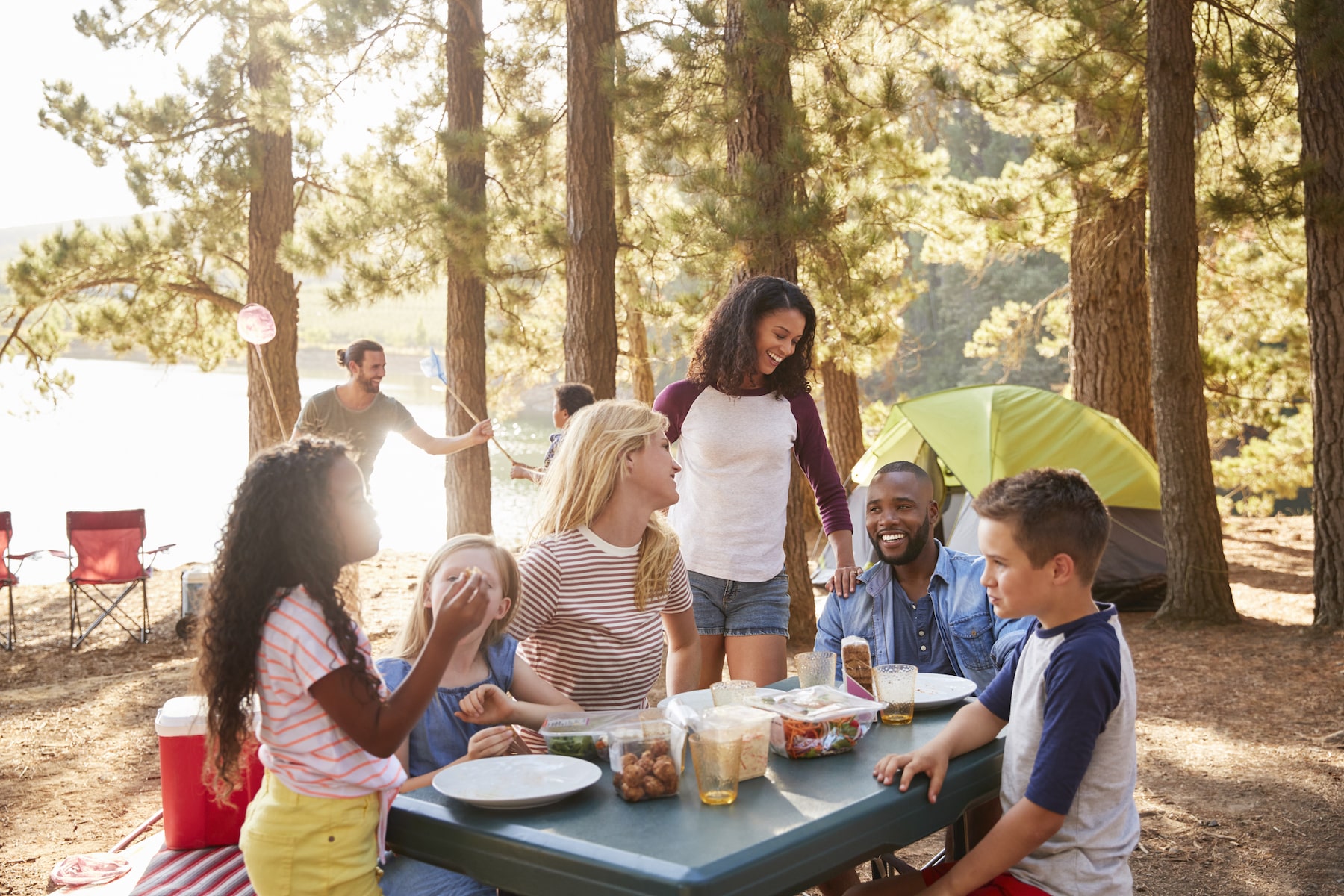
But, I digress. This article will focus on creating a quick and good family picnic utilizing your RV’s outdoor kitchen.
Picnics have evolved since I was a kid when a butter and sugar white bread sandwich was your meal. Or, if it was a special day, bologna (or baloney—your choice) was slapped between two slices of spongy white bread with a swipe of mayonnaise… our parents were obviously thrill-seekers.
The Breakfast Picnic
Image by StephanieFrey from Getty
Never would my parents had ever considered having a breakfast picnic, but let’s take the thought of a picnic as exclusively a lunch meal and throw that cliché away.
Now, if my parents would have thought outside the picnic basket from lunch to breakfast, I am confident they would have appreciated having a breakfast picnic without needing plates and flatware.The only kitchen implementthat would be a must for them (and me too) is a vessel for coffee.
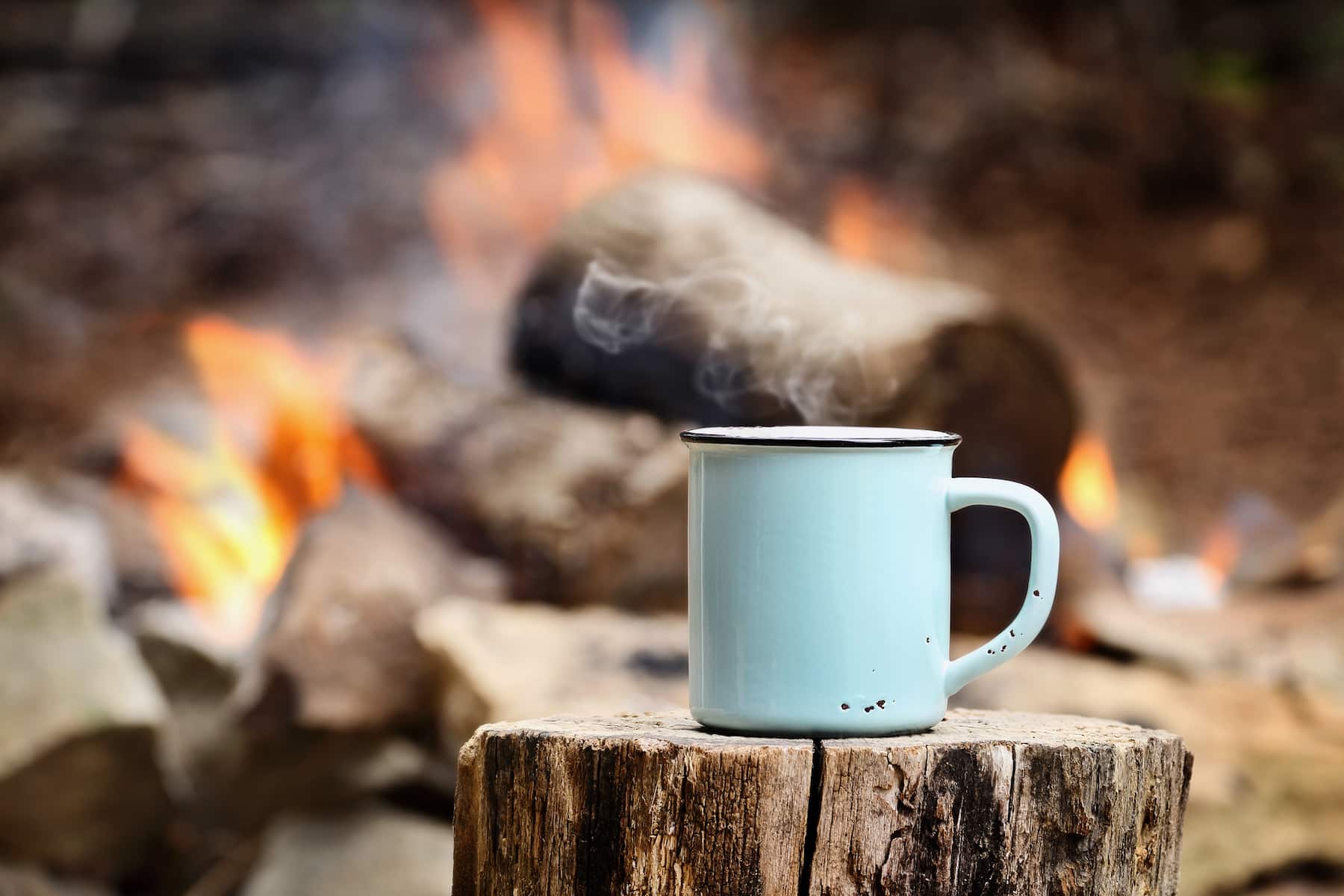
Get that coffee going first. Percolate it outside using the exterior outlet as you’re prepping the rest of your breakfast. Make sure you have a couple good, insulated coffee tumblers so you can keep your coffee warm during your picnic.
As the coffee is brewing, prep your meal.
Should it be oatmeal? Great for energy; easy to make; adaptable to add lots of different fruits, nuts etcetera to liven it up so to speak. However? It’s oatmeal. You’re on a camping trip with kids and… it’s oatmeal. Kids will eat it, but it’s oatmeal.
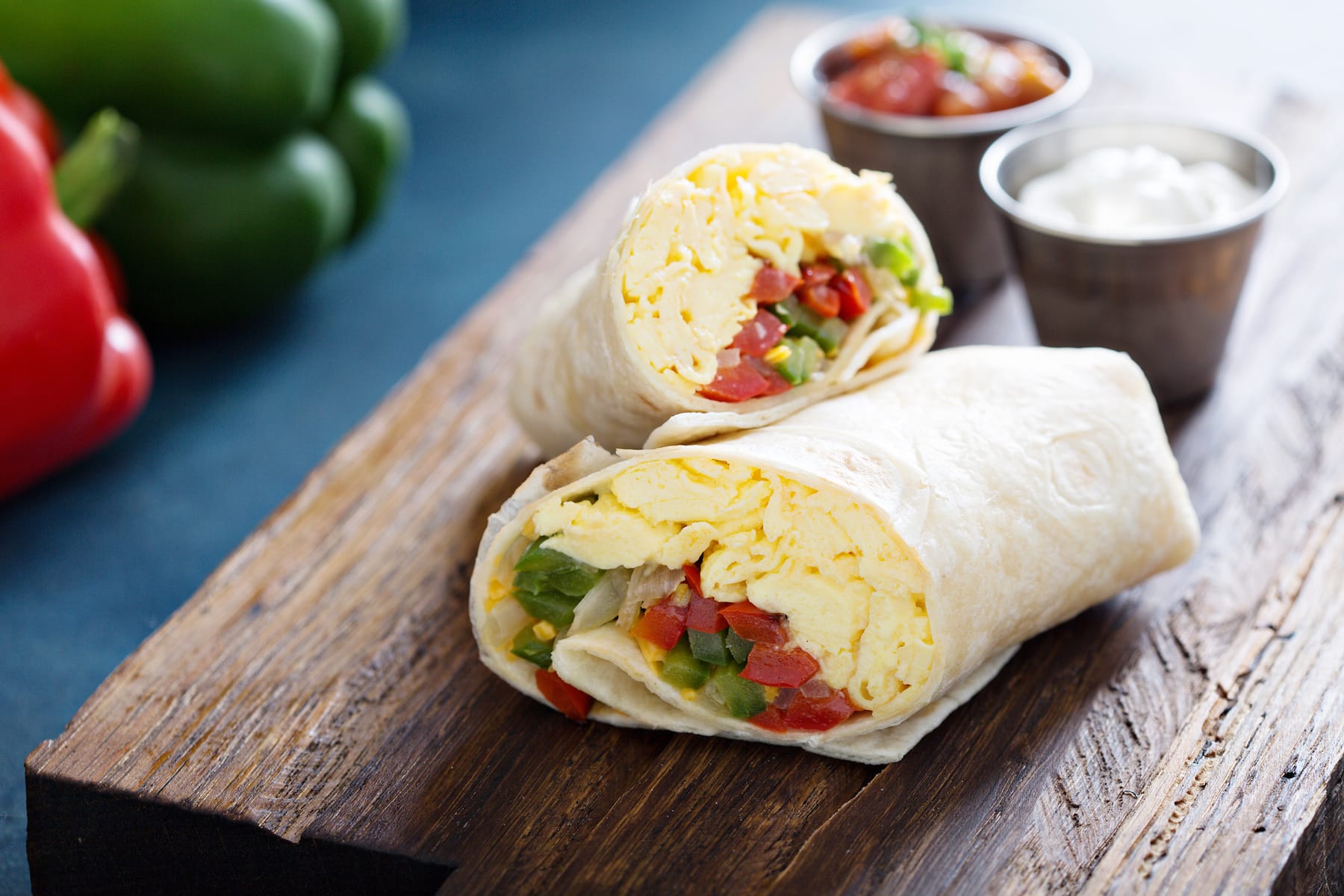
Sorry Mr. Quaker, but we want to live a little. Thus, we recommend the versatility of a breakfast burrito.
Breakfast Burritos
Image by VeselovaElena from Getty
Ingredients? Anything you like with eggs and cheese that doesn’t take a ton of planning: sausage chunks, bacon, onions, green peppers, red peppers, jalapeno peppers, mushrooms, avocado slices—even berries go well with eggs.
No potatoes unless you have leftover open fire-baked from the previous night or a bag of frozen hash browns—don’t start the taters from scratch or it will take a long time and a lot of propane. Raw carrots are propane pigs too.
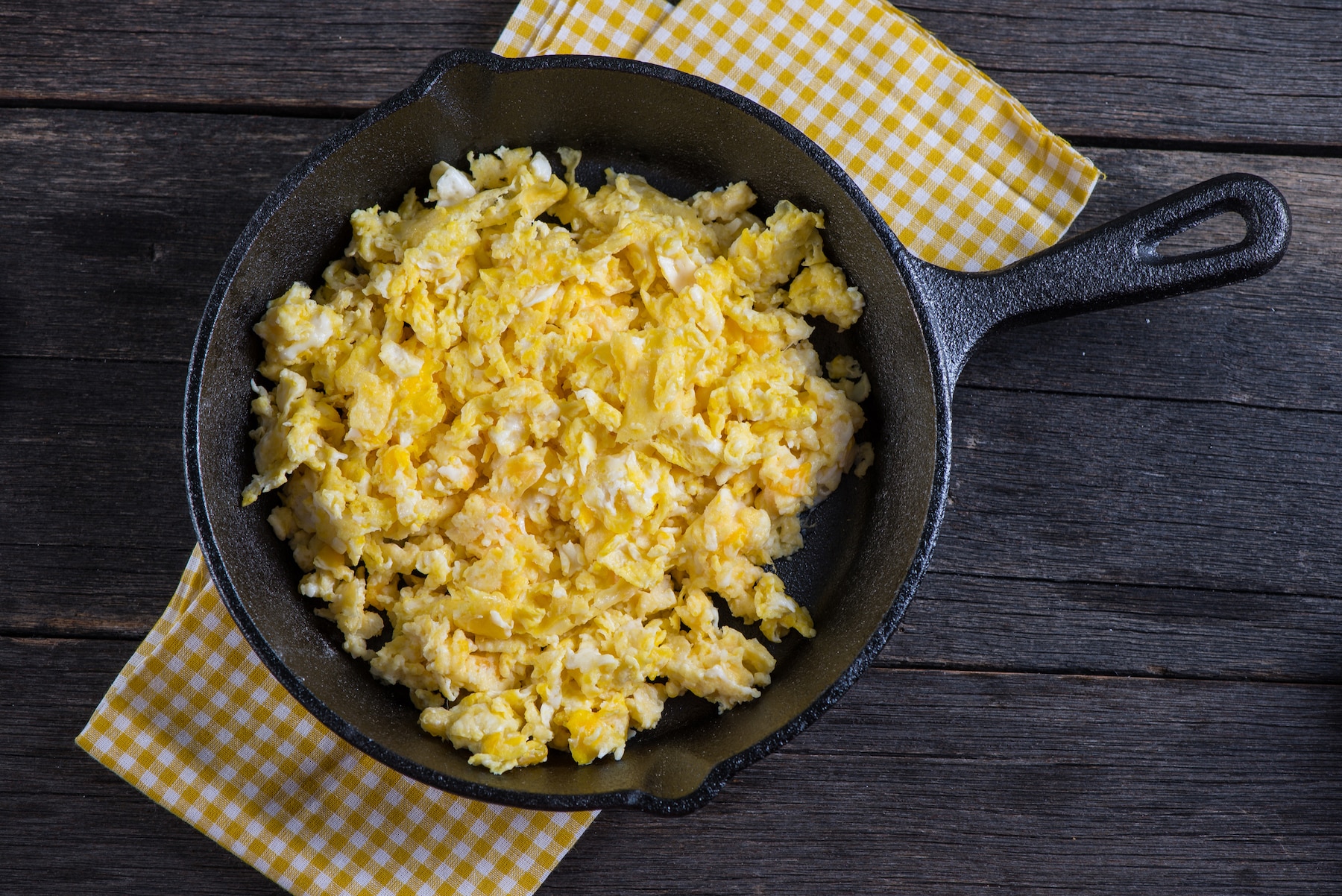
Whatever needs to be cooked for your mix, get it started before the eggs. Scrambled eggs can be added into the same pan and mixed all together. A word about bacon though. Depending upon the bacon, you may end up with a lot of grease.
Therefore, you will need to decide on whether to use a separate pan for the eggs or dispose of the bacon grease into a can or jar(or carefullysop it up with hearty paper towels). Don’t pour the grease onto the ground. Critters love bacon grease and they won’t stop grub-searching after finding the grease.
Image by merc67 from Getty
You can make scrambled eggs fluffier by adding one tablespoon of water or milk for every two eggs. Scramble vigorously until little bubbles show before dropping the mixture into the pan. For seasoning, salt and pepper will do, but you can add a touch of cayenne pepper or a few drops of tabasco (for you, maybe not the kids or your mother-in-law).
For cheese, I’d bring pre-shredded for speed, but you can shred a block while the eggs are cooking. I prefer a sharper cheese like a white cheddar, but you can slip in slices of American if you want. No cheese-judging.
To keep the breakfast burritos warm for your short trek to your perfect picnic spot (remember everyone is hungry so don’t plan a big trail hike before filling up), use foil. You don’t need to go all out and get a super thermal carrying pack that’ll keep food hot or cold for days. They’re nice for a lot of situations, but let’s focus on speed here.
Drop the tortilla onto the piece of foil, fill with the egg mixture, put that cheese on while the eggs are hot, add your ‘cold’ items such as avocado slices, perhaps some salsa, roll up the tortilla then enclose with the foil.
How to Wrap Up a Burrito
If you want to fold in the top and bottom and make it restaurant-style, the tortilla must be very pliable, aka ‘steamed’ so it’s soft. To me, that’s too much effort for camping. Roll it up with open ends. It’s not going to hurt anyone and the foil will ‘seal’ the base so stuff isn’t spilling out.
There’s Always Pancakes
What a mess! The butter, syrup… for a picnic? No? Well… on the contrary, make them a bit thinner so they are pliable, therefore easy to roll up. Spread a pancake with peanut butter, drop in some banana slices or other sweet fruits, roll them up and let the kids have at ‘em. They’ll love it and there’s not much of a mess.
Let’s Do Lunch
Image by monkeybusinessimages from Getty
This is a family picnic and we’re doing it quickly for there are other camping activities ready for the taking. We want to get your picnic started ASAP,so let’s leave the gourmet muddled pesto and garlic arugula chicken salad sandwich on hand-grilled focaccia sandwich on the back burner.
And let’s not pretend any effort you make to create colorful salads in jars are going to entice your kids to eat the salad. You’re camping so it’s highly unlikely it will work. That being said, let’s focus on finger food.
Fried Chicken Fingers
Fried chicken is a picnic staple as in ‘grab a bucket of chicken and head to the lake’, but this is different as you’re making it on your own. The only planning ahead you need is to make sure you have thawed boneless skinless chicken breast fillets with ‘fillets’ being the key (if you have a whole chicken breast, just cut into slices first and use the kitchen shears, not a knife).
You’re going to double-dip—scrambled egg mixture (4 eggs and a ¼ cup of milk) to seasoned flour (generally flour with salt and something spicy like paprika or cayenne pepper – 1 teaspoon of spice, pinch of salt and a cup of flour), back from flour to egg mixture then back into the flour and right into the pan with a ¼ inch of cooking oil.
Depending upon the heat of your outdoor grill and the thickness of your fingers (the chicken fingers, not your fingers), it shouldn’t take more than two to three minutes each side for them to finish. Meanwhile, you can work on the possibilities below.
Veggie Fingers
Don’t get too concerned about the nutrition lacking in fried foods. Supplement the chicken fingers with carrot fingers, celery fingers (fill with a shot of cheese from a can or a slip of peanut butter), and devil fingers (cut strips of red bell pepper). After the quick creation of veggie fingers and while the chicken fingers are still too hot to eat, make the dessert.
Dessert Fingers
I like to call themSasquatch fingers. Sound complicated? Not one bit. All you need are graham crackers and a jar of any spreadable chocolate. It’s like a s’more but without hard chocolate and marshmallow, so youcould call them a s’less, but I call them Sasquatch fingers.
Divide graham crackers into their natural quarters, spread the chocolate, make little sandwiches and tell the kids the ‘real’ Sasquatchhasnaturally rectangle-shaped fingers. If they try to argue, go tell them to find some real Sasquatch fingers to proveyou wrong.
Now you’re done. Pack everything up in whatever cooler or bag you have available, grab some drinks out of the outdoor refrigerator and find your spot. And don’t forget the picnic blanket. A picnic table is fine, but it’s just a table. A true picnic is on a blanket.
What are your quickie picnic ideas? If you have one or many, drop us a comment!
Matt and Diana, both European immigrants, took their first trip together in Yosemite where they fell in love with each other and the National Parks. After two years of planning, they quit their Silicon Valley tech jobs in July of 2018 and moved into an RV to hit the road full time. They are on a quest to visit all 419 National Parks!
Their goal is to inspire you to explore the outdoors and give you the information you need to do it. They share their journey and tips on their Adventurous Way blog and YouTube channel. Having engineering backgrounds, they also write detailed guides to electrical upgrades and other mods that they have done to their 25ft Outdoors RV travel trailer.
In this episode, Sam chats with Matt and Diana about their quest to visit all of the National Park units, stories from the road, and advice for planning a National Park tour.
What we cover in this episode:
2:00 – From road trips to a national park adventure
9:00 – Highlights of this new lifestyle
17:00 – What destinations are next on the list?
21:00 – Off-roading in Great Sand Dunes National Park
32:00 – Advice for planning a National Park tour
Advice on planning a National Park tour
Do research ahead of time. The more you research, the more you’ll get out of it.
Check the national park websites and look for information online through blogs and videos.
Talk to the rangers and staff. They will tell you what to do and where to go in each location.
Get up early! If you get out into the parks before everyone else, you’ll be able to see more and enjoy the experience with fewer tourists.
Horses were in North America before the Spanish explorers arrived but went extinct about 10,000 years before the conquistadors starting hitting the beaches. Columbus brought the ‘modern era’ of the equine to North America first.The explorer decided horses were necessary on his second voyage when he returned to North America in 1493and left a herd on the Virgin Islands.
As for the mainland, we can place that responsibility on Cortez. In 1519, he brought a herd over to Mexico. These horses broke free and took it upon themselves to head north and swam (or walked, depending upon the spot and season) across the Rio Grande to come into modern day America. SinceCortez lost these horseshe brought over more. These horses broke free, too, and so on and so on.
The number varies from source to source, but currently there are approximately 35,000 wild horses under the supervision of the BLM (Bureau of Land Management) and up to another 20,000 running wild on public lands.
In general, the best time to see wild horses is summer, which is foaling season for horses.We’ve selected not the only places, but the best places to get a chance to see wild horses. Wild horses roam in everywestern state from Oregon to North Dakota to Texas. Nevada is particularly notable as it may hold up to half of America’s wild horse population.Here’s the breakdown:
Colorado
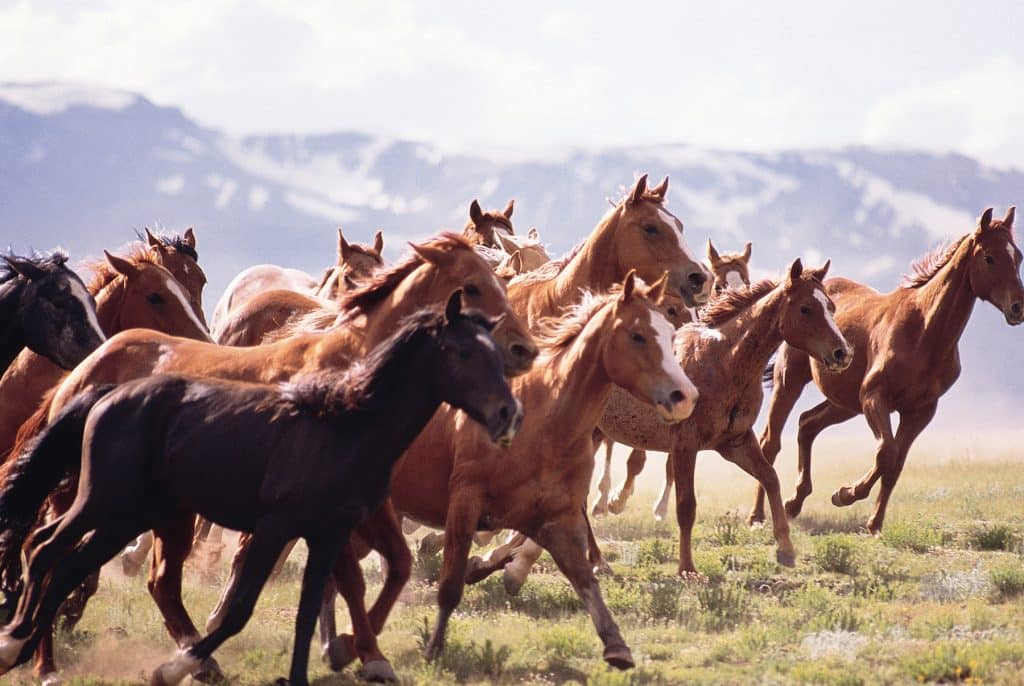
Image by Comstock from Getty
Wild horses in Colorado are located mostly on Colorado’s western slope as you near the Utah border. Common locations to find wild horses are Sandwash Basin in the northwestern part of the state and Spring Creek, which is southwest of Montrose as you head toward Ridgway. The Ridgway area, FYI,is whereboth the John Wayne andthe Jeff Bridge’sTrue Grit films were shot.
Nevada
You may recall the film The Misfits. The final completed film for both Clark Gable and Marilyn Monroe written by the famous playwright Arthur Miller, The Misfits revolves around the wild west of Nevada and includescapturing wild mustangs. To this day, mustangs still roam a lot of Nevada, most notably on the Virginia Range, which is accessible by trails just east of Reno in northern Nevada.
North Dakota’s wild horses are mostly situated in Theodore Roosevelt National Park where a herd of approximately 200 roam North Dakota’s badlands.
Utah
Image by Nature, food, landscape, travel from Getty
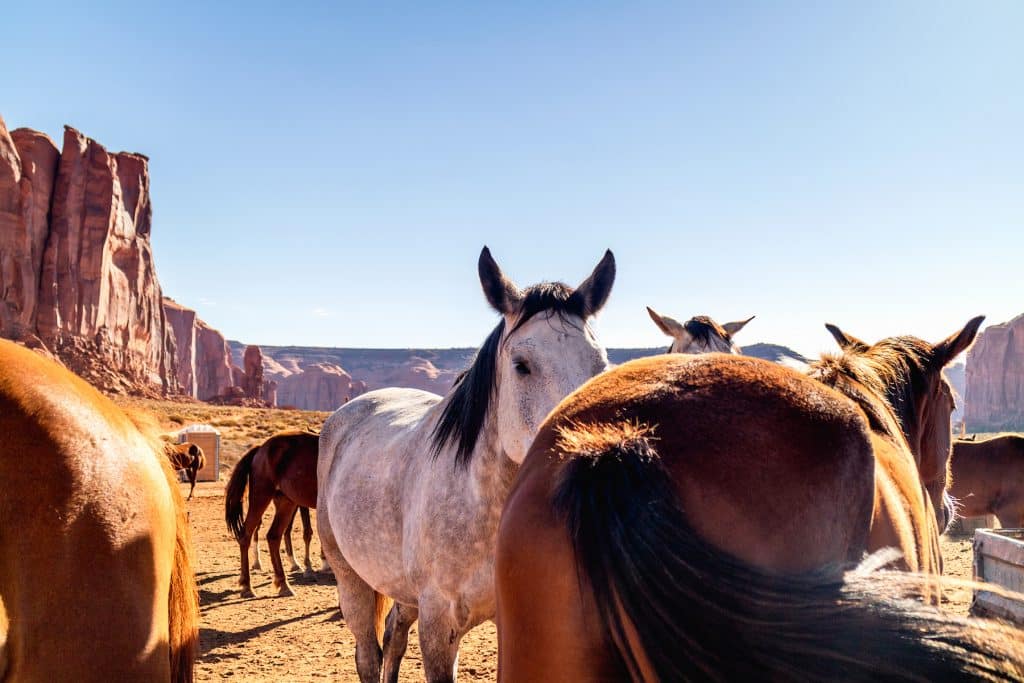
The Onaqui Herd Management Areahas one of the biggest herds of wild horses in Utah. Their area extends from Johnsons Pass south to Look Out Pass. Wild horses can be seen on the flat areas along the east and west sides of the mountain range.
The Pryor Mountains
The Pryor Mountain Range runs from Montana into Wyoming, as does the herd of approximately 200 wild horses. They are generally found in the northeast region of the Bighorn Mountains. The Pryor Mountains also have a center, the aptly named Pryor Mountain Wild Mustang Center.
Wyoming
Wyoming has about 6,000 horses roaming the state from the badlands north to the Montana border. If you want the chance to see a good chunk of them, take the Pilot Butte Wild Horse Scenic Loop.It‘s 23 miles long, mostly on gravel roads, and near Rock Springs.Contact the Rock Springs BLM office for information.
North Carolina
Yes, it’s true. Not all wild horses are in the Great American West. One special breedis located on the Outer Banks. These, wild Colonial Spanish Mustangs,run on northernmost Currituck close to the Currituck National Wildlife Refuge. These horses are relatively easy to see since they are on an island and generally near the lighthouse.
But wait, there’s more. North Carolina’s islands have quite a few herds. Head further south from Currituck to check out the Shackleford Mustangs. You’ll have to exit your RV for these as they are only accessible by boat. This herd is located on the nine-mile stretch between Beaufort Inlet and Cape Lookout. Also, take a look at the Beaufort wild horsesthat are part of the NC Coastal Reserve and National Estuarine Research Reserve.
Assateague Islands
Image by JeninVA from Getty
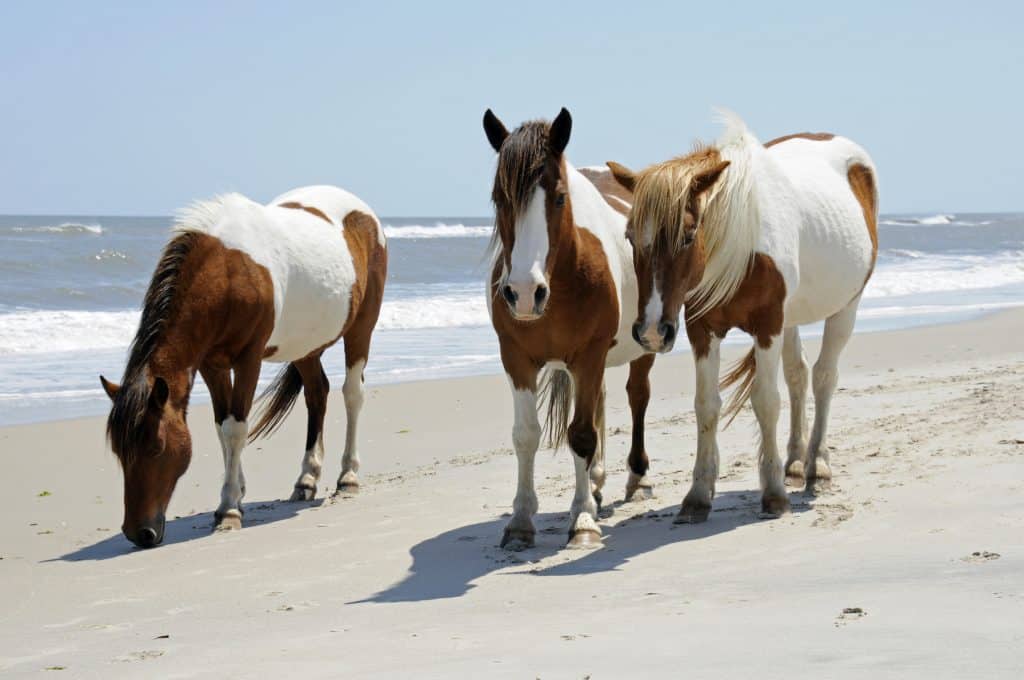
East we remain for our final herds. There are two states in this mix for this locationsince the Assateague Islands are part of both Virginia and Maryland. Some of you literary types may recognize this location as the basis behind the 1947 Newberry Medal-winning novel, Misty of Chincoteague. These islands are home to approximately 300 wild horses. It’s a lot, but that combines both the Virginia herd and the Maryland herd.The Maryland herd has a watchful eye kept on them by the National Park Service as these horses roam the Assateague Island National Seashore.
The Virginia horses are looked over by the Chincoteague Volunteer Fire Company. This herd resides in the Chincoteague National Wildlife Refuge. A strict number of 150 horses are kept here. Every July the CVFC holds the annual Chincoteague Pony Swim. During the event, the horses are led to swim from Assateague Island to Chincoteague Island. Once they get there, the foals are auctioned off to keep the herd at 150.
Any place you’ve seen wild horses that you’d love to share? Please drop us a line!