Blog

  • Camping World’s Guide to RVing Isle Royale National Park

    Camping World’s Guide to RVing Isle Royale National Park


    Water is the main star at Isle Royale National Park. With over 400 islands inside the park boundaries, visitors traverse the waters of Lake Superior to then navigate channels and waterways by kayak or canoe, sailboat or fishing vessel, all to do a little island hopping. SCUBA divers find treasure in the waters here as 10 shipwrecks offer up their secrets.

    Wildlife on Isle Royale harbor a mystery as to how they crossed the depths to arrive here more than 100 years ago. This park, it seems, will quench your thirst for adventure and exploration.

    History of Isle Royale National Park
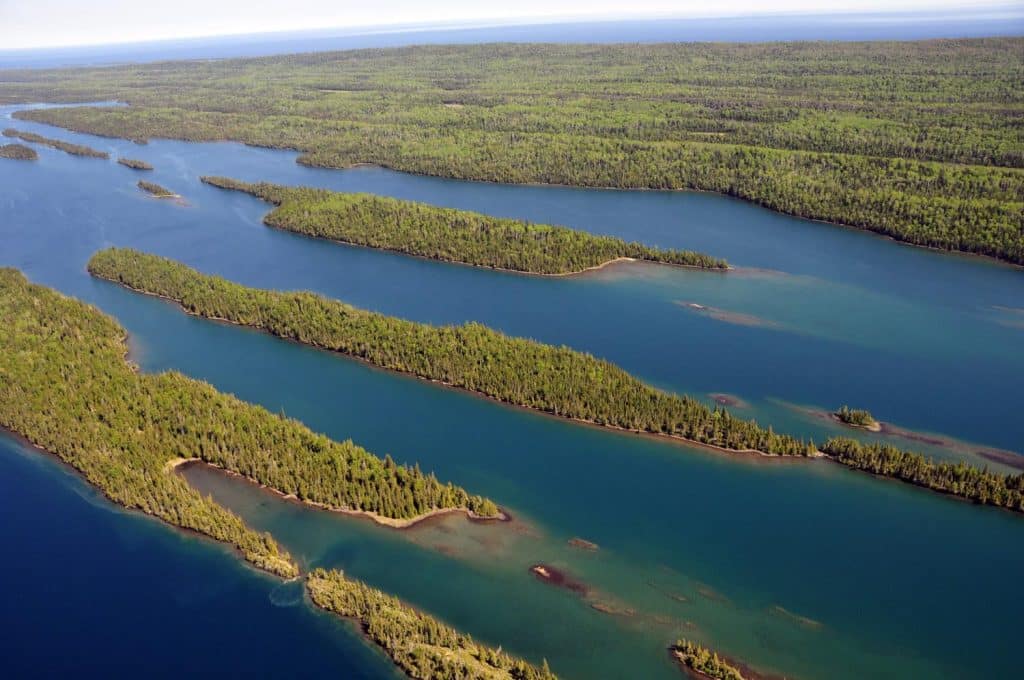
    Photo Tripping America - Isle Royale - Camping World

    Sitting in Lake Superior, Isle Royale is part of the state of Michigan, although the park is actually closer to Canada and Minnesota. None of those designations existed when copper was first found here thousands of years ago.

    Several copper implements were discovered in Indian settlements, dating back to 3000 BC. The copper for these items was mined on Isle Royale, which was called Menong by these indigenous peoples. But it was the Chippewa who lived here until the mid-1800s when they relinquished the island to white settlers.

    By the turn of the century, the island became a vacation destination for the wealthy. Walter Singer built a hotel and cabins along the shore at Washington Harbor, purchasing a boat to bring guests to “Island House Resort.” Soon competition appeared on the island and tourism grew a bit. By 1912 the Washington Harbor Club, a group of wealthy businessmen who owned railroads through northwestern Minnesota, evidently transported moose from there to the island, creating their own private hunting club.

    The moose remain, but the hunting club was gone by the time the region came under the protection of the national park service, becoming Isle Royale National park in 1940.

    Why Visit Isle Royale National Park?
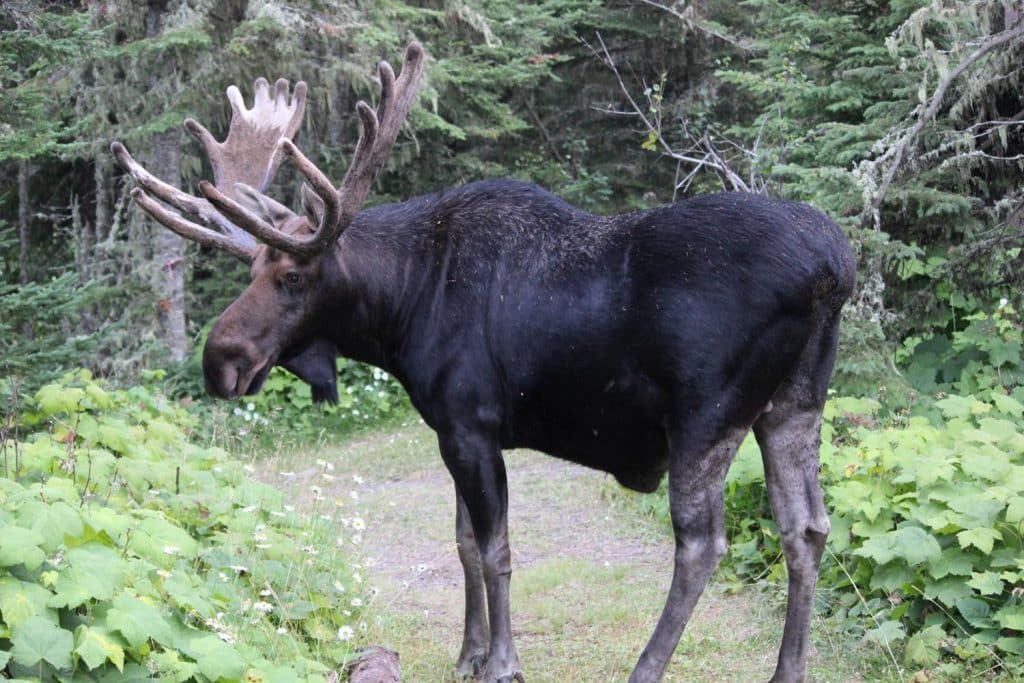
    Photo Tripping America - Isle Royale - Camping World
    Photo Credit: NPS by Kelly Morrissey

    This is one of those parks where an RV doesn’t quite fit in. Visitors will be relegated to parking it on the mainland in Michigan or Minnesota and taking a boat or seaplane to the island. Don’t worry, it will be there when you get back. The Isle Royale National Park is worth leaving your rig behind becuase it’s so wild and so special. It’s unlike any other national park in the country.

    Places to Go

    The islands of Isle Royale National Park provide a variety of sections to visit. Here are the three regions with a list of services available in each:

    Houghton Visitor Center
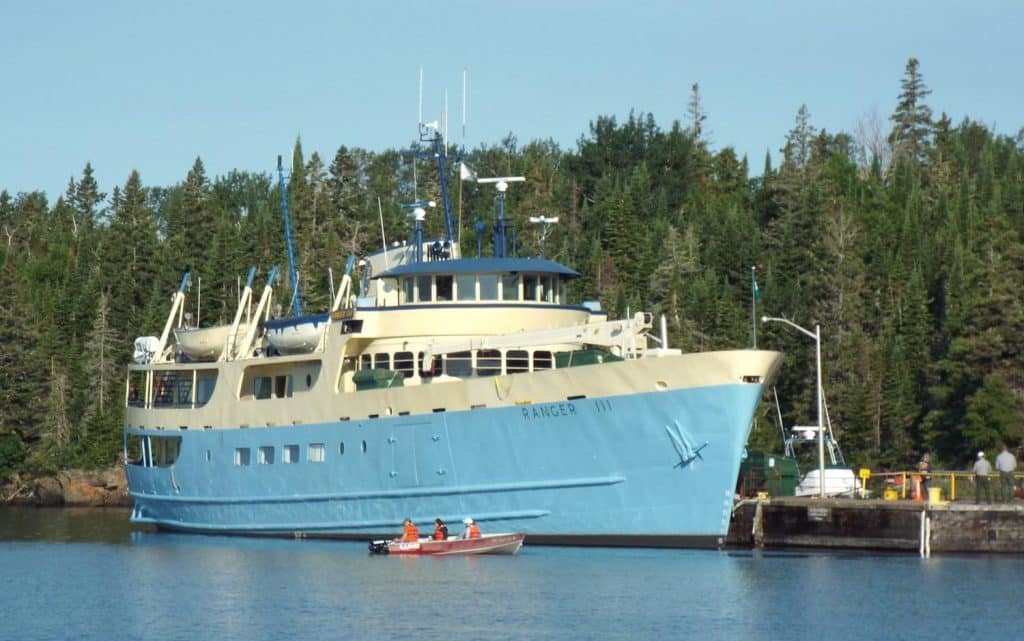
    Photo Tripping America - Isle Royale - Camping World
    Ranger III – Photo Credit: NPS by Joe Hudzinski

    Located on the mainland of Michigan, Houghton is the home to the park’s ferry, Ranger III. The visitor center has a bookstore, park movie, restrooms and information about Isle Royale. Boating permits can be obtained here, as well.

    Rock Harbor Visitor Center
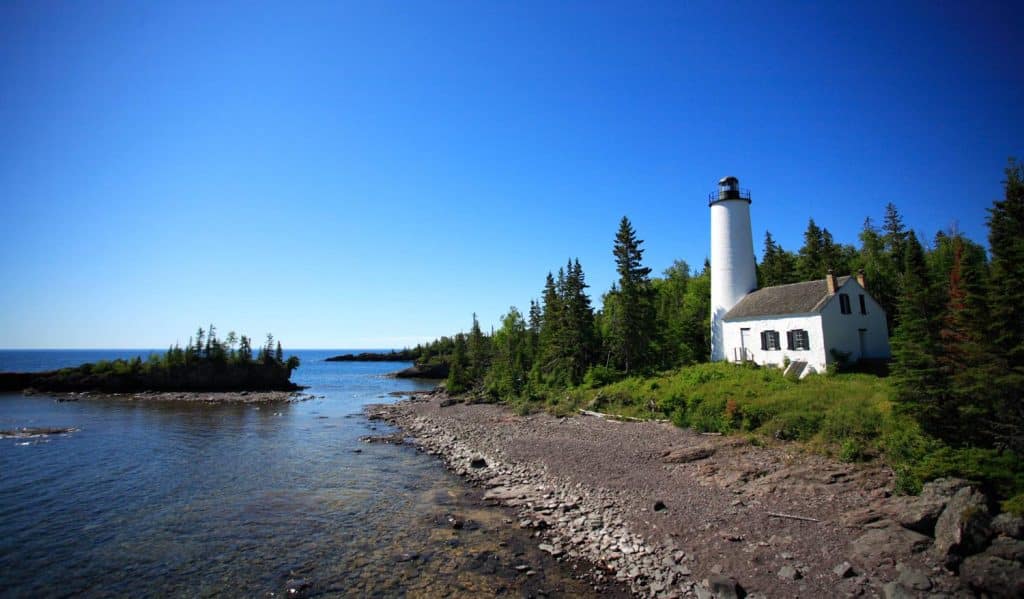
    Photo Tripping America - Isle Royale - Camping World
    Photo Credit: Ray Dumas (CC BY-SA 2.0)

    Located on the northeast end of the park, this visitor center has area displays, park information and backcountry permits available. Services available in Rock Harbor area:

    • Dockage with Power and Water
    • Pump Out Service
    • Fuel
    • Rock Harbor Trading Post
    • Showers
    • Laundry
    • Potable Water
    • Restaurant
    • Lighthouse
    • Boat Rentals

    Windigo Visitor Center

    Located on the southwest end of the park, Windigo has ranger programs, park information, and displays. Backcountry permits are issued here. Services available in Windigo area:

    • Pump Out Service
    • Fuel
    • Windigo Store
    • Showers
    • Laundry
    • Potable Water
    • Windigo Camper Cabins

    Things to Do

    With over 8 million acres, there are a lot of activities that can be enjoyed. Here are just a few of the most popular ones:

    Hiking

    Fishing – Catch your fill of lake or brook trout in Lake Superior, or any of over 40 species of fish when you cast a line at Isle Royale.  Michigan fishing licenses are required to fish in Lake Superior.  However, no licenses are needed for inland fishing.

    A great way to spend a day at Isle Royale is hiking the many trails here. There are trails of varying distances and difficulties, and hikers should be prepared for uneven terrain.  Check out trail maps from Rock Harbor here and trail maps from Windigo here.

    Backpacking

    Spend several days exploring the islands of Isle Royale National Park by backpacking and canoeing through the region. A permit is required, but there are numerous small campgrounds for just this purpose. Be sure to look at which campsites are accessible by water and which are accessible by land.

    Camping

    The islands have several small campgrounds scattered throughout for campers, providing overnight stays along waterways and off hiking trails. Permits are required and there are limits to the number of nights allowed.

    Fishing

    Photo Tripping America - Isle Royale - Camping World

    Catch your fill of lake or brook trout in Lake Superior, or any of over 40 species of fish when you cast a line at Isle Royale. Michigan fishing licenses are required to fish in Lake Superior. However, no licenses are needed for inland fishing.

    Boating

    The most efficient and enjoyable way to experience the park is by water. If traveling by canoe or kayak, your boat must be at least 15 feet long to handle rough water and not swamp. Only sea kayaks are useful here, as recreational ones are not appropriate for the marine environment. Canoe routes and portages are located on the eastern half of the island.

    Sailboats and motorized boats have a number of docks where they can tie up. Boats with motors are not allowed on lakes, and no personal motorized vehicles are allowed within the park.

    SCUBA Diving

    Photo Tripping America - Isle Royale - Camping World

    Because of the harsh weather and difficult navigation on Lake Superior, many ships were lost here. There are ten shipwrecks within the park boundaries, preserved for SCUBA diving enthusiasts and photographers. Divers must register at one of the visitor centers before diving, and mark dive spots with a flag. Isle Royale Charters is the only company licensed to guide SCUBA trips within the park.

    When to Visit Isle Royale National Park

    From November 1 to April 15 Isle Royale and its surrounding islands are closed to visitors because of harsh weather conditions. However, the waters of Lake Superior are open to boaters year-round. Spring, summer, and fall offer stunning vistas in a more temperate climate, and a plethora of water activities and hiking on the islands are available for travelers to Isle Royale National Park.

    Where You Can Stay

    Since you won’t be taking your RV into Isle Royale National Park, it is best to dock it in an RV park in one of the three towns that offer boat access to the islands and use that as your home base.

    Houghton, Michigan:

    Copper Harbor, Michigan:

    Grand Portage, Minnesota:

    As far as staying in the park, there are over 30 different small campgrounds in the park. They offer little to no amenities and you’ll need a permit as discussed above. Here’s the National Park System’s guidelines on camping in Isle Royale National Park.

    Getting to and Around Isle Royale National Park
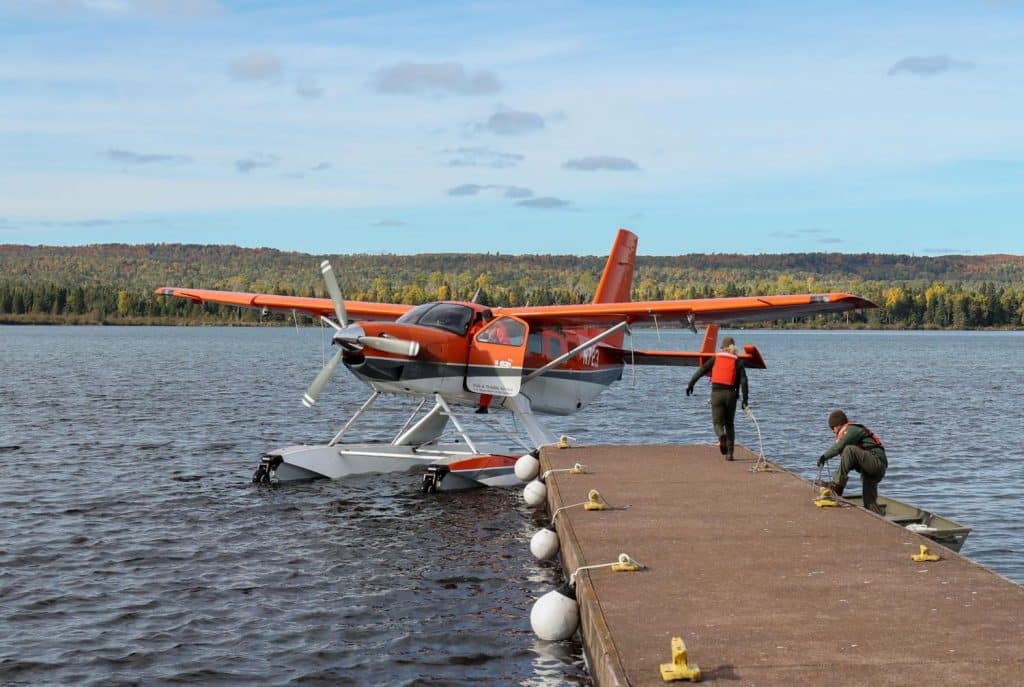
    Photo Tripping America - Isle Royale - Camping World
    Photo Credit: NPS by Jim Peaco

    There are two ways to get to Isle Royale: by boat or by seaplane. Both leave from three different ports on the mainland. So, if you are coming from Minnesota, depart at Grand Marais. If Michigan is your departure state, you can leave from Houghton or Copper Harbor.

    Once in the national park, there are no motorized or wheeled vehicles allowed except wheelchairs. Travel is by foot or by boat. There are several services that ferry visitors between islands, and many bring their own kayaks or canoes to enjoy the waters. Rentals are also available at Rock Harbor.

    Currents
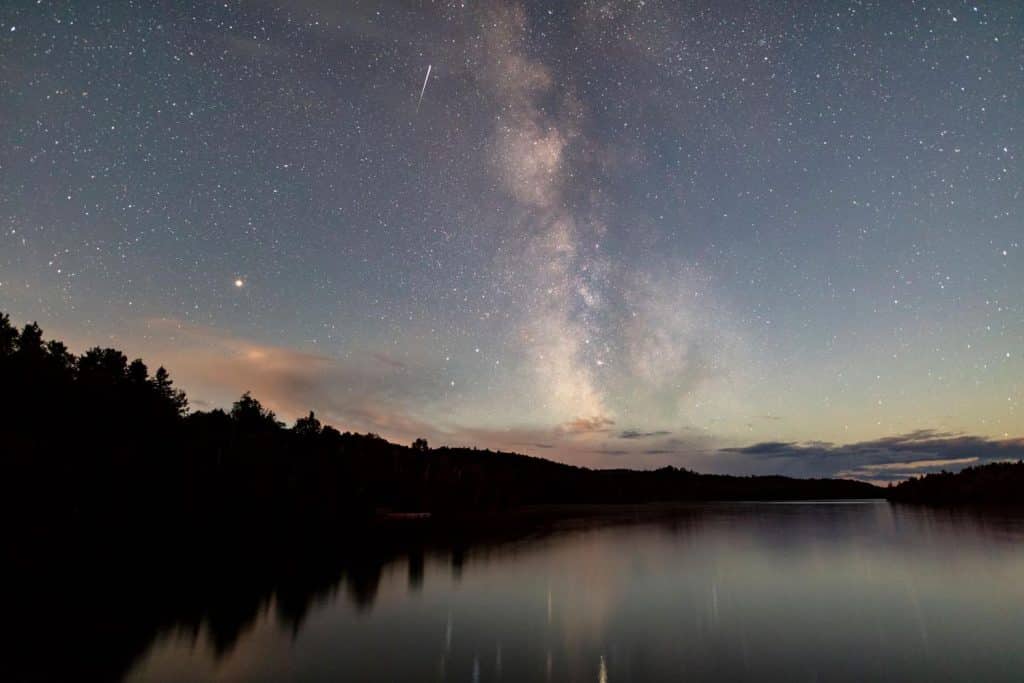
    Photo Tripping America - Isle Royale - Camping World
    Photo Credit: NPS by Jacob W. Frank

    Water has a way of soothing the soul, giving way to tranquility. At Isle Royale National Park, there is room for visitors to explore the depths or skim across the surface of its current. Dip a paddle or let the wind take the sails to lead you into port, escaping the intensity of the outside world, if only for a few days. This unique wilderness is an interesting place to be, and it comes highly recommended.


    What do you think of Isle Royale National Park? Leave a comment below!


    Source link

  • Cooking for Picnics – Using Your RV’s Outdoor Kitchen for Tasty Breakfast and Lunch

    Cooking for Picnics – Using Your RV’s Outdoor Kitchen for Tasty Breakfast and Lunch


    Regarding outdoor kitchens, my feeling is if it doesn’t have a sink, it’s not a kitchen. Pull-out grills off the exterior of a towable or motorhome are great, but I like to be able to clean my food and my hands without walking inside.

    Furthermore, my ideal outdoor kitchen includes a refrigerator, some counter space for food prep, an exterior outlet and, obviously, a grill and/or range. A spot for a small flat-screen TV is awfully nice, but that’s not a deal-breaker for me. The TV merely takes it to a higher level where, if I have satellite or cable hooked up, I can cook a meal outside and be yelled at by a host of TV chefs if I choose. 

    But, I digress. This article will focus on creating a quick and good family picnic utilizing your RV’s outdoor kitchen. 

    Picnics have evolved since I was a kid when a butter and sugar white bread sandwich was your meal. Or, if it was a special day, bologna (or baloney—your choice) was slapped between two slices of spongy white bread with a swipe of mayonnaise… our parents were obviously thrill-seekers. 

    The Breakfast Picnic

    Image by StephanieFrey from Getty

    Never would my parents had ever considered having a breakfast picnic, but let’s take the thought of a picnic as exclusively a lunch meal and throw that cliché away.

    Now, if my parents would have thought outside the picnic basket from lunch to breakfast, I am confident they would have appreciated having a breakfast picnic without needing plates and flatware. The only kitchen implement that would be a must for them (and me too) is a vessel for coffee. 

    Get that coffee going first. Percolate it outside using the exterior outlet as you’re prepping the rest of your breakfast. Make sure you have a couple good, insulated coffee tumblers so you can keep your coffee warm during your picnic. 

    As the coffee is brewing, prep your meal. 

    Should it be oatmeal? Great for energy; easy to make; adaptable to add lots of different fruits, nuts etcetera to liven it up so to speak. However? It’s oatmeal. You’re on a camping trip with kids and… it’s oatmeal. Kids will eat it, but it’s oatmeal.  

    Sorry Mr. Quaker, but we want to live a little. Thus, we recommend the versatility of a breakfast burrito. 

    Breakfast Burritos

    Image by VeselovaElena from Getty

    Ingredients? Anything you like with eggs and cheese that doesn’t take a ton of planning: sausage chunks, bacon, onions, green peppers, red peppers, jalapeno peppers, mushrooms, avocado slices—even berries go well with eggs.

    No potatoes unless you have leftover open fire-baked from the previous night or a bag of frozen hash browns—don’t start the taters from scratch or it will take a long time and a lot of propane. Raw carrots are propane pigs too. 

    Whatever needs to be cooked for your mix, get it started before the eggs. Scrambled eggs can be added into the same pan and mixed all together. A word about bacon though. Depending upon the bacon, you may end up with a lot of grease.

    Therefore, you will need to decide on whether to use a separate pan for the eggs or dispose of the bacon grease into a can or jar (or carefully sop it up with hearty paper towels). Don’t pour the grease onto the ground. Critters love bacon grease and they won’t stop grub-searching after finding the grease. 

    Image by merc67 from Getty

    You can make scrambled eggs fluffier by adding one tablespoon of water or milk for every two eggs. Scramble vigorously until little bubbles show before dropping the mixture into the pan. For seasoning, salt and pepper will do, but you can add a touch of cayenne pepper or a few drops of tabasco (for you, maybe not the kids or your mother-in-law). 

    For cheese, I’d bring pre-shredded for speed, but you can shred a block while the eggs are cooking. I prefer a sharper cheese like a white cheddar, but you can slip in slices of American if you want. No cheese-judging. 

    To keep the breakfast burritos warm for your short trek to your perfect picnic spot (remember everyone is hungry so don’t plan a big trail hike before filling up), use foil. You don’t need to go all out and get a super thermal carrying pack that’ll keep food hot or cold for days. They’re nice for a lot of situations, but let’s focus on speed here. 

    Drop the tortilla onto the piece of foil, fill with the egg mixture, put that cheese on while the eggs are hot, add your ‘cold’ items such as avocado slices, perhaps some salsa, roll up the tortilla then enclose with the foil. 

    How to Wrap Up a Burrito

    If you want to fold in the top and bottom and make it restaurant-style, the tortilla must be very pliable, aka steamed so it’s soft. To me, that’s too much effort for camping. Roll it up with open ends. It’s not going to hurt anyone and the foil will ‘seal’ the base so stuff isn’t spilling out. 

    There’s Always Pancakes

    What a mess! The butter, syrup… for a picnic? No? Well… on the contrary, make them a bit thinner so they are pliable, therefore easy to roll up. Spread a pancake with peanut butter, drop in some banana slices or other sweet fruits, roll them up and let the kids have at ‘em. They’ll love it and there’s not much of a mess. 

    Let’s Do Lunch

    Image by monkeybusinessimages from Getty

    This is a family picnic and we’re doing it quickly for there are other camping activities ready for the taking. We want to get your picnic started ASAP, so let’s leave the gourmet muddled pesto and garlic arugula chicken salad sandwich on hand-grilled focaccia sandwich on the back burner.

    And let’s not pretend any effort you make to create colorful salads in jars are going to entice your kids to eat the salad. You’re camping so it’s highly unlikely it will work. That being said, let’s focus on finger food. 

    Fried Chicken Fingers

    Fried chicken is a picnic staple as in grab a bucket of chicken and head to the lake, but this is different as you’re making it on your own. The only planning ahead you need is to make sure you have thawed boneless skinless chicken breast fillets with ‘fillets’ being the key (if you have a whole chicken breast, just cut into slices first and use the kitchen shears, not a knife).

    You’re going to double-dip—scrambled egg mixture (4 eggs and a ¼ cup of milk) to seasoned flour (generally flour with salt and something spicy like paprika or cayenne pepper – 1 teaspoon of spice, pinch of salt and a cup of flour), back from flour to egg mixture then back into the flour and right into the pan with a ¼ inch of cooking oil.

    Depending upon the heat of your outdoor grill and the thickness of your fingers (the chicken fingers, not your fingers), it shouldn’t take more than two to three minutes each side for them to finish. Meanwhile, you can work on the possibilities below. 

    Veggie Fingers

    Don’t get too concerned about the nutrition lacking in fried foods. Supplement the chicken fingers with carrot fingers, celery fingers (fill with a shot of cheese from a can or a slip of peanut butter), and devil fingers (cut strips of red bell pepper). After the quick creation of veggie fingers and while the chicken fingers are still too hot to eat, make the dessert. 

    Dessert Fingers

    I like to call them Sasquatch fingers. Sound complicated? Not one bit. All you need are graham crackers and a jar of any spreadable chocolate. It’s like a s’more but without hard chocolate and marshmallow, so you could call them a s’less, but I call them Sasquatch fingers.

    Divide graham crackers into their natural quarters, spread the chocolate, make little sandwiches and tell the kids the ‘real’ Sasquatch has naturally rectangle-shaped fingers. If they try to argue, go tell them to find some real Sasquatch fingers to prove you wrong. 

    Now you’re done. Pack everything up in whatever cooler or bag you have available, grab some drinks out of the outdoor refrigerator and find your spot. And don’t forget the picnic blanket. A picnic table is fine, but it’s just a table. A true picnic is on a blanket. 


    What are your quickie picnic ideas? If you have one or many, drop us a comment! 


    Source link

  • SftR 072: Exploring All 400+ National Park Units in the US with Adventurous Way

    SftR 072: Exploring All 400+ National Park Units in the US with Adventurous Way


    Matt and Diana, both European immigrants, took their first trip together in Yosemite where they fell in love with each other and the National Parks. After two years of planning, they quit their Silicon Valley tech jobs in July of 2018 and moved into an RV to hit the road full time. They are on a quest to visit all 419 National Parks!

    Their goal is to inspire you to explore the outdoors and give you the information you need to do it. They share their journey and tips on their Adventurous Way blog and YouTube channel. Having engineering backgrounds, they also write detailed guides to electrical upgrades and other mods that they have done to their 25ft Outdoors RV travel trailer.

    In this episode, Sam chats with Matt and Diana about their quest to visit all of the National Park units, stories from the road, and advice for planning a National Park tour.

    What we cover in this episode:

    • 2:00 – From road trips to a national park adventure
    • 9:00 – Highlights of this new lifestyle
    • 17:00 – What destinations are next on the list?
    • 21:00 – Off-roading in Great Sand Dunes National Park
    • 32:00 – Advice for planning a National Park tour

    Advice on planning a National Park tour

    • Do research ahead of time. The more you research, the more you’ll get out of it.
    • Check the national park websites and look for information online through blogs and videos.
    • Talk to the rangers and staff. They will tell you what to do and where to go in each location.
    • Get up early! If you get out into the parks before everyone else, you’ll be able to see more and enjoy the experience with fewer tourists.

    Links mentioned in this episode

    ** Subscribe to Stories from the Road on iTunesSpotify, or Google Play **


    Source link

  • Where to See Wild Horses in the U.S.

    Where to See Wild Horses in the U.S.


    Horses were in North America before the Spanish explorers arrived but went extinct about 10,000 years before the conquistadors starting hitting the beaches. Columbus brought the ‘modern era’ of the equine to North America first. The explorer decided horses were necessary on his second voyage when he returned to North America in 1493 and left a herd on the Virgin Islands. 

    As for the mainland, we can place that responsibility on Cortez. In 1519, he brought a herd over to Mexico. These horses broke free and took it upon themselves to head north and swam (or walked, depending upon the spot and season) across the Rio Grande to come into modern day America. Since Cortez lost these horses he brought over more. These horses broke free, too, and so on and so on. 

    The number varies from source to source, but currently there are approximately 35,000 wild horses under the supervision of the BLM (Bureau of Land Management) and up to another 20,000 running wild on public lands.  

    In general, the best time to see wild horses is summer, which is foaling season for horses. We’ve selected not the only places, but the best places to get a chance to see wild horses. Wild horses roam in every western state from Oregon to North Dakota to Texas. Nevada is particularly notable as it may hold up to half of America’s wild horse population. Here’s the breakdown:  

    Colorado

    wild horses in Colorado
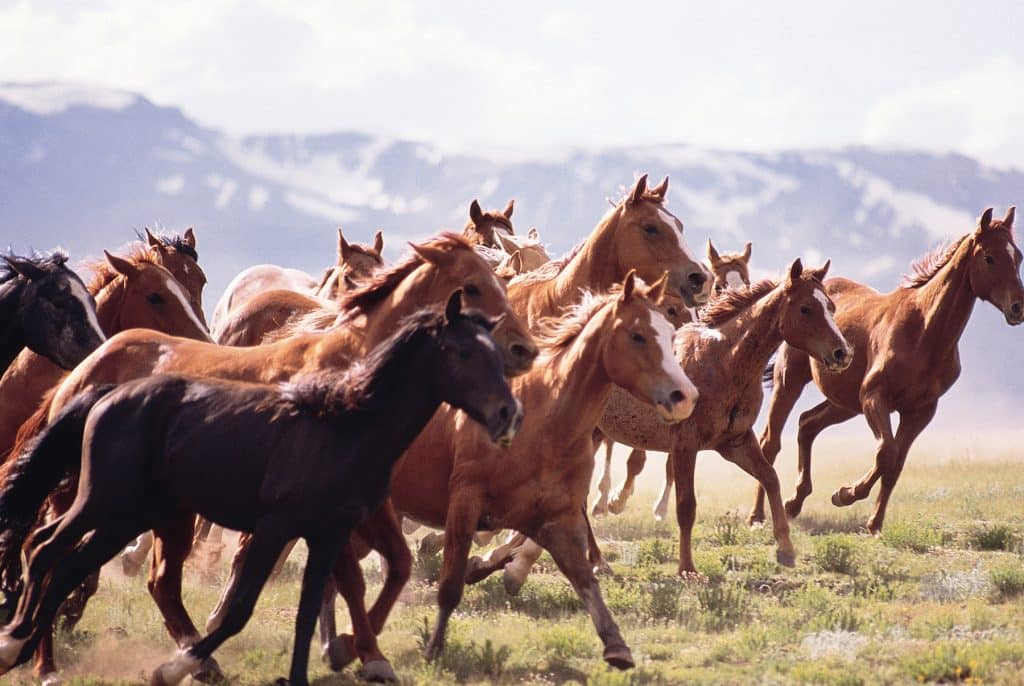
    Image by Comstock from Getty

    Wild horses in Colorado are located mostly on Colorado’s western slope as you near the Utah border. Common locations to find wild horses are Sandwash Basin in the northwestern part of the state and Spring Creek, which is southwest of Montrose as you head toward Ridgway. The Ridgway area, FYI, is where both the John Wayne and the Jeff Bridge’s True Grit films were shot. 

    Nevada 

    You may recall the film The Misfits. The final completed film for both Clark Gable and Marilyn Monroe written by the famous playwright Arthur Miller, The Misfits revolves around the wild west of Nevada and includes capturing wild mustangs. To this day, mustangs still roam a lot of Nevada, most notably on the Virginia Range, which is accessible by trails just east of Reno in northern Nevada. 

    Other places to see wild horse in Nevada are: New Pass-Ravenswood Herd Management Area along US Highway 50 about 40 miles northwest of Austin, the Wheeler Pass Herd Management Area which has a herd often viewed from the Willow Creek Campground near Las Vegas, and Great Basin National Park in Eastern Nevada close to the Utah state border. 

    North Dakota

    North Dakota’s wild horses are mostly situated in Theodore Roosevelt National Park where a herd of approximately 200 roam North Dakota’s badlands. 

    Utah

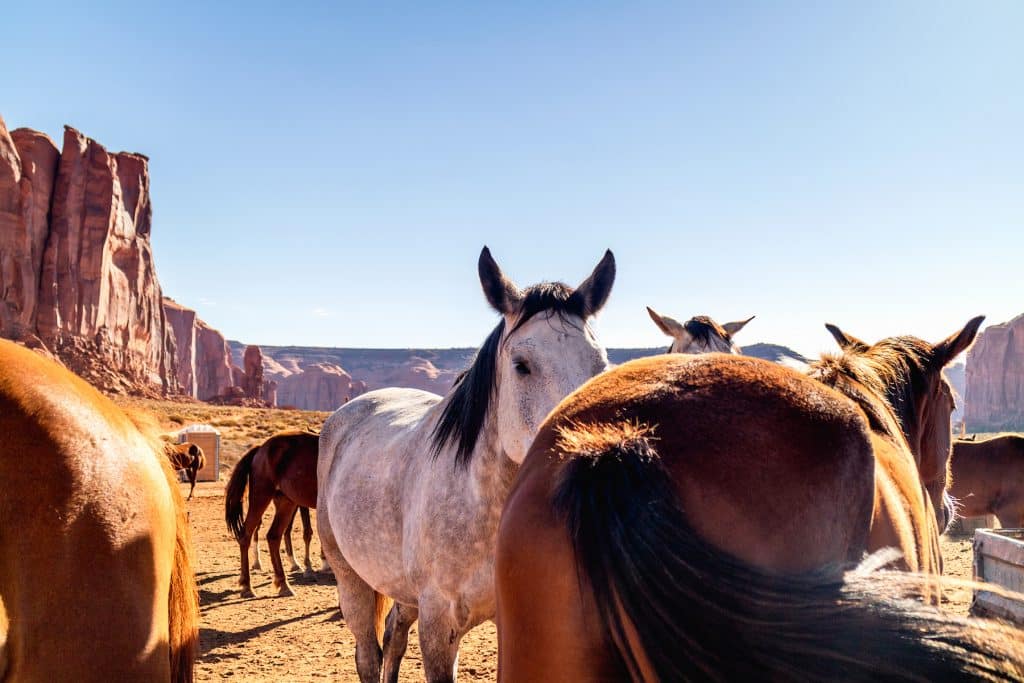
    Horses in Pen in Monument Valley Navajo Tribal Park, Camel Butte Rock in Background
    Image by Nature, food, landscape, travel from Getty

    The Onaqui Herd Management Area  has one of the biggest herds of wild horses in Utah. Their area extends from Johnsons Pass south to Look Out Pass. Wild horses can be seen on the flat areas along the east and west sides of the mountain range. 

    The Pryor Mountains

    The Pryor Mountain Range runs from Montana into Wyoming, as does the herd of approximately 200 wild horses. They are generally found in the northeast region of the Bighorn Mountains. The Pryor Mountains also have a center, the aptly named Pryor Mountain Wild Mustang Center. 

    Wyoming

    Wyoming has about 6,000 horses roaming the state from the badlands north to the Montana border. If you want the chance to see a good chunk of them, take the Pilot Butte Wild Horse Scenic Loop. It‘s 23 miles long, mostly on gravel roads, and near Rock Springs. Contact the Rock Springs BLM office for information.  

    North Carolina

    Yes, it’s true. Not all wild horses are in the Great American West. One special breed is located on the Outer Banks. These, wild Colonial Spanish Mustangs, run on northernmost Currituck close to the Currituck National Wildlife Refuge. These horses are relatively easy to see since they are on an island and generally near the lighthouse. 

    But wait, there’s more. North Carolina’s islands have quite a few herds. Head further south from Currituck to check out the Shackleford Mustangs. You’ll have to exit your RV for these as they are only accessible by boat. This herd is located on the nine-mile stretch between Beaufort Inlet and Cape Lookout. Also, take a look at the Beaufort wild horses that are part of the NC Coastal Reserve and National Estuarine Research Reserve. 

    Assateague Islands

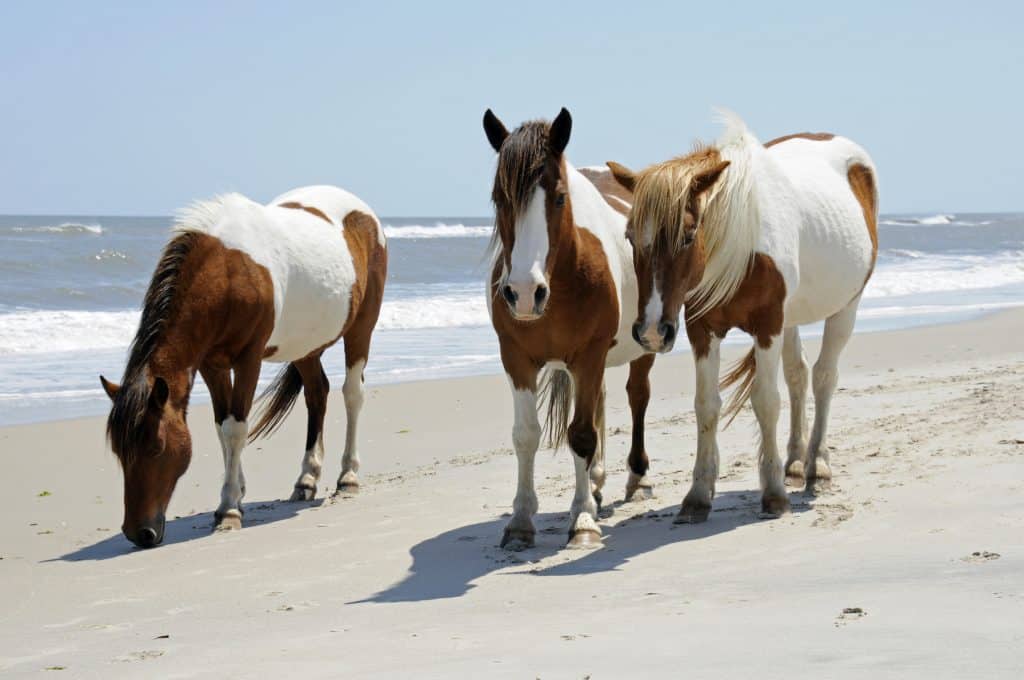
    The wild horses of Assateague Islands roam free along the beach of this barrier island in Maryland. These horses are said to be descendants of horses brought to islands along the coast in the late 17th century. Visitors can walk along the shore and see these animals in their natural environment.
    Image by JeninVA from Getty

    East we remain for our final herds. There are two states in this mix for this location since the Assateague Islands are part of both Virginia and Maryland. Some of you literary types may recognize this location as the basis behind the 1947 Newberry Medal-winning novel, Misty of Chincoteague. These islands are home to approximately 300 wild horses. It’s a lot, but that combines both the Virginia herd and the Maryland herd. The Maryland herd has a watchful eye kept on them by the National Park Service as these horses roam the Assateague Island National Seashore 

    The Virginia horses are looked over by the Chincoteague Volunteer Fire Company. This herd resides in the Chincoteague National Wildlife Refuge. A strict number of 150 horses are kept here. Every July the CVFC holds the annual Chincoteague Pony Swim. During the event, the horses are led to swim from Assateague Island to Chincoteague Island. Once they get there, the foals are auctioned off to keep the herd at 150. 


    Any place you’ve seen wild horses that you’d love to share? Please drop us a line! 


    Source link

  • 5 RVs You Can Pull With An SUV

    5 RVs You Can Pull With An SUV


    RVs provide the adventure of camping with the comforts of home. Towable RVs can be one of the least expensive ways to enjoy RV camping. While that’s true, you might be under the impression you need a larger budget for a motorhome or a heavy-duty truck to pull a towable RV. 

    However, did you know there are RVs small enough you won’t need to buy a new truck to pull it, and small enough not to need to pay for RV storage?

    We’ve got you covered with five RVs you can pull with your SUV. Keep your car, save on storage, and camp in the comfort of an RV. 

    Key Things To Know About Towable RVs

    small airstream in the sunlight
    Image by Airstream, Inc. from Unsplash

    When shopping for a towable RV, you will need to know a few terms. Knowing what these terms mean will help you figure out if your current vehicle can tow a specific RV you’re looking at. 

    Your Tow Vehicle

    In your vehicle’s owner’s manual, you’ll want to look for your vehicle’s towing capacity. Most SUVs will be rated to tow somewhere between 1,500 pounds and 5,000 pounds. Each one is different, and of course, there are exceptions. Some SUVs can tow more than 5,000 pounds. 

    Equally as important is your vehicle’s payload, curb weight and gross vehicle weight rating. Curb weight means how much your vehicle weighs without anyone in it. Payload is what it can carry. Your GVWR is the dry weight of your vehicle and the maximum payload. If you don’t know your vehicles payload, find the GVWR and subtract the curb weight from that number.

    The RV You Tow

    As you look at RVs, you will see terms like dry weight AKA unloaded vehicle weight (UVW) and CCC. An RV’s dry weight is its weight straight out of the factory with no potable water, waste, or anything else in it.

    Cargo Carrying Capacity is CCC. This is the weight your RV will be capable of carrying on board. This is important because you won’t be pulling an empty travel trailer to go camping. You’ll load up your camper with gear, potable water, accesories, and other supplies. On the way back, you’ll also have liquids in your grey and black tanks (if your RV has these, which most do).

    Adding an RV’s CCC and dry weight will give you its gross vehicle weight rating (GVWR). This is the number that needs to be within your vehice’s tow rating. 

    GCWR and Tongue Weight

    There’s also gross combined weight rating (GCWR). This is the rating that includes your SUV and your trailer and any passengers and cargo. Just because you pull a camper within your towing capacity doesn’t necessarily mean you’re all set. You also need to stay below the vehicle’s GCWR. If you stay under the GCWR with all of the things discussed above, you’re headed in the right direction. 

    Don’t forget to take into account the RV’s tongue weight. Every vehicle will have its hitch rated for a certain weight. Even if you’re within the towing rating and under a GCWR, if your over the rating for your vehicle’s hitch, you can experience problems. It’s also important to note that the tongue weight of the RV factors into the vehicle’s GVWR. If the tongue weight of the RV puts you over on GVWR it’s too much trailer for your vehicle. 

    With all that said, lets dive into some good RVs for your SUV.

    Forest River NoBo

    No Boundaries 10 Series is small enough to tow with an SUV
    Image by Forest River

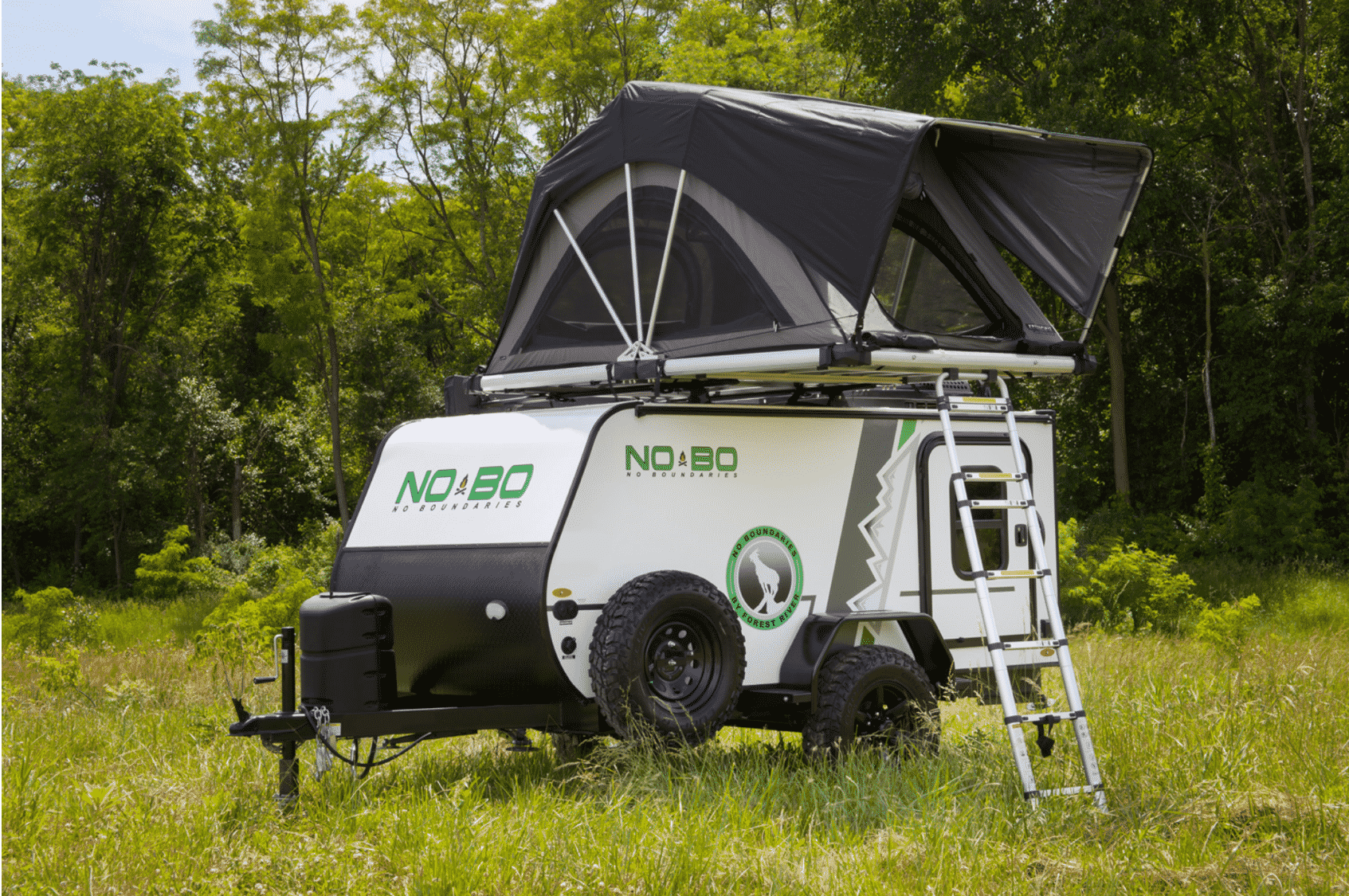
    Starting off our list is Forest River’s No Boundaries line of travel trailers. These fun little trailers pack quite the punch, yet are small and light enough to be pulled by many SUVs. 

    The NoBo line of campers range in length from 13 to 25 feet. The 10 series is the smallest in the line. Both 10 series NoBo travel trailers have a UVW under 2,000 pounds. Their CCC ranges from just under 2,000 pounds to just over 2,000 pounds.

    The NoBo line is not only small and light, but rugged and highly customizable. They’re designed to go off-road, featuring higher clearance and chunky tires. Awning systems and storage systems are available to fully outfit your NoBo whether you like to fish, kayak, ski, or bike on your adventures.

    Check Out Camping World’s Inventory

    TAXA Cricket & Mantis

    TAXA's lightweight, garageable Mantis
    Image By TAXA

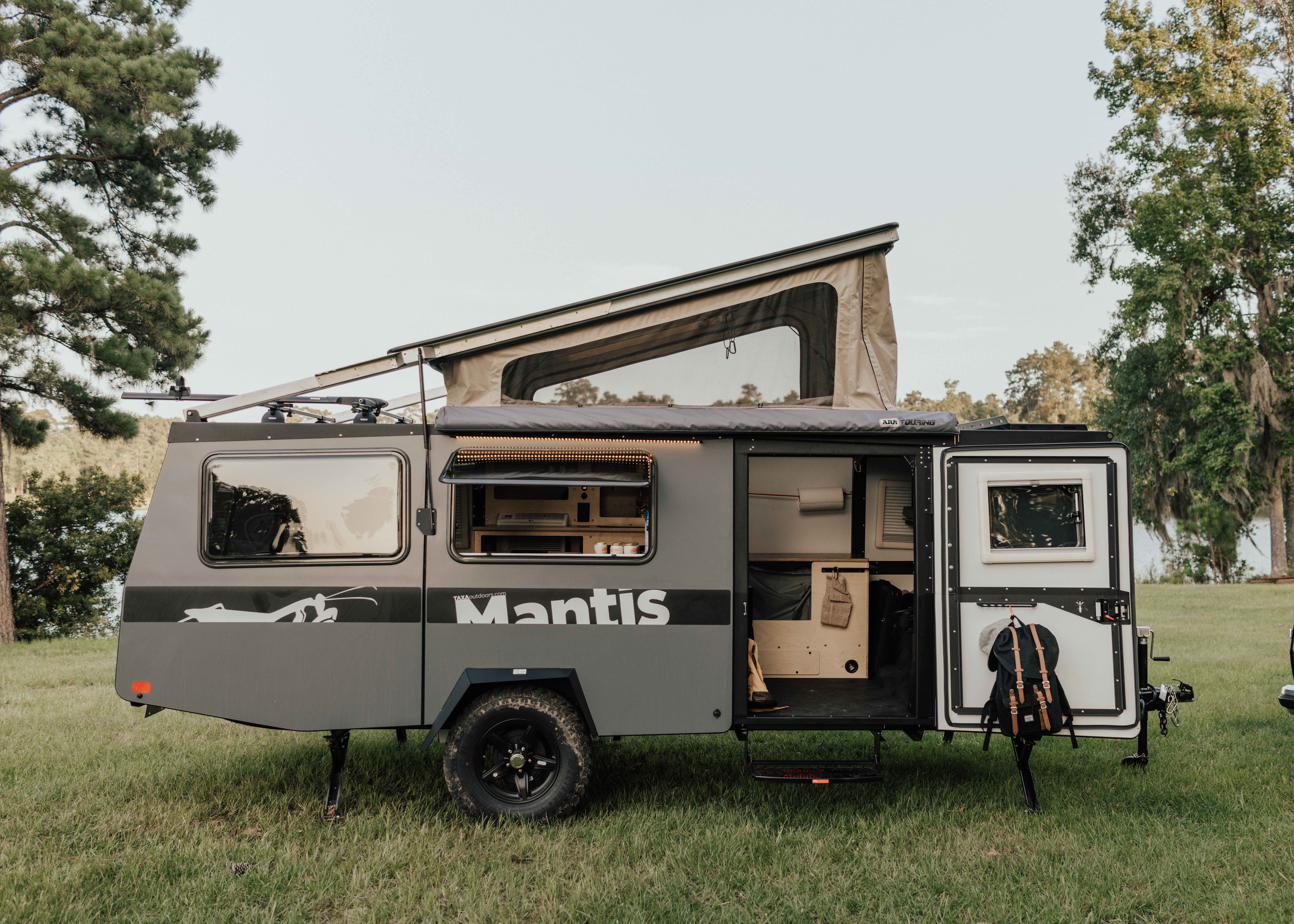
    Both the TAXA Cricket and Mantis are lightweight and garageable. Because they have a pop-up roof, they are small enough, when closed, to fit in most garages.

    The Cricket is 15 feet in length and comes in at a dry weight of 1,732 pounds, and GVWR of 2,500 pounds. When closed, the total height is just six feet 11 inches. The Mantis is a bit larger at 19 feet in length and 3,020 pounds of dry weight. The Mantis has a GVWR of 4,000 pounds.

    Both the TAXA Cricket and Mantis are designed to take you both on and off the road. They’re very innovative, as TAXA’s founder spent some time designing for NASA!

    Check out Camping World’s Inventory

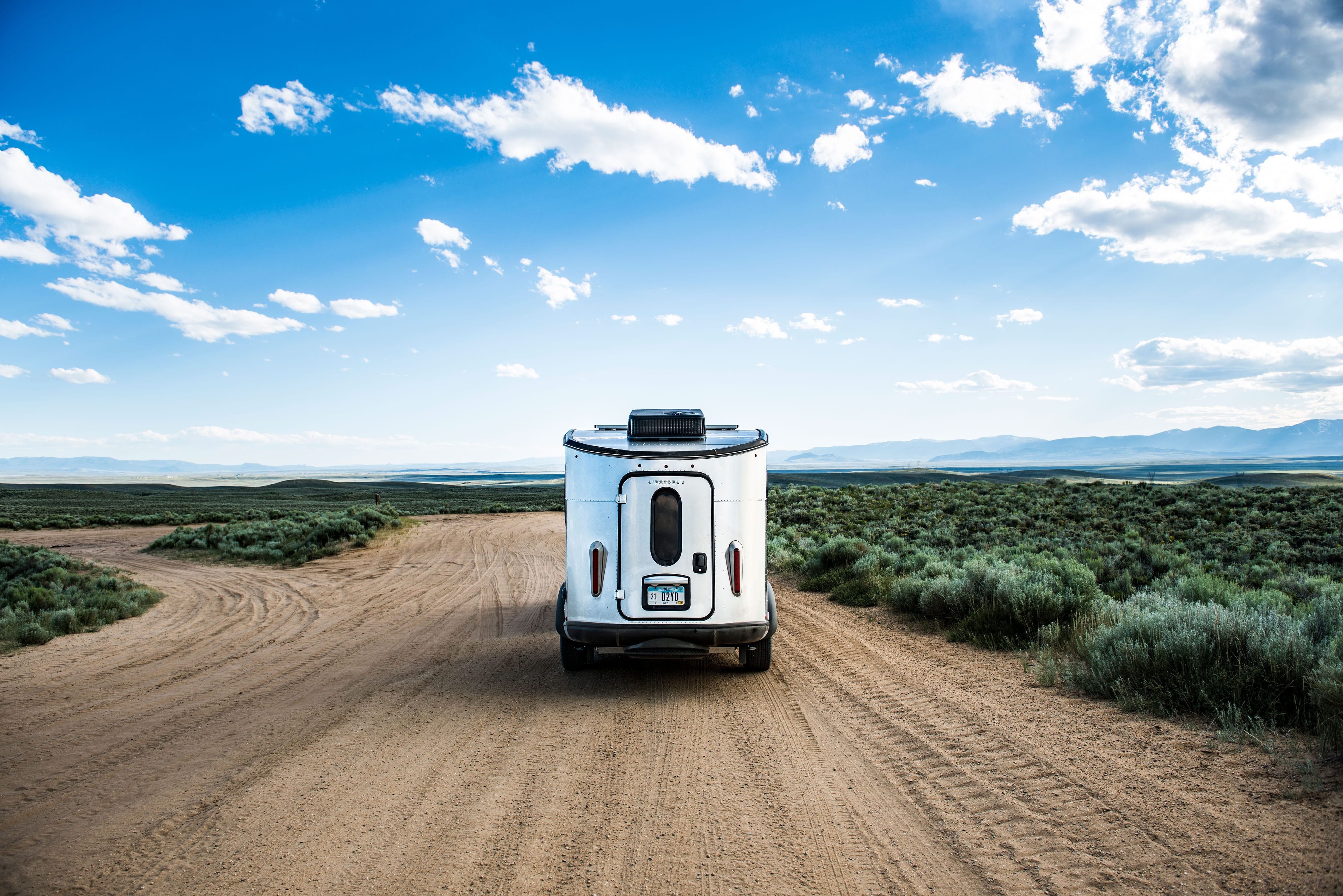
    Airstream Basecamp

    Airstream Basecamp on a dirt road
    Image by Airstream, Inc. from Unsplash

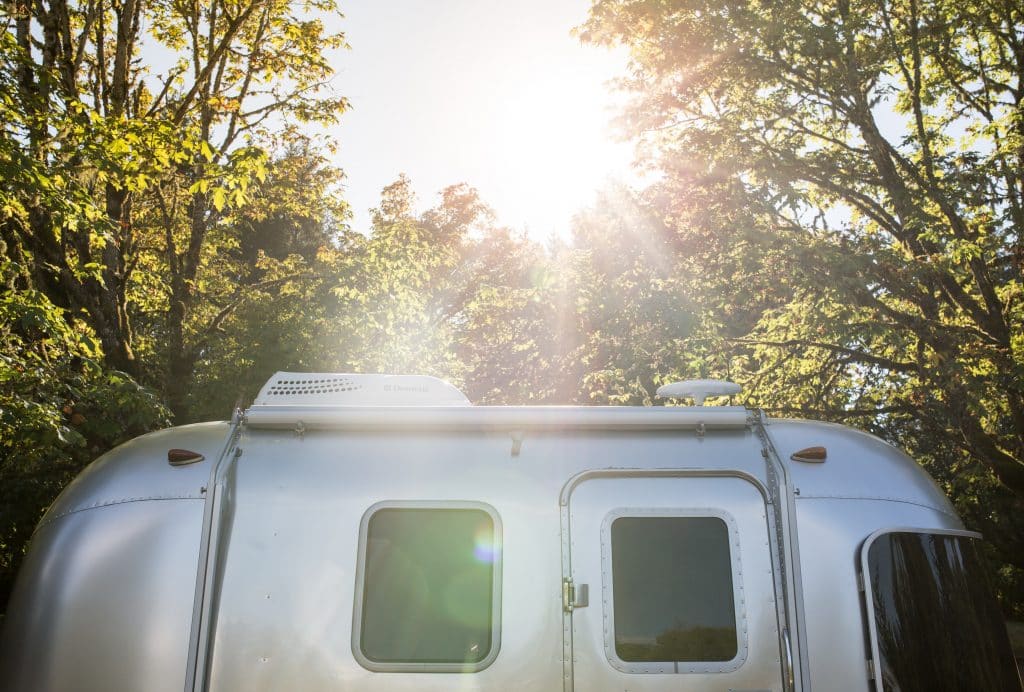
    Airstream’s smallest offering is the Basecamp. Though smaller than other Airstreams it’s able to fit a kayak or any other gear you might want to take. The Basecamp comes in at 16 feet three inches in length and has a weight of 3,500 pounds.

    It’s footprint can also be extended with side and rear tents. Another option is the Basecamp X option which makes it even better equipped to go off the asphalt with a three-inch lift kit and other off-road friendly features.

    Check out Camping World’s Inventory

    Forest River r-pod

    Forest River R-Pod Hood River Edition
    Image by Forest River

    The Forest River r-pod has been a favorite among RVers looking for a small rig. The r-pod line of campers range in length from 18 feet four inches to 22 feet two inches. The UVW ranges from 2,342 pounds up to 3,578 pounds. CCC ranges from 900 pounds to 1,390 pounds.

    An r-pod is ready to take you anywhere, and at it’s compact size is a breeze to fit into national park campsites.

    Check out Camping World’s Inventory

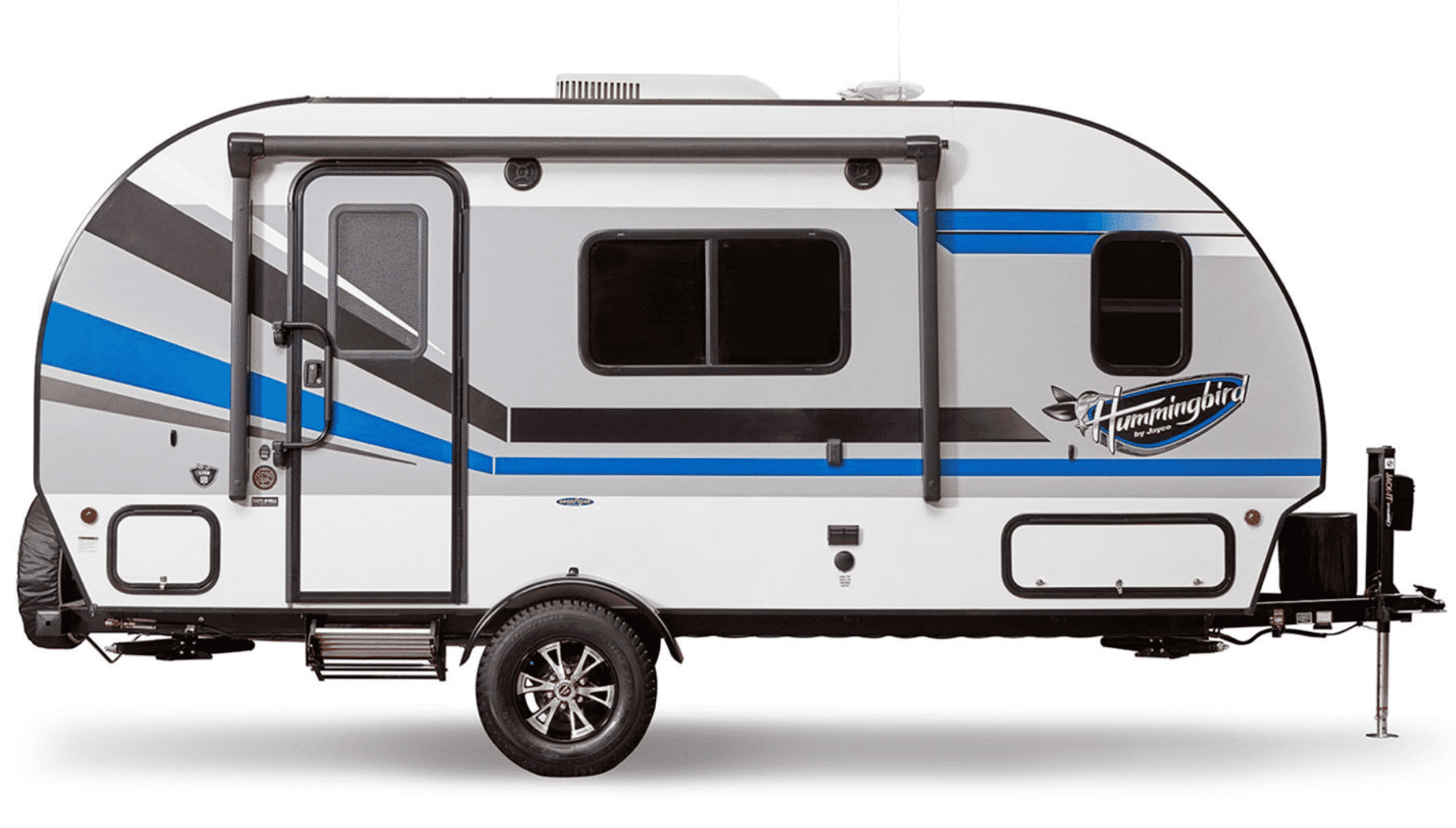
    Jayco Hummingbird

    Jayco Hummingbird
    Image By Jayco

    The Hummingbird is a lightweight offering from popular RV manufacturer, Jayco. You get the traditional RV comforts and features in a fun-size format.

    Hummingbird travel trailers range in length from 13 to 20 feet. The weight of Hummingbirds ranges from 2,000 pounds to 3,950 pounds.

    The hummingbird’s small size makes it great for touring and trips to the lake. And, like many of these travel trailers, you can fit into almost any size campsite.

    Check out Camping World’s Inventory


    Have you ever thought about pulling an RV with your SUV? Leave a comment below.


    Source link

  • SftR 073: An Epic Mother-Daughter Road Trip to Remember

    SftR 073: An Epic Mother-Daughter Road Trip to Remember


    You’ve heard Kelsey Henry talk about growing up roadschooled in an RV. Now, we’re bringing Kelsey back on the podcast, plus another special guest… her mom! Sam chats with Kelsey and Christy Henry about mother-daughter bonds and road trips as they travel in Kelsey’s Honda CR-V for a month! They’ve been from Texas to Florida to Washington, D.C. to Niagra Falls to Toronto to Mackinac Island!

    A few things we cover in this episode:

    • 1:30 – Hitting the road back in 2005
    • 4:30 – Mother-Daughter road trips today
    • 8:00 – Highlights of the epic month-long road trip
    • 15:30 – Meeting people and making memories on the road
    • 21:00 – Advice for mother-daughter travel
    • 24:00 – Being considerate to each other on the road

    Mother-Daughter Bonds

    Kelsey and Christy have always been close, but living in an RV for 6 years gave them a special bond that has lasted through the years. They both love to travel and have been on many adventures, from traveling through Europe to van life-ing around the country (wayyy before it was cool!).

    Today, they still go on many adventures, including this month-long road trip. Back in the day, Kelsey would tag along when her dad went to conferences. Now, Christy tags along to conferences with Kelsey!

    Advice for a Mother-Daughter Road Trip

    • Communicate quickly to solve problems and diffuse tension.
    • Be considerate of each other’s needs.
    • Give space or quiet time when needed.
    • Keep plenty of snacks on hand in case anyone gets cranky.
    • Discuss what “must-see” places and “must-do” activities you both have on your trip. Make time to do a mixture of both to make everyone happy.
    • Be present in the moment. This time together is very special.

    Links mentioned in this episode:

    ** Subscribe to Stories from the Road on iTunesSpotify, or Google Play **


    Source link