Blog

  • Fire Safety for RV Travelers

    Fire Safety for RV Travelers


    The last thing anyone wants to think about when planning their next RV vacation is the possibility of fire. However, a little planning and prevention can go a long way towards ensuring you have a safe and trouble-free holiday. It’s worth it, so take the time to ensure you’re protected.

    There are several different causes of fire. I’ll cover the most common and provide a few tips for prevention.

    On the Road
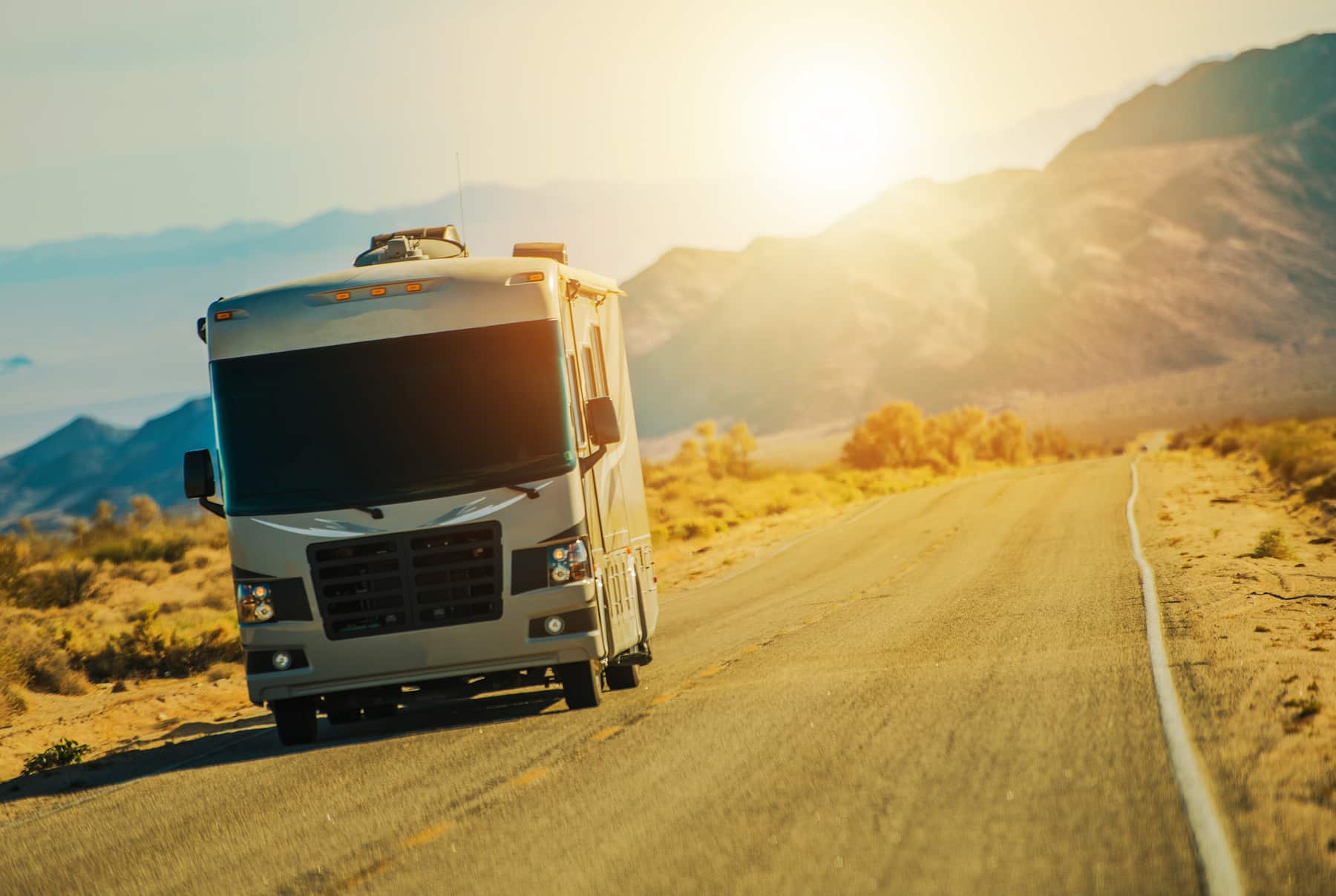
    Motorhome on the Desert Road Somewhere in the Southern California Mojave Desert. Class A Gasoline Engine Motorcoach. United States of America. American RVing. (Motorhome on the Desert Road Somewhere in the Southern California Mojave Desert. Class A Ga

    According to FEMA, Approximately one in eight fires responded to by fire departments across the nation is a highway vehicle fire. This figure includes recreational vehicles. After accidents, mechanical failure in one of the following areas contributed to most of these fires: engine, running gear, or wheel area of the vehicle.


    The most important prevention for mechanical fire is to maintain your RV or tow vehicle’s electrical and mechanical systems. Here are a few critical things you should check before each trip to reduce your chances of a fire while traveling:

    • Ensure all hoses are tight and there are no cracks to avoid flammable liquids igniting in the engine area.
    • Keep the engine compartment clean of excess grease and dirt that increases the chances of fire under the hood.
    • Ensure there is adequate insulation around electrical wiring
    • Overheated tires and brakes can also cause fires.
    • Check for proper inflation of all tires, and even better use a Tire Pressure Monitoring System.
    • Refer to your vehicle’s service logs to verify you’re up to date on all service items including brake inspections and axle maintenance.
    • Do not drive with the propane on. It can increase the danger if an accident or other mechanical fire occurs.

    It is equally important to know what to do in case a fire occurs while you’re driving to your destination.

    • First, get yourself and all passengers a safe distance away from the vehicle and traffic on the roadway.
    • Don’t attempt to get back into the RV or tow vehicle to retrieve personal property.
    • Report the fire using 911 or other emergency telephone number.
    • If you have a fire extinguisher approved for Class B and Class C fires handy, only use it at a safe distance from the vehicle. Do not open the hood to access a fire under it, as air could cause the fire to enlarge.

    In the Kitchen

    Checking on Camper RV Propane Stove. Cooking While Travel Theme
    Image by Welcomia (Getty)

    According to the National Fire Protection Association, the most common area for RV fires to start is the kitchen. Most cooking fires start with the ignition of food or other cooking materials.


    When cooking in a small space like an RV, it is especially important to remain vigilant anytime you are cooking. Here are a few tips to reduce the risk of a kitchen fire in the RV:

    • Remain in the kitchen while you are frying, grilling, boiling, or broiling food.
    • When cooking with oil, be especially vigilant. Heat the oil slowly and add food gently so the oil does not splatter.
    • Always keep a lid handy to place over the pan in case of fire.
    • If you are baking or roasting food in the oven, use a timer and stay close by to check it regularly.
    • Make sure there to keep anything flammable (towels, oven mitts, food packaging, wooden utensils, etc.) away from your stovetop.

    If you have a cooking fire:

    • Never use water on a grease fire.
    • If oil ignites in a pan, smother the fire with the lid. Leave the lid on until it has completely cooled.
    • Turn off the heat source immediately.
    • If the fire cannot be immediately extinguished, just get out! Your life is more important than your belongings. Be sure to close the door behind you to help contain the fire.
    • Turn off the propane to your RV.
    • Call 911 or the local emergency number from a safe distance outside the RV.

    At The Campground
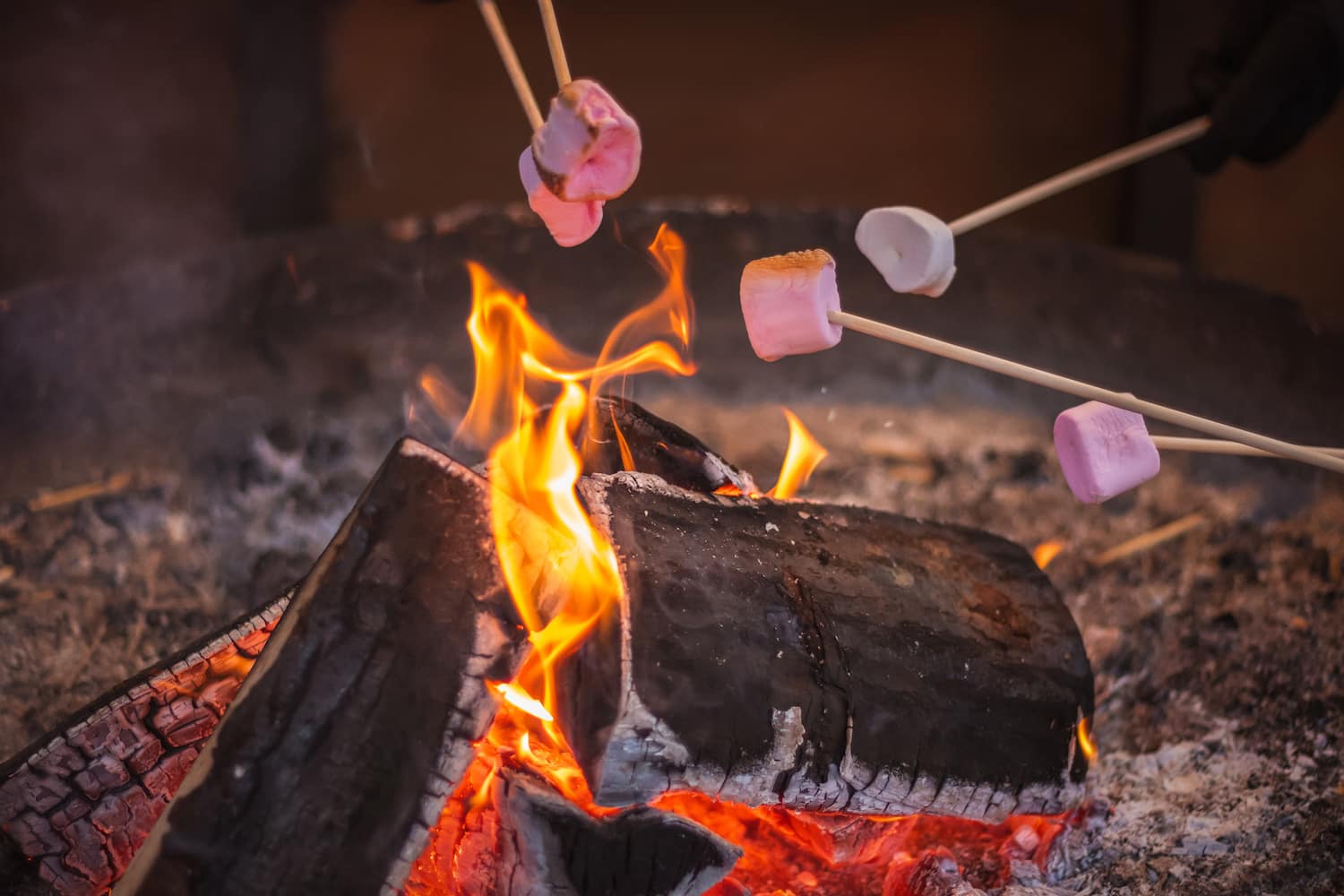
    Selective focus, toasting a marshmallow over an open flame at Christmas market winter wonderland in London
    Image by Victor Huang (Getty)

    One of the things we love best about camping is roasting marshmallows and sharing stories around the campfire. Unfortunately, campfires can be dangerous if not managed properly. You need to ensure that everyone stays safe around open flames. Here are some tips:


    • Make sure open fires are allowed and be aware of the local fire danger level.
    • Build campfires in designated fire rings. If allowed to build your own fire pit, dig a depression in the center of a cleared area and place a ring of rocks around it.
    • Don’t build a fire too large and always check for overhanging limbs.
    • Never use an accelerant such as gasoline or lighter fluid to start a campfire.
    • Always keep a hose, a bucket of water, or dirt and shovel nearby to extinguish the fire.
    • Never leave a campfire unattended and always supervise children closely.
    • To extinguish a campfire, pour a bucket of water over it while completely stirring and wetting all the ashes.  Turn wood over and wet all sides.

    One of the great thing about RV vacations is enjoying the great outdoors. Some of the best camping meals are made over the grill.


    Consider the following if you choose to cook outdoors on your RV vacation:

    • Place the grill a safe distance from the RV awning and away from overhanging branches.
    • Never add charcoal starter fluid to coals or kindling that has already been ignited.
    • Make sure there to keep anything flammable (towels, oven mitts, food packaging, wooden utensils, etc.) away from the grill.
    • Never leave a fire unattended.
    • Thoroughly extinguish the fire and make sure the area is cool to the touch before leaving.

    Be Prepared
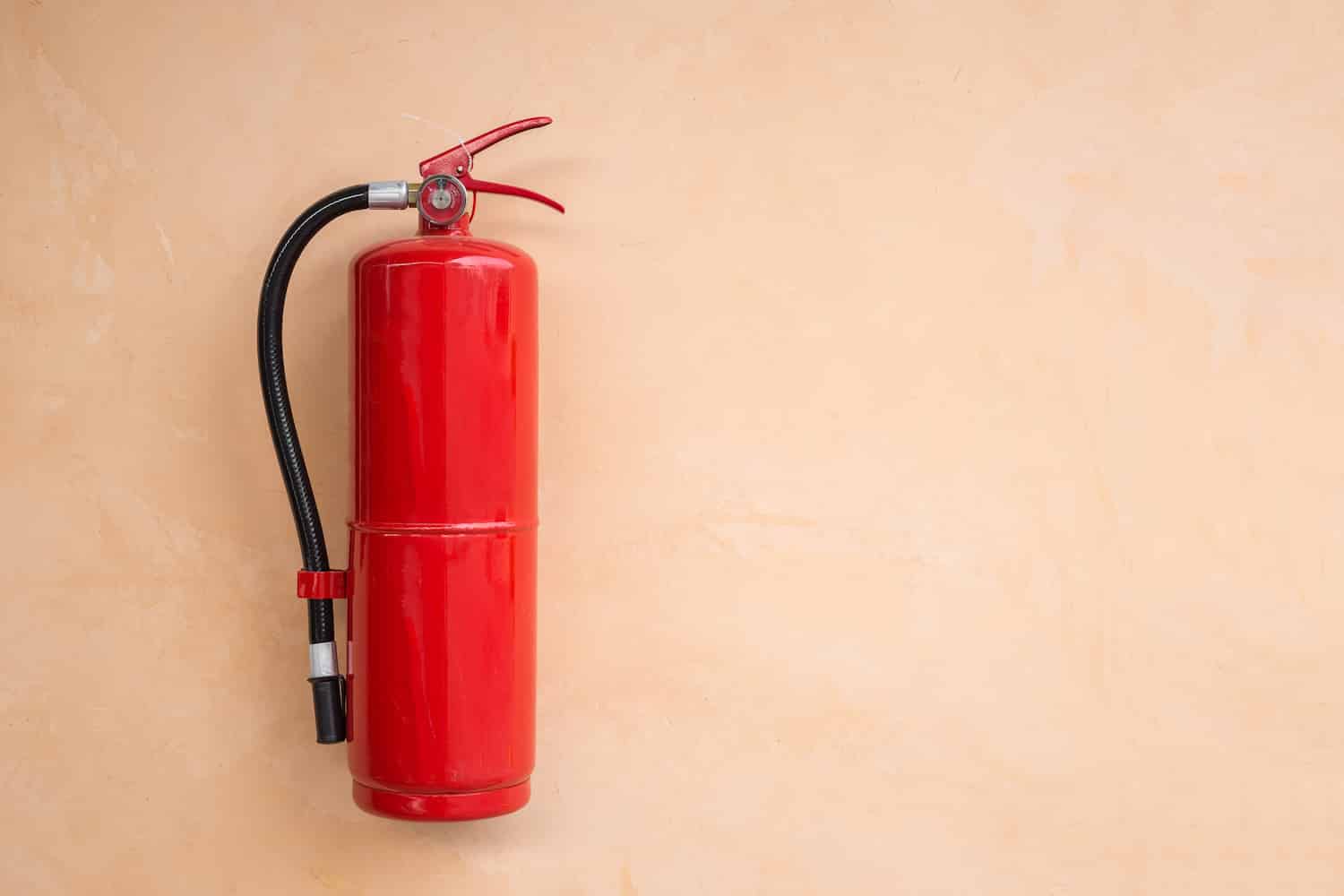
    New red fire extinguisher tank on orange wall
    Image by Phanuwat Nandoe (Getty)

    The most important thing you can do to protect you and your family in the event of a fire is to be prepared in advance. Before you leave on your next camping trip, make sure to:

    • Regularly check your smoke, propane, and carbon monoxide detectors switching out the batteries every six months.
    • Develop and practice a plan that includes at least two escape routes from the RV.
    • Be sure everyone knows how to open hatches and emergency exits.
    • Keep multiple fire extinguishers in your RV and tow vehicle (if applicable) in case you encounter any small fires that you can put out quickly.
    • Remind everyone that their lives are more important than your belongings. Evacuating to a safe place should always be the first priority.

    Although we hope it never happens, we should always be prepared for the worst. By being diligent, properly maintaining our RVs, and practicing cooking safety we can reduce the risk. Since we can’t completely eliminate it, planning ahead and practicing evacuation can ensure the whole family stays safe.


    Do you have any questions or concerns? Leave a comment below!


    Source link

  • Camping World’s Guide to RVing Guadalupe Mountains National Park

    Camping World’s Guide to RVing Guadalupe Mountains National Park


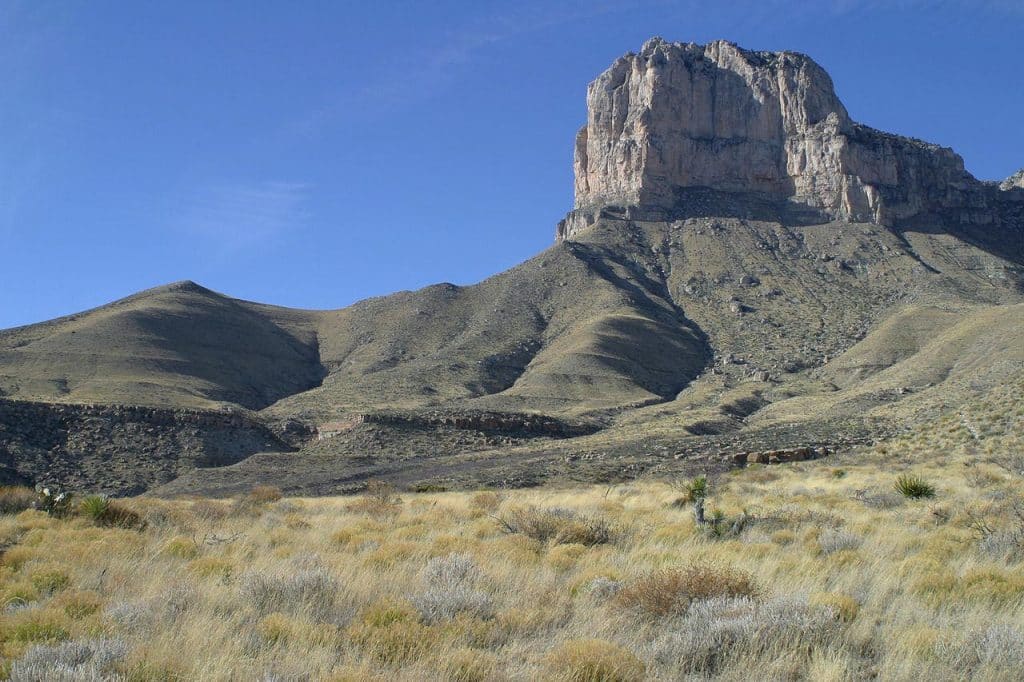
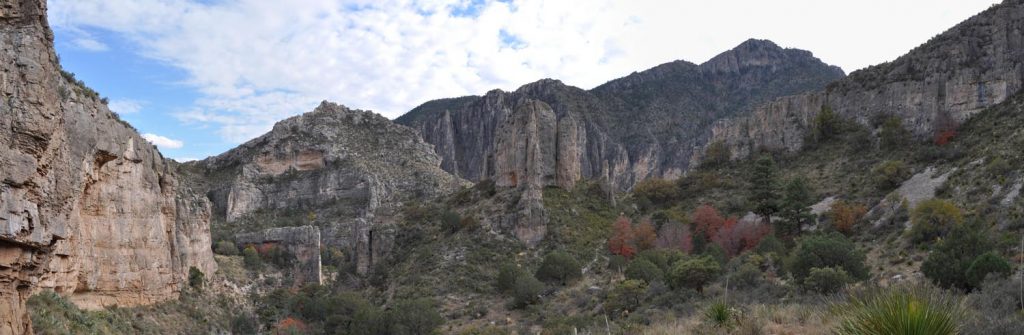
    At first glance, Guadalupe Mountains National Park might appear desolate and remote, but scratch the surface here and visitors find a region that reaches from the desert floor to the highest mountain in Texas. In the towering cliffs of El Capitan lie the remnants of an ancient marine fossil reef, the largest example in the world.

    Carved out of these imposing mountains sits an interior of sheer-sided canyons, white gypsum sand dunes and habitat so sweeping in its diversity that over 1,000 plant species and a variety of 60 mammal groups live here. A peek into the park will overwhelm travelers with its grandeur and humble existence as they realize it’s been hiding in plain sight all along!

    Photo Tripping America - Guadalupe Mountains - Camping World
    Photo Credit: Leaflet

    History of Guadalupe Mountains National Park

    The first inhabitants of the Guadalupe Mountains were hunter-gatherers that followed game into the area about 10,000 years ago. Since then the region has been influenced by the Spanish, who although they did not explore the mountain range, forever changed the area by bringing horses with them.

    Mescalero Apaches, like those that came before, tracked game through the Chihuahua Desert and utilized various parts of the prolific agave plants found there. In fact, today visitors might come across an agave roasting pit within the park.

    The Apache thrived in the Guadalupe Mountains for a time, as it appeared inhospitable to others. After the Civil War, Americans began moving west and the Butterfield Overland Mail was established to transport passengers and mail from back east to San Francisco. Its trail ran through the park region. Cavalry troops, including Buffalo Soldiers, were assigned to protect the line and in doing so, destroyed two Apache camps. Eventually what was left of the tribe were driven out of the area and to a reservation.

    One of the first settlers to make a permanent home was rancher, Felix McKittrick, who came in the 1870s. By the 1920s Wallace Pratt arrived. A geologist for what would later become Exxon Oil, Pratt fell in love with the McKittrick Canyon and built two homes there. In 1960, Pratt donated his 6,000-acre parcel to the National Park Service and with the purchase of another 80,000 acres, the road was paved for Guadalupe Mountains National Park to be created in 1972.

    Photo Tripping America - Guadalupe Mountains - Camping World
    Photo Credit: Fredleyfish4

    Why Visit Guadalupe Mountains National Park in Your RV?

    The park has two campgrounds that accept smaller RVs and the area is large enough to spend several days exploring. Rather than driving two to three hours back to an RV park or motel in the city every evening, most travelers opt to boondock in their motorhomes or trailers. Having your home with you provides a great platform from which to venture out into the wilderness.

    Places to Go

    There are plenty of fantastic places to go in the Guadalupe Mountains National Park. Here are some spots you have to check out.

    Dog Canyon

    A remote forested canyon on the north end of the park, Dog Canyon lies at the base of steep cliff walls. It’s a perfect place for hiking and camping in solitude.

    McKittrick Canyon

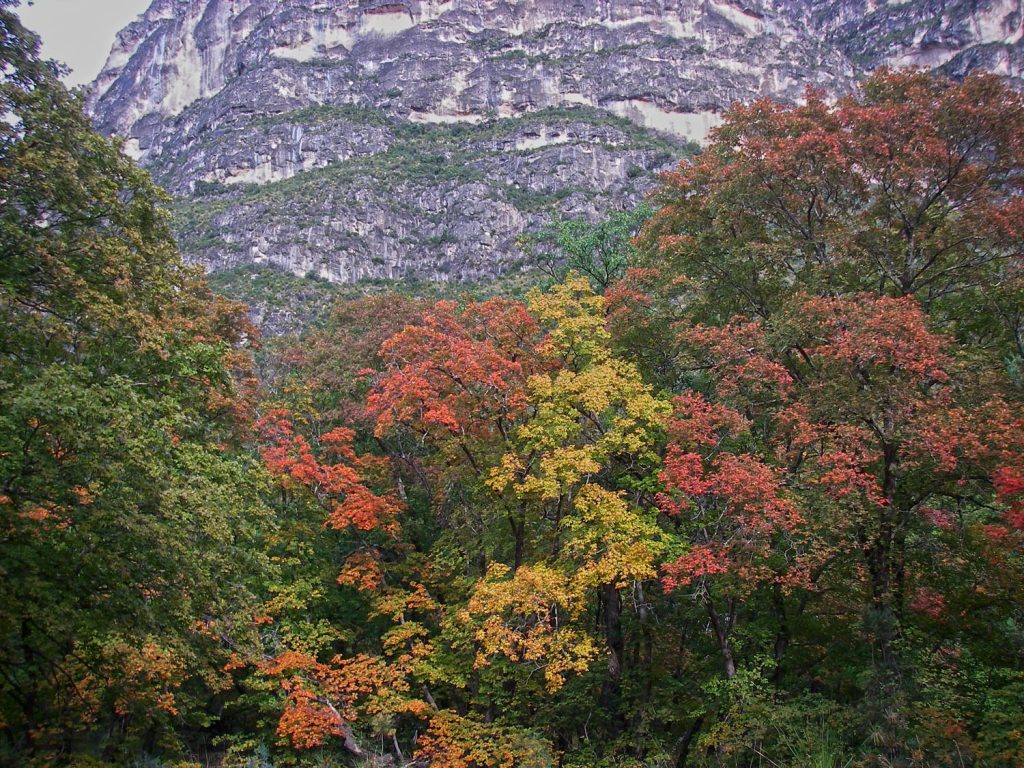
    One of the most visited locations in Guadalupe Mountains National Park, this canyon is splendid in the months of October and November, when autumn colors are at their peak. This is a day use only destination.

    Williams Ranch

    A high clearance vehicle is needed to access Williams Ranch, and travelers must check out a gate key at Pine Springs Visitor Center to traverse this rugged road for 15.6 miles. The ranch house backs up to Bone Canyon.

    Frijole Ranch

    Photo Tripping America - Guadalupe Mountains - Camping World

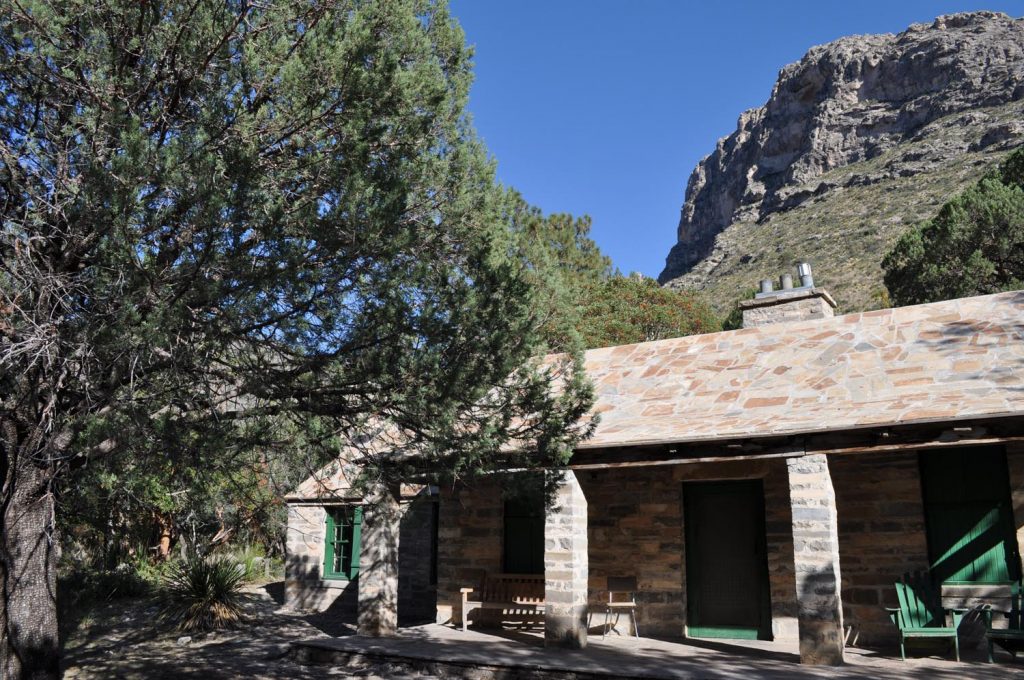
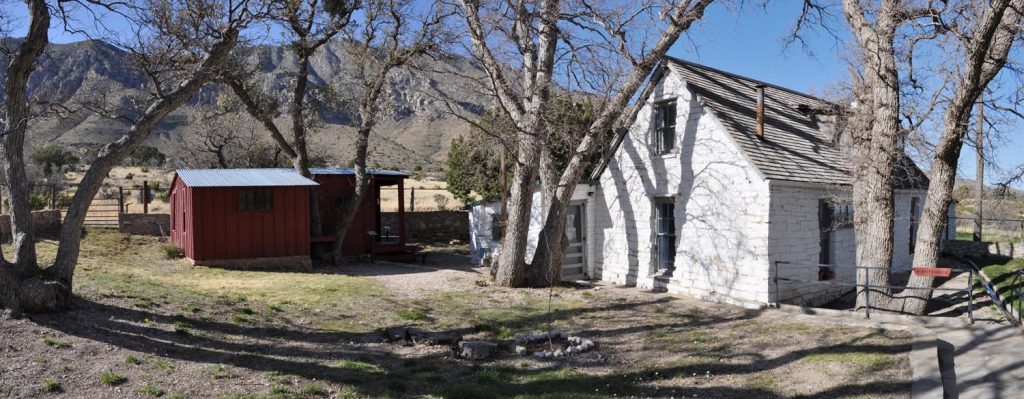
    This old ranch on the edge of the Guadalupe Mountains is surrounded by 6 springs, a virtual oasis in the desert. The ranch headquarters building houses the Frijole Ranch Historic Museum, telling the human story of the region from Native Americans to the formation of the national park.

    Salt Basin Dunes

    Gypsum has eroded into sand dunes here at the Salt Basin Dunes, in some places up to 40 feet tall. The wind is the sculptor and can make the area inhospitable on occasion, and the dunes are a designated day use area, so no camping is allowed.

    Things to Do

    There’s more than just places to go in the Guadalupe Mountains National Park. There are plenty of fun things to do, too. Here are some of the best!

    Hiking

    The most popular activity in the park is hiking, as there are miles and miles of trails to follow. Here are just a few samples:

    • Indian Meadow Nature Trail – 0.6 miles
    • Marcus Overlook – 4.5 miles
    • Lost Peak Trail – 6.4 miles
    • McKittrick Canyon Nature Trail – 0.9 miles
    • Pratt Cabin Trail – 4.8 miles
    • The Grotto – 6.8 miles
    • Permian Reef Trail – 8.4 miles
    • Devil’s Hall Trail – 3.8 miles
    • Guadalupe Peak Trail – 8.5 miles

    Backpacking

    Photo Tripping America - Guadalupe Mountains - Camping World

    If you enjoy hiking but want to stay in the backcountry longer, take a look at the packing information, trails, and campsites on the park’s backpacking page.

    Camping

    The park has two campgrounds, one at Pine Springs and the other at Dog Canyon. Both have flush toilets and sinks, but no showers and no hookups. There are numerous backcountry tent sites along backpacking trails, as well, which can be found here.

    Wildlife Viewing

    The diversity of ecosystems within Guadalupe Mountains National Park offer habitat for a variety of animals like mule deer, coyotes, mountain lions and javelinas. During warmer temperatures, reptiles like diamondback rattlesnakes and prairie lizards will soak up the sun. Best viewing is close to water sources like Smith Springs, Manzanita Spring and McKittrick Canyon

    Horseback Riding

    Photo Tripping America - Guadalupe Mountains - Camping World

    Bring your own horses and ride on open stock trails at the park. There are corrals at Frijole Ranch and Dog Canyon and all horse trails begin and end at these locations. No riding off trail is allowed.

    Birdwatching

    The Guadalupe Mountains are an exceptional place to go birding. One of the best places to start is at Frijole Ranch, where water is in abundance and so are trees with shade! You’ll see everything from a roadrunner to mountain bluebirds, tanagers, and Cooper’s hawks throughout the park.

    When to Visit Guadalupe Mountains National Park

    Photo Tripping America - Guadalupe Mountains - Camping World
    Photo Credit: Leaflet

    With a location in the Chihuahua Desert, this park hits temperatures in excess of 100 degrees in summer. So most visitors enjoy the cooler season for exploration of the desert floor. However, mountain peaks are much more temperate for hikers, and those looking for fall colors won’t be disappointed by coming to the Guadalupe Mountains in October and November.

    Where RVers Can Stay

    There are two campgrounds within the park that have room for smaller RVs and each campground has flush toilets and sinks.  However, there are no RV hookups or showers. The campgrounds are located at Pine Springs and in Dog Canyon. If you desire hook-ups, here are a few RV parks within driving distance:

    Getting to and Around Guadalupe Mountains National Park

    Getting to the National Park is not difficult, but the location is a bit remote. The park is located 110 miles east of El Paso, Texas or 56 miles southwest of Carlsbad, New Mexico in the Chihuahua Desert on US Highways 62/180 or via New Mexico State Road 137.

    Once there, roads through the park go only to the following: Pine Springs Visitor Center and campground, McKittrick Canyon Contact Station, Frijole Ranch, Salt Basin Dunes area, Williams Ranch (high clearance vehicles required), and the park trailheads, as most visitors come here to hike and backpack.

    Hidden Treasures

    Photo Tripping America - Guadalupe Mountains - Camping World

    Guadalupe Mountains National Park holds a great attraction for explorers, those willing to venture into the unknown and leave with newfound secrets. Secret trails. Secret swimming holes. Secret canyons. While many travelers bypass it on the way to other more ostentatious parks and monuments, this park is willing to wait for more curious visitors to discover its hidden treasures.


    Have you ever been to the Guadalupe Mountains National Park? Leave a comment below.


    Source link

  • RVing the Rails – Excursion Trains in Colorado

    RVing the Rails – Excursion Trains in Colorado


    Many times camping trips involve exploring new territory and discovering enticing attractions along the way. Passenger tour trains have that magnetic appeal for many RVers, providing a novel way to see hidden countryside not normally viewed from the road. Railroad passengers learn about local history, culture and the many colorful characters from the communities visited.

    Camping World wants to make sure you don’t miss the departing whistle, so we have created a series entitled RVing the Rails. You will find the most popular excursion trains to ride in each state, complete with any specialty trains they might offer.

    Photo Tripping America - Excursion Trains in Colorado - Camping World

    Today we will start with the most popular trains in Colorado:

    Durango & Silverton Narrow Gauge Railroad

    Photo Tripping America - Excursion Trains in Colorado - Camping World
    Photo Credit: FJX2000 (CC-BY-SA 2.0)

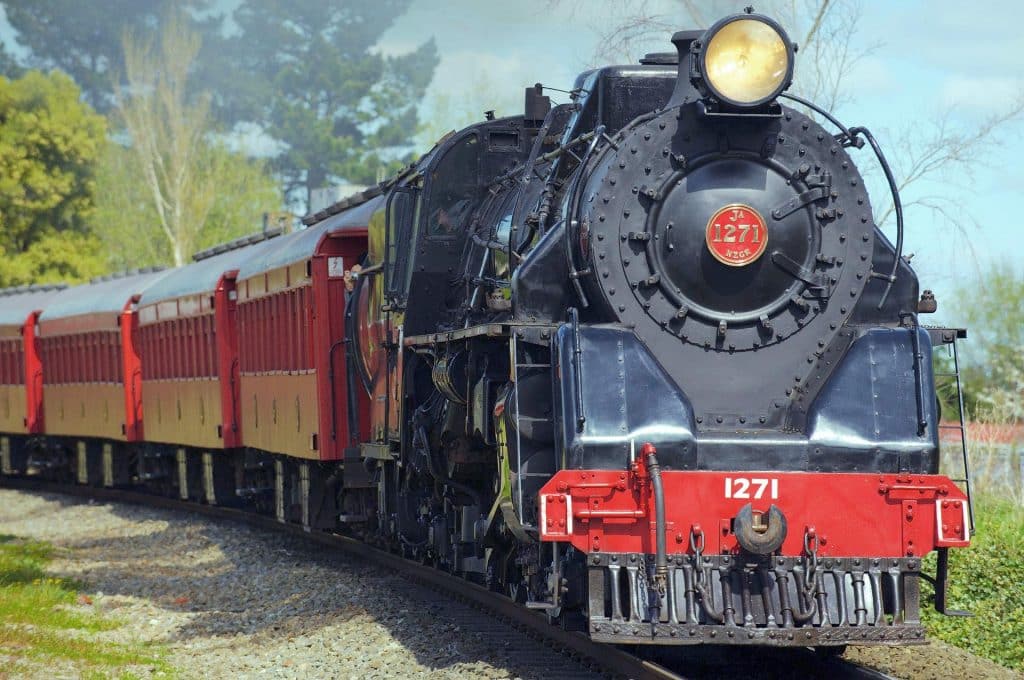
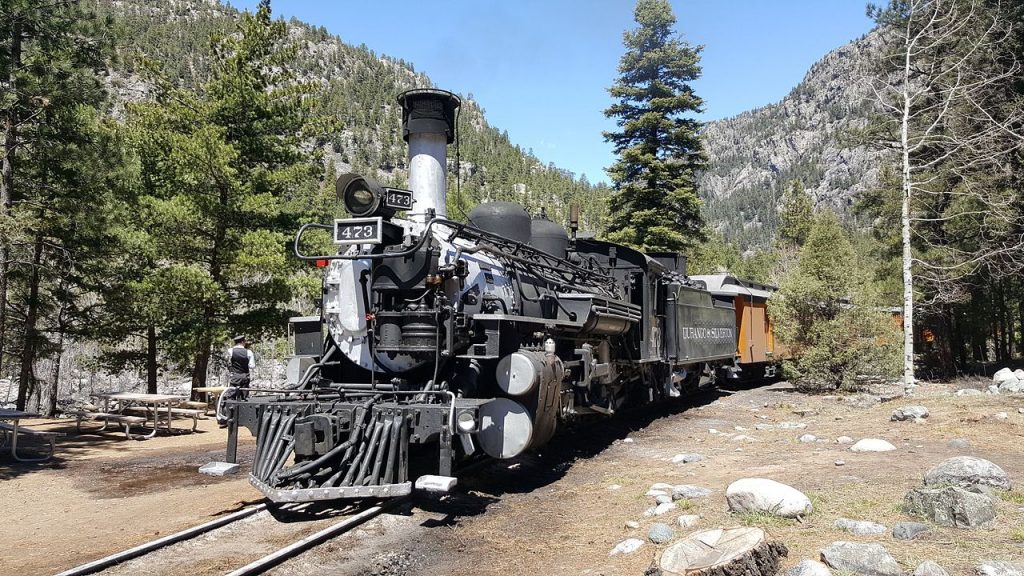
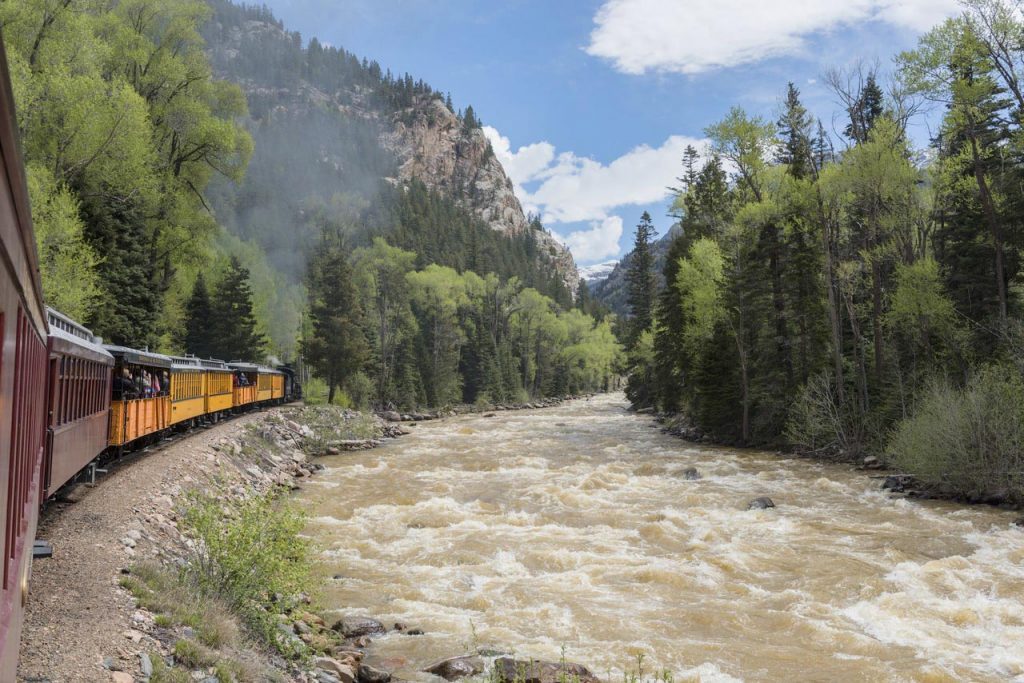
    One of the most popular trains in the Rockies, the Durango & Silverton Narrow Gauge Railroad winds its way from the wild west town of Durango, Colorado through rugged mountainous scenery to the historic mining community of Silverton. Built in 1882, the railroad began hauling precious metals from the Red Mountain mining district, along with passengers intent on getting in and out of the high country.

    By 1954, freight was no longer moved by railroad, and the D&SNGRR was designated a scenic tourist train. Today over 200,000 riders a year enjoy a trip along the Animas River through the San Juan Mountains on the Durango & Silverton rails.

    Railway and Locomotive Types

    The Durango & Silverton is a narrow gauge railroad, with tracks laid three feet apart, giving it the ability to handle tighter mountain curves. Its steam engine is powered by coal—in fact, the train goes through six tons of coal and 10,000 gallons of water in one 90-mile round trip!

    Seating Options

    Listed as one of the world’s top ten train rides, the D&SNGRR has four classes of service from which to enjoy a steam rail adventure. All seating is assigned.

    • Presidential Class is limited to those over the age of 21 and offers two elegantly appointed seating areas inside this private Victorian rail car. There is also an exclusive outside viewing deck.
    • First Class seating is available in five different enclosed car environments, with comfortable tables and chairs, a private attendant and complimentary beverages.
    • Deluxe Class seating offers open-air cars with plush seating and narrated coaches.
    • Standard Class seats are in open air gondolas and enclosed coaches.

    Photo Tripping America - Excursion Trains in Colorado - Camping World

    Riding Options

    The Durango & Silverton Railroad offers a wide variety of riding options for their customers.

    • Passengers on the daily trip to Silverton can choose a round trip ticket, returning to Durango at the end of the day.
    • Many passengers opt for a one-way train ticket to Silverton and ride Skyway Tours busses back over the high mountain passes of the Million Dollar Highway to Durango.
    • Those wishing to stay a little longer in Silverton can take advantage of the Extended Silverton Adventure Express, enjoying the entire afternoon in the mountain town, before returning to Durango via chartered vans.

    For even more options, purchase a seat in the locomotive with the engineer or in the caboose with the train’s brakeman. These are one-way tickets, and children must be accompanied by an adult.

    Photo Tripping America - Excursion Trains in Colorado - Camping World
    Photo Credit: D&SNGRR

    Specialty Trains

    • Brew Trains – Taking place on special dates throughout the summer and fall, adults over the age of 21 can enjoy a light sampling of craft beers while learning about the process of creating them. A diesel engine train takes participants from Rockwood Station to Cascade Canyon, where they will disembark to enjoy lunch and more beer along with live entertainment. On the train ride back to Rockwood Station dessert and coffee will be served.
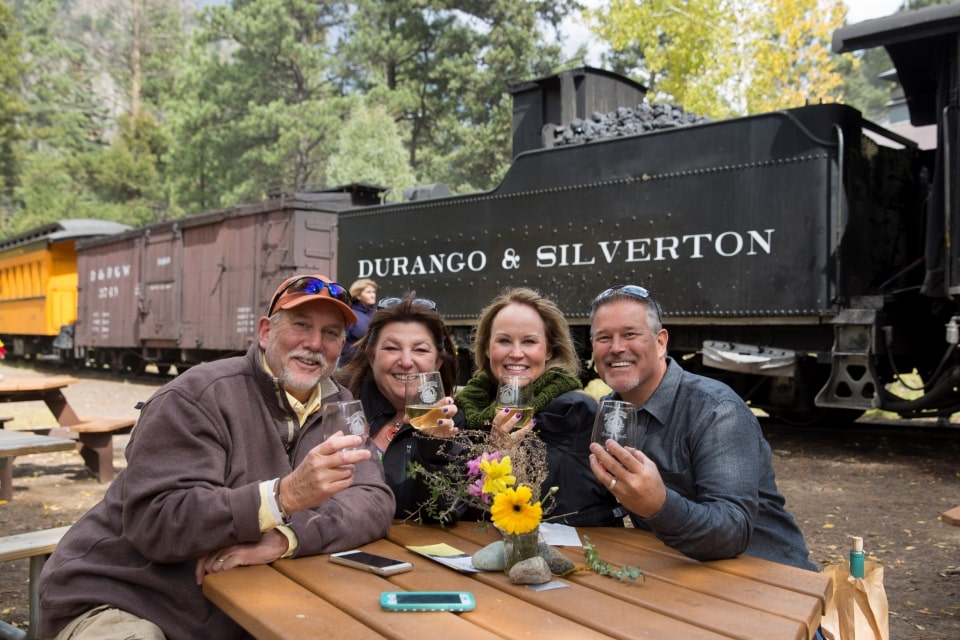
    • Wine & Rails – Two dates in September offer a wine tasting train that runs from Durango to Cascade Canyon, where wineries offer two hours of tasting sessions, a Mediterranean lunch, a dance band, yard games and opportunities to photograph the Autumn scenery. The train back to Durango will have desserts and coffee available.
    • Cowboy Poetry Train – Ride the rails with other cowboys and cowgirls as cowboy poetry entertainers recite their wildest yarns. The train pulls into Cascade Canyon, where a BBQ lunch awaits, along with more poetry, music, and stories.
    • Polar Express – Kids of all ages will enjoy a train ride to the North Pole with all the characters from the Polar Express book. Sing along with the Christmas carols, enjoy hot chocolate and a special gift from Santa as he visits each car. These special rides run from mid-November to the first of January.

    Length of Season

    The train to Silverton runs from May 4 through October 27, with specialty trains running sporadically (check their schedule) from January 1 through December 9.

    Leadville, Colorado & Southern Railroad

    Photo Tripping America - Excursion Trains in Colorado - Camping World
    Photo Credit: LC&SRR

    Originally one of five train lines that came through the nearby mining districts, today’s Leadville, Colorado & Southern Railroad rides on the rails of the old Denver, South Park & Pacific Railroad, which hauled silver to smelters and passengers to Denver in the late 1800s. Eventually, the mines began to close as silver was demonetized, and train transportation dwindled.

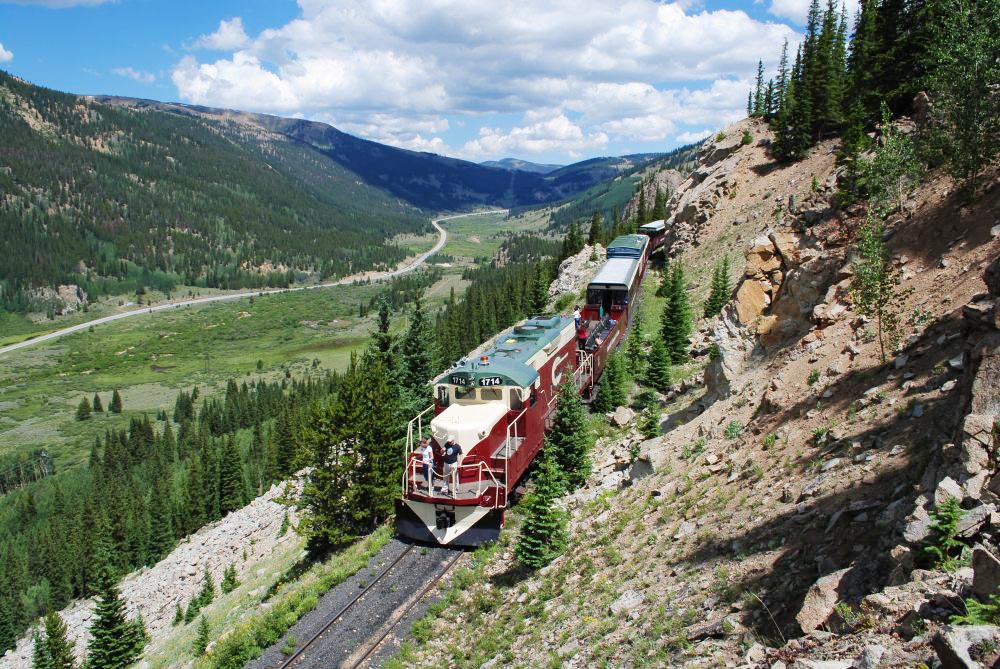
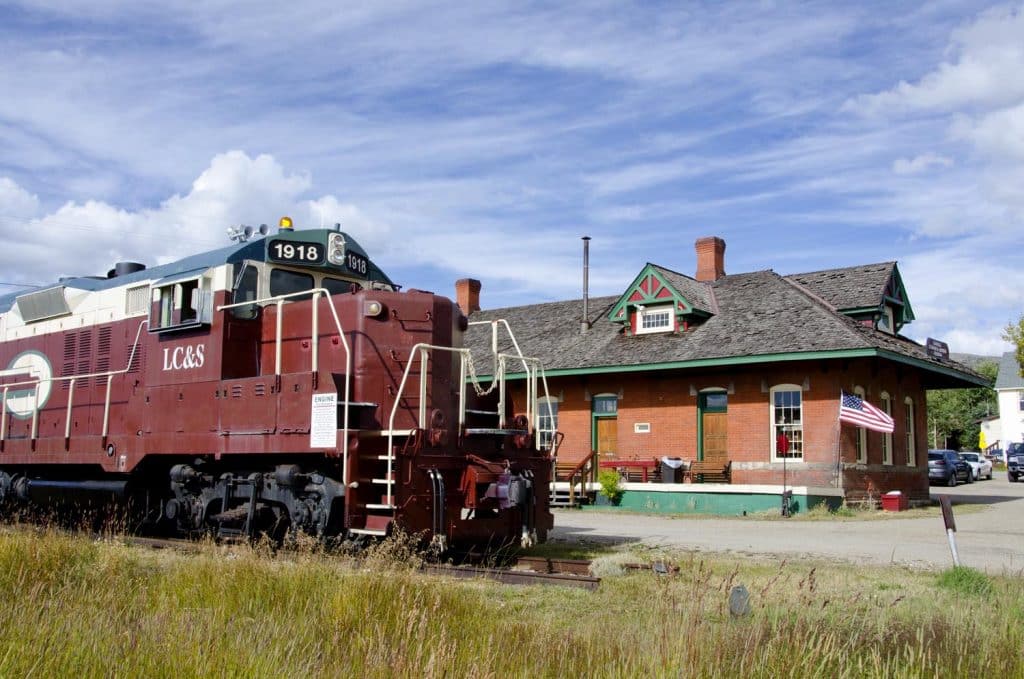
    A local couple renovated train cars, a Victorian-era depot, and roundhouse in the 1980s. They reopened the line for tourists to discover the beauty and history of the Upper Arkansas Valley. Today a two and one-half hour trip from Leadville now stops at an overlook of the enormous Climax Molybdenum Mine on Fremont Pass, following a path along the Highline, to present a stunning view of the valley below.

    Railway and Locomotive Types

    The Leadville, Colorado & Southern tracks were originally narrow gauge and were changed to standard gauge because of all the traffic the rails saw during World War II. Steam engines dominated the railroad until 1962 when today’s diesel engines took over the load. The old 641 steamer sits as a testament to the line’s history in the depot parking lot.

    Seating Options

    This excursion train offers general seating for all with no assigned seats. Passengers are free to roam the train as it sets course into the mountains, with enclosed cars, covered and open cars available. Restrooms and a snack car are also on board.

    The conductor will give narration along the route, presenting the history of the train and Leadville’s mining days, and pointing out many of the sights viewed, along with a few juicy tidbits from the area’s imaginative characters.

    Photo Tripping America - Excursion Trains in Colorado - Camping World
    Photo Credit: Shelley Dennis

    Riding Options

    All rides are roundtrip, covering 28 miles total in two and one-half hours.  The train does stop at the French Gulch Water Tower, where passengers can disembark for approximately 15 minutes to explore the mountainside or walk through the caboose.

    For those looking for a special experience, purchase a seat in the locomotive with the engineer or in the caboose with the train’s brakeman.  These are one-way tickets, and children must be accompanied by an adult.  The other half of the journey will be in the general seating areas.

    Photo Tripping America - Excursion Trains in Colorado - Camping World
    Photo Credit: LC&SRR

    Specialty Trains

    • Wildflower Special – Three dates in late summer are set aside for an exploration of Colorado’s stunning selection of wildflowers. Ride the train to the water tower, where passengers will disembark for a hike with guides, looking for lupine, columbine, Indian paintbrush, and wild strawberries, among other plants. Once you’ve identified these local treasures, finish your train trip in style with a tour of the Healy House Museum and a boxed lunch on the lawn.
    • Devil’s Tail BBQ Train – Enjoy an evening train ride with tasty BBQ on board, viewing the Upper Arkansas Valley as the sun sets behind Colorado’s highest mountain peak. There are only three dinner trains scheduled for the season, so don’t miss your meal ticket!
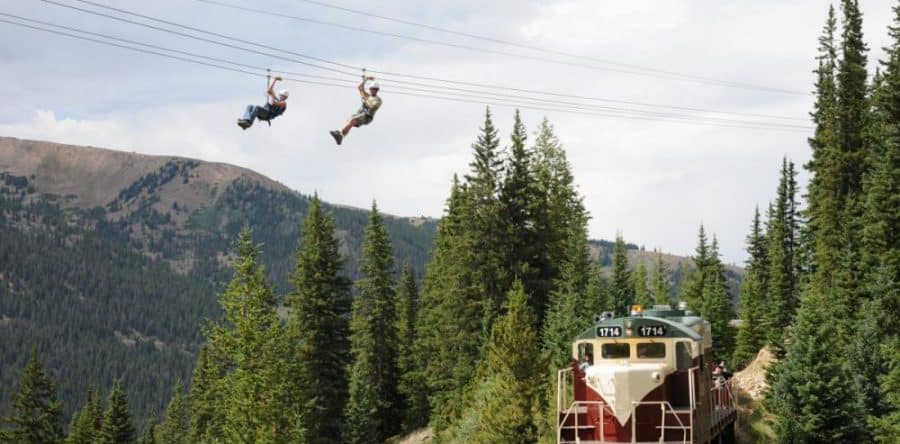
    • Train Ride & Zip Line Package – Combine a morning train ride through the mountainous wilderness around Leadville, then enjoy a fast-paced view of the valley in the afternoon, zipping through the trees and over gulches on a zip line tour. Packages are available throughout the summer season.

    Length of Season

    The Leadville, Colorado & Southern starts its season on Memorial Day weekend and finishes their tours the first weekend in October, weather permitting. Early and late season trains depart once a day, with two departures daily from mid-June to mid-August. Here is a link to their schedule.

    Cumbres & Toltec Scenic Railroad

    Photo Tripping America - Excursion Trains in Colorado - Camping World
    Photo Credit: Drew Jacksich (CC-BY-SA 2.0)

    Built in 1880 to haul ore from the silver mines of the San Juan Mountains in Colorado, the Cumbres & Toltec Railroad only had a 13-year boom, before the mining industry was stymied with the demonetization of silver in 1893.

    For many years the rails were abandoned, but in 1970 the states of Colorado and New Mexico purchased the section of track used today, and the railroad began its new life as a tourist train the next year. Visitors ride through wilderness not accessible by car to see 800 foot deep Toltec Gorge, cross high trestles, delve into the darkness of two tunnels and top out on Cumbres Pass.

    Railway and Locomotive Types

    Starting out as a narrow gauge railroad in 1880, the Cumbres & Toltec began to switch over to standard gauge within 10 years to make interchanging cars with other railroads possible. However, the rail section that today’s train runs on never got upgraded.

    So five operating steam engines run by coal ride the narrow gauge tracks each day between Chama, New Mexico, and Antonito, Colorado.

    Photo Tripping America - Excursion Trains in Colorado - Camping World
    Photo Credit: Chris Light (CC-BY-SA 4.0)

    Seating Options

    Cumbres & Toltec has three levels of seating, reflected in ticket prices, which fluctuate with Summer and Fall seasons.

    • The Premium Parlor Car is reserved for those over 21 and provides attendants who serve continental breakfasts and afternoon snacks, all included in the ticket price. This enclosed car is decorated in Victorian elegance with single seats and windows that can be closed against the weather.
    • The Deluxe Tourist Car welcomes all ages to an enclosed car with tables and chairs. Concessions are available.
    • The Classic Coach Car has padded bench seating in an enclosed car with closable windows. Passengers can move about this car and into the open air gondola cars.
    • The Gondola Car is available for all ticketed passengers as they move throughout the train. There are no seats in the open air car, but it offers great views, and docents are available to answer questions.

    Riding Options

    The 64-mile long trip from Antonito to Chama (or Chama to Antonito) offers several choices for travel:

    • Take the train from Antonito to Osier (the halfway point), where a buffet lunch is included with all ticket prices. Then return to Antonito by train.
    • Take the train from Antonito to Osier, where a buffet lunch is included with all ticket prices. Then take a motor coach back to Antonito.
    • Take the train from Chama to Osier, where a buffet lunch is included with all ticket prices. Then return to Chama by train.
    • Take the train from Chama to Osier, where a buffet lunch is included with all ticket prices. Then take a motor coach back to Chama.
    • Take the train from Antonito to Osier, where a buffet lunch is included with all ticket prices. Then take the train on to Chama. Return to your vehicle in Antonito by motor coach.
    • Take the train from Chama to Osier, where a buffet lunch is included with all ticket prices. Then take the train on to Antonito. Return to your vehicle in Chama by motor coach.

    Specialty Trains

    • Geology Train – Travel with an award-winning geologist to study the particular rock make-up of the region, stopping along the way to interpret geologic points of interest.
    • Wildflower Botany Train – Join the New Mexico District Forester to study the variety of plants in seven different life zones, identifying wildflowers, shrubs, and trees.
    • Sunset Trains – Several trains during the summer season offer entertainment as the locomotive follows dusk across the state line.
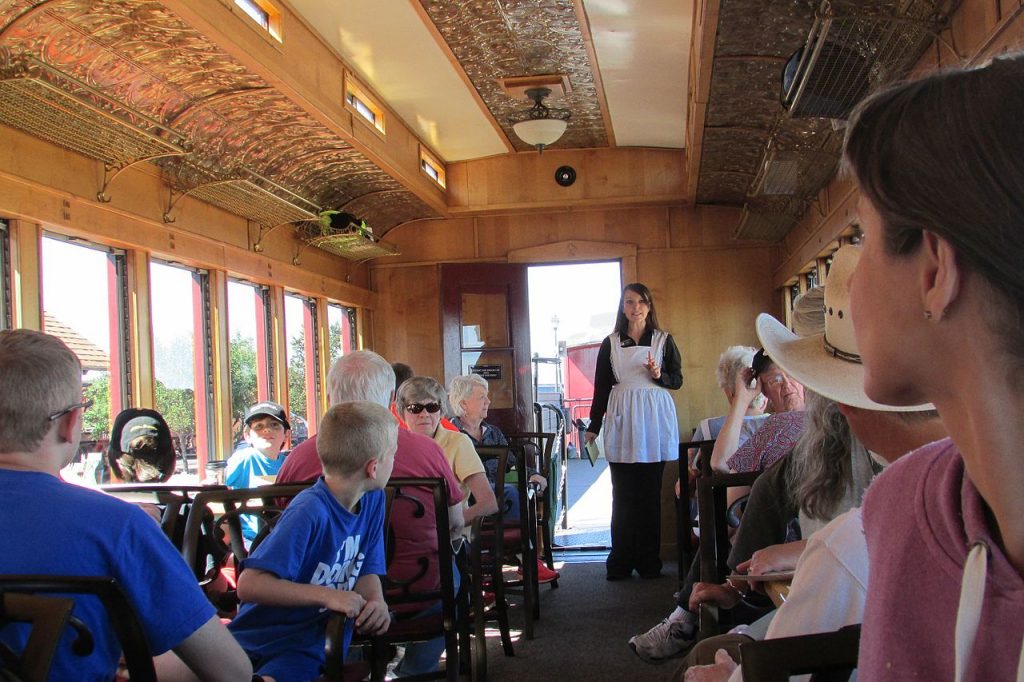
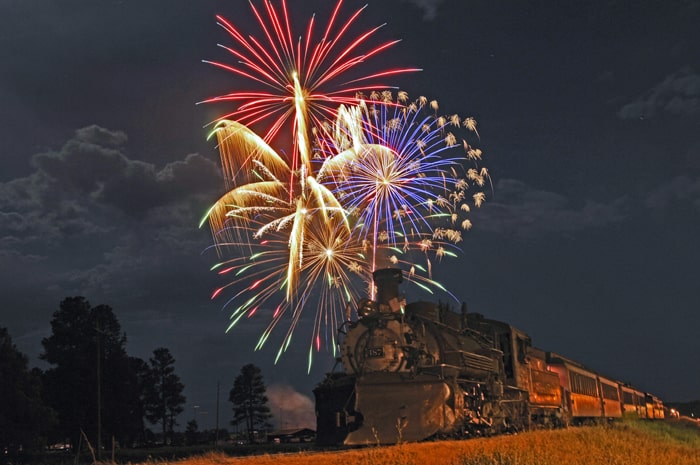
    • 4th of July Dinner Train – Join passengers in a patriot attire contest, enjoy dinner entertainment as the train pulls away from the depot, then take in the spectacular fireworks display with front row seats on the Cumbres & Toltec.
    Photo Tripping America - Excursion Trains in Colorado - Camping World
    Photo Credit: Cumbres & Toltec Railroad

    Length of Season

    The Cumbres & Toltec begins its season on Memorial Day weekend, ending on October 20, weather permitting. From Labor Day through the end of the season is their peak traveling period, with passengers vying to see the stunning Fall colors. Check out their schedule here.


    Join the thousands of RVers that have a love affair with trains and ride the rails on your next camping trip. We’ll have more RVing the Rails articles coming in the future so check in again soon to read and learn more!


    Source link

  • Great Class C Motorhomes Under 25 Feet Long

    Great Class C Motorhomes Under 25 Feet Long


    Class C motorhomes are an excellent way of seeing the country with your spouse or the whole family. While Class C RVs can come with very long overall lengths, you’ll often find that a more compact unit is easier to handle on the road and fits better into many of the campgrounds you find across the country.

    For those reasons, a Class C under 25 feet long is a great option for many people. Some folks will need a bigger RV, but if you don’t and you’re looking for something on the shorter side that still offers a lot in terms of space, features, and amenities, here are a few excellent options.

    2019 Thor Freedom Elite 22FE

    Thor Motor Coach Freedom Elite 22TE

    The Freedom Elite 22FE features a layout with a single slide on the driver’s side of the RV. That slide is for the queen bed. There’s also a rear bath, a full camp-side kitchen, a large dinette, and a cab-over bunk at the front of the unit with a LED TV on a swivel mount. This layout is great for a couple or for a small family.

    The unit measures 24 feet in length, so it’s a compact unit. Between the queen bed, bunk, and dinette, it sleeps up to five people. The motorhome features a Ford E-350 chassis with a gas engine that makes 305 hp and 420 lb-ft of torque.

    Check our inventory

    2019 Winnebago Outlook 22C

    winnebago outlook 22C

    Another option with essentially the same layout is the Winnebago Outlook 22C. This model has a single slide, too, with a queen bed. The bathroom is in the rear of the camper and there’s a camp side kitchen across from a dinette. There’s also an over-cab bed with a TV. The bedroom area is just a little bigger in this model.

    The overall length of this unit is a little longer than 24 feet. The unit can sleep up to six people between the over-cab bed, queen bed in the rear of the unit, and the dinette, which turns into a bed. Like the Freedom Elite this unit uses a Ford E-350 with a gas engine that produces 305 hp and 420 lb-ft of torque.

    Check our inventory

    2019 Forest River Forester MBS 2401R

    forest river forester mbs 2401R

    If you’re not in love with the layouts of the units shown above, then maybe the Forest River Forester MBS 2401R will be more pleasing to you. The model features two slides. One is for the rear queen bed and the other is for the dinette. There’s also a bathroom on the driver’s side of the unit and a camp side kitchen. Above the cab is a bunk and there’s a TV in that area, too.

    The Forester MBS 2401R is just under the 25-foot mark. When parked and the slides deployed, the rear slide will increase the overall length of the RV. Keep that in mind. The unit sleeps up to five people between the beds and dinette. The unit is built on a Mercedes-Benz Sprinter chassis with a diesel engine that produces 188 hp and 325 lb-ft of torque.

    Check our inventory

    2019 Forest River Sunseeker 2290SF

    Forest River Sunseeker 2290SF

    The Sunseeker 2290F is another unique layout featuring a single driver’s side slide out. On that slide out is a wardrobe and U-shaped dinette. On the opposite wall is the full kitchen. The queen bed is in the rear on the passenger side of the RV. Next to it is the bathroom. At the front is an over-cab bunk and a TV.

    This unit measures 24 and a half feet in overall length. The queen bed, over-cab bunk, and the U-dinette can all be used to sleep up to six people. The Sunseeker uses the Ford E-450 chassis. Powering the RV is a gasoline engine that makes 305 hp and 420 lb-ft of torque.

    Check our inventory

    2019 Thor Daybreak 22GOF


    thor motor coach daybreak 22GOF

    If you’re looking for a model with no slide outs, you should check out the Daybreak 22GOF made by Thor. The unit features a similar layout to the Sunseeker show above, but it lacks the slide for the dinette and offers a standard dinette instead of a U-shaped one like the Sunseeker’s.

    The Daybreak 22GOF measures 24 feet even in overall length. The unit can sleep up to five people between the beds and the dinette. The unit is built on the Ford E-450 chassis. Powering the motorhome is a gasoline engine that makes 305 hp and 420 lb-ft of torque.

    Check our inventory


    Do you have any suggestions for Class C motorhomes under 25 feet? Leave a comment below!


    Source link

  • 5 Pristine Pennsylvania State Parks

    5 Pristine Pennsylvania State Parks


    The state of Pennsylvania has some of the most beautiful areas in the whole country. This state is home to cities like Philadephia and Pittsburgh, and it also has some amazing natural geography, including a large section of the Appalachian Mountains.

    You could spend years exploring all that Pennsylvania has to offer. However, I’m sure you don’t have years to explore. In that case, you should consider hitting some of the state parks. Pennsylvania’s state parks offer world-class scenic views, excellent hiking trails and plenty of activities. Here are five parks I recommend.

    1. Ricketts Glen State Park

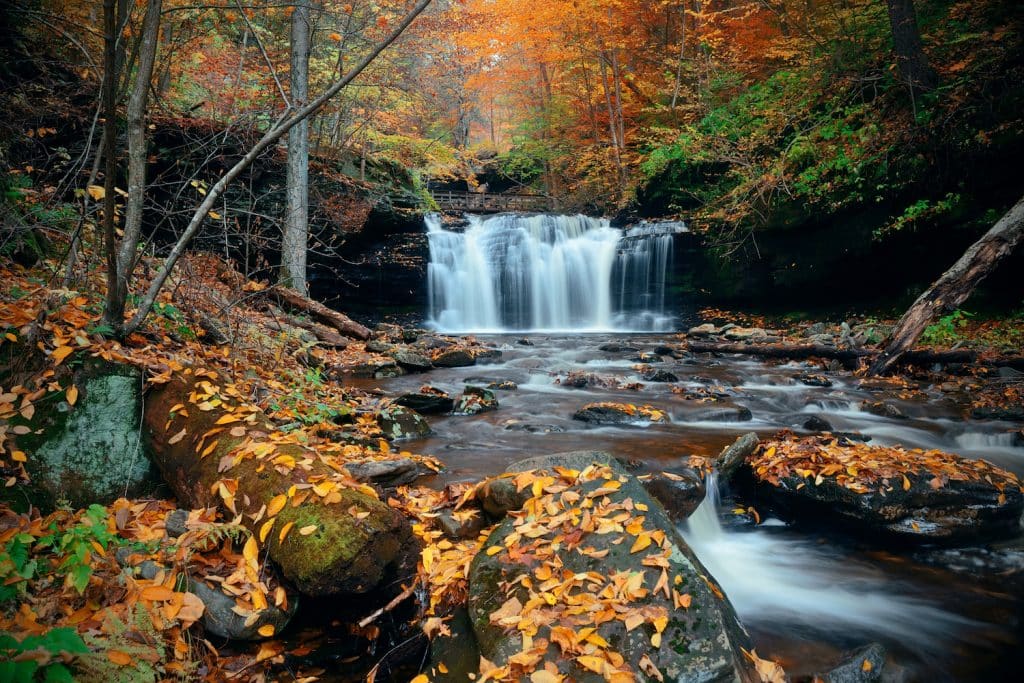
    Autumn waterfalls in park with colorful foliage. at Ricketts Glen State Park
    Image by rabbit75_ist (Getty)

    You’ll have trouble finding more picturesque waterfalls than the ones found in Ricketts Glen State Park. Comprised of over 13,000 acres, this state park is home to the Falls Trail System. The trail system goes right along various waterfalls all of which are free-flowing and wild.

    In addition to the amazing waterfalls in the park, you can also spend time swimming in or boating on Lake Jean. There’s also fishing, hunting, and horseback riding. Additionally, in the winter months, you can snowmobile, cross country ski, or go snowshoeing. Camping is available, but the campsites are not hookup sites and offer minimal amenities.

    2. Ohiopyle State Park

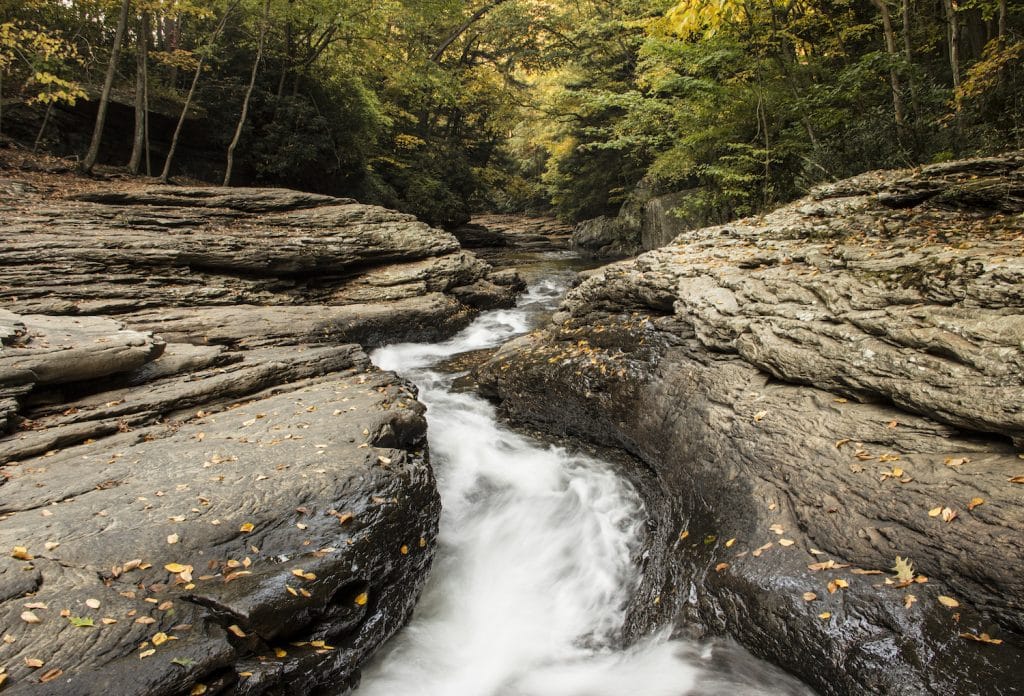
    An autumn landscape of a naturally formed water slide in Ohiopyle State Park in Pennsylvania. Fallen leaves are scattered across the rocks, the stream rushes through the middle of the image.
    Image by JZHunt (Getty)

    Located on the southern side of the state, the Ohiopyle State Park offers over 20,000 acres of land to explore, and it’s only about an hour and a half drive from Pittsburgh. This means you should probably hit both on your trip to the area. At the heart of the state park is the Youghiogheny River Gorge. It helps give this park not only a beautiful feature but a source of some of the best white water boating in the entire area.

    Additional activities in the park include hiking, picnicking, fishing, hunting, mountain biking, rock climbing, and horseback riding. When the weather turns cold, you can cross country ski, snowmobile, sled, and snowshoe. The park is an outdoor lovers dream, and you can find something wonderful to do there no matter the time of year. Camping is allowed at the park, and some campsites offer electric hookups, though many are primitive sites.

    3. Presque Isle State Park

    Presque Isle State Park
    Image by zrfphoto (Getty)

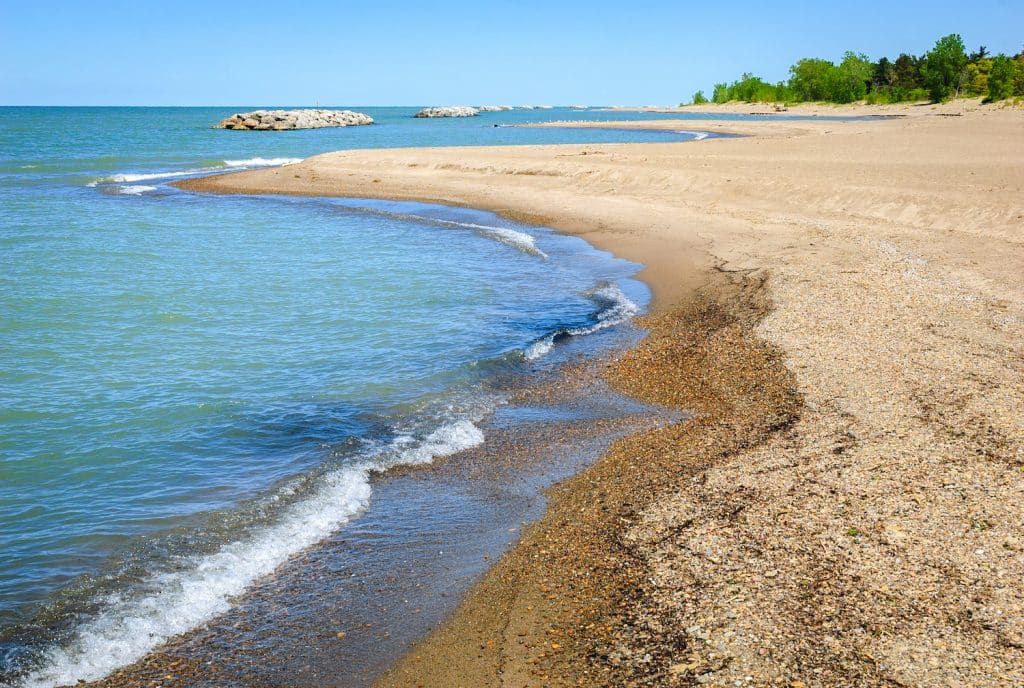
    Looking for that beach life, but want to visit Pennsylvania? That’s where the Presque Isle State Park comes into play. With idyllic beaches this state park is something you probably won’t expect from Pennsylvania. The sandy peninsula that juts out into Lake Erie offers over 3,000 acres of land to explore.

    You can hike, swim, boat, fish, picnic, hunt, and bike around the state park to see various areas. In the winter many visitors try their hand at cross-country skiing or ice skating. If you’re coming from the west, you should hit up Cleveland, Ohio, on your way to the state park. The city is only about an hour and a half away and offers plenty to do and see. You can easily camp at Lampe Campground or Sara’s Campground, both of which are nearby.

    4. Little Buffalo State Park

    Little Buffalo State Park, Pennsylvania
    Image by bilbowden (Getty)

    Home to the Little Buffalo Creek and Holman Lake, Little Buffalo State Park is a great place for families to come and enjoy themselves. There are over 900 acres to explore. The park has a pool, hiking trails, covered bridges, and visitor centers that can help you get the most out of your experience.

    There are also all kinds of activities to do at the park, including hiking, boating, swimming, fishing, wildlife watching, picnicking, hunting and more. As with many of the other parks on this list, Little Buffalo State Park is also active during the winter months offering a great location for snowshoeing, ice skating, and cross country skiing. You can camp right in the park and some of them are full-hookup sites while others only offer electric hookup.

    5. Colton Point State Park

    Pine Creek Gorge
    Image by zrfphoto (Getty)

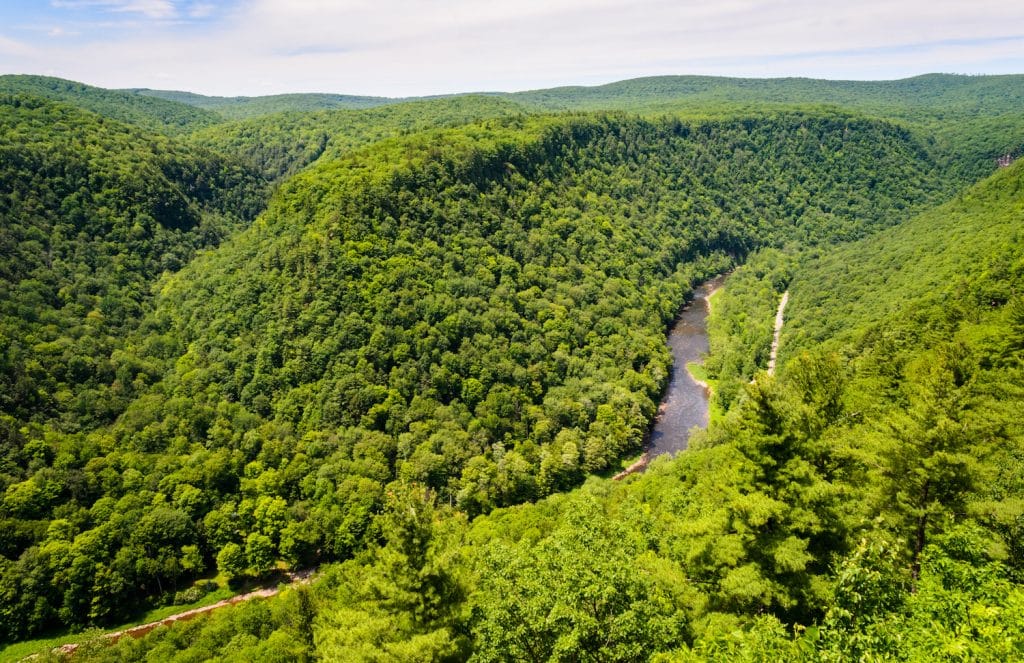
    Want to see some amazing views of the Appalachian Mountains? If so, Colton Point State Park is for you. This 368-acre state park might be small in comparison with some of the other parks on this list, but it’s a park that packs a big punch. The park is home to the Pine Creek Gorge, also known as the Pennsylvania Grand Canyon. It offers breathtaking views and some of the best hiking trails in the region.

    Colton Point State Park offers plenty of activities for you and your family to take part in, including hiking, picnicking, wildlife watching, fishing, and hunting. In the winter months, you can find snowmobiling is fairly common. The campsites are pretty basic and are offered on a first come first serve basis.


    Do you have any state parks that you think should be added? Leave a comment below.


    Source link

  • SftR 067: Adventure Lifestyle Since 2001 with Austin White

    SftR 067: Adventure Lifestyle Since 2001 with Austin White


    SftR 067: Adventure Lifestyle Since 2001 with Austin White

    Austin White is a photographer, videographer, climber, surfer, snowboarder, avid hiker, and dirt road explorer.

    He has also been living off and on the road since he was 9 years old when his family ditched the corporate lifestyle and ladders for a life of travel. With his parents, two younger sisters, two dogs, and a cat, he hit the road in a 37ft Winnebago RV for what they thought would be a year. They ended up traveling for close to 10 years and couldn’t get enough of the freedom.

    They became the BareNakedFamily and their story continues to be shared.  Since then, they’ve each done their own adventures and travels. He is now based in Bend, OR while still traveling around the Pacific Northwest, chasing the things and places that give him inspiration. He lives by the philosophy “the smaller the house, the bigger the backyard” and spends as much time as possible in the great outdoors.

    In this interview, Sam chats with Austin about his childhood on the road, how it has influenced his life and photography career, and his advice for other traveling families.

    Connect with Austin on his website and on Instagram!

    Check out his mom’s book about the BareNakedFamily here!

    Some highlights from this episode:

    • 1:30 – Life in Bend, Oregon
    • 3:30 – Becoming the Barenaked Family
    • 9:00 – Advice for roadschooling families
    • 12:00 – Biggest takeaways from this lifestyle
    • 14:00 – Stories from the road
    • 17:30 – Adult life as a roadschooled kid
    • 22:00 – Building a photography career with a travel lifestyle

    Austin’s advice for traveling families:

    Every kid is different. Listen to your kids and let them have a say in life on the road and their education. If they need to be stationary for a while, try slowing down. If they want to go on adventures, travel more. Help them explore the possibilities in life and find their own way.

    ** Subscribe to Stories from the Road on iTunesSpotify, or Google Play **


    Source link