Blog

  • RV Tax Benefits You Should Know

    RV Tax Benefits You Should Know


    If there’s one thing you can’t go without doing its taxes, even though they’re probably the least enjoyable thing to do. With that being said, RV owners can enjoy a few tax benefits that people who don’t own RVs can’t. While doing your taxes certainly isn’t fun, it’s nice to know that your getaway vehicle can help you save a little money.

    Here’s a look at some ways your RV could help you come tax season.

    You May be Able to Count Your RV as Your Second Home

    Depending on the size and features of your RV you may be able to count it as a second home and write the interest off on your taxes. This deduction can be a major boon for part-time RVers come tax season.

    According to Turbo Tax, the IRS publication 936 states, “A home includes a house, condominium, cooperative,  mobile  home,  house trailer, boat, or similar property that has sleeping, cooking, and toilet facilities.” That means your RV would likely qualify as a second home and you could claim the interest on the loan for your RV.

    If Full-Timing, Your RV Can be Your First Home

    inside a used rv

    If you’re a full-timer, don’t despair. You can also take advantage of a home loan interest deduction without it being your second home. Because you’re living in your RV, it qualifies as long as it fits the criteria listed in IRS publication 936.

    Basically, if you’re living in your RV and it has a sleeping area, cooking area, and toilet facilities, then you should be able to write off the interest on your taxes. There may be some exceptions for unique or homebuilt RVs, so you should consult with your tax professional before making any assumptions that your RV fits the criteria. A qualified tax professional will be able to tell you if your RV fits in with the requirements.

    RVs Used for Business Also Get Tax Deductions

    Josiah, Ashley Mann's husband working in their RV

    Do you use your RV solely for business purposes? If so, you can write off a lot of the expenses associated with it on your taxes. In fact, the whole RV may qualify as a business deduction.

    The trick here is to never use your RV for personal use. Even using it a few times a year for personal trips can disqualify it from being a full business deduction.

    If you live in your RV full-time and work inside it, too, then you may be able to deduct certain business-related expenses, depending on what they are and if they are used solely for business purposes. Talk with your tax professional to find out what qualifies.

    Note: Never make assumptions when dealing with taxes. When preparing your taxes, we highly suggest working with a certified public accountant or tax professional to ensure that you understand the laws both federally and locally. Recent changes to tax laws may impact whether or not you qualify for certain deductions, which is why it’s smart to work with a professional that knows and understands tax law.


    Source link

  • Life on the Road // Crazy Family Adventure Episode 12

    Life on the Road // Crazy Family Adventure Episode 12


    Follow Crazy Family Adventure in the family’s final episode of Life on the Road as they explore Columbia River Gorge in Oregon. They visit Multnomah Falls, Latourell Falls, Bridal Veil Falls, among other areas and hiking trails in the area. Although Crazy Family Adventure’s Life on the Road video series has come to an end, you can still keep up to date with the family through their blog.

    Also, you can watch previous episodes of Crazy Family Adventure’s Life on the Road series by clicking here.


    Source link

  • Exploring Alaska in an RV – Homer

    Exploring Alaska in an RV – Homer


    Many RVers dream of traveling to Alaska, considering it the ultimate destination on their bucket lists. So we’ve created a series of articles to help you navigate the Last Frontier in a motorhome or travel trailer, in hopes that you can enjoy exploring the 49th state, as well!
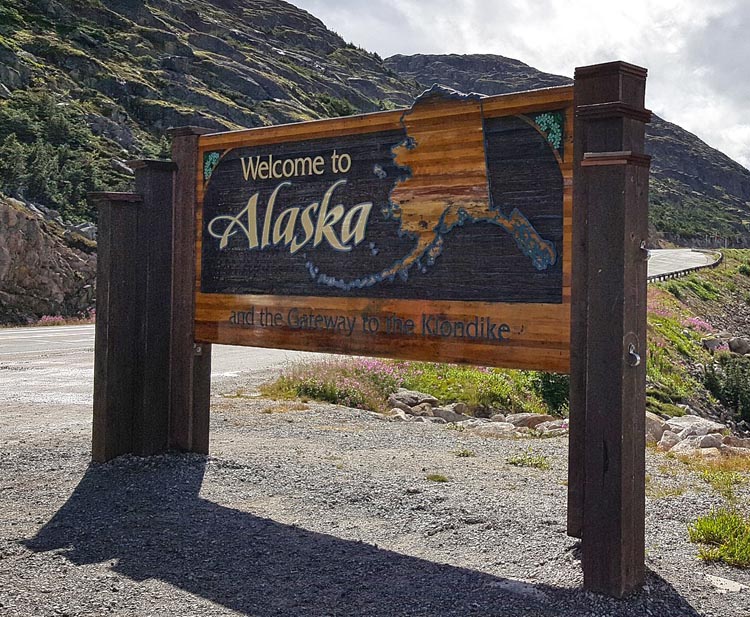
    Photo Tripping America - Homer - Camping World

    Today, let’s visit:

    Homer

    You know that pot of gold that is reputed to be “at the end of the rainbow?” Well, I’m pretty sure I found it in Homer, Alaska.

    Located at the end of the road on the Kenai Peninsula, Homer experiences a subarctic maritime climate, so yes, you’ll probably see a few rainbows there (but no leprechauns, to my knowledge!). A town of about 5,700 people, this little fishing village swells with tourists during summer months but still manages to make visitors feel like they are locals.

    To get to Homer driving from Anchorage, take Seward Highway (Alaska 1) south around Turnagain Arm and onto the Kenai Peninsula. Follow it south to the Sterling Highway Cutoff and turn off toward Soldotna and Homer. The drive is about 4 ½ hours from Anchorage and absolutely stunning.
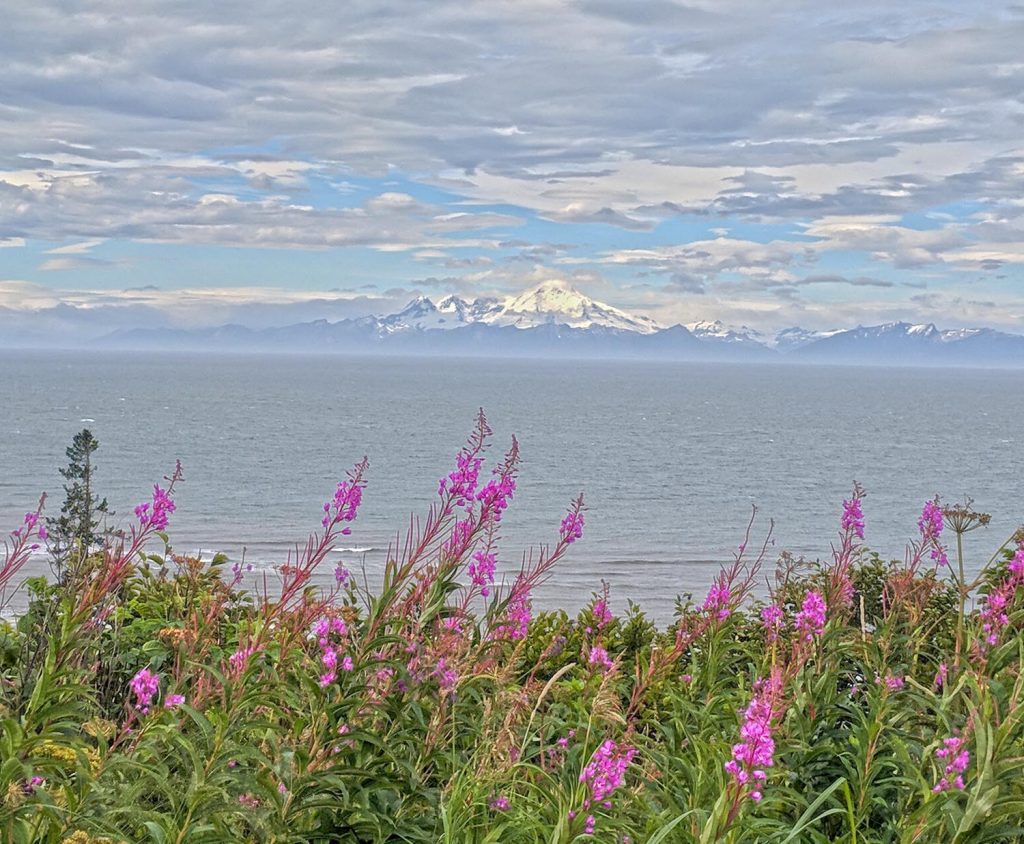
    Photo Tripping America - Homer - Camping World

    History

    Believe it or not, Homer was not founded as a fishing village. In 1895, the US Geological Survey arrived to study coal and gold resources. A large seam of coal was discovered—large enough to warrant the Cook Inlet Coal Fields Company to create a town, dock, railroad, and coal mine. The fuel was voraciously mined until World War I and used to heat the businesses springing up.

    In 1896, Homer Pennock arrived with 50 crew members to mine the beach sands along Cook Inlet, looking for gold. They weren’t successful, but Mr. Pennock’s first name stuck with the new settlement, and Homer had its first official post office by 1899.
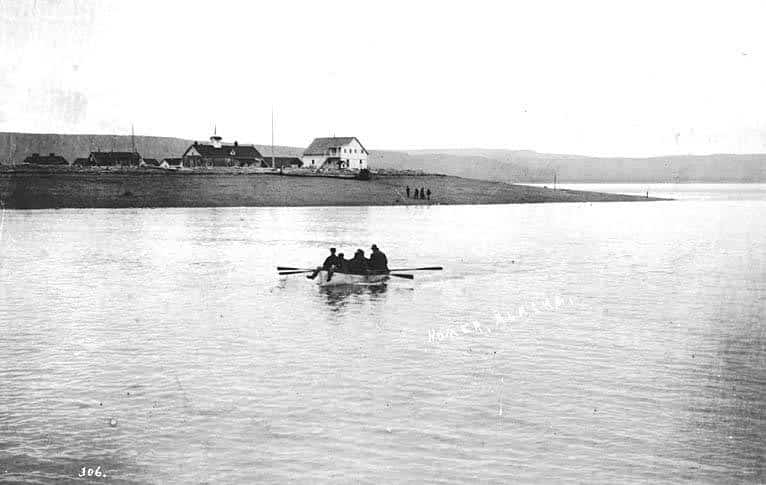
    Photo Tripping America - Homer - Camping World

    Soon the fishing business took hold and more people moved to town for jobs in the canneries that were built to process the fish. Coal mining was pushed aside for the new industry, and tourism grew with the town. Today, fishing and tourism are the main economic drivers of the area, but there remains at least 400 million tons of coal deposits around Homer just waiting to be excavated.

    Homer Spit

    Most people are familiar with the Homer Spit, a 4.5-mile sliver of land that pokes out into Kachemak Bay. It is a stretch filled with gift shops, restaurants, bars (including the infamous Salty Dawg Saloon) and even campgrounds.
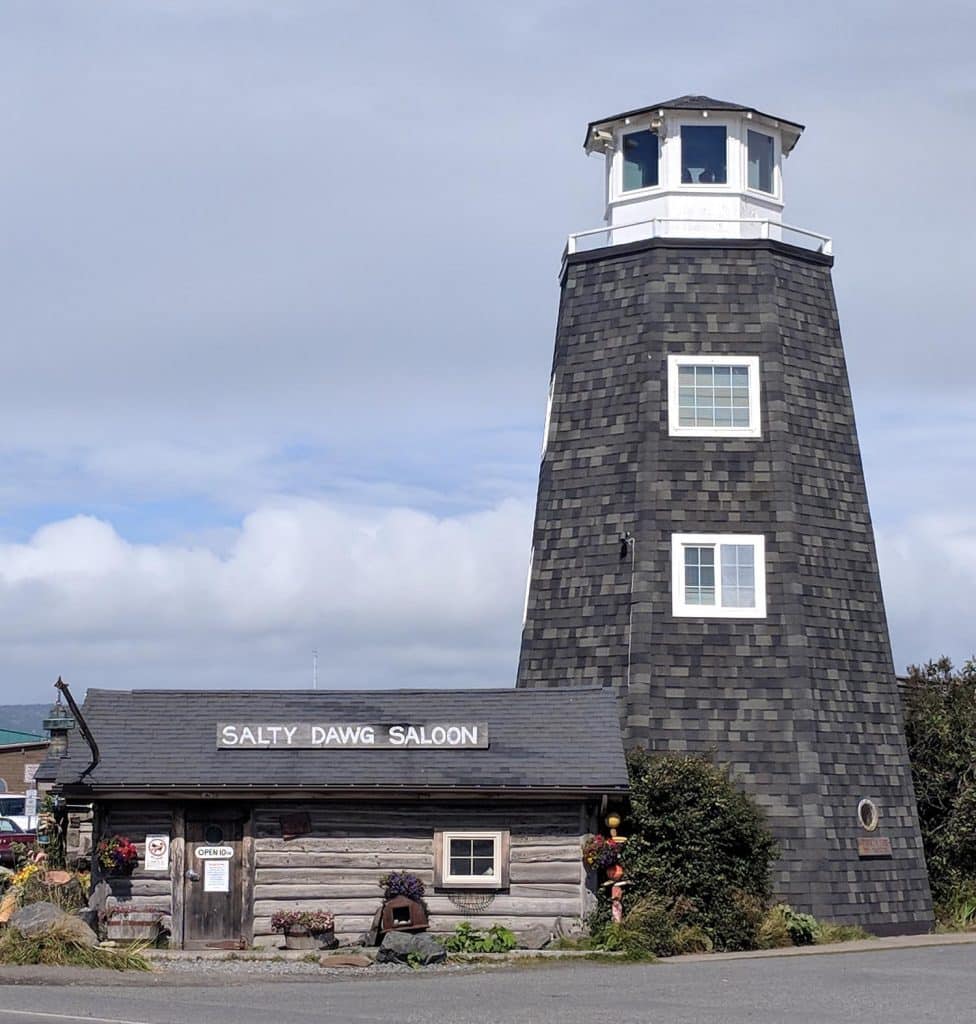
    Photo Tripping America - Homer - Camping World

    The surf pounds ferociously on the Cook Inlet side of The Spit, where waves crash with wild abandon on rocky beaches, but the bay side is relatively quiet. Gulls follow a ferry boat as it leaves port, headed across the bay, and bald eagles guard their moorings while eyeballing their prey in the water.
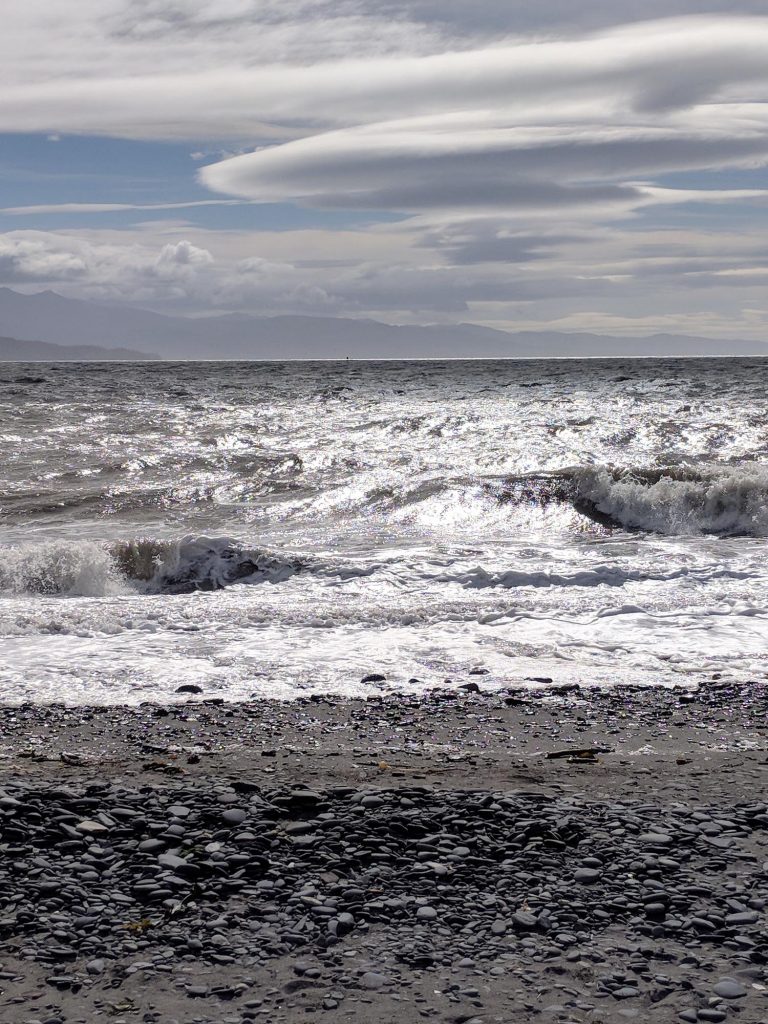
    Photo Tripping America - Homer - Camping World

    The Nick Dudiak Fishing Lagoon on The Spit is a man-made fishing pond stocked with king and silver salmon for those who want to keep their feet steady underneath them as they cast, bypassing commercial fishing boats. The Seafarers Memorial offers solace to those who have lost loved ones at sea, and an old boatyard provides a scenic backdrop for pictures as retired vessels list one way or the other in their final resting places.
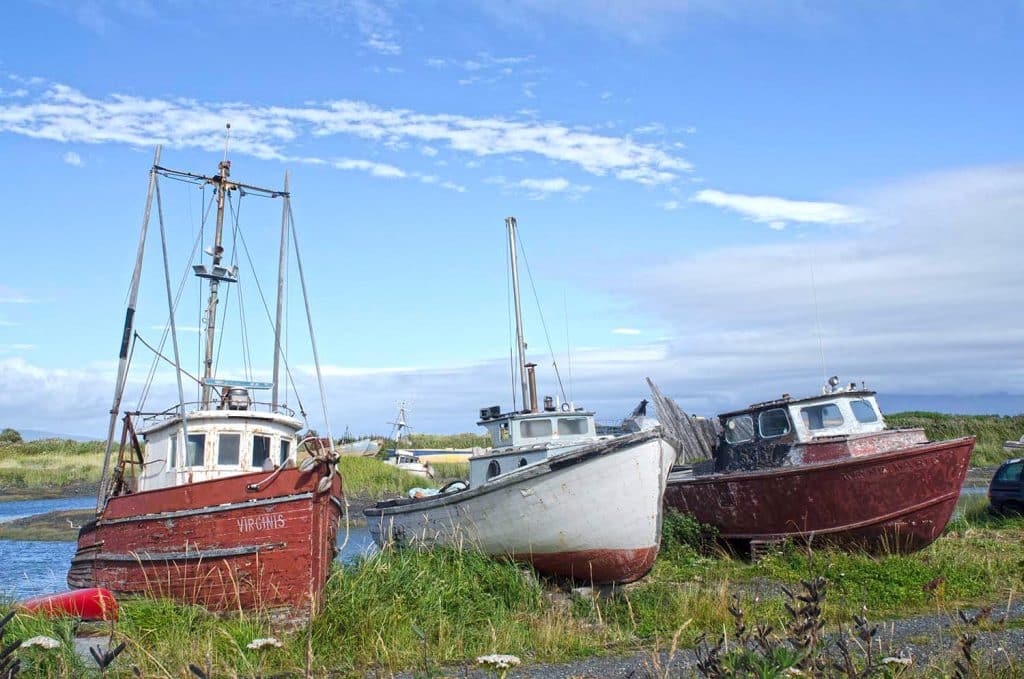
    Photo Tripping America - Homer - Camping World

    Downtown

    Vacationing on The Spit could be a full-time affair, but Homer has so much more to offer visitors. Follow Pioneer Avenue to downtown Homer for an eclectic collection of shops, businesses and restaurants including the quirky Café Cups, which congers up amazing food in a quasi Alice-in-Wonderland environment. That same creativity can be found throughout town, with a variety of art galleries and murals.
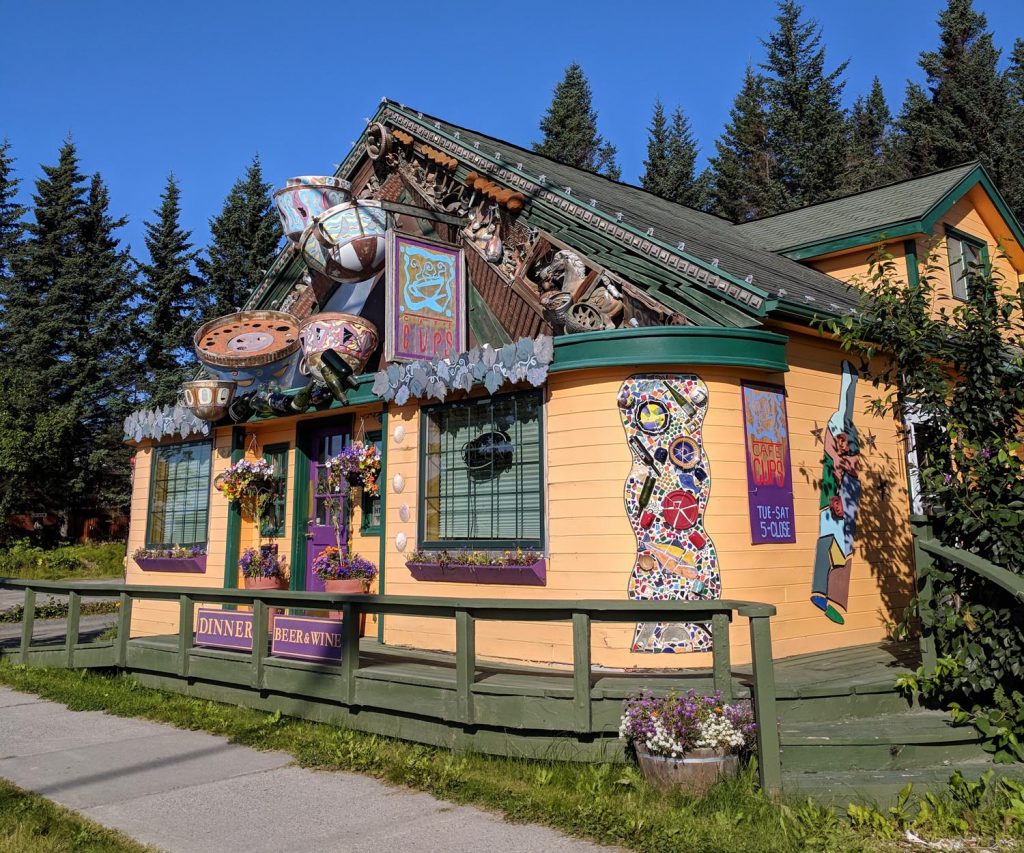
    Photo Tripping America - Homer - Camping World

    Old Town

    Old Town has several remaining buildings from its founding days, each housing successful modern businesses. Take, for instance, the Bunnell Street Arts Center. Artist in Residence, Jarod Charzewski created a community art project entitled “Buoys and Barrels.” A day spa promises pampering and a delicious steakhouse offers “dead red” along with the fresh catch-of-the-day.
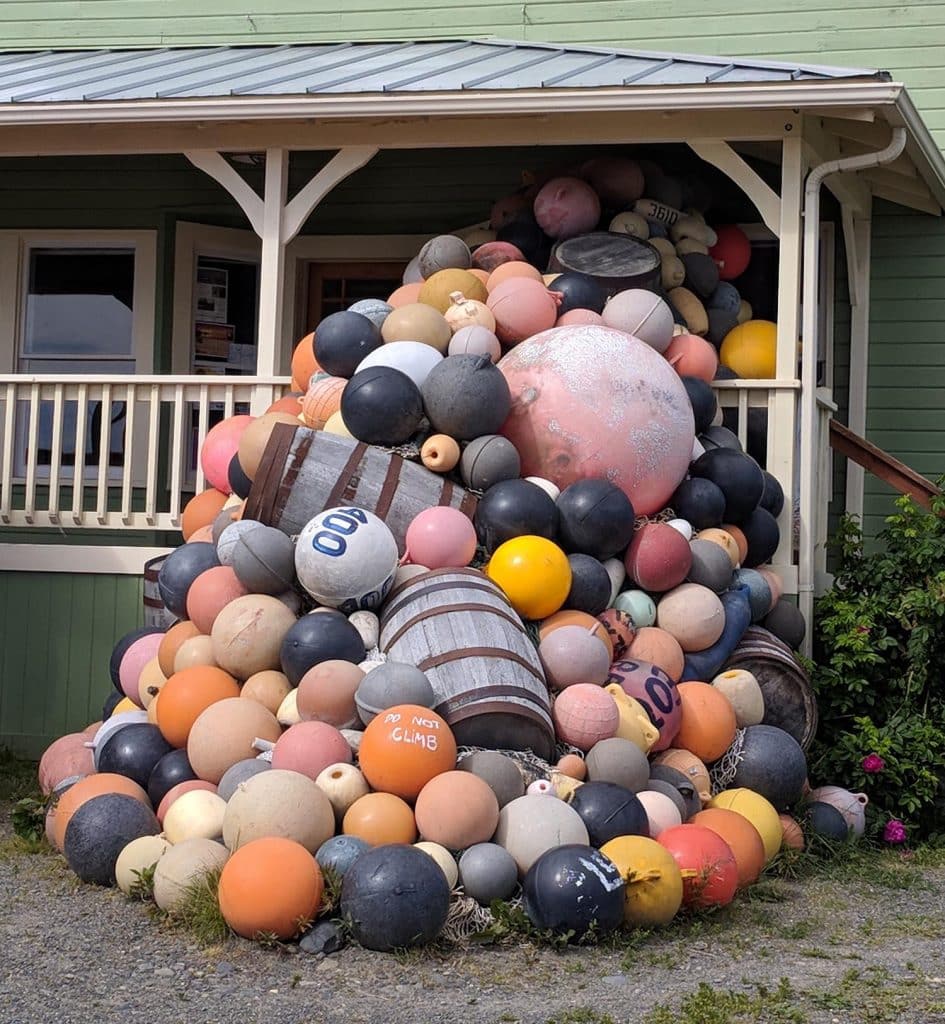
    Photo Tripping America - Homer - Camping World

    Walk to the end of Beluga Place to enjoy Bishop’s Beach, where picnics, beachcombing, and sunset gazing are commonplace.  You can follow the Beluga Slough trail for some hiking or just enjoy the tide rolling in.

    Outdoor Activities

    It is pretty evident that the residents of this Alaskan settlement know how to make the most of their outdoor surroundings, and visitors have come to enjoy those same activities. Known as “The Halibut Fishing Capital of the World,” the waters around Homer team with the large white fish, as well as five distinct species of salmon. There are numerous commercial fishing excursions, and you don’t even have to clean and pack your catch. Fish processors will take care of that for you, shipping your catch-of-the-day home to be waiting for you when you arrive!
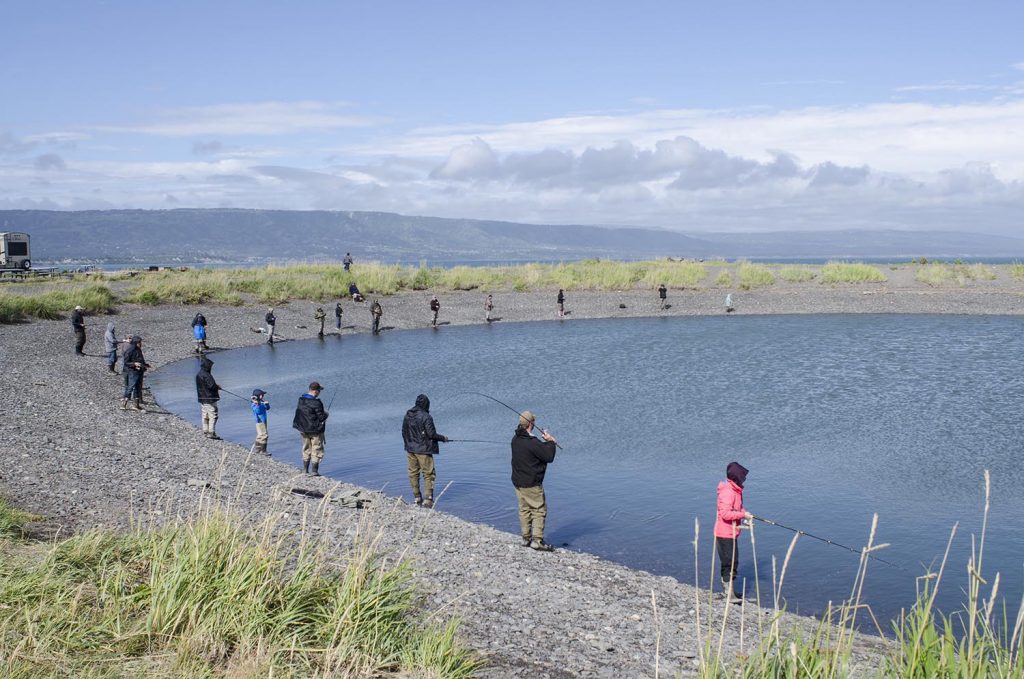
    Photo Tripping America - Homer - Camping World

    Bear Camp

    Homer is the jumping off point for bear viewing, as well.  Nowhere else in the world will you find the opportunity to scout Ursus arctos or brown bears as prevalent as here. Bear camps, flightseeing tours and even webcams of Brooks Falls bears catching salmon as they move upriver to spawn are very popular. Homer is where most bear trips begin.
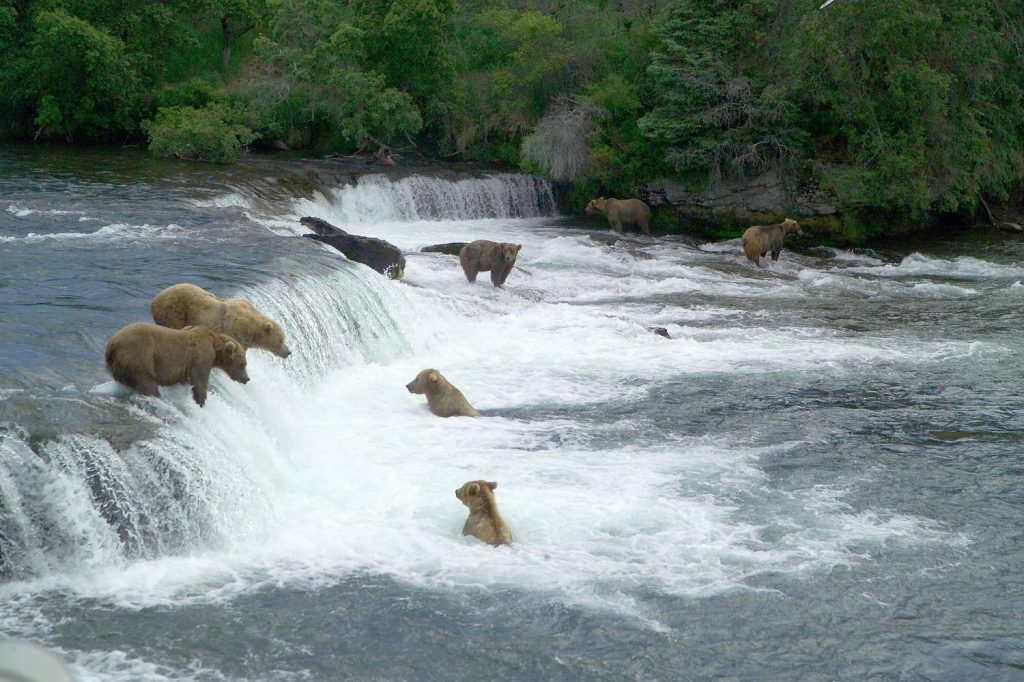
    Photo Tripping America - Homer - Camping World

    Sign up for Bear Camp and you’ll be hopping a plane to Katmai or Lake Clark National Parks across Cook Inlet to stay in a beach tent and live among the bears or view them scouting salmon on the river. It’s an amazing opportunity to see one of the world’s largest land carnivores in action.

    Play in the Water

    Sea kayaking and paddleboarding provide a great day’s exercise with a stunning background. Put your own vessel in the water at Grewingk Glacier Lake and Kachemak Bay, or let a guide service take care of all the planning. Try your hand at kite surfing from The Spit, but be sure to wear a wetsuit.
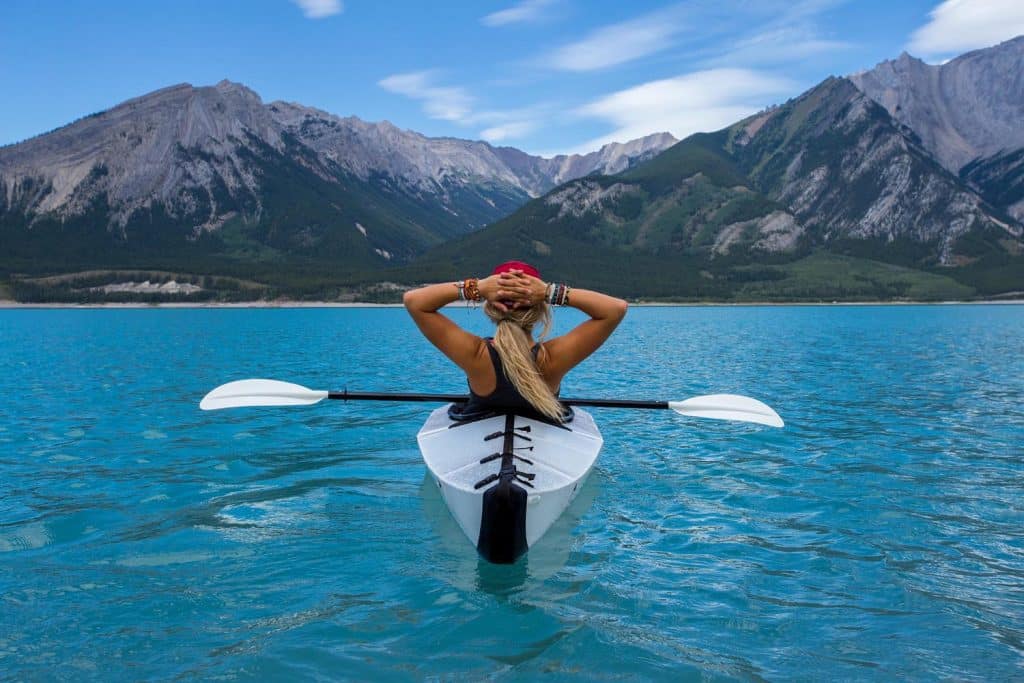
    Photo Tripping America - Homer - Camping World

    Wildlife Abounds

    Can you imagine the amount of diverse wildlife to be viewed in and around Homer? Just picture marine life like sea lions, otters, whales, and seals in the waters off the coast. You can also see birds like bald eagles, sandhill cranes, cormorants, puffins, and loons hanging out along The Spit. Moose and brown bears should complete the list of animals that call this area home. Many can be found as you hike the 80 miles of trails at Kachemak Bay State Park or walk The Spit from one end to the other.
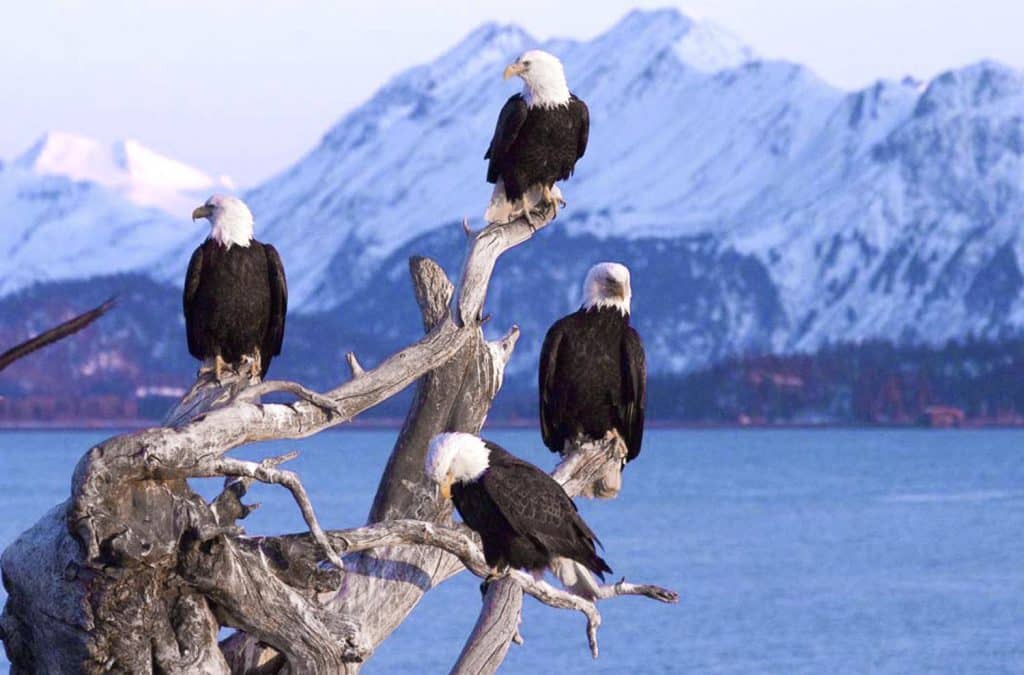
    Photo Tripping America - Homer - Camping World

    Don’t miss the Alaska Islands & Ocean Visitors Center for interactive exhibits and interpretive presentations on marine life in the area right outside its doors. Guided nature tours and wildlife viewing tips are available to anyone interested, and entry is free. Trails from the center lead through wetlands where many species of seabirds can be seen, then on to Bishop’s Beach.

    RVs Welcome Here

    Homer is very welcoming to RVers, with several campgrounds available in town, on The Spit and even high in the hills overlooking Kachemak Bay. The town also offers all amenities that tourists have come to expect, from budget motels to luxurious lodging, drive through restaurants to fine dining, and plenty of shops to meet every need, including groceries, fuel, and souvenirs.

    As you wind up your visit to Homer, I think you’ll find as I did, that a little piece of your heart is left there. The town offers exciting adventures not found in the lower 48, but it also provides a place for quiet reflection and rest. It has managed to encapsulate the best of Alaska and made that accessible to us all. I don’t know about you, but I’m already planning my next trip back.
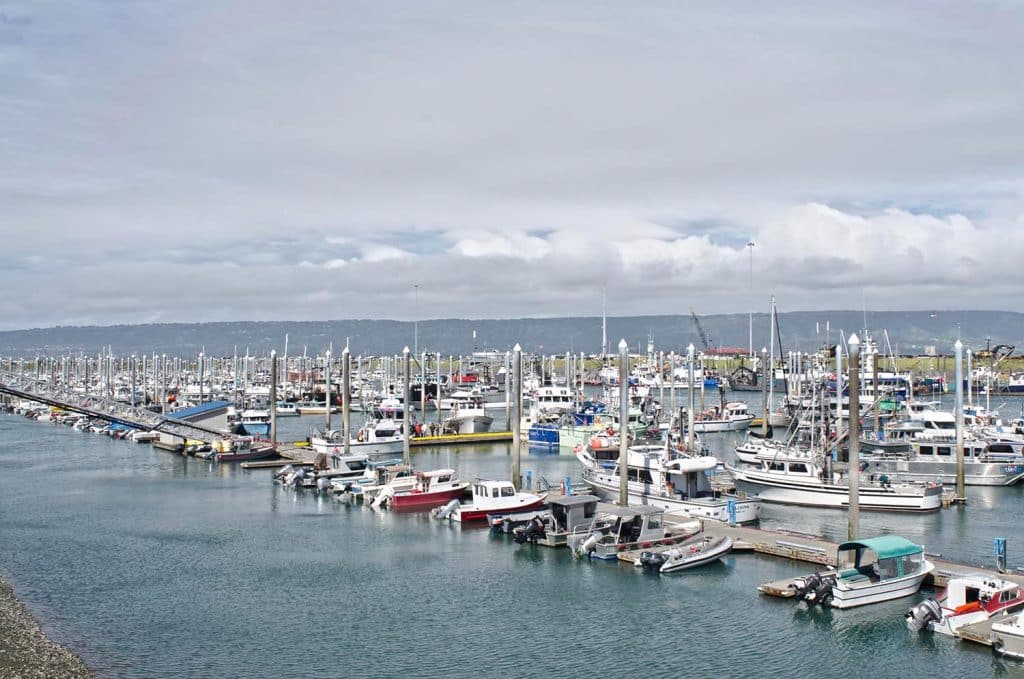
    Photo Tripping America - Homer - Camping World

    Be sure to catch the other destinations to visit within the Last Frontier. Look for other Alaskan getaways in weeks to come!

    Author’s Note: If you will be driving through Alaska and/or Canada please consider purchasing a current copy of “The Milepost.”  It is a travel guide that will list necessities (like gas stations) and amenities (like lodging) throughout Alaska and the western Canadian provinces by milepost marker.  This is a prerequisite for traveling in the area, as distances between service stations and grocery stores can be hundreds of miles in many cases.  Another piece of knowledge gleaned from “The Milepost” are the hours (and seasons) of operation of businesses along the route, as many close down during fall and winter.


    What are your thoughts of Homer, Alaska? Leave a comment below!


    Source link

  • Why We RV: Forrest Stevens

    Why We RV: Forrest Stevens


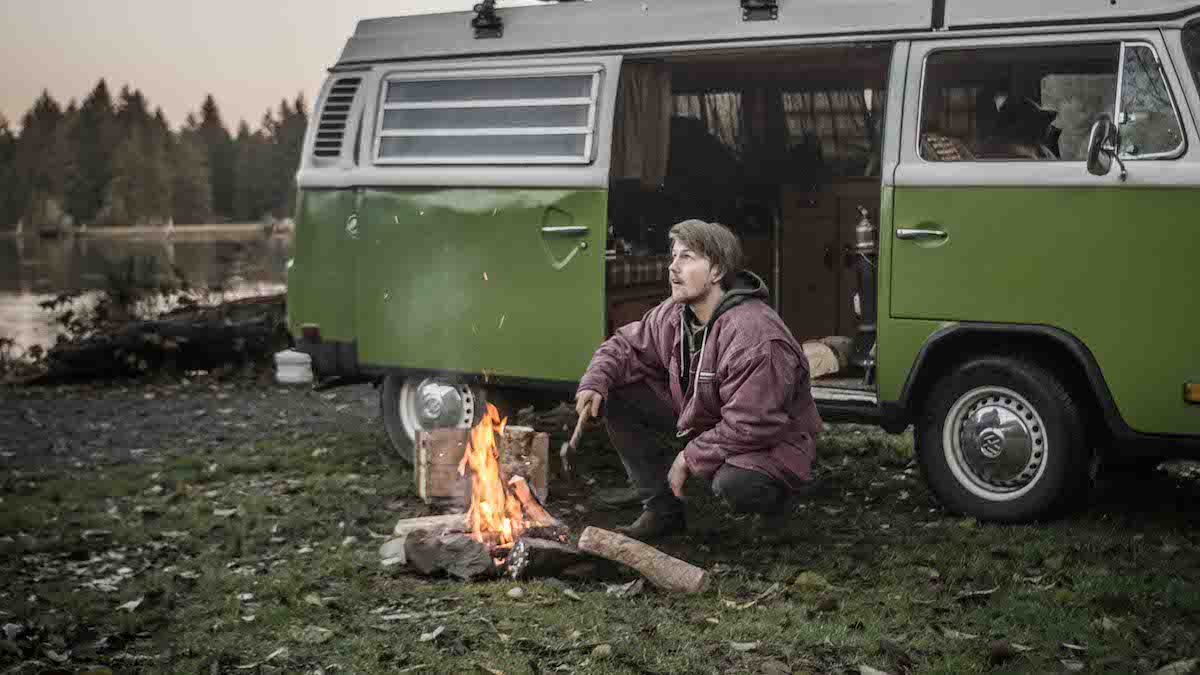
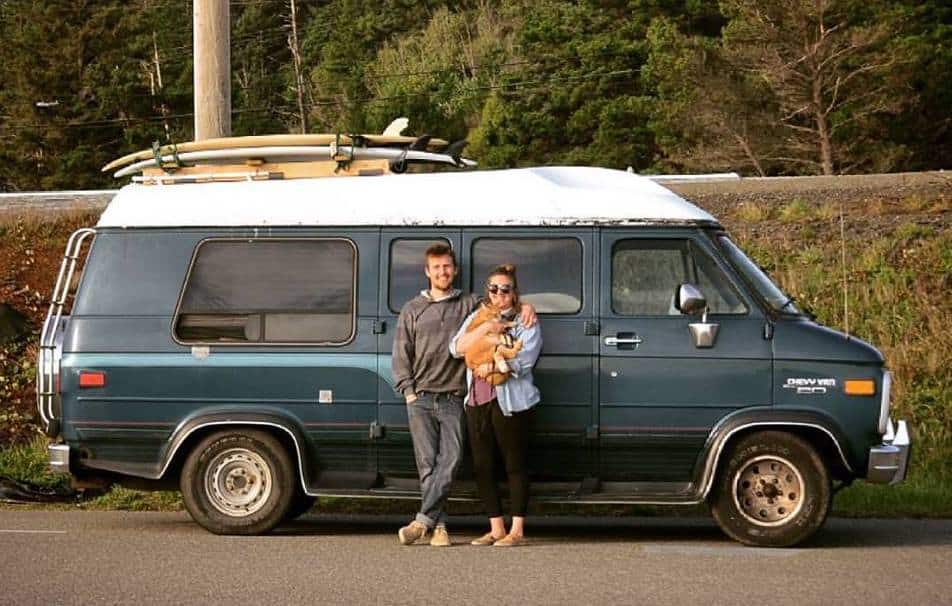
    Camping and RVing is very much tied to alternative lifestyles. This is true even if you don’t full-time. It’s these interesting alternative lifestyles and his fondness of traveling and happy memories of taking trips with family in a van that first drew Forrest Stevens into the world of Van Life.

    The #VanLife movement is one that’s really taken off in the last few years. Through Instagram pictures with heavy filters, it looks like a life of luxury and leisure, filled with beautiful landscapes and people.

    The reality of the experience is a little different. Forrest saw the merits of the #VanLife, but he also wanted to give people an honest vision for what living in a van or camper is really like.

    An Honest Depiction

    Forrest Stevens

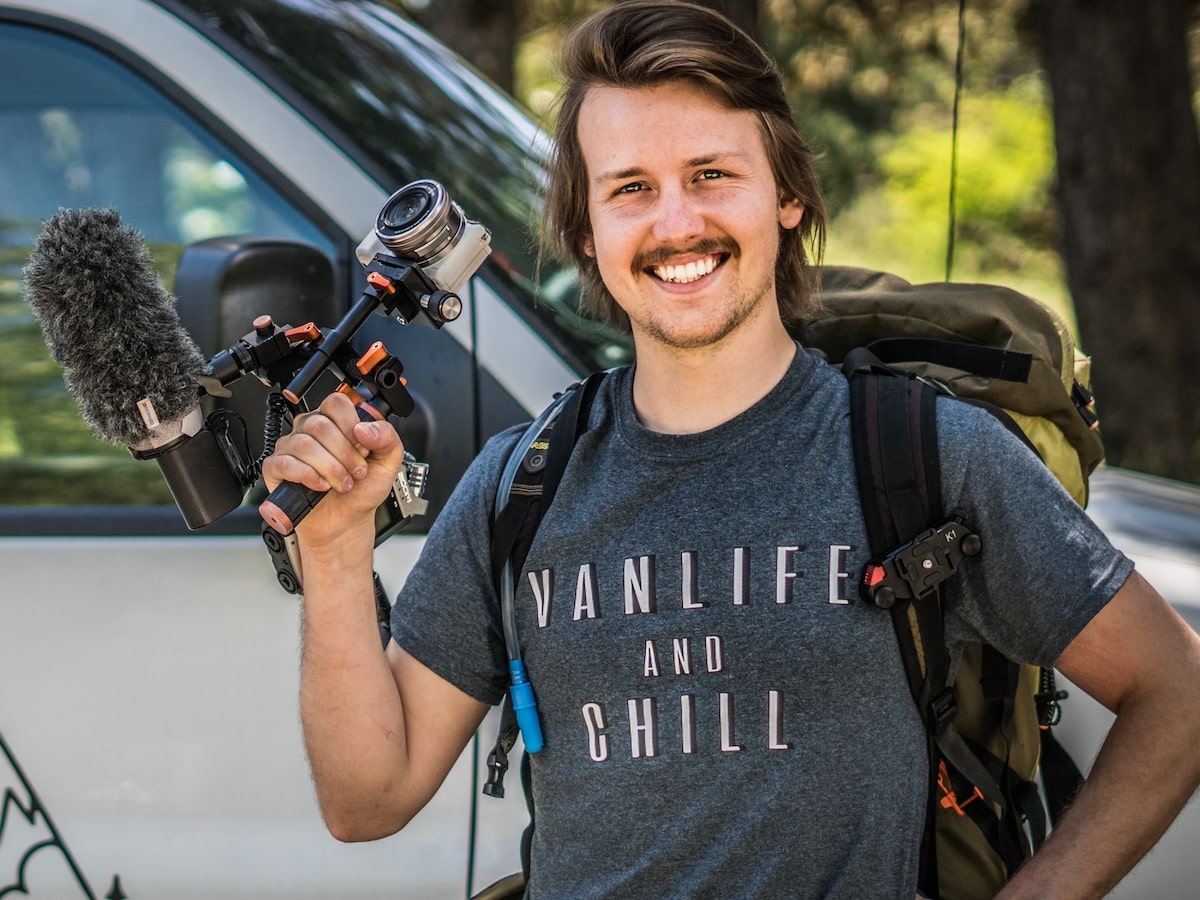
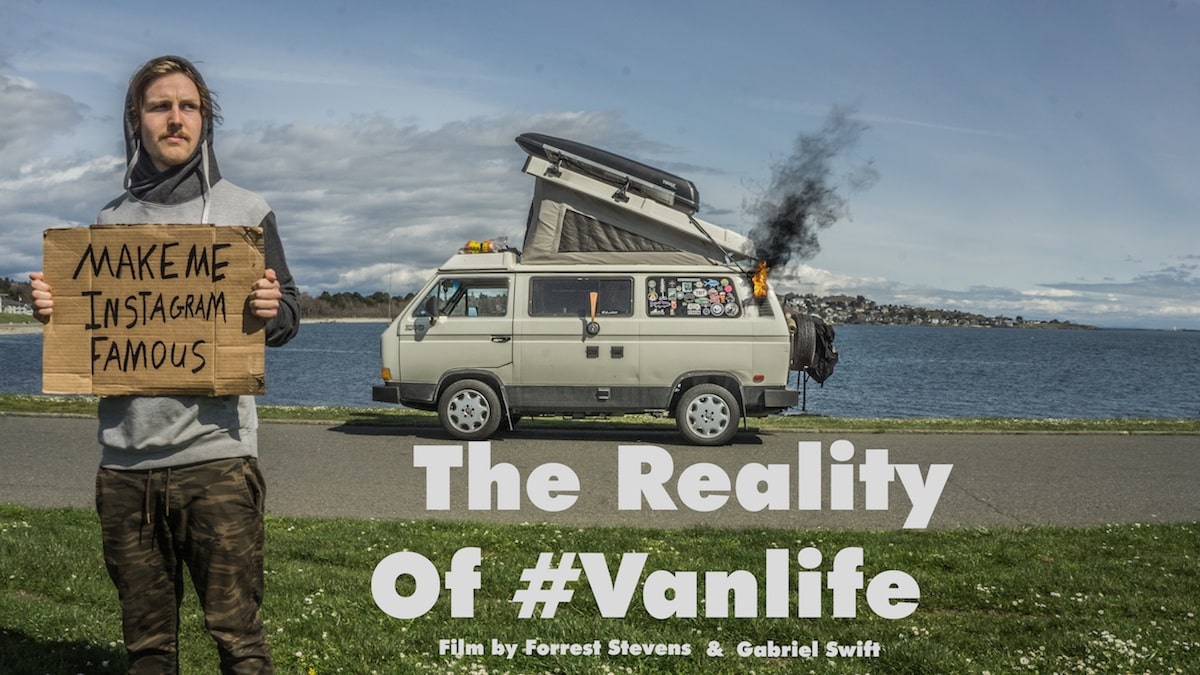
    Forrest Stevens is a full-time YouTuber and filmmaker with a strong following. In order to show the reality of living the #VanLife, he shot a documentary called The Reality of #VanLife to show the world what it was really like.

    He interviewed several people living the lifestyle and tried it out himself while shooting, editing, and directing the documentary. The honest depiction of the lifestyle peels back the Instagram-filtered veneer and shows viewers what its really like to live in a camper van or a converted van. It was released in August of 2018 and can be viewed on his YouTube channel.

    This project led to his current YouTube channel videos, which are tours of people living in vans, tiny homes, sailboats, and campers. Basically, anyone who’s living an alternative lifestyle in a mobile or unique dwelling.

    Forrest Stevens, The Reality of #VanLife

    Forrest uploads a new video weekly, providing unique insight into the lives of people living differently than the majority of Americans.

    “For me meeting these people and finding the different elements they use to live minimally and sustainably is a way for me to learn.” He said. “I’ll be able to use these things I’ve learned in the future.”

    Forrest said that he really enjoys the work, too. He enjoys meeting with people and bringing their lifestyles to people through video content.

    He did tell me that he isn’t just doing it because he likes it, though. Forrest did a video tour of his own van once and it garnered many views online. He said that he felt the need to double down on that type of content to get more views.

    An Alternative Lifestyle Lover Himself

    Forrest Stevens

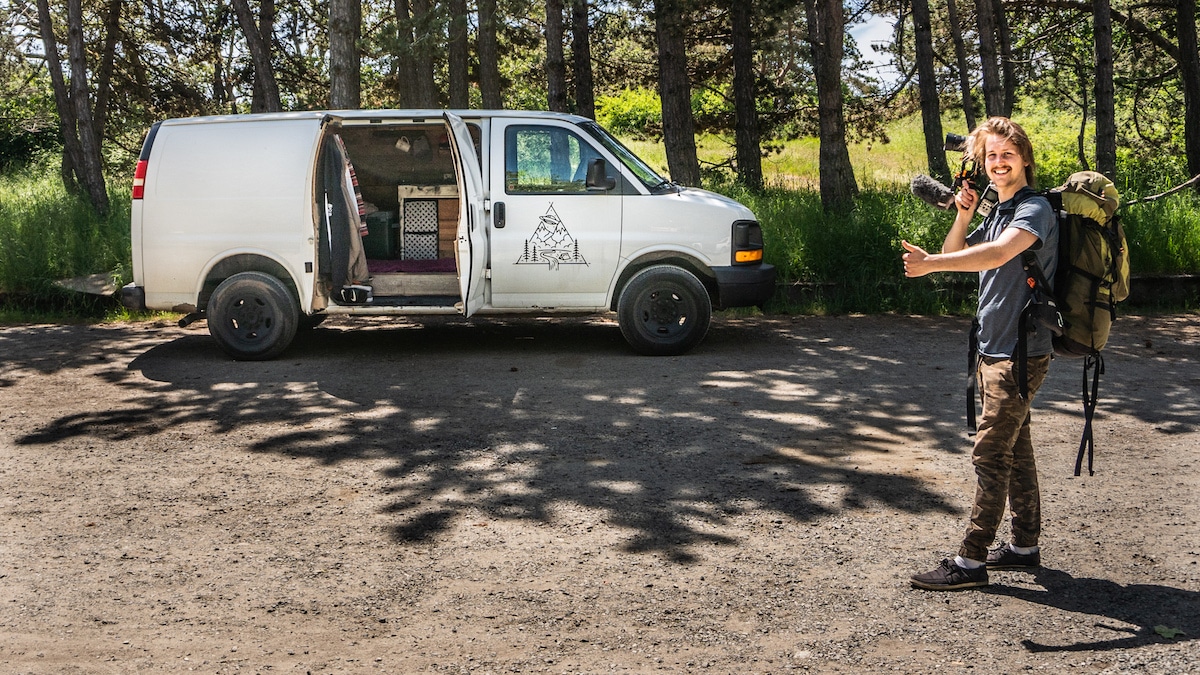
    Forrest isn’t just an observer of alternative lifestyles. He’s lived it, too. As mentioned above, he tried out the Van Life while shooting his documentary, and before that he and his girlfriend spent time camping in a minivan in Canada while visiting family.

    Forrest has upcoming plans to buy a van and convert it into a living space designed specifically for himself. With that, he will be better suited to hit the road and visit people so he can shoot their unique living spaces for his YouTube channel.

    “In a way, it will be a weekend warrior van, but I plan on using it for extended trips,” he said.

    He said his affinity for these alternative lifestyles come from a desire to live a more sustainable life with a smaller footprint. He hopes to one day buy a property and live a fully sustainable life on it.

    Forrest said he noticed many people living alternative lifestyles feel the same way.

    “When you’re living in a small space like a van you have to be conscious of your electricity use, water use, etc,” he said. “Whether you’re environmentally conscious or not, you end up being so because of the small space.”

    Alternative Lifestyles Are Worth It

    Forrest Stevens

    Forrest spoke to the fact that living the lifestyle you want to can have a serious impact on your mental well-being.

    “I find myself happier and more enthused about life when I’m outside and in what people would consider wilderness,” he said. “That feels like home to me, so creating my own space that facilitates that is worth it, and that’s going to be different for everyone.”

    He wants to have a sustainable and environmentally friendly home base and have the ability to travel and live on the road as necessary

    Forrest said his YouTube channel is all about educating people about different lifestyles. His content is there to provide a true and honest look at what those are. While some of it may hit on the negatives of these lifestyles he said that everyone he talks to says it’s worth it.

    “There’s one section in my documentary about Van Life where everyone is talking about the challenges, but then they all say ‘what’s most important to me and why I’m living this way and why I like living this way is the freedom.,’” he said. “Every single one of them said that.”

    Forrest said freedom always comes up for people wanting to live this an alternative lifestyle: financial freedom, freedom of mobility, freedom from renting a space to live, and so on.

    Forrest Stevens

    Throughout our conversation, it became clear that Forrest’s lifestyle and the lifestyle of all the people he interviews is about finding a way to live that’s right for them. Not subscribing to an accepted way of life.

    It’s something that all of the people I’ve interviewed in the Why We RV series thus far have said. Camping and living in an RV or a van is all about having the bravery to pursue your own personal freedom, and today it’s more possible than ever before.

    So, whether you want to live the #VanLife or you want to travel the country in a Class C or Class A motorhome, you should do it if that’s the kind of freedom you truly want in your life. Just be aware that it’s not all sandy beaches, beautiful sunsets, and Instagram-able moments.


    Source link

  • 6 Kid-Friendly RV Activities

    6 Kid-Friendly RV Activities


    RVing is an adventure. RVing with kids can take things to a whole other level. Whether you’re a parent taking your kids on their first adventure, or grandparents with camping grandbabies, children can be unpredictable. You never know how much entertaining you’ll have to do at the campsite.

    Here’s a list of kid-friendly RV and camping activities sure to please every kid out there.

    Traditional Kid-Friendly Activities

    Luckily for you, RVing is naturally kid-friendly. Children love being out in nature. And are usually happy to just explore their surroundings. This means you can keep everyone engaged and entertained by doing the kinds of things you would do anyway.

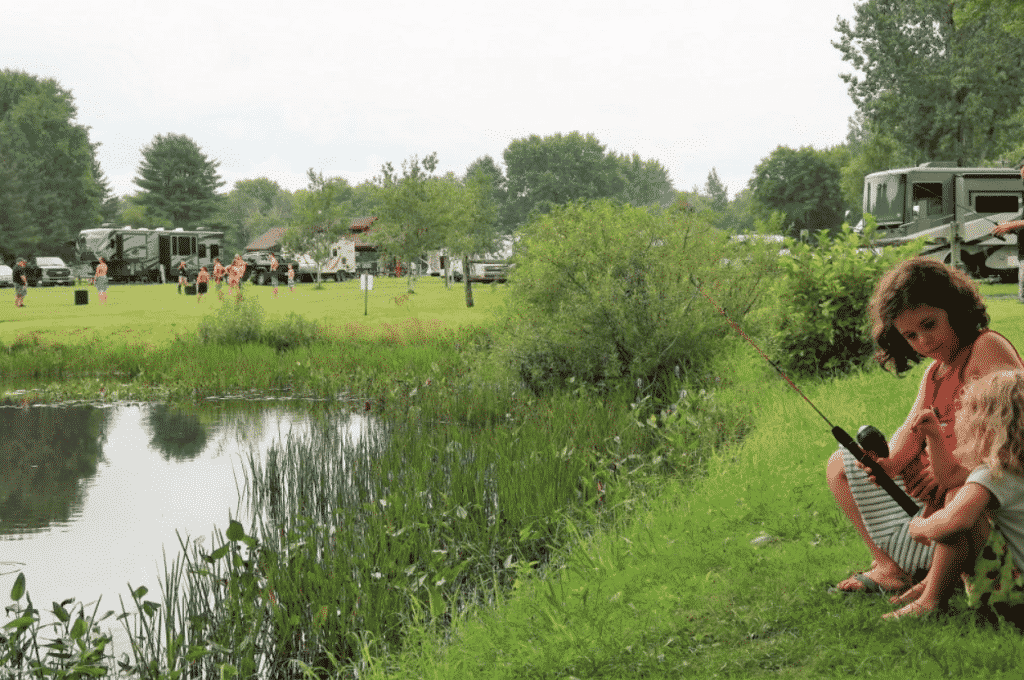
    Fishing

    As an avid RVer myself, I’ve found a lot of RV parks and campgrounds have some sort of fishing hole. My daughter loves grabbing her fishing rod and heading to the water when we arrive at a new campsite.

    When you think about it camping and fishing really go well together, don’t they? They’re both peaceful, outdoor activities, and fishing can be an exciting learning experience for your child.

    Hiking

    You really can’t go wrong with a hike. Especially in mild weather, your kids will love hitting the trail. I know mine does. While researching RV parks and campgrounds, you should look for a trail system. This can be in the campground, or nearby.

    State parks are wonderful places to set up the RV for a few days and enjoy hours of hiking as a family. You can also stay in nearby campgrounds that bring you close to the state park.

    Many RV parks will have their own walking trails as well. I’ve been to KOAs and Jellystone Parks that have their own small trails. They are usually very easy hikes and short. These trails work for anyone traveling with young children.

    With that said, don’t worry if the RV park you want to stay at doesn’t have any. Just going for a walk around the park can be a really fun kid-friendly RV activity. Our family loves to walk around when we arrive at a new park. It’s really fun to look at everyone’s setups and chat with other RVers.

    Wherever you decide to hike, your kids will enjoy the fresh air and spotting wildlife. Just be sure to carry some snacks with your so they keep from getting hungry.

    Build a Campfire

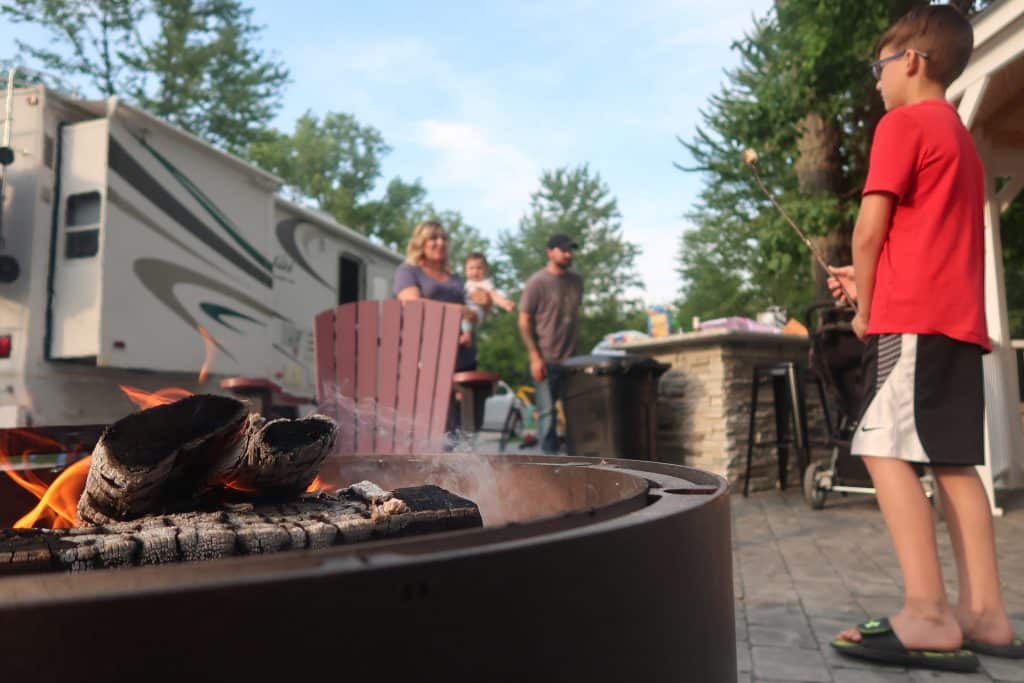
    The campfire is quite possibly the most anticipated and exciting event while RVing. Everyone, young and old, looks forward to gathering around the fire, telling stories, and roasting marshmallows.

    Also, creating the fire can be just as much fun! Have the kids gather the kindling on their hike. Or bring newspaper for them to crinkle up before nightfall. Take them to the campground store and have them purchase the firewood. Then show them how to put it all together to start the fire.

    If you’re like me and don’t know how to start the fire, let them help you learn. Get out a tablet, computer, or smartphone and let them do some research for you on YouTube. Getting them to help build the campfire is going to make those s’mores so much sweeter, and it’s a great learning experience.

    DIY Kid-Friendly RV Activities

    While traditional kid-friendly RV activities can provide hours of fun and exploration, sometimes it’s just not enough. Here are some activities that require a little more prep on your part, but are guaranteed fun on your next camping trip.

    Cornhole

    This is a timeless RV tradition, and your kids will love it. You can make your own set of toss boards or buy the game at your local big box store or Camping World.

    I recommend cornhole as a kid-friendly RV activity for three main reasons:

    1. It doesn’t require a lot of supervision. You can set it up and allow the kids to play to their hearts’ content.
    2. It doesn’t require a lot of skill. For older kids, they can truly play for the sport of it. And for younger kids, they can just as easily enjoy by playing close-up and gathering the bean bags for other players.
    3. You can play as a family. This is a game that everyone loves and will want to play. Kids won’t get bored before parents, and vice versa. You can truly bond over a game of cornhole.

    I also love this game because it gets the kids outside and moving. Which is the whole point of RVing with them anyway, right?

    Water Balloon Batting Practice

    This is my absolute favorite camping game, and it really is fun for kids of all ages. Just pack a baseball bat or two and some water balloons on your next RV trip. Fill the balloons, line up the kids, and start having a good time.Have the kids take turns between pitching and batting. Both are really fun.

    I like this game the most not only because it involves water, but because you can play for a long time. It can take a few tries for your kids to actually break the water balloons. The pitcher has to learn how to throw the balloon properly, too.

    With both the batter and the pitcher learning the specifics of the game, it lasts a long time. It also provides a lot of laughs for the players as well as the spectators.

    Laundry basket frisbee golf

    Frisbee golf has exploded in popularity over the last decade. Let your kids in on the fun with this simple version you can make yourself.

    First, remember how to play:

    Toss a frisbee into the target. The player with the lowest amount of throws wins! 

    While I’ve been to some campgrounds that have frisbee golf courses, most don’t. Fortunately, it’s a very easy game to replicate. Before you head to the campground, make a trip to the dollar store and buy 4-6 small laundry baskets and some frisbees. Label each basket with a number.

    When you get to the campground, set up the baskets in various places around your site, in an open field, etc. Now let your kids have the frisbees. They’ll take care of the rest. You can keep score easily on a piece of paper, or let them do it to add to the fun.

    While there are hundreds of things for your kids to do at the RV park, these are some of the most fun for my family.


    What activities will you try out on your next camping trip? Leave a comment below!


    Source link

  • Exploring Alaska in an RV – Whittier

    Exploring Alaska in an RV – Whittier


    Many RVers dream of traveling to Alaska, considering it the ultimate destination on their bucket lists. So we’ve created a series of articles to help you navigate the Last Frontier in a motorhome or travel trailer, in hopes that you can enjoy exploring the 49th state, as well!

    Photo Tripping America - Whittier - Camping World

    Today we’ll follow Seward Highway (Alaska 1) out of Anchorage south and east to:

    Whittier

    Here’s your chance to visit an entire town that lives under one roof—an unusual place, even by Alaska standards! Whittier is a port city approximately an hour from Anchorage, but a lifetime away from “average” in any vernacular.

    Photo Tripping America - Whittier - Camping World

    Let’s start with the fact that the only land access to the town is through a 2 ½ mile, single-lane tunnel through the mountains that closes every night at 10:30pm. Then add to that the fact that Whittier gets more moisture than any other town in Alaska and all of America at 198 inches a year. Couple that with consistent wind speeds in the area of about 60 mph, and it might explain why almost all of its 217 residents live in one building, with all city services located there as well. Who wants to walk to the post office or grocery store in frigid temperatures with high-velocity winds, when you can move the city hall, police station, library, supermarket, and health clinic into the bottom floor of your apartment building?

    History

    During World War II the US Army established a military base near Whittier Glacier, and with that construction came a railroad and port facility to bring soldiers into Alaska. The Anton Anderson Memorial Tunnel was blasted in quick fashion, as the Japanese bombing of Pearl Harbor made defense of the 49th state increasingly important, and shipping of supplies and troops by rail was a major priority.

    Photo Tripping America - Whittier - Camping World

    Until 2000, the only way to travel to the town of Whittier was by rail—either as a foot passenger or by loading automobiles onto flatbed cars—or by boat. By the 1960s, the military had pulled out of the area, and the Port of Whittier became a destination for cruise lines and commercial boat traffic.

    Photo Tripping America - Whittier - Camping World

    Today the town is still the terminus for the Alaska Railroad and several cruise ships dock in Prince William Sound, along with ferries traveling the Alaska Maritime Highway, but the expansion of the train tunnel to allow cars passage provided more access to a town surrounded by intense beauty and abundant wildlife. That’s when tourists discovered this secret gem.

    Photo Tripping America - Whittier - Camping World

    Outdoor Activities

    Whittier sits in the midst of mountainous terrain covered year-round with ice. These glaciers attach their tentacles in numerous valleys, terminating at water’s edge.  Known as tidewater glaciers, they offer great hiking and ice climbing opportunities, as well as paddleboarding and kayaking in calm water along their boundaries. Follow the Portage Pass Trail to enjoy fantastic views and outdoor adventures like these all summer long.

    Photo Tripping America - Whittier - Camping World

    Three species of salmon are prevalent in areas rivers, so fishing is a pretty big deal here, and the town also has its own campground within walking distance of the marina. The sites are level and large enough to handle virtually any size RV, and tenting is allowed as well. Don’t discount dispersed camping. You’ll have a beautiful backdrop wherever you set up camp.

    Photo Tripping America - Whittier - Camping World

    Restaurant selection in a town this small is pretty limited, with four choices during the summer season, so be prepared for a bit of time spent in line, or brown bag it in a scenic spot along the bay. You can also catch your own dinner, and fry it up at your campsite for an authentic Alaskan meal.

    Where Are All the People?

    Of course, the most curious thing about Whittier is the location of its population. Almost all live in the colorful Cold War era building known as Begich Towers. Wander into its lobby to see just how an entire town can function from within its walls.  The church is in the basement, school is next door and accessible through a tunnel, and you’ll probably run into half of the town’s residents in the post office or laundromat down the hall.

    Photo Tripping America - Whittier - Camping World

    I wondered how many of them ended up here—at the virtual end of the road—and found that many residents were mobile, coming to Whittier for a year or two, then moving on. However, there are quite a few who have raised generations in this isolated valley. Some came years ago to work at the canneries for a summer but stayed for 35 years. Others relish the tight community they have built, and most cherish the rugged outdoor environment surrounding them.

    Room with a View

    If you’d prefer a little pampering while you’re in Whittier, rent a room at Glacier View Condo Suites, a B&B on the top two floors of Begich Towers. It’s a great way to experience daily life “in” Whittier and take in the amazing views of whales breaching in the harbor or mountain goats clinging to the side of nearby peaks. Each room comes with a pair of binoculars and outstanding scenery.

    Photo Tripping America - Whittier - Camping World

    Wildlife in the Wild

    When you are ready to say goodbye to this most unique community, there’s only one direction to go. Head back through the Whittier Tunnel, but save at least an afternoon for one final adventure on this particular trek. The Alaska Wildlife Conservation Center is about 20 minutes away, located close to Girdwood on Seward Highway.

    Photo Tripping America - Whittier - Camping World

    Wildlife that has been injured is rehabilitated there, and those that can’t return to the wild live out their days in their own environments: moose have acreage with their own riverfront property, and bears enjoy the comfort of cozy dens when hibernation sets in. You can walk through this huge outdoor park, viewing virtually every wild animal Alaska has to offer. Grizzly to black bears, bison, caribou, musk ox, and elk, all call this home. You’ll get an up close and personal experience with these animals unlike any other. So, if you haven’t seen enough wildlife in your explorations across the state thus far, this visit should fill in the gaps for you.

    Photo Tripping America - Whittier - Camping World

    Explore More of Alaska

    Be sure to join us for more adventures across The Last Frontier in the coming weeks!

    Author’s Note: If you will be driving through Alaska and/or Canada please consider purchasing a current copy of “The Milepost.” It is a travel guide that will list necessities (like gas stations) and amenities (like lodging) throughout Alaska and the western Canadian provinces by milepost marker. This is a prerequisite for traveling in the area, as distances between service stations and grocery stores can be hundreds of miles in many cases. Another piece of knowledge gleaned from “The Milepost” are the hours (and seasons) of operation of businesses along the route, as many close down during fall and winter.


    What do you think of Whittier, Alaska? Leave a comment below!


    Source link