Blog

  • Adam McLaughlin of Where’s the Moose // 🎧 Podcast

    Adam McLaughlin of Where’s the Moose // 🎧 Podcast


    Adam is a digital marketing “RV-preneur” who has been on the road with his family since the beginning of August.

    The family is planning a once-in-a-lifetime adventure in their travel trailer, Moose.

    Follow their journey on Instagram.

    ** Subscribe to Stories from the Road on iTunesSpotify, or Google Play **

    Some topics we covered:

    • 3:24 – RV beginnings
    • 7:27 – East Coast adventures
    • 9:36 – The Bucket List Moose
    • 12:17 – Rookie mistakes
    • 17:42 – Family adapting to a life on the road
    • 23:10 – RV’preneurship
    • 24:30 – Adam’s stories from the road


    Source link

  • Exploring Alaska in an RV – Seward

    Exploring Alaska in an RV – Seward


    Many RVers dream of traveling to Alaska, considering it the ultimate destination on their bucket lists. So we’ve created a series of articles to help you navigate the Last Frontier in a motorhome or travel trailer, in hopes that you can enjoy exploring the 49th state, as well! And now’s the time to start planning your getaway.

    Photo Tripping America - Seward - Camping World

    Seward

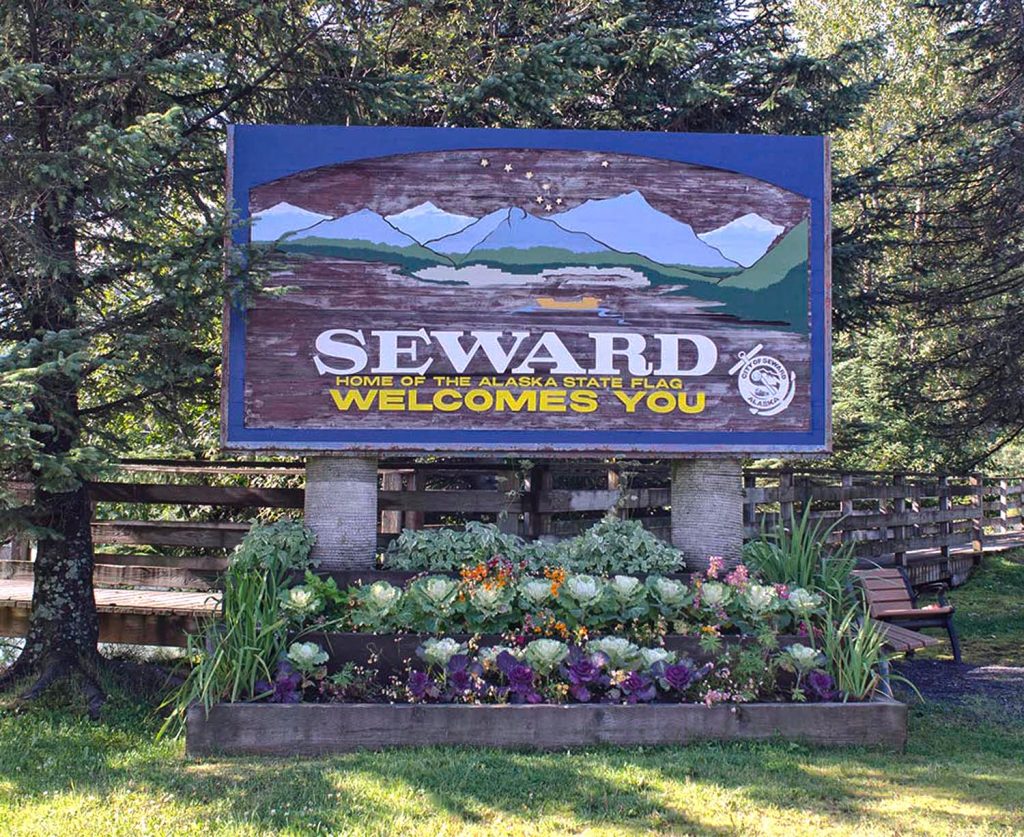
    Located about two and a half hours from Anchorage on the Kenai Peninsula, Seward is an active port town filled with an enormous selection of outdoor activities. Choose from glacier tours, boat trips, bicycling adventures, fishing, wildlife viewing and more. If you happen to be in town over the 4th of July, don’t miss the Mount Marathon race – touted as the toughest 5K in the world.

    Photo Tripping America - Seward - Camping World

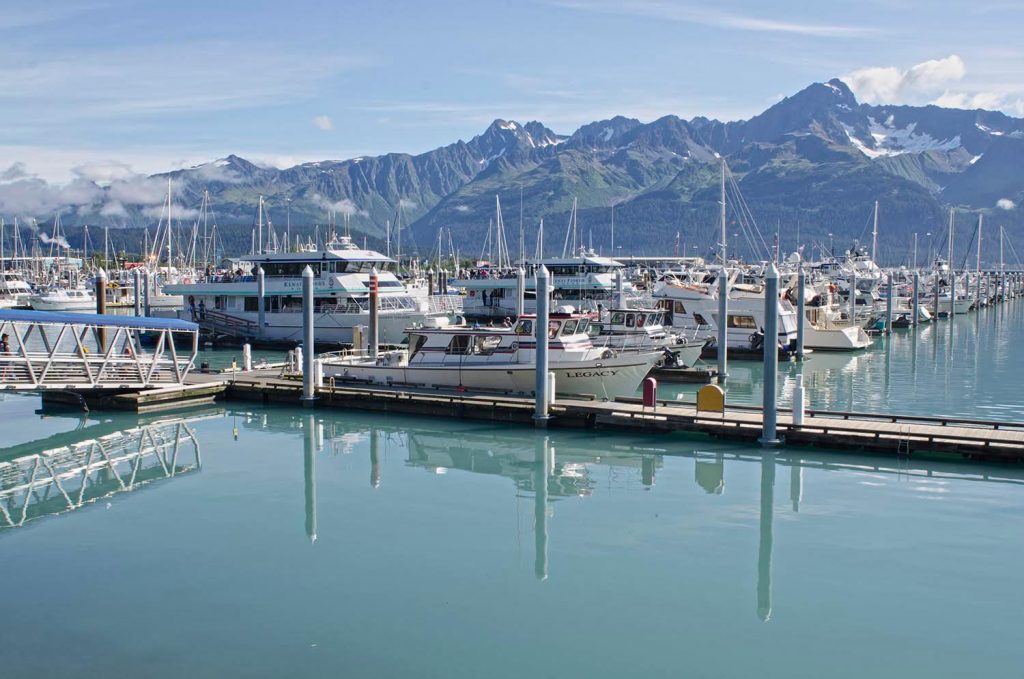
    Named after Secretary of State William H. Seward, who orchestrated the purchase of Alaska from Russia for $7.2 million in 1867, the town was founded in 1903. It lies at the terminus of the Alaskan Railroad and has the dubious distinction of being one of the most lucrative fishing ports in America. Today, however, you will see fishermen unloading their catch, while a cruise ship deposits its passengers just down the docks as tourism gives the fishing industry a run for its money.

    Photo Tripping America - Seward - Camping World

    Resurrection Bay Tours

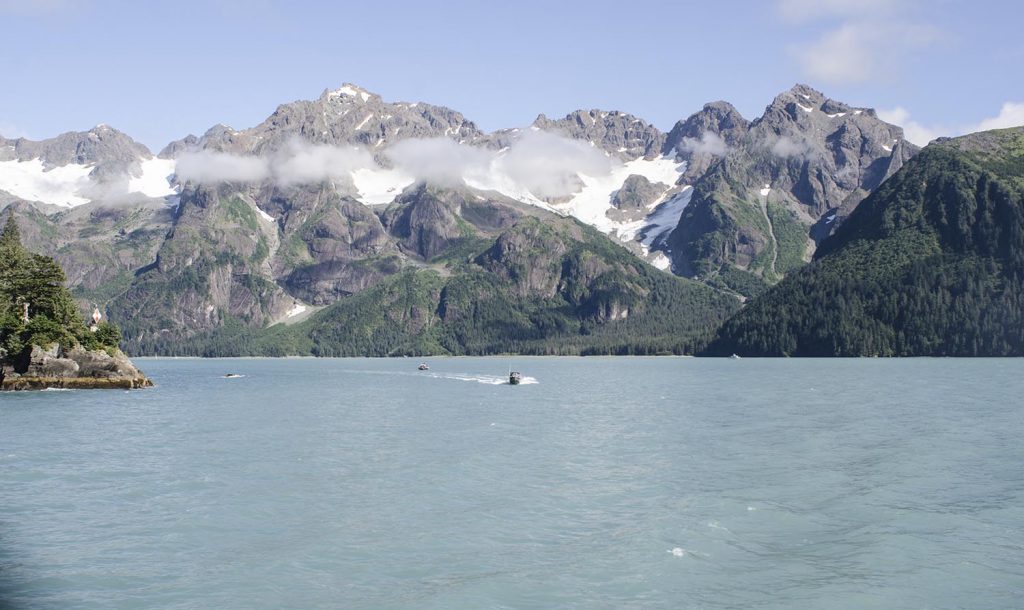
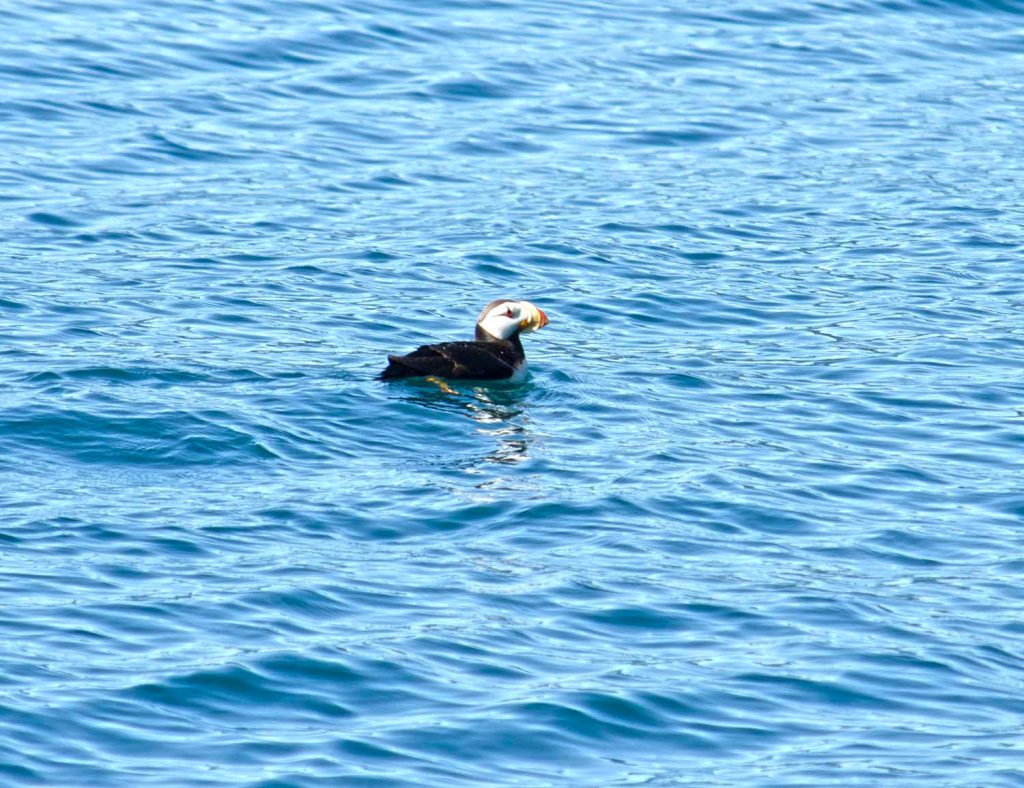
    Tour boats offer half and full day journeys into Resurrection Bay, where riders catch a glimpse of humpback and gray whales, Steller sea lions and harbor seals sunning themselves on craggy shorelines, puffins frolicking in the water, and tidewater glaciers in Kenai Fjords National Park. Many trips dock at Fox Island for a wonderful lunch of prime rib or Alaskan king crab, while a park ranger presents an overview of the area’s geology. I found this particularly interesting, as Seward was drastically affected by a 9.2 earthquake and subsequent tsunami in 1964.

    Photo Tripping America - Seward - Camping World

    Resurrection Bay is a dream for sea kayakers. It is very large, but even fishing boats and tours are careful about creating wakes when kayaks are in the water, and hugging the coastline will give you ample opportunity to mingle with some of the sea life. Who knows? Maybe a sea otter will take you on as a new playmate!

    Alaska SeaLife Center

    If you want to see even more marine animals, make a visit to the Alaska SeaLife Center right on the harbor. This facility rescues and rehabilitates mammals and birds, and researches the role these animals play in arctic and subarctic marine ecosystems. Not only can you view the “local” animals here, but animal encounters are available, allowing you to interact with puffins, sea otters, and octopus.

    Photo Tripping America - Seward - Camping World

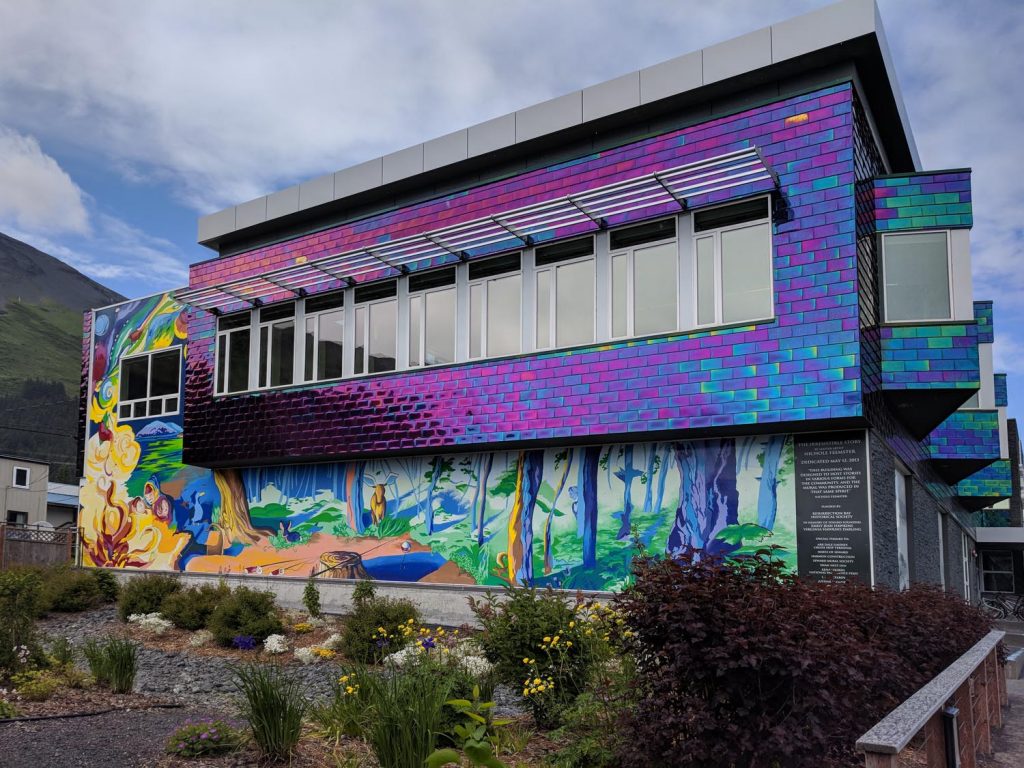
    Take a walk around town and you’re sure to notice all of the painted murals reflecting life in Seward. There is a sense of wonderment and surprise, with artistic twists in unusual places. The town has a comfortable feel to it, with shops and restaurants catering to just about every desire. Grab a beer and burger at Seward Brewing Company or set your sights on fresh seafood at Ray’s Waterfront. One of my favorite places is Resurrection Roadhouse just outside of town a couple of miles and on the way to Exit Glacier. They have a full breakfast buffet, a hearty lunch menu and dinner entrees featuring fresh Alaska seafood and steaks. The scenery from their porch is exquisite!

    Photo Tripping America - Seward - Camping World

    Exit Glacier

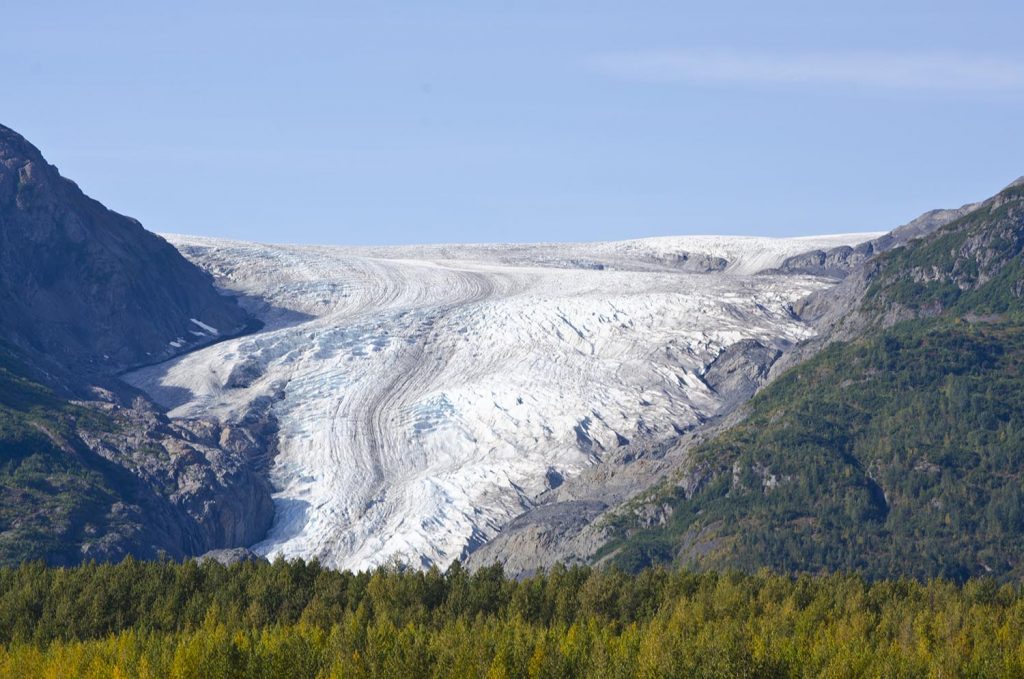
    Speaking of Exit Glacier, this aptly named hunk of ice is easily accessible at the end of the road. The paved street is marked with signs showing the glacier’s regression over the last several hundred years as it slowly ‘exits,’ and the parking lot has an RV section for easy maneuverability. A short 15-minute hike will then take you right up to the edge of the glacier, giving you a direct view of erosion in action.

    Photo Tripping America - Seward - Camping World

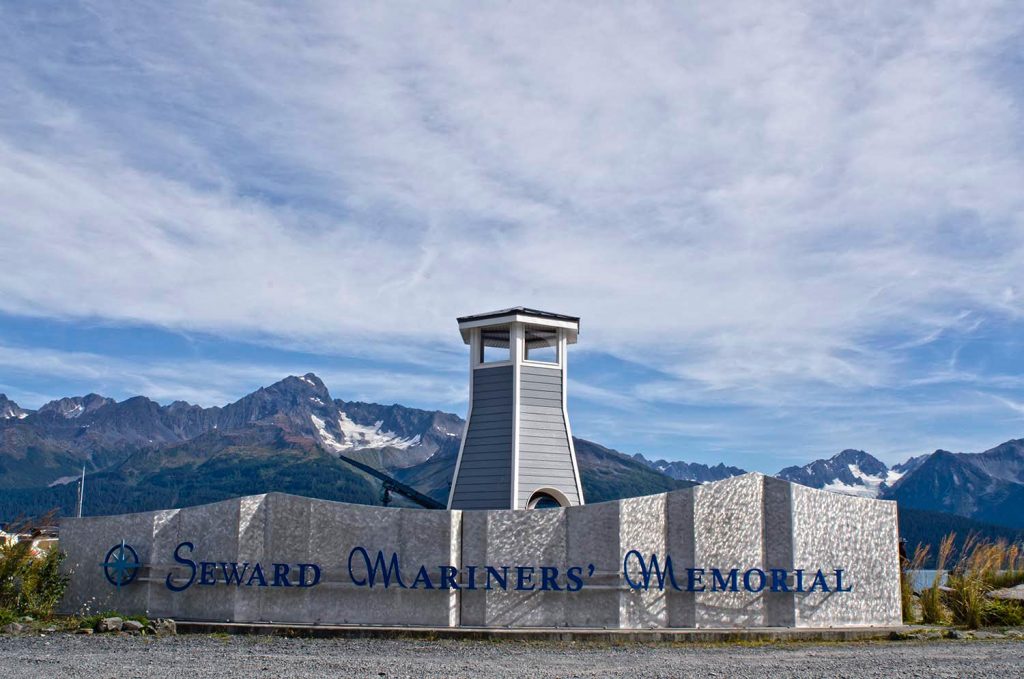
    Back in town, it appears everyone is drawn to the harbor. My walks always started at the SeaLife Center and headed past the Mariners’ Memorial, with its miniature lighthouse/widow’s walk, toward the mile 0 marker for the Iditarod National Historic Trail. Then on around the point toward the port where hundreds of boats are moored.

    Photo Tripping America - Seward - Camping World

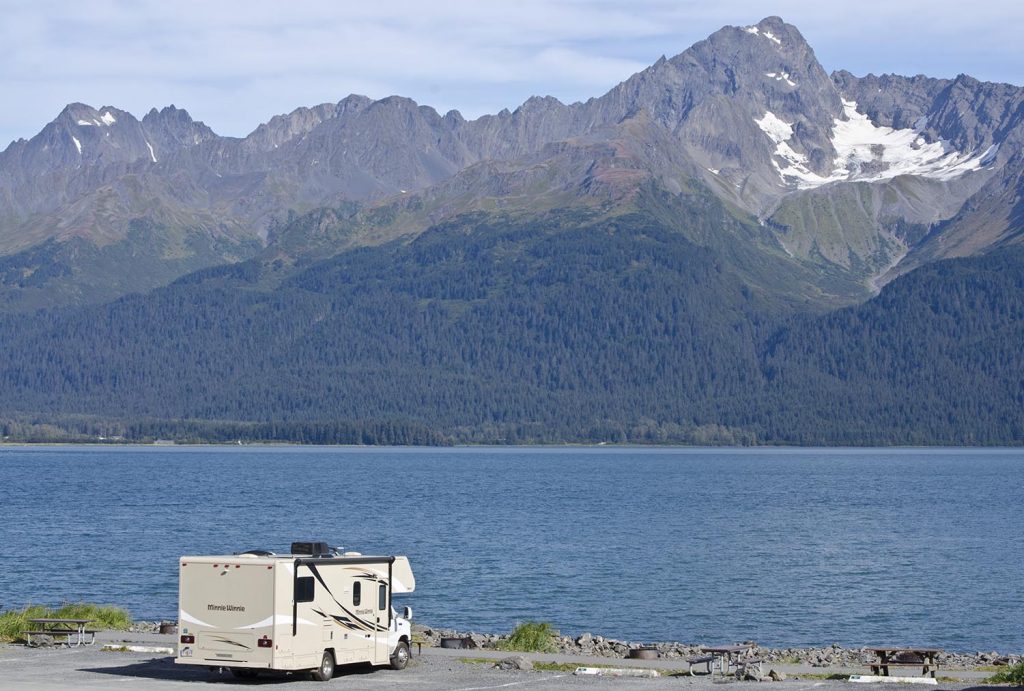
    Along this daily walk, you will discover what makes Seward an even more desirable place for RVers: hundreds of campsites right on the bay! The town owns all of the parklands along the bay and has created inexpensive campsites with the most exclusive views. Seward has embraced campers, along with their rigs, trailers, and tents, welcoming those of us who like to travel with our homes. Be sure to reserve your campsite well in advance, because as you can imagine, spots like these fill up quickly.

    Photo Tripping America - Seward - Camping World

    Driving from Anchorage, the highway system is in great repair and easily navigable by even the largest motorhome or travel trailer. You will rise in altitude from sea level to over 2,500 feet then back down to sea level as you approach Seward, but there are no horribly steep grades to deal with. The roads have a narrower shoulder around Moose Pass, but you’ll be too busy spying the icy blue waters of Kenai Lake to notice.

    Photo Tripping America - Seward - Camping World

    I know you will find Seward to be a terrific Alaskan vacation destination. There are so many places to visit within the Last Frontier. So be sure to join us for other Alaskan getaways in weeks to come!

    Author’s Note: If you will be driving through Alaska and/or Canada please consider purchasing a current copy of “The Milepost.” It is a travel guide that will list necessities (like gas stations) and amenities (like lodging) throughout Alaska and the western Canadian provinces by milepost marker. This is a prerequisite for traveling in the area, as distances between service stations and grocery stores can be hundreds of miles in many cases. Another piece of knowledge gleaned from “The Milepost” are the hours (and seasons) of operation of businesses along the route, as many close down during fall and winter.


    Does traveling to Seward sound like something you’d like to do? Leave a comment below. 


    Source link

  • Life on the Road // Crazy Family Adventure Episode 5

    Life on the Road // Crazy Family Adventure Episode 5


    A West Coast trip wouldn’t be complete without a stop in Big Sur California. Crazy Family Adventure made a stop at this iconic coastal location and visited the surrounding area in this episode. The family saw Monterey, Point Lobos Natural Reserve, Pebble Beach, and Pfeiffer Beach.

    You can learn more about the whole family on their blog.


    Source link

  • How to Make Thanksgiving Dinner in Your RV

    How to Make Thanksgiving Dinner in Your RV


    When people think of Thanksgiving, they think of big gatherings and tons of food. So, how do you host an RV Thanksgiving when space and kitchen commodities are at a minimum? Don’t worry, it’s as easy as pie.

    Turkey
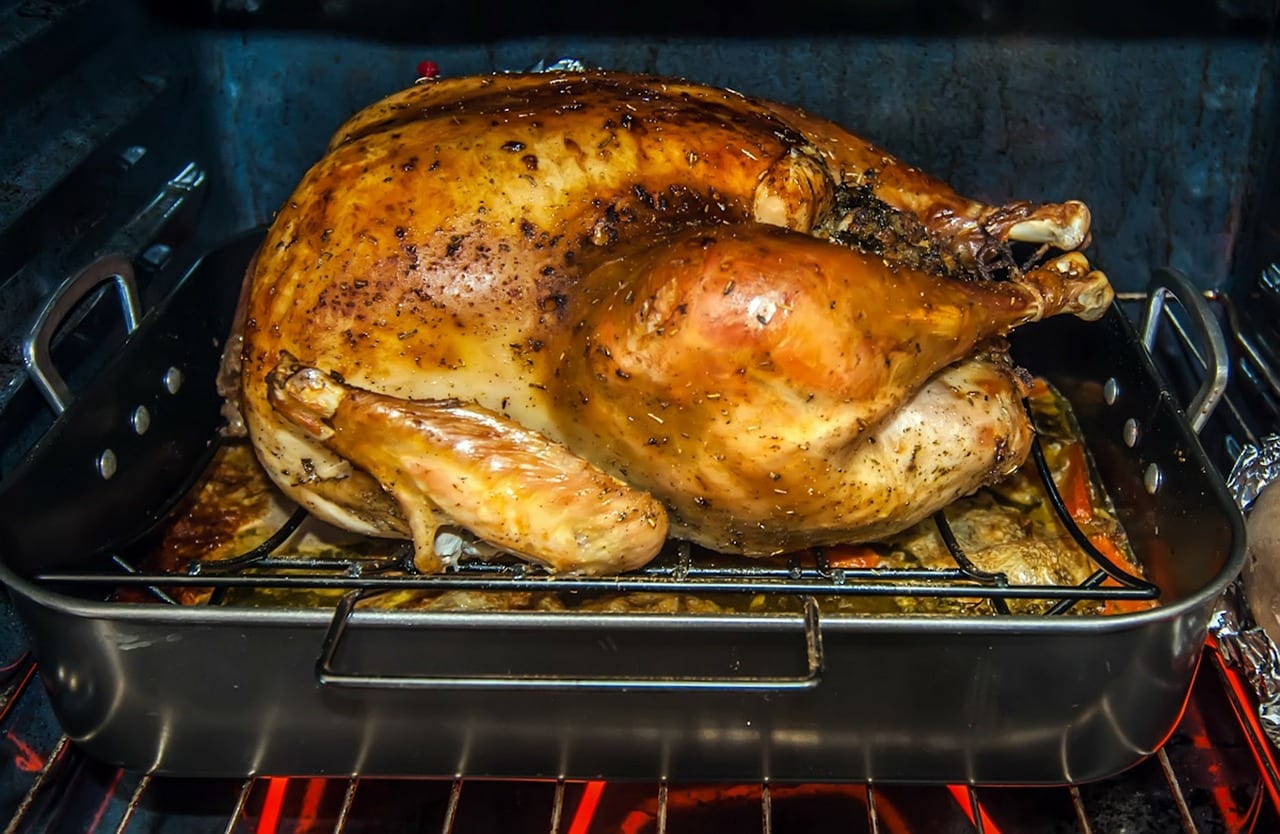
    Turkey in an oven

    Let’s be honest, the turkey is the main event. You can have your favorite sides in all their different variations, but the one thing that is mostly constant throughout American Thanksgiving meals is that there is a turkey as the main dish. Some people have thrown caution to the wind and gone for a completely different animal, but for the sake of staying with traditional, let’s assume you are opting for a turkey.

    How Do You Deal With Size?

    Most people have the biggest challenge with having enough space to cook their turkey. How do you cook such a big bird in your RV? There are actually several different solutions to this problem.

    Smaller Portions

    If you are expecting to use your turkey as a centerpiece and want it to be golden brown and look like it’s from a Norman Rockwell painting, then cutting down your bird might not be the solution for you. However, if you are planning on carving the turkey ahead of time and you don’t really care how it looks as long as it tastes great, then consider portioning it out before cooking. You can store the other parts in your freezer until you are ready to use them.

    While this might cut back on the amount of leftover food you have, you will be able to have Thanksgiving at least three times over with that one bird! Freshly cooked turkey is always better than leftover anyway.

    Turkey Breast

    Did you know that grocery stores don’t just sell whole birds? You can cut down nearly half of your poundage and cooking time by buying a turkey breast instead of a whole turkey. For those of you who don’t particularly like dark meat, this could be a life-changing option for you.

    Chicken

    It was mentioned earlier that this was going to be a strictly traditional Thanksgiving, but chickens are so similar in taste and look, that you can’t resist having this as an option. Chicken is much smaller than turkey and can be a lot easier to cook because it doesn’t dry out so easily.

    Buy a Small Turkey

    Some RV ovens can accommodate a small turkey, and you don’t have to buy a huge one at the store. Try to find a small enough turkey to easily fit in your oven while still providing plenty of meat for everyone around the dinner table at Thanksgiving.

    How Do You Cook It?
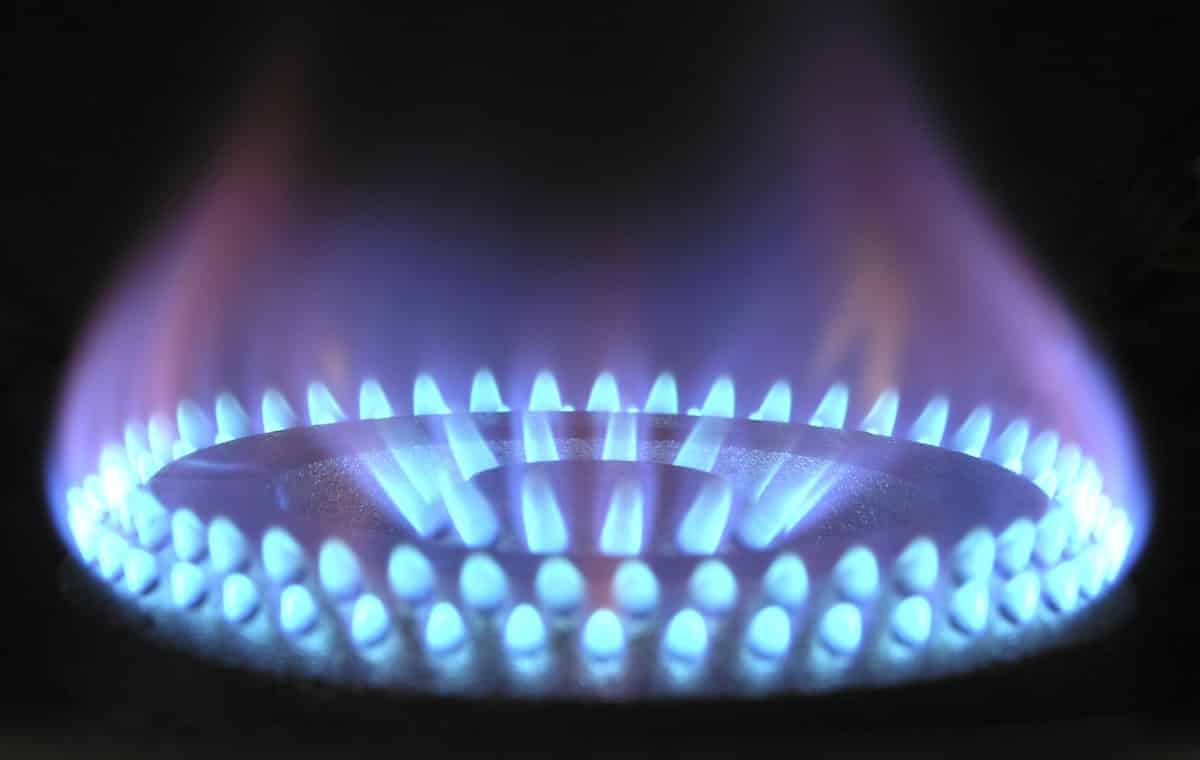
    stove burner flame

    You can always use the oven in your RV, but if you want to free up space, here are some other options.

    Slow Cooker

    You can use a slow cooker if you make the meat small enough. This is a great option because the meat will stay moist and fall off the bone tender.

    Deep Fryer

    You could also use a deep fat fryer, which has been popular in recent years. You do need to be a bit cautious with this method. If your turkey is not thawed and you haven’t dried off excess moisture, you could run the risk of it not being cooked all the way or your fryer exploding. If you opt for this method follow the instructions to the letter and be careful.

    Dutch Oven

    Dutch ovens make everything so tasty. You can absolutely cook your turkey in a Dutch oven over a campfire, but it can be difficult to keep your fire going strong and giving off the right amount of heat for three plus hours to fully cook the turkey.

    Mashed Potatoes

    Potatoes being rinsed for mashing

    You will be happy to know that mashed potatoes can be refrigerated or even frozen with excellent reheating results. Just put your mashed potatoes in a casserole dish with foil on top and reheat at 350 degrees Fahrenheit until warm through.

    So if time is an issue for you, you can make the potatoes ahead of time. However, the stove is much less busy than the oven on Turkey Day, so if you’re not crunched for time, this is a great side to make the day of the meal.

    Rolls

    Freshly baked dinner rolls

    If you are someone who cannot stand to have anything but homemade rolls for Thanksgiving, then not to worry! You have options.

    Of course, you can try using your oven to make the rolls, but if you happen to be using it for your turkey, there are some amazing Dutch oven roll recipes. It is much easier to make rolls in a Dutch oven than a turkey because it takes about a half hour to cook rolls versus the three-plus hours it could take to make a turkey.

    You can also just make the rolls the day before and heat them (or not) in the microwave before dinner.

    Pies

    Thanksgiving wouldn’t be Thanksgiving without a few pies. Pies can stay good for a couple of days, so you can make these ahead of time. The custard pies shouldn’t be made more than one day ahead of eating, to make sure they don’t get a rubbery texture.

    Baked pies can be made a day or two in advance, however, there is nothing better than a pie fresh out of the oven. The best thing you can do is assemble the pie a day in advance and put it in the refrigerator.

    If you pop it right into the oven when dinner starts, it will be ready just as you are clearing away the plates. You can also make it a month or two in advance, freeze it, and do the same thing. However, it will take about twice the amount of time if you are heating it from frozen.

    Schedule

    Thanksgiving in a small space is completely doable if you create a schedule that will work for you and your family. If you are planning it on your own, here is a sample schedule that will be helpful for you to follow.

    Monday

    • Clear out your refrigerator and freezer as much as possible.

    Tuesday

    • Get all the shopping done.

    Wednesday

    • Rolls
    • Assemble pies
    • Assemble any casseroles

    Thursday

    • Turkey (with roasted carrots and onions)
    • Mashed potatoes
    • Heat up any casseroles
    • Stuffing
    • Gravy
    • Heat pies

    No matter the size of your kitchen, you can pull off an amazing Thanksgiving dinner. You may have to adjust your expectations, but you can get the essentials done. If you are having any sort of gathering at all, ask people to contribute. Even if you can just knock one item off your list, it can take a whole load of stress off your shoulders.


    Have you ever had Thanksgiving dinner in your RV? What was it like? Leave a comment below.


    Source link

  • Why You Should Buy an RV in the Offseason

    Why You Should Buy an RV in the Offseason


    Most people think about purchasing an RV in the spring. When the weather starts to turn nice and the grass, trees, and other foliage green up they imagine themselves on the road with the family on the way to a gorgeous campground and awesome hiking adventures.

    The thing is, they will pay more for their lack of foresight. The best time to buy an RV is on the offseason, during the cold late fall and winter months. Here’s a look at why.

    Special Winter Deals Mean Good Prices

    RV Campers For Sale

    Just like with the auto industry, if you want a good deal, you should shop during the winter months. That’s when dealers have the best incentives and when they’re trying to make room on the lot for the upcoming model years and get rid of inventory that didn’t sell well over the last year.

    Start keeping an eye out in November for the holiday sales and end of the year sales. RV lots have to work extra hard to get shoppers to come in and buy a rig when the weather’s cold. People simply aren’t in the camping mood. That means you can get a good deal at one of the sales.

    Don’t settle for what the dealer’s pushing either. Flex those negotiation muscles when you come in. A nice holiday sale might be the reason for coming in, but don’t think the list prices are final. If you work hard with the salesman you may be able to get the price down lower or get some extras thrown in to sweeten the deal.

    Remember the dealer wants to make the sale in the offseason, so you have a little more bargaining power during the winter months than you do during the busy season.

    Wide Selection on New and Used Models

    As stated above, most people only shop for an RV when the weather is warm, but if you want to have the widest possible selection to choose from, shopping during the winter months is the way to go. You’ll be able to choose from a variety of products in each RV type.

    This is true whether your shopping for a new or used rig, too. When spring comes, the churn of RVs on a lot is a quite a bit higher, and you’ll have far more options during November, December, January, and February.

    The RV Lot Won’t be Busy

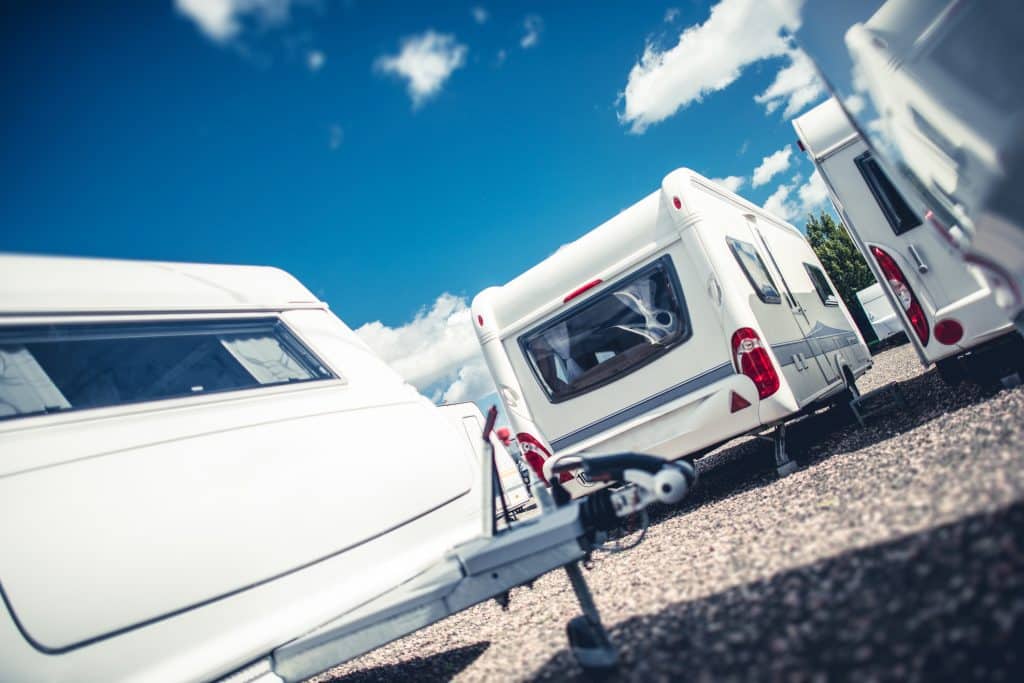
    Pre Owned Travel Trailers

    I don’t know about you, but I hate shopping when there’s a lot of other people around. I don’t want to fight the crowd. You’ll probably never be bumping elbows with thousands of other shoppers at the RV dealer even in the spring, but you might run into an issue where all the salespeople are tied up helping someone.

    If you shop during the offseason, there’s little to no chance of that happening. You’ll get the full attention of the specialists on site. You can ask as many questions as you want without having to worry about them being pulled away by another customer.

    If you’re the kind of person who wants the salesperson to leave you alone, all you need to do is let them know that you want some time to look around. When you’re ready to let fly with your questions, you’ll be able to easily find someone to answer them.


    When was the last time you stopped in at a dealer and how was your experience? Leave a comment below.


    Source link
  • The Ultimate Guide to Buying an RV

    The Ultimate Guide to Buying an RV

    Buying an RV is a big decision—it requires a lot of thought, discussion, and research.

    The goal of this guide is to take a lot of the pain out of the decision-making process by focusing on the most important thing: you. We’ll start with some questions to ask yourself, and after that inventory, we’ll help you find the RV that meets all of your needs.

    Questions to Ask Yourself

    rv questions to ask yourself

    As with any major decision, it’s important to go into the process of buying an RV with an idea of what you’re looking for in a camper. We’ve put together some questions to help get you started down the right road.

    1. How often will I use the RV?
    2. Where will I be camping most often?
    3. What kind of camping will I be doing?
    4. How many people/pets will be traveling with me?
    5. Is this a vacation vehicle or a new lifestyle?
    6. Is the RV lifestyle right for me?
    7. If I buy a trailer, do I have a truck/vehicle that can pull it?
    8. What elements of my current lifestyle can I not go without?
    9. What’s my budget?

    Start there. You may find out you aren’t quite ready for an RV. Or, more likely, you’ll find that you are ready and you’re ready to move on to the next step. Keep your answers handy, though, because they’re going to be important as we move forward through the next few steps.

    The Right Kind of Camping

    rv camping under the stars

    Even in an RV, there are several kinds of camping—and believe it or not, some are still pretty primitive. Everyone has their own style. Here’s a little breakdown.

    • Boondocking: So-called because you’re further out in the boondocks than in other camping styles, boondocking in an RV usually means getting off the grid. It’s usually free because you’re going without any kind of water, electric, or sewer hookups. These places tend to be pretty remote and you may not see any other campers (or locals, for that matter) around.
    • Family Vacationing: This usually means you’re camping with the whole family (and maybe the pets). You’ll likely be in a National or State Park or an otherwise dedicated campground for RVs. You’ll usually find bathhouses on-site, with local amenities like grocery stores and other attractions nearby.
    • Luxury Camping: Also referred to as “glamping,” luxury campers take the majority of the amenities they love from home with them on the road. You’re looking at full hookups, WiFi, TV, a clubhouse with activities, and most likely near cities or attractions. These could also be called resorts.

    There’s no wrong way to camp. But the way you prefer will definitely impact the RV or camper you need to best fit your lifestyle.

    The Right RV

    find the right RV

    Same as there are several camping styles, there are many more RV models that will offer different kinds of amenities as you travel. Some are larger and more luxurious; others are closer to being hard shell tents on wheels.

    • Class A Motorhome – The largest of motorhomes, the Class A is generally what people think of when they picture an RV. They tend to feature the most amenities and have the most room—especially factoring in slide-outs. Large bathrooms, a queen- or king-size bed, full fridge, and large kitchen are all features you can expect to see in one of these sizeable RVs.
    • Class B Motorhome – These are the smallest motorhome model you can buy and are sometimes referred to as “campervans.” You’ll get a kitchenette, a small bathroom, and a living space. They’re less practical for full-time living, but if you’re camping somewhere you intend to spend most of your time outside, they’re the perfect option.
    • Class C Motorhome – These RVs fall in between Class A and B motorhomes in size. They’re built on truck or van frames that are designed specifically for this size vehicle. They are clearly identifiable by an overhang above the cab that is usually used as sleep or storage space.
    • Fold-Downs – Also known as pop-ups, these are lightweight towable campers. They expand up and usually outward, and are more tent-like than most other campers. You’re still up off the ground with a door to provide a little more privacy and protection from the elements.
    • Expandable Hybrid Trailer – These fit between full Travel Trailers and Fold-Downs. You still get the experience of camping in a tent with the expandable fold-outs, though more space with an option for a greater kitchen, dining, bathroom, and larger sleeping areas.
    • Travel Trailer – Travel Trailers come in a wide variety of floor plans, but tend to offer many of the amenities you find in a motorhome, like kitchens, bathrooms, and entertainment areas. They tend to be lightweight and can be dropped at campsites so you maintain use of your towing vehicle for errands and sight-seeing. Slideouts can add a significant amount of living space, depending on the model.
    • Fifth Wheel – Similar to a travel trailer, but named for the in-bed hitch required to haul it. Because of the hitch design, they feature a raised forward section that creates a bi-level design that adds more room to already spacious floor plans. They also often feature large windows to offer unparalleled views.
    • Toyhauler – For those of you who like to bring their toys on the road with them, these towable RVs come equipped with built-in garages and a ramp. You do sacrifice some living space, but you have a safe, easy way to tow your ATV or motorcycles with you. So you have even more freedom to explore.

    Shopping for the Rig for You

    shopping for an RV

    There’s no wrong way to start shopping for your rig. There are dozens of ways online to shop for what you’re after, new or used. One of the best ways, regardless, is to see them in person. Visiting a dealership gives you an opportunity not only to see just how big the RV is in person, but also get inside it, walk around, and get a good feel for how you fit in it.

    When you visit a dealership, make sure you’re getting a good look at everything you want to see before you pick one and run with it. There are a lot of options for RVs. Take your time and find the one that fits all of your needs. If you give the salesperson a list of must-haves, they will help you find the one that’s right for you.

    RV shows are also a great way to get acquainted with the wide variety of rigs from an even wider variety of manufacturers. You’ll find them across the country, year-round. Plus, you’ll have an opportunity to ask manufacturer representatives questions without the sales pressure.

    Cash vs. Financing

    If we haven’t made this clear by now, an RV is a major purchase. And if you’re like most RVers, you won’t be paying cash. (If you are, more power to you.) Just like car dealerships, RV dealerships will have relationships with banks to provide financing offers. Some of these rates may be the best you’ll find.

    Trade-Ins

    rv trade in

    Not a first-time buyer? You’ll most likely be looking to trade in your RV to help finance your new purchase. Depending on the state of the RV, you may get a great trade-in value.

    Another route is to sell your RV personally. This route may let you get more out of it than the dealership is willing to offer, and allow you to upgrade more—or put that amount toward a larger down payment.

    If selling your own RV isn’t something you’re comfortable with, you may want to sell through consignment. Some dealerships may help you sell your RV via consignment as well.

    Storage and the Off-Season

    If you’re not a full-time RVer, then your RV will have an offseason, and in some cases, that offseason may make up the majority of the year. Because your RV is such an investment, we highly recommend the right kinds of protection.

    Investing in a sturdy RV cover will protect your rig from rain and UV rays. Alternatively, you may wish to invest in proper RV storage at a facility near you.

    Accessorizing Your Rig

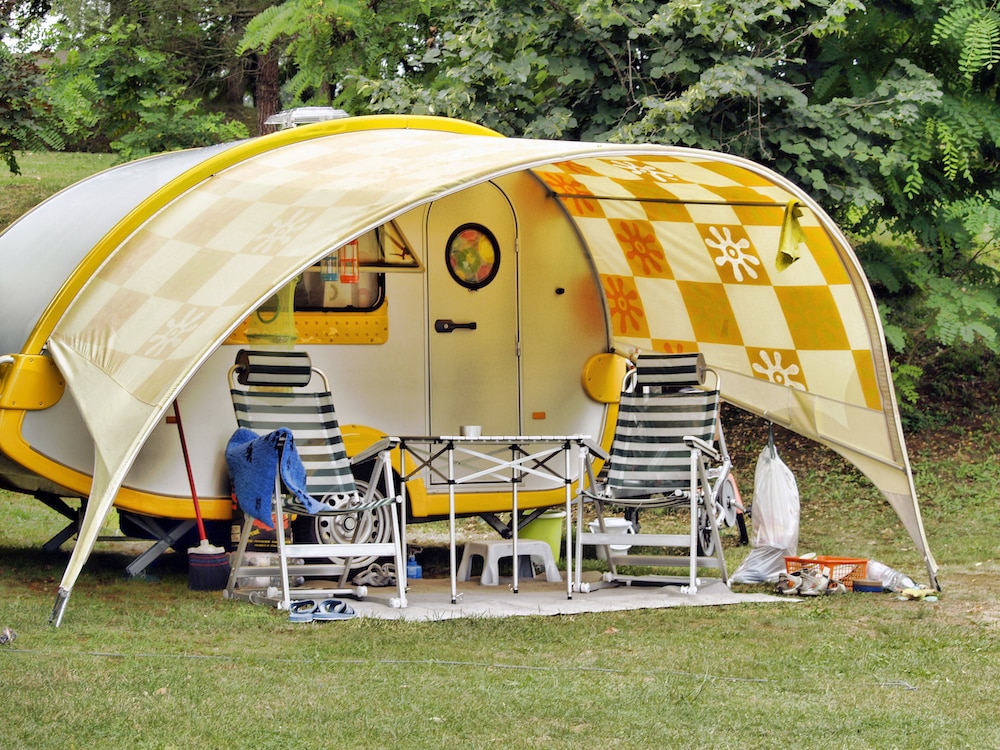
    Caravan at camping site, table and empty chairs in front of

    Think of your RV like a home. You can move it, and it’s conveniently already furnished. But it’s missing a few components that really make it yours. Think about what’s going to make you happy in your home away from home. Will you need TV to keep up with your team? Then you’ll want to consider a satellite or antenna. Planning to mostly boodock? A solar power unit will be your best friend.

    You can always add accessories as you go, but for your first big trip, you definitely want the core elements of what will make you most at home in your new RV.

    Other Considerations

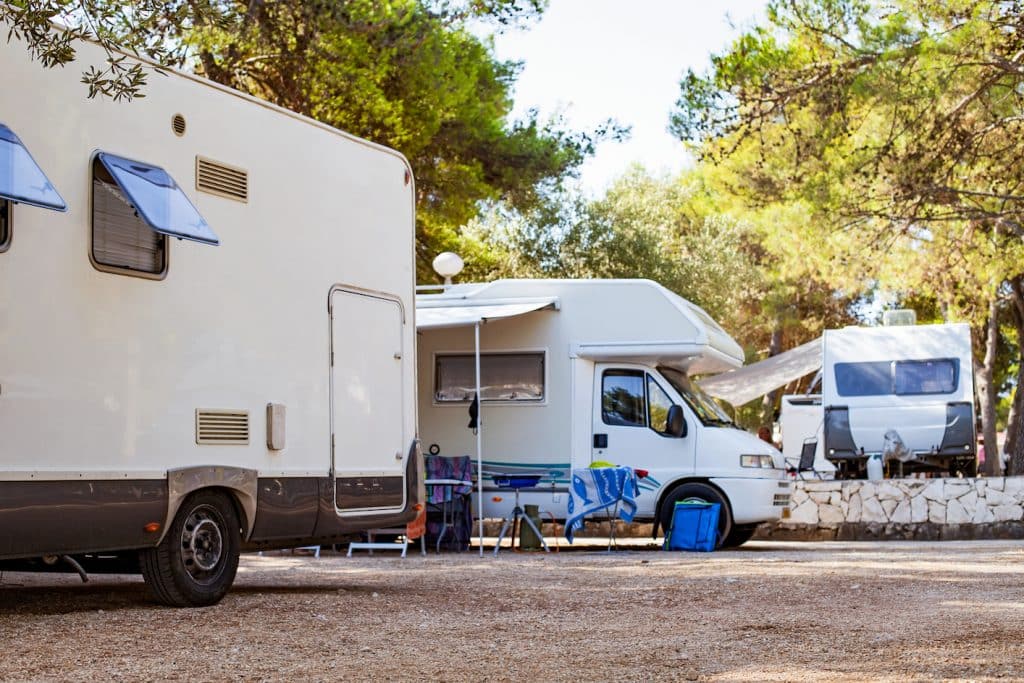
    rv campground

    After you have the RV, there’s still money to be spent. Again, think of it as a home: not only is there the mortgage, but utilities, property taxes, TV and WiFi costs, and others. Same with an RV. Here are a few things to consider in your budget before you hit the road.

    • Maintenance costs: Just like you maintain your car, your RV will have things that need to be fixed on occasion, too.
    • Mileage: Big engines (or big towables) mean lower miles per gallon. While weights and efficiencies are always getting better, you should still expect 8-20 MPG.
    • Camping costs: There are certain places you can camp for free, but those tend to be much more primitive than not. If you’re looking at a space with hookups, you’re probably paying for it.
    • Insurance: As with most large purchases, insurance is going to be a requirement on your RV. Research insurance providers before you go in to buy.

    There you have it. A full primer on the steps you’ll need to take and the things you’ll need to consider before buying an RV. It’s a big decision, but easily one of the most rewarding buys you’ll ever make. Because you’re not just buying a camper. You’re buying adventure.


    Do you have other questions about buying an RV? Let us know in the comments below and we’ll help you out.

    Source link