Blog

  • How to Treat Your Black Water Tank Right

    How to Treat Your Black Water Tank Right


    I know this isn’t the sexiest topic, and it’s going up on Valentine’s Day, but it’s one of those things that’s pretty darn important. A black tank that isn’t well taken care of is a horrible thing. It can cause unfortunate smells, leaks, and more. In order to ensure that your black take is functioning as it should be, it’s important to do all of the right things.

    What Your Black Tank Does

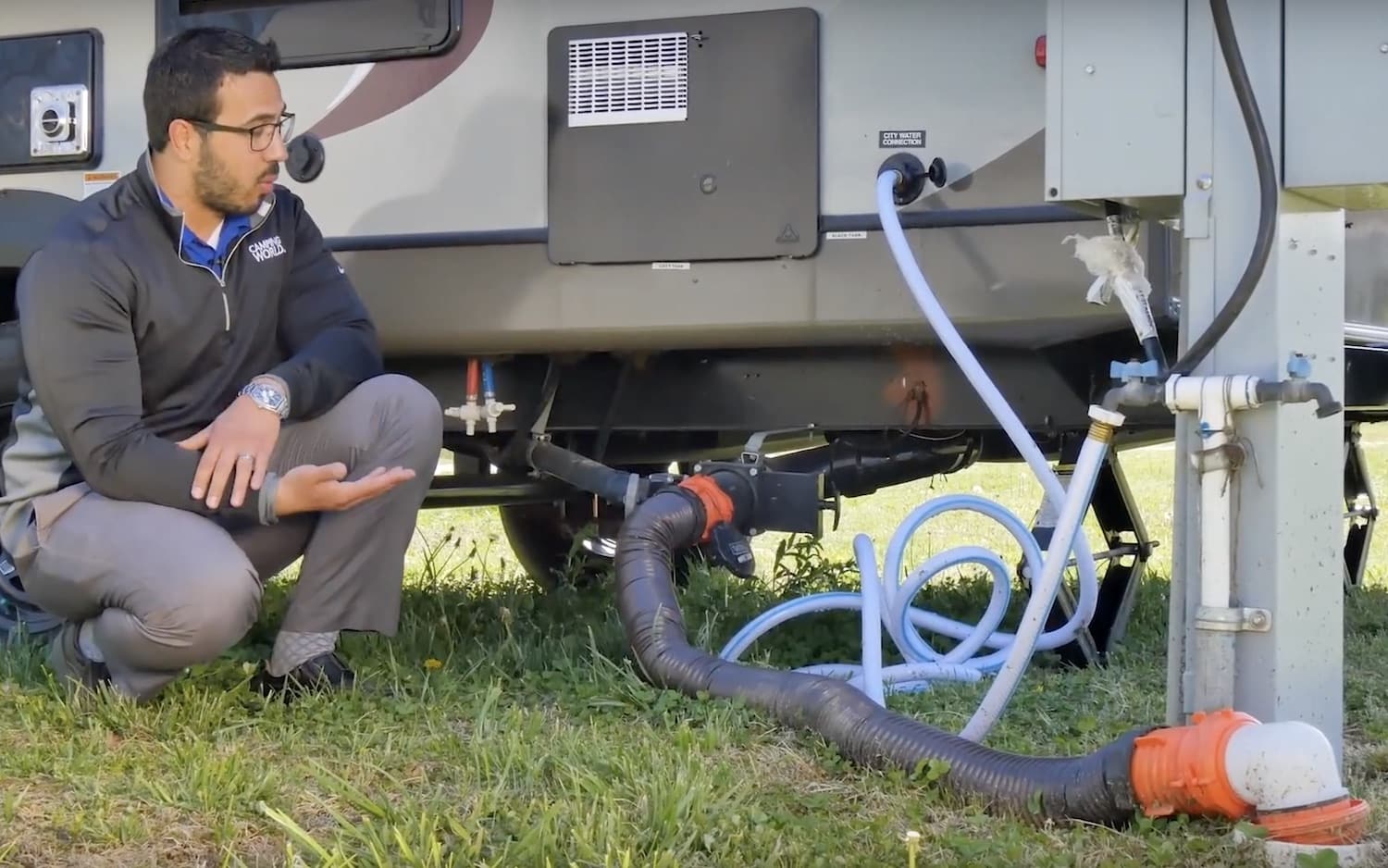
    caring for your sewer hose

    Most RVs come with two wastewater tanks. There’s a gray water tank for your used sink and shower water and then there’s another tank known as the black tank for everything that goes down the toilet.

    The black tank holds all the waste and wastewater so that you don’t constantly have to be hooked up to a sewer connection. It lets you essentially store your waste until you’re ready to empty the tank into the proper sewer dumping system.

    How You Can Keep It Functioning Well

    Photo Tripping America - Handle the Dirty Work - Camping World

    As you can imagine, the last thing you want is for your black tank to not operate as it is designed to. The best way to ensure it does what it’s supposed to do is to keep your black tank in good condition. Here’s how:

    Be Careful of What You Flush

    The best steps you can take to ensure the plumbing to and from your black tank doesn’t get clogged is to watch what you put down your toilet. Use RV toilet paper or toilet paper you know to be safe for RV use.

    Also, never flush feminine hygiene products or the various types of self-cleansing wipes down the toilet. These types of things do not degrade in the black tank and can cause a blockage that can be difficult or at the very least not fun to clear. The only things that should be going down your RV’s toilet are human waste, water, and toilet paper.

    Use Proper Chemical Treatments

    Using a designated black tank treatment will help keep odors under control and it will also help ensure solid waste is broken up properly so that it will exit the tank when you drail the tank.

    There are a variety of black tank chemicals out there to try. I’d suggest trying a couple before settling on any particular one. This way you can find the one that works the best for you and your rig.

    Clean Your Black Tank

    The next thing you can do to ensure your black tank functions as it should is to clean it from time to time. Some RVs have black tank flushing systems installed on them already. Others you’ll have to do the flushing yourself. The most basic procedure for cleaning your black tank goes like this.

    1. Drain your tank.
    2. Remove any buildup in the system thoroughly. 
    3. Add some water to the tank. 
    4. Add a good black water treatment. 

    Obviously, the key step here is step two. This can be done by purchasing a tank sprayer that you insert into the toilet to spray out the inside of the tank, use the RV’s already installed tank flushing or spraying system (not all RVs have this), or install a flush valve or a macerator to your RV. These all do the same job. They spray the inside of the tank in the hopes of removing any buildup. From there, it’s a matter of using the right black tank treatments.

    Lastly, a note on dumping. Don’t dump your black tank unless it is at least mostly full or all the way full. When I say partway, I mean like two-thirds of the way full. The reason for this is because if you drain the system when it’s not full or at least close to it, you may not wash away all of the solid waste inside the tank. This can lead to odor issues or future blockages.


    Do you need supplies for the care of your black tank? Check out Camping World’s selection online!


    Source link

  • SftR 082: Season 2 Premiere with Keith Bernard, CEO of Clear2O

    SftR 082: Season 2 Premiere with Keith Bernard, CEO of Clear2O


    Kicking off Stories from the Road Season 2, Sam chats with Keith Bernard, CEO of Clear2O. Keith is taking water filtration seriously in his RV adventures. As a water filtration specialist and an avid RVer he wants to see more folks take charge of the quality of their water whether they use Clear2O’s products or another water filter.

    Keith goes into detail about some of the issues with water on the road and what you can do to ensure you’re getting clean water in your rig.

    What we cover in this episode:

    • 0:10 – Intro to season 2
    • 4:00 – Keith introduction
    • 5:00 – Keith’s introduction to RVing
    • 6:30 – Keith’s best experiences
    • 8:30 – The Importance of Clean Water in RVs
    • 10:30 – What sets Clear2O’s filters apart
    • 12:00 – The effects of poor water quality
    • 12:30 – Different types of water filters
    • 14:00 – Types of water filters depending on the type or RVing
    • 16:00 – Spotting poor quality water
    • 18:30 – Clear 2O new product launch
    • 20:30 – Keith’s future goals for RV water safety

    Links mentioned in this episode:

    ** Subscribe to Stories from the Road on iTunesSpotify, or Google Play **


    Source link

  • Camping World’s Guide to Great Basin National Park

    Camping World’s Guide to Great Basin National Park


    One national park holds within its boundaries some of the oldest tree species in the world, over 40 caves, and a 13,000 ft. mountain peak that contains a glacier in the midst of Nevada’s arid region.

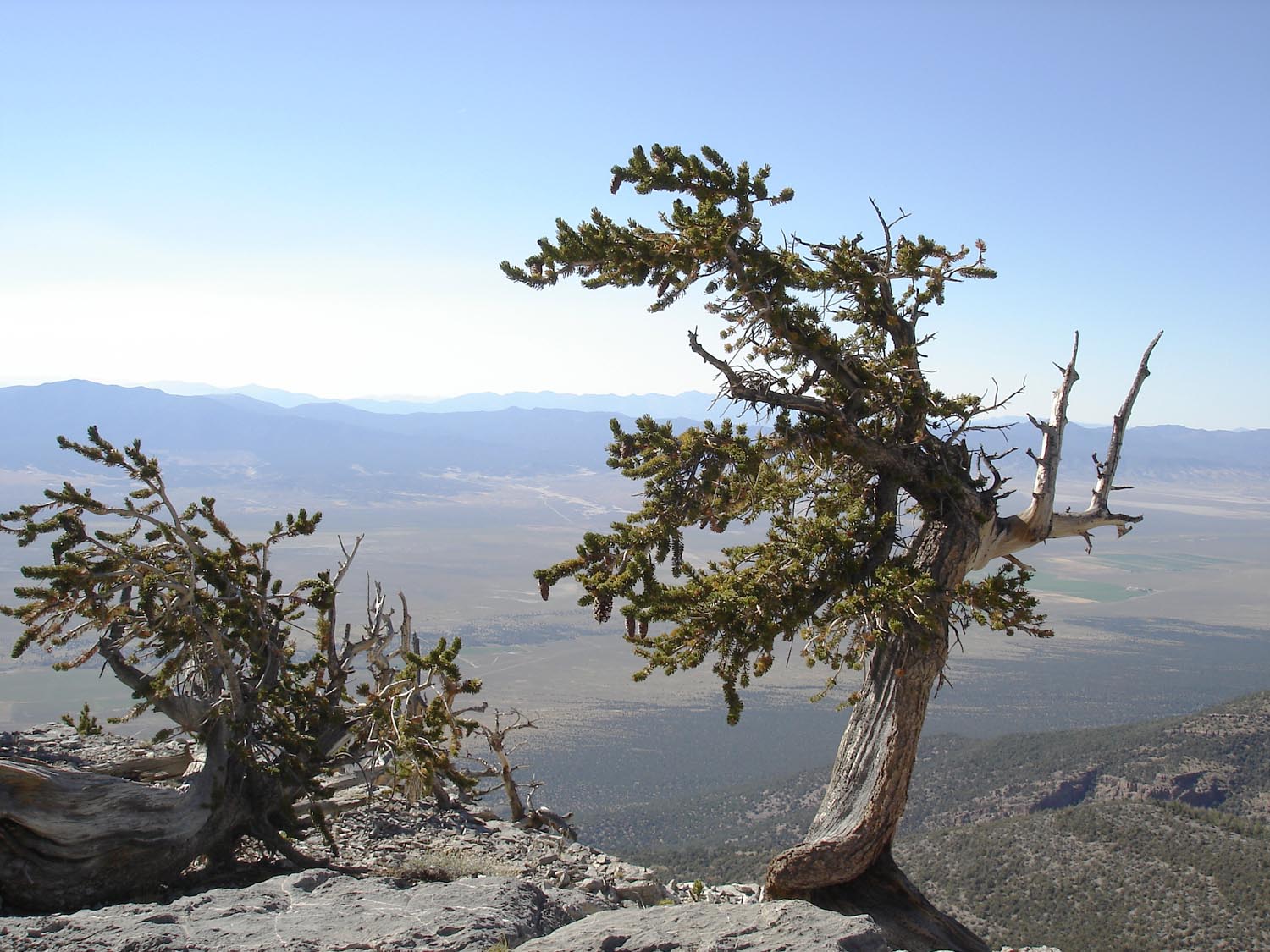
    The Great Basin National Park is home to 5,000-year-old twisted bristlecone pines, Lehman and Pictograph Caves, and Wheeler Peak with its accompanying glacier, but it is still a well-kept secret along the Nevada-Utah border.

    It’s no wonder that travelers haven’t discovered this dramatic region, as it lies along the “Loneliest Road in America.” Those who venture down this quieter path will be rewarded with stunning views and a plethora of outdoor enjoyment.

    History of Great Basin National Park

    Photo Tripping America - Great Basin - Camping World

    The first inhabitants of this region where the ancestors of recent Native American tribes that still reside here: the Shoshone, Ute, and Washoe, among others. More recently the Fremont people lived in Great Basin in organized sedentary communities, where they grew many crops and fashioned irrigation systems.

    By 1869, Absalom Lehman set up a ranch along Lehman Creek, and soon a small community arose, comprised mainly of his family members. He was successful at creating an orchard and large garden, to the point that eventually required outside help to maintain. Today, visitors can see remnants of Ab’s irrigation aqueduct and orchard on what was his 600-acre ranch.

    By 1883, Mr. Lehman had stumbled upon the caverns that bear his name, and built a new cabin just outside its entrance, with the intent to develop the caves. With his death in 1891, the caves were only frequented by locals until well into the new century.

    By 1922 President Harding designated the area as Lehman Caves National Monument, seemingly to protect the caverns and open them to the general public.

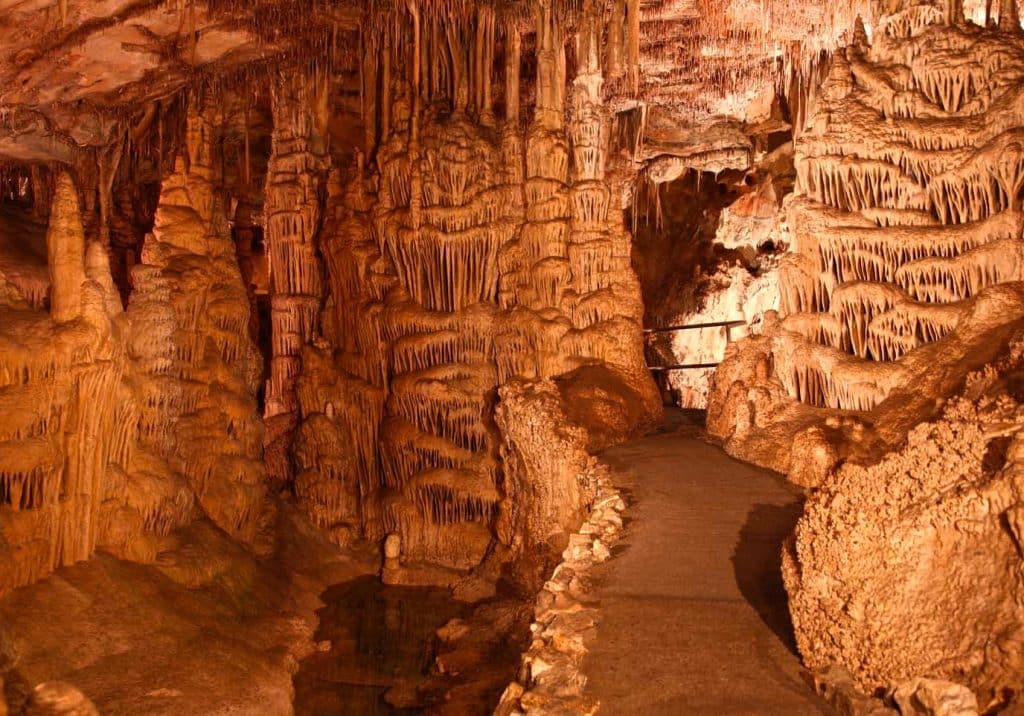
    Photo Tripping America - Great Basin - Camping World

    However, the national government did not actively participate in administration duties at the caves, leaving local residents to their own devices. What followed were 11 years of weddings performed inside the caverns, musical concerts utilizing stalactites as instruments and large meetings held in the vast rooms of the caves.

    By 1933, the abuse of this natural resource ended when the control of national monuments was transferred to the National Park Service and clean-up of the caves began.

    The next several decades involved improvements and more exploration into the network of rooms, creating a safer and more enjoyable attraction for visitors. By 1986, Lehman Caves National Monument and the surrounding forestland and mountains formally became Great Basin National Park.

    Why Visit Great Basin National Park?

    This park is located in a rather remote, unpopulated area of Nevada. What better place to have your own home with you in the form of your RV? Sure, you can tent camp here, but RVing is definitely the way to go.

    There are five developed campgrounds within the park, including several primitive sites and several RV parks within 20 minutes of Great Basin from which to choose. To get more information about these campgrounds, check out the Park Services page on these campgrounds for more information. Each costs $15 a night and has its own unique attributes.

    Enjoy the miles and miles of mountains and forests, hike to see the oldest species of trees on the planet, and take in the variety of topography, wildlife and geology in this under-visited park at your leisure.

    Places to Go In Great Basin National Park

    As you can imagine, there’s tons of land to roam in Great Basic National Park and that means there are many places within the park that you should visit. Be sure to see everything this park has to offer, including:

    Great Basin Visitor Center

    Located in the town of Baker, just outside the park, this center has information on the geology, culture and natural history of Great Basin, along with a film. It is open throughout the year, but it has some fantastic exhibits and can be a good place to start your journey through the park. Click here to learn more.

    Lehman Caves Visitor Center

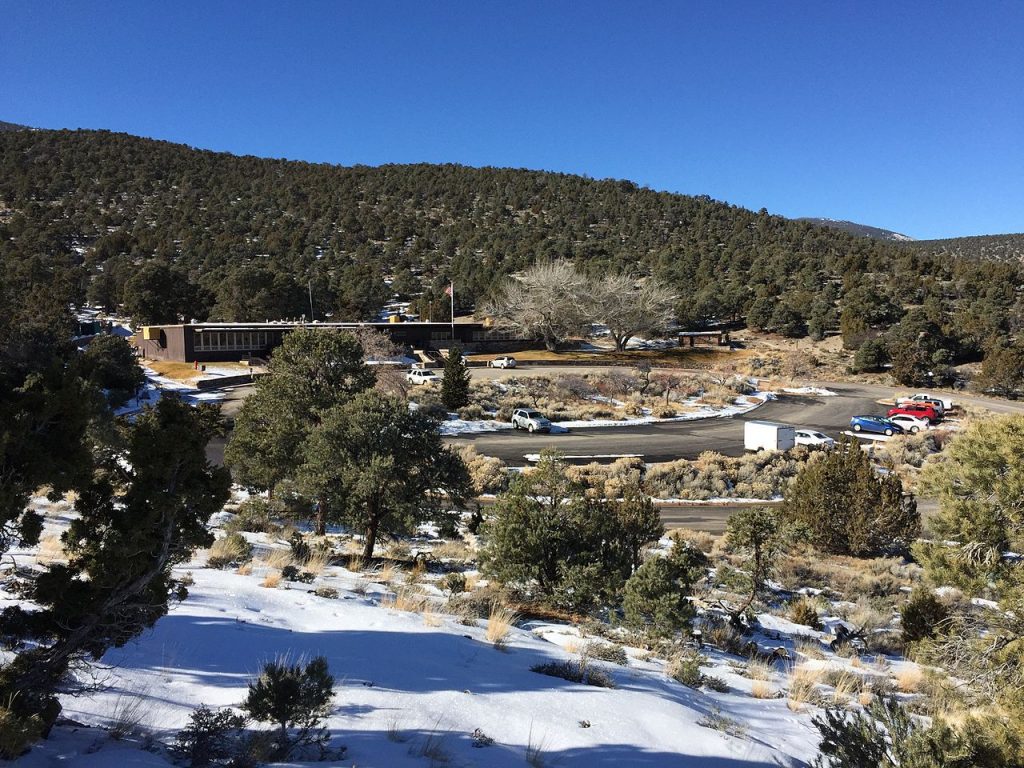
    Photo Tripping America - Great Basin - Camping World
    Photo Credit: famartin

    Open year-round usually, this visitor center is located half a mile inside the park boundary. The Lehman Caves Visitor Center is the place to go for information on the park, special exhibits, and more. Click here to learn more information.

    Tickets for Lehman Caves Tours are sold here, rangers are available for questions, and sign-up for ranger-led tours and permits are handled here.

    Lehman Caves

    Once “protected” as Lehman Caves National Monument, these caverns were used by the general public for weddings, concerts, and meetings. Visitors even left trinkets at “The Wishing Well,” which, along with a good deal of trash, was cleaned up when the caves fell under the jurisdiction of Great Basin National Park.

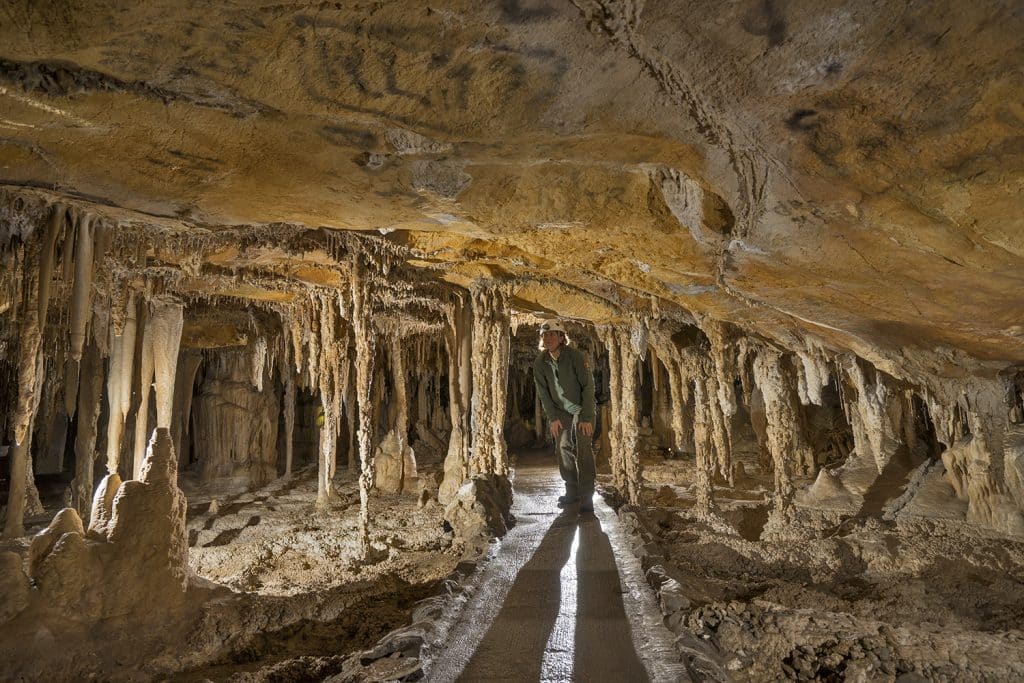
    Today the caves have been returned to their natural appearance, with two daily tours led by rangers. You can purchase tickets at the Lehman Visitor Center. Prices are affordable and it’s well worth the money spent. To learn more about the caves and the cave tours, click here.

    Things to Do

    With so much of the park to see, you have plenty of stuff you can go and do, too. Great Basin is a wonderful park for outdoor activities. Here are just a few that you can participate in:

    Hiking

    There are over 60 miles of developed hiking trails throughout Great Basin National Park. Most of these are limited to June through September usage because Wheeler Peak Scenic Drive, which leads to several trailheads, is not plowed. Here is just a sampling of the many trails available:

    • Mountain View Nature Trail – .3 miles
    • Baker Lake Trail – 12 miles
    • Bristlecone Trail – 2.8 miles
    • Lehman Creek Trail – 6.8 miles
    • Alpine Loop Trail – 2.7 miles
    • Wheeler Peak Summit Trail – 8.6 miles
    • Osceola Ditch Trail – .3 miles
    • Lexington Arch Trail – 3.4 miles

    Day hikers are asked to sign in at trailhead registers. Permits are not required. To learn more about hiking in Great Basin National Park, click here.

    Star Gazing

    Photo Tripping America - Great Basin - Camping World

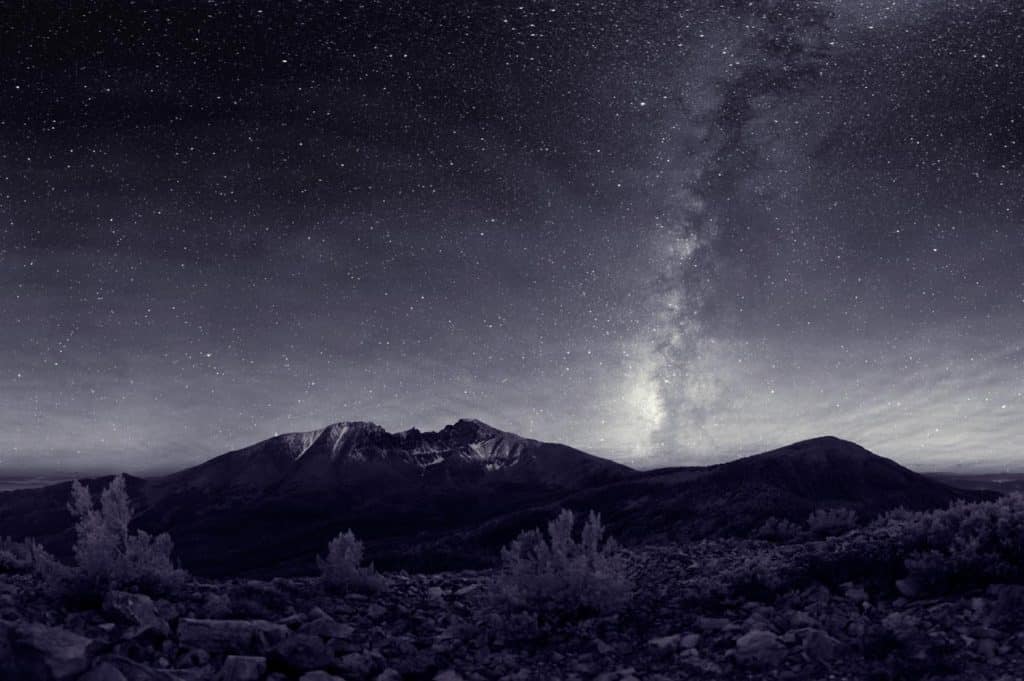
    Designated as an International Dark Sky Park in 2016, Great Basin offers organized stargazing events, a festival, and weekly astronomy programs. There is even a Star Train that leaves from Ely, Nevada with dark rangers aboard to narrate.

    Arrival at the park gives riders the opportunity to view the night skies through the park’s high-powered telescopes. The trip occurs once a month from May through September and tickets sell out quickly at Nevada Northern Railway.

    Biking

    Bike around Wheeler Peak Scenic Drive for some incredible views and great exercise. For mountain bikers, there are several unimproved roads for challenging terrain, but bicycles are not allowed off-road. All cyclists are asked to stay on roads and paths designated for bicycle use. Click here to find out more about riding a bike at Great Basin.

    Camping

    As we said above, there are five developed campgrounds within the park. All have vault toilets, tent pads, picnic tables, and grills, but no hookups. There are also primitive campsites along Snake Creek Road. If you have your RV and you want to find a good place to camp in your RV close to Great Basin National Park. We list a few of the parks below if you’re looking for a good place to camp in your RV.

    There are also various Bureau of Land Management (BLM) campsites close by. Check out the BLM website for more information.

    Caving

    Lehman Caves has two ranger-led tours, but there are 40 other caves within the park. Little Muddy Cave is open October 1 to April 1 to those with a “wild caving permit.”

    Permits for caving are issued to cavers who demonstrate they have the proper equipment, caving techniques, and experience needed. If you’re new to caving talk to park rangers about how you can become more experienced and get into the lifestyle. It’s a fantastic way to explore some of the most interesting places on earth.

    When to Visit Great Basin National Park

    Great Basin is an arid land, but extremes in temperatures are not as widespread as one would think. June through September is a wonderful time to visit if hiking and camping are high on the list of activities. Roads into the park are usually cleared of snow by then, so access to trailheads and campgrounds is not a concern.

    Summer temperatures average around 80 to 85 degrees but hiking on Wheeler Peak and at some higher altitudes should always be completed by 1 pm to avoid lightning or wind storms.

    Photo Tripping America - Great Basin - Camping World

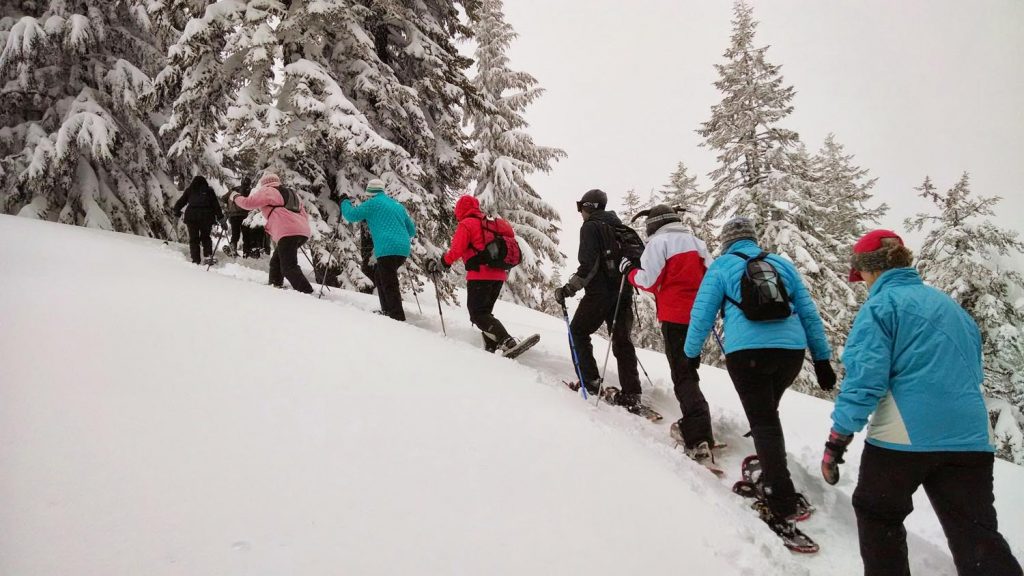
    Winter can be an exceptional time to visit Great Basin National Park, with the anticipation of snowshoeing and cross-country skiing activities. Many hiking trails offer great terrain for these sports, and although Wheeler Peak Scenic Drive is closed to vehicular traffic, skiers will find it perfect for laying tracks. Lehman Caves tours are also available year-round.

    Where You Can Stay in Great Basin National Park

    Great Basin National Park has five developed campgrounds within the park and several primitive sites along Snake Creek Road. None of the sites has hookups and most campsites are first-come, first-serve. If there are none left when you arrive, here are a few options for camping outside the park boundaries:

    As noted above, there are BLM campsites close to the park as well. These are primitive spots, though so keep that in mind.

    Getting to and Around Great Basin National Park

    Photo Tripping America - Great Basin - Camping World

    Located just south of Highway 50, commonly known as the “Loneliest Road in America,” Great Basin is accessed from Highway 487 to Baker, then Highway 488 into the park.

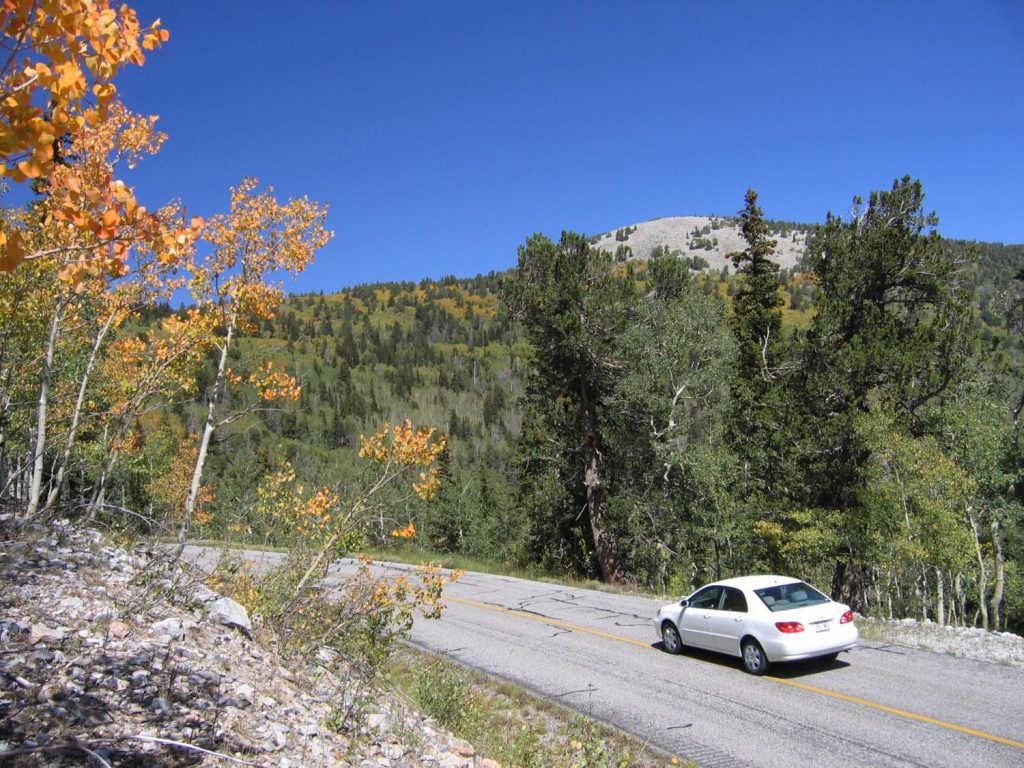
    Once inside Great Basin, visitors can traverse Wheeler Peak Scenic Drive throughout the northern region. Any vehicles or trailers longer than 24 feet cannot travel past Upper Lehman Campground. Also, please consider that during winter months, the road is not plowed, so access is limited by the weather.

    There are several unimproved roads throughout the park leading to many trailheads for exploring more of the backcountry but many require the use of a four-wheel-drive vehicle.

    Don’t Pass It By

    Photo Tripping America - Great Basin - Camping World
    Photo Credit: Dave Bunnell

    There is no argument that Great Basin National Park is one of Mother Nature’s great amusement venues, with caves to explore, mountains to climb and outdoor adventures to pursue in any season. The real question is why haven’t more travelers discovered this understated gem in the national park system?

    We urge you to check it out and once you do, we’d love for you to tell others about it. Great Basin deserves to be visited and it’s a park unlike any other in the U.S. or really the world. While we’d love to see you make the trip in an RV, there are plenty of other great ways to go and see the national park, whether you camp in a tent or stay in one of the resorts or hotels nearby. We want to see you get out there and go for it.


    Have you ever been to Great Basin National Park?  Leave a comment below.

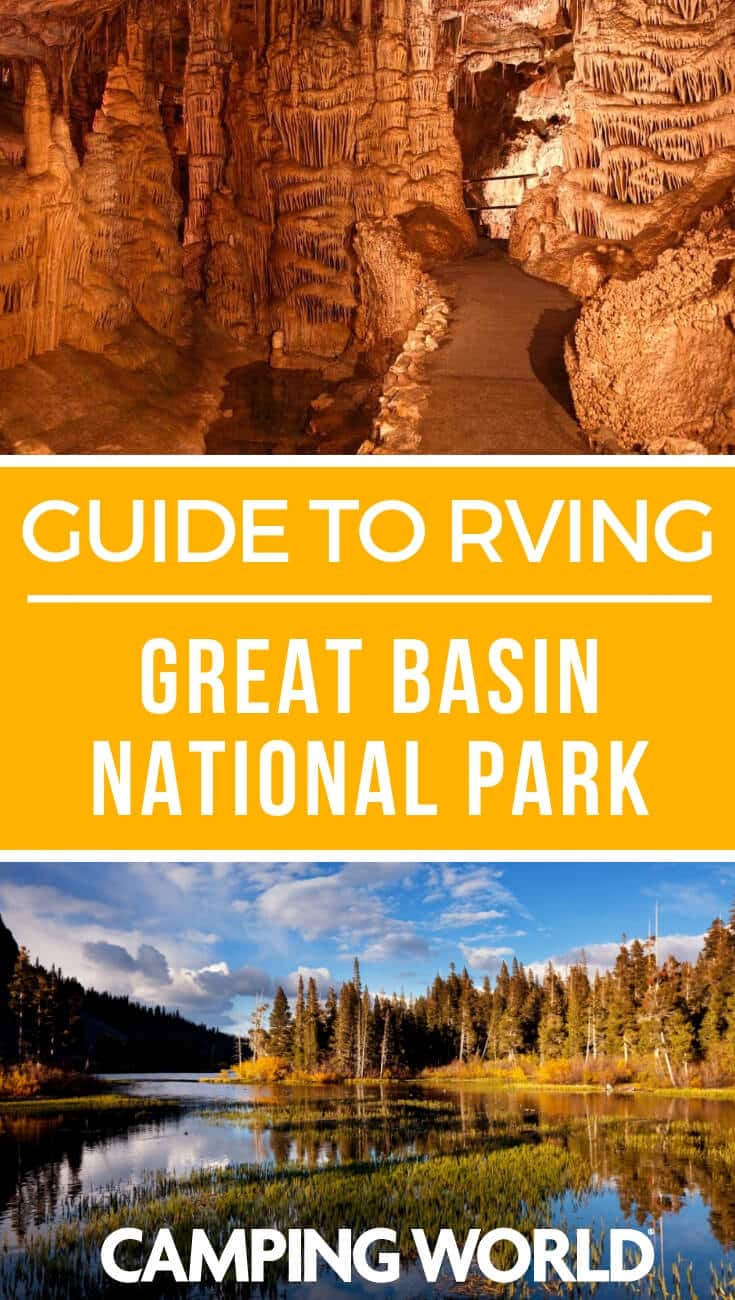
    Guide to RVing Great Basin National Park


    Source link

  • Protecting Your RV and Yourself During a Bad Storm or Hurricane

    Protecting Your RV and Yourself During a Bad Storm or Hurricane


    A simple fact of traveling in an RV or living in one is that the weather can impact your life in negative ways. You need to be prepared for this and ready to act when needed. 

    You should be monitoring the weather no matter how good it is. Simply by paying attention to the weather reports in your area and any area you plan to travel to, you’ll be able to avoid most issues. Weather is tracked meticulously. While you can be caught off guard sometimes, usually, you should have no issues about avoiding weather.

    That being said, let’s take a look at ways to protect your RV and yourself from bad storms or hurricanes.

    If Possible, Evacuate Whenever Needed or Recommended

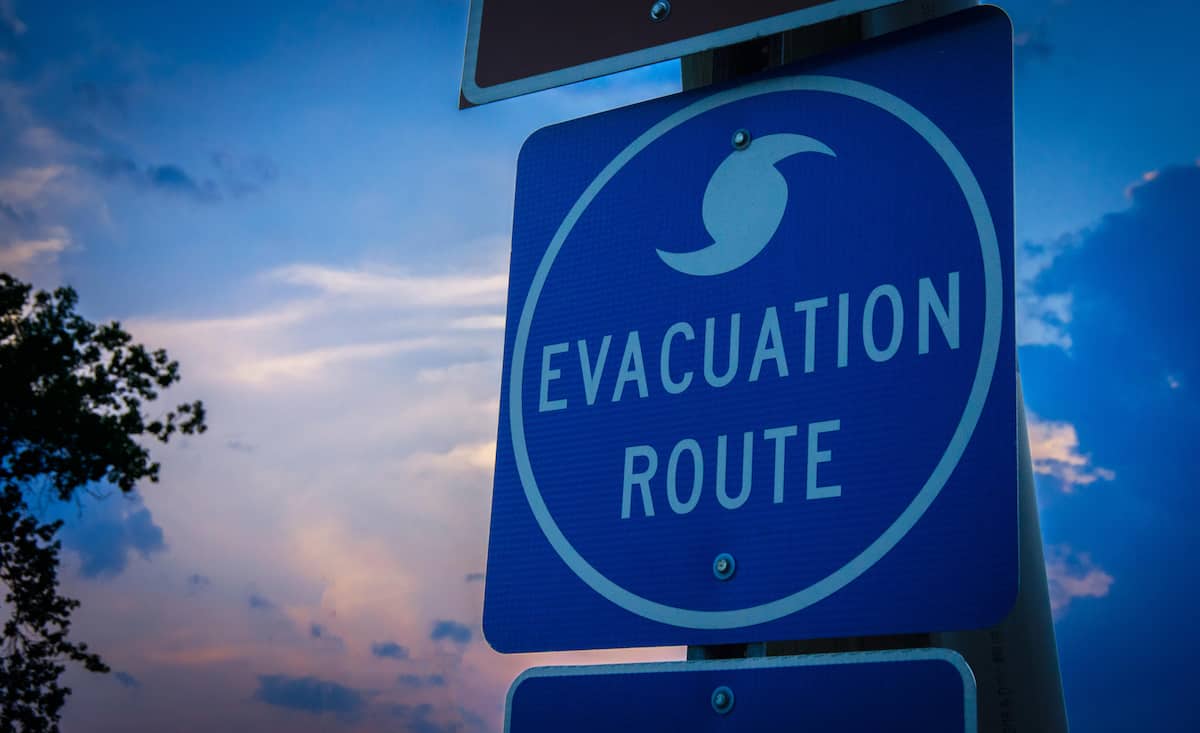
    A highway road sign directs weather evacuees to safety.
    Image from Getty

    The best way to protect your RV and yourself from bad storms or hurricanes is to not get caught in them in the first place. As I said above, you should be monitoring the weather. Do so daily. It takes a minute or two with modern technology and can keep you from experiencing issues when living or traveling in an RV.

    If there is instruction to evacuate an area, do so. I’d honestly say to monitor the weather and evacuate an area even if you think a storm is going to be really tough and there’s no official evacuation recommendations. As long as their’s no official evacuation issued, you can use your own judgement, but I’d rather be safe than sorry. 

    Before going to a specific area, plan a few evacuation routes you can take in case the weather turns bad. Being prepared for an evacuation is never a bad thing.

    Store Your RV in a Secure Facility

    If you find yourself unable to evacuate and plan to stay in the area where the storm is, then depending on the projected severity of the storm, it’s a good idea to store your RV in a secure facility.

    This means you’ll need to find other lodging, but it’s often better to store your RV for the duration of the storm and then go back to enjoying your RV life after the storm passes than it is to try to tough the storm out in your RV.

    If you find yourself stuck in an area that will experience a bad storm, then look around at storage facilities and RV service centers in that area. You should be able to find a place that can help keep your RV safe while you wait things out.

    Get to the High Ground

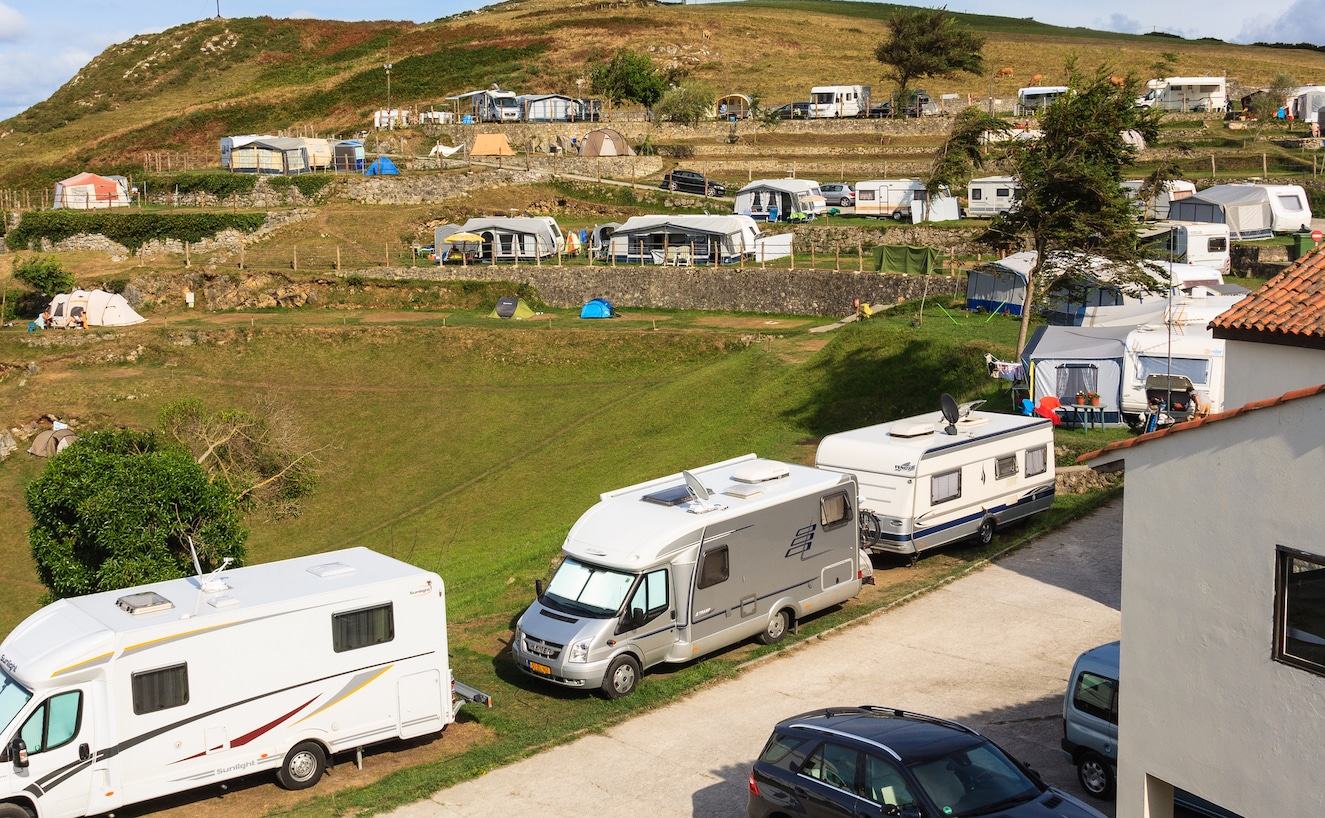
    Camping on the high ground
    Image from Getty

    Did you strike out on finding a good place to store your RV? Get it to high ground. I do not recommend staying in an RV during a bad storm or hurricane. You should get to better shelter.

    With that said, you can still make sure your RV is as ready as possible for the storm, and that means moving it to an adventagous spot. The last thing you want is for your RV to be in an area that floods. Flooding will be disasterous for your RV, so you need to find high ground and park your rig there.

    Don’t just find a hill and park it at the top. Look at the geography. Find a place that has a higher sea level than other places in the area. This will usually mean getting away from rivers, lakes and other bodies of water. Find a good place that’s high up to park and then go find a good spot for you and your family to wait out the storm.

    Prep Your RV for the Storm

    Before you actually leave your RV somewhere and wait out the storm, I suggest taking some time to prep your RV. Don’t just park it and leave it without at least trying to get things ready.

    Close All Windows and Vents

    During serious storms, all sorts of things are blowing through the air. Your RV is vulnerable. One of the smart things you can do is close all windows and vents. This will keep water and debris out. If things get bad enough your RV could be damaged and leak, but closing vents and windows will help.

    You can also think about adding a cover over specific parts of the RV or the entire RV. However, often you’ll find that the cover is just ripped off or damaged.

    Empty Your Tanks

    Before leaving your RV, consider emptying the holding tanks of water. Your black and gray water tanks have some pretty gross stuff in them and the last thing you want is that stuff to leak out during a storm. You’re probably already going to have to do some cleanup, so make sure you get the gross stuff out of your tanks before the storm hits.

    Secure Everything in Your RV

    There’s bound to be some items loose inside your RV. During a storm things can be shifted about or fall out of cupboards and cabinets. Secure everything you can in a safe area, and think about finding a way to make sure cupboard and cabinet doors stay closed. Bungee cords, ratcheting straps, and other temporary solutions should work well for this.

    Seek Suitable Shelter for You and Your Family

    Don’t try to wait out the storm in your RV. If you have no other choice, get to an area of the RV with no windows and hunker down. Otherwise, you need to get to shelter that is more substantial. This might mean getting a hotel room for a night or it might mean taking advantage of a local community center that is designed to be a storm shelter.

    Pay attention to the news and you should know where to go. If you’re struggling to find a good place to go, the Red Cross has a list of disaster shelters you can look up. If there are no shelters listed close by, you should be able to Google “emergency storm shelters near me” and find something.

    Have Emergency Supplies Handy

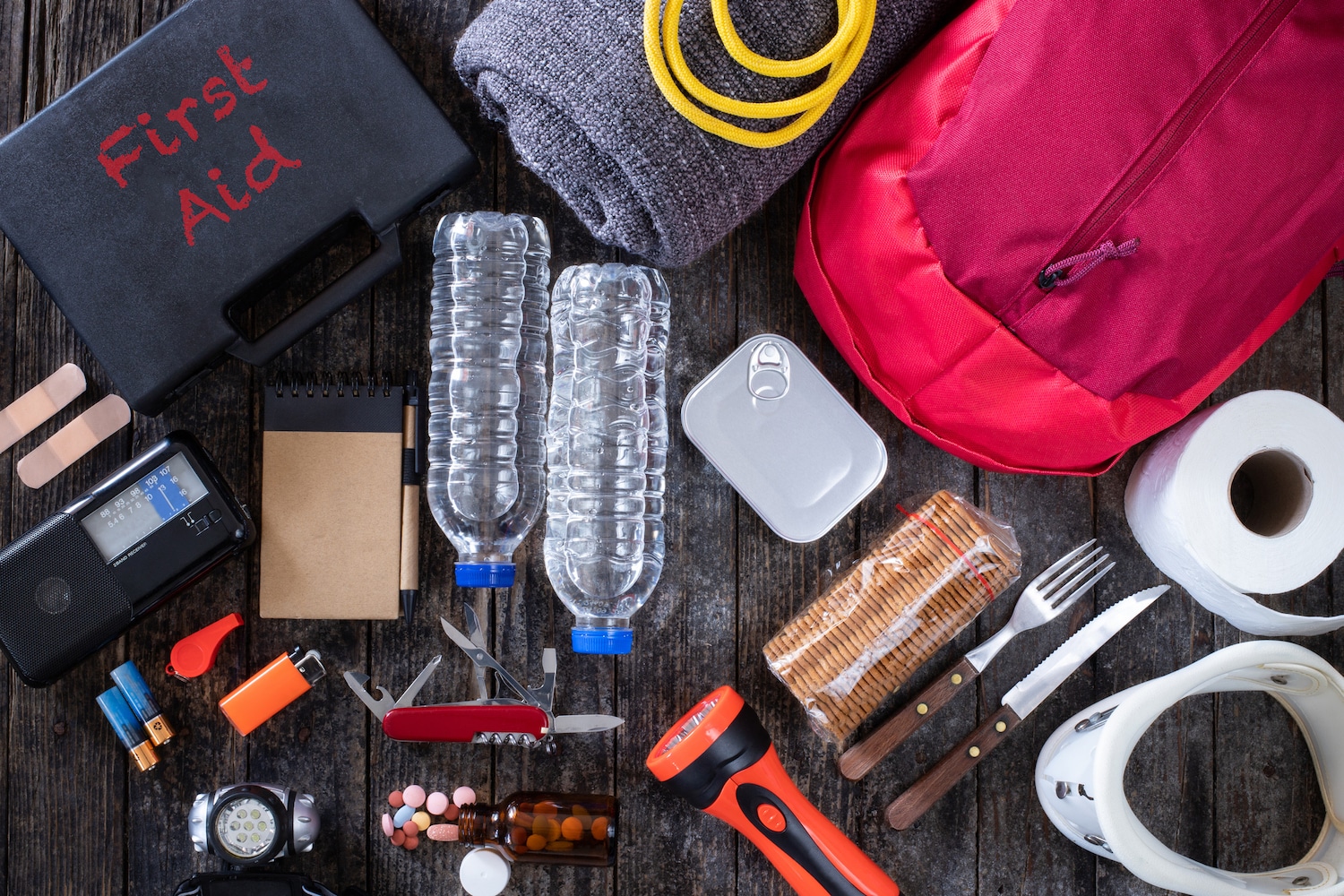
    Preparation for natural disasters concept

    No matter what you do, you need to have emergency supplies handy. This means having a good first aid kit, but it also means having a go-bag of sorts that you can quickly grab and then head out. Here’s what should be in that:

    These things will help ensure you have what you need in an emergency situation. They can help keep you safe no matter what you choose to do with your RV. They’re your last line of protection and should be the first thing you prepare when making storm and disaster preparations.


    Do you have any tips to add? Leave a commment below!


    Source link

  • 3 Awesome Micro Campers You Shouldn’t Overlook

    3 Awesome Micro Campers You Shouldn’t Overlook


    RVs come in all shapes and sizes. One of those sizes is small, micro to be exact. These micro campers aren’t for everybody, but they can be the perfect option for the right kind of person.

    Micro campers come with many benefits, including their ease of use, lightweight design, versatility, and affordability. They can be some of the best options out there if you don’t have a good tow vehicle or the money to purchase one and don’t want to own a motorhome. The micro camper designs are unique and interesting, and they’re also pretty inviting.

    With all that in mind, here are three micro campers that are worthy of your consideration.

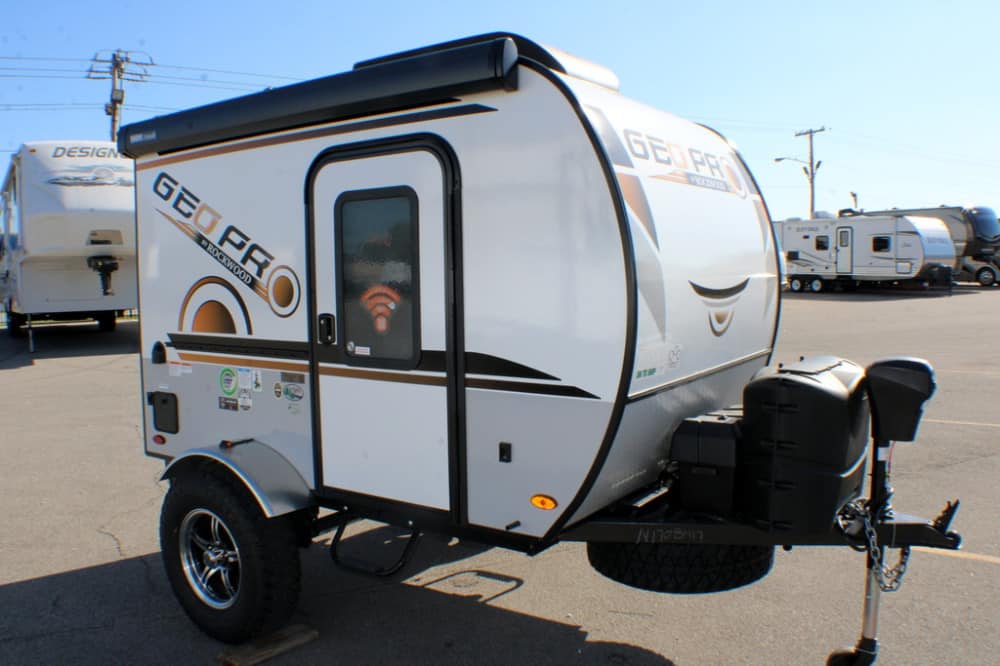
    Forest River Rockwood Geo-Pro 12RK

    Forest River Rockwood Geo-pro 12RK

    The Forest River Rockwood Geo-Pro 12RK is a tiny little camper that’s comprised basically of sleeping space, some storage space, and a small kitchen in the rear of the unit accessed outside. The small body of the camper allows it to go pretty much anywhere easily, and it can be towed by practically any vehicle thanks to a weight under 1,200 pounds.

    This micro camper can sleep up to two people comfortably. It’s under 11 and a half feet long, so getting it maneuvered where you want it shouldn’t be too much of an issue even for folks new to towing.

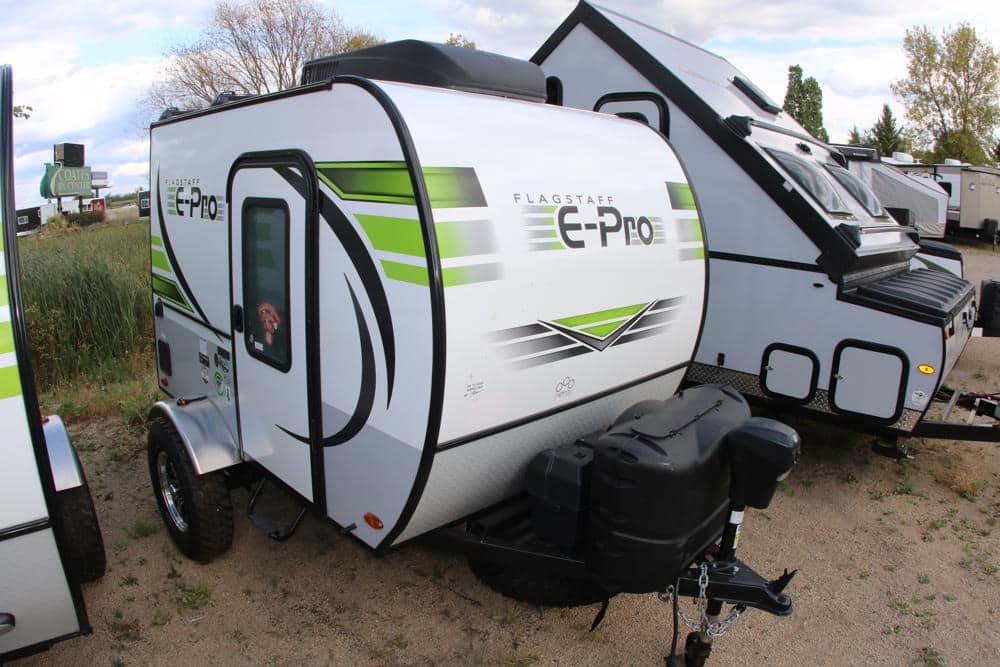
    Forest River Flagstaff E-Pro 12RK

    forest river flagstaff e-pro 12RK

    Another good option from Forest River is the Flagstaff E-Pro 12RK. Its layout is essentially the same as the Geo-Pro 12RK, but this model gets some different graphics on the outside and has a slightly different look to it. If you’re looking for something simple with some sleeping space, storage space, and a small kitchen, this option will do just fine.

    Again, the Forest River Flagstaff E-Pro 12RK has a weight under 1,200 pounds that makes it easy to tow with pretty much any vehicle. Pair that with its ability to sleep two people and its roughly 11 and a half foot length, and you’re looking at a killer micro camper.

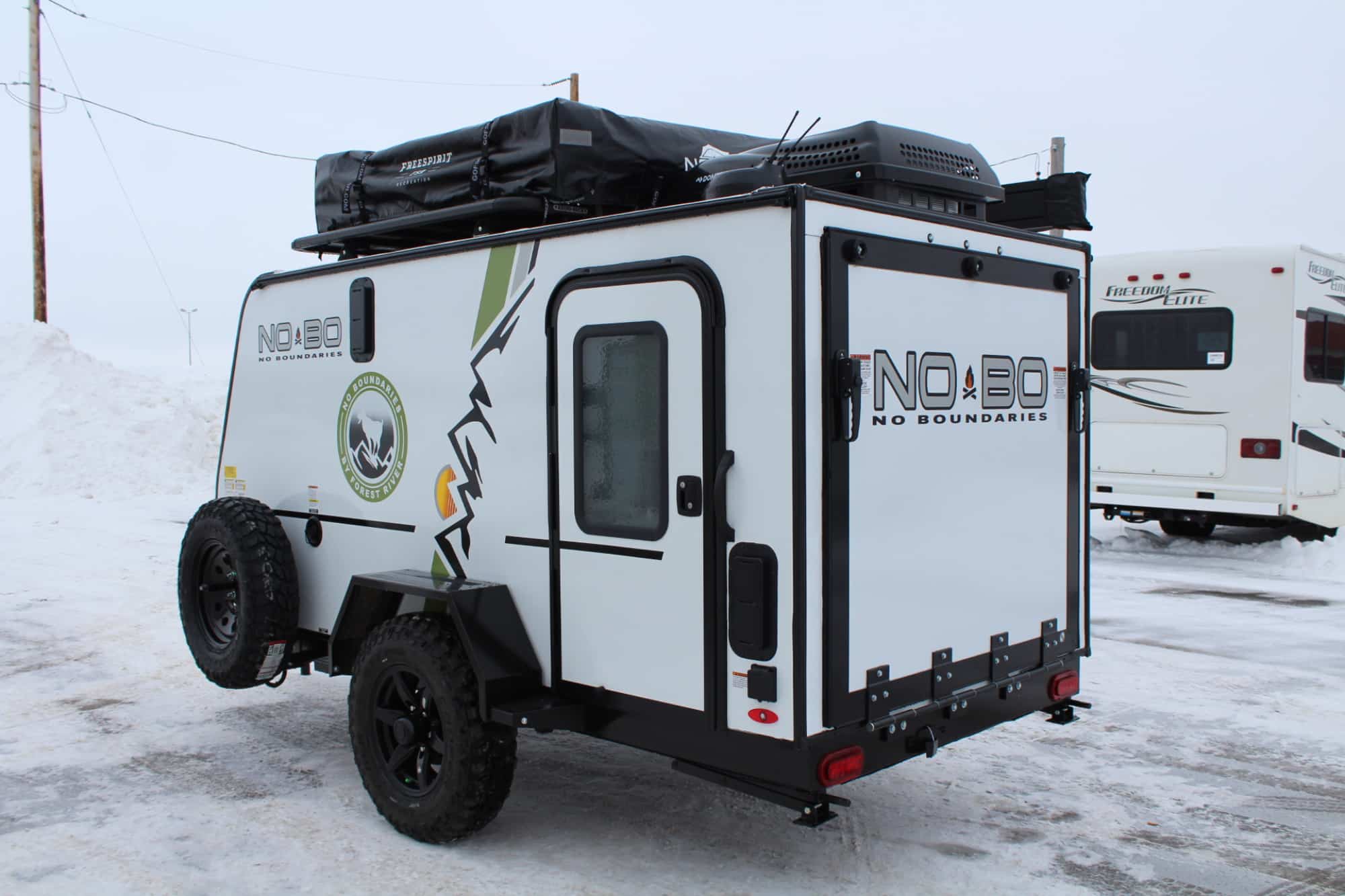
    Forest River No Boundaries 10.6

    forest river no boundaries 10.6

    The final option on this list is another one from Forest River. Hey, what can I say, the company makes good small units. This one is called the No Boundaries 10.6. As the name suggests, it’s a bit more rugged than the other options. The camper still comes with all you need, though, including ample storage space, some good sleeping space, and an outdoor kitchen.

    The camper is also lightweight. It weighs a mere 1,600 pounds and can sleep up to two people. It is a little longer than the other two options, at nearly 14 feet in length. Overall, this is a fantastic option, especially for someone who lives an active lifestyle and wants to get off the beaten path.


    All of these models and more can be seen at Camping World’s website!


    Source link

  • 9 of America’s Top-Rated Luxury RV Resorts

    9 of America’s Top-Rated Luxury RV Resorts


    RVing is becoming a more and more popular way to travel in the U.S. This not only influences the way RVs are being designed, but it seems RV parks have popped up everywhere.

    If luxury is your style, we’ve got you covered with some of the top highly-rated luxury RV resorts across the country. These types of resorts are becoming more and more popular and there are more of them now than ever. These are nine of the best ones out there, though, there are plenty of other great ones out there, but these are some of the greats.

    1. Flying Flags RV Resort – Buellton, California

    flying flags rv resort california

    You’ll love the modern and trendy twist at Flying Flags RV park. The fun starts immediately upon checking in. Attached to the registration office is a cafe with a patio featuring a huge fire pit and cozy environment. Around the corner are a luxury pool and spa with cabanas and beautifully renovated bathrooms.

    Aside from these great amenities (and there’s even more – a stage with concerts, yard games, dog park, etc.), Flying Flags has spacious and scenic RV sites, but also cute cottages, vintage trailers, and Airstreams for rent.

    The best part about Flying Flags is its beautiful location in Buellton, California. Located in the beautiful Santa Ynez Valley, it’s surrounded by breathtaking views, a plethora of wineries, and a short drive to many popular attractions and destinations.

    It’s close to the charming danish city of Solvang, and a quick day trip from Santa Barbara, Lake Cachuma, Los Padres National Forest, and the stunning Hearst Castle.

    Check out Flying Flags RV Resort

    2. Tiger Run RV Resort – Breckenridge, Colorado
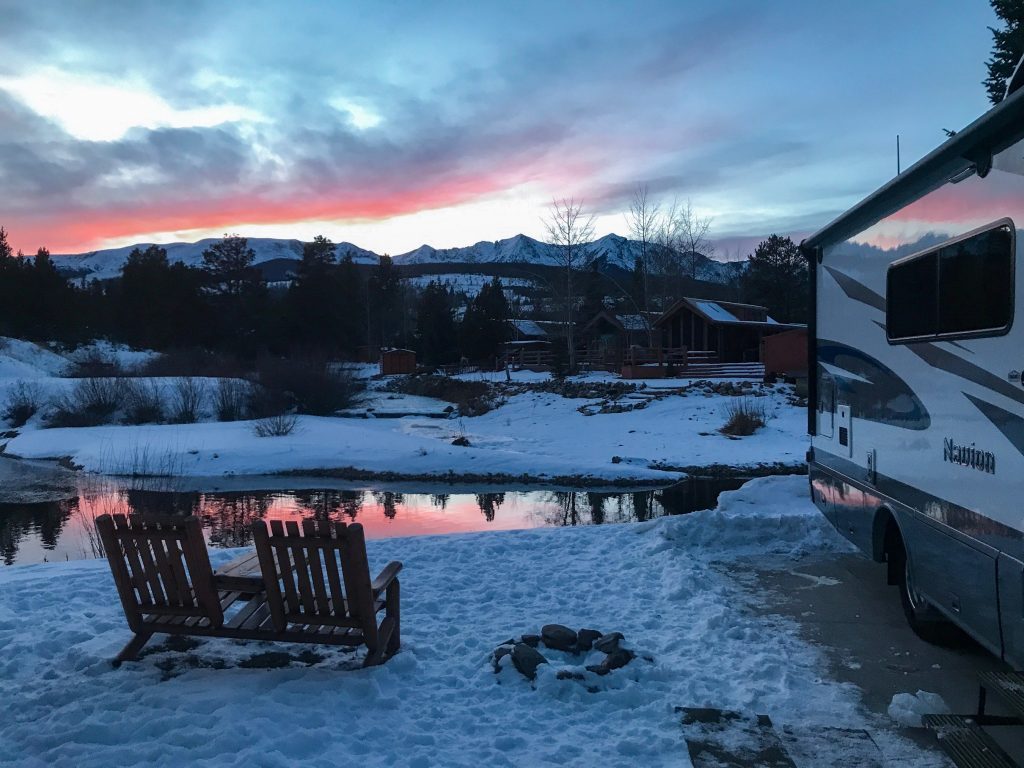
    tiger run rv resort breckenridge

    Breckenridge, Colorado is the perfect year-round RV destination. In fact, it’s one of the few Colorado mountain towns that has a year-round RV park. Tiger Run RV Resort is only a nine minute drive from the slopes, making it a perfect place to stay for the ski enthusiasts who are brave enough to RV in the winter.

    Otherwise, you’re right in the heart of all the summer and fall activities this area has to offer. You won’t run out of trails to explore, mountains to climb, and awe-inspiring views.

    You’ll also be close to other popular nearby mountain towns, such as Frisco, Copper, and Keystone. A 12-minute drive will put you at Dillon Reservoir, where you can paddle and boat in the summer or ice fish in the winter. In the fall, you’ll be blown away by the changing aspens and clean, crisp Colorado air.

    Tiger Run RV Resort’s location is truly unbeatable and the amenities are everything you’ll need for your visit to Breckenridge. With an indoor pool, two indoor spas, a common campfire area, a workout room, a cozy club room, a business center, and a game room…you won’t want to leave!

    Check out Tiger Run RV Resort

    3. Ozarks RV Resort on Table Rock Lake – Oak Grove, Arkansas

    ozarks rv resort arkansas

    Perfectly situated between the Ozark Mountains and along the shores fo Table Rock Lake, this luxury RV resort offers many waterfront sites.

    Ozarks RV Resort is also just 30 minutes from Branson. This means that during your stay, you’re a short drive from live music entertainment, amusement parks, and museums.

    You may not even make it out of the resort, though, with all the activities that Ozarks RV Resort offers. From upscale amenities like pools, hot tubs, lighted tennis and pickleball courts, to a par-3 golf course and a nearby full-service marina, there’s something for everyone.

    Or, since it’s known as one of the most picturesque RV resorts in the Midwest, you can also just sit back and relax. The Ozarks RV Resort’s website says it all: “164 lots available, 1,341 beautiful views, 418 things to do, 0 number of worries.”

    Check out Ozarks RV Resort

    4. Sea Perch RV Resort – Yachats, Oregon
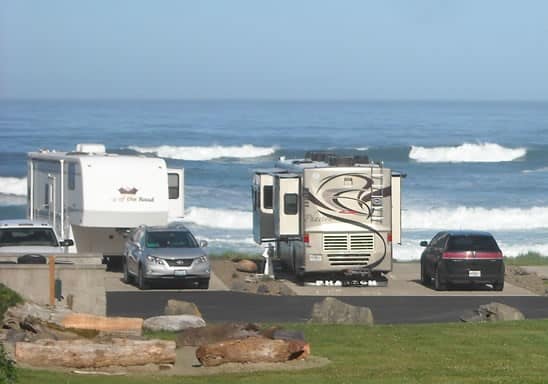
    sea perch rv resort oregon

    If breathtaking views of the Oregon coast and beach access from your front RV door don’t capture your attention, we aren’t sure what will.

    You won’t even have to leave your site to enjoy the scenery this area offers. If you still need more, they’re surrounded by sights including Cape Perpetua Scenic Area, Devil’s Churn, Cook’s Chasm, Spouting Horn, and Cape Perpetua Overlook—the highest point on the Oregon Coast.

    You’ll enjoy panoramic ocean views ideal for whale watching, rainforest or coastal hikes, walking along the tide pools, and relaxing beaches. It’s truly a nature lover’s dream destination.

    As if that’s not enough, you can visit Heceta Head—a working lighthouse—for a tour. Or travel another mile south to visit Sea Lions Caves, home to hundreds of wild sea lions and the world’s largest sea cave. Whatever you do though, don’t miss the sunsets!

    Check out Sea Perch RV Resort

    5. Bella Terra RV Resort – Foley, Alabama

    bella terra rv resort alabama

    This RV resort boasts great weather all year long, plus white sandy beaches and southern charm. Located minutes from the beautiful Alabama Gulf Coast, this upscale resort is the perfect beach vacation destination.

    With oversized lots, an infinity pool, a movie theater, jacuzzi, and a grand clubhouse, it’s truly luxurious. Not to mention the lake views and lush foliage that offer stunning views throughout the park.

    There’s more entertainment in this area than we can list. Staying at Bella Terra puts you minutes away from the white sand and turquoise waters of Orange Beach and a 72-hole golf course. Plus there’s The Wharf marina, which is packed with fine dining, shopping, an amphitheater, ferris wheel, zipline, and mini golf! You’ll love all the tours and local flavor this part of the country provides.   

    Check out Bella Terra RV Resort

    6. Zion River Resort – Virgin, UT

    zion river resort utah

    Utah is known for its beautiful national parks and breathtaking views. If you’re planning a visit, this RV resort is a perfect option. Zion River Resort is nestled in a valley beside the Virgin River, surrounded by mountain views, and minutes from Zion National Park.

    It’s the ideal home base for day trips to Bryce Canyon National Park, Grand Canyon North Rim, Cedar Breaks National Monument, and other popular destinations.

    Although you’ll be plenty busy exploring the beautiful outdoors, this RV resort also offers great amenities, including an outdoor pool and spa, a dog area, game room, gift shop, clubhouse, shuttle services, and the opportunity to mine for gems!

    Check out Zion River Resort

    7.  BlueWater Key RV Resort – Key West, Florida
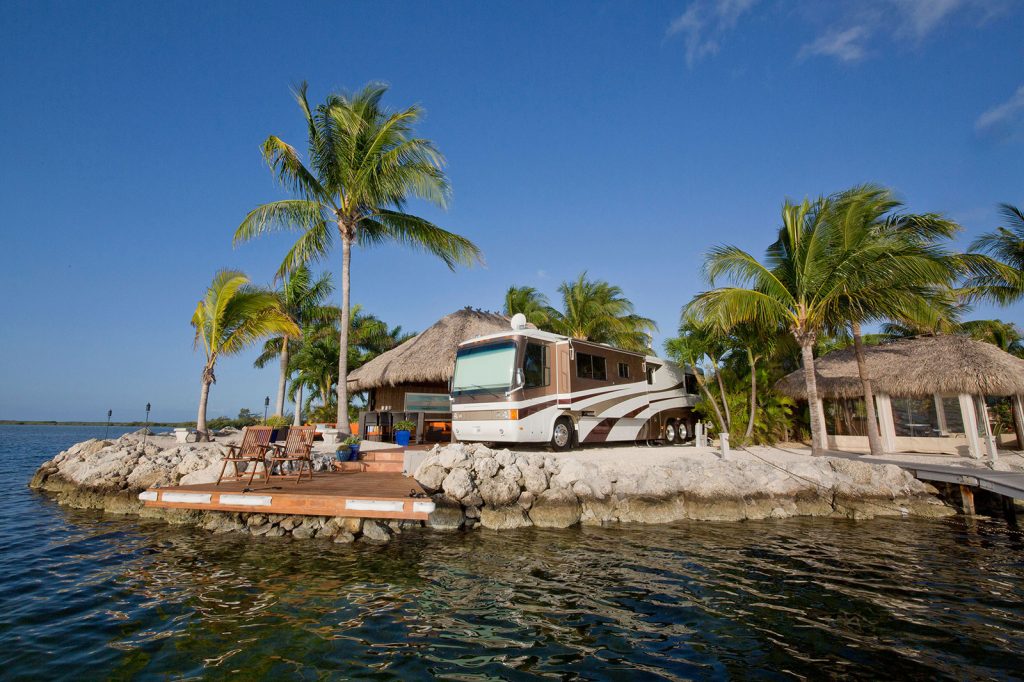
    bluewater rv resort florida

    It’s on every American’s bucket list to experience paradise in Key West, Florida. There are many RV parks to choose from, but BlueWater Key RV Resort is one of the highest-rated, for good reason.

    The resort has large sites with lush tropical landscaping for shade and privacy, tiki huts and outdoor seating, and even offers “bay-front” sites and sites with private docks. Many sites even have patio furniture, cabinetry and countertops, TVs, sinks, refrigerators, and more. Do we need to even mention the diving, snorkeling, and fishing in the area?

    Check out BlueWater Key RV Resort

    8. Hilton Head Island Motorcoach Resort – Hilton Head, SC
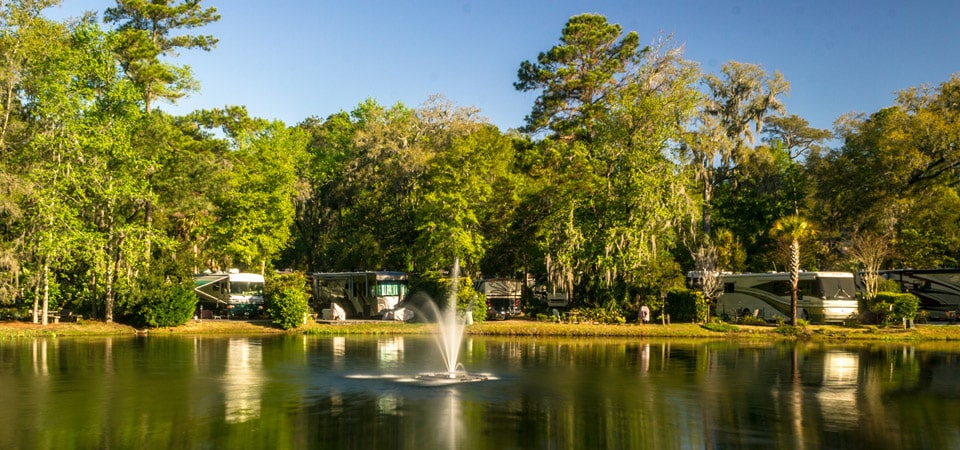
    hilton head rv resort south carolina

    Located at the southern tip of South Carolina’s coastline, Hilton Head has 12 miles of white sand beaches. You can find whatever activities you are looking for—a relaxing spa retreat, a party scene, a secluded oasis, world class golfing, or adventure-packed fun.

    Hilton Head Island Motorcoach Resort is located in the heart of the island and sits on 50 acres of fully landscaped property with 400 paved lots. A pool, tennis and pickleball courts, and a dog park are among the many amenities they offer.

    Hilton Head Island Motorcoach Resort is within walking distance to many shops and restaurants and a short bike ride from the beach. The island is very bike friendly and has trails that will take you anywhere you need to go. Just watch out for the alligators lurking in the marshlands!

    The sand along the beaches is hard packed enough that you can even ride your bike right along the beach, making biking the best way to get around the island.

    Check out Hilton Head Island Motorcoach Resort

    9. Polson RV Resort – Polson, Montana

    polson rv resort montana

    Polson is “Montana’s #1 Rated RV Park” for good reason. This RV Resort has majestic views of Flathead Lake and The Mission Mountains, and is a short drive to Glacier National Park. The resort has oversized lots that feature the surrounding views, a pool and hot tub, mini golf and an off-leash dog run.

    Every detail of the park has been designed to give you the feel of luxury mixed with the natural beauty of the surrounding landscape.

    If Glacier National Park isn’t on your bucket list, it should be. The park is home to some of the most impressive mountain views in the country. The drive along Going to the Sun Road is one of the most scenic drives in America and will lead you to an unlimited amount of outdoor adventure.

    You’ll also be near the popular resort town of Whitefish, MT, where you can enjoy all that Whitefish Lake has to offer as well.

    Check out Polson RV Resort

    RV travel can be whatever you make it: “roughing” it in the middle of nowhere—or an oceanside retreat. You can’t beat the benefits these luxury RV resorts offer. This list has something for every RVer and we hope they inspire you to start planning your next “glamping” trip soon!


    Do you have additonal suggestions? Leave a comment below! Also, if you’re looking for other great options, check out Good Sam’s listings of RV parks and resorts


    Source link