Blog

  • Winter RV Camping: What you Need to Know

    Winter RV Camping: What you Need to Know


    Camping in colder temperatures might not be on the top of everyone’s list of things to do, but there are plenty of people that seek out winter destinations for RV getaways. And, there are a number of fulltime RVers that live stationary in locations that see cold winters. Whatever the case may be, if you plan on RV camping during the winter, you need to be prepared. Here are some key things you should know to keep your RV healthy and happy if you plan on camping in cold temperatures this winter.

    Water
    winter camping rv water spigot
    Photo by Robert-Owen-Wahl from Pixabay

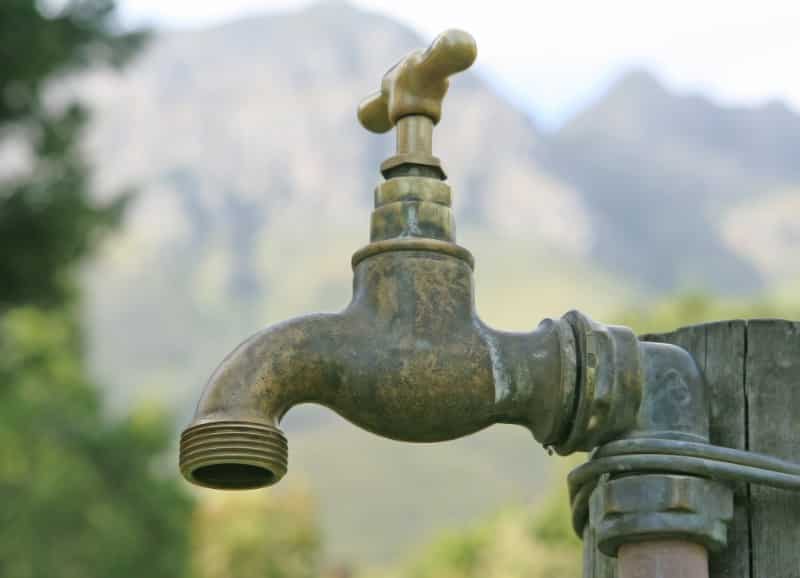
    Ensuring your water systems are functioning properly might be one of the most important things to keep in mind when camping in the winter. When temperatures drop below freezing, ice-cold water can quickly lead to frozen pipes which can quickly lead to a huge headache and repair bill.

    If you are hooked up to water, consider using a heated hose. This will keep water at the source, and that is flowing into the rig, unfrozen less likely to burst pipes. To completely avoid worrying about a frozen hose, fill your freshwater tank and use that as your water source. Only connect the hose when needing to refill your tank.

    Plumming

    Once the water’s in your pipes and holding tanks, you still have to worry about freezing. To keep pipes on the warmer side, open interior cabinet doors so your heating system is able to keep your internal plumping warm.

    While some RVs come with heaters for holding tanks, many do not. You are able to add electric heaters to the tanks. They are available in both 12V DC and 120V AC models.  Or, a small amount of antifreeze can be used in holding tanks to help keep that liquid from freezing. Only dump tanks when they are full to reduce the amount of times valves are opened.

    Keeping Warm

    Insulation is the best way to keep the inside of your RV warm while camping in winter. The floors inside your rig can get extra chilly so insulate under your feet using foam board flooring, carpeting, or rugs. Using an RV skirt is another fantastic way to keep cold air from getting under your RV. Not only will this keep your toes toasty warm, but your holding tanks and vehicle components as well.

    A lot of cold can get in and a lot of heat can escape from your RV windows. Check for leaks and seal or caulk any areas that are not well sealed.  Use weather stripping around doors to keep moisture and cold air out. Window coverings can also make a big difference. Foil can be used to reflect heat back into the camper and heavy drapes can help keep the heat in on chilly nights. If you are looking to spend a few extra dollars, dual pane windows are best for keeping warm. Don’t forget about your ceiling vents either! Vent cushions can be used for insulation.

    As for an actual heat source, you basically have two options. The first one is a propane furnace. Before winter hits, make sure your furnace is running as it should, and that it is cleaned and ready to go. Use compressed air and a soft brush to remove dirt, dust, and debris from the furnace. Make sure vents are clean and unblocked. Your second option for a heat source is electric, such as space heaters or a catalytic heater. If you have hookups, electric heat is a great way to go as it saves on propane. Space heaters can lead to moisture in your rig so make sure to crack a window or use an electric dehumidifier.

    Outside

    There are some important steps that need to be taken to ensure everything outside your RV is ready for winter. For instance, your stabilizer jacks. To keep them from freezing to the ground below, make sure to use wood blocks beneath them. If you have slides, you will want to take care of them as well. Keep ice and snow from accumulating on top of awnings, and use sprayable antifreeze on gaskets to keep slides functioning. Lastly, consider using an insulated AC cover over the unit as you will not be needing that while RV camping in the winter, and it will help protect the unit while keeping out the draft.

    Camping in the winter can be an exciting adventure and allow you the chance to enjoy all the fun that snowy destinations have to offer. If you take the time to prepare as you should, you and your rig should have no trouble weathering those frosty winter storms. Do you have winter camping experience? Share your advice with fellow RVers in the comments below!

    Source link

  • Tips for Backing Your Towable RV Into Your Campsite

    Tips for Backing Your Towable RV Into Your Campsite


    Towing a travel trailer or a fifth-wheel down the highways is easy compared to parking it and maneuvering it around a campground.

    Anyone who tells you that you don’t have anything to worry about when it comes to backing up a travel trailer or fifth-wheel RV is either lying, a pro at it by now, or has never done it. Backing up your RVing to a campsite can be stressful. However, there are things you can do and steps you can take to make things easier.

    Here are some tips and advice that should help you get your towable RV where you want it. Practice these enough and you’ll be a pro in no time.

    Check the Space Ahead of Time

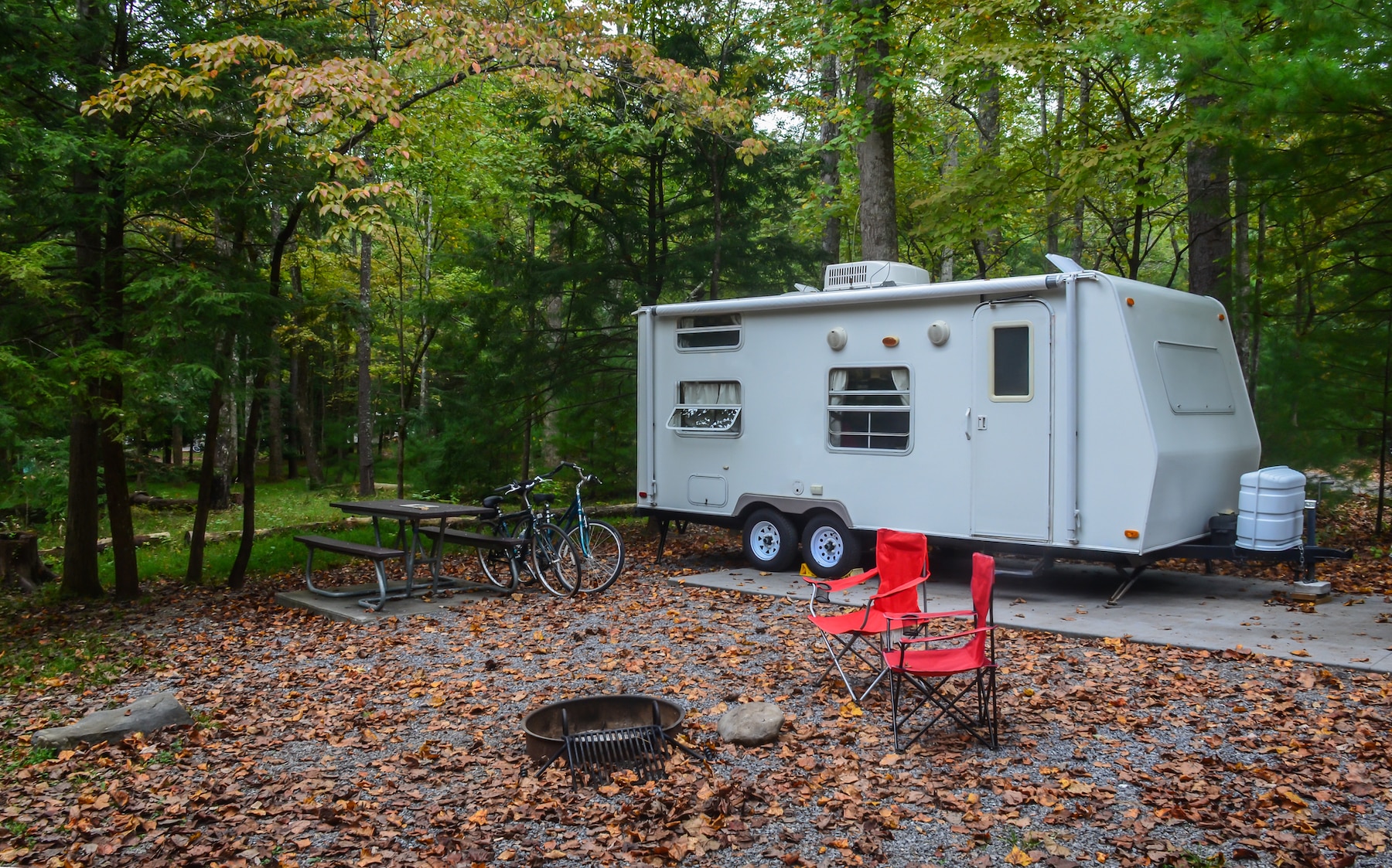
    Camp trailer set up in campground site with bicycles
    Image from Getty

    One of the best things you can do is to check out the campsite space before trying to back in. This will allow you to identify obstacles or issues you may not have noticed from your tow vehicle.

    Walk around a bit with your spotter and have an idea of the space you’re going to back into and set up your RV at. This will help you avoid any unfortunate surprises.

    Have a Spotter

    I spoke of a spotter above. Have one. It can be your spouse, your kid, a neighboring camper—anyone. You just want a set of eyes so looking out for your rig. This will help keep you and your rig safe and make backing in a lot easier.

    You should keep your eye on your spotter at all times when backing in. They need to be able to signal to you that you should go one way or the other or tell you if you need to readjust.

    Generally, all you need is a window down, but you can always get a handy pair of walkie-talkies, or have them on the cell phone while backing up.

    Set Up So the Turn Is on the Driver’s Side

    You don’t want to be backing up blind. When you park and are trying to look out the passenger side of the vehicle you’re going to have a way harder time of it.

    When you pull up to your campsite, make sure it’s on the driver’s side of the tow vehicle. Then you can turn as you back-in and look right out the driver’s side window at the camper’s progress. 

    Your spotter should also be on this side so you can easily see them. If you can’t back in this way, then make sure you utilize your spotter even more.

    Take Things Slow

    towable RV driver taking things slow
    Image from Camping World

    No matter how you feel about backing-in your RV, you need to take things slow. Going slow will allow you to readjust if you need to. There’s often a delay from what your hands do on the steering wheel and how the trailer reacts. Going slow will let you account for that time.

    It can be hard to take things slow if there are a lot of other campers or people waiting to get into their own campsite, but don’t let people rush you. When you rush something like backing-in your camper into your campsite, you are far more likely to either get the unit in the right spot or damage it by colliding with something. Slow and smooth is the way to go.

    Try the Z-Method

    The Z-method might sound difficult, but it really isn’t. Say you have pulled your tow vehicle and RV to the side of the road with your campground on your left. You want to back into that campground.

    With the Z method, you actually turn your tow vehicle a bit towards the right side of the road and move forward. This puts you on an angle across the road and points your trailer at the campsite space. It also makes the angle you have to take to back into the campsite less severe.

    Then you can turn the wheel and start backing into the camping space while keeping an eye on both your trailer and your spotter.


    Hopefully, those tips will help make your life a little easier the next time you go to back into a campsite. Do you have any other tips? Leave a comment below. 


    Source link

  • Why a Toy Hauler RV Is Perfect for the Active Camper

    Why a Toy Hauler RV Is Perfect for the Active Camper


    So you want to go RVing. Perfect. Yet you feel the need to not only hike every nature trail you possibly can but on occasion ride some trails. Are you that kind of outdoor adventurist?

    You’ve got the gearr—mountain bikes, ATVs, even a motorcycle to do some serious road touring in the wide-open country. Well, in order to take all of those toys with you, you may need to utilize a toy hauler to move your toys in a safe, effective manner by strapping them down using D-rings set into the frame commonly found in most toy haulers.

    What Kind of Toy Hauler?

    A key question. Naturally, if you are to choose a towable toy hauler… wait there are motorhomes that haul toys? Yes. A few of them are out there, notably the Thor Outlaw Class A and Class C. If you are a full-time RVer and can’t bear to leave your toys garaged at home, then these may very well be worth a look.

    However, most of us action-oriented campers will opt for a towable toy hauler, either a travel trailer or fifth-wheel. Both of them effectively have two types of toy hauler: open garage or enclosed garage.

    Open simply means the garage area doubles as another function, most likely the living space and/or additional sleeping space. Enclosed can certainly be used as additional sleeping space for chances are the garage will have at least a pair of flip-fold sofas if not a drop-down queen bunk. But for the enclosed garages, the main living area is sealed off from the garage space via a wall and a swinging or sliding door.

    Are You Taking Gas-Powered Toys?

    RV toy hauler fifth-wheel for dirt bikes

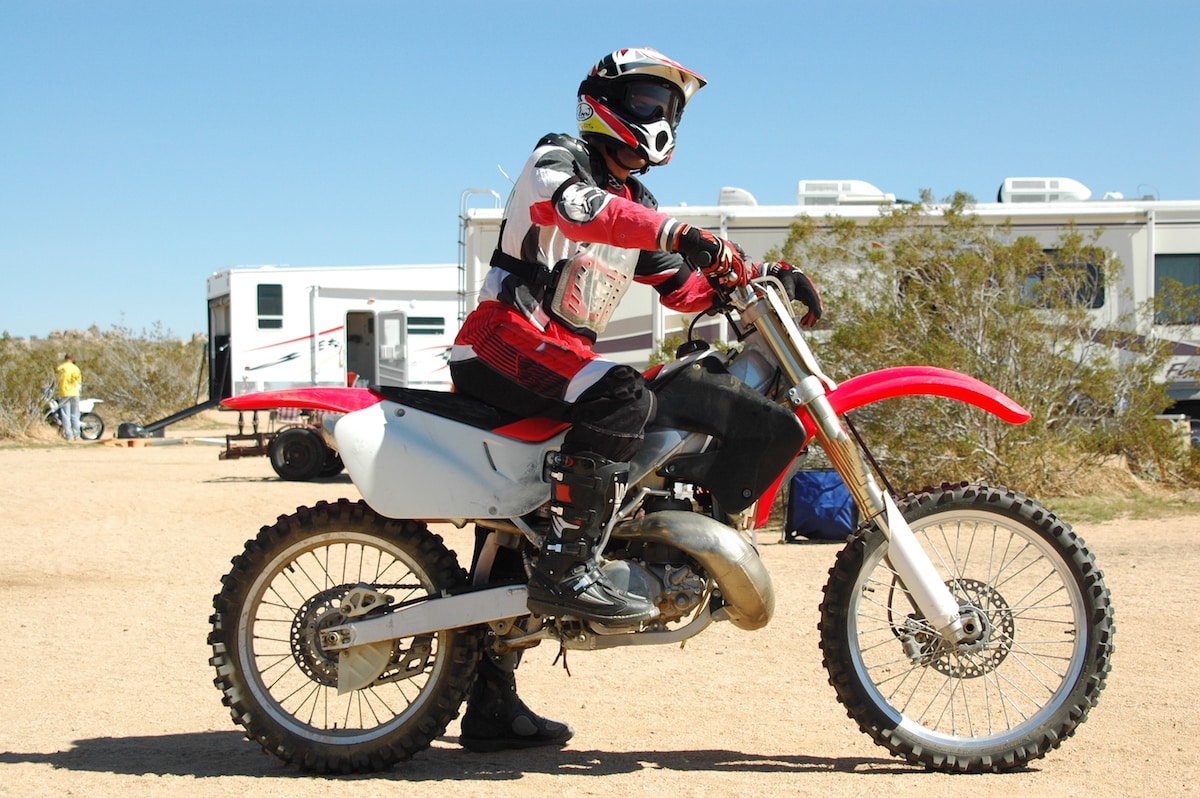
    Enclosed garages can be more important if the toys you plan on hauling around the country are dirt bikes, motorcycles or anything else that has an engine and therefore has gasoline and oil involved. While you certainly can move gas-loving toys around in an open garage, it’s always nice to keep the fumes away from the rest of your RV’s interior.

    Adding on to gas-powered toys, one option to consider is to acquire a toy hauler having a fuel tank as standard equipment. For instance, every Heartland Fuel fifth wheel (where did they come up with that name? Duh.) comes with a 30-gallon fuel tank.

    How Nice are These Toy Haulers?

    Aside from some of them being downright luxurious like a home, the beauty of toy haulers doesn’t end with the ability to haul your fun-seeking self and your goodies across the country. Most toy haulers, especially the fifth wheels with enclosed garages, have non-skid flooring that is easily washable and oil/gas resistant.

    This is important as with frequent camping you’ll want to keep the RV interior as clean as possible. Plus, if you do have guests who will be sleeping in the garage area, they’ll thank you too.

    How Versatile are Toy Haulers?

    As far as toy hauler styles, some unique toy haulers have side ramps that are super convenient but can only carry a single motorcycle or a fleet of mountain bikes.

    Others have garage space reaching up to 20 feet so you can take pretty much whatever you want – provided you don’t go over the RV’s carrying capacity.

    Are Toy Haulers Just for Toys?

    table and seating inside a toy hauler garage

    Absolutely not. The point of a toy hauler is the available open space and what you as the outdoor enthusiast want to with it. If you’re an avid hunter or fisher, it can be very convenient to haul your gear, and game, in the garage area of your RV.

    If you work on the road, you can convert the garage space into a workspace. Potter, painter, playwright, whatever work you do, you’ll have the space to set everything up in your mobile office. Hey, if you want to paint, what a better idea than to open up that back ramp, see the gorgeous sight, and immediately set your brush to canvas.

    Can You Do Anything Else With a Toy Hauler?

    Party time! A lot of toy haulers have a rear ramp with fold-out railings. The ramp can be propped up, railings slide into position and suddenly you have a party deck or an outdoor platform. With the garage area, you have plenty of space to take along some nice folding chairs and party or play in the open air.


    So, depending upon your activity, there is a toy hauler out there for you. Interested in a Toy Hauler? Check out Camping World’s selection


    Source link

  • Camping World’s Holiday Gift Guide for Camping Cooking Gear

    Camping World’s Holiday Gift Guide for Camping Cooking Gear


    The holiday season is the perfect time to help the camp cooks in your life stock up on great accessories to make amazing meals outdoors. Whether they’re a fan of cooking over the open fire or prefer to keep their food on the grill, the right tools can make meal prep and cooking easy and fun. We’ve pulled together some fantastic gift options for all those who love camping cooking.

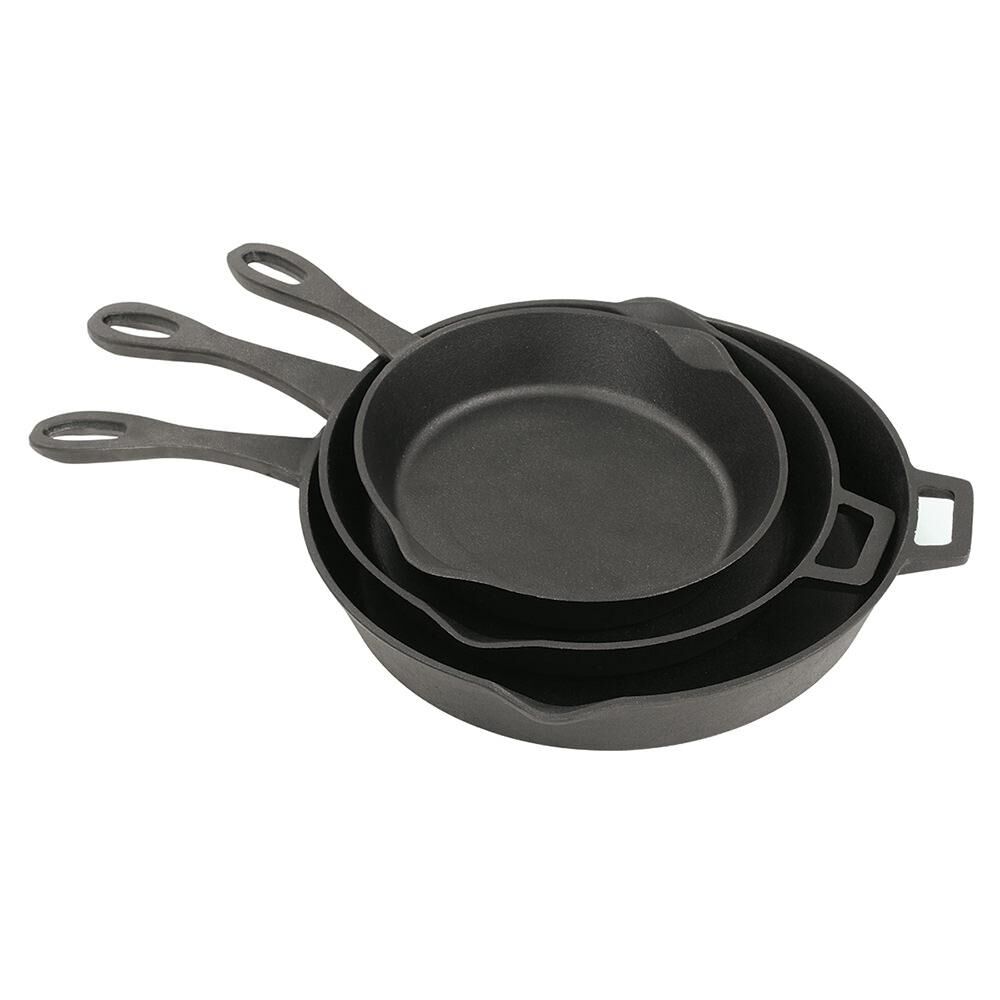
    Bayou Classic® 10, 12, and 14-in Cast Iron Skillet Set

    Bayou Classic® 10, 12, and 14-in Cast Iron Skillet SetCast iron skillets are one of the most useful pieces of camp cooking equipment you can own. You can use them on the grill, over the campfire, in an oven, or on a stove. Once they’re properly seasoned they become nonstick and are easily cleaned. This set gives you three sizes so you can make delicious meals for breakfast, lunch, or dinner all while enjoying the outdoors.

    Check it out at Camping World

    Thinstore Collapsible Bowls

    Thinstore Collapsible BowlsThese collapsible bowls are great for preparing, storing, and serving food. They’re portable and don’t take up much space, which is always important when you’re packing to go camping. Once you arrive at the campsite, simply pop the bowls out and start mixing up your tasty meal! Leak-resistant lids make it easy to store liquids without worrying about the mess. When you’re done using them, just collapse the bowls and slip them back into storage. You may find yourself using them at home as well as at the campground!
    Check it out at Camping World

    Folding Aluminum Grill Table

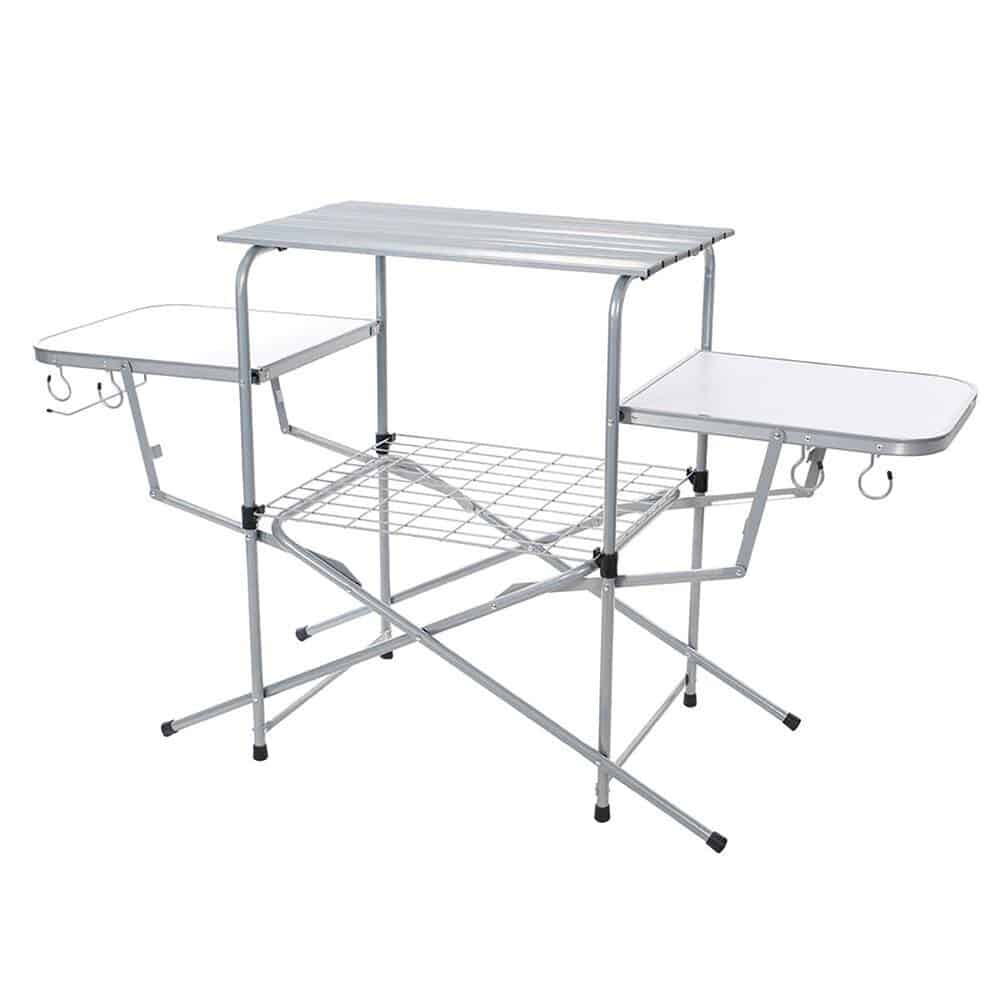
    Folding Aluminum Grill TableHave a portable grill but are missing a convenient prep area? This Folding Aluminum Grill Table has everything you need to prepare a feast at the campsite. The heat resistant aluminum top can hold a portable grill, while the fold-out sides are great prepping or serving spaces. It even has a bottom storage rack, a paper towel rack, and hooks to hang all your utensils so you can keep your prep area organized.

    Check it out at Camping World

    Stromberg Carlson Open Fire Stake & Grill

    Stromberg Carlson Open Fire Stake & GrillThis Stromberg Carlson Open Fire Stake & Grill lets you cook right over the fire while you’re camping. Drive the stake into the ground next to the fire and attach the grate with the locking handle to keep it in place at the desired height. It’s perfect for grilling burgers and hot dogs, making coffee, or using with cast iron skillets. It’s a simple tool, but it makes cooking over a fire a breeze.

    Check it out at Camping World

    Comfort Grip 7” Chef Knife

    Comfort Grip 7” Chef KnifeEvery good cook needs a great chef knife. The Comfort Grip Chef Knife is the perfect knife to take with you while camping. The protective blade cover keeps the edge from getting dull in storage, and the seven-inch blade makes this knife incredibly versatile and a great tool for chopping, mincing, and dicing all your ingredients. It’s a great all-purpose knife that is the perfect addition to your camp cooking supplies.

    Check it out at Camping World 

    Collapsible Tub

    Collapsible TubIt looks simple, but this tub is so versatile and helpful when cooking at a campsite. It’s the perfect way to wash dishes and clean up after cooking your camping feast. If you’re trying to conserve water, this size of tub makes a great makeshift sink. Or you can use it to hold food or supplies. The raised feet allow for water to flow underneath it, and it easily collapses for compact storage which makes it great for camping whether you’re in a tent or RV.

    Check it out at Camping World

    Bayou Classic®8-qt Cast Iron Dutch Oven With Feet

    Bayou Classic®8-qt Cast Iron Dutch Oven With FeetA dutch oven is another one of those must-have camp cooking tools. It’s perfect for slow cooking and baking outdoors. You can use it over a wood fire, or with charcoal briquettes on the top and bottom to create an oven-like cooking atmosphere for baking. It’s great for making cinnamon buns for breakfast or stews for dinner after enjoying the day outdoors.

    Check it out at Camping World

    Hot Spot Notebook Charcoal Grill

    Hot Spot Notebook Charcoal GrillThis portable grill is perfect when you don’t have a ton of space but still want to grill over charcoal while camping. The grill folds flat and comes with a carrying case for easy portability while traveling. It quickly pops out to a 14” tall charcoal grill. Simply unfold, add the charcoal holder and charcoal, and light. You’ll be grilling delicious meals at your campsite in no time.

    Check it out at Camping World


    Not finding what you’re looking for? Check out all of Camping World’s camping cooking gear.


    Source link

  • Why a Used RV May Be a Good Option for Your Family

    Why a Used RV May Be a Good Option for Your Family


    Another one of the top questions people ask when they’re starting their RV journey—should I buy a new or used RV?

    While there are some definite pros to buying new, choosing a used RV is a great option with a lot of benefits. Here are a few:

    Save Money!

    Clearly, the biggest benefit of buying used is the amount of money you’ll save. Used RVs can often be 30-40% cheaper than a similar new RV.

    That lower purchase price tag may also mean lower insurance costs, less money toward interest payments (if you’re financing), and in some cases, even less in-state registration fees.

    Used RVs also depreciate much more slowly than a brand new RV—you won’t get that familiar “new car” hit as you drive it off the lot for the first time.

    If you’re looking to save a little money on the front end, a used RV is a great option.

    Truly Learn What You Like at a Lower Cost

    You might be wondering why there are so many used RVs to begin with.

    The fact is, RVers tend to upgrade their RV fairly quickly—within a couple camping seasons. They’re finding out what they like and don’t like in their current rig as they’re out traveling in it.

    That said, it’s likely you’ll go through the same process. The only real way to learn what you like and don’t like in an RV is to use it.

    Not only can you take advantage of the price savings off a new RV, spending a camping season or two in a used RV will show you what’s important for your family, and you’ll be better informed when you’re ready to upgrade your rig.

    “New RV Problems” Will Be Resolved

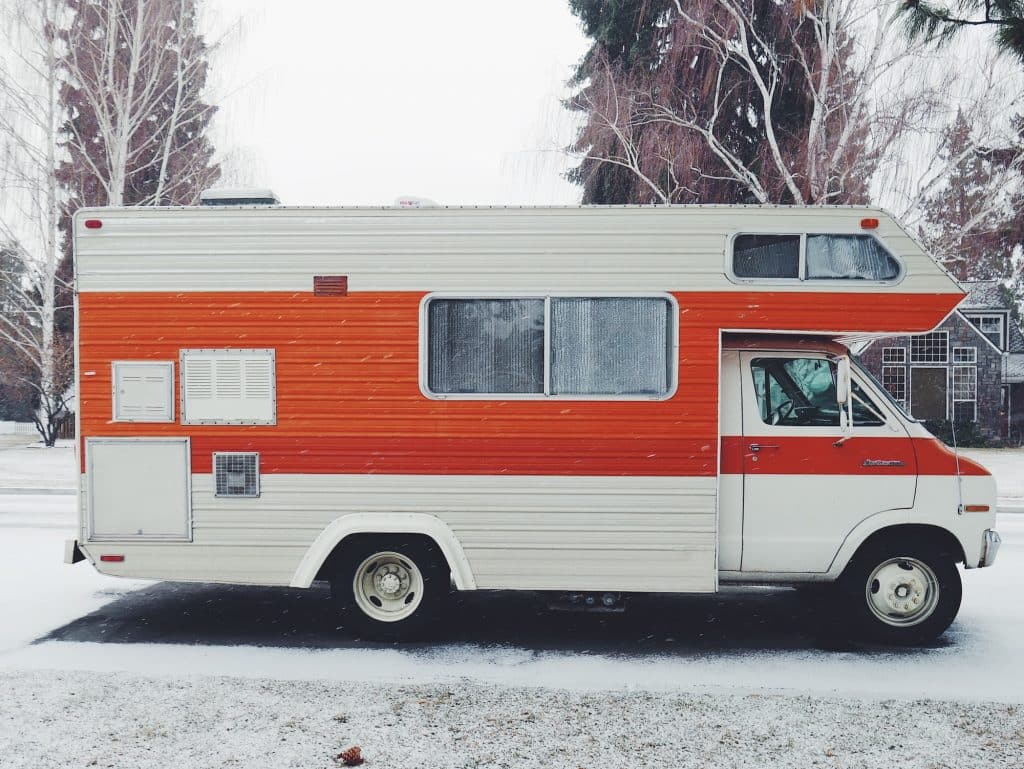
    Older RV in the snow
    Photo by Frankie Valentine on Unsplash

    Camping World takes great pride in inspecting every RV before it leaves our lot with a customer. Every inch of the RV is checked to minimize any issues.

    Unfortunately, there’s no accounting for issues that occur when driving or towing an RV down the road over the first few hundred miles.

    There’s no way to completely avoid issues with an RV’s systems or construction as it rumbles down the interstate, rolling over potholes or construction; or as it traverses bumpy trails in search for the perfect campsite.

    When you buy a used RV, those issues will have been caused (by travel), identified, and fixed. You’ll be getting a road-tested RV, ready to hit the campground or tailgate lot right away.

    Some Common Used RV Concerns

    So why doesn’t everyone just buy used? Here are some concerns you may come across in your research.

    Unsure of the RVs Quality

    When you’re buying used, you don’t know what the previous owners have done in the RV. You might be concerned about the state of the RV and whether some problems may have been hidden by the owner.

    Avoid these concerns by buying from a reputable dealer. Camping World completes an end-to-end inspection on every used RV it sells, done by a trained and experienced RV technician.

    Lack of a New RV Manufacturer’s Warranty

    Depending on the manufacturer, the original warranty might not be transferable to a new owner, even if the RV is under the age or mileage of the original warranty.

    Your best bet is to get a third-party warranty for any Used RV you buy, no matter where you buy it from. Good Sam offers a variety of warranty options on used RVs.


    When you’re looking for an RV, especially your first RV, a used RV could be a great option.

    If you’re ready to start looking, find the perfect used RV for you in our inventory.


    Source link

  • Campfire Accessories That You Should Have for Your Next Camping Trip

    Campfire Accessories That You Should Have for Your Next Camping Trip


    Sitting by the campfire telling stories, or quietly allowing yourself to be mesmerized by the flames, make for some of the best camping trip moments. 

    Of course, there is an art to the campfire. Preparation is key. We’ve probably all been caught, at least once, without our best campfire setup during perfect campfire conditions. 

    To help you always be ready for the perfect campfire, here’s a list of must-have campfire accessories for your next camping trip. 

    1. Multi Tool or Knife

    wood shavings
    Image by Markus Spiske from Unsplash

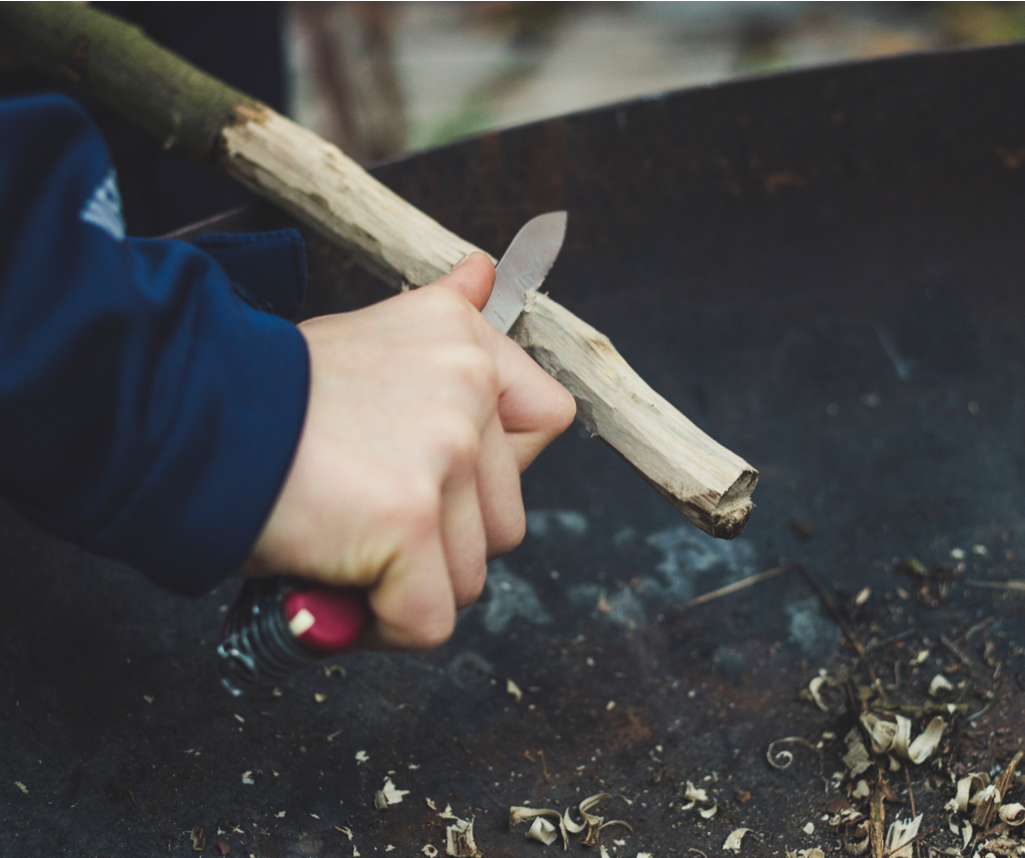
    A vital component of building a campfire is tinder. Ideally, you use something like dry grass or dead pine needles. Of course, there are times, especially at some very developed campgrounds where there are none to be found. While there are many hacks out there, a multi tool with a knife guarantees you’ll have tinder without the need to find or remember anything––well except for your firewood or logs!

    Grab your bundle of firewood and take out one of the logs in the bundle. Using the knife in your multi-tool, carefully shave off small pieces of the wood. Wood shavings make great tinder. 

    2. Fire Starter

    matches
    Image by Devin Avery from Unsplash

    You can’t have a perfect campfire if you can’t start the fire! 

    Once you have your tinder, kindling, and logs set up, it’s time to start the fire. Matches are certainly tried and true, especially waterproof matches. Be sure to pack some before your trip. A lighter works well too. 

    Speaking of fire starters you can also get a bit of help with the tinder step, and use fire starter sticks or fire starter squares. Duraflame logs are also popular. Avoid using lighter fluid. It smells foul and is dangerous. 

    3. Fire Poker and Bellows

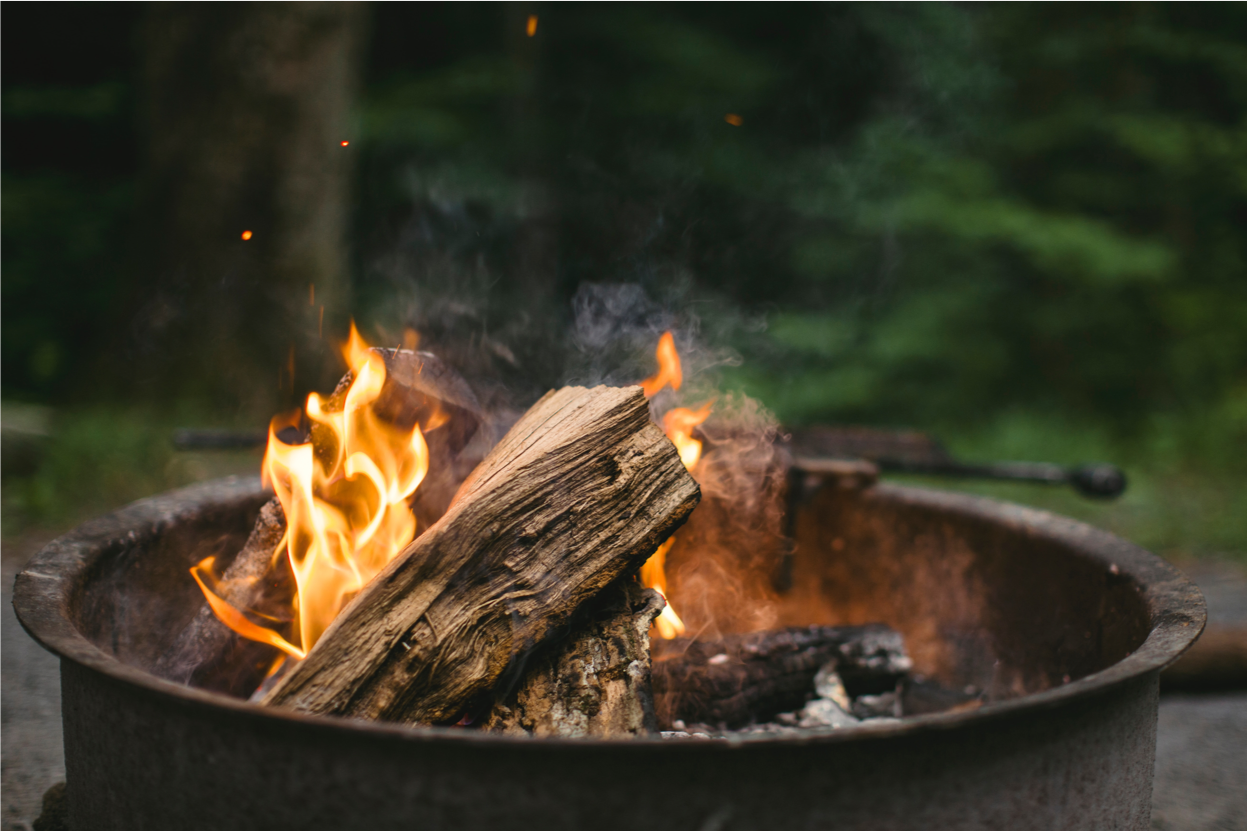
    Camp fire ring
    Image by Roya Ann Miller from Unsplash

    To avoid burning your fingers and hands––surely not part of a relaxing campfire experience––use a fire poker to move the wood in the campfire around. Don’t be that person quickly reaching into the fire to shift a log over with their hand. While you can use a stick, you may not find one in more developed campgrounds, not to mention a fire poker will keep you at a safe distance from the flames. 

    And, speaking of safe distances. An important step to building the perfect campfire is blowing at the base of your fire. Safely add oxygen at a distance with a bellows. These often pocket-sized expandable metal tubes help you safely blow on your fire as long as you follow good fire safety practices. (Like don’t inhale through the tube, etc.)

    4. Comfy Camp Chairs

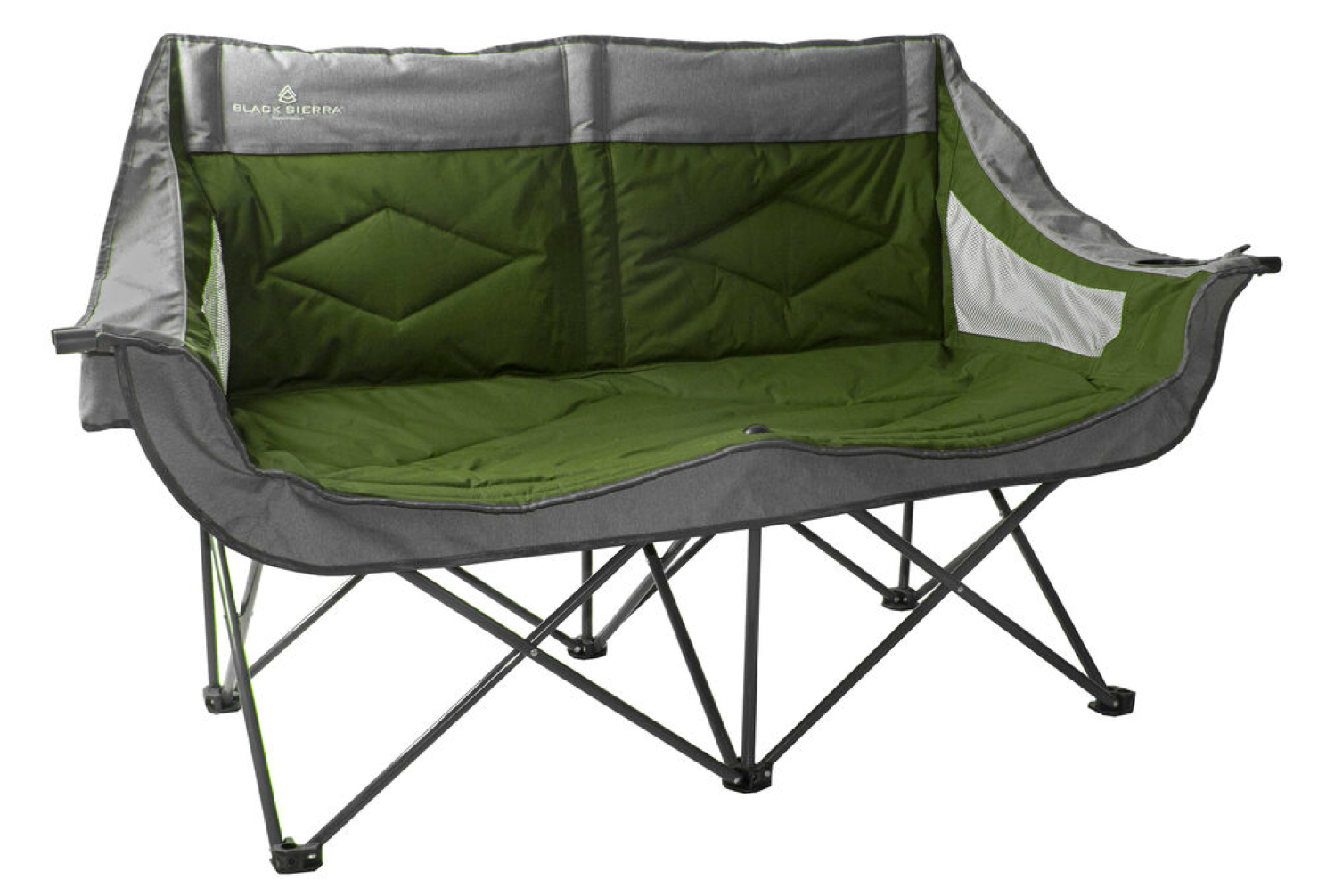
    Camp Chair
    Image by Black Sierra

    You can stand around a fire sure, but after a long day, there’s nothing like sitting by the campfire. Be sure to pack some comfy camp chairs. If you’re up for it, go all out with reclinable camp chairs

    Sitting around the campfire invites conversation and bonding. You might even get inspired to whip out the ukulele or guitar and sing songs. If you happen to be tight on space, or you’re camping with kids who prefer to sit on the floor, an RV patio mat can be a nice spot to enjoy the campfire from too. 

    5. Marshmallow S’more Sticks & Mugs

    Marshmallow roasting
    Image by Leon Contreras from Unsplash

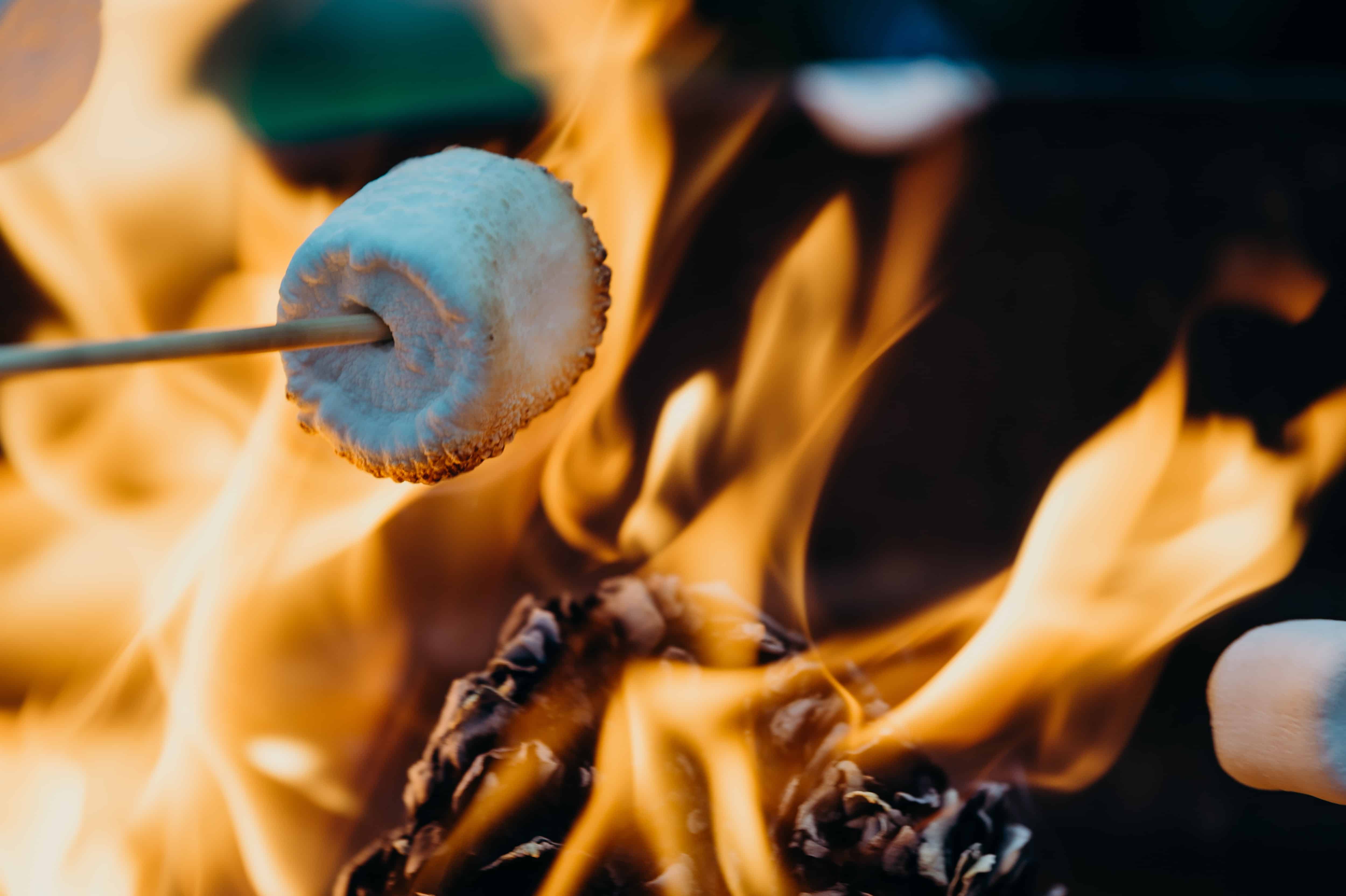
    Whether it’s cold or not, a campfire isn’t complete without some snacks. Be prepared for some marshmallow roasting with marshmallow s’more sticks

    If it’s chilly out, a hot mug of coffee, tea, or hot cocoa will nicely complement your campfire. Be sure to pack some mugs for your next trip. If it’s not chilly, try an adult beverage instead. And if you’re not into drinking wine from a mug––who are we to judge––go ahead and bring wine glasses

    6. Collapsible Bucket 

    Collapsible Bucket
    Image by Camping World

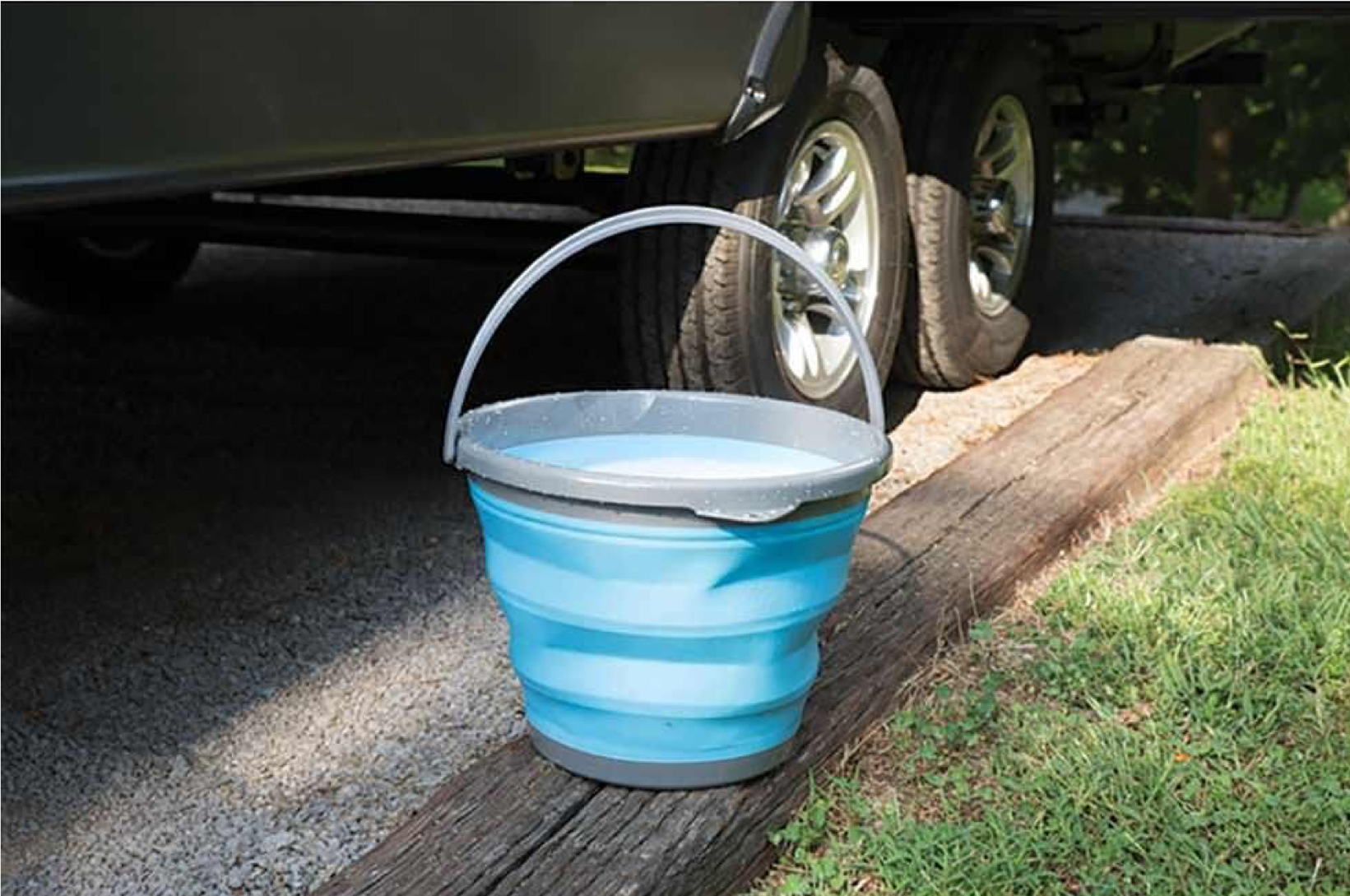
    This is a must. Being a responsible camper and campground RV neighbor means putting your fire completely out when you’re done.

    Keep water in your bucket, and at the end of the night (or after breakfast) pour water on your fire until it no longer hisses at you. 

    7. Smokeless Campfire Option

    BioLite Smokeless Fire Pit
    Image by BioLite

    A smokeless campfire option is a must-have for anyone wanting to upgrade the campfire experience. We all love sitting around the campfire, but how many of us truly love the campfire smoke. 

    That campfire smoke tends to envelop you as your drifting off to sleep at the end of the night. It’s smell can linger on your clothes or in your hair. And of course, how many of us have had nights where the smoke chases you around the fire until sitting around the campfire becomes a game of musical chairs?

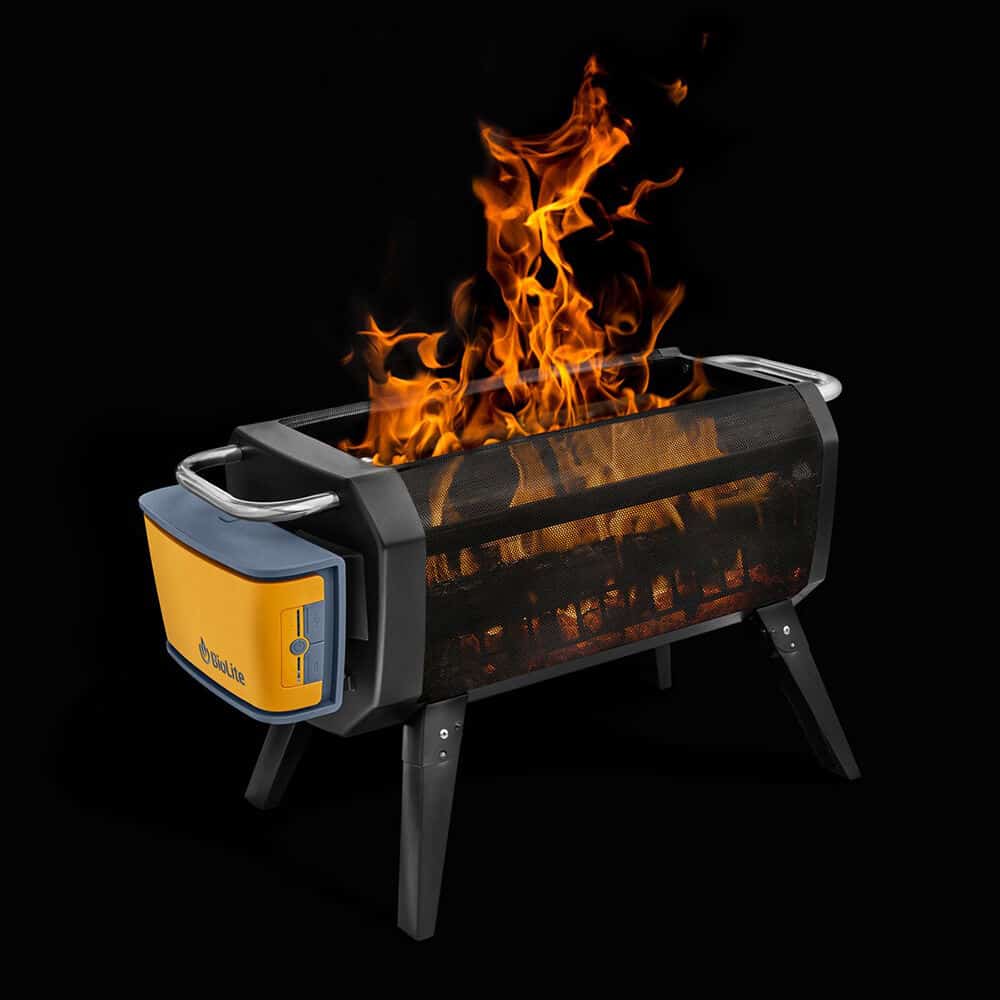
    For those of who want to skip the smoke, we recommend Biolite’s Smokeless Fire Pit. You still get to use wood and keep all the joys of a campfire without the smoke. It even doubles as a hibachi grill. 

    And if you want to skip building a fire and using wood altogether, try a portable propane fire pit. This is a great option for those of us that were never camp scouts! And, you’ll be able to enjoy a consistent, smokeless campfire. We promise you’ll still enjoy sharing life stories while sitting around it. 

    With just a few simple accessories your on your way to your perfect campfire.


    Do you have any tips for the perfect campfire? Leave a comment below!


    Source link