Blog

  • Rae and Jason of Getaway Couple // 🎧 Podcast

    Rae and Jason of Getaway Couple // 🎧 Podcast


    Rae and Jason Miller have been RVing full-time since July 2017. They travel with their dog, Carmen in a 42′ fifth-wheel and share their adventures across social media.

    They’ve also unintentionally become the faces of “beginner RV mistakes” on YouTube by showcasing the many errors they made on the road. They’re transparent with their mistakes because they want to help future RVers avoid similar headaches and show the not-so-glamorous side of RV life.

    They just released over 70 pages worth of downloadable checklists and worksheets to help others along their journey as well!

    You can follow their adventures (and mistakes) on their blog and YouTube channel.

    ** Subscribe to Stories from the Road on iTunesSpotify, or Google Play **

    • 3:56 – Starting their RV Life
    • 6:34 – Becoming the RV mistake couple
    • 11:40 – Helping people new to the community
    • 16:45 – Generating income on the road
    • 22:40 – New friends on the road
    • 24:31 – Favorite Destinations
    • 27:02 – Switching Lifestyles


    Source link

  • Why We RV: Paul and Lorena Charron of The Motorhome Experiment

    Why We RV: Paul and Lorena Charron of The Motorhome Experiment


    What do you do when you live what appears to be the American Dream but still feel like life has more to offer? How do you know you’re going to find what you seek if you set off on an unsure path?

    Paul and Lorena Charron found answers to these questions by leaving behind their seemingly comfortable lifestyle in a nice neighborhood on the south end of Las Vegas, Nevada. They set off in their RV in December of 2016 in pursuit of new adventures and a new life.

    New Lifestyle, New Home
    Paul and Lorena Charron

    There’s no simple solution to a complex problem. As business owners, Paul and Lorena know this. They work together to run a successful car detailing business located in Las Vegas.

    With the business in a good place and their aspirations for a new chapter in life, they started weighing their options.

    “We were bored with the status quo and wondered what to do next,” Paul said.

    He started looking into living life on a sailboat and traveling the world, but Lorena wasn’t too enthused with that option.

    “She didn’t want to drown in the middle of the ocean with me,” Paul said chuckling.

    He and Lorena were nice enough to spend a half hour or so with me on the phone to chat about their journey.  With his first idea floundering, Paul went back to the drawing board.

    He and Lorena both always loved to travel. They tried to disappear to far-away locations as often as possible to disconnect and recharge before coming back to their life in Las Vegas. Having traveled abroad some, they both realized that they hadn’t seen much of the U.S.

    Their new goal was to see the areas of the country they’d overlooked. That’s when Paul got the idea for the RV. Lorena was hesitant at first.

    “Everyone has a picture of retirees, or they picture Cousin Eddie from Christmas Vacation, and that’s just not the case,” Paul said.

    Paul and Lorena bought an RV and tried out a few test trips. Within the first or second trip, Lorena was completely onboard.

    “It’s like having a tiny apartment,” She said. “You have your kitchen and your bedroom, and I realized this will not be a hard lifestyle. You have everything you need.”

    Lorena said the worst that could happen was that she and Paul would go back to the life they’d been living.

    “Once I realized that we could make a serious lifestyle change, and I was okay with that, I told him, ‘Let’s go for it.’”

    From there, the couple sold everything. The only things they kept fit either in their RV or in a five by five storage space and most of that is necessary files and paperwork for their business.

    Making the New Life Work
    Paul and Lorena Charron

    While Paul and Lorena were on the same page and excited about the opportunity to travel the country and pursue new experiences, other people in their life weren’t so enthusiastic.

    “All our friends thought we were nuts,” said Paul. “They were like, ‘What is wrong with you? Why would you want to go from your 1,800 square foot home to a 240 square foot box on wheels?’ They just didn’t get it.”

    Paul and Lorena chalk this up to the fact that their friends were still trying to make the typical lifestyle work.

    “They didn’t understand we were trying to get out of the grind and have more fun in our lives,” Lorena said.

    That didn’t last forever. As Paul and Lorena moved around the U.S. and shared their travels, their friends came around. Some even bought RVs of their own.

    “We have a friend who is in the process of selling everything and full-timing right now,” Paul said.

    When it comes to the financial side of things, Paul and Lorena still have business responsibilities. When they first started out, they found an employee willing to take on the day-to-day business operations. Then they slowly weaned themselves off working the typical workday.

    They still take care of various managerial tasks, but they can do that from the road. Every once in a while, Paul and Lorena will make the trip back to Vegas to fix any problems that arise and ensure the business is running smoothly.

    In addition to their business and their travels, the couple also has a popular YouTube channel called The Motorhome Experiment. Paul just started recording their move out of their house and into their RV. He posted it to YouTube.

    “All the sudden it just started to gain popularity, and I got hooked,” Paul said. “I really like it. I like the vlogging aspect of it. We really enjoy meeting people through it on the road.”
    Paul and Lorena Charron

    Lorena said that meeting people who’d seen the videos changed things for her and Paul. They started having friends on the road that they saw in different areas of the country. Paul said the RV world is smaller than they originally thought, and they’ve seen many of the same people during their travels.

    As far as their travel plans go, Paul and Lorena don’t like to get too tied down to a specific schedule.

    “We’re horrible planners,” Paul said. “We’re in Las Vegas right now, but that’s just for the business, and then we want to go down to Cabo San Lucas for the winter, but no specifics.”

    Paul and Lorena found light planning is what works best for them. When they first started out, they had a vague plan to get Key West, Florida. They took their time and eventually ended up there. While there, they met some viewers of their channel, a couple, and started talking about going to Nova Scotia, Canada. Paul, Lorena, and the other couple decided that sounded like a fun idea, so off they went up the East Coast. They’ve built a strong friendship with them.

    After traveling around eastern Canada, they started talking about crossing an Alaskan RV trip off their bucket list, so they headed that way in early 2018. They started their trek north in San Diego and tried to stay as close to the Pacific Coast Highway as possible along the way.

    Paul and Lorena say that going with only a rough plan works best for them because they like the flexibility. They like being able to spend an extra week somewhere or deciding to leave somewhere sooner than they originally thought they would want to.

    They’ll both tell you that there have been times when their lack of plans failed them. The holidays, for instance, throw a wrench into things because so many people are on the road or at the campgrounds.

    “This lifestyle kind of blends every day into the next, so you can forget and then it’s like, ‘Oh, today is July 4th,’” Paul said.

    Packed campgrounds during the holidays are no big deal for them. They just find another place to go, whether it’s a campground down the road or a night spent boondocking in a Walmart parking lot.

    “Part of doing this was that we wanted to be flexible,” Paul said. “We wanted it to be different than our day to day because with our lives at home with the business we were, up at 3 am and done by noon. That was every single day seven days a week.”

    Both Paul and Lorena discussed how strongly they felt before moving into the RV that they needed to make a change. From the outside, their life looked pretty good, but neither was happy with their situation. Downsizing and moving into the RV gave them freedom from the repetitive, mundane lives they were living.

    With that said, making the transition proved to be harder than they thought. Paul said he thought it would be easy to get rid of most of their things, but he didn’t realize how mentally and emotionally attached he was to some items.

    “I realized the mental side of it is crazy when you try to dump all of that,” He said. “You start thinking about what you’re going to do without.”

    But what Paul and Lorena made clear is that once they made that jump, they didn’t have those anxieties anymore.

    “Trade your stuff for experiences,” Said Lorena. “You’ll live a more fulfilling life,”

    What the Future Holds
    Paul and Lorena Charron

    When Paul and Lorena set out in their RV, they planned to travel around only for one year. Halfway into their first year in the RV, Lorena realized that they weren’t going to be able to see all of the places they wanted to in the time that they originally hoped to. So, they decided to eliminate their end date.

    “We’re going to do this until we’re tired of it,” Paul said. “At this point, we’re two years living full-time and have no end in sight.”

    Paul did say they’ve discussed what will happen when or if they will settle down. If they ever do find another place to have a permanent home base, they will still have an RV.

    “We’re not close to that, though,” said Lorena. “We’ve talked about that, but right now RVing full-time doesn’t have an end date.”

    Paul also said he wants to continue growing his YouTube channel. Currently, the couple tries for two videos a week, and they want to continue doing travel videos but expand to how-to videos and other topics that help people get into the lifestyle—a lifestyle both Paul and Lorena find more fulfilling than the one they lived before.  

    The biggest thing I took away from my chat with Paul and Lorena is this: challenge the accepted norms and don’t be scared to take chances. In most cases, the worst that can happen is you’ll get stuck right back where you are now.


    What do you think of Paul and Lorena’s story? Leave a comment below.


    Source link

  • How to Find the Right Vehicle to Tow Your RV

    How to Find the Right Vehicle to Tow Your RV


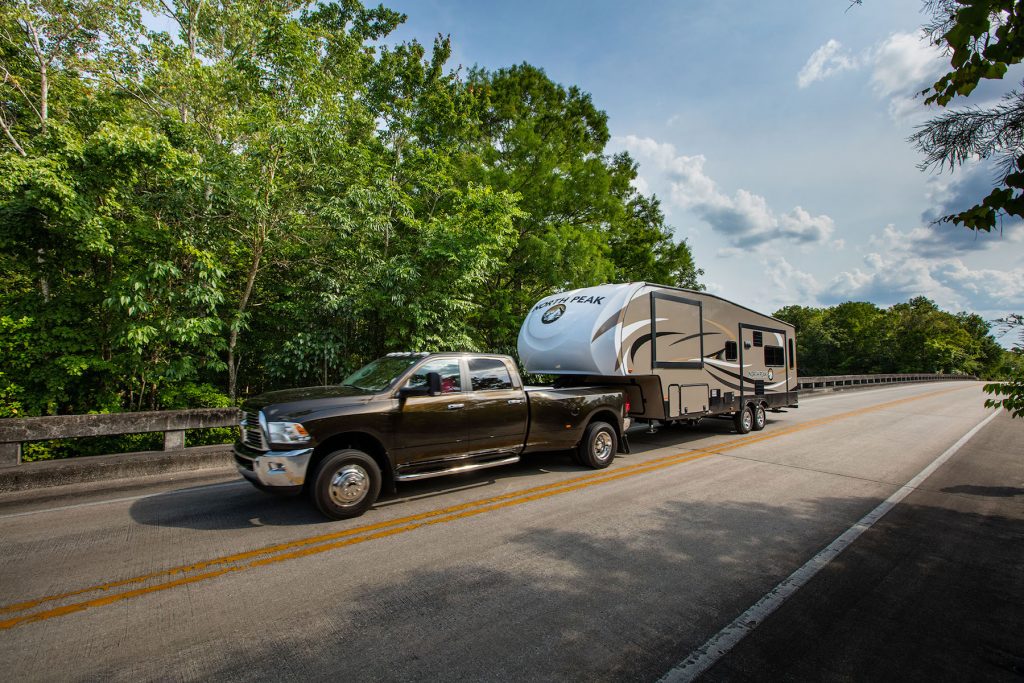
    Travel trailers and fifth-wheels come in a lot of sizes. Some can be pulled by vehicles as small as a standard family sedan. Others need a serious heavy-duty pickup truck. When you show up to the dealership, how will you know if you can actually pull away with the travel trailer or fifth-wheel of your dreams?

    Let’s talk towing, and help you figure out the type of vehicle you need to get your RV off the lot and into a campground.

    Unloaded Vehicle Weight

    towing an rv

    Every RV will come with a sticker (usually inside the door) that will give you some basic information about the rig. One of those numbers is the unloaded vehicle weight (UVW). This number is how much the trailer weighs as it rolls off the assembly line. It includes any of the basic amenities you’ll find in the rig, like the dinette and included kitchen appliances. 

    Gross Vehicle Weight Rating

    gross vehicle weight value

    The UVW number does not include anything you’ll be putting into or on the RV after you’ve bought it. Any accessories you add to customize the RV, plus any and all of your camping gear will add weight to your RV. This is why we so often preach the importance of lightweight materials and packing only what you truly need when traveling.

    You’ll find another number listed on the sticker mentioned above: gross vehicle weight rating (GVWR). This is the total weight that the rig can handle based on its axles and tire ratings.

    So, to find the maximum amount of weight you can load into your rig, you take the GVWR and subtract the UVW. If you’re a math person, it might look like this:

    GVWR – UVW = Additional Load Capacity.

    How about an example? Let’s say the GVWR is 3,500 pounds, and the UVW is 1,000 pounds. (Just to be clear, these numbers are based on nothing real, and are only for the sake of simple math.)

    3,500 – 1,000 = 2,000 pounds-worth of stuff you can put in and on your RV.

    Water is a major element of weight to keep in mind. If you fill your fresh water tanks before you leave, you’re carrying a ton of weight with you. One gallon of water weighs over eight pounds. When you load up an RV, even halfway full, you’re taking a significant amount of your additional load capacity away from you. And after a trip, when your grey and black water tanks are loaded, you have even more weight to consider.

    Of course, the more weight you have in your RV, the more it’s going to affect the gas mileage of your towing vehicle.

    The Tow Vehicle

    truck to pull an rv camper

    With all that math freshly in our heads, let’s start talking about the thing doing the real work here: the tow vehicle.

    Smaller travel trailers, like expandable trailers, folding camping trailers, and teardrop trailers can sometimes be pulled by smaller vehicles. Family sedans or light SUVs are great options, while still allowing space for additional packing inside the vehicle. With larger trailers, you’ll need a full-size or heavy-duty pickup truck or van to get the job done.

    Towing capacity is very important, but when towing an RV the gross combined weight rating (GCWR) is what you should keep in mind. It’s the maximum weight allowed for both the tow vehicle and the trailer when fully loaded. Basically, you need to ensure that your tow vehicle is rated to tow your trailer’s GVWR and that the whole combination when fully loaded doesn’t exceed the GCWR.

    For larger fifth-wheels, you will also need to consider the rear axle weight rating (RAWR) of the tow vehicle. Because a portion of the weight of a fifth-wheel hitch sits over the rear axle, you’re likely going to be looking at a full-size or heavy-duty pickup truck—something heavier to help handle the weight. You need to know the pin weight of the fifth-wheel and see how that compares to your tow vehicle. If your truck’s RAWR is more than the pin weight (in most cases it will be), you’re good.

    Most heavy-duty trucks have a RAWR somewhere between, 5,000 and 10,000 pounds. The pin weight of most larger fifth-wheel trailers clocks in around 3,500 pounds. So there’s usually more than enough capacity to handle the weight—and then some.

    Diesel or Gas

    winding uphill roads for rvs

    There’s no RV forum discussion that can raise the ire of a bunch of RVers like the question of diesel or gas.

    In short, it’s going to be about what you’re most comfortable driving. Diesel engines are pure towing power, and they’re geared to handle the big tow loads. You can take inclines with a loaded fifth-wheel and never slow down.

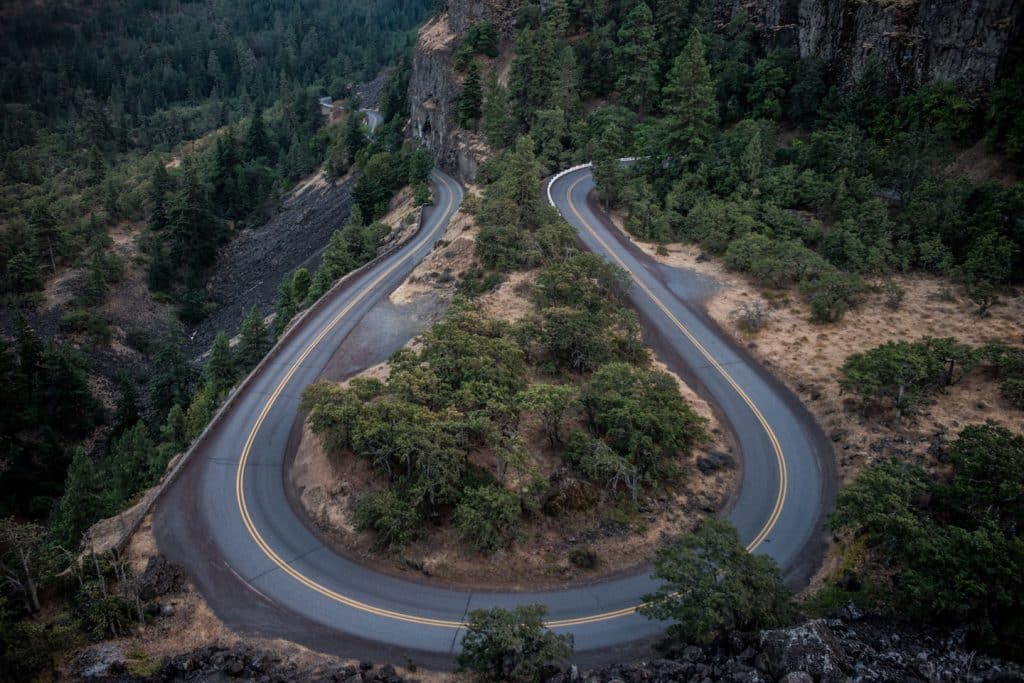
    Gas engines still pack plenty of power—especially newer models. Their gear ratios may mean you slow down five or ten MPH on particularly steep inclines, and many see nothing wrong with that. Again, it’s all about your comfort level on the road.

    Got all that? Just remember this: find a vehicle that will pull your rig, but also one that you’re comfortable driving. The last thing anyone wants is an unsafe RVer on the road.


    Have questions about what kind of vehicle you should get to tow your RV? Check out our online towing guide!


    Source link

  • Adam McLaughlin of Where’s the Moose // 🎧 Podcast

    Adam McLaughlin of Where’s the Moose // 🎧 Podcast


    Adam is a digital marketing “RV-preneur” who has been on the road with his family since the beginning of August.

    The family is planning a once-in-a-lifetime adventure in their travel trailer, Moose.

    Follow their journey on Instagram.

    ** Subscribe to Stories from the Road on iTunesSpotify, or Google Play **

    Some topics we covered:

    • 3:24 – RV beginnings
    • 7:27 – East Coast adventures
    • 9:36 – The Bucket List Moose
    • 12:17 – Rookie mistakes
    • 17:42 – Family adapting to a life on the road
    • 23:10 – RV’preneurship
    • 24:30 – Adam’s stories from the road


    Source link

  • Exploring Alaska in an RV – Seward

    Exploring Alaska in an RV – Seward


    Many RVers dream of traveling to Alaska, considering it the ultimate destination on their bucket lists. So we’ve created a series of articles to help you navigate the Last Frontier in a motorhome or travel trailer, in hopes that you can enjoy exploring the 49th state, as well! And now’s the time to start planning your getaway.

    Photo Tripping America - Seward - Camping World

    Seward

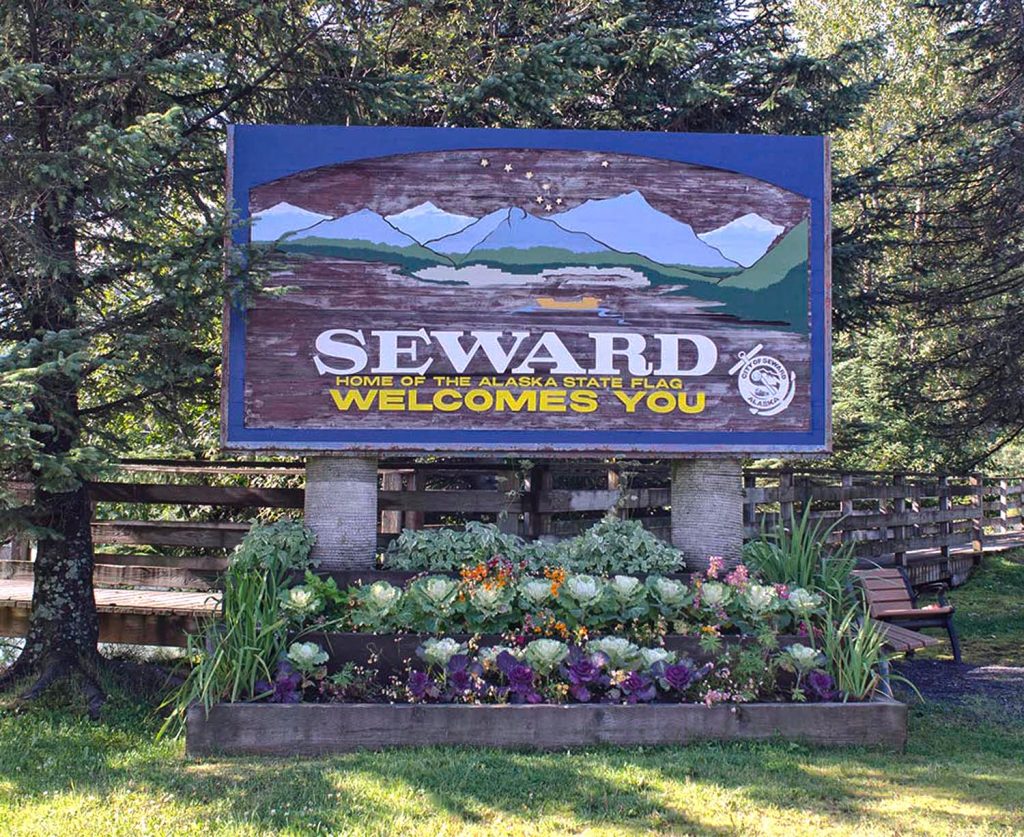
    Located about two and a half hours from Anchorage on the Kenai Peninsula, Seward is an active port town filled with an enormous selection of outdoor activities. Choose from glacier tours, boat trips, bicycling adventures, fishing, wildlife viewing and more. If you happen to be in town over the 4th of July, don’t miss the Mount Marathon race – touted as the toughest 5K in the world.

    Photo Tripping America - Seward - Camping World

    Named after Secretary of State William H. Seward, who orchestrated the purchase of Alaska from Russia for $7.2 million in 1867, the town was founded in 1903. It lies at the terminus of the Alaskan Railroad and has the dubious distinction of being one of the most lucrative fishing ports in America. Today, however, you will see fishermen unloading their catch, while a cruise ship deposits its passengers just down the docks as tourism gives the fishing industry a run for its money.

    Photo Tripping America - Seward - Camping World

    Resurrection Bay Tours

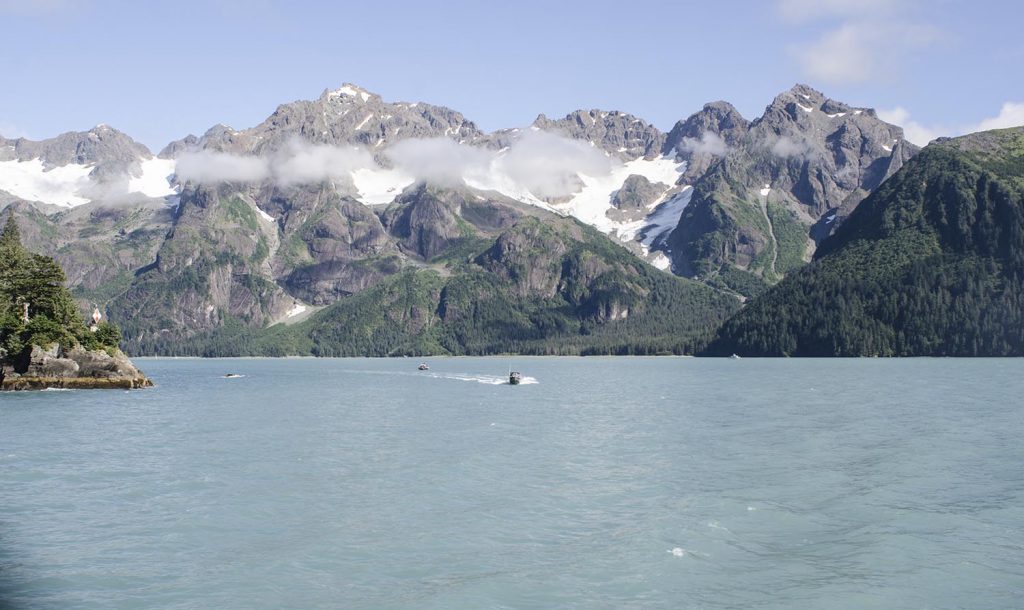
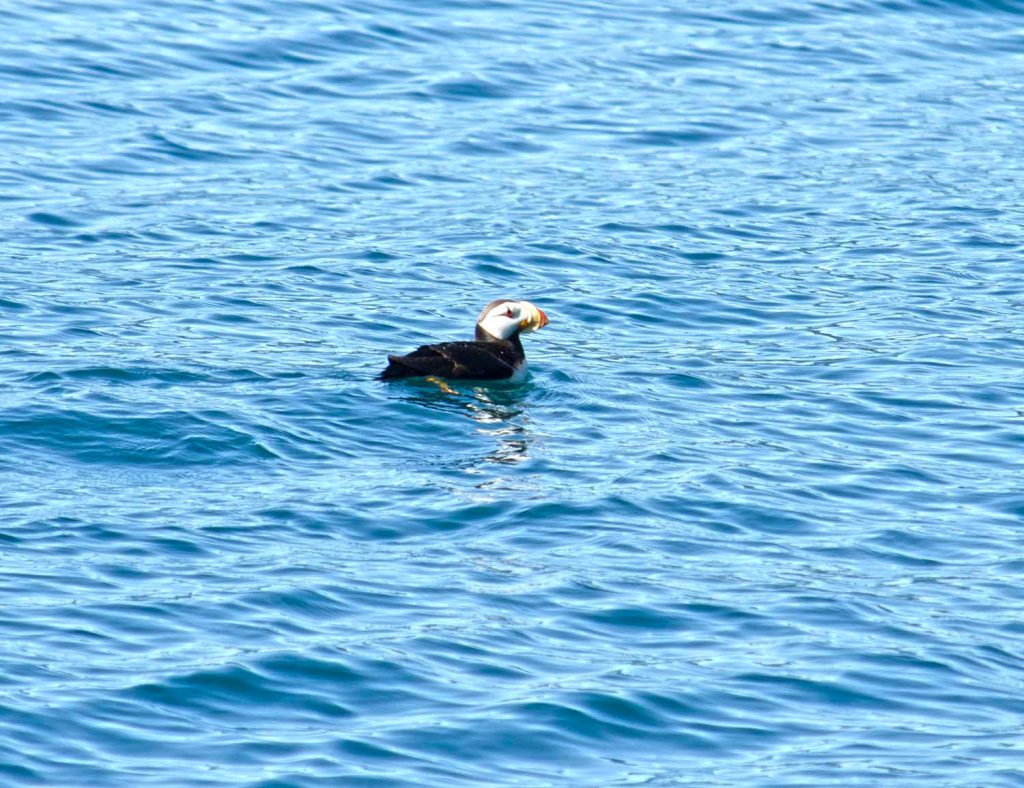
    Tour boats offer half and full day journeys into Resurrection Bay, where riders catch a glimpse of humpback and gray whales, Steller sea lions and harbor seals sunning themselves on craggy shorelines, puffins frolicking in the water, and tidewater glaciers in Kenai Fjords National Park. Many trips dock at Fox Island for a wonderful lunch of prime rib or Alaskan king crab, while a park ranger presents an overview of the area’s geology. I found this particularly interesting, as Seward was drastically affected by a 9.2 earthquake and subsequent tsunami in 1964.

    Photo Tripping America - Seward - Camping World

    Resurrection Bay is a dream for sea kayakers. It is very large, but even fishing boats and tours are careful about creating wakes when kayaks are in the water, and hugging the coastline will give you ample opportunity to mingle with some of the sea life. Who knows? Maybe a sea otter will take you on as a new playmate!

    Alaska SeaLife Center

    If you want to see even more marine animals, make a visit to the Alaska SeaLife Center right on the harbor. This facility rescues and rehabilitates mammals and birds, and researches the role these animals play in arctic and subarctic marine ecosystems. Not only can you view the “local” animals here, but animal encounters are available, allowing you to interact with puffins, sea otters, and octopus.

    Photo Tripping America - Seward - Camping World

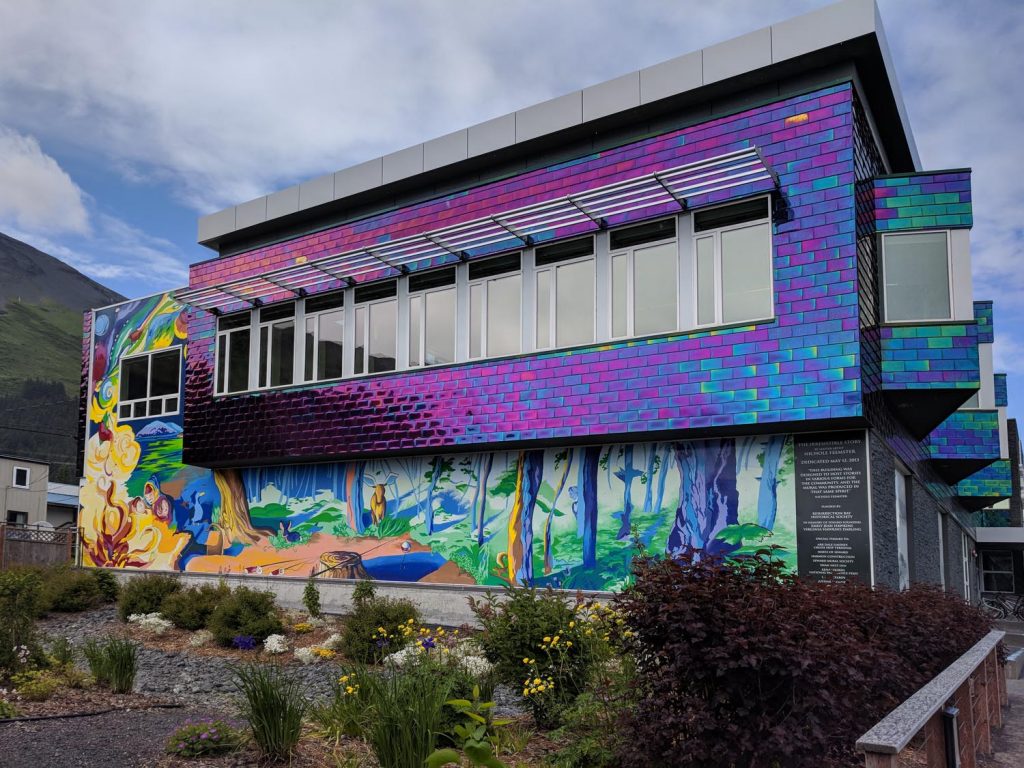
    Take a walk around town and you’re sure to notice all of the painted murals reflecting life in Seward. There is a sense of wonderment and surprise, with artistic twists in unusual places. The town has a comfortable feel to it, with shops and restaurants catering to just about every desire. Grab a beer and burger at Seward Brewing Company or set your sights on fresh seafood at Ray’s Waterfront. One of my favorite places is Resurrection Roadhouse just outside of town a couple of miles and on the way to Exit Glacier. They have a full breakfast buffet, a hearty lunch menu and dinner entrees featuring fresh Alaska seafood and steaks. The scenery from their porch is exquisite!

    Photo Tripping America - Seward - Camping World

    Exit Glacier

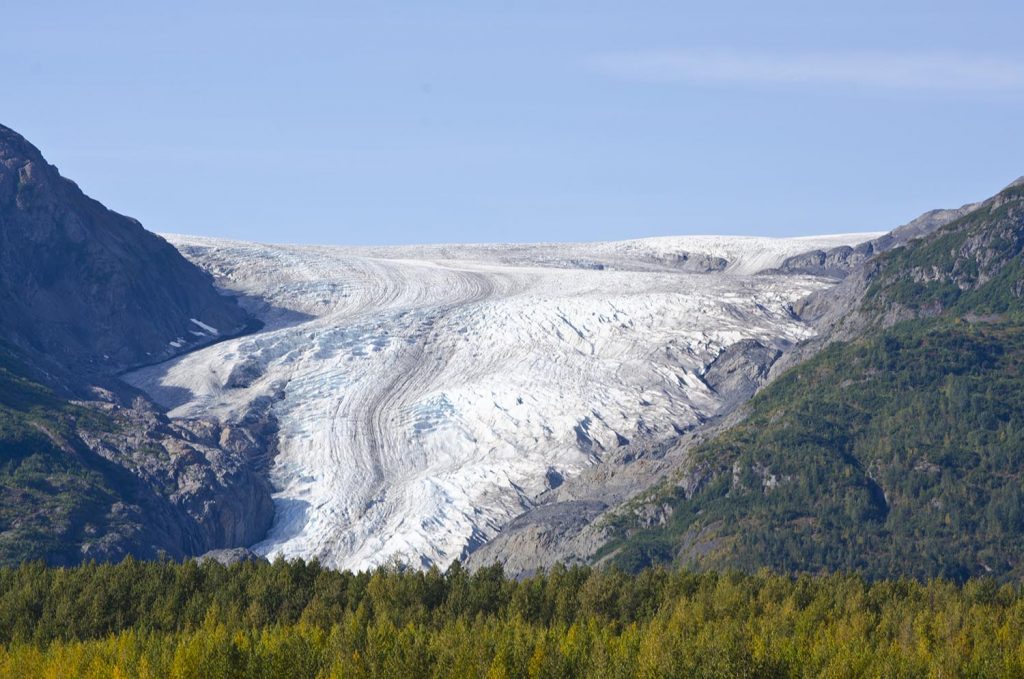
    Speaking of Exit Glacier, this aptly named hunk of ice is easily accessible at the end of the road. The paved street is marked with signs showing the glacier’s regression over the last several hundred years as it slowly ‘exits,’ and the parking lot has an RV section for easy maneuverability. A short 15-minute hike will then take you right up to the edge of the glacier, giving you a direct view of erosion in action.

    Photo Tripping America - Seward - Camping World

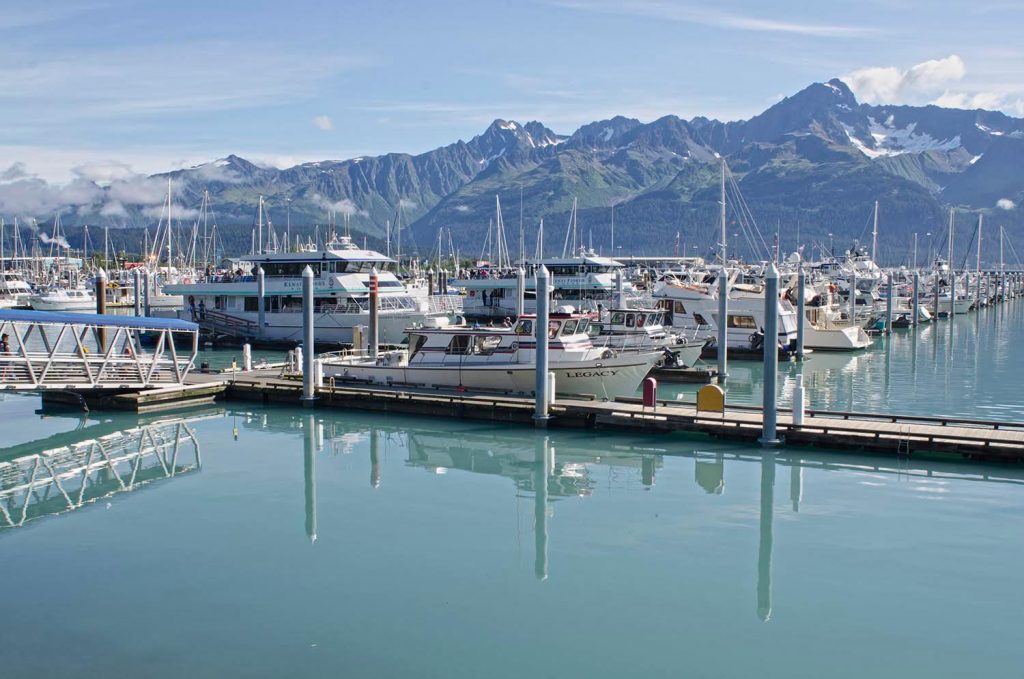
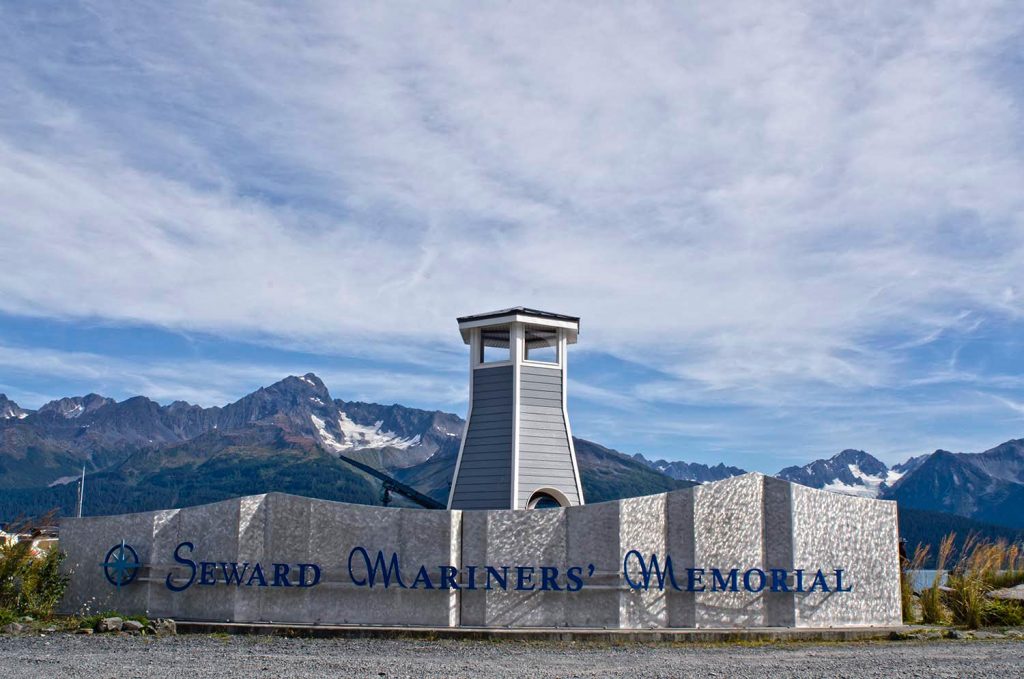
    Back in town, it appears everyone is drawn to the harbor. My walks always started at the SeaLife Center and headed past the Mariners’ Memorial, with its miniature lighthouse/widow’s walk, toward the mile 0 marker for the Iditarod National Historic Trail. Then on around the point toward the port where hundreds of boats are moored.

    Photo Tripping America - Seward - Camping World

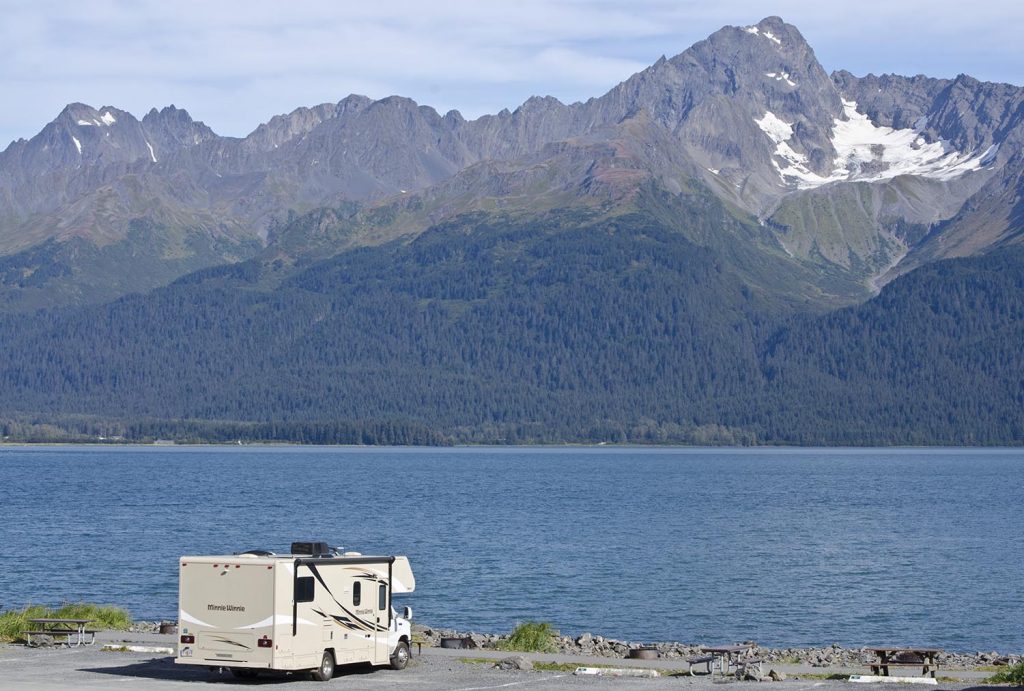
    Along this daily walk, you will discover what makes Seward an even more desirable place for RVers: hundreds of campsites right on the bay! The town owns all of the parklands along the bay and has created inexpensive campsites with the most exclusive views. Seward has embraced campers, along with their rigs, trailers, and tents, welcoming those of us who like to travel with our homes. Be sure to reserve your campsite well in advance, because as you can imagine, spots like these fill up quickly.

    Photo Tripping America - Seward - Camping World

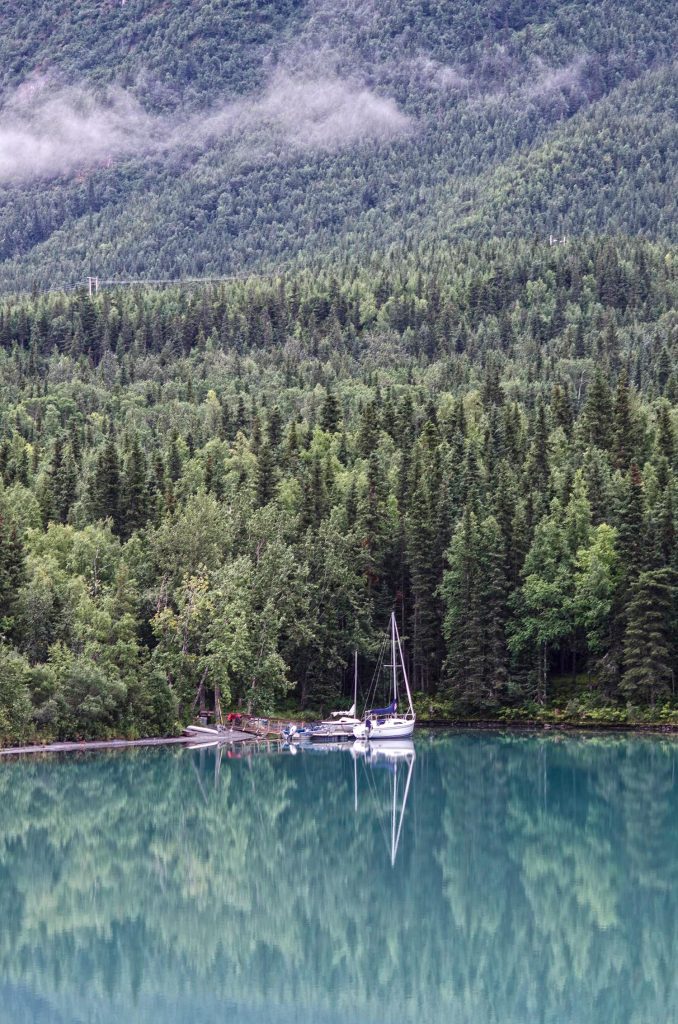
    Driving from Anchorage, the highway system is in great repair and easily navigable by even the largest motorhome or travel trailer. You will rise in altitude from sea level to over 2,500 feet then back down to sea level as you approach Seward, but there are no horribly steep grades to deal with. The roads have a narrower shoulder around Moose Pass, but you’ll be too busy spying the icy blue waters of Kenai Lake to notice.

    Photo Tripping America - Seward - Camping World

    I know you will find Seward to be a terrific Alaskan vacation destination. There are so many places to visit within the Last Frontier. So be sure to join us for other Alaskan getaways in weeks to come!

    Author’s Note: If you will be driving through Alaska and/or Canada please consider purchasing a current copy of “The Milepost.” It is a travel guide that will list necessities (like gas stations) and amenities (like lodging) throughout Alaska and the western Canadian provinces by milepost marker. This is a prerequisite for traveling in the area, as distances between service stations and grocery stores can be hundreds of miles in many cases. Another piece of knowledge gleaned from “The Milepost” are the hours (and seasons) of operation of businesses along the route, as many close down during fall and winter.


    Does traveling to Seward sound like something you’d like to do? Leave a comment below. 


    Source link

  • Life on the Road // Crazy Family Adventure Episode 5

    Life on the Road // Crazy Family Adventure Episode 5


    A West Coast trip wouldn’t be complete without a stop in Big Sur California. Crazy Family Adventure made a stop at this iconic coastal location and visited the surrounding area in this episode. The family saw Monterey, Point Lobos Natural Reserve, Pebble Beach, and Pfeiffer Beach.

    You can learn more about the whole family on their blog.


    Source link