Blog

  • How to Make Thanksgiving Dinner in Your RV

    How to Make Thanksgiving Dinner in Your RV


    When people think of Thanksgiving, they think of big gatherings and tons of food. So, how do you host an RV Thanksgiving when space and kitchen commodities are at a minimum? Don’t worry, it’s as easy as pie.

    Turkey
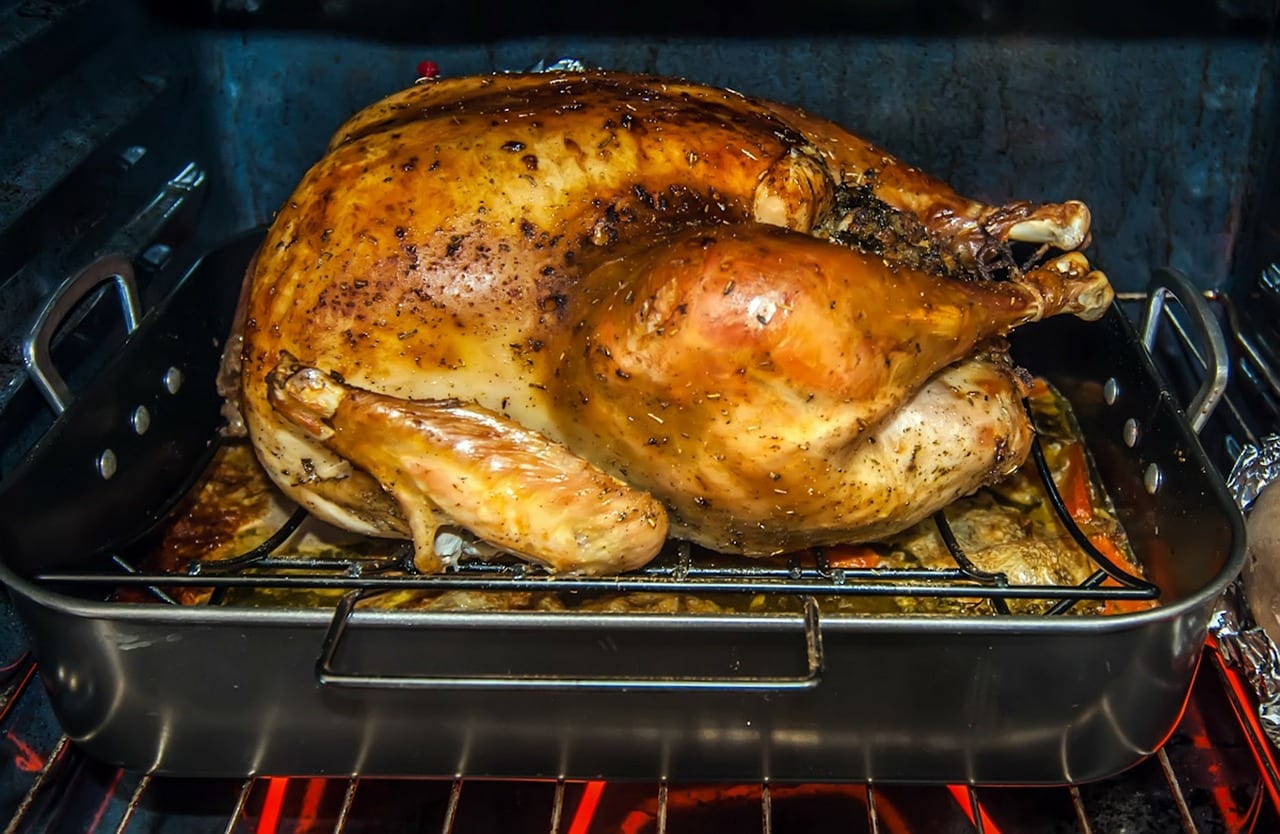
    Turkey in an oven

    Let’s be honest, the turkey is the main event. You can have your favorite sides in all their different variations, but the one thing that is mostly constant throughout American Thanksgiving meals is that there is a turkey as the main dish. Some people have thrown caution to the wind and gone for a completely different animal, but for the sake of staying with traditional, let’s assume you are opting for a turkey.

    How Do You Deal With Size?

    Most people have the biggest challenge with having enough space to cook their turkey. How do you cook such a big bird in your RV? There are actually several different solutions to this problem.

    Smaller Portions

    If you are expecting to use your turkey as a centerpiece and want it to be golden brown and look like it’s from a Norman Rockwell painting, then cutting down your bird might not be the solution for you. However, if you are planning on carving the turkey ahead of time and you don’t really care how it looks as long as it tastes great, then consider portioning it out before cooking. You can store the other parts in your freezer until you are ready to use them.

    While this might cut back on the amount of leftover food you have, you will be able to have Thanksgiving at least three times over with that one bird! Freshly cooked turkey is always better than leftover anyway.

    Turkey Breast

    Did you know that grocery stores don’t just sell whole birds? You can cut down nearly half of your poundage and cooking time by buying a turkey breast instead of a whole turkey. For those of you who don’t particularly like dark meat, this could be a life-changing option for you.

    Chicken

    It was mentioned earlier that this was going to be a strictly traditional Thanksgiving, but chickens are so similar in taste and look, that you can’t resist having this as an option. Chicken is much smaller than turkey and can be a lot easier to cook because it doesn’t dry out so easily.

    Buy a Small Turkey

    Some RV ovens can accommodate a small turkey, and you don’t have to buy a huge one at the store. Try to find a small enough turkey to easily fit in your oven while still providing plenty of meat for everyone around the dinner table at Thanksgiving.

    How Do You Cook It?

    stove burner flame

    You can always use the oven in your RV, but if you want to free up space, here are some other options.

    Slow Cooker

    You can use a slow cooker if you make the meat small enough. This is a great option because the meat will stay moist and fall off the bone tender.

    Deep Fryer

    You could also use a deep fat fryer, which has been popular in recent years. You do need to be a bit cautious with this method. If your turkey is not thawed and you haven’t dried off excess moisture, you could run the risk of it not being cooked all the way or your fryer exploding. If you opt for this method follow the instructions to the letter and be careful.

    Dutch Oven

    Dutch ovens make everything so tasty. You can absolutely cook your turkey in a Dutch oven over a campfire, but it can be difficult to keep your fire going strong and giving off the right amount of heat for three plus hours to fully cook the turkey.

    Mashed Potatoes

    Potatoes being rinsed for mashing

    You will be happy to know that mashed potatoes can be refrigerated or even frozen with excellent reheating results. Just put your mashed potatoes in a casserole dish with foil on top and reheat at 350 degrees Fahrenheit until warm through.

    So if time is an issue for you, you can make the potatoes ahead of time. However, the stove is much less busy than the oven on Turkey Day, so if you’re not crunched for time, this is a great side to make the day of the meal.

    Rolls
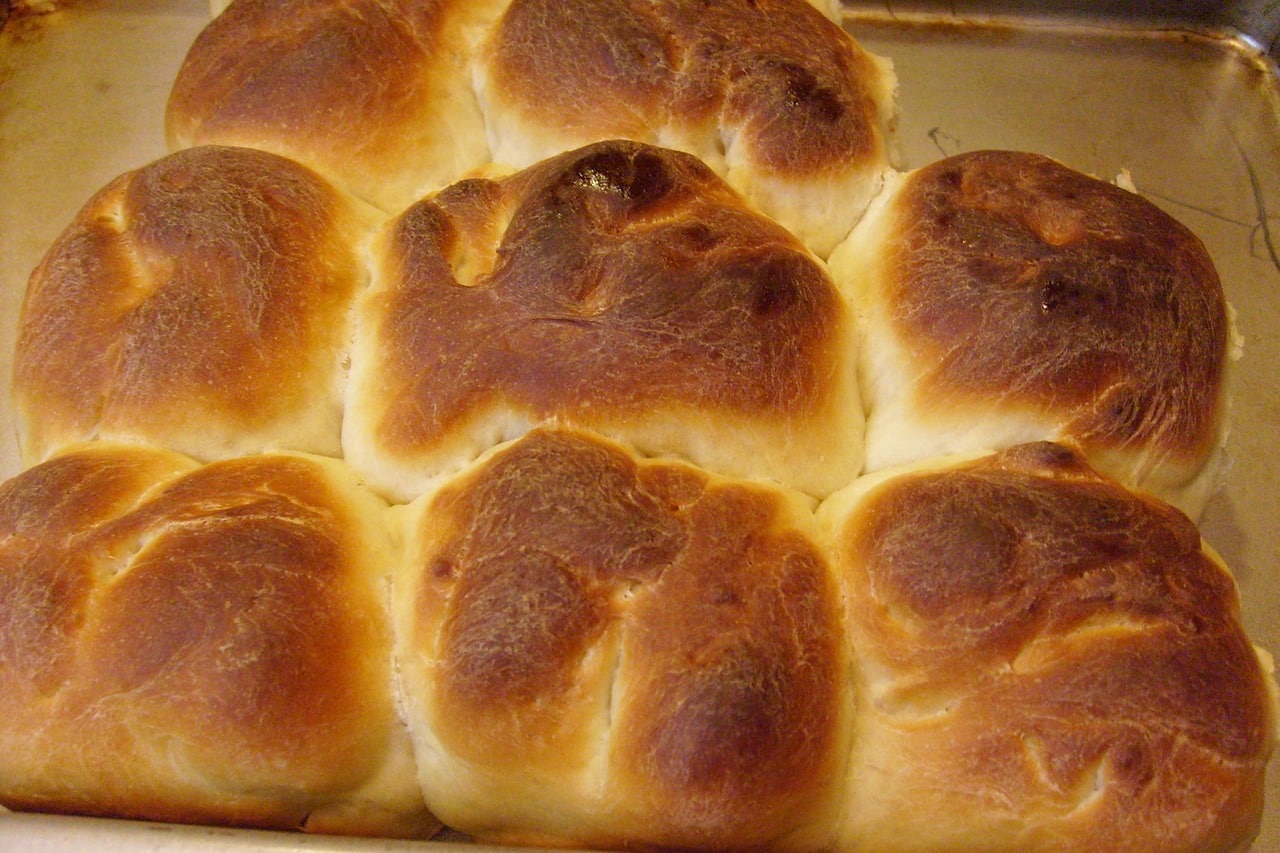
    Freshly baked dinner rolls

    If you are someone who cannot stand to have anything but homemade rolls for Thanksgiving, then not to worry! You have options.

    Of course, you can try using your oven to make the rolls, but if you happen to be using it for your turkey, there are some amazing Dutch oven roll recipes. It is much easier to make rolls in a Dutch oven than a turkey because it takes about a half hour to cook rolls versus the three-plus hours it could take to make a turkey.

    You can also just make the rolls the day before and heat them (or not) in the microwave before dinner.

    Pies

    Thanksgiving wouldn’t be Thanksgiving without a few pies. Pies can stay good for a couple of days, so you can make these ahead of time. The custard pies shouldn’t be made more than one day ahead of eating, to make sure they don’t get a rubbery texture.

    Baked pies can be made a day or two in advance, however, there is nothing better than a pie fresh out of the oven. The best thing you can do is assemble the pie a day in advance and put it in the refrigerator.

    If you pop it right into the oven when dinner starts, it will be ready just as you are clearing away the plates. You can also make it a month or two in advance, freeze it, and do the same thing. However, it will take about twice the amount of time if you are heating it from frozen.

    Schedule

    Thanksgiving in a small space is completely doable if you create a schedule that will work for you and your family. If you are planning it on your own, here is a sample schedule that will be helpful for you to follow.

    Monday

    • Clear out your refrigerator and freezer as much as possible.

    Tuesday

    • Get all the shopping done.

    Wednesday

    • Rolls
    • Assemble pies
    • Assemble any casseroles

    Thursday

    • Turkey (with roasted carrots and onions)
    • Mashed potatoes
    • Heat up any casseroles
    • Stuffing
    • Gravy
    • Heat pies

    No matter the size of your kitchen, you can pull off an amazing Thanksgiving dinner. You may have to adjust your expectations, but you can get the essentials done. If you are having any sort of gathering at all, ask people to contribute. Even if you can just knock one item off your list, it can take a whole load of stress off your shoulders.


    Have you ever had Thanksgiving dinner in your RV? What was it like? Leave a comment below.


    Source link

  • Why You Should Buy an RV in the Offseason

    Why You Should Buy an RV in the Offseason


    Most people think about purchasing an RV in the spring. When the weather starts to turn nice and the grass, trees, and other foliage green up they imagine themselves on the road with the family on the way to a gorgeous campground and awesome hiking adventures.

    The thing is, they will pay more for their lack of foresight. The best time to buy an RV is on the offseason, during the cold late fall and winter months. Here’s a look at why.

    Special Winter Deals Mean Good Prices

    RV Campers For Sale

    Just like with the auto industry, if you want a good deal, you should shop during the winter months. That’s when dealers have the best incentives and when they’re trying to make room on the lot for the upcoming model years and get rid of inventory that didn’t sell well over the last year.

    Start keeping an eye out in November for the holiday sales and end of the year sales. RV lots have to work extra hard to get shoppers to come in and buy a rig when the weather’s cold. People simply aren’t in the camping mood. That means you can get a good deal at one of the sales.

    Don’t settle for what the dealer’s pushing either. Flex those negotiation muscles when you come in. A nice holiday sale might be the reason for coming in, but don’t think the list prices are final. If you work hard with the salesman you may be able to get the price down lower or get some extras thrown in to sweeten the deal.

    Remember the dealer wants to make the sale in the offseason, so you have a little more bargaining power during the winter months than you do during the busy season.

    Wide Selection on New and Used Models

    As stated above, most people only shop for an RV when the weather is warm, but if you want to have the widest possible selection to choose from, shopping during the winter months is the way to go. You’ll be able to choose from a variety of products in each RV type.

    This is true whether your shopping for a new or used rig, too. When spring comes, the churn of RVs on a lot is a quite a bit higher, and you’ll have far more options during November, December, January, and February.

    The RV Lot Won’t be Busy

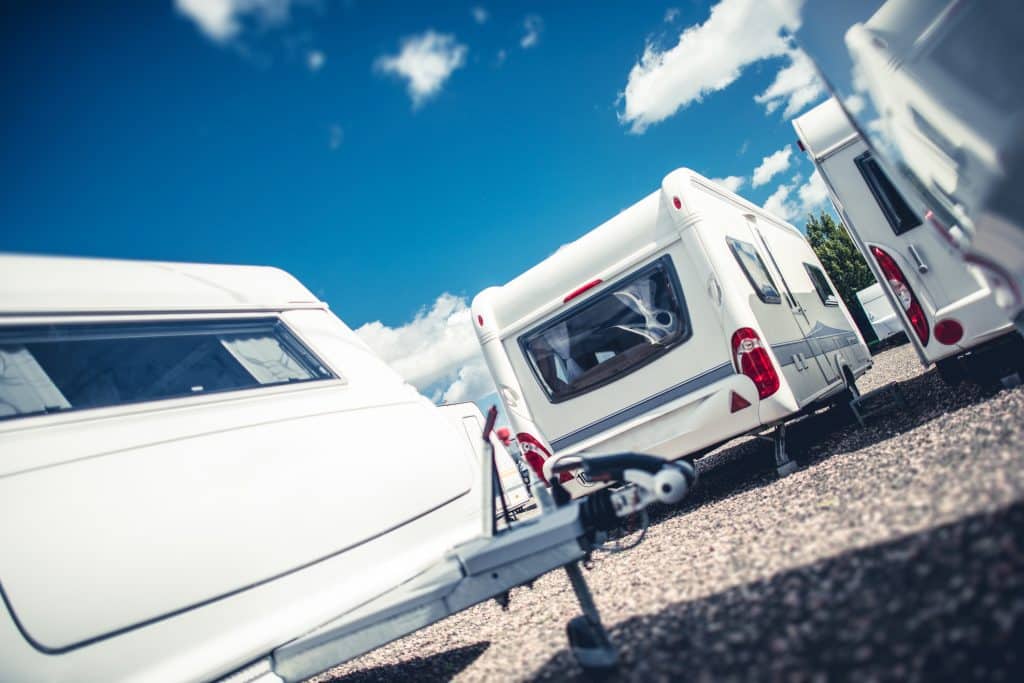
    Pre Owned Travel Trailers

    I don’t know about you, but I hate shopping when there’s a lot of other people around. I don’t want to fight the crowd. You’ll probably never be bumping elbows with thousands of other shoppers at the RV dealer even in the spring, but you might run into an issue where all the salespeople are tied up helping someone.

    If you shop during the offseason, there’s little to no chance of that happening. You’ll get the full attention of the specialists on site. You can ask as many questions as you want without having to worry about them being pulled away by another customer.

    If you’re the kind of person who wants the salesperson to leave you alone, all you need to do is let them know that you want some time to look around. When you’re ready to let fly with your questions, you’ll be able to easily find someone to answer them.


    When was the last time you stopped in at a dealer and how was your experience? Leave a comment below.


    Source link

  • The Ultimate Guide to Buying an RV

    The Ultimate Guide to Buying an RV

    Buying an RV is a big decision—it requires a lot of thought, discussion, and research.

    The goal of this guide is to take a lot of the pain out of the decision-making process by focusing on the most important thing: you. We’ll start with some questions to ask yourself, and after that inventory, we’ll help you find the RV that meets all of your needs.

    Questions to Ask Yourself

    rv questions to ask yourself

    As with any major decision, it’s important to go into the process of buying an RV with an idea of what you’re looking for in a camper. We’ve put together some questions to help get you started down the right road.

    1. How often will I use the RV?
    2. Where will I be camping most often?
    3. What kind of camping will I be doing?
    4. How many people/pets will be traveling with me?
    5. Is this a vacation vehicle or a new lifestyle?
    6. Is the RV lifestyle right for me?
    7. If I buy a trailer, do I have a truck/vehicle that can pull it?
    8. What elements of my current lifestyle can I not go without?
    9. What’s my budget?

    Start there. You may find out you aren’t quite ready for an RV. Or, more likely, you’ll find that you are ready and you’re ready to move on to the next step. Keep your answers handy, though, because they’re going to be important as we move forward through the next few steps.

    The Right Kind of Camping

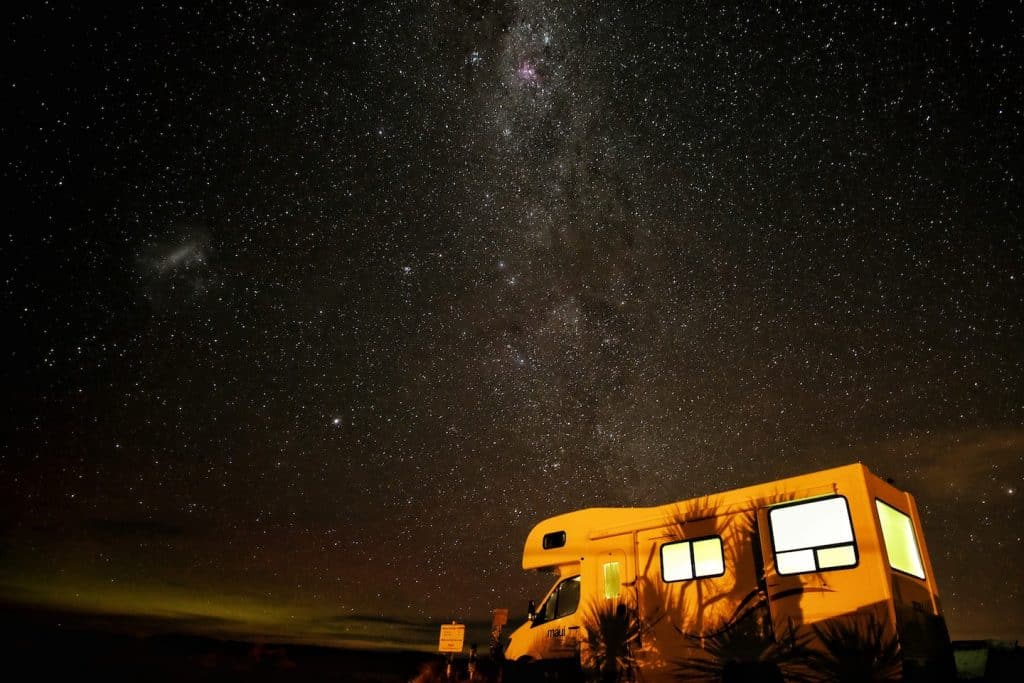
    rv camping under the stars

    Even in an RV, there are several kinds of camping—and believe it or not, some are still pretty primitive. Everyone has their own style. Here’s a little breakdown.

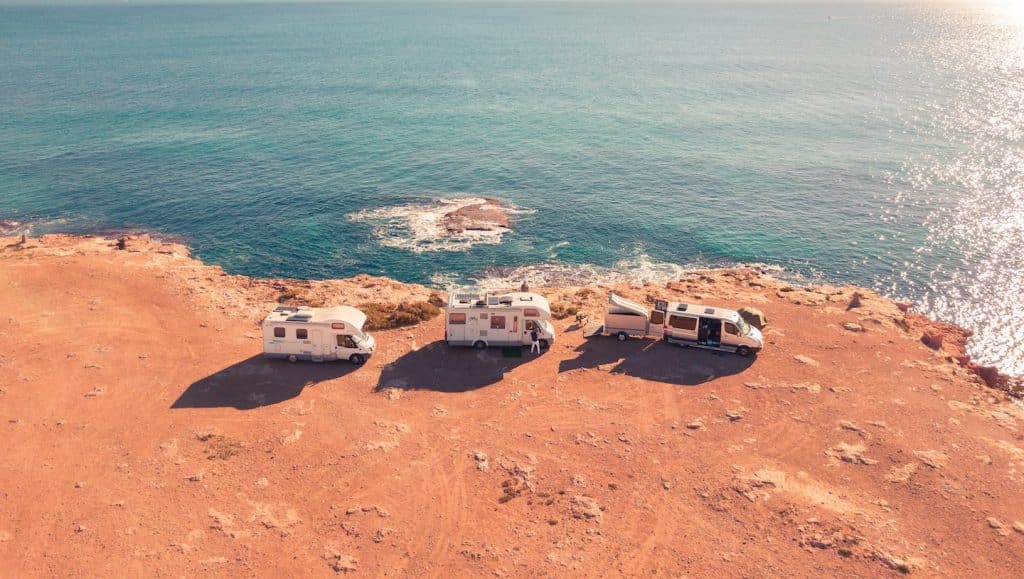
    • Boondocking: So-called because you’re further out in the boondocks than in other camping styles, boondocking in an RV usually means getting off the grid. It’s usually free because you’re going without any kind of water, electric, or sewer hookups. These places tend to be pretty remote and you may not see any other campers (or locals, for that matter) around.
    • Family Vacationing: This usually means you’re camping with the whole family (and maybe the pets). You’ll likely be in a National or State Park or an otherwise dedicated campground for RVs. You’ll usually find bathhouses on-site, with local amenities like grocery stores and other attractions nearby.
    • Luxury Camping: Also referred to as “glamping,” luxury campers take the majority of the amenities they love from home with them on the road. You’re looking at full hookups, WiFi, TV, a clubhouse with activities, and most likely near cities or attractions. These could also be called resorts.

    There’s no wrong way to camp. But the way you prefer will definitely impact the RV or camper you need to best fit your lifestyle.

    The Right RV

    find the right RV

    Same as there are several camping styles, there are many more RV models that will offer different kinds of amenities as you travel. Some are larger and more luxurious; others are closer to being hard shell tents on wheels.

    • Class A Motorhome – The largest of motorhomes, the Class A is generally what people think of when they picture an RV. They tend to feature the most amenities and have the most room—especially factoring in slide-outs. Large bathrooms, a queen- or king-size bed, full fridge, and large kitchen are all features you can expect to see in one of these sizeable RVs.
    • Class B Motorhome – These are the smallest motorhome model you can buy and are sometimes referred to as “campervans.” You’ll get a kitchenette, a small bathroom, and a living space. They’re less practical for full-time living, but if you’re camping somewhere you intend to spend most of your time outside, they’re the perfect option.
    • Class C Motorhome – These RVs fall in between Class A and B motorhomes in size. They’re built on truck or van frames that are designed specifically for this size vehicle. They are clearly identifiable by an overhang above the cab that is usually used as sleep or storage space.
    • Fold-Downs – Also known as pop-ups, these are lightweight towable campers. They expand up and usually outward, and are more tent-like than most other campers. You’re still up off the ground with a door to provide a little more privacy and protection from the elements.
    • Expandable Hybrid Trailer – These fit between full Travel Trailers and Fold-Downs. You still get the experience of camping in a tent with the expandable fold-outs, though more space with an option for a greater kitchen, dining, bathroom, and larger sleeping areas.
    • Travel Trailer – Travel Trailers come in a wide variety of floor plans, but tend to offer many of the amenities you find in a motorhome, like kitchens, bathrooms, and entertainment areas. They tend to be lightweight and can be dropped at campsites so you maintain use of your towing vehicle for errands and sight-seeing. Slideouts can add a significant amount of living space, depending on the model.
    • Fifth Wheel – Similar to a travel trailer, but named for the in-bed hitch required to haul it. Because of the hitch design, they feature a raised forward section that creates a bi-level design that adds more room to already spacious floor plans. They also often feature large windows to offer unparalleled views.
    • Toyhauler – For those of you who like to bring their toys on the road with them, these towable RVs come equipped with built-in garages and a ramp. You do sacrifice some living space, but you have a safe, easy way to tow your ATV or motorcycles with you. So you have even more freedom to explore.

    Shopping for the Rig for You

    shopping for an RV

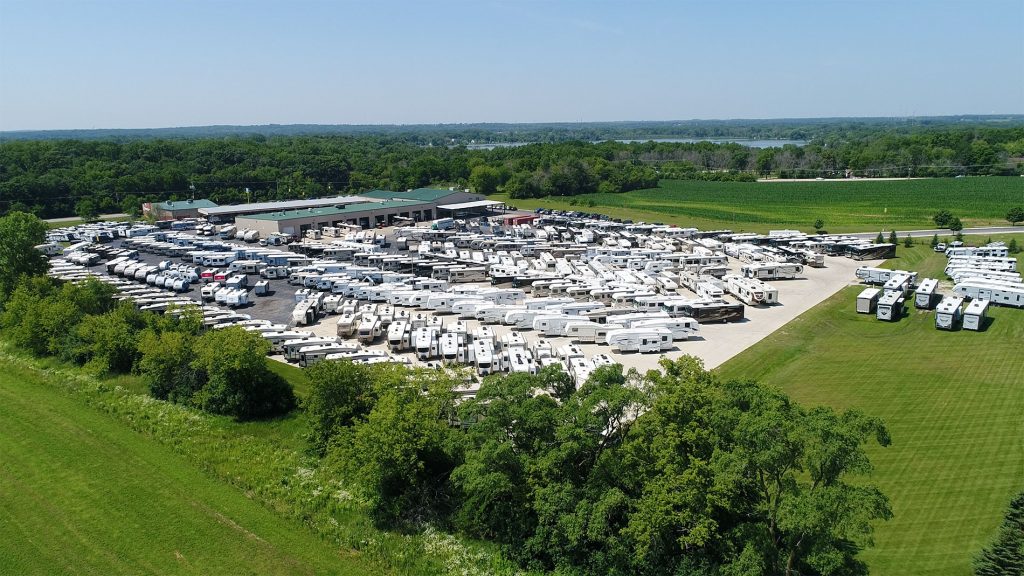
    There’s no wrong way to start shopping for your rig. There are dozens of ways online to shop for what you’re after, new or used. One of the best ways, regardless, is to see them in person. Visiting a dealership gives you an opportunity not only to see just how big the RV is in person, but also get inside it, walk around, and get a good feel for how you fit in it.

    When you visit a dealership, make sure you’re getting a good look at everything you want to see before you pick one and run with it. There are a lot of options for RVs. Take your time and find the one that fits all of your needs. If you give the salesperson a list of must-haves, they will help you find the one that’s right for you.

    RV shows are also a great way to get acquainted with the wide variety of rigs from an even wider variety of manufacturers. You’ll find them across the country, year-round. Plus, you’ll have an opportunity to ask manufacturer representatives questions without the sales pressure.

    Cash vs. Financing

    If we haven’t made this clear by now, an RV is a major purchase. And if you’re like most RVers, you won’t be paying cash. (If you are, more power to you.) Just like car dealerships, RV dealerships will have relationships with banks to provide financing offers. Some of these rates may be the best you’ll find.

    Trade-Ins

    rv trade in

    Not a first-time buyer? You’ll most likely be looking to trade in your RV to help finance your new purchase. Depending on the state of the RV, you may get a great trade-in value.

    Another route is to sell your RV personally. This route may let you get more out of it than the dealership is willing to offer, and allow you to upgrade more—or put that amount toward a larger down payment.

    If selling your own RV isn’t something you’re comfortable with, you may want to sell through consignment. Some dealerships may help you sell your RV via consignment as well.

    Storage and the Off-Season

    If you’re not a full-time RVer, then your RV will have an offseason, and in some cases, that offseason may make up the majority of the year. Because your RV is such an investment, we highly recommend the right kinds of protection.

    Investing in a sturdy RV cover will protect your rig from rain and UV rays. Alternatively, you may wish to invest in proper RV storage at a facility near you.

    Accessorizing Your Rig

    Caravan at camping site, table and empty chairs in front of

    Think of your RV like a home. You can move it, and it’s conveniently already furnished. But it’s missing a few components that really make it yours. Think about what’s going to make you happy in your home away from home. Will you need TV to keep up with your team? Then you’ll want to consider a satellite or antenna. Planning to mostly boodock? A solar power unit will be your best friend.

    You can always add accessories as you go, but for your first big trip, you definitely want the core elements of what will make you most at home in your new RV.

    Other Considerations

    rv campground

    After you have the RV, there’s still money to be spent. Again, think of it as a home: not only is there the mortgage, but utilities, property taxes, TV and WiFi costs, and others. Same with an RV. Here are a few things to consider in your budget before you hit the road.

    • Maintenance costs: Just like you maintain your car, your RV will have things that need to be fixed on occasion, too.
    • Mileage: Big engines (or big towables) mean lower miles per gallon. While weights and efficiencies are always getting better, you should still expect 8-20 MPG.
    • Camping costs: There are certain places you can camp for free, but those tend to be much more primitive than not. If you’re looking at a space with hookups, you’re probably paying for it.
    • Insurance: As with most large purchases, insurance is going to be a requirement on your RV. Research insurance providers before you go in to buy.

    There you have it. A full primer on the steps you’ll need to take and the things you’ll need to consider before buying an RV. It’s a big decision, but easily one of the most rewarding buys you’ll ever make. Because you’re not just buying a camper. You’re buying adventure.


    Do you have other questions about buying an RV? Let us know in the comments below and we’ll help you out.

    Source link

  • Life on the Road // Crazy Family Adventure Episode 4

    Life on the Road // Crazy Family Adventure Episode 4


    Yosemite National Park was one of the places Crazy Family Adventure wanted to see most. In this episode of Life on the Road, the family camps in the park and visits Glacier Point, Taft Point, Mist Trail, Nevada Falls, Lower Yosemite Falls, and Tuolumne Meadows.

    You can learn more about the whole family on their blog.


    Source link

  • Get Your Pics on Route 66 – Northern Illinois

    Get Your Pics on Route 66 – Northern Illinois


    Route 66, the iconic “Mother Road,” winds its way from Chicago, Illinois to Santa Monica, California.  If you don’t have the time to drive the entire route, why not take on this icon of American transportation history in bite-sized pieces?  We’re going to help you do just that with a series called Get Your Pics on Route 66 in hopes that you’ll capture some great memories and images as you explore this little slice of Americana.  Here’s the Route 66 Northern Illinois installment:

    Route 66 runs about 300 miles across Illinois from Chicago to East St. Louis and was formerly a Native American Indian trail and stagecoach road called the Pontiac Trail. When Cyrus Avery and John Woodruff introduced an inter-regional highway connecting Chicago and Los Angeles, The Route became the culmination of their dreams. It starts (or ends, depending on your direction of travel) in the Windy City, and because Illinois has so many remaining attractions from the highway, we’ll be covering the northern half of the state in this report.Photo Tripping America - Route 66 Northern Illinois - Camping World

    Chicago

    Head downtown to the intersection of Jefferson and Jackson Streets.  You’ll find the “Begin” Route 66 sign one block over on Adams Street, as it is a one-way street. The “End” sign is at Jackson and Michigan Avenue, and Grant Park is considered the official terminus of Route 66.  Start your adventure down America’s Main Street from Grant Park.

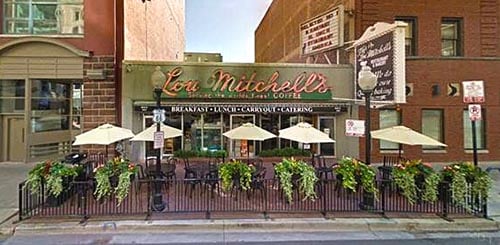
    At 565 W. Jackson, you’ll find the first restaurant on Route 66’s southern trek: Lou Mitchell’s. Built in 1949, the building still has its original neon signs, black, and white flooring and booths. They’re still offering great breakfasts and lunches, so find a table and grab some grub to fortify you on your Mother Road adventure. And if you kindly complain to the staff that you don’t like being discriminated against because you’re male, you may be given a box of Milk Duds.Photo Tripping America - Route 66 Northern Illinois - Camping World

    Cicero

    This suburb of Chicago is home to Henry’s Drive-In, where hot dogs have ruled since the 1950s. Their motto is “It’s a meal in itself,” and today’s travelers along Route 66 must agree, as they are still serving ‘em up at Henry’s, and the original neon sign continues to brighten up Ogden Avenue.

    Hinsdale

    Make your way out of downtown Chicago to Hinsdale, just 15 minutes away for another scrumptious diner that instructs travelers to “Get Your Chicks on Route 66.” Dell Rhea’s Chicken Basket started as a lunch counter in a gas station in the 1930s and grew into its current residence next door in 1946. When the interstate highway decimated businesses from The Mother Road, bypassing the Hinsdale community, this restaurant was saved by savvy marketing to Chicago suburbanites.Photo Tripping America - Route 66 Northern Illinois - Camping World

    Joliet

    The next town on The Route today is Joliet—famous for their imposing prison and motor speedway. But you’ll find several kitschy attractions around town, including the Rich and Creamy Ice Cream Stand.

    Built at the end of Route 66’s commission, the original “Creamy Delight” store was almost torn down, but the city of Joliet has found a way to keep serving the cold desserts to Route travelers today.

    But if you’re a connoisseur of ice cream you won’t want to miss the site of the world’s first Dairy Queen store. Located at 501 N. Chicago in Joliet and opened in 1940, the shop was the first to deliver “soft serve” ice cream labeled as “the new frozen dairy product” by its creators, the McCullough family.

    Be sure to stop in at the Route 66 Welcome Center at 204 W. Ottawa Street to learn about the history of Joliet and the importance of the famous highway to its economy and growth.Photo Tripping America - Route 66 Northern Illinois - Camping World

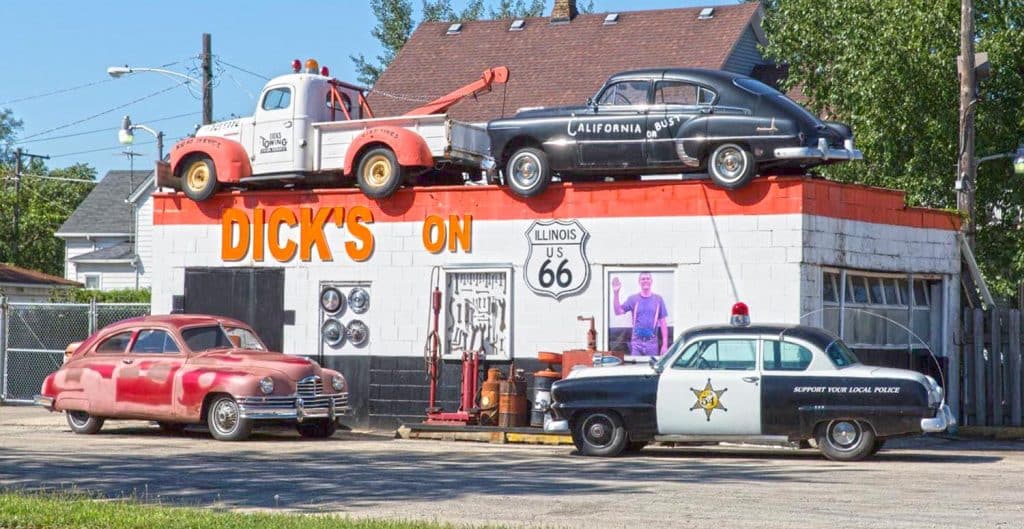
    Another interesting sight along The Route is Dick’s Towing at 911 N. Broadway. Located in an old gas station, the towing business has created their own display of Route 66 vehicles in front of and on top of the building. Although the business was not in existence during the Mother Road’s heyday, they have found a quirky way to attract today’s travelers.Photo Tripping America - Route 66 Northern Illinois - Camping World

    Wilmington

    Don’t forget to visit the Gemini Giant at the Launching Pad Drive-In. He is one of the original “Muffler Man” creations, paying homage to the Gemini Space Program by holding a rocket in his hands. You can’t miss him, as he is dressed from head to foot in green and wearing a homemade space helmet!Photo Tripping America - Route 66 Northern Illinois - Camping World

    Dwight

    Following Interstate 55 (old Route 66) south to Dwight, you’ll find a wonderful restoration at Ambler’s Texaco Gas Station. Originally built in 1933 in the cottage style so popular along The Route, this station has been restored to its former glory today and serves as an information center for the town of Dwight, as well.Photo Tripping America - Route 66 Northern Illinois - Camping World

    There is also a nice signboard display of Route 66 attractions in the area as you enter the village.Photo Tripping America - Route 66 Northern Illinois - Camping World

    Odell

    For another great preserved service station, just travel a few miles south to Odell, Illinois. Here the Standard Oil Gas Station has been returned to its “domestic style” architecture, described as a house with a canopy that gave customers a feeling of trust. The building was erected in 1932 and a few years later, as traffic continued to increase along Route 66, the contractor added service bays. Today it stands as a reminder of the influence the highway had on this and other small towns, and it also houses the community’s visitor center.Photo Tripping America - Route 66 Northern Illinois - Camping World

    Continue on Through the Prairie State

    The very first section of Route 66 is now in your rearview mirror, and you won’t want to miss the second half of the highlights in Illinois. So please join us next time for more Mother Road nostalgia in the Southern Illinois section of “Get Your Pics on Route 66.” In the meantime, why not find your own adventure along the Mother Road in a motorhome or travel trailer from Camping World?


    You can drive the rest of Route 66 with our other “Get Your Pics on Route 66” articles. Read the entire series.


    Source link

  • 10 Tips for Maximizing Space In Your RV

    10 Tips for Maximizing Space In Your RV


    Space in an RV isn’t exactly abundant. Many RVers struggle to find room for all the things they want to take along. While most RVs do a good job of making the most of their square footage, there’s always things you can do to maximize that space even more.

    Here are ten of the best ways to best use the space you have available inside your RV.

    1. Use Camping-Specific Household Items

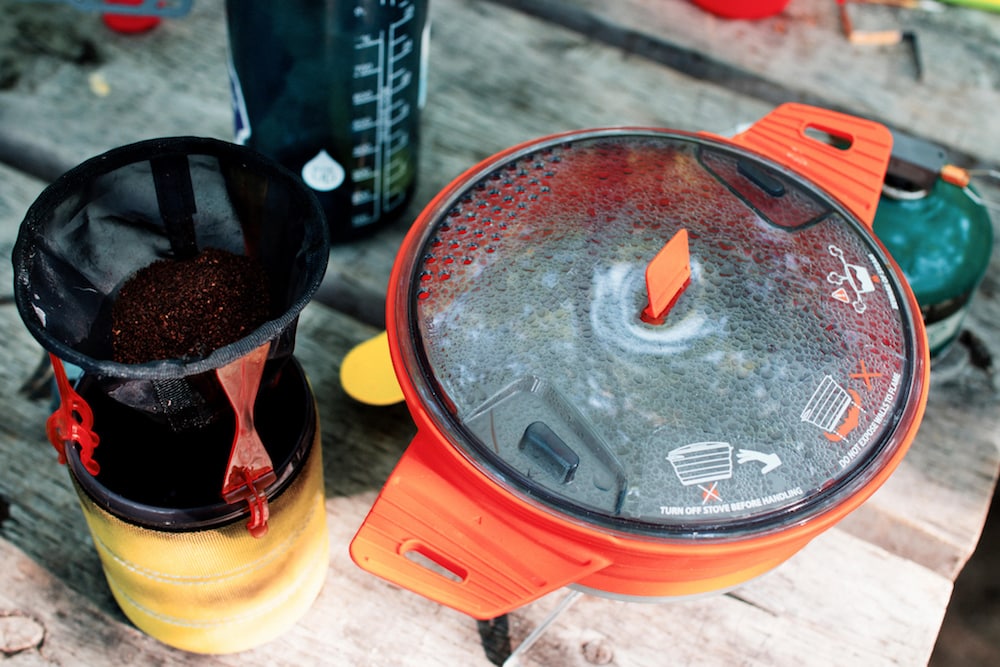
    Collapsible Camping CookwareFirst thing’s first, you’re in an RV, so make sure the items you take with you are designed for that space. That means camping-specific kitchenware, smaller toiletry items, a smaller trash can. Get things that fit the space. Don’t try to make the space fit your things.

    Kitchenware is easy. There are all kinds of pots, pans, plates, and utensils created to be compact and useful. Collapsible cookware is extremely handy and easy to use. Having a kitchen that’s outfitted with RV and camping-specific items will help you make the most of your limited kitchen storage.

    2. Eliminate Useless Items

    In addition to buying items designed specifically for an RV, make sure you eliminate unnecessary items. Make a list of all possessions you have in the RV, and then sit down and go over the list to see what can be eliminated.

    Be honest with yourself. If you truly need something, keep it on the list. If you have something you’re on the fence about, talk it over with your significant other, family, or whoever you’ll be traveling with. If you don’t need it, don’t take it along.

    3. Have a Place for Everything

    food cupboard, pantry with jars

    Staying organized while in your RV is one of the best ways to make the most of your limited space. Before you head out in your RV, have a place for everything, and make sure the people you’ll be traveling with know where each item goes.

    I’m not saying you need to be a neat freak. You’re camping, things are going to get dirty and cluttered, but it’s always nice to know that everything fits in the RV easily, and having a specific place for your things makes cleanup a cinch.

    4. Use Your Wall Space

    One thing that I notice most often in a lot of RVs is that usable wall space isn’t being utilized. When you have such a small floor plan, you need to use the vertical space for storing items. Some RVs have more wall space than others, but you should make the most of whatever you do have.

    Hooks, shelves, magnet strips, and hanging storage units are great for using wall space. Whether it’s clothing, kitchen utensils, or electronics, there’s a way to use your wall space and get items up off the floor or out of cabinets.

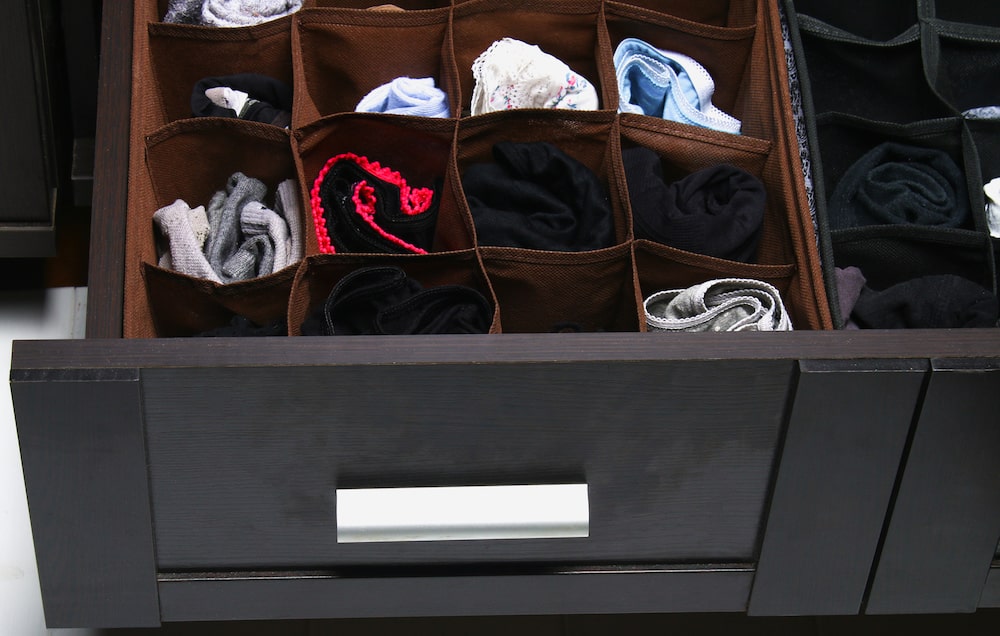
    5. Use Divided Organizers inside of Drawers

    Organization of storage of socks and panties in the drawer of the chest of drawers, cabinet.

    Inside the drawers in your kitchen and bathroom cabinetry, you don’t want to just toss things in there. It becomes a jumbled mess. There are a variety of organizers out there for drawers. If you want to best utilize that space get some that fit your RV.

    Silverware, cooking utensils, and toiletries all fit in drawers better if you have an organizer. Even the famed junk drawer can become a reasonably usable space if you have the proper organizer in the drawer.

    6. Hang Items On the Inside of Cabinet Doors

    Similar to using wall space, you can use the inside of your cabinet doors to hang items. There are a variety of organizers that will either hang over the cabinet door or attach to the door. You can even put hooks on the back of the doors if needed.

    The back of cabinet doors works well for things like sponges, brushes, and cleaning supplies in kitchen cabinets. In the bathroom, you can use the inside of your cabinet doors for storage containers that can be a place for toothbrushes, toothpaste, or a hairbrush.

    7. Install Drawers Under Tables

    Need a little extra storage space for placemats, utensils, or a deck of cards and other odds and ends? Add a drawer to the underside of a table in your RV.

    The size and depth of the drawer will depend on the seating around the table, and if it’s a collapsible table, you may have to take that into account when adding the drawer.

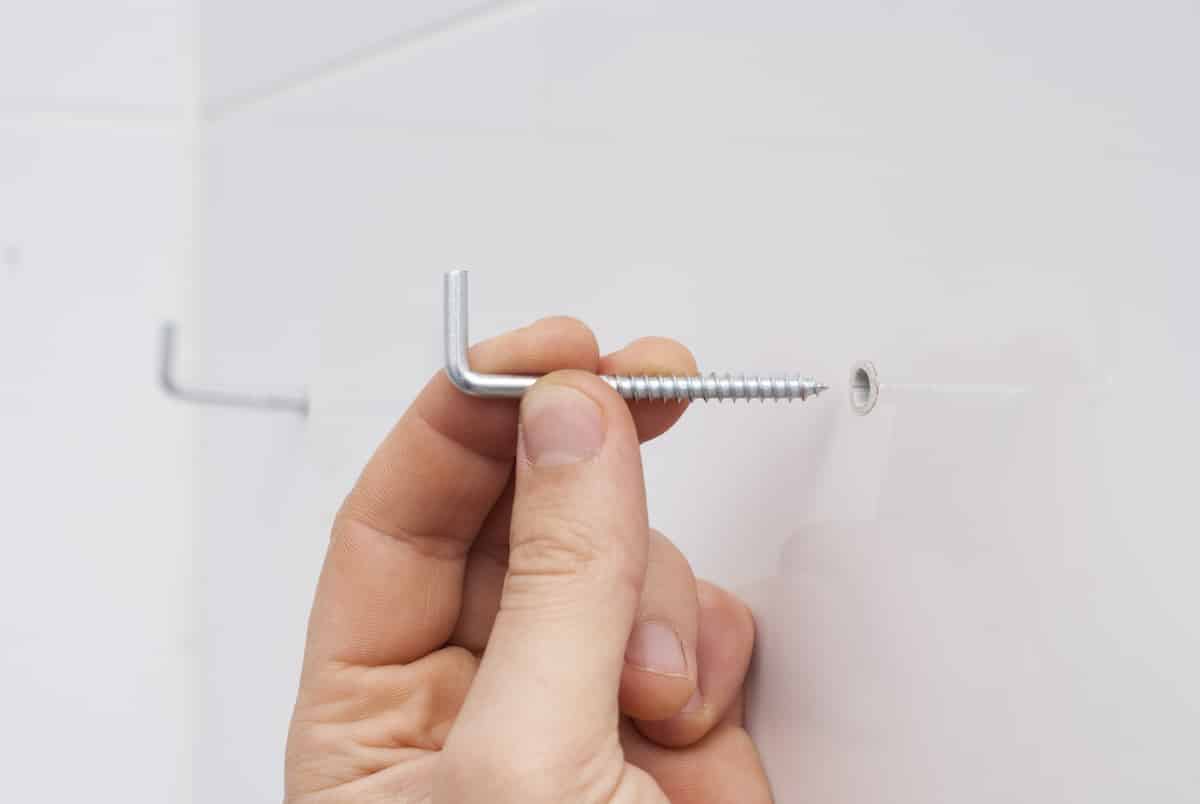
    8. Hang Shower Items

    hook for fixing furniture

    It’s always surprising to me how many things end up on the little ledge around a tub or shower. Instead of leaving those things to sit on a ledge, why not get a shower caddy or some kind of wall hanger for your shower?

    This will best utilize your vertical space and allow you to have everything you need without tripping over something while you wash. The idea is a lot like utilizing wall space in the rest of your RV. The walls of the shower are just sitting there. Why not use them?

    9. Organize the Storage Under Your Bed

    Most RVs have storage underneath the bed in the main sleeping area. If yours doesn’t, first consider updating your bed frame to one that does have some kind of storage underneath it.

    Having space is one thing. Utilizing it properly is another. Totes and dividers can help make the most of that space. You can store laundry under your bed or use it for any number of other items.

    10. Get an Organizer for Your RV’s Basement

    Many RVs have storage spaces known as basements, and usually, it’s just a large open space for storage. Don’t let that space become the catchall for random stuff. You can get totes and dividers to make the most of that storage space.

    When you divide up and organize the basement of your RV you’ll have more room for other items, meaning you won’t have to store those items inside the RV, freeing up more space indoors.


    How do you make the most of your RV’s limited space? Leave a comment below.


    Source link