Blog

  • Camping World’s Holiday Gift Guide for Tent Campers

    Camping World’s Holiday Gift Guide for Tent Campers


    While we focus a lot on camping in an RV, most people’s introduction to camping was in a tent and thousands of people take tent camping trips each and every year. It’s still sometimes the preferable way to camp. If you’re camping way out in the wilderness or just want to really reconnect with nature, a tent is the way to go. If you have a tent camper in your life or are a tent camper yourself, we have the gift guide for you. Here’s some fantastic gear to own.

    Venture Forward Wilderness 6-Person Tent
    tent 6-person

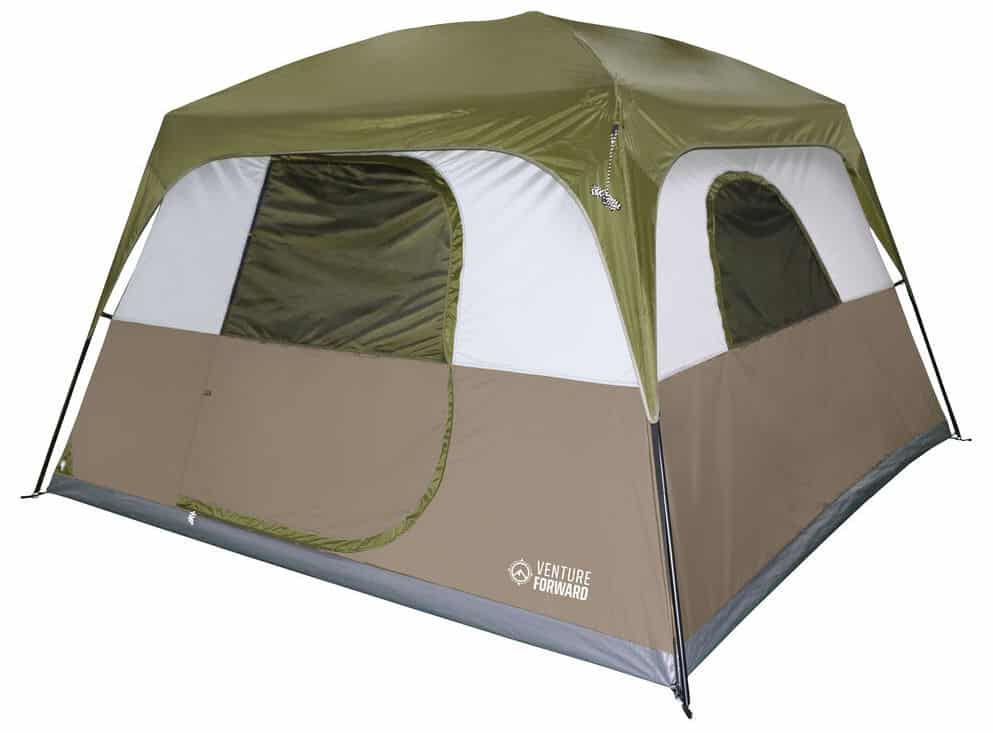
    If you’re camping in a tent, then you need a tent, and this Venture Forward Wilderness 6-Person Tent is perfect for the whole family. The 10 foot by 10 foot floor gives you plenty of room for everyone to lay down a sleeping pad and sleeping bag and get a good night’s rest. Pair that with four large zippered windows with mesh windows and you have a great tent for any camping trip.

    Check it out at Camping World

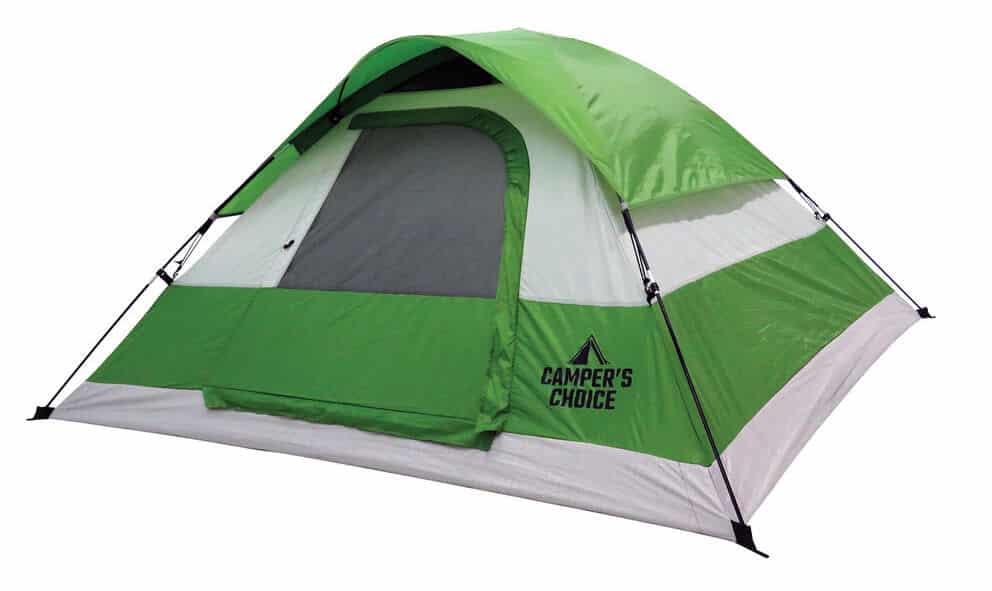
    Camper’s Choice 3 Person Tent

    tent

    If the tent above is a little too big, then a three-person one will be perfect. I like a good three-person tent because it works for a solo camper or for a couple and their gear really well. This particular tent features a D-style door, two side windows, a gooped fly front, an easy to set-up pole and pocket system. It all collapses down and is easy to move from place to place, too.

    Check it out at Camping World

    Stanley 10-Piece Adventure Prep & Cook Set
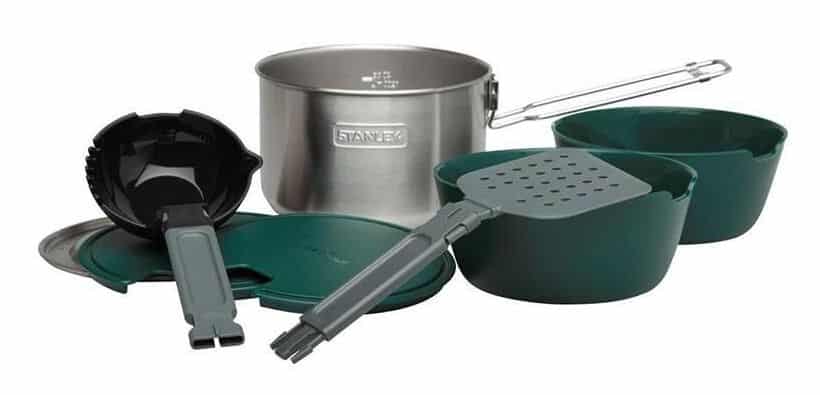
    cook set

    A camper’s got to eat. That’s where this Stanley 10-Piece Adventure Prep and Cook Set comes into play. When camping you can’t just bring along you’re typical kitchen cookware. Stanely’s cook set offers all you need, including a 1.58 quart pot, a vented pot lid, floding cutting board, two 20 ounce bowls, two bowl lids, a spatula with an extending handle and a ladel with an extending handle. The best part is that this all folds up into a single package for travel.

    Check it out at Camping World

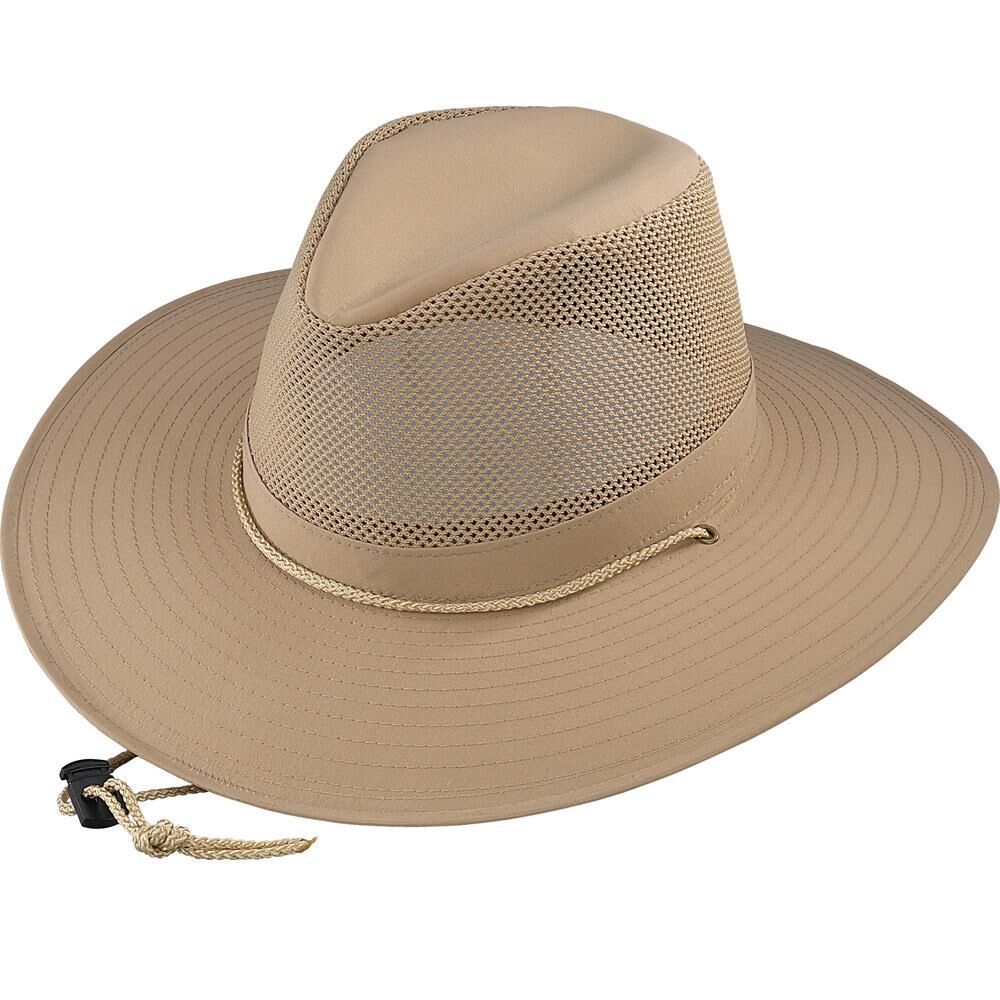
    Aussie Crushable Hat

    hat

    If you’re camping when the sun is out, sunscreen is important but a nice sun hat can do wonders to keep you from having your head, neck, tops of your ears, and face from getting burned. Also, it can help keep you more comfortable and shield your eyes. This hat will do just that. It’s also a mesh hat, which allows for air to move more freely through the hat, helping you stay cool and comfortable.

    Check it out at Camping World

    Ultimate Terrain Men’s The Hagen Beanie
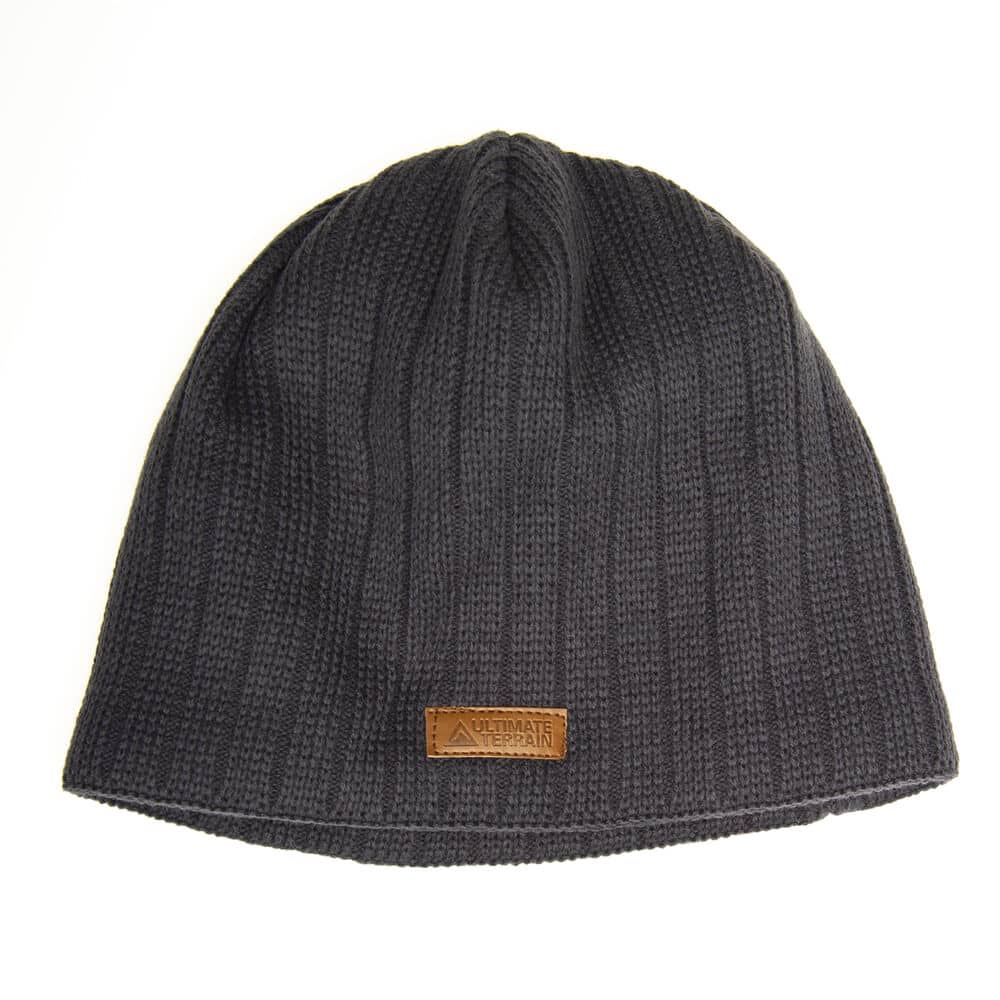
    beanie hat

    If it’s a little bit chilly out there then a beanie is going to be the right choice in terms of a hat. This simple yet sophisticated designed hat is exactly what you need. It offers a textured 100-percent acrylic kit shell, fleece inner band for added warmth and one-size-fits-most adults sizing.

    Check it out at Camping World

    Venture Forward Swing Chair

    Yeah, you can get by without a camping chair, but you’re likely to find that having a chair of some kind makes life a lot easier, and a small foldable camping chair is generally the way to go when it comes to tent camping. This Venture Forward Swing Chair is a fantastic addition. It folds up small, offers a small carrying bag, and offers a 300-pound weight capacity.

    Check it out at Camping World

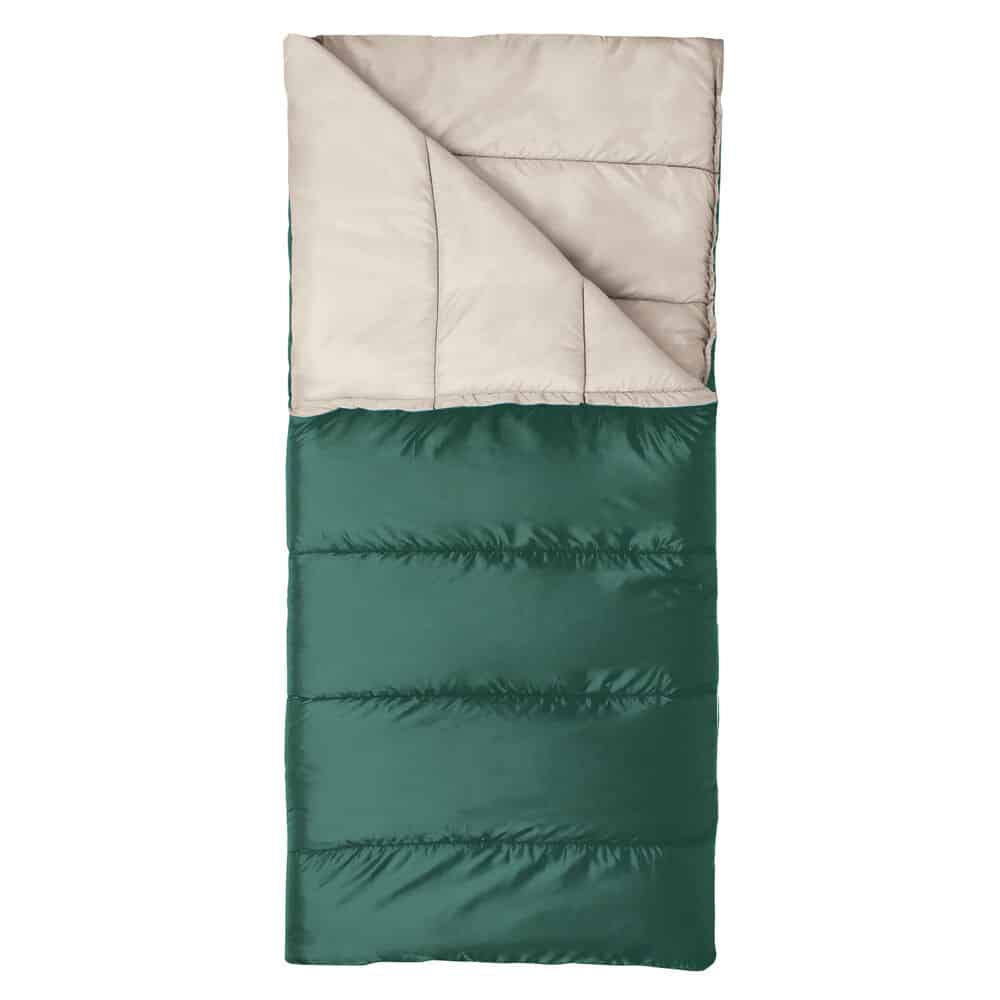
    Cascade 5 Sleeping Bag

    Sleeping Bag

    This Cascade 5 Sleeping Bag is a very good all-around sleeping bag to have available. While you should really pick the sleeping bag depending on the specific trip and temperatures you’ll encounter. If you just need a good general-purpose sleeping bag, this is the one to go with.

    The sleeping bag weighs just five pounds, offers a polyester exterior, nylon flannel liner, and self-repairing zipper. Are there better sleeping bags out there? Probably, but if you want something good for a very reasonable price, then you’d better take a good hard look at this one.

    Silverton Self Inflating Camp Pad with Carrying Bag
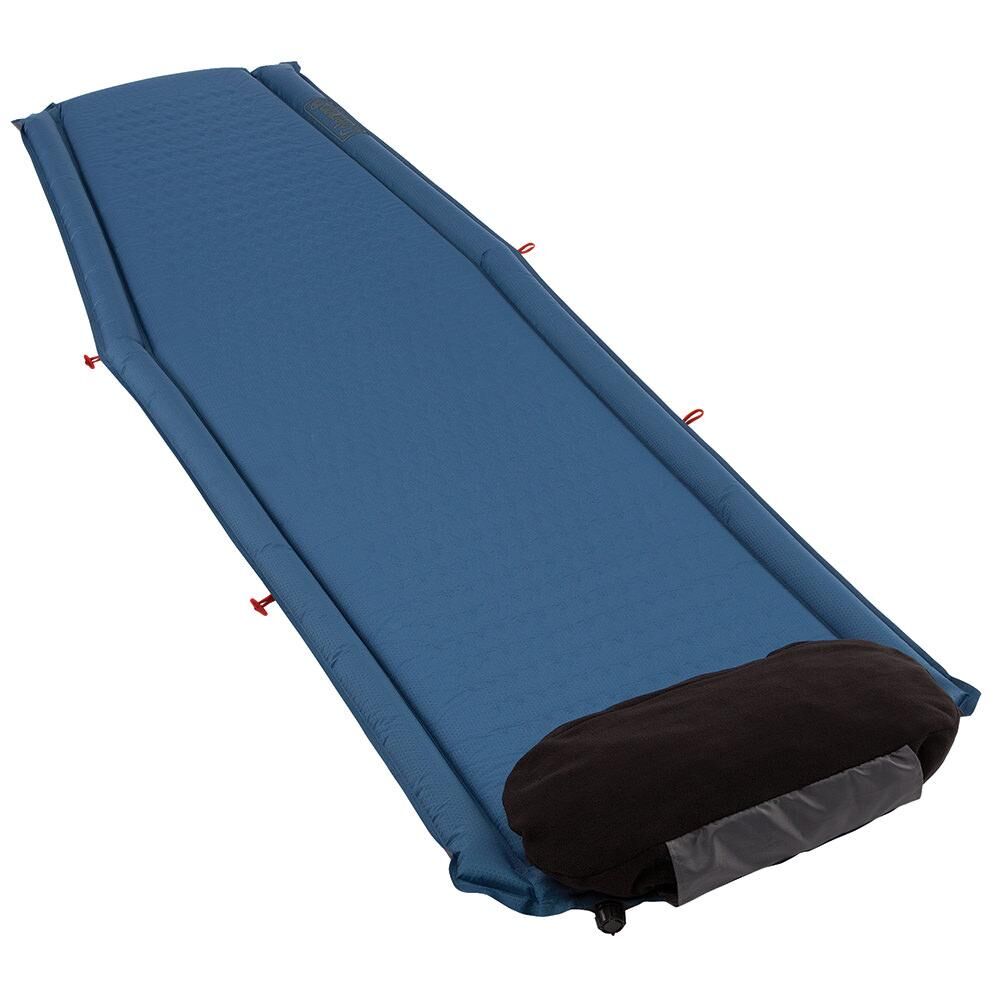
    sleeping pad

    You can always lay your sleeping bag right on the floor of the tent, but when you get up in the morning you’ll likely feel stiff and sore from essentially sleeping on the ground. A sleeping pad will help keep you more comfortable inside your tent. This particular sleeping pad is a blow-up version that comes with its own carrying case, making it easy to take with you. It also features a weather-resistant durable shell and polyurethane foam.

    Check it out at Camping World

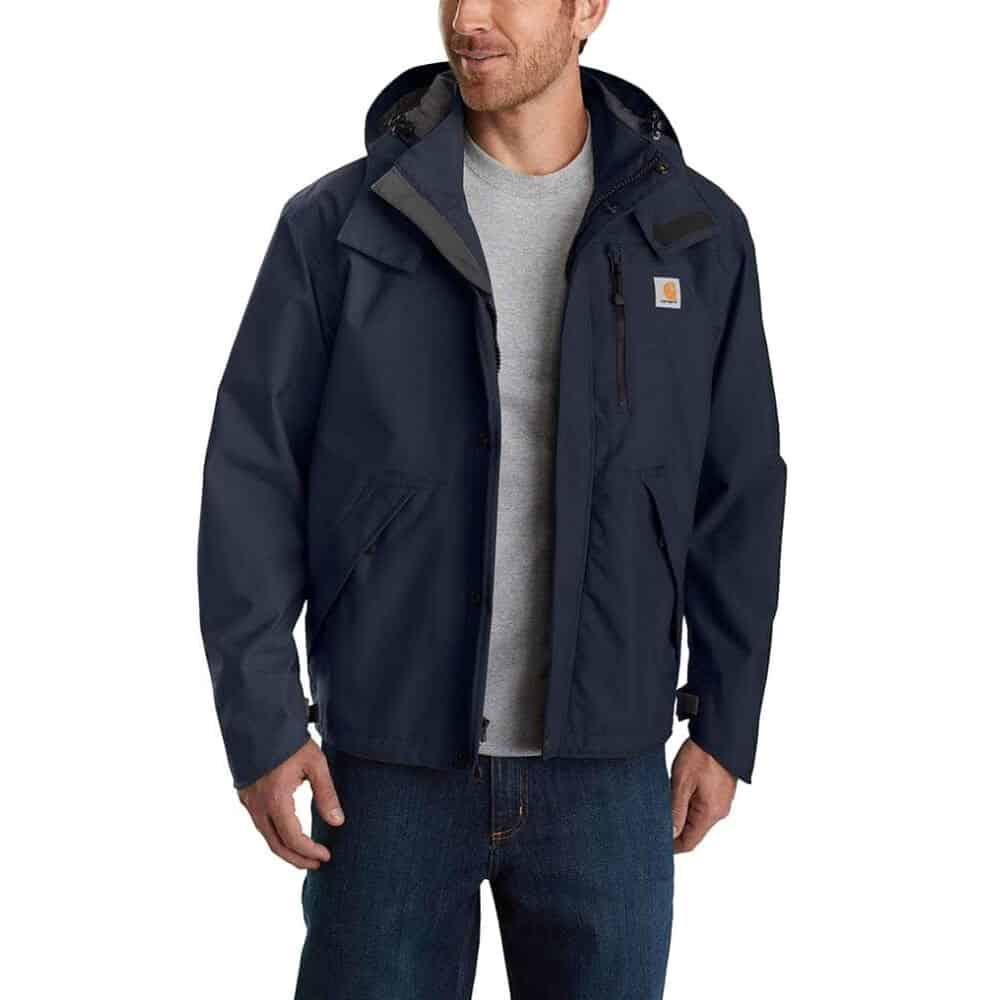
    Carhartt Men’s Shoreline Jacket

    Carhartt

    There’s nothing like having the wrong jacket on a tent camping trip. It’s horrible. That’s why you need to get this Carhartt Men’s Shoreline Jacket. The jacket is designed for a life spent in the outdoors.

    It features a fully seam-taped design that will seal out moisture, Storm Defender waterproof membrane, mesh-lined interior, snap-on hood, and internal rib-knit storm cuffs to keep water from getting up the sleeves. The jacket is warm and comfortable. It’s the perfect companion on any camping trip.

    Check it out at Camping World


    Not seeing what you’re looking for here? Head over to Camping World to find anything and everything you could need for a camping trip. 


    Source link

  • Is an RV With a Cassette Toilet Right for You?

    Is an RV With a Cassette Toilet Right for You?


    Talking about toilets isn’t the most glamorous thing in the world, but it is practical. As RVers, we all have to deal with the result of flushing the toilet in our RV.

    While most of us are used to the typical gray and black tanks for waste water, there’s another type of toilet out there that is popular overseas and available to you. It’s called the cassette toilet, and its a different way of making the bathroom in your RV work.

    What Is a Cassette Toilet?

    The cassette toilet is really pretty simple. It’s a permanent toilet in your RV with a portable black tank. 

    Portable black tank? Who would want to take that with them? Well, there are some advantages. Caassette toilets offer a portable tank that you can remove from your RV. It’s usually about the size of a suitcase and often comes with rollers.

    This portable black tank can be emptied virtually anywhere—public restrooms, dump stations, etc. This opens up some new possibilities.

    Cassette toilets are primarily found in camper vans and Class B motorhomes. The portable black tank isn’t very large and that makes transporting and emptying it very easy.

    How to Determine If It’s Right for You

    Don’t get me wrong. Cassette toilets are not better. They’re just different. They give you some options when it comes to disposing of your sewage waste. 

    If you’re the kind of person who loves to camp anywhere and you don’t always have access to a dump station (vanlifers come to mind), then a cassette toilet’s versatility might be right for you.

    If you camp in campgrounds and have no issues finding a dump station, then you might be better off with a toilet with a more traditional black tank.

    Either way you have to deal with the waste. Either you get out your hoses and you empty your tanks or you pull out your black tank and go about emptying it at a public restroom or dump station.

    Before you jump on the cassette toilet bandwagon, really think about if you want to deal with the portable tank. Some people have no problem doing that, but others find it far easier to go the traditional route. Personally, I see the benefits of a cassette toilet, but I would only really be interested in that solution if it was just me and my wife camping. If we had friends or family members along, I’d much rather have the traditional toilet system due to the larger black tank.

    The choice is yours, just make sure to think about it ahead of time and discuss it with the person or people who will be camping with you.


    If a cassette toilet sounds right for you, consider checking out a Class B motorhome. Camping World has a full selection!


    Source link

  • Cook These Cheesy Potato Tin Foil Packets Directly on the Coals

    Cook These Cheesy Potato Tin Foil Packets Directly on the Coals


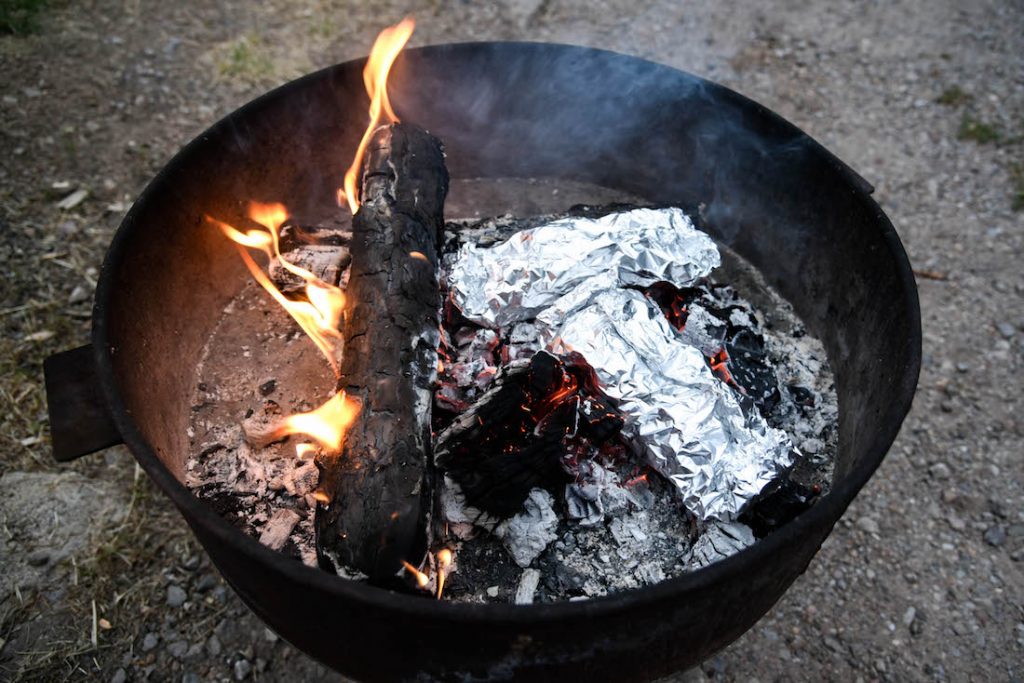
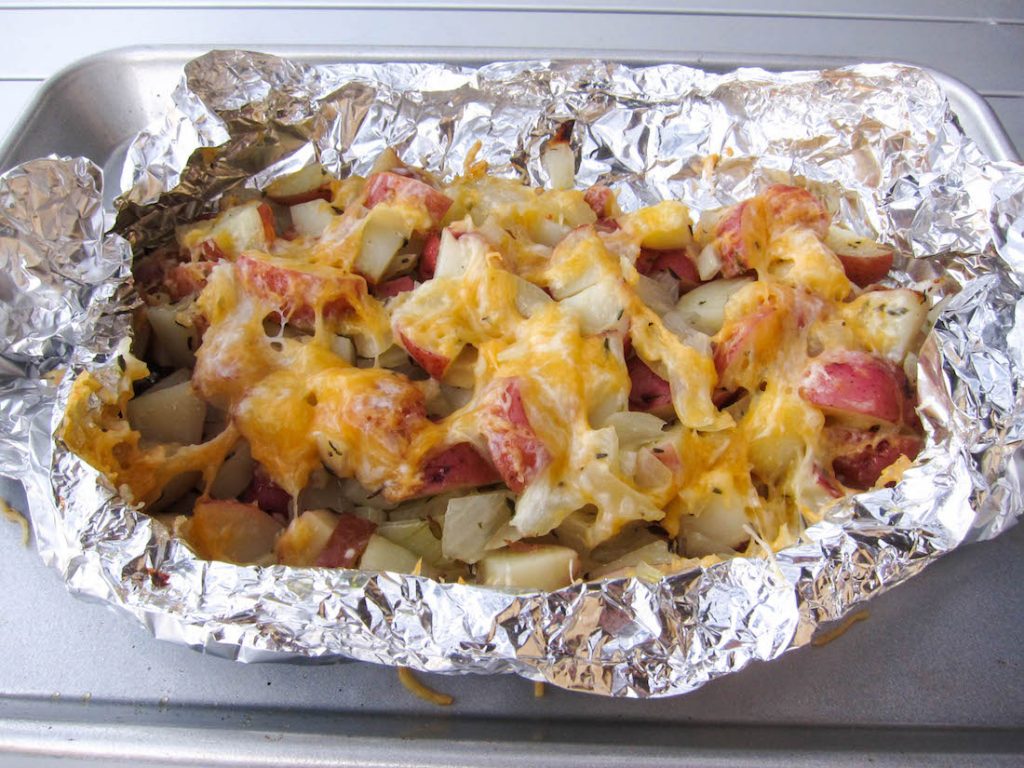
    One of our favorite things to do while camping is to see how many things we can cook over an open fire. These cheesy potato tin foil packets are cooked directly in the coals, no other equipment needed. These are a great side dish for any meat you may be grilling and are pretty hands-off. They can also be cooked directly on a grill.

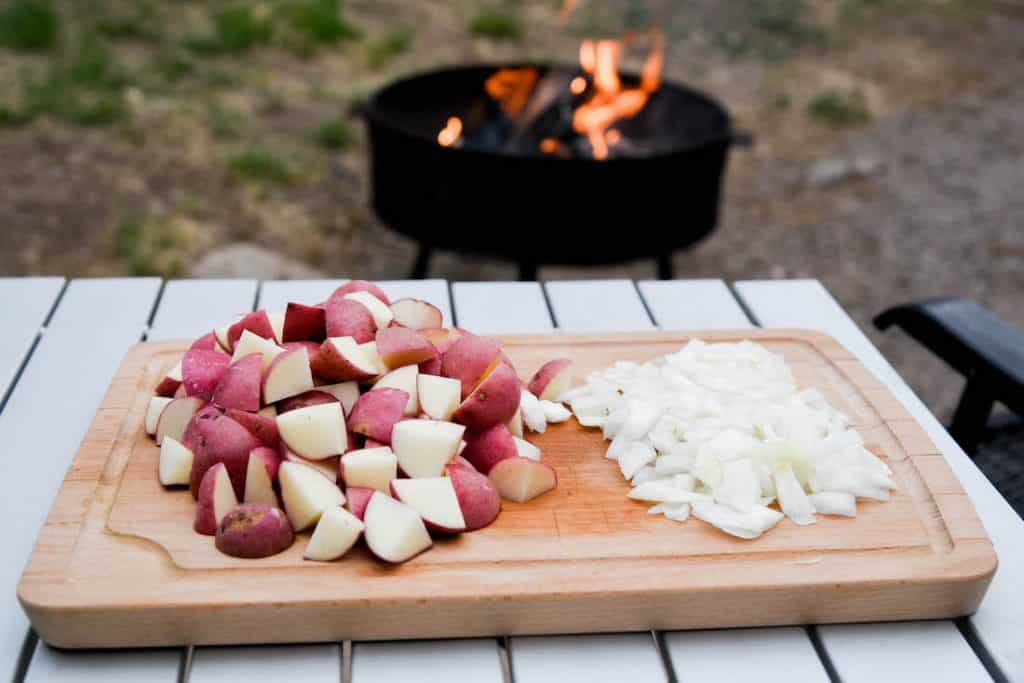
    cheesy tinfoil potato prep
    Photo by author

    Ingredients:

    • 1 lb mini red potatoes diced
    • ½ yellow onion, diced
    • ½ cup shredded cheese
    • 2 tbsp olive oil
    • 1 tsp garlic powder
    • ½ tsp thyme
    • Salt & pepper to taste

    Equipment:

    • mixing bowl
    • two 12-14 inch sheets of tinfoil (makes 2 packets)
    cheesy tinfoil potatoes
    Photo by author

    Directions:

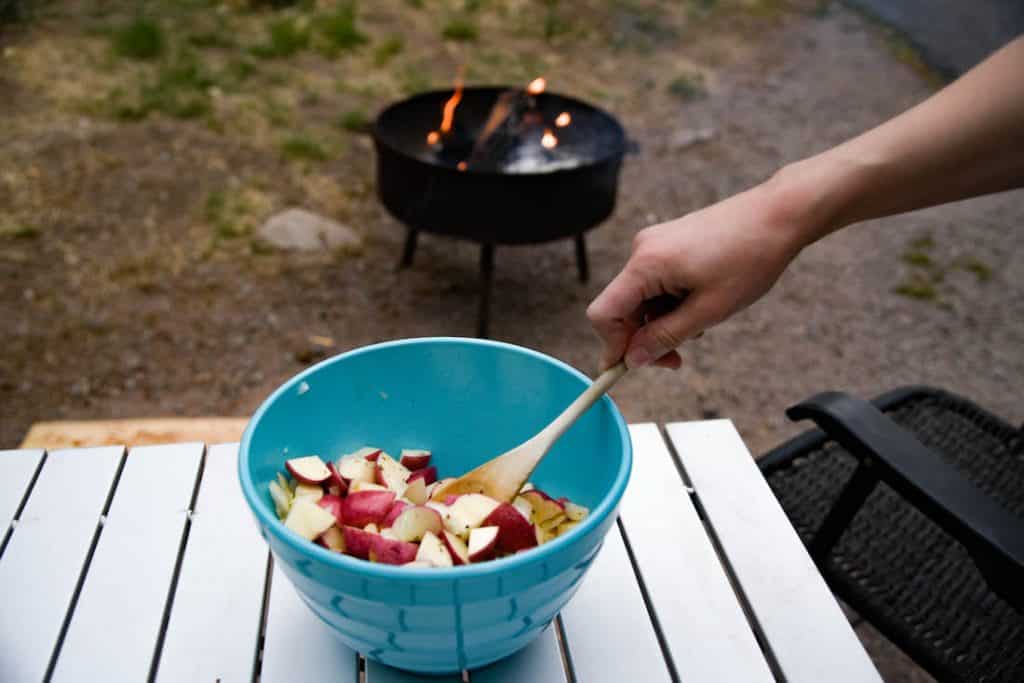
    Chop the potatoes into small pieces. The size of the potatoes will affect how long these packets take to cook, so dice them small so they cook faster. Dice the onion and add both the potatoes and the onion to a mixing bowl. Stir in the olive oil, garlic powder, thyme and a bit of salt and pepper. Mix well so everything is evenly coated.

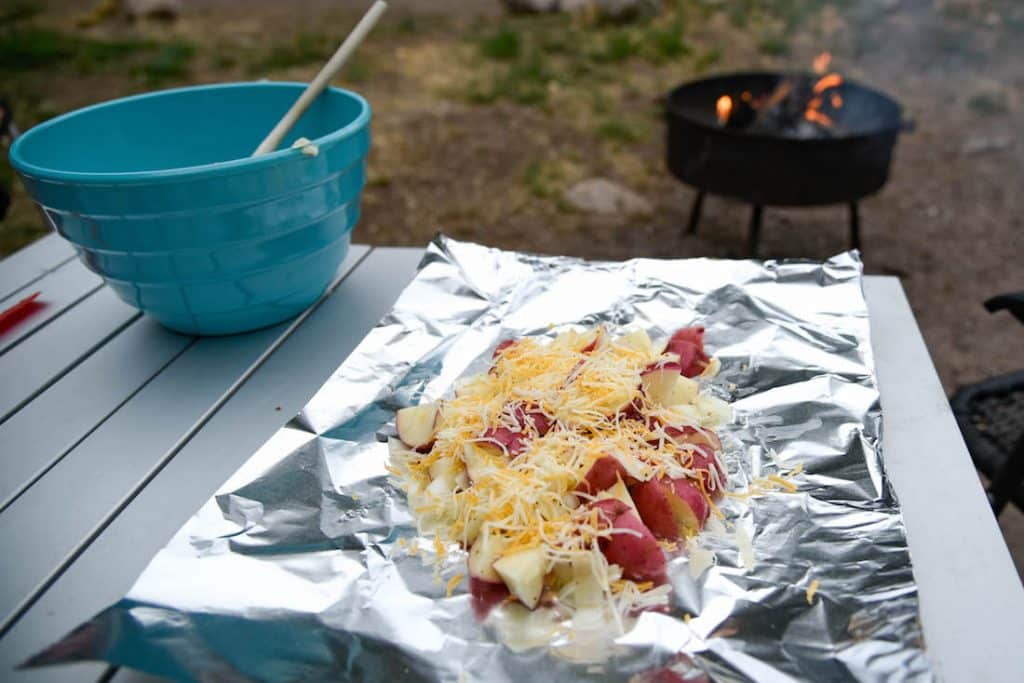
    Divide the potato and onion mixture into two packets for faster cooking. Scoop the mixture into the center of the tinfoil sheet and cover with ¼ cup of shredded cheese. Do the same for the other packet.

    cheesy tinfoil potatoes
    Photo by author

    Bring the sides of the foil together and fold over a few times to make a packet. Fold in the ends to seal it. Be sure to leave a little room at the top of the packets for steam to cook the potatoes.

    If cooking in a campfire, wait until the fire burns down to coals and place the packets directly on the hot coals. Leave for 18-25 minutes until the potatoes are soft and cooked through.

    Cheesy tinfoil potatoes
    Photo by author

    If cooking on the grill, preheat grill to medium heat, place packets over direct heat and close the grill. Cook for 18-25 minutes.

    Remove the packets from coals or grill and carefully open – watch for hot steam escaping – and check to see if the potatoes are done. If they need more time, throw them back on the coals or grill for a few more minutes.

    cheesy tinfoil potatoes
    Photo by author

    Serve immediately and enjoy with your favorite main dish!


    Source link

  • Keeping Your RV’s Furnace in Good Working Order

    Keeping Your RV’s Furnace in Good Working Order


    If you’re out there camping this fall, winter, or early spring, you’ll need your RV’s furnace to keep you comfortable. The furnace in your RV requires maintenance like anything else.

    With this in mind, you should really at least spend some time thinking about an practicing proper furnace maintenance. You’re probably not going to be able to do everything, and honestly, I wouldn’t recommmend it. Working with a propane furnace is something usually best left to the pros.

    However, there are some simple maintenance tasks you can do yourself.

    Check To Make Sure the RV’s Furnace Works

    Photo Tripping America - Find the Perfect RV - Camping World

    The first thing you should do is check to make sure that your firnace actually works. If it does, make sure things like your carbon monoxide detector and propane leak alerts are working properly.

    Turn the system on and let it run for a while. While it’s running make sure to listen to the furnace. Does it sound the way you expect it to? Is there anything that seems off? If so, make a note of it. Also, keep an eye (nose?) out for any pungent smells. That could be a sign that something is off.

    Another thing you can do is check the furnace’s vent for excessive amounts of soot. If there’s a lot of soot at the vent, then you might need to have an issue with your furnace.

    Keep the Area Around Your Furnace Clean

    Dust, clutter, and dirt are not a gas furnace’s friend. Try to keep the area around the furnace clean. It doesn’t have to be absolutely spotless, but a few times a year, try to clean around the furnace.

    Also, avoid crowding the furnace with a lot of clutter. You the furnace is going be the most effective and efficient when you don’t have a bunch of your things stuffed around it.

    Have It Professionally Inspected

    The last thing you should do is have your RV’s furnace inspected. I would recommend you have your RV’s furnace inspected at least once a year by a professional.

    This will help ensure that any issues you’ve discovered are resolved and help identify any other maintenance that needs to be taken care of.


    Camping World service centers would be happy to take a look at your furnace. You can reach out to a service center near you today.


    Source link

  • Winter RV Camping: What you Need to Know

    Winter RV Camping: What you Need to Know


    Camping in colder temperatures might not be on the top of everyone’s list of things to do, but there are plenty of people that seek out winter destinations for RV getaways. And, there are a number of fulltime RVers that live stationary in locations that see cold winters. Whatever the case may be, if you plan on RV camping during the winter, you need to be prepared. Here are some key things you should know to keep your RV healthy and happy if you plan on camping in cold temperatures this winter.

    Water

    winter camping rv water spigot
    Photo by Robert-Owen-Wahl from Pixabay

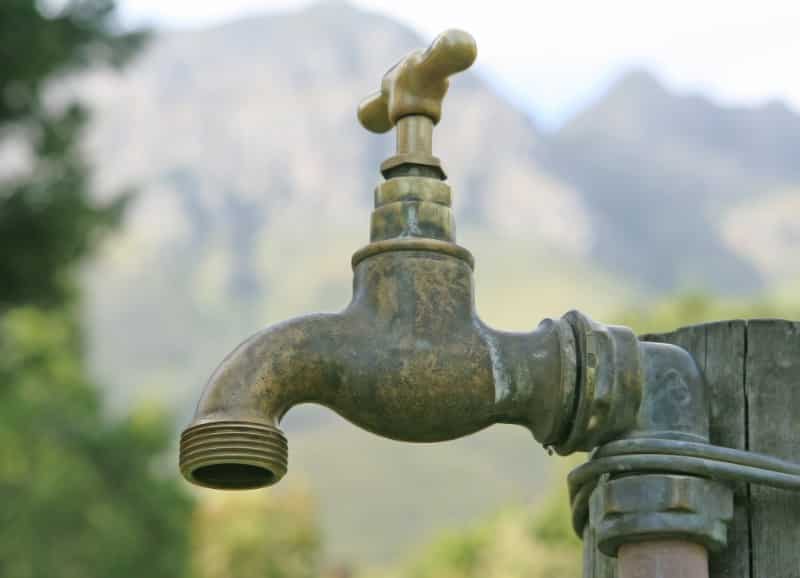
    Ensuring your water systems are functioning properly might be one of the most important things to keep in mind when camping in the winter. When temperatures drop below freezing, ice-cold water can quickly lead to frozen pipes which can quickly lead to a huge headache and repair bill.

    If you are hooked up to water, consider using a heated hose. This will keep water at the source, and that is flowing into the rig, unfrozen less likely to burst pipes. To completely avoid worrying about a frozen hose, fill your freshwater tank and use that as your water source. Only connect the hose when needing to refill your tank.

    Plumming

    Once the water’s in your pipes and holding tanks, you still have to worry about freezing. To keep pipes on the warmer side, open interior cabinet doors so your heating system is able to keep your internal plumping warm.

    While some RVs come with heaters for holding tanks, many do not. You are able to add electric heaters to the tanks. They are available in both 12V DC and 120V AC models.  Or, a small amount of antifreeze can be used in holding tanks to help keep that liquid from freezing. Only dump tanks when they are full to reduce the amount of times valves are opened.

    Keeping Warm

    Insulation is the best way to keep the inside of your RV warm while camping in winter. The floors inside your rig can get extra chilly so insulate under your feet using foam board flooring, carpeting, or rugs. Using an RV skirt is another fantastic way to keep cold air from getting under your RV. Not only will this keep your toes toasty warm, but your holding tanks and vehicle components as well.

    A lot of cold can get in and a lot of heat can escape from your RV windows. Check for leaks and seal or caulk any areas that are not well sealed.  Use weather stripping around doors to keep moisture and cold air out. Window coverings can also make a big difference. Foil can be used to reflect heat back into the camper and heavy drapes can help keep the heat in on chilly nights. If you are looking to spend a few extra dollars, dual pane windows are best for keeping warm. Don’t forget about your ceiling vents either! Vent cushions can be used for insulation.

    As for an actual heat source, you basically have two options. The first one is a propane furnace. Before winter hits, make sure your furnace is running as it should, and that it is cleaned and ready to go. Use compressed air and a soft brush to remove dirt, dust, and debris from the furnace. Make sure vents are clean and unblocked. Your second option for a heat source is electric, such as space heaters or a catalytic heater. If you have hookups, electric heat is a great way to go as it saves on propane. Space heaters can lead to moisture in your rig so make sure to crack a window or use an electric dehumidifier.

    Outside

    There are some important steps that need to be taken to ensure everything outside your RV is ready for winter. For instance, your stabilizer jacks. To keep them from freezing to the ground below, make sure to use wood blocks beneath them. If you have slides, you will want to take care of them as well. Keep ice and snow from accumulating on top of awnings, and use sprayable antifreeze on gaskets to keep slides functioning. Lastly, consider using an insulated AC cover over the unit as you will not be needing that while RV camping in the winter, and it will help protect the unit while keeping out the draft.

    Camping in the winter can be an exciting adventure and allow you the chance to enjoy all the fun that snowy destinations have to offer. If you take the time to prepare as you should, you and your rig should have no trouble weathering those frosty winter storms. Do you have winter camping experience? Share your advice with fellow RVers in the comments below!


    Source link

  • Tips for Backing Your Towable RV Into Your Campsite

    Tips for Backing Your Towable RV Into Your Campsite


    Towing a travel trailer or a fifth-wheel down the highways is easy compared to parking it and maneuvering it around a campground.

    Anyone who tells you that you don’t have anything to worry about when it comes to backing up a travel trailer or fifth-wheel RV is either lying, a pro at it by now, or has never done it. Backing up your RVing to a campsite can be stressful. However, there are things you can do and steps you can take to make things easier.

    Here are some tips and advice that should help you get your towable RV where you want it. Practice these enough and you’ll be a pro in no time.

    Check the Space Ahead of Time

    Camp trailer set up in campground site with bicycles
    Image from Getty

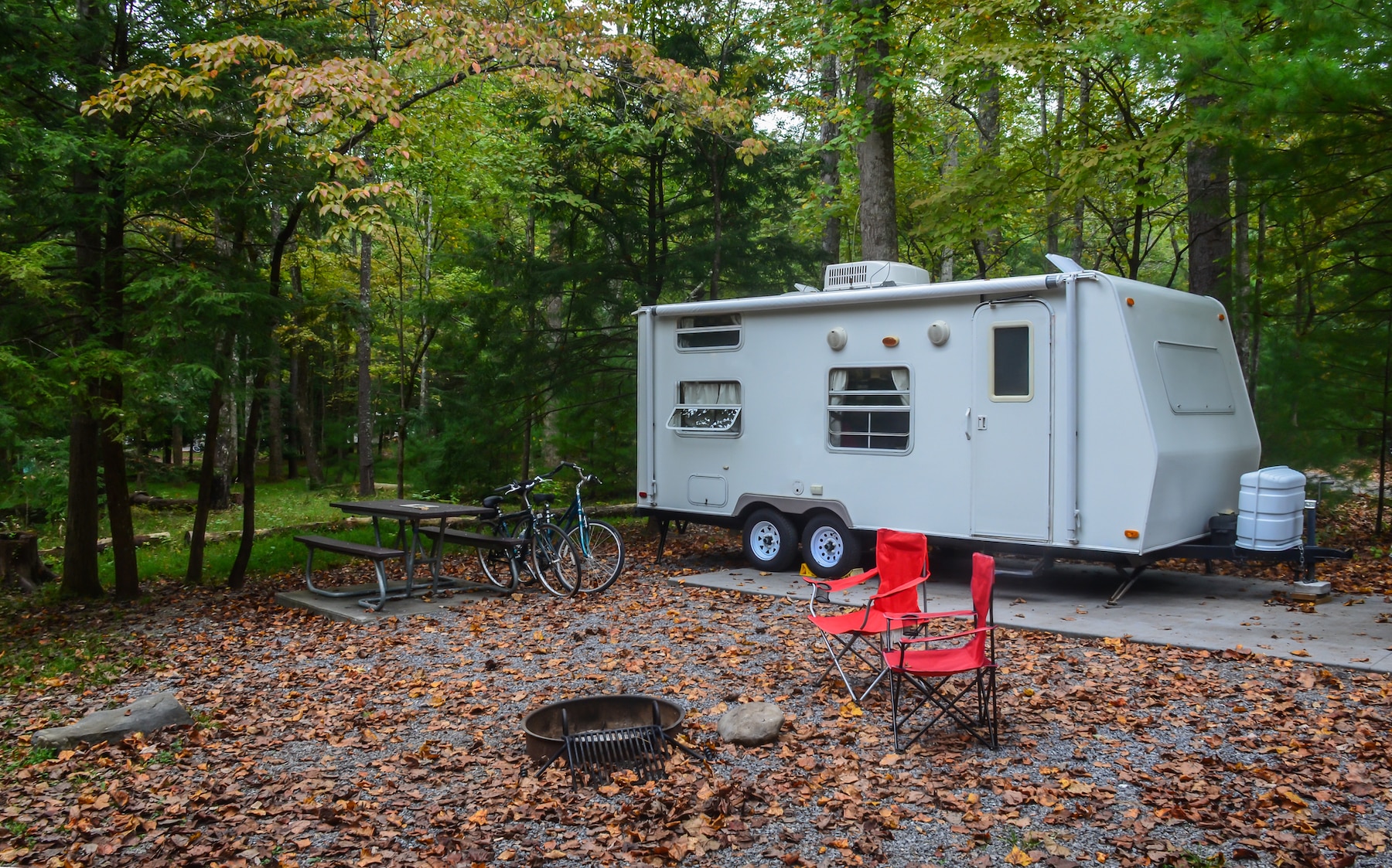
    One of the best things you can do is to check out the campsite space before trying to back in. This will allow you to identify obstacles or issues you may not have noticed from your tow vehicle.

    Walk around a bit with your spotter and have an idea of the space you’re going to back into and set up your RV at. This will help you avoid any unfortunate surprises.

    Have a Spotter

    I spoke of a spotter above. Have one. It can be your spouse, your kid, a neighboring camper—anyone. You just want a set of eyes so looking out for your rig. This will help keep you and your rig safe and make backing in a lot easier.

    You should keep your eye on your spotter at all times when backing in. They need to be able to signal to you that you should go one way or the other or tell you if you need to readjust.

    Generally, all you need is a window down, but you can always get a handy pair of walkie-talkies, or have them on the cell phone while backing up.

    Set Up So the Turn Is on the Driver’s Side

    You don’t want to be backing up blind. When you park and are trying to look out the passenger side of the vehicle you’re going to have a way harder time of it.

    When you pull up to your campsite, make sure it’s on the driver’s side of the tow vehicle. Then you can turn as you back-in and look right out the driver’s side window at the camper’s progress. 

    Your spotter should also be on this side so you can easily see them. If you can’t back in this way, then make sure you utilize your spotter even more.

    Take Things Slow

    towable RV driver taking things slow
    Image from Camping World

    No matter how you feel about backing-in your RV, you need to take things slow. Going slow will allow you to readjust if you need to. There’s often a delay from what your hands do on the steering wheel and how the trailer reacts. Going slow will let you account for that time.

    It can be hard to take things slow if there are a lot of other campers or people waiting to get into their own campsite, but don’t let people rush you. When you rush something like backing-in your camper into your campsite, you are far more likely to either get the unit in the right spot or damage it by colliding with something. Slow and smooth is the way to go.

    Try the Z-Method

    The Z-method might sound difficult, but it really isn’t. Say you have pulled your tow vehicle and RV to the side of the road with your campground on your left. You want to back into that campground.

    With the Z method, you actually turn your tow vehicle a bit towards the right side of the road and move forward. This puts you on an angle across the road and points your trailer at the campsite space. It also makes the angle you have to take to back into the campsite less severe.

    Then you can turn the wheel and start backing into the camping space while keeping an eye on both your trailer and your spotter.


    Hopefully, those tips will help make your life a little easier the next time you go to back into a campsite. Do you have any other tips? Leave a comment below. 


    Source link