One of the best things about camping in the fall is sitting around the campfire with friends or family on those cool, crisp evenings chatting, drinking, and eating.
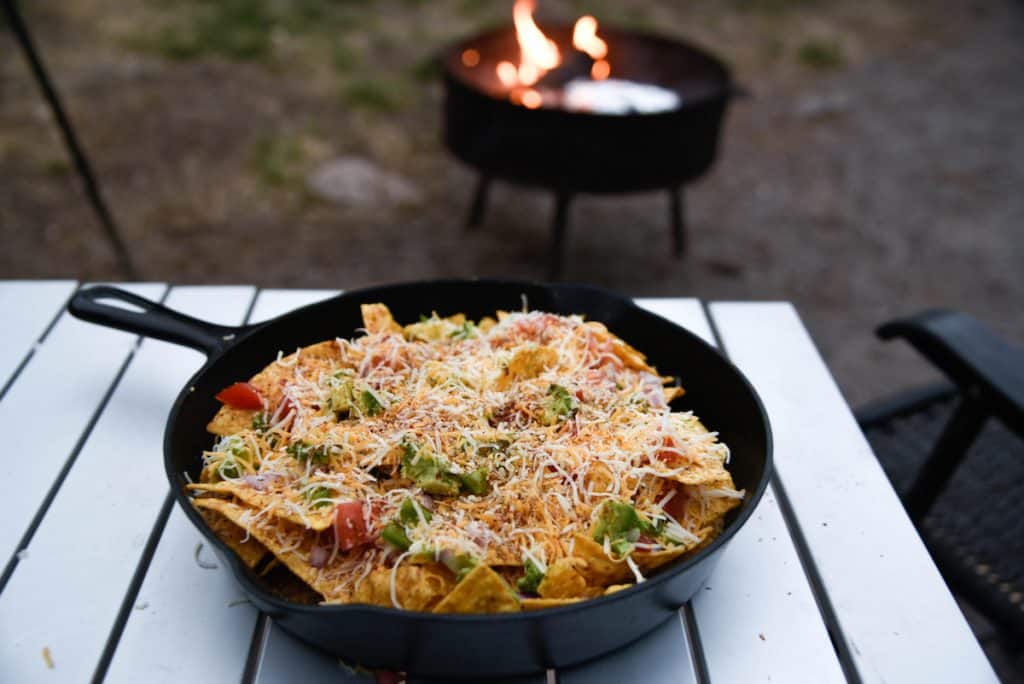
These campfire nachos are easy and fun to make, and a great option when you want to cook something over the fire but are tired of roasting hot dogs. While this recipe is more of an appetizer or snack, you can easily add some shredded rotisserie chicken to this dish to make it more like a meal.
Photo by author
Equipment:
10 inch cast iron skillet
campfire grill or grate to set over the coals
tinfoil
Ingredients:
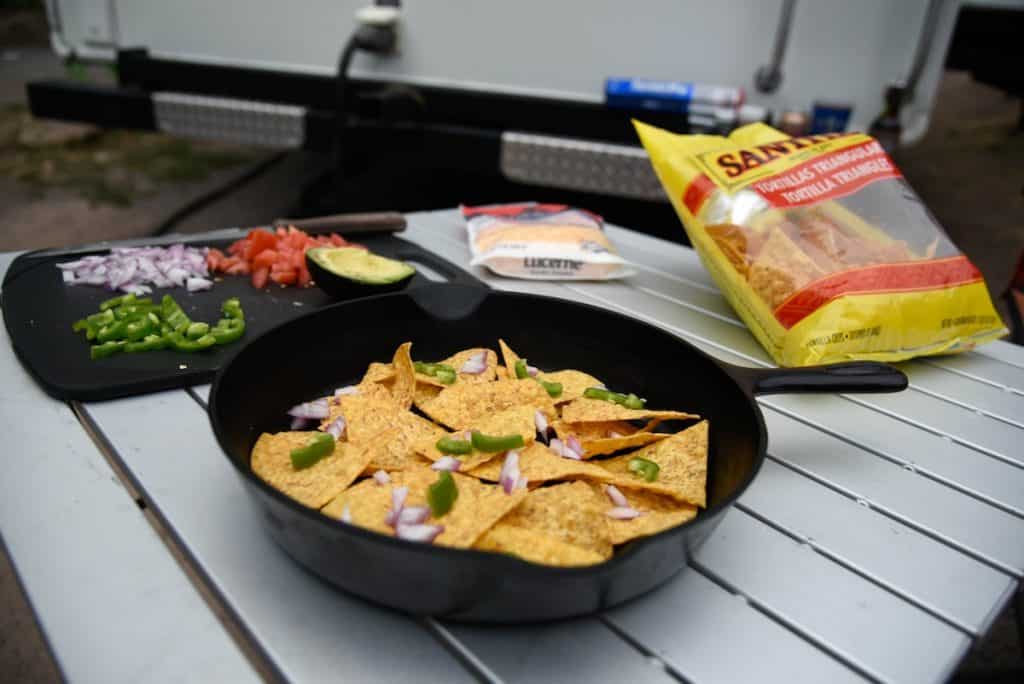
1/3 bag tortilla chips
3 TBSP red onion, minced
½ jalapeño, sliced
2 Roma tomatoes, chopped
4-6 oz shredded cheese (about half a bag)
1 avocado
2 TBSP chopped cilantro
Optional: a sprinkle of cumin, chili powder, and dried oregano
Photo by author
Directions
Layering is key for these nachos. You want two to three layers of chips and toppings, depending on the size of the cast-iron skillet. Cover the bottom of the skillet with a layer of tortilla chips.
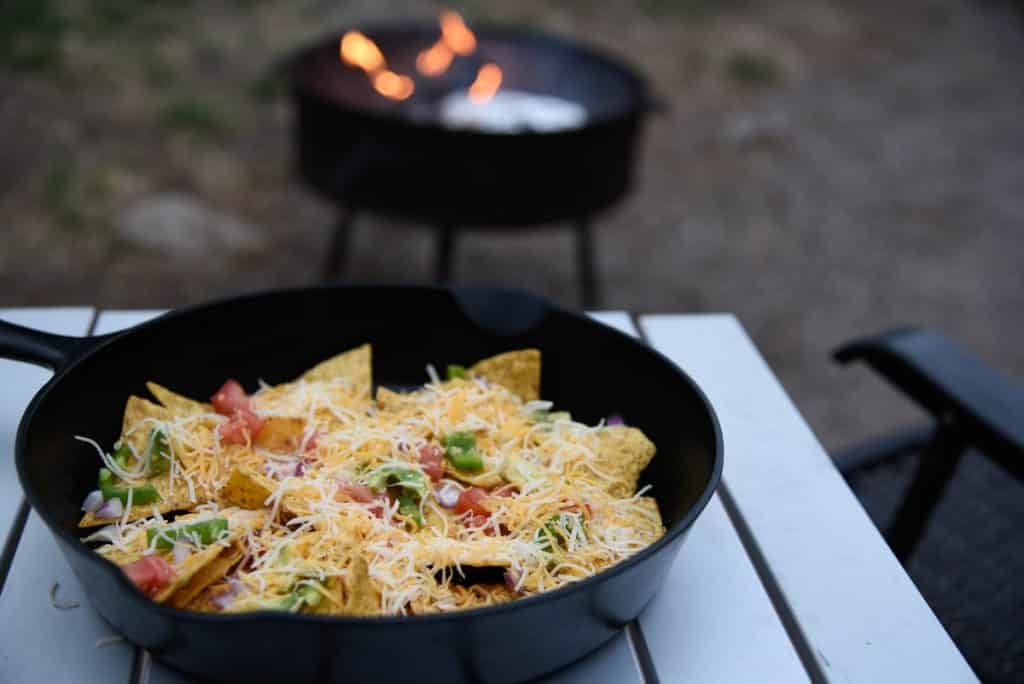
Scatter some of the minced onion, tomatoes, jalapeño, cilantro and avocado on top of the chips. Then add a generous layer of shredded cheese over the top. Leave out the jalapeño if you don’t like your nachos spicy.
Photo by author
Repeat with two more layers of chips, toppings, and cheese. If you want an extra bit of flavor, top the final layer with a sprinkle of cumin, chili powder, and dried oregano. But this step is fine to skip if you don’t have those spices with you while camping.
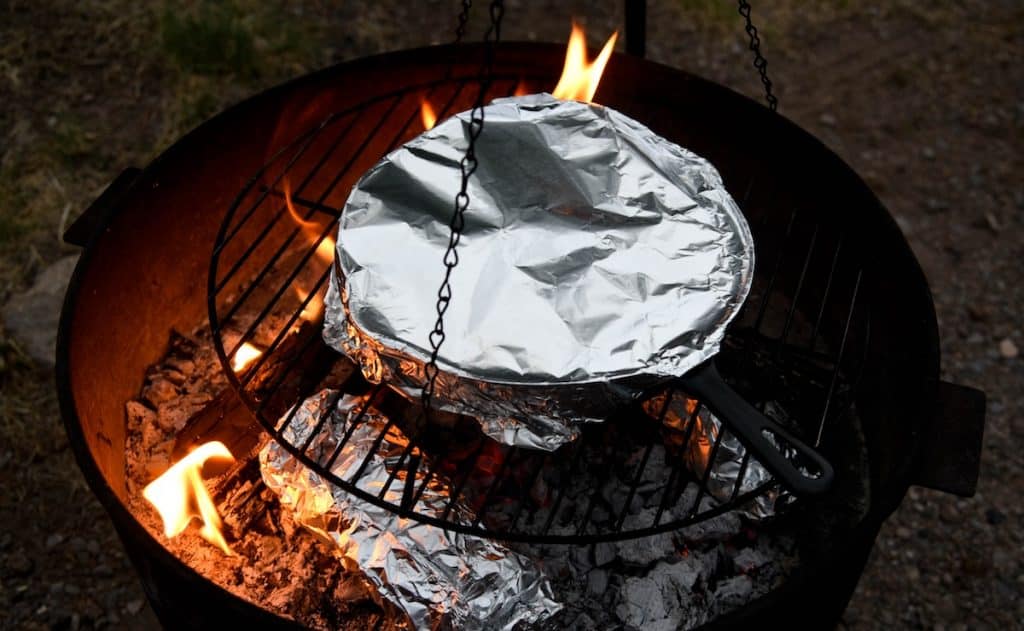
Once the layers of nachos are finished, cover the top of the skillet loosely with tinfoil.
Photo by author
Get that fire going! Once your campfire has cooked down to a nice bed of coals, set up a cooking grate or campfire grill over the coals. Place the skillet on the grate and cook for 10-15 minutes or until the cheese melts.
Carefully lift the tinfoil to check the nachos at the 10-minute mark. If the cheese isn’t melted yet, leave on the coals for a few more minutes. Remove the skillet from the fire with a hot pad and carefully remove the tinfoil. Serve with your favorite salsa, guacamole, or sour cream.
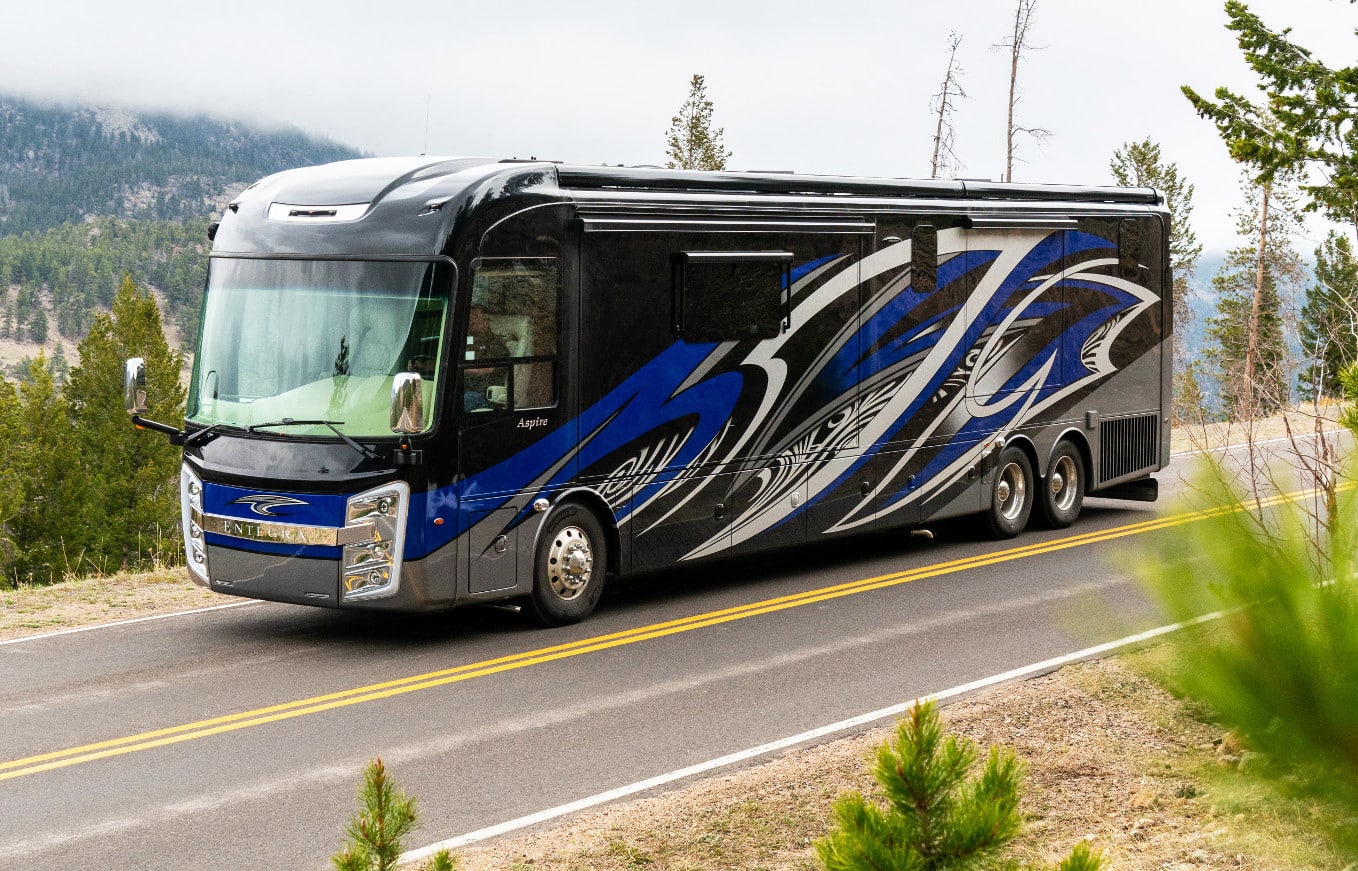
After weighing all your options, you’ve decided on a Class A motorhome—now to answer the age-old question: gas or diesel?
As with all things RV, there’s no right answer. Each has pros and cons in various categories. That said, if you can figure out what’s most important to you, the choice gets much easier.
The reality is, most other things aren’t going to be equal. In today’s RV market, Class A diesels are typically outfitted with higher-end finishes and features not found in gas models.
Bonus tip: Consider depreciation and resale value. Historically, diesel motorhomes have maintained their resale value much better than their gas counterparts.
Gas Mileage—Winner: Diesel (Maybe…)
Image from Camping World
If we’re going off strict MPG, diesel is the winner.
That said, fuel prices fluctuate. In recent years, diesel fuel has consistently cost more than gas, so the actual fuel cost per mile is much evener.
Newer diesel engines also use Diesel Exhaust Fluid (DEF) to help the diesel burn cleaner. Not technically fuel, but it is a recurring cost to keep in mind. Fortunately, most gas stations that offer diesel fuel also offer DEF, especially on major highways and interstates.
Bonus tip: If time really is money, Diesel is the winner. Filling a diesel tank from a fast-flow nozzle can take 25% or less of the time it takes to fill a similar size gas tank at a standard auto fuel pump.
Driveablility—Winner: Diesel
Diesel engines have higher torque at lower RPMs. This means more available power when climbing hills and mountain roads—something RVs notoriously have trouble with. Diesels also handle better when descending.
Gas engines do offer faster acceleration, but with RVs, this usually isn’t an issue. Careful, measured driving is the goal.
Class A diesel motorhomes almost always come with air braking, which is more reliable and will stop a heavy vehicle more quickly than the standard disc brakes that come with Class A gas motorhomes.
Another thing to consider: gas engines tend to perform better in cold climates and higher altitudes.
Bonus tip: The rear engine in the majority of Class A diesel motorhomes makes for a much quieter driving experience. In gas motorhomes, you’re often sitting right on top of the engine—not always the most relaxing place to be.
Maintenance—Winner: Tie!
Maintenance costs on gas engines are lower than diesel engines. Just like on a car, owners may be able to perform some basic maintenance tasks. If you do need help, repair shops and techs are widespread, and almost always carry a lower hourly rate than diesel techs.
However, diesel engines typically require less maintenance than gas engines. Running at a lower RPM means parts wear our less often and problems occur less frequently. It’s unlikely you’ll be able to service your own diesel engine, and parts may be more expensive and take longer to come in.
Bonus tip: Oil changes for a diesel engine can be pricey. They’re huge and take much, much more oil than a gas engine.
Towing Capacity—Diesel
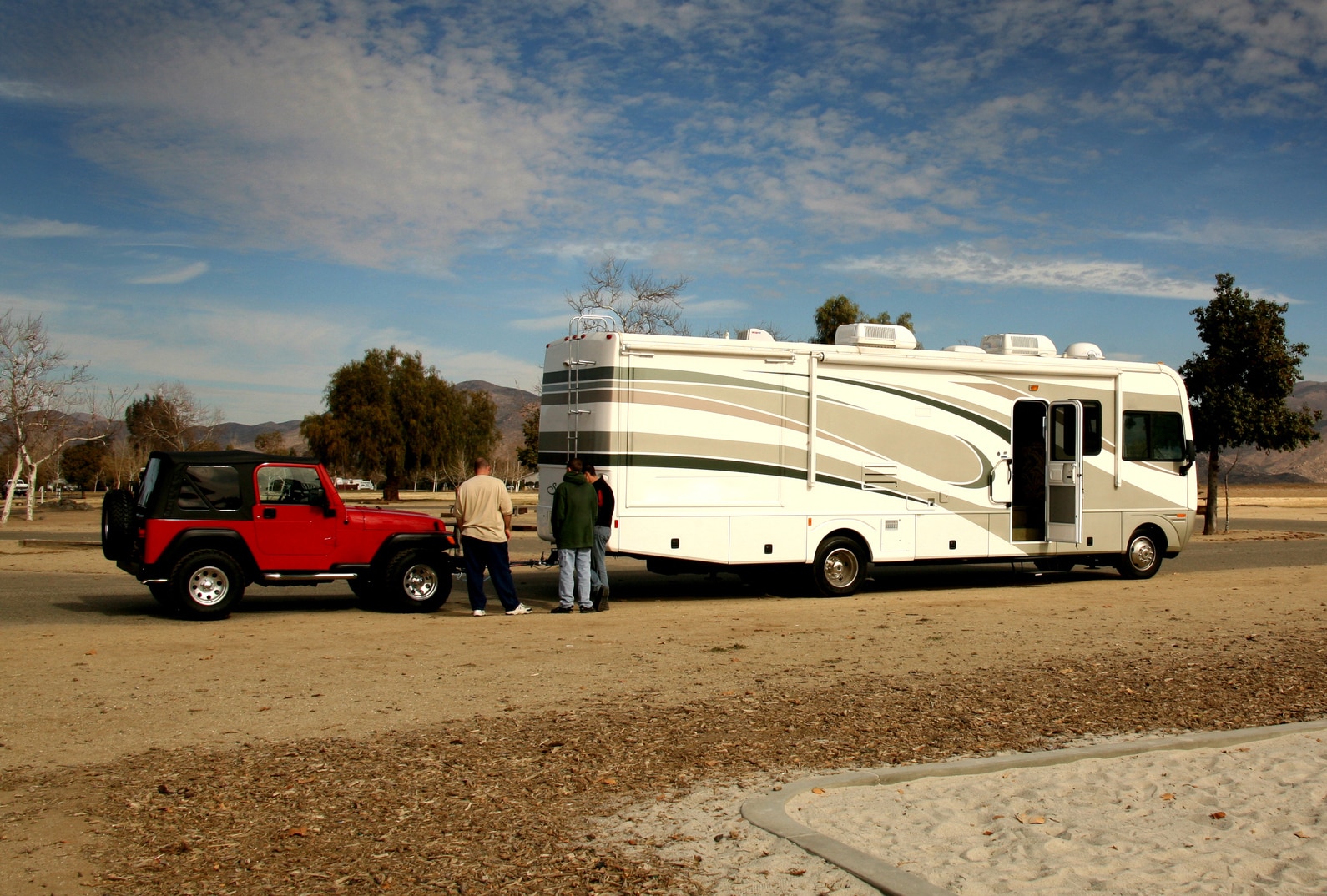
Image from Getty
Thinking about a toad on your travels? The high torque at low RPMs means diesel engines have the power to pull more weight.
Class A Gas Motorhomes usually max out at around 5,000 pounds of towing capacity, while diesels can often pull 10,000-15,000 pounds.
Bonus tip: Take into account your hitch rating, overall weight ratings, and more when you’re calculating what you can tow. Here’s a post we put together on some best practices for towing.
Conclusion
So which one is right for you? It depends on how you want to RV.
If you’re out a few weekends a year, a Class A gas motorhome might be worth the savings. If you’re full-timing, a Class A diesel motorhome might be a better fit.
Staying in cold climates? Stick to Gas. Lots of climbing? Diesel is the way to go.
No matter which type of Class A you choose, Camping World has the perfect motorhome for you. Browse our selection online or stop by your local Camping World today!
In episode nine of our series Happy Camper Bucket List, Dan and Lindsay visit Lake Tahoe, California.
The couple visits the area during snowy months to take in the views and partake in the activities, including snowmobiling, snow tubing, and snowboarding at squaw Valley Alpine Meadows. While visiting the area they stay at Tahoe Valley Campground in a Freedom Elite Class C motorhome.
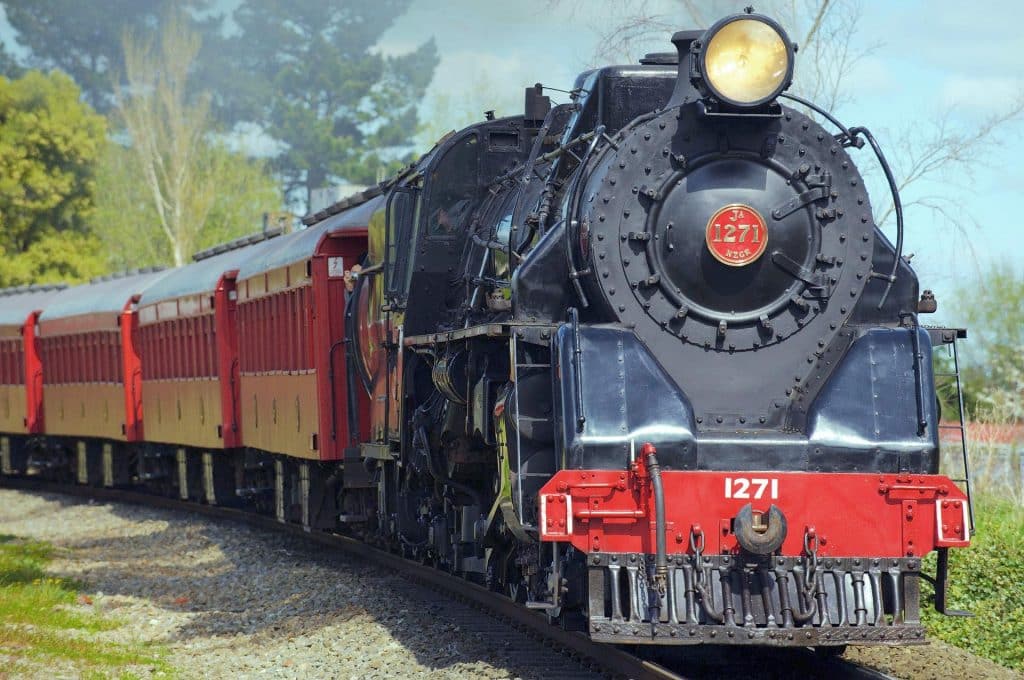
Many times camping trips involve exploring new territory and discovering enticing attractions along the way. Passenger tour trains have that magnetic appeal for many RVers, providing a novel way to see hidden countryside not normally viewed from the road. Railroad passengers learn about local history, culture and the many colorful characters from the communities visited. Camping World wants to make sure you don’t miss the departing whistle, so we have created a series entitled RVing the Rails. You will find the most popular excursion trains to ride in each state, complete with any specialty trains they might offer.
Photo Credit: Pixabay
Today we will explore the most popular trains in Wisconsin:
Camp Five & Lumberjack Steam Train
Photo Credit: Daniela Kloth
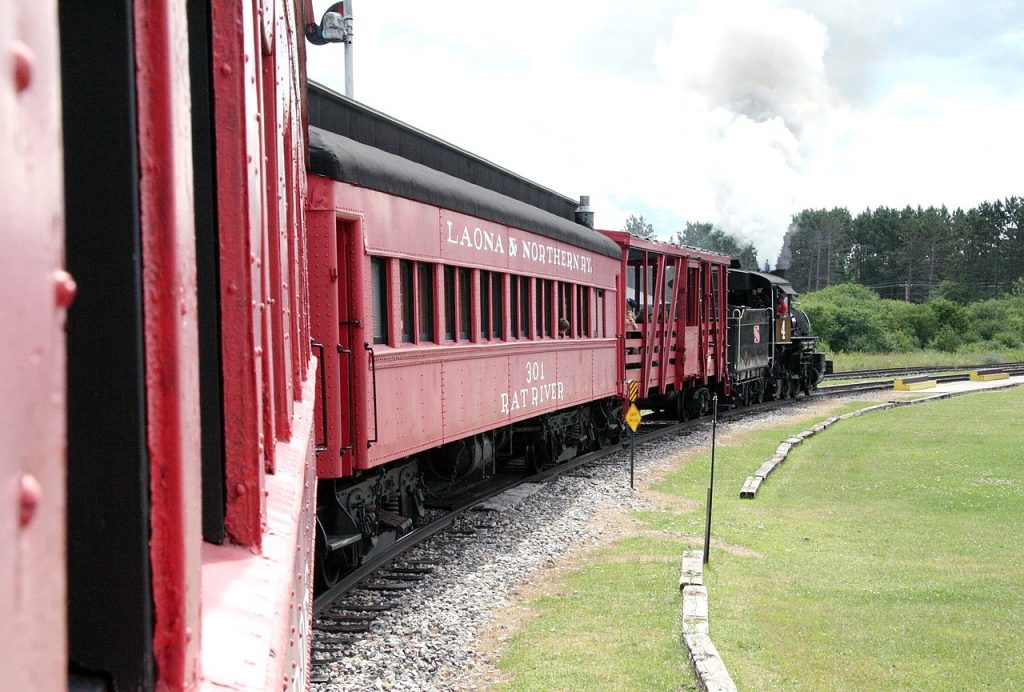
A most interesting rail line, the Lumberjack Steam Train began back in the late 1890s as the transportation to and from a lumber camp to the company town of Laona. The camps were numbered and Camp Five raised all of the meat, produce and horses for the lumber industry in the region.
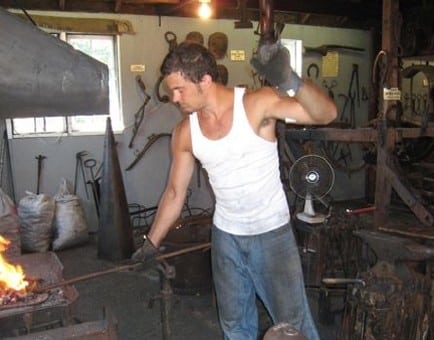
Today the camp buildings remain as they were, with an operating blacksmith shop, general store and animal barns where train passengers enjoy a trip back in time.
Railway and Locomotive Types
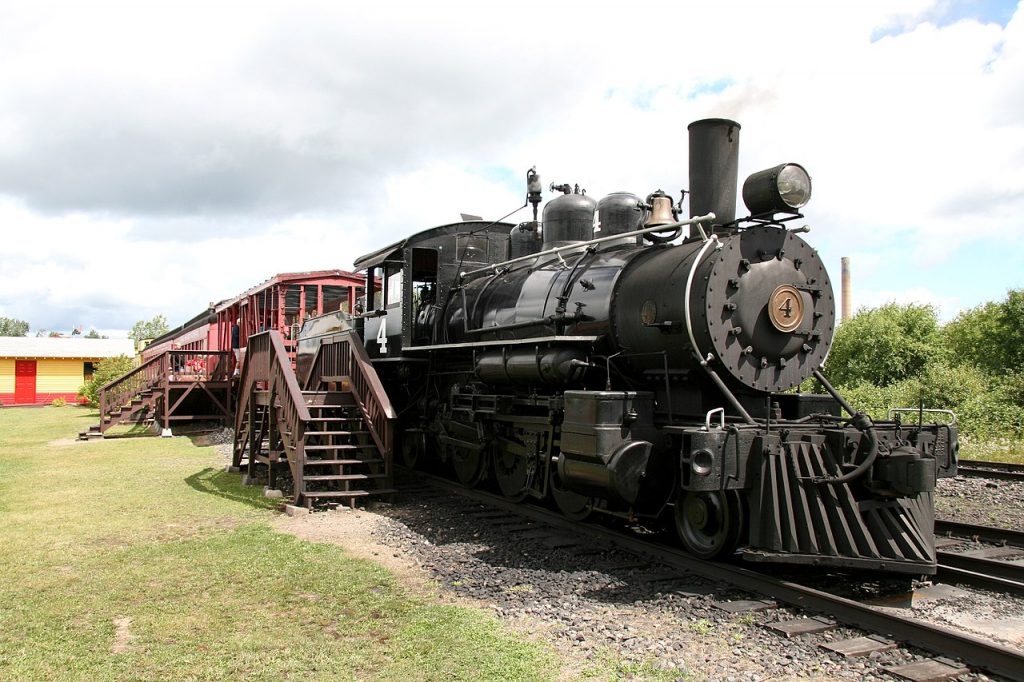
The Lumberjack uses one of the largest steam locomotives in Wisconsin to pull its rolling stock on standard gauge rails. The all-steel passenger coaches, one open car and three cabooses offer rides from the depot in Laona to Camp Five, where guests can peruse the lumberjack camp and participate in various activities there.
Seating Options
Photo Credit: Daniela Kloth
All seating on the train is open and unassigned. Tickets for all regular trains cannot be purchased online or in advance but must be procured at the depot at least 15 minutes in advance of train departures. The Cowboy reenactment train tickets go on sale for two months in advance and sell out quickly.
Riding Options
Passengers can sit in enclosed coaches, an open car or a caboose for the six-mile excursion. The train runs four times a day, taking all riders to Camp Five, where they can visit a logging museum and blacksmith shop, a farm corral with calves, goats, ducks and geese, and the Choo Choo Café for a bite to eat. Passengers can catch later trains back to the depot.
Specialty Trains
Photo Credit: Camp5Museum.org
The Lumberjack Steam Train has two specialty trains, both running in Autumn:
Corn Maze and Haunted Slaughterhouse Tour – Participate in fun (or scary) activities when the train reaches Camp Five.
Cowboy Reenactment and Fall Festival Tour – Head back to the Wild West, as cowboy thieves attempt to rob the train.
Length of Season
Running Tuesday through Saturday from June 18 through August 17, the train also runs on September 21, 28, and October 5. Check the railroad schedule to see specific times.
Osceola & St. Croix Valley Railway
Photo Credit: Keon McGarvey (CC BY-SA 4.0)
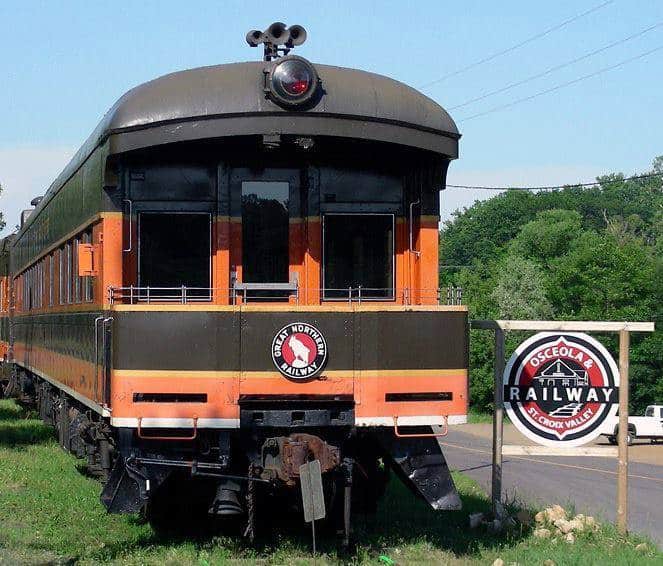
Here’s a train with a bit of an identity crisis: Although the Osceola & St. Croix Valley Railway leaves the depot in Osceola and is considered a “Wisconsin” train, it is owned and operated by the Minnesota Transportation Museum. It appears that the railroad came about this conundrum honestly, however, as a location change occurred in 1992, moving from Stillwater, Minnesota to its current home at the Soo Line depot in Osceola.
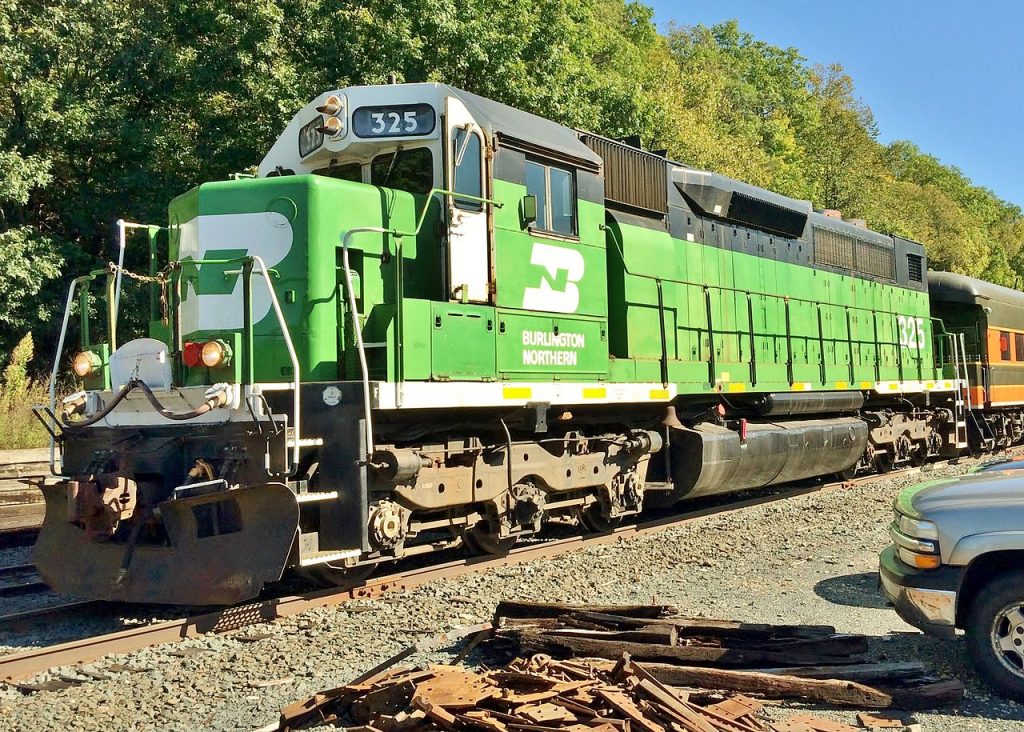
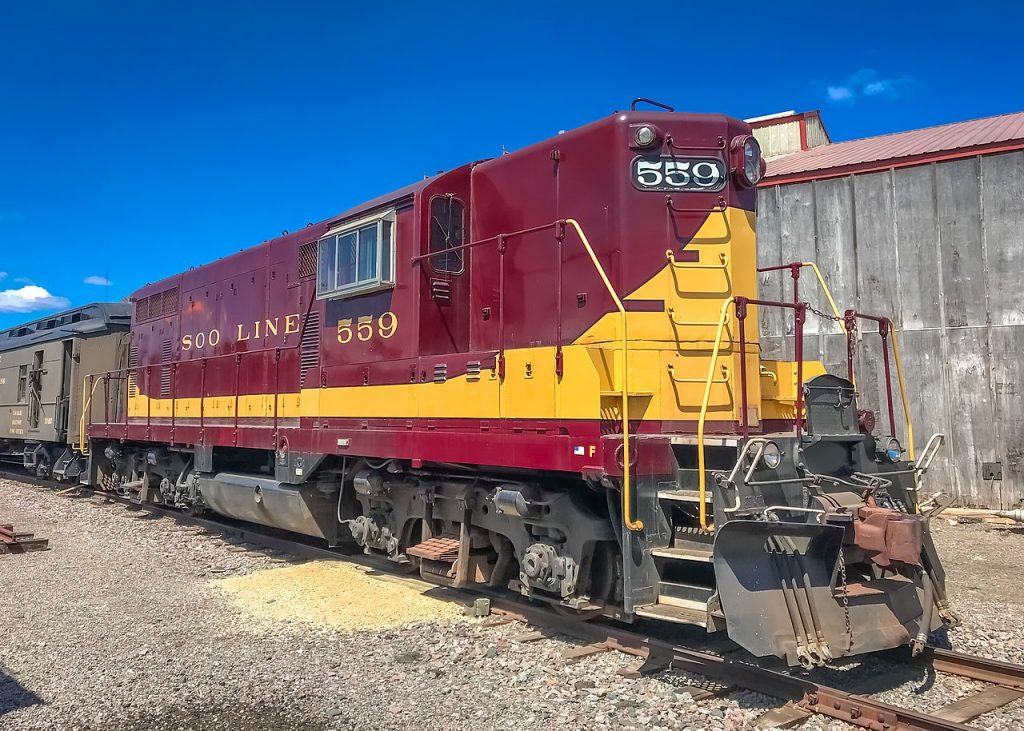
This heritage railroad is a living museum of moving history, operating a number of restored and renovated cars and engines along 36 miles of track.
Railway and Locomotive Types
The St. Croix Valley Railway runs several diesel engines on standard gauge tracks. The rolling stock consists of many coach cars, a parlor car, and a baggage car. They are currently refurbishing a dome observation car to add to the lineup for the 90-minute trip to Marine on St. Croix or the 50-minute excursion to Dresser.
Seating Options
Photo Credit: TransportationMuseum.org
Passengers on the Osceola & St. Croix Railroad have several options as far as tickets are concerned:
Coach Tickets do not have assigned seating. They are for travelers who are “just along for the ride.”
First Class Tickets have preordered food that is served on the following trains:
Dinner Train – A three-course meal is served by black-tie attendants on an evening train.
Brunch Train – Watch the St. Croix River Valley pass outside as you dig into a tasty Sunday morning brunch.
Pizza Train – Individual pizzas, sodas, and dessert make this train a big hit!
Riding Options
The railway offers two round-trip rides:
A trip from Osceola to Marine on St. Croix, Minnesota.
A trip from Osceola to Dresser, Wisconsin.
Passengers are encouraged to walk through the cars on their excursions and talk with hosts in each about the train’s history and car renovations.
Specialty Trains
Photo Credit: Keon McGarvey (CC BY-SA 4.0)
Fireworks Express – Don’t miss the fireworks on this special holiday train. They are sure to be explosive!
Fall Colors Tour – Relish a ride through the St. Croix River Valley at the height of the Fall color season.
Pumpkin Express – Catch the Pumpkin Express to enjoy music, games, and food after picking the perfect pumpkin to carve.
Tots & Trains – This activity does not include a train ride, but does provide two hours of “train play,” with interactives, storytime, and crafts on the first and third Wednesdays of the month at the Jackson Street Roundhouse.
Length of Season
The railroad season runs from May through October, with train departures on Saturdays and Sundays. Specialty trains run on specific dates, so please check the calendar to schedule your excursion.
Wisconsin Great Northern Railroad
Photo Credit: Keon McGarvey (CC BY-SA 4.0)
Moving along tracks that were laid over 100 years ago, the Wisconsin Great Northern was created to salvage the old Chicago & Northwestern lines, providing an excursion train like no other. Opened in 1996, the railway runs between Spooner and Trego, with a nice variety of dinner trains, sightseeing, and bed & breakfast trains!
Railway and Locomotive Types
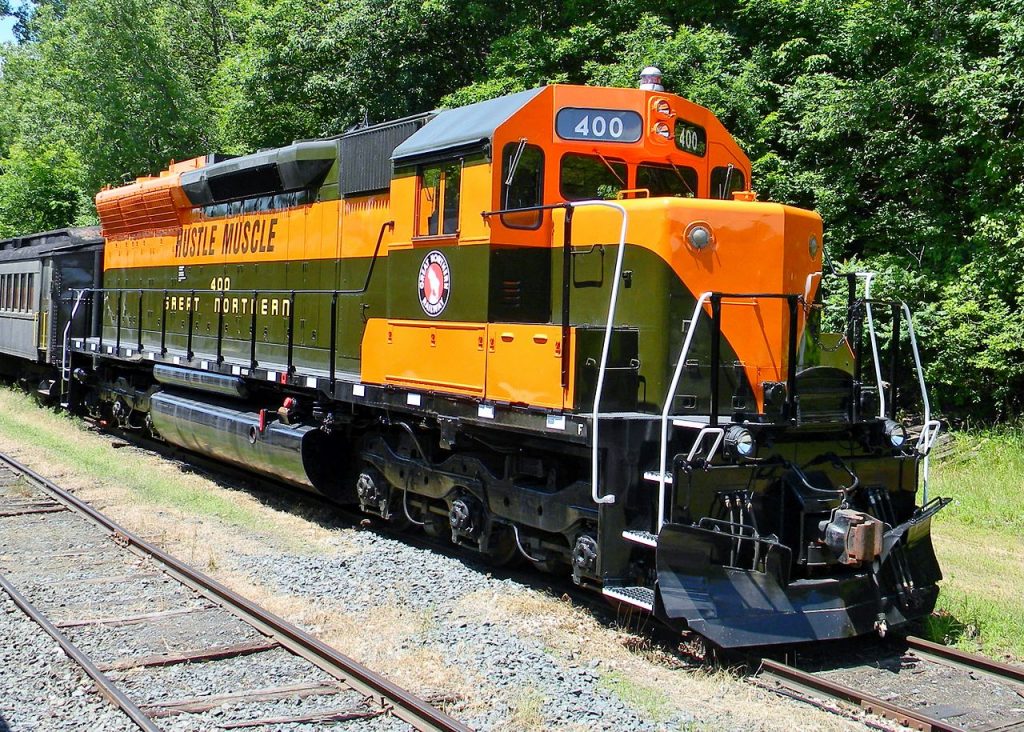
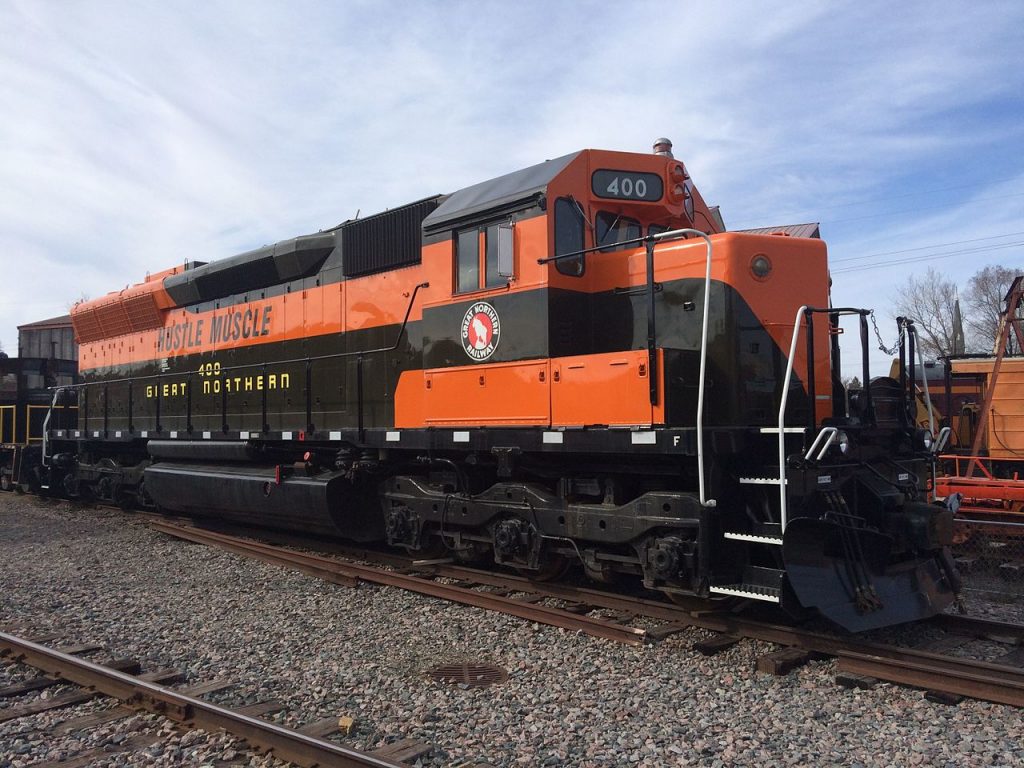
Diesel locomotives navigate the standard gauge track, pulling passenger coaches, dining cars and a skydome car perfect for viewing the scenic Namekagon River. Pullman sleepers provide comfortable overnight accommodations along the line for those interested in the nation’s only bed & breakfast train. And halogen lighting under the cars makes evening dinner trains even more enjoyable.
Seating Options
Photo Credit: Keon McGarvey (CC BY-SA 4.0)
Seats on the Wisconsin Great Northern are assigned by car, as many trains include preordered meals to be delivered directly to passengers.
Riding Options
The railroad offers a wide variety of optional train experiences:
Family Pizza Train – Catch a daily noon excursion that includes pizza for the whole family.
Bed & Breakfast Train – Take an overnight holiday trip through the countryside in your own Pullman sleeper, with dinner and breakfast, culminating in a relaxing travel experience.
Sightseeing Car – Take a tour in the self-propelled interurban car, with its detailed mahogany interior and stained glass.
Dinner Trains – Several trains offer a variety of meals for various occasions.
Specialty Trains
Photo Credit: Keon McGarvey (CC BY-SA 4.0)
Wine and Cheese Train – Participate in wine tastings from the elegance of the sky parlor viewing car.
Thanksgiving Lunch Train – What better way to celebrate Thanksgiving than on a scenic dinner train, where someone else does the cooking and washes the holiday dishes!
Length of Season
The Wisconsin Great Northern Railroad takes advantage of summer visitors with a season that runs May through August, Tuesdays through Saturdays. Saturday only trains to depart in September through mid-November. Check the train schedule to find your favorite excursion.
Join the thousands of RVers that have a love affair with trains and ride the rails on your next camping trip. Check out the other excursion trains available on a state-by-state basis in our series, RVing the Rails.
Brand Name : Kayme
Item Name : RV Tire Cover
Material Name : Aluminum,PP-cotton
Color : Golden,Silver
Quantity : Set Of 4
Price: $20.59
Use On Rv, Trailers, Campers, Cars And Trucks
Let’s be honest. Most of the RV decor isn’t very attractive. It always seems about 10 years or so behind the curve. Even the newest RVs can not have the most attractive interior decor. That’s why many people choose to update their RV interiors.
You should. You want to make your home on wheels as comfortable as possible and the way the interior looks will change how you feel about it. One of the best ways to transform an RV’s interior is to change the window treatment. Many RVs come with something from the factory, but there’s no reason you have to keep that.
Here are some ideas that will help you transform your RV’s interior look through a new treatment for the windows.
Window Valences
Image from Getty
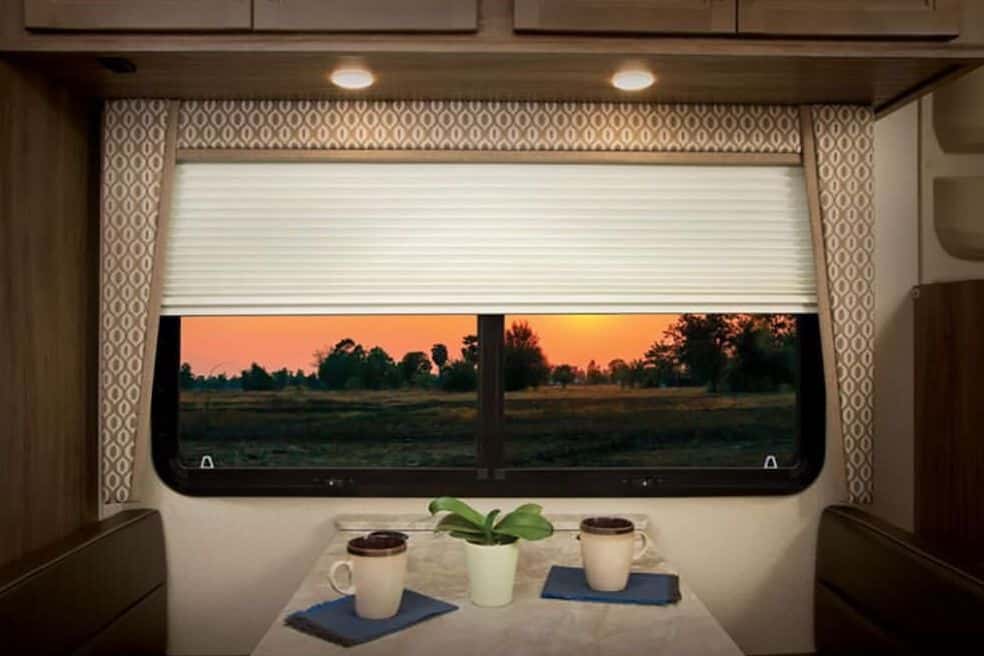
I have yet to see a window valence in an RV from the factory that truly impressed me. Some are pretty good, but you can always update these and really alter the look of your interior. If you want to bring some color to your RV, then this is a great place to do it without doing extensive amounts of work.
Valences go over the top of the window and are a simple addition you can make. There are plenty of options to choose from, and you can always make your own if you feel that none of the pre-made options out there for sales are for you.
Window Curtains
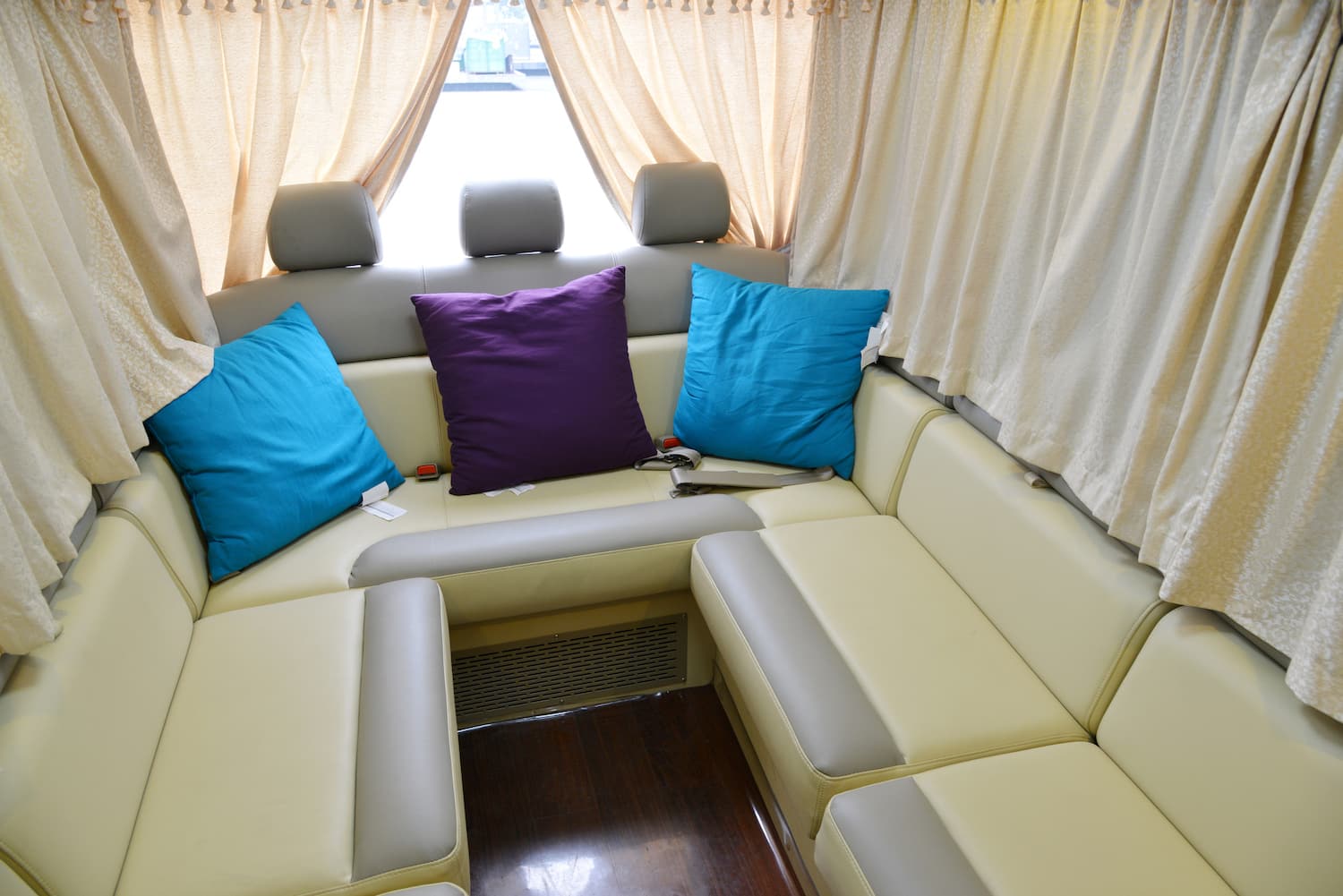
Curtains are another way to change things up. Generally, I think if you’re going to change the valences, then you should change the curtains, too. If you go with a bright color on the valences, consider doing the same for the curtains. If it’s too much, then maybe you go for a simple white or off-white curtain on your windows.
If your RV has a couple different rooms, then consider having different curtains in different rooms. This will help make the different rooms feel like truly separate places. When you have to same colors and curtains throughout the RV, it can feel boring and like the same space. Breaking things up with color is a good way to give yourself separation between rooms.
Window Blinds
Not a fan of curtains? You’re not alone. Plenty of people prefer blinds over curtains. If you’re one of them, then it’s important to note that there are tons of options for blinds, too. Don’t think you need to stick with whatever came on your RV when you purchased it.
You can go with a wide variety of colors or a natural wood if you want something that feels a little more natural. The choice is yours. If you combine new window valences and blinds you can totally transform the look and feel of the interior of your RV.