Blog

  • Camping World’s Guide to Lake Clark National Park

    Camping World’s Guide to Lake Clark National Park


    In southwest Alaska where the Alaska Mountains meet the Aluetians lies one of the world’s most diverse regions. Lake Clark National Park and Preserve gathers active volcanoes, rushing salmon-filled rivers, glaciated valleys, and nutrient-rich tundra together to support massive numbers of brown bears, caribou, bald eagles, moose and Dall sheep.

    It is here that nature envelopes the visitor in overwhelming landscapes and unbelievable wildlife viewing.

    History of Lake Clark National Park
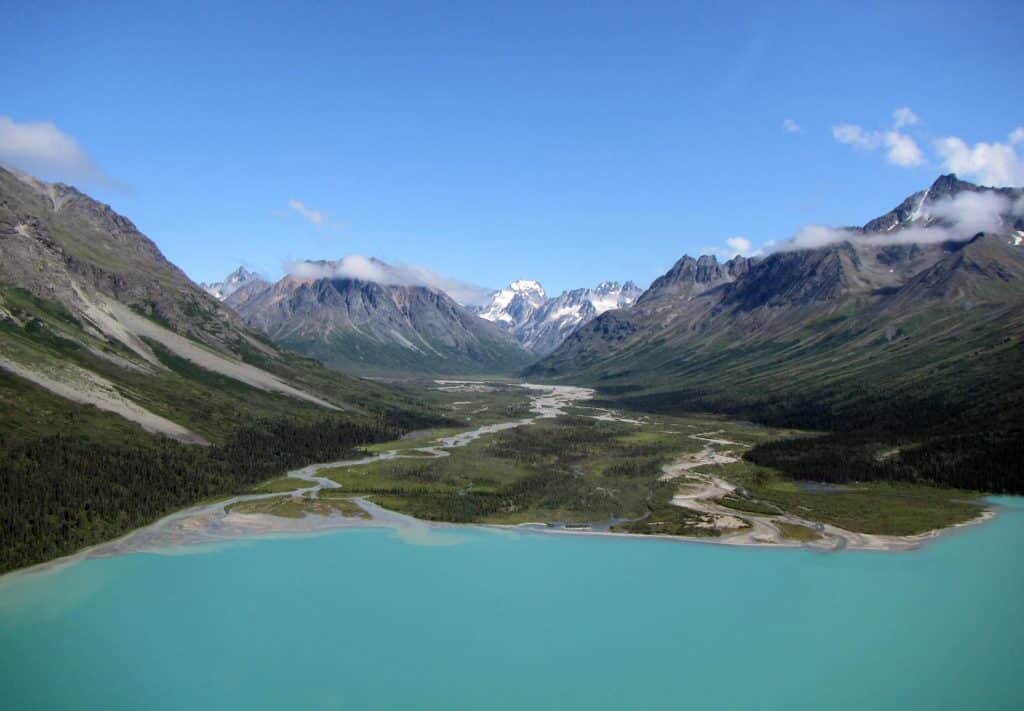
    Photo Tripping America - Lake Clark - Camping World
    Photo Credit: NPS – E.Booher

    Ancestors of today’s northern Athabaskan Dena’ina peoples have lived in the area for more than 9,000 years, mainly around Bristol Bay and to a lesser extent, Chinitna Bay. It wasn’t until 1778 that British explorer James Cook navigated the bay that would take his name. Russian traders, then American ones  entered the region in the 1800s, but settlements were still sparsely populated.

    By 1930, the first float plane landed on Lake Clark, and eventually those looking for quiet solitude ventured into the area, including Richard Proenneke. He was a writer who built his own cabin and lived on the shore of Twin Lakes for almost 30 years, filming his building projects and subsistence living off the land.
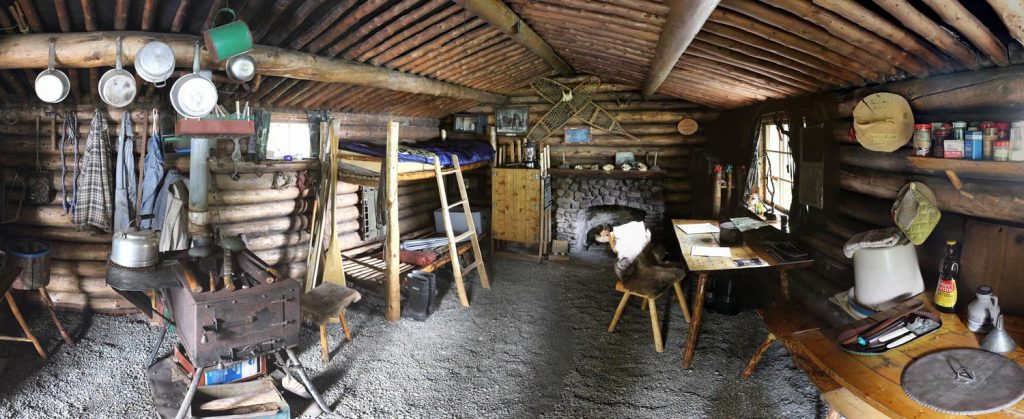
    Photo Tripping America - Lake Clark - Camping World
    Photo Credit: NPS by C. Lindsay

    By 1978, President Carter named the region the Lake Clark National Monument under the Antiquities Act, as he did with several other national monuments that year. By 1980 the monument was designated a national park and preserve when Congress passed the Alaska National Interest Lands Conservation Act.

    Just 9 short years after being named a national park, Redoubt Volcano called attention to the region with year-long eruptions within the park’s boundaries. In 2009 she did it again, proving that Lake Clark National Park and Preserve lies not so quietly within the infamous Ring of Fire, a landscape of volcanoes, glaciers, lakes and mountains worth watching.

    Why Visit in Your RV?
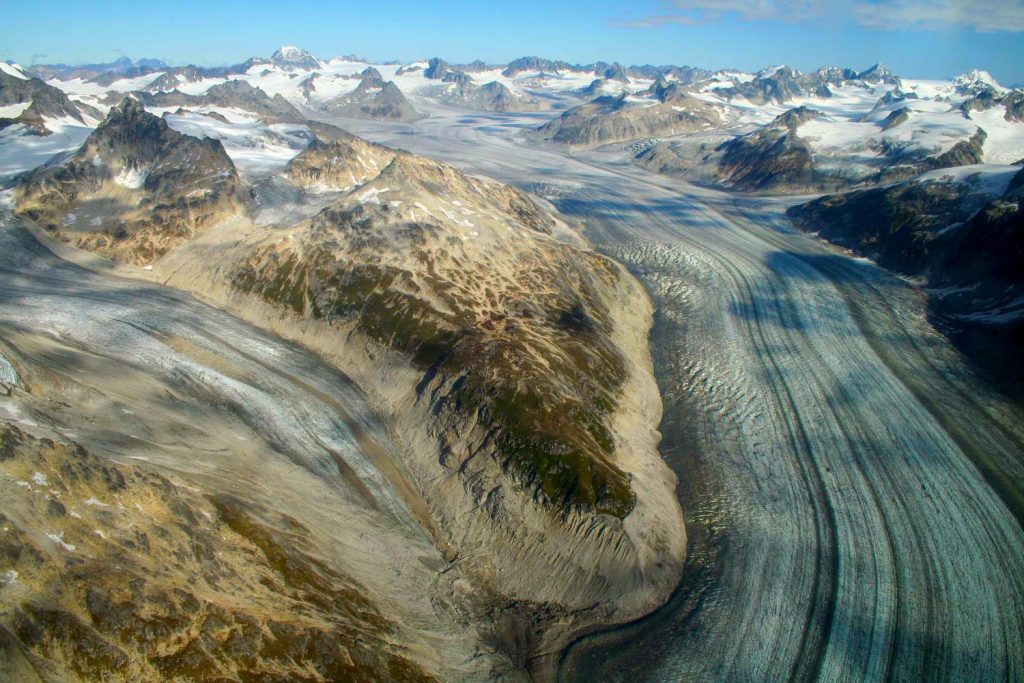
    Photo Tripping America - Lake Clark - Camping World
    Photo Credit: NPS by C. Lindsay

    Your RV is going to have to sit this one out, as Lake Clark has no road accessibility. Park it in a town where bush flights into the park are available, like Anchorage, Kenai or Homer. Plan to spend several days exploring the immense landscapes of the park, and watching brown bears devour their dinner sedges, clams and salmon. There are several lodges that can be booked for summer visits.

    Places to Go

    Photo Tripping America - Lake Clark - Camping World

    Here’s a look at some of the best places inside the park that you can visit. There are many of them, but these are some of the best to spots to go.

    Chinitna Bay

    Brown bear viewing is the number one activity for visitors to Lake Clark and Chinitna Bay is one of the best locations in the world to see up to 20 bears at a time feeding on the sedges there. Arrival to the bay is by bush plane and visitors can walk along the beach to two viewing areas, where the brown bears abound in summer.

    Crescent Lake

    The most visited destination within the park, Crescent Lake attracts brown bears with its abundance of sockeye and silver salmon.  The bears hunt the shoreline and Crescent River looking for these tasty morsels, and anglers flock here to catch trout, dolly varden and king salmon, so expect to see other Homo sapiens along with Ursus arctos!

    Port Alsworth

    Check out the park visitor center here in the summer months to solicit help from a ranger or get more information on Lake Clark National Park. Fish at Tanalian Falls or spend the night in a rustic cabin here.

    Richard Proenneke Cabin

    Explore the handbuilt cabin of an Iowa native who spent 30 years living at Twin Lakes. The cabin is only open in summer, and has numerous campsites surrounding it for those who wish to explore the area further.

    Things to Do
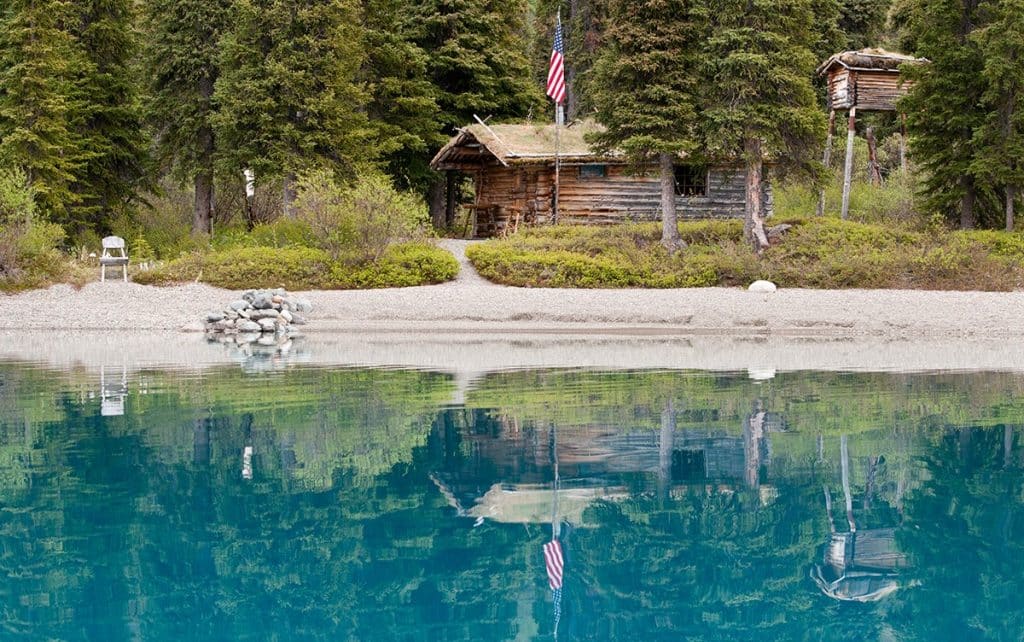
    Photo Tripping America - Lake Clark - Camping World
    Photo Credit: NPS by Kent Miller

    Ther are also plenty of fun and interesting activities to do at Lake Clark that are unique to the area. Here are some of them.

    Bear Viewing

    By far, the most popular activity in Lake Clark is watching so many brown bears in their natural habitat. Crescent Lake is a popular viewing spot, as is Chinitna Bay, where the bears feed on sedges and dig up clams.

    Because Chinitna Bay’s salt water marshes green up with early summer, the bears can be found there more readily in June and July. The months of August and September bring the salmon run, so brown and black bears gravitate to Silver Salmon Creek and Crescent River and Lake, where the fish are prevalent.


    Day Hiking
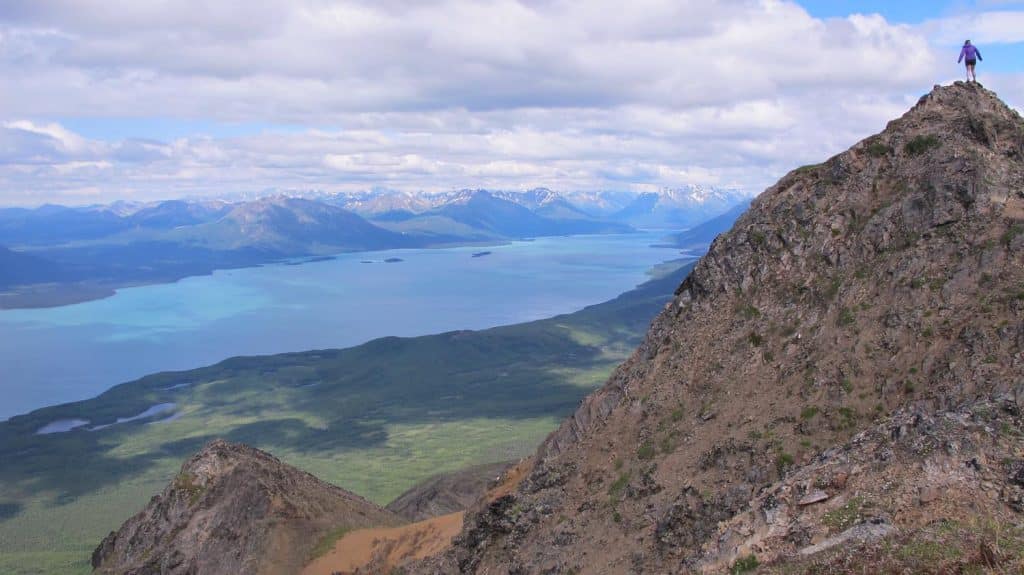
    Photo Tripping America - Lake Clark - Camping World
    Photo Credit: NPS by K. Martin

    There are numerous opportunities to cut your own trail in the back country at Lake Clark National Park. However, there is only one designated trail system here. The Tanalian Trails are maintained and easy to follow, with several hikes of varying degrees of difficulty. You can find the trail system at Port Alsworth and here is a map.

    Birdwatching

    There is such a wide variety of habitats in the park that visitors can observe more than 180 species of birds here.  Raptors, songbirds and waterfowl all make this region home. In fact, it is a common occurrence to see bald eagles, peregrine falcons, trumpeter swans, owls and puffins in the same day!

    Camping and Backpacking

    The entire park is open for trail-less backpacking! Camping is primitive and the only designated trails are part of the Tanalian Trails, so a map and compass are your best friends here. Be prepared to ford streams, deal with bad weather and encounter a random bear here and there. Follow these guidelines for bear safety.

    When to Visit Lake Clark National Park
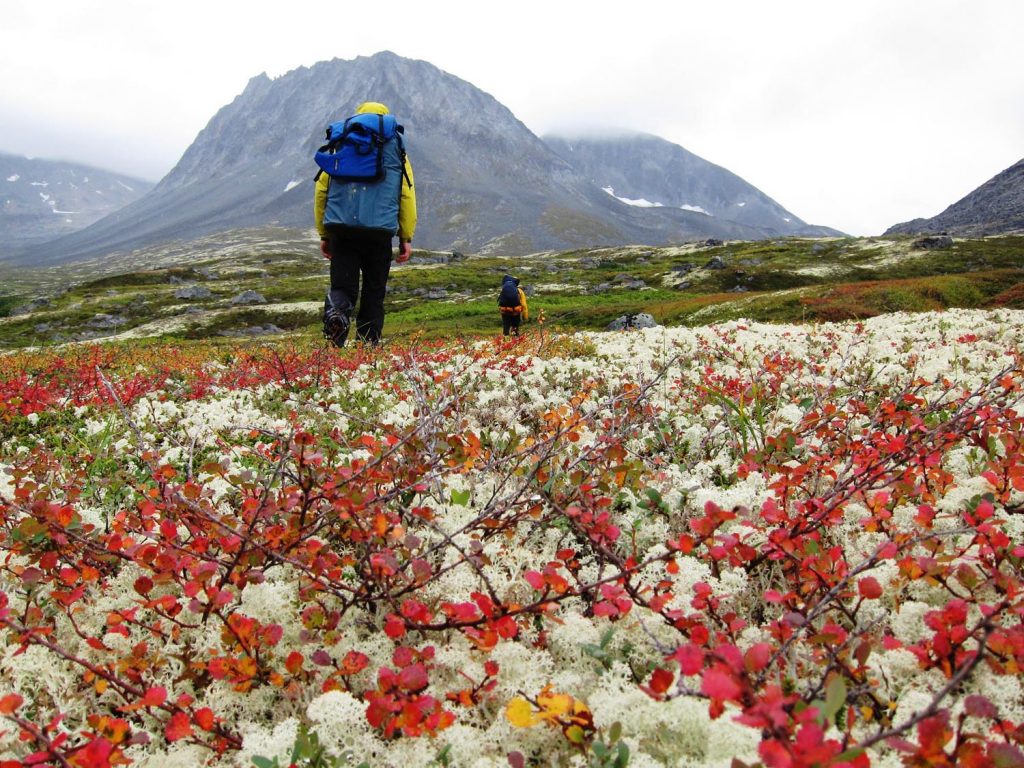
    Photo Tripping America - Lake Clark - Camping World
    Photo Credit: NPS by B. Bracken

    Lake Clark is open year-round and your visit will be dependent upon what season you’d like to explore and what kind of wildlife you wish to see. Brown bears hibernate from December to April, but are most active during the salmon run in August and September.

    Caribou and moose can be seen any time of year, and birds will follow the migrating season. If fishing is high on your list of To Dos, summer will be your best bet, but hiking and camping can be enjoyed during any season if you are prepared.  Just remember that Lake Clark National Park is remote and very isolated, so be thoroughly equipped for all of your activities.

    Where RVers Can Stay

    RVs must be left in the mainland communities of Homer, Kenai or even Anchorage, as the only way into the park is by bush plane. Once on land there are several private lodges for overnight stays or weekly visits and those are all accessed by plane, as well. If parking your trailer or motorhome, here are a few RV parks available:

    If you want to camp inside the park, you’d better be ready to tent camp and happy with primitive camp sites. Check out the park’s website and their informaiton about backpacking and camping in the park before you go.

    Getting To and Around This National Park
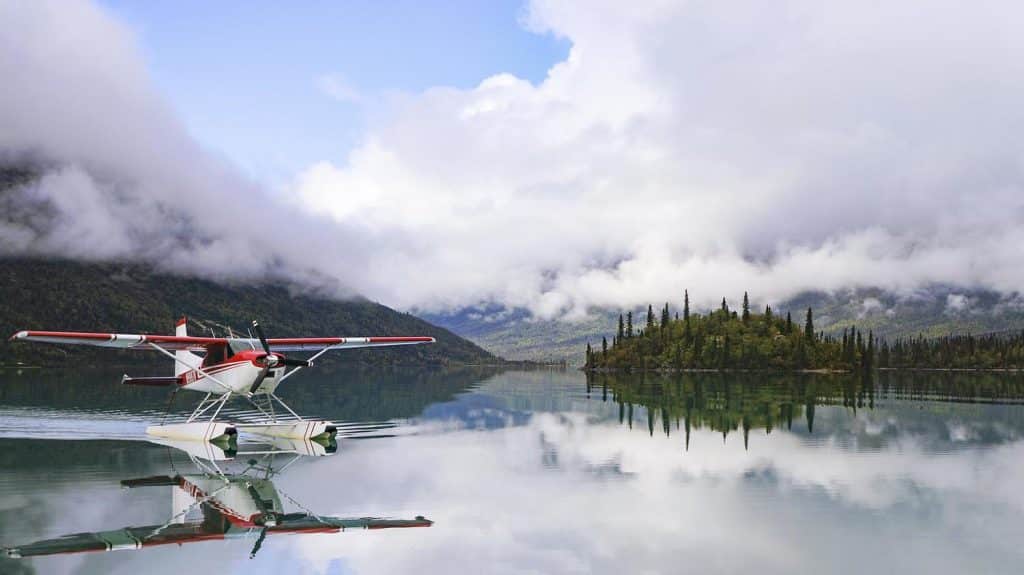
    Photo Tripping America - Lake Clark - Camping World
    Photo Credit: NPS by W. Hill

    Lake Clark National Park is immense in size and grandeur, but it has no roads in or out. So bush planes equipped with floats, skis or wheels depending on the season and the landing spot, are the only way into and around the park.

    Private guide services and chartered planes are available from Homer, Kenai, Soldotna and Anchorage. Keep in mind that weather plays a big factor in accessibility, so plan some extra time into your excursions for flight delays.

    Sensory Overload
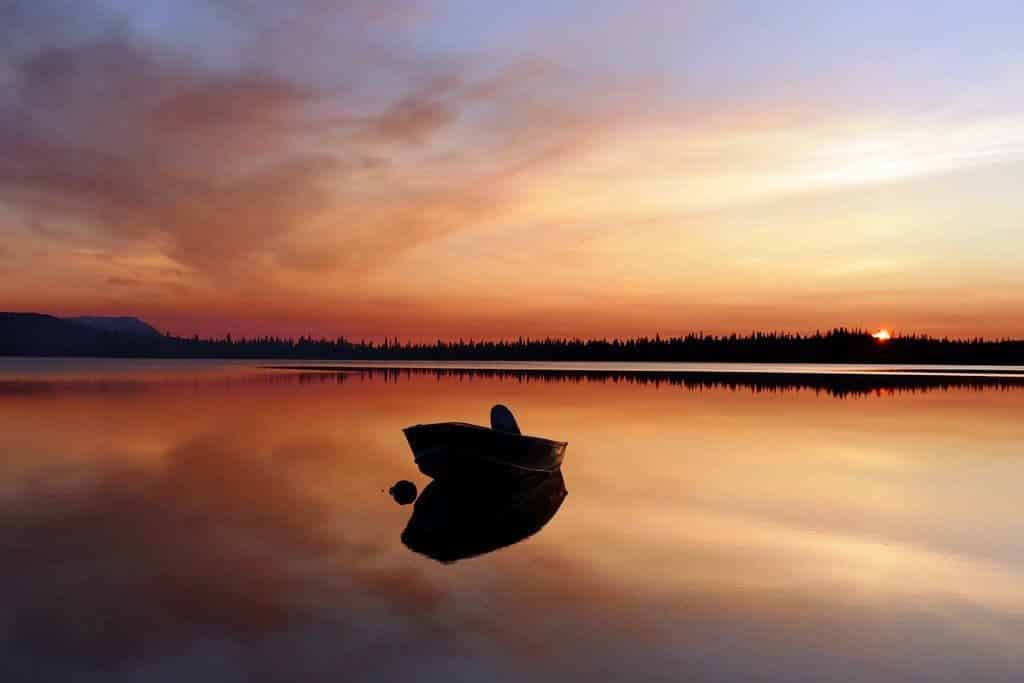
    Photo Tripping America - Lake Clark - Camping World
    Photo Credit: NPS by J. Mills

    Lake Clark National Park and Preserve is one of the last truly wild places on the planet. Travel here is reserved for the adventurous, those looking for experiences bigger that life itself.

    Sensory perception is overloaded in this corner of the world, where glacier-capped mountains erupt, fish too numerous to count color the water bright red, and the landscapes are so vast that you will think you are the only person left on earth to exult in them. With 4 million acres of space, you might be!


    Have you ever been to the Lake Clark National Park?  What were your experiences there?


    Source link

  • 7 Must-Have RV Kitchen Items

    7 Must-Have RV Kitchen Items


    Bringing your kitchen along for the ride while traveling is one of the best things about RVing. Your RV kitchen helps you save money since you don’t have to eat out every meal while on the road and it allows you to eat your favorite home-cooked meals no matter where you are.

    With all that being said, there is no getting around the fact that using your RV kitchen is going to be slightly different than cooking in your kitchen at home. We’ve put together a list of must-have RV kitchen items that will make your life easier while cooking in your home away from home.

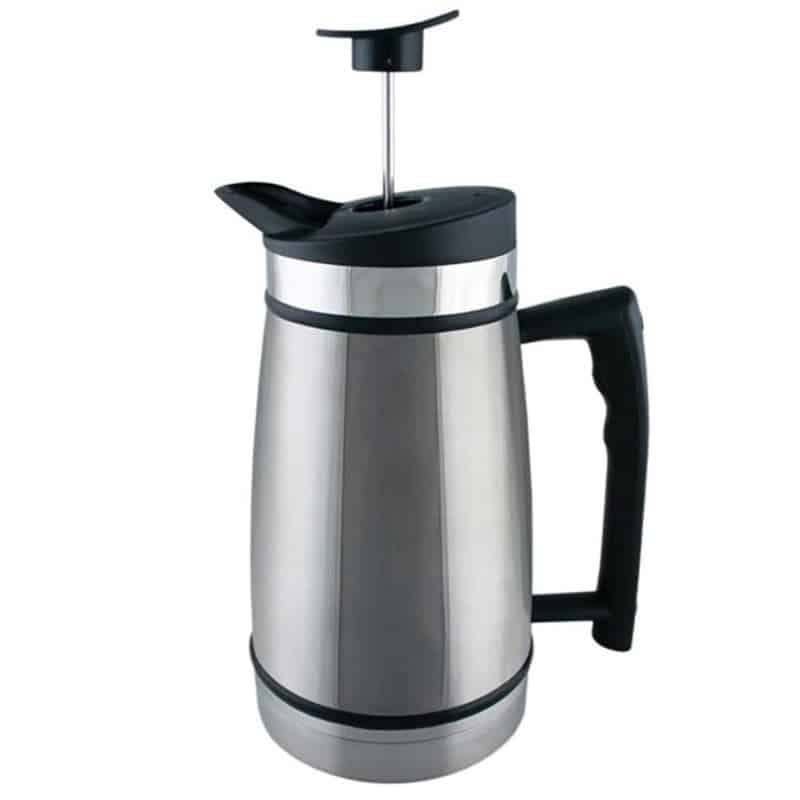
    1. French Press

    Image by CampingWorld.com

    The best part of waking up in the great outdoors just might be your favorite coffee in your cup. The drip coffee maker you have at home takes up a lot of counter space, takes a lot of energy to run, and comes with a very fragile glass coffee pot. None of these things are compatible with the RV life.

    A french press takes up little space, requires only propane to heat up water, and honestly makes better-tasting coffee. They’re also extremely affordable and make enough coffee for several people. It’s the smarter choice.

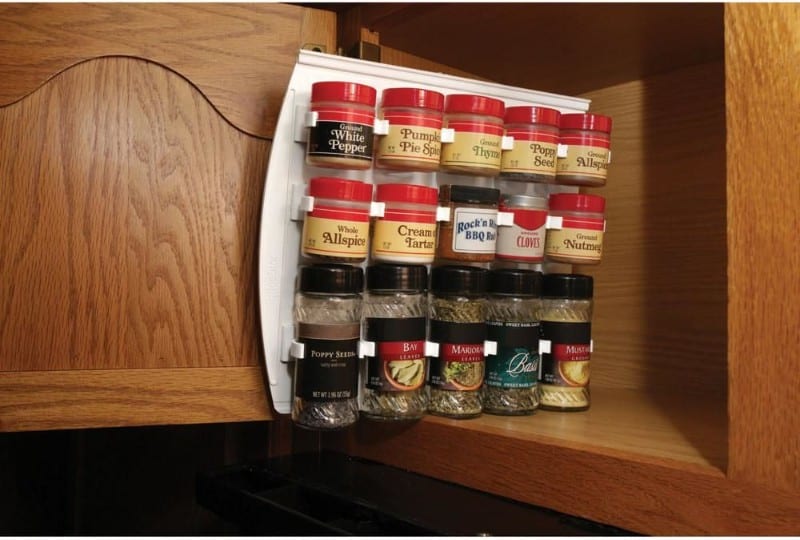
    2. Spice Storage Rack

    Spice Rack RV Kitchen
    Image by CampingWorld.com

    An organized kitchen makes cooking so much more enjoyable. When dealing with a small RV kitchen organization is a must in order to have room for everything. Having loose spices in your pantry or cabinet can make for a ton of wasted space and can lead to a huge mess on travel days.

    Securing spices in a simple spice storage rack is a great way to keep spices where they belong and make room for other items in the pantry. Door clips or wall-mounted racks are both great options!

    3. Collapsible Colander

    A kitchen is not complete without a colander. Straining pasta, washing veggies, none of these things are possible without one.

    Unfortunately, the colander in your kitchen cabinet at home takes up a lot of space. A collapsible one makes for a great addition to your tiny RV kitchen as it takes up little space and still gets the job done. It’s easy to use and when you’re done with it you fold it up and can hide it away easily in your cabinet.

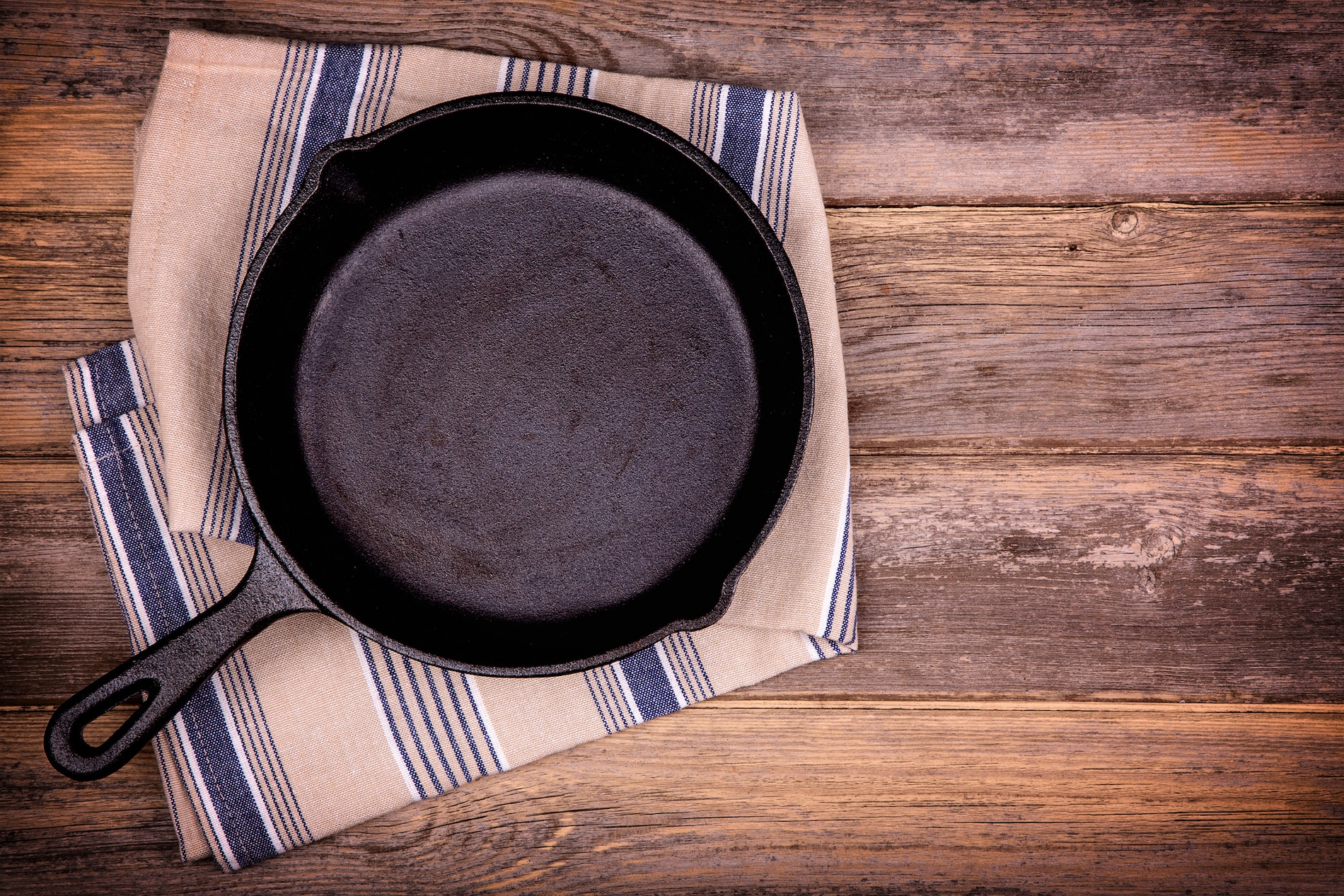
    4. Cast Iron Skillet

    Empty cast iron skillet with tea towel, over old wood background. Retro style processing and space for your text. (Empty cast iron skillet with tea towel, over old wood background. Retro style processing and space for your text. , ASCII, 115 componen
    Image by Rixipix from Getty

    The cast-iron skillet has long been a campfire cooking staple. What makes it so great for RVing is it is versatile, durable, and easy to clean. A cast-iron skillet can take your one-pan meal from the stovetop to the oven without having to dirty another dish.

    You can even use it to cook over an open campfire on nice nights. Once dinner is over and it’s time to clean up, the cast iron skillet takes little effort to wipe down.

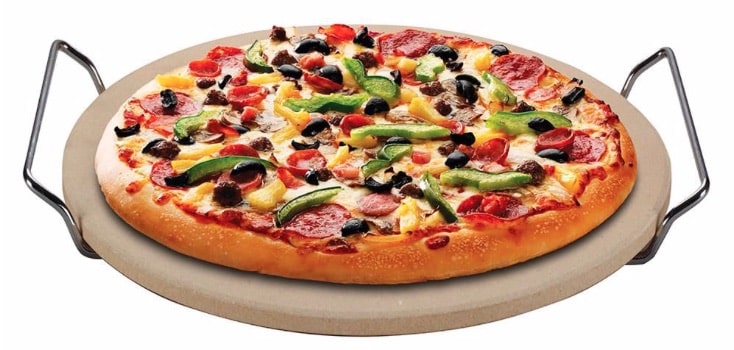
    5. Baking Stone

    baking stone
    Image from Camping World

    Baking in an RV oven can be very different from baking at home. The temperature can vary slightly from what the dial reads and the small space can be a challenge.

    To better control the heat being put off by the propane burner at the bottom of the oven, use a baking or a pizza stone. The stone helps dissipate the heat coming off the burner meaning you are less likely to burn those sweet treats or home-cooked dinner.

    6. Collapsible Dish Tub

    Once you’ve prepared and eaten the meal put together in your RV kitchen, it’s time to clean up. While RV dishwashers do exist, they aren’t in every unit. In order to conserve water in your fresh tank and put less dirty water down your gray tank, use collapsible dish tubs for doing dishes.

    Fill one tub with a little bit of soapy warm water for washing and fill the other with a little clean water for rinsing. Use biodegradable soap so once the dishes are done, you can simply dispose of the used water outside. Many campgrounds even have a designated area for sink water.

    7. Dish Drying Rack

    collapsible dish drainer
    Image from Camping World

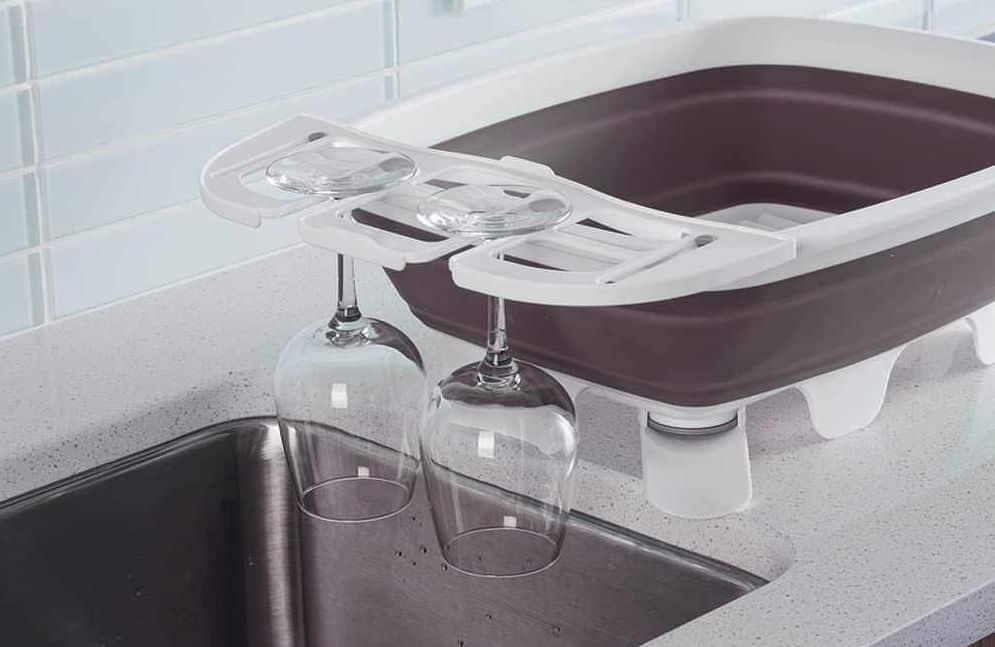
    Once the dishes are clean, you’ll need a place to dry everything. It’s no secret there is limited counter space in an RV kitchen so using a drying rack makes things easier without taking up a ton of space. There are a number of options that fold up nicely for easy storage once the dishes are dry.

    Cooking in your RV kitchen can be such a fun experience. Enjoying your favorite delicious meals is one of the best parts about RVing. Do you already cook in a tiny kitchen? Comment below with some of your favorite RV kitchen items.


    What items would you add to this list? Leave a comment below!


    Source link

  • Must Haves for RV-Life with Kids

    Must Haves for RV-Life with Kids


    RVing fulltime is a dream come true for many travel and camping enthusiasts. The chance to travel and explore our beautiful country, camp every day and living life on your terms is something to strive for. But, is this dream even possible if you are not a retiree or young digital nomad?

    What if you have kids in tow? It 100% is possible! Just like raising kids in a traditional house, it is challenging at times. Luckily there are others that have come before us in the RV life with kids way of life and have figured out ways to make this lifestyle work. Here are our must-have items for RV life with kids.

    Bunkroom with a Door

    Image by CampingWorld.com

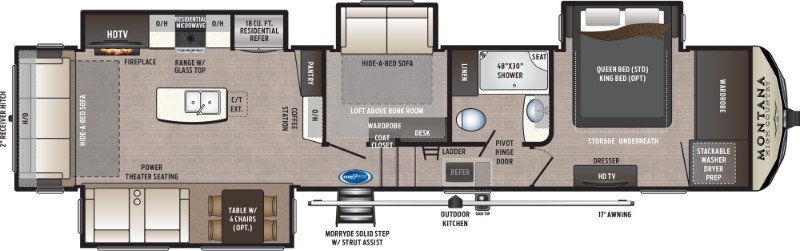
    A bunkroom with a closing door vs. a room with a dividing curtain or bunks in the living area gives kids and parents the privacy they need. Kids have a separate place they can call their own, and parents are able to stay up after kids to go bed without keeping everyone awake.

    Parents can even get up before their little sleepy heads and enjoy a hot cup of coffee. There are dozens of RV options with bunkrooms that have a door so when you’re ready to shop for an RV, you should have no trouble finding the perfect one for your family!

    Blackout Curtains

    rv blackout curtains
    Image by Unsplash.com

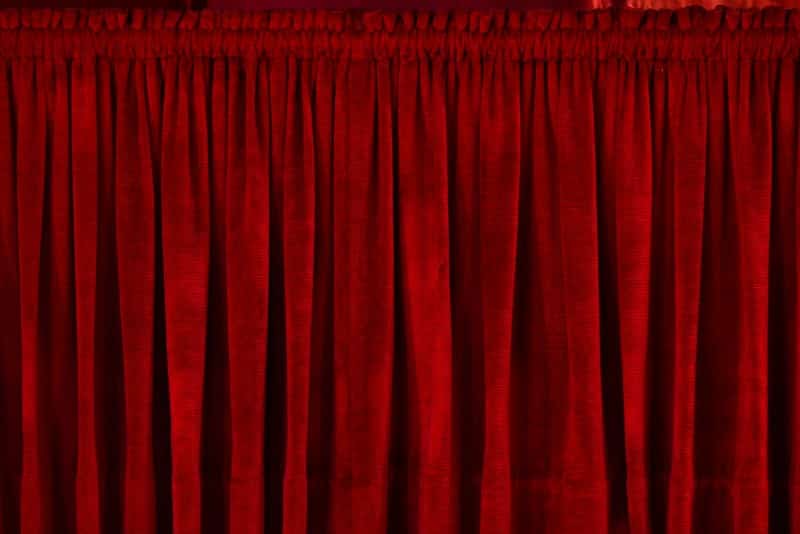
    Continuing on the theme of giving your kids a good night’s sleep, blackout curtains will keep them snoozing well into the morning. Blackout curtains are also great for younger kids that go to bed before the sun is down or need to nap during the day. Adequate sleep keeps everyone happy campers!

    Sound Machine

    Again, helping kids get the sleep they need is so important. Also, giving parents personal time once the kids are in bed is just as important! A sound machine helps keeps kids sleeping when in a small space. Sound machines keep out the noise of other people inside the rig as well as sounds, such as noisy neighbors, outside of the rig.

    Outdoor Toys

    One of the greatest parts about living the fulltime RV lifestyle is the amount of time you and your family will spend outdoors. Having outdoor toys will keep the kids entertained and out of the camper.

    Being outside allows the kids to take in the fresh air and get some energy out so everyone is ready to relax once it’s time to come inside. Balls, bats, bikes, and trucks for getting dirty are all great examples of outdoor toys!

    Inside Toys

    board game
    Image by CampingWorld.com

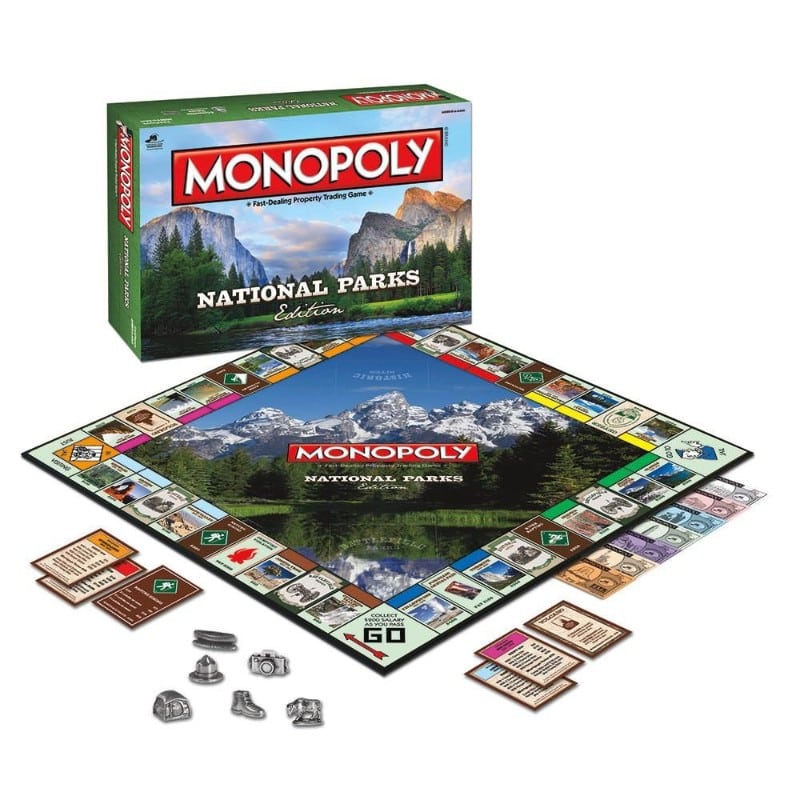
    There are rainy and chilly days while RVing fulltime that may keep kids inside. Having toys and games to keep everyone entertained and from going stir crazy is a must. Books and legos are great for individual play while board games such as National Parks Monopoly are fun for the entire family.

    Travel Toys

    travel day toys
    Image by CampingWorld.com

    Life on the road means a lot of travel time. Entertaining kids in the truck or motorhome is necessary for keeping the “are we there yet” comments to a minimum. While putting a tablet in front of them or turning on a DVD is one way to go, providing toys and games will keep screentime to a minimum. Coloring books, Mad Libs, or small toys for toddlers are all great options.

    State Sticker Map

    rv state sticker map
    Image by CampingWorld.com

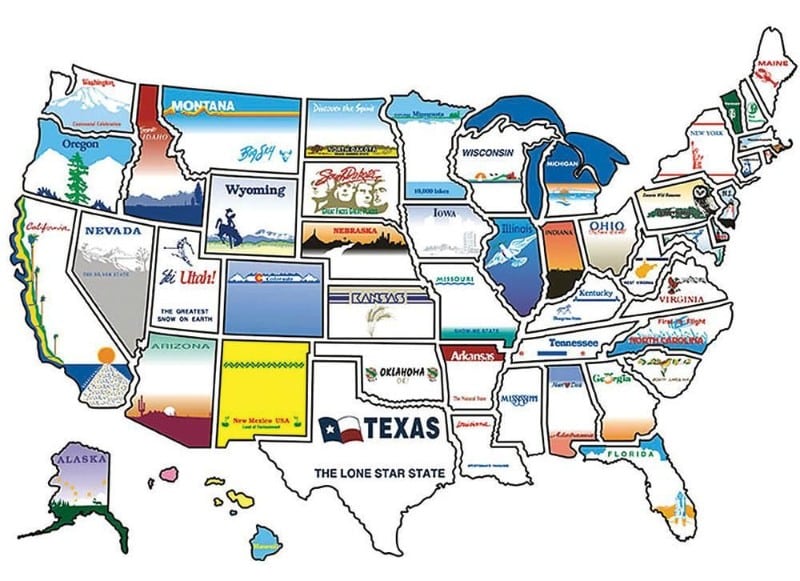
    While this last item won’t keep anyone sleeping longer or playing, it will make RV life a little more meaningful and fun. A state sticker map helps the kiddos keep track of the cool places you visit as well as teaches them about states and the layout of America. Your kids will be proud of the places they’ve been when displayed for all to see!

    RV life can be such a wonderful experience for families. It provides quality time together, an educational experience, and an all-around wonderful way of life. Don’t be scared to get out there and travel the open road with your little ones. Just don’t forget the must-have items to keep everyone happy and healthy!


    Do you have any questions or suggestions? Leave a comment below!


    Source link

  • Why Fall Is the Best Time to RV

    Why Fall Is the Best Time to RV


    Fall is almost upon us and that means many people are probably starting to think about what they’re going to do with their RV during the colder months. But wait! Before you go all-in on winterizing your RV, you should realize that there are many more weeks of fantastic weather ahead of us, and honestly, some of the best camping can be had in the fall months.

    Don’t let the fact that it’s now cooling off get you all worried, you’ll be able to see and do many more things in your RV before you either need to head down south with the snowbirds or head to the storage facility. Here’s why you should consider camping all fall.

    The Temperature Isn’t So High

    During the spring and summer months temperatures, especially in certain areas of the country, can climb sky-high. This can make hiking, biking, cooking, playing games, sleeping and camping in general not much fun. In the fall months, the temperature begins to drop but it usually doesn’t get too cold. This makes for some fantastic camping weather.

    You might not even need to turn on the AC or heater in your RV. Simply open the windows and enjoy the breeze. Hiking, playing games, and many other activities are better for the same reason. When you’re not battling the heat you can hike longer and enjoy the outdoors even more.

    The Leaves Change Colors

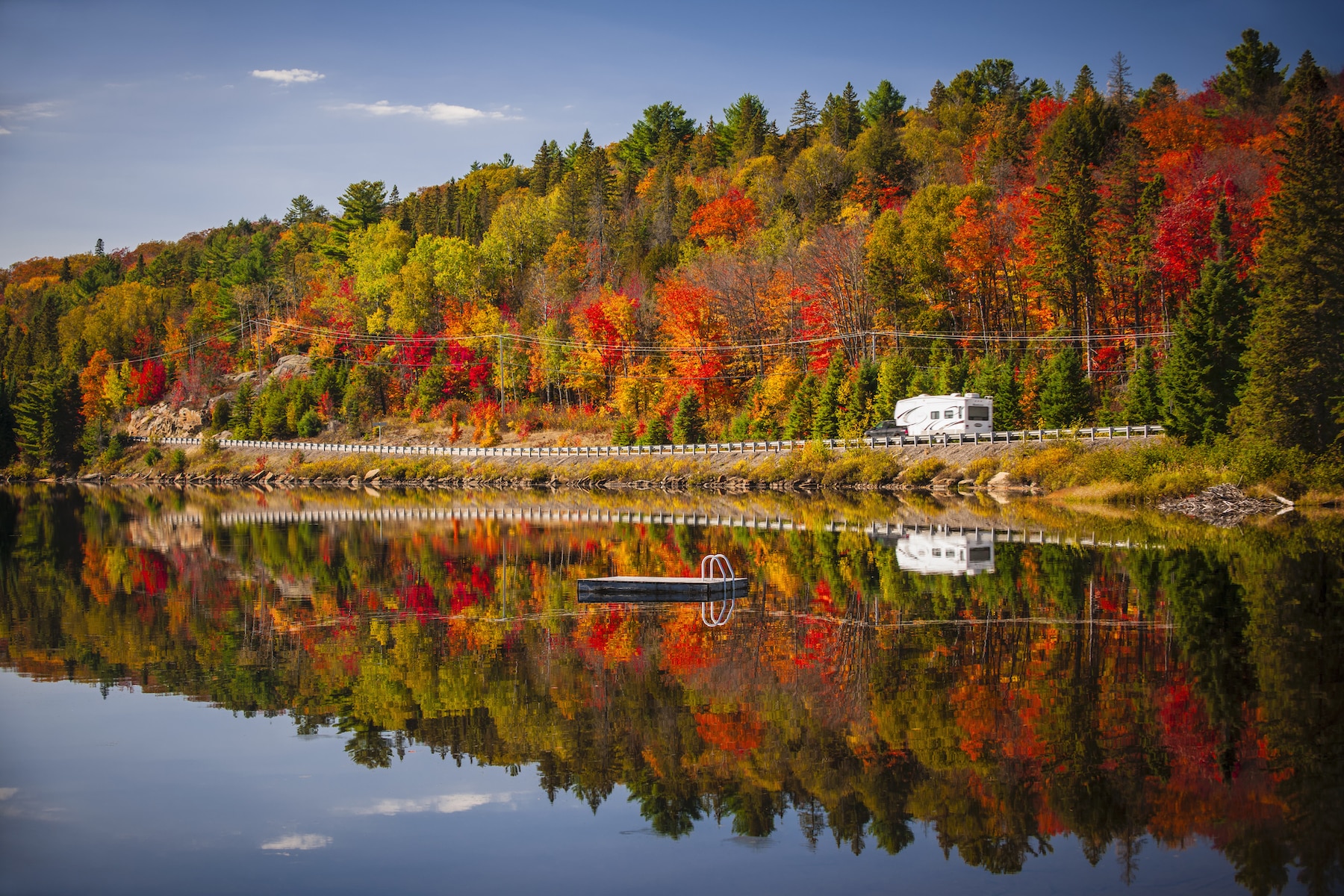
    Fall forest with colorful autumn leaves and highway 60 reflecting in Lake of Two Rivers.  Algonquin Park, Ontario, Canada. (Fall forest with colorful autumn leaves and highway 60 reflecting in Lake of Two Rivers.  Algonquin Park, Ontario, Canada., ASC
    Image from Getty

    One of the things I love about camping in the fall is just how beautiful the scenery is. When the leave begin to turn from green to various reds, yellows, and oranges you’re in for a real treat.

    This is especially true if you’re in the right area of the country. I’ve found that Maine and New Hampshire are absolutely breathtaking during this time of year. I would expect the same for any of the northeastern states. The same can be said through most of the country’s mountain ranges. There’s simply nothing like driving the Blue Ridge Parkway during the fall.

    Affordable Campgrounds

    The summer months are peak season for many campgrounds. This is when families have the most time to spend together and campgrounds can become quite crowded. They’re also the most expensive during the summer.

    Fall months are the off-season for many campgrounds, and this means you’ll be able to get a good campsite for a little less money in many areas of the country. Of course, it depends on the campground and where its located. With that in mind, it’s safe to say fall camping can actually save you money. This makes it even more enticing.

    Fewer Bugs to Worry About

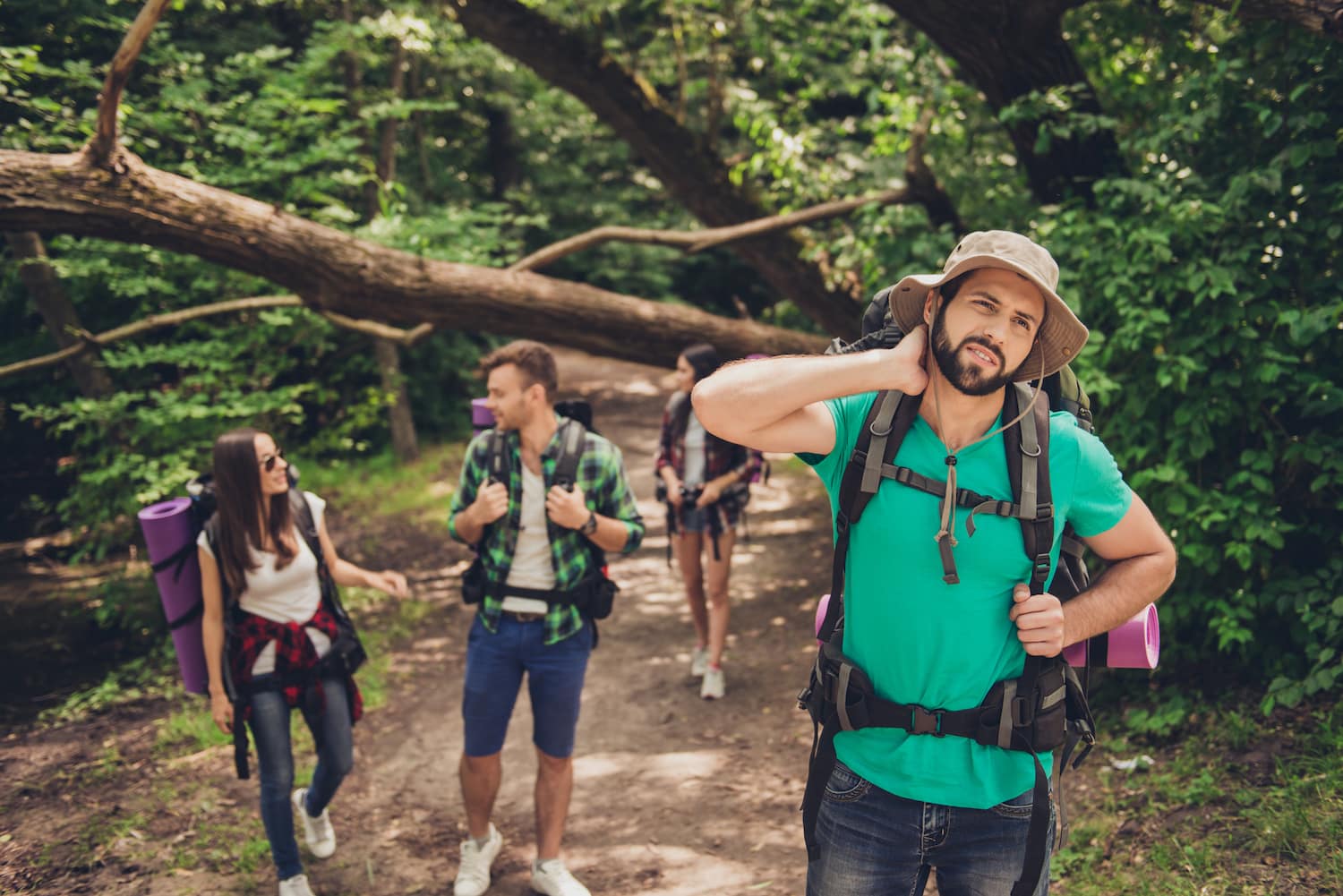
    Hard, difficult, tiring and exhausting expedition of four friends in wild forest in trail. Guy is struggling of a neck pain, massaging it (Hard, difficult, tiring and exhausting expedition of four friends in wild forest in trail. Guy is struggling of
    Image from Getty

    Mosquitoes, gnats, ticks, and other bugs can be a real nuisance in the spring and summer months, but they’re not so bad in the fall. This has to do with the way the temperature drops and how those insects and other critters prepare for the winter months.

    If the mosquitos are really bad in the summer I have a hard time getting out. I end up waiting until fall to do most of my camping. During these few special weeks and months before it gets too cold are the best times to avoid being swarmed. This is great at the campground, but it’s also wonderful for hiking, biking, and pretty much any other outdoor activity.

    The Food Gets Better

    This one is more personal preference, but I love a good bowl of hot chili during an almost chilly fall night. I’m not apt to make chili during the hot summer months. The same can be said of hot cider, creamy mac and cheese, pumpkin spice, and pies—meat and otherwise. There’s just something about all of these dishes that scream fall to me. Fall recipes are good.

    I’ll miss the iced drinks and light salads I make during the summer months, but the hearty soups and heavier meals of fall are some of my favorites in the world. Of course, you might have different traditions, but don’t overlook some hot cider and a good bowl of chili around a campfire this autumn.


    What do you love about fall camping? Leave a comment below!


    Source link

  • RVing the Rails – Excursion Trains in Pennsylvania

    RVing the Rails – Excursion Trains in Pennsylvania


    Many times camping trips involve exploring new territory and discovering enticing attractions along the way. Passenger tour trains have that magnetic appeal for many RVers, providing a novel way to see hidden countryside not normally viewed from the road. Railroad passengers learn about local history, culture and the many colorful characters from the communities visited. Camping World wants to make sure you don’t miss the departing whistle, so we have created a series entitled RVing the Rails. You will find the most popular excursion trains to ride in each state, complete with any specialty trains they might offer.

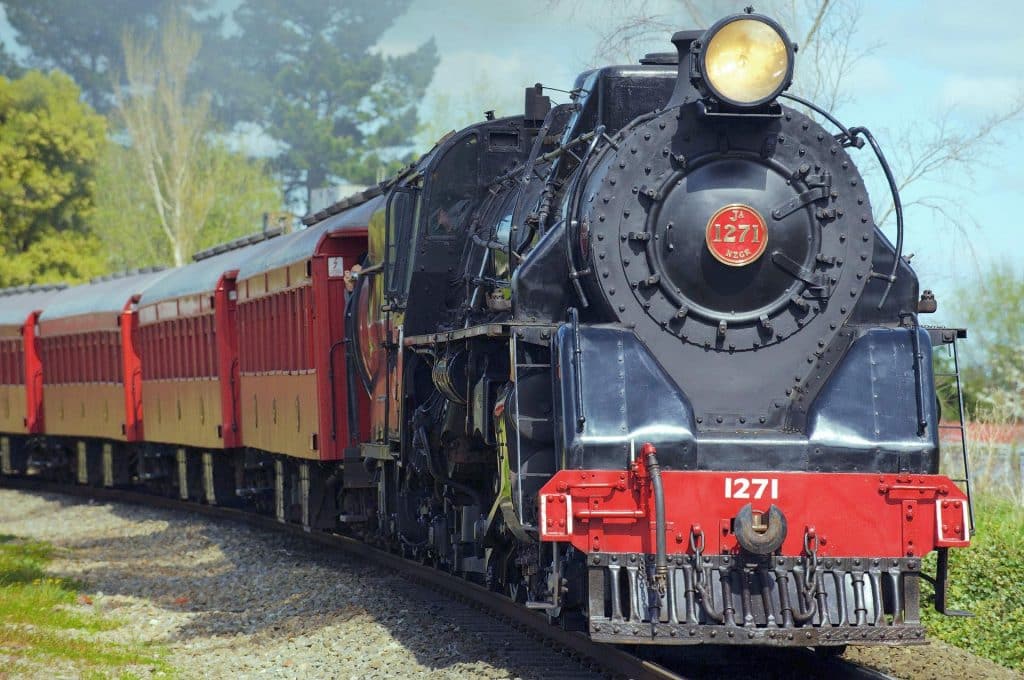
    Steam Train
    Photo Credit: Pixabay

    Today we will explore the most popular trains in Pennsylvania:

    Tioga Central Railroad

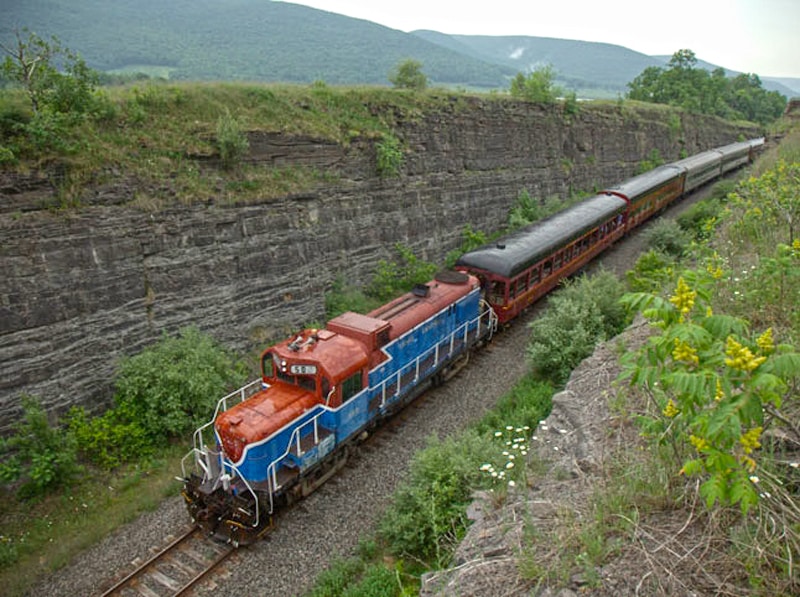
    Tioga Central Railroad Diesel Engine
    Photo Credit: TiogaCentral.com

    Running on tracks that date back to 1840, the Tioga Central Railroad has an intriguing history. The original railway connected Corning, New York to the coal mines in Atrium. It ran through today’s departure point at Wellsboro, Pennsylvania, carrying both passengers and freight. As parts of the line were abandoned, it was feared that railroading history would die, as well.

    But by 1994 the rails between Wellsboro and Corning were targeted to run an excursion train, preserving a piece of Tioga County’s past. Today the railroad showcases the forest and wetlands of the region, traveling from the depot to Hammond Lake.

    Railway and Locomotive Types

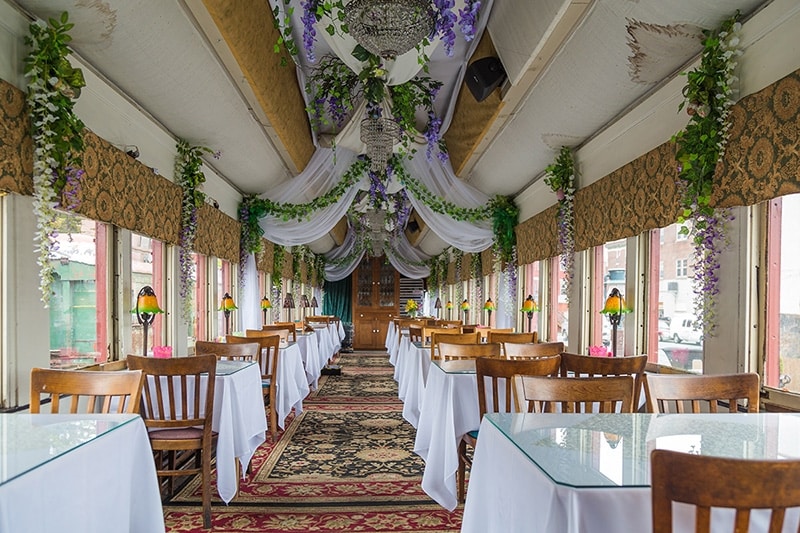
    The Tioga Central uses a diesel engine pulling cars on standard gauge tracks. The rolling stock includes a dining car with full kitchen, club car, coach and open cars, as well as table car. The dining car is climate controlled.

    Seating Options

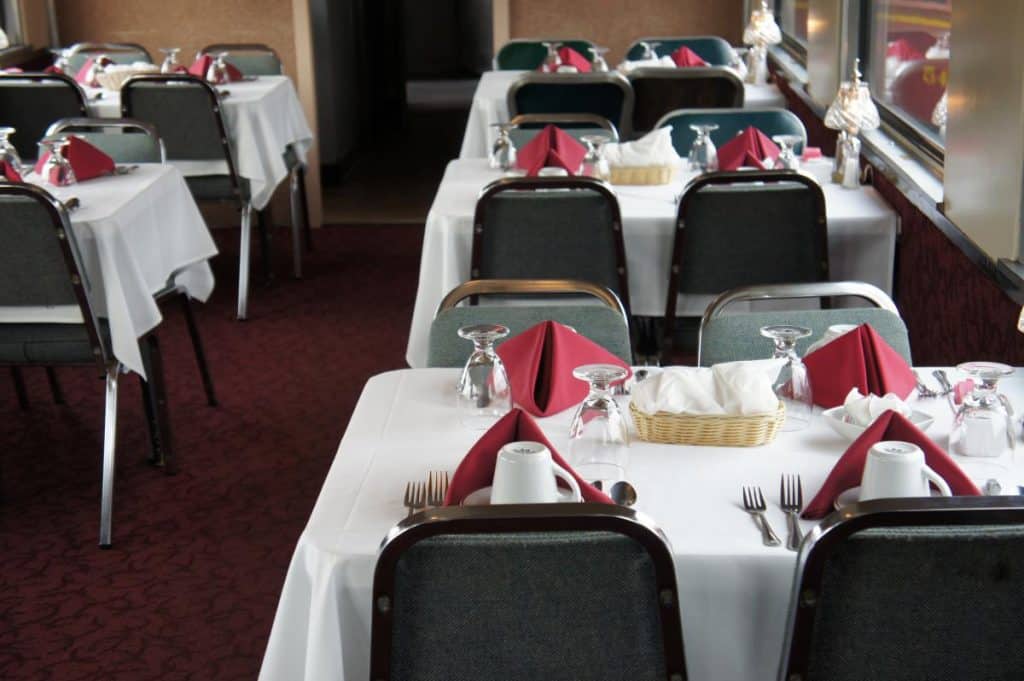
    Tioga Central Railroad Dining Car
    Photo Credit: TiogaCentral.com

    All seating during the Lakeshore Express and Sunset Express train rides is open and unassigned. However, dinner tickets have assigned table seating. Passengers are welcome to walk through the cars, and restrooms are available onboard.

    Riding Options

    Passengers can purchase round trip only tickets online or in person. Travel is from Wellsboro to Lake Hammond and back, a two-hour ride. The evening trains on Friday and Saturday offer an option to sit in the dining car and enjoy a catered meal as part of the ticket price. Other travelers that choose to bypass the dining option have open seating in the other railcars.

    Specialty Trains

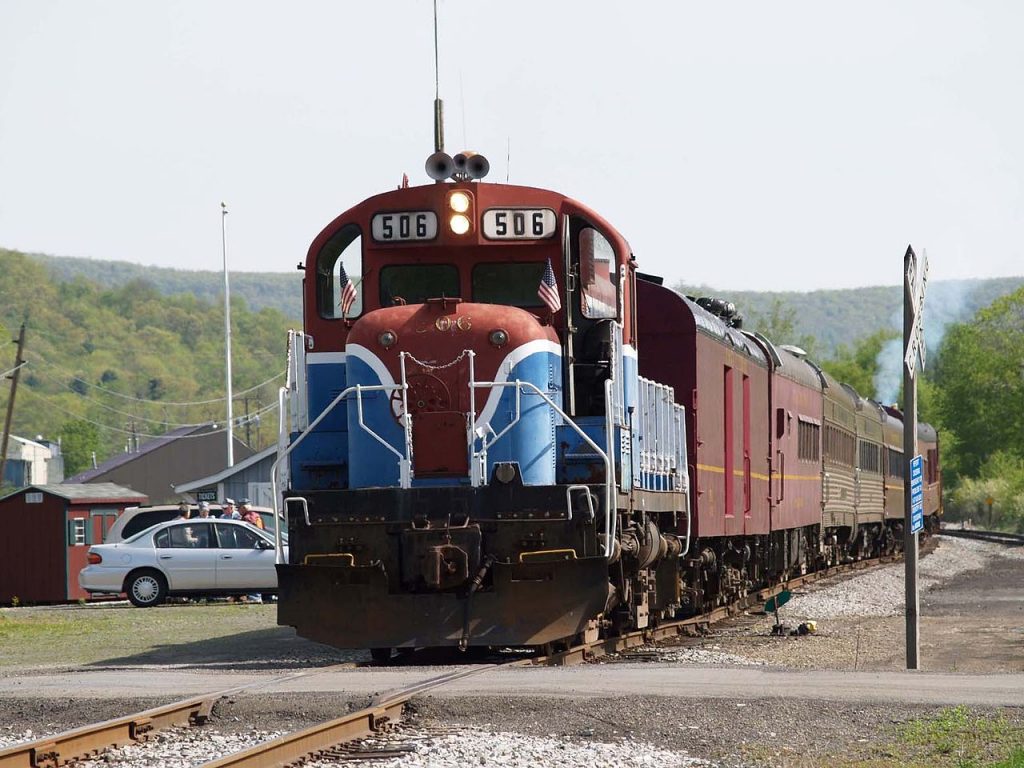
    Tioga Central Railroad Before Run
    Photo Credit: Jss5104 (CC BY-SA 3.0)

    The Tioga Central Railroad considers each of its “regular” trains a special event. Running weekends, the railway offers a Friday evening excursion with or without a catered meal. The Sunset Dinner Train and the Sunset Express are the same trips, on the same train but in different cars with different amenities.

    Saturdays a Lake Express Train is added to the lineup, leaving the depot in Wellsboro at noon.  The Sunset Train is offered on Saturday evenings, as well.

    Length of Season

    Capturing the attention of summer vacationers and autumn leaf peepers has determined the train’s schedule. It provides Friday and Saturday evening trains and Saturday noon trips every weekend from June through October.

    Strasburg Railroad

    Strasburg Railroad
    Photo Credit: StrasburgRailroad.com

    It could be difficult to live up to the expectations that come with being the oldest chartered train in the country, but the Strasburg Railroad has no problems doing so. Begun in 1832, the rail line was originally used to transport freight from the Pennsylvania Railroad hub, but after World War II, the railroads waned with the improvement of the highway system.

    Abandonment of the lines in Lancaster County was not to be, however, as the idea of a tourist train was suggested. So in 1958, 24 people purchased the rail line and the Strasburg Railroad became one of the biggest tourist draws for the region.

    Railway and Locomotive Types

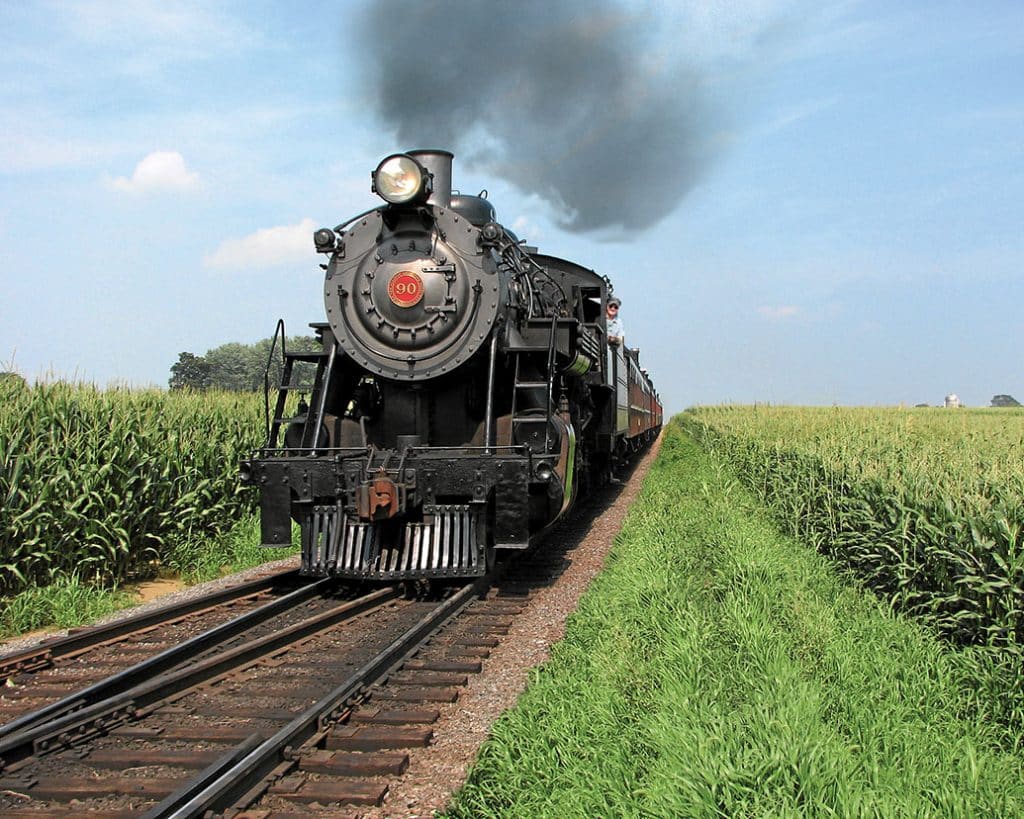
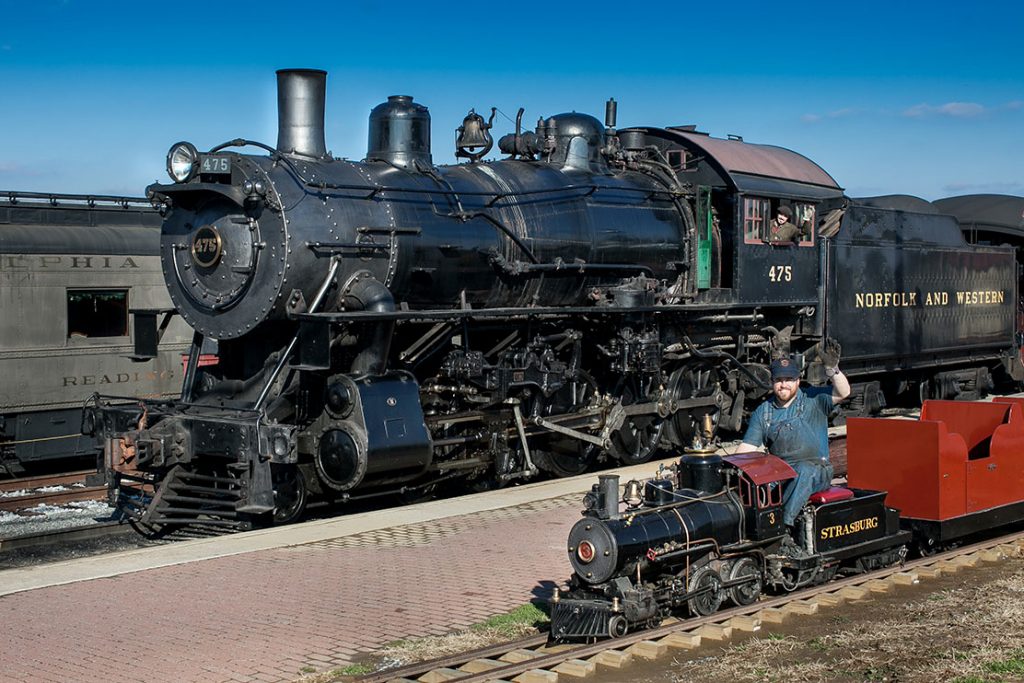
    The Strasburg Railroad has five authentic steam locomotives working on standard gauge rails to pull restored lounge cars, coach and passenger cars, as well as dining and open rail cars through the Amish country of Pennsylvania on a 45-minute tour.

    Seating Options

    Strasburg Railroad Dining Car
    Photo Credit: StrasburgRailroad.com

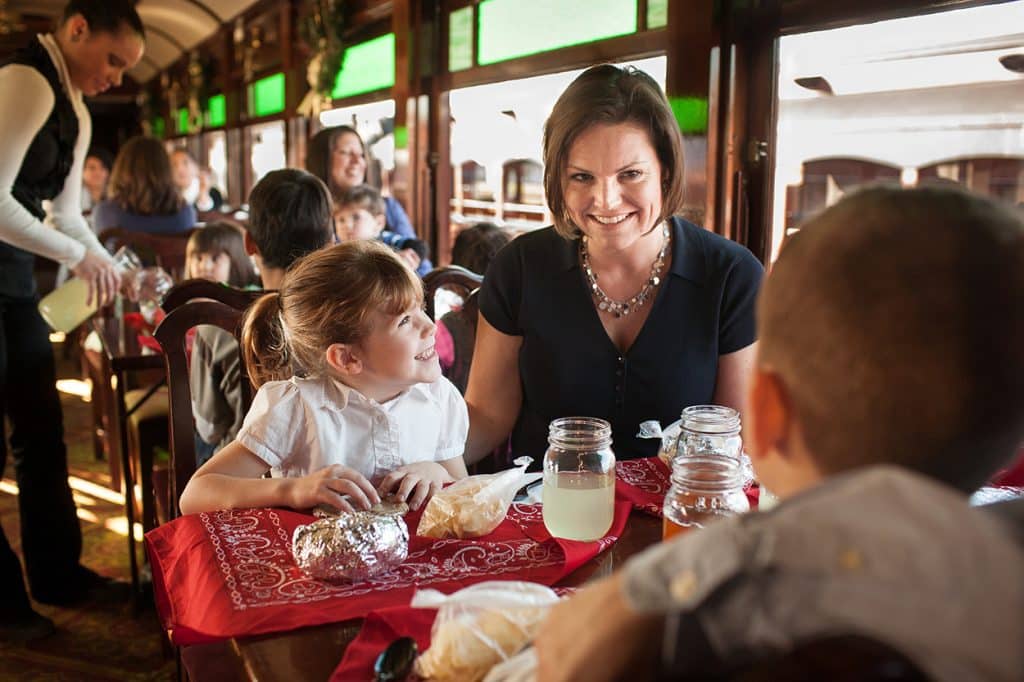
    The railroad has assigned seating tickets for dinner cars only. All other cars have open, unassigned seats. There are, however, two separate classes of service, so there is no movement of passengers between cars during the excursion:

    • President’s Class – Passengers ride in the luxurious air-conditioned President’s Lounge car.
    • First Class – Passengers enjoy the journey in the air-conditioned lounge or parlor cars.
    • Coach Class – Passengers have their choice of a windowed coach car or an open gondola.

    Riding Options

    Strasburg Railroad Full and Pint Size
    Photo Credit: StrasburgRailroad.com

    Tickets on the Strasburg Railroad are all round-trip. However, riders can choose to disembark at two different groves along the journey for picnics and children’s playtime. Since trains run on the hour from 11:00am to 4:00pm during high season, the riders can hop onboard a later train for the return to the depot.

    Passengers have the opportunity to purchase some extra experiences before or after their rides:

    • Shop Tour – See how these historic railcars are restored and repaired in a behind-the-scenes tour.
    • Hostling Tour – A morning exploration of the feed and caring of Strasburg’s five steam locomotives.

    Specialty Trains

    • Easter Bunny Train – Hop on this seasonal train for a trip that’s sure to be egg-cellent.
    • Day Out with Thomas – Tiny train lovers will enjoy a ride with Thomas The Tank Engine, with play available on cranky cars, in the Imagination Station and during storytime!

    Length of Season

    The Strasburg Railroad is only closed for the month of January. May through August the regular train runs seven days a week. During the slower seasons of winter and fall, weekend departures occur five times a day, with three daily departures on weekdays. Take a look at the schedule to plan your visit.

    Colebrookdale Railroad

    Colebrookdale Railroad
    Photo Credit: ColebrookdaleRailroad.com

    Running through the Schuylkill Valley in eastern Pennsylvania, one might never realize the Colebrookdale Railroad has a storied past. The tracks were laid by returning Civil War soldiers over 150 years ago, and the railway ran past a gristmill and the first iron works and blast furnace ever built in Pennsylvania.

    Today the train runs from Boyertown to Pottstown, connecting passengers with the countryside known as the Secret Valley, a region admired for its natural beauty and history.

    Railway and Locomotive Types

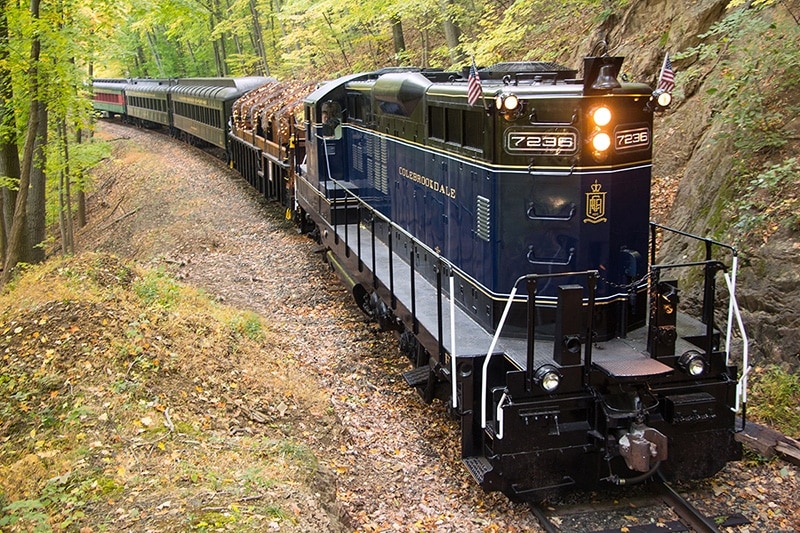
    Running a diesel locomotive on standard gauge rails, the Colebrookdale Railroad runs dining cars, deluxe coaches, parlor cars and a garden café car as its rolling stock. Passengers will enjoy a two-hour excursion through the Secret Valley in these meticulously restored cars.

    Seating Options

    Colebrookdale Railroad Dining Car
    Photo Credit: ColebrookdaleRailroad.com

    Passengers have their choice of cars and service when it comes to the train cars, as all seats are assigned by car:

    • First Class Service – Riders enjoy the journey in a nicely-appointed parlor car, complete with a baby grand piano!
    • Dining Service – Many of the trains offer meals in the dining car and the garden café car. There are a wide variety of menus offered, and some are also available on specialty trains.  Check the train schedule to see if your date of travel has this option.
    • Deluxe Coach Service – Passengers will travel in coach cars or an open gondola car.

    Riding Options

    The Colebrookdale Railroad departs from Boyertown and travels almost nine miles through the Secret Valley, returning by the same track. They do offer special runs by the Brill Motorcar (also known as “Doodlebug” during the zoo trains) on one-hour departure schedules.

    Passengers can also purchase a seat in the locomotive to watch the inner workings of the Iron Horse on most rides.

    Specialty Trains

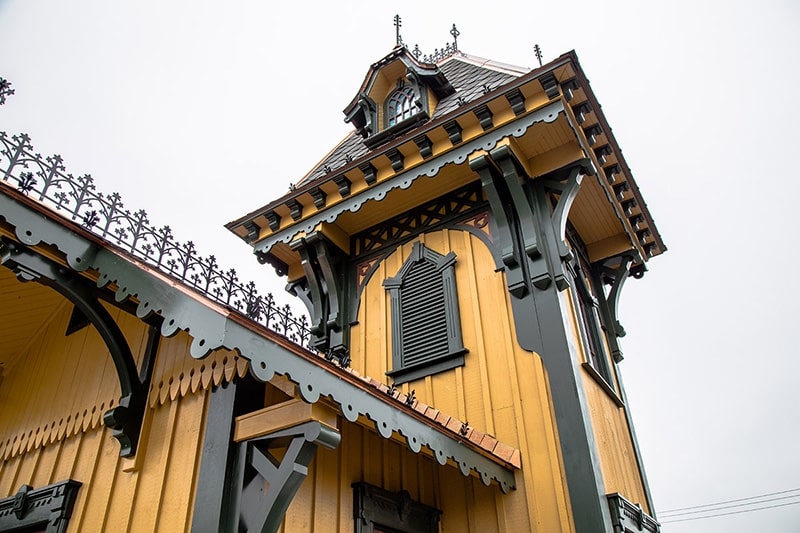
    Colebrookdale Depot
    Photo Credit: ColebrookdaleRailroad.com
    • Pumpkin Patch Excursion – Take the Brill Motorcar to Frog Hollow Farm for a day of pumpkin patch fun. The motorcar will shuttle passengers all day long, so stay and enjoy decorating your pumpkin, drinking cider and indulging in snacks.
    • Autumn Splendor Fall Foliage Train – Enjoy the colors of Autumn on a tour of the Secret Valley. A scrumptious brunch is offered to dining car patrons.
    • Zoo Train – Take the Doodlebug to Frog Hollow Farm for a children’s petting zoo. It’s sure to be a fun and furry experience!
    • Zombie Hunter Train – Blast zombies with provided “blaster packs” to rid the railroad of the pesky monsters at a stop along the way. Those not wishing to participate can become spectators to the zombie annihilation from the train!

    Length of Season

    The Colebrookdale Railroad season runs from March through mid-November, with specialty trains departing on specific dates throughout the year. Please check the train schedule to make your plans.


    Join the thousands of RVers that have a love affair with trains and ride the rails on your next camping trip. Check out the other excursion trains available on a state-by-state basis in our series, RVing the Rails.


    Source link

  • Camping World’s Guide to RVing Yellowstone National Park

    Camping World’s Guide to RVing Yellowstone National Park


    Yellowstone National Park is the nation’s first national park and still remains one of the most popular and visited parks in the country. Some people argue that it was the first established national park in the world. Yellowstone became a national park in 1872 and has been captivating visitors ever since. During our time at Yellowstone National Park, we continually felt like we were on a different planet. The landscape is vast, beautiful and wild.

    Why Visit Yellowstone National Park?

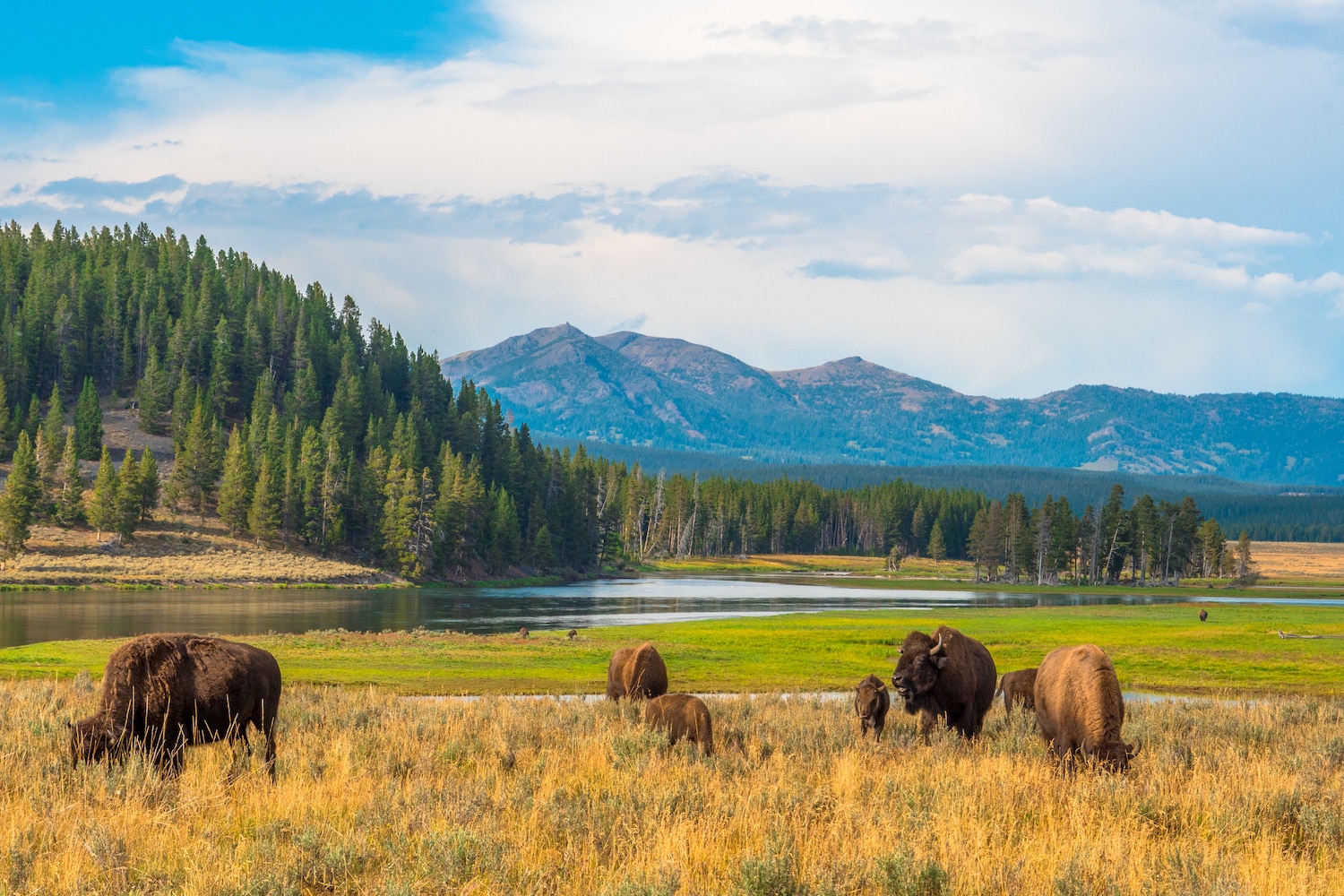
    Buffalos grazing at Hayden Valley, Yellowstone, National Park, Wyoming, USA
    Image by Manel Vinuesa from Getty

    It might be easier to think of reasons not to visit Yellowstone. Seriously, the park is unbelievable. There is so much to see and do and the grandeur of it all makes it an unforgettable experience.

    One of the primary reasons to visit Yellowstone, though, is the abundance of hydrothermal wonders. With over 10,000 thermal features, Yellowstone is the best place in the world see hydrothermal phenomena such as geysers, hot springs, mud pots, and steam vents. Over half of the world’s geysers and hydrothermal features are located in Yellowstone National Park. Even if you’ve never been to the park, you’ve likely heard and seen pictures of Old Faithful, the most famous geyser in the world. But, Yellowstone offers so many more thermal features than just Old Faithful.

    Probably the second most popular reason to visit Yellowstone is to experience the diverse wildlife. It’s not uncommon to see deer, moose, wolves, bighorn sheep, elk, bison, bears, and more just driving through the park. As with thermal features, Yellowstone National Park has the largest concentration of wildlife in the contiguous United States.

    Whatever the reason for your visit, Yellowstone offers something for everyone and is a can’t miss national park.

    Things to Do

    There is no way we can cover all of the things to do in Yellowstone in one blog post. Our goal is to highlight some of the most popular activities to give you some ideas for your trip.

    Experience the Incredible Thermal Features

    Old Faithful

    Located in the Upper Geyser Basin, Old Faithful is probably the most recognized feature in the park and no trip would be complete without seeing it erupt. An eruption is quite fascinating.

    The geyser erupts about every 1.5 hours and can shoot water nearly 200 feet in the air! Old Faithful is one of only six major geysers that are predicted regularly by the staff which is remarkable considering there are over 500 geysers in the park. Its regularity is the basis for its name and one of the reasons that developers were able to build viewing areas and lay the foundation of the village and visitor center that exists today at Old Faithful.

    Don’t forget to check out the rest of the Upper Geyser Basin. There are 150 geysers in one square mile so there are lots to see other than just Old Faithful.

    Grand Prismatic

    Grand Prismatic is the largest hot spring in the park and is one of the most interesting sites you will ever see. The colors are so intense and beautiful that it’s hard to even believe your eyes. The hot spring is huge—between 200 and 330 feet in diameter and over 120 feet deep.

    Be aware that parking at the hot spring is limited and doesn’t have enough capacity for Yellowstone’s large crowds. Try to get there early to get a parking spot or plan some extra time to wait for a spot to open up.

    Mammoth Hot Spring Terraces

    The Mammoth Hot Springs are located near the northern entrance of the park, and the springs offer visitors unique viewing experiences. You can walk along boardwalks above the hydrothermal features and get an up-close and personal view of the hot spring terraces. I can’t explain how these terraces are made, but I can say that they are really interesting and particularly inspiring.

    Norris Geyser Basin

    Take a stroll along the boardwalks at Norris Geyser Basin and enjoy the oldest, hottest and most dynamic of Yellowstone’s thermal areas. Hike the three-quarter-mile trail Porcelain Basin or the 1.5-mile trail that goes around Black Basin. Steamboat Geyser, the tallest geyser in the world, is located here. Although eruptions are uncommon, if you get the chance to see one, it will be something you remember for the rest of your life.

    Hiking

    With 2.2 million acres and 900 miles of hiking trails, there’s no shortage of wilderness to explore. Whether you prefer hiking through the forest, around lakes and rivers, or through canyons, Yellowstone has it all! Keep in mind though that many of these hikes are high in elevation and will still have snow until June and late July in some areas, so you’ll want to be prepared for cooler temperatures and harsh trail conditions.

    Here are some of the most popular day hikes in Yellowstone National Park:

    • Mystic Falls Trail and Fairy Creek (3.5 miles and rated moderate)
    • Canyon Rim North Trail to Inspiration Point (7.9 miles and rated moderate)
    • Uncle Tom’s Trail (.6 mile and rated easy)
    • Artists Paintpots Trail (1 mile and rated easy)
    • Dunraven Pass to Mount Washburn (6.8 miles and rated difficult)
    • Bunsen Peak Trail (4.4 miles rated moderate)
    • Lava Creek Trail (8 miles rated difficult)

    Fly Fishing

    Yellowstone is home to several of the most famous trout streams, including the Yellowstone, Gallatin, Snake, and Madison. In fact, anglers from across the world visit Yellowstone specifically to fish and they are an important part of the park’s native fish conservation goals.

    Cutthroat trout, mountain whitefish, arctic grayling, are some of Yellowstone’s native fishes that are crucial to its ecology. Be sure to read up on Yellowstone’s specific and strict fishing regulations before you head out on the lakes and rivers.

    Horseback Riding

    Both guided and private horseback riding trips are available to Yellowstone visitors and an incredible, unique and memorable way to explore the park. There are outfitters who offer day trips and even overnight backcountry trips. Yellowstone National Park Lodges also offers one-to-two-hour rides at Tower-Roosevelt and Canyon.

    Many visitors prefer to bring private stock but must follow all regulations and should check the backcountry situation report and bear management area descriptions ahead of time.

    Boating

    Consider exploring beautiful Yellowstone from a different perspective by canoeing, kayaking, and motorized boating the park’s rivers and lakes. With a permit and inspection, you can bring your own watercraft. Otherwise, the lodges provide rentals at Bridge Bay Marina on Yellowstone Lake. You can also book guided services from these companies.

    When to Visit

    Horseback riding through the wildflowers in the Grand Teton Moutain range.
    Image by William Shafer from Getty

    Yellowstone is a seasonal national park. At an average elevation over 8,000 feet and surrounded by large mountains, it’s understandable that some of the park is closed during winter. That doesn’t mean that winter is not a great time to visit the park, just understand that the conditions are fairly extreme.

    Therefore, summer is the most popular time to visit the park and the time when all of the facilities are open. To determine which season is right for you as well as what amenities are generally available, please check out this information page.

    Where to Stay

    There are 12 campgrounds with 2,000 sites offered at Yellowstone National Park. While this sounds like a lot, the spots fill up quickly in high season and the park only takes reservations for five of the campgrounds with the rest being first-come, first-served.

    Fishing Bridge RV Park is the only campground that offers full hookups for RVs. Some of the campgrounds can only accommodate smaller RVs, so you’ll want to check the descriptions of each one on the NPS camping page.

    The good news is, there are a great number of campgrounds outside the park to choose from if you aren’t able to reserve a site in advance. There are several to choose from near each of the five entrances to the park.

    There is also dispersed RV camping (boondocking) spots throughout the forest. You can find these spots by using the official US Forest MVUM’s (motor vehicle use maps). Here’s a great list of all your options for camping around the outside of the park.

    Getting to and Around Yellowstone National Park

    Yellowstone National Park is located in the northwest corner of Wyoming but, technically, it resides in three states with three percent of the park in Montana and one percent in Idaho. There are five different entrance stations to the park but since the park covers around 3,500 square miles, it can take several hours to drive between the stations. Therefore, bringing your own vehicle is highly recommended for exploring the park.

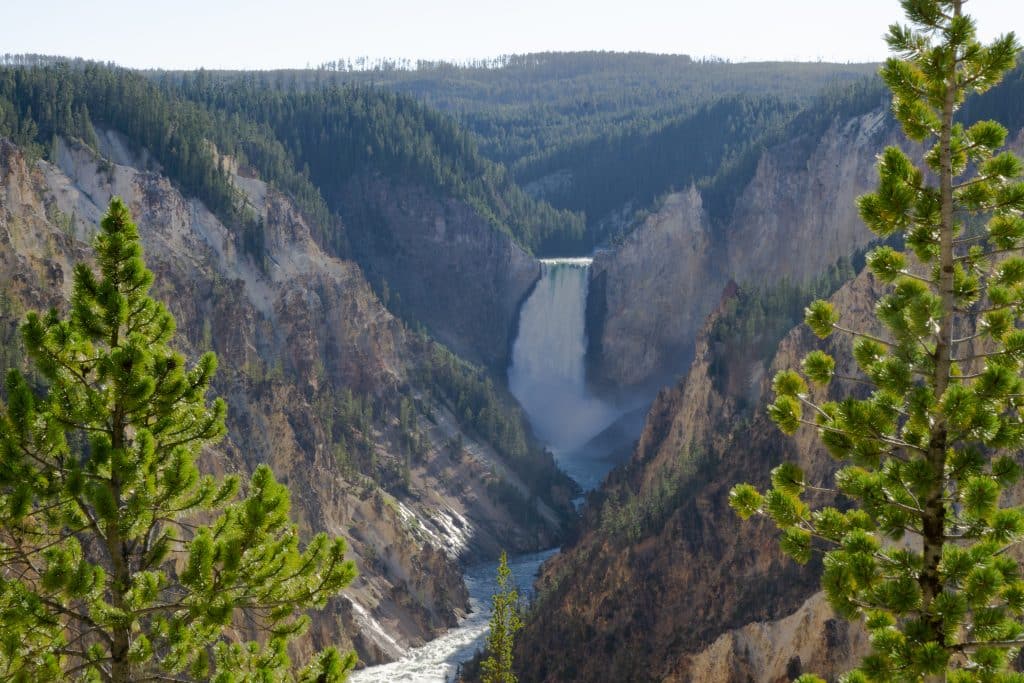
    It can take hours to travel the 50 miles from Old Faithful to the Grand Canyon of the Yellowstone because of traffic from the number of tourists in the park. But also, the buffalo tend to slow your travel down and it’s not uncommon for an entire herd to block the road for a long period of time. So, plan to travel slowly throughout the park. Some companies provide shuttle services and tours if you’d prefer to sit back and enjoy the ride.

    Tips and Tricks Specific to Yellowstone National Park

    Besides the obvious tips of getting your accommodations booked well in advance and remember to bring your camera and binoculars, here are a few more tips for visiting Yellowstone:

    • You’ll definitely want to stop at a Visitor Center upon arriving in Yellowstone. With it being such a big and complex park, there’s always a lot going on and updates you’ll want to be aware of. Rangers can also give you the best tips for what to do during the specific times you’re visiting and your preferred activities.
    • Consider seeing the top attractions, such as Old Faithful, in the early morning or evening to avoid crowds. This is also the best times to spot wildlife.
    • Don’t forget to spend time stargazing! Go outside after dark, with of course a flashlight and awareness of wildlife, and either walk or drive a short distance away from your campsite or lodge. You’ll enjoy a dazzling night sky.
    • Pack for all seasons! Bring layers as the days can be hot and the nights can get chilly, even in the middle of summer.
    • Visit nearby Grand Teton National Park while you’re in the area. It’s only a short drive and you absolutely won’t regret it!

    For the latest info on visiting Yellowstone National Park, visit the park’s website.


    Have you been to Yellowstone National Park? What tips can you share?


    Source link