Blog

  • Maine’s 4 Best State Parks

    Maine’s 4 Best State Parks


    If you find yourself seeking inspiration from nature, Maine should definitely be on the top of your bucket list. Camping in Maine, especially in its quiet state parks, is unlike anything I’ve experienced in the U.S. Campers will find more secluded backcountry, beach, and primitive tent sites here than in most of New England. 

    The rocky coast of Maine provides a seriously fantastic backdrop for primitive and beach camping, day trips, and wildlife sightings. Fisheries, quaint shops, and the freshest seafood you’ll ever find are readily available around Maine’s coast, where whale sightings are common throughout the year. Further inland, private wilderness areas with fresh water sources, mountains, and glacially-carved cliffs define other campsites in Maine.

    The unique ecology of Maine continues to inspire brilliant literary and visual artwork. The works of Henry David Thoreau, Stephen King, Henry Wadsworth Longfellow, Rachel Carson, E.B. White, Marsden Hartley, John Marin, and Arthur Dove attest to the provocative, rocky landscape of the state. The state of Maine may inspire the artist in you.

    Baxter State Park

    Mount Katahdin and the surrounding area have inspired many artists and naturalists since the early 1800s, but the area is perhaps best known for Henry David Thoreau’s inspired account of his ascent of the mountain in The Maine Woods. You don’t need to be an artist to appreciate the mountainous vistas of Baxter State Park, but you may become a naturalist after visiting. This is a great park for experienced and responsible campers who are comfortable in the backwoods. 

    Baxter State Park promotes awe-inspiring hiking, hunting, and camping opportunities. 215 miles of trails stretch across the park, including the beginning of the Appalachian Trail, and over 40 peaks and ridges can be explored within its 209,644 acres. 25% of the park is open to hunting and trapping (with the exception of moose), and 75% of the park acts as a wildlife sanctuary. Baxter features eight roadside campgrounds and two backcountry campgrounds, but the facilities and amenities are more rustic than most. 

    Camping at Baxter is a truly immersive experience. As the campgrounds are situated among “wilderness areas” including streams and other water sources, campers must be prepared (and prepared to rough it) if they decide to stay more than a day. There is no potable water within the park: no spigots, showers, or modern toilets. As such, all water must be treated by campers.

    There are no cooking or camping supplies within the park, although outhouses are available. Cabins, bunkhouses, and lean-tos are available, but none have potable water. While these conditions may be a compromise for some campers, others may find the experience to be exciting and wild, and a necessary break from day-to-day life. 

    Aside from hiking, hunting, and camping, tours of the Scientific Forest Management Area (14% of the park) are offered for those interested in forestry. Kid-friendly, short, self-guided tours complete with tree-ID signs are also available in the park. Visiting Resident Artists hold evening demonstrations and open studios during their work-stays at the park. 

    All in all, this is an awesome park for backwoods men and women; families interested in “wilding” it; budding survivalists; and other independent folks. If you wish to see the park but can’t swing the rustic conditions, the (mostly dirt) Park Tote Road offers 46 miles of amazing views.

    Reid State Park

    For a day trip, Reid State Park should be at the top of your list. This 766-acre oceanfront state park is located on one of Maine’s mid-coastal islands and is one of the few areas in Maine to feature wide sandy beaches. This is the place to go for family trips, bird-watching, beach days, and outdoor activities.

    Coastal dunes, sea roses, and salt marshes span the length of this scenic park, with ocean-carved rocks scattered along the route. While no camping is available at the site, there are beautiful inns, bed and breakfasts, and campsites nearby where you could set up for a while to enjoy the unique view.

    Camden Hills State Park
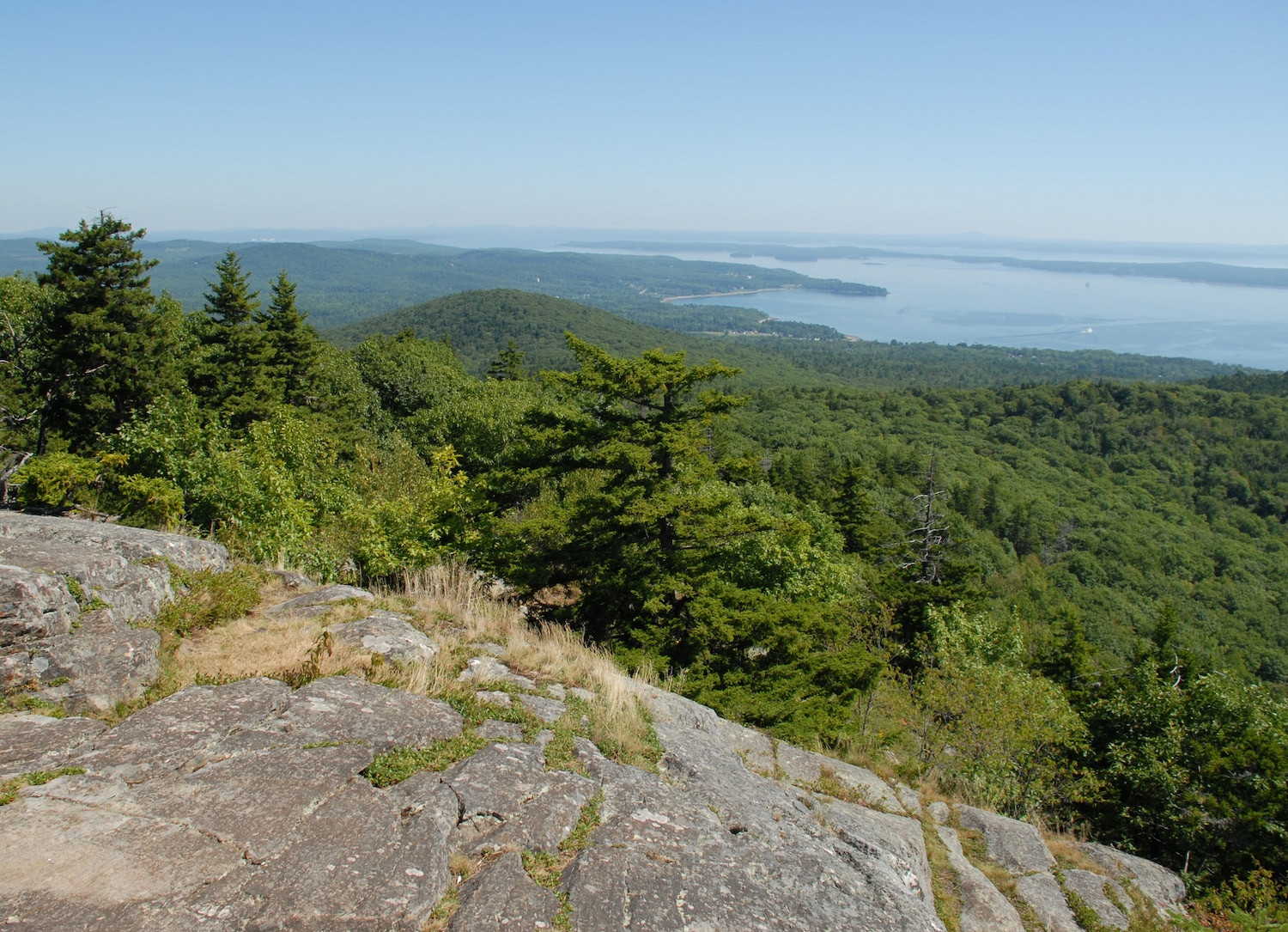
    Camden hills

    In Camden Hills State Park and the surrounding area, your family will find many memorable activities to delve into. The park offers guided tours of area geologic highlights, horseback riding, hunting, camping, and lovely hiking trails. In the town of Camden, whale-watching and harbor tours are available daily. A quaint shopping district located within walking distance to the harbor.

    Campers and visitors alike will appreciate the park’s comfort centers, which feature clean, updated showers and bathrooms. Wireless internet is available at most of the campsites, which include full-hookup RV/camper sites, tent camping, and rustic shelters. Detailed trail maps provide clear expectations for every trail, even covering which trails are plowed in the winter for snowy activities.

    The Megunticook Trail is a great choice for experienced and fit hikers. As the highest point in the Camden Hills State Park, the Megunticook offers panoramic vistas as far away as Mount Washington in New Hampshire. Atop neighboring Mount Battie, you can enjoy sweeping views of the town of Camden, the harbor, and the bay. On clear days, you can see distant islands and Cadillac Mountain, located in Acadia National Park

    This area continues to inspire artists and writers. On any given day, you may see painters working en plein air near the harbor, or photographers capturing whales and puffers as they surface in the bay. Edna St. Vincent Millay’s famous 1917 poem, Renascence, was inspired by the magnificence of the area. Perhaps you and your family will experience a “rebirth” of your own while visiting Camden Hills State Park!

    Roque Bluffs State Park

    Thousands of years ago, glacial moraines etched and sculpted the steep cliffs and cobbled shores of the “down-east” Roque Bluffs State Park. One of the prominent stops on Maine’s Ice Age Trail, the park’s unique geologic features of glacial grooves were shaped by ancient lava and ice flows. Boulders and bedrock bordered by ocean complete the distinctive topography of this site. The Libby Lighthouse, built in 1817, still holds the important task of lighting up the bay each night, as fog tends to cloud the area.

    This is a great day trip for families and naturalists. While Roque Bluffs does not offer camping, it does offer several memorable family-friendly features. The mile-long Blueberry Camp Trail will delight children with its hordes of delicious berries in the summer, in addition to several established stone-fruit orchards. Four other short trails, including one four-mile trail, wind along the windy coves and cliffs of Roque Bluffs.

    The park features an abundance of wildlife due to its distinctive ecology, offering a 60-acre freshwater lake in addition to the Atlantic Ocean. Canoeing, kayaking, fishing, boating, and swimming are permitted in both the lake and ocean. Bald Eagle sightings are fairly common here, alongside other rare birds and waterfowl. 

    Your family will love this park and the abundance of activities it offers visitors. Whether you spend your time at Roque Bluffs geocaching, hiking, berry-picking, or otherwise, everyone will find something to appreciate within the confines of this special site.


    What are your favorite backwoods, primitive, beach, or RV sites in Maine? Did we miss one of your favorite state parks in Maine? Fill us in in the comments below!


    Source link

  • Getting a Sewer Hose Replacement

    Getting a Sewer Hose Replacement


    While taking care of your RV’s sewer hose can really help you make your hose last and eliminate headaches associated with draining your gray and black water tanks, there will likely come a time when you need to get a sewer hose replacement.

    When that happens, don’t just run out and buy the first thing you see. Avoid cheaper products and focus on brand names people know and trust.

    What Should You Get?

    Shopping for a new sewer hose for your RV isn’t the most exciting experience. It’s not exactly something that you or anyone else likes to deal with. However, it is necessary, and if you’re going to buy a new hose, then you might as well get something good.

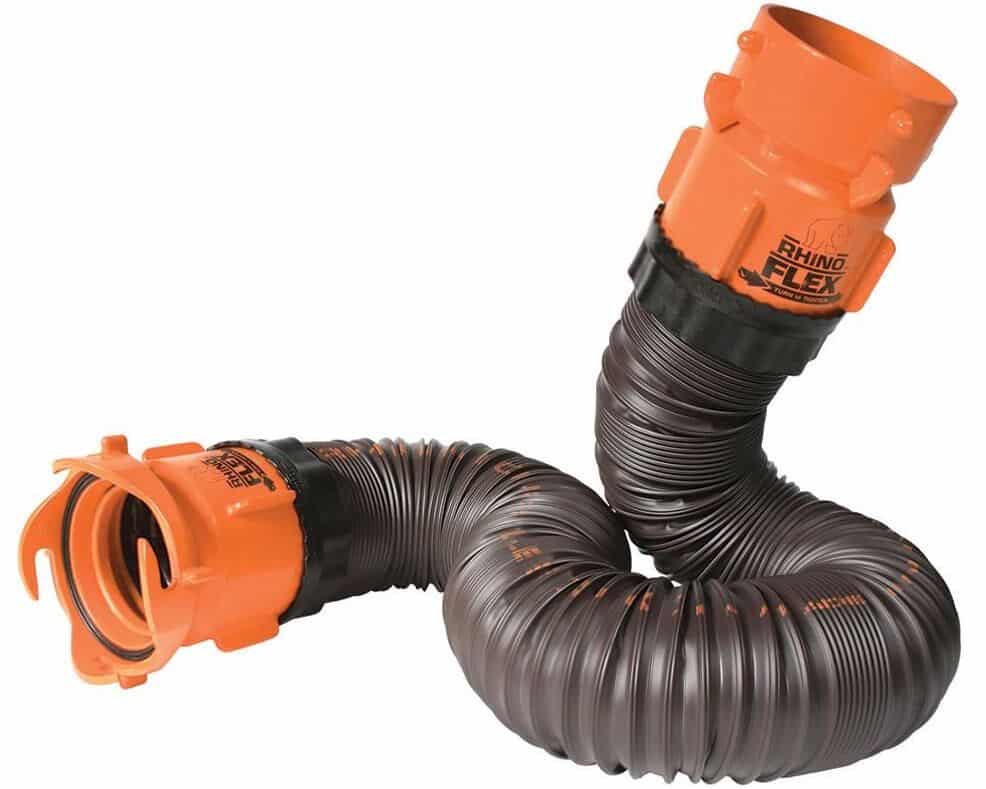
    RhinoFLEX makes some top-quality sewer hoses. While any of the brand’s products will do you right the RhinoFLEX Swivel Sewer Hose Kit is the way to go. This kit features a transparent elbow that allows you to see when the solids are through the hose.

    Another good option is the Thetford Titan Multi-Length Premium Sewer Hose Kit. This kit comes with an extension and a clear elbow as well. It’ll handle all of the dirty duties with ease so you can get back to enjoying your camping experience.

    You Should Also Buy an Extension

    Sewer hose extension
    Image from Camping World

    You don’t always know how close to a dump station you can actually get. Usually, you should have no problem with your standard sewer hose. However, it’s never a bad idea to have an extension in case you need to reach a little further. 

    Extension hoses are extremely affordable, and you can get an additional mount to house the hose or simply get some PVC pipe and add one above or below your bumper where the main hose is already stored.

    If you’re looking for a good extension for your RV, I’d suggest getting the same brand as your current sewer hose. So, if you purchased the RhinoFLEX hose recommended above, then consider this RhinoFLEX Extension Hose with Swivel fittings.

    What About Accessories?

    hose rinse kit
    Image from Camping World

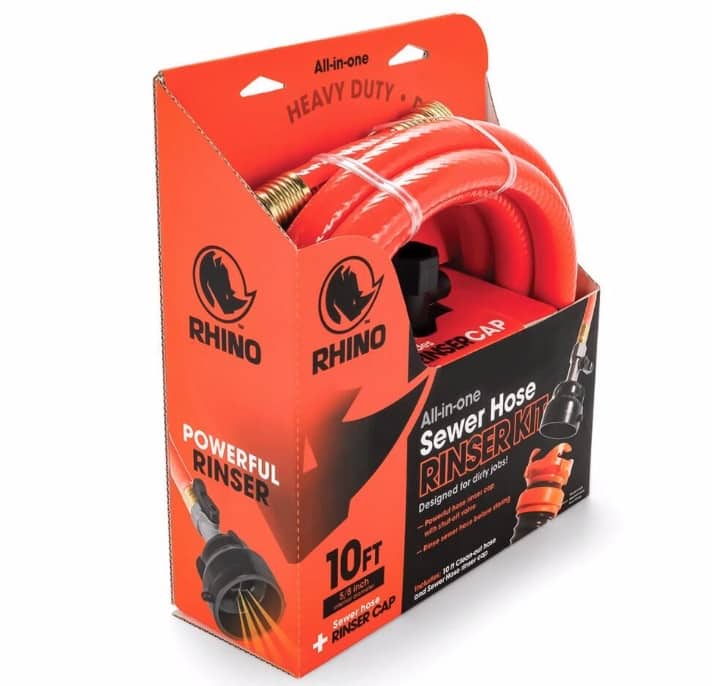
    There are all kinds of accessories out there, like clear elbows (which are included with the kits shown above), black tank rinsing hoses, sewer hose rinse caps, hose supports, and a whole lot more.

    These accessories aren’t needed, but they’re nice to have. At the very least, I’d say to get a clear elbow for your hose. It makes things a lot easier. Having a sewer hose rinse cap and a way to flush out your black tank are also recommended.


    If you need a sewer hose or any accessories for your rig, check out our full inventory of sewer hoses at Camping World.


    Source link

  • Is Retiring and Living in Your RV Full-Time Right for You?

    Is Retiring and Living in Your RV Full-Time Right for You?


    It’s never too early to start planning for retirement. Not just from a financial standpoint, but also thinking about where you’d like to be, what you’d like to be doing, and what you’d like the golden years of your life to look like.

    Purchasing the RV of your dreams might be at the top of that retirement wish list, but have you ever thought about going a step further and living in that RV full-time? More and more retirees are living in an RV full-time. Wondering if that’s the right idea for you?

    Here are a few things to think about when deciding if retiring and living in your RV full-time is right for you.

    Location

    Photo Tripping America - Find the Perfect RV - Camping World

    Maybe the biggest pro to living in your RV-fulltime during your retirement years is the fact that you have a ton of flexibility in choosing where you want to be.

    Having a mobile home on wheels means your location can change whenever you want it to. If 70 degrees is your ideal temperature, you are able to chase the warm weather all year long. If you have grandchildren spread throughout the country, you are able to visit them as much as possible and bring your home with you.

    Have you always wanted to see the Grand Canyon in the spring and fall foliage in New England? Well, you are able to get up and go wherever and whenever your heart desires. The possibilities of where to spend your retirement years are endless when you live in your RV full-time!

    On the other side of things, figuring out where you’ll park your RV each night can be daunting and involves a lot of planning. While you are enjoying one location, you’ll always need to be thinking ahead to your next stop.

    You’ll have to find RV parks or campgrounds that fit your needs and desired location, make reservations, route plans, etc. While this necessary part of full-time RV life may be exciting and fun for some, it can be a lot of work. To ease the headache of planning, doing extended stays at each location is an option.

    Spend six months in Arizona and six months in Colorado then you only have to figure out two places to call home each year!

    Costs

    piggy bank

    Making sure you live within your means is a huge part of enjoying your retirement. Nothing will take the joy out of these golden years quicker than having to worry about money. Living in your RV full-time can be a great way to cut living expenses.

    If you’ve been paying a mortgage for the majority of your life, you’re finally able to say goodbye to that huge monthly expense! Saving on living costs such as a mortgage payment is a huge part of why more and more people are full-time RVing these days. Other costs you’re able to cut when living this lifestyle are utilities, home repair costs, property taxes, and unnecessary stuff.

    If you have a 3,000 square foot home, chances are you spend money on filling it with “stuff”. When you downsize to an RV, you physically don’t have the room for all of the unnecessary things!

    While living in an RV full-time will help cut living expenses, it definitely doesn’t mean it’s free. Chances are your dream RV isn’t cheap. If you plan on financing your home on wheels, your monthly payment should be less than a mortgage, but it is still a bill that needs to be budgeted for. On top of the initial cost of the RV, there are unexpected costs that arise from time to time.

    It’s not uncommon for RV troubles to happen that require maintenance and repair. Depending on the severity of the issue, RV repair can be pricey. Need new landing gear for the fifth wheel? Parts and labor are going to set you back at least $500. How about a new transmission in your motorhome? That could be a huge expense if you don’t have good insurance!

    Labor

    When touring RVs, be sure to spend plenty of time in your favorites. Don't be afraid to sit down, lay on the bed, or stand in the shower.

    Living in a traditional home is hard work. Between the yard work, repairs, and cleaning, there is always something that needs to be done. As you reach retirement years, these tasks become less enjoyable and more of a pain…literally.

    The great thing about living in 300 square feet is there is much less home to care for. Cleaning the house takes a fraction of the time it used to and there is zero yard work to be done. Cutting out the time it takes to take care of a house means so much more time for relaxation and spending time doing activities you enjoy.

    While there will be no yard that needs mowing, there is still work that’ll need to be done around the RV. If you plan on traveling often, the set up of your site at each new spot can be hard. You’ll have to worry about leveling the RV, hooking up the sewage hose, getting out the generator, setting up the satellite dish, unpacking any items that needed to be stowed during travel, etc.

    There is a lot of bending over, kneeling down, and climbing that comes with RV life. It can be tough on the body! But, chances are, it’s a lot easier on the body than taking care of a house eight times the size.

    There is so much to consider when deciding what your retirement years will look like. Regardless of the less glamours side of full-time RV life, there is no denying it is a desirable way to live. The opportunity to see this beautiful country, visit friends and family, and enjoy some downtime is priceless.  But, before you make the leap, make sure you thoroughly think it through and make sure it’s the best decision for you.


    Are you considering retiring and living in your RV full-time? Comment below with your questions or concerns and we will help you get some answers!


    Source link

  • Tips for Caring for Your Sewer Hose

    Tips for Caring for Your Sewer Hose


    The sewer hose, lovingly referred to as the “stinky slinky,” is one of the most critical accessories for your RV. …


    Source link

  • Shopping Used: Motorhome Red Flags

    Shopping Used: Motorhome Red Flags


    Finding the right used motorhome for you and your family’s planned adventures can be a blessing. However, finding the wrong …


    Source link

  • Cook These Campfire Nachos Over the Fire

    Cook These Campfire Nachos Over the Fire


    One of the best things about camping in the fall is sitting around the campfire with friends or family on those cool, crisp evenings chatting, drinking, and eating.

    These campfire nachos are easy and fun to make, and a great option when you want to cook something over the fire but are tired of roasting hot dogs. While this recipe is more of an appetizer or snack, you can easily add some shredded rotisserie chicken to this dish to make it more like a meal.

    Campfire Nachos
    Photo by author

    Equipment:

    • 10 inch cast iron skillet
    • campfire grill or grate to set over the coals
    • tinfoil

    Ingredients:

    • 1/3 bag tortilla chips
    • 3 TBSP red onion, minced
    • ½ jalapeño, sliced
    • 2 Roma tomatoes, chopped
    • 4-6 oz shredded cheese (about half a bag)
    • 1 avocado
    • 2 TBSP chopped cilantro

    Optional: a sprinkle of cumin, chili powder, and dried oregano

    Campfire Nacho Prep
    Photo by author

    Directions

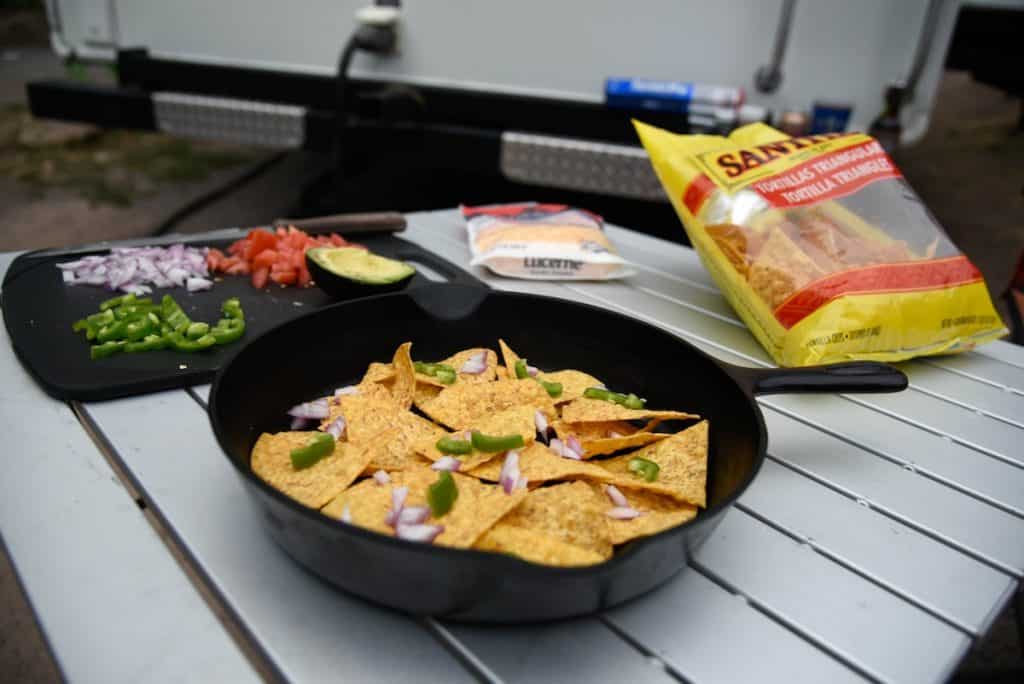
    Layering is key for these nachos. You want two to three layers of chips and toppings, depending on the size of the cast-iron skillet. Cover the bottom of the skillet with a layer of tortilla chips.

    Scatter some of the minced onion, tomatoes, jalapeño, cilantro and avocado on top of the chips. Then add a generous layer of shredded cheese over the top. Leave out the jalapeño if you don’t like your nachos spicy.

    Campfire Nachos
    Photo by author

    Repeat with two more layers of chips, toppings, and cheese. If you want an extra bit of flavor, top the final layer with a sprinkle of cumin, chili powder, and dried oregano. But this step is fine to skip if you don’t have those spices with you while camping.

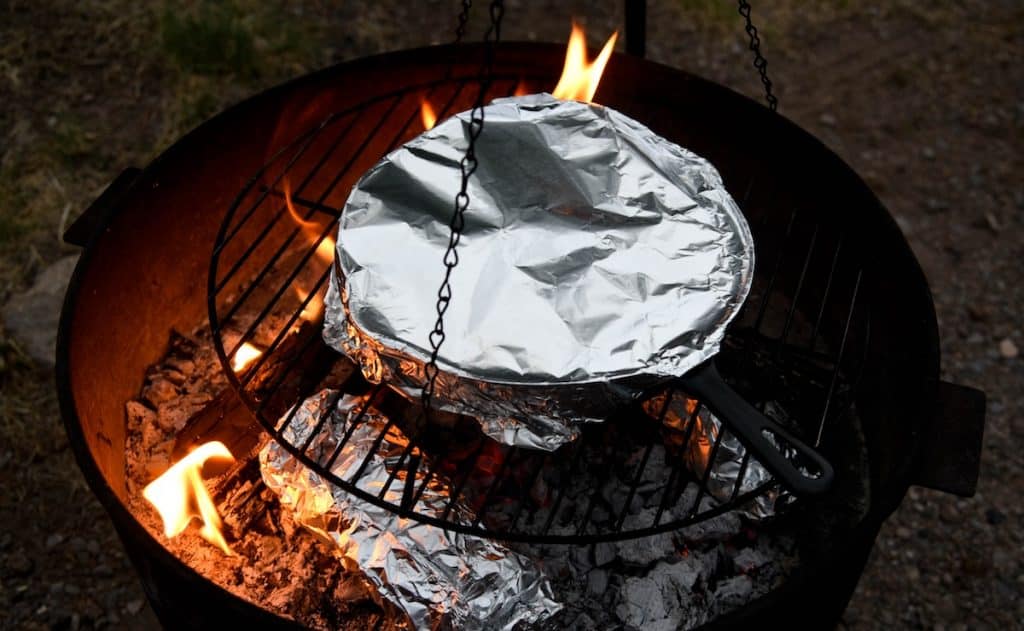
    Once the layers of nachos are finished, cover the top of the skillet loosely with tinfoil.

    Campfire Nachos
    Photo by author

    Get that fire going! Once your campfire has cooked down to a nice bed of coals, set up a cooking grate or campfire grill over the coals. Place the skillet on the grate and cook for 10-15 minutes or until the cheese melts.

    Carefully lift the tinfoil to check the nachos at the 10-minute mark. If the cheese isn’t melted yet, leave on the coals for a few more minutes. Remove the skillet from the fire with a hot pad and carefully remove the tinfoil. Serve with your favorite salsa, guacamole, or sour cream.


    Source link