Blog

  • RVing the Rails – Excursion Trains in Alaska

    RVing the Rails – Excursion Trains in Alaska


    Many times camping trips involve exploring new territory and discovering enticing attractions along the way. Passenger tour trains have that magnetic appeal for many RVers, providing a novel way to see hidden countryside not normally viewed from the road. Railroad passengers learn about local history, culture and the many colorful characters from the communities visited. And Camping World wants to make sure you don’t miss the departing whistle, so we have created a series entitled RVing the RailsYou will find the most popular excursion trains to ride in each state, complete with any specialty trains they might offer.
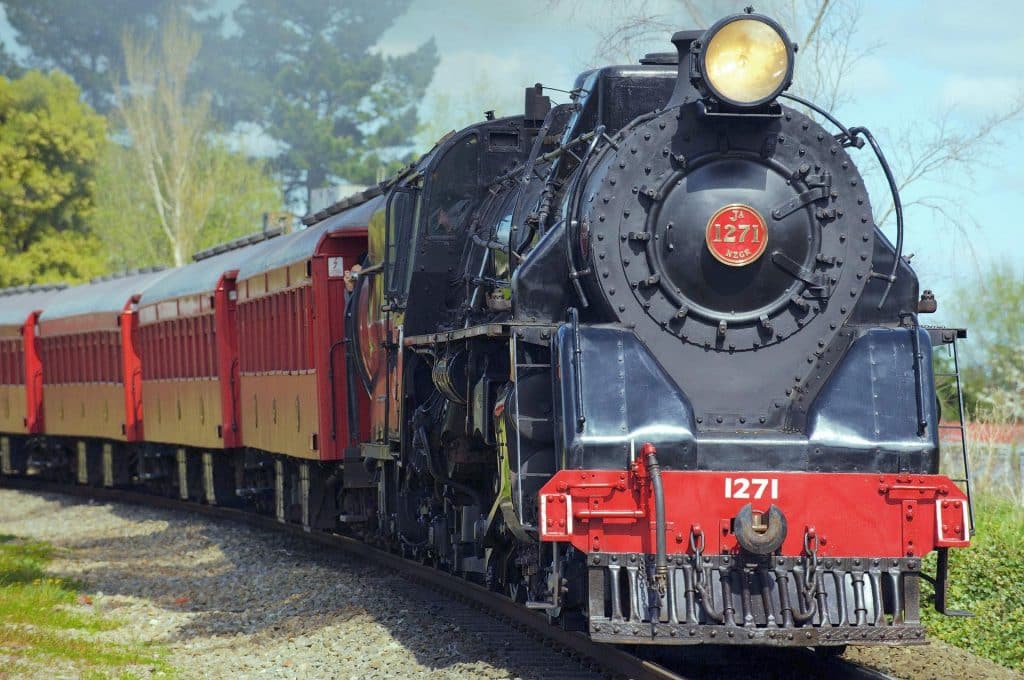
    Steam Locomotive on the rails
    Photo Credit: Pixabay

    Today we will explore the most popular trains in Alaska:

    White Pass & Yukon Route
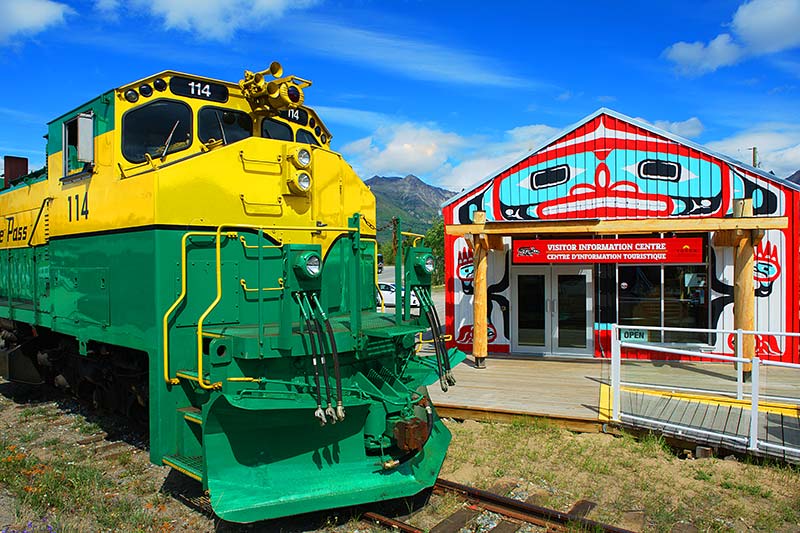
    White Pass & Yukon Route
    Photo Credit: WPYR.com

    The Klondike Gold Rush in 1896 brought sturdy miners to Skagway, looking for a way to the goldfields. But enterprising businessmen realized there was money to be made taking supplies to and from the camps, as well. So, by 1898 construction on a railroad over White Pass was begun. Today, the White Pass & Yukon Route train has discovered there is even more treasure in taking cruise ship passengers along the original route, with more than 14 excursion trains running on some days!

    Railway and Locomotive Types

    The White Pass & Yukon Railroad utilizes both diesel and steam locomotives on narrow gauge rails. The engines split duties to pull several passenger coaches along this historic railway. In total, the railroad has 79 cars in its rolling stock!

    Seating Options

    All seating is assigned on the White Pass trains. Bottled water is offered with the price of your ticket, and each car has available restrooms onboard.

    Riding Options
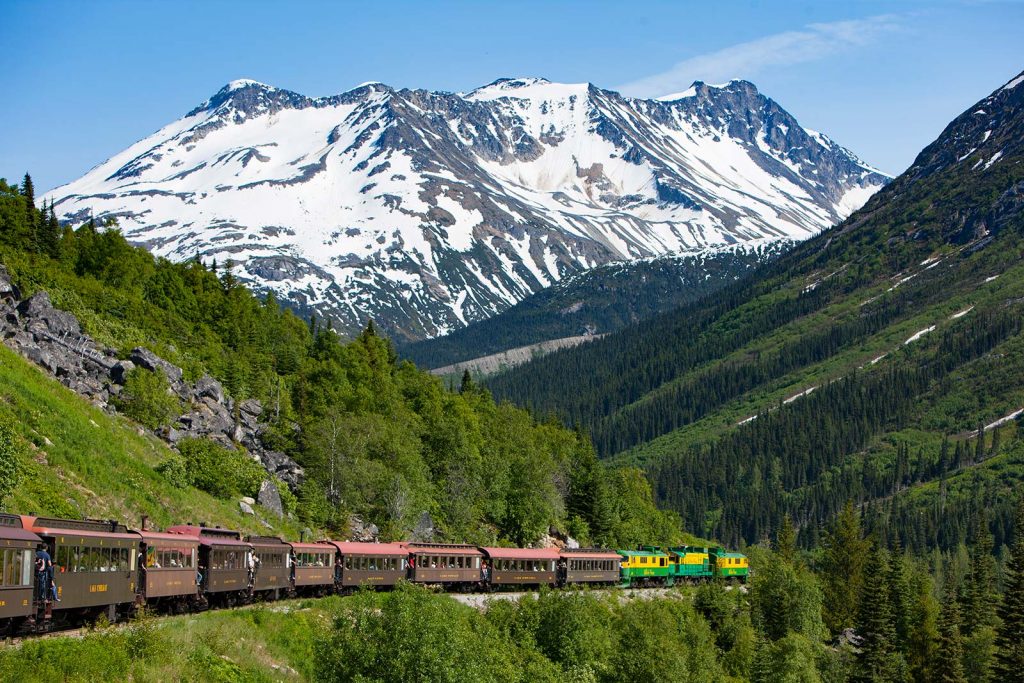
    White Pass & Yukon Route Train
    Photo Credit: WPYR.com

    The railroad offers round trip service on a variety of trains, and one-way passage from Skagway to Lake Bennett. See Specialty Trains for optional trips.

    The White Pass & Yukon Route Railroad also provides hiker service on some of its routes and can combine rail service with motorcoach travel for more lengthy trips.

    Specialty Trains

    • Summer Excursion Train – Follow the original Klondike Trail up to White Pass, where the travelers from 1896 wore their path into the rocks, documenting a momentous expedition.
    • Bennet Scenic Journey – Take the train from Skagway to Carcross, Yukon Territories, with a stopover at Lake Bennett.
    • Fraser Meadows Steam Train – Ride the rails through two tunnels, over trestles and past waterfalls to Fraser Meadows.

    Length of Season

    White Pass & Yukon Route Train at Bennett
    Photo Credit: WPYR.com

    The trains run from May through September, on specific dates for each specialty train. Please check the railroad calendar to find the excursion that best fits your travel plans. You may also be interested in amending your train ticket with a motorcoach tour.

    Denali Star Train

    Denali Star Train in Autumn
    Photo Credit: Len Turner (CC BY-SA 2.0)

    As part of the Alaska Railroad, the Denali Star Train has colorful ancestry. Many towns along the route were founded as railroad communities almost 100 years ago. The railroad was built to establish villages that would provide for the needs of a growing state:  timber was used for railroad ties and building, fishing regions eventually needed to transport their catch, and miners required a way to bring minerals out of the mountains.

    Today’s train runs on some of those same tracks, hauling precious cargo once again, in the form of tourists and adventurers.

    Railway and Locomotive Types

    The Denali Star is pulled by diesel engines on a standard gauge track. The rolling stock consists of several passenger cars, dining cars, and a baggage car. On some trips, the Wilderness Express dome cars are added for all-encompassing viewing of the Alaskan countryside.

    Seating Options

    Seating on the train is assigned within two different classes of service:

    • Goldstar Service – Passengers ride in luxurious dome railcars. On the lower level is a full-service dining room, and all tickets include meals, soft drinks and 2 adult beverages for those over 21 years of age.  A tour guide offers narration and a viewing platform is available in the car.
    • Adventure Class – Passengers ride in comfortable coach cars and have the freedom to move from car to car. Food and drink are available for purchase in the Wilderness Café car.

    Riding Options
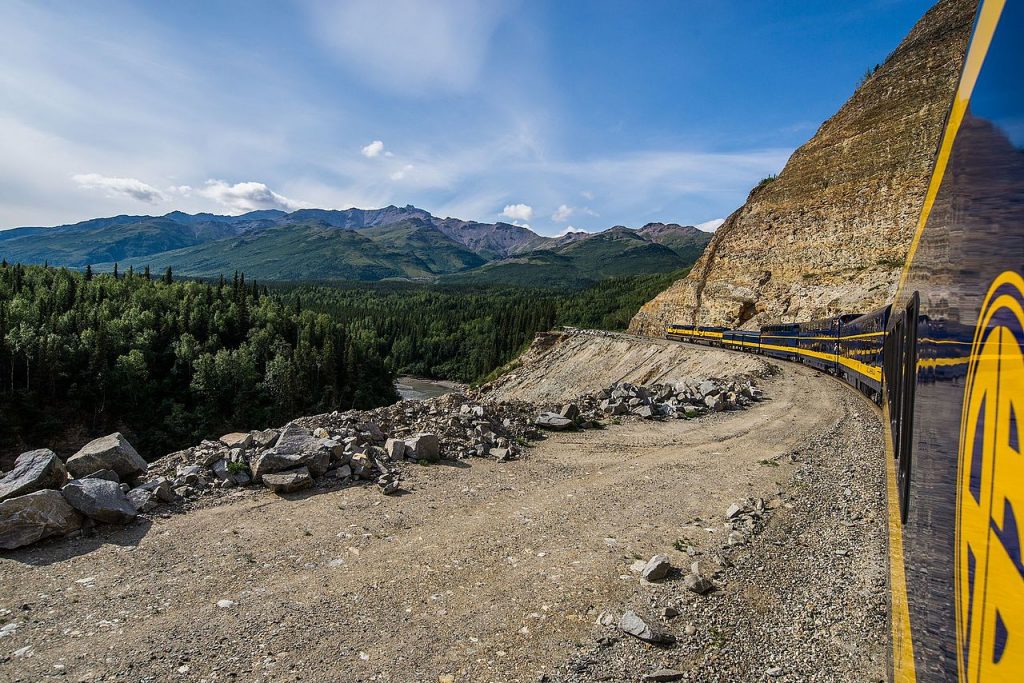
    Denali Star Train in Summer
    Photo Credit: Andrew E. Russell (CC BY-SA 2.0)

    The Denali Star Train runs in two directions. The northbound train leaves Anchorage in the morning, with stops in Wasilla, Talkeetna and Denali before arriving in Fairbanks at 8:15pm. Passengers can load or unload at these stations and catch the train on another day to return.

    The southbound train leaves Fairbanks at 8:15am, stopping at the same stations and arriving at Anchorage by 6:15pm. Fairbanks passengers have the opportunity to ride the train to Denali, spend a few hours at the park, then catch the northbound train at 4:00pm back to Fairbanks.

    Specialty Trains

    • Fur Rondy Express – Celebrating Alaska’s Fur Rendevous Festival, the train takes riders from Anchorage along scenic Turnagain Arm. Enjoy drummers and dancers from Alaska Native Heritage Center, crafts and music.
    • Easter Train – Kids will marvel at a magic show, treats and a visit from the Easter Bunny, as the train explores Turnagain Arm before returning to Anchorage.
    • The Great Alaska Beer Train – With your engineer as a designated driver, passengers are able to enjoy a wide selection of local microbrews, along with a multicourse meal, as the train wanders from Anchorage to Portage and back.
    • Kid’s Halloween Train – Pull out the costumes and come enjoy a howling good time, with magicians, crafts, balloon animals and lots of treats. The ghoulish railroad takes passengers from Anchorage to Indian before returning, providing a spooky-good time!
    • Holiday Train – The entire family will delight in a Christmas train, where Santa, carolers, magicians, and treats all culminate in a festive experience.

    Length of Season
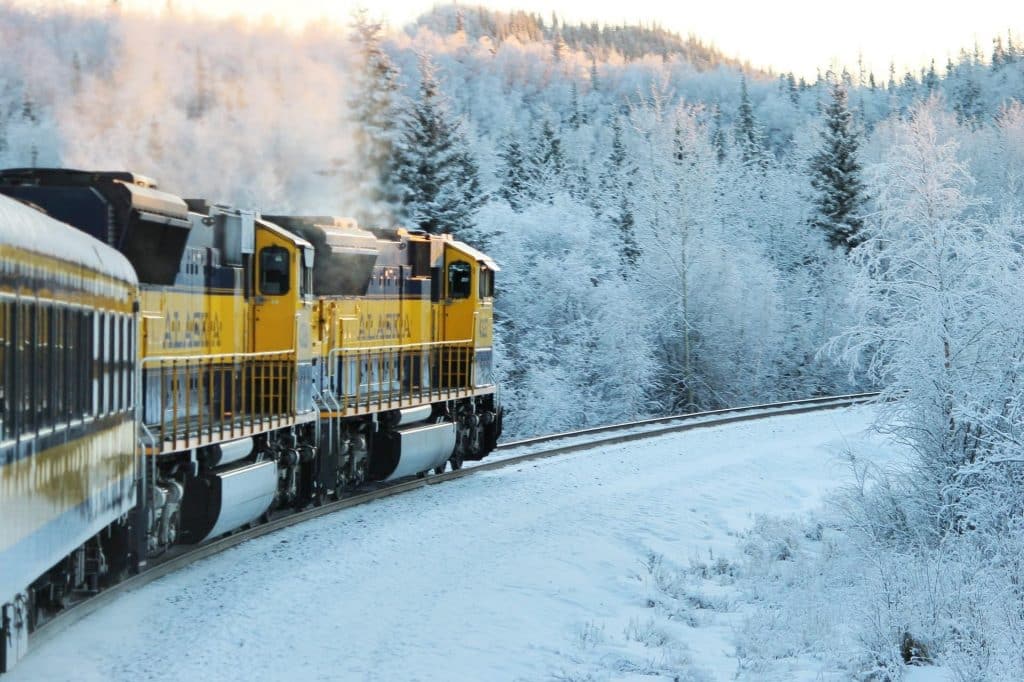
    Denali Star Train in Snow
    Photo Credit: Pixabay

    The Alaskan Railroad runs from mid-May through mid-September, with northbound departures leaving Anchorage and southbound departures leaving Fairbanks.  For pick-ups along the way, please check the train schedule.

    McKinley Explorer
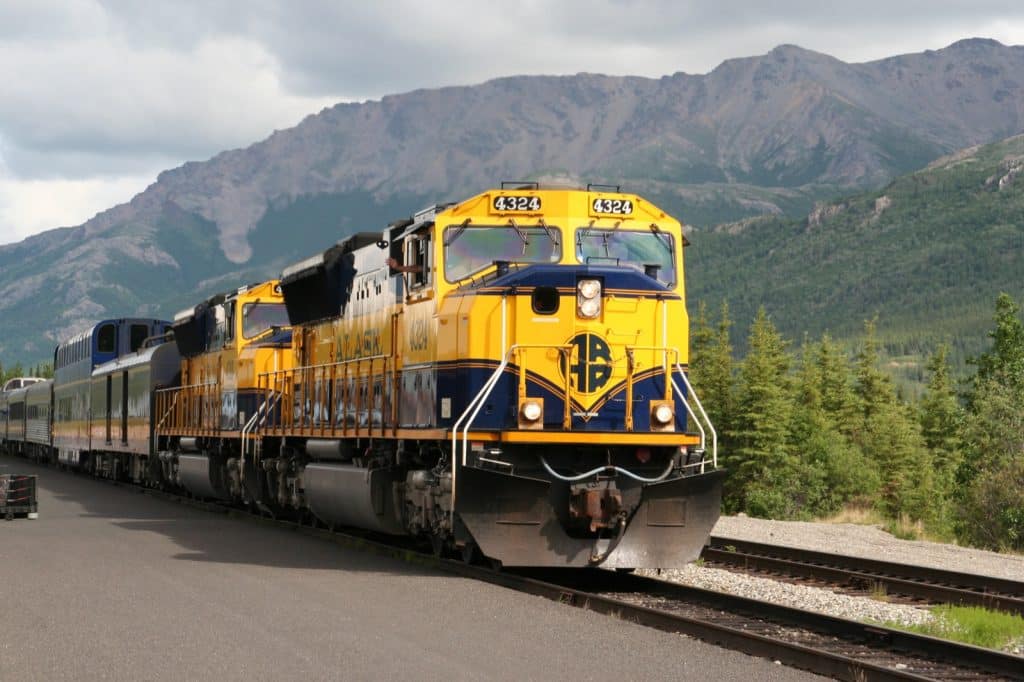
    McKinley Express Before Departure
    Photo Credit: Brandon Wood (CC BY-SA 2.0)

    The McKinley Explorer train covers ground that has exceptional views, landscapes, and geology. Running on a part of the Alaskan Railroad tracks, it encompasses vast forested lands, rushing glacier-fed rivers and the tallest mountain in the United States.

    Passengers never tire of the endless vistas or the countless wildlife spied along the way. The dome cars on this train offer a unique way to see Alaska’s wildness while riding in luxury!

    Railway and Locomotive Types

    Diesel locomotives pull the railcars on standard gauge tracks, with trains consisting of McKinley Explorer dome cars for prime viewing opportunities of the majestic lands between Talkeetna and Denali.

    Seating Options

    Seating on the McKinley Express is all assigned and only one class of service is offered. Passengers have dome car seats on the second level of the train, with an outdoor viewing platform available, as well as a fully stocked dining room below. Ticket prices do not cover food or drink, but both are optional purchases that can be made onboard.

    Riding Options
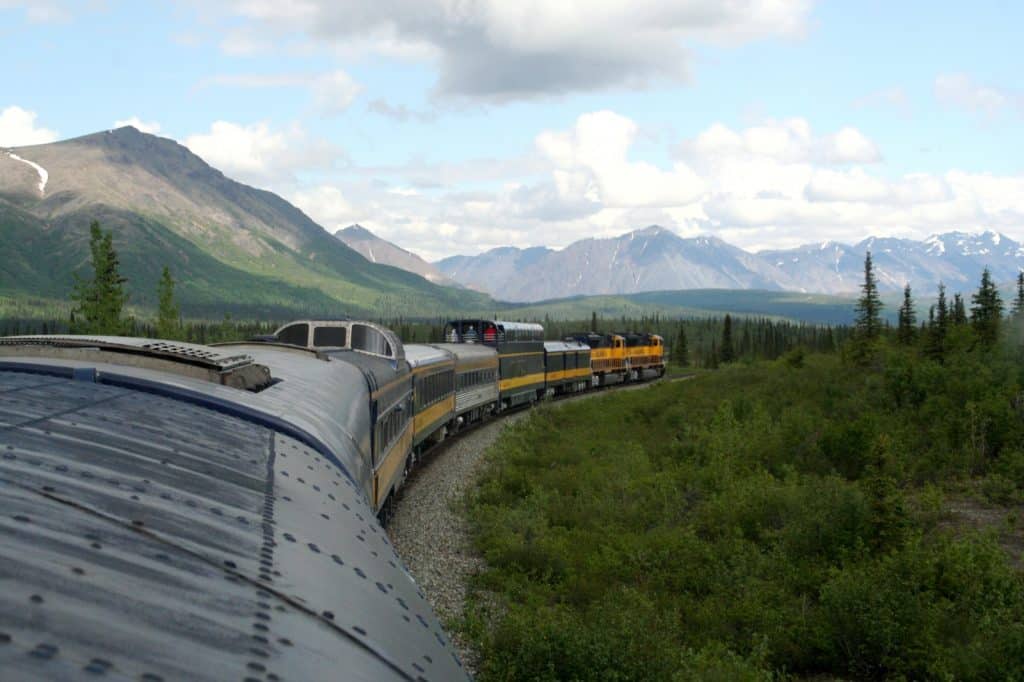
    McKinley Express Rounding a Curve
    Photo Credit: Brandon Wood (CC BY-SA 2.0)

    The railroad runs from Anchorage to Talkeetna, then on to Denali, with return trips. Passengers can purchase one-way or round-trip tickets, catching a train back to their departure point day(s) later, if desired.

    Specialty Trains

    The McKinley Express has no specialty trains available. However, if passengers will be in Anchorage, several event trains run from Anchorage to Turnagain Arm on specific dates. Please refer to the Denali Star Specialty Trains for descriptions and schedules.

    Length of Season
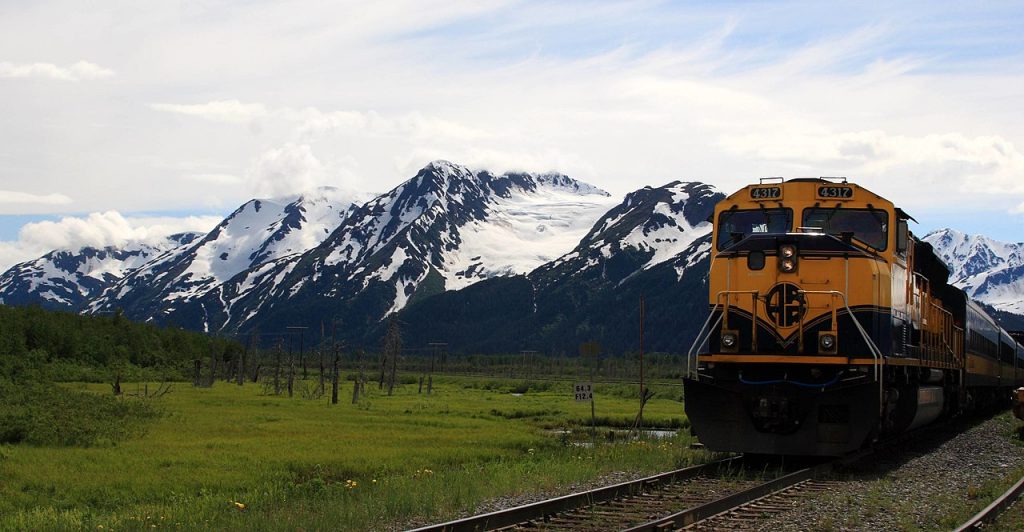
    McKinley Express Specialty Train
    Photo Credit: Frank Kovalchek (CC BY-SA 2.0)

    As part of the Alaska Railroad line, the traveling season for the McKinley Express runs from mid-May through mid-September.  Check the train schedule for specific dates and times of departure.


    Join the thousands of RVers that have a love affair with trains and ride the rails on your next camping trip.  Check out the other excursion trains available on a state-by-state basis in our series, RVing the Rails.

    Source link

  • Why You Should Still Change Your Class A Motorhome’s Oil Even If It Hasn’t Been Driven Much

    Why You Should Still Change Your Class A Motorhome’s Oil Even If It Hasn’t Been Driven Much


    Oil, unlike wine, does not age well. Its viscosity – a measure of the resistance of a fluid to deformation at a given rate – does not take long to break down.

    Oil thins as it heats up but thickens as it cools. The thicker it gets, the longer it takes to warm up and flow throughout the engine. As such, your motorhome engine’s oil is similar to all of us, it can’t just sit around without being active.

    This also goes for the rest of your motorhome as everything needs to function to stay viable, but for this article, we are going to focus on the engine oil.

    How Oil Goes Bad

    RV oil change
    Image from Camping World

    Exactly how does your motorhome’s oil die? In a few faster-than-expected ways.

    First, there’s the simple breakdown known as oxidation. Those little unseen oxygen molecules mix it up with your engine oil’s molecules and break them down over time, just like Ali did to Foreman.

    As an example of oxidation, think of what happens to a peach once you break its skin. Oxygen molecules come swooping in like a turkey vulture on a carcass and will turn that peach brown practically before your eyes. Regarding oil, oxygen increases your motorhome oil’s viscosity, thereby making it perform worse from an efficiency standpoint.

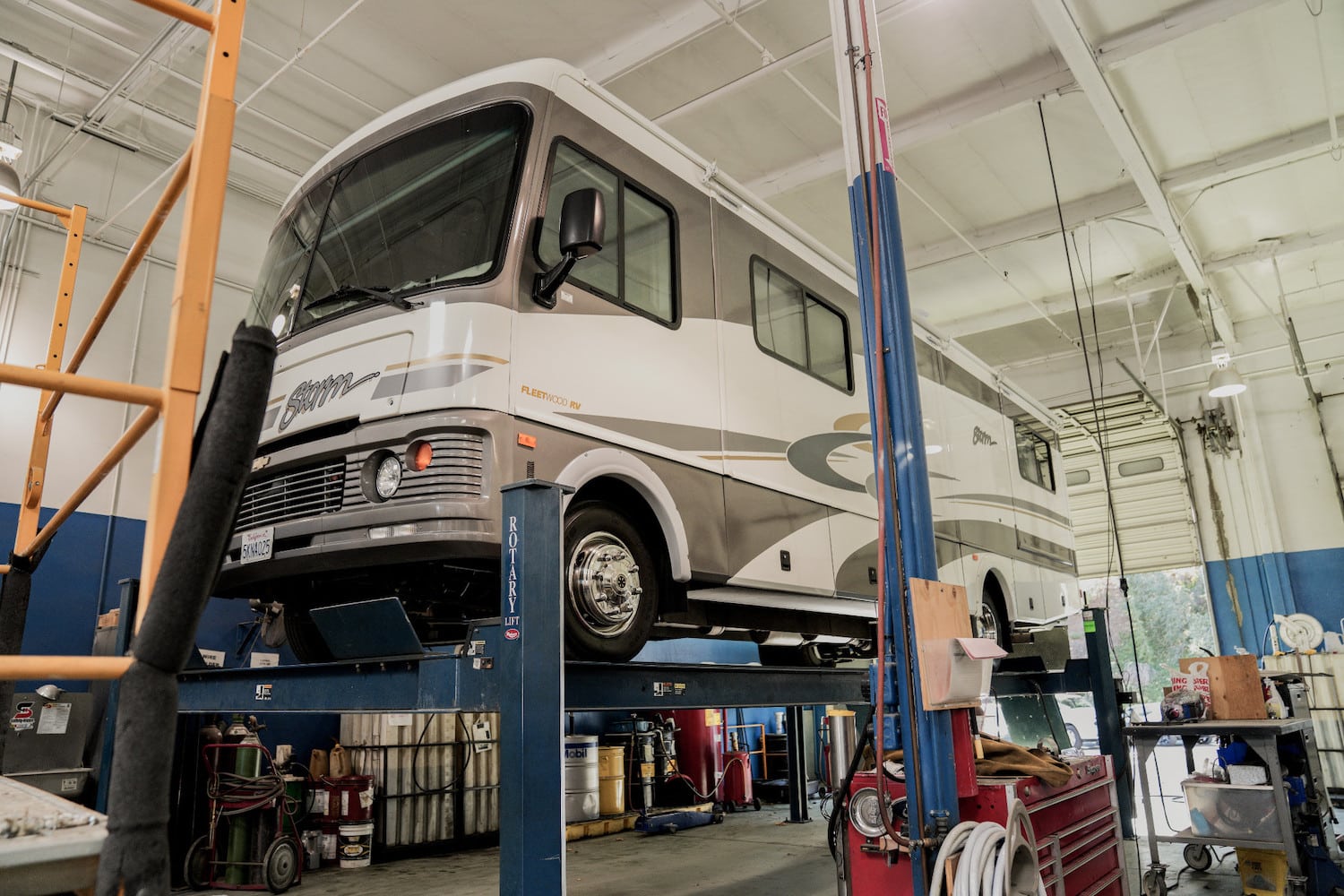
    RV on a lift getting an oil change
    Image from Camping World

    Second, this leads back to oxidation, but say you took your motorhome out and towed a vehicle for a short trip and that was it for the camping season. Merely towing a vehicle makes your oil worker harder. Oxidation can, and will, double for every 20°F the engine’s heat goes up. Plus your motorhome’s engine runs hotter when towing.

    Third, water contamination. It doesn’t matter where your motorhome is parked. Inside or out, swings in temperature cause condensation and condensation affects your engine. Condensation forms inside your motorhome’s engine and those droplets of water get into your oil and contaminate it.

    When you take a trip of a good enough length you will see drips coming off your tailpipe. That’s condensation coming off the engine and those drips are a good thing to see. Plus, water getting into the oil can lead to sludge. I once knew someone who didn’t realize engine oil needed to be changed at all. Condensation and oxidation made the ‘oil’ so thick in the bottom of the pan you could stick the dipstick into it and create a sweet twangy country instrument.

    Other Factors

    What else can cause your motorhome’s oil to lose its effective viscosity? Gasoline.

    Gas needs to volatilize and make its proper exit through the PCV (Positive Crankcase Ventilation) system. Short trips, or no trips, don’t allow your engine to heat up enough and get to normal operating temperature. Therefore, any gas hanging out in the piston and valve area didn’t wash through and therefore, gets into the oil and contaminates it.

    Fuel dilutes oil, making it less effective and promoting the build-up of sludge. Sludge is a byproduct of overall contamination.

    Changing Your Oil

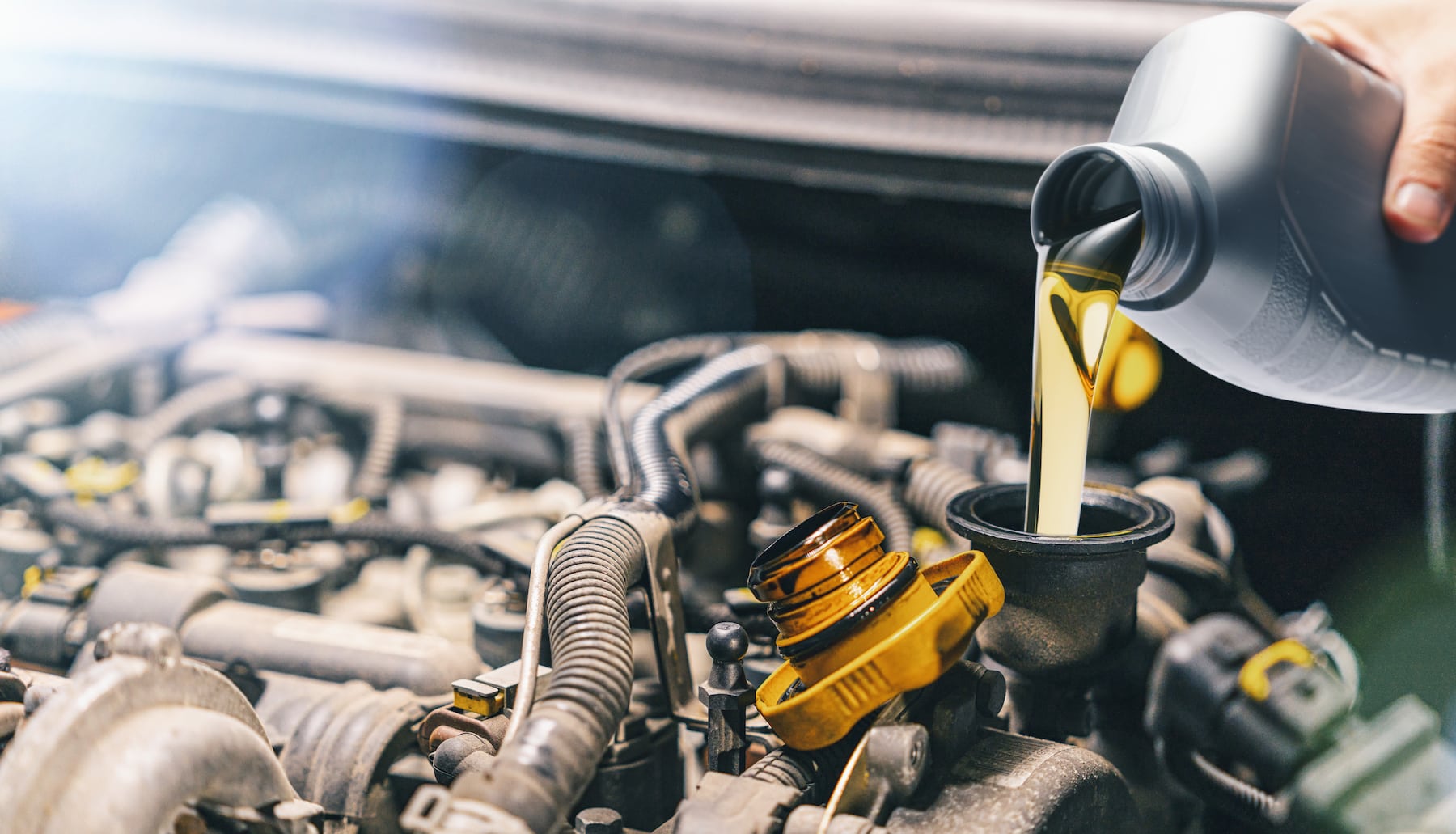
    Oil being changed in an RV
    Image from Getty

    And what oil should you use when you change it? If your motorhome is new and still under warranty, whatever the manufacturer recommends.

    If it’s an older motorhome, chances are you will be better off with a synthetic-based oil. Synthetic oils are scientifically designed to last longer.

    In summation, change your oil regardless of whether you drive your motorhome a lot, a little, or not at all. Not sure who coined this phrase, but oil literally is the “lifeblood of your engine.”


    Any question or comment regarding your motorhome’s oil? Drop us a note in the comments below! Need your oil changed? Contact our service department


    Source link

  • Camping World’s Guide to Haleakala National Park

    Camping World’s Guide to Haleakala National Park


    The House of the Sun is an apt name for a place that hosts the world’s most stunning sunrises. At …


    Source link

  • Keeping Tires in Good Condition While Your RV Is in Storage

    Keeping Tires in Good Condition While Your RV Is in Storage


    Your RV’s tires are extremely important. I’ve discussed tire care before, but I wanted to address what you should do to your tires before you put your RV away for the season. It’s that time of year, and you should be prepping your RV already if you haven’t done so. 

    With that in mind, here’s what you’ll need to do to your tires before you put it in storage.

    Clean Your Tires

    Among the many things you should do to winterize your RV, one of them is to clear your tires. I recommend cleaning your entire RV, inside and out. While doing that, make sure to get your tires good and clean.

    Wash them like you would the rest of your RV’s exterior and then apply a special tire cleaner or conditioner. Something like the 303 Tire and Rubber Cleaner will do the trick. You simply spray it on, let it sit and then wipe it off.

    Pump Up the Tires

    New Tires For RV Camper Van. Taking Care of Motorhome and Travel Trailer Tires.
    Image from Getty

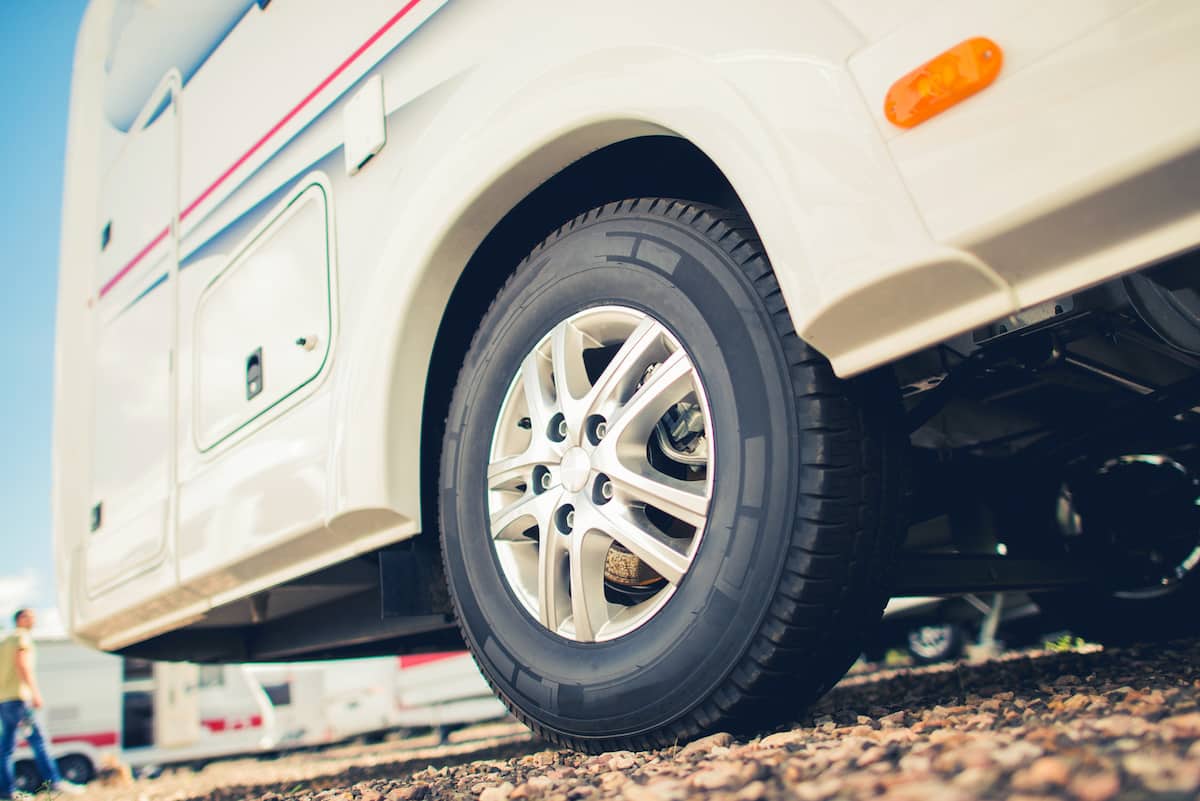
    Before you put your RV away for the colder winter months, you need to think about the air pressure in the tires. Your RV tires should be neither over-inflated or under-inflated as each can cause issues.

    Read the proper tire pressure on the tire’s sidewall and inflate your tires to the maximum pressure. This will ensure your tires are distributing weight appropriately.

    It’s also smart to make sure you check your tire’s air pressure periodically during the time it is in storage. Cold air makes the air inside the tires denser and this can reduce the tire pressure. By checking it regularly, you’ll ensure it doesn’t get too low.

    Use Wheel Blocks or Tire Cradles

    Putting something between your RV’s tires and the ground or pavement where you park it can help keep your tires in good condition.

    Wheel blocks or tire cradles are the best option here. They will ensure that you RV’s tires rest evenly and help ensure weight is properly distributed.

    Use Tire Covers

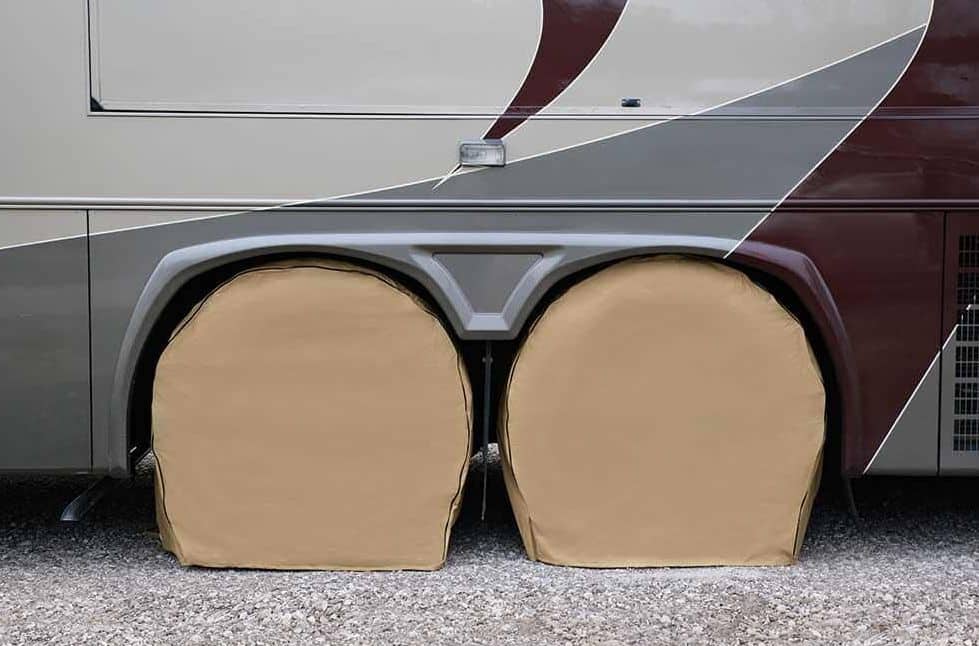
    Tire covers can help keep your tires from feeling the negative impacts of the weather. Rain, excessive sunlight, wind, and snow all impact tire life. By covering your RV’s tires while it’s not in use, you’ll increase their longevity.

    Tire covers are inexpensive and easy to install. They can even sometimes be color-matched to your RV, to give your rig a streamlined look even when it’s not in use.


    Keeping your RV’s tires in the best condition is important. If you have any questions, reach out to Camping World’s service department.


    Source link

  • Is a Diesel Pusher Class A Motorhome Right for You?

    Is a Diesel Pusher Class A Motorhome Right for You?


    Class A diesel motorhomes, also known as diesel pushers, are usually the top of the line for any motorhome manufacturer.

    These Class A RVs typically have the most features and the highest-end finishes available.

    That said, they’re not for everyone. Here are a few questions you can answer to determine if a diesel pusher is right for you.

    Can You Afford a Class A Diesel Motorhome?

    Like we mentioned above, these are usually the top of the line for a manufacturer. They’re also the most expensive motorhomes.

    Buying a diesel pusher is a considerable investment, especially when you take into account fuel, insurance, and interest (if you’re financing).

    One of the few things that can make an RV trip stressful—financial stress. Make sure you’re not stretching to afford a Class A diesel, so you can truly relax when you’re out on the road.

    Do You Have Somewhere to Park a Diesel Pusher?

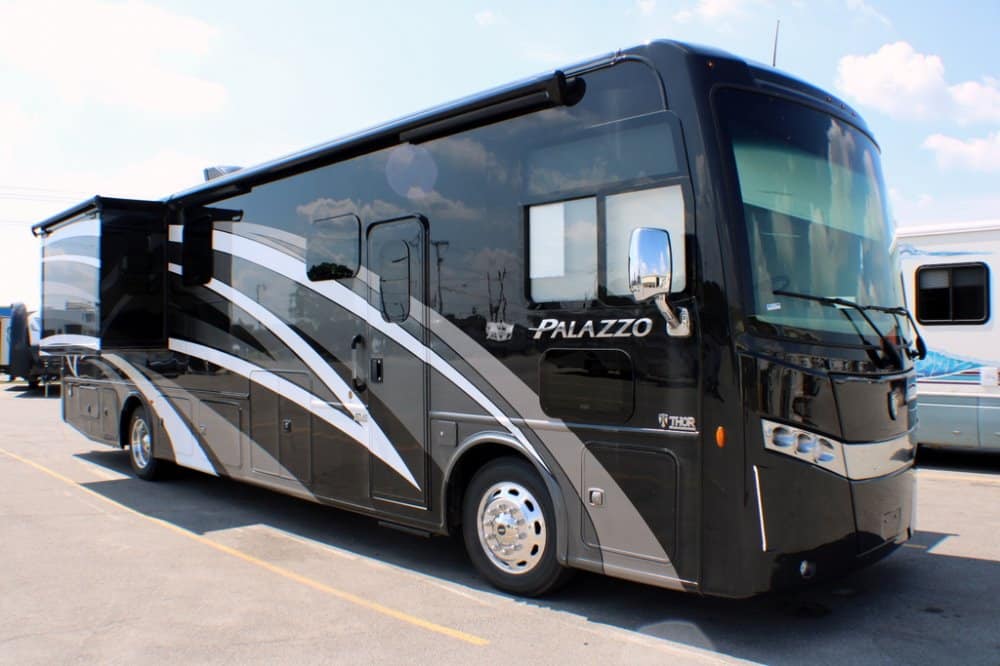
    2020 Thor Palazzo 363 Class A diesel pusher
    Image from Camping World

    Did we mention these are the biggest motorhomes out there?

    Many models won’t fit in a standard driveway, and a lot of neighborhood associations have rules that dictate where you can park an RV on your property.

    Furthermore, considering the value of these motorhomes, general outdoor uncovered storage might not be the best choice. An RV cover can be smart but a garage space is usually better.

    Depending on your local climate, you may want to build a garage specific to your diesel pusher or find an indoor, climate-controlled space to keep your motorhome when you’re not on the road.

    How Much Time Do You Have to Spend RVing?

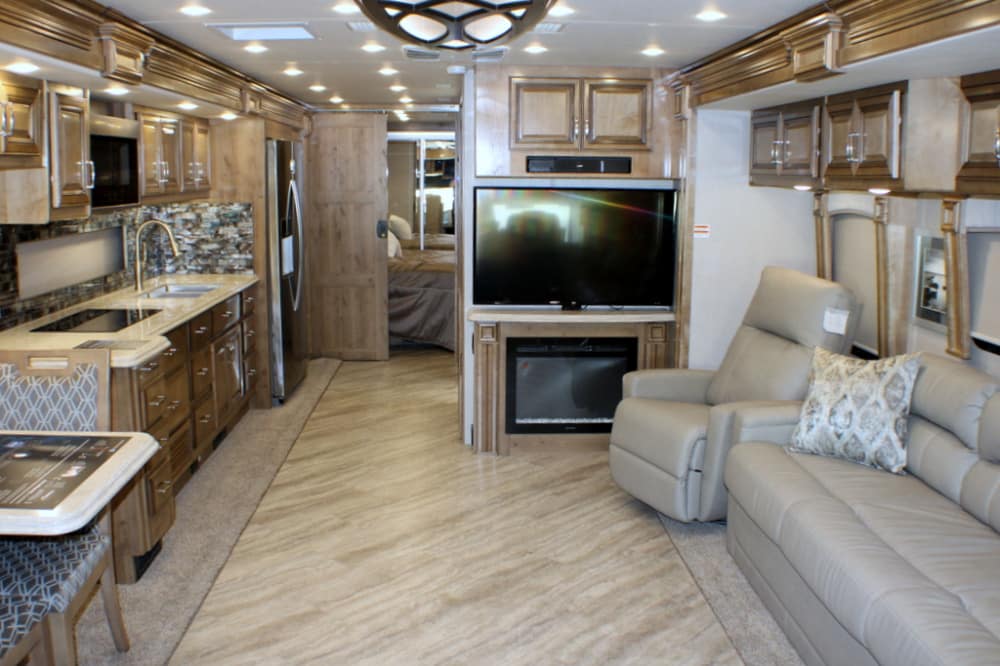
    Interior of a Class A diesel pusher
    Image from Camping World

    There’s not much worse than buying an RV and being too busy to use it. Before you invest in a diesel pusher, think about how often you’ll be able to use it.

    Are you a college football season ticket holder who plans on tailgating at every single game your favorite team has this year?

    Are you an aspiring full-timer, with the freedom to travel the country and spend months at a time in your RV?

    Maybe you’re a retiree, planning on “mooch docking” at a rotation of your children’s homes to spend more time with your grandchildren throughout the year.

    No matter your plans, make sure you’ve got the time and freedom to make a Class A Diesel motorhome worth it.

    Where are You Planning on Traveling?

    Diesel pushers are a fantastic choice for boondocking on public lands, spending time at RV parks, and wide-open parking lots for tailgating.

    If you’re looking to spend a lot of time in National Parks, they may not be the best choice.

    Many campgrounds within National Parks have length restrictions on the majority of their campsites. In fact, you’ll come across a lot of roads in National Parks that just aren’t navigable in a Diesel Pusher.

    If you’re looking to spend a lot of time at our National Parks, do some research (we have guides to RVing just about every National Park) before choosing your RV.

    Are You Comfortable Driving a Diesel Pusher?

    driving a class A motorhome
    Image from Getty

    While it’s true Class A Diesels sometime have the ability to cut the wheels tighter than other motorhomes, and may actually have a tighter turning radius than some Class Cs, not everyone will be comfortable driving a vehicle this large. At least at the outset.

    If you’re looking at motorhomes, a Class C can feel like driving an SUV, and a Class B even more so.

    Driving a Class A Diesel Motorhome is a unique experience. It’s important to account for the learning curve, and make sure you’re truly comfortable before driving off the lot.


    Diesel Pushers are the most luxurious of all motorhomes. If you’re interested, make sure to check out Camping World’s inventory


    Source link

  • 3 Used Fifth-Wheel Bunkhouse Floorplans to Consider

    3 Used Fifth-Wheel Bunkhouse Floorplans to Consider


    Bunkhouse fifth-wheel RVs can be some of the best models for families. When you camp with kids and other family members you need plenty of places for people to sleep and bunkhouses are the way to go. Fifth-wheels are also great because they offer stability when towing and the ability to leave your camper behind while you go off in your truck to explore other closeby areas or hit a restaurant or store while camping.

    You don’t have to go out and but a brand new model to get a good one. There are plenty of used fifth-wheel RV models out there that are in excellent condition at a fraction of the price you’ll find a new one for. With that in mind, here are some of the models I’d suggest you look into if you want a used fifth-wheel bunkhouse.

    2018 Keystone Hideout 308BHDS

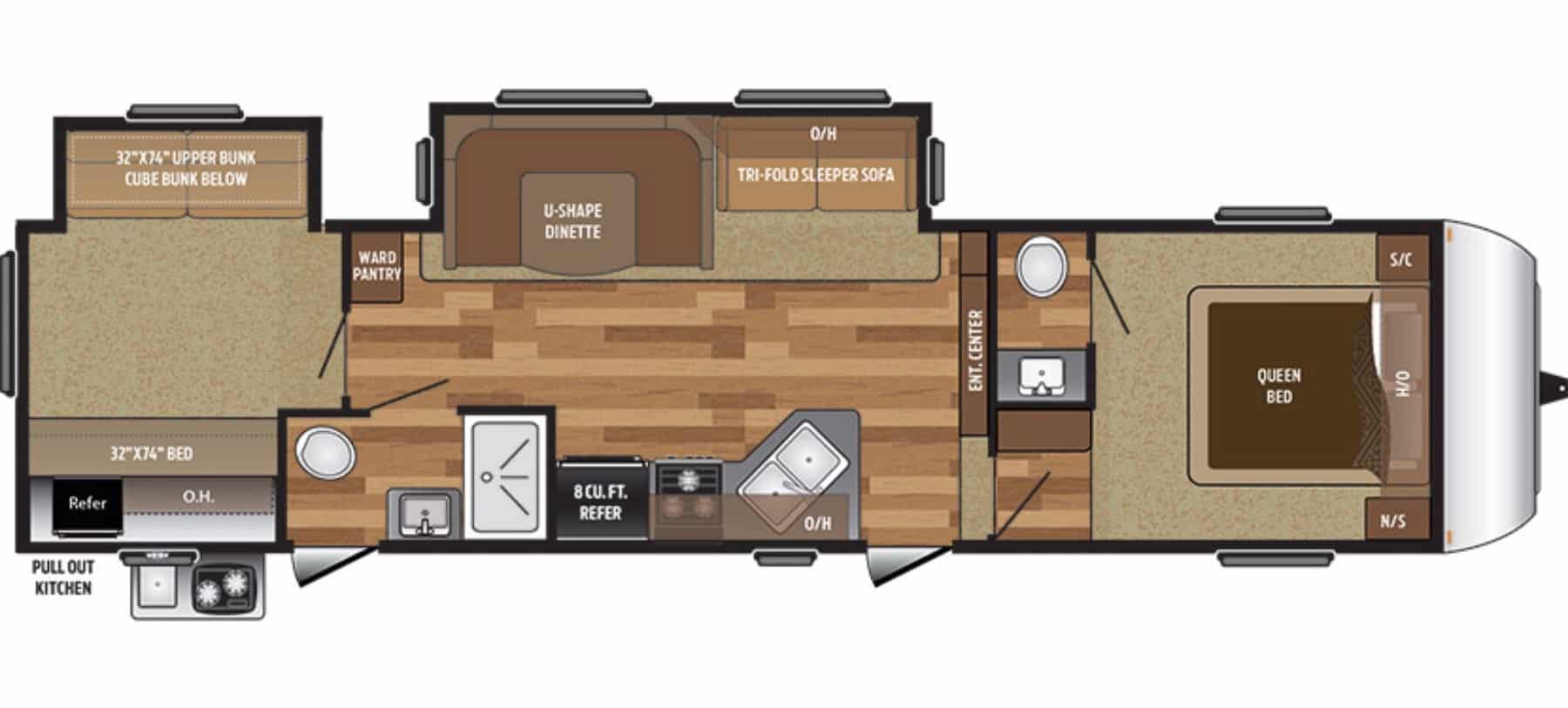
    keystone hideout 308BHD

    The Keystone Hideout 308BHDS is one the more versatile bunkhouse floorplans out there. It features a large master bedroom at the front of the unit with its own half bath, an open living and kitchen area with a full bath just off to the side, and a large rear bunk room with a bunk bed on the camp side of the RV and sofa with a bunk above it in a slide-out on the other side. The unit features two slide-outs in total and the other is in the main living area and houses the U-shaped dinette and a tri-fold sleeper sofa.

    For an RV that measures only 35 and a half feet, the Hideout 308BHDS offers quite a lot in terms of space and features. The model weighs only 9,025 pounds, too meaning it should be easy to tow behind a heavy-duty pickup and can be handled by some of the more robust full-size trucks, too. It sleeps up to nine people so you can bring along the whole family and maybe even some friends on your next adventure.

    Check Out Our Used Inventory

    2017 Heartland Prowler P326

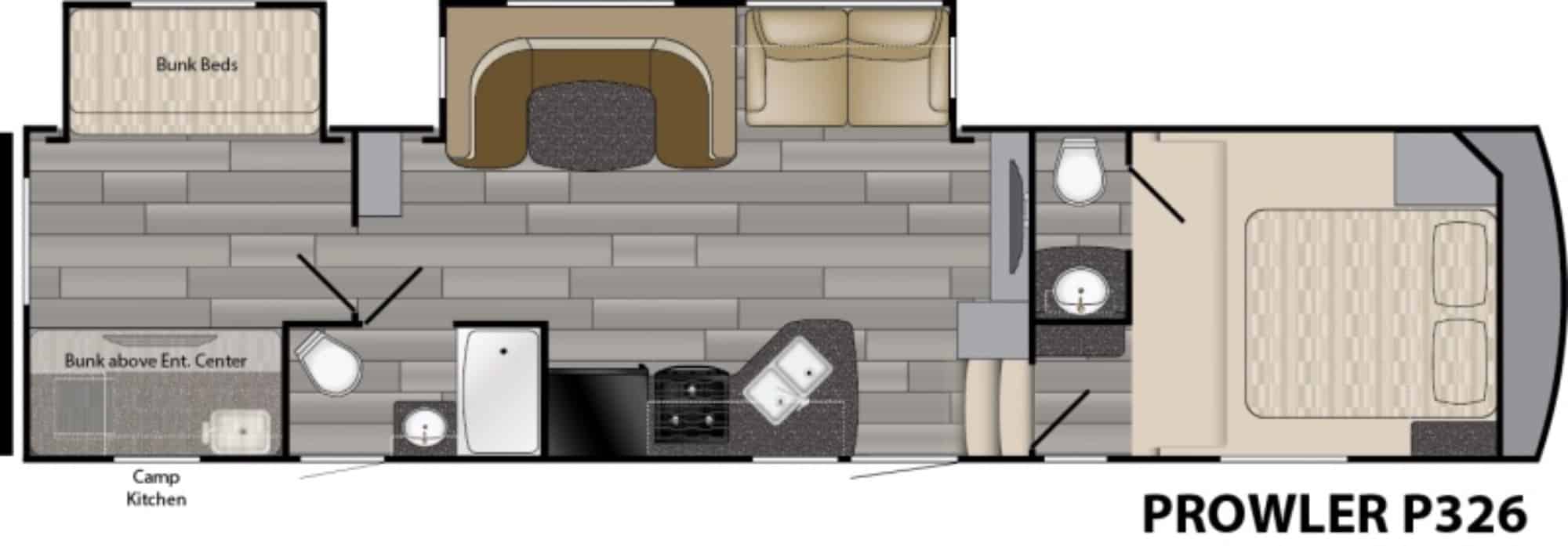
    heartland prowler p326

    The Heartland Prowler P326 is another model that features a similar versatile layout to the Keystone Hideout floorplan shown above. There’s a similar bunkroom at the rear with a slide-out that houses bunk beds, another slide out in the kitchen and living area that has a U-shaped dinette and a sofa in it, and there are one and a half bathrooms in this unit, with the half-bath connected to the large master bedroom. The materials and overall look of this unit differ from the Keystone model and is another take on this smart design. 

    The Prowler P326 measures a little longer than the Keystone at nearly 37 feet in length. The model also weighs a bit more at 9,612 pounds. Despite these two things, it should be easy to tow this model with a heavy-duty pickup and even some of the top-level full-size trucks if they are properly equipped. This model sleeps up to seven people so it’s sleeping capacity isn’t quite on par with the Keystone, but it’s still very good.

    Check Out Our Used Inventory

    2017 Forest River Blue Ridge 3720BH

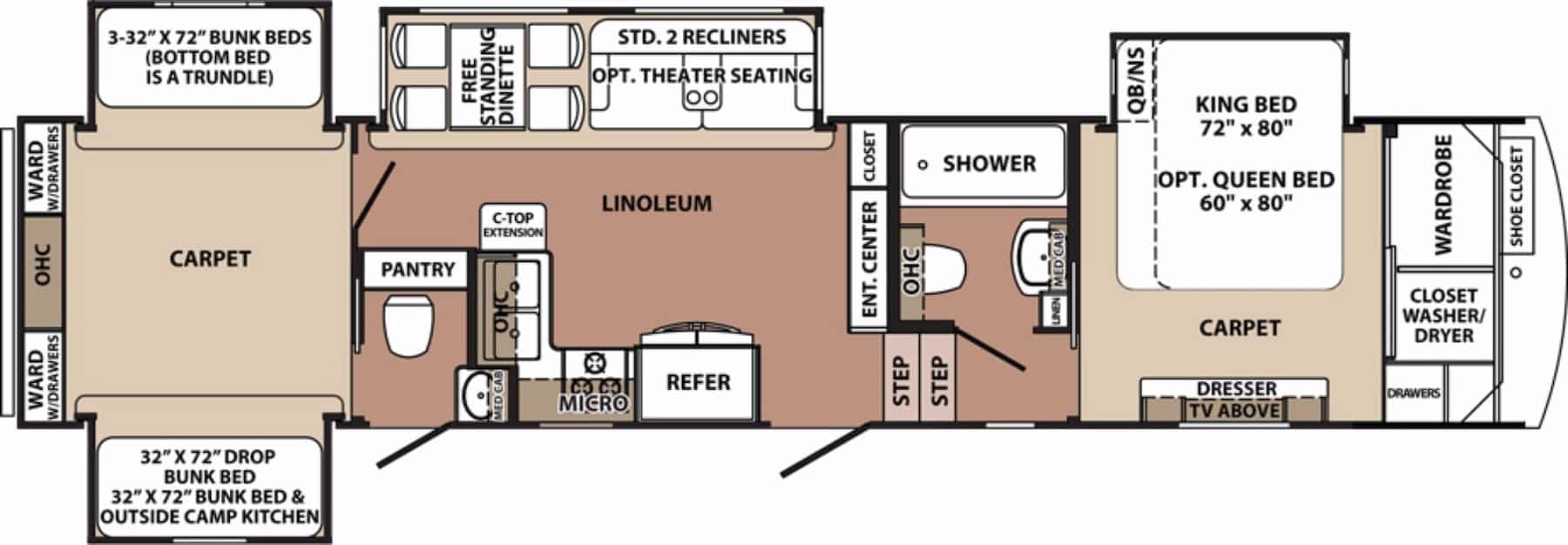
    Forest River Blue Ridge 3720BH

    The Forest River Blue Ridge 3720BH is a four slide-out model that offers a dramatically different layout than the two shown above. Despite this, it’s still one of the best bunkhouses out there you can find used. At the rear of the unit is a large bunk room with two slide outs for beds. The kitchen and living area also features a slide-out with theater seating and a free-standing dinette in it. There is a full-size bathroom separating the master bedroom from the main living area and another half bath near the bunk room. The master bedroom also features its own slide-out for either a queen or king-size bed.

    Make no mistake, the Blue Ridge 3720BH is a large fifth-wheel, measuring about 42 and a half feet in length and weighing 14,016 pounds. But with that length and weight comes plenty of space. When you’re camping with family, especially for long periods of time, having a bit more space can be very beneficial. This model sleeps only six people but it does so in the utmost of comfort.

    Check out our Inventory


    These are the only used bunk models on sale. Check out all of the used fifth-wheel bunkhouses at Camping World!


    Source link