In episode nine of our series Happy Camper Bucket List, Dan and Lindsay visit Lake Tahoe, California.
The couple visits the area during snowy months to take in the views and partake in the activities, including snowmobiling, snow tubing, and snowboarding at squaw Valley Alpine Meadows. While visiting the area they stay at Tahoe Valley Campground in a Freedom Elite Class C motorhome.
Many times camping trips involve exploring new territory and discovering enticing attractions along the way. Passenger tour trains have that magnetic appeal for many RVers, providing a novel way to see hidden countryside not normally viewed from the road. Railroad passengers learn about local history, culture and the many colorful characters from the communities visited. Camping World wants to make sure you don’t miss the departing whistle, so we have created a series entitled RVing the Rails. You will find the most popular excursion trains to ride in each state, complete with any specialty trains they might offer.
Photo Credit: Pixabay
Today we will explore the most popular trains in Wisconsin:
Camp Five & Lumberjack Steam Train
Photo Credit: Daniela Kloth
A most interesting rail line, the Lumberjack Steam Train began back in the late 1890s as the transportation to and from a lumber camp to the company town of Laona. The camps were numbered and Camp Five raised all of the meat, produce and horses for the lumber industry in the region.
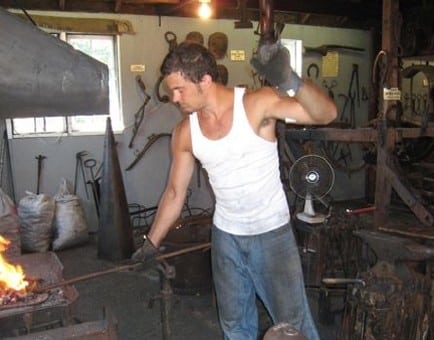
Today the camp buildings remain as they were, with an operating blacksmith shop, general store and animal barns where train passengers enjoy a trip back in time.
Railway and Locomotive Types
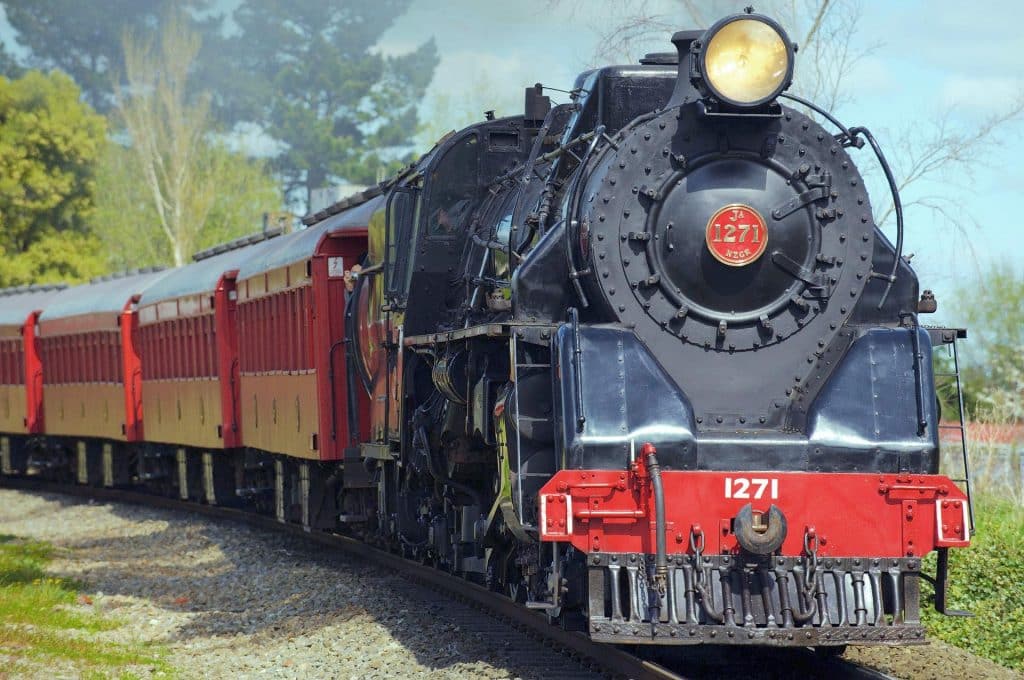
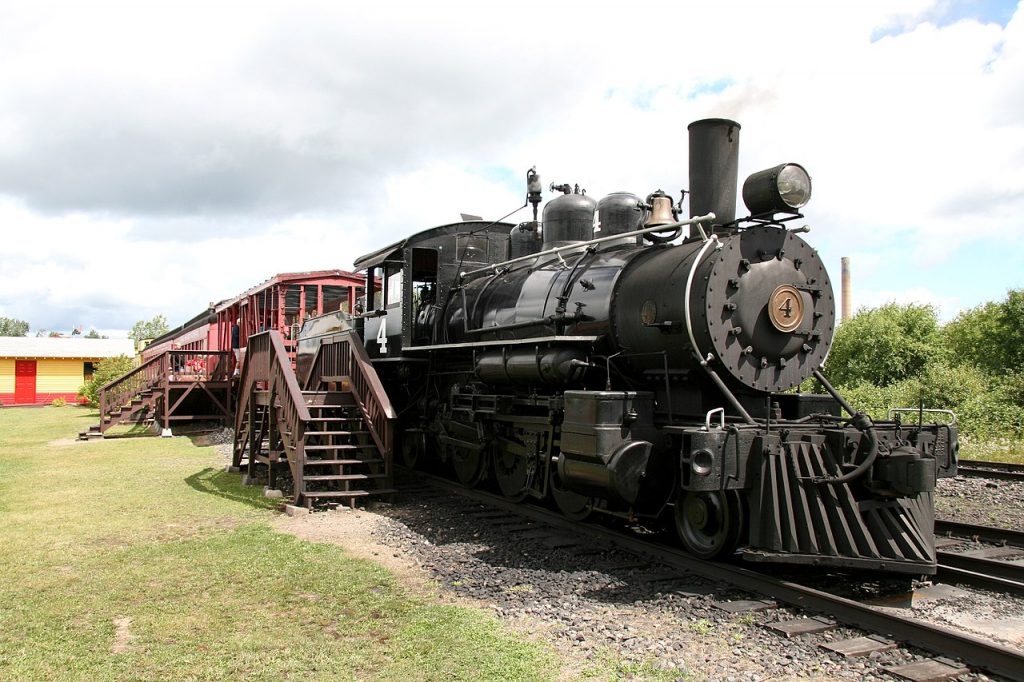
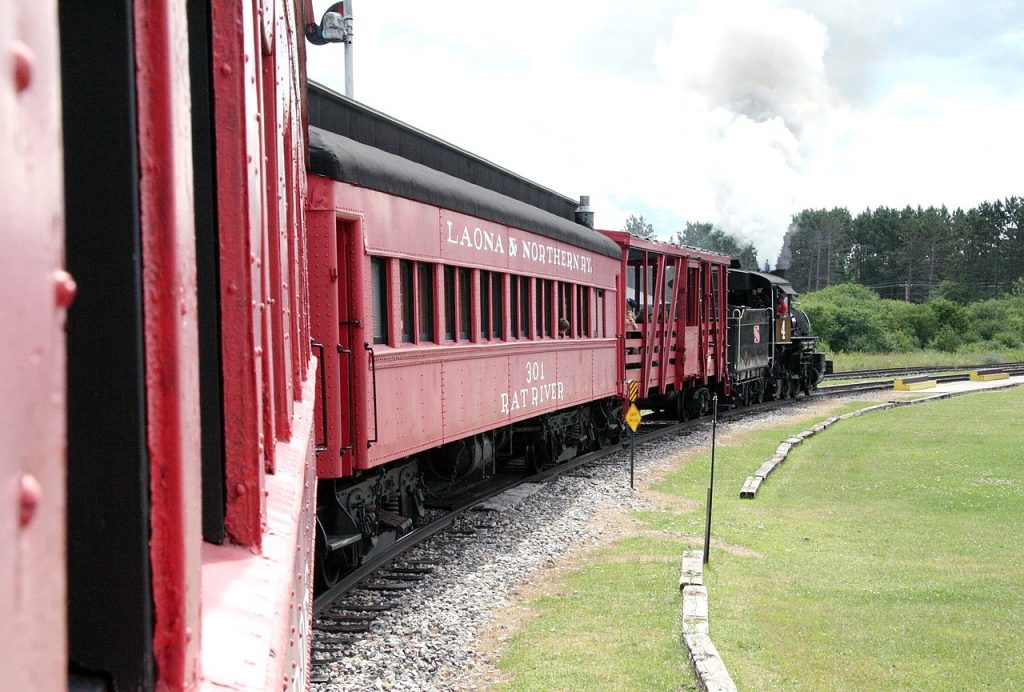
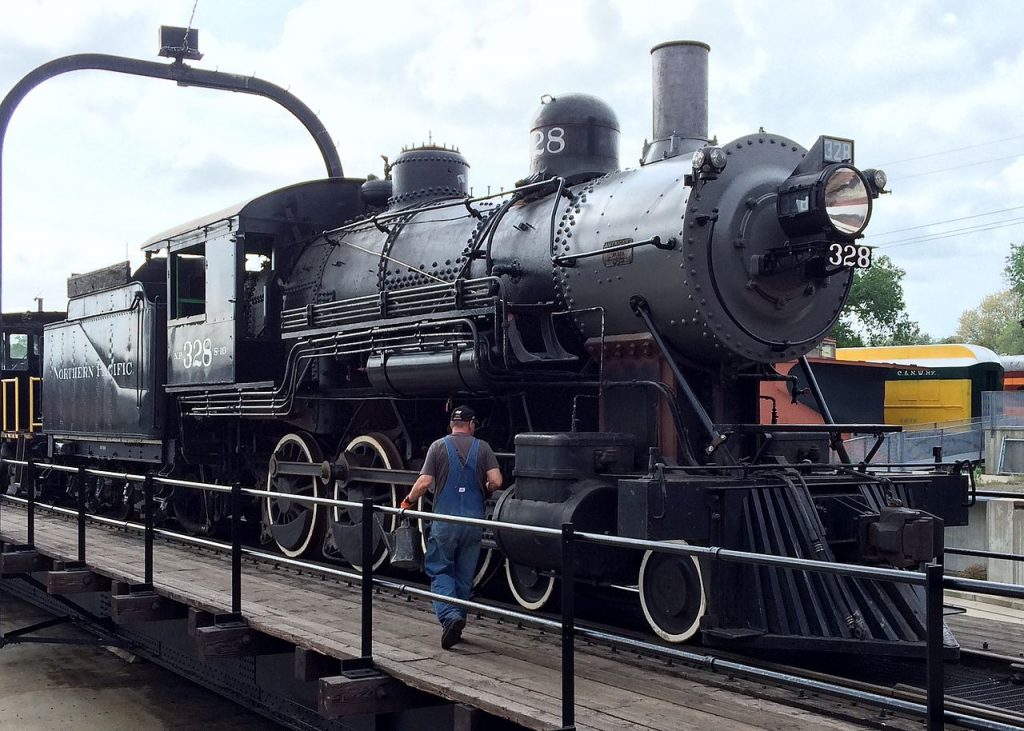
The Lumberjack uses one of the largest steam locomotives in Wisconsin to pull its rolling stock on standard gauge rails. The all-steel passenger coaches, one open car and three cabooses offer rides from the depot in Laona to Camp Five, where guests can peruse the lumberjack camp and participate in various activities there.
Seating Options
Photo Credit: Daniela Kloth
All seating on the train is open and unassigned. Tickets for all regular trains cannot be purchased online or in advance but must be procured at the depot at least 15 minutes in advance of train departures. The Cowboy reenactment train tickets go on sale for two months in advance and sell out quickly.
Riding Options
Passengers can sit in enclosed coaches, an open car or a caboose for the six-mile excursion. The train runs four times a day, taking all riders to Camp Five, where they can visit a logging museum and blacksmith shop, a farm corral with calves, goats, ducks and geese, and the Choo Choo Café for a bite to eat. Passengers can catch later trains back to the depot.
Specialty Trains
Photo Credit: Camp5Museum.org
The Lumberjack Steam Train has two specialty trains, both running in Autumn:
Corn Maze and Haunted Slaughterhouse Tour – Participate in fun (or scary) activities when the train reaches Camp Five.
Cowboy Reenactment and Fall Festival Tour – Head back to the Wild West, as cowboy thieves attempt to rob the train.
Length of Season
Running Tuesday through Saturday from June 18 through August 17, the train also runs on September 21, 28, and October 5. Check the railroad schedule to see specific times.
Osceola & St. Croix Valley Railway
Photo Credit: Keon McGarvey (CC BY-SA 4.0)
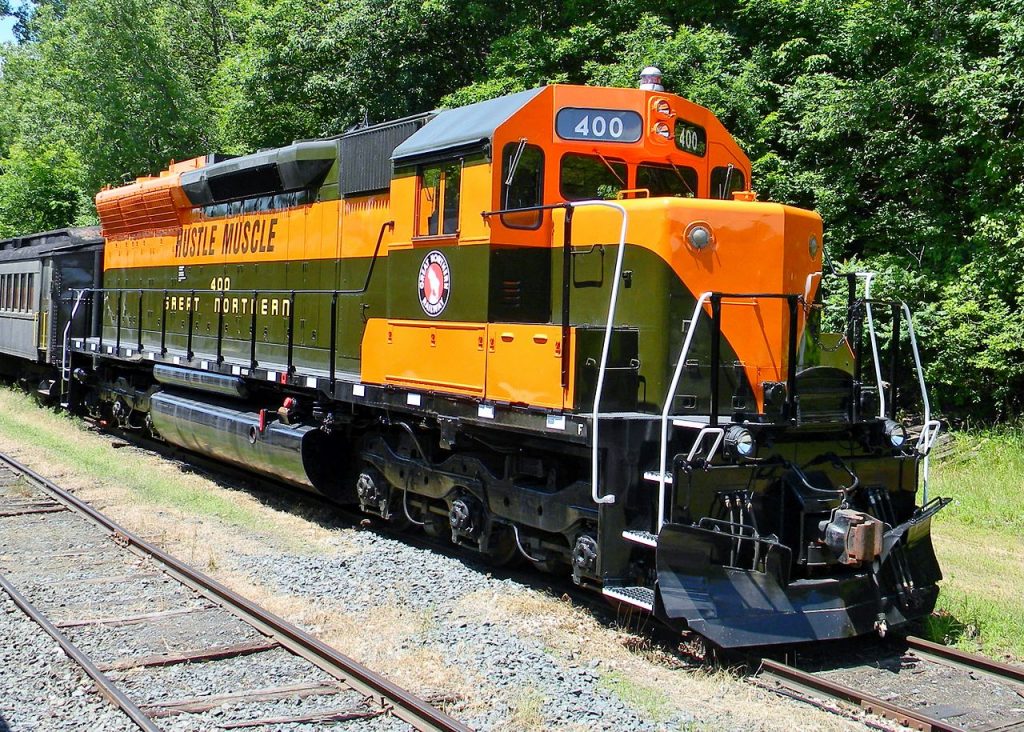
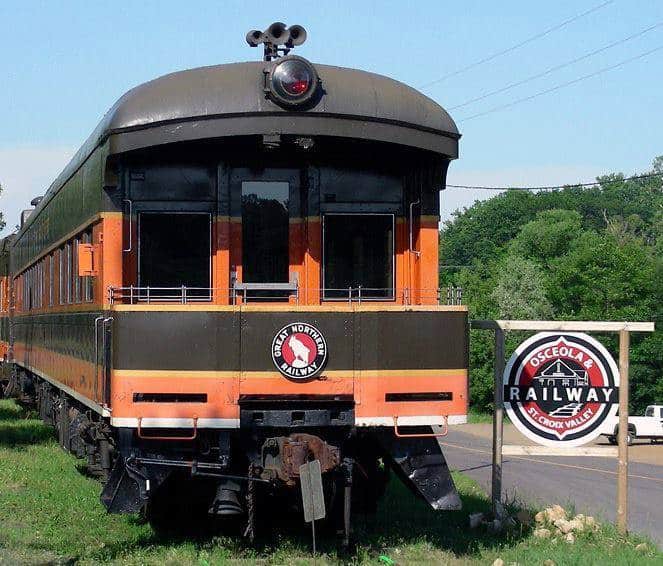
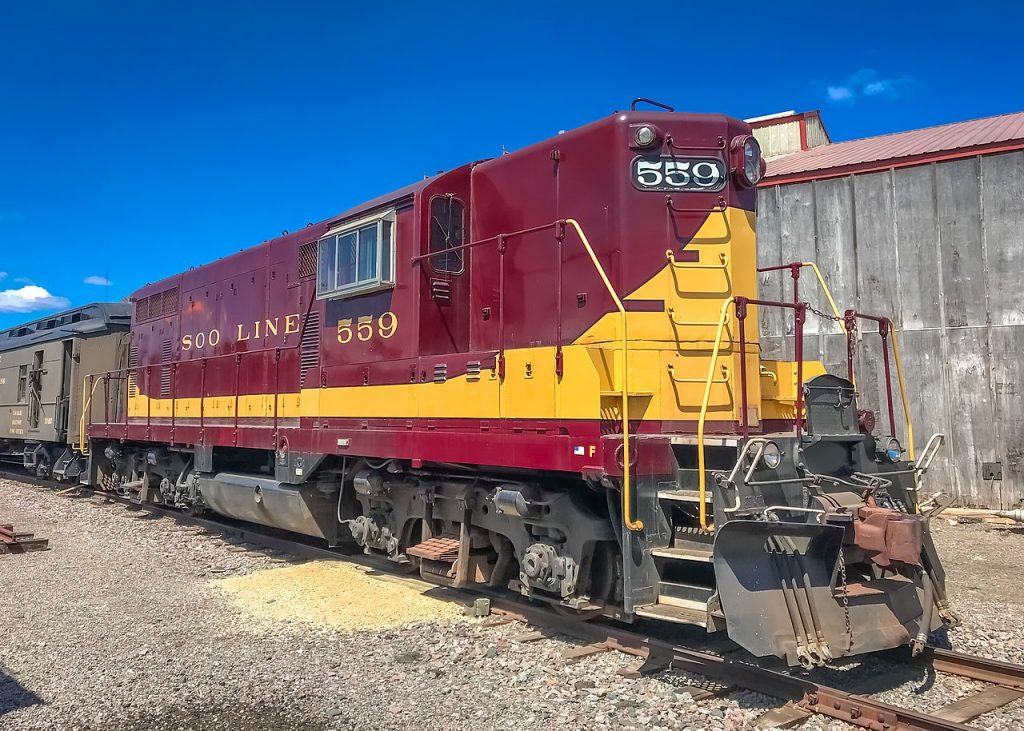
Here’s a train with a bit of an identity crisis: Although the Osceola & St. Croix Valley Railway leaves the depot in Osceola and is considered a “Wisconsin” train, it is owned and operated by the Minnesota Transportation Museum. It appears that the railroad came about this conundrum honestly, however, as a location change occurred in 1992, moving from Stillwater, Minnesota to its current home at the Soo Line depot in Osceola.
This heritage railroad is a living museum of moving history, operating a number of restored and renovated cars and engines along 36 miles of track.
Railway and Locomotive Types
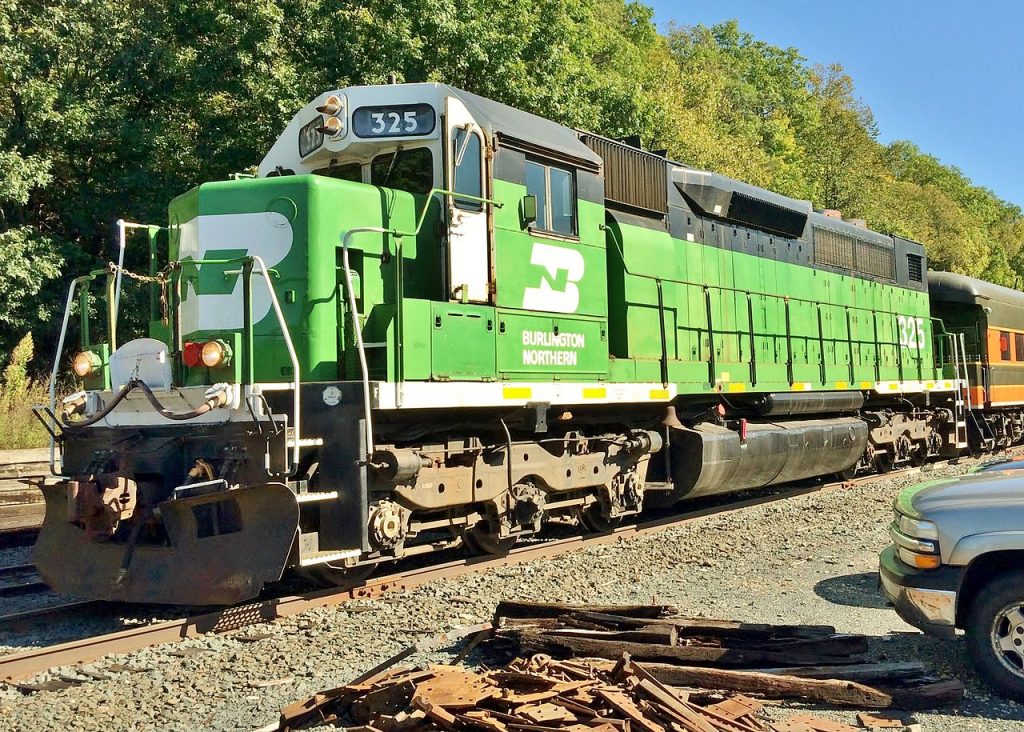
The St. Croix Valley Railway runs several diesel engines on standard gauge tracks. The rolling stock consists of many coach cars, a parlor car, and a baggage car. They are currently refurbishing a dome observation car to add to the lineup for the 90-minute trip to Marine on St. Croix or the 50-minute excursion to Dresser.
Seating Options
Photo Credit: TransportationMuseum.org
Passengers on the Osceola & St. Croix Railroad have several options as far as tickets are concerned:
Coach Tickets do not have assigned seating. They are for travelers who are “just along for the ride.”
First Class Tickets have preordered food that is served on the following trains:
Dinner Train – A three-course meal is served by black-tie attendants on an evening train.
Brunch Train – Watch the St. Croix River Valley pass outside as you dig into a tasty Sunday morning brunch.
Pizza Train – Individual pizzas, sodas, and dessert make this train a big hit!
Riding Options
The railway offers two round-trip rides:
A trip from Osceola to Marine on St. Croix, Minnesota.
A trip from Osceola to Dresser, Wisconsin.
Passengers are encouraged to walk through the cars on their excursions and talk with hosts in each about the train’s history and car renovations.
Specialty Trains
Photo Credit: Keon McGarvey (CC BY-SA 4.0)
Fireworks Express – Don’t miss the fireworks on this special holiday train. They are sure to be explosive!
Fall Colors Tour – Relish a ride through the St. Croix River Valley at the height of the Fall color season.
Pumpkin Express – Catch the Pumpkin Express to enjoy music, games, and food after picking the perfect pumpkin to carve.
Tots & Trains – This activity does not include a train ride, but does provide two hours of “train play,” with interactives, storytime, and crafts on the first and third Wednesdays of the month at the Jackson Street Roundhouse.
Length of Season
The railroad season runs from May through October, with train departures on Saturdays and Sundays. Specialty trains run on specific dates, so please check the calendar to schedule your excursion.
Wisconsin Great Northern Railroad
Photo Credit: Keon McGarvey (CC BY-SA 4.0)
Moving along tracks that were laid over 100 years ago, the Wisconsin Great Northern was created to salvage the old Chicago & Northwestern lines, providing an excursion train like no other. Opened in 1996, the railway runs between Spooner and Trego, with a nice variety of dinner trains, sightseeing, and bed & breakfast trains!
Railway and Locomotive Types
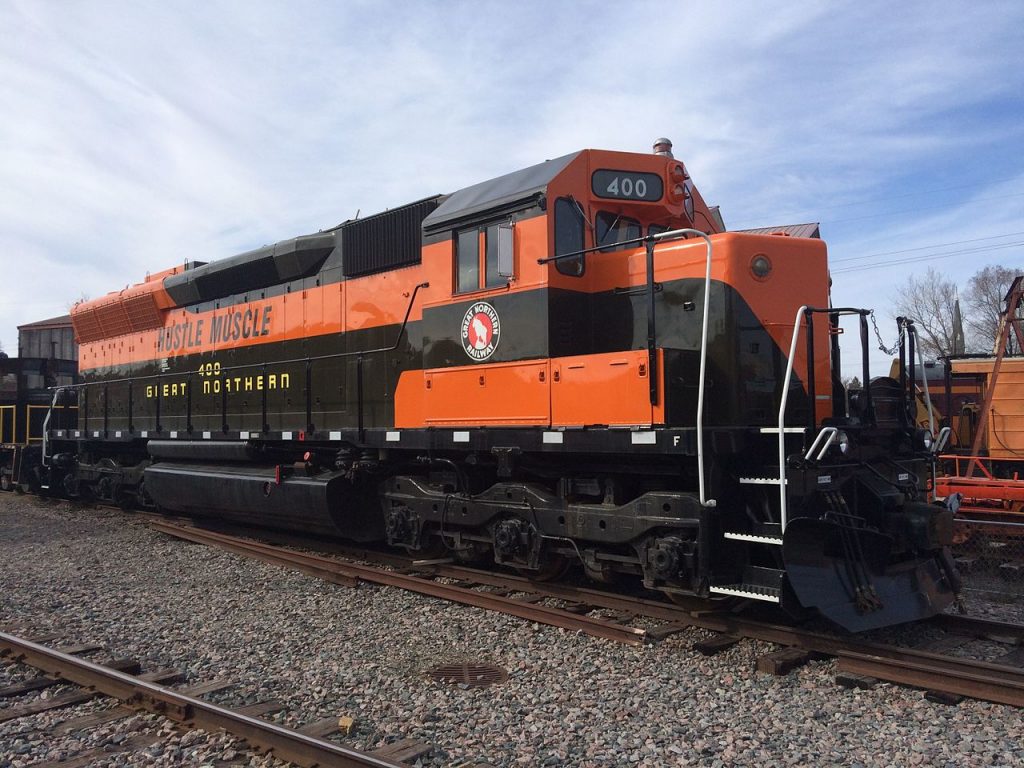
Diesel locomotives navigate the standard gauge track, pulling passenger coaches, dining cars and a skydome car perfect for viewing the scenic Namekagon River. Pullman sleepers provide comfortable overnight accommodations along the line for those interested in the nation’s only bed & breakfast train. And halogen lighting under the cars makes evening dinner trains even more enjoyable.
Seating Options
Photo Credit: Keon McGarvey (CC BY-SA 4.0)
Seats on the Wisconsin Great Northern are assigned by car, as many trains include preordered meals to be delivered directly to passengers.
Riding Options
The railroad offers a wide variety of optional train experiences:
Family Pizza Train – Catch a daily noon excursion that includes pizza for the whole family.
Bed & Breakfast Train – Take an overnight holiday trip through the countryside in your own Pullman sleeper, with dinner and breakfast, culminating in a relaxing travel experience.
Sightseeing Car – Take a tour in the self-propelled interurban car, with its detailed mahogany interior and stained glass.
Dinner Trains – Several trains offer a variety of meals for various occasions.
Specialty Trains
Photo Credit: Keon McGarvey (CC BY-SA 4.0)
Wine and Cheese Train – Participate in wine tastings from the elegance of the sky parlor viewing car.
Thanksgiving Lunch Train – What better way to celebrate Thanksgiving than on a scenic dinner train, where someone else does the cooking and washes the holiday dishes!
Length of Season
The Wisconsin Great Northern Railroad takes advantage of summer visitors with a season that runs May through August, Tuesdays through Saturdays. Saturday only trains to depart in September through mid-November. Check the train schedule to find your favorite excursion.
Join the thousands of RVers that have a love affair with trains and ride the rails on your next camping trip. Check out the other excursion trains available on a state-by-state basis in our series, RVing the Rails.
Brand Name : Kayme
Item Name : RV Tire Cover
Material Name : Aluminum,PP-cotton
Color : Golden,Silver
Quantity : Set Of 4
Price: $20.59
Use On Rv, Trailers, Campers, Cars And Trucks
Let’s be honest. Most of the RV decor isn’t very attractive. It always seems about 10 years or so behind the curve. Even the newest RVs can not have the most attractive interior decor. That’s why many people choose to update their RV interiors.
You should. You want to make your home on wheels as comfortable as possible and the way the interior looks will change how you feel about it. One of the best ways to transform an RV’s interior is to change the window treatment. Many RVs come with something from the factory, but there’s no reason you have to keep that.
Here are some ideas that will help you transform your RV’s interior look through a new treatment for the windows.
Window Valences
Image from Getty
I have yet to see a window valence in an RV from the factory that truly impressed me. Some are pretty good, but you can always update these and really alter the look of your interior. If you want to bring some color to your RV, then this is a great place to do it without doing extensive amounts of work.
Valences go over the top of the window and are a simple addition you can make. There are plenty of options to choose from, and you can always make your own if you feel that none of the pre-made options out there for sales are for you.
Window Curtains
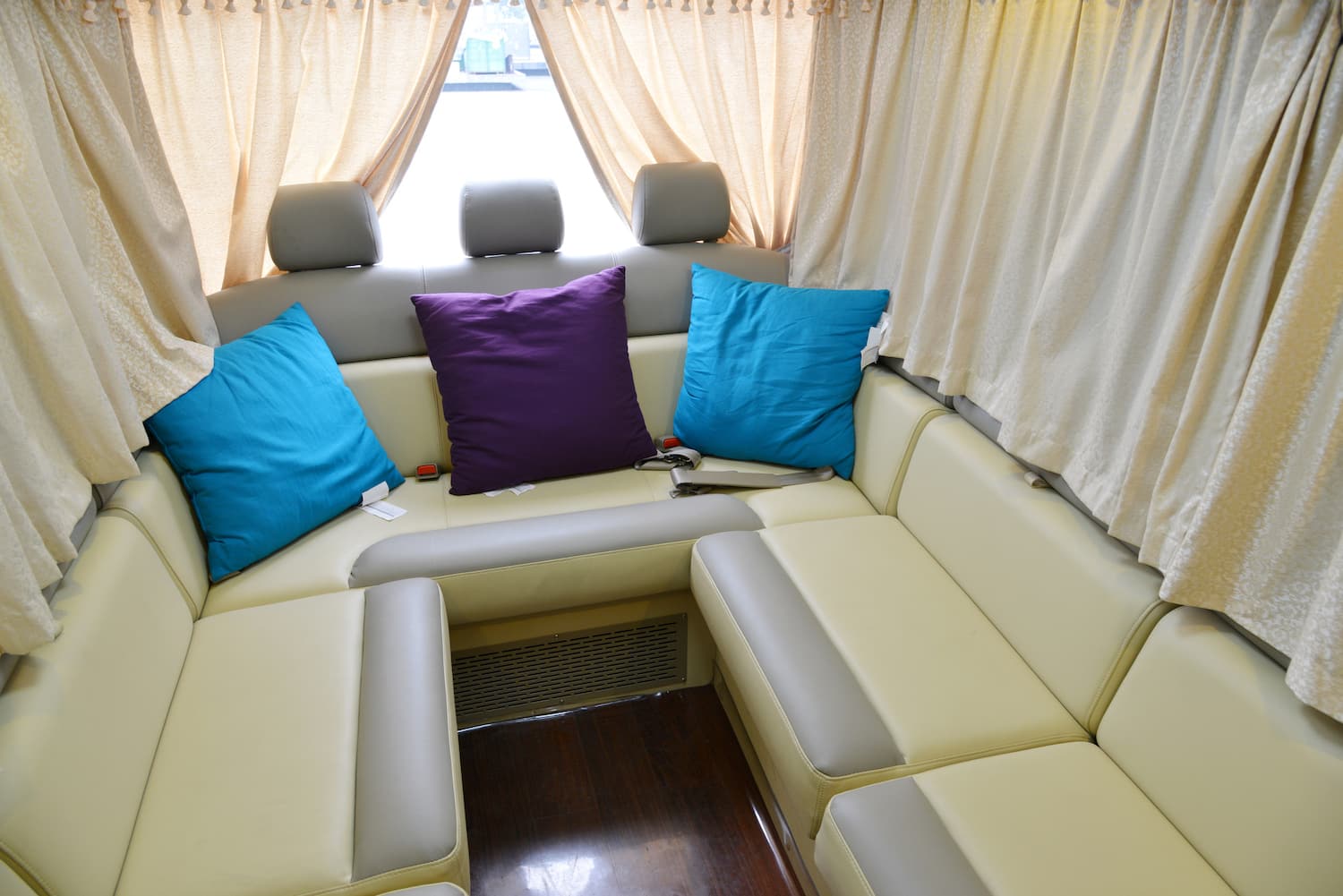
Curtains are another way to change things up. Generally, I think if you’re going to change the valences, then you should change the curtains, too. If you go with a bright color on the valences, consider doing the same for the curtains. If it’s too much, then maybe you go for a simple white or off-white curtain on your windows.
If your RV has a couple different rooms, then consider having different curtains in different rooms. This will help make the different rooms feel like truly separate places. When you have to same colors and curtains throughout the RV, it can feel boring and like the same space. Breaking things up with color is a good way to give yourself separation between rooms.
Window Blinds
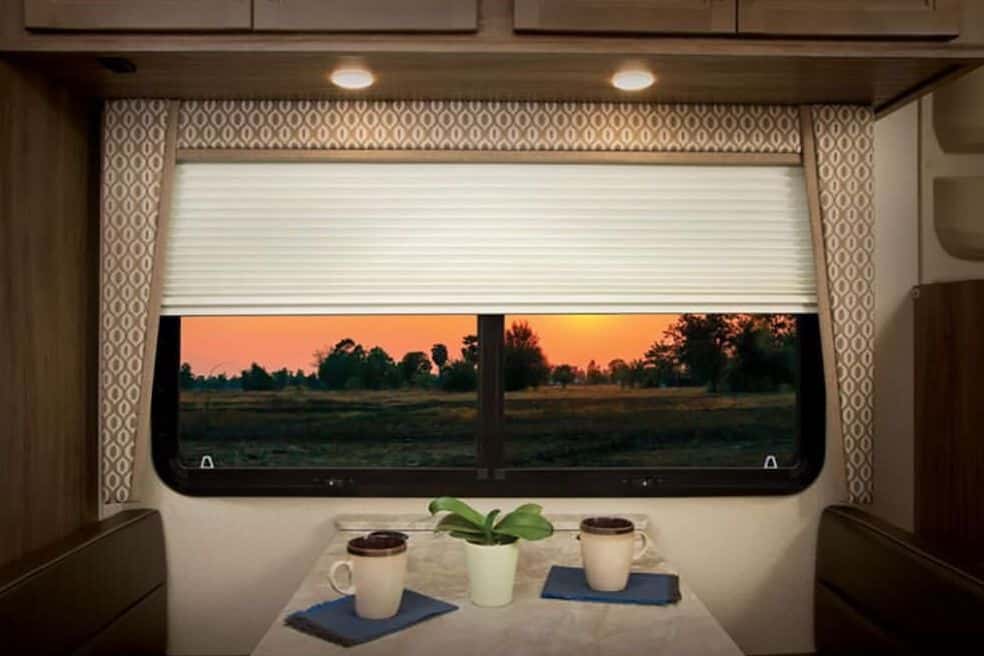
Not a fan of curtains? You’re not alone. Plenty of people prefer blinds over curtains. If you’re one of them, then it’s important to note that there are tons of options for blinds, too. Don’t think you need to stick with whatever came on your RV when you purchased it.
You can go with a wide variety of colors or a natural wood if you want something that feels a little more natural. The choice is yours. If you combine new window valences and blinds you can totally transform the look and feel of the interior of your RV.
Comprised of three islands in the South Pacific, the National Park of American Samoa is the only property in the National Park System to exist below the equator. Its stunning beauty is attributed to its volcanic makeup and tropical location, where rain forests thrive in rich soils and mountains shoot up from the seafloor.
But this park also protects over 250 species of marine coral and 950 species of fish, all visible to curious snorkelers and divers. A visit to the islands of Tutuila, Ofu, and Ta‘ū will elicit coos of pleasure and disbelief at such colorful and abundant landscapes, sea life and splendor.
History of the National Park of American Samoa
Photo Credit: NPS
The islands that constitute American Samoa have been inhabited by Polynesians for over 3,000 years. The United States came into the picture while battling with Germany over the entire Samoan region in the late 1800s. The two countries came to a standoff when a tsunami demolished the boats of both nations, and eventually, the region was split up, with the United States annexing the eastern islands in 1899.
Pago Pago Harbor became the location of an important naval station in the new American territory, and the islands were in a strategic position to keep Japan at bay during World War II. In the 1970s the Apollo program utilized the region, as its returning astronaut crews from Apollo missions were retrieved from the waters a couple hundred miles from Pago Pago.
But by 1988, the National Park Service saw the need to place the islands’ land and water assets under protection, creating the National Park of American Samoa. There was only one problem: the government entity could not purchase the land, as American Samoa law requires all landowners to be at least half Samoan.
So, in 1993, a 50-year lease was signed between the Park Service and the Samoan village councils, allowing preservation of tropical rain forests, coral reefs, and beaches on three of the islands.
Why Visit?
Photo Credit: NPS
As a collection of three islands, the National Park of American Samoa is definitely not RV friendly. But if you have a desire to see the South Pacific or happen to be in Australia or New Zealand, this park should be on your bucket list.
Leave your trailer or motorhome on the mainland and hop a flight from Honolulu or Sidney to Tutuila, as there are several places to stay on the big island or on Ofu.
Then you can indulge in the island life, taking in the tropical environment and embracing the Samoan people, while exploring the park’s terrain and the vast treasure of marine species. This breathtaking Pacific paradise is woth visiting at least once.
Places to Go
Photo Credit: NPS
Visitor Center
Enjoy exhibits and information on the park’s coral reefs, rain forests, and local fruit bats at the new visitor center in Pago Pago on the big island of Tutuila.
Park rangers are on hand for information, and a movie about the park is available. Special events like a local welcome ceremony by Samoan natives are a great introduction to the local culture here, as well.
Things to Do
Photo Credit: NPS
Snorkeling
Some of the most spectacular snorkeling locations exist in American Samoa, with a starting point on the big island of Tutuila. Swimmers can dive from shore there, but Ofu Island offers the very best waters for snorkeling. However, getting to the island is rather involved.
Travelers must fly into Ta‘ū, then hire a local fisherman to take them to Ofu. Because tourism is nominal, there are no charter boat services, but the effort made to get to Ofu will be repaid in spades with the technicolor fish and plentiful sea life divers and snorkelers will glimpse here.
Hiking
The park has 13 designated hikes that encompass all three islands and vary in degree of difficulty. Visitors will find trails that ascend mountains, meander along beaches and take the adventurous to archaeological sites. There are even hikes that end at gun battery points, where the islands were protected from Japan during World War II.
Some trails venture out of the park, and a few go across private land, where permission should be asked before hiking. But all trails offer a taste of the varied topography and environments and showcase some of the Samoan cultures along the way. Here is a map with trail descriptions.
Beachcombing
Ofu Island is also home to some unspoiled white sand beaches, where visitors can enjoy waves lapping the coast while being surrounded by jagged volcanic peaks and palm trees swaying in the breeze. It’s a perfect personal oasis!
When to Visit the National Park of American Samoa
Photo Credit: NPS
With a location in the South Pacific, the park is temperate year-round, so pick a season that you would like to escape from at home and head to American Samoa to enjoy sun, sand, and snorkeling! The park is always open but has experienced emergency closings with national disasters like a tsunami in 2009. Check online for alerts on closures.
Where You Can Stay
Photo Credit: NPS
Since there are no RVs on the islands, those accustomed to camping will have to adapt to lodging in hotels or through a unique “homestay program.” Samoan residents offer accommodations in their villages, where visitors can learn about local customs and cultures.
Getting To and Around This National Park
Access to the National Park of American Samoa is via the friendly skies. Flights from Honolulu depart twice a week or catch a plane from many Southeast Asian countries or Australia.
You will land on the big island of Tutuila, and if traveling to Ofu or Ta‘ū a 30-minute flight to Ta‘ū is required. Then a local fisherman can transport you to Ofu. It requires a bit of planning, but the result is a unique vacation of exploration in a rare tropical paradise!
Pacific Ocean Oasis
It is a mystery that the National Park of American Samoa has not become overrun with travelers, as its natural beauty and diversity of marine life make it a most valued destination.
But the park’s location in the South Pacific seems to have kept this gem a secret to many national park enthusiasts. Don’t pass up an opportunity to “discover” the lush rain forests, pristine beaches and an ocean full of vibrant aquatic creatures on your next trip abroad. Chances are, you’ll find your own private oasis!
Have you ever been to the National Park of American Samoa? What were your experiences there?
When it comes to camping, one of the most important tasks is picking a campsite. But it’s also one of the most overwhelming.
The perfect campsite can take a good trip and turn it into a truly memorable one, while a bad campsite can definitely make your time there a little more difficult, uncomfortable, or downright unpleasant. To help you navigate this important decision, we’ve pulled together five tips to help you pick the right campsite for your rig at a campground or RV park.
1. Figure Out What You Want
Image by Ethan Dow from Unsplash
The very first thing to do when picking a campsite is to think about what you want. Do you dream of a quiet corner where you can relax, or do you want to be in the middle of the action? A quiet spot can be a nice getaway, but what if you want to meet new people? Does the campground have any activities within the park for kids that you want to be close to?
Are you looking for full hookups, or are you thinking about dry camping? Do you need 50 amp power or can you get away with just 30 amp?
Once you figure out what you’re looking for, it’s much easier to narrow down your choices and find the perfect place to park your rig. Being disappointed with your spot is easy to avoid if you take the time to think about exactly what you’re looking for during your stay.
2. Know Your Restrictions
Pay attention to the dimensions of your rig and the size of the campsites. You might find the perfect campsite on paper, but if your rig is too long for the site you could face disappointment when you get to the campground and they won’t let you park there.
If you have slide-outs, make sure the site you’re looking at is wide enough to accommodate them. For longer rigs and newer RVers, know if you need a pull-through space or if you’re able to fit into a back-in spot.
Also, keep an eye on low hanging tree branches or anything else that could damage the top of your rig if you’re too tall for that particular site. Many campgrounds and RV parks will have any restrictions for specific campsites posted online, so be sure to check those before arriving.
3. Do Your Research
Image by Adam Griffith from Unsplash
Which brings us to the next tip—research! Most campgrounds and RV parks have maps of their lots and site amenities on their websites. Spend some time looking at the map and picking a few sites that look like they meet your requirements. Make sure to look for hook up information and length restrictions.
If a campground doesn’t have a map online, see if you can pull up the grounds on Google Earth or find photos of the campsites in other places. Popular RV and camping forums may also have useful information and photos from other campers who have stayed there – keep an eye out for recommendations or warnings on any particular spots.
There are even several mobile apps that have reviews of campsites and RV parks that may give helpful information on specific sites to help you make your decisions.
4. Call the Campground
One of the best things to do is to pick up the phone and call the campground or RV park. The people working there are usually very helpful and can answer any questions you have on individual sites. They can also give recommendations based on your length and rig type. We usually go online to pick out a few spots we think look promising.
Once we have a shortlist of spots we like, we give the campground a call to confirm availability and ask questions. Sometimes sites that don’t look like much on a map are fantastic in real life and the representative on the phone can help you pick the right one. Similarly, they can help guide you away from picking a site you thought looked good but wouldn’t be a good fit for what you want.
Remember – the most valuable part of the phone call is the information you get from the person who works and probably lives at the campsite, but they can’t help you if you don’t tell them what you’re looking for in your campsite.
5. Make Reservations as Early as You Can
Image from Getty
Since you’ve already got the representative on the phone telling you about their best sites, make sure to book a reservation at the same time. There’s nothing worse than spending time carefully picking out the perfect campsite for your rig only to find out it’s already booked.
This can get a little tricky if your travel dates are fluid, and last-minute changes can always pop up, but if you know when you’ll be at a campground or RV park, call or make a reservation online as soon as you can. Reserving a site early will make sure you get the spot you want, and not an undesirable spot at the last minute or worse, having to find a different campground entirely.
Following these tips will help you have a great stay that meets your needs. With a little time and research, you’ll be able to easily pick out the right campsite at a campground or RV park for your rig.