Have you been thinking about renting an RV for your next vacation? Of course, several big company names come to mind immediately and their phone numbers are easy enough to find if the jingle didn’t stick, but there is an insider secret that the highly experienced RVer may know that you don’t: You can save hundreds to even a thousand dollars, in some cases, per week and get twice the value of the unit by renting from private owners. Of course, everything has its pros and cons and is subject to personal opinion and bias, but here are some things to think about.
Pros:
Quality. First of all, make sure you understand the differences between Class A (looks like a bus), Class C (more like a camper), Class B (the size of a large van) and, of course, pull-behinds and 5th wheels which are towed instead of driven. Many companies specialize in one type and Class A’s are at the top of the quality scale. An owner of a $100,000+ motor vehicle is highly likely to take excellent care and give special attention to his or her RV. Renters of a privately-owned motorhome are also usually better scrutinized and are more respectful of the property they are renting so the unit itself is usually well cared for.
Over my head in overhead. Of course, everyone knows that companies have overhead costs to cover. Private owners are much more likely to offer considerably discounted rates for your rental, simply because they can!
Fees, fees and a few more fees! The big companies love them so much that sometimes they don’t even tell you about them until you’re picking up the keys. This is a common complaint in the industry. When comparing prices, always ask about Prep Fees, Cleaning Fees, Camping Kit Fees, and Dump Fees. Most private owners don’t charge them. This alone can save you $400-$500 on your rental.
Cons:
One thing that does represent a legitimate concern is breakdowns. Many of the well-known RV rental companies are able to offer free road-side assistance (or RSA) should the vehicle become disabled. Individual owners are not able to offer a free road-side assistance program along with the RV because, except on a “fleet policy”, RSA programs are issued in an individual’s name, not in the vehicle’s name. You can turn this into a positive by using a portion of the savings to purchase an RSA program from a company that specializes in RV services. For about $100, Good Sam’s offers a one-year RSA program that will cover the RV while you are on vacation and then covers you and your spouse (and all children living in your household) on anything you drive for the rest of the year (even if you’re driving a friend’s car!) It would also cover any other RV you rent during the 1-year membership.
Unscrupulous Owner-Renters. This is the tough one. As in all things money, caveat emptor (buyer beware) and make sure you get a signed Rental Agreement AND read it. Do a little research, ask for some references and follow your instincts. An online search of the owner’s name or the unit information is likely to reveal any disputes in which the owner has been involved. The fact is that most owners are highly respectable, moderate- to upper-income-level executives and business owners who are merely interested in a win-win situation.
So, do a little homework and you are likely to enjoy your vacation, save a chunk of your change for souvenirs and make some new friends, at no extra charge.
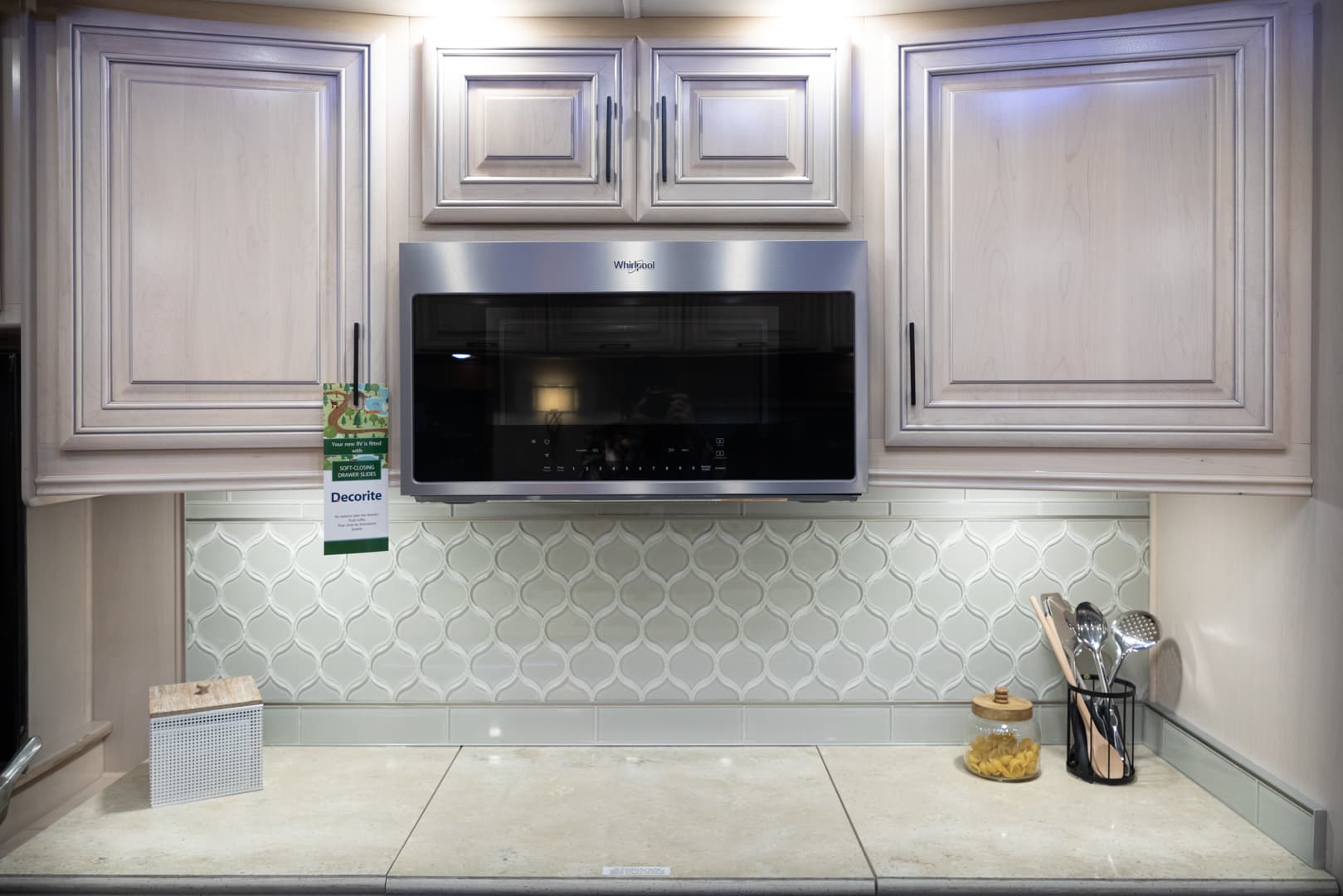
Adding a new coat of paint to even a small portion of your RV can go a long way. Painting the inside of your RV can make it feel more like home and brighten up the space.
While the idea of repainting all of the interior walls of your RV may sound exhausting and terrifying, painting the cabinets might sound a little bit more manageable. And guess what, it is! If you are looking to freshen up your home on wheels by repainting cabinets in the kitchen, living area, bathroom, or all of the above, here are some simple steps to follow:
Remove Doors, Drawers, and Hardware
Before any painting begins, remove all cabinet doors, drawers, and hardware such as hinges. These items are easier to paint properly when not in and/or attached to your cabinets and will make the painting of the actual cabinets a lot easier.
Consider relocating doors and cabinets to a large space such as a garage where you’ll be able to set up your painting workshop and knock that part of the job. Ideally, you’ll have space where all cabinets and drawers can be laid out and worked on simultaneously but if not, work in batches or one at a time.
Make sure you have a flat place to keep cabinets doors while you are working on them. Painter’s triangles on a garage floor or multiple sawhorses are an idea. Also, make sure you label any pieces that come off your cabinets. This includes all doors and hardware. This will make life much easier when the job is done!
Preparation
Proper preparation before you starting painting is key to a job well done. First, you’ll want to make make sure all cabinets, doors, and drawers are clean.
Using something like Krud Kutter is a great way to remove dirt and grease. The next step in preparing your cabinets for paint is sanding. A thorough sanding will remove any old gloss, giving your new paint and primer something to stick to. An electric sander will get the job done quickly.
The last step in preparing your RV cabinets for paint is primer. You may think a good sanding will allow you to skip priming, but again, proper preparation is the best way to get the results you are looking for!
Painting
Image by sefa ozel from Getty
It’s finally time to paint. To avoid brush strokes, use a roller when possible on the doors, drawers, and cabinet frames. If you have access to a paint spray gun, even better!
A small brush might be needed for any molding on cabinet doors our around the frames. Avoid using too much paint as that can cause drips. After the first coat is done, wait, then follow the manufacturer’s directions on the paint can.
Generally, at least two coasts with a sanding in between will be needed. No matter what, don’t rush the process. Let the paint sit for more than enough time between coats.
Finishing Up
Once your final coat has had time cure, you can start putting your masterpiece back together again. Curing usually takes several days, so again, don’t rush the process!
Once you are sure all paint is hard, reapply hardware and consider using felt pads on cabinet doors to avoid banging and chipping paint. Now take a moment to step back, take it all in, and touch up any places that need some extra attention.
While the process of painting your RV cabinets may seem tedious and complicated, the end result is well worth the time and work you put in. While you’re at it, pick up some new hardware to make your RV cabinets, even more, your own, unique style.
You will feel so happy and proud every time you step foot in your RV and see how your hard work completely changed the look and feel of your space.
Do you have anything you think should be added? Leave a comment below!
Renting an RV is the best way to explore Canada and United States. It is possible to rent an RV year round, for a day, week, month or even longer. If you are planning to rent an RV the following are ten things you need to know:
1. Choosing the Size and Type of RV
There are several different RV types. The most common is the motorhome, generally speaking, the larger the unit, the more space, privacy and comfort it will afford its guests. If you are planning to stay at one place for a long time and would like some luxury it would be a good idea to rent a Fifth Wheel. This will enable you to park your trailer and have the ability to use the truck for daily excursions. If you are planning to move around, drive on rougher roads or are travelling in Northern Canada or Alaska a camper would be a great choice. Your decision will depend on how many people are travelling, where you will be going and also your budget. Take your time deciding because your choice may make your holidays the most memorable ever or you will be so miserable you will never want to look at another RV again. Once you know which unit you would like to rent, visit your chosen RV rental office and check out the motorhome or trailer to make sure it will meet your expectations.
Shop around, shop around, shop around. Check out as many rental companies as possible. When looking at prices make note of what is included in the daily, weekly or even monthly price. Some rental companies may have packages that include all mileage, kitchen kits and insurance. The only thing you have to pay for is gas. Others may give you a daily rate that includes just that, the daily rate. You will have to pay more for everything else. Take your time calculating all aspects of the rental price. Also, it doesn’t hurt to haggle the price, you may be able to get a better deal than listed especially if you are traveling during low season.
3. Reserving Early
If you are traveling during high season and you know which RV or trailer you would like to rent it is a good idea to book your RV early. You will be able to secure the RV you want and you may even get a better deal. Many companies offer discounts for reserving a few months ahead of your travel date.
4. Basic Set Up
When you are going over the RV features and basic set up make sure you check the leveling system and gauges. Gate valves for emptying grey and black tanks should close all the way and work smoothly without sticking. You don’t want to be splashed by a bit of sewage when the dust cap is take off. Adjust mirrors to needed position and check to see if they are firmly mounted and that they can be adjusted to needed position. Make sure everything is in proper working condition.
5. Insurance
RV rental companies are specialists in the business and offer reasonably priced, comprehensive insurance plans. Purchasing insurance coverage is a good idea and will help ease any concerns about driving an expensive motorhome or tailer. A second option may be auto insurance, speak to your insurance agent to find out if you are covered for the motorhome you want to rent.
6. Being Safe on the Road
Pick up your RV early. Drive it around a few blocks and test all the features yourself. You could come across a problem the mechanics may have missed. If this is the case you still have time to swap the motorhome for a new one instead of finding out 300 miles into your trip.
7. Kits
There are many different types of kits depending on the rental company you choose. They could be called by any one of these names; housekeeping kits, kitchen kits, personal convenience kits, vehicle supply kits among others. If you are flying to a city where you will be renting an rv and the only items you are bringing with you is your camera, personal items and clothes make sure you purchase all the necessary kits. Some rental companies may even supply a flashlight and axe for the campfire. They may also rent camping chairs, barbecues, bicycles, TV, DVD and other items to add to your fun.
8. Campgrounds and RV Parks
Canadian and US campgrounds offer camp sites ranging from back-to-nature basics in a wilderness setting, full facility campgrounds for RVs, quiet scenic camping sites, or RV parks with full resort facilities and amenities for families with children. When selecting an RV campground, it is important to plan ahead. Otherwise, you could arrive at your destination, only to find no place to stay. During peak season it is rare to find a campground without reserving. It is a good idea to purchase a couple of campground guides. They will give you information about fees and facilities.
9. Alternative Transportation
Unless you are pulling a trailer that you can unhook from your car you may need to plan for another way of getting around when you finally arrive at your destination. It may be enough to pack a couple of bicycles, there are moreand more foldable bikes on the market that are comparable to regular bikes. They are easy to store and fun to ride. A lot of experienced motorhome travelers tow a small car or bring along a small motorized scooter. Enjoyment of your vacation may depend on how you handle transportation needs once you park your motorhome at a campground or rv park.
10. Secure your Load
Make sure everything in your trailer is put away in cabinets and whatever is not in cabinets is safely tied down so it can’t move. Checking the fridge is a good idea to make sure there is nothing that will spill or be thrown around during the trip. You wouldn’t want to get to your destination and find a fridge full of broken eggs or spilled milk. Not a fun way to start your trip.
Cooking in an RV can quickly get complicated. There’s not a ton of room to store ingredients, usually not a lot of counter space to prepare food, and after a day of adventuring or driving you want something that’s easy to make.
This recipe is a great solution to all of those potential problems – it’s four ingredients (plus whatever toppings you want) and made in an instant pot or crock pot so you can turn it on and walk away. If you’re looking for an easy, family favorite recipe this flavorful shredded chicken dish is the perfect base for tacos, burritos, nachos, or quesadillas.
Image by author
It’s simple to make, so you can spend more time enjoying the outdoors with your family and less time wondering how on earth you’re going to cook anything in that tiny oven.
See below for both Instant Pot and slow cooker instructions.
Ingredients for shredded chicken:
3-4 boneless, skinless chicken breasts
1 packet taco seasoning
1 can chicken broth
1 can fire roasted diced tomatoes
Optional ingredients for taco toppings:
Tortillas
Cilantro
Avocado
Cheese
Salsa
Limes
Chopped red onion
Equipment:
Instant Pot or slow cooker
Cutting Board and 2 forks to shred the chicken
Instant Pot Instructions:
Arrange the chicken breasts in the bottom of the Instant Pot and pour the can of diced tomatoes over the top. No need to drain the can. Mix the taco seasoning with the chicken broth. I find that if you put the seasoning in the pot directly it’s more likely to stick to the bottom and give you the dreaded burn alert. Mixing it into the chicken broth helps the seasoning to disperse and avoid burning.
Set the Instant Pot to High Pressure for 20 minutes with the vent sealed. It will take some time for the pot to come up to pressure and then the timer will start. After the 20 minute timer finishes, let the pot vent naturally for 10 minutes and then carefully release the valve to manually release the rest of the steam. Make sure to wear an oven mitt so you don’t burn yourself.
Image by author
Carefully remove the chicken breasts and place on a cutting board or large plate. Let cool slightly, then shred the chicken with two forks and add all the shredded chicken back to the pot. Stir everything really well to coat all the chicken with the tomato broth. Let sit for a minute or two so the chicken can absorb a bit of the broth and then serve.
Image by author
Slow Cooker Instructions:
Place chicken in bottom of a slow cooker. Add the taco seasoning, chicken broth, and can of tomatoes to the pot and gently stir to make sure the chicken is well coated.
Cook two to three hours on high or four to six hours on low. You want to make sure the chicken reaches an internal temperature of 165 degrees F.
Remove the chicken from the slow cooker, let cool slightly, and shred on a cutting board. Add the shredded chicken back to the pot and give everything a good stir to mix. Let it sit for a minute to absorb the broth.
Image from author
Start making tacos! Add some chicken to the tortillas and finish with whatever toppings you like. We love adding chopped red onions, chunks of avocado, a squeeze of lime or a spoonful of salsa, and cilantro and cheese to finish.
Any leftover chicken can be stored in the refrigerator for up to three days
Many times camping trips involve exploring new territory and discovering enticing attractions along the way. Passenger tour trains have that magnetic appeal for many RVers, providing a novel way to see hidden countryside not normally viewed from the road. Railroad passengers learn about local history, culture and the many colorful characters from the communities visited. Camping World wants to make sure you don’t miss the departing whistle, so we have created a series entitled RVing the Rails. You will find the most popular excursion trains to ride in each state, complete with any specialty trains they might offer.
Photo Credit: Skeeze on Unsplash
Today we will explore the most popular trains in New Jersey:
Delaware River Railroad Excursions
Photo Credit: Delaware River Railroad
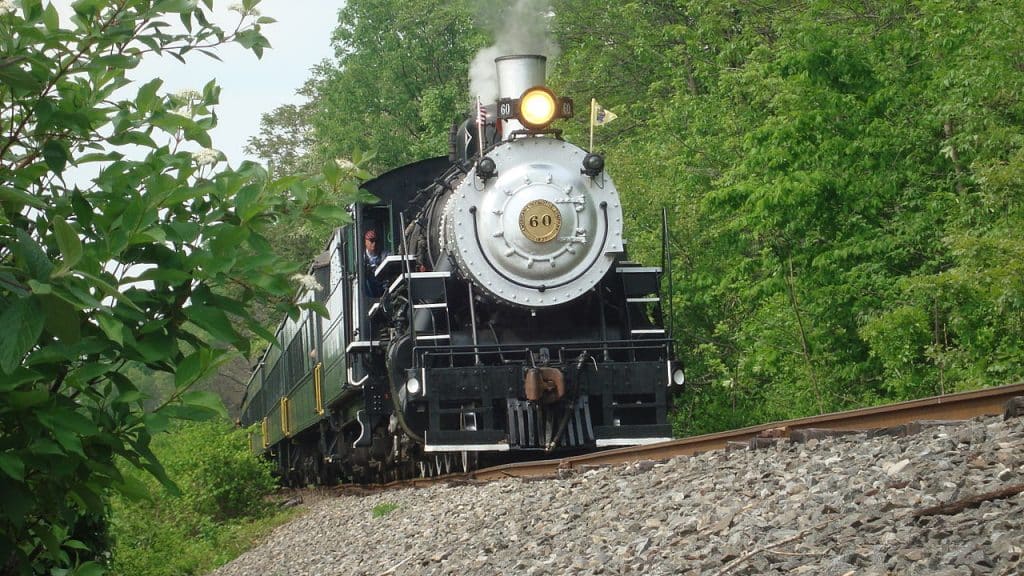
Begun as a freight line between Phillipsburg and Carpentersville, the Delaware River Railroad has always taken the scenic route, following its namesake river first as the New York Susquehanna & Western, and later joining with the Black River System in 2004.
This all-volunteer organization runs the steam excursion trains and has renovated much of its equipment, including nine coaches. Today riders enjoy the River Train, along with several specialty excursions along the border of New Jersey and Pennsylvania.
Railway and Locomotive Types
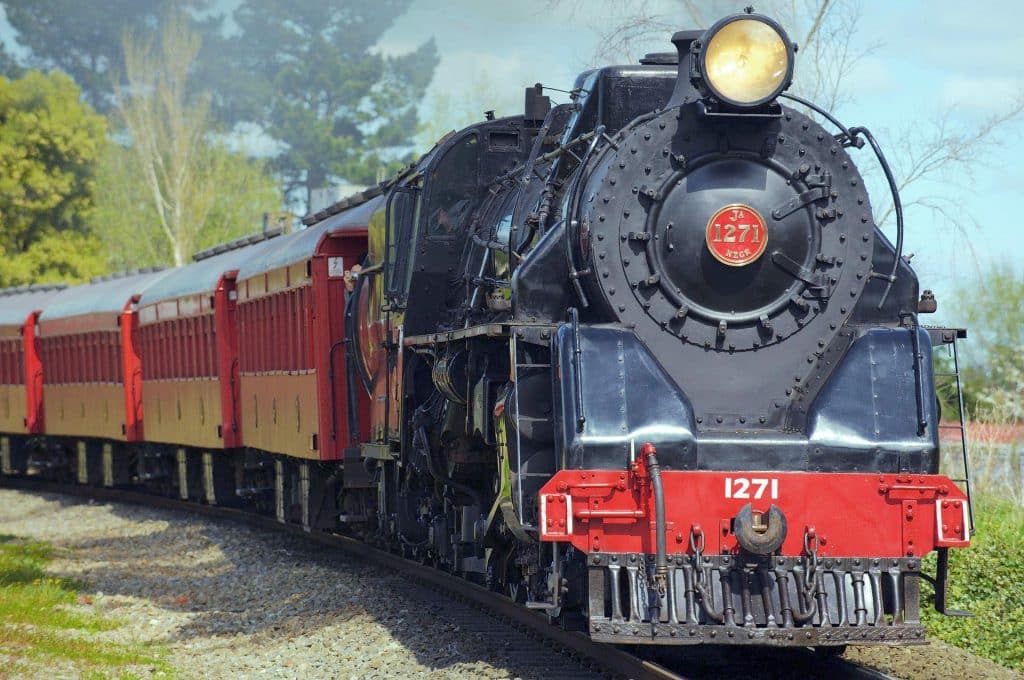
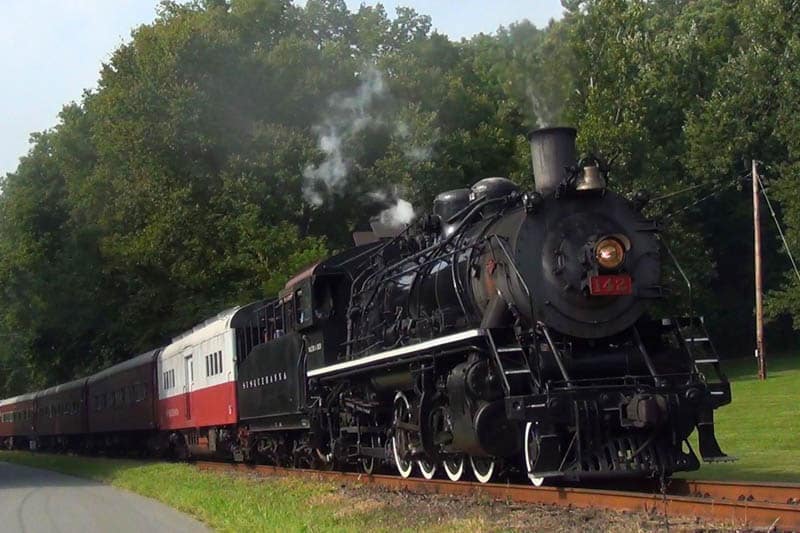
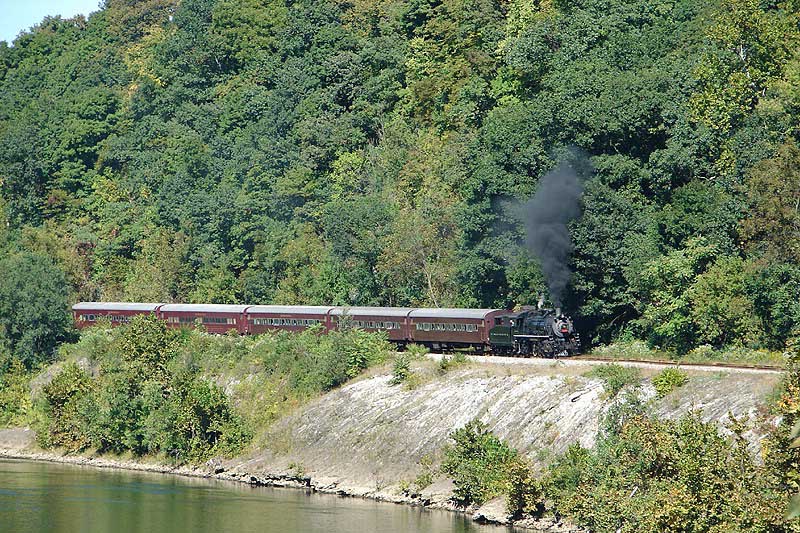
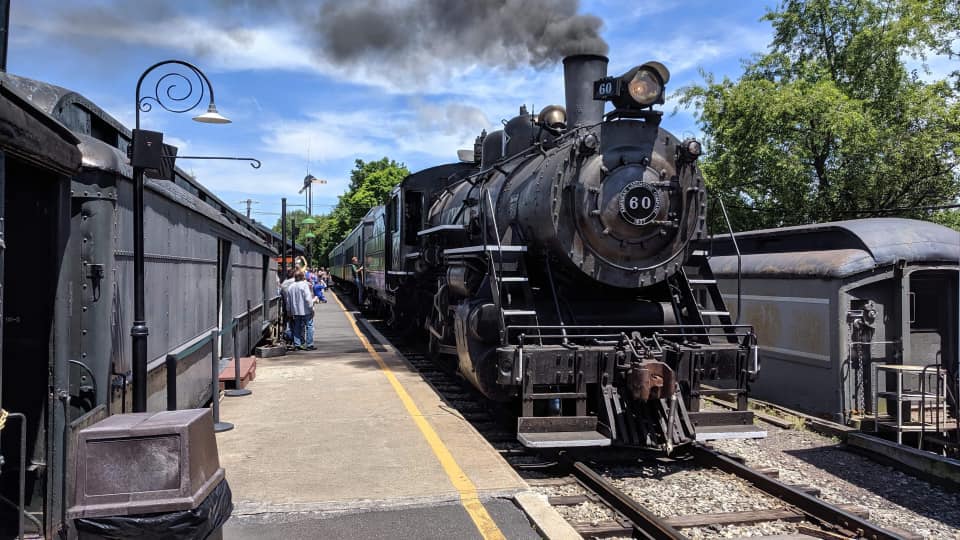
The Delaware River Railroad operates steam locomotives on a standard gauge track, pulling renovated enclosed coaches for customer comfort on its rides.
Seating Options
All seating on the train is open, although reservations can be made in advance. Tickets must be picked up on the day of travel.
Riding Options
Photo Credit: Delaware River Railroad
The Delaware River Railroad offers two additional excursions that can be added to their daily River Train:
Mine Tour – Get off the train at the Susquehanna Mine to learn about the history of mining in the region. Then take a chance at uncovering your own gems and minerals when you pan for gold!
Corn Maze – Take the train to the Snyder Farm, where a giant corn maze awaits. Bring a picnic lunch if you like, and catch any of the afternoon trains back to the depot after exploring this life-sized puzzle.
Specialty Trains
Photo Credit: Delaware River Railroad
Reservations are suggested for all specialty trains, as they tend to sell out.
Winery Train – Relish a luxurious ride along the Delaware River to the Villa Milagro Winery, where creating great wines is showcased and tasting them is thoroughly enjoyed.
Dino Days – Take the kids on a train ride where dinosaurs are still king! The Dino Show, where resident paleontologists teach about the critters from the Jurassic Era, will keep everyone entertained with fossils, games and coloring activities.
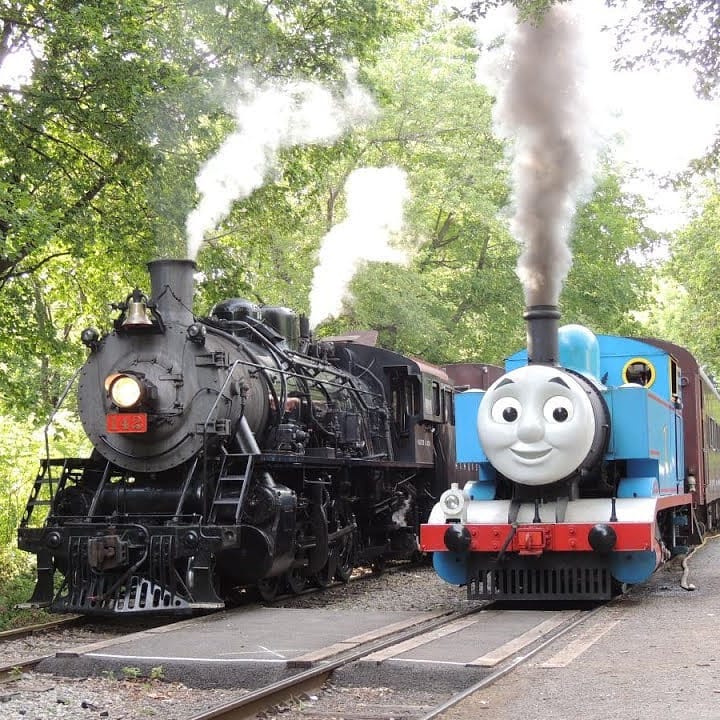
Day Out With Thomas – Ride on the ”Thomas The Tank Engine” for a trip where children can explore the Imagination Station, with obstacles courses and entertaining activities that appeal to the youngsters in your group.
Polar Express – Children of all ages will love a train ride filled with characters from the book “Polar Express,” as they drink cocoa and eat cookies while waiting for Santa. Each child can tell St. Nick about their Christmas wishes and receive a silver bell, just like in the storybook.
Length of Season
The Delaware River Railroad is open year-round with daily departures. Specialty trains are scattered throughout the calendar, so check with the train to select the excursion that best fits your schedule.
Cape May Seashore Lines
Photo Credit: smallbones in Public Domain
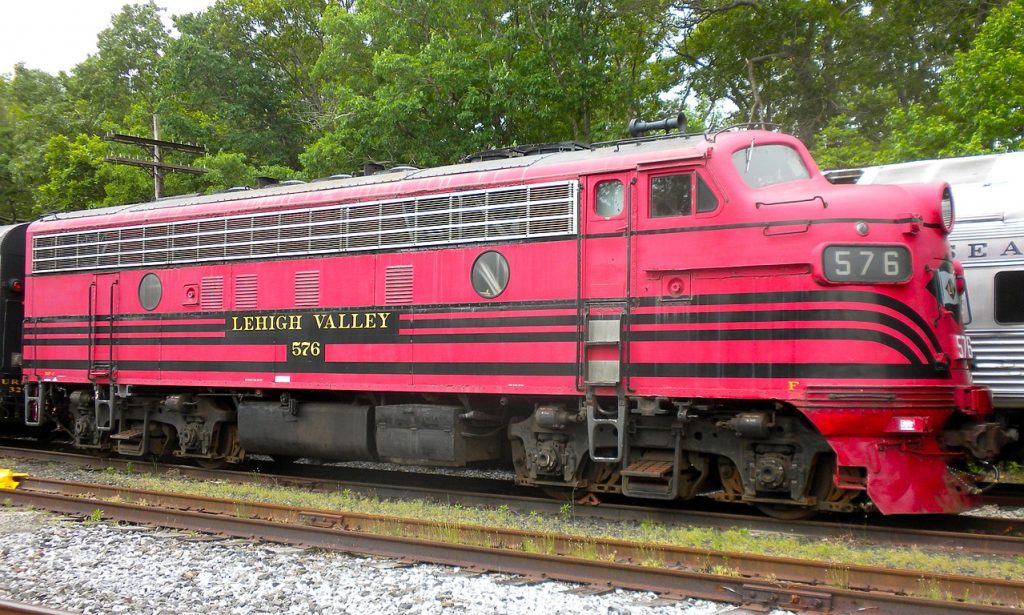
Ride the original rails of the Pennsylvania and Reading Railroads to the shores of New Jersey. Today’s Cape May Seashore Lines run on 15 miles of track that once carried dolomite to the large magnesite plant, and eventually transported passengers for a short time, before dependence on trains waned.
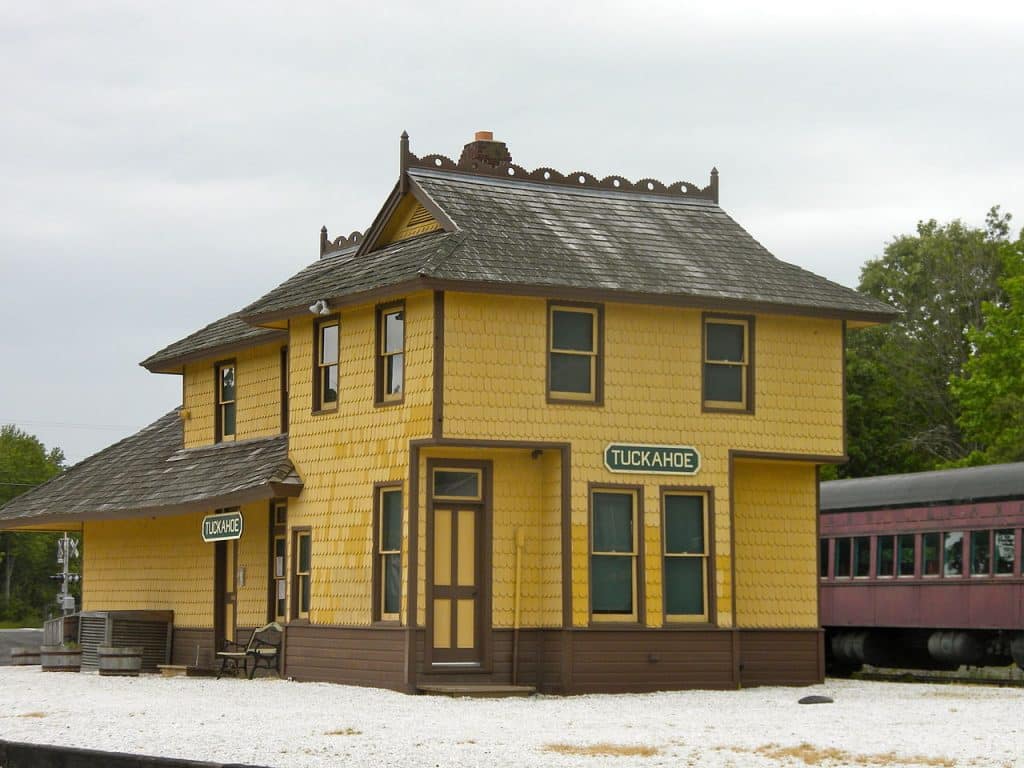
Fortunately, one man dreamed of creating an excursion line to the Jersey shore and he purchased the abandoned tracks. Now the Seashore Lines run from Richland to Tuckahoe, bringing tourists and locals alike to southern New Jersey.
Railway and Locomotive Types
The railroad runs diesel engines and has several refurbished passenger coaches on a standard gauge track. They maintain a steel water tank built in 1922 and a depot in Tuckahoe Village that was built in 1897.
Seating Options
Photo Credit: smallbones in Public Domain
There are no assigned seats on the Seashore Lines. Passengers can select their seats for both legs of the 30-mile round trip ride in enclosed coach cars.
Riding Options
The railroad runs regular excursion trains interspersed with freight trains. There are no one-way tickets, but the rail line offers special motor car trains in Cape May on designated weekends. Be sure to check their schedule for specific times and dates.
Specialty Trains
Photo Credit: CapeMaySeashoreLines.org
Tuckahoe Transportation Heritage Festival – Enjoy an entire day dedicated to trains and their history, with excursion rides, motor car transportation, and historical equipment displays.
Santa Express – Visit Santa and his elves on a magical train ride, where children can tell St. Nick their Christmas wishes and kids young and old can enjoy all of the holiday festivities.
Length of Season
The Cape May Seashore Lines run year-round, with excursion train departures on weekends and specialty trains scheduled on specific dates. Contact the railroad for more information.
Black River & Western Railroad
Photo Credit: BlackRiverRailroad.com
Constructed in 1854, the Pennsylvania Railroad was tasked with the job of hauling freight for local businesses. But with the advent of the automobile and trucks, rail lines began to disappear.
Fortunately, a group of friends purchased the tracks between Three Bridges and Lambertville in the 1960s, hoping to resuscitate the dying railroad and preserve its history for generations to come. Today, steam locomotives pull excursion trains and freight trains through north-central New Jersey on the Black River & Western Railroad.
Railway and Locomotive Types
The Black River & Western pulls rolling stock with steam and diesel locomotives on standard gauge track. They also have converted a baggage car into a stationary railroad museum at the Ringoes Station.
Seating Options
Photo Credit: BlackRiverRailroad.com
There is open seating on all trains. Passengers can sit where they choose on the 1920s restored coaches. All tickets are round trip.
Riding Options
In addition to their specialty trains, Black River & Western Railroad offers two scheduled departures every weekend from Memorial Day to Labor Day:
Summer Excursions – Their regular excursion train takes passengers from Flemington to Ringoes three times daily on Saturdays and Sundays, and from Ringoes to Flemington four times daily on the same days. Tickets are for round trip rides, so be sure you depart from the proper station!
Bowne Station Local – A 60 minute round trip from Ringoes to Bowne Station and back gives passengers an opportunity to disembark and explore the historic site of Bowne Station.
Specialty Trains
Photo Credit: 0484enwiki (CC BY-SA 4.0)
Farmstead Cookout – Take the train to Farmstead of Ringoes for a picnic lunch on the farm, complete with lawn games and relaxation. Then take the train back whenever you are ready!
WoodsEdge Express – Ride the train, then a covered wagon to arrive at WoodsEdge Farm, where passengers will have the opportunity to meet and mingle with alpacas and yak.
Comedy Night – Bring your own food and wine and hop the train to an outdoor stage performance area at Bowne Station, where comedians and entertainers provide the evening’s main show.
Firefly Special – Catch an evening train to the Grove at Bowne Station for s’mores cupcakes and beverages, while looking for the natural “night lights” that the train is named for!
North Pole Express – This is the only train that offers Coach and Private Class tickets. Both ticketing levels enjoy visits with Santa and his elves, face painting, and photo opportunities, along with cocoa and cookies. Private Class riders get to skip the boarding line and ride in a coach with their own private reserved table.
Length of Season
The railroad is open Memorial Day through Labor Day, with specialty trains running on specific dates through December. Check the train schedule for departure times and dates.
Join the thousands of RVers that have a love affair with trains and ride the rails on your next camping trip. Check out the other excursion trains available on a state-by-state basis in our series, RVing the Rails.
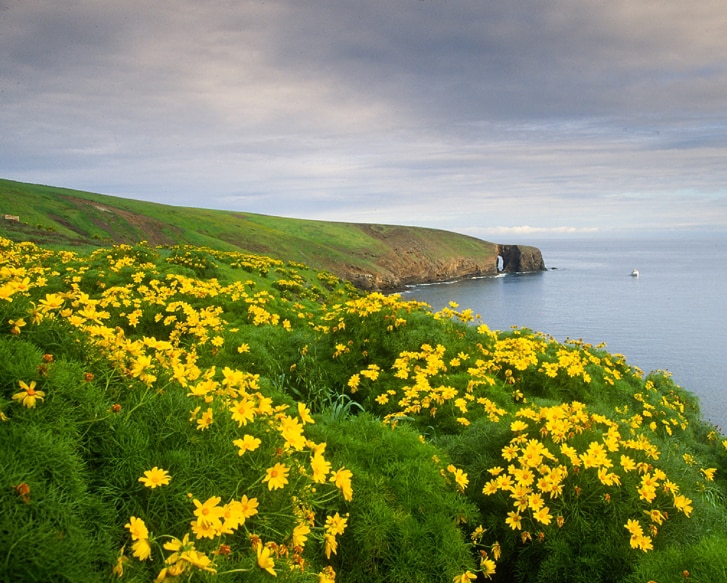
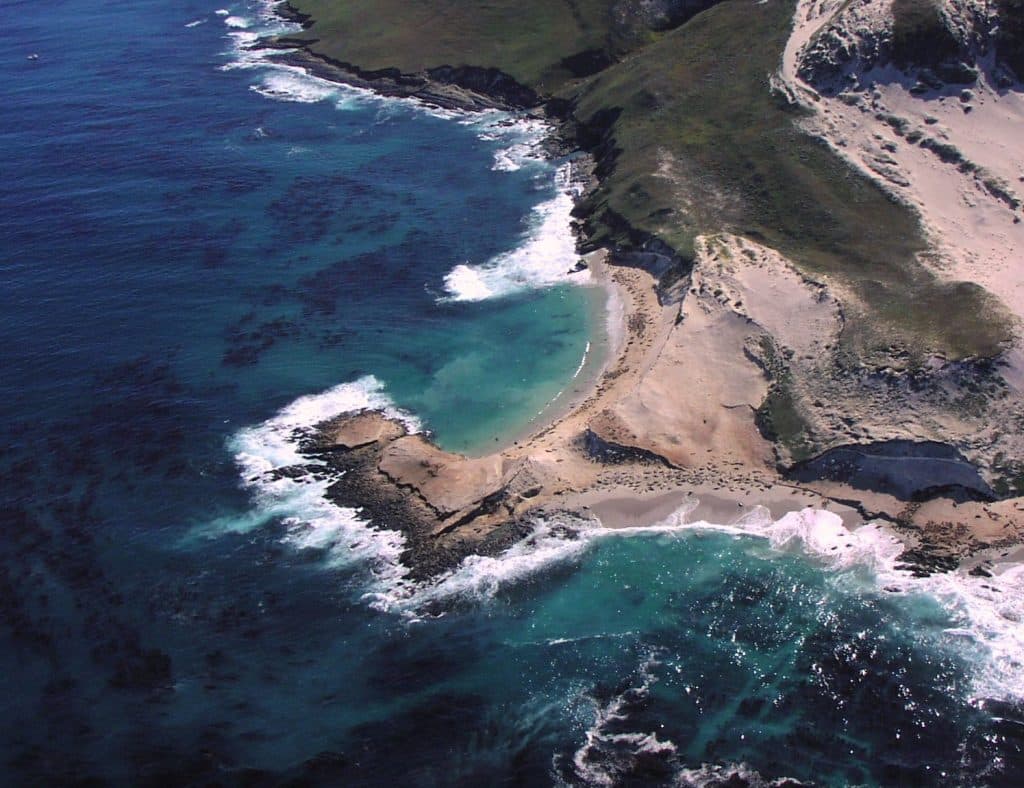
With a yearly attendance of 300,000 one would think that not many people know of the extreme seclusion and overwhelming peace found at Anacapa, Santa Barbara, San Miguel, Santa Rosa and Santa Cruz islands only 20 miles away from the coast of California. And they would be correct. Channel Islands National Park is a respite from the fast-paced, crowded city life across the bay. Kayaks are the main form of transportation around these islands, which harbor 145 plant and animal species not found anywhere else in the world.
Those few who have discovered the park’s charms come to see whales migrating north and south, go spearfishing through giant kelp beds, and explore amazing sea caves. It is here, in a land stripped to its bare essentials, that these travelers seek to recover their own equilibrium through self-sufficiency and preparedness required for Mother Nature’s best offerings.
History of Channel Islands National Park
Photo Credit: Tim Hauf
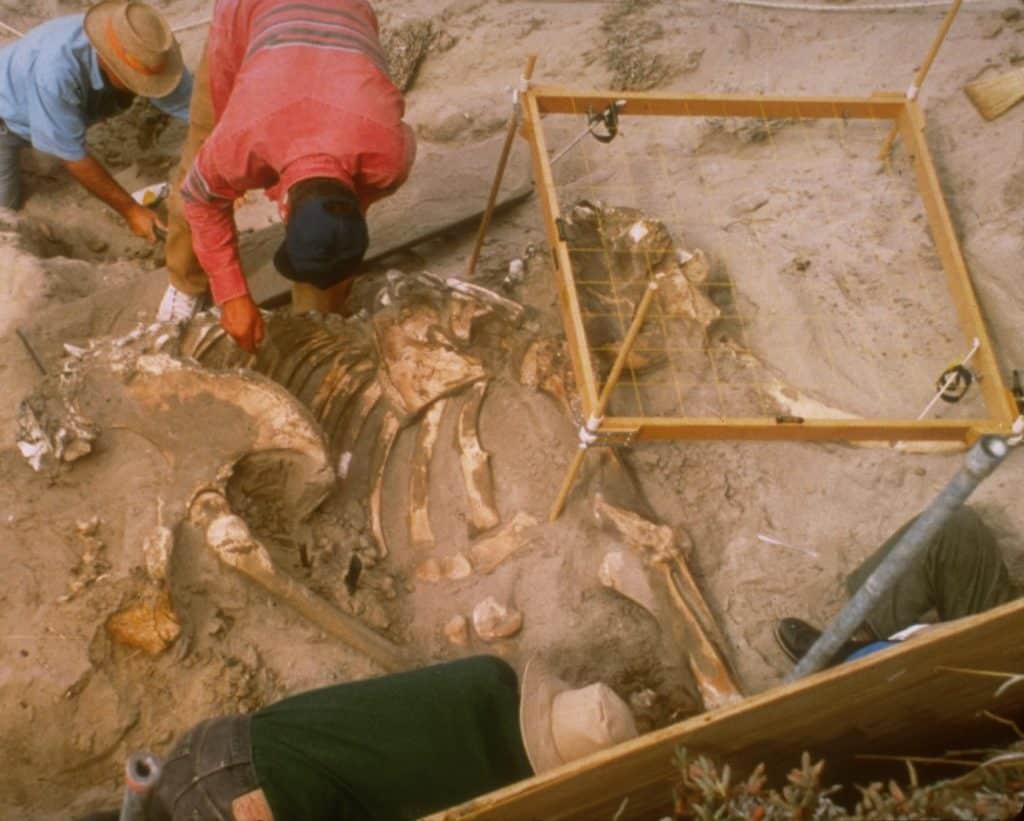
Because archaeologists don’t believe the Channel Islands were ever connected to the mainland, the islands contain several animal species not found anywhere else. There is also sign that ancient man was here 37,000 years ago, and a couple of human bones on the islands are 13,000 years old, making them the oldest remains ever found in North America.
Photo Credit: NPS Bill Faulkner
Modern man was discovered living on the three northern most islands when Juan Rodriquez Cabrillo landed there in 1542. Two to three thousand Chumash Indians greeted him, and it was discovered that the ancestors of these Native Americans had been inhabiting the islands for over 8,000 years.
The Chumash had a highly evolved society here and developed trade between islands and on the mainland by building tomols, redwood canoes in which they could travel. But as Europeans began to move into California, they brought with them diseases that almost annihilated the Chumash people. Today about 5,000 tribal members live on the mainland.
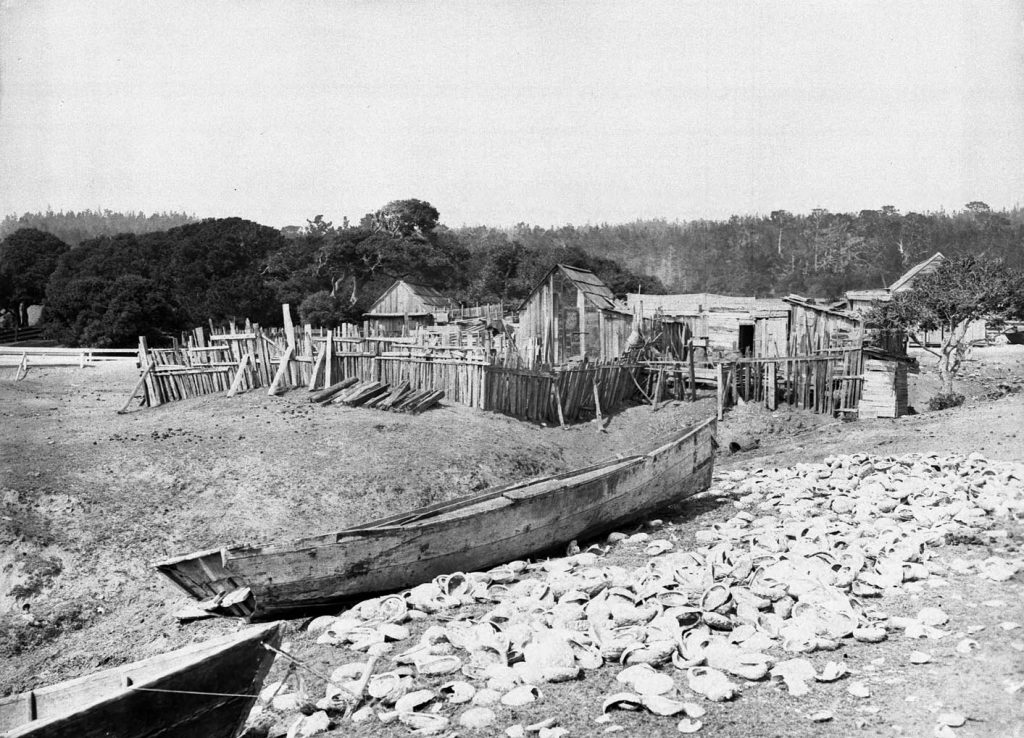
While California filled with Spanish and Mexican settlers, the abundant fish in the area were not exploited until the Chinese discovered the Channel Islands and their brimming waters. Abalone was captured in record amounts in the late 1800s, and by 1915 California had to outlaw its shipment to China, as the popularity of the shells became even more profitable than the meat. Now no abalone is harvested here, in hopes of encouraging the mollusks’ comeback.
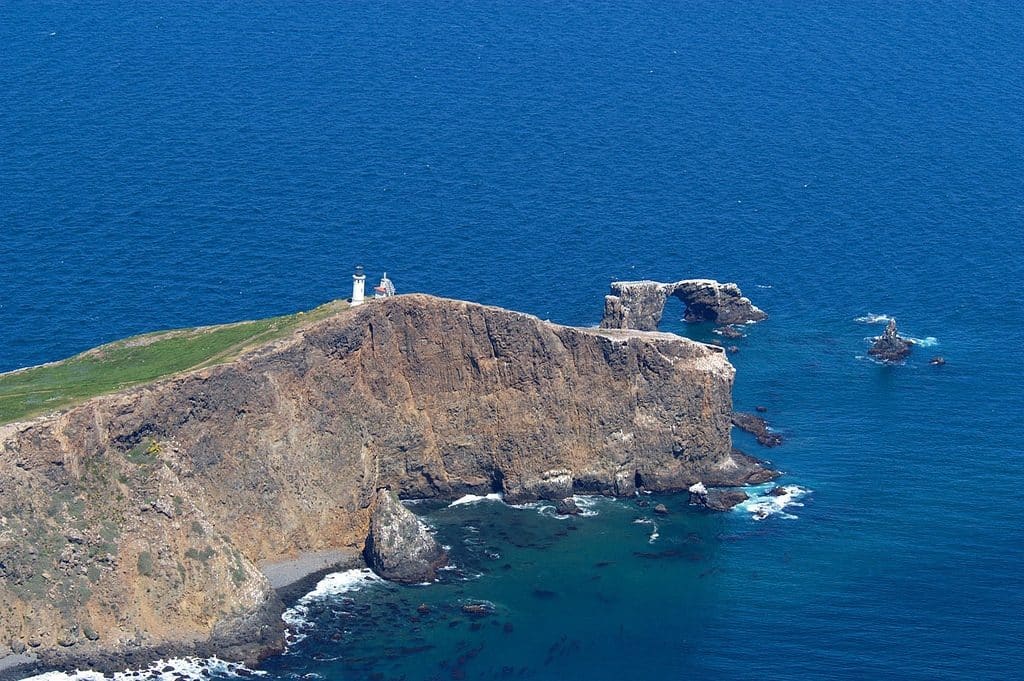
By 1932, when a lighthouse was finally built on Anacapa Island, the National Park Service was alerted to the Channel Islands’ significance, and in 1938 President Roosevelt created the Channel Islands National Monument to protect the unusual species of animals, plants and natural history of the islands.
But it wasn’t until 1980 that three of the five islands in the monument were named a national park. By 2000 Santa Rosa and Santa Cruz had been added to Anacapa, San Migue, and Santa Barbara, as all became Channel Islands National Park.
Why Visit Channel Islands National Park?
Photo Credit: Derek Lohuis
Travelers will not get to the islands with their RV, but they will get pretty close. Ventura, California is the mainland destination, where boat service will take visitors to the Channel Islands, just 20 miles across the water.
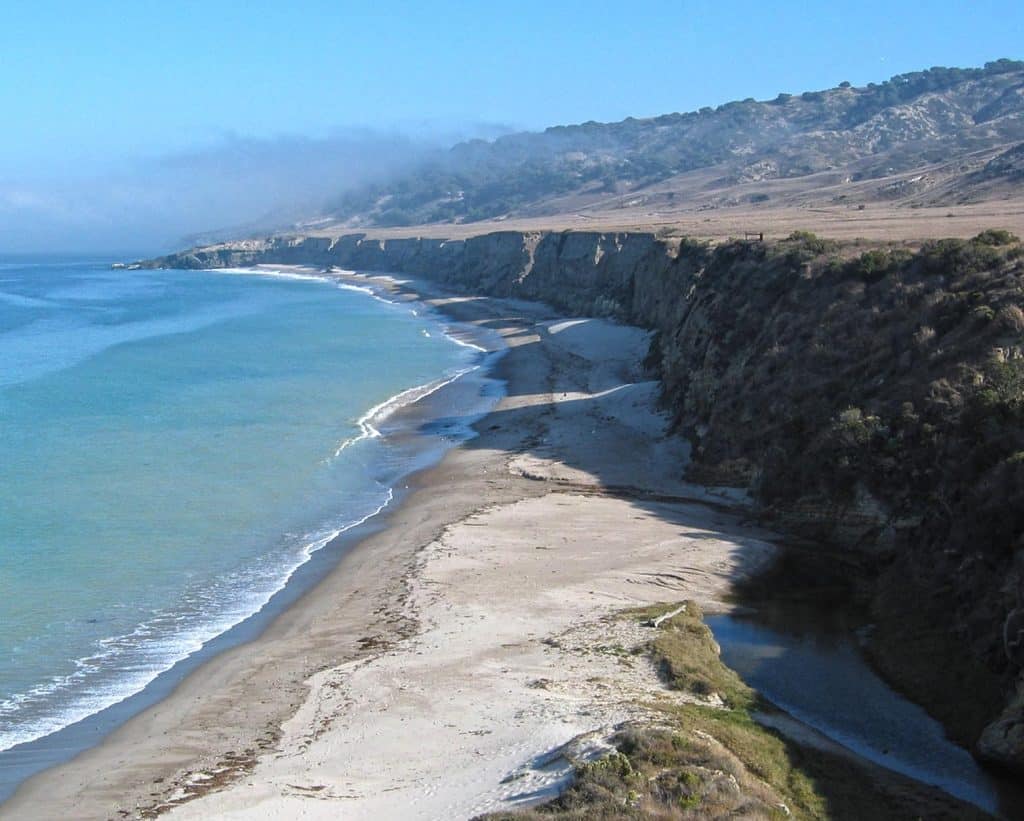
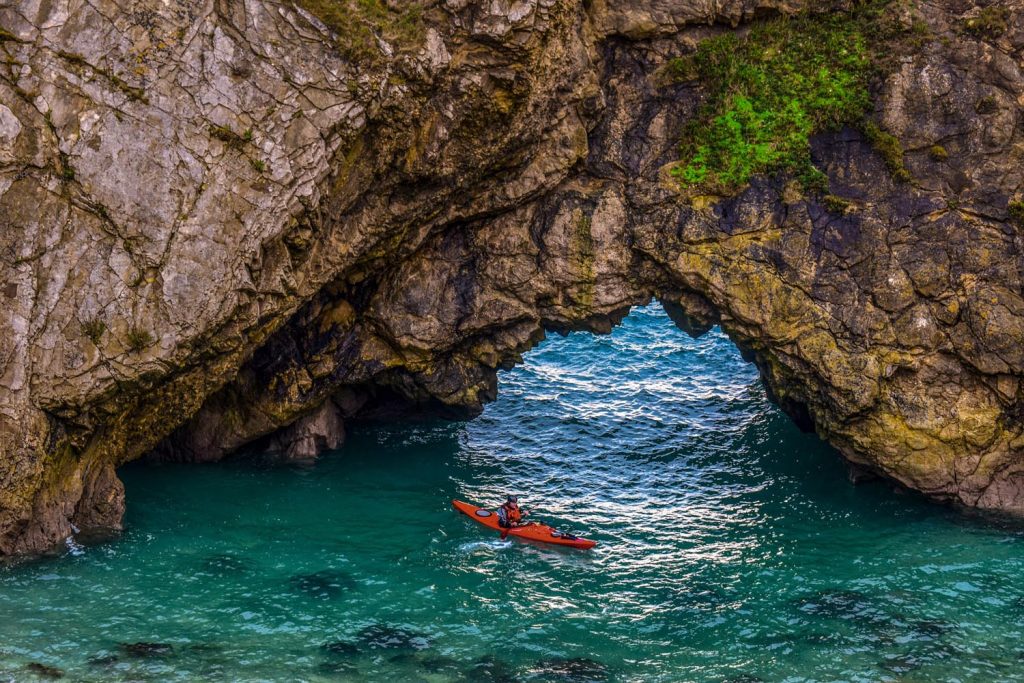
Once on Santa Cruz or any of the other islands, let your feet do the hiking over hills, to sea cliffs and onto the beaches of America’s version of The Galapagos. Or sign on with a guide service and explore the many sea caves in a kayak. Return to the mainland when you are ready, and your home away from home will be waiting for you.
Places to Go
Here’s a look at some of the most important and interesting places you can visit while you’re at the park.
Lagomarsino Visitor Center
Located in the town of Ventura on the mainland, this center has information and exhibits about each of the islands, along with a bookstore and ranger-led programs on weekends and holidays.
Outdoors Santa Barbara Visitor Center
This small visitor center is located in the coastal mainland town of Santa Barbara. It has information not only on the Channel Islands National Park, but the Maritime Sanctuary and the Santa Barbara Maritime Museum.
Anacapa Lighthouse
Photo Credit: NOAA
The lighthouse has been guiding ships through the Santa Barbara Channel since 1932 and is still in operation today. Because of that, there are no tours inside the building, but an exploration of the area around it is enlightening.
Buildings originally used to house a crew and their families are today used by park employees. An antiquated, yet useful water collection system was set up and can still be seen here.
Things to Do
There are numerous activities on the islands, but visitors are reminded that there are no services. If choosing to participate, come well organized, trained and equipped for your activity, as you alone will be responsible for your success.
Sea Kayaking
Photo Credit: Tim Hauf
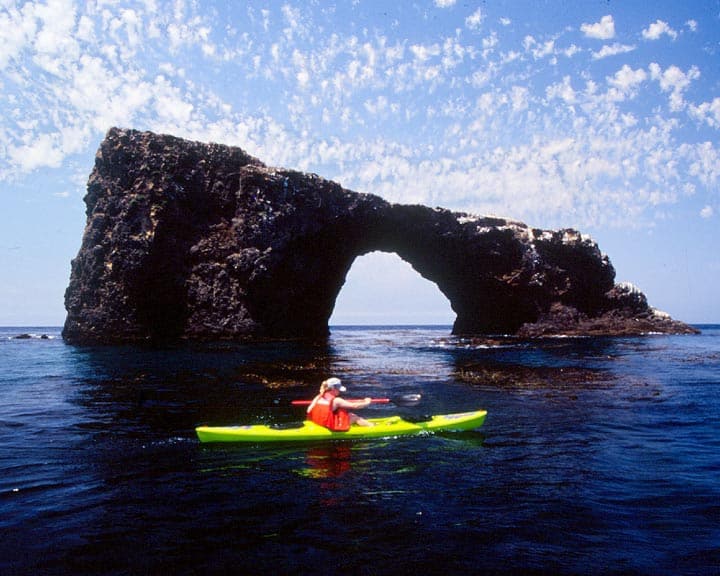
Visiting any of the five islands in the park by sea kayak is an exhilarating experience. However, it is strongly suggested that novice kayakers use a guide service, because of the high risk for injury with quickly changing weather. Bring your own kayak or rent one on the mainland, and hire a concessionaire to take you across the channel, as there are numerous hazards there.
Santa Cruz Island is a popular place to kayak, with easy access to beaches, clear ocean water and a shoreline with sea cliffs and caves to explore.
For the most experienced kayakers, San Miguel and Santa Rosa islands offer extremely challenging ocean conditions and weather.
Hiking
Photo Credit: Tim Hauf
There are several miles of trails and dirt roads on the islands, making them great hiking paths. Each island is different, however, so here are links to the hiking opportunities on each. They include maps and descriptions:
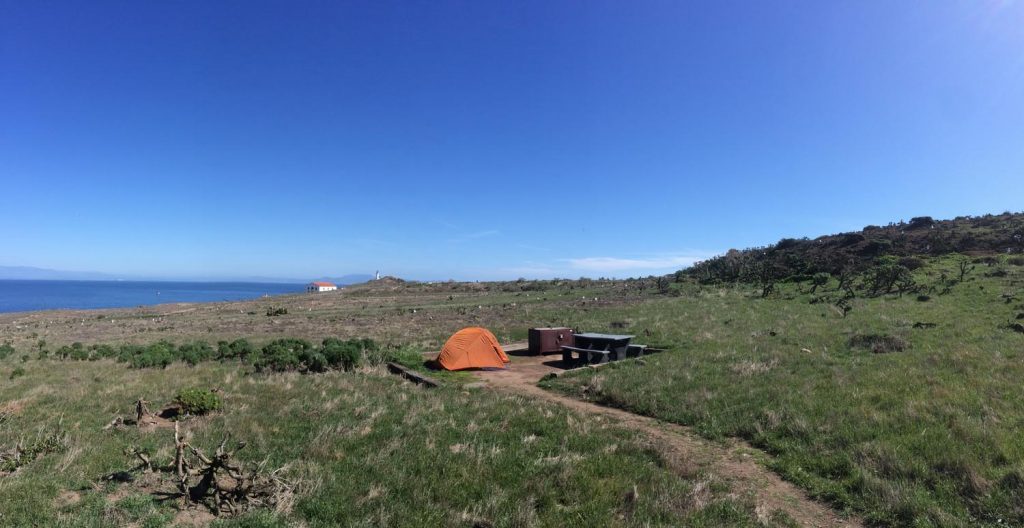
Camping is available year-round on all five islands, with one maintained campground on each. Reservations are required, and each campground has pit toilets, but freshwater is only available on Santa Cruz and Santa Rosa islands.
Campers must pack water, food, and equipment in and pack out equipment and trash, as there are no receptacles. No fires are allowed, but campers can use enclosed gas stoves.
SCUBA Diving and Snorkeling
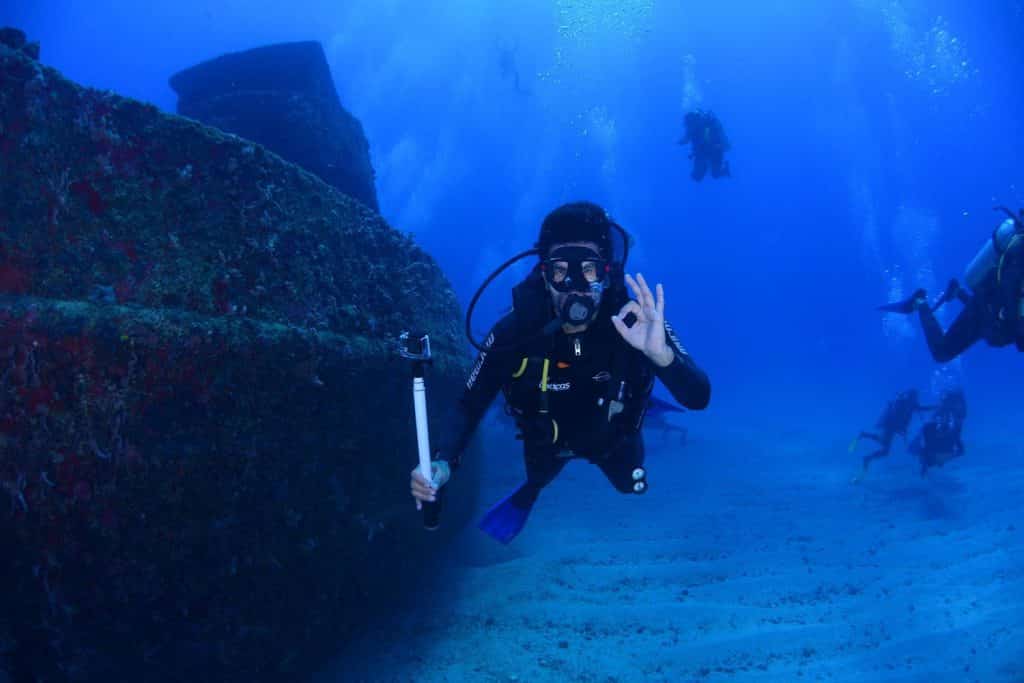
The waters in the Channel Islands offer some of the best snorkeling and diving opportunities in the world. Because of extremely windy conditions around San Miguel and Santa Rosa islands, it is suggested that divers explore the waters around Anacapa, Santa Barbara, and Santa Cruz islands to venture through sea kelp and caves.
There are also several shipwrecks to investigate, like the Winfield Scott, which sank in 1853. There is a guide service with rentals available on Santa Cruz Island.
Spearfishing
Many divers come to the islands with one intent, as the Channel Islands are considered one of the best spearfishing locations in the world.
All fishing on the islands requires a permit, and because some of the waters around them are included in 13 marine protection areas, fishermen should be aware of their location and limitations. It is illegal to fish in those areas.
Wildlife Viewing
Photo Credit: NPS Dan Richards
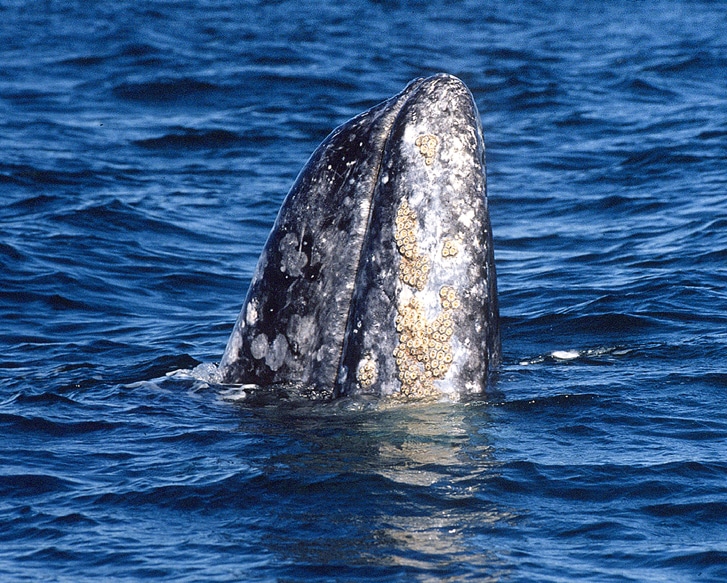
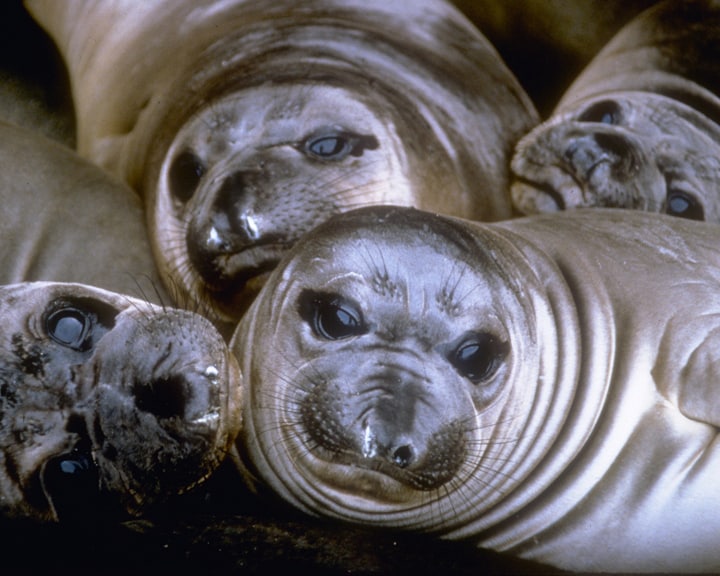
There are more endangered species in this national park than in any other, so wildlife viewing can be extraordinary! Whale watching is a sport here, with 27 different whale species passing by the park. And seals, sea lions, and sea otters are found in massive numbers on the beaches and rock formations around the coastlines of the Channel Islands. Huge pods of dolphin play in the waters here, as well.
Underwater life is also colorful, with anemones, sunflower stars, garibaldi, sea bass and spiny lobsters. So be sure to bring your snorkeling gear!
When to Visit Channel Islands National Park
Photo Credit: NPS
The Channel Islands are open year-round, and different seasons bring different opportunities. Winter can bring rough waters, so what might be a good time for whale watching is not the most enjoyable for boating. Kayakers await the calmer summer winds to explore sea caves and enjoy playful sea otters.
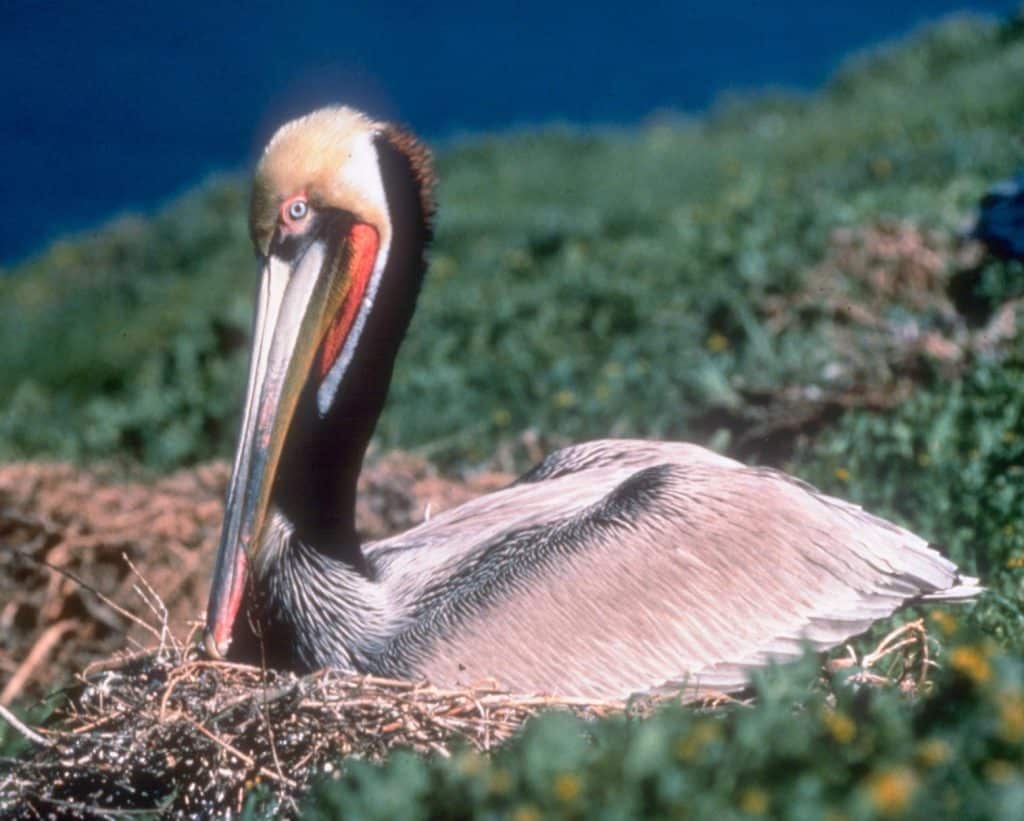
Huge colonies of brown pelicans breed here between January and October when they dive for anchovy to feed their young. Many travelers to the park do not care what time of year it is. They have come to escape the hustle and bustle of city life, finding that somewhat elusive quality of peace and quiet on an island full of wonder.
Where You Can Stay
There are no fancy RV parks on the island, but each does have a primitive campground. So bring a tent and sleeping bag with you when you boat to the Channel Islands and enjoy a night or two under the stars.
If, however, you choose to use your motorhome or travel trailer as a home base on the mainland, here are a few campground options:
Ventura RV Beach Resort – offers a wide variety of RV sites, tent sites and rental units with full amenities
Ventura Oaks RV Park – located 10 miles from the ocean in the countryside, this campground has 60 full hookups
Rincon Parkway Campground – located right on the Pacific Coast Highway, self-contained RVs park on the pavement with the highway on one side and the ocean on the other.
Getting to and Around Channel Islands National Park
To access Channel Islands National Park, visitors must take a boat. Boats leave from Ventura Harbor, and to get there take the Victoria Avenue exit off of Highway 101. Turn left on Victoria, right on Olivas Park Drive and right on Spinnaker Drive. Follow signs to “Island Tours/Island Packers” to catch a boat.
There is no transportation on any of the islands and no bicycles are allowed, so getting around is done by foot, boat or swimming.
Nature Straight Up
Photo Credit: Antandrus
Coming to Channel Islands National Park is a conscious choice, as so much preparedness and self-reliance is required here. It won’t be a casual visit, but one that tests the metal of its participants. Do you want to experience nature without all the trimmings? No back-up, no assistance, but also no exhaust fumes, no drive-thrus, no racing to the office.
Just you and the wide-open land and water, experienced just as it was thousands of years ago. The Channel Islands are representative of Mother Nature without any filters, a perfect challenge for the adventurist.
Have you ever been to Channel Islands National Park? What were your experiences there?