Virginia is one of the eastern states that have a ton to offer. There are all kinds of places to visit from the beaches to the mountains. It’s a unique state and one with a rich and long history. If you get a chance, you should take some time and camp in this wonderful state. Some of the best places to camp and enjoy all of the natural places the state are its state parks.
Here are a few of the most beautiful state parks in Virginia. While this isn’t an exhaustive list, if you’re thinking of traveling to the state, then you should hit up at least one of these.
First Landing State Park
Image by SherryVSmith_Images from Getty
Located on Cape Henry in North Virginia Beach, First Landing State Park is comprised of over 2,800 acres of land for you to explore. Visitors can spend the day hiking, biking, swimming, boating, fishing, and picnicking. There’s plenty to see. You can spend some time on the sandy beach, hike in the woods, or get out on the water. It’s a fantastic spot for families to spend the weekend or longer.
You can camp right in the park. The park has over 200 different campsites. Some of those sites will have electric and water hookups, some will have only electric, and others will have no hookups at all. I suggest calling ahead of time to make sure there will be a campsite available for you when you arrive.
Douthat State Park
Douthat State Park is listed on the National Register of Historic Places. It’s a wonderful family park and has been designated as such since the 1930s. The park offers plenty, including beautiful mountain scenery, a 50-acre lake that is stocked with trout, four miles of streams designated for fishing, a sandy beach for swimming, and a whole lot more. You can rent boats, check out the amphitheater, shop at the gift shop, or eat at the on-site restaurant.
Camping is also available at the park. There are RV and tent sites at the park. Some of the sites will have hookups and others will not, so it’s best to call ahead and make sure you get the campsite that will work for you and your family.
Sky Meadow State Park
Image by AlanRoseman from Getty
Offering beautiful views of rolling hills, Sky Meadow State Park is made up of 1,860-acres. It provides visitors with a look at life in Crooked Run Valley from the colonial times all the way up to now. There are various educational history programs available, which is one of the things that makes this park such a good choice for families. You can also hike, bike, or go horseback riding if you would like to.
You can camp in the park, but only primitive camping sites are offered. If you want to stay in your RV, Mountain Lake Campground is a pretty primitive campground but it welcomes RVers. It’s the closest. If you want something with hookups, then check out Watermelon Park Campground it’s a bit further away but offers many more amenities.
Do you have any parks you’d add to this list? Leave a comment below!
Many times camping trips involve exploring new territory and discovering enticing attractions along the way. Passenger tour trains have that magnetic appeal for many RVers, providing a novel way to see hidden countryside not normally viewed from the road. Railroad passengers learn about local history, culture and the many colorful characters from the communities visited. Camping World wants to make sure you don’t miss the departing whistle, so we have created a series entitled RVing the Rails. You will find the most popular excursion trains to ride in each state, complete with any specialty trains they might offer.
Today we will explore the most popular trains in North Carolina:
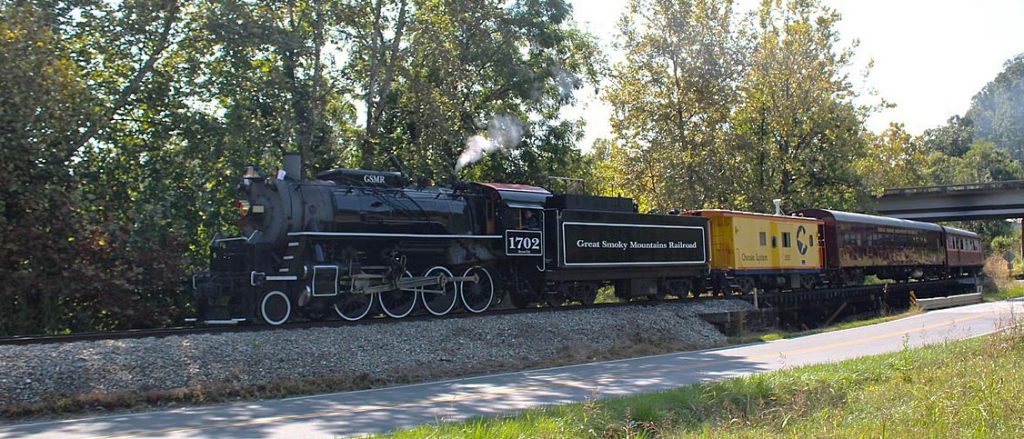
Great Smoky Mountains Railroad
When railroads came to western North Carolina in the late 1800s, they opened up the mountains to the outside world and were an immediate hit. Convicts were used to build the precarious rails and blast through mountains, creating Cowee Tunnel. As freight and passenger service scaled back, an enterprising group purchased the Murphy Branch of what was then owned by the Southern Railway System, creating an excursion train in 1988. The Great Smoky Mountains Railroad has been attracting riders by the hundreds of thousands every year since.
Photo Credit: Nstrainman1006 (CC BY-SA 4.0)
Railway and Locomotive Types
The railroad offers both diesel and steam locomotives, so passengers can select their trips based on the engine pulling them! Rolling stock ranges from open-air gondolas to enclosed first-class coaches on this standard gauge track.
Seating Options
Photo Credit: State Library of North Carolina
The Great Smoky Mountains Railroad offers several classes of service on their trains. You can pick from:
First Class – Enjoy a meal in an enclosed, air-conditioned coach with a private attendant and assigned seating.
Premium Open Air Gondola – Your meal is served by an attendant as you peruse the scenery from an open car with a roof. Seats are assigned.
Family First Class – Sit in an enclosed, climate-controlled coach with tables for lunch service in assigned seats.
Crown Class – Assigned seating in an enclosed car with comfortable seats and unobstructed views.
Coach Class – Seats are open in the enclosed car with windows that can be opened.
Open Air Gondola – Bench seating in an open car with a cover with half walls for great views.
Riding Options
There are two different trip experiences available from the Bryson City Depot:
Nantahala Gorge Excursion – Ride along the Nantahala River to the gorge for a stunning view of North Carolina’s mountainous scenery. Passengers can select to travel by steam locomotive or diesel engine, depending on the day.
Tuckasegee River Excursion – Enjoy a relaxing trip through the countryside from Bryson City to Dillsboro, passing by the set for the movie “The Fugitive.” Select a diesel or steam locomotive as your engine of choice.
Specialty Trains
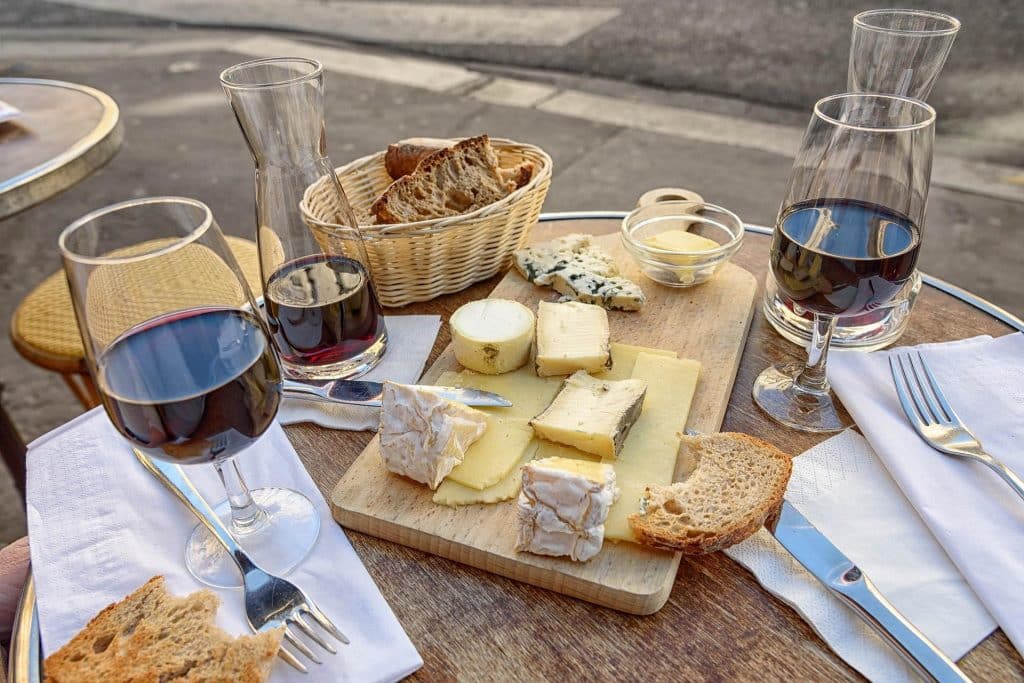
Uncorked Train – Indulge in first-class service with a private attendant pouring samples of wines professionally paired with cheeses and a surf and turf meal. All passengers will receive a commemorative wine glass with their ticket.
BBQ and Brews – Enjoy slow-cooked BBQ with beer tastings from local breweries on an evening dinner train. Guests will travel to the Fontana Trestle and watch the sunset before returning to Bryson City.
Moonshine Experience – offered on some of the Nantahala Excursion trains, this trip will help you thinking there are stills in every holler when you sample triple distilled craft moonshine!
Freedom Train – Join the 4th of July celebration with a train ride along the Nantahala River, enjoying an all American BBQ dinner while onboard. Arrive back at the depot just in time for Bryson City’s fireworks celebration. This train offers a wide variety of services and car selections.
Peanuts Train – Put the kids in their Halloween costumes and hop on the Great Pumpkin train ride for a visit to the pumpkin patch. A one-and-one-half-hour layover provides time to enjoy trick-or-treating, games, marshmallow campfire treats and a visit with Charlie Brown and the Gang. Select from three classes of service and grab your tickets early!
Length of Season
The Great Smoky Mountains Railroad is chocked full of train rides, with a season that starts in April and finishes at the end of December with a Polar Express train. Check their schedule to find an excursion that fits yours!
Craggy Mountain Line
Photo Credit: CraggyMountainLine.com
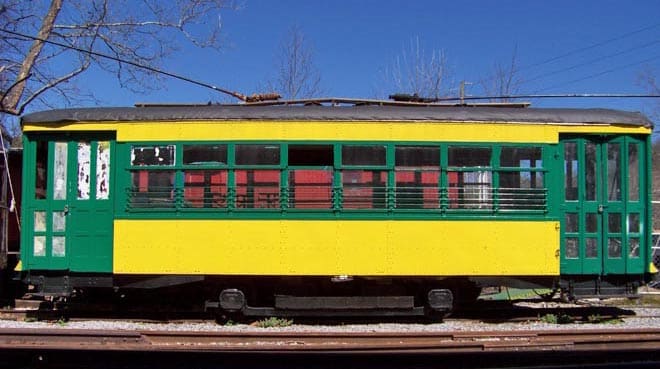
Initially begun as the Ashville & Craggy Mountain Railway, the line never raised enough money to complete the tracks to Craggy Mountain. The few miles it did conquer were electrified in 1905 to prove that trolleys could handle increasing freight traffic. By the mid-1950s, steam engines ran the line along the French Broad River, but they ceased operations in the 1960s and the line fell into disrepair. In 2001 the Craggy Mountain Line, Inc. purchased the last three-and-one-half miles of track and put trolleys back to work. This time they were transporting tourists as a scenic mountain train.
Railway and Locomotive Types
The Craggy Mountain Line consists of electric trolleys that run on standard gauge rails. The cars themselves are open-air gondola cars with covers for protection from the elements. The railroad also has a collection of rolling stock in differing stages of renovation.
Seating Options
Photo Credit: CraggyMountainLine.com
Open seating is available to all, with no assigned classes or cars. Passengers travel in restored covered gondola cars.
Riding Options
There is only one type of trip on the Craggy Mountain Line, as it covers seven miles round trip. There are no side spurs, but the journey is an enjoyable one that lasts about an hour and fifteen minutes.
Specialty Trains
Photo Credit: CraggyMountainLine.com
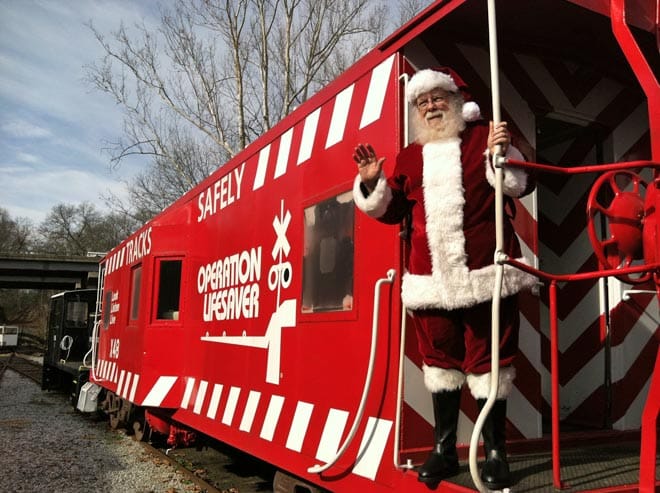
Jingle Bell Trolley Train Ride – Join Santa for a holiday ride on the trolley, complete with cocoa, and maybe you will get to tell him about your Christmas wishes!
Dinosaur Day – Search the forests around the trolley line for Jurassic-sized critters as you head out on a dinosaur adventure.
Length of Season
The Craggy Mountain Line Railroad runs every Saturday from April through October. Trolley rides leave at 4pm, but specialty rides have added departures. Check out their schedule here.
Tweetsie Railroad
Photo Credit: Tweetsie.com
Tweetsie Railroad had an auspicious beginning as part of East Tennessee and Western North Carolina Railroad that ran from Johnson City, Tennessee to Boone, North Carolina back in 1882. By the mid-1950s, the line was abandoned and the locomotives sold. In 1957, however, the opportunity to return Locomotive 12 to its birthplace near Boone provided the impetus to design a western town around the railroad. Eventually, a steam locomotive shop opened on the property to restore and rebuild engines from around the country, and the Tweetsie Railroad became a full-fledged theme park.
Railway and Locomotive Types
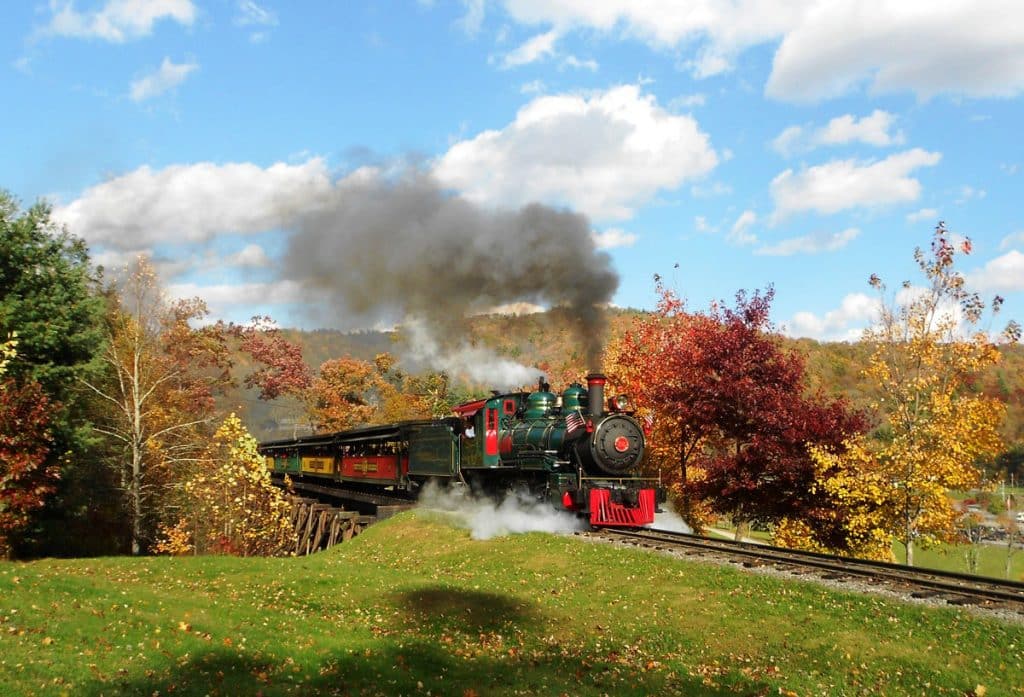
Two coal-fired narrow gauge steam locomotives are used to move the Tweetsie train through the mountains near Blowing Rock, North Carolina.
Seating Options
Photo Credit: Tweetsie.com
All seating is open, with no assigned designations. The three-mile excursion is enjoyed from open-air gondola cars with covers.
Riding Options
There is only one type of trip on the Tweetsie Railroad. A half hour journey on the tracks covers about three miles and there are no side spurs or one way tickets to purchase. Just sit back and enjoy the ride through the Blue Ridge Mountains!
Specialty Trains
Photo Credit: Tweetsie.com
Railroad Heritage Weekend – Tour the locomotive shop and memorabilia room, take a ride on a vintage coach car and enjoy a historic trip behind a 76-year-old steam engine during an epic weekend for railroad enthusiasts.
Ghost Train – Take a ghastly ride on a ghoulish train, venturing through a black hole, freaky forest and a warp tunnel before trick-or-treating and touring a haunted house, if you dare!
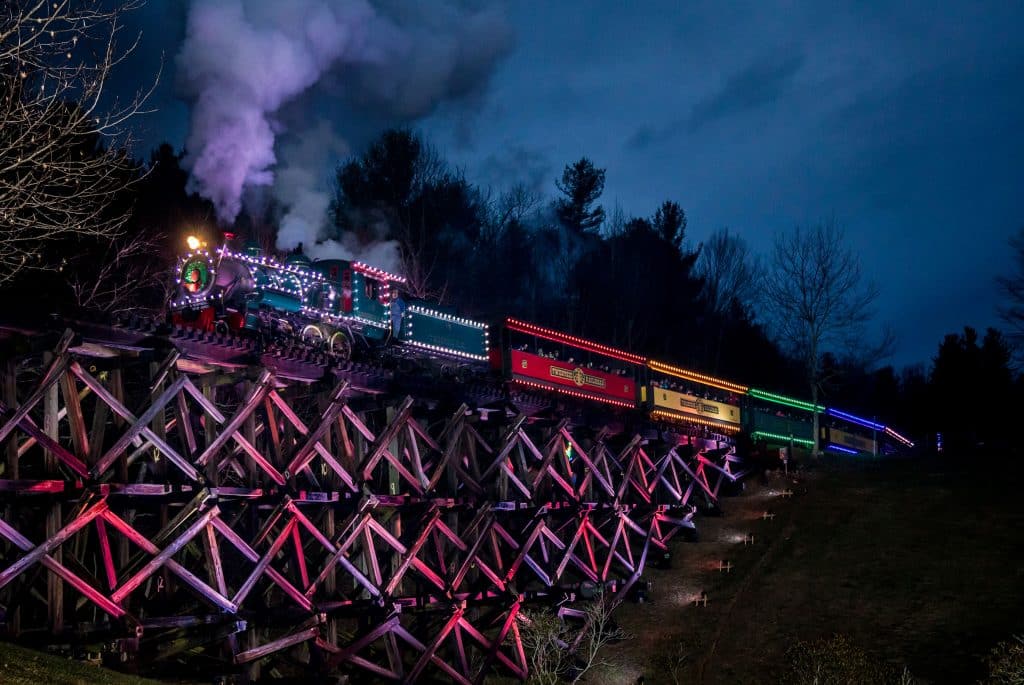
Tweetsie Christmas – Join holiday revelers on a night train through the Blue Ridge Mountains, with lighted tracks and Christmas trees, a holiday showcase and Santa, of course!
Length of Season
The Tweetsie Railroad and all its park attractions are open on Fridays, Saturdays and Sundays from April 5 through October 27. Specialty trains have specific dates of operation, so be sure to check the schedule.
Join the thousands of RVers that have a love affair with trains and ride the rails on your next camping trip. Check out the other excursion trains available on a state-by-state basis in our series, RVing the Rails.
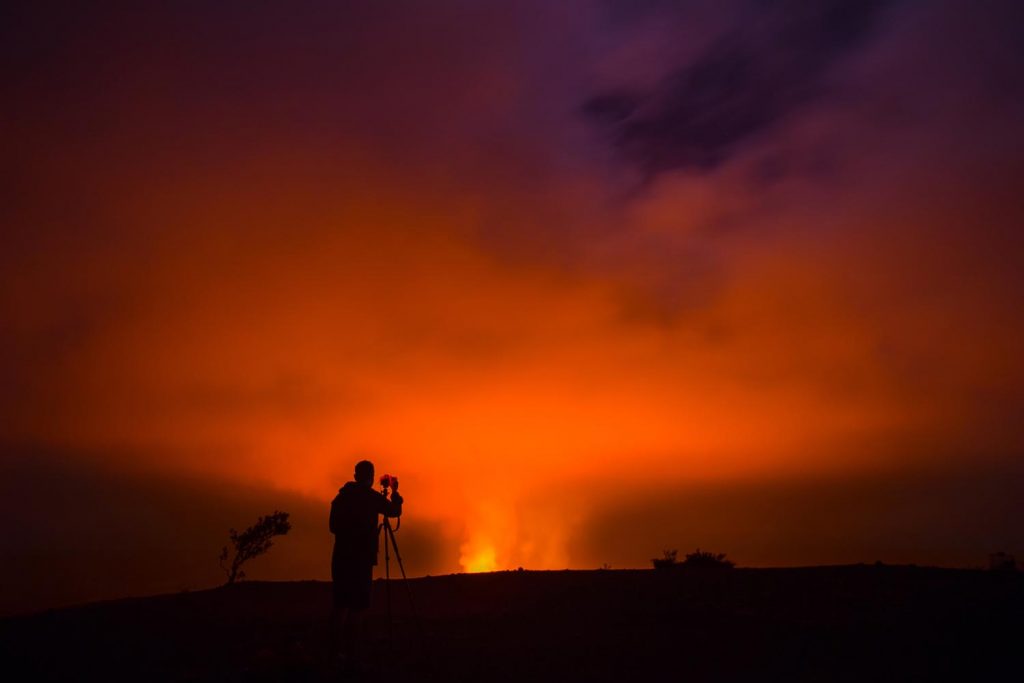
Explore the world of active volcanism at Hawaii Volcanoes National Park. Visitors can see land being added to the largest Hawaiian island, as eruptions continue to spit lava into the air. Wandering over rugged lava flows from previous flareups gives a renewed sense of awe at the magnitude of power within our earth’s crust. Witnessing the strength of a tiny plant pushing its way through this new “soil” also demonstrates nature’s tenacity in renewing life.
History of Hawaii Volcanoes National Park
Photo Credit: NPS by J. Wei
The Hawaii Volcanoes National Park covers over 300,000 acres of wilderness, tropical forests, deserts and two major volcanoes on the big island of Hawaii. Kilauea and Mauna Loa were considered sacred homes of the Hawaiian goddess Pele, and as such, the volcanoes became places for human sacrifice to their goddess. As recently as 700 years ago a temple was built for that purpose. It was destroyed by a lava flow in 1997.
More recently battles that took place in 1790 were interrupted by an unusually violent eruption, and footprints from the soldiers and some women and children were left as permanent remnants in the lava. They can still be seen today.
The park region became popular as a tourist attraction by 1840, when an enterprising individual constructed a building to sell food to visitors. Eventually, a permanent structure was created and became known as the Volcano House, sitting on the rim of Kilauea and its Halemaʻumaʻu Crater. It later became a hotel with several accessory buildings.
Lorrin Thurston was an investor in the Volcano House and became the driving force behind the establishment of a national park here. To drum up support, he printed editorials in favor of the measure in his newspaper, the Honolulu Advertiser. In 1907, the Hawaiian territorial government coerced 50 congressmen and their wives to come to the park and enjoy a dinner cooked over lava steam vents.
After 9 years of haggling over boundaries, costs and landowners’ opposition, Hawaii National Park became official in 1916, the seventh national park. In 1961, it was renamed Hawaii Volcanoes National Park, after splitting from Haleakalā National Park on the island of Maui.
Places to Go
Photo Credit: NPS by J. Wei
There are a number of highlights to visit within the park. Here are just a few:
Kilauea Visitor Center
Located at the entrance to the park, the visitor center has trail information, rangers, a park movie with an overview of the natural and geologic history of Hawaii Volcanoes National Park, a bookstore and current road conditions and closures.
Volcano House
Begun as a thatched roof building where food was sold to visitors in the 1840s, the Volcano House is now a string of buildings on the rim of Halemaʻumaʻu Crater that constitute a hotel. The original structure dates from 1877 and houses the Volcano Art Center today.
Crater Rim Drive
Beginning at the visitor center, this drive offers an overview of steam vents, craters, shield volcanoes and previous eruption locations around the Halemaʻumaʻu Crater.
Chain of Craters Road
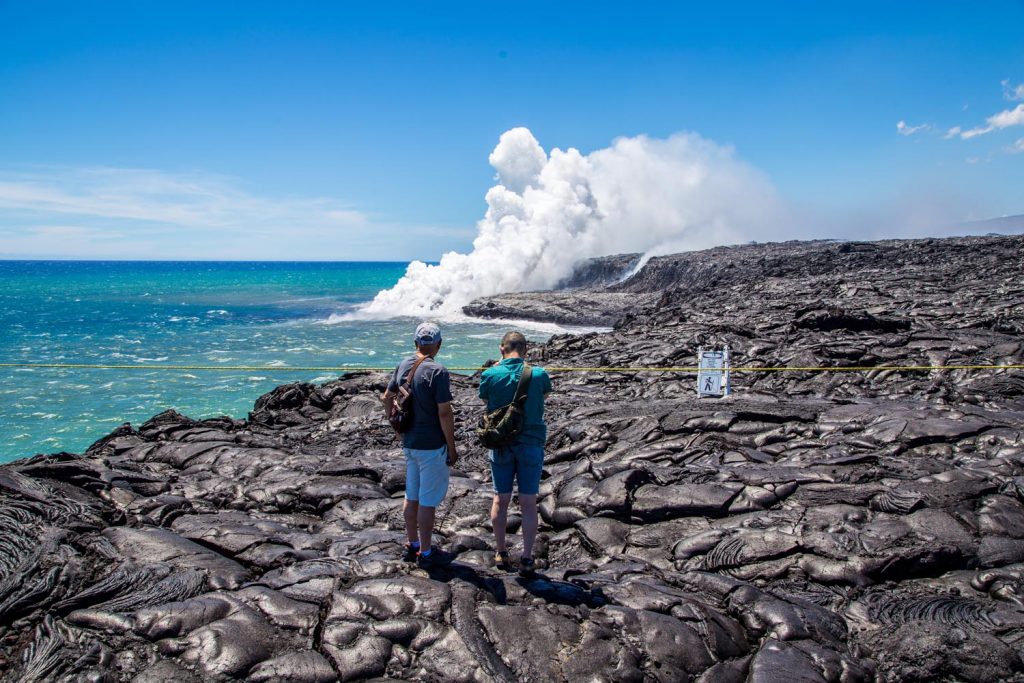
Spurring off Crater Rim Drive, the Chain of Craters Road takes travelers to several craters that have experienced recent venting and eruptions. Only 19 miles long, the road traverses lava fields, ending at the coast, where the ocean has cut Holei Sea Arch from the lava. Along the way, visitors will note that Chain of Craters Road itself has been covered in lava in recent years.
Puapo‘o Lava Tube Tour
Photo Credit: NPS by Dave Boyle
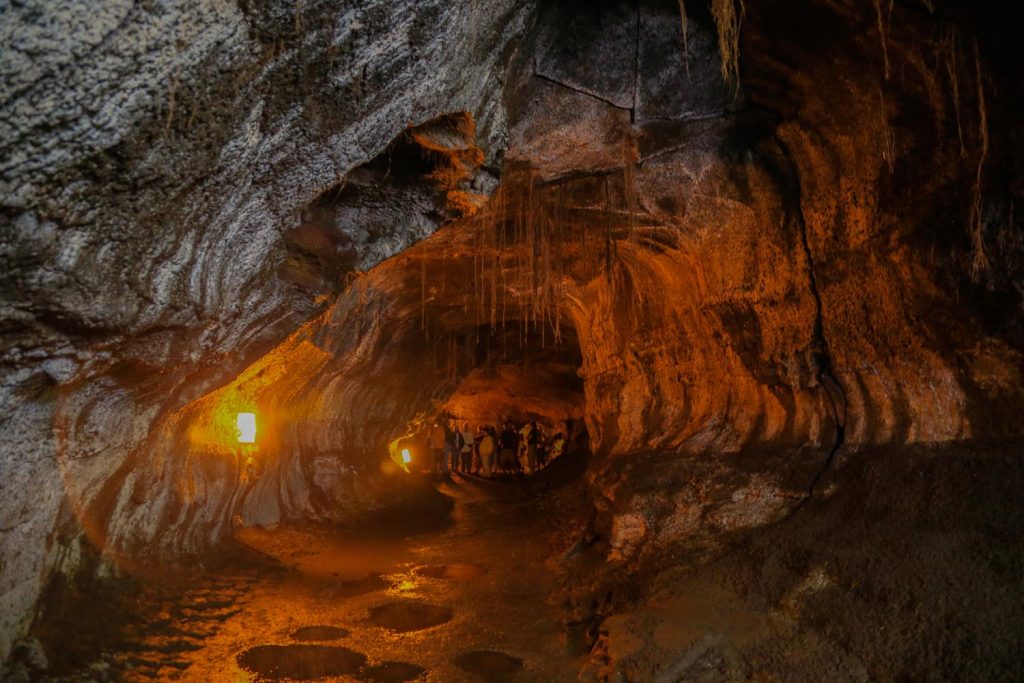
Take a ranger-led tour through tropical forests to a lava tube. Because of the fragile nature of the tube, no children under the age of 7 are allowed. Tours are held once a week, and reservations are required a week in advance.
Pu’u Loa Petroglyphs
Located along Chain of Craters Road, Pu’u Loa has more than 23,000 petroglyphs created over the past 500 years by local Hawaiians who believe the area to be sacred. Take a ranger-led tour into the lava fields to discover the stories of these drawings.
After Dark in the Park
The Kilauea Visitor Center hosts various speakers, bands and activities for park visitors every Tuesday night. Hear from scientists about recent eruptions, listen to local musicians, or learn about island customs and more.
ʻIke Hana Noʻeau
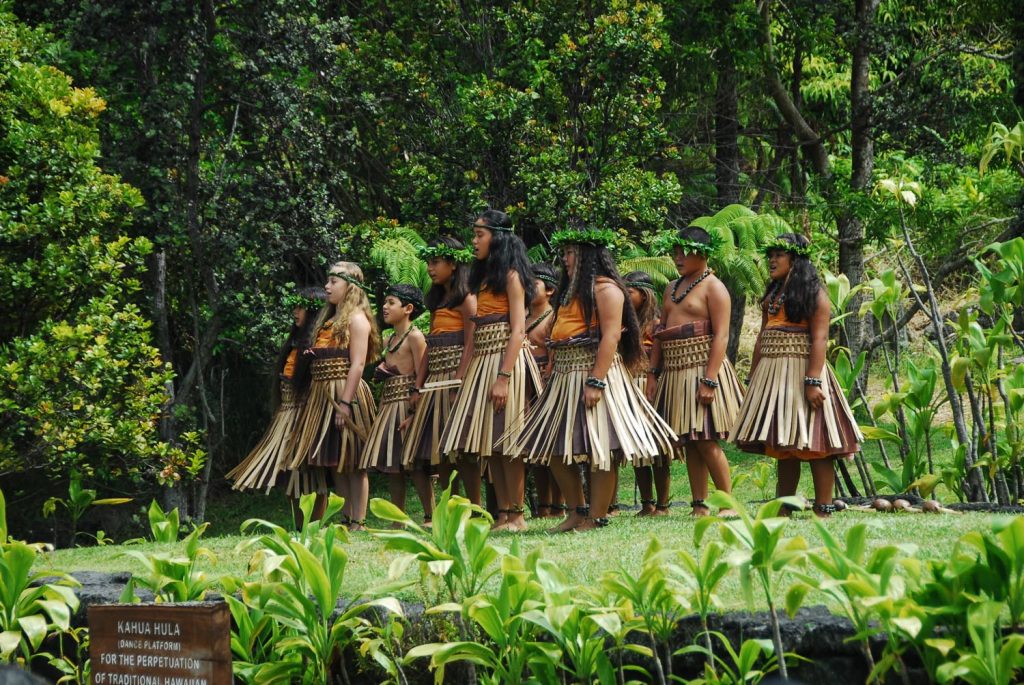
Meaning “Experience the Skillful Work,” these daily programs showcase experienced craftsmen, talented performers, and experts in dozens of fields. All share the cultural arts of Hawaii with visitors to the park. Programs are held at the Kilauea Visitor Center.
Things to Do
Photo Credit: NPS by S. Geiger
Outdoor activities abound in Hawaii Volcanoes National Park. Take a look at several here:
Hiking
Photo Credit: NPS by S. Geiger
There are several day hikes that can be enjoyed within the park:
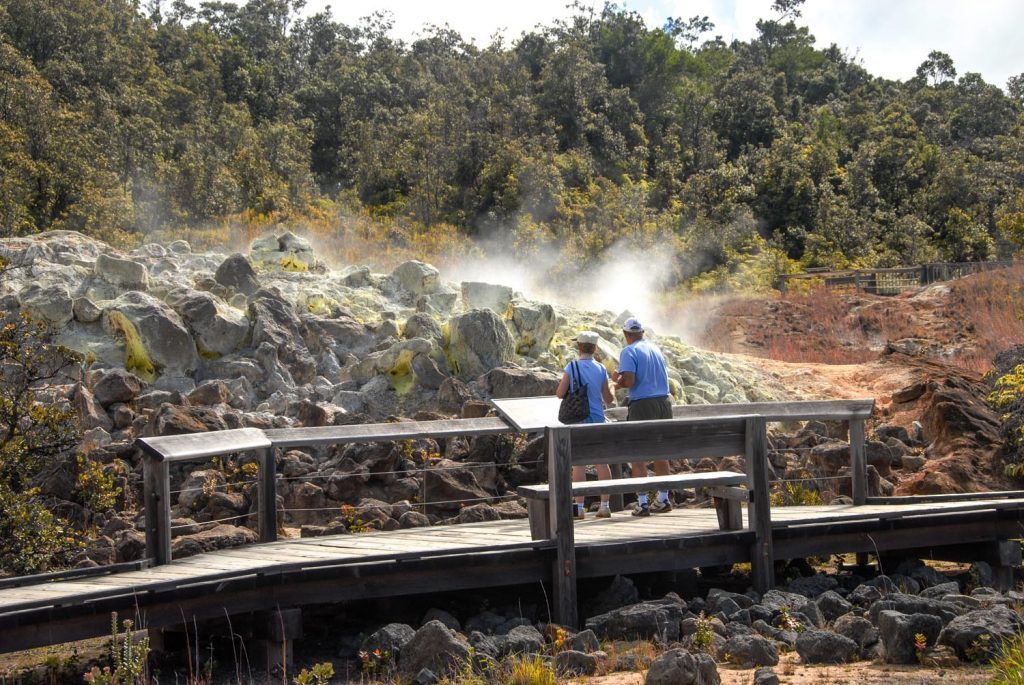
Ha‘akulamanu (Sulphur Banks) – Hot steam vents and colorful mineral deposits are a few of the highlights on this hike.
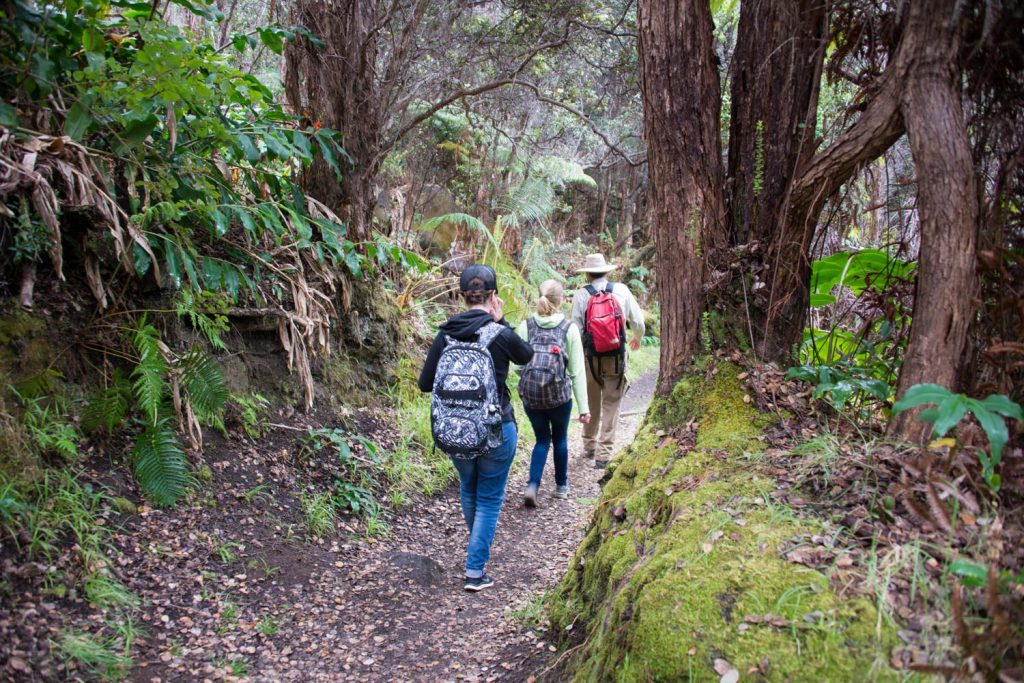
Kīpukapuaulu – Hike through old-growth forests to see some of Hawaii’s rarest plants and insects on this loop trail.
Devastation Trail – Walk a paved path through cinder landscape from a recent eruption to see how flora and fauna have recovered.
Crater Rim Trail – A fascinating hike around the summit caldera of Kilauea exposes visitors to gasses and steam while passing through lush tropical forests and overlooking desert landscapes.
Keanakāko’i Crater – This hike will expose visitors to the Keanakako’I Crater, which cannot be accessed by vehicle. The crater used to be a quarry for Hawaii carvers who used the basalt found there to make adze heads. The basalt was covered by lava flows in 1877 and again in 1974.
Mauna Ulu – Hike up a forested cinder cone to view an eruption fissure, then enjoy a panoramic view of Mauna Loa and Mauna Kea volcanoes.
Backpacking
Photo Credit: NPS
Backcountry hiking can offer amazing experiences, but because some of the trails are overgrown and do not have recognizable cairns, it is advised that hikers know what they are doing. Here are a few hikes that will take visitors to some stunning overnight destinations:
‘Apua Point – Leaving from the Puna Coast trailhead, this hike travels over mostly smooth lava for 6.6 miles down to the coast. Tent sites are under three coconut trees, and the water is shallow, but swimming here is not suggested, as there are very strong riptides.
Halape– This is a hot and grueling hike, but the destination will definitely pay off. Located eight miles from the Hilina Pali Overlook, hikers will arrive at a small black sand beach, pitching their tents beneath several coconut trees for some well-deserved shade.
Mauna Loa – If hiking a volcano and staying overnight in a cabin on its shoulders is enticing, then this hike will not disappoint. Hikers that take on Mauna Loa need to be aware of the possibility for altitude sickness, as the mountain is over 13,000 feet tall, and be prepared for weather extremes.
Camping
Hawaii Volcanoes National Park has two campgrounds within its boundaries. Both are accessible by car, but neither has water or electrical hookups.
Nāmakanipaio Campground – This campground has restrooms and water with drive-in sites and a few rustic cabins for rent.
Kulanaokuaiki Campground – With 9 designated sites, this campground has a pit toilet but no water.
When to Visit Hawaii Volcanoes National Park
Photo Credit: NPS by J. Wei
The park is open year-round, and even with recent volcanic activity, it has managed to continue welcoming visitors. It is, however, a good idea to check alerts, as change can occur rapidly within the park’s boundaries.
Much of the park experiences drastic weather changes, so come prepared for the hot sun, cool nights and intermittent showers with wind any time of year.
Where You Can Stay
If you prefer to live on the edge, you can relax in a rented cabana with hammocks, an icebox and full bathroom facilities on www.HipCamp.com. You’re in Hawaii, so you should make a point of living it up and staying somewhere nice. Find a good place to tent camp or an Airbnb near the park.
Getting to and Around Hawaii Volcanoes National Park
Hawaii Volcanoes National Park is located on the big island of Hawaii, approximately 30 miles from Hilo. The park is accessible via Highway 11 from both Hilo to the northeast and Kailua-Kona 96 miles to the northwest. Transportation is needed when visiting Hawaii Volcanoes, as the park has no central transportation system. It might be best to rent a vehicle at Hilo International Airport when you land.
The park headquarters lies just off Highway 11, where the first of two roads within the park starts. Crater Rim Drive takes visitors around the rim of the Kilauea Crater, and Chain of Craters Road extends from Crater Rim to the rest of the park and all the way to Holei Sea Arch and the Pacific Ocean.
What Lies Beneath
Photo Credit: NPS by J. Wei
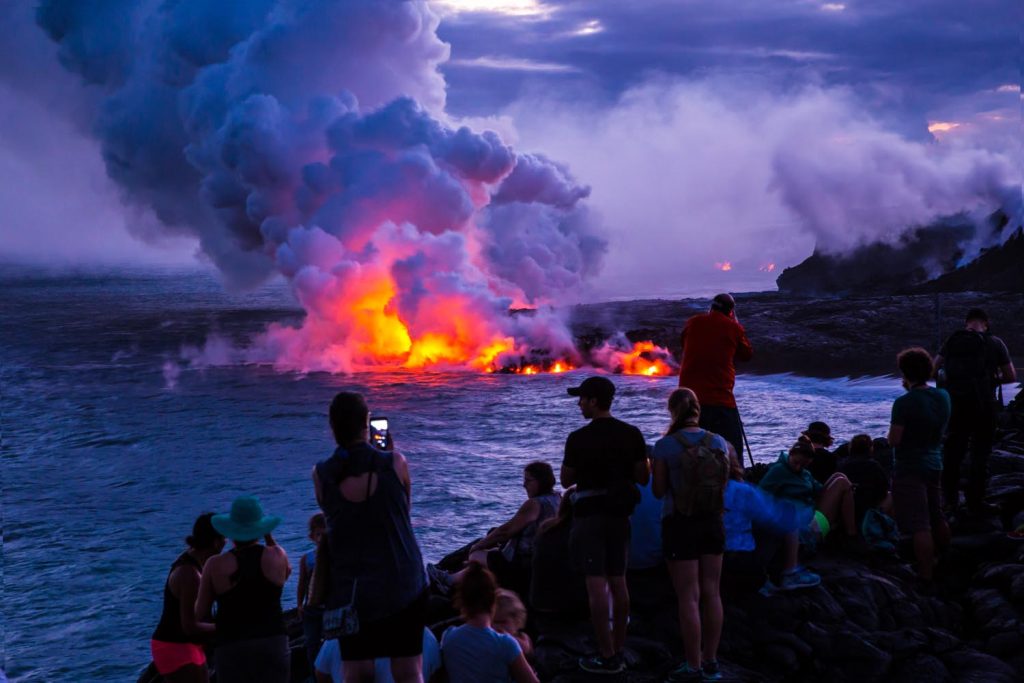
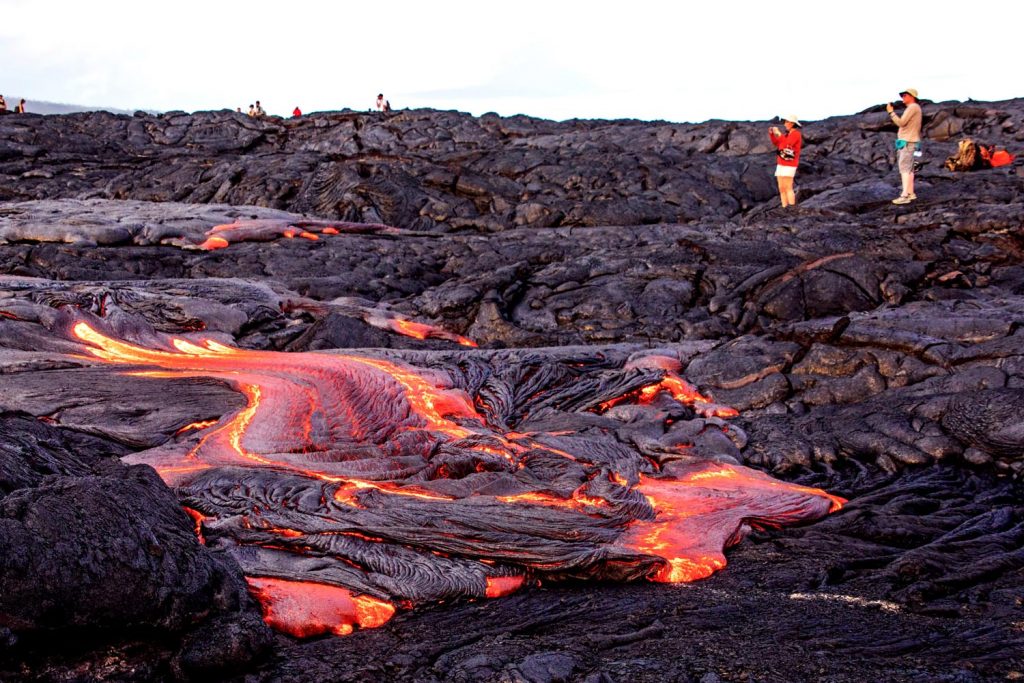
Mark Twain’s instruction to “Buy land, they’re not making it anymore,” rings hollow in Hawaii Volcanoes National Park. Land is created almost every day here, bubbling forth from the earth’s mantle to become black lava as it hits the sea. The park is proof that earth is constantly changing, releasing pressure, building new landscapes and providing us insight into what lies just beneath the surface. What a remarkable picture it paints, full of power, wonder, and natural beauty.
Do you want to visit Hawaii Volcanoes National Park? Why and why not? Leave a comment below.
Many families across the country want to go camping but they can’t spend a huge amount of money on a new heavy-duty truck and an RV to make that happen. That’s where a lightweight travel trailer can come into play. These lightweight options are perfect for families that own an SUV, midsize or full-size pickup truck that can tow a reasonable amount behind it.
I’ve put the cut off at 4,500 pounds because that’s a good amount that many midsize and full-size pickup trucks and even many SUVs can easily tow. With that in mind, let’s take a look at some of the great options out there for families looking for a lightweight travel trailer option.
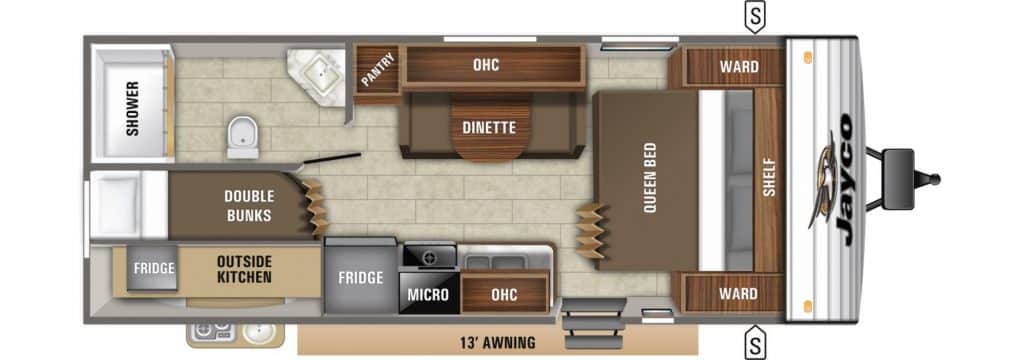
2020 Jayco Jay Flight SLX 224BH
The Jayco Jay Flight SLX 224 BH is a fantastic unit for a family thanks to ample sleeping space, a spacious bathroom, plenty of storage, a camp side kitchen and a large dinette for having family meals. There’s also an outside kitchen that helps keep the kids outside so you don’t constantly have to clean the floor of the RV.
This unit comes in at a lightweight 4,500 pounds, meaning you should be able to tow it with a variety of vehicles. It measures about 26 and a half feet long and can sleep up to five people, so you should have plenty of space inside at all time.
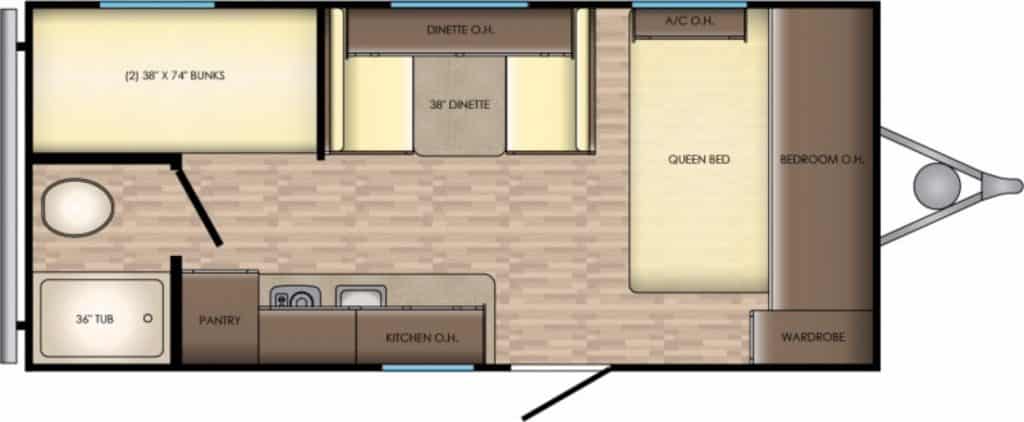
Another good option for families is the Crossroad Zinger 18BH. This unit lacks the outside kitchen that’s in the Jayco and it has a smaller bathroom, but it has everything else you could need, including a camp side kitchen, a dinette, bunk beds at the rear and a queen bed at the front of the unit. It’s shorter than the Jayco, which is why there’s a little less room in the bathroom or for storage.
The Crossroad Zinger 18BH measures about 22 feet long and comes in at a super light weight of 3,256 pounds. That means even a wider variety of vehicles should be able to tow it. The camper sleeps up to five people, meaning you can still bring along the whole family.
Coleman is a trusted name in outdoor equipment and for good reason. The company makes some of the best products. A good example is this Lantern LT 17FQ. The model features plenty of sleeping spaces for the whole family, a compact camp side kitchen a bathroom and a dinette for meals.
The unit measures only about 21 and a half feet and comes in weighing just 3,205 pounds, making it lighter weight than even the Crossroads model. The Lantern LT 17FQ can sleep up to six people in total, meaning you can have a bit bigger family and still make things work or bring a friend or two along.
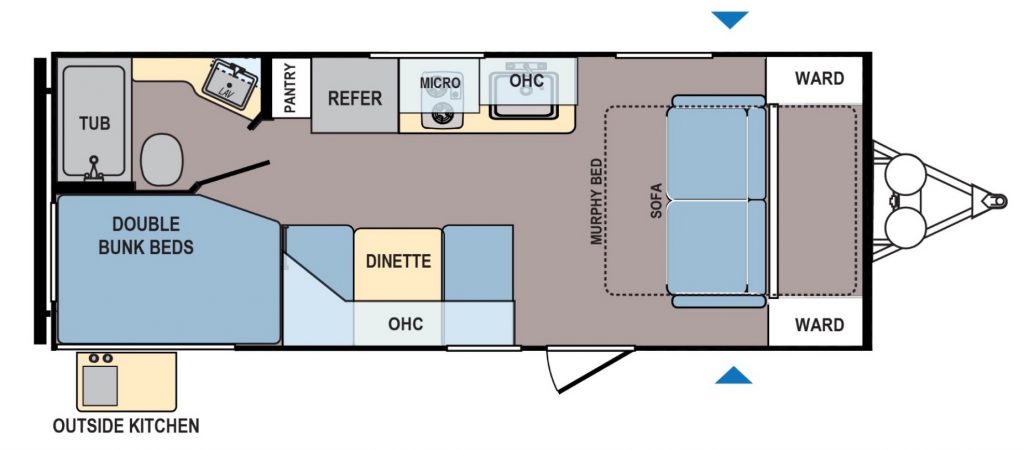
Another good option from Coleman is the Light LX 2125BH the model features large bunk beds at the rear of the unit, plenty of room in the bathroom area, a spacious camp side dinette, and a kitchen across from that. At the front of the unit is a large sofa and Murphy bed.
Weighing 4,380 pounds and measuring about 25 and a half feet, the camper is one of the larger options on this list, but it does sleep up to seven people, making it the obvious choice if you have a large family or will be traveling with your smaller family and a couple of friends.
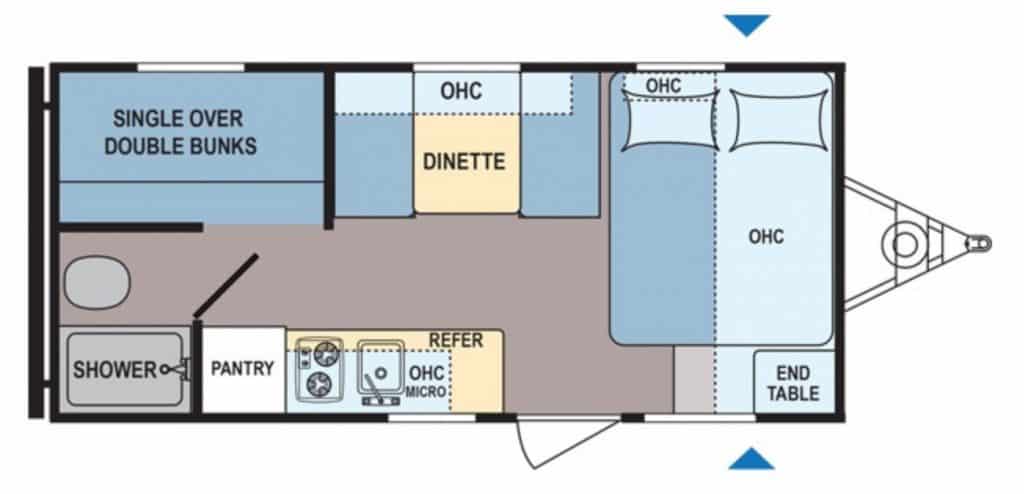
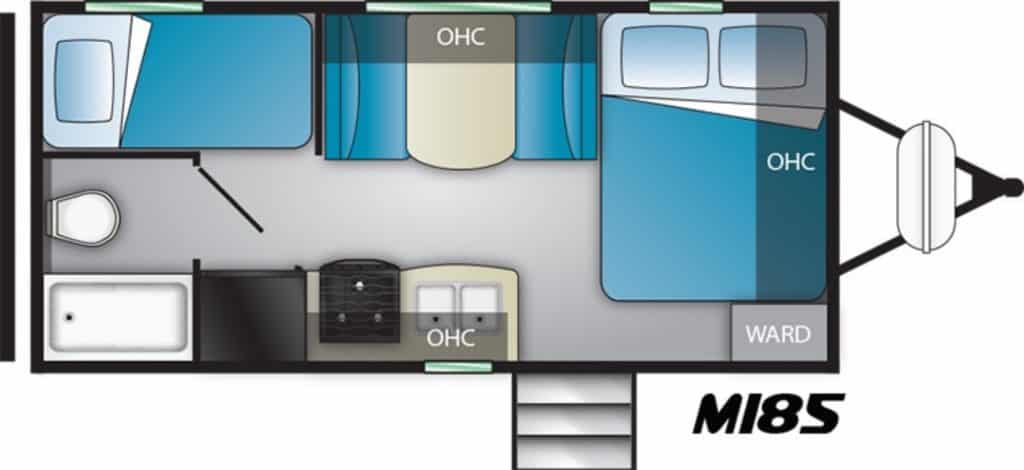
The Heartland Mallard M185 is one of the more compact options here, but it’s a fantastic addition to the list. It offers plenty of sleeping area, a dinette for meals and a camp side kitchen. There’s also a small bathroom. While it’s not as spacious as other units, it does offer all the essentials for family camping.
The Mallard M185 measures under 22 feet long and weighs in at 3,632 pounds. It can be easily towed by just many different trucks or SUVs. The model also sleeps five people, so you’ll have enough room for the whole family in this compact option.
One big advantage of owning your camper is being able to style it your way. Creating the specific look and feel for your home-on-wheels is a breeze with these inexpensive fixes.
Even the least crafty among us will find some painless options in this article for making their rig feel more like the home they imagined. And the best part? Most of these options were designed with renters in mind, so they’re not only easy to install: they’re easy to remove.
Peel and Stick Backsplash Tiles
Image from Camping World
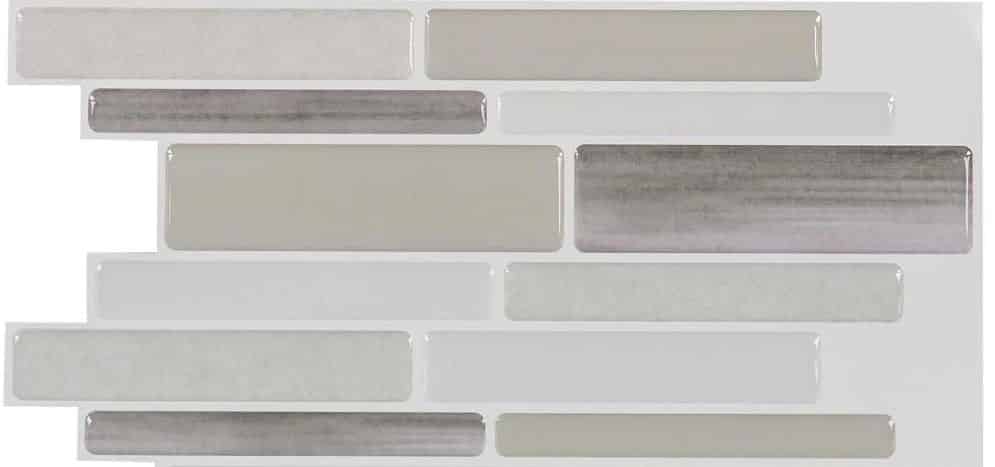
Peel-and-stick tiles are really easy to install and add visual interest to your kitchen or bathroom space. If your space is bland and uninspired, or if it just needs a little extra something, these tiles may be your answer. Many people find RV interiors to be lacking but they don’t want to do a full remodel and tear apart their RV. With a peel-and-stick solution like this, they have the ability to dramatically alter the look of their RV without doing a full remodel.
Appliance Covers
Image from Camping World
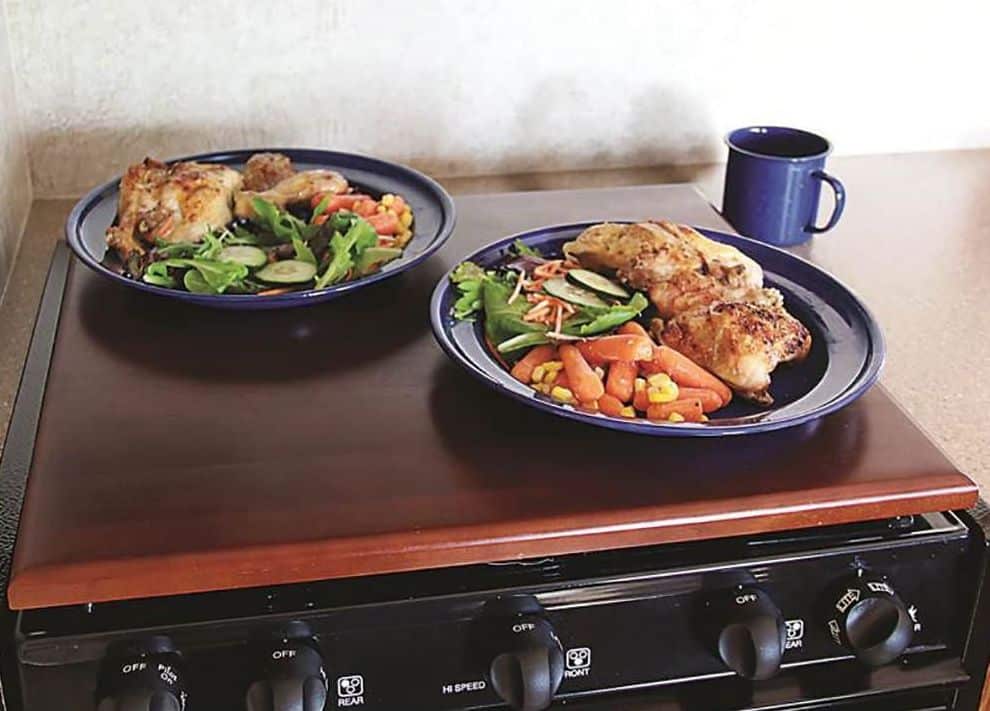
Old, ugly appliances in your camper can be covered up inexpensively and fast with covers. Offered in stainless steel, black, white and other options to match the rest of your appliances and decor. Additional countertop space can be added with this hardwood stovetop cover, which can also be altered using peel-and-stick covers to change the look to better accent your space. This also gives you more prep space in what’s likely a tight kitchen area.
Removable Wall-Paper and Wall Art
Photo by Devin Kleu
If you’re looking for a more dramatic change, there are tons of removable wallpapers. Any pattern your heart desires, it’s probably out there: and if it isn’t, you can design and print your own! Most websites offer a sample size, which is helpful when matching your wallpaper to other decor. There are some particularly beautiful botanical designs to be found, alongside polka dots, ginghams, terrazzo, minimal dashes and lines, and more. Chalkboard Wallpaper is a fun addition for campers with children.
Removable wallpapers are designed to remove cleanly from surfaces, with no additional clean-up. They’re essentially a giant sticker that can be repositioned, which is fortunate, as they can be tricky to apply evenly. Try using a squeegee as you apply, and pre-cut your wallpaper with a straightedge and a utility knife.
Additionally, wall art is a very smart addition to your camper and can be added to help transform your space. A fun sign or an interesting wall sculpture or art piece picked up at one of the places you have visited can really help your camper feel more like home. Use Command Hooks to avoid drilling into the walls of your RV!
Laminate and Vinyl Flooring
Changing your flooring is no longer a job best left to the pros. Some laminate and vinyl flooring can be cut with a utility knife or with a vinyl tile cutter (which looks exactly like an art teacher’s paper cutter), making it easy to produce specific sizes. The best part about today’s laminate and vinyl is that they can be installed in an afternoon or two by someone with little experience.
While the ugly vinyl flooring you’ve seen in your great-aunt’s basement does still exist, laminate and vinyl flooring are now offered in many chic, upscale options. A wide variety of colors, patterns, textures, and faux-options are at your fingertips. Many finishes are available, however, you’ll want to look for a low-gloss or matte finish to hide scuffs, scratches, and every other abuse that flooring is on the receiving end of. For interesting visual texture in your camper, consider cork laminate, hand-scraped or grain-embossed wood laminate, luxury parquet vinyl.
Groutable peel-and-stick vinyl flooring can look upscale and chic when installing in a herringbone pattern. Hex vinyl flooring is an improvement to most RV floors. Monochromatic patterns can add a down-stated flair to an otherwise bland space. For a more unique space, many unusual options can be found online. In addition to patchwork, geometric, and watercolor-style vinyl, more traditional options are available online and in stores. Moroccan, Cuban, French, and Spanish-style vinyl can be found with a simple Google search.
Peel and Stick Countertops
Photo by Balkan Campers
Most RV countertops are plain, which is fine for many folks. If you desire a more true-to-you and homey space; something to provide a beautiful backdrop for meals and every other table-activity, you may find a fun project in peel and stick countertops.
Similar to laminate and vinyl flooring, peel and stick countertops are offered in a variety of effects and are fairly inexpensive. Faux marble, granite, stainless steel, wood, butcher block, concrete, and many other options are available to complete your desired style. These can be tricky to install, so a non-repeating pattern may be a newbie’s best option.
You’ll want to have a squeegee, an Exacto knife, a cutting board, and measuring tape handy during install. Take your time to makes sure it fits perfectly and you’ll never even be able to tell that its not the real thing.
Lighting
The ultimate environment changer, this multi-color LED light strip allows you to create mood lighting at the touch of a button. Great for people with sensitive eyes, or simply, a great way to set the tone for your evenings inside of your camper. Additionally, the directional head of this brushed nickel LED reading light allows users to place the light directly where it is needed and the on/off toggle switch is simple to use.
Low-hanging lighting doesn’t really work in most campers. Less than 3″ in-depth, this minimal dinette light is ideal for space-saving overhead ambient lighting. The brushed nickel finish and, white alabaster glass dome complement a variety of aesthetics.
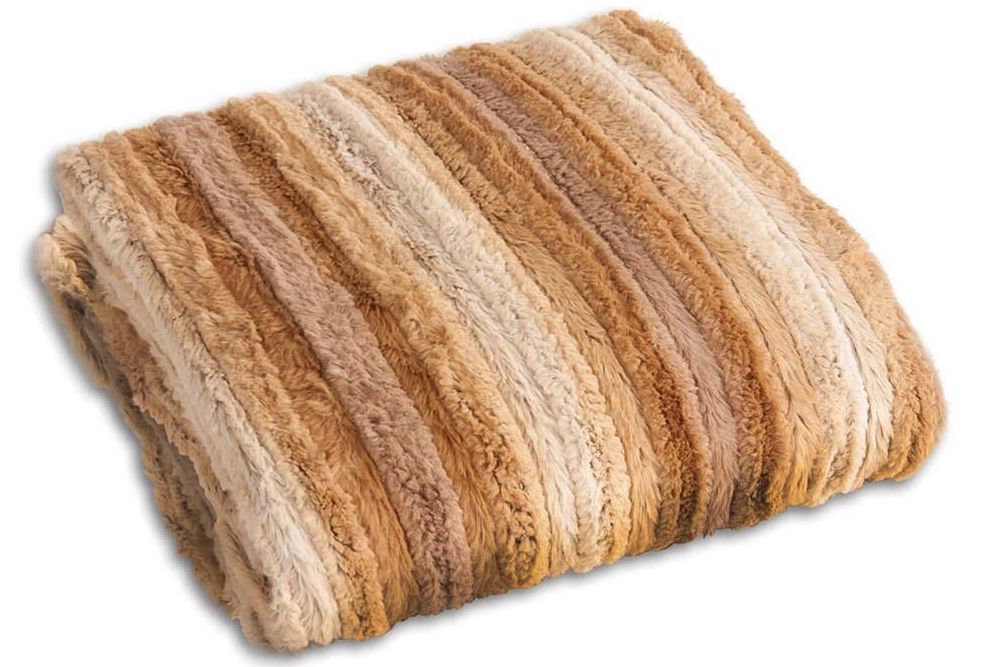
Neutrals are an easy way to set a calm tone in your home away from home. Throws such as the one shown above complement a variety of styles and colors, and look great tossed over a classy, comfy chair or couch.
For a more whimsical and kid-friendly space, consider adding this color-changing indoor/outdoor block to your decor. A travel keepsake map allows you to display pins and other small memorabilia to the states you’ve visited. This funky retro analog clock would make a fun addition to your bedroom space.
Basically, think of the space you have an how you can make it more of your own. You want your RV to reflect you and not be bare basic or only what the manufacturer built it to be. Craft your own space and you’ll live happier on the road.
How have you made your RV your own space? Leave a comment below!