Search results for: “feed”

  • RVing the Rails – Excursion Trains in Texas

    RVing the Rails – Excursion Trains in Texas


    Many times camping trips involve exploring new territory and discovering enticing attractions along the way. Passenger tour trains have that magnetic appeal for many RVers, providing a novel way to see hidden countryside not normally viewed from the road. Railroad passengers learn about local history, culture and the many colorful characters from the communities visited. Camping World wants to make sure you don’t miss the departing whistle, so we have created a series entitled RVing the Rails. You will find the most popular excursion trains to ride in each state, complete with any specialty trains they might offer.
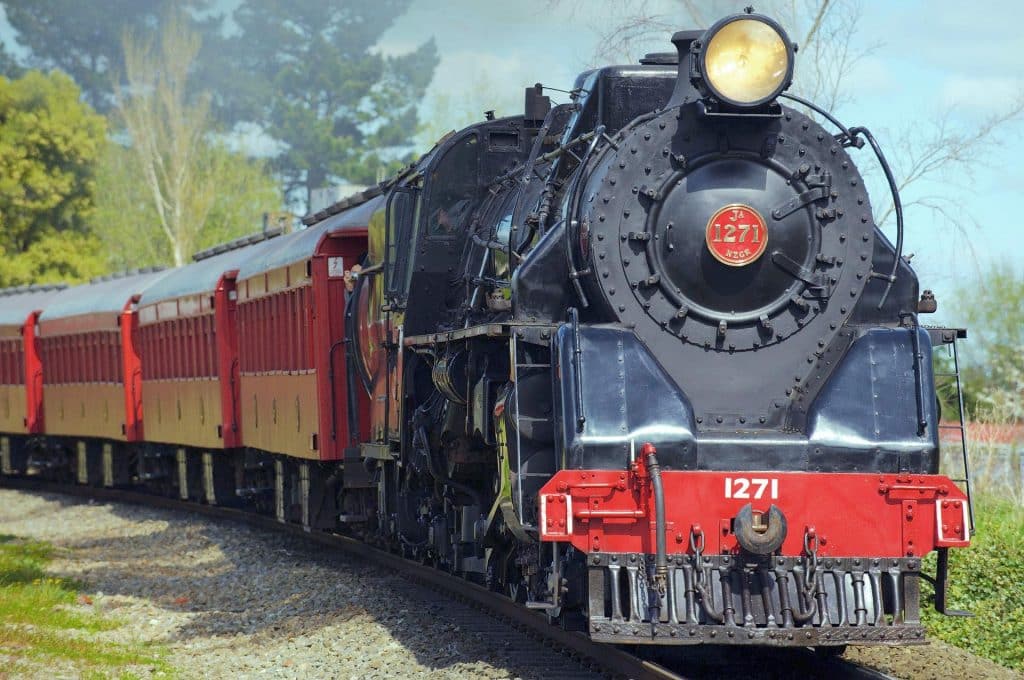
    Steam Locomotive on the tracks
    Photo Credit: Skeeze on Unsplash

    Today we will explore the most popular trains in Texas:

    Grapevine Vintage Railroad
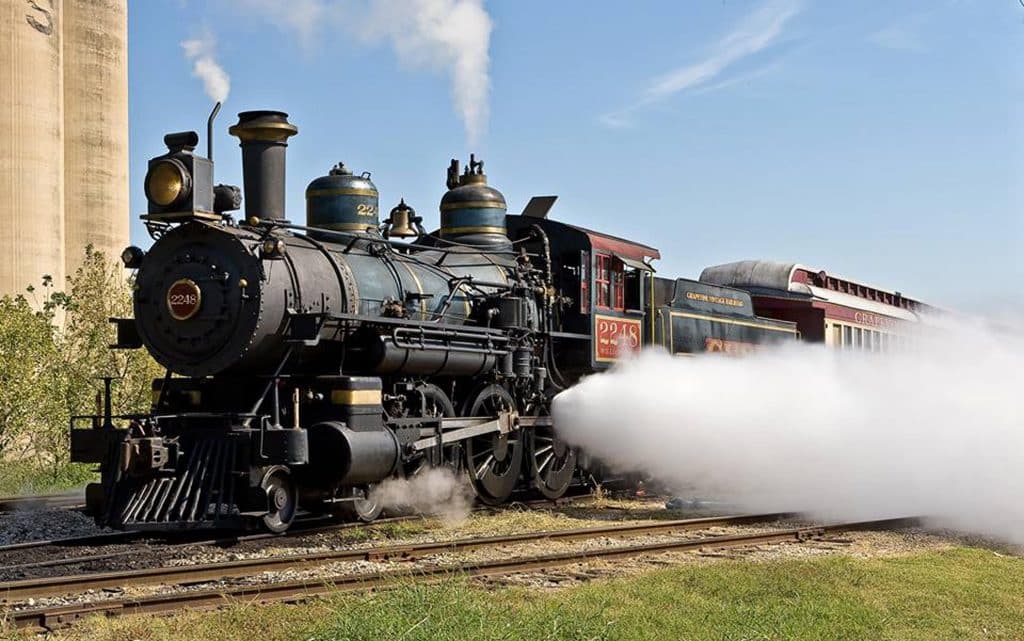
    Grapevine Vintage Railroad Steam Engine
    Photo Credit: Grapevine Vintage Railroad

    Running on a track that used to be known as “The Cotton Belt Route,” the Grapevine Vintage Railroad now makes its trek from downtown Grapevine to the Fort Worth Stock Yards.

    Their passengers have the opportunity to explore the restaurants and shops and watch cowboys herd Texas longhorn cattle into stockyard pens before returning to Grapevine on the train. It is a unique look back at Texas history, transportation and ranching.

    Railway and Locomotive Types

    The railroad runs both steam locomotives and diesel engines on its standard gauge tracks. The rolling stock is comprised of restored 1920s enclosed coach cars and open cars.

    Seating Options
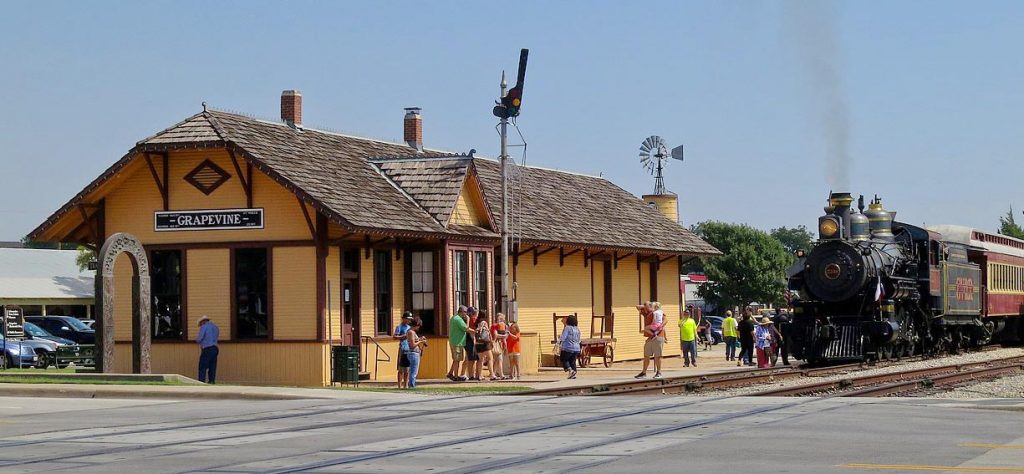
    Grapevine Vintage Railway Depot
    Photo Credit: Alex Butterfield (CC BY-SA 2.0)

    All seating is assigned on the train, with two classes of ticketing:

    • First Class – Passengers with first class tickets ride in climate-controlled enclosed coach cars with large cushioned seating.
    • Touring Class – Passengers with touring class tickets ride in open coach cars with wooden backed bench seating.

    There are restrooms and snacks available for purchase on the train.

    Riding Options

    Travelers on the train have the option of round trip or one-way tickets on their Cotton Belt Route trains. They also offer two different side trips:

    • Grapevine One Hour Excursion – This train is a shortened version along the Cotton Belt Route, perfect for families with small children. Passengers leave the Grapevine depot and travel for 30 minutes, then return. Departures are on Saturdays throughout the season.
    • Trinity River Excursion – This short trip departs from the Fort Worth Stockyards for a trip along the Trinity River. Because the line is shared with freight trains, this trip operates on a day-to-day basis, with tickets sold to walk-up customers. Announcements about train availability will be made on the train’s Facebook page.

    Specialty Trains
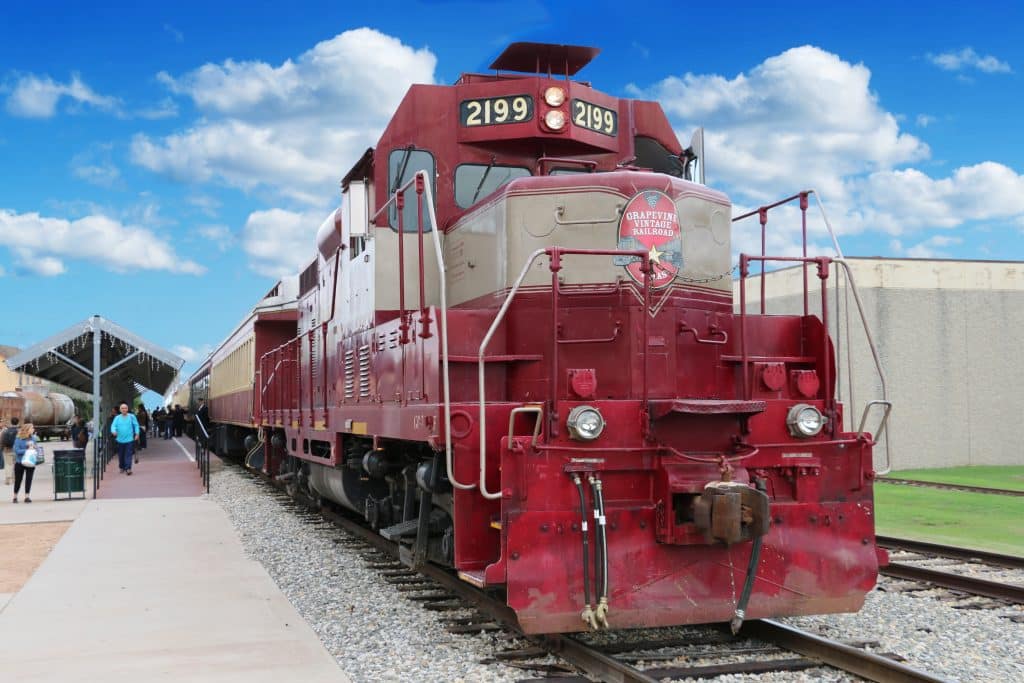
    Grapevine Vintage Railroad Diesel Engine
    Photo Credit: Grapevine Vintage Railroad

    Reservations are suggested for all specialty trains, as they tend to sell out.

    • Swashbuckler Express – Traveling twice a day on Fridays in July and August, the Swashbuckler Express is a pirate-themed activity train for young mateys. Dress up as Captain Kid and take home a trinket after this one hour ride.
    • Jazz Wine Train – Enjoy tastings from eight local vineyards, along with live jazz performances on each coach. Dinner and dessert are included with this excursion.
    • Kiss Me I’m Irish Express – Bottoms up on this St. Patrick’s Day train, where passengers toast with craft brews, Irish hors d’oeuvres and dessert.
    • North Pole Express – Ride to the North Pole in decorated train cars while enjoying Santa’s special Frosty Chocolate Snow Milk and cookies. Walk through Santa’s workshop, where the elves and Mr. and Mrs. Claus will entertain you, then get a pic with old St. Nick before boarding the train back to Grapevine.

    Length of Season

    The Grapevine Vintage Railroad runs from March through December, with specialty trains scheduled on specific dates of travel. Take a look at the train schedule for your planning needs.

    Texas State Railroad
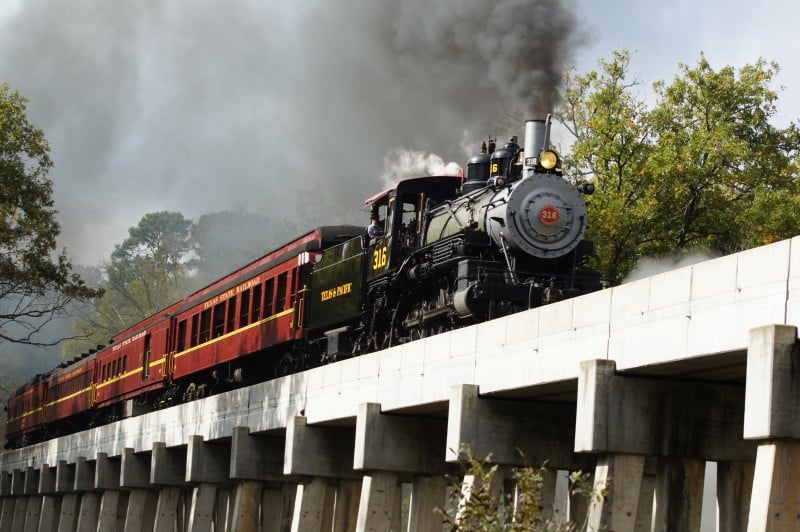
    Texas State Railroad on the tracks
    Photo Credit: TexasStateRailroad.net

    Originally built by prison inmates in 1883, the Texas State Railroad hauled freight between Palestine and Rusk through the Piney Woods of East Texas until 1921.

    The tracks were then leased to private companies, but by 2007 the Texas State Railroad Authority began operating the line as a scenic railroad. Today passengers enjoy luxurious travel in restored lounge, club and coach cars on a four-hour tour through forested land.

    Railway and Locomotive Types

    The railroad has a number of both diesel engines and steam locomotives running on standard gauge tracks. The rolling stock includes dome cars, renovated passenger cars and open gondola cars.

    Seating Options
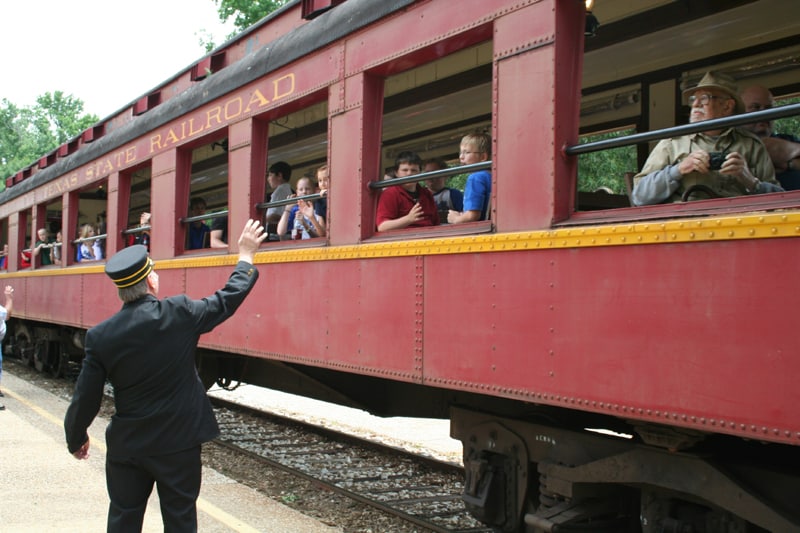
    Texas State Railroad Conductor Waves
    Photo Credit: TexasStateRailroad.net

    There are no assigned seats on the Texas State Railroad. However, general seating is designate within six classes of service:

    • Presidential Service – Sit in comfortable lounge seats with attentive service from a porter, who will provide a complementary boarding toast with appetizers as you travel.
    • Sky High Observation Dome Service – Get a bird’s eye view from the glass observation dome, sitting in leather seats with tables. Service from a valet will include a champagne toast and appetizers along the route.
    • First Class Lower Dome Service – An intimate area with tables and seating perfect for families is available for up to 20 passengers. Snacks and beverages are served during the ride.
    • First Class Service – An enclosed car with couches and tables provides a comfortable place to enjoy snacks and beverages as the scenery passes by outside.
    • Deluxe Coach Service – Enjoy upholstered benches and tables in an enclosed passenger car with beverage service available.
    • Coach Service – Ride in an open air gondola car with vintage wooden bench seats for an up close and personal view of the Piney Woods.

    Restrooms and a concessions car are accessible to all classes during the train ride.

    Riding Options

    The railroad offers two upgraded riding options with very limited seating:

    • Caboose Ride – Limited to 8 passengers, a ride in the caboose includes plush over-sized seating with your own personal valet serving beverages and appetizers.
    • Engine Ride – Limited to one passenger per train, a ride with the engineer and conductor in either a diesel or steam engine will be a treat that will not soon be forgotten!

    Specialty Trains
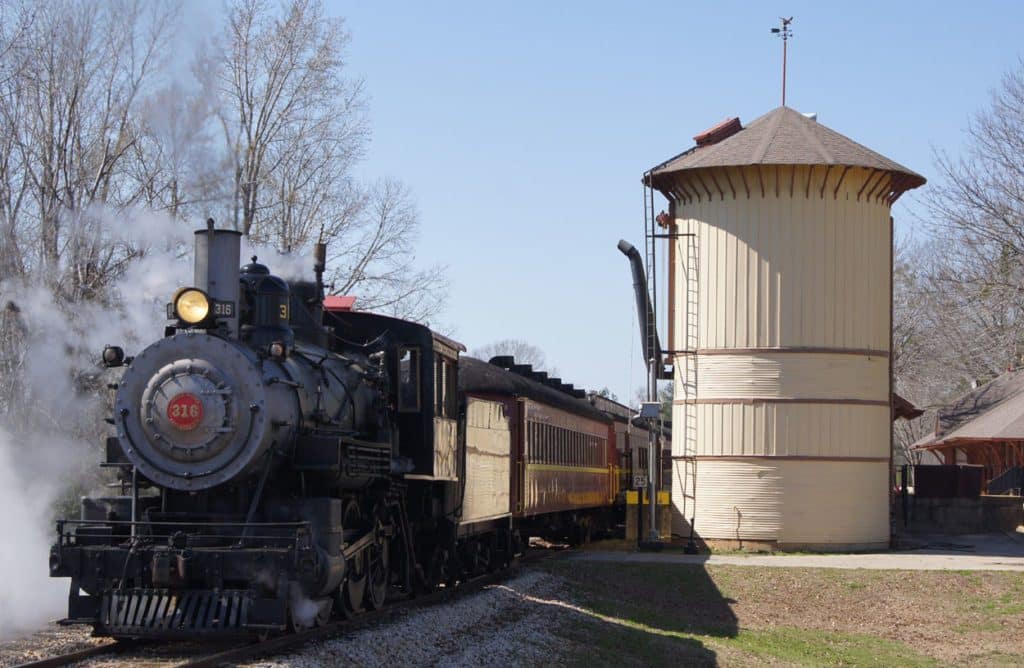
    Texas State Railroad Steam Engine
    Photo Credit: TexasStateRailroad.net
    • Pints in the Pines – Enjoy an evening train ride, tasting Texas brews as you roll through the Piney Woods, then partake in a BBQ dinner spread when the train reaches the Rusk Depot.
    • Wines in the Pines – An evening filled with wine, chocolate and a romantic train excursion is a package that most can’t resist. Top it off with a BBQ dinner as the train pulls into the Rusk Depot, and you’ve got yourself a great date night activity!
    • Pumpkin Patch Express – Put the kids in their Halloween costumes and hop on the Texas State Railroad to the Pumpkin Patch. That’s where you’ll find hayrides, trick-or-treating and games. Take home your own pumpkin to carve, as well.
    • Polar Express – Participate in a holiday classic as the whole family becomes part of the Polar Express. Ride to the North Pole as chefs serve cocoa and cookies and read from the much-loved children’s book. Then tell Santa exactly what you wish for Christmas. Everyone who “believes” will receive their first gift of the season, a silver bell.

    Length of Season

    The Texas State Railroad’s season extends from March through December, with specific dates for specialty trains scattered throughout. Check the train schedule to find the excursion that’s right for you.

    Jefferson & Cypress Bayou Railway
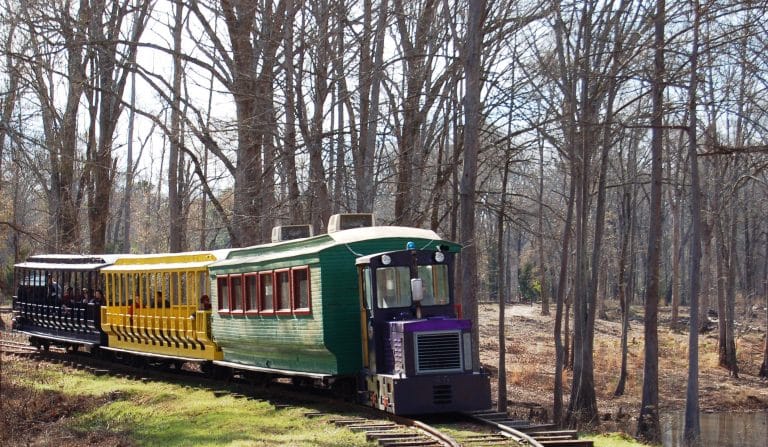
    Jefferson Railway
    Photo Credit: Historic Jefferson Railway

    The Historic Jefferson Railway, more commonly known as the Jefferson & Cypress Bayou Railway, is an unusual railroad in that it wasn’t built as a train line to haul freight and passengers. Unlike most excursion trains, it has no history as a public transportation line.

    Instead, the tracks were purchased and moved from an amusement park in Florida, with the intent of creating an attraction along Big Cypress Bayou. By 2002 today’s existing train ride was showcasing the dense Piney Woods and shoreline of the bayou to visitors far and wide.

    Railway and Locomotive Types

    The Jefferson Railway utilizes both steam and gas-powered locomotives on its narrow gauge tracks. The cars are open air covered gondola cars.

    Seating Options
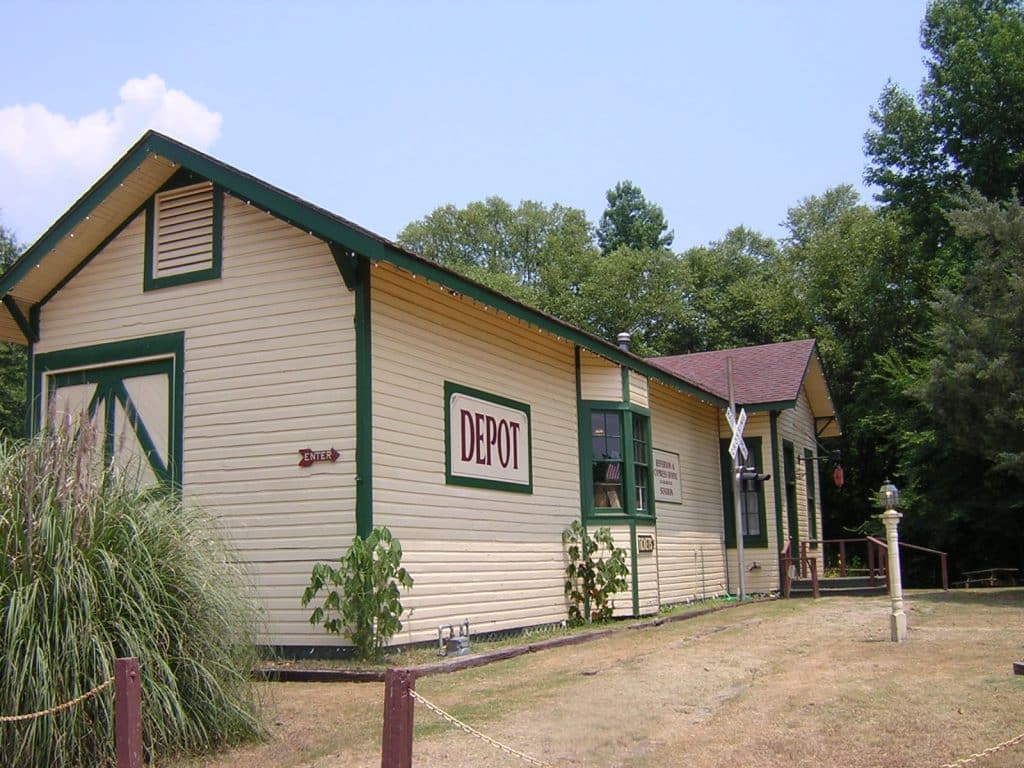
    Jefferson Railway Depot
    Photo Credit: Historic Jefferson Railway

    All seating is open with no assigned seats. Passengers travel in open air cars, which are covered for protection against the elements.

    Riding Options

    The 40-minute train ride leaves the depot in Jefferson and follows the shoreline of Big Cypress Bayou through the Piney Woods, with one stop at the Diamond Don Gator Pit. Watch the feeding of the live alligators that live there, before returning to the depot. There are no one-way tickets.

    Specialty Trains
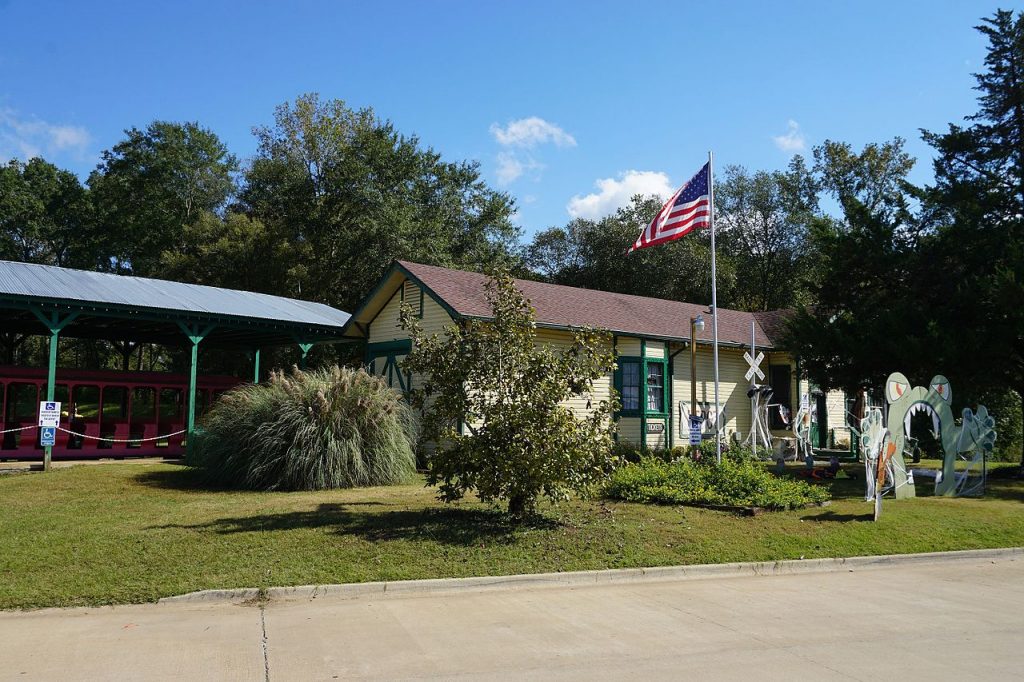
    Jefferson Railway Depot
    Photo Credit: Michael Barera (CC BY-SA 4.0)
    • Terror on the Bayou Runaway Fright Train – What’s more spooky than riding a train through the bayou at night? Riding it there during the season of ghosts and goblins!
    • Rail of Lights Christmas and New Year’s Train – Celebrate the holidays Texas style, with lighted evening trains in the Piney Woods.

    Length of Season

    The Jefferson & Cypress Bayou Railway runs trains on Saturdays during the months of June, July and August. Specialty trains are scheduled on specific dates throughout the year, so check the train calendar for more information.


    Join the thousands of RVers that have a love affair with trains and ride the rails on your next camping trip. Check out the other excursion trains available on a state-by-state basis in our series, RVing the Rails.

    Source link

  • Camping World’s Guide to RVing Channel Islands National Park

    Camping World’s Guide to RVing Channel Islands National Park


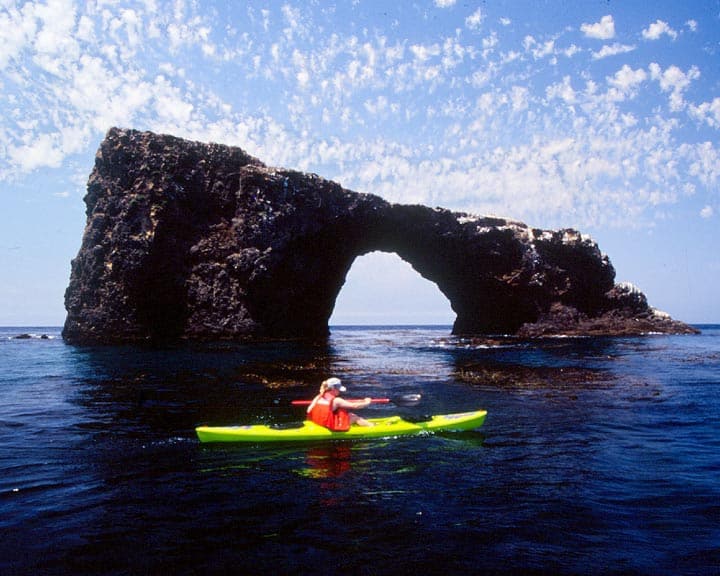
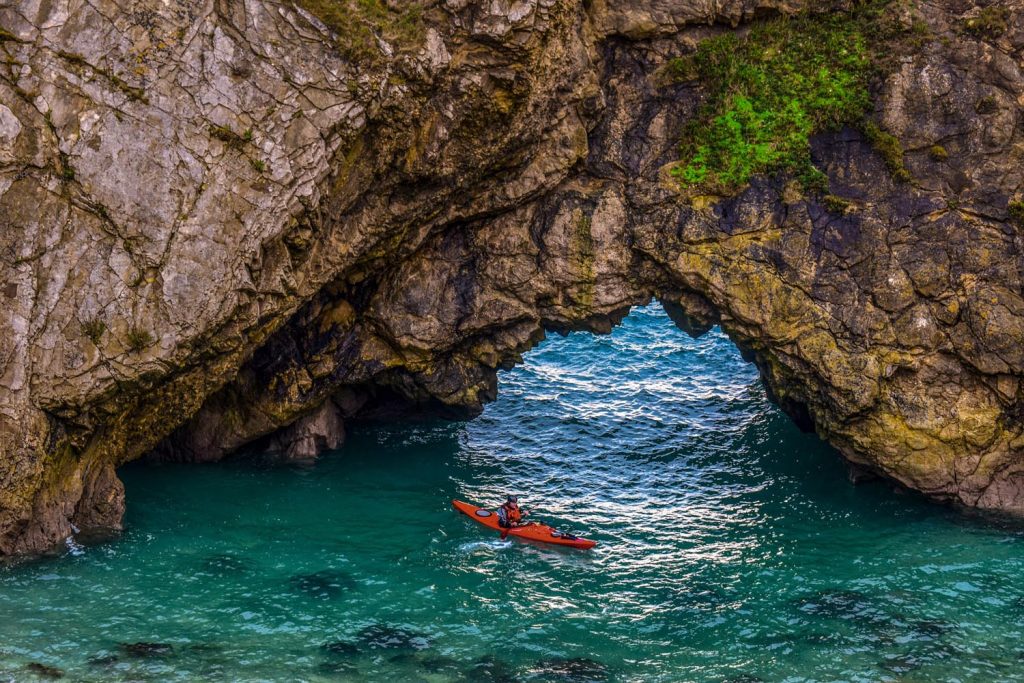
    With a yearly attendance of 300,000 one would think that not many people know of the extreme seclusion and overwhelming peace found at Anacapa, Santa Barbara, San Miguel, Santa Rosa and Santa Cruz islands only 20 miles away from the coast of California. And they would be correct. Channel Islands National Park is a respite from the fast-paced, crowded city life across the bay. Kayaks are the main form of transportation around these islands, which harbor 145 plant and animal species not found anywhere else in the world.

    Those few who have discovered the park’s charms come to see whales migrating north and south, go spearfishing through giant kelp beds, and explore amazing sea caves. It is here, in a land stripped to its bare essentials, that these travelers seek to recover their own equilibrium through self-sufficiency and preparedness required for Mother Nature’s best offerings.

    History of Channel Islands National Park

    Photo Tripping America - Channel Islands - Camping World
    Photo Credit: Tim Hauf

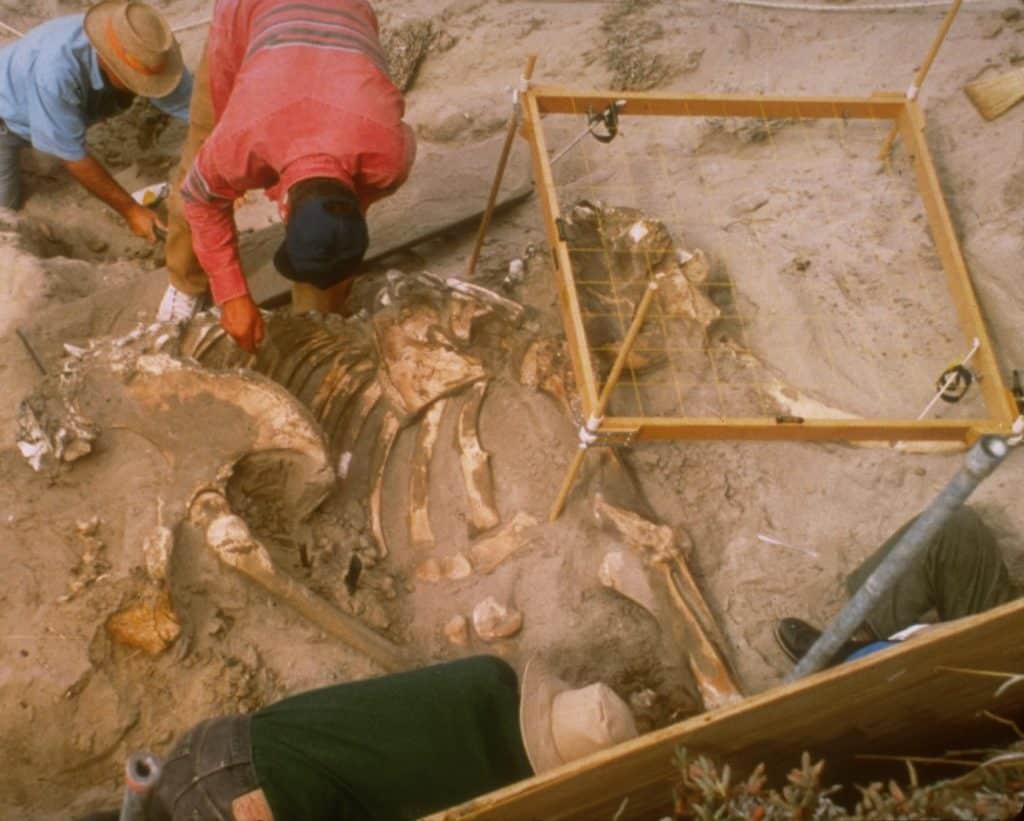
    Because archaeologists don’t believe the Channel Islands were ever connected to the mainland, the islands contain several animal species not found anywhere else. There is also sign that ancient man was here 37,000 years ago, and a couple of human bones on the islands are 13,000 years old, making them the oldest remains ever found in North America.

    Photo Tripping America - Channel Islands - Camping World
    Photo Credit: NPS Bill Faulkner

    Modern man was discovered living on the three northern most islands when Juan Rodriquez Cabrillo landed there in 1542. Two to three thousand Chumash Indians greeted him, and it was discovered that the ancestors of these Native Americans had been inhabiting the islands for over 8,000 years.

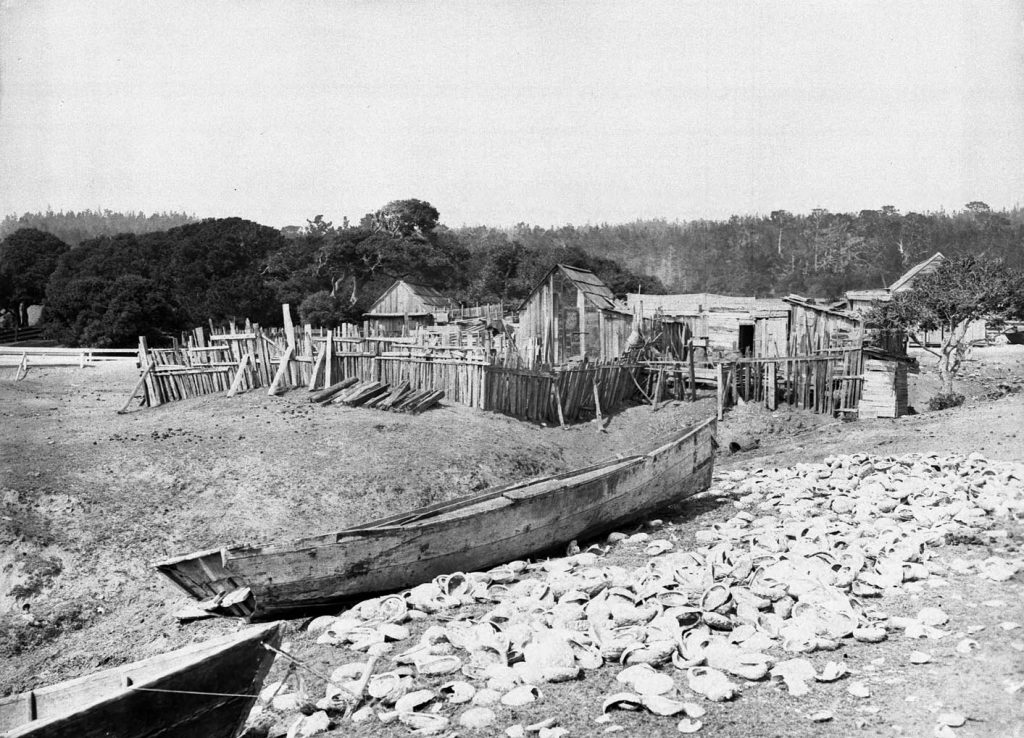
    The Chumash had a highly evolved society here and developed trade between islands and on the mainland by building tomols, redwood canoes in which they could travel. But as Europeans began to move into California, they brought with them diseases that almost annihilated the Chumash people. Today about 5,000 tribal members live on the mainland.

    While California filled with Spanish and Mexican settlers, the abundant fish in the area were not exploited until the Chinese discovered the Channel Islands and their brimming waters. Abalone was captured in record amounts in the late 1800s, and by 1915 California had to outlaw its shipment to China, as the popularity of the shells became even more profitable than the meat.  Now no abalone is harvested here, in hopes of encouraging the mollusks’ comeback.

    Photo Tripping America - Channel Islands - Camping World

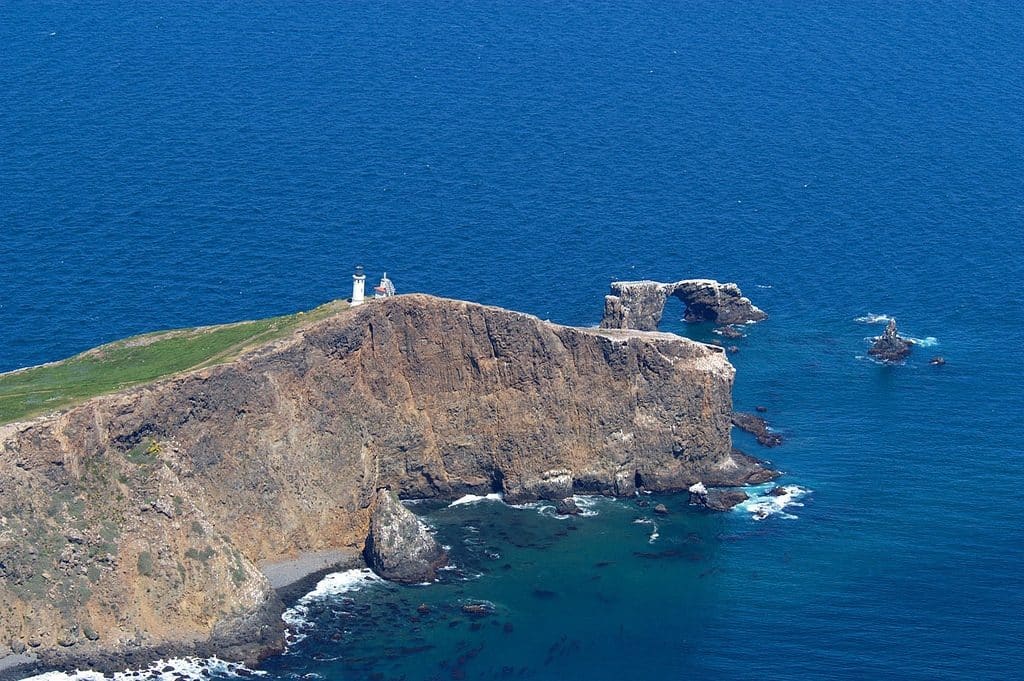
    By 1932, when a lighthouse was finally built on Anacapa Island, the National Park Service was alerted to the Channel Islands’ significance, and in 1938 President Roosevelt created the Channel Islands National Monument to protect the unusual species of animals, plants and natural history of the islands.

    But it wasn’t until 1980 that three of the five islands in the monument were named a national park. By 2000 Santa Rosa and Santa Cruz had been added to Anacapa, San Migue, and Santa Barbara, as all became Channel Islands National Park.

    Why Visit Channel Islands National Park?

    Photo Tripping America - Channel Islands - Camping World
    Photo Credit: Derek Lohuis

    Travelers will not get to the islands with their RV, but they will get pretty close. Ventura, California is the mainland destination, where boat service will take visitors to the Channel Islands, just 20 miles across the water.

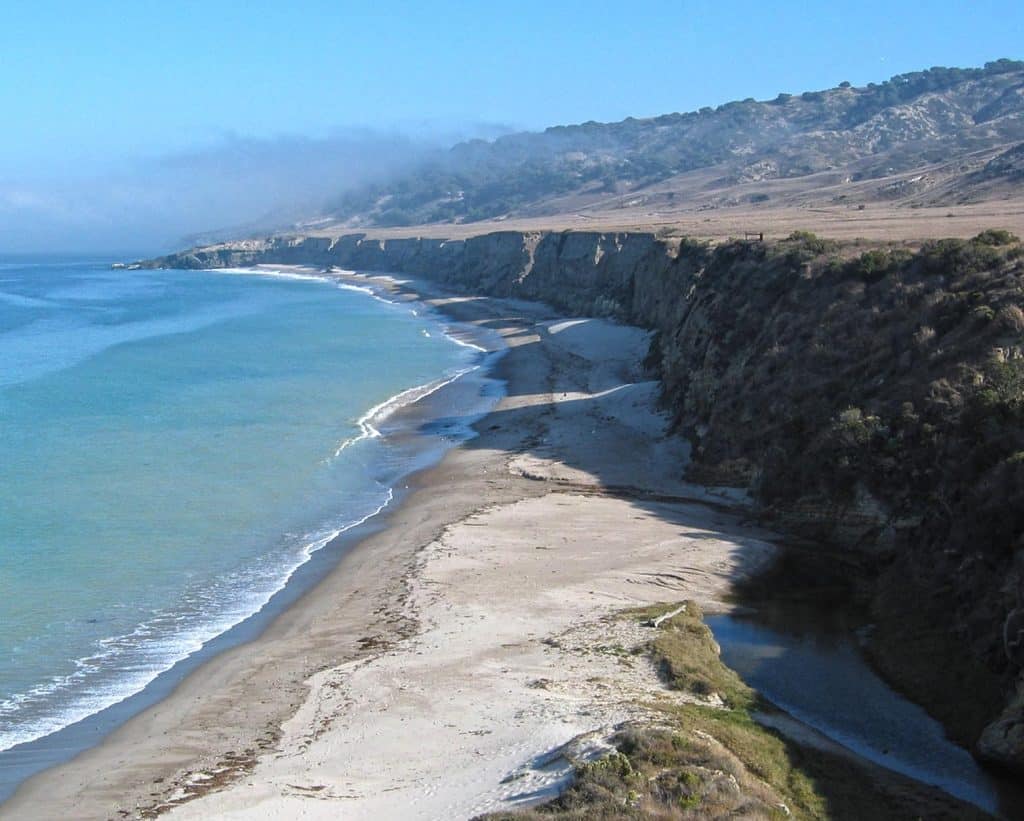
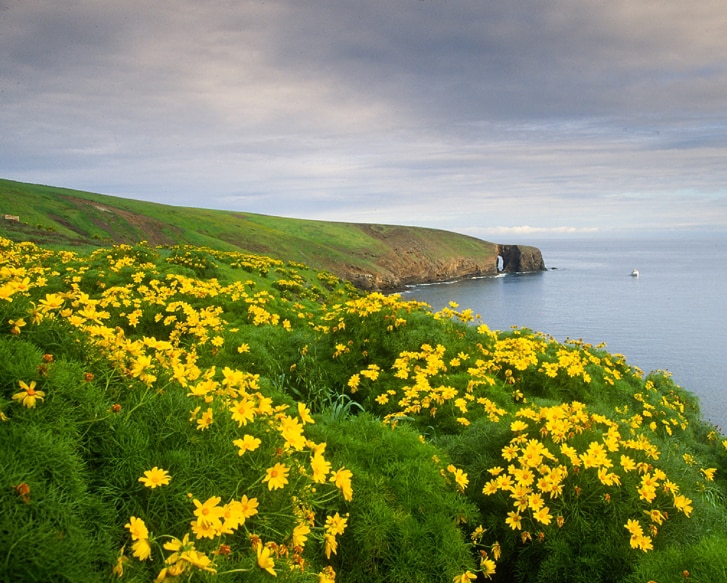
    Once on Santa Cruz or any of the other islands, let your feet do the hiking over hills, to sea cliffs and onto the beaches of America’s version of The Galapagos. Or sign on with a guide service and explore the many sea caves in a kayak. Return to the mainland when you are ready, and your home away from home will be waiting for you.

    Places to Go

    Here’s a look at some of the most important and interesting places you can visit while you’re at the park.

    Lagomarsino Visitor Center

    Located in the town of Ventura on the mainland, this center has information and exhibits about each of the islands, along with a bookstore and ranger-led programs on weekends and holidays.

    Outdoors Santa Barbara Visitor Center

    This small visitor center is located in the coastal mainland town of Santa Barbara. It has information not only on the Channel Islands National Park, but the Maritime Sanctuary and the Santa Barbara Maritime Museum.

    Anacapa Lighthouse

    Photo Tripping America - Channel Islands - Camping World
    Photo Credit: NOAA

    The lighthouse has been guiding ships through the Santa Barbara Channel since 1932 and is still in operation today. Because of that, there are no tours inside the building, but an exploration of the area around it is enlightening.

    Buildings originally used to house a crew and their families are today used by park employees. An antiquated, yet useful water collection system was set up and can still be seen here.

    Things to Do

    There are numerous activities on the islands, but visitors are reminded that there are no services. If choosing to participate, come well organized, trained and equipped for your activity, as you alone will be responsible for your success.

    Sea Kayaking

    Photo Tripping America - Channel Islands - Camping World
    Photo Credit: Tim Hauf

    Visiting any of the five islands in the park by sea kayak is an exhilarating experience. However, it is strongly suggested that novice kayakers use a guide service, because of the high risk for injury with quickly changing weather. Bring your own kayak or rent one on the mainland, and hire a concessionaire to take you across the channel, as there are numerous hazards there.

    Santa Cruz Island is a popular place to kayak, with easy access to beaches, clear ocean water and a shoreline with sea cliffs and caves to explore.

    For the most experienced kayakers, San Miguel and Santa Rosa islands offer extremely challenging ocean conditions and weather.

    Hiking

    Photo Tripping America - Channel Islands - Camping World
    Photo Credit: Tim Hauf

    There are several miles of trails and dirt roads on the islands, making them great hiking paths. Each island is different, however, so here are links to the hiking opportunities on each. They include maps and descriptions:

    Camping

    Photo Tripping America - Channel Islands - Camping World
    Photo Credit: Ventura Image

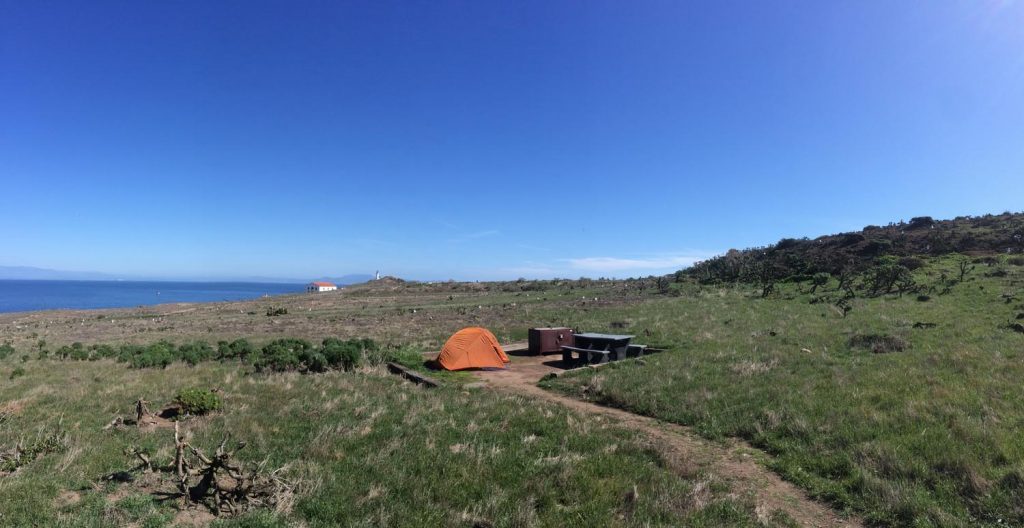
    Camping is available year-round on all five islands, with one maintained campground on each. Reservations are required, and each campground has pit toilets, but freshwater is only available on Santa Cruz and Santa Rosa islands.

    Campers must pack water, food, and equipment in and pack out equipment and trash, as there are no receptacles. No fires are allowed, but campers can use enclosed gas stoves.

    SCUBA Diving and Snorkeling

    Photo Tripping America - Channel Islands - Camping World

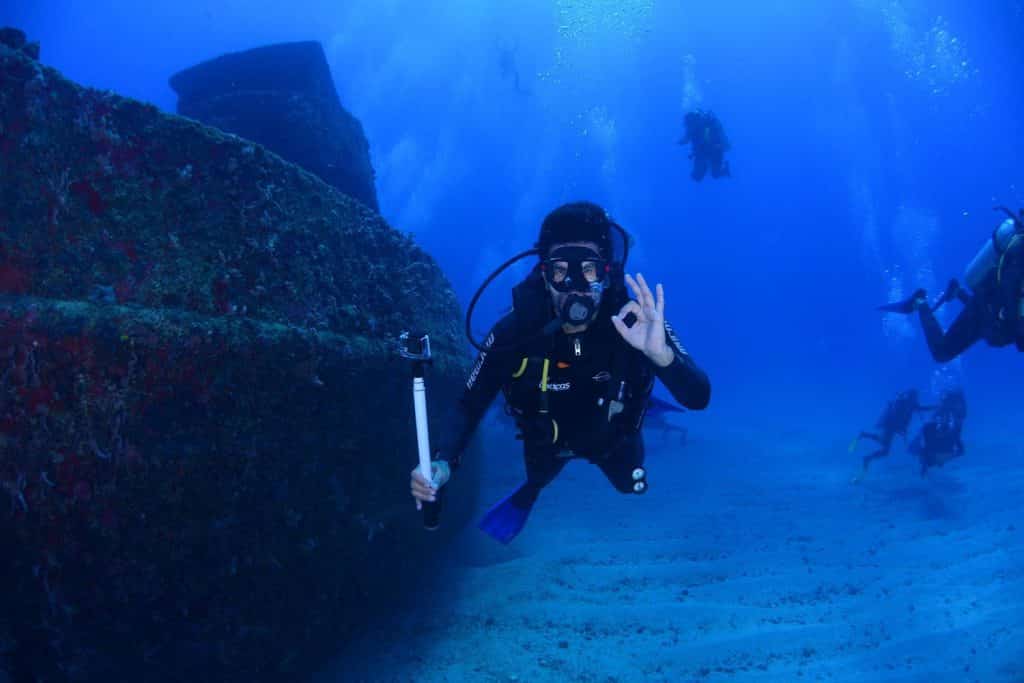
    The waters in the Channel Islands offer some of the best snorkeling and diving opportunities in the world. Because of extremely windy conditions around San Miguel and Santa Rosa islands, it is suggested that divers explore the waters around Anacapa, Santa Barbara, and Santa Cruz islands to venture through sea kelp and caves.

    There are also several shipwrecks to investigate, like the Winfield Scott, which sank in 1853. There is a guide service with rentals available on Santa Cruz Island.

    Spearfishing

    Many divers come to the islands with one intent, as the Channel Islands are considered one of the best spearfishing locations in the world.

    All fishing on the islands requires a permit, and because some of the waters around them are included in 13 marine protection areas, fishermen should be aware of their location and limitations. It is illegal to fish in those areas.

    Wildlife Viewing

    Photo Tripping America - Channel Islands - Camping World
    Photo Credit: NPS Dan Richards

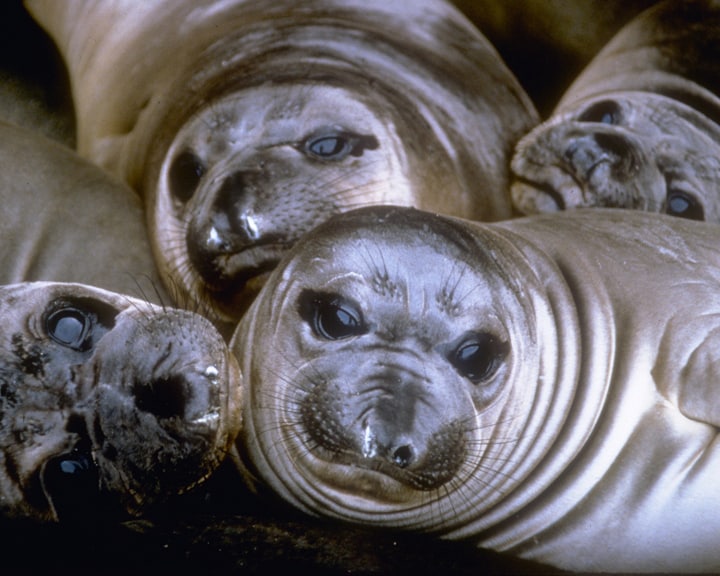
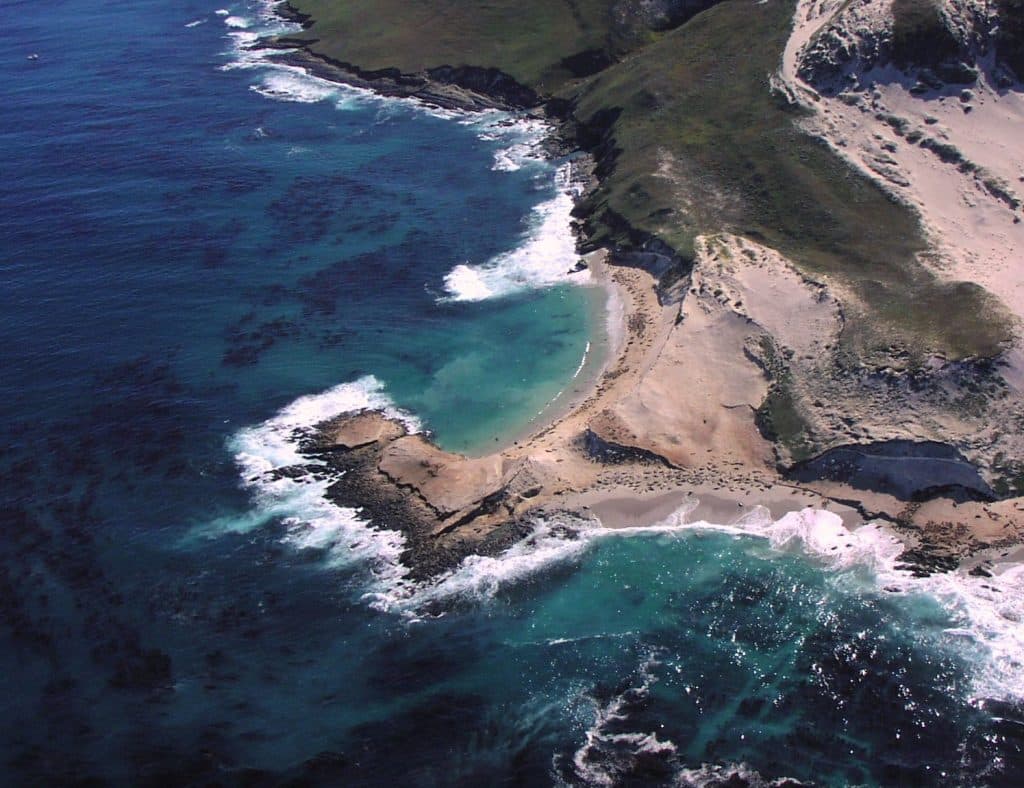
    There are more endangered species in this national park than in any other, so wildlife viewing can be extraordinary! Whale watching is a sport here, with 27 different whale species passing by the park. And seals, sea lions, and sea otters are found in massive numbers on the beaches and rock formations around the coastlines of the Channel Islands. Huge pods of dolphin play in the waters here, as well.

    Underwater life is also colorful, with anemones, sunflower stars, garibaldi, sea bass and spiny lobsters. So be sure to bring your snorkeling gear!

    When to Visit Channel Islands National Park

    Photo Tripping America - Channel Islands - Camping World
    Photo Credit: NPS

    The Channel Islands are open year-round, and different seasons bring different opportunities. Winter can bring rough waters, so what might be a good time for whale watching is not the most enjoyable for boating. Kayakers await the calmer summer winds to explore sea caves and enjoy playful sea otters.

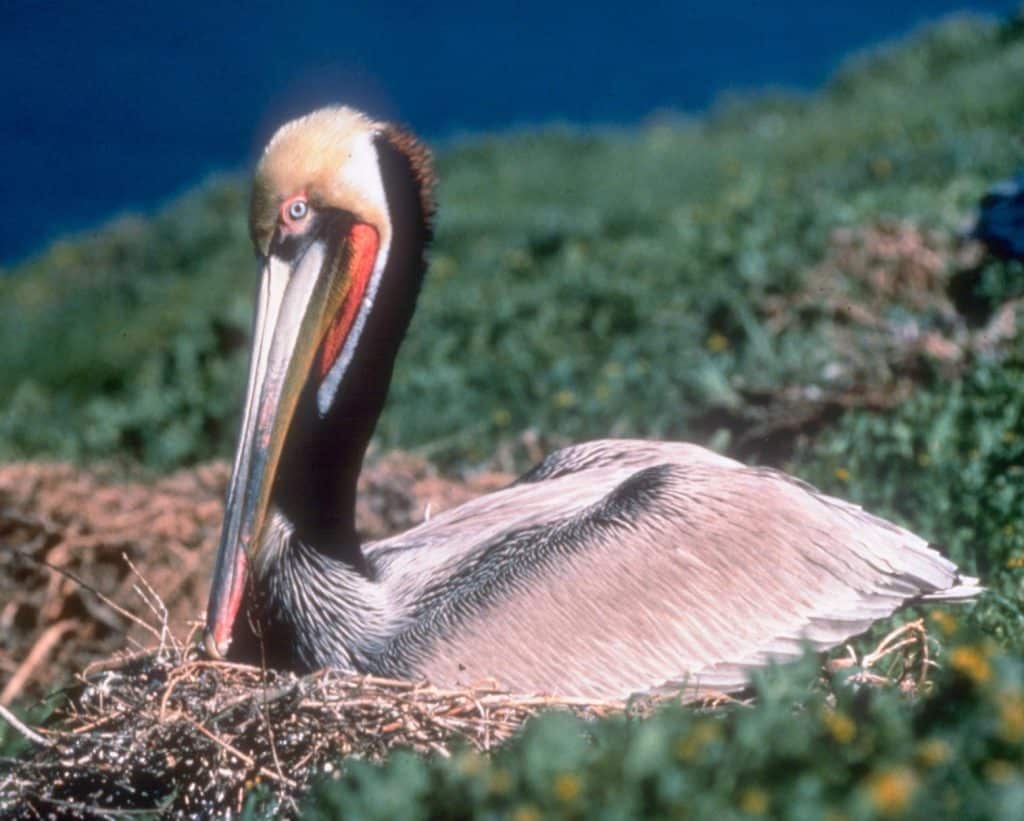
    Huge colonies of brown pelicans breed here between January and October when they dive for anchovy to feed their young. Many travelers to the park do not care what time of year it is.  They have come to escape the hustle and bustle of city life, finding that somewhat elusive quality of peace and quiet on an island full of wonder.

    Where You Can Stay

    There are no fancy RV parks on the island, but each does have a primitive campground. So bring a tent and sleeping bag with you when you boat to the Channel Islands and enjoy a night or two under the stars.

    If, however, you choose to use your motorhome or travel trailer as a home base on the mainland, here are a few campground options:

    • Ventura RV Beach Resort – offers a wide variety of RV sites, tent sites and rental units with full amenities
    • Ventura Oaks RV Park – located 10 miles from the ocean in the countryside, this campground has 60 full hookups
    • Rincon Parkway Campground – located right on the Pacific Coast Highway, self-contained RVs park on the pavement with the highway on one side and the ocean on the other.

    Getting to and Around Channel Islands National Park

    Photo Tripping America - Channel Islands - Camping World

    To access Channel Islands National Park, visitors must take a boat. Boats leave from Ventura Harbor, and to get there take the Victoria Avenue exit off of Highway 101. Turn left on Victoria, right on Olivas Park Drive and right on Spinnaker Drive. Follow signs to “Island Tours/Island Packers” to catch a boat.

    There is no transportation on any of the islands and no bicycles are allowed, so getting around is done by foot, boat or swimming.

    Nature Straight Up

    Photo Tripping America - Channel Islands - Camping World
    Photo Credit: Antandrus

    Coming to Channel Islands National Park is a conscious choice, as so much preparedness and self-reliance is required here. It won’t be a casual visit, but one that tests the metal of its participants. Do you want to experience nature without all the trimmings? No back-up, no assistance, but also no exhaust fumes, no drive-thrus, no racing to the office.

    Just you and the wide-open land and water, experienced just as it was thousands of years ago. The Channel Islands are representative of Mother Nature without any filters, a perfect challenge for the adventurist.


    Have you ever been to Channel Islands National Park?  What were your experiences there?


    Source link

  • WWOOFing Across America in a RV, For (Almost) Free

    WWOOFing Across America in a RV, For (Almost) Free


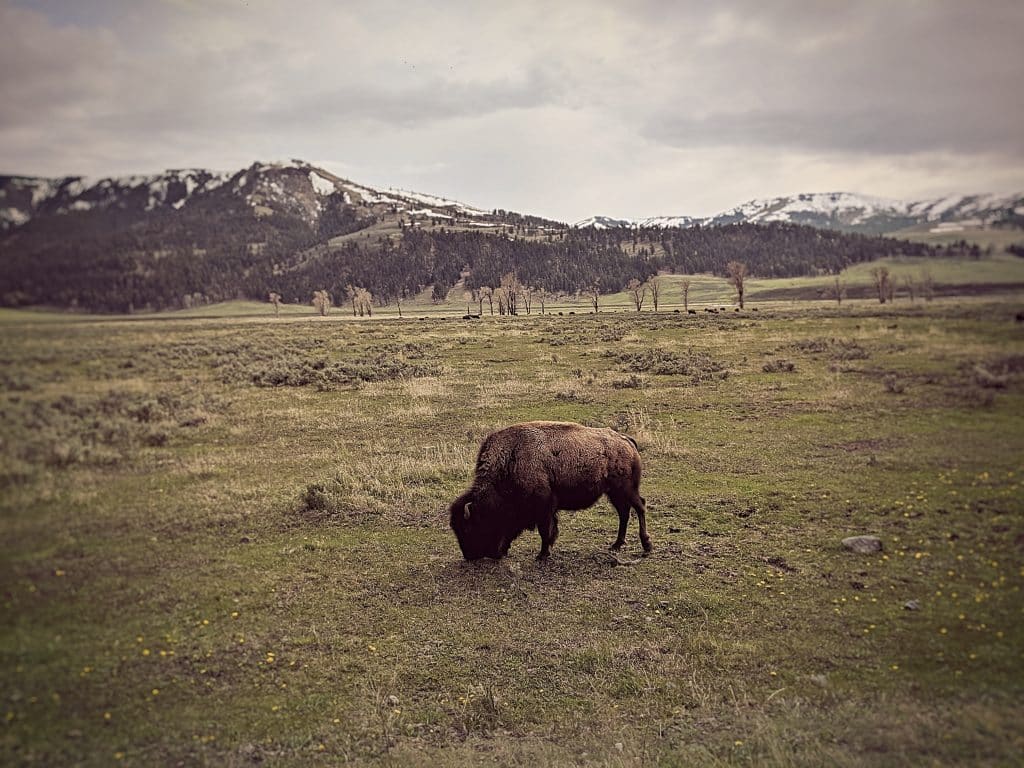
    If you’ve ever imagined setting up camp in wine country, California, or on a gorgeous sprawling ranch just outside of Yellowstone National Park, but couldn’t front the costs at the time, you may be interested in the Worldwide Organization of Organic Farming (WWOOF).

    Where Does WWOOF Happen?

    Photo by Jacob Stone from Unsplash

    Many WWOOF opportunities exist just outside of highly-desirable, and often cost-prohibitive locations, placing them within an average (or frugal) camper’s reach. WWOOF sites exist around popular skiing locations, amusement parks, world-acclaimed museums, major cities, and beyond.

    WWOOFing offers a unique opportunity for campers to have access to such sites at dramatically-reduced costs. If you have an interest in sustainability, travel, and learning more about the culture and community of whatever locale you’re visiting, joining WWOOF is an excellent option for you.

    What Is WWOOF Exactly?

    Photo by Thomas Gamstaetter from Unsplash

    The WWOOF movement links volunteers with organic farmers all around the world, offering unique opportunities for full-timers, part-timers, and workampers alike. Full-time RVers might be especially interested in this organization, as it allows for travel without additional expenses. Many WWOOF farms will even feed you three square meals a day in exchange for a few hours’ work. 

    Every WWOOF site is different. As a WWOOFer and RVer, you’d have an endless amount of places to go, set up camp, and gain firsthand experience of the land and culture of the place you chose to visit. WWOOF USA offers over 2,100 sites to choose from. Simply choose your destination, choose a timeline (open now; immediate availability; or open next season) and length of stay, and select a farm type. Vineyards, homesteads, ranches, orchards, communities, and more are offered as farm type options. 

    WWOOF farms often have full hook-up for rigs, making long-term stays a breeze. Workampers and short-term campers will find plenty of opportunities through the WWOOF organization. A free site to boondock temporarily outside of national parks or other vacation destinations would be worth a few hours of volunteering, particularly if you’re trying to preserve your cash flow.

    How Does It Work?

    Photo by Balkan Campers from Unsplash

    A single WWOOF membership costs $40 annually, and $65 annually for couples, which gives you access to all of the hosts’ contact information, details about their farms, reviews, ratings, and an automatic insurance policy that covers most accidents that might occur while volunteering. Volunteering can be easily tailored to individual needs: from a single-day visit to long-term stay, for an individual or the whole family.

    Typically, a day would consist of four to six hours of volunteering: the details of which you can work out beforehand, with the host farm. Hosts are expected to provide basic accommodations and meals. Some WWOOF sites offer a small wage, in addition to accommodations and meals.

    Be sure to ask about what projects are available before going, as hosts may require more hours during certain harvests and seasons. Before discussing the details of your stay, you’re encouraged to inquire about how your host will accommodate your RV or camper.

    You’ll also want to ask about the sites available for your stay. Is this a full-hookup site, complete with water, electric, and sewage? Is the site a pull-through, with easy drive-thru access? Does it have hose bibs for water access, a sani-dump or dump station for your wastewater, and hook-ups for electricity? If not, ask your host to provide and confirm details about where you can access these utilities for longer-term stays. Boondocking is definitely worth your consideration for short-term stays in desirable locations.

    Additional Things to Know about WWOOF

    Image by Tim Mossholder from Unsplash

    After your stay at the WWOOF site, you can leave a review and rating about your experiences. The host will, in turn, leave a review and rating for you. As a member, you’ll have access to all of the reviews left by previous volunteers, which you can access before even contacting the host.

    These two-way reviews include clear, factual accounts intended to help future volunteers find the right community for them, and to help hosts improve the experiences they provide for volunteers. Personal opinions and impolite accounts are discouraged, and third party information is never shared. Disputed accounts of WWOOF experiences are reviewed by their board. 

    In addition to the review and rating system for members and hosts, WWOOF offers a Verification Program for hosts, which ensures that the host is following these five requirements: 

    1. Practicing organic or sustainable growing methods.
    2. Providing an educational experience and sharing knowledge with WWOOFers.
    3. Providing adequate food for three meals per day.
    4. Providing suitable and sanitary living accommodations.
    5. Asking WWOOFers to help for a maximum of half a day (between four to six hours), five and a half days per week.

    These requirements are verified by a representative who has visited the site and confirms that the host is providing a safe, educational, and comfortable environment for volunteers. You’ll see the searchable, “WWOOF-verified” badge on the farm’s website. 

    Whatever site you choose, an adventure surely awaits! Explore the North American continent and beyond from the comfort of your home-on-wheels. Conserve your savings while visiting popular vacation destinations. Learn about, and foster a real connection to nature and the ways of the land while volunteering at the WWOOF site of your choosing.


    Have you ever volunteered with WWOOF or a similar organization? What was your experience? Leave a comment below!


    Source link

  • 37 RV Hacks

    37 RV Hacks

    37 RV hacks that will make you a happy camper

    RV Camping is a great family experience. It gives you the ability to drive down the open road, see the sites, and spend time with the ones you love. Here are a few RV hacks that will make you a happier camper by making your trip easier.

    1. Shoe Rack Bed Storage

    rv-hacks-storage

    Beds are a great place for added storage. Basically take a shoe holder, cut it as shown, and wire it with heavy cord. It is sturdy enough to hold all of your shoes around your bed frame.

    via: motorhome


    2.  Shoe Rack Shower Storage

    rv-hacks-bathroom-storage

    RVs have the tendency to be low on extra space, shoe racks are always great ways to create instant organized storage. Hang one over your shower curtain rod for extra bath storage.

    via: campingworld


    3. DIY Travel Cup

    rv-hacks-instant-travel-mug

    It never fails, something gets spilled. An easy way to minimize the disaster area is Press’n Seal Wrap. It works with most cups and saves many headaches.

    via: glad


    4. PVC Pipe Hammock

    rv-hacks-happy-camper-hammock

    Who doesn’t love a hammock! After you’re parked be sure to put together a hammock for kids and big kids to enjoy. It can even double as an extra bed! It required 2 inch PVC Pipe for the main span and 1.5 in for the cross pieces. Sleeves were sewn in the fabric and the PVC was slipped through and connected together. Then ran rope through the long pieces and through a hole in 1.5 in pieces that are used to prevent the rope from slipping back through the door closure. You can store it in the pop top gap up top when not in use.

    via: thesamba


    5. Command Hook Curtains

    rv-hacks-curtain-hangers

    Need a temporary curtain to create separation in your RV, don’t want to drill holes into the frame, or simply want a super easy way to hang curtains. Use command hooks to hold up your curtain rod!

    via: instructables


    6. DIY Tank Cleaner

    rv-hacks-toliet-bowl-cleaner

    Toilets are always dreaded to clean, especially RV ones. An easy fix is a cup of Borax detergent and 1/2 cup of Calgone Water Softener. The Borax helps control odor and the water softener prevents waste from sticking to the walls of the waste tank. Be nice to your RV bathroom and keep your tank clean.

    via: ruggedthuglife


    7. Dry Erase Board Use

    rv-hacks-dry-erase-board

    Dry erase boards come in handy for many uses but they can help with safety concerns as well. Keep one in the RV to write down the name of the campground, address, spot number, phone number of the campground, and any other useful information about the site you may want to be nearby in case of an accident or emergency.

    via: BuzzFeed


    8. Getting Better Wi-Fi Signal

    rv-hacks-better-wifi

    Wi-Fi is a given at most campsites now, but sometimes it can be hard to get a good signal. The easiest way to boost the signal is a simple $20 fix, a Wi-Fi Reception Booster.

    via: everything-about-rving


    9. Collapsible Garbage Can

    rv-hacks-make-shift-trash-bag

    RV’s are low on storage, a large trashcan is difficult to travel with. However, using a collapsible laundry basket makes a perfect impromptu trash can that stores away easily.

    via: realsimple


    10. Space Saving Containers

    rv-hacks-space-saver-containers

    Square containers use space more efficiently than the round containers many items come in, they piece together better, and don’t move around as easily while in transit!

    via: amatterofpreparedness


    11. Tissue Box Container

    rv-hacks-tissue-box

    Tissue Boxes get tossed around, sat on, and wet until they become unusable. A simple Tupperware container can help to fix these problems. Cut a slot into the container and place the tissue box in it and it becomes a water proof box you won’t easily squish.

    via: dollarstoremom


    12. Black Out Curtain Trick

    rv-hacks-blackout-curtain

    Black out curtains are one of the best investments for RVing. After a long drive sometimes you just need to go to bed and the sun doesn’t always cooperate with when you would like to sleep. A great trick is to Velcro the blackout curtains to some nice curtains you like, so you get the best of both worlds without the hassle of putting up more curtain rods.

    via: home-2-me


    13. Prevent Heat Loss

    rv-hacks-keeping-warm

    These Vent Cushions help to keep your RV insulated, they are inexpensive, and work great with deeper vents. Click Here to buy one.

    via: CampingWorld


    14. DIY Awning Track Hanger

    rv-hacks-awning-track-hanger

    Make your own awning with a paracord! Each one you make will need 10 inches of paracord (ends melted), 1 inch of 1/4 inch rigid aluminum tubing, one M10 washer. Get directions here.

    via: popupportal


    15. Mount Electrical Adapters

    rv-hacks-organized-electric-wire

    Be sure you have all of your cords, adapters, and wires mounted and organized. It makes life easier when you are able to find your cords as you roll into your campsite late at night and need something.

    via: rvtravel


    16. Pinesol Keeps Away Flies

    rv-hacks-fly-repellent

    Dilute it with water to create a 50/50 solution and wipe down your counters, tables, and awnings with it. Read more about this magical solution here.

    via: thegardeningcook


    17. String Light Hangers

    rv-hacks-easy-decorations

    Use these badge holder clips or paper clips to hang lights or decorations on your awning.

    via: popupportal


    18. Bubble Wrap Insulation

    rv-hacks-bubble-wrap-insulation

    For those chilly winter months a campfire is great but inside your RV is a different story! An easy temporary solution is Bubble Wrap insulation. Get easy directions here.

    via: builditsolar


    19. Syringe to Fix Wood Veneer

    rv-hacks-easy-wood-fixer

    Warped and peeling veneer wood is an all too common problem, click here to get more information on how to use the syringe to fix your RV’s veneer imperfections.

    via: zoomcart


    20. Easy Scrambled Eggs

    rv-hacks-scrambled-eggs

    Eggs are a staple breakfast that everyone loves. To create this easy meal while camping the easiest thing to do it break them into a bottle with a lid (i.e. a water bottle, creamer bottle, etc). Add a little milk (optional) and shake it before pouring it into the pan to cook. It’ll save a bowl, wisp, and it recycles a bottle!

    via: lifehacker


    21. DIY Floor Update on a Budget

    rv-hacks-wood-flooring

    Everyone wants hardwood in their homes now, it’s no different with a motor home. These vinyl tiles aren’t your grandmothers laminate. They are inexpensive, easy to cut, pre-glued, water resistant, and look amazing installed!

    via: gilbertconstruct

    22. Line the Shelves with Non-Slip Liner

    rv-hacks-nonslip-surface

    Be sure to line all of your shelves with non-slip liner. It will keep your cabinets from becoming a dishware graveyard on those bumpy road trips.

    via: containerstore


    23. Add Glow in the Dark Tape to Walk Ways

    rv-hacks-glow-in-the-dark-steps

    We all have the family member that WILL fall over something. At least try to help them when it is dark. Try to highlight steps, split levels, or anything in your RV someone could trip over with glow in the dark, or neon colored tape.

    via: rvtravel


    24. Save the Condiments

    rv-hacks-condiments

    Free condiments are amazing! Keep them in a small container to save coveted real estate in the refrigerator. It not only saves money but it saves space!

    via: ruggedthuglife


    25. Wasp Repellent

    rv-hacks-flea-collar-tricks

    No one wants to mess with a wasp nest but they are attracted to the smell and taste of propane. A simple solution is to use a dog flea collar. Cut up a few and place them in the different compartments of your RV that may attract these pesky insects.

    via: rvtravel


    26. Place a Foam Noodle Over Awning Brace

    rv-hacks-foam-noodle-over-awning-strut

    An inexpensive easy solution for no more bumped heads as you walk around the RV.

    via: andybiard


    27. Food Container Wastebasket

    rv-hacks-waste-basket

    The RV is filled with nooks and crannies that a large trash cant fit into easily. Those dry food containers are the perfect size to place around the RV to help keep it clean!

    via: andybiard


    28. Drying Clothes

    rv-hacks-clothing-dryer

    Washing and drying clothes can be hard, and it gets expensive when traveling in an RV. A simple solution is to put a rack in the bathtub to at least cut down on drying costs. Just be sure your rod is secure in case you’re still drying while driving.

    via: rv-boondocking-the-good-life


    29. Anti-Fatigue Floor Mats Increase Comfort and Insulation

    rv-hacks-anti-fatigue-floor-mats

    These squares a perfect RV hack for functionality and cost. You can buy 6 for around $20.

    via: ruggedtimes


    30. Spray Paint Dingy Parts

    rv-hacks-spray-paint-fixes

    Spray paint is an inexpensive, quick, and easy update for anything on your RV. Help it look 10 years younger with this fix.

    via: ruggedthuglife


    31. Wine Bottle Sleeves

    rv-hacks-wine-bottle-sleeves

    These plastic sleeves are a great solution for when your glass bottles are knocking around in the cabinets. They are a great way to keep those expensive bottles from breaking on the road. You can get them here.

    via: goodsamcamping


    32. Easy Reupholstering Method

    rv-hacks-reupolster-camprv-hacks-no-sew-cushion-covers

    It’s as easy as wrapping a present, get full directions here.

    via: modishmanor


    33. Suction Cup Kid’s Caddies

    rv-hacks-shower-caddies-for-kids-toys

    Kids make messes, it is a way of life. However, we can attempt to organize them with these caddies that suction to the car windows. It provides them a good place to put the toys, markers, and hair things when they clean up.

    via: morsermoments1


    34.  Towel Rod Product Holder

    rv-hacks-bathroom-products

    Bath products never stay in one place while driving, use this simple hack to create a holder for all of your sink necessities!

    via: FiveFs


    35. Easy Washing Station

    rv-hacks-hand-washing-station

    Create an easy washing station, all you need is a bar of soap placed in a leg of panty hose and tied around a water spigot. It will make cleaning up more convenient and your RV much cleaner.

    via: momlovescamping

    36. Mice Repellent

    rv-hacks-irish-spring-mice-repellant

    Irish Spring is actually a mice repellent. Not convinced read this testimonial.

    via: twomenandalittlefarm


    37. Ikea Light Hack

    rv-hack-ikea-led-lights

    Lighting can be scarce and outdated in some RVs, get a sleek look with lights from Ikea. Instructions are available here.

    via: livinlightly

  • The 35  Best RV Must Haves as Told by Seasoned RV Owners. After weeks of asking …

    The 35 Best RV Must Haves as Told by Seasoned RV Owners. After weeks of asking …


    The 35 Best RV Must Haves as Told by Seasoned RV Owners. After weeks of asking questions, hearing from hundreds of RV’ers (including many of you here!), we have compliled the list of the best RV must haves. To those that contributed to the list THANK YOU! What is your favorite item on the list?! #rving #rvaccessories


    Source by DIYRV

  • NOCO Genius G1100 6V/12V 1.1A UltraSafe Smart Battery Charger

    NOCO Genius G1100 6V/12V 1.1A UltraSafe Smart Battery Charger


    Price: $1,125.95 – $49.95
    (as of Jul 21, 2025 16:15:08 UTC – Details)


    NOCO Genius smart battery chargers are some of the safest and most advanced on the market. One of our best, the G1100 1.1 Amp is designed to charge 6-volt and 12-volt lead-acid and lithium-ion batteries up to 40Ah. It can also effectively maintain automotive, marine, RV, powersport, lawn & garden and deep-cycle batteries. It charges 2x faster than ordinary battery chargers, can repair damaged batteries and is designed to use with micro-hybrid start-stop vehicles and CANBUS electrical systems.

    Guided by an onboard microcomputer, the G1100 monitors battery activity for safe and efficient charging, automatically minimizes energy consumption and provides redundant levels of safety protection, including spark-proof technology, as well as reverse polarity and overcharge protection. It can remain safely connected 24/7, while the streamlined design makes it ultra-compact, portable and incredibly lightweight.

    It features external mounting holes and a rubberized base that avoids surface slipping and scratches, while remaining impact, UV and water-resistant (IP65). Intuitive LED indicators provide visual diagnostic information and feedback of the batteries state-of-charge, even when in maintenance mode. Designed for use on 120-volt 50-60Hz electrical systems, the G1100 smart charger includes both X-Connect battery clamps and eyelet terminals, as well as a 5-year limited warranty.

    Other commonly used search terms include: 12 volt battery charger,12 volt battery maintainer,12 volt motorcycle trickle charger,12 volt trickle charger,12v 24v battery charger,12v auto battery charger,12v battery charger,12v battery trickle charger,12v car battery charger,12v trickle charger,24 volt battery charger,24 volt trickle charger,24v 12v battery charger,24v battery and charger,24v battery charger,24v battery chargers,24v trickle charger,auto battery charger,automobile battery charger,automotive battery charger,automotive battery chargers,battery charger,battery charger auto,battery charger car,battery charger portable,battery charger automotive,battery charger scooter,battery charger 12v,battery chargers,battery maintainer,battery maintainer 12 volt,battery trickle charger,battery trickle charger with float mode,car battery charger,car battery charger and starter,car battery charger maintainer,car battery charger portable,car battery charger with jump start,car battery chargers,car battery chargers 12 volt,car battery trickle charger,harley davidson trickle charger,manual battery charger,marine battery charger,marine battery trickle charger,mini car battery charger,motorcycle battery maintainer,motorcycle trickle charger,noco battery,noco battery charger,noco genius,noco genius chargers,noco,portable auto battery charger,portable battery charger,portable car battery charger,portal car battery charger,rv solar 12v battery charger,smart battery charger,solar 12v battery charger,solar 12v car battery charger,solar battery charger,solar battery maintainer,solar battery maintainer 12 volt,solar car battery charger,solar car battery chargers,solar power 12v battery charger,solar trickle charger,trickle charger,trickle charger car battery,trickle charger for atv,trickle charger for boat battery,trickle charger for car battery,trickle charger for motorcycle,trickle chargers,waterproof trickle charger,battery desulfator

    A 6V and 12V battery charger and maintainer. Charges lead-acid and lithium-ion batteries up to 40 amp-hours.
    Cutting-edge technology delivers superior performance. Charge 2x faster, repair damaged batteries and use with micro-hybrid start-stop vehicles and CANBUS electrical systems.
    Streamlined design that’s ultra-compact, portable and incredibly lightweight. It features external mounting holes and a rubberized base that avoids surface slipping and scratches, all while remaining impact, UV and water-resistant (IP65).
    Stay safely connected 24/7. Monitors battery activity for safe and efficient charging, automatically minimizes energy consumption and includes spark-proof technology, as well as reverse polarity and overcharge protection.
    Intuitive LED indicators provide visual state-of-charge feedback and diagnostic information, even when in maintenance mode.