Blog

  • Tips for Enjoying National Parks During the Busy Summer Season

    Tips for Enjoying National Parks During the Busy Summer Season


    If you’re planning to visit a national park on your summer RV trip, you’re not alone. Millions of Americans flock to our national parks during summer vacation. However, you don’t have to let the crowds put a damper on your fun. Follow these tips for enjoying the national parks during the busiest time of year.

    Go Early or Stay Late
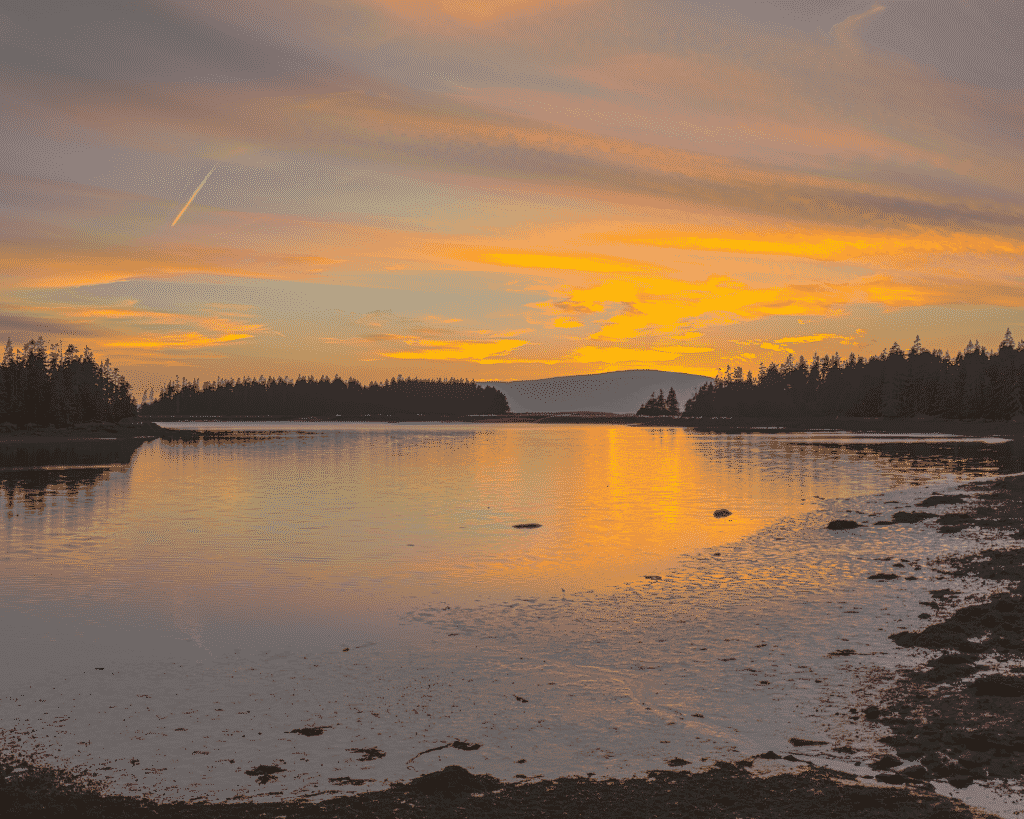
    Sunrise over the lake
    Image by Keith Luke from Unsplash

    Many of the busy parks limit the number of visitors that can enter on any given day. By getting up a little earlier than usual, your family can be first in line.

    This will be easy to do if you take a few minutes to prepare for your trip a day in advance by packing a lunch, a blanket, and some games. Then get a good night’s sleep so you can an early start to your day. Once you arrive at the park, you can go ahead and visit the most popular sight or two on your list right away before the rest of the crowds arrive.

    As the park begins to fill up, you can find a shady spot to put out your blanket and have a relaxing lunch. Stick around a little longer playing cards or other games so that later when everyone else is hot and tired, you’ll still have plenty of energy for more activities.

    Another option is to leave mid-day and head back to your campground. You can return later in the evening when others are exiting. Last year at Yellowstone the best time to view Old Faithful was at 8:30 in the evening with only a handful of people on the boardwalk that serves as a viewing area for the geyser.

    Stay in the Park
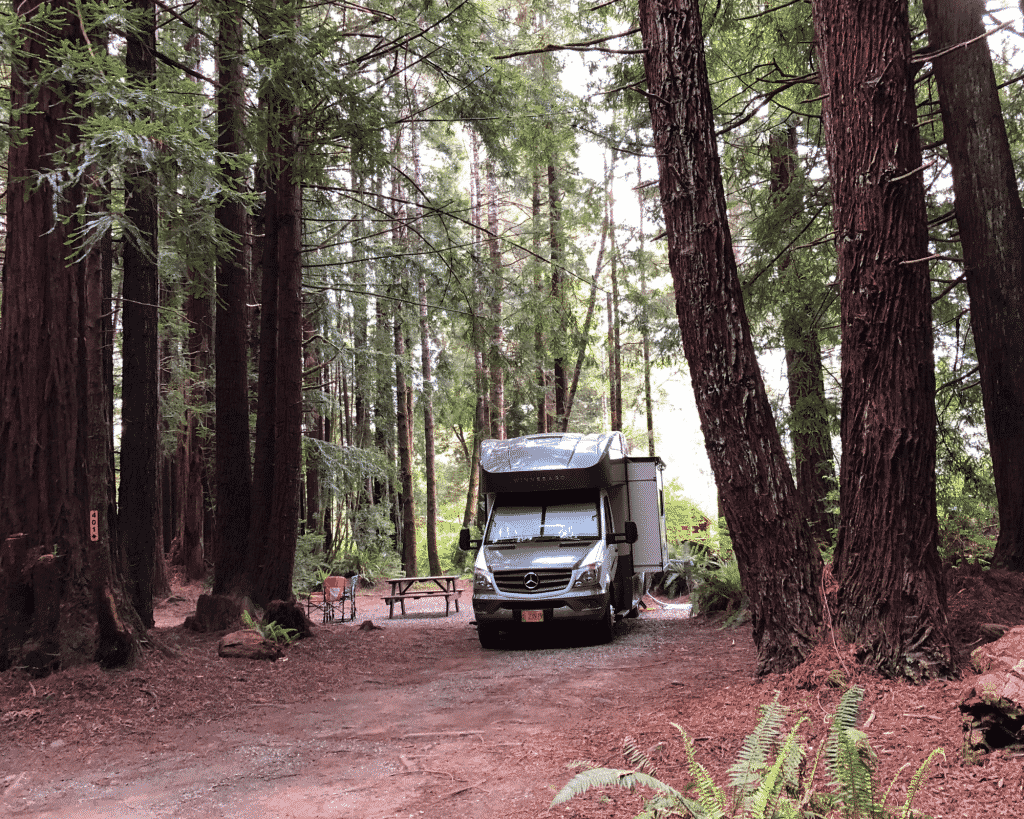
    Camping in Redwoods National Park
    Image by Julie Chickery

    Even better than arriving at the entrance gate early, is staying inside the park. Most every national park has a campground, and the larger parks often have two or three. Staying inside the park gives you unparalleled access to the park.

    You’ll need to plan ahead though. Check the national park website to see if they take advance reservations and what kind of services they offer. Many are “partial” hook-ups meaning they may only have 30amp power and you’ll need to use potable water and dump stations. We’ve even stayed at a few that had no hook-ups at all, but they had hiking trails you could access directly from the campground! You also can’t beat the ability to wake up among the sights and sounds of a national park.

    It’s not surprising that the Grand Canyon, one of America’s most iconic national parks, is often crowded. Most of these visitors stick to the South Rim, leaving you with a perfect opportunity to explore the less populated North Rim. The North Rim Campground borders the Transept Canyon, an offshoot of the main canyon that has spectacular views. The 90-site campground, open May through October (reservations only), is located a mile south of the Grand Canyon Lodge and visitor center.

    Get Off The Beaten Path
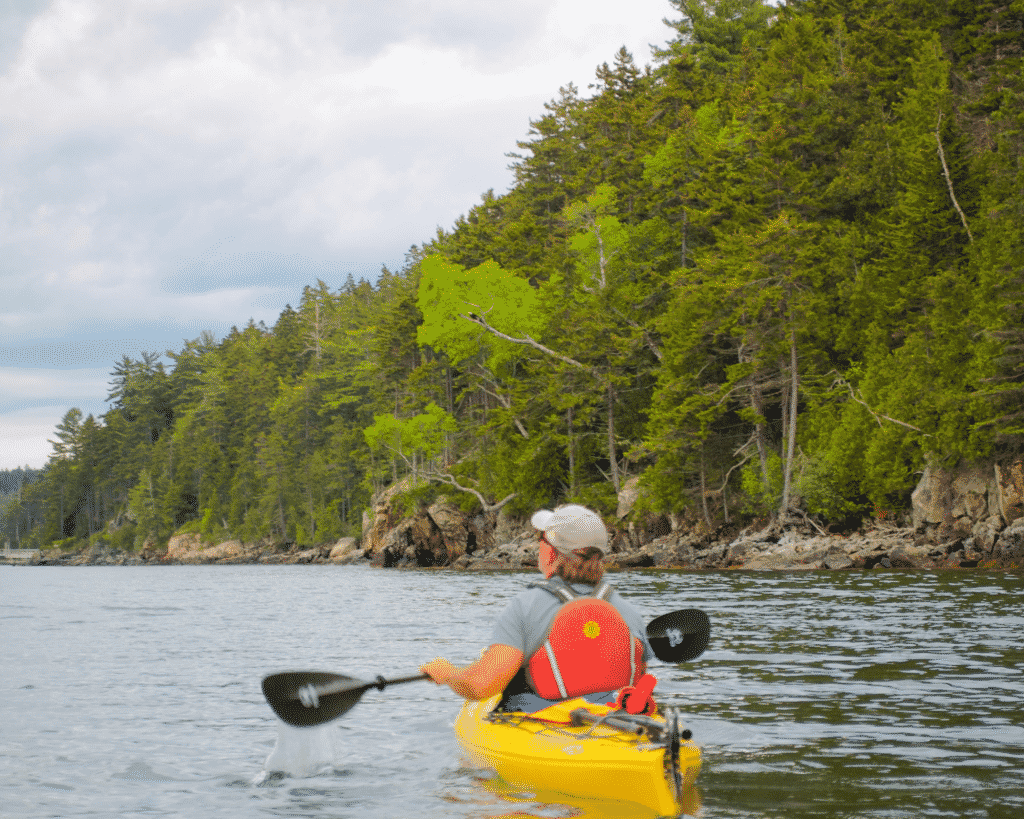
    Kayaking in Acadia National Park
    Image by Julie Chickery

    Instead of sticking to the top attraction, look for the hidden gems and be willing to move away from your vehicle. The sad truth is that most park visitors stay close to their cars.

    They park at the scenic overlooks, take a few photos, and race to the next attraction If you are willing to hike, bike, or kayak there is so much more to see and you won’t have to compete with as many people to experience it.

    When we visited Acadia National Park, too many people were trying to squeeze into the parking areas along the main road. After our early morning hike, we went on a guided kayak tour. We paddled the remote “Westside” including Western Bay and Blue Hill Bay.

    The best part of this trip is that we did not see any tour boats, just some working lobster boats. Even better was the abundant wildlife including harbor seals, eagles, osprey, and loons. Taking a short break on small beach nestled among the rocky, tree-lined coast to watch eagles soaring was quite a treat!

    Alternative Transportation
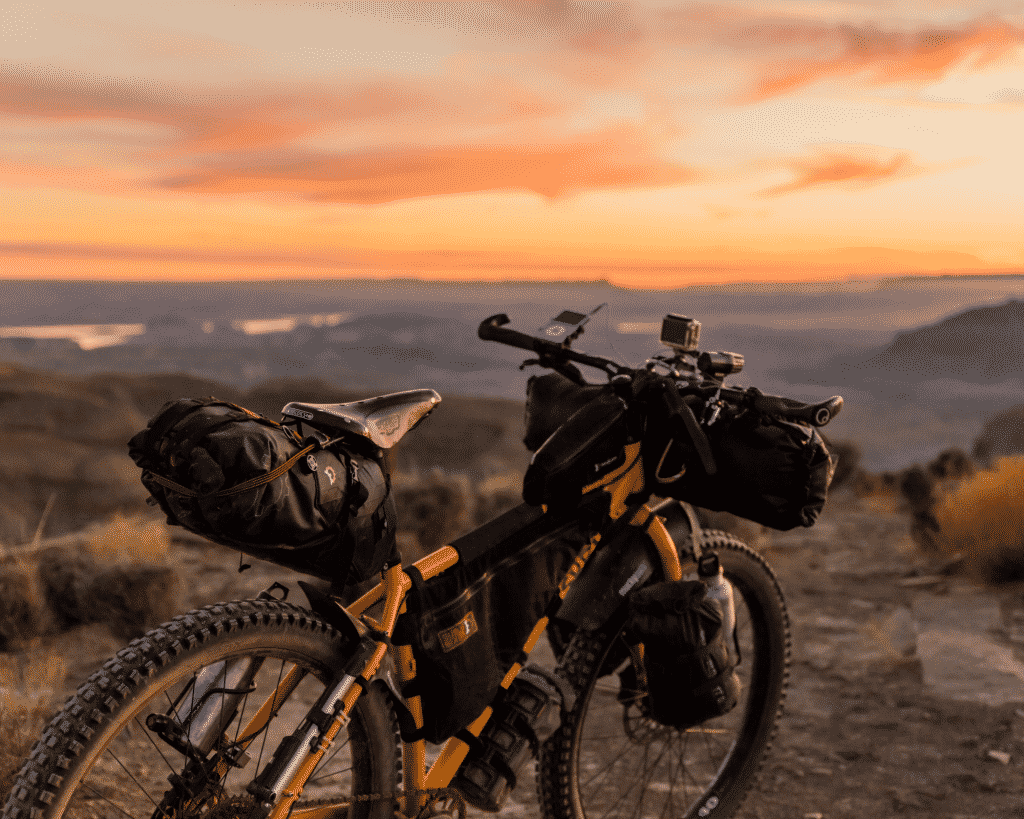
    Cycling at Shenandoah National Park
    Image by Patrick Hendry from Unsplash

    One of the best ways to make the most of a crowded day at your favorite national park is by leaving your car behind. There are several options depending on which park you visit, but the most popular ones like Glacier, Grand Canyon, Zion, and Yosemite have free shuttles.

    This is a terrific way to enjoy the scenic drives without anyone having to pay attention to the road. It is also a great way to hit some of the most popular trails without worrying about squeezing your vehicle into a tiny trailhead parking lot.

    Bicycling is another fabulous way to get around your favorite national park. Now, I know what you’re thinking, what if I only want to bike part of the day? No worries. Many of the shuttles have bike racks so you can get a little assist back to your car if needed.

    Pick a Park That Is Not as Busy
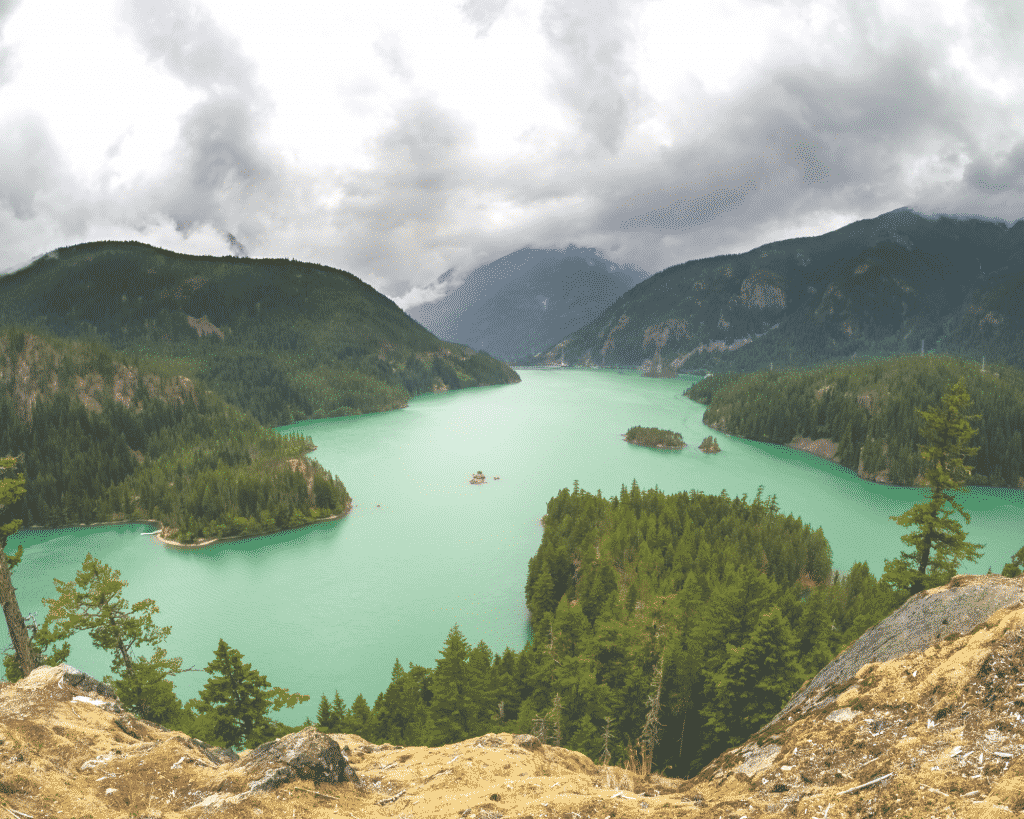
    View of Diablo Lake in North Cascades National Park
    Image by John Westrock from Unsplash

    A final tip has to do with route planning. Instead of trying to avoid crowds at the busiest parks, how about trying one that is not visited as much in the summer months. The National Parks Service publishes statistics on their Visitor Use Statistics Portal.

    Located in the Pacific Northwest, with mild weather is North Cascades National Park in Washington. With less than 30,000 annual visitors it is one of the least visited national parks. What it lacks in crowds, it makes up for in sheer beauty. 110 miles northeast of Seattle, it is home to over 300 glaciers, more than any other US park outside Alaska.

    On the east coast, you’ll typically need to be prepared to brave the heat to find a park that is not as crowded. Biscayne National Park is within sight of Miami, but offers numerous opportunities to find respite from the heat such as snorkeling at a shipwreck or sailing on beautiful Biscayne Bay.


    Which national park will you visit this summer? Leave a comment below!


    Source link

  • RVing the Rails – Excursion Trains in New York

    RVing the Rails – Excursion Trains in New York


    Many times camping trips involve exploring new territory and discovering enticing attractions along the way. Passenger tour trains have that magnetic appeal for many RVers, providing a novel way to see hidden countryside not normally viewed from the road. Railroad passengers learn about local history, culture and the many colorful characters from the communities visited. Camping World wants to make sure you don’t miss the departing whistle, so we have created a series entitled RVing the Rails. You will find the most popular excursion trains to ride in each state, complete with any specialty trains they might offer.

    Excursion Trains in New York - Camping World

    Today we will explore the most popular trains in New York:

    Adirondack Scenic Railroad

    Excursion Trains in New York - Camping World
    Photo Credit: Howard Brier (CC BY-SA 2.0)

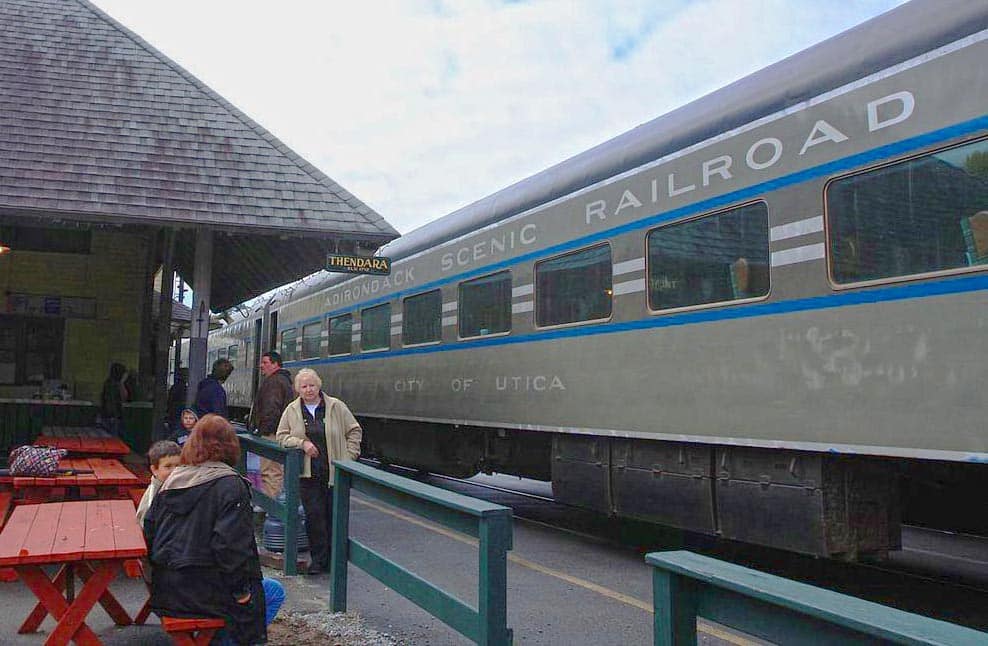
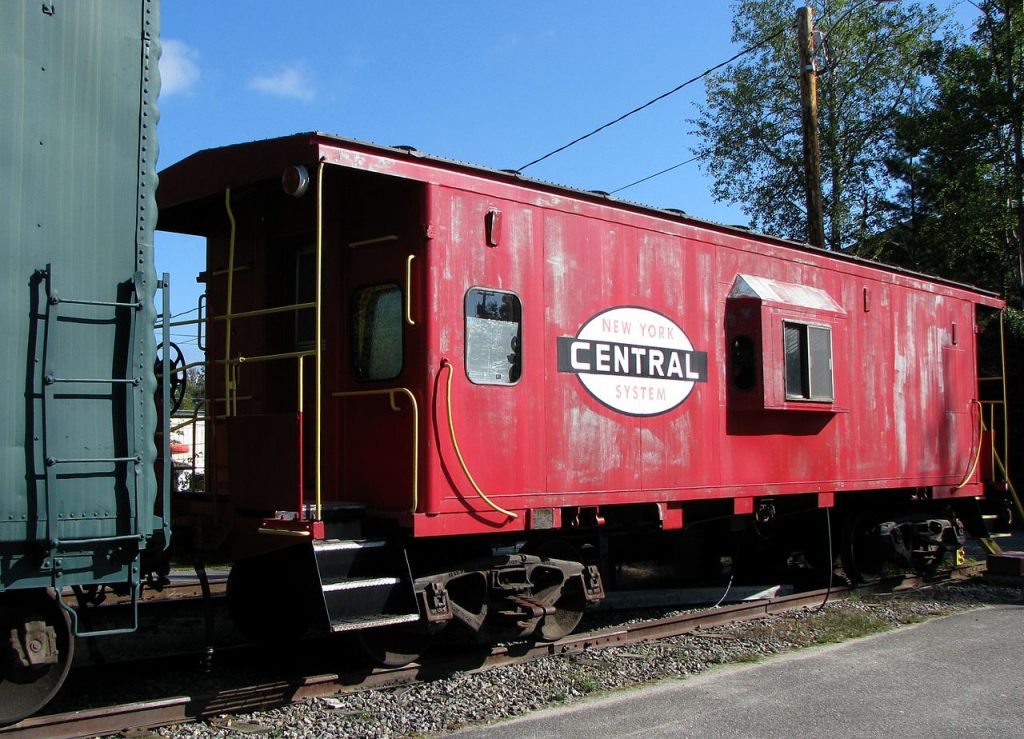
    Once a part of the New York Central Line in 1853, the Adirondack Scenic Railroad continues the tradition of transporting passengers in upstate New York. The excursion train of today travels between Utica, Old Forge, and Big Moose, offering daily service during the Spring, Summer, and Fall.

    Several specialty trains take advantage of the beautiful landscapes in the Adirondacks on specific dates throughout the year.

    Railway and Locomotive Types

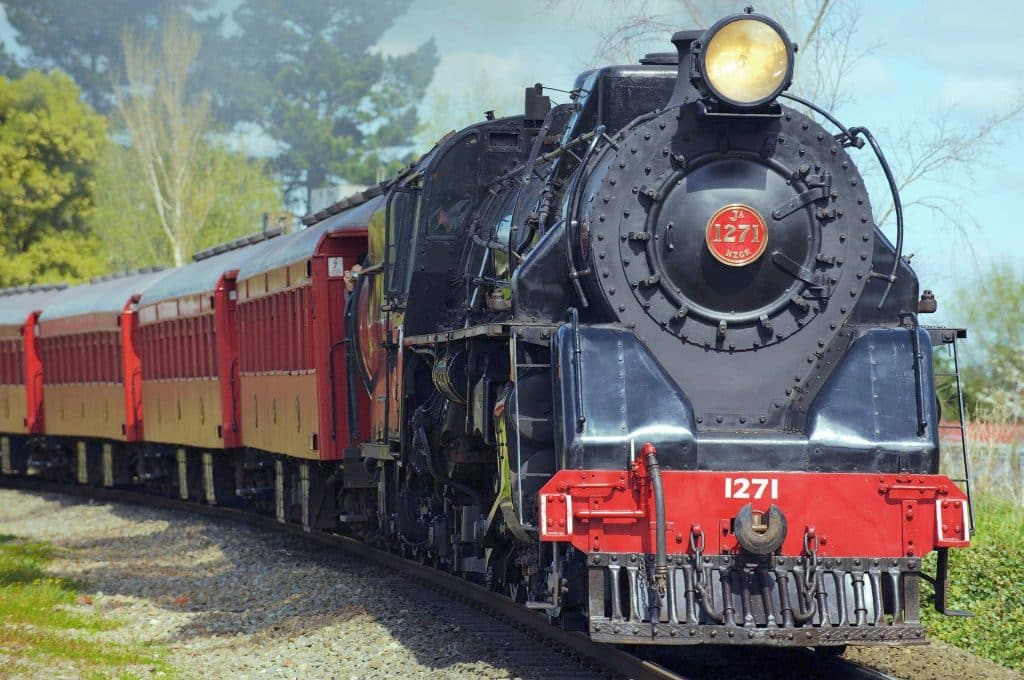
    The train is pulled on standard gauge rails by a fleet of diesel engines. The rolling stock is made up of private cars and coaches from the 1920s through the 1950s. The railway also offers rail bikes for groups of people looking for more direct involvement in their “locomotion.”

    Seating Options

    Excursion Trains in New York - Camping World
    Photo Credit: Mwanner (CC BY-SA 3.0)

    The railroad has open seating with two classes of service on its daily routes:

    • Coach Class – Seating is available in enclosed coach cars.
    • First Class – Seating is available in private cars.

    Riding Options

    The Adirondack Scenic Railroad offers one-way and round-trip options between its daily stops. They are as follows:

    • Utica to Old Forge one-way
    • Utica to Old Forge round trip
    • Utica to Big Moose round trip
    • Old Forge (Thendara) to Utica one-way
    • Old Forge (Thendara) to Big Moose one-way
    • Old Forge (Thendara) to Otter Lake one-way

    Specialty Trains

    Excursion Trains in New York - Camping World
    Photo Credit: Doug Kerr (CC BY-SA 2.0)
    • Beer & Wine Train – Enjoy the countryside as you sip local beers and wines on the train. Passengers receive a commemorative glass with their ticket.
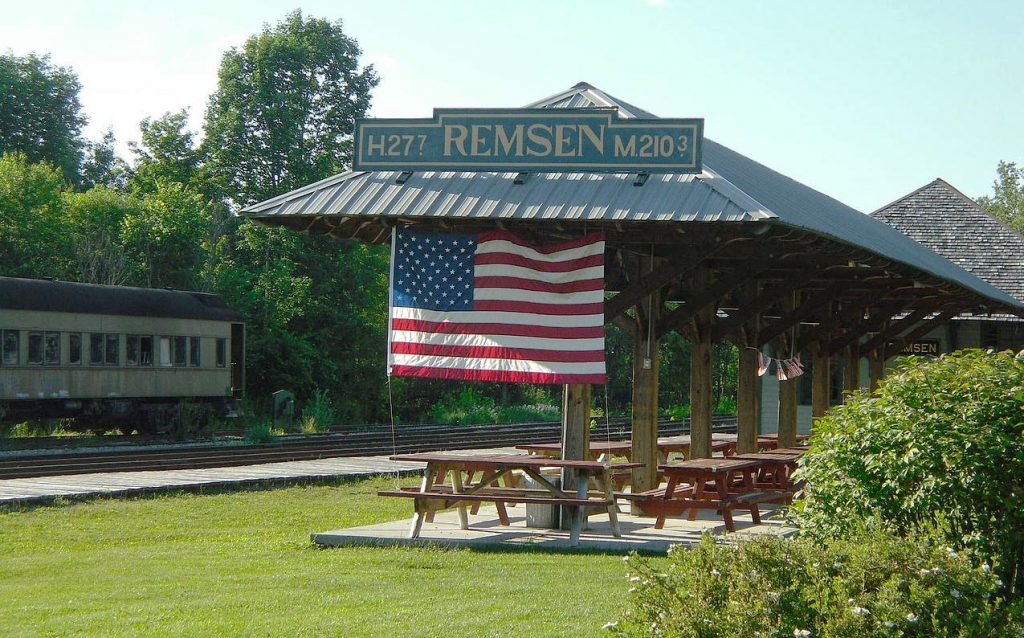
    • Soda Fountain Train – Take a train ride into the past, as you travel from Utica to Remsen for a lunch stop at a 1950s soda fountain.
    • Princess Super Hero Train – Children will watch wide-eyed as their favorite superheroes board the train with them for an adventurous ride. Capture it all on film back at the station, where photo opportunities abound!
    • Haunted History Evening Train – Get spooked on this haunted journey into Old Forge’s murderous history. Darkness surrounds the tales told as passengers disembark at a forest for ghostly stories and unsolved crimes.

    Length of Season

    The Adirondack Scenic Railroad has regular train service in Spring, Summer, and Fall, with specialty trains running on specific dates year-round. Check out their schedule here.

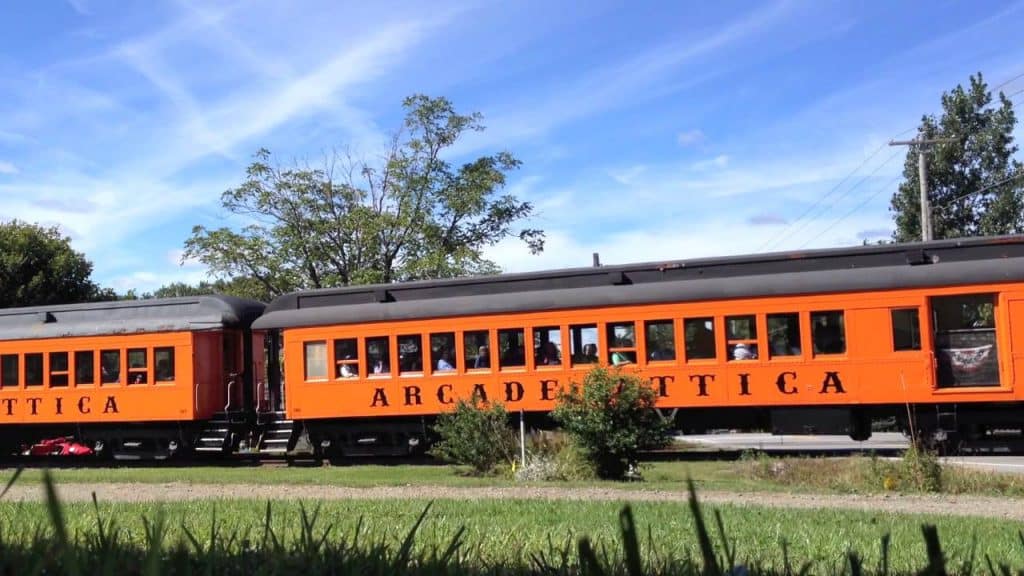
    Arcade & Attica Railroad

    Excursion Trains in New York - Camping World
    Photo Credit: AARailroad.com

    In 1880 the Buffalo, Arcade & Attica Railroad began as a partial line between Attica, New York, and Pittsburgh, Pennsylvania. Begun as a narrow-gauge railway, the tracks were standardized in 1895. Less than 20 years later, decisions were made to close this section of the line.

    Local farmers and merchants needed the railroad for transporting livestock, products, and cargo so they pooled their money and came up with $79,000 to purchase the line, creating the Arcade & Attica Railroad Corporation. They still retain ownership, and the railway continues running freight services and passenger excursion trains.

    Railway and Locomotive Types

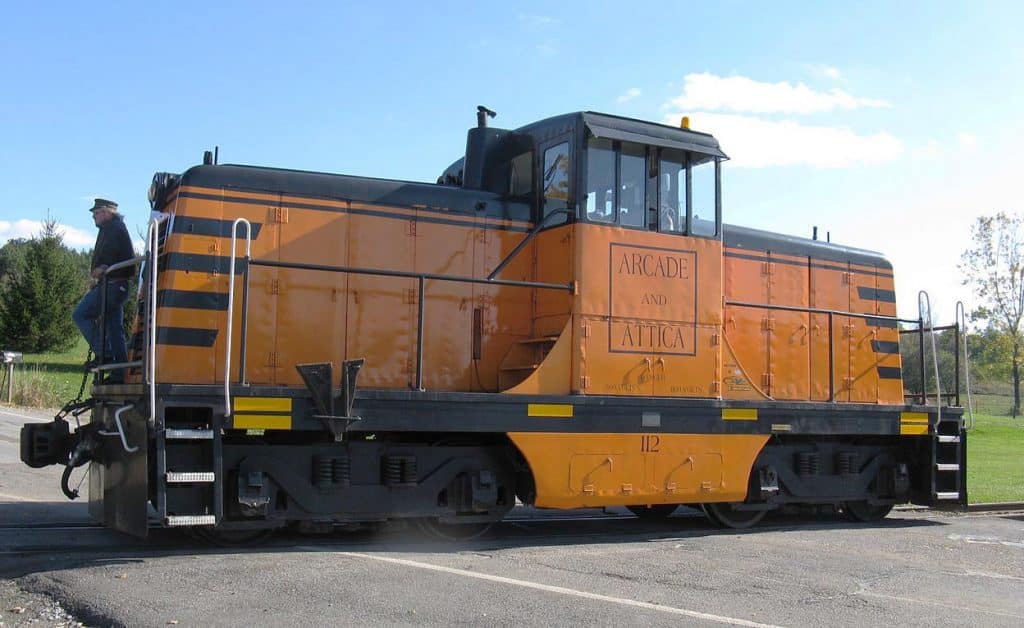
    Running on standard gauge rails, the Arcade & Attica moves its scheduled weekend trains with a steam engine. However, the engine is in for much needed repairs and a vintage World War II diesel will be pulling rolling stock for all trains during the 2019 season.

    Seating Options

    Excursion Trains in New York - Camping World
    Photo Credit: Shinerunner (CC BY-SA 3.0)

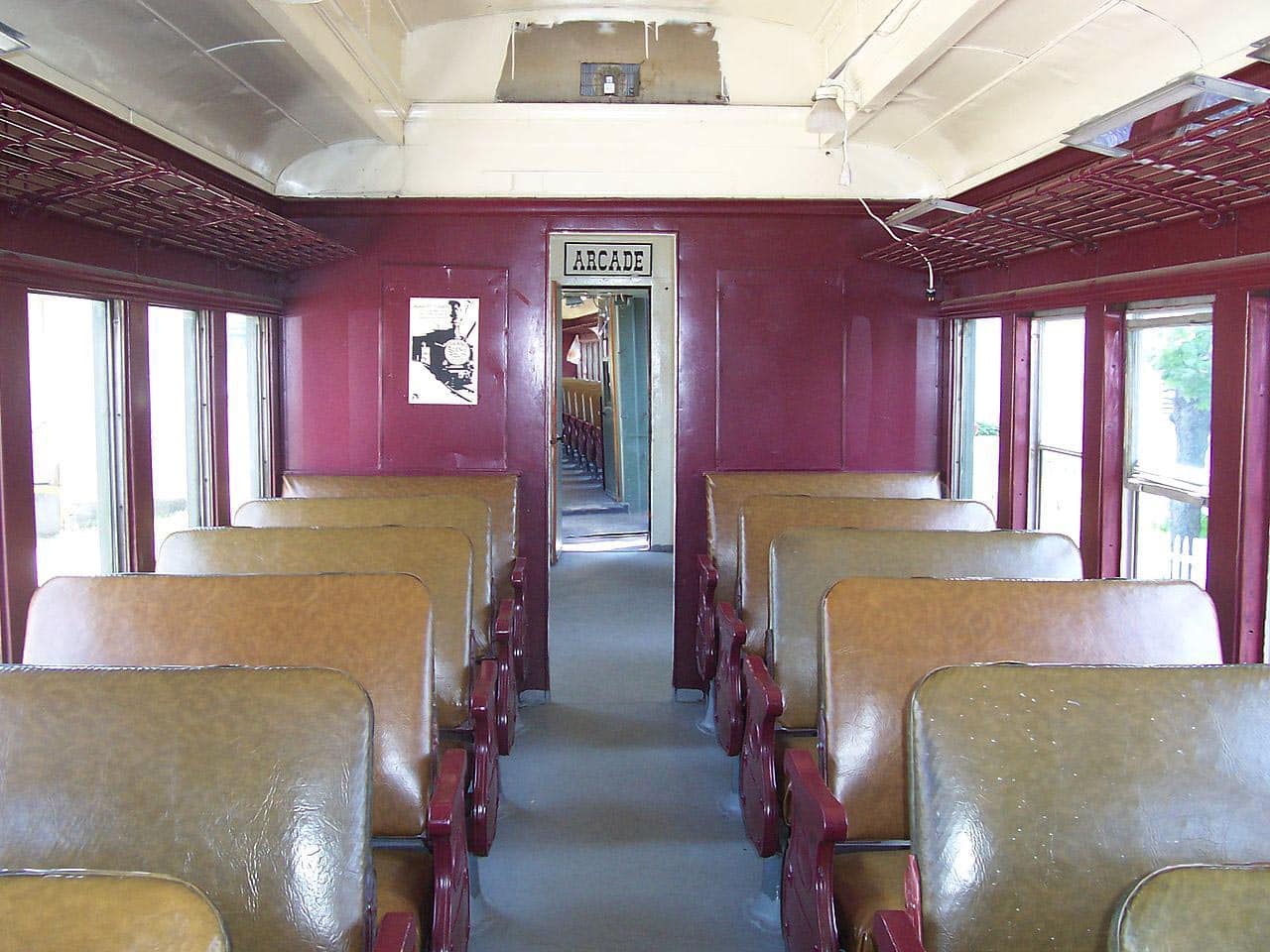
    All seating is coach class, with assigned seating in any one of six enclosed coaches. The round trip from Arcade to the Curriers Station takes approximately 90 minutes, including uncoupling the engine and moving it to the back of the train for the return trip to Arcade.

    Riding Options

    All train rides originate at the Arcade depot, traveling to Currier Station, where the engine is uncoupled and moved to the back of the train for its return trip. There are no side trips available.

    Specialty Trains

    Excursion Trains in New York - Camping World
    Photo Credit: Jim Duell (CC BY-SA 2.0)
    • Civil War Weekend Train – Enjoy a two-and-a-half-hour round-trip train outing with Civil War reenactors and demonstrations.
    • Murder Mystery Dinner Theater Train – Discover who killed a fellow train passenger, while you enjoy a catered dinner and a scenic ride on the rails.
    • May the Rails Be With You – Come dressed as your favorite Star Wars character for a train ride that even Jabba the Hut would enjoy!

    Length of Season

    The Arcade & Attica Railroad runs every weekend from Memorial Day through the end of October. Specialty trains take place on specific dates throughout the year. Check out the train schedule to find your perfect trip.

    Catskill Mountain Railroad

    Excursion Trains in New York - Camping World
    Photo Credit: CatskillMountainRailroad.com

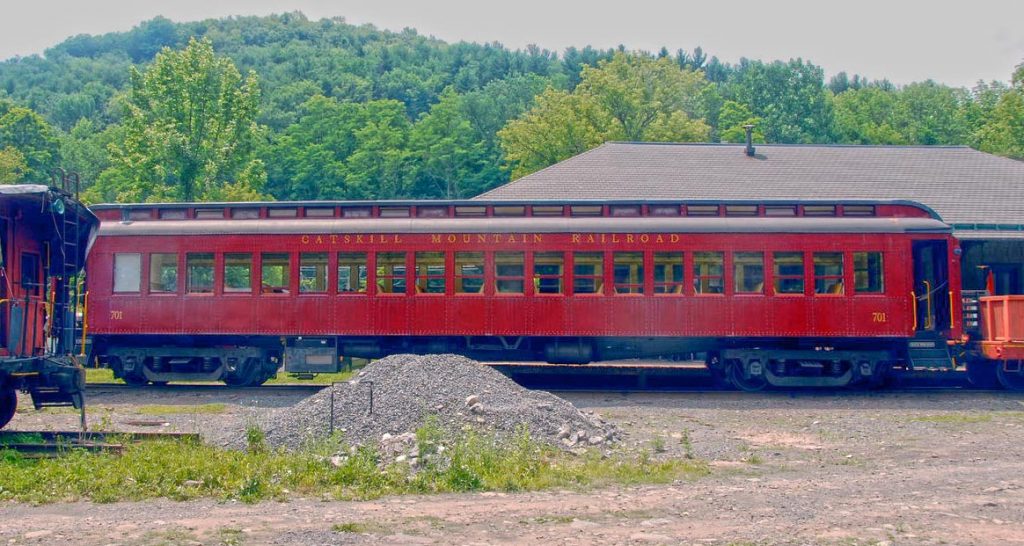
    Built in 1868, the Catskill Mountain Railroad has descended from the Rondout & Oswego Railroad and is considered a heritage railway, connecting the Hudson Valley with the Catskills. Originally created to haul quarried rock, cargo, and farm products to New York City, today the railroad offers passengers transport through the scenic landscapes of the Catskill Mountains, just as it took vacationers to the hotels and camps in the region for the last sixty years.

    Railway and Locomotive Types

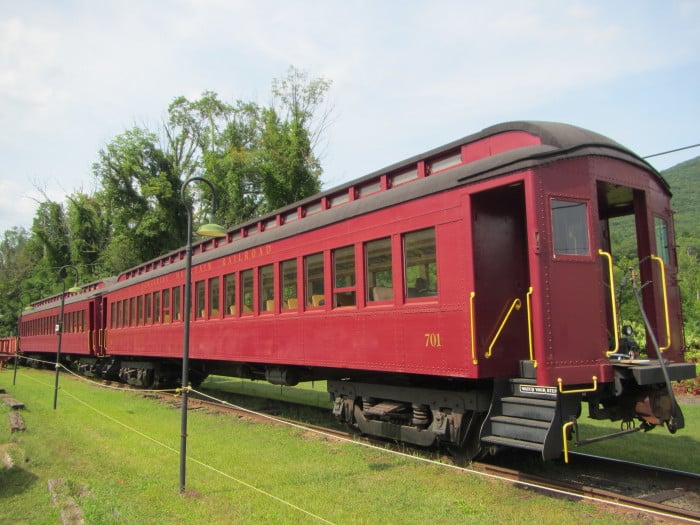
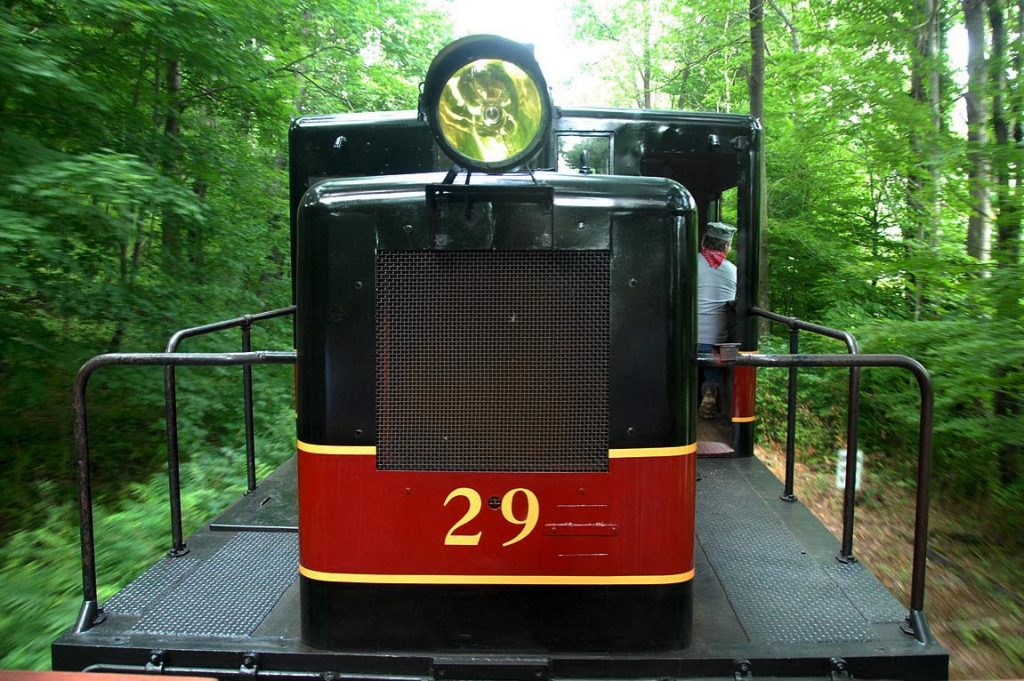
    The Catskill trains are pulled by diesel engines on standard gauge track. The rolling stock consists of Kingston coaches made by Pullman and restored swift electric coaches.

    Seating Options

    Excursion Trains in New York - Camping World
    Photo Credit: Roy Smith (CC BY-SA 3.0)

    All trains, with the exception of the Polar Express, are open seating in general admission on any of the enclosed coach or open gondola cars. Passengers may move throughout the train, but children must be accompanied by an adult.

    Riding Options

    The train leaves the Kingston depot, venturing up Hurley Mountain and eventually returning to Kingston. There are no one-way tickets or side trips available.

    Specialty Trains

    Excursion Trains in New York - Camping World
    Photo Credit: Roy Smith (CC BY-SA 3.0)
    • Great Train Robbery – Celebrate the legend of the Great Train Robbery as depicted in the 1903 silent movie that was filmed on New York rails. Hold on to all of your valuables on this train!
    • Peace Train – Several Peace Trains are scheduled throughout the summer with live musicians and entertainment for the whole family.
    • Rails of Terror – Take a ride on haunted rails, if you dare! A cast of characters will strike terror in the hearts of passengers on this frightening train.
    • Polar Express – Read along with the classic story as passengers snack on cookies and cocoa, while their golden tickets are punched. Then watch for Santa at the North Pole as he and his helpers hand out silver bells and sing Christmas carols. Children from 1 to 92 will enjoy this holiday train.

    Length of Season

    The Catskill Mountain Railroad runs trains from Kingston, New York on Saturdays from June through Labor Day, with specialty trains scheduled on specific dates well into December. Take a look at the train schedule for days of service.


    Join the thousands of RVers that have a love affair with trains and ride the rails on your next camping trip. Check out the other excursion trains available on a state-by-state basis in our series, RVing the Rails.


    Source link

  • Camping World’s Guide to RVing Wrangell-St. Elias National Park

    Camping World’s Guide to RVing Wrangell-St. Elias National Park


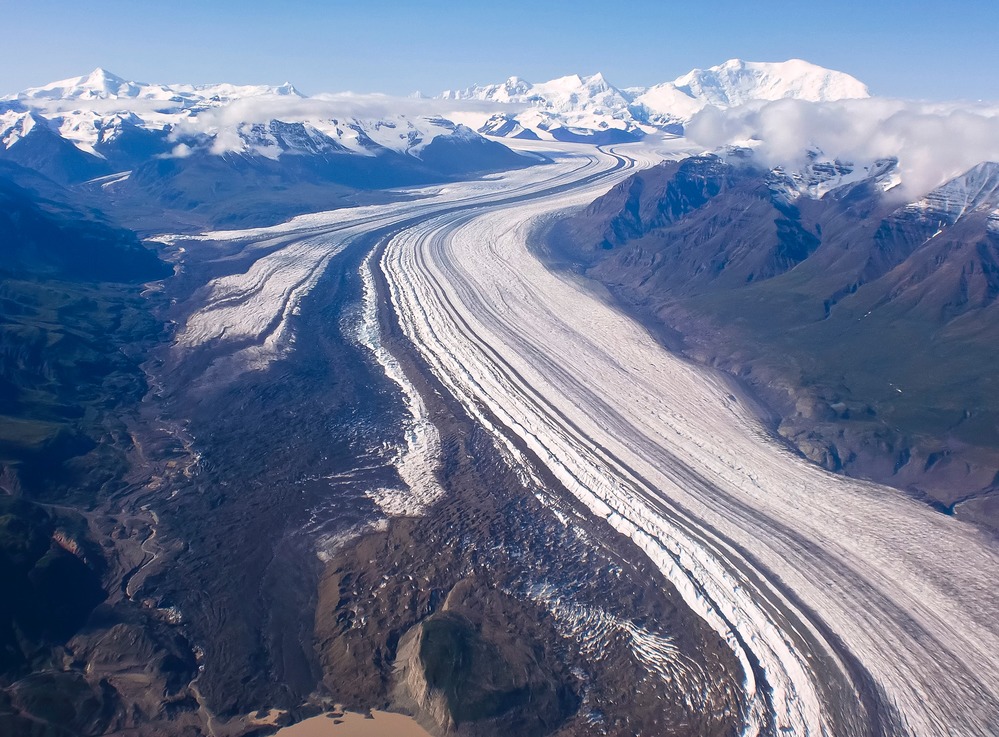
    Many people who live in “the lower 48” have never heard of our nation’s largest national park. Wrangell-St. Elias is massive, covering more acreage than six Yellowstones combined! It’s an enormous wilderness that encompasses 18,000-foot mountain peaks, tidewater glaciers that calf into the sea, and resident wildlife like moose, bear, Dall sheep, and elk.

    One active volcano melts snow from its summit, while extensive glaciers scour the landscape around it. From fishing in Icy Bay to catching a live one in a mountain river, visitors can experience the park’s charms from the air, by sea or by foot, absorbing the entire “Alaskan Experience” in one national park.

    History of Wrangell-St. Elias National Park

    Photo Tripping America - Wrangell-St. Elias - Camping World

    The vast wilderness of Southeastern Alaska was only known to local Ahtna tribes, as the first recorded people here since 1000 AD. The first explorers from outside the area were Russian fur traders in 1741, but the Ahtna people fought hard to keep their land, running out all intruders until the gold rush in Klondike Territory brought miners through the region.

    Seeing the natives’ tools made of copper, the miners began exploring for mineral’s source, and eventually engineer Stephen Birch opened the Alaska Copper and Coal Company at Kennecott in 1903 to take copper sulfide from the ground.

    Just five years later protection for the region was suggested by the US Forest Service, but it wasn’t until 1969 that a proposal to make the wilderness “Wrangell Mountain Scenic Area” was put forth. This was considered one way to allow resource development while offering recreation and some preservation. The state of Alaska did not agree and the measure was thrown aside.

    In 1978 the Wrangell–St. Elias National Monument was named, but many Alaskans felt the action was nothing more than a federal land grab, with no funding set aside for park operations. However, within two years Wrangell-St. Elias National Park and Preserve was founded, with 8,147,000 acres set aside as national park land and 4,171,000 acres as a preserve.

    Why Visit Wrangell-St. Elias National Park in Your RV?

    Photo Tripping America - Wrangell-St. Elias - Camping World

    As with many of the larger national parks, there are few roads within Wrangell-St. Elias. However, RVs can travel many miles on each of the two pathways through the park. The visitor center at Copper Center offers several trails to hike right from their spacious parking lot.

    Bringing your motorhome or travel trailer this far into the Alaskan wilderness would truly be a trip of a lifetime! Park at one of the entrance centers and enjoy hiking and fishing from your door!

    Places to Go

    Here’s a look at just some of the places you can visit while in the park.

    Copper Center Visitor Center

    A campus-like setting with several buildings housing the ranger station, a theater, book store and the Ahtna Cultural Center lies just off the Richardson Highway. This is a great place to give travelers an overview of this enormous national park.

    Check on road conditions, get permits and utilize the expertise of the park rangers regarding exploration and wildlife activity in the area.

    Ahtna Cultural Center

    A fascinating display of the history, art and community of the local Ahtna people is located within the Copper Center Visitor Center.

    Kennecott Mines

    Photo Tripping America - Wrangell-St. Elias - Camping World

    A 14 story old copper mine and mill sits abandoned in the Alaskan backcountry. This relic is worth the effort it takes to get there, and visitors can enjoy a guided tour or stay at a mountain lodge close by.

    Yakutat Region

    The southern entrance to the park is a small town serviced by the Alaskan State Ferry System in the summer. It provides a launching pad for visitors to enjoy tidewater glaciers, sea kayaking, fishing and wildlife viewing.

    McCarthy

    Photo Tripping America - Wrangell-St. Elias - Camping World

    The town of McCarthy sits close to the Kennecott Mines, with a vibrant history and a colorful presentation today. There are three or four restaurants (including a coffee house) and several lodging options in this small surprising village.

    Things to Do

    There’s plenty to do at the park, and you’re bound to never have a dull moment. Here’s a look at some activities.

    Guided Tours

    Ranger-led tours occur during the summer months from three different locations:

    • Wrangell-St. Elias Visitor Center at Copper Center
    • Slana Ranger Station
    • Kennecott Visitor Center

    In addition, St. Elias Alpine Guides takes visitors through the Kennecott Mines on a paid tour.

    Backpacking

    Photo Tripping America - Wrangell-St. Elias - Camping World

    The sheer enormity of Wrangell-St. Elias makes it a backpacker’s dream to explore. However, it is very rugged and undeveloped land, so be prepared for the difficulties that can come with that. Some backpackers hire a guide who is familiar with the region or take a small plane into a specific area within the park.

    Mountaineering

    Photo Tripping America - Wrangell-St. Elias - Camping World

    Only suggested for the most experienced mountaineer, this park offers amazing landscapes of ice fields, foothills, and peaks. Climbers must be well-prepared with the appropriate equipment and experience because rescue help is very limited.

    Boating

    Float trips with or without guides are available on several rivers with Class III rapids, and sea kayaking on Icy Bay can be accessed via bush planes. Please remember the planes are small, so most travel with inflatable kayaks.

    Sport Hunting

    Hunting is allowed in Wrangell-St. Elias by permit. Hunters must be well versed in the state regulations, as out-of-state hunters must be accompanied by a guide in order to hunt some species.

    Fishing

    Photo Tripping America - Wrangell-St. Elias - Camping World

    Wrangell-St. Elias has an enormous array of fish species, including salmon, trout, grayling, Dolly Varden and whitefish. Fishing here requires an Alaskan state fishing license, and limits vary by species and area. You might even end up with an extra fishing buddy!

    Camping

    All of the campsites within Wrangell-St. Elias are primitive, although most have access to water. Some are off the beaten path, whereas others are along well-traveled routes. Here is a map and list of all public land campsites.

    When to Visit Wrangell-St. Elias National Park

    Photo Tripping America - Wrangell-St. Elias - Camping World
    Photo Credit: NPS Bev Goad

    Summer is the prime season to enjoy hiking and touring the park and Kennecott Mines. However, winter brings its own set of skills for those who enjoy snowshoeing or cross-country skiing. Since many wish to view Wrangell-St. Elias by air, any season is a great time to book a flightseeing tour!

    Where RVers Can Stay

    As there are only two roads within the park, there are no campgrounds that allow RVs. However, several private campgrounds outside of park boundaries have hookups and dump stations. You will find the greatest number of these near the Copper Center region.

    Getting to and Around Wrangell-St. Elias National Park

    Photo Tripping America - Wrangell-St. Elias - Camping World

    Arrival at the park is limited to a few modes of travel. Drive the Richardson Highway to Copper Center (the visitor center is right off the highway), then continue down the Richardson to Highway 10 (toward Kenny Lake) and one of the park’s entrances. Or drive north of Glennallen, taking the Glenn Highway to the town of Slana and the Nabesna Road entrance. Bush planes or boats will lead visitors to the southern entrance of the park at Yakutat in Icy Bay.

    There are only two roads within Wrangell-St. Elias: the Nabesna Road on the north side of the park is usually passable by two-wheel drive vehicles up to mile marker 29. After that four-wheel drive is strongly suggested. The second and much more popular path into the park is by McCarthy Road.

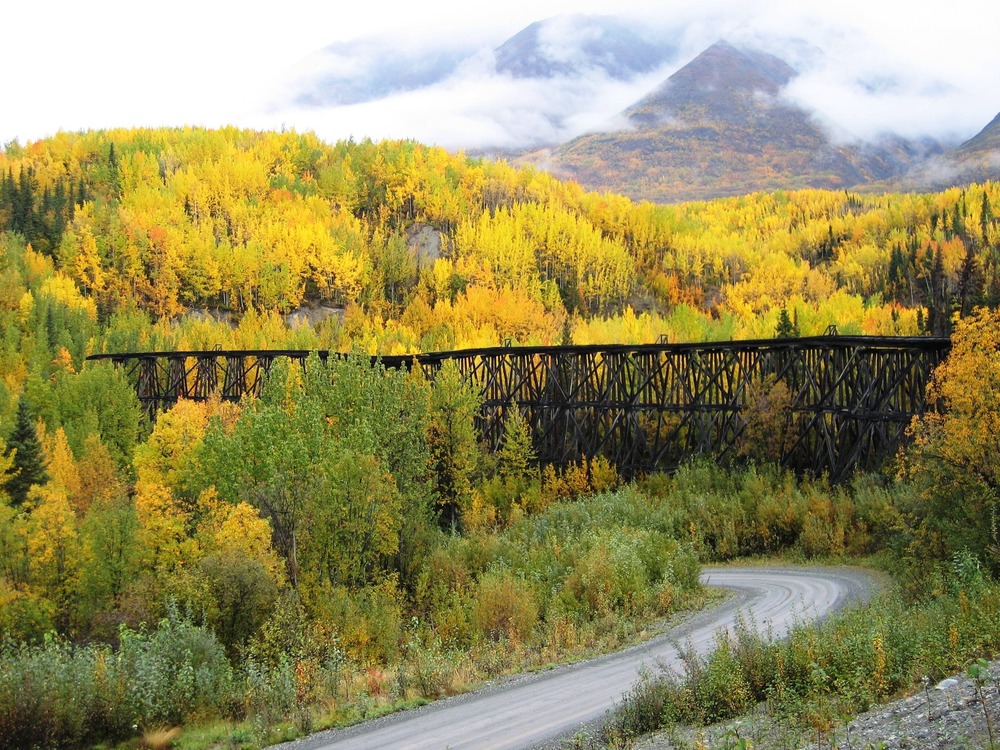
    Most normal passenger vehicles can access this road. However, a 60-mile portion was built over existing railroad beds and it is a slow trip (about 35 mph). Otherwise, there are shuttles from the town of Glennallen or from Chitina.

    Alaskan Grandeur

    Photo Tripping America - Wrangell-St. Elias - Camping World

    The vast wilderness of Wrangell-St. Elias National Park is home not only to stunning landscapes, topography and wildlife, but it encapsulates the American sense of adventure. Where else can one climb from sea level to 18,000 feet, venture down rushing mountain streams or hike across immense ice fields within the same boundaries? This park is Webster’s definition of expansive grandeur.


    Have you ever wanted to go to the Wrangell-St. Elias National Park? Leave a comment below.


    Source link

  • SftR 070: Learn How to Make Money and RV with Live Camp Work

    SftR 070: Learn How to Make Money and RV with Live Camp Work


    SftR 70 - Learn How to Make Money and RV with Live Camp Work

    In this episode, Sam interviews Sharee Collier, the founder of www.LiveCampWork.com, an online website delivering information and resources on jobs for RVers and making money while you travel. She’s the author of the best-selling book, Live Camp Work: Make Money & RV Full-time, the host of the Live Camp Work Podcast, and a full-time RV traveler with her husband and 4 kids.

    Sharee is also the host of the upcoming Make Money and RV Virtual Summit! Learn how to RV full-time, part-time, or seasonally and make cash along the way with this FREE online event, featuring 35+ experts in the RV industry. Join the event from August 5th-9th to learn everything you need to know about making money on the road!

    Sign up for the Make Money and RV Virtual Summit here.

    Some highlights from this episode:

    • 0:30 – Hitting the road
    • 4:30 – Starting Live Camp Work
    • 10:30 – The Make Money and RV Virtual Summit
    • 17:30 – What’s next for Sharee?
    • 20:00 – The Live Camp Work Podcast and workamping jobs

    Make Money and RV Virtual Summit

    Learn about workamping, remote careers, small businesses & location independence! Enjoy stories from the road with practical advice, tips and insider information. It’s a whole week of content about making money and RVing. You can watch all of the videos during the live event for FREE, as well as upgrade to a paid ticket to watch the videos later at your convenience. The event is just around the corner on August 5th-9th, so be sure to get your free ticket!

    Sign up for the Make Money and RV Virtual Summit here!

    Links mentioned in this episode:


    Source link

  • Excellent Gas Class A Motorhomes Under 28 Feet Long

    Excellent Gas Class A Motorhomes Under 28 Feet Long


    While towable RVs are great, sometimes a motorhome is the better option. Sure, you could go with a Class B or Class C motorhome, but a Class A will be the right choice in many situations. Class A’s provide quite a lot in terms of features and amenities.

    I know that when most people think Class A motorhomes, they think massive RVs, but it doesn’t have to be that way. there are many good Class A models that are a bit on the shorter side. Here are some Class A RVs that measure at or under 28 feet in length.

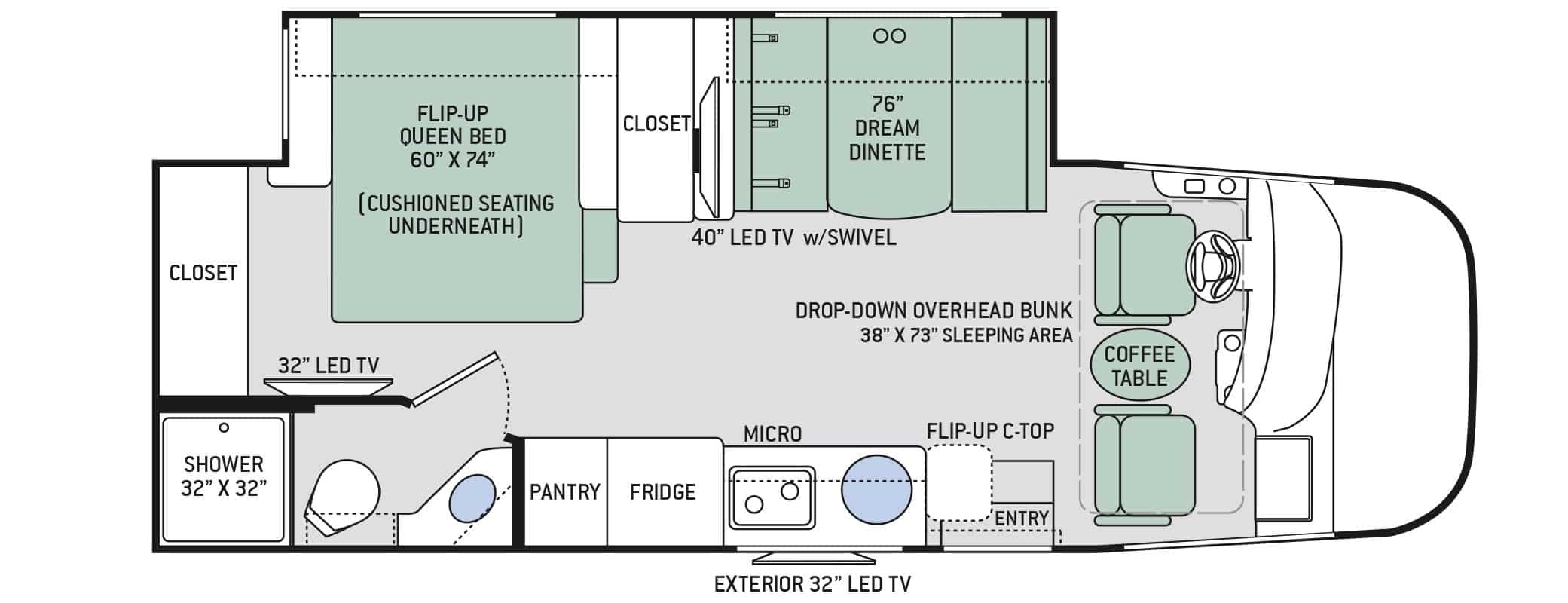
    2019 Thor Axis 25.6

    Thor Motor Coach Axis 25.6

    The Thor Axis 25.6 offers a single large slide-out that opens up the floorplan. In the slide-out sits a  Dream dinette, a flip-up queen bed, and a sofa. There’s also a closet and a TV. On the camp side of the RV, is the kitchen and bathroom. There’s also another TV on the wall. The floorplan also includes a drop-down bunk at the front of the unit and a closet at the rear.

    The model comes built on a ford E-450 chassis with a 6.8L Triton V10 that makes 305 hp and 420 lb-ft of torque. It can sleep up to five people and measures only 26 and a half feet in length. This makes it easily maneuverable on the road and it should mean that the model gets better gas mileage than some of the other, larger Class A models out there.

    Check Our Inventory

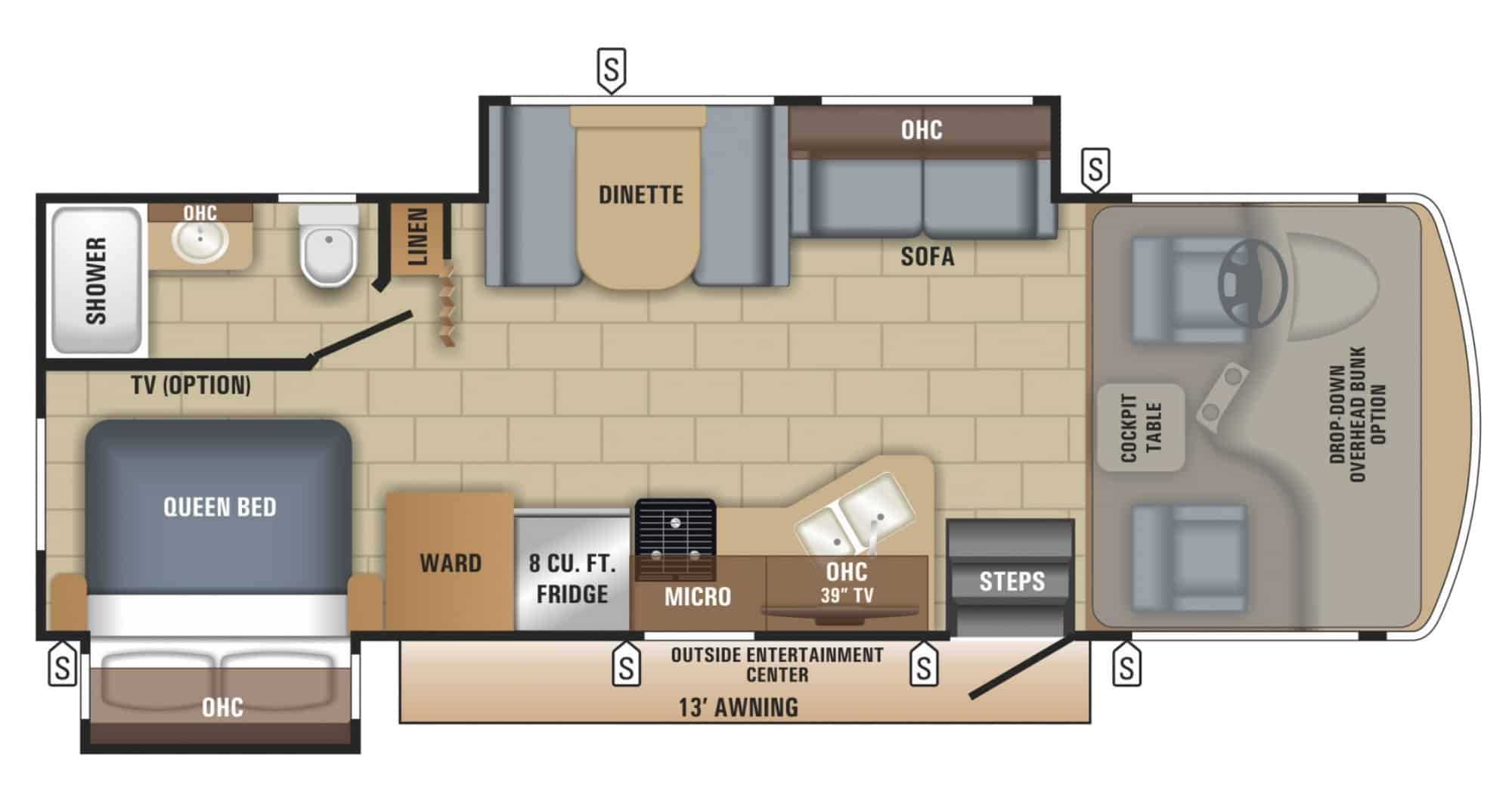
    2019 Jayco Alante 26X

    Jayco Alante 26X

    If the Thor model above doesn’t do it for you, then check out the Jayco Alante 26X. This unit features two slide outs, one on either side of the RV. One slide out is for the queen bed. The other is for the dinette and a sofa. On the camp side of the RV is the kitchen. There’s also a wardrobe next to the kitchen. The bathroom in this unit is on the driver’s side of the RV. Like with most Class A RVs, there’s a drop-down bunk at the front over the driver’s cabin.

    The Jayco Alante 26X is a little longer than the Thor model. It measures nearly 27 and a half feet. This offers a bit more space without making the coach much bigger overall. The model is built on the Ford F53 chassis, which features the 6.8L Triton V-10 that makes 320 hp and 460 lb-ft of torque. This unit sleeps up to six people.

    Check Our Inventory

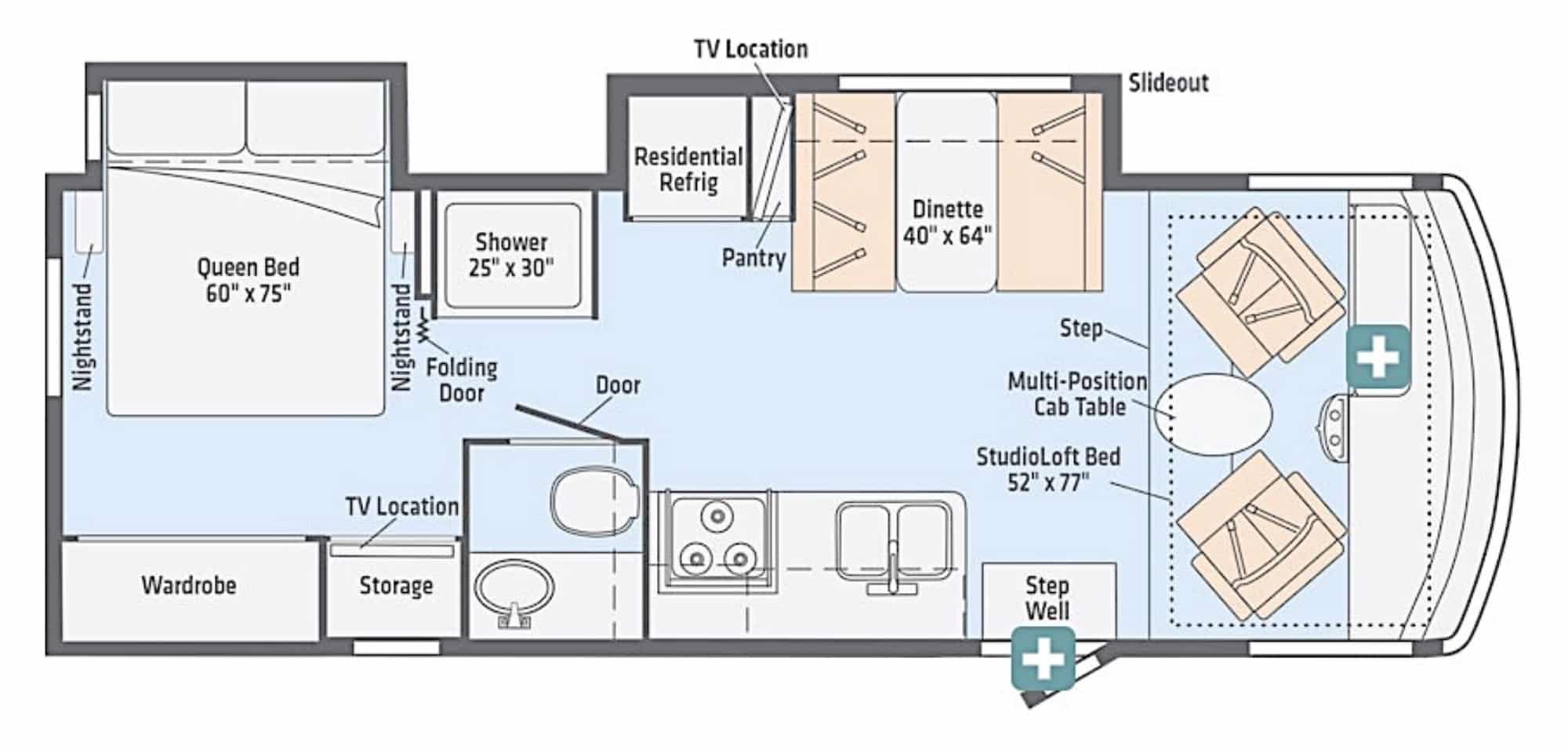
    2019 Winnebago Intent 26M

    Winnebago Intent 26M

    Last but certainly not least, we have the Winnebago Intent 26M. This unit has two slide outs, but unlike the Jayco above, both of the slide outs are on the same side as the driver. The one towards the front of the unit features the dinette, refrigerator, and pantry. The slide at the rear of the unit features a queen bed. There’s a shower on that side of the RV, too. On the opposite side is most of the kitchen and the toilet and bathroom sink. There’s also storage areas and a TV. At the front of the unit is a drop-down bed, as you’d expect.

    The Intent 26M is built on the Ford F53 chassis like the Jayco model shown above. It features the same Triton V10 engine tuned to 320 hp and 460 lb-ft of torque. The model sleeps up to five people and measures under 27 feet in length, keeping the model short for maneuverability.

    Check Our Inventory


    Have any models you think that should be included on this list? Leave a comment below!


    Source link

  • WWOOFing Across America in a RV, For (Almost) Free

    WWOOFing Across America in a RV, For (Almost) Free


    If you’ve ever imagined setting up camp in wine country, California, or on a gorgeous sprawling ranch just outside of Yellowstone National Park, but couldn’t front the costs at the time, you may be interested in the Worldwide Organization of Organic Farming (WWOOF).

    Where Does WWOOF Happen?

    Photo by Jacob Stone from Unsplash

    Many WWOOF opportunities exist just outside of highly-desirable, and often cost-prohibitive locations, placing them within an average (or frugal) camper’s reach. WWOOF sites exist around popular skiing locations, amusement parks, world-acclaimed museums, major cities, and beyond.

    WWOOFing offers a unique opportunity for campers to have access to such sites at dramatically-reduced costs. If you have an interest in sustainability, travel, and learning more about the culture and community of whatever locale you’re visiting, joining WWOOF is an excellent option for you.

    What Is WWOOF Exactly?

    Photo by Thomas Gamstaetter from Unsplash

    The WWOOF movement links volunteers with organic farmers all around the world, offering unique opportunities for full-timers, part-timers, and workampers alike. Full-time RVers might be especially interested in this organization, as it allows for travel without additional expenses. Many WWOOF farms will even feed you three square meals a day in exchange for a few hours’ work. 

    Every WWOOF site is different. As a WWOOFer and RVer, you’d have an endless amount of places to go, set up camp, and gain firsthand experience of the land and culture of the place you chose to visit. WWOOF USA offers over 2,100 sites to choose from. Simply choose your destination, choose a timeline (open now; immediate availability; or open next season) and length of stay, and select a farm type. Vineyards, homesteads, ranches, orchards, communities, and more are offered as farm type options. 

    WWOOF farms often have full hook-up for rigs, making long-term stays a breeze. Workampers and short-term campers will find plenty of opportunities through the WWOOF organization. A free site to boondock temporarily outside of national parks or other vacation destinations would be worth a few hours of volunteering, particularly if you’re trying to preserve your cash flow.

    How Does It Work?

    Photo by Balkan Campers from Unsplash

    A single WWOOF membership costs $40 annually, and $65 annually for couples, which gives you access to all of the hosts’ contact information, details about their farms, reviews, ratings, and an automatic insurance policy that covers most accidents that might occur while volunteering. Volunteering can be easily tailored to individual needs: from a single-day visit to long-term stay, for an individual or the whole family.

    Typically, a day would consist of four to six hours of volunteering: the details of which you can work out beforehand, with the host farm. Hosts are expected to provide basic accommodations and meals. Some WWOOF sites offer a small wage, in addition to accommodations and meals.

    Be sure to ask about what projects are available before going, as hosts may require more hours during certain harvests and seasons. Before discussing the details of your stay, you’re encouraged to inquire about how your host will accommodate your RV or camper.

    You’ll also want to ask about the sites available for your stay. Is this a full-hookup site, complete with water, electric, and sewage? Is the site a pull-through, with easy drive-thru access? Does it have hose bibs for water access, a sani-dump or dump station for your wastewater, and hook-ups for electricity? If not, ask your host to provide and confirm details about where you can access these utilities for longer-term stays. Boondocking is definitely worth your consideration for short-term stays in desirable locations.

    Additional Things to Know about WWOOF

    Image by Tim Mossholder from Unsplash

    After your stay at the WWOOF site, you can leave a review and rating about your experiences. The host will, in turn, leave a review and rating for you. As a member, you’ll have access to all of the reviews left by previous volunteers, which you can access before even contacting the host.

    These two-way reviews include clear, factual accounts intended to help future volunteers find the right community for them, and to help hosts improve the experiences they provide for volunteers. Personal opinions and impolite accounts are discouraged, and third party information is never shared. Disputed accounts of WWOOF experiences are reviewed by their board. 

    In addition to the review and rating system for members and hosts, WWOOF offers a Verification Program for hosts, which ensures that the host is following these five requirements: 

    1. Practicing organic or sustainable growing methods.
    2. Providing an educational experience and sharing knowledge with WWOOFers.
    3. Providing adequate food for three meals per day.
    4. Providing suitable and sanitary living accommodations.
    5. Asking WWOOFers to help for a maximum of half a day (between four to six hours), five and a half days per week.

    These requirements are verified by a representative who has visited the site and confirms that the host is providing a safe, educational, and comfortable environment for volunteers. You’ll see the searchable, “WWOOF-verified” badge on the farm’s website. 

    Whatever site you choose, an adventure surely awaits! Explore the North American continent and beyond from the comfort of your home-on-wheels. Conserve your savings while visiting popular vacation destinations. Learn about, and foster a real connection to nature and the ways of the land while volunteering at the WWOOF site of your choosing.


    Have you ever volunteered with WWOOF or a similar organization? What was your experience? Leave a comment below!


    Source link